





 Daily Commute
 Lightweight & Portable
 Performance Rides
 Comfort With Seat
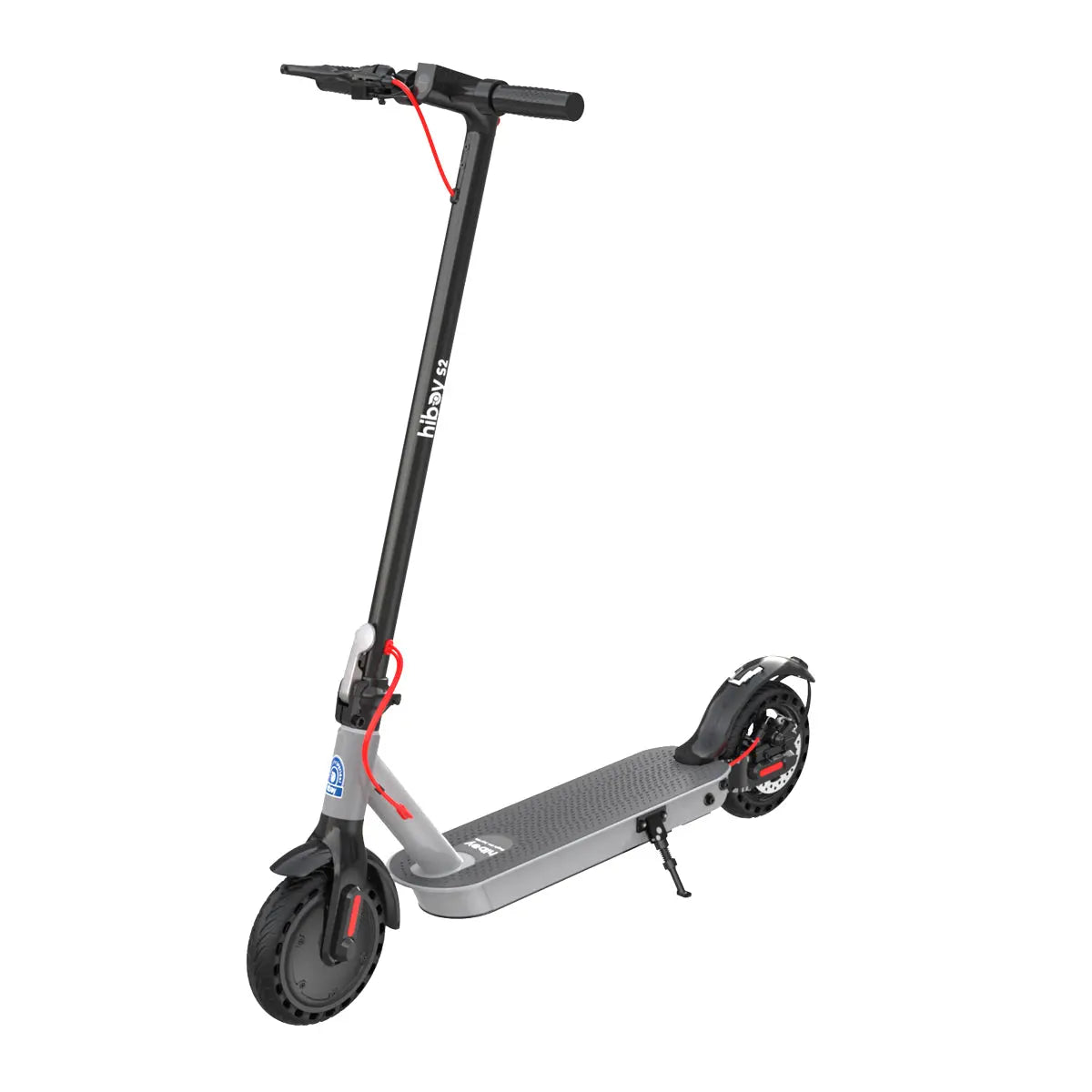 S2
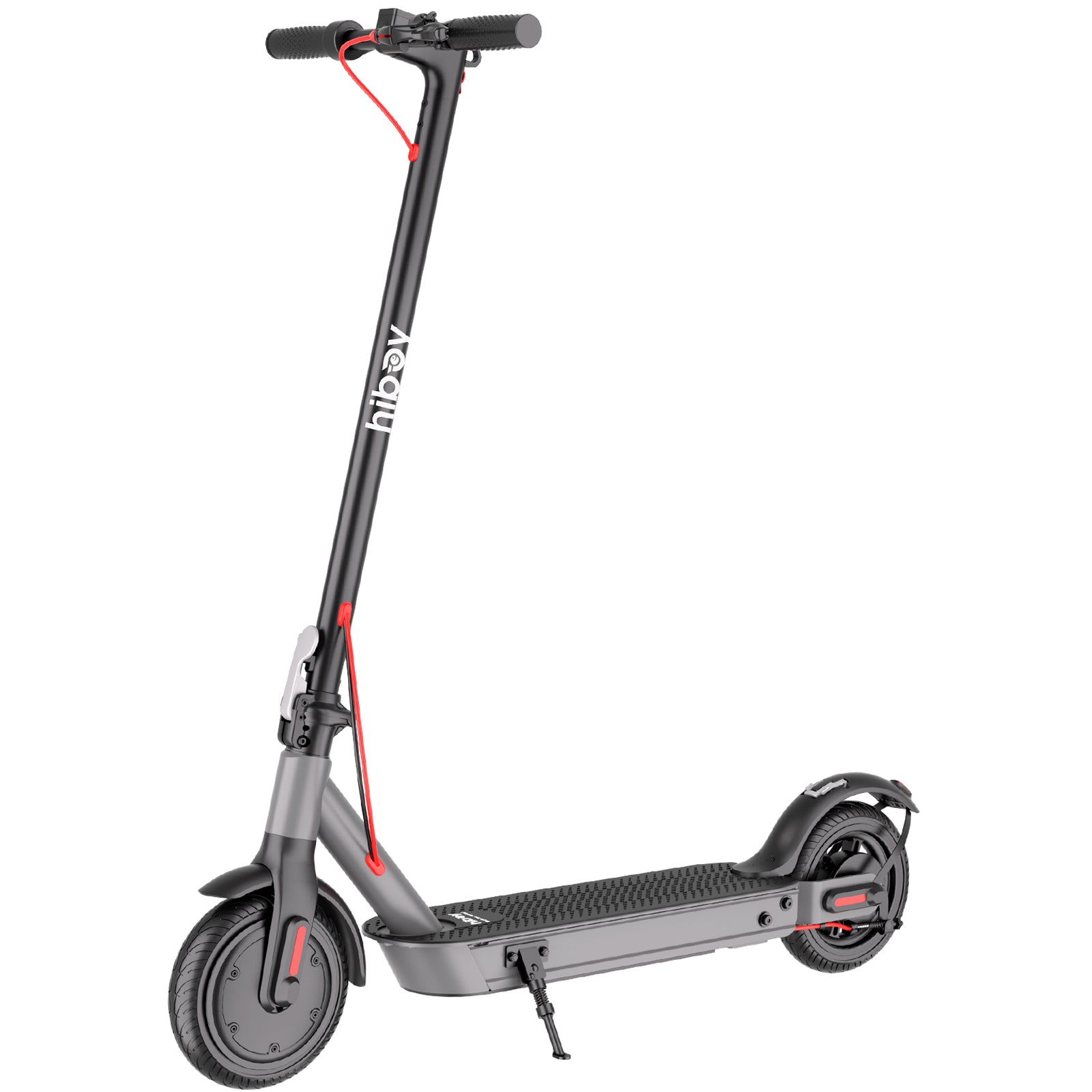 S3
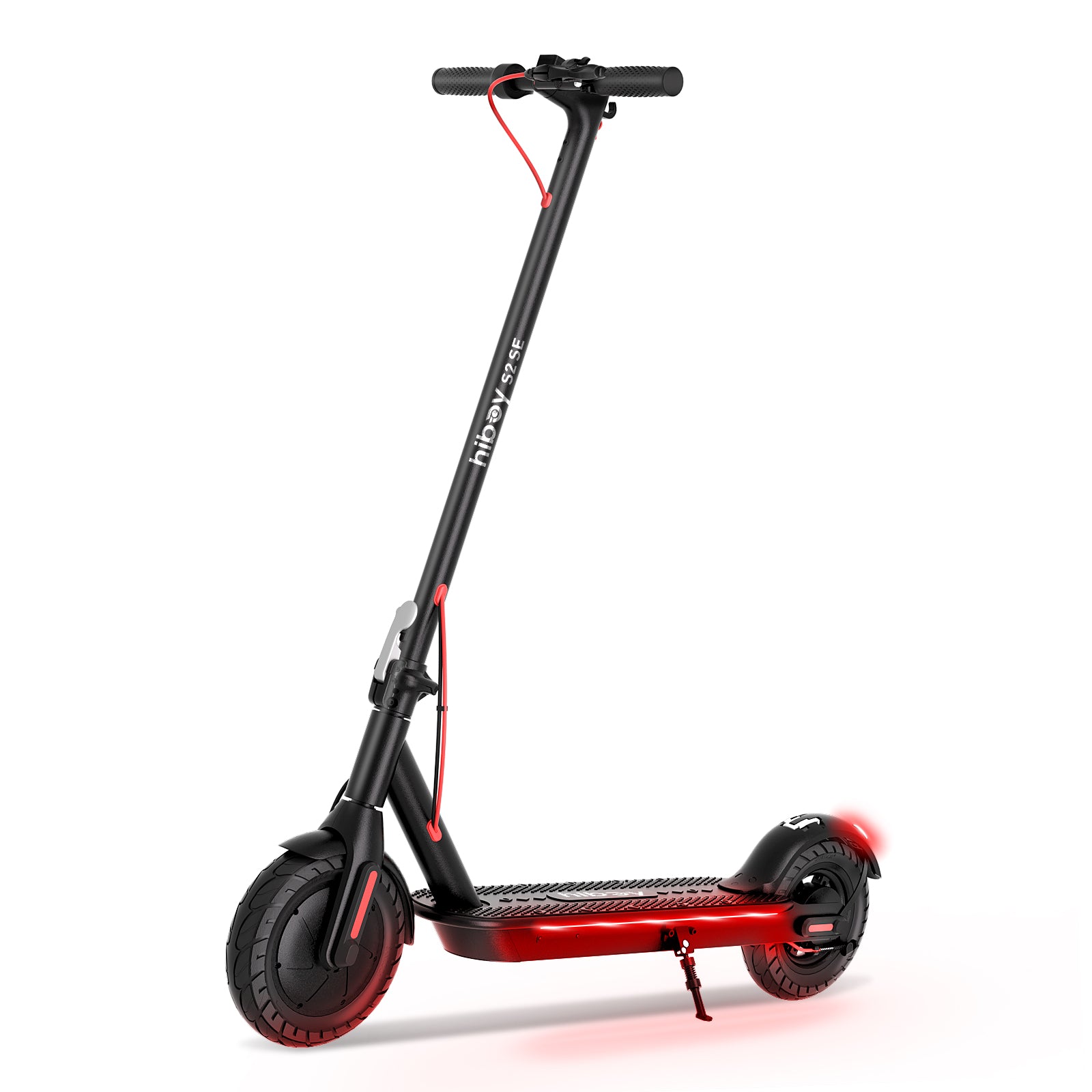 S2 SE
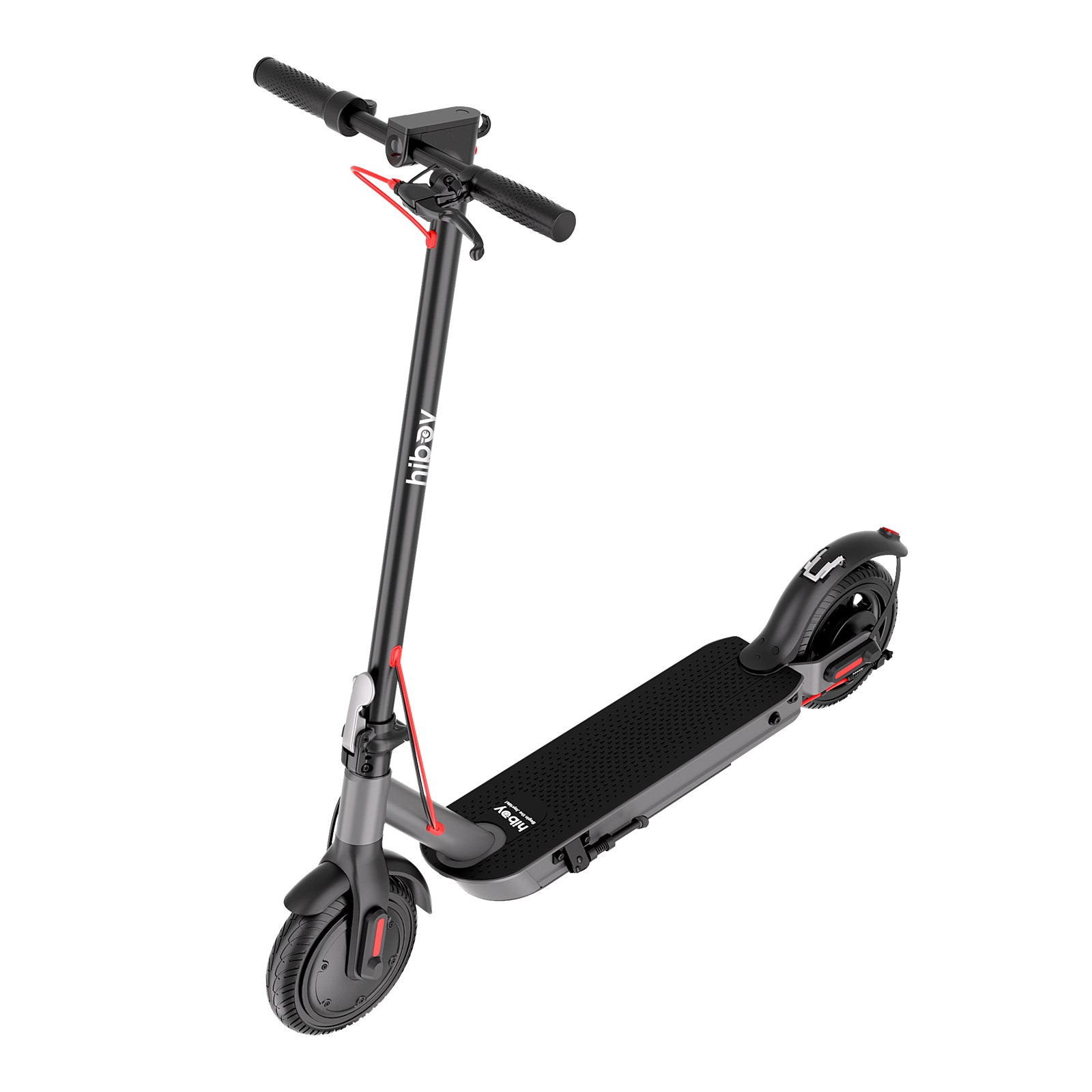 S2 Nova
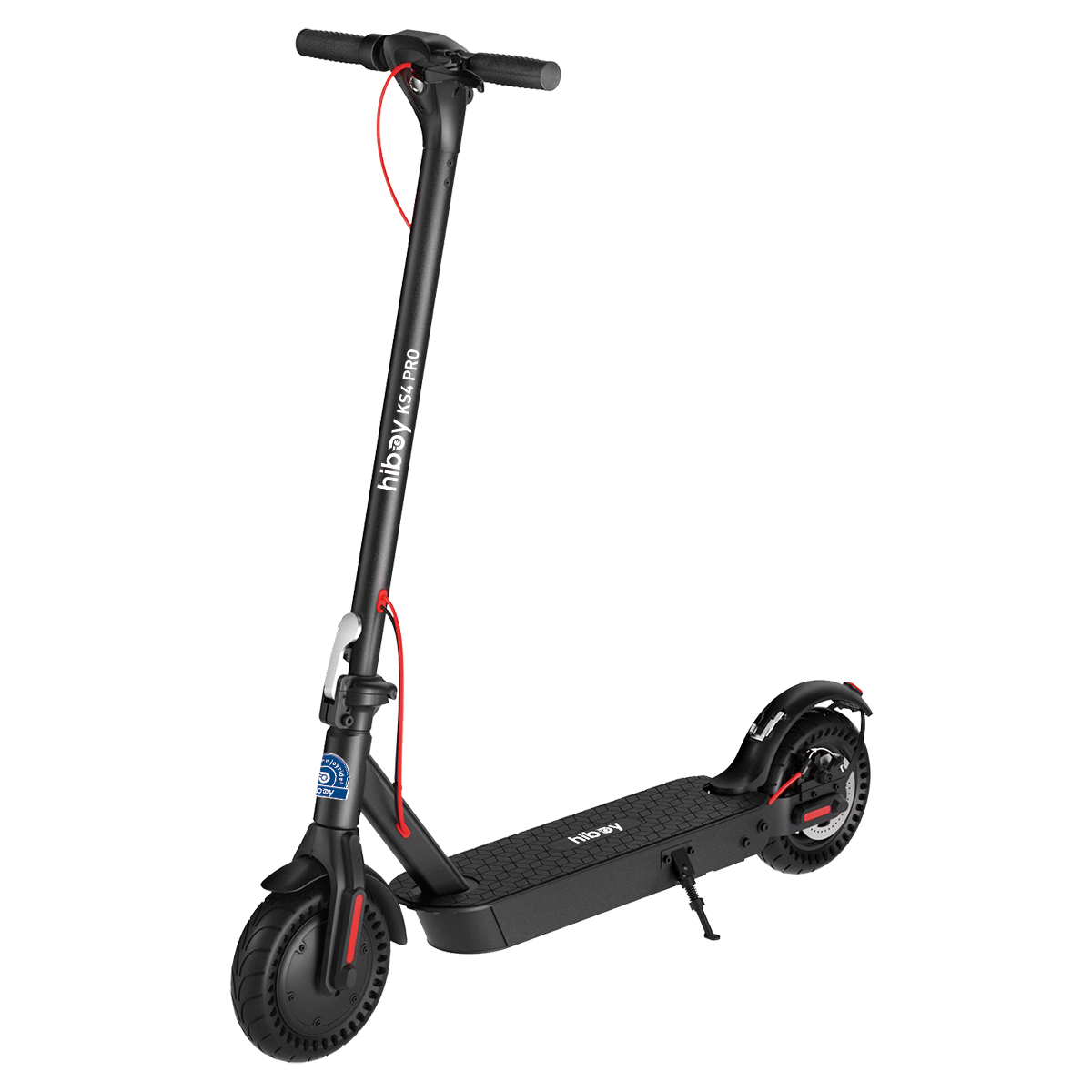 KS4 Pro
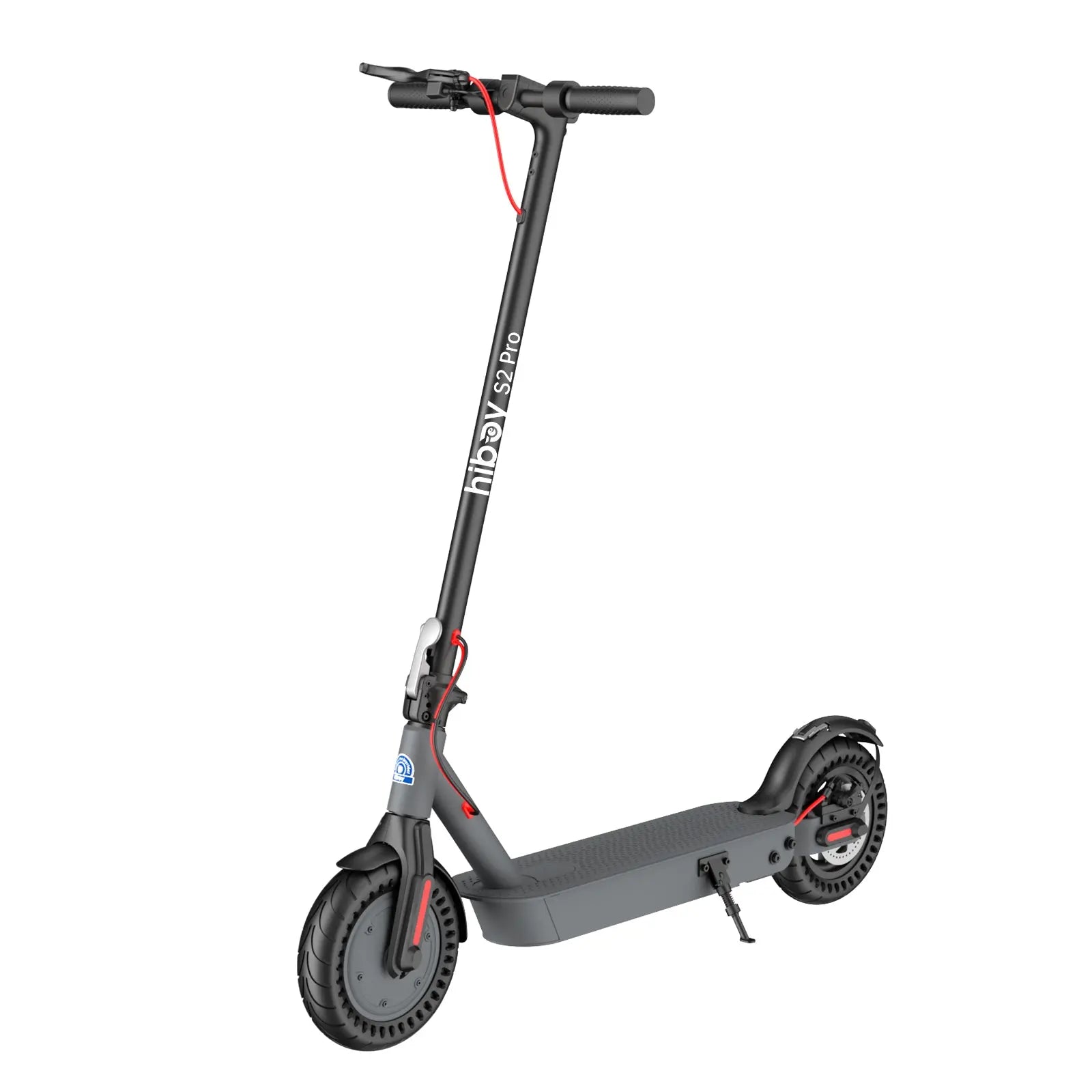 S2 Pro
 Compare Models
 Find Your Best Ride

 Daily Commute
 Off-road & Trail
 Folding & Compact
 Fat Tire Rides
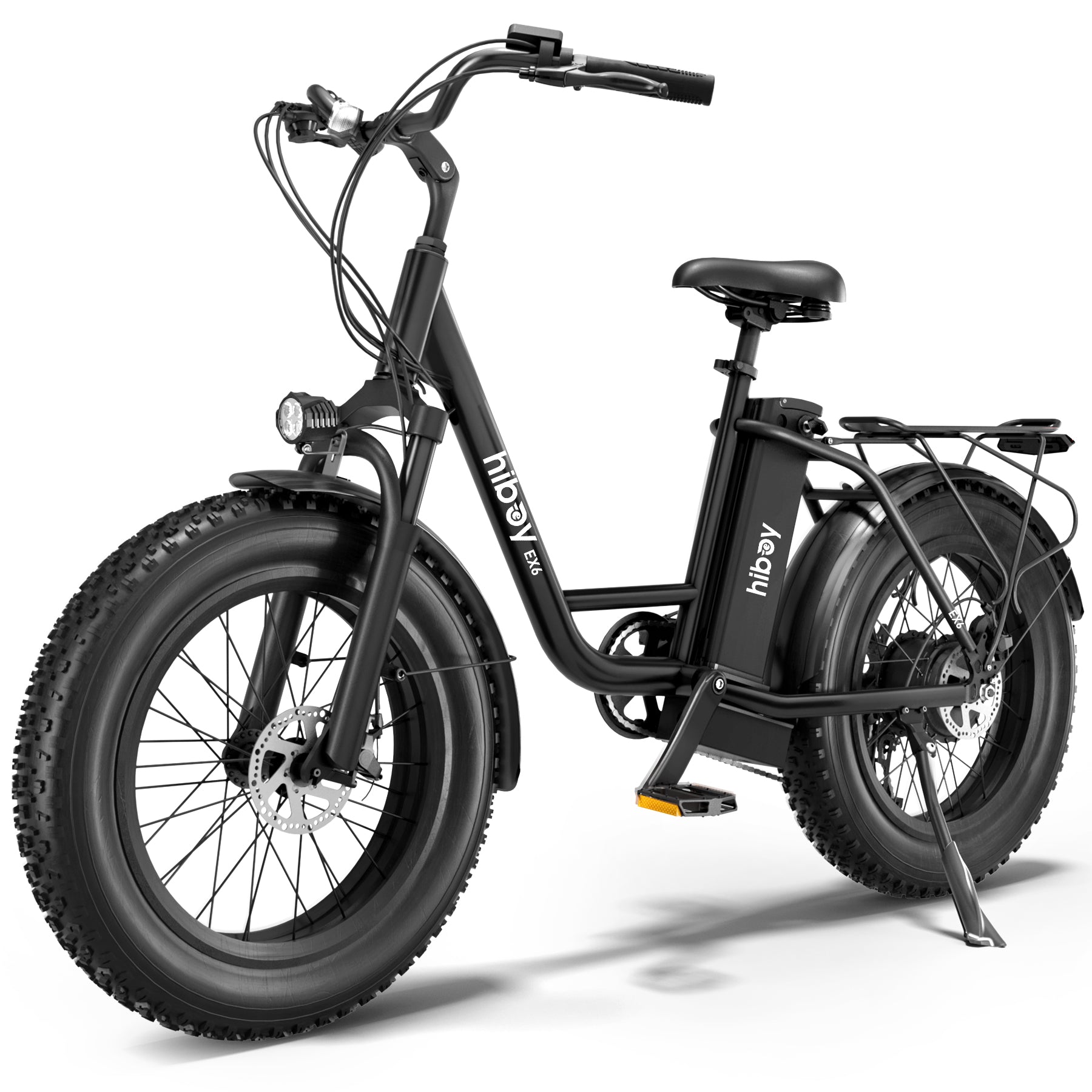 EX6
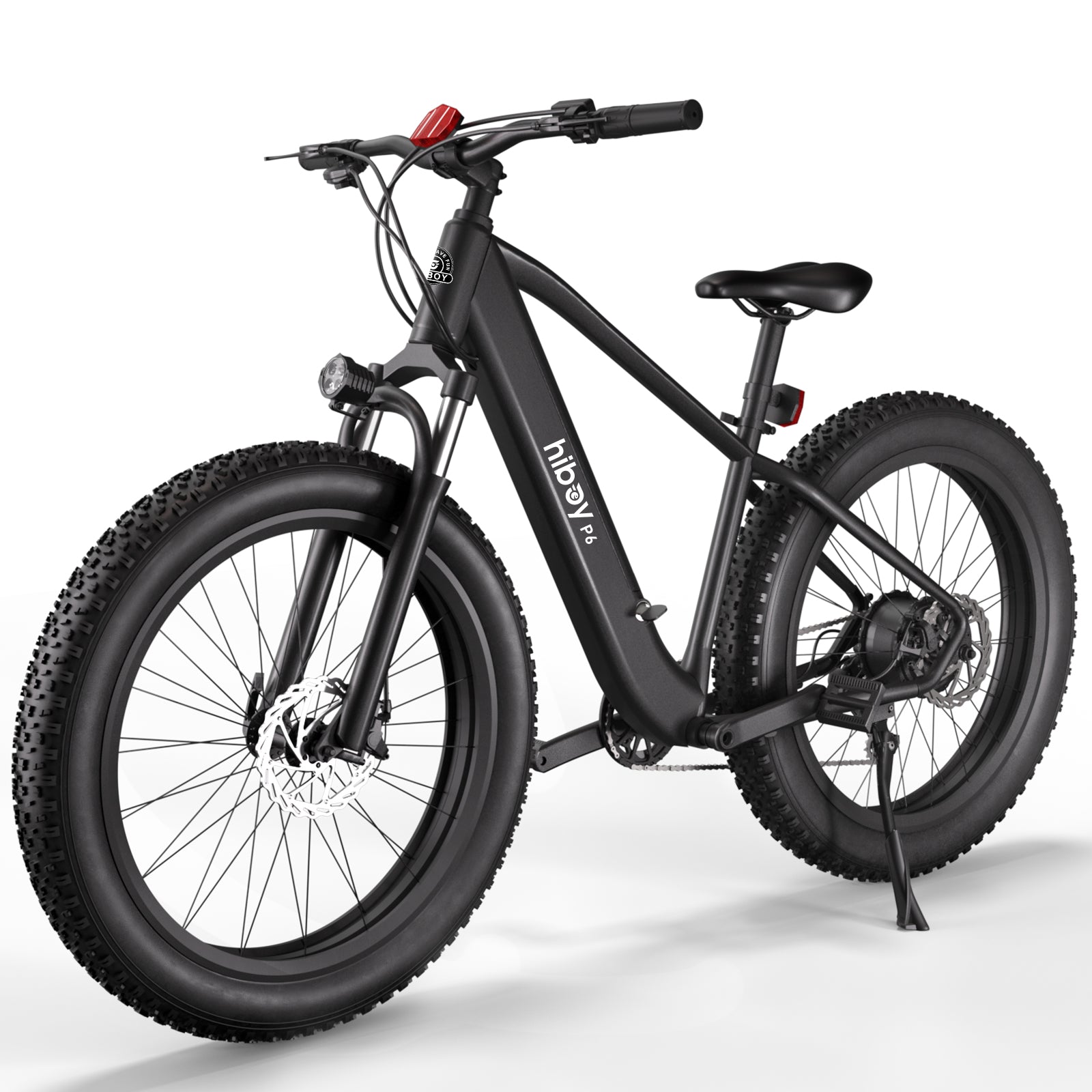 P6
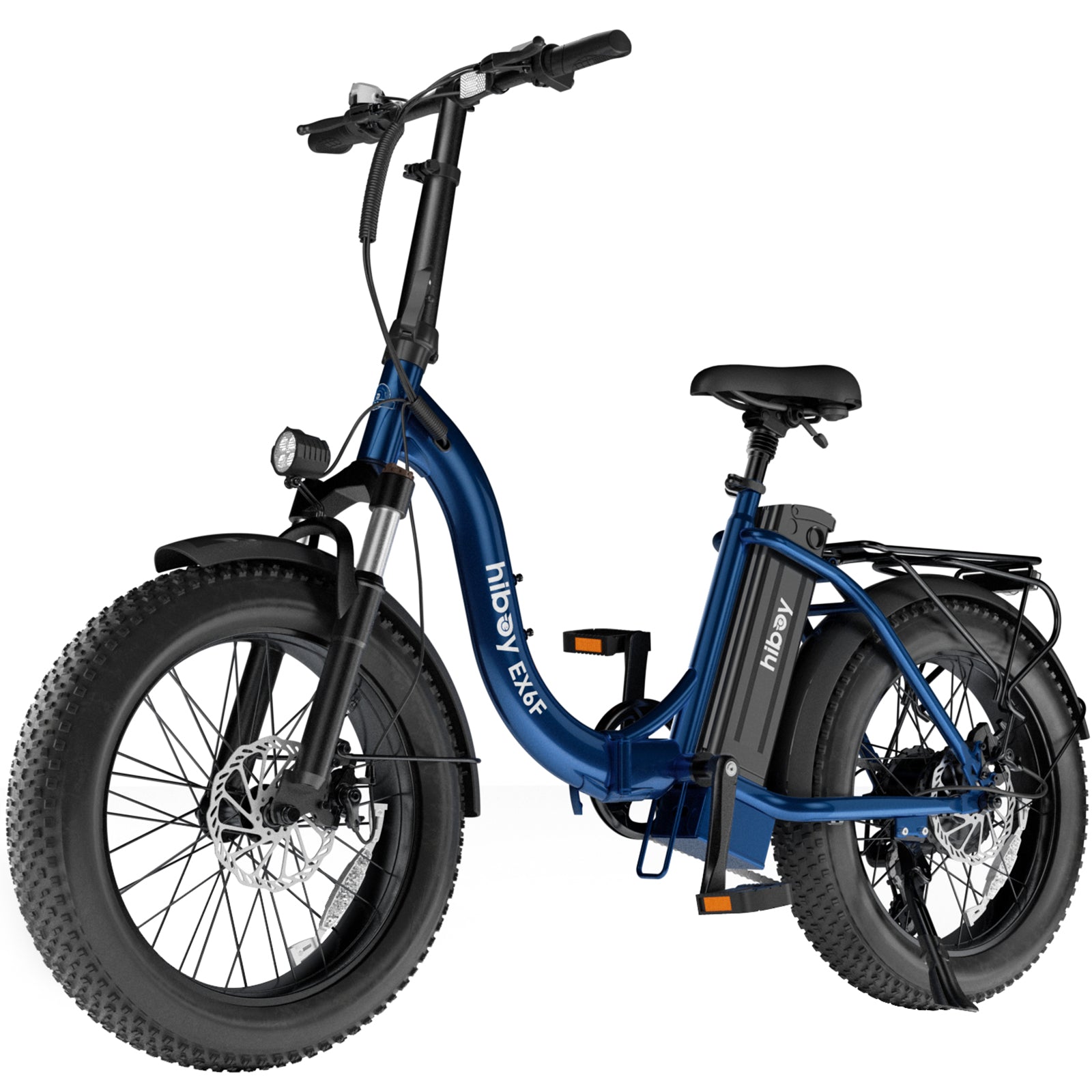 EX6F
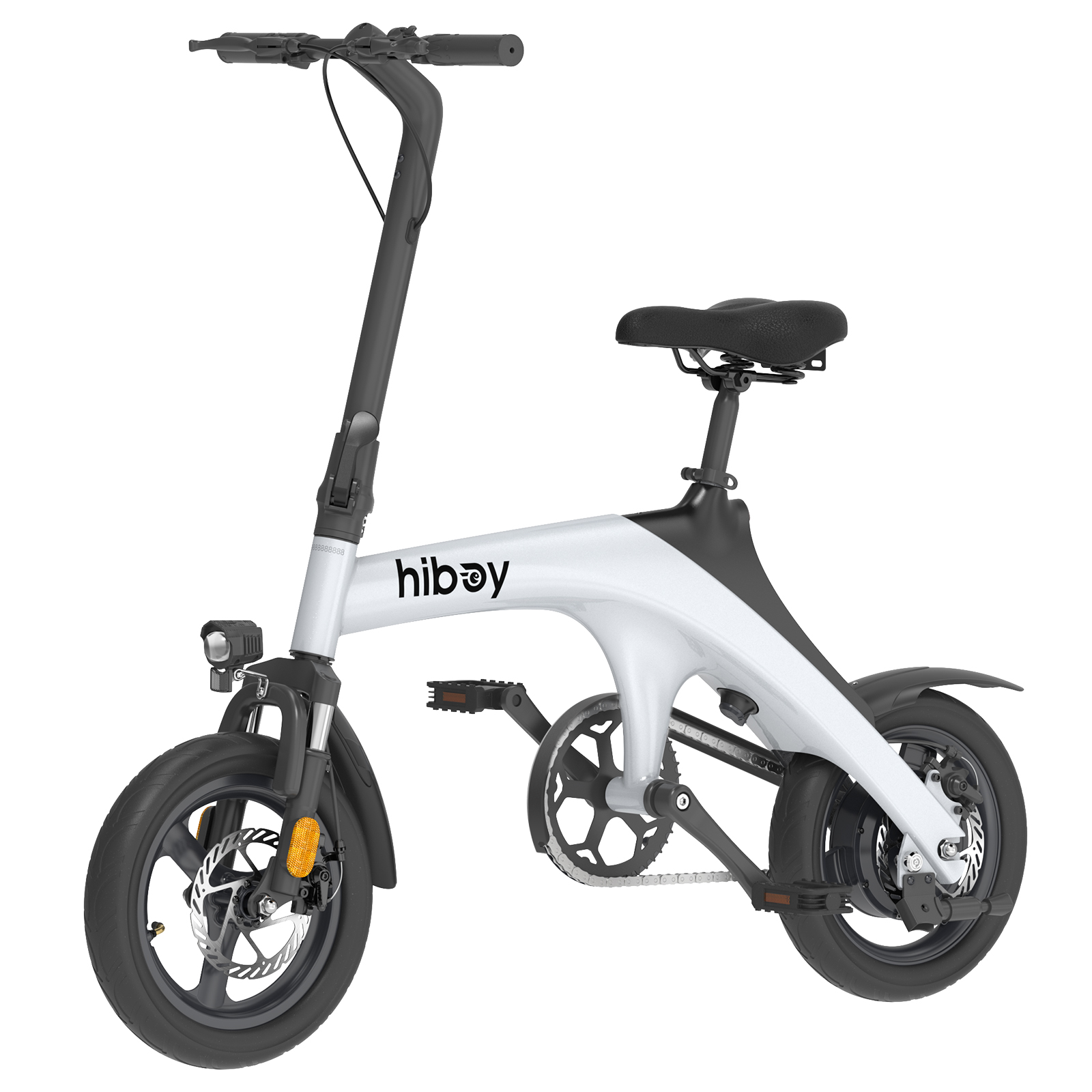 C1
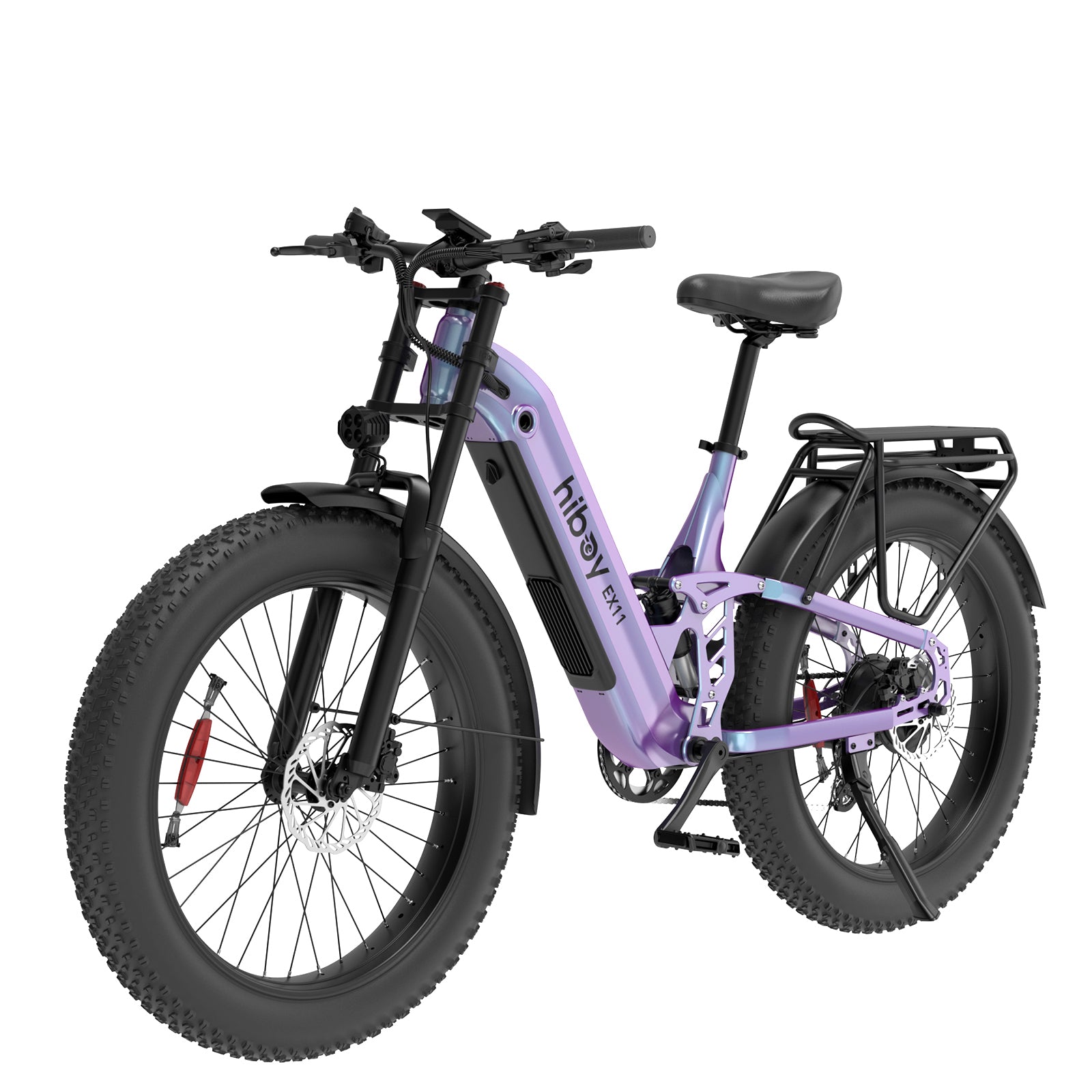 EX11
 EX9
 Compare Models
 First Rides
 Everyday Fun
 S2 Lite
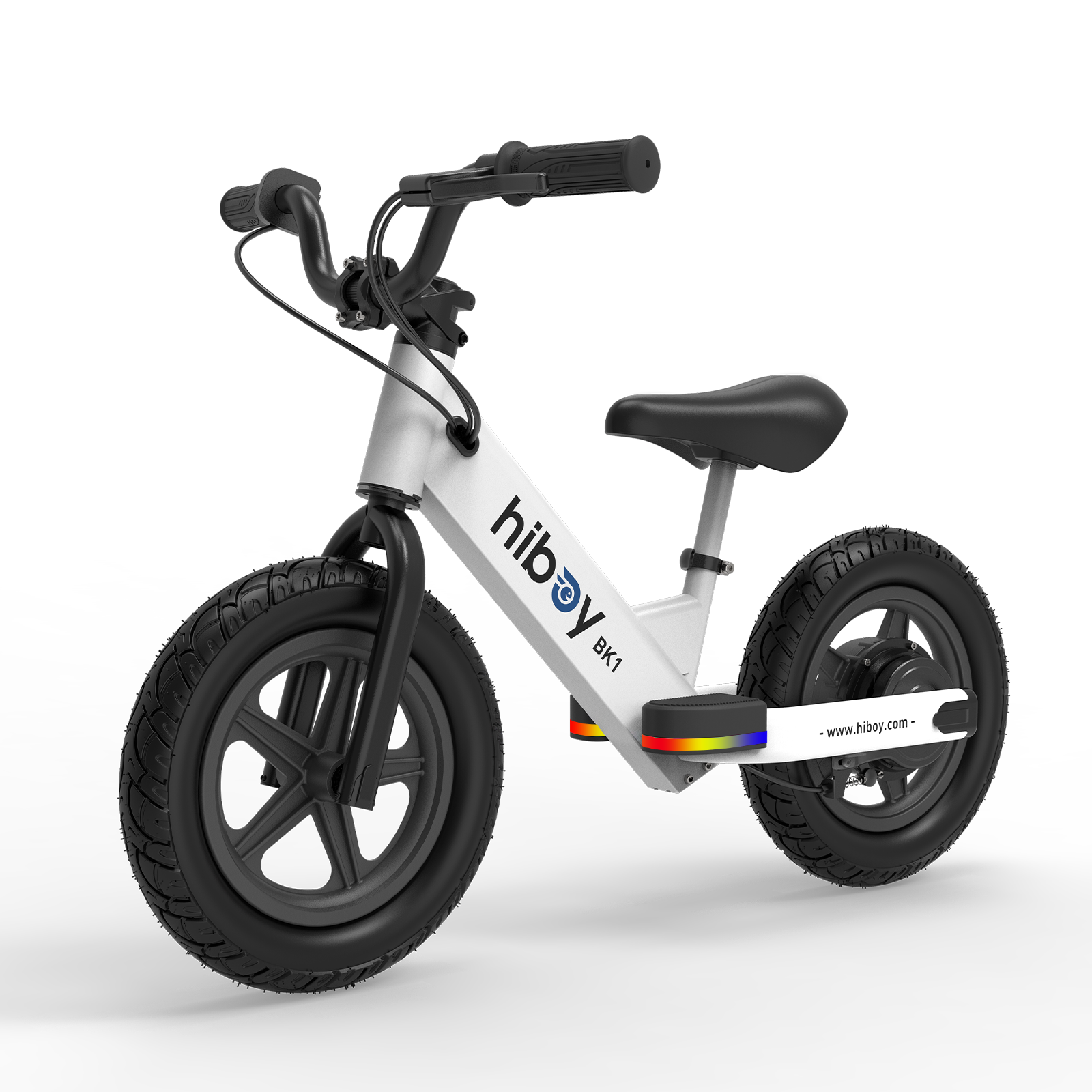 BK1
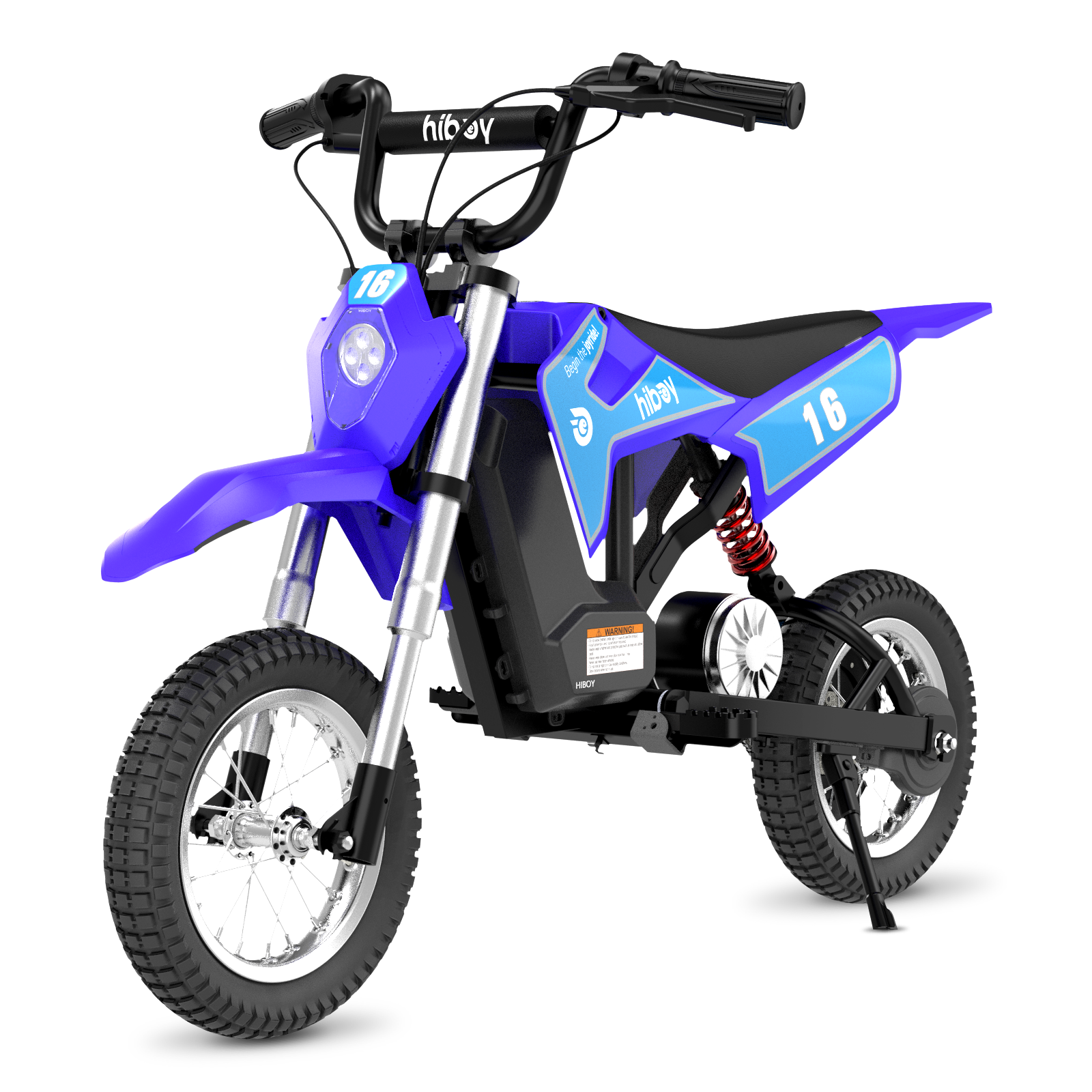 DK1
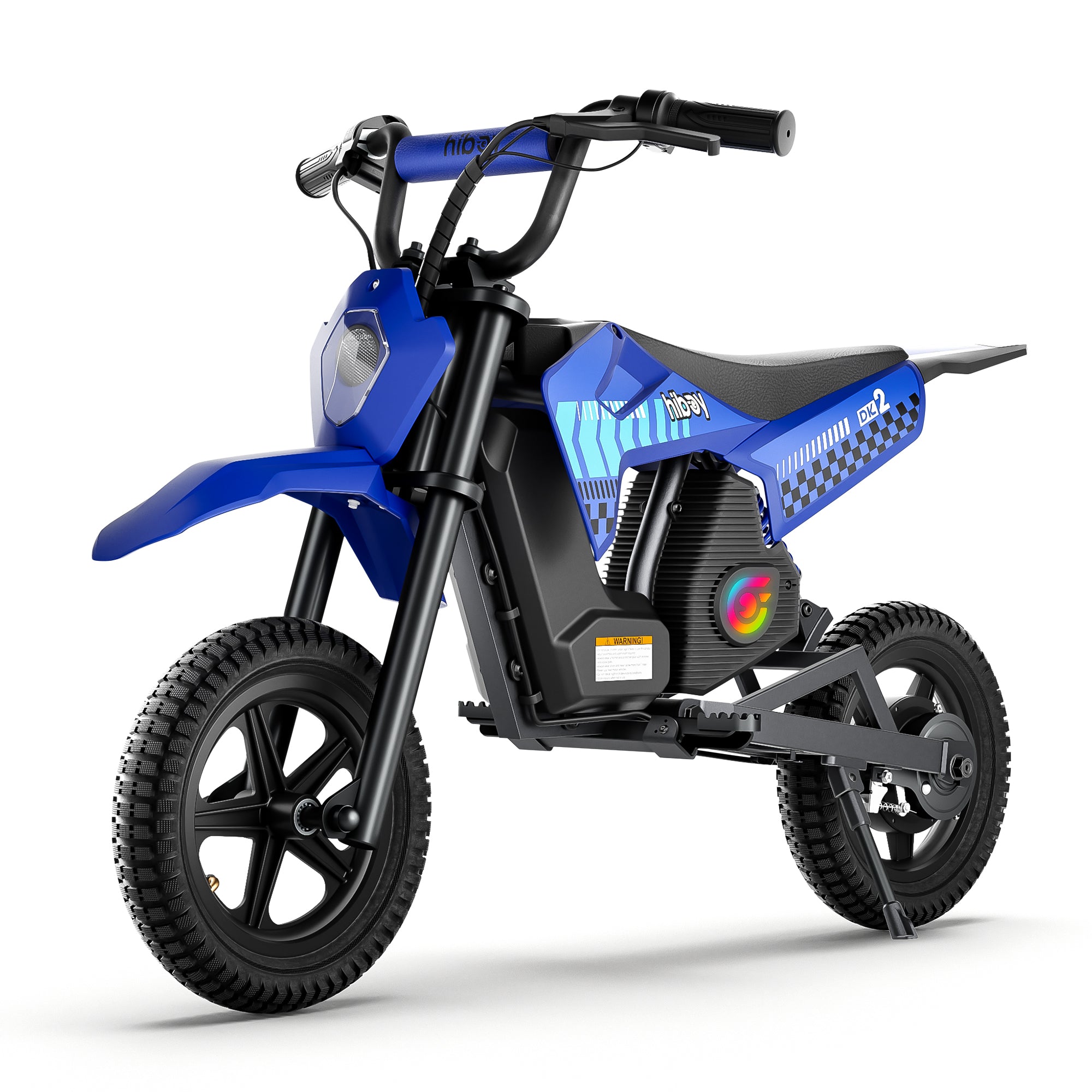 DK2
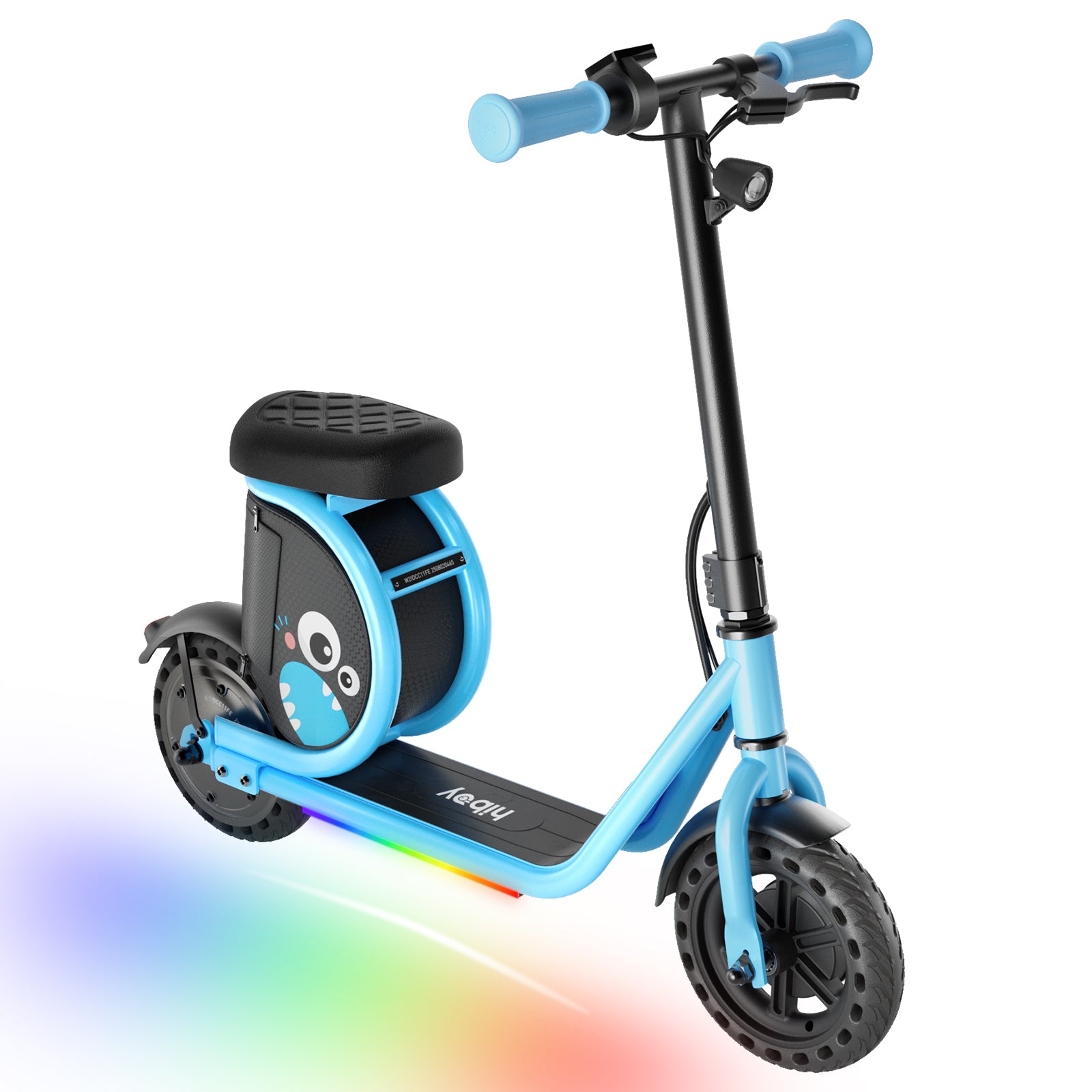 Joy Haul
 Q2 Lite
 Compare Models

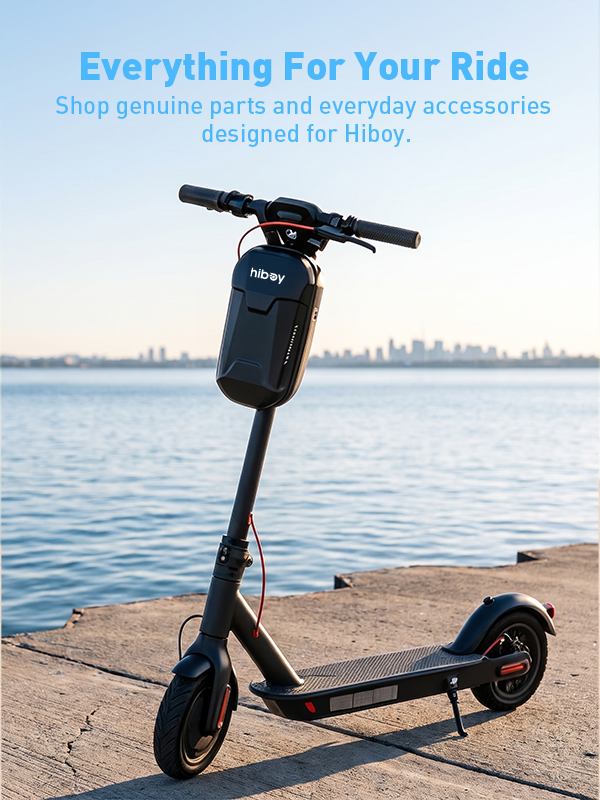
Electric scooters have become a popular way to get around, especially for short commutes, neighborhood trips, and urban transportation. They're convenient, relatively easy to operate, and don't require the same physical effort as riding a traditional bicycle.
But what happens if you have a few drinks and decide to ride an electric scooter home? Since an e-scooter isn't a car, you might assume that traditional drunk-driving laws don't apply.
Unfortunately, that's not necessarily true.
So, can you get a DUI on an electric scooter? Yes, depending on the state and the circumstances, you can face a DUI or another alcohol-related offense for riding an electric scooter while impaired. Some states have specific laws prohibiting intoxicated scooter riding, while others apply broader impaired-driving statutes or separate traffic offenses.
In this guide, we'll explain how electric scooter DUI laws work in the United States, what penalties you might face, how blood alcohol concentration (BAC) affects the legal outcome, and why riding an electric scooter after drinking is never a good idea.
1. Can You Get a DUI on an Electric Scooter?
Yes. In many parts of the United States, riding an electric scooter under the influence of alcohol or drugs can result in legal consequences, including a DUI-related charge.
The main reason is that some states extend impaired-driving restrictions beyond traditional cars and trucks to include motorized scooters and other small motorized vehicles.
However, the exact legal treatment depends on how a state defines an electric scooter and whether its DUI laws specifically cover that type of vehicle.
There are generally three ways state laws approach the issue:
- Specific electric scooter laws: Some states have separate statutes that explicitly prohibit operating an electric scooter while impaired by alcohol or drugs.
- General motor vehicle DUI laws: Other states may apply broader impaired-driving laws if their definition of a motor vehicle includes the scooter being operated.
- Other alcohol-related offenses: Even if a particular scooter doesn't fall under a state's standard DUI statute, riding while intoxicated may still violate other traffic or public safety laws.
This means that you shouldn't assume an electric scooter is exempt from drunk-driving regulations simply because it is smaller, slower, or less powerful than a car.
It's also important to distinguish between a DUI charge and other alcohol-related traffic violations. Depending on the state, the offense may carry a different legal classification and different penalties from a conventional car DUI.

2. How Do Electric Scooter DUI Laws Vary by State?
There is no single nationwide law that establishes identical DUI rules for electric scooters across all 50 states.
Instead, state legislatures determine how electric scooters are classified and which traffic and impaired-driving laws apply to them.
Here are a few examples that illustrate the differences.
California
California has a specific law addressing intoxicated motorized scooter operation.
Under California Vehicle Code Section 21221.5, it is unlawful to operate a motorized scooter on a highway while under the influence of alcohol, drugs, or a combination of both.
A conviction under this section is punishable by a fine of up to $250.
California Vehicle Code Section 21221 also establishes that people operating motorized scooters on highways are generally subject to the traffic rules applicable to vehicle drivers, including provisions concerning driving under the influence.
Importantly, California's specific motorized scooter provision does not simply establish the same $0.08 BAC threshold used in the state's standard DUI statute. It prohibits operating a covered scooter while under the influence.
In other words, having a BAC below 0.08% does not automatically make riding an electric scooter legal.
New York
New York takes an especially explicit approach.
Under New York Vehicle and Traffic Law Section 1289, operating an electric scooter while impaired by alcohol or drugs is prohibited.
The law distinguishes between different levels of impairment:
- Alcohol impairment: Operating an electric scooter when alcohol has impaired your ability to operate it is a traffic infraction for a first offense.
- BAC of 0.08% or higher: Operating an electric scooter with a BAC at or above 0.08% constitutes a separate intoxication offense.
- Drug impairment: Operating an electric scooter while impaired by drugs is also prohibited.
For a first offense involving intoxication under the applicable provisions, the law classifies the violation as a misdemeanor, punishable by a fine of up to $500, imprisonment for up to one year, or both.
The penalties can become more severe for repeat offenses.
This is a good example of why electric scooter riders should not assume that a vehicle's relatively low speed makes alcohol-related traffic laws irrelevant.

Other States
Other states may address electric scooter impairment through broader motor vehicle laws, specific scooter regulations, or other public safety provisions.
For example, Michigan's State Police explains that the legal treatment of motorized devices can depend on how the vehicle is classified under Michigan law. Its guidance concerning electric skateboards illustrates why the classification of a particular device matters when determining whether standard operating-while-intoxicated laws apply.
The rules may also differ depending on whether you're riding on a public road, a designated path, or private property.
The takeaway: Always check the current laws in your state and local jurisdiction before riding. A law that specifically addresses electric scooters in one state may not have an equivalent in another.
3. What Is the Legal BAC Limit for Riding an Electric Scooter?
Blood alcohol concentration, or BAC, measures the amount of alcohol in a person's bloodstream. In the United States, 0.08% is the standard legal BAC threshold for most adult drivers operating conventional motor vehicles.
But does that mean you can legally ride an electric scooter as long as your BAC is below 0.08%?
Not necessarily.
The answer depends on the specific law that applies to your scooter.
The 0.08% BAC Threshold Is Not a Universal Safe Limit
Some states use a specific BAC threshold when determining whether someone has committed an alcohol-related offense while operating an electric scooter.
New York, for example, explicitly prohibits electric scooter operation at a BAC of 0.08% or higher under Vehicle and Traffic Law Section 1289.
However, the same law also prohibits operating an electric scooter when alcohol has impaired the rider's ability to operate it.
California's Vehicle Code Section 21221.5 similarly prohibits operating a motorized scooter while under the influence without making 0.08% the only relevant threshold.
This means you could face legal consequences even if your BAC is below 0.08%, depending on the applicable law and evidence of impairment.
How Alcohol Affects Your Ability to Ride
Even relatively small amounts of alcohol can affect the physical and mental abilities needed to operate an electric scooter.
The effects may include:
- Slower reaction times.
- Reduced balance and coordination.
- Impaired depth perception.
- Difficulty judging distance and speed.
- Poorer decision-making.
- Reduced ability to respond to unexpected obstacles.
These effects are particularly concerning when riding a vehicle that requires constant balance and precise steering.

An electric scooter rider may need to react quickly to pedestrians, turning vehicles, uneven pavement, and sudden stops. Even a minor delay in responding can result in a serious accident.
Rather than trying to calculate how many drinks are safe before riding, the simplest approach is to avoid operating an electric scooter after consuming alcohol.
4. What Penalties Can You Face for Riding an Electric Scooter While Drunk?
The consequences of riding an electric scooter while intoxicated depend on the state, the specific offense, and whether the rider has previous violations.
Potential penalties may include:
Fines
Financial penalties are among the most common consequences of alcohol-related scooter violations.
Some states impose specific fines for operating an electric scooter while impaired, while others may apply penalties under broader DUI statutes.
The amount can vary considerably depending on the offense and local law.
Criminal Charges
Depending on the applicable statute, riding an electric scooter while intoxicated may be classified as a traffic infraction, misdemeanor, or another criminal offense.
A misdemeanor conviction can have consequences beyond the immediate fine, including a criminal record and potential employment or background-check implications.
Jail Time
Some states authorize imprisonment for certain electric scooter intoxication offenses.
Whether jail time is possible depends on the specific offense, the severity of the conduct, and whether the rider has previous convictions.
For example, New York's Vehicle and Traffic Law Section 1289 allows imprisonment of up to one year for certain first-time intoxication offenses involving electric scooters.
Driver's License Consequences
Another common question is whether an electric scooter DUI can affect your regular driver's license.
The answer isn't necessarily the same in every state.
Some jurisdictions have specific scooter offenses that do not automatically carry the same license consequences as a conventional motor vehicle DUI. Others may apply broader DUI provisions or separate administrative rules.
California, for example, treats motorized scooter DUI under a specific statute, Section 21221.5, rather than simply treating it as a standard car DUI under Section 23152.
Therefore, don't assume that an electric scooter offense will automatically suspend your driver's license, but don't assume it can never affect your driving privileges either.
If you're facing an actual charge, consult a local DUI attorney to understand the possible consequences.

Increased Liability After an Accident
If you cause an accident while riding an electric scooter under the influence, the legal consequences may extend beyond the original traffic offense.
You could face additional civil liability for injuries or property damage, depending on the circumstances.
If a pedestrian or another road user is injured, the situation may become considerably more serious.
For this reason, avoiding impaired riding is important not only for your own safety but also for everyone sharing the road.
5. Can You Get a DUI on a Rental Electric Scooter?
Yes. Using a rental electric scooter instead of owning one does not automatically exempt you from DUI or impaired-riding laws.
Whether you rent a scooter through a shared mobility service or borrow one from a friend, the same state and local traffic regulations may apply.
For example, popular shared scooter services such as Bird and Lime allow riders to access electric scooters through smartphone apps.
However, renting a scooter does not mean you can operate it after drinking.
In fact, rental services commonly include safety requirements and prohibit unsafe or unlawful riding in their user agreements.
Depending on the service and location, violating these rules may result in account restrictions or other consequences in addition to any legal penalties.
If you've been drinking, leave the rental scooter where it is and arrange another way home.
6. Can You Get a DUI on an Electric Bike or Regular Bicycle?
Electric scooters aren't the only small personal transportation devices that raise questions about alcohol-related traffic laws.
What about electric bikes and traditional bicycles?
The legal answer can be different because states may classify these vehicles differently.
Electric Bikes
Electric bikes are often regulated separately from electric scooters.
Many states distinguish between different classes of e-bikes based on their motor assistance, maximum assisted speed, and whether the rider must pedal.
However, that classification doesn't automatically mean that riding an e-bike while intoxicated is legal.
Some states apply DUI or other impaired-operation laws to electric bicycles, while others have different rules.
Always check your state's specific regulations.

Traditional Bicycles
Traditional bicycles are also treated differently across the country.
In some states, bicycle riders are subject to specific laws prohibiting intoxicated riding. In others, the standard motor vehicle DUI statute may not apply to human-powered bicycles.
For example, California Vehicle Code Section 21200.5 specifically prohibits riding a bicycle on a highway while under the influence of alcohol or drugs.
The fact that a bicycle doesn't have an electric motor doesn't necessarily mean its rider is exempt from alcohol-related laws.
Electric Scooters vs. Electric Bikes vs. Bicycles
| Transportation Type | Can Alcohol-Related Laws Apply? | Important Consideration |
| Electric scooter | Yes | Specific scooter laws or broader DUI statutes may apply |
| Electric bike | Yes, depending on state law | E-bike classification matters |
| Traditional bicycle | Yes, in some states | Separate bicycle impairment laws may apply |
| Motorcycle | Yes | Generally subject to standard motor vehicle DUI laws |
The important point is that the legal classification of a vehicle matters. You shouldn't assume that all small or two-wheeled transportation devices are treated the same way.
7. Why Is Riding an Electric Scooter After Drinking Dangerous?
Even if you're traveling only a short distance, riding an electric scooter after drinking can put you and others at risk.
Electric scooters may look easy to operate, but safe riding requires coordination, concentration, balance, and quick decision-making.
Here are some of the biggest safety concerns.
Reduced Balance and Coordination
Unlike a car, an electric scooter requires the rider to maintain balance while standing and steering.
Alcohol can interfere with muscle coordination and balance, making it harder to control the handlebars or maintain a stable riding position.
A rider who suddenly loses balance may fall directly onto the pavement or into the path of another vehicle.
Slower Reaction Times
Urban environments can be unpredictable.
Pedestrians may cross unexpectedly, vehicles may turn without warning, and road surfaces may contain potholes or other obstacles.
Alcohol slows reaction times, making it more difficult to respond to these situations.

Greater Risk of Head Injuries
Electric scooter riders are more exposed than people inside cars.
If an impaired rider loses control, they may fall and hit their head against the pavement or nearby objects.
Wearing a properly fitted helmet can reduce the risk of serious head injuries, but it cannot eliminate the danger of riding under the influence.
Increased Risk to Pedestrians
Electric scooters frequently share urban spaces with pedestrians, cyclists, and other road users.
An impaired rider may struggle to maintain a safe distance, judge approaching traffic, or stop in time to avoid a collision.
A seemingly minor mistake can result in injuries to someone who has no control over the situation.
8. What Should You Do Instead of Riding an Electric Scooter After Drinking?
If you've been drinking and need to get home, there are several safer alternatives.
Call a Rideshare Service
Services such as Uber and Lyft can help you get home without having to operate a vehicle yourself.
If you've used a shared electric scooter, make sure you end the rental properly and park it in an approved location before arranging your ride, provided you can do so safely.
Take Public Transportation
Depending on where you live, buses, trains, and other public transportation services may provide a convenient alternative.
Check the operating schedule in advance, especially if you're traveling late at night.
Ask a Friend for a Ride
If you're with friends, ask someone who hasn't been drinking to drive you home.
You can also arrange a designated driver before going out so you don't have to make a decision after consuming alcohol.
Leave Your Scooter and Pick It Up Later
If you own an electric scooter, consider leaving it in a secure, permitted location and returning it the next day.
If you're using a rental scooter, end the trip according to the service's rules and arrange alternative transportation.
A short inconvenience is far better than risking an accident or legal trouble.
9. Electric Scooter Safety Tips for Responsible Riders
Avoiding alcohol before riding is one of the most important safety habits, but it's not the only one.

Whether you're commuting to work or enjoying a casual ride, following basic safety practices can help make every trip more predictable.
- Wear a helmet: Choose a properly fitted helmet and fasten the chin strap securely.
- Follow local traffic laws: Know where electric scooters are permitted and obey speed limits, traffic signals, and parking restrictions.
- Stay visible: Use front and rear lights when riding in low-light conditions, and wear reflective clothing when appropriate.
- Keep both hands available for control: Avoid carrying objects that interfere with steering or braking.
- Maintain a safe speed: Adjust your speed to road conditions, pedestrian traffic, and visibility.
- Inspect your scooter regularly: Check the brakes, tires, lights, and other essential components before riding.
- Avoid distractions: Don't text, browse your phone, or wear headphones that prevent you from hearing surrounding traffic.
- Never ride under the influence: Avoid riding after consuming alcohol or using drugs that may impair your ability to operate the scooter.
Responsible riding isn't just about following the law. It's also about protecting yourself and the people around you.
Frequently Asked Questions
1. Can you get a DUI on an electric scooter in the United States?
Yes. Many states have laws that prohibit operating an electric scooter while impaired by alcohol or drugs. Depending on the state, the offense may fall under a specific electric scooter law, a broader DUI statute, or another traffic offense. The exact penalties and legal classification vary by jurisdiction.
2. Can you get a DUI on an electric scooter if your BAC is below 0.08%?
Yes, potentially. The 0.08% BAC threshold is not a universal safe limit for electric scooter riders. Some states prohibit operating an electric scooter whenever alcohol impairs the rider's ability to operate it, regardless of whether their BAC reaches 0.08%.
3. Can you lose your driver's license for an electric scooter DUI?
It depends on state law and the specific offense. Some states treat electric scooter intoxication as a separate violation that does not automatically carry the same driver's license consequences as a conventional car DUI. Other jurisdictions may apply broader DUI or administrative licensing rules.
4. Can you get arrested for riding a Bird or Lime scooter drunk?
Yes. Rental electric scooters are not automatically exempt from state and local impaired-riding laws. Operating a shared scooter while intoxicated may result in legal consequences, regardless of who owns the vehicle.
5. Can you get a DUI on an electric scooter on a sidewalk?
Potentially. Whether a DUI or other impaired-riding law applies may depend on the wording of the relevant statute and the location where the scooter is operated. Sidewalk riding may also be prohibited by local regulations. Don't assume that riding on a sidewalk instead of a road makes intoxicated scooter operation legal.
6. Can you get a DUI on an electric scooter without a driver's license?
Yes, potentially. Whether you hold a driver's license generally does not determine whether you can violate a law prohibiting impaired electric scooter operation. However, the consequences for driving privileges depend on the applicable state law.
7. Can you ride an electric scooter after one beer?
There is no universally safe or legally guaranteed number of drinks before riding an electric scooter. Alcohol affects people differently depending on factors such as body weight, food intake, drinking speed, and individual tolerance. Even a small amount can affect coordination and reaction time. The safest choice is not to ride after drinking.
8. Can you get a DUI on a parked electric scooter?
Generally, DUI or impaired-operation laws concern operating or controlling a vehicle rather than simply standing next to a parked scooter. However, the precise legal definition of operation or physical control varies by jurisdiction and circumstances. If you've been drinking, avoid mounting, moving, or attempting to operate the scooter.








Leave a comment
All comments are moderated before being published.
This site is protected by hCaptcha and the hCaptcha Privacy Policy and Terms of Service apply.