FILTERS
Hiboy S2 Lite Electric Scooter for Teens
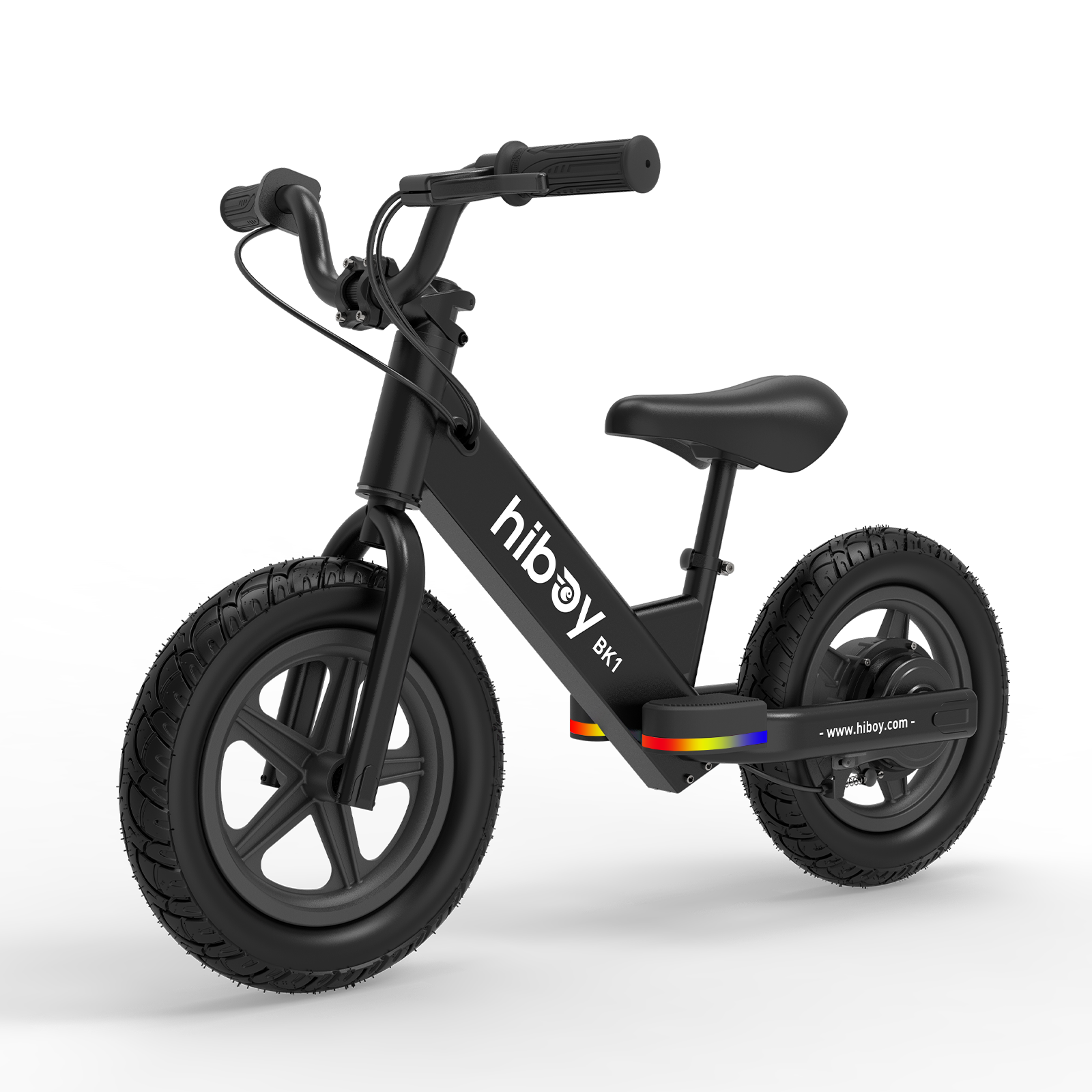
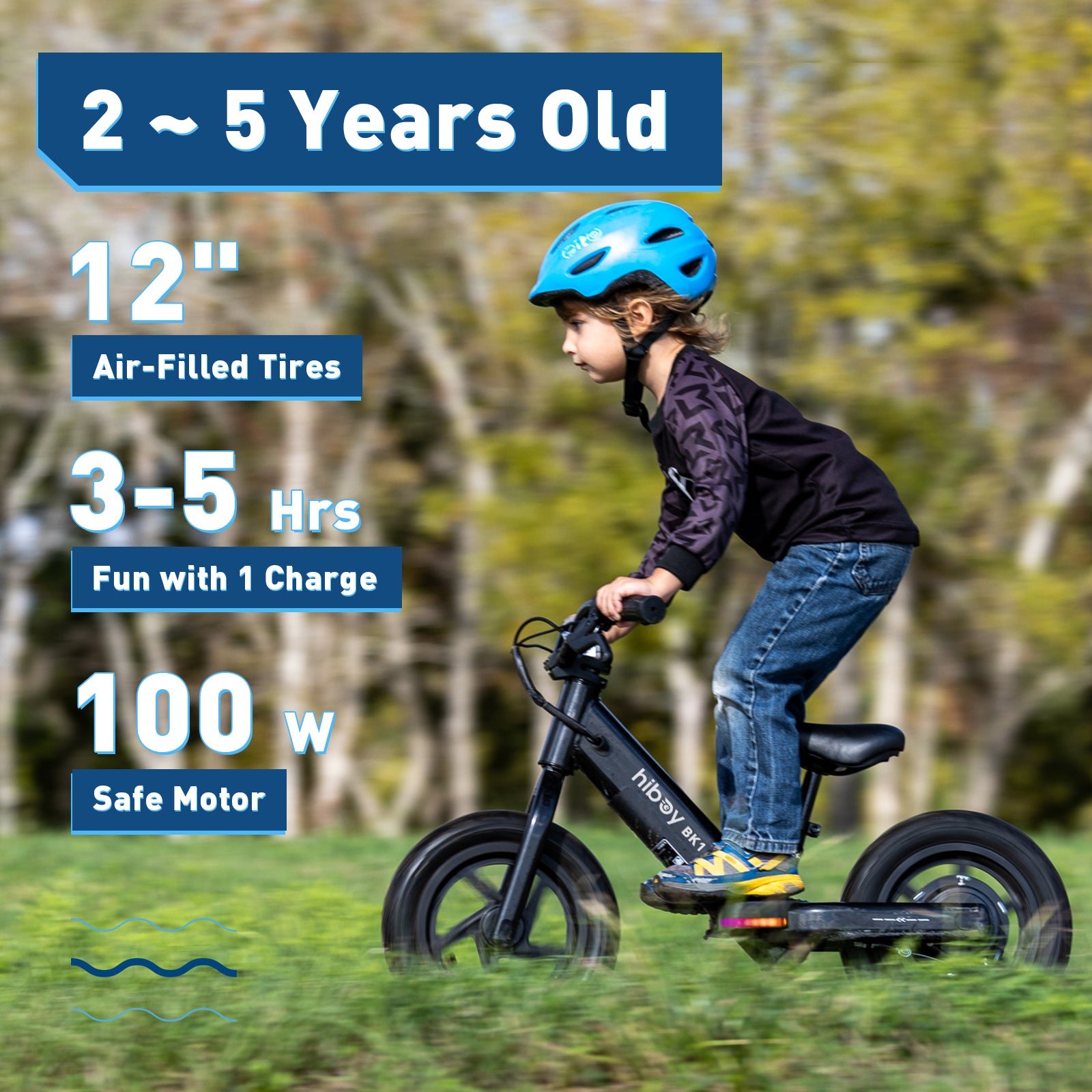
Hiboy BK1 Electric Balance Bike For Kids
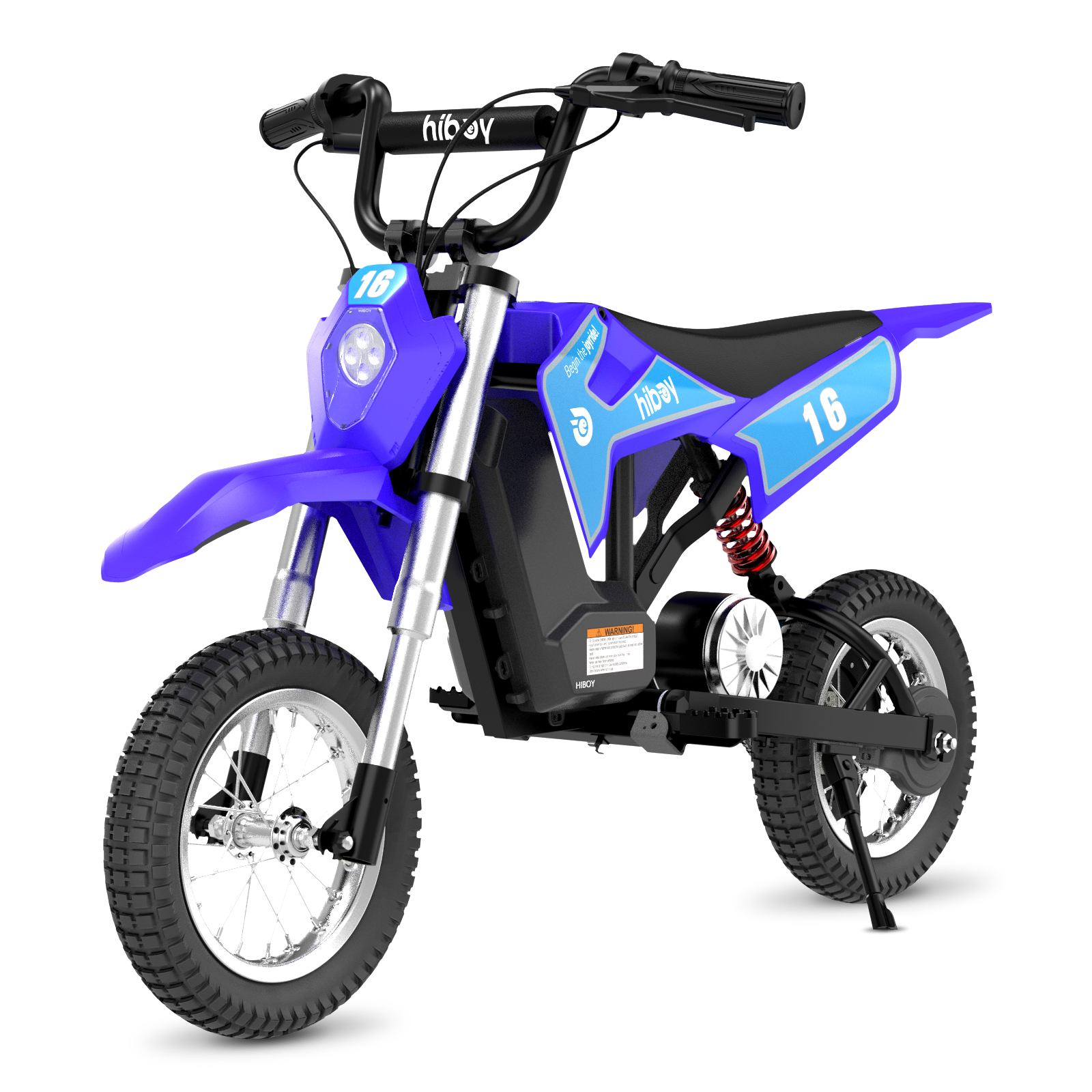
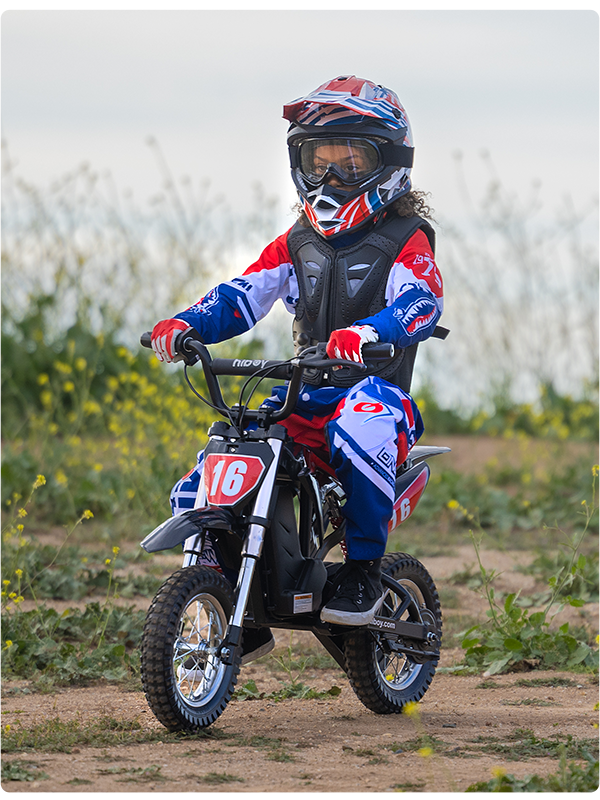
Hiboy DK1 Electric Dirt Bike For Kids Ages 3-10
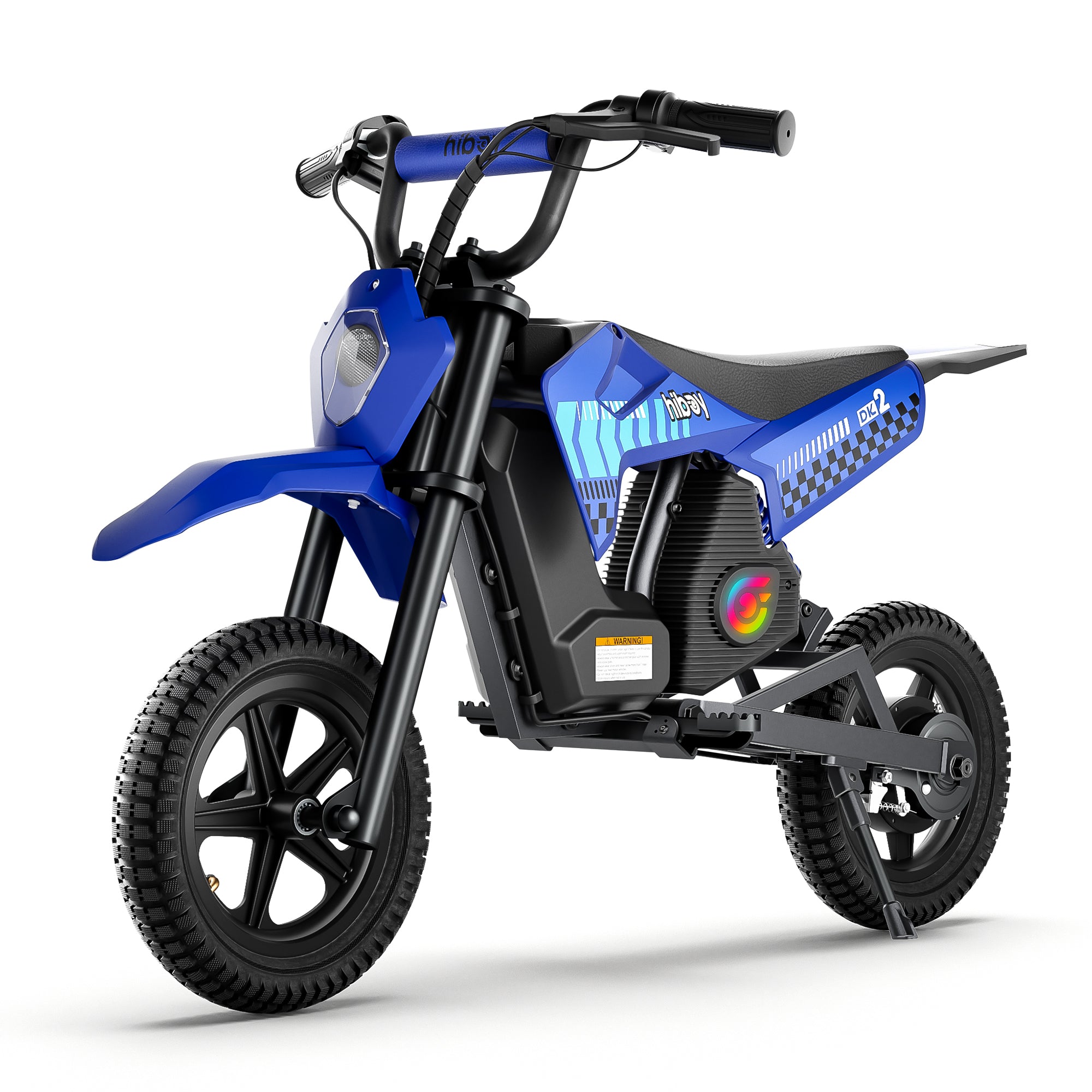
Hiboy DK2 Electric Dirt Bike For Kids Ages 3-7
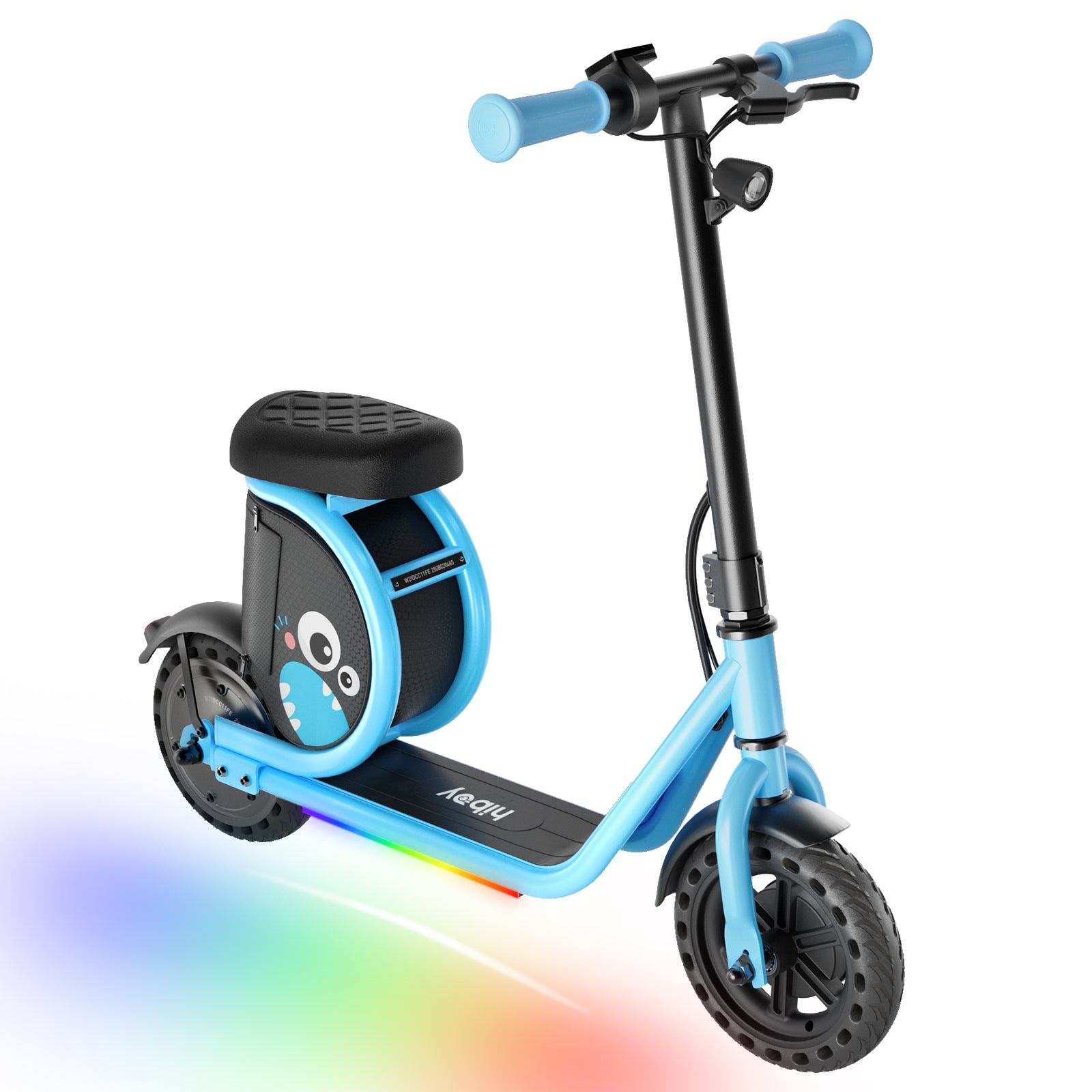
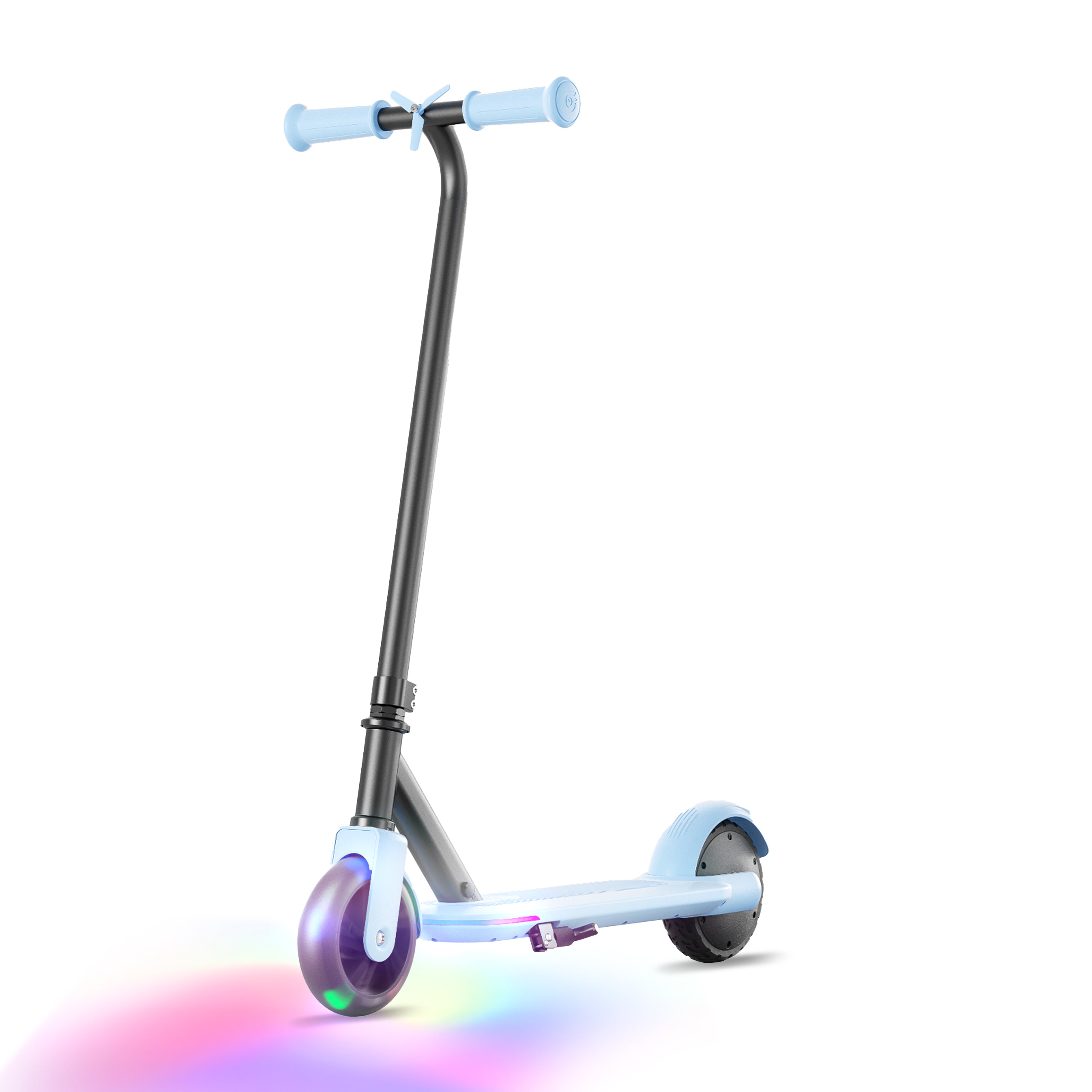
Hiboy Joy Haul Electric Scooter for Kids Aged 5-8
Hiboy Q2 Lite Electric Scooter for Kids Aged 5-8
Hiboy ES1 Electric Scooter for Kids Aged 4-10
Hiboy U2 Lite Electric Scooter for Kids
Hiboy KS1 Refurbished Electric Scooter for Kids
Hiboy HC-01 Hoverboard Seat Attachment for Kids & Adults
Begin the Joyride
Why Hiboy?
Since 2014, Hiboy has been dedicated to redefining personal transportation with innovative electric mobility solutions. From electric scooters to e-bikes, we design products that make everyday travel easier, smarter, and more enjoyable.
Driven by a passionate team of engineers, designers, and mobility experts, Hiboy continuously develops products that combine performance, safety, and style. Every detail is thoughtfully crafted to deliver a smooth and reliable riding experience.
At Hiboy, we believe transportation should be more than just getting from point A to point B—it should give you freedom. That’s why we focus on creating electric vehicles that are lightweight, portable, durable, and eco-friendly, empowering riders to move through city streets and daily adventures with confidence.
With high manufacturing standards, globally recognized certifications, and years of industry expertise, Hiboy has earned the trust of riders around the world.
Video
Frequently Asked Questions
1. How do I choose the right electric ride-on for my child?
The right kids' electric ride depends on your child's age, size, riding experience, intended use, and the type of terrain where they will ride. Electric scooters are generally suited to children who are comfortable standing and controlling a handlebar, while electric balance bikes combine motorized assistance with the balance and handling of a bicycle. Electric dirt bikes are designed for off-road riding and typically provide a more motorcycle-style riding experience. Parents should always check the manufacturer's recommended age, rider weight, speed, and usage guidelines before choosing a model.
2. What is the difference between a kids' electric scooter, balance bike, and dirt bike?
The main difference is how each type is designed to be ridden and where it is intended to be used. Electric scooters are typically compact and designed for riding on suitable paved surfaces. Electric balance bikes combine two-wheel balance with electric assistance and can help children become familiar with bicycle-style handling. Electric dirt bikes are built for off-road riding and generally have larger frames, tires, and suspension systems designed for dirt and uneven terrain. The best option depends on your child's experience and intended riding environment.
3. What age is appropriate for a kids' electric scooter?
The appropriate age depends on the specific scooter's design, speed, rider weight limit, and manufacturer recommendations rather than age alone. Parents should consider whether the child can comfortably control the handlebars, maintain balance, operate the controls, and use the brakes. A child who is new to electric riding may benefit from starting with a lower-speed model in a controlled environment. Always follow the manufacturer's minimum age and rider requirements and supervise children while they learn.
4. What age is appropriate for an electric balance bike?
An electric balance bike can be appropriate for children who have developed enough balance, coordination, and confidence to control a two-wheeled ride. The appropriate age varies by model because frame size, seat height, speed, and weight capacity differ. Parents should choose a bike that allows the child's feet to reach the ground comfortably and provides an appropriate riding position. A child's physical development and riding ability should be considered alongside the manufacturer's age and weight recommendations.
5. What age is appropriate for a kids' electric dirt bike?
The appropriate age for an electric dirt bike depends on the specific model, its size, speed, motor output, and rider weight capacity. Electric dirt bikes are generally intended for children who already have sufficient balance and coordination to control a two-wheeled off-road vehicle. Parents should choose a model based on the child's physical size and riding experience rather than selecting a bike solely by age. Beginners should learn at low speeds in a controlled off-road environment before progressing to more challenging terrain.
6. Are electric scooters safe for kids?
Kids' electric scooters can be used safely when the scooter is appropriate for the child's size and ability and is operated in a suitable environment. Parents should choose a model with an appropriate speed and rider weight limit, ensure the child wears a properly fitted helmet and other recommended protective equipment, and supervise riding. Children should also learn how to accelerate, brake, turn, and stop before riding independently. Local regulations and manufacturer safety instructions should always be followed.
7. Are electric balance bikes safe for kids?
Electric balance bikes can be a suitable way for children to develop two-wheel riding skills when used correctly. Their safety depends on selecting an appropriately sized model, controlling speed, wearing protective equipment, and riding in a suitable environment. Parents should introduce new riders to the controls gradually and allow them to practice balancing, steering, braking, and stopping before riding at higher speeds. Adult supervision is recommended, particularly for younger or inexperienced riders.
8. Are electric dirt bikes safe for kids?
Electric dirt bikes can be used safely when children ride an appropriately sized model in a suitable off-road environment and use the proper protective equipment. Because dirt bikes are designed for off-road riding, children should learn how to control the bike, accelerate, brake, and respond to changes in terrain before attempting more demanding trails. A properly fitted helmet, along with appropriate protective gear such as gloves, eye protection, and suitable riding clothing, is important. Parents should supervise children and follow the manufacturer's safety guidelines.
9. What safety gear should kids wear when riding an electric ride?
At a minimum, children should wear a properly fitted helmet appropriate for the type of riding they are doing. Depending on the vehicle and riding environment, additional protection such as gloves, knee and elbow protection, eye protection, and appropriate footwear may also be recommended. Children riding electric dirt bikes should use more comprehensive protective equipment because off-road riding can involve uneven terrain, obstacles, and falls. Safety gear should fit correctly and be suitable for the child's size and activity.
10. How fast should a kids' electric scooter or e-ride be?
There is no single ideal speed for every child. A suitable speed depends on the child's age, size, riding experience, coordination, and the riding environment. Younger or inexperienced riders generally benefit from lower speeds that give them more time to steer, brake, and respond to obstacles. Parents should prioritize controllability and confidence rather than maximum speed and should use the lowest appropriate speed setting while a child is learning.
11. Where can kids ride electric scooters and other electric rides?
The appropriate riding location depends on the type of e-ride and local regulations. Kids' electric scooters are generally better suited to appropriate paved or controlled surfaces, while electric dirt bikes are designed for suitable off-road environments. Electric balance bikes may be used in controlled outdoor areas depending on their design. Parents should check local laws and property rules before riding and should avoid roads or other areas where children's electric rides are prohibited.
12. Are kids' electric dirt bikes suitable for beginners?
Some kids' electric dirt bikes can be suitable for beginners when the model's size, speed, and power are appropriate for the child. Parents should choose a bike based on the child's physical size and experience rather than selecting the most powerful model available. Beginners should start in a flat, open, controlled area and practice basic skills such as starting, stopping, steering, and braking before moving onto uneven or more challenging terrain.
13. What should I look for when buying an electric scooter for a child?
Parents should consider the child's age, height, weight, riding experience, and intended riding environment. Important factors include maximum speed, rider weight capacity, braking system, wheel size, battery range, charging time, overall weight, and the ease of controlling the scooter. A scooter with a manageable speed and size is generally more appropriate for a beginner than a larger, faster model. Safety features and the availability of appropriate replacement parts or support should also be considered.
14. What should I look for when buying an electric balance bike for a child?
Look for a balance bike with an appropriate seat height, rider weight capacity, speed, frame size, and overall weight. The child should be able to comfortably control the bike and reach the ground when necessary. Battery capacity and riding range are also worth considering, particularly if the bike will be used for longer outdoor sessions. For younger riders, controllable power delivery and an appropriate maximum speed are generally more important than maximum performance.
15. What should I look for when buying a kids' electric dirt bike?
When choosing an electric dirt bike, consider the child's size and experience, motor output, maximum speed, battery capacity, rider weight limit, tire size, suspension, brakes, and intended terrain. A beginner generally benefits from a manageable bike that is easy to control rather than a high-performance model. If the bike will be used on uneven terrain, suspension and appropriate off-road tires can contribute to better handling and comfort. Parents should also consider the availability of suitable protective equipment.
16. How long does a kids' electric ride take to charge?
Charging time varies by model and battery capacity. Smaller kids' electric rides may require less charging time than models equipped with larger batteries or higher-capacity power systems. Parents should follow the charging instructions supplied with the specific vehicle and use the recommended charger. For regular use, it is helpful to charge the vehicle after riding or according to the manufacturer's instructions so it is ready for the next session.
17. How long does the battery last on a kids' electric scooter or bike?
Battery runtime depends on the vehicle, battery capacity, rider weight, riding speed, terrain, temperature, and how much power is being used. Riding continuously at higher speeds or on hills generally consumes more energy than slower riding on flat terrain. Manufacturer range or runtime figures are usually based on specific test conditions, so actual performance can vary. Parents should consider the expected length of each riding session when choosing a model and avoid relying solely on the maximum advertised range.
18. How should I maintain a kids' electric ride?
Regular maintenance includes checking the tires, brakes, wheels, fasteners, handlebars, and other mechanical components before riding. Parents should also inspect the vehicle for visible damage and keep the battery and electrical components clean and dry according to the manufacturer's instructions. Tire pressure should be maintained at the recommended level when applicable. Electric dirt bikes used off-road may require more frequent cleaning and inspection because dirt, dust, and debris can accumulate around moving components.
19. Can kids ride electric scooters or bikes in the rain?
Parents should check the specific vehicle's water-resistance rating and owner's manual before allowing a child to ride in wet conditions. Even when a vehicle is designed to tolerate some water exposure, wet surfaces can reduce traction and braking performance, while standing water can increase the risk of electrical or mechanical damage. Children should generally avoid heavy rain, puddles, flooding, and other conditions that could make the vehicle difficult to control.
20. How can parents help a child learn to ride an electric ride safely?
Start in a flat, open, controlled area away from traffic, pedestrians, and obstacles. Before riding independently, the child should understand how to accelerate, steer, brake, and stop. Begin at the lowest appropriate speed and allow the child to become comfortable with the vehicle's weight and controls before increasing speed or attempting more challenging terrain. Parents should provide active supervision and make sure the child wears appropriate protective equipment during every riding session.
Fuel Your Curiosity

Electric Scooter for Teens: How to Choose a Safe and Practical Model
Electric scooters have become a popular option for short-distance transportation and recreational riding. For teenagers, an electric scooter can offer an enjoyable way to get around neighborhoods, ...

What Does UL 2272 Mean for Electric Scooters?
Electric scooters have become one of the most popular forms of personal transportation in the United States. As riders increasingly rely on e-scooters for commuting, recreation, and everyday travel...

Back-to-School Shopping Made Easy: 3 Hiboy Electric Scooters You Don’t Want to Miss
Back-to-school season is the perfect time to upgrade your daily transportation. For many students, college commuters, and young professionals, getting to class or campus every day can mean dealing ...


Daily Commute
Lightweight & Portable
Performance Rides
Comfort With Seat
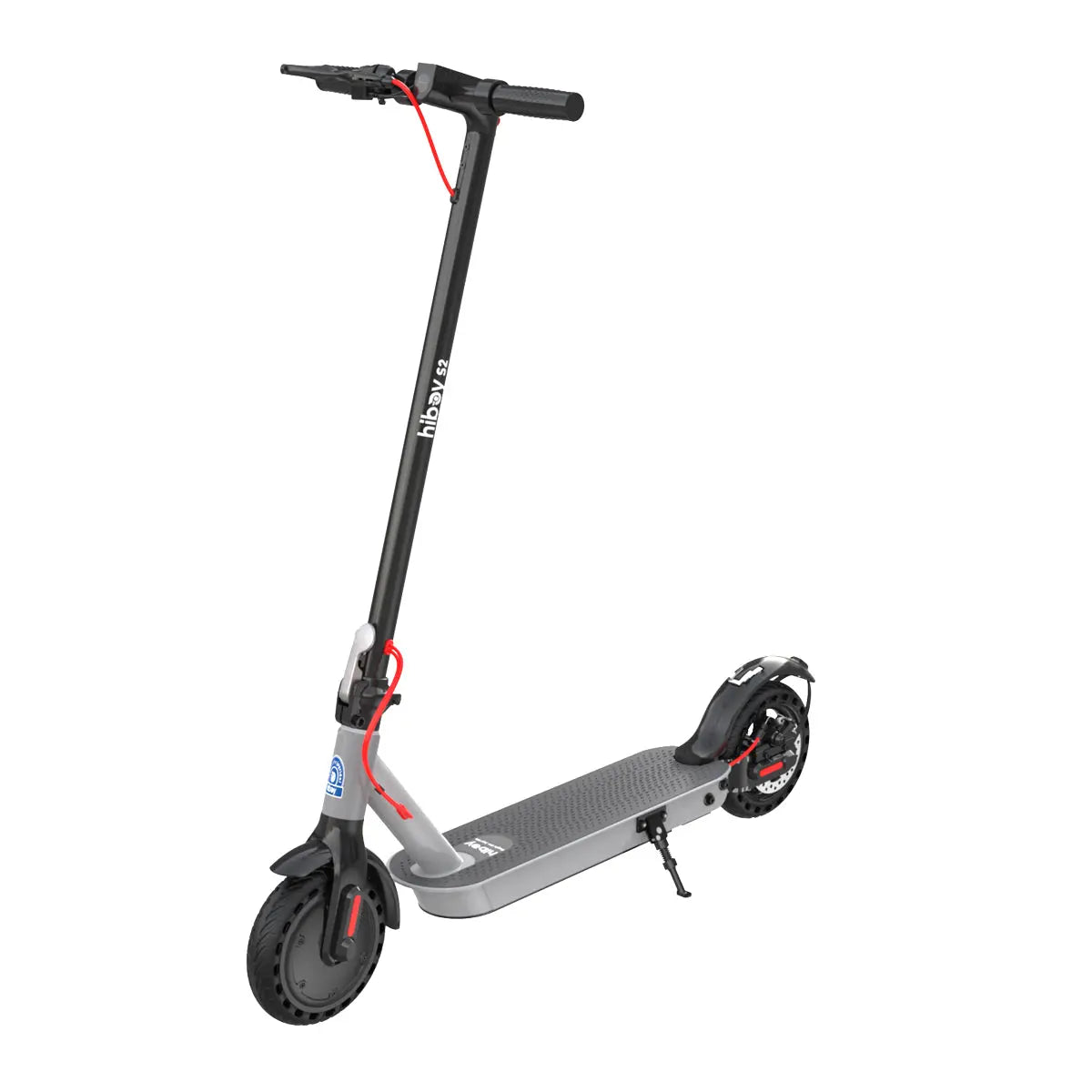
S2
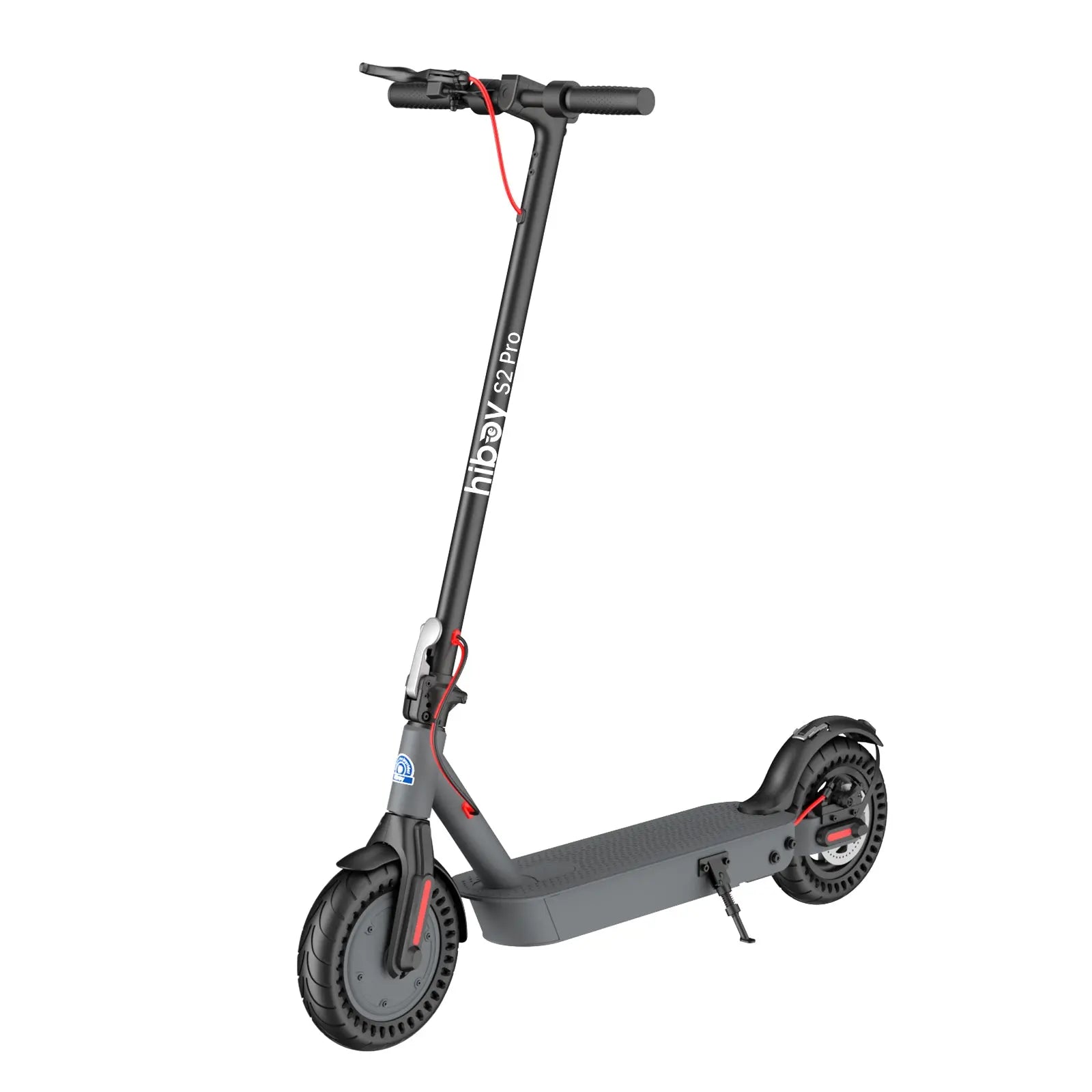
S2 Pro
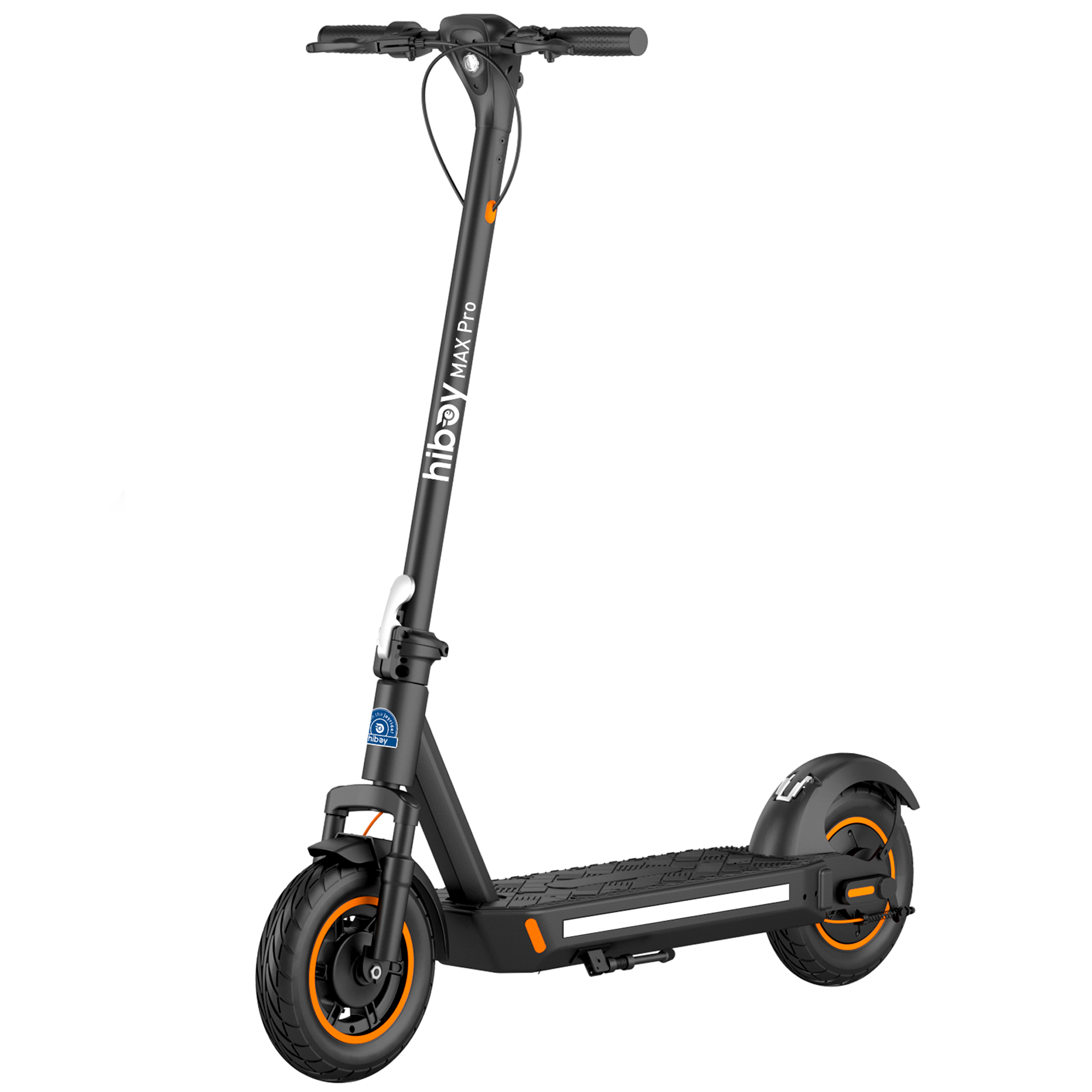
MAX Pro
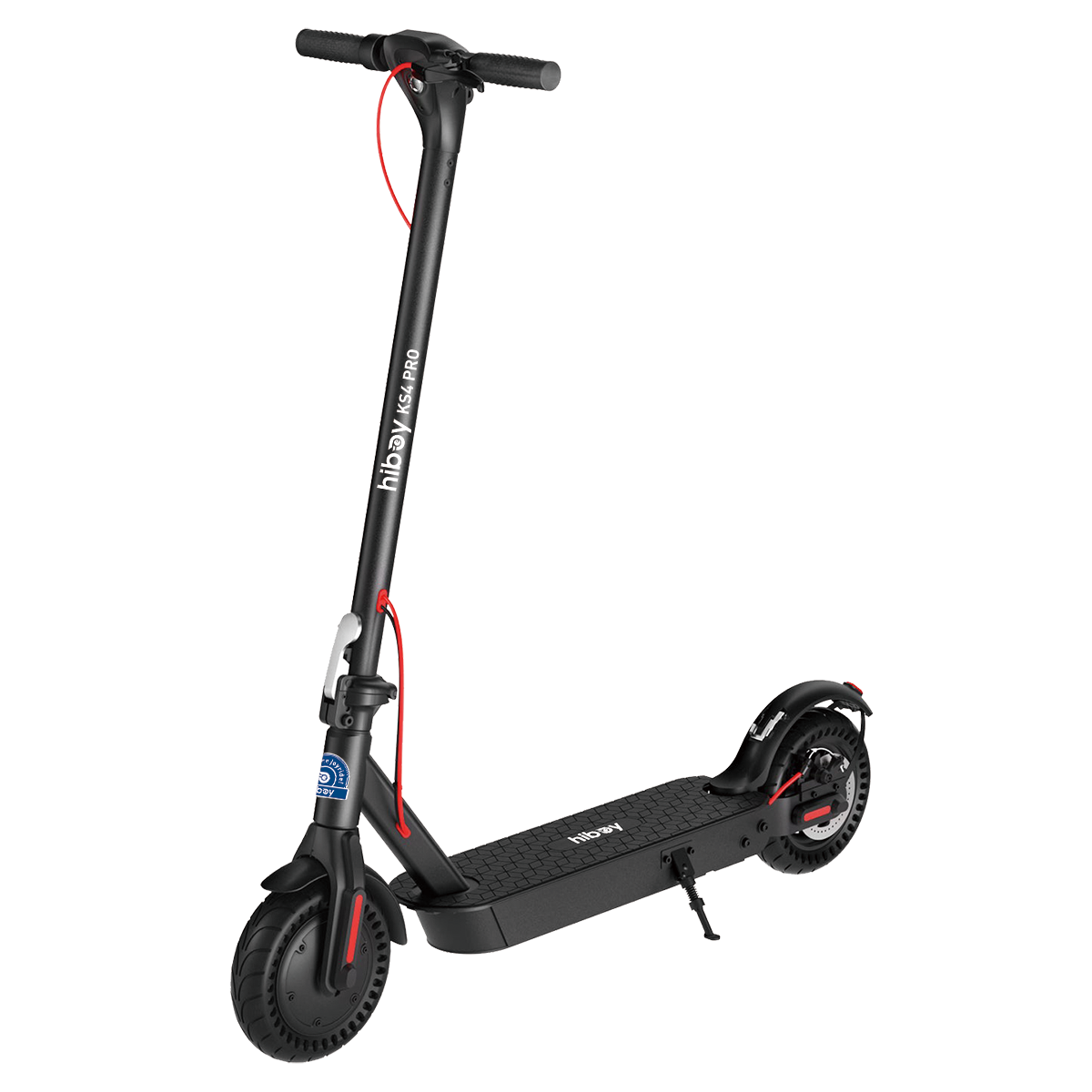
KS4 Pro
TITAN
S2 Nova
Compare Models
Find Your Best Ride
Daily Commute
Off-road & Trail
Folding & Compact
Fat Tire Rides
P6
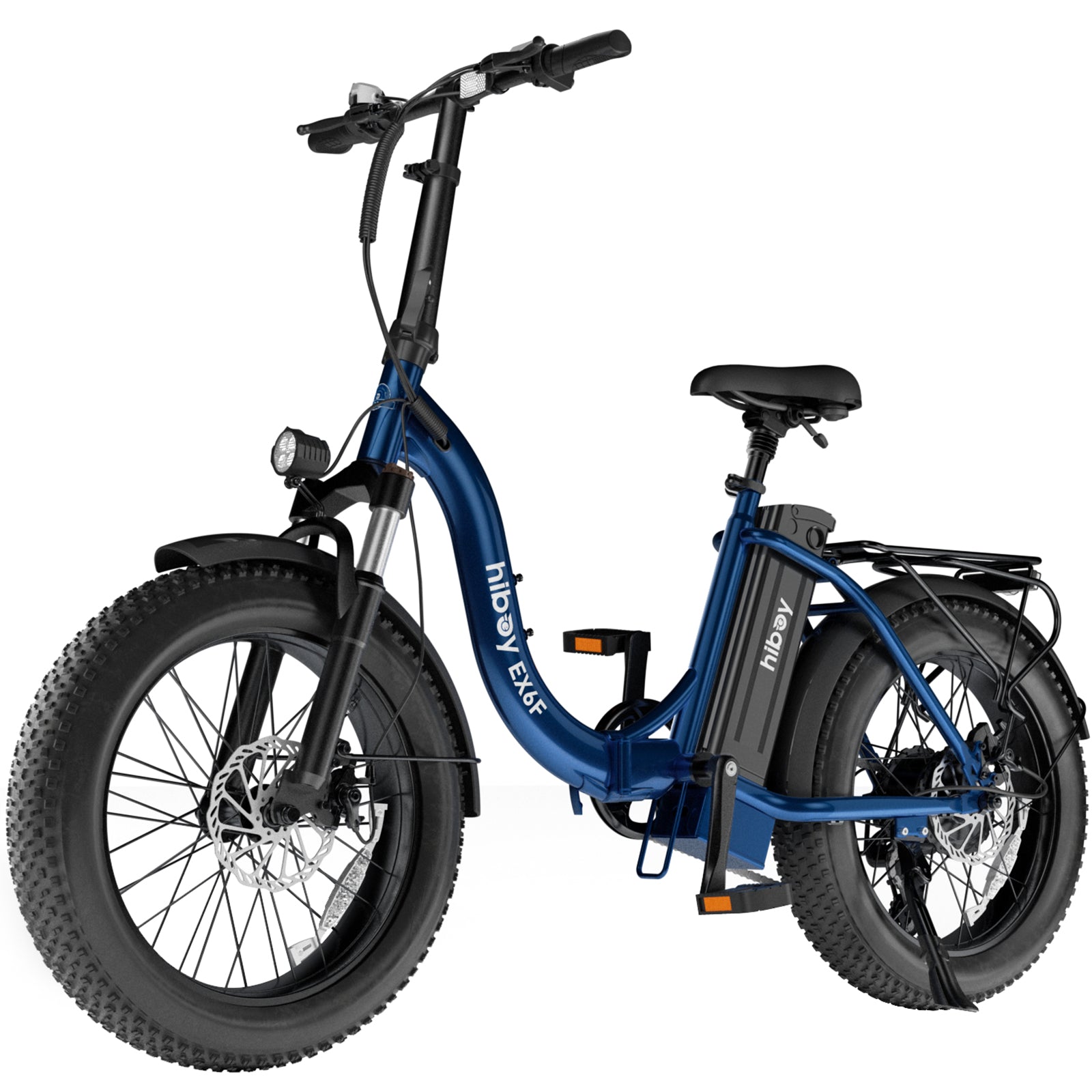
EX6F
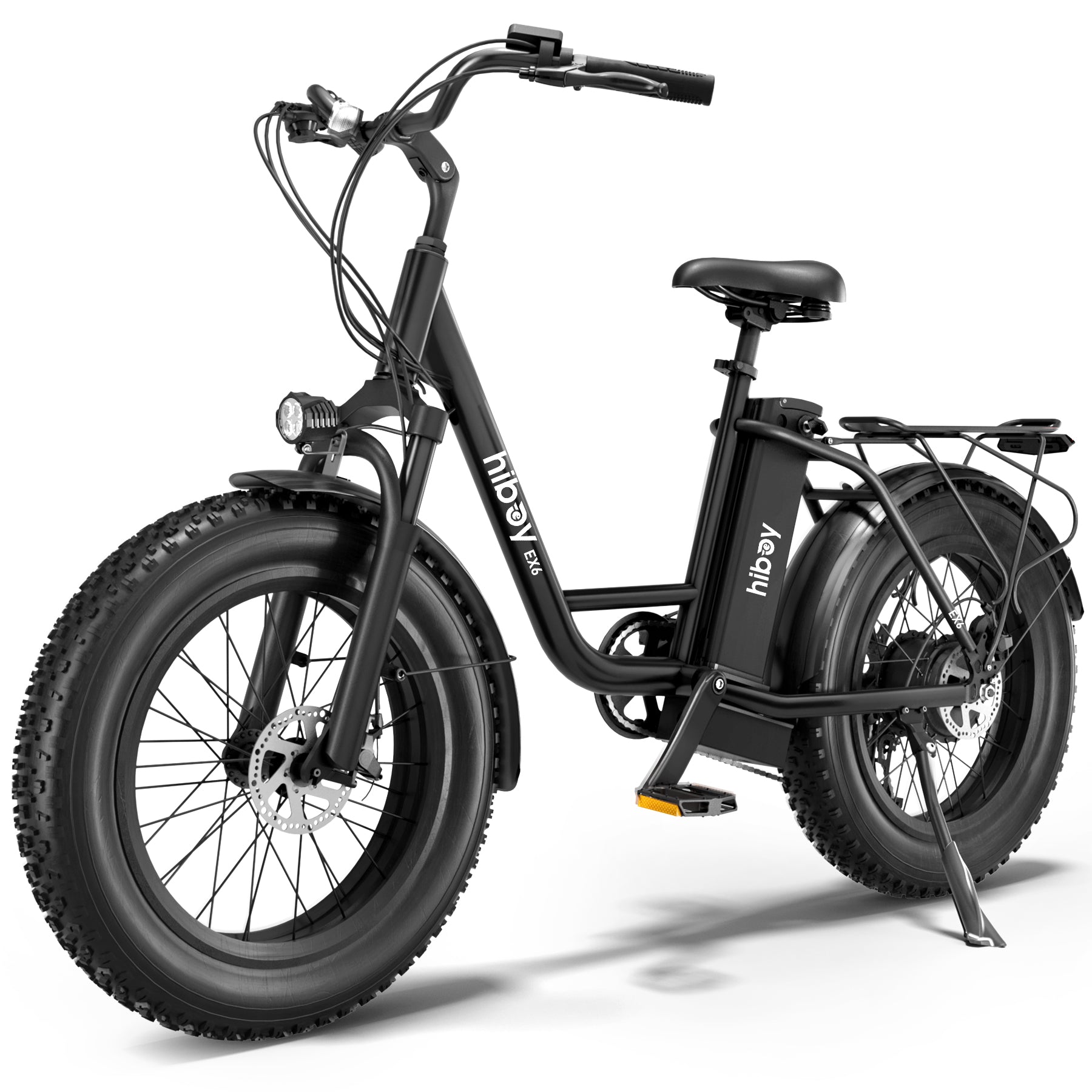
EX6
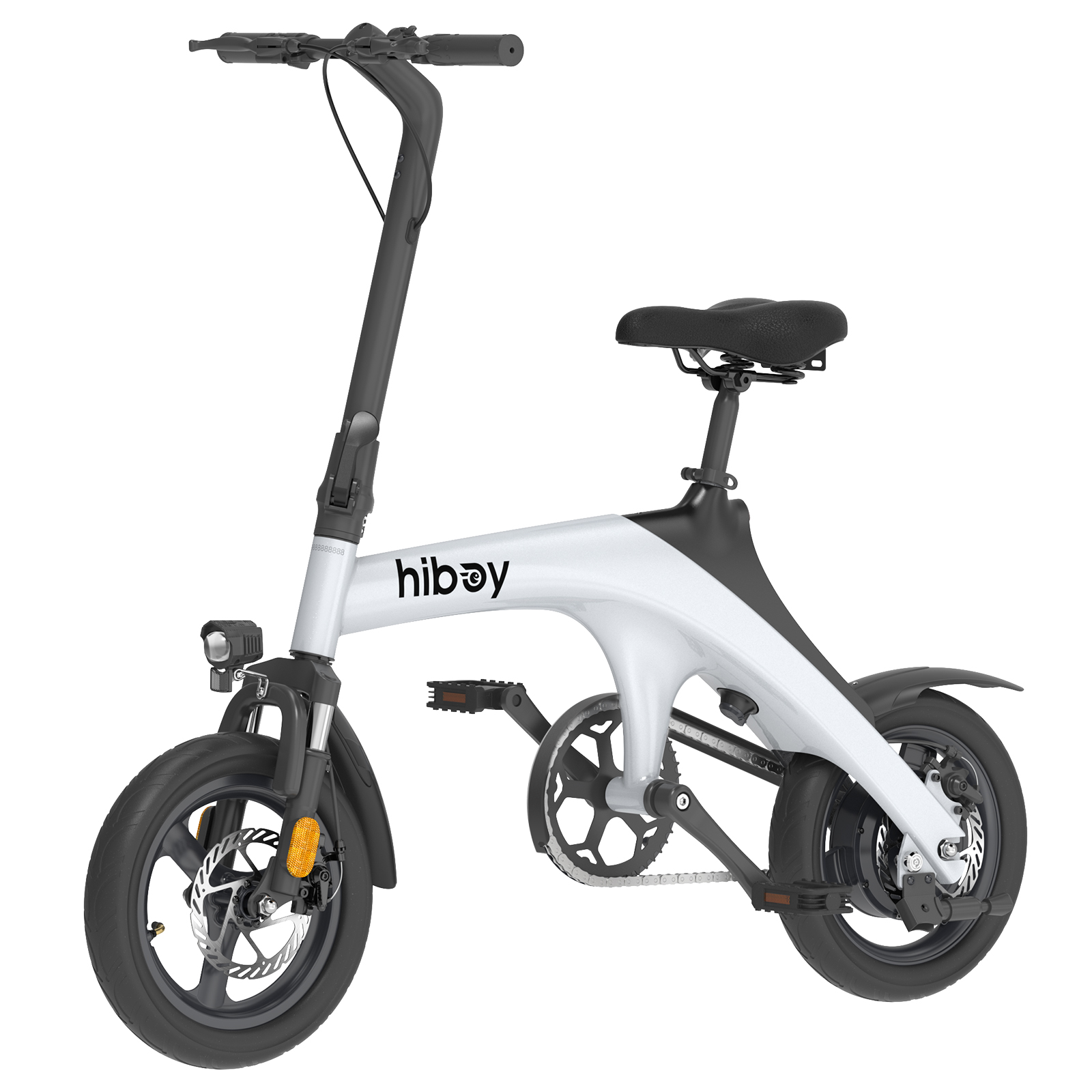
C1
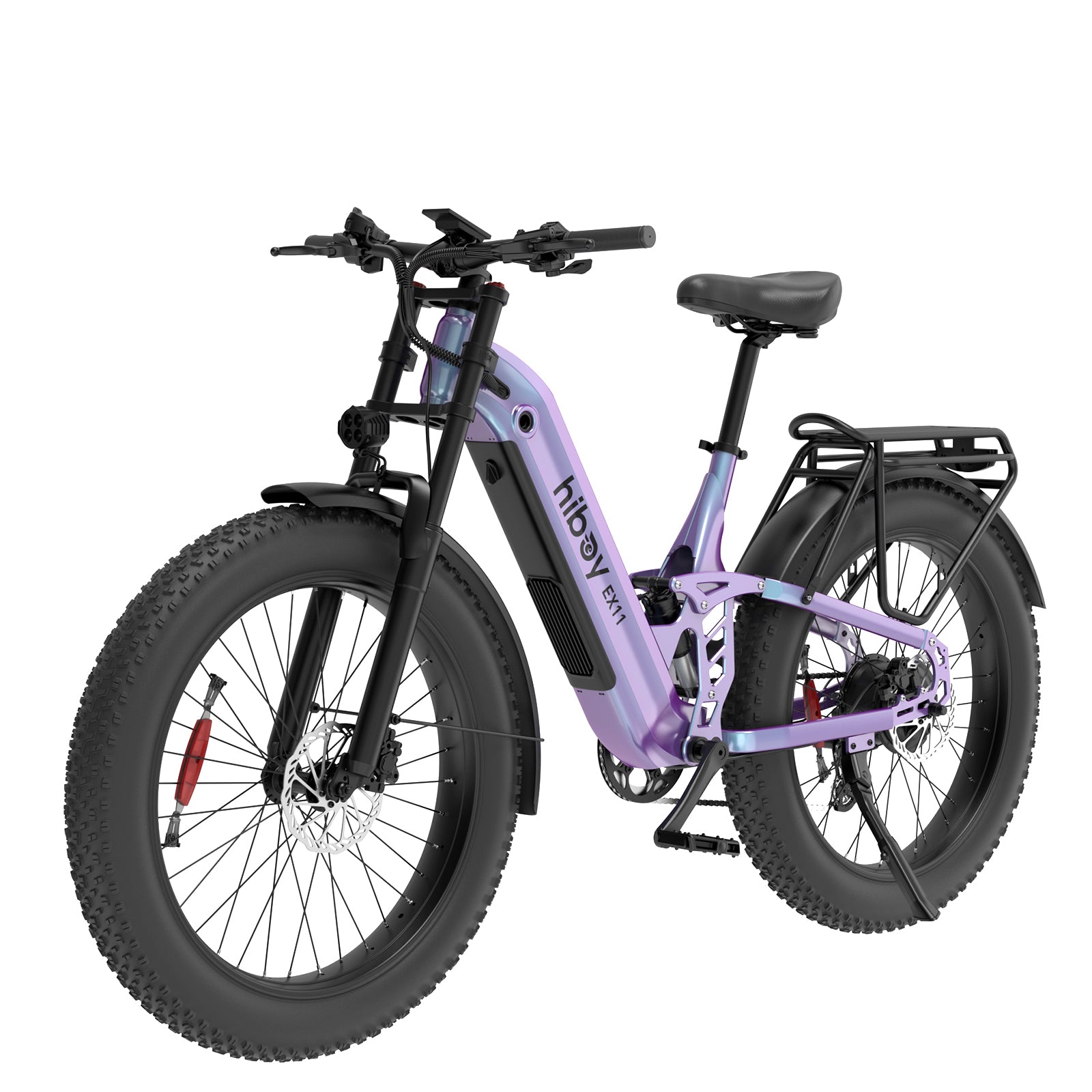
EX11
EX9
Compare Models
First Rides
Everyday Fun
S2 Lite
BK1
DK1
DK2
Joy Haul
Q2 Lite
Compare Models