





 Daily Commute
 Lightweight & Portable
 Performance Rides
 Comfort With Seat
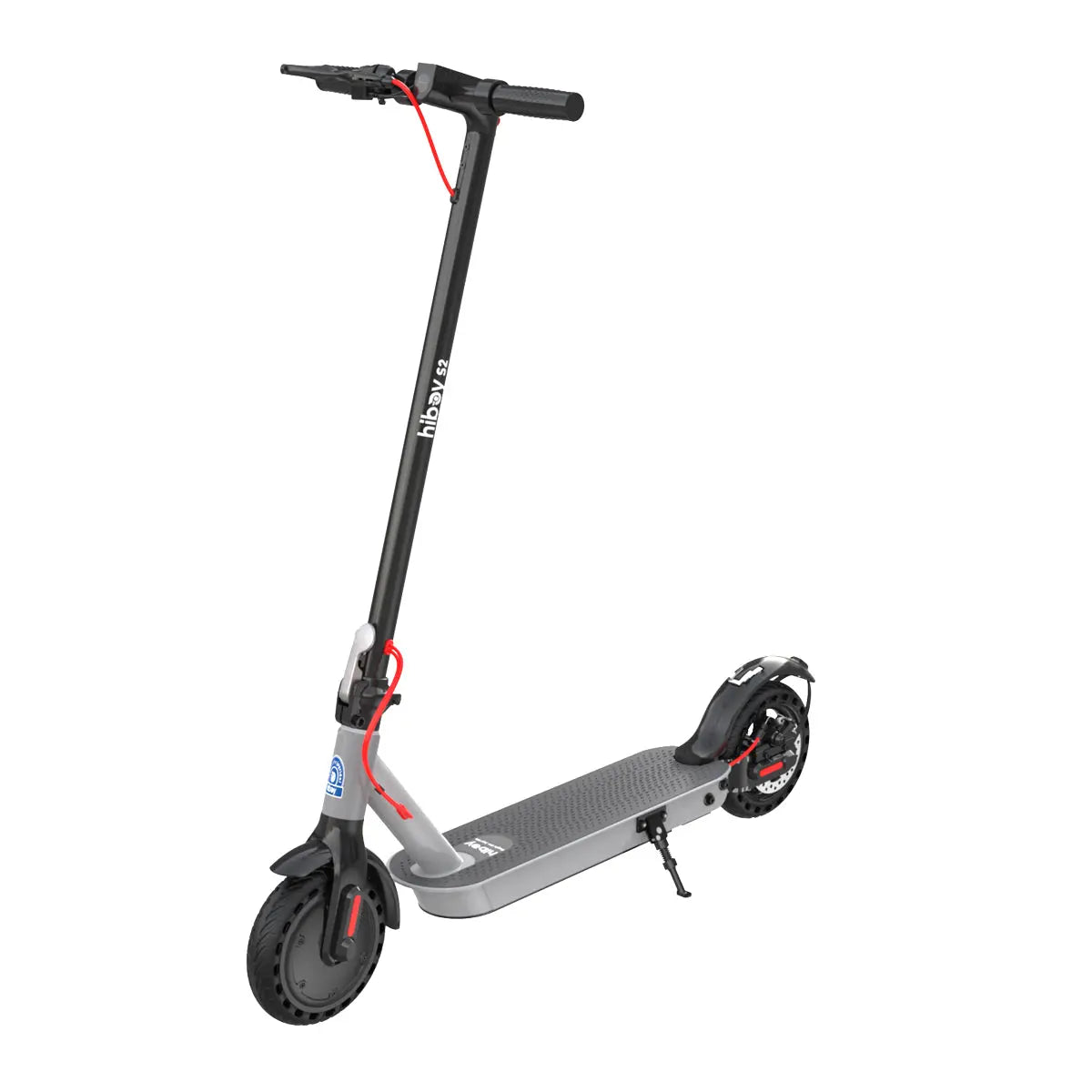 S2
S2
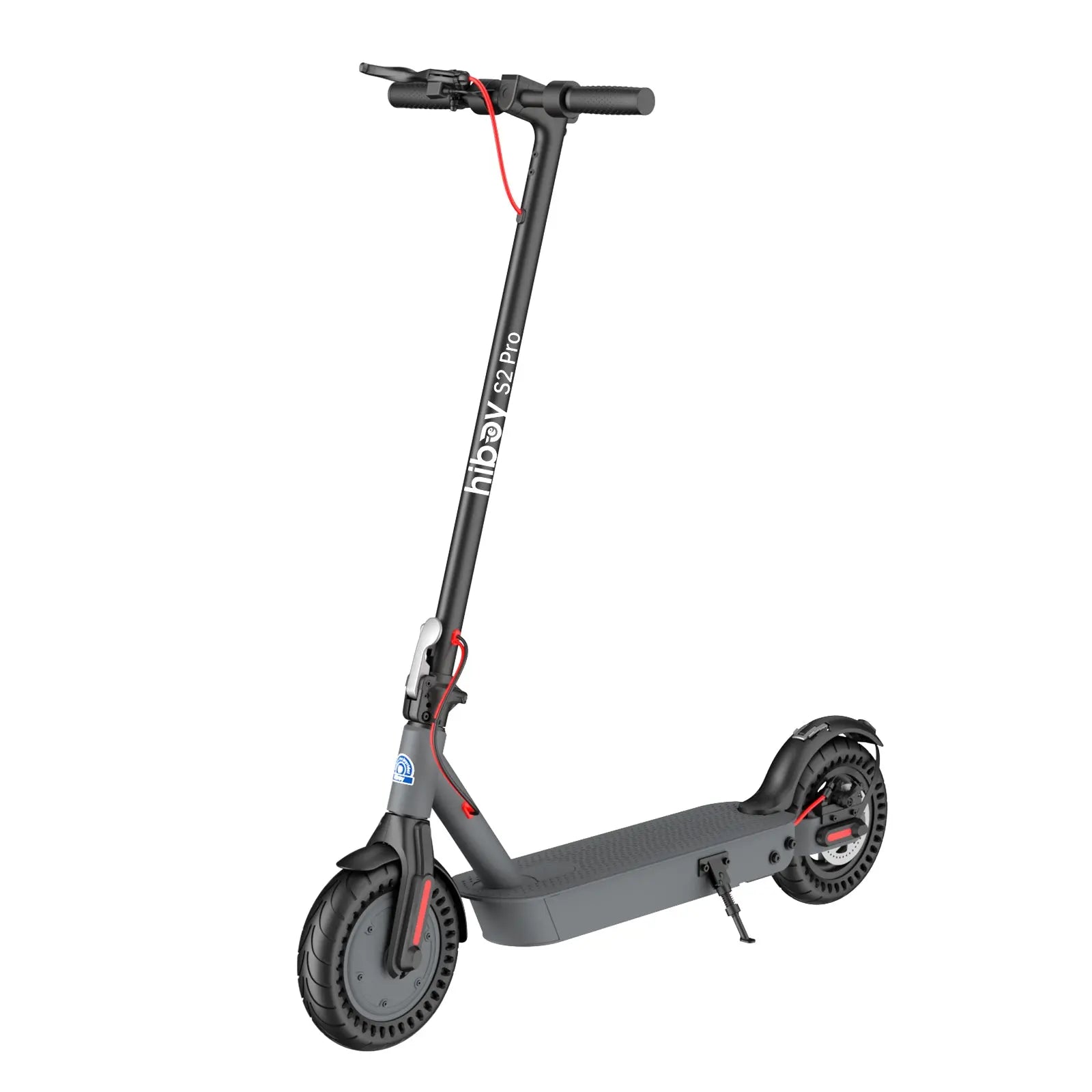 S2 Pro
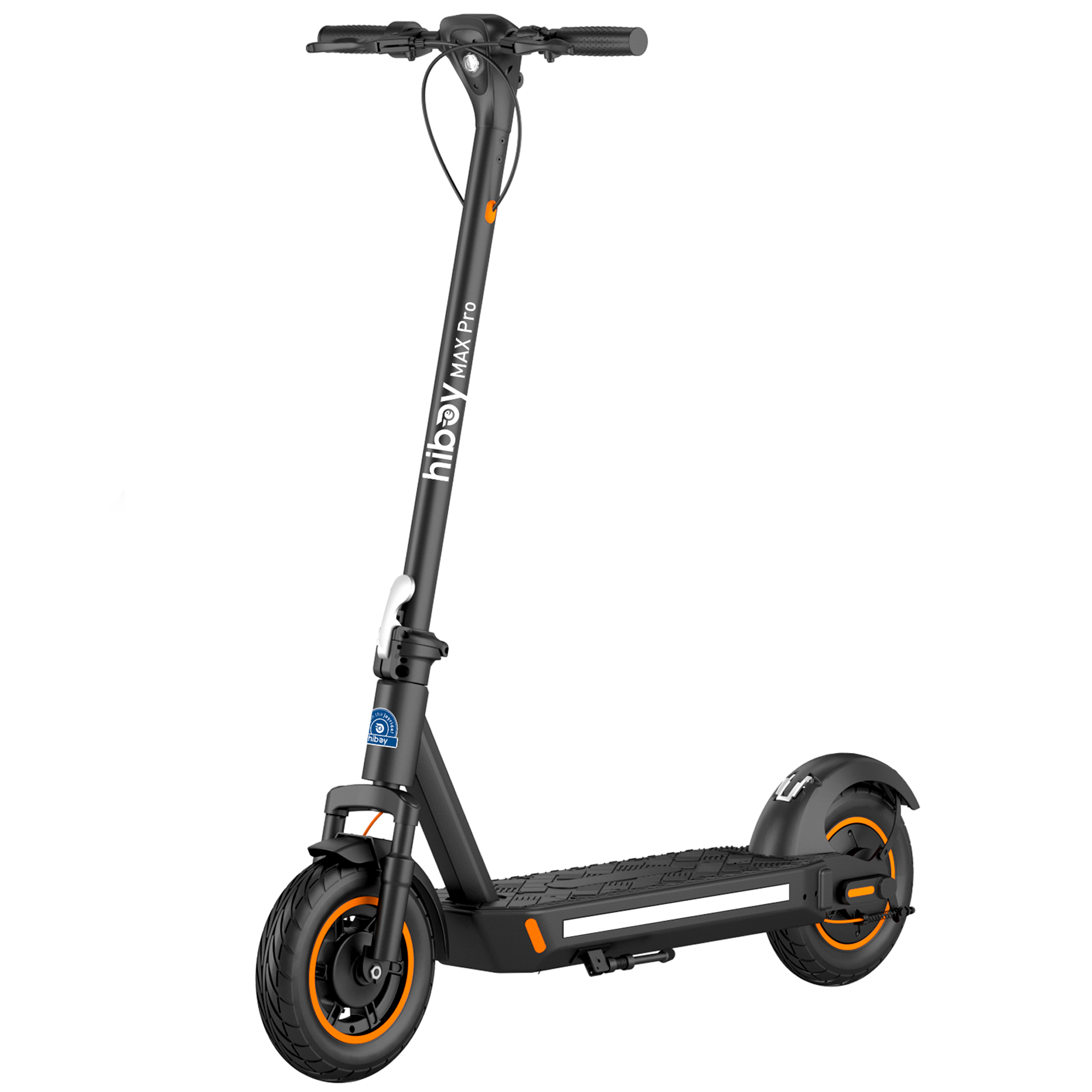 MAX Pro
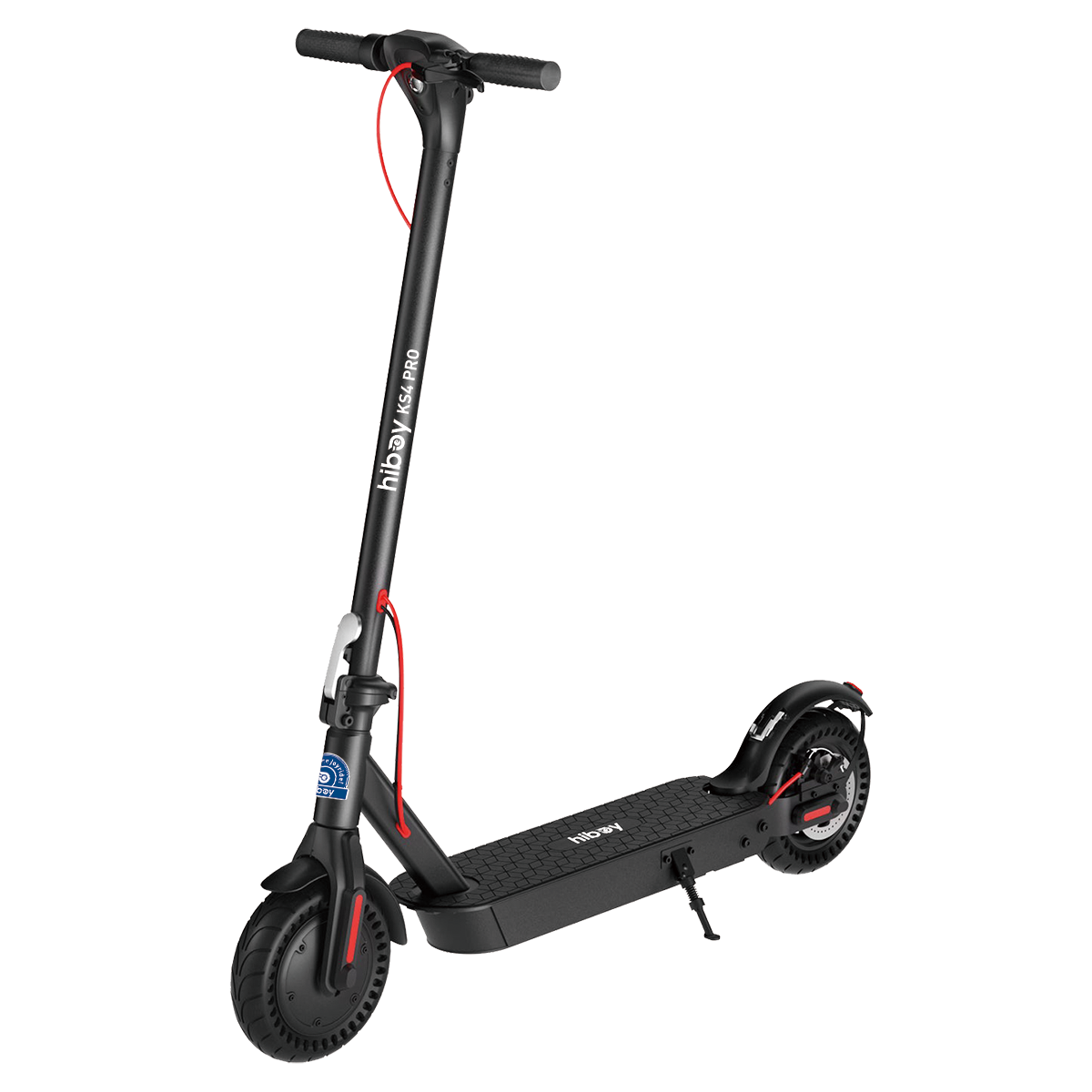 KS4 Pro
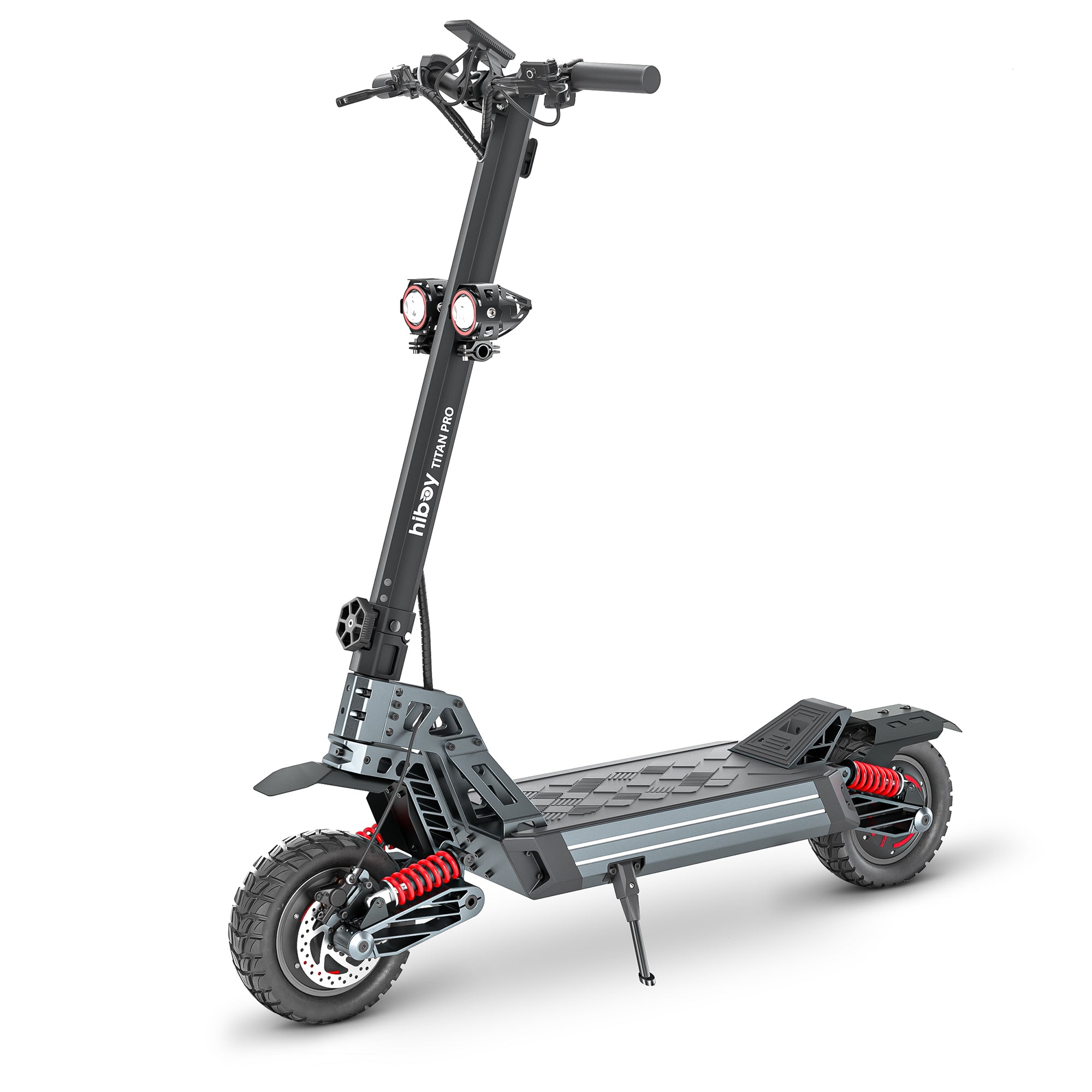 TITAN PRO
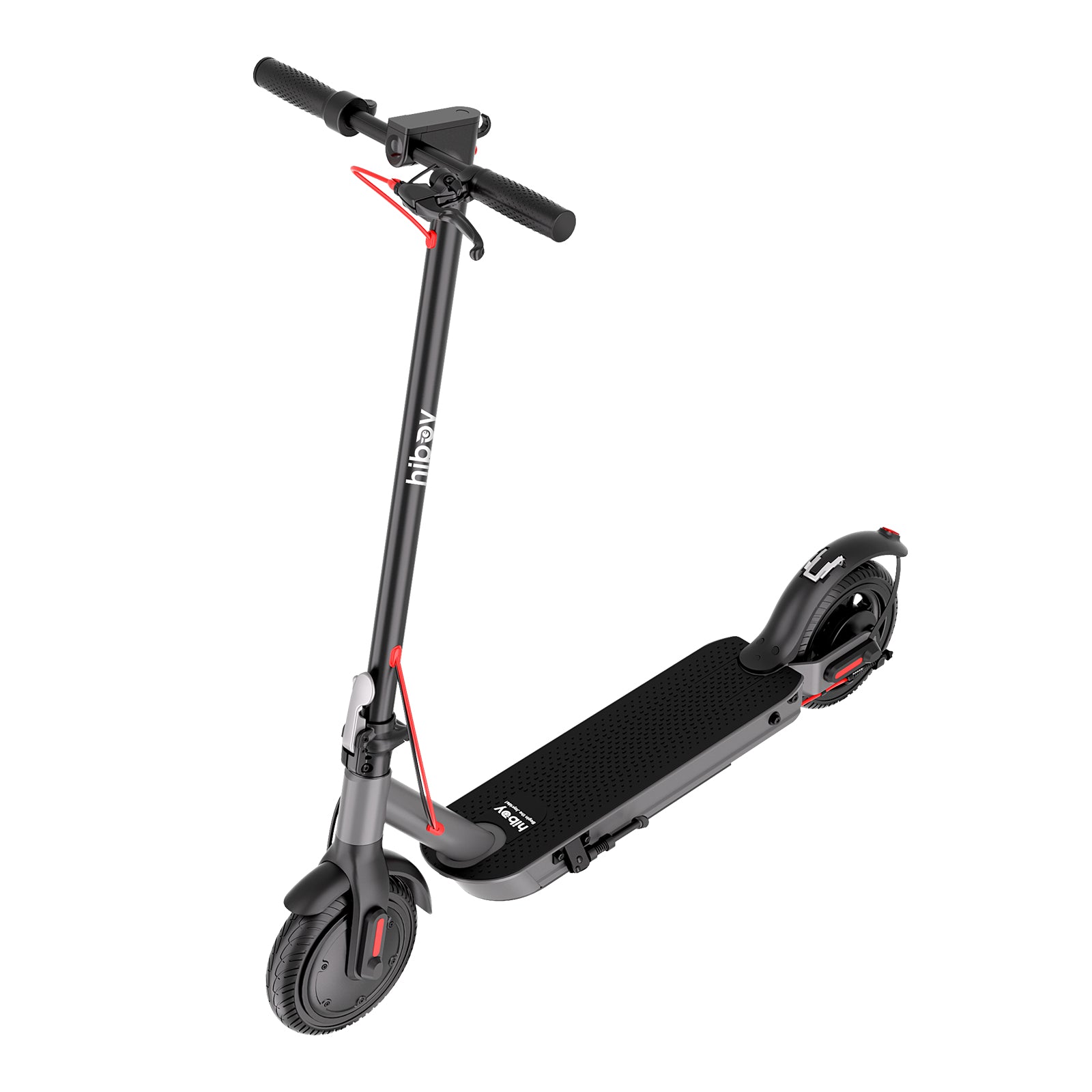 S2 Nova
 Compare Models
 Find Your Best Ride

 Daily Commute
 Off-road & Trail
 Folding & Compact
 Fat Tire Rides
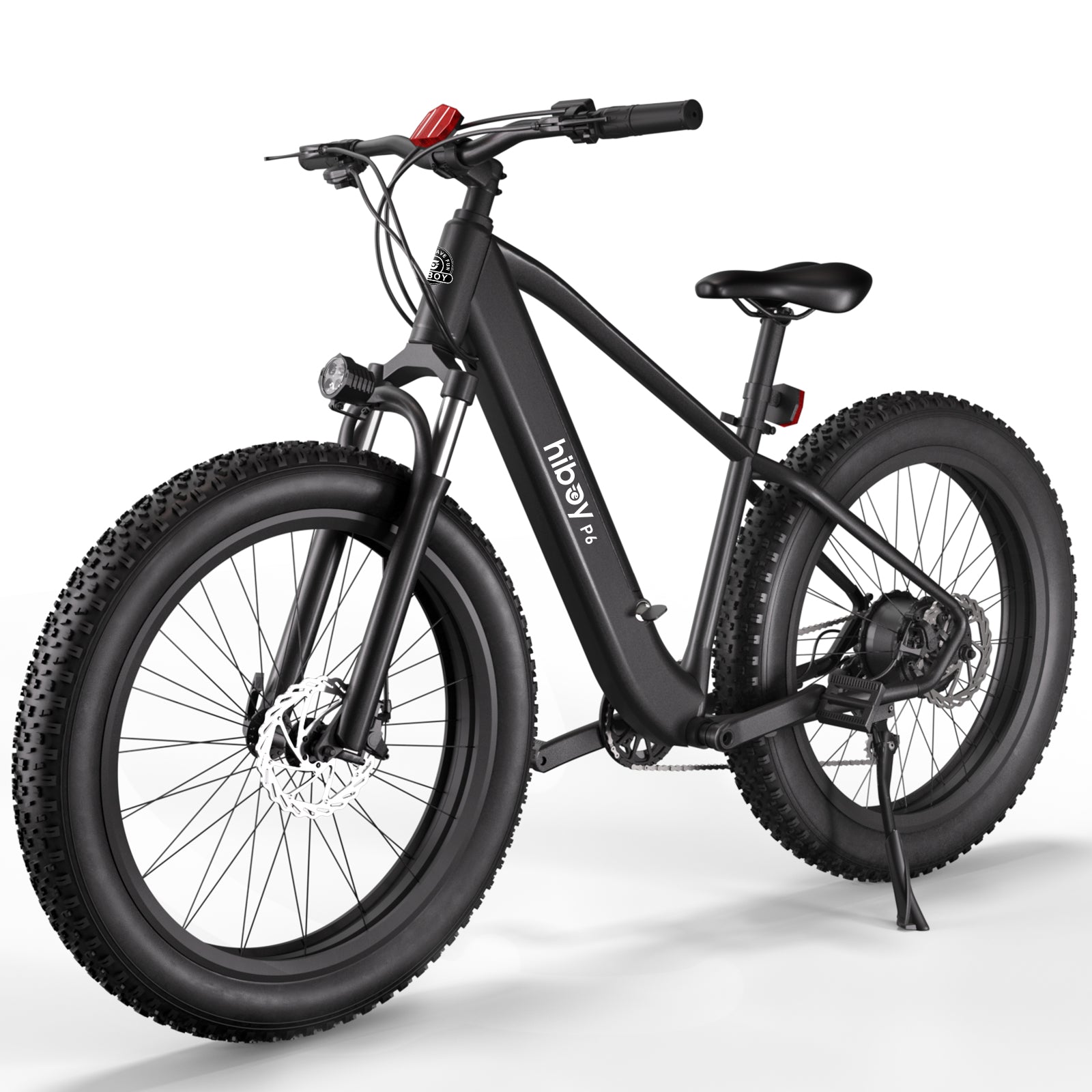 P6
P6
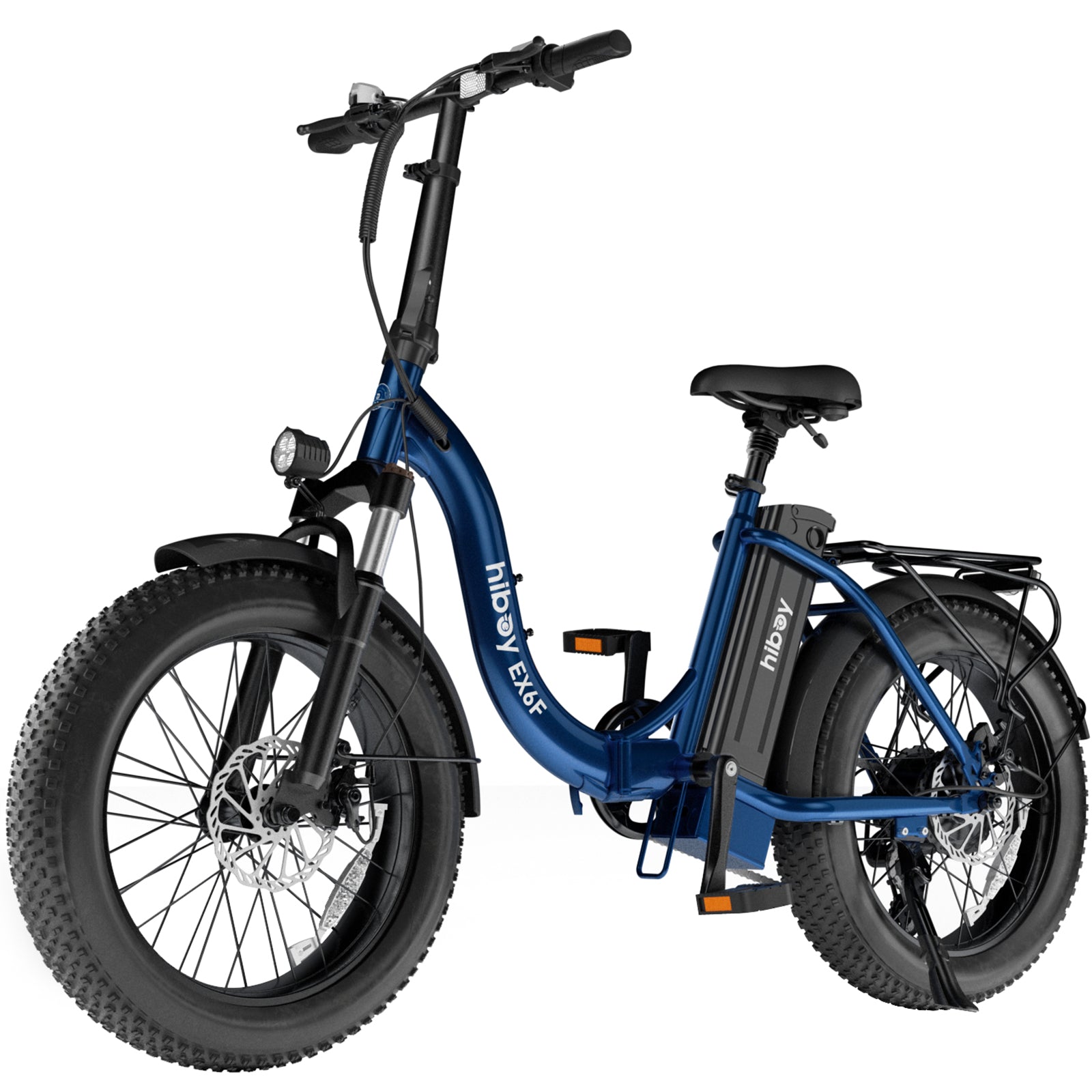 EX6F
EX6F
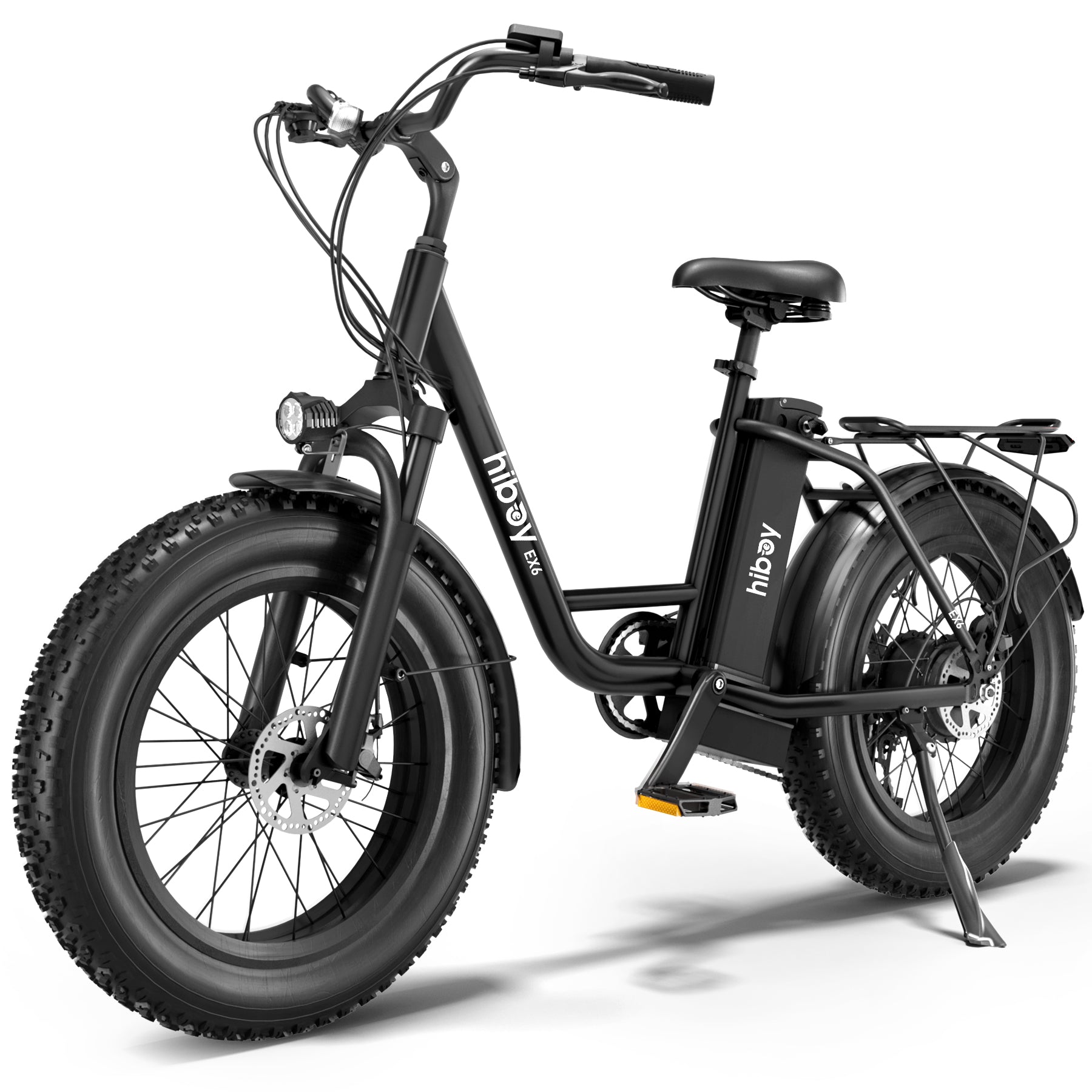 EX6
EX6
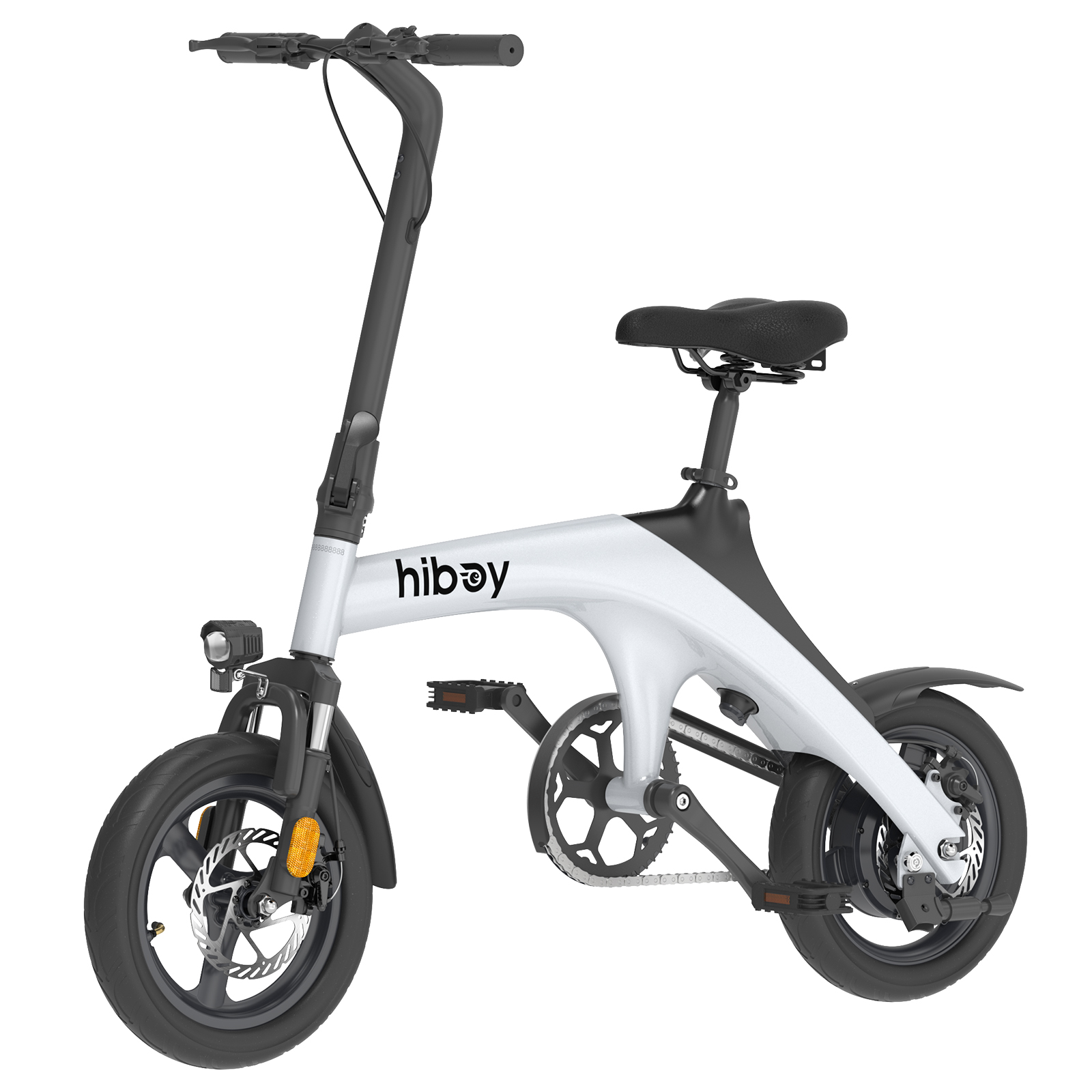 C1
C1
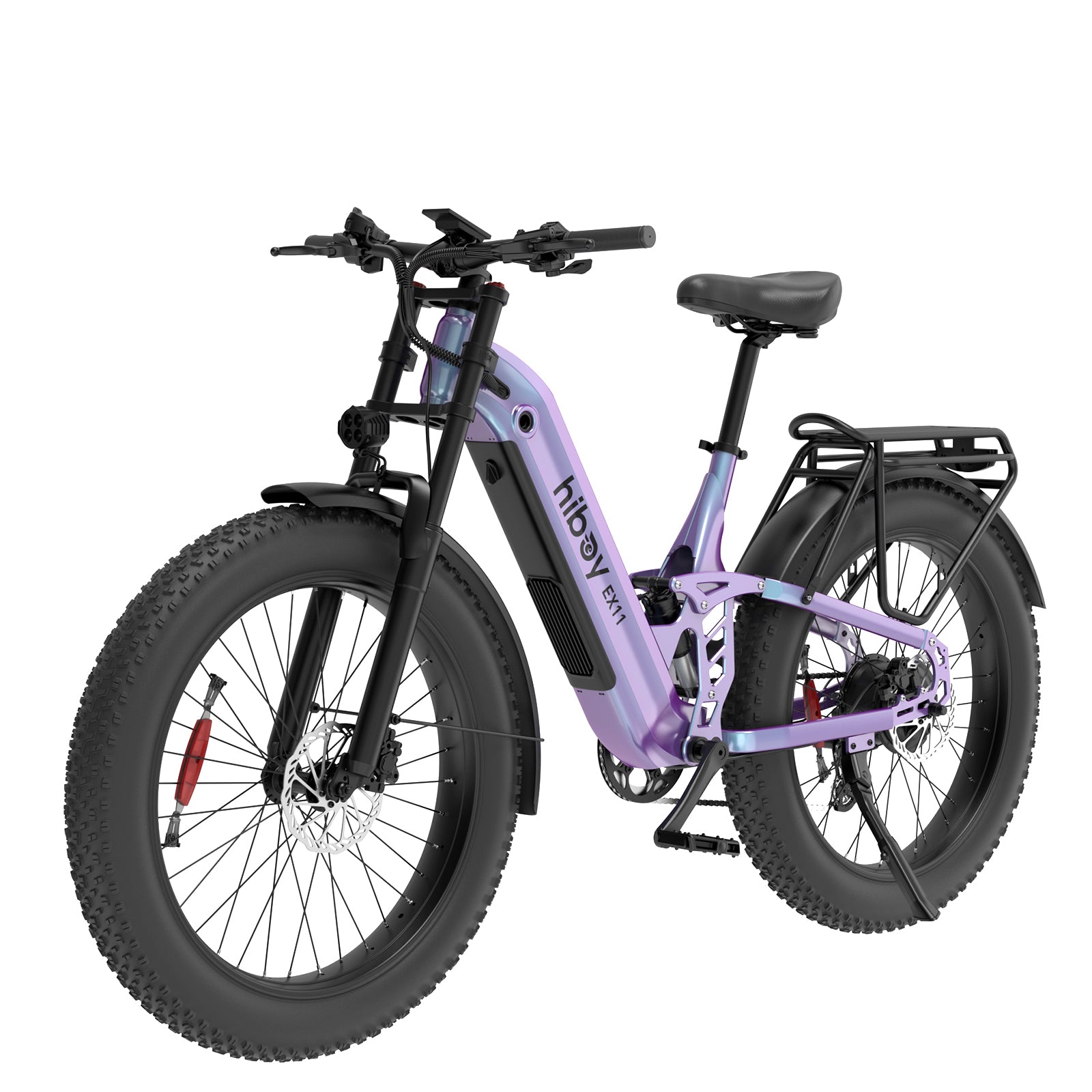 EX11
EX11
 EX9
EX9
 Compare Models
 First Rides
 Everyday Fun
 S2 Lite
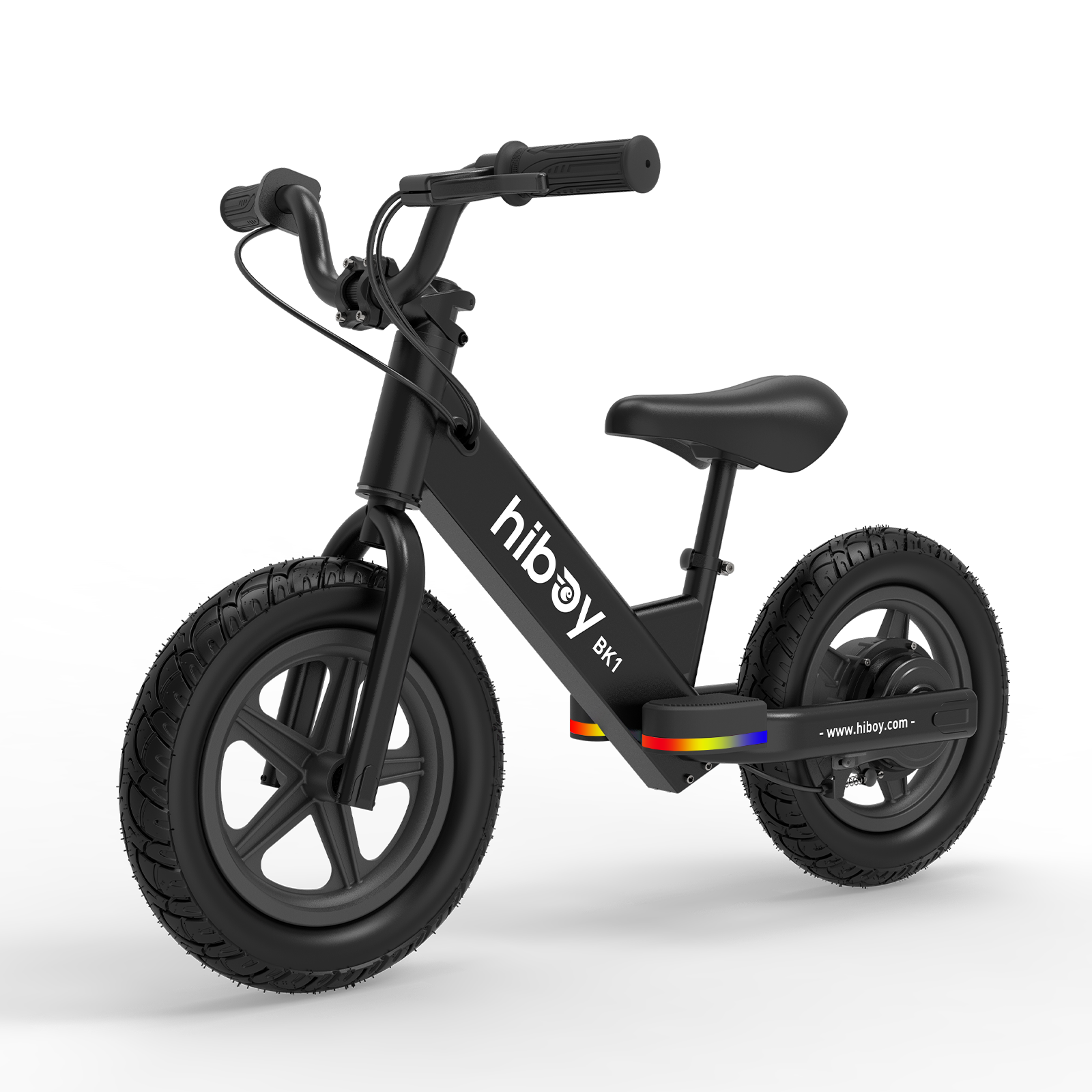 BK1
BK1
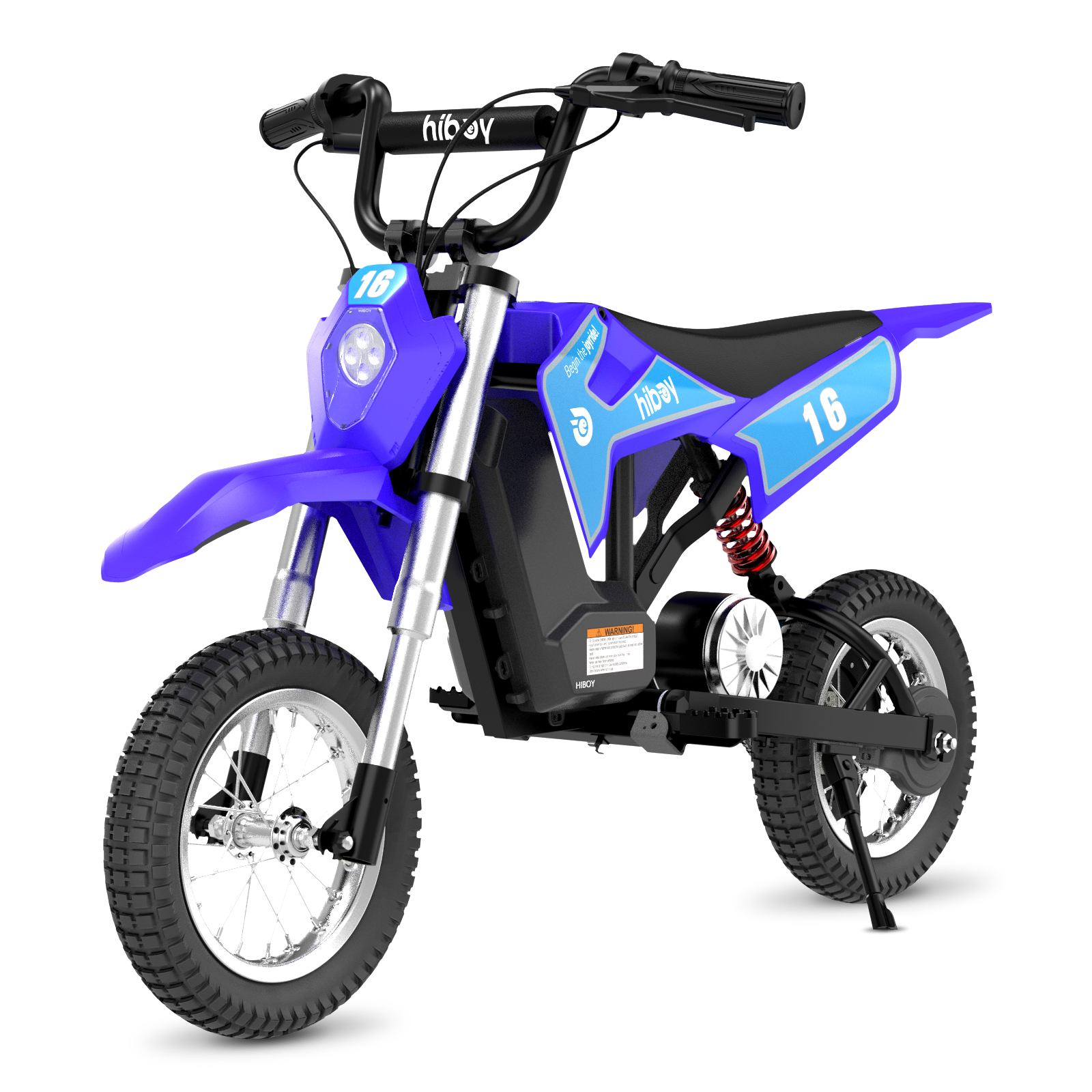 DK1
DK1
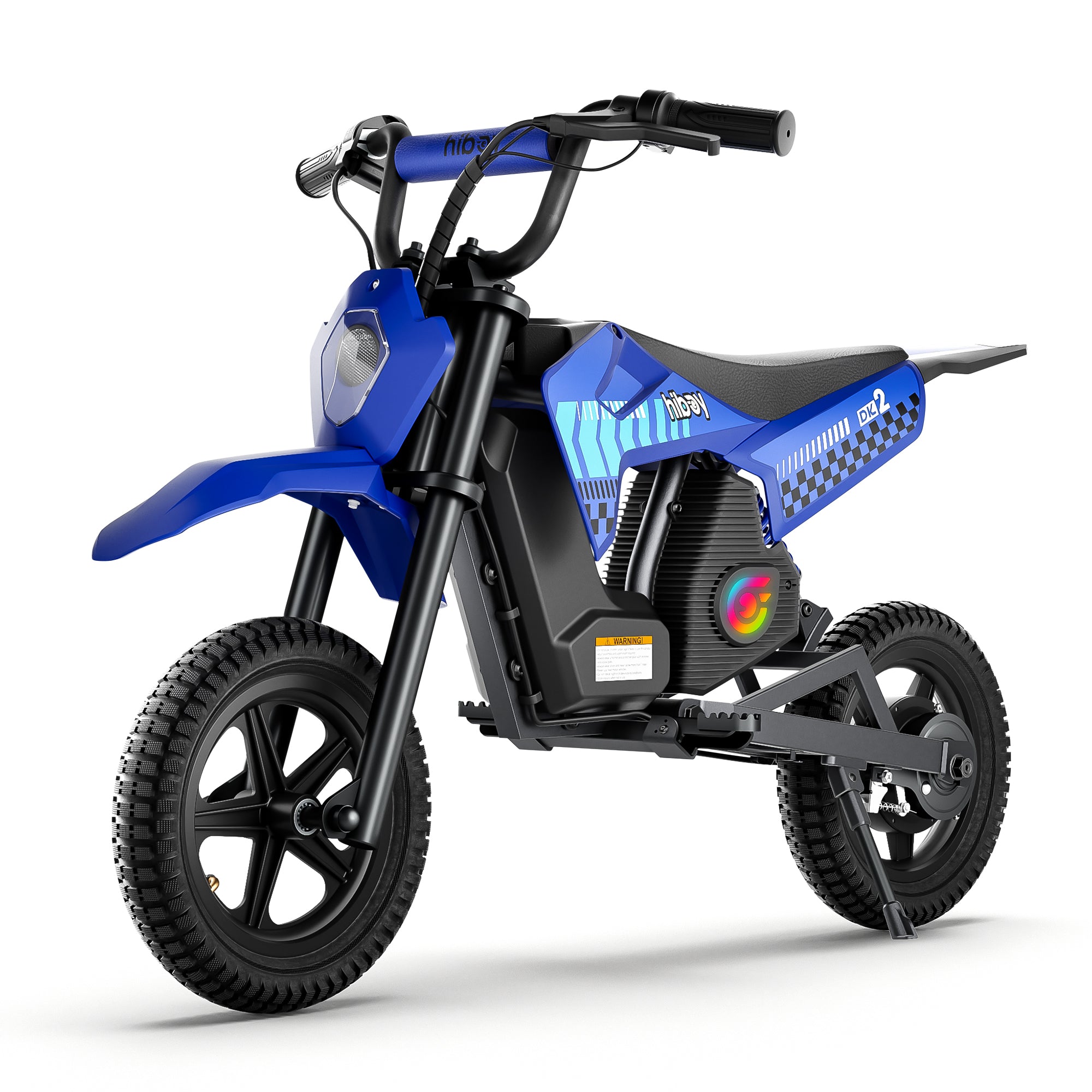 DK2
DK2
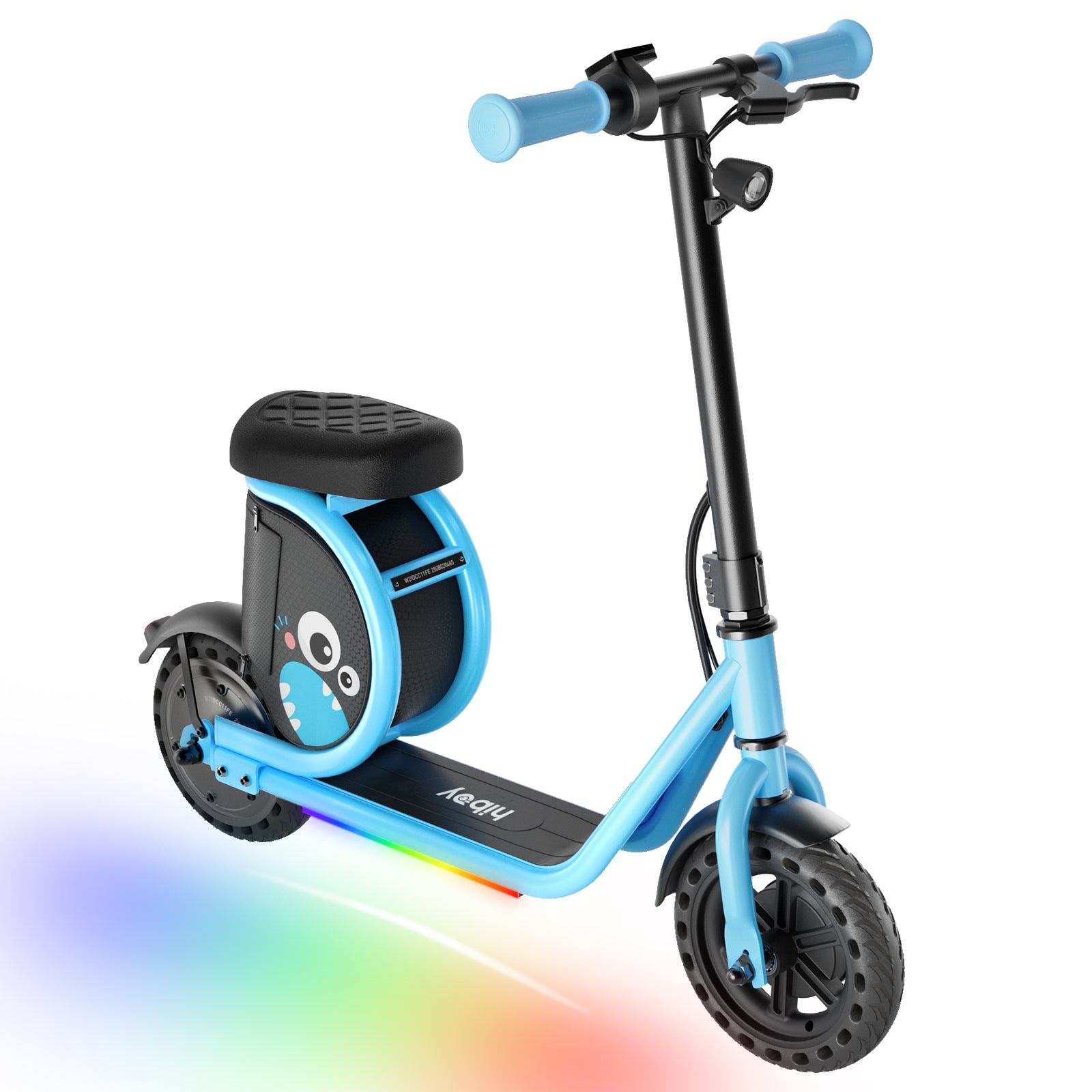 Joy Haul
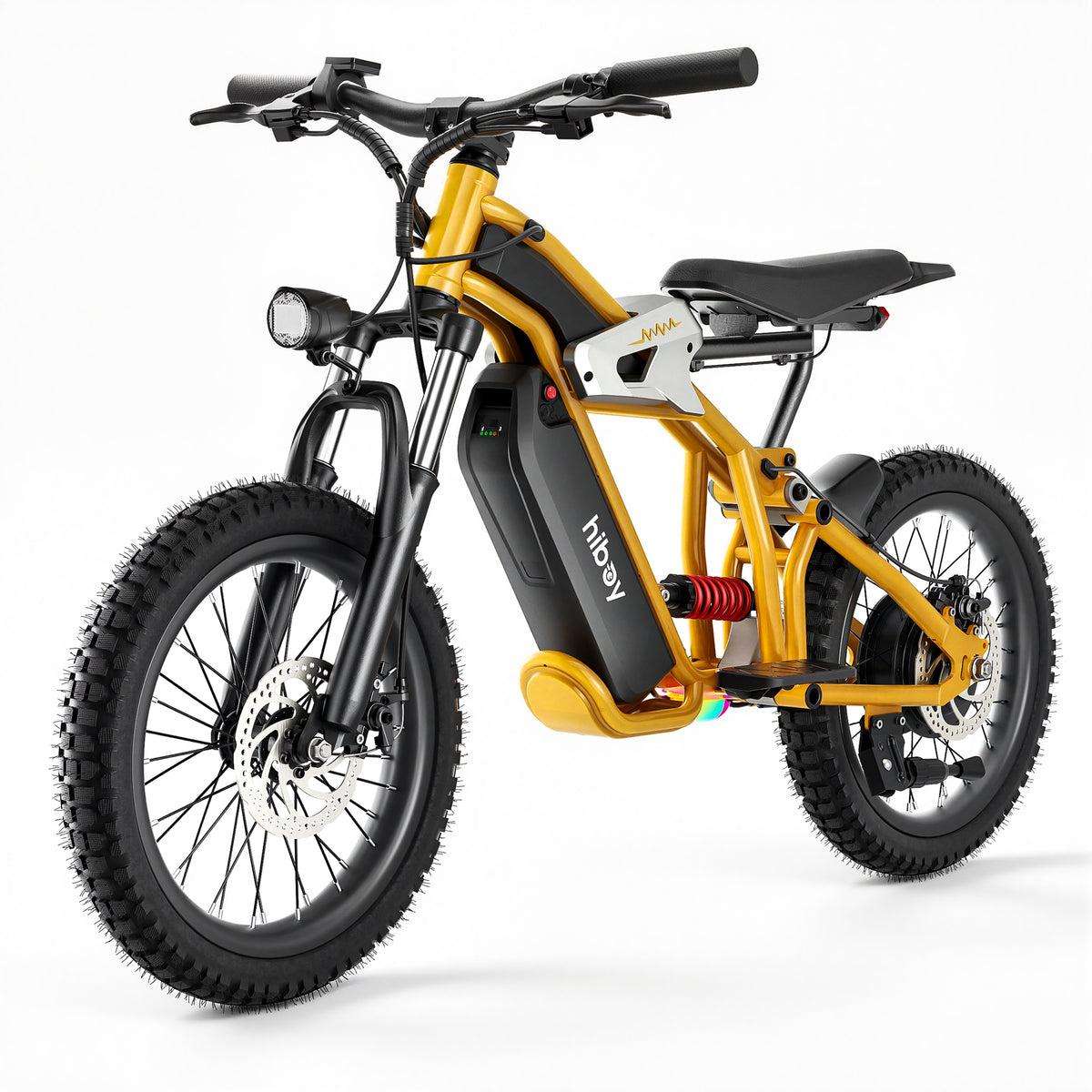 DM14
DM14
 Compare Models

When choosing an electric bike, most riders pay close attention to motor power, battery capacity, range, and tire size. Brakes often receive less attention, but they are one of the most important components on the bike.
An electric bike can travel faster and weigh considerably more than a traditional bicycle. That makes reliable braking especially important when riding in traffic, descending hills, carrying additional weight, or stopping quickly.
Most modern electric bikes use disc brakes, and two of the most common designs are hydraulic disc brakes and mechanical disc brakes. Both can provide reliable stopping performance, but they differ significantly in how braking force is transmitted, how they feel at the lever, how much maintenance they require, and how they perform under demanding conditions.
So, which is better: hydraulic or mechanical brakes?
The answer depends on how and where you ride.
This guide explains how both systems work, their advantages and disadvantages, and the factors you should consider before choosing an electric bike.
Hydraulic vs. Mechanical Disc Brakes at a Glance
| Feature | Hydraulic Disc Brakes | Mechanical Disc Brakes |
| Braking force | Generally higher and more consistent | Strong, but depends more on cable setup |
| Lever feel | Smooth and responsive | More direct/mechanical |
| Modulation | Excellent | Good |
| Maintenance | Less frequent adjustment, but more specialized | Easier for many riders to service |
| Cable stretch | No brake cable | Yes |
| Installation | More complex | Relatively simple |
| Weight | Often lighter | Can be slightly heavier |
| Cost | Usually higher | Usually lower |
| Long descents | Excellent | Good with proper setup |
| Ease of repair | More specialized | Generally easier |
| Best suited for | Performance, heavier bikes, demanding riding | Commuting, recreational riding, value-focused builds |
Neither system is automatically the right choice for every rider. Brake quality, rotor size, pad material, bike weight, tire traction, and proper setup all influence real-world stopping performance.

What Are Disc Brakes on an Electric Bike?
Before comparing hydraulic and mechanical systems, it helps to understand what a disc brake actually does.
A disc brake uses a rotor, also called a brake disc, attached to the wheel hub. When you pull the brake lever, the brake caliper presses brake pads against the rotor.
The resulting friction slows the rotor, and therefore the wheel.
The basic components include:
- Brake lever: The rider's input mechanism.
- Caliper: Houses the brake pads and mechanism that applies pressure to the rotor.
- Brake pads: Create friction against the rotor.
- Rotor: The metal disc attached to the wheel hub.
- Hydraulic hose or mechanical cable: Transfers force from the lever to the caliper.
The key difference between hydraulic and mechanical brakes is how the force from the brake lever reaches the caliper.
Hydraulic brakes use fluid pressure.
Mechanical brakes use a physical cable.
How Do Hydraulic Disc Brakes Work?
Hydraulic disc brakes use a sealed system filled with brake fluid.
When you pull the brake lever, a piston inside the master cylinder pushes hydraulic fluid through a hose toward the caliper. Pressure in the fluid moves pistons inside the caliper, which push the brake pads against the rotor.
In simple terms:
Brake lever → hydraulic fluid → caliper pistons → brake pads → rotor
Because hydraulic fluid is effectively incompressible, relatively little lever movement can generate substantial force at the caliper.
Advantages of Hydraulic Brakes
1. Strong and Consistent Braking
Hydraulic systems can generate significant clamping force with relatively little effort at the brake lever.
This can be particularly useful on electric bikes, which are often heavier than conventional bicycles.
For example, a loaded electric bike traveling downhill may require substantially more braking force than a lightweight road bike. Hydraulic brakes can provide a strong, controlled response without requiring the rider to squeeze the lever excessively hard.
2. Excellent Modulation
Modulation refers to how precisely you can control braking force.
A good hydraulic brake allows you to move smoothly between light braking and hard braking rather than feeling as though the brake is simply "on" or "off."
This can be useful when:
- Riding downhill
- Navigating wet or uneven surfaces
- Riding through crowded areas
- Controlling speed before a corner
- Managing a heavy electric bike

Good modulation allows the rider to apply the appropriate amount of braking force instead of immediately locking the wheel.
3. Less Lever Effort
Hydraulic systems generally require less hand force to generate strong braking performance.
That can make a noticeable difference during long rides, particularly for riders who frequently brake in urban traffic.
4. Automatic Pad Compensation
As brake pads gradually wear, hydraulic systems can compensate for the reduction in pad thickness by allowing the pistons to move farther outward.
As a result, the brake lever generally maintains a relatively consistent feel over the life of the pads.
5. Sealed System
A hydraulic brake system is sealed, so it isn't affected by cable stretch or contamination in the same way as a traditional mechanical cable system.
That doesn't mean hydraulic brakes are maintenance-free. They can still require bleeding, pad replacement, rotor inspection, and other service.
Disadvantages of Hydraulic Disc Brakes
Hydraulic brakes offer excellent performance, but they aren't perfect.
Higher Cost
Hydraulic components generally cost more than mechanical brake systems.
This can increase the overall price of an electric bike and the cost of replacement components.
More Specialized Maintenance
Hydraulic brakes require specific tools and procedures for certain types of maintenance.
For example, if air enters the hydraulic system, the brake may need to be bled to restore proper lever feel and braking performance.
This can be more complicated than replacing or adjusting a mechanical brake cable.
Hose Damage Can Be More Complicated
A damaged hydraulic hose can require specialized replacement and bleeding.
A mechanical brake cable, by comparison, is relatively straightforward to replace.

How Do Mechanical Disc Brakes Work?
Mechanical disc brakes use a physical steel cable to transfer force from the brake lever to the caliper.
When you pull the lever, the cable moves. That movement activates the brake mechanism inside the caliper, pushing the brake pad toward the rotor.
The basic process is:
Brake lever → cable → caliper mechanism → brake pads → rotor
Mechanical disc brakes are sometimes called cable-actuated disc brakes.
Advantages of Mechanical Brakes
1. Simpler Design
Mechanical disc brakes have a relatively straightforward construction.
For riders who prefer to perform their own maintenance, this can be a major advantage.
Cable replacement, tension adjustment, and many common brake adjustments can be performed with basic bicycle tools.
2. Lower Cost
Mechanical disc brakes are generally less expensive than hydraulic systems.
For an electric bike designed primarily for commuting or recreational riding, mechanical brakes can provide a good balance between performance and price.
3. Easier to Service
A mechanical brake's cable can be replaced relatively easily if it becomes damaged or worn.
This can be especially useful for riders who travel with their electric bike or ride in areas where specialized bicycle service may not be readily available.
4. Familiar Feel
Mechanical brakes have a familiar cable-actuated feel that many cyclists already know.
With a properly adjusted system and quality components, mechanical disc brakes can provide strong and dependable stopping performance.
Disadvantages of Mechanical Disc Brakes
Cable Stretch and Wear
Brake cables can stretch slightly over time, and cable housings can become contaminated, damaged, or corroded.
As this happens, the brake lever may require more travel before the pads make proper contact with the rotor.
Regular adjustment can compensate for normal cable and pad wear.
More Lever Effort
Mechanical systems may require more hand force than hydraulic brakes to achieve equivalent braking force, depending on the specific components and setup.
This doesn't mean mechanical brakes are weak. A properly designed mechanical disc brake can provide plenty of stopping power for many riders.
Cable Friction
The cable has to move through its housing every time you use the brake.
Friction in the cable system can affect lever feel and reduce efficiency, particularly if the cable or housing is dirty, damaged, poorly routed, or worn.
Hydraulic vs. Mechanical: Which Has Better Stopping Power?

This is one of the most common questions when comparing the two systems.
Hydraulic brakes generally have an advantage in maximum braking force and ease of operation, but that doesn't mean every hydraulic brake will outperform every mechanical brake.
The actual stopping performance of an electric bike depends on much more than the actuation system.
Important factors include:
- Rotor diameter
- Brake pad material
- Number and size of caliper pistons
- Brake lever design
- Tire grip
- Bike weight
- Rider weight
- Riding speed
- Brake setup and adjustment
- Road and weather conditions
For example, a high-quality mechanical disc brake with a large rotor and properly adjusted caliper can outperform a poorly designed or poorly maintained hydraulic system.
So rather than asking simply "hydraulic or mechanical?", consider the entire braking system.
Why Rotor Size Matters
Rotor diameter is another important specification to understand.
Common disc brake rotor sizes include approximately:
- 160 mm
- 180 mm
- 203 mm
Larger rotors generally provide greater braking leverage and can dissipate heat more effectively.
That's particularly relevant for electric bikes because heavier bikes and higher speeds can place greater thermal demands on the braking system.
However, bigger isn't always better.
A larger rotor adds weight and can potentially be more susceptible to damage. The rotor size also needs to be compatible with the frame, fork, caliper, and manufacturer's specifications.
Always use the rotor size and braking components recommended for the specific electric bike.

Brake Pads Also Matter
Brake pads are often overlooked, but they have a direct impact on braking performance.
Two common types are organic/resin pads and metallic/sintered pads.
Organic or Resin Brake Pads
These pads generally offer:
- Quiet operation
- Smooth engagement
- Good modulation
- Lower initial cost
They can be a good choice for everyday urban riding.
Metallic or Sintered Brake Pads
These pads generally offer:
- Strong performance under demanding conditions
- Better resistance to high temperatures
- Longer wear in some riding conditions
- Good performance during sustained braking
They can be useful for riders who frequently ride steep hills, carry heavier loads, or place greater demands on their brakes.
The ideal pad depends on the brake system and intended use. Always make sure replacement pads are compatible with your specific caliper.
Which Brakes Are Better for Heavy Electric Bikes?
Electric bikes vary significantly in weight.
A lightweight commuter and a full-size fat-tire electric bike can place very different demands on their braking systems.
A heavier bike has greater momentum at the same speed, and stopping that momentum requires the braking system and tires to manage more energy.
For heavier electric bikes, particularly those designed for:
- Higher speeds
- Long-distance riding
- Steep hills
- Off-road riding
- Cargo or heavier loads
hydraulic disc brakes can be an excellent choice.
Their strong braking force, low lever effort, and consistent modulation make them well suited to demanding riding conditions.
However, the complete brake specification still matters more than the word "hydraulic" alone.
Which Brakes Are Better for Commuting?
For everyday commuting, either system can work well.
Choose Hydraulic Brakes If You:
- Ride frequently
- Commute long distances
- Encounter hills
- Ride a heavier electric bike
- Prefer a lighter, smoother brake lever feel
- Want strong braking performance with less hand effort

Choose Mechanical Brakes If You:
- Prioritize a lower purchase price
- Prefer simple maintenance
- Want easier cable replacement
- Mostly ride on relatively flat roads
- Are comfortable making regular brake adjustments
For many casual and moderate commuters, mechanical disc brakes can be perfectly adequate.
Are Hydraulic Brakes Safer Than Mechanical Brakes?
It's tempting to say that hydraulic brakes are automatically safer, but that's too simplistic.
A well-maintained braking system is more important than the actuation type alone.
A properly maintained mechanical brake can stop an electric bike effectively, while a neglected hydraulic brake can have serious problems.
Safety depends on the entire system, including:
- Brake condition
- Pad thickness
- Rotor condition
- Tire grip
- Brake adjustment
- Rider technique
- Riding speed
- Road conditions
- Bike load
Regardless of which system your electric bike uses, inspect the brakes regularly and address unusual noises, vibration, reduced braking power, or changes in lever feel promptly.
Hydraulic vs. Mechanical Brakes: Maintenance Differences
Maintenance is one of the biggest practical differences between the two systems.
| Maintenance Item | Hydraulic | Mechanical |
| Brake pad replacement | Yes | Yes |
| Rotor inspection | Yes | Yes |
| Pad alignment | Yes | Yes |
| Cable adjustment | No | Yes |
| Cable replacement | No | Yes |
| Hydraulic bleeding | Periodic/as needed | No |
| Hose inspection | Yes | No |
| Cable housing inspection | No | Yes |
Hydraulic systems eliminate cable-related maintenance, but introduce hydraulic-specific service.
Mechanical systems are simpler but generally require more frequent attention to cable tension and adjustment as components wear.
How Often Should You Replace Electric Bike Brake Pads?
There isn't one universal replacement interval.
Brake pad life depends on:
- Rider weight
- Bike weight
- Riding speed
- Terrain
- Frequency of braking
- Weather
- Brake pad compound
- Riding style

A rider who commutes on flat roads may get substantially more life from a set of pads than someone who regularly rides steep mountain descents.
Instead of relying solely on mileage, inspect the brake pads and replace them when they reach the manufacturer's minimum thickness or show signs of damage or contamination.
Common Signs Your Electric Bike Brakes Need Attention
Regardless of whether your bike has hydraulic or mechanical brakes, watch for changes in braking behavior.
1. Reduced Stopping Power
If the bike takes noticeably longer to stop, investigate the cause immediately.
2. Excessive Lever Travel
If the brake lever pulls significantly closer to the handlebar than it normally does, the system may need adjustment or service.
3. Squealing or Grinding
Occasional brake noise doesn't necessarily indicate a serious problem, but persistent squealing, scraping, or grinding should be investigated.
4. Brake Vibration
Pulsing or vibration through the brake lever can indicate rotor or other component issues.
5. Visible Pad Wear
Thin brake pads should be replaced before they become unsafe.
6. Damaged Rotor
A severely bent, cracked, or excessively worn rotor should not be ignored.
7. Hydraulic Fluid Leakage
Any visible hydraulic fluid around the lever, hose, or caliper should be addressed promptly.
How to Brake Safely on an Electric Bike
Having powerful brakes is only part of the equation. Good braking technique also matters.
Use Both Brakes
Unless conditions specifically require otherwise, use both the front and rear brakes rather than relying exclusively on one.
The front brake can provide substantial stopping force because weight shifts forward during braking. The rear brake helps provide additional control.
Avoid abruptly grabbing the front brake, particularly while turning or riding on loose surfaces.
Brake Before Corners
When approaching a turn, reduce speed before entering the corner rather than waiting until you're already leaning through it.
This provides greater stability and traction.
Allow More Distance in Wet Conditions
Wet roads can reduce available tire traction and increase stopping distance.
Brake progressively and maintain additional following distance.

Control Speed on Descents
Don't wait until you've built up excessive speed before braking.
On a long descent, manage your speed early and avoid unnecessarily dragging the brakes continuously. Follow the bike and brake manufacturer's guidance for managing heat during sustained braking.
Hydraulic vs. Mechanical: Which Should You Choose?
The best choice ultimately depends on your priorities.
Hydraulic Disc Brakes Are Best For:
- Performance-focused riders: If you prioritize strong braking performance, precise modulation, and low lever effort, hydraulic brakes are an excellent choice.
- Heavy electric bikes: Heavier bikes can benefit from the additional braking performance and control offered by hydraulic systems.
- Hilly terrain: Frequent climbs and descents can place greater demands on the braking system.
- Long-distance riders: If you're spending several hours on your electric bike, the reduced hand effort of hydraulic brakes can become increasingly noticeable.
- Riders who want a premium setup: Hydraulic brakes are commonly found on higher-spec electric bikes because they offer a refined braking experience.
Mechanical Disc Brakes Are Best For:
- Budget-conscious buyers: Mechanical systems can help keep the overall cost of an electric bike lower.
- Casual riders: If you're primarily riding on relatively flat roads at moderate speeds, mechanical brakes may provide all the performance you need.
- DIY-minded riders: If you prefer handling basic maintenance yourself, mechanical brakes are generally easier to understand and service.
- Riders who prioritize simplicity: A cable-operated system doesn't require hydraulic fluid or bleeding equipment.
Frequently Asked Questions
Are hydraulic brakes worth it on an electric bike?
For many riders, yes. Hydraulic brakes can provide stronger braking with less hand effort, excellent modulation, and consistent performance. They're particularly attractive for heavier electric bikes, hilly terrain, and frequent riding.
However, a high-quality mechanical disc brake can still be an effective option for commuting and recreational use.
Do hydraulic brakes require less maintenance?
They eliminate cable adjustment and cable replacement, but they aren't maintenance-free. Hydraulic systems still require brake pad and rotor inspection and may eventually require bleeding or hose service.
Are mechanical disc brakes good enough for an e-bike?
Yes. A properly designed and maintained mechanical disc brake can provide reliable braking performance for many electric bikes.
The suitability depends on the bike's weight, speed, intended use, brake specifications, and riding conditions.
Can I upgrade mechanical brakes to hydraulic brakes?
Sometimes, but compatibility must be checked carefully.
An upgrade may involve more than simply replacing the caliper. You may need compatible brake levers, hydraulic hoses, rotors, mounts, and other components.
Before making an upgrade, confirm compatibility with the bike manufacturer or a qualified bicycle technician.
Do hydraulic brakes stop faster?
Not necessarily in every situation.
Hydraulic brakes can provide greater braking force and better modulation, but actual stopping distance depends on factors such as tire traction, rider input, surface conditions, bike weight, speed, and the complete brake system.
Are larger brake rotors better?
Larger rotors can provide greater mechanical leverage and better heat management, but the appropriate size depends on the bike and brake system. Always follow the manufacturer's specifications.
How do I know when my electric bike brake pads need replacing?
Inspect the pads regularly and follow the brake manufacturer's minimum thickness specification. Replace them if they are excessively worn, contaminated, cracked, or otherwise damaged.








Leave a comment
All comments are moderated before being published.
This site is protected by hCaptcha and the hCaptcha Privacy Policy and Terms of Service apply.