





 Daily Commute
 Lightweight & Portable
 Performance Rides
 Comfort With Seat
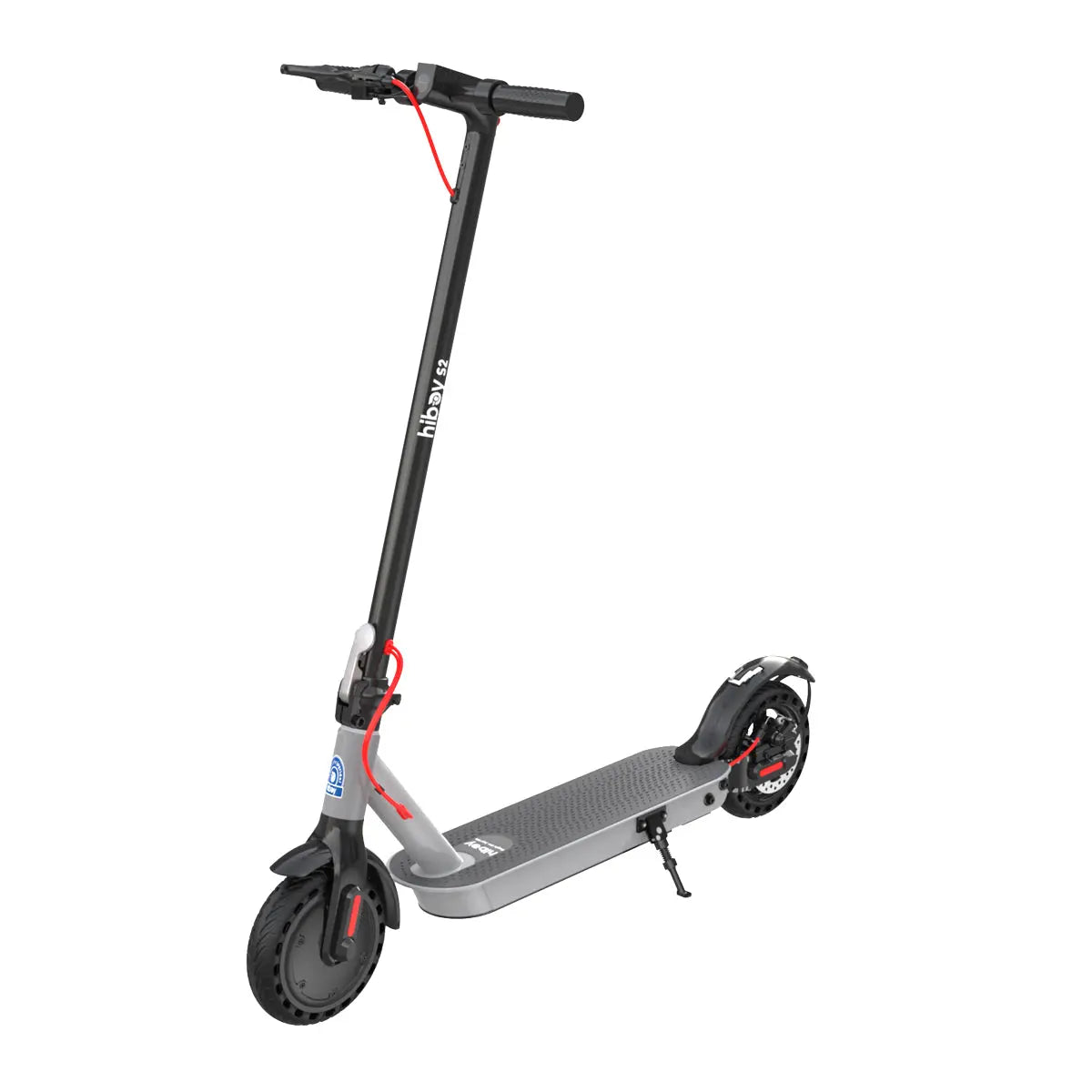 S2
S2
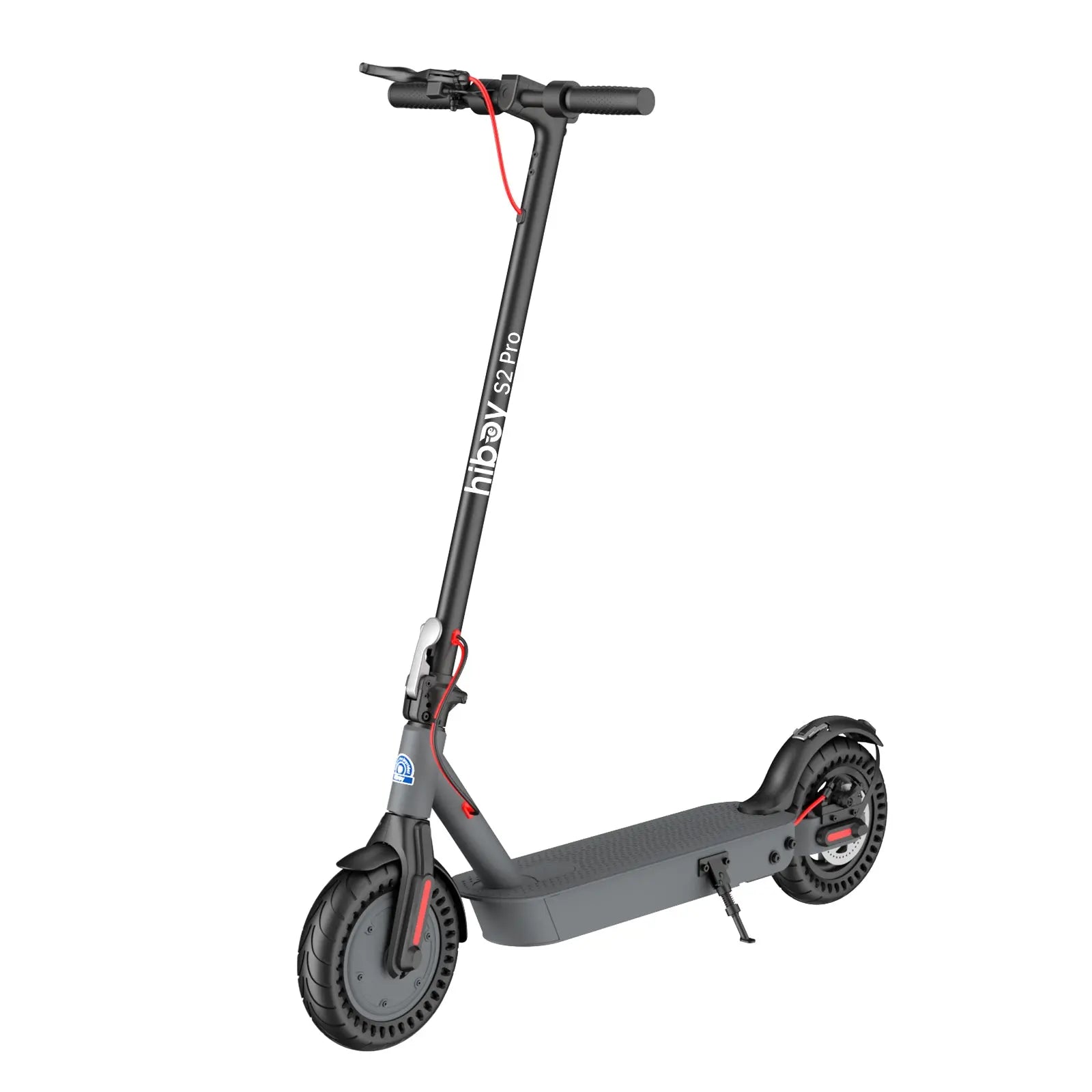 S2 Pro
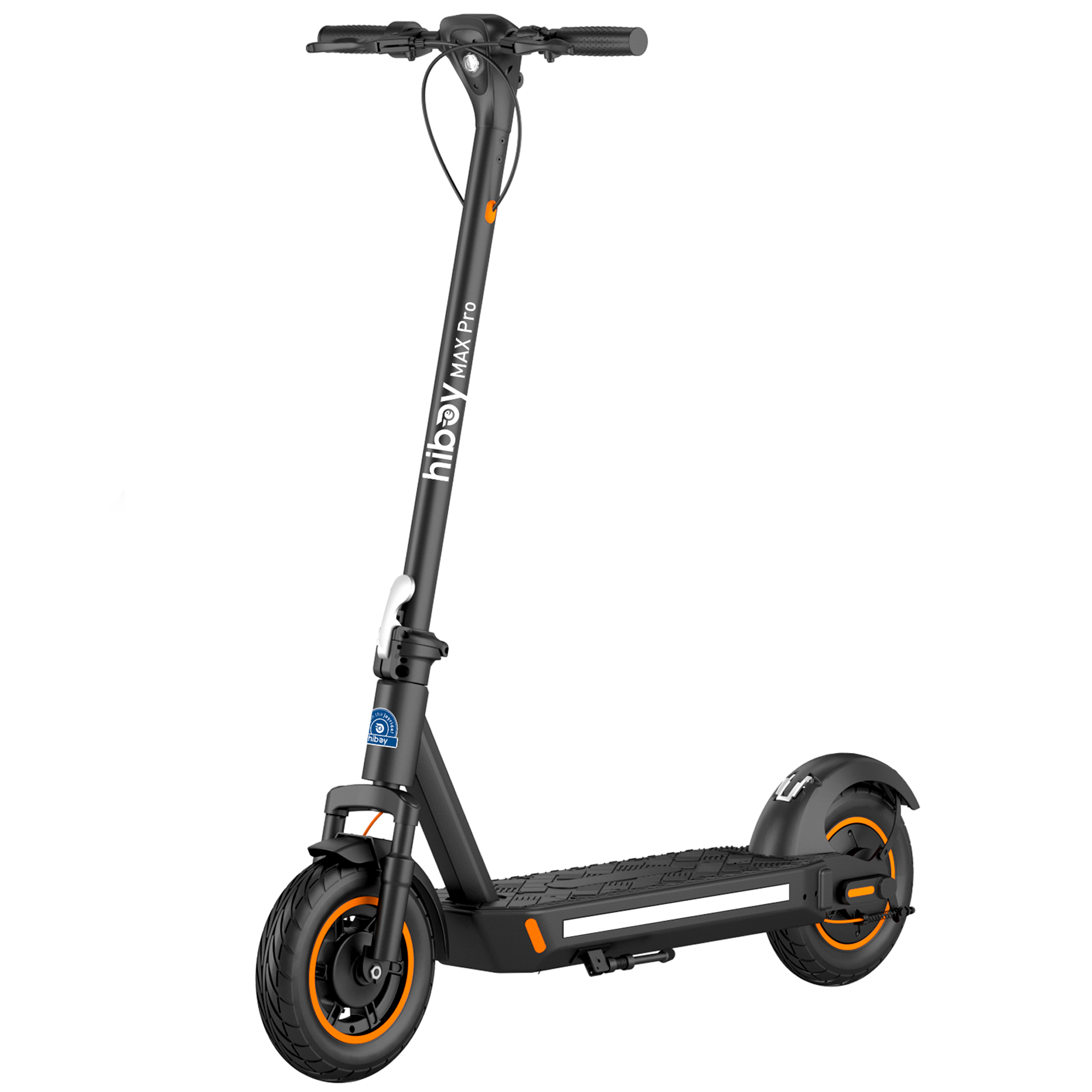 MAX Pro
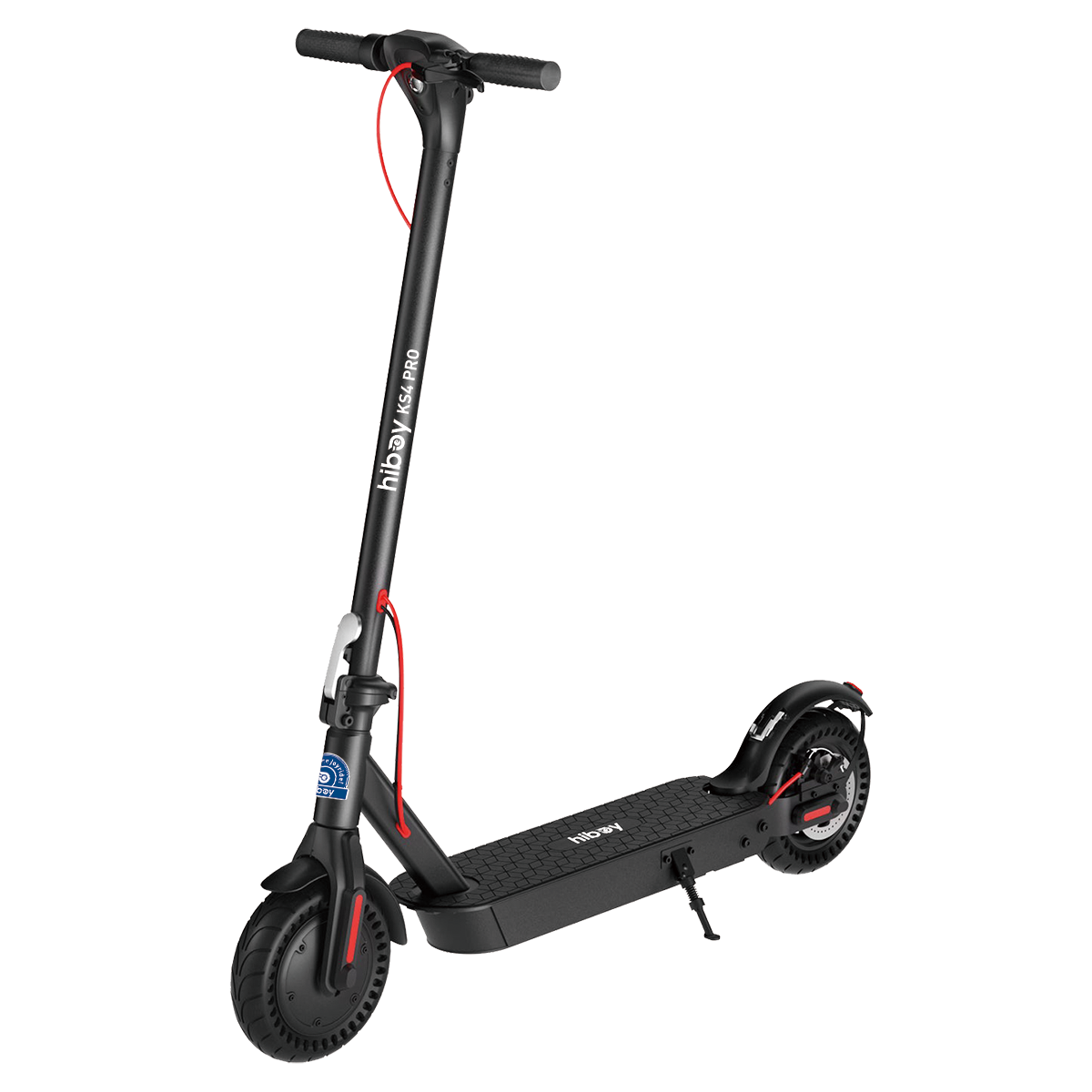 KS4 Pro
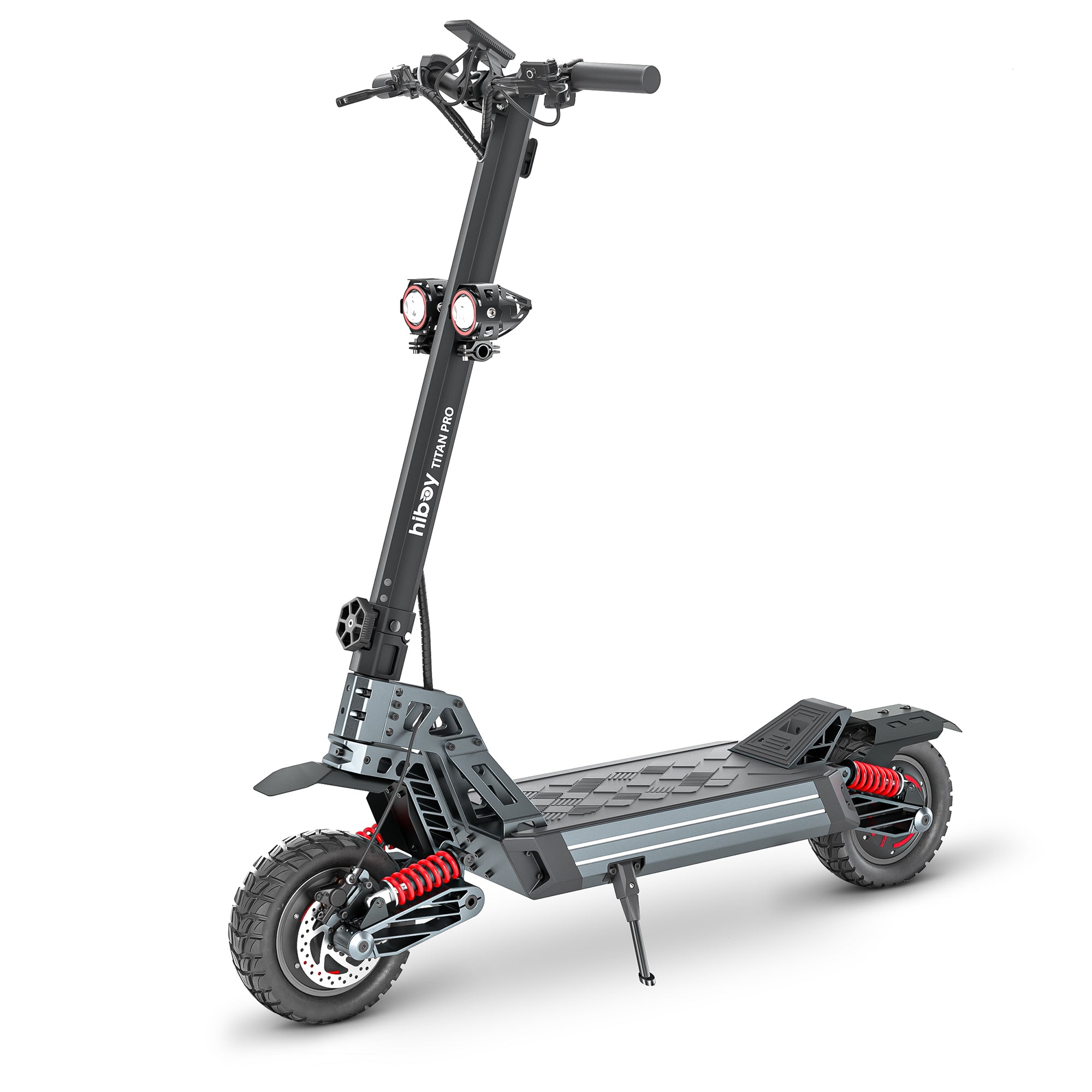 TITAN PRO
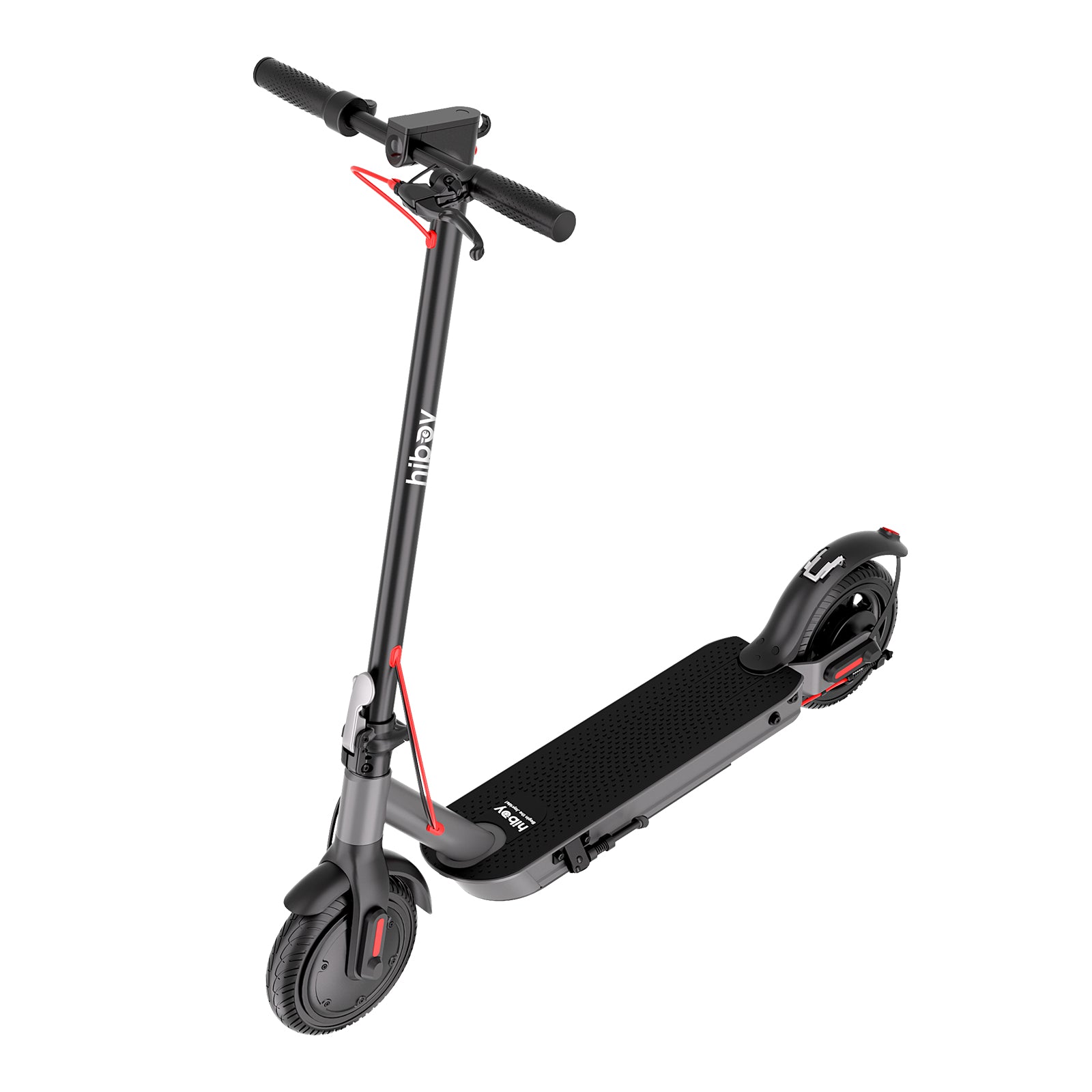 S2 Nova
 Compare Models
 Find Your Best Ride
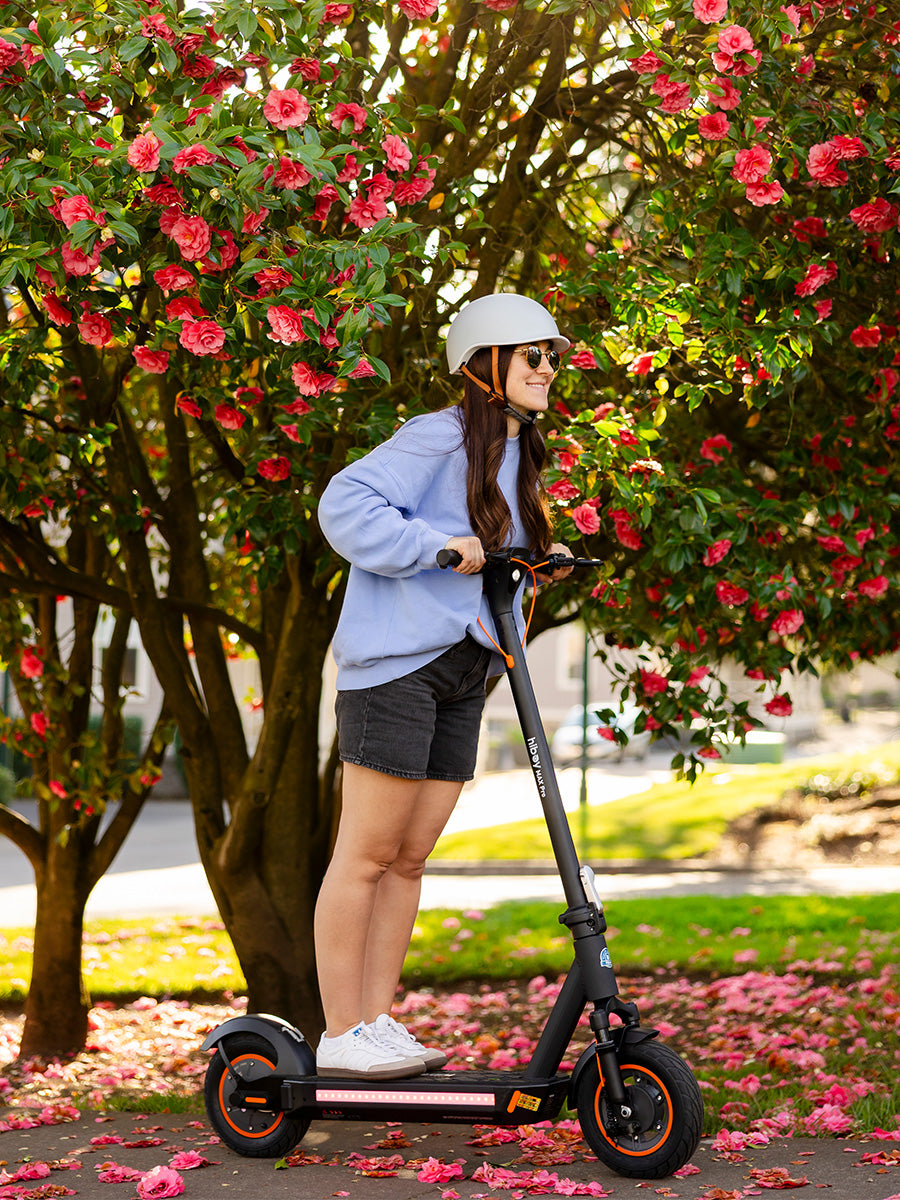
 Daily Commute
 Off-road & Trail
 Folding & Compact
 Fat Tire Rides
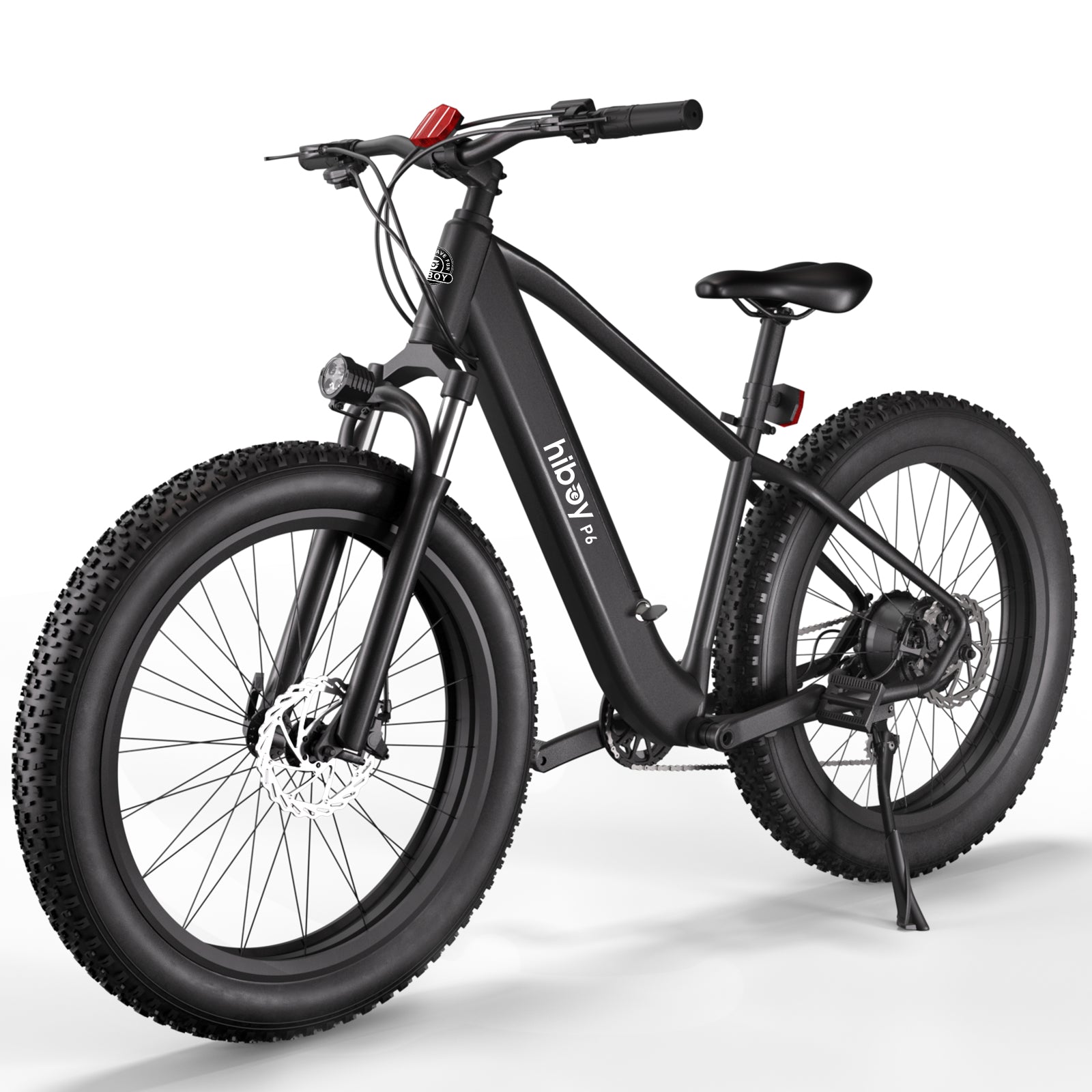 P6
P6
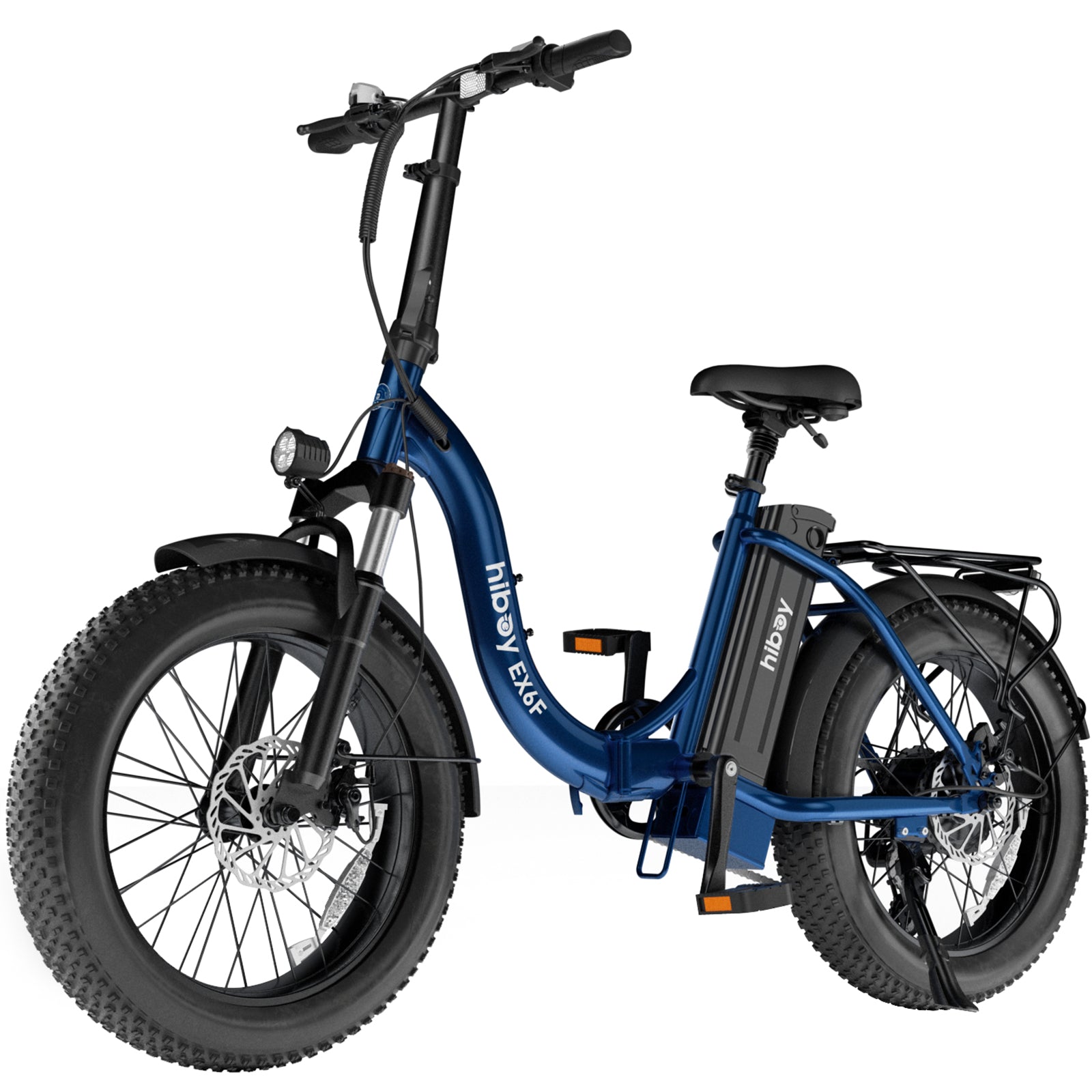 EX6F
EX6F
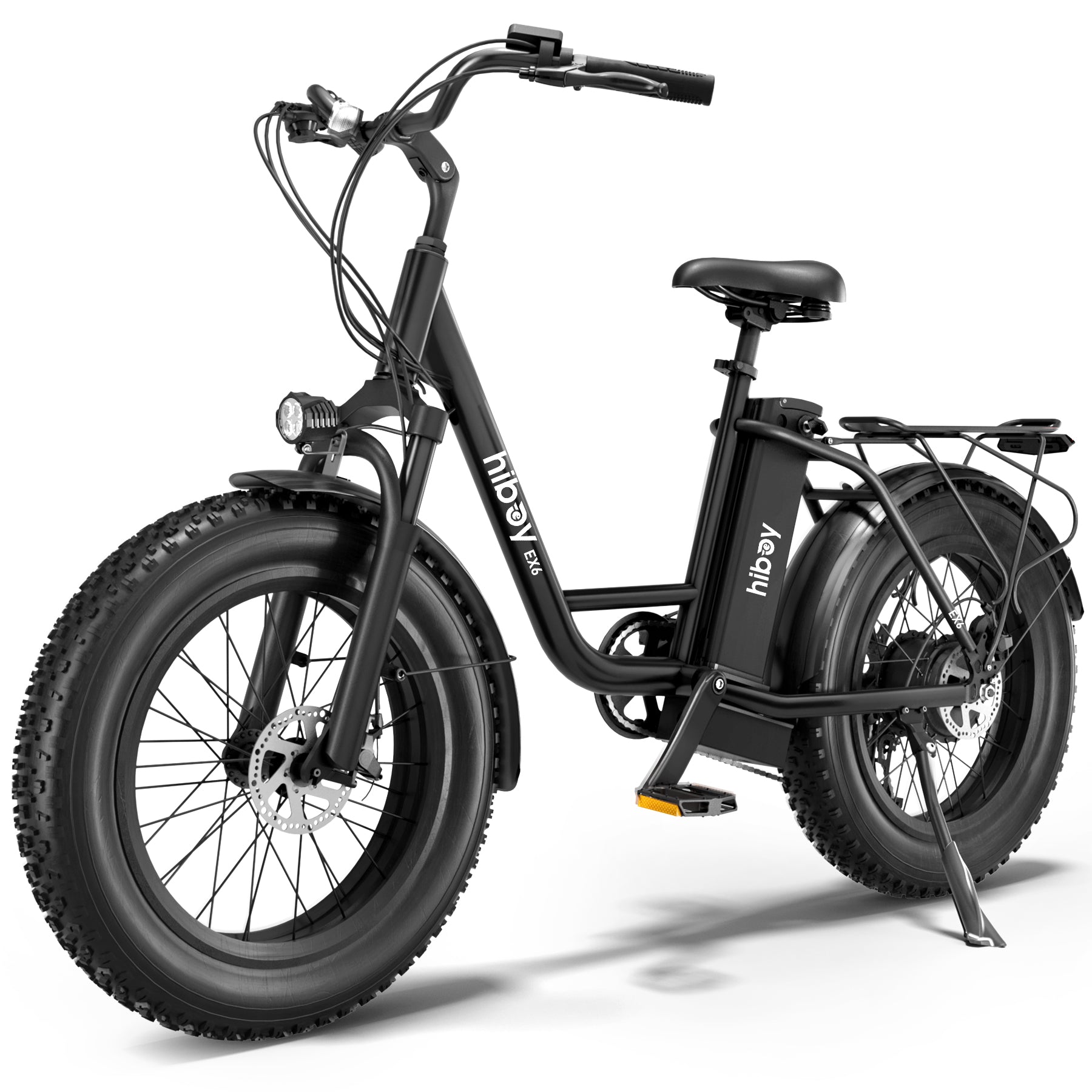 EX6
EX6
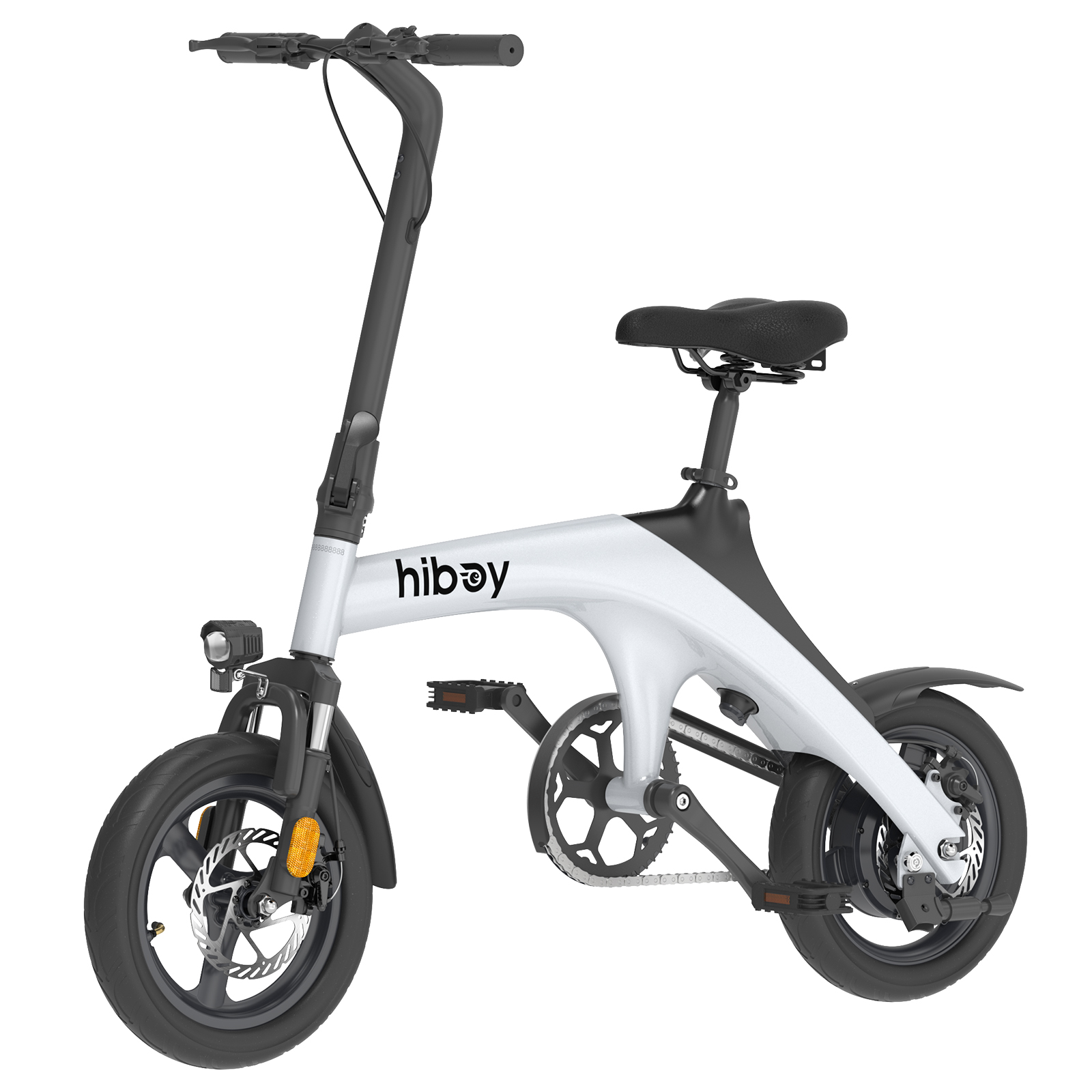 C1
C1
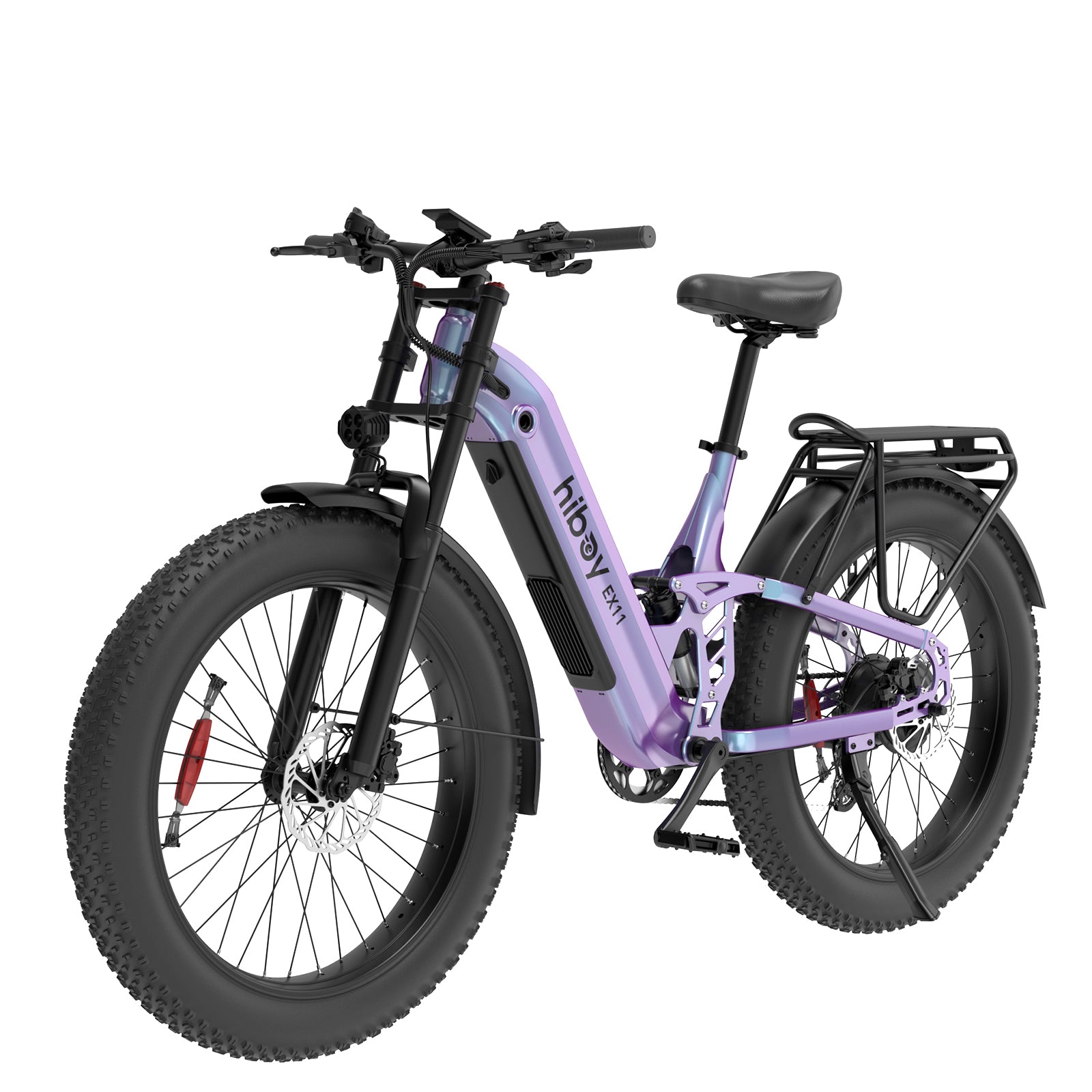 EX11
EX11
 EX9
EX9
 Compare Models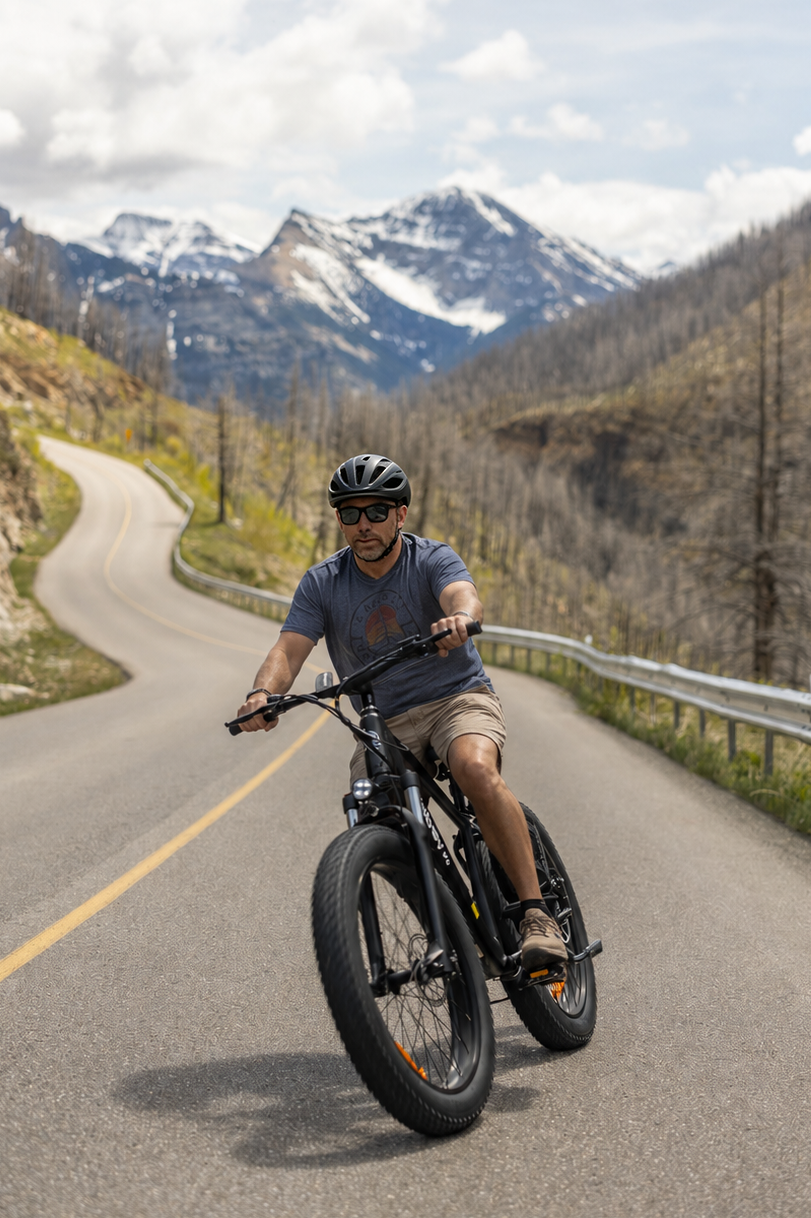
 First Rides
 Everyday Fun
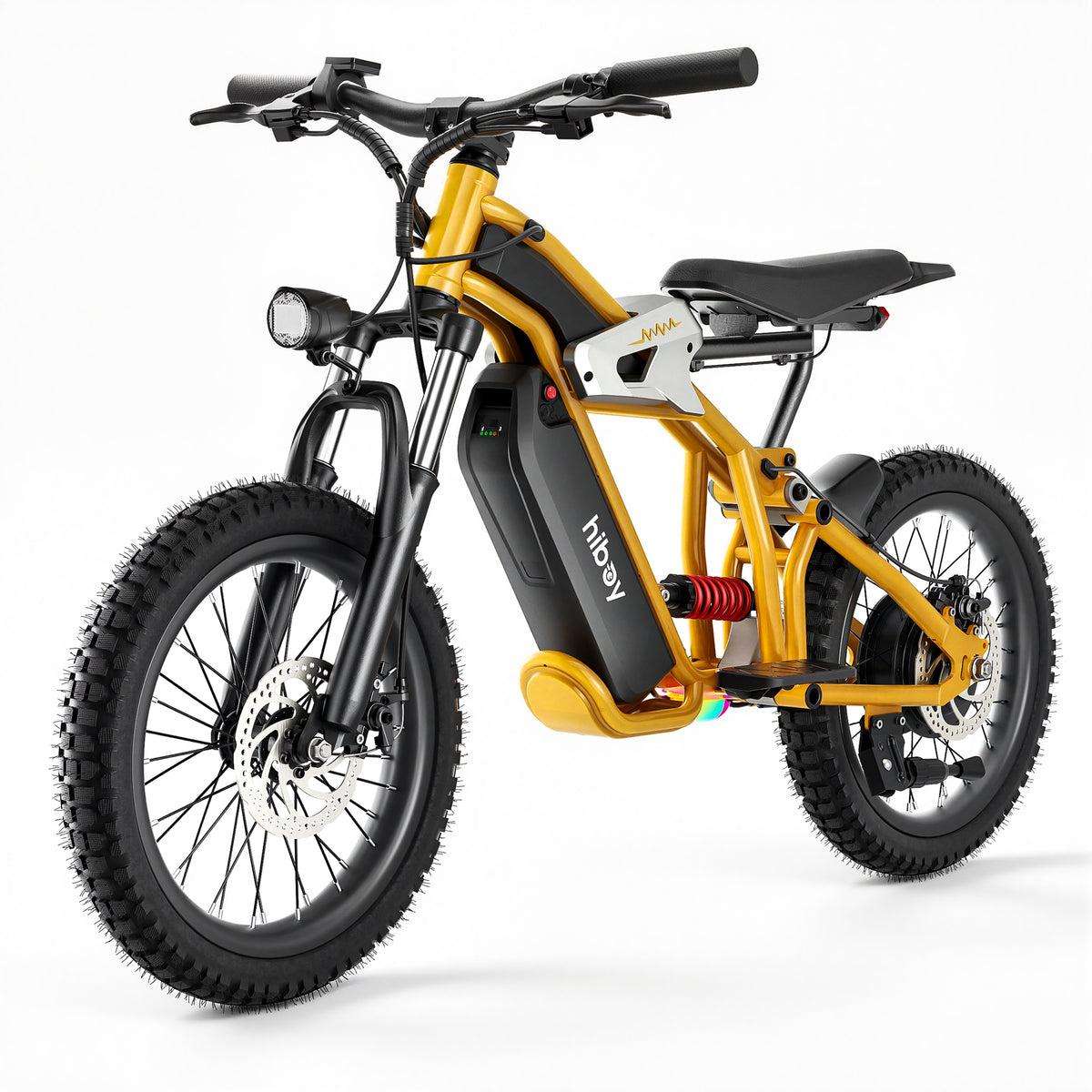 DM14
DM14
 S2 Lite
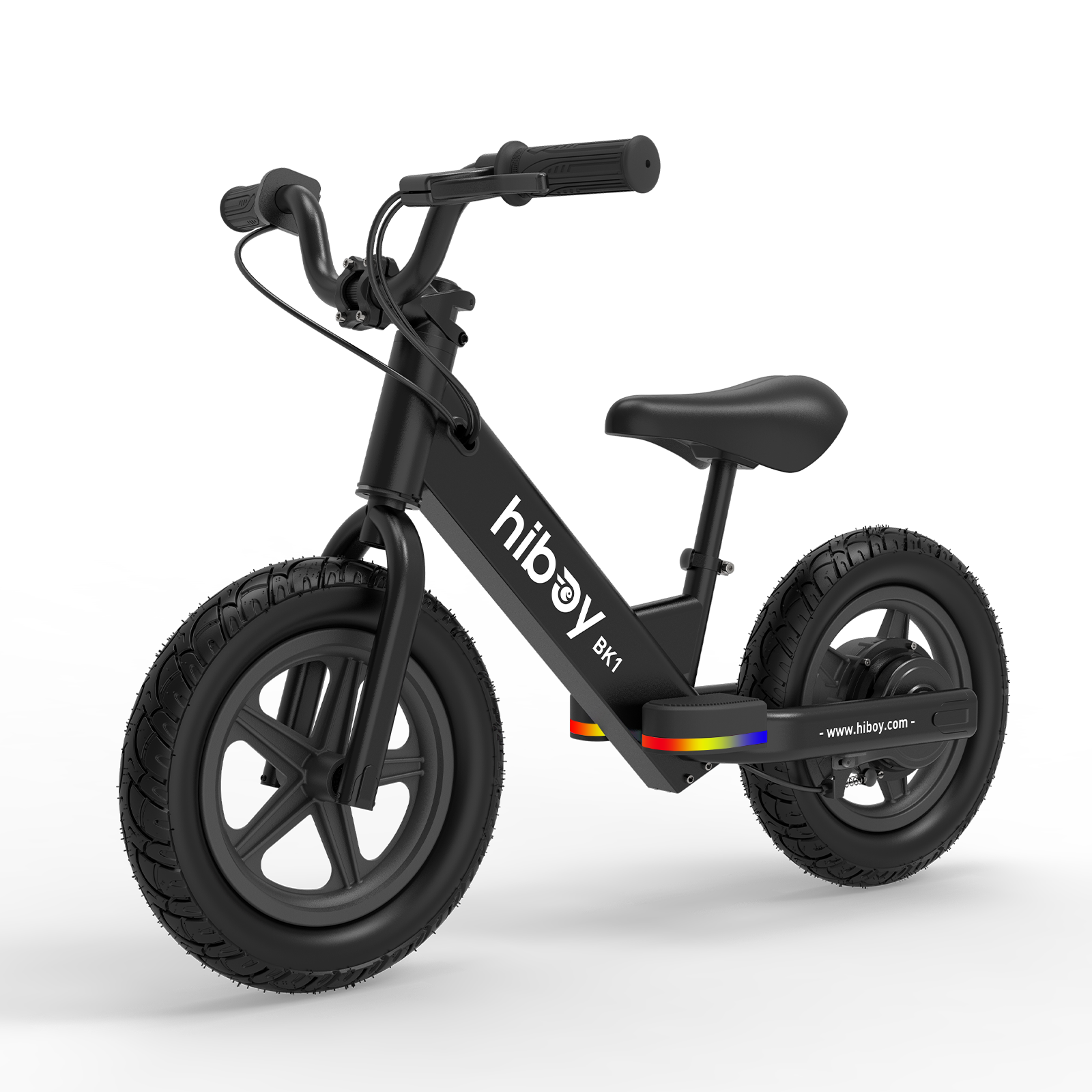 BK1
BK1
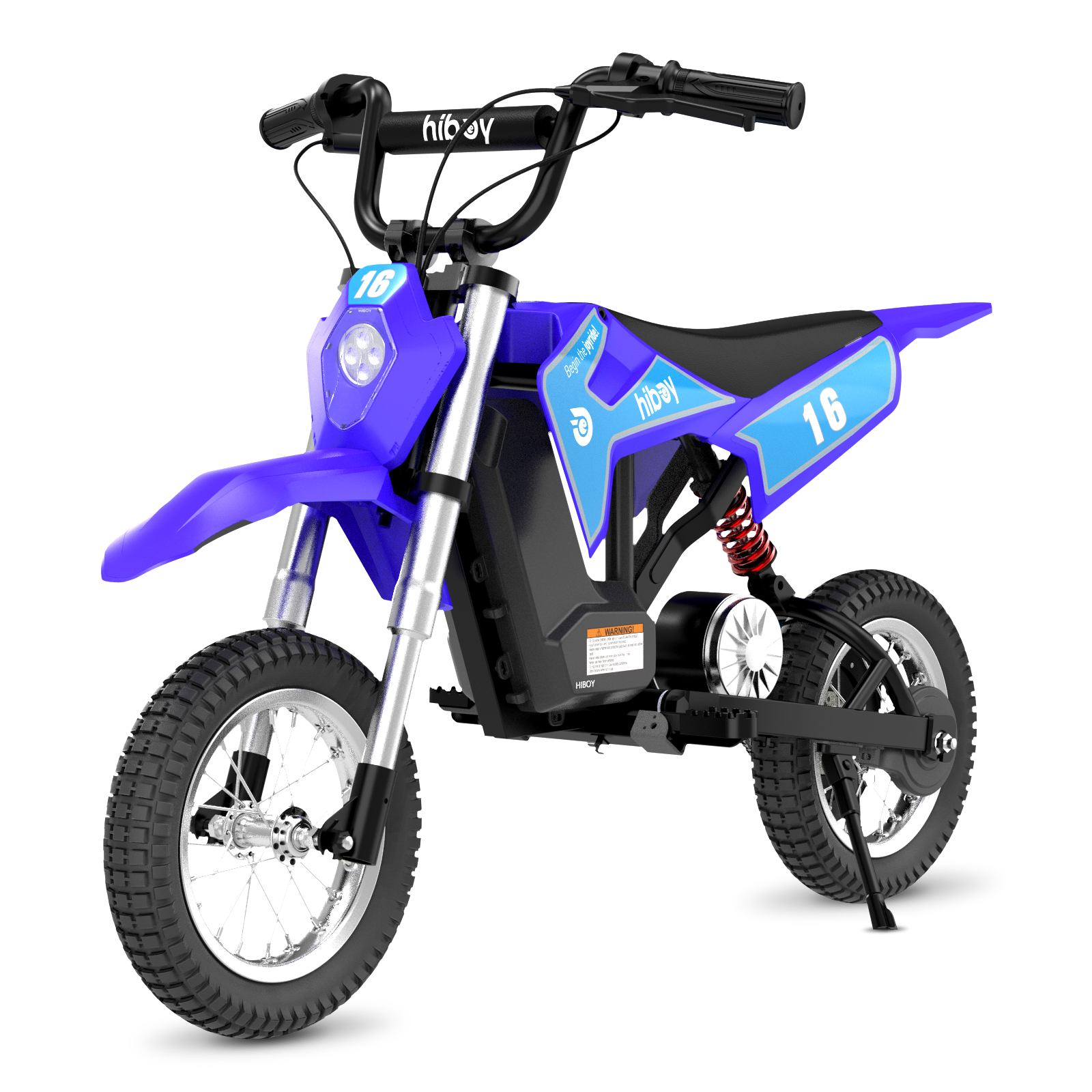 DK1
DK1
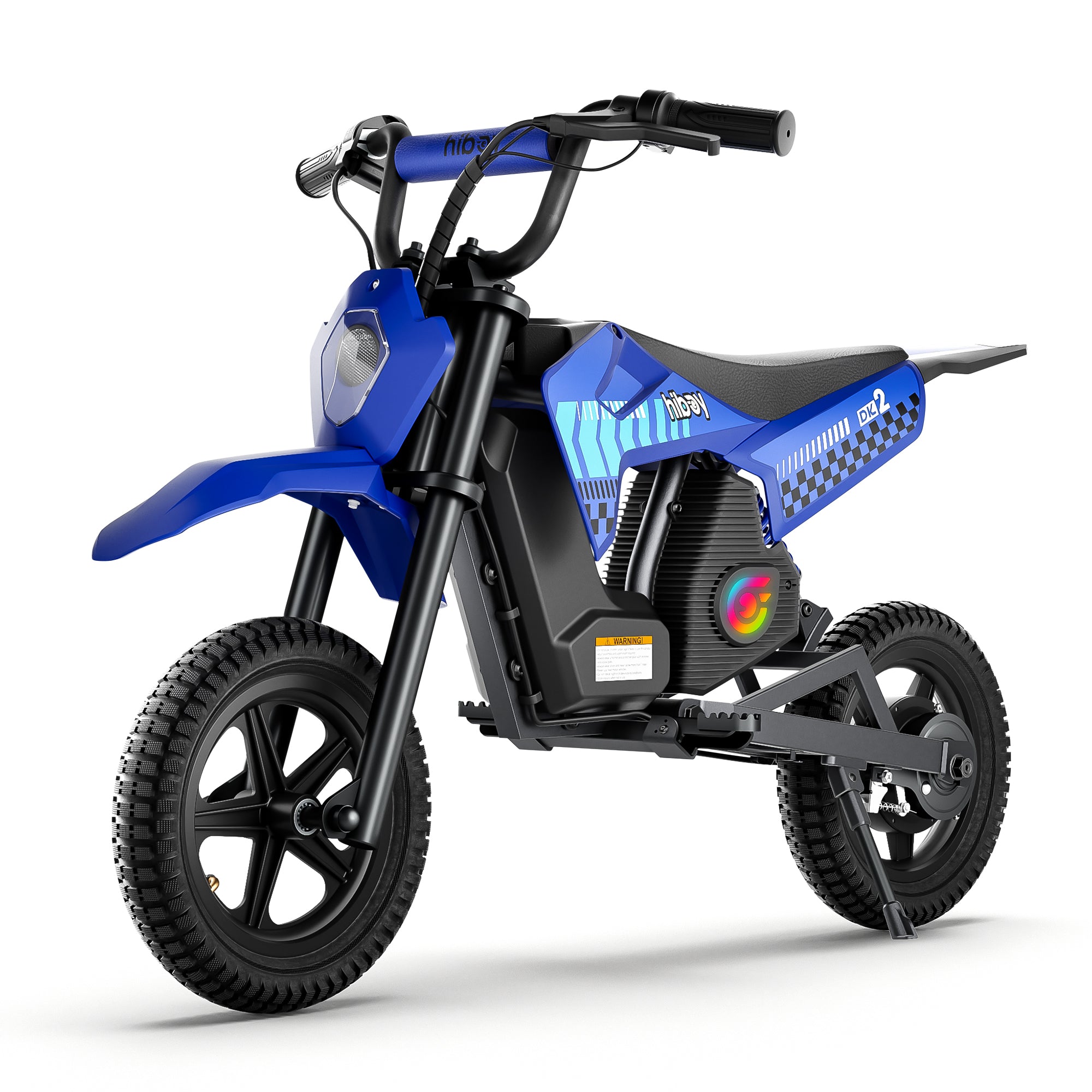 DK2
DK2
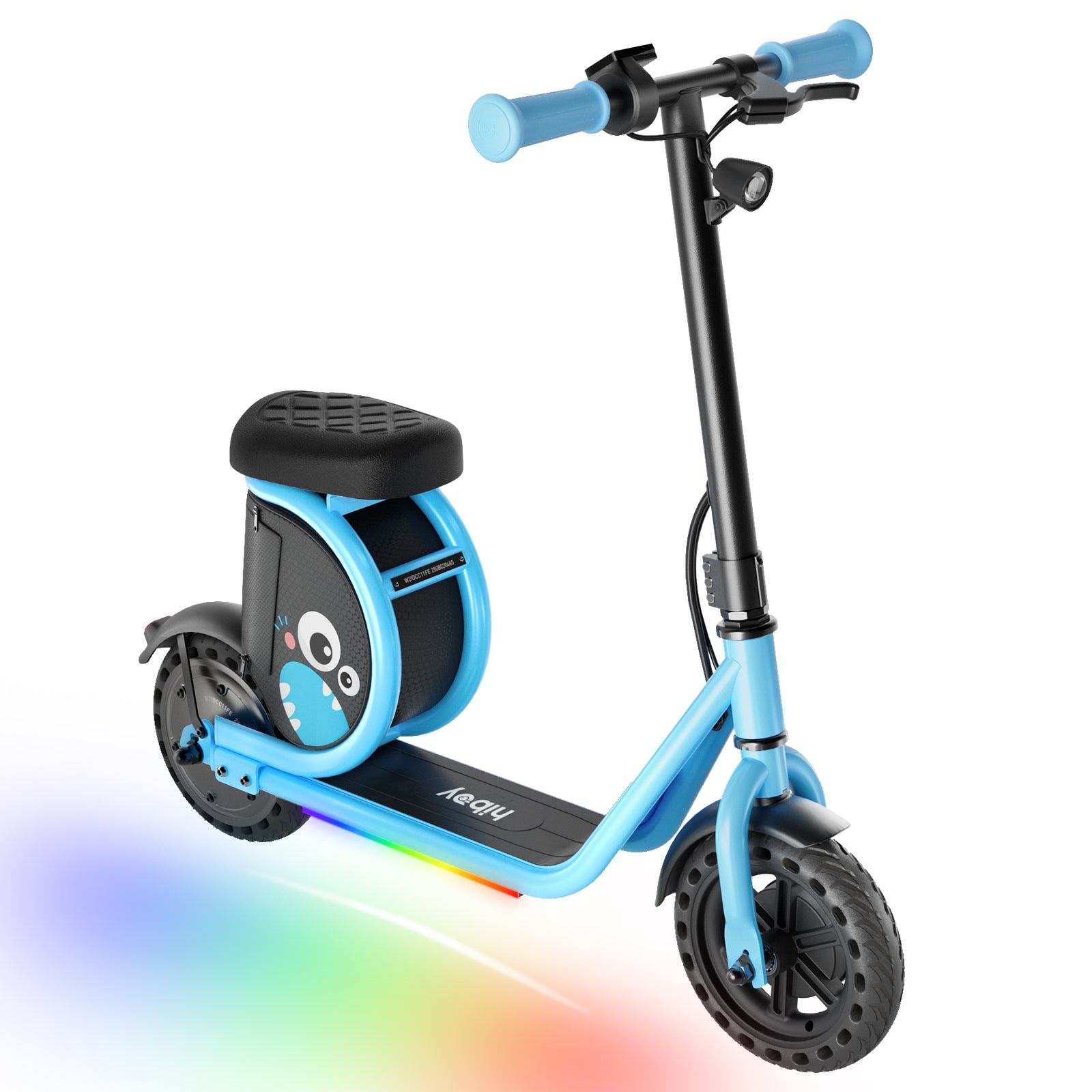 Joy Haul
 Compare Models
Summer changes how people move. Longer daylight hours, warmer weather, crowded roads, and more outdoor activities make electric transportation feel more practical than driving. Whether you're commuting to work, heading to the beach, riding around campus, or running weekend errands, electric mobility can reduce costs and eliminate many of the frustrations of summer travel.
But one question appears repeatedly:
Should you choose an electric scooter or an electric bike?
On paper, both offer similar benefits:
- Lower transportation costs
- Reduced traffic stress
- Easy charging
- Eco-friendly commuting
- Greater flexibility than a car
However, once summer riding moves from theory into everyday use, differences become much more noticeable.
After looking beyond specifications and focusing on real-world transportation needs — distance, comfort, portability, cost, weather conditions, and daily practicality — the answer becomes more nuanced:
Electric bikes are generally the better all-around summer transportation solution for most riders, while electric scooters remain the better choice for short-distance urban convenience.

Here's why.
Why Summer Changes the Equation
Transportation needs often shift during summer:
- People take more spontaneous trips
- Outdoor activities increase
- Commutes may include parks, beaches, trails, and events
- Higher temperatures affect rider comfort
- Roads and bike paths become busier
A vehicle that feels perfect for a short spring commute may feel very different during a 30-minute ride in July heat.
Instead of asking "Which is faster?"
A better question is "Which one actually fits how people travel during summer?"
Electric Scooter vs Electric Bike: Side-by-Side Comparison
| Factor | Electric Scooter | Electric Bike |
| Portability | Excellent | Moderate |
| Riding comfort | Moderate | Excellent |
| Typical range | 10–30 miles | 20–70+ miles |
| Stability | Moderate | High |
| Cargo capacity | Limited | Strong |
| Hills and uneven roads | Moderate | Strong |
| Storage | Excellent | Moderate |
| Physical effort | Minimal | Low to moderate |
| Long-distance practicality | Moderate | Excellent |
| Initial cost | Lower | Higher |
Real-world range and riding capability tend to favor electric bikes because riders can combine battery assistance with pedaling.

Round 1: Comfort During Hot Summer Weather
Summer rides feel very different after the first ten minutes.
Many riders assume scooters win because they require no pedaling. But comfort involves more than physical effort.
Electric scooters usually place riders in a standing position. On short rides, this feels natural and convenient. On longer trips, however, riders absorb more vibration through their feet, legs, and arms. Rough pavement, cracks, and uneven roads become more noticeable. User experiences frequently mention fatigue and stiffness during longer rides.
Electric bikes have several advantages:
- Seated riding position
- Larger tires
- Better shock absorption
- More stable handling
- More natural posture
For rides above roughly 20–30 minutes, comfort differences become significant.
Winner: Electric Bike
Round 2: Range for Summer Activities
Summer travel is rarely limited to commuting.
A typical day might include:
Morning coffee → office → lunch → gym → evening gathering → ride home
Suddenly, a short commute becomes a full day of riding.

Electric scooters commonly deliver around:
- 10–30 miles
Electric bikes often provide:
- 20–70+ miles depending on battery size and pedal assistance.
Pedal assist creates an important advantage:
When battery levels drop, riders can continue efficiently.
Scooters rely almost entirely on motor output.
For longer recreational rides or unpredictable summer plans, extra range matters.
Winner: Electric Bike
Round 3: Portability and Storage
This is where electric scooters regain ground.
Scooters excel in:
- Apartment living
- Public transit combinations
- Office commuting
- Under-desk storage
- Car trunks
Many commuter scooters fold within seconds and occupy minimal space.
Electric bikes, even folding models, typically require:
- Dedicated storage
- Larger vehicle space
- Bike racks
For city residents with limited space, portability can become the deciding factor.
Winner: Electric Scooter

Round 4: Safety and Stability
Summer usually means:
- More pedestrians
- More cyclists
- More vehicles
- More distractions
Stability becomes increasingly important.
Electric bikes generally provide:
- Larger wheel diameters
- Better traction
- Lower sensitivity to potholes
- More controlled braking
- Improved handling at higher speeds
Electric scooters with smaller wheels can feel less forgiving on rough surfaces or uneven roads. Riders commonly report greater caution around potholes and road imperfections.
This doesn't mean scooters are unsafe.
For short, predictable city routes they perform very well.
But for varied summer environments, bikes often inspire more confidence.
Winner: Electric Bike
Round 5: Cost and Value
Electric scooters generally cost less.
Typical ranges:
Electric scooters: approximately $300–$1,500+
Electric bikes: approximately $1,000–$5,000+

If your goal is:
"I need affordable transportation for a 3-mile commute."
A scooter often delivers excellent value.
But value changes when considering:
- Range
- Comfort
- Versatility
- Cargo capability
- Multi-purpose use
Many riders use electric bikes not only for commuting but also for:
- Grocery trips
- Weekend rides
- Recreation
- Family outings
The broader use case often offsets the higher upfront cost.
Winner: Depends on priorities
Budget → Scooter
Long-term versatility → Bike
Real-World Summer Scenarios
Choose an Electric Scooter if:
Your daily routine looks like this:
- Commute under 5–8 miles
- Dense city environment
- Apartment living
- Frequent train or bus connections
- Limited storage
Ideal riders:
- Students
- Urban commuters
- Last-mile travelers

Choose an Electric Bike if:
Your routine looks like this:
- Regular rides over 10 miles
- Weekend adventures
- Hills or mixed terrain
- Carrying bags or groceries
- Comfort matters
Ideal riders:
- Daily commuters
- Recreational riders
- Families
- Outdoor enthusiasts
Which One Is Better?
If the goal is simply short-distance convenience, electric scooters remain difficult to beat.
They're compact, easy to store, and affordable.
But if the question is:
"Which option performs better for summer transportation overall?"
Electric bikes take the lead.
They deliver:
- ✓ Greater comfort
- ✓ Longer range
- ✓ Better stability
- ✓ More versatility
- ✓ Stronger real-world practicality
Summer transportation rarely stays limited to one route or one destination. The extra capability of an electric bike often becomes valuable sooner than expected.
Electric scooters solve a transportation problem.
Electric bikes often become part of a lifestyle.








Leave a comment
All comments are moderated before being published.
This site is protected by hCaptcha and the hCaptcha Privacy Policy and Terms of Service apply.