





 Daily Commute
 Lightweight & Portable
 Performance Rides
 Comfort With Seat
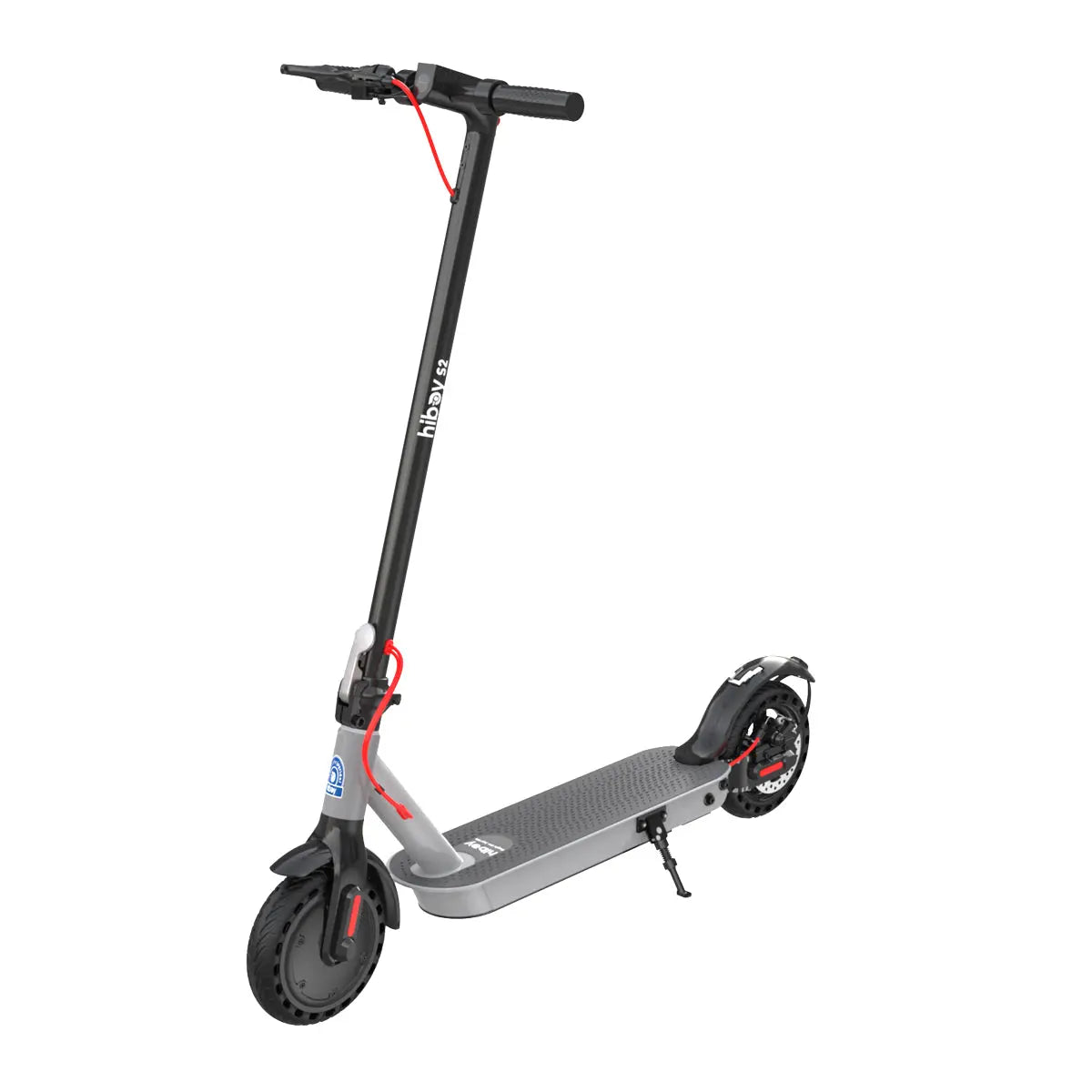 S2
S2
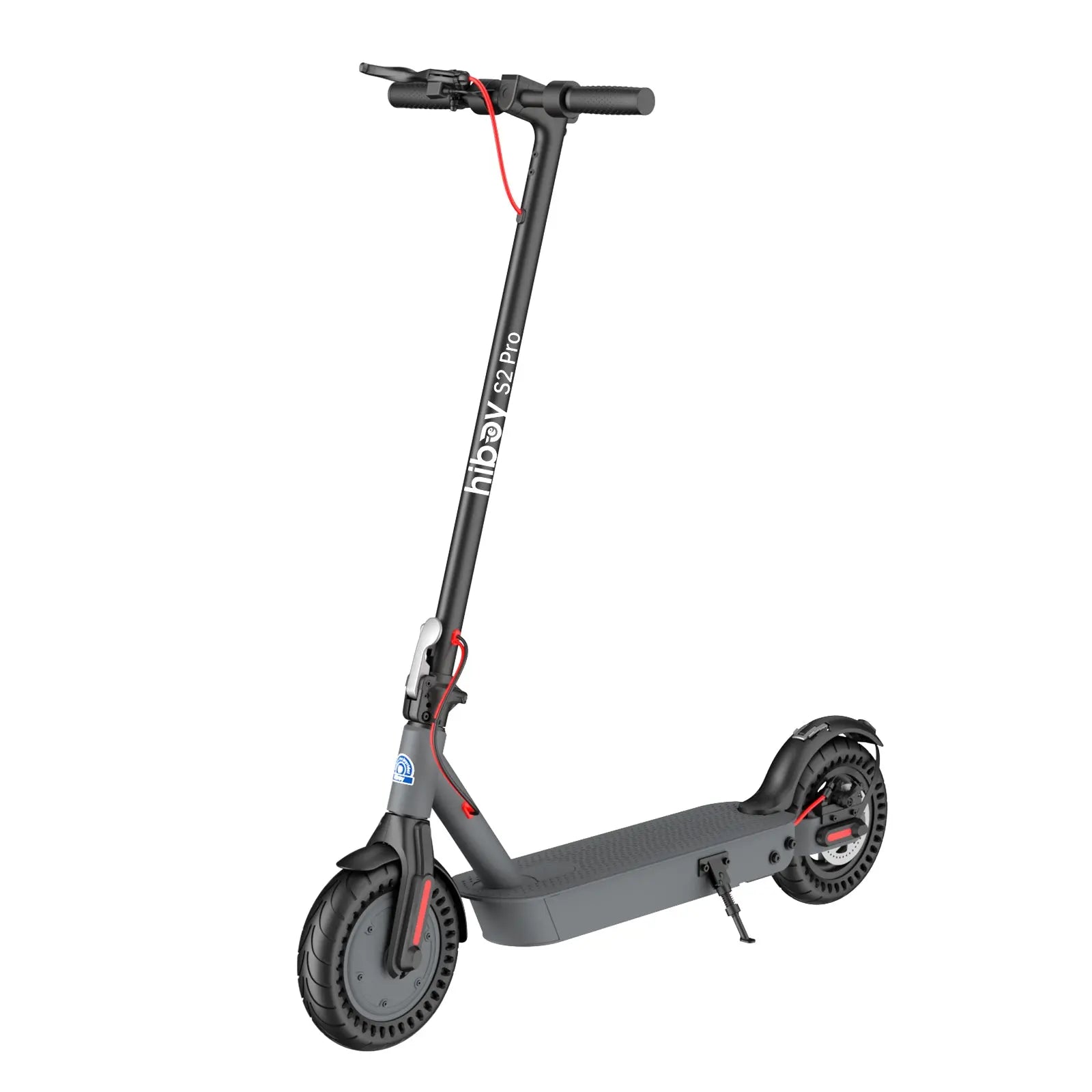 S2 Pro
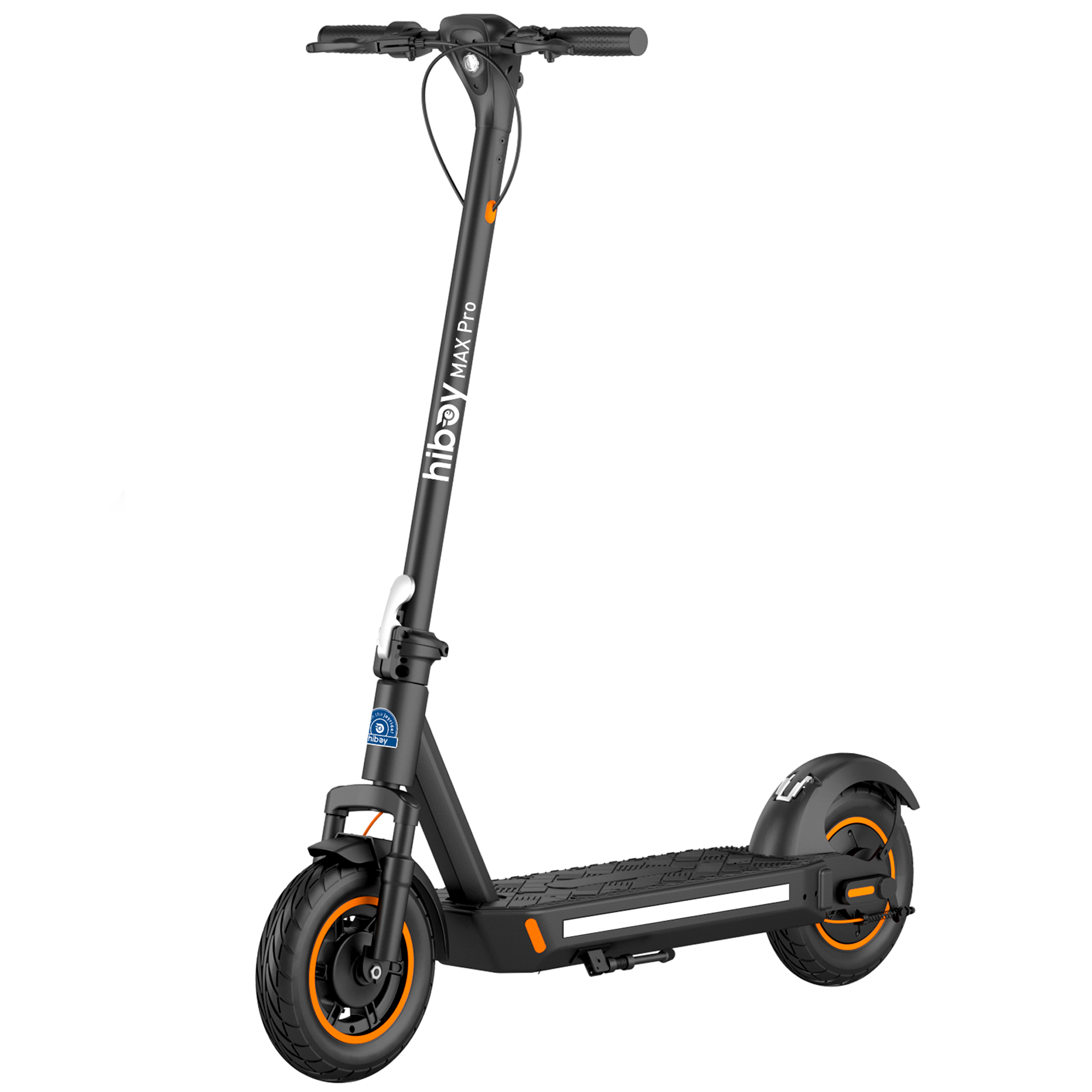 MAX Pro
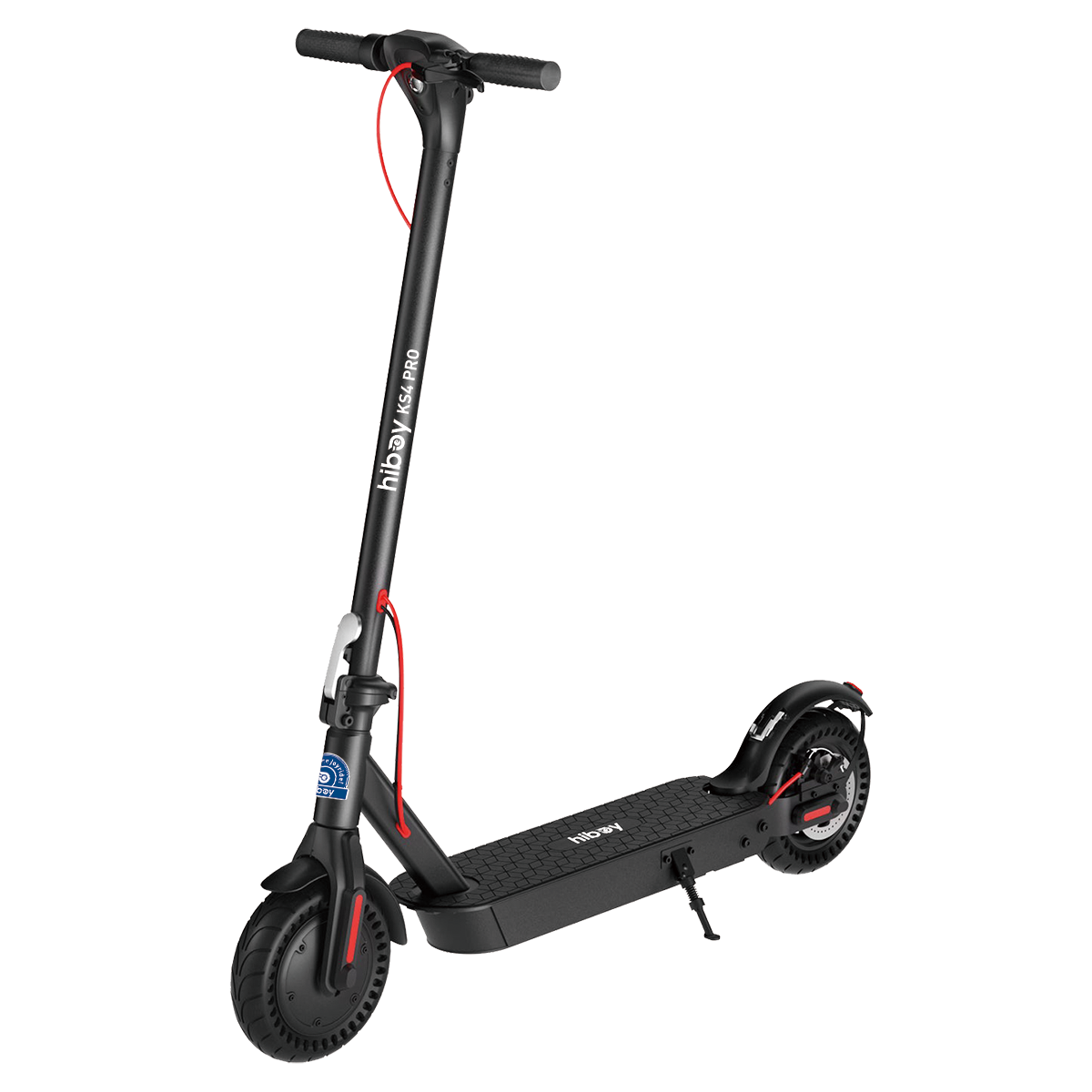 KS4 Pro
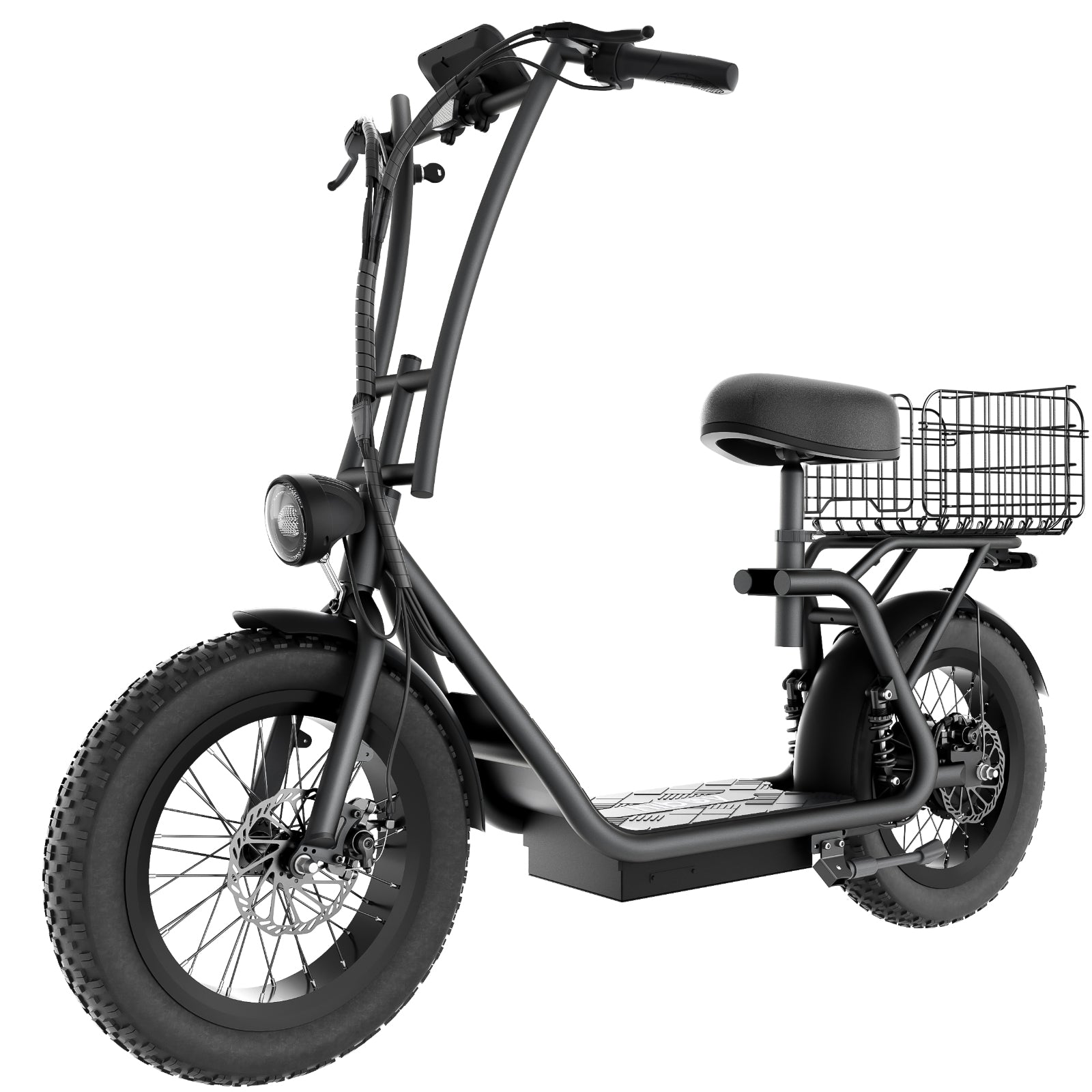 U2 Pro
 TITAN
TITAN
 Compare Models
 Find Your Best Ride

 Daily Commute
 Off-road & Trail
 Folding & Compact
 Fat Tire Rides
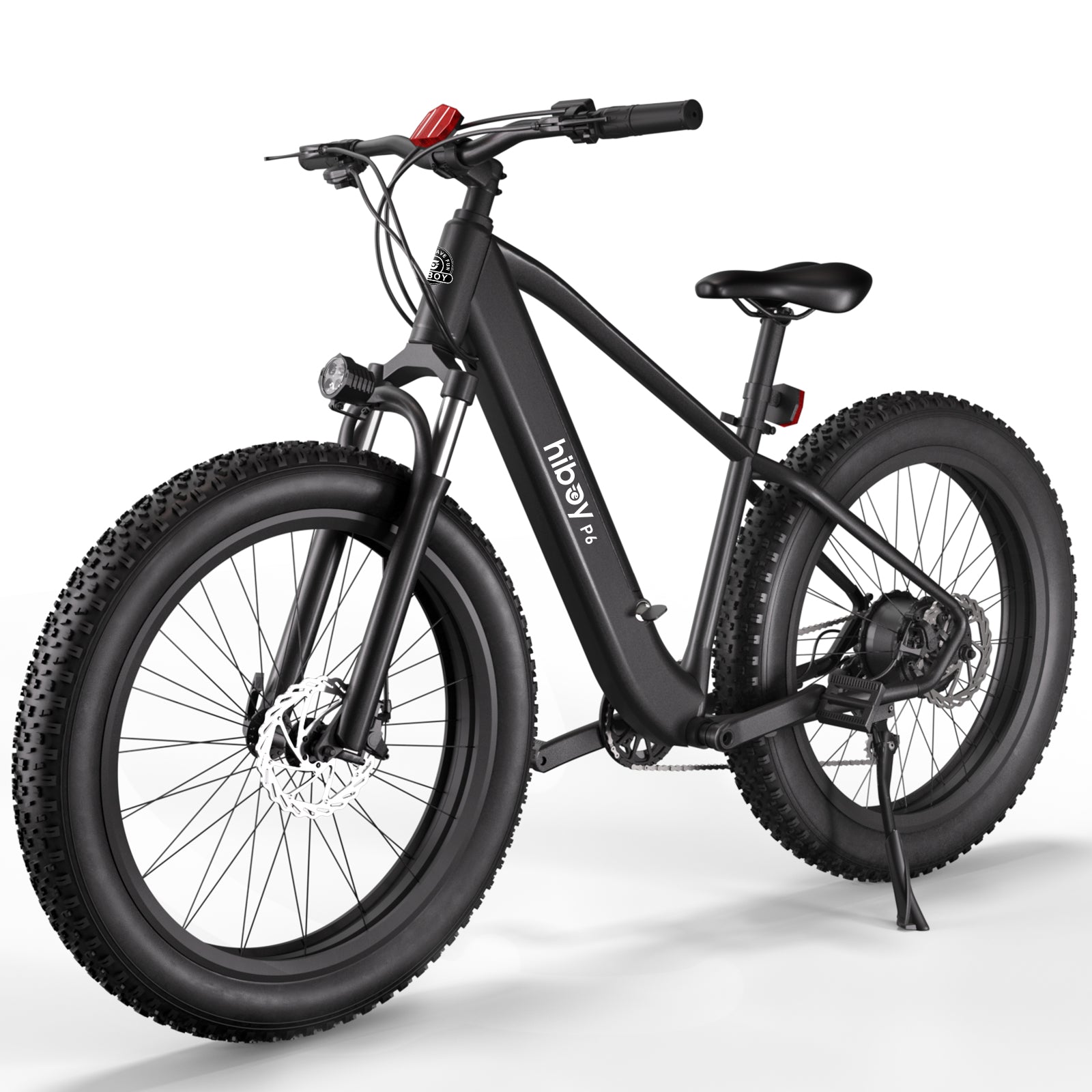 P6
P6
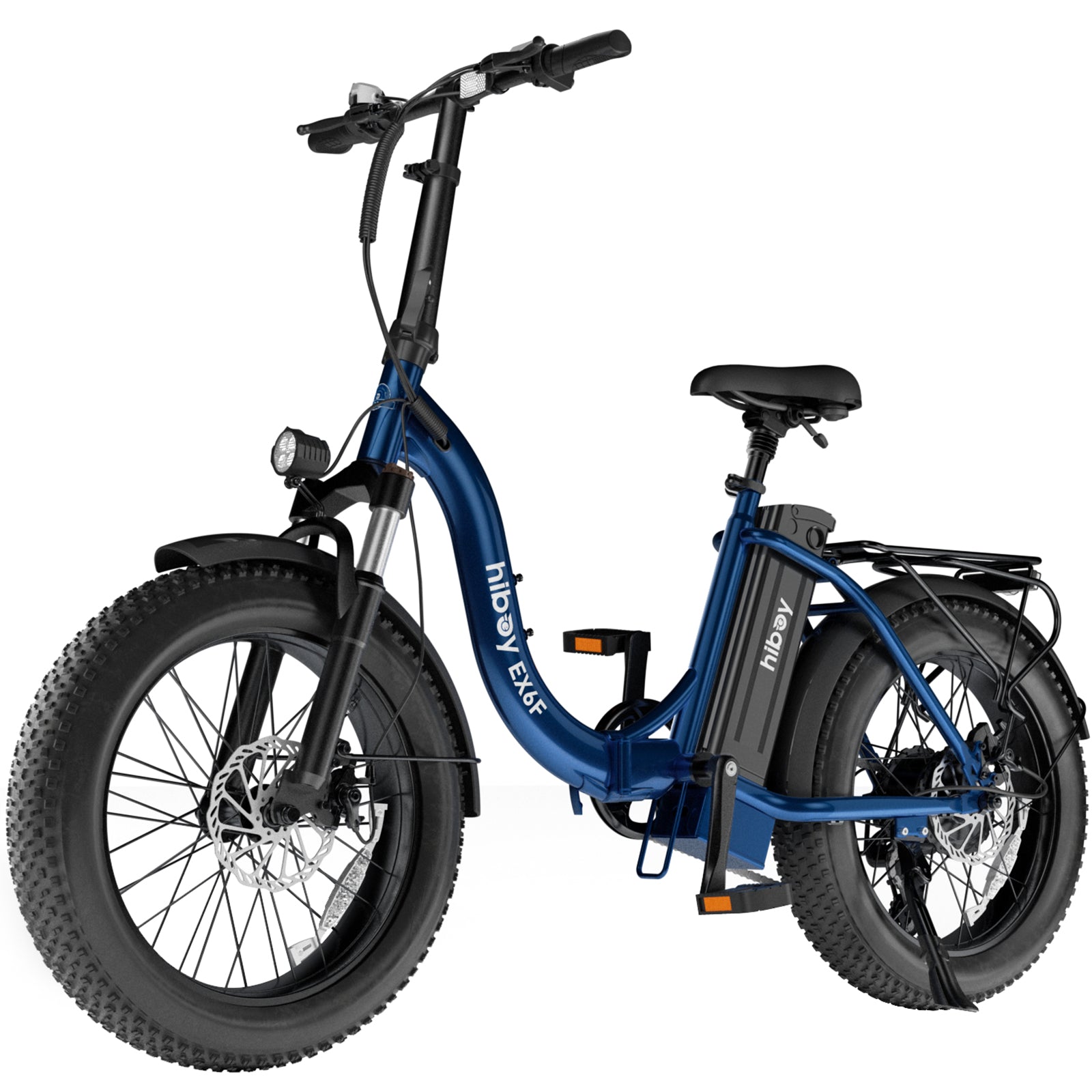 EX6F
EX6F
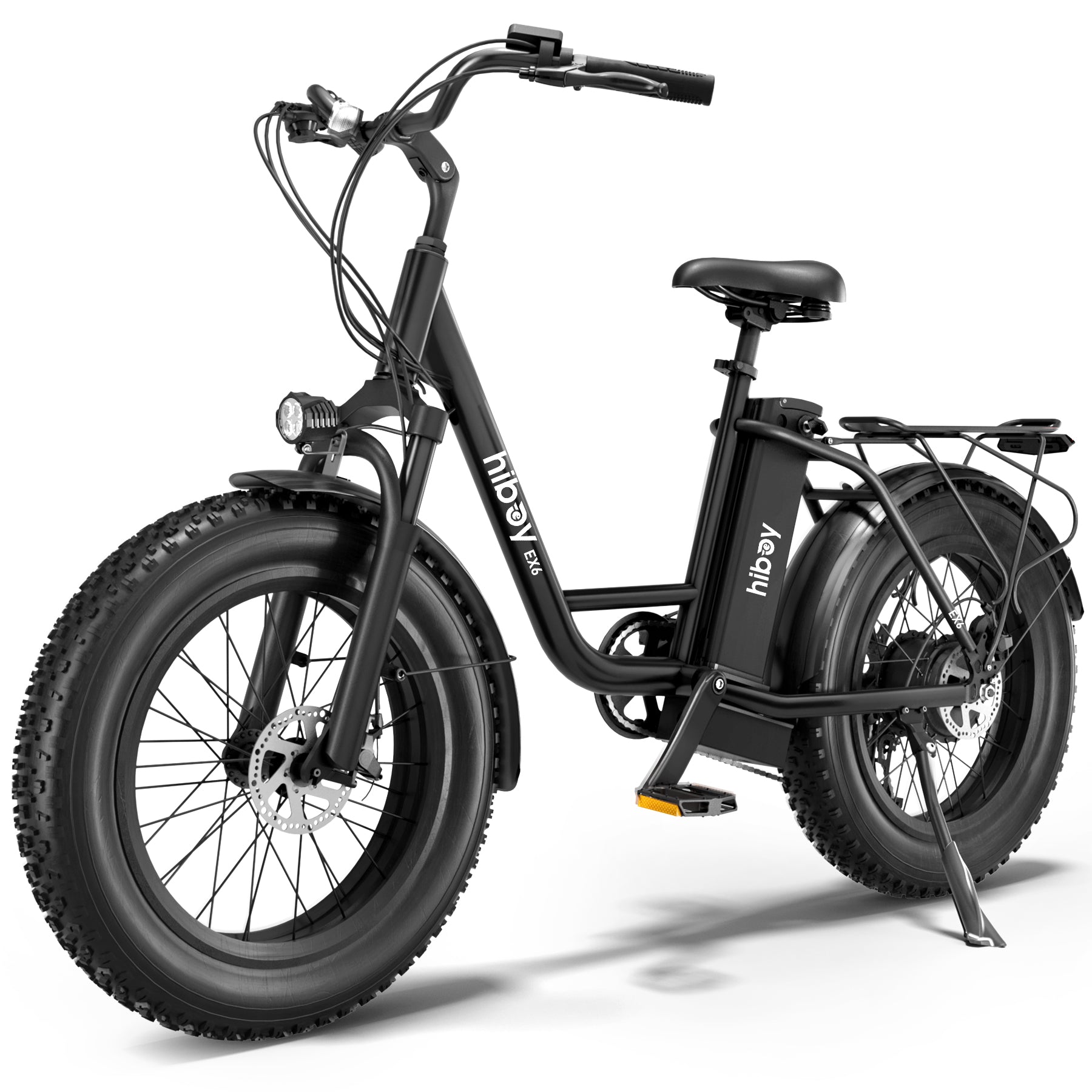 EX6
EX6
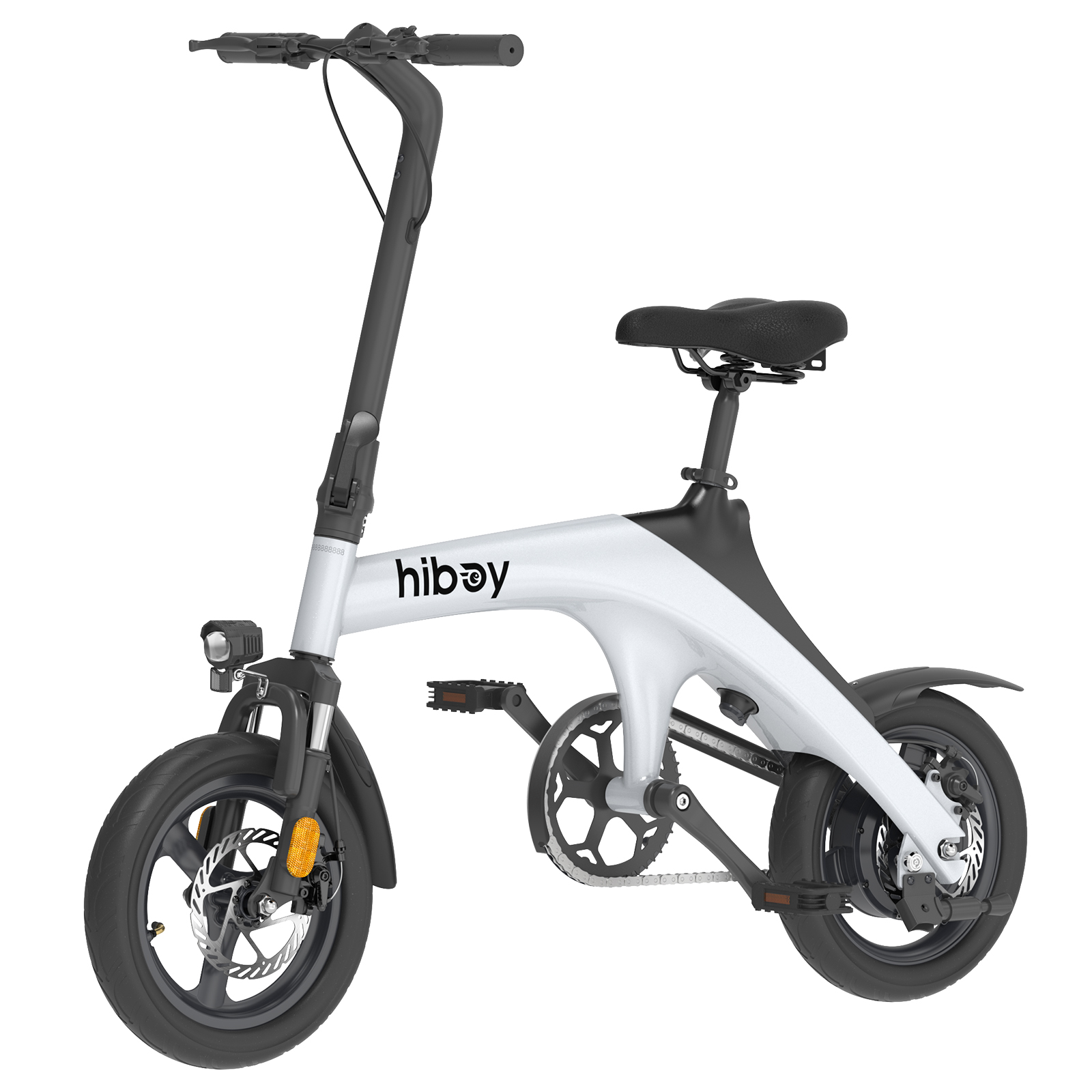 C1
C1
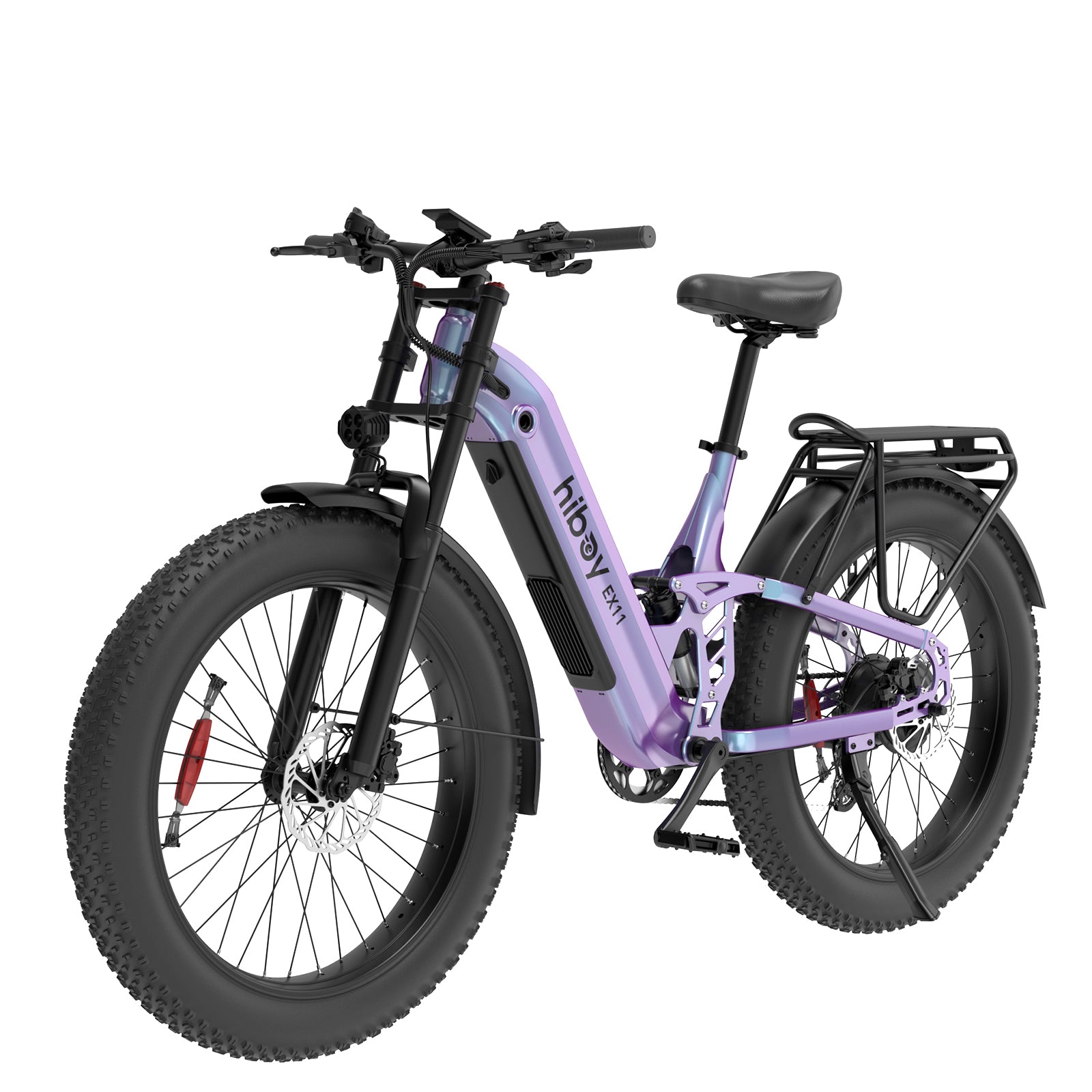 EX11
EX11
 EX9
EX9
 Compare Models
 First Rides
 Everyday Fun
 S2 Lite
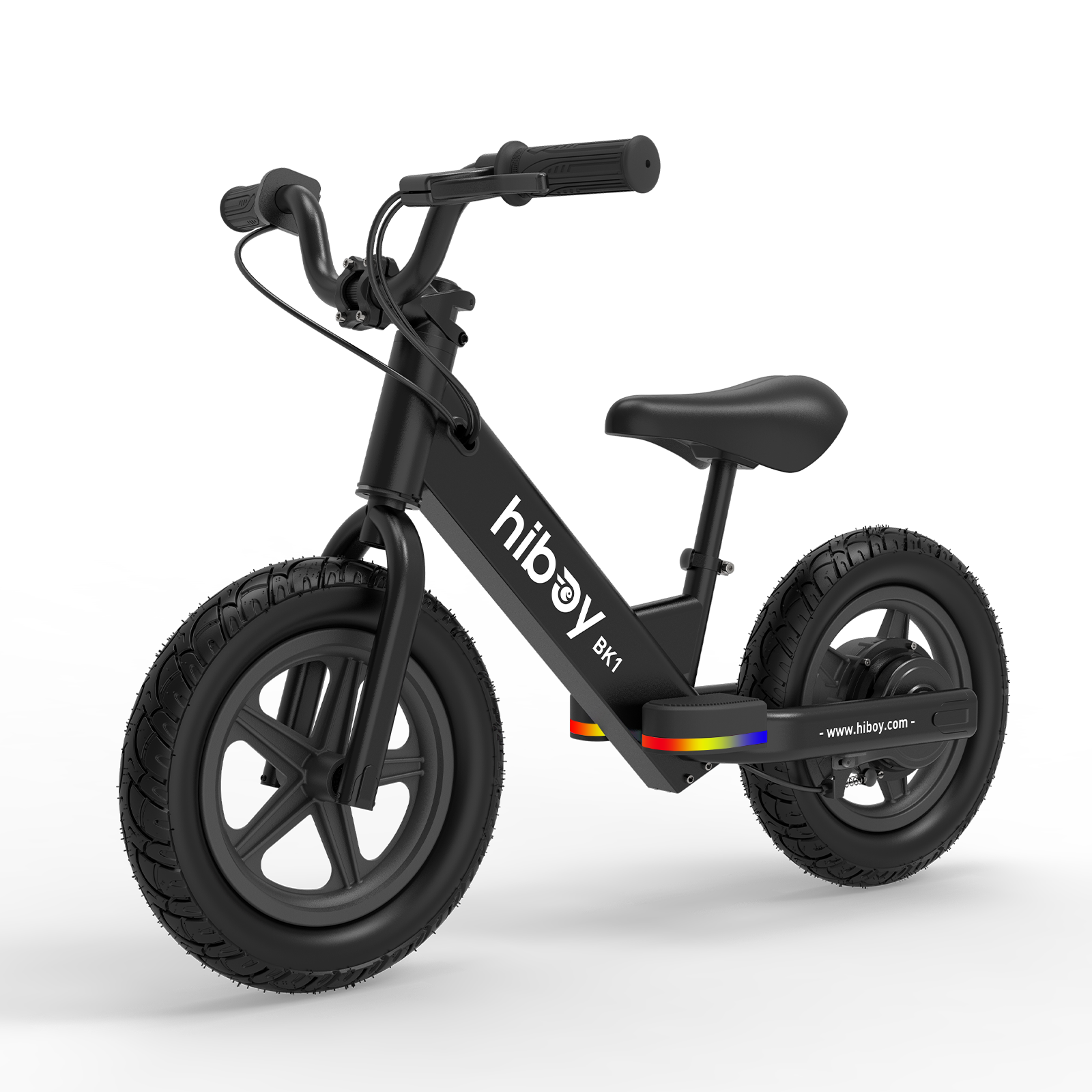 BK1
BK1
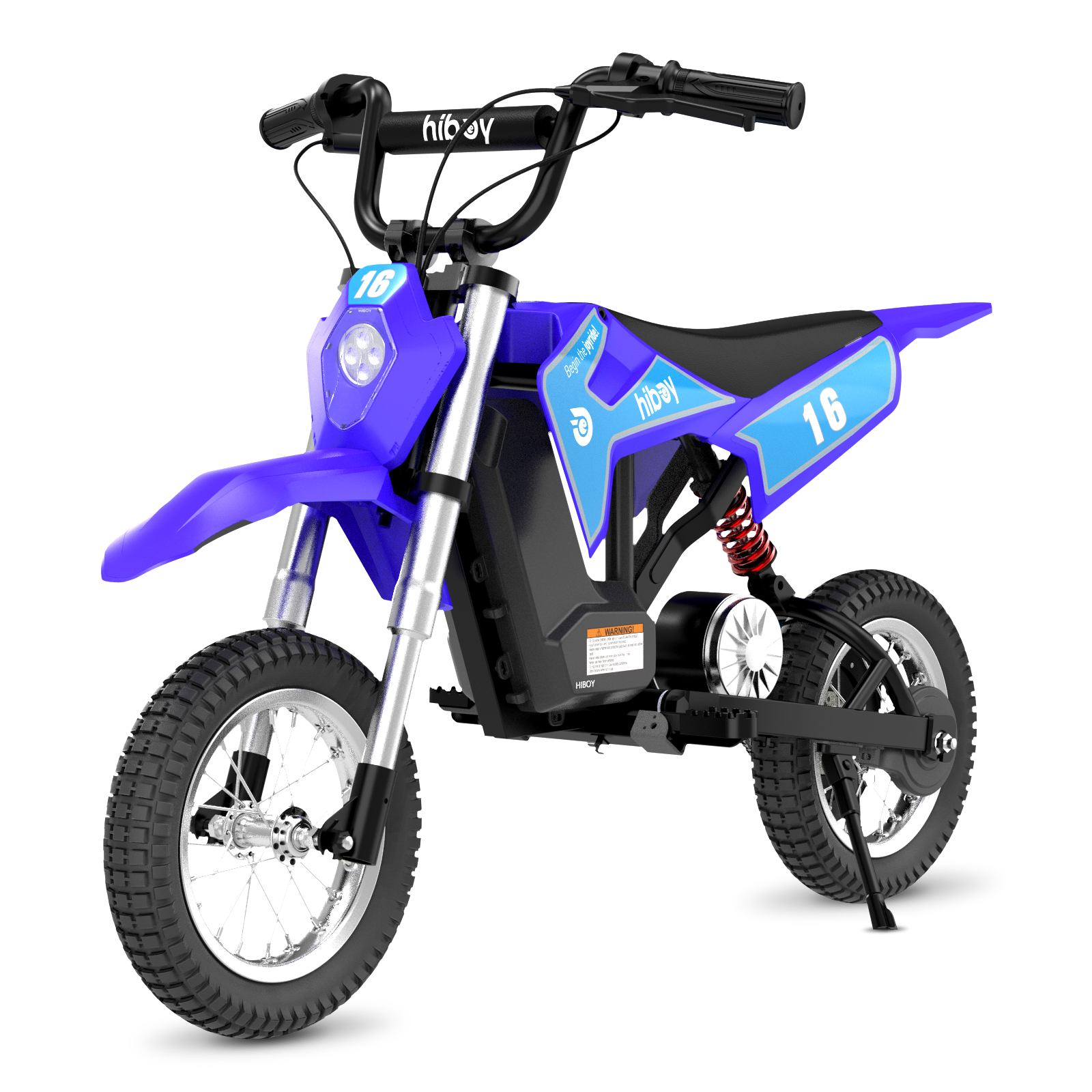 DK1
DK1
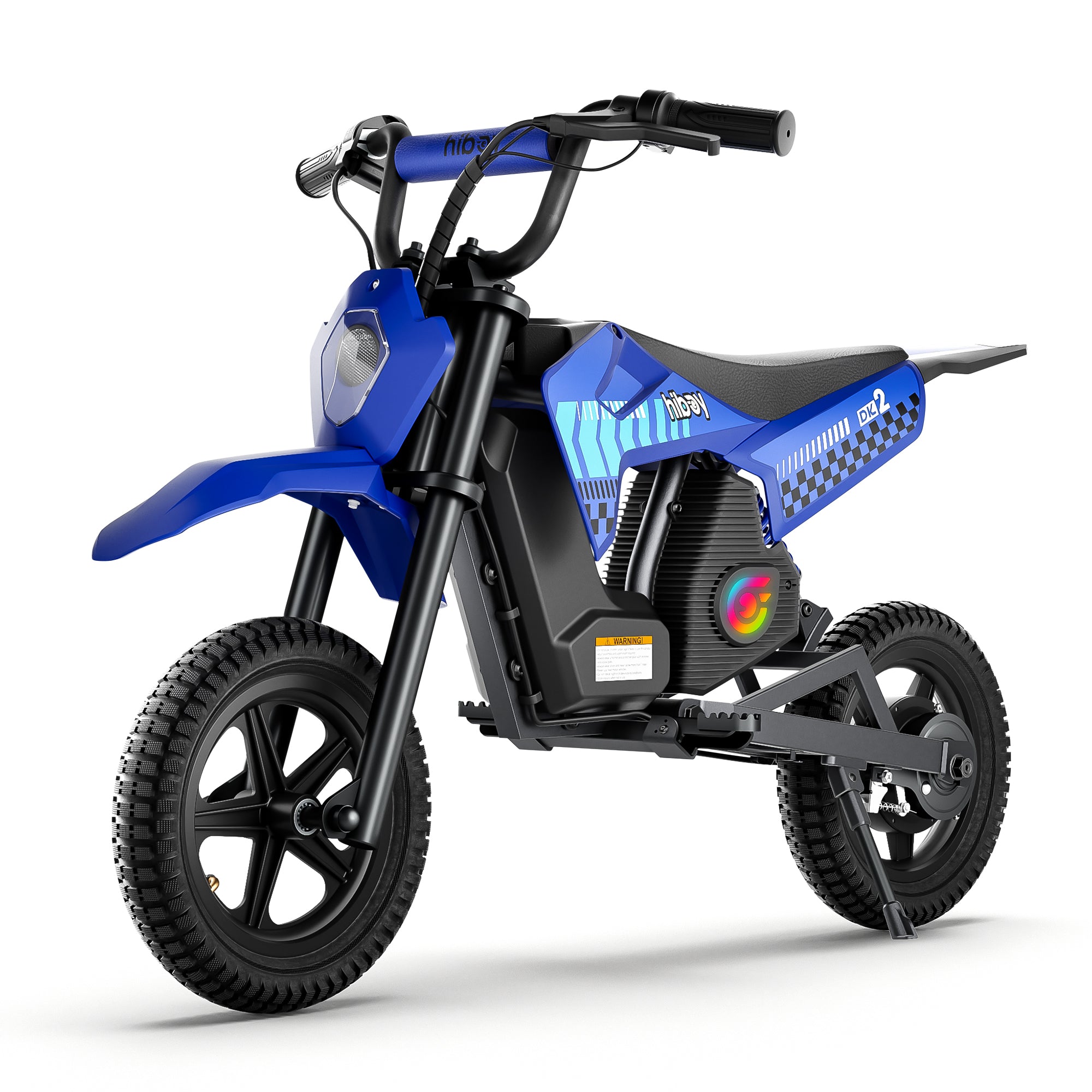 DK2
DK2
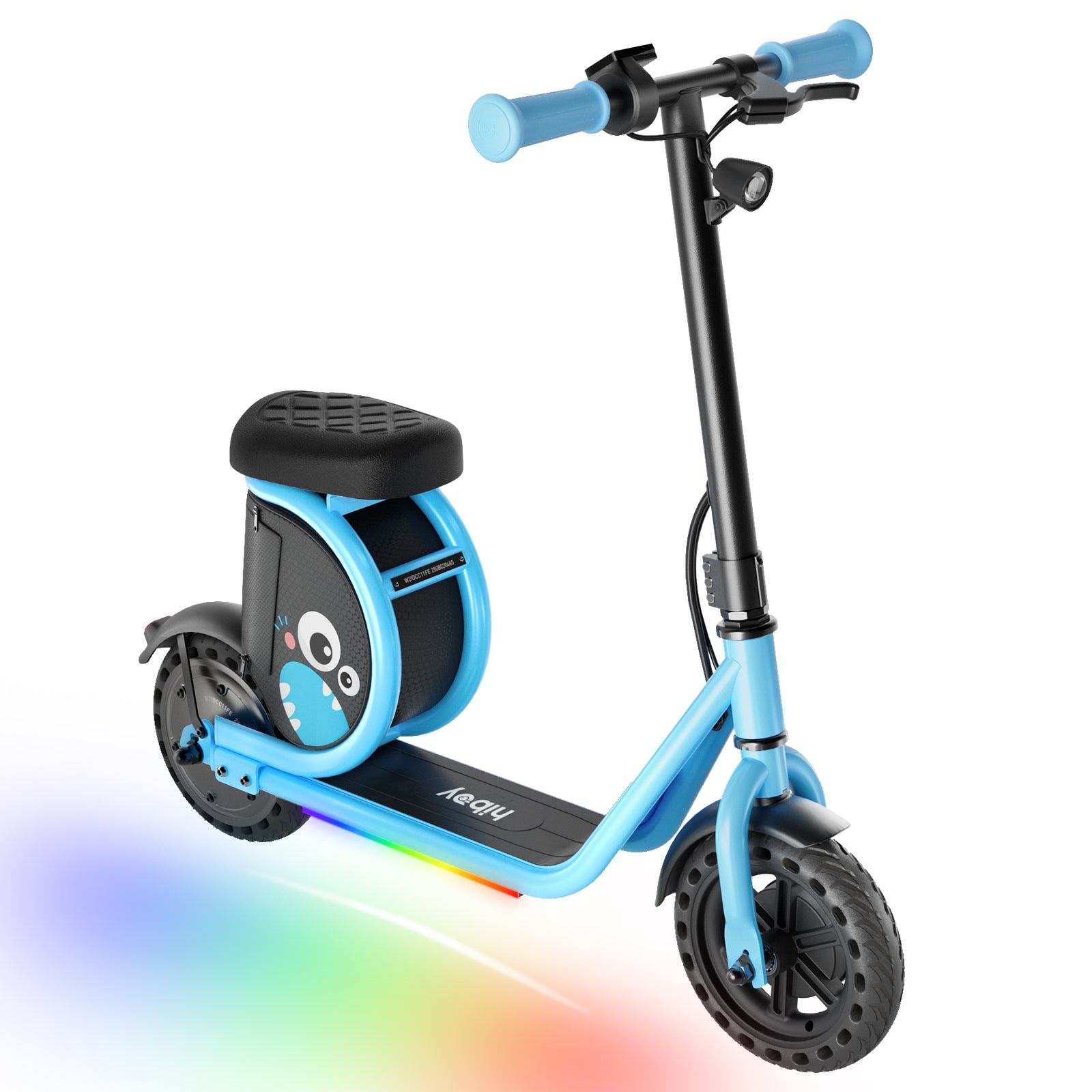 Joy Haul
 Q2 Lite
 Compare Models
When choosing a high-performance electric scooter, the motor is one of the most important components. It determines how quickly the scooter accelerates, how well it climbs hills, how smoothly it delivers power, and how reliably it performs over time.
With the launch of the Hiboy TITAN and Hiboy TITAN Pro, riders now have the option of choosing between a standard motor configuration and a Bosch-powered motor system. Understanding the differences can help riders choose the setup that best matches their riding style and performance expectations.
This guide compares standard scooter motors vs Bosch motors, explaining how they differ in engineering, performance, and real-world riding experience.
What Is a Standard Electric Scooter Motor?
A standard motor typically refers to a generic brushless hub motor used in many electric scooters. These motors are widely adopted because they are cost-effective and capable of delivering sufficient power for everyday commuting.

Typical Characteristics of Standard Motors
- Reliable baseline performance for urban riding
- Adequate torque for moderate hills
- Cost-efficient manufacturing
- Widely used across many scooter brands
Standard motors perform well for commuting and recreational riding, but they are generally optimized for affordability rather than maximum efficiency or advanced engineering precision.
What Is a Bosch Motor?
A Bosch motor represents a higher level of engineering and system optimization. Bosch is a globally recognized technology company known for producing advanced electric drive systems used in automotive, industrial, and premium micromobility applications.
Bosch motors are designed to deliver:
- Precision torque control
- High efficiency power delivery
- Smooth acceleration curves
- Long-term reliability under demanding conditions
These advantages become particularly important for off-road scooters, where terrain, rider weight, and riding conditions can change rapidly.

Standard Motor vs Bosch Motor: Key Differences
1. Power Delivery and Acceleration
Standard Motor
Standard motors can provide strong acceleration, but power delivery may feel more abrupt or less controlled when riding on uneven terrain.
Bosch Motor
Bosch motors are engineered for progressive acceleration, meaning power increases smoothly as the throttle is applied. Riders often notice:
- More controlled takeoffs
- Predictable throttle response
- Better stability on rough terrain
This smoother power curve helps riders maintain confidence when navigating trails or steep inclines.
2. Torque and Hill-Climbing Capability
Torque determines how effectively a scooter can handle hills and heavy loads.

Standard Motor
- Suitable for moderate slopes
- May struggle with sustained steep climbs
Bosch Motor
Bosch-powered setups deliver stronger and more consistent torque, allowing scooters to maintain power on steep inclines or rough terrain.
For example, the Hiboy TITAN Pro with dual Bosch in-hub motors can deliver up to 2400W combined peak power, enabling confident hill climbing and strong acceleration even under demanding riding conditions.
3. Efficiency and Range Optimization
Motor efficiency plays a key role in how effectively a scooter converts battery energy into motion.
Standard Motor
Standard motors provide adequate efficiency but may consume more energy during aggressive acceleration or high loads.

Bosch Motor
Bosch motors are designed with optimized electromagnetic and controller systems, helping improve energy efficiency and maintain consistent output across a wide range of speeds.
Higher efficiency contributes to:
- Better real-world range
- Reduced battery strain
- More consistent performance during long rides
4. Durability and Reliability
Electric scooters used for off-road riding experience more stress from vibration, dust, and uneven terrain.
Standard Motor
Durability depends largely on manufacturing quality and component design.
Bosch Motor
Bosch motors are engineered with strict quality standards and extensive testing to ensure stable performance under demanding conditions. Their design emphasizes reliability and long-term durability, which is especially important for high-power scooters.

5. Riding Experience
Beyond pure specifications, the motor also affects the overall riding feel.
Standard Motor
- Strong but sometimes abrupt acceleration
- Suitable for everyday commuting
- Good balance of performance and affordability
Bosch Motor
- Smoother throttle response
- More refined acceleration
- Greater control on rough surfaces
Riders often describe Bosch-powered scooters as feeling more stable, powerful, and confidence-inspiring.

Standard Motor vs Bosch Motor: Comparison Table
| Feature | Standard Motor | Bosch Motor |
| Engineering Quality | Typically produced by third-party manufacturers with varying standards | Designed with precision German engineering and strict quality control |
| Power Delivery | Strong power, but it can feel abrupt during acceleration | Smooth, controlled power delivery with refined throttle response |
| Torque Performance | Adequate for moderate hills and urban riding | Higher torque output for steep hills and off-road terrain |
| Energy Efficiency | Standard efficiency depending on controller design | Optimized energy management for better battery efficiency |
| Durability | Depends on the manufacturer's quality and riding conditions | Built for long-term reliability and heavy-duty use |
| Ride Smoothness | May produce more vibration under load | Quieter, smoother, and more stable ride feel |
| Maintenance Reliability | Performance may degrade faster with heavy use | Engineered for consistent performance over time |
| Best Use Case | Daily commuting and casual riding | High-performance riding, off-road adventures, and demanding terrain |
Bosch Motors in the Hiboy TITAN Series
The Hiboy TITAN and Hiboy TITAN Pro represent Hiboy’s latest step forward in off-road electric scooter design.

Key highlights of the flagship model TITAN Pro include:
- Dual Bosch motor configuration (optional on TITAN Pro)
- Up to 2400W combined peak power
- Top speeds around 31 mph
- Maximum climbing capability of 35% incline
- Up to 80 miles of range with a high-capacity battery system
Combined with features such as dual suspension, hydraulic brakes, and a reinforced aluminum frame, these scooters are built to handle both urban roads and off-road terrain.
Which Motor Should You Choose?
Choosing between a standard motor and a Bosch motor depends on how you plan to ride.
Choose a Standard Motor If:
- You primarily commute in the city
- You want strong performance at a more affordable price
- Your rides involve relatively flat terrain

Choose a Bosch Motor If:
- You want maximum performance and efficiency
- You ride on hills or off-road terrain
- You prefer smoother acceleration and refined control
- You want a more premium riding experience
Final Thoughts
The motor is the heart of any electric scooter, and choosing the right one can dramatically affect your riding experience.
Standard motors deliver dependable everyday performance, making them suitable for commuting and casual riding. However, Bosch-powered systems take performance to another level with smoother power delivery, stronger torque, improved efficiency, and long-term reliability.
With the introduction of the Hiboy TITAN and Hiboy TITAN Pro, Hiboy gives riders the flexibility to choose between standard motor setups and premium Bosch-powered performance, ensuring every rider can find the perfect balance between power, control, and value.








Leave a comment
All comments are moderated before being published.
This site is protected by hCaptcha and the hCaptcha Privacy Policy and Terms of Service apply.