





 Daily Commute
 Lightweight & Portable
 Performance Rides
 Comfort With Seat
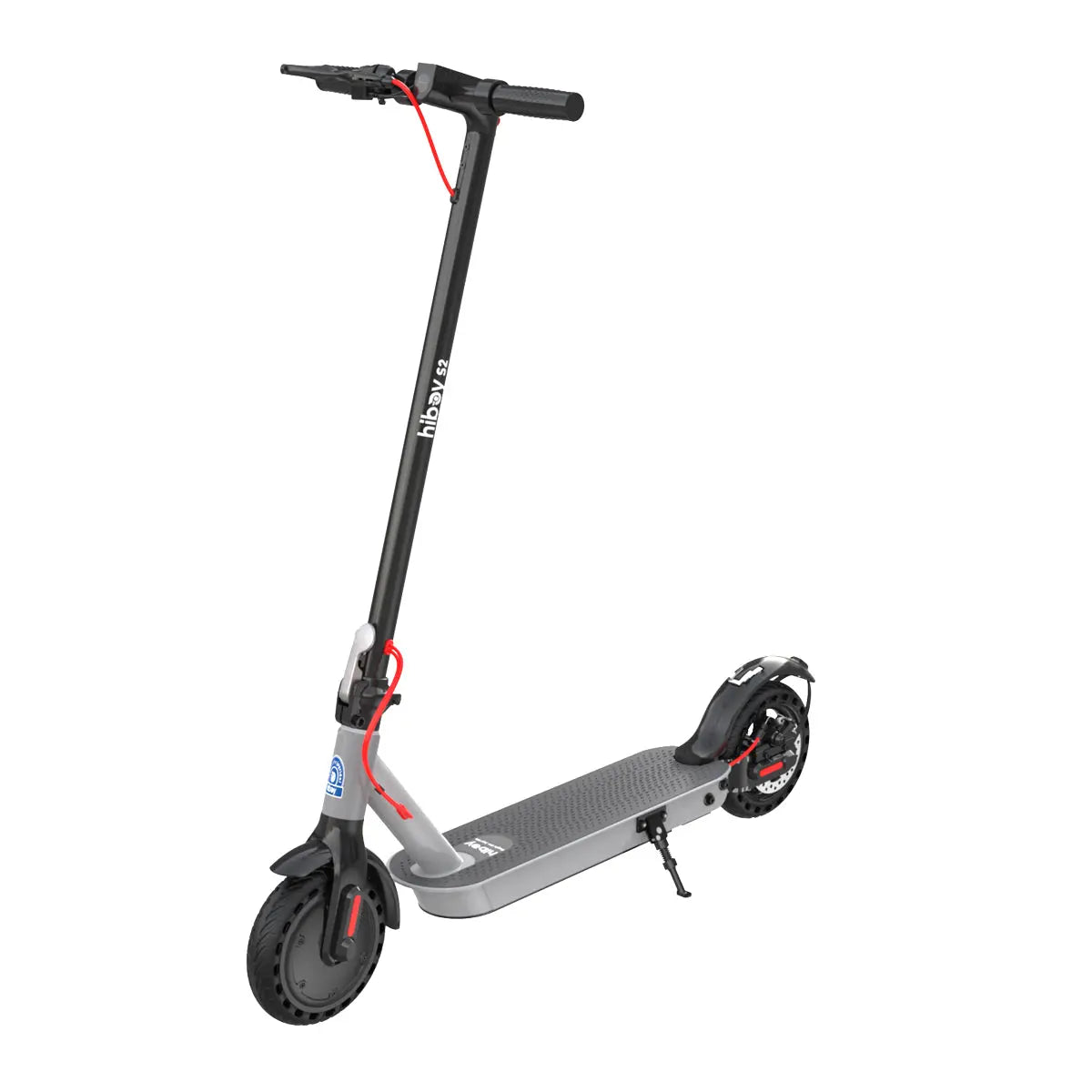 S2
S2
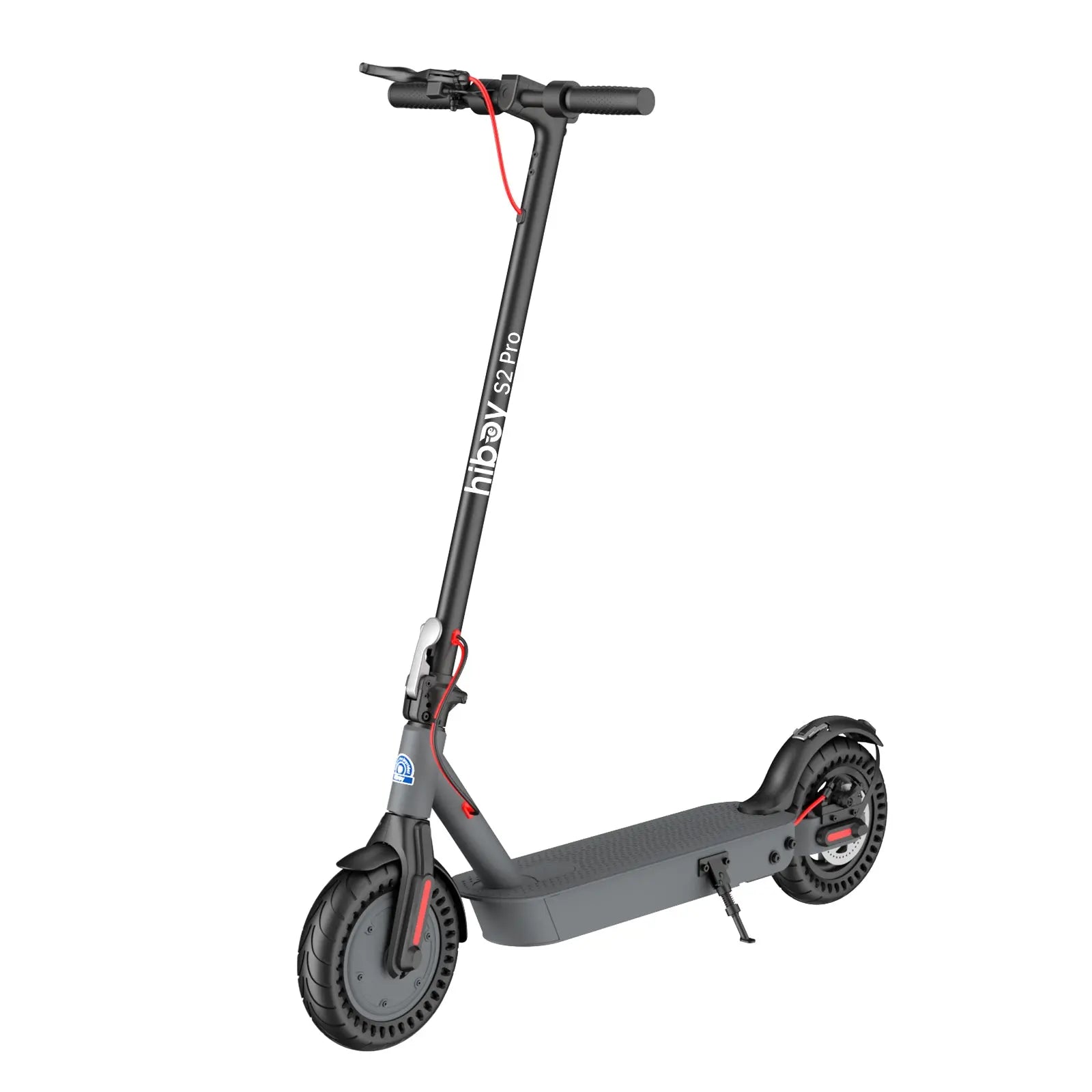 S2 Pro
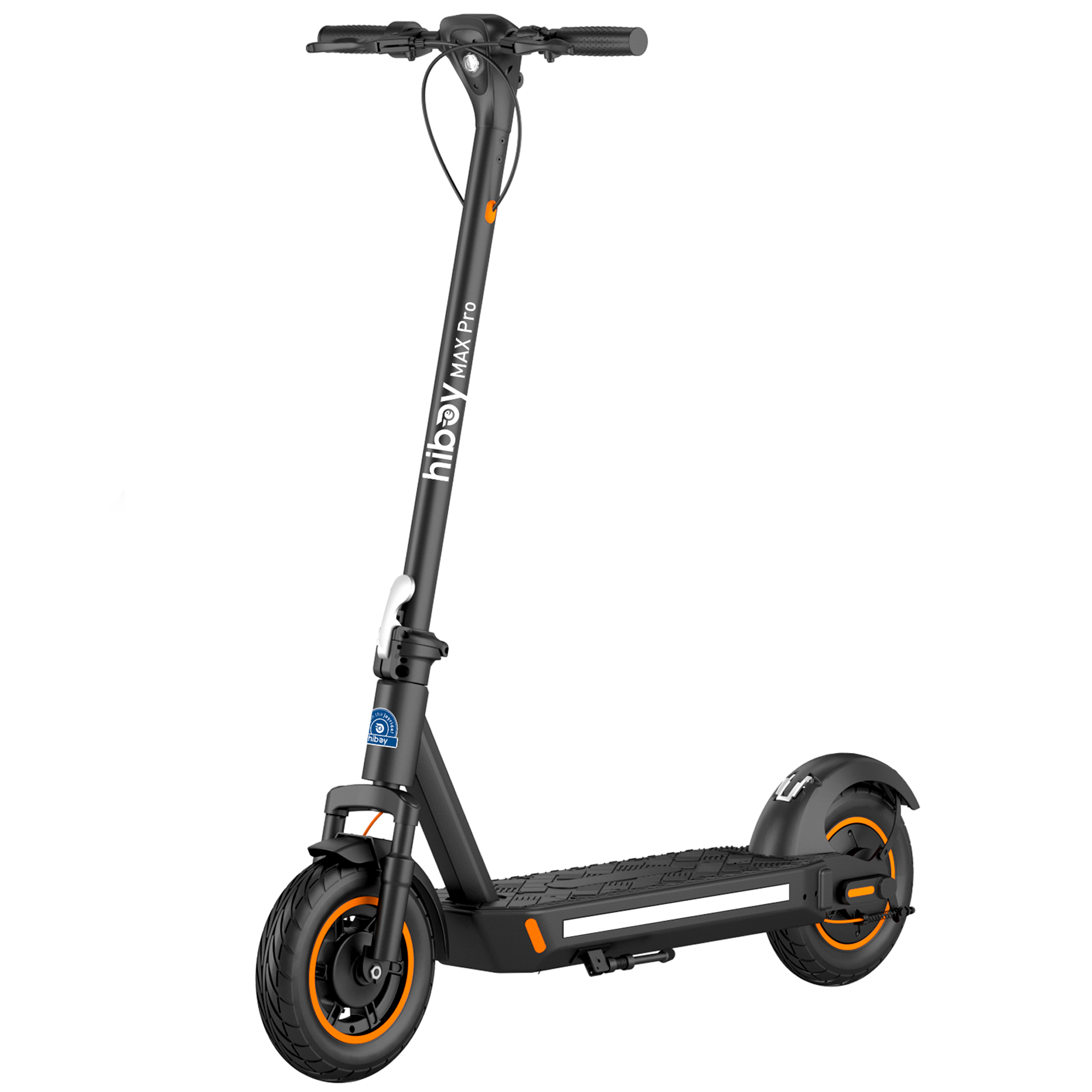 MAX Pro
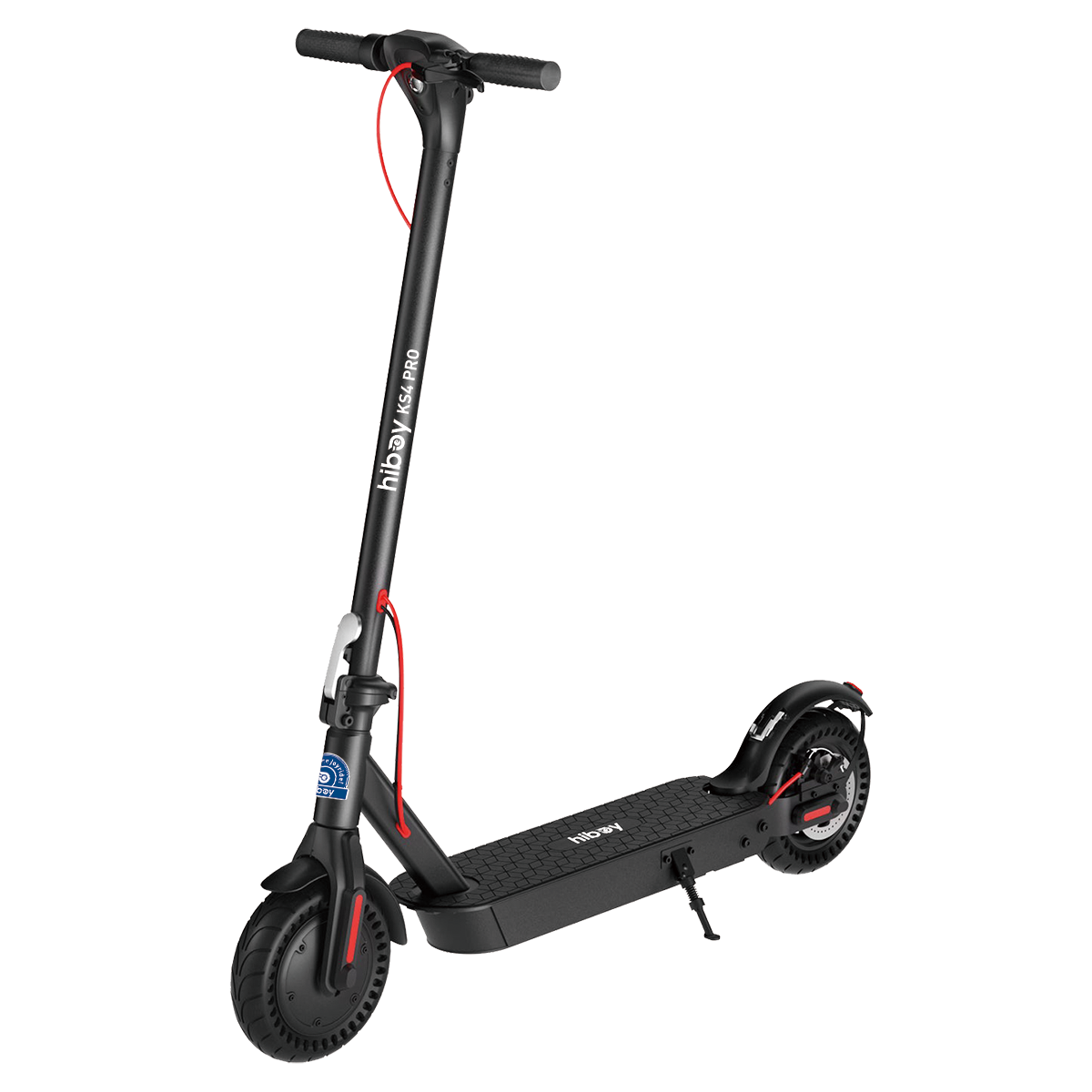 KS4 Pro
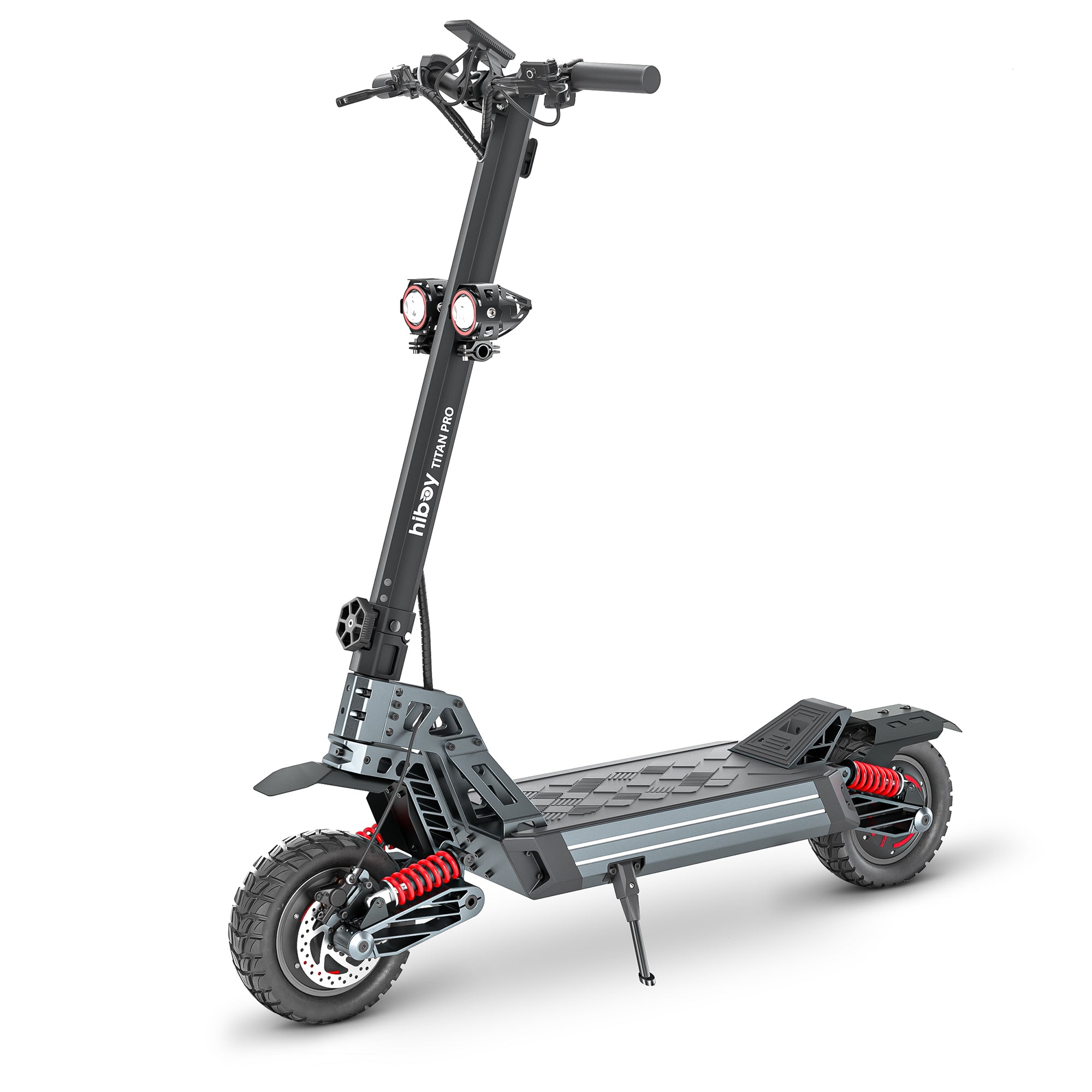 TITAN PRO
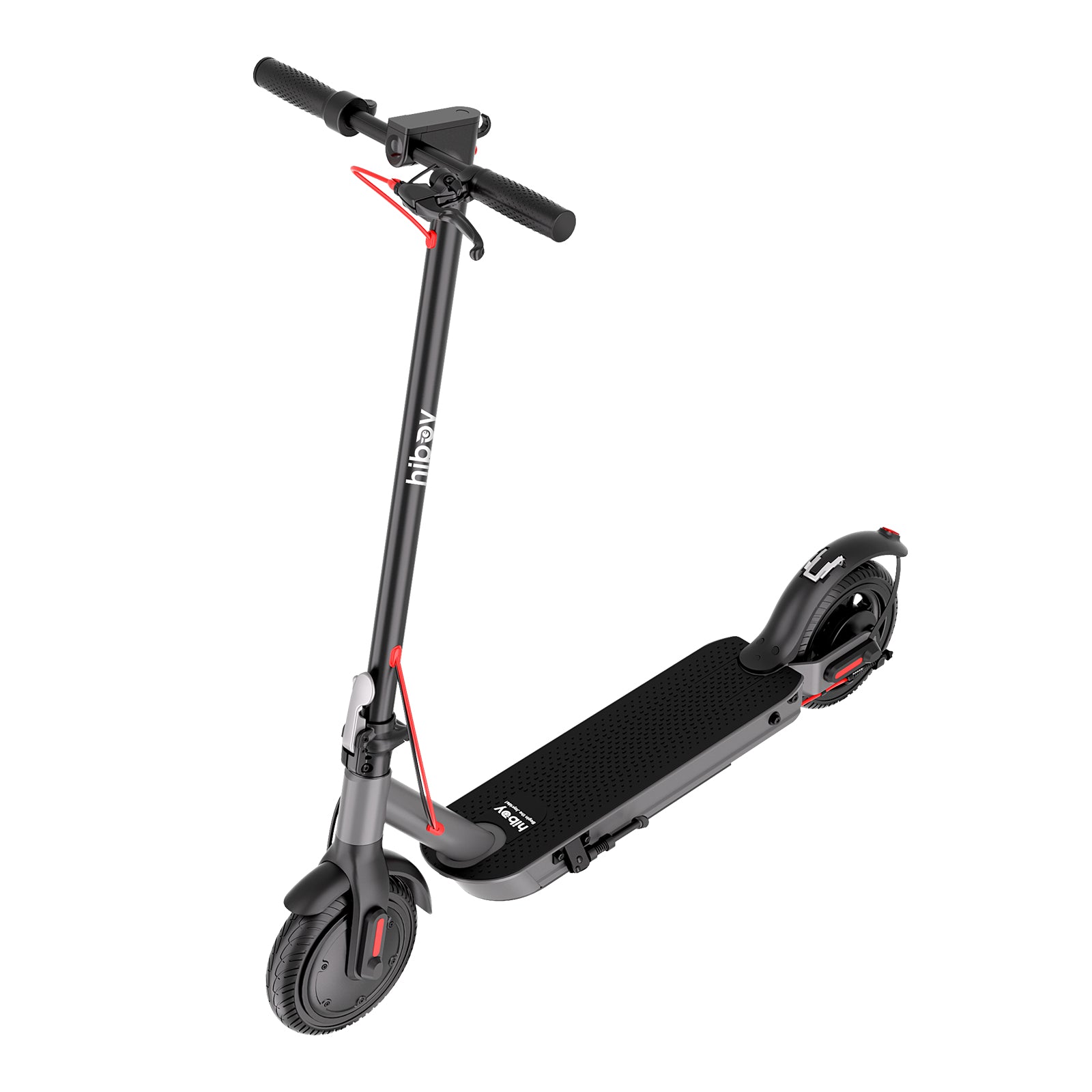 S2 Nova
 Compare Models
 Find Your Best Ride
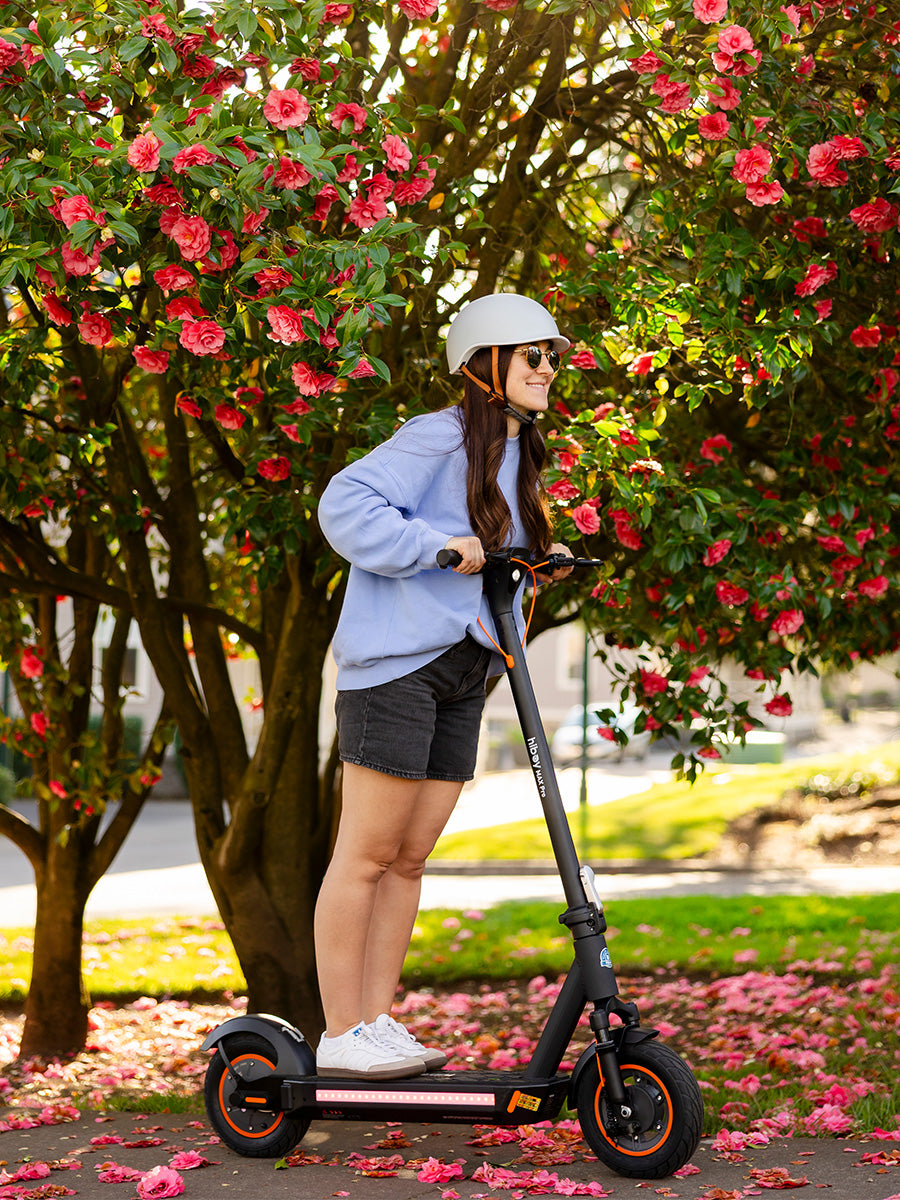
 Daily Commute
 Off-road & Trail
 Folding & Compact
 Fat Tire Rides
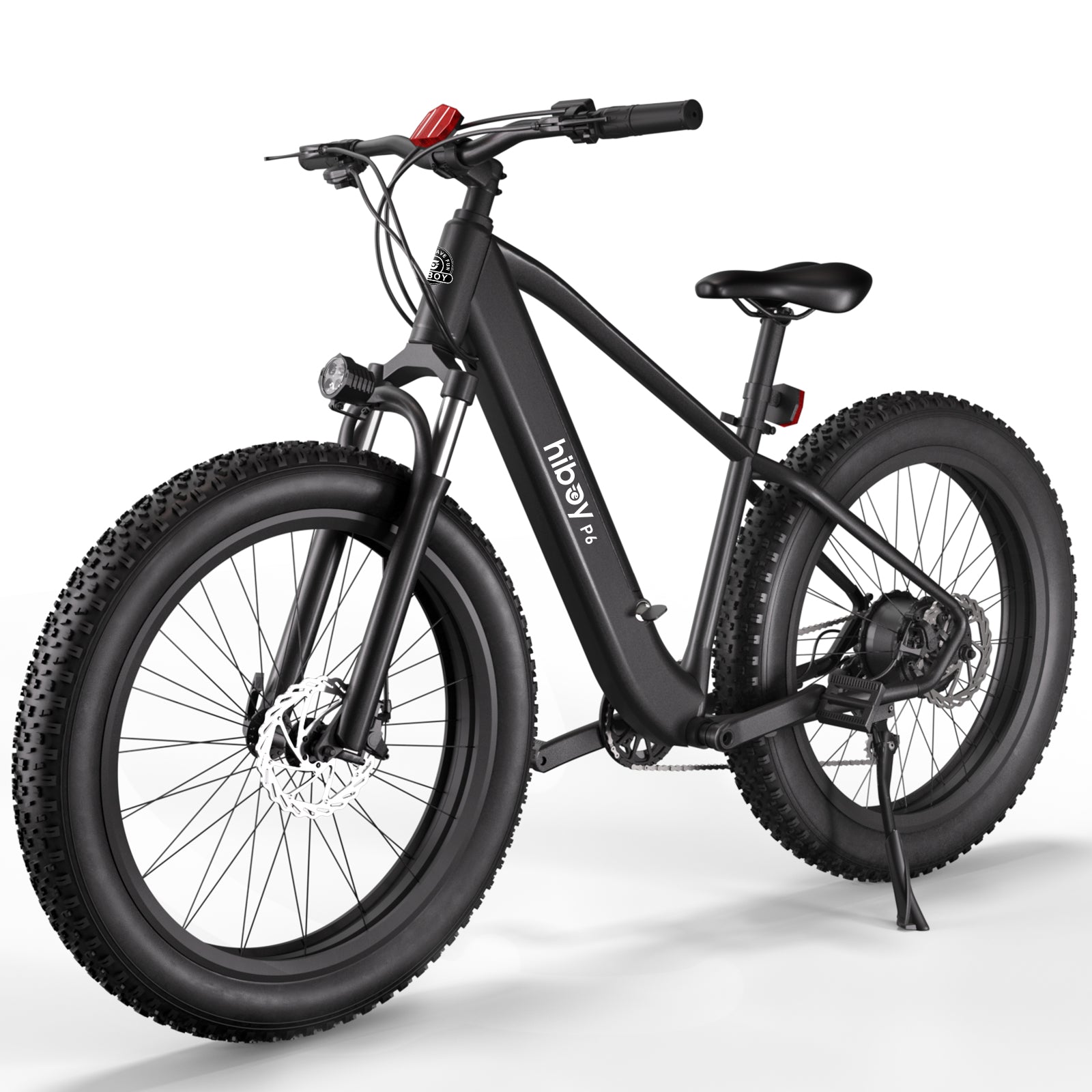 P6
P6
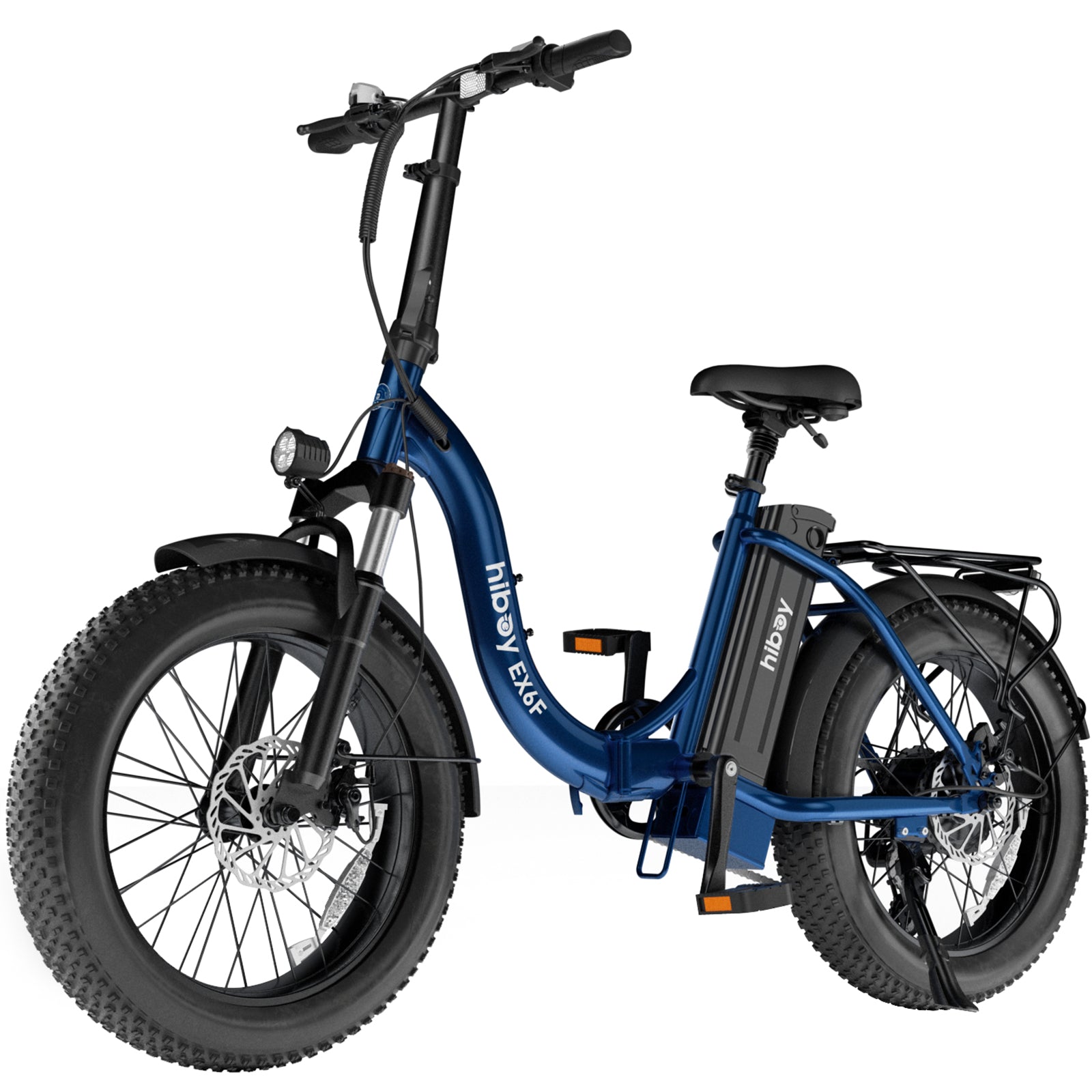 EX6F
EX6F
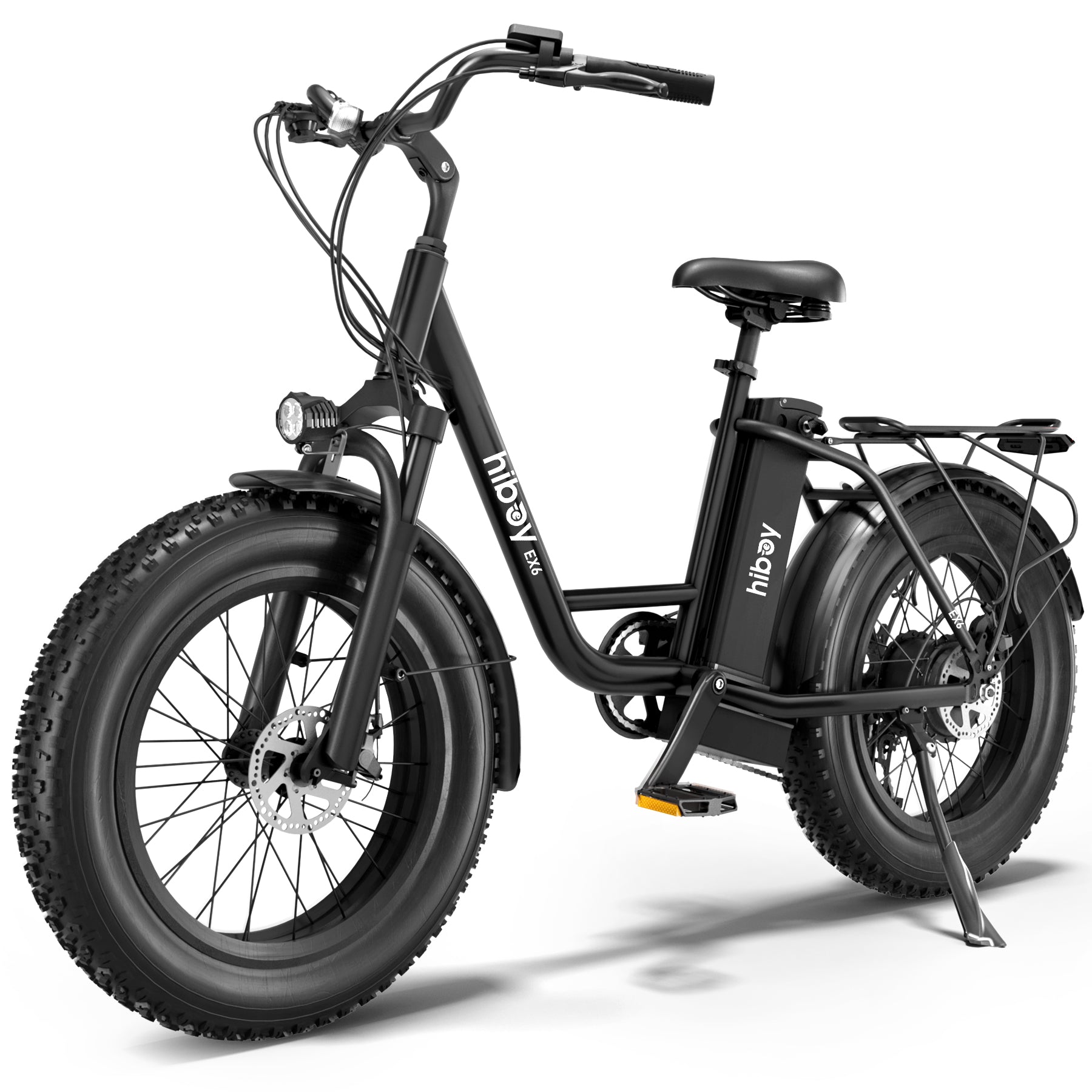 EX6
EX6
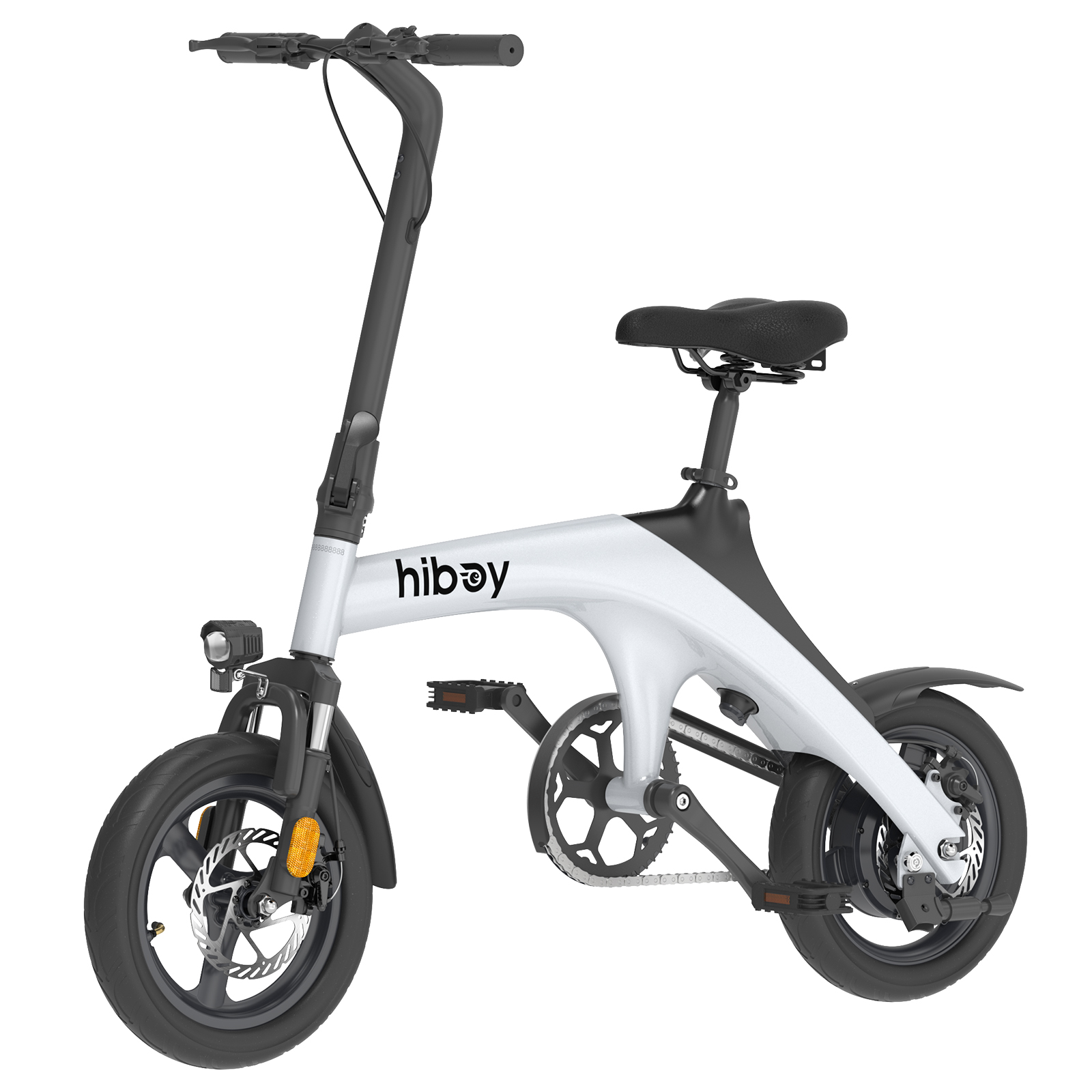 C1
C1
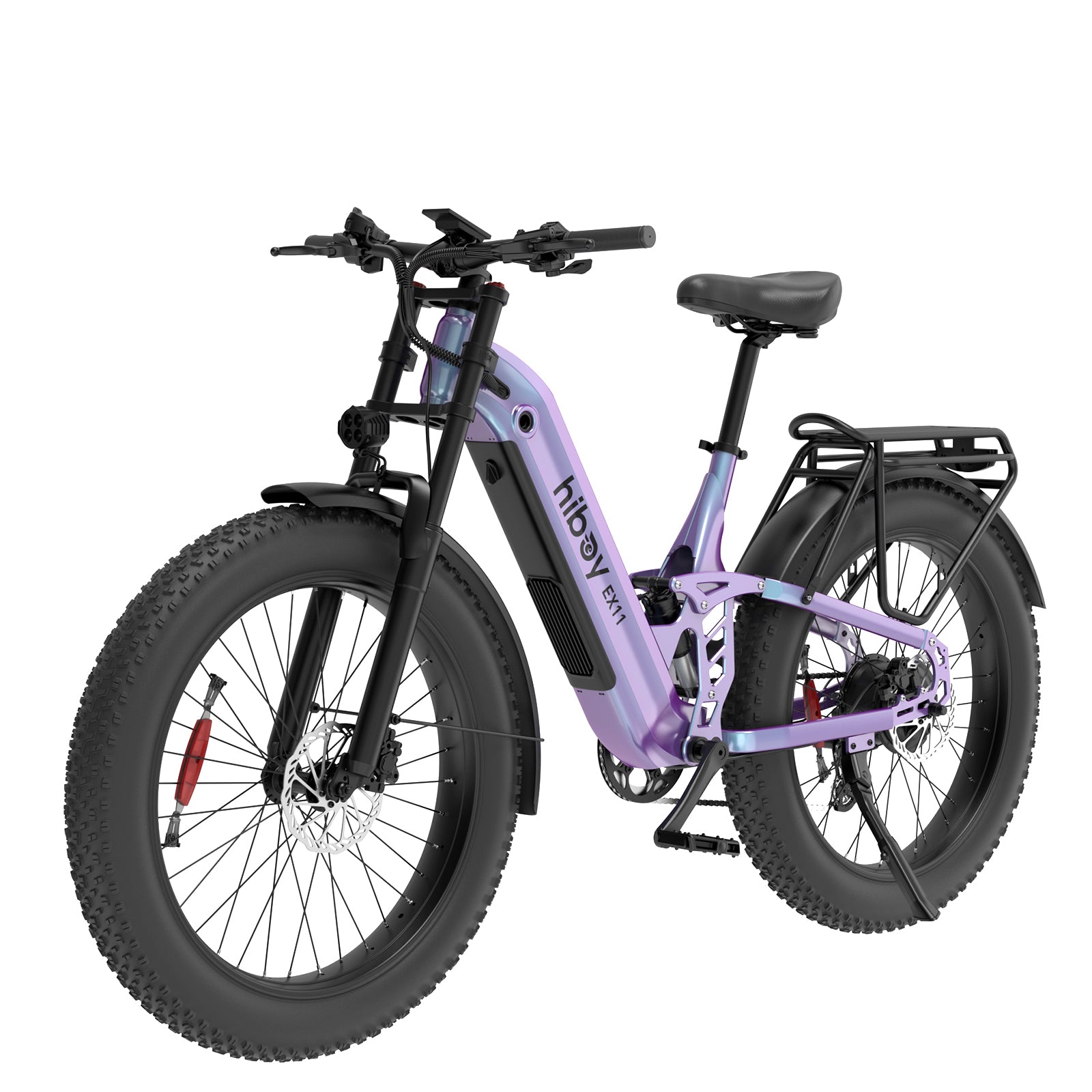 EX11
EX11
 EX9
EX9
 Compare Models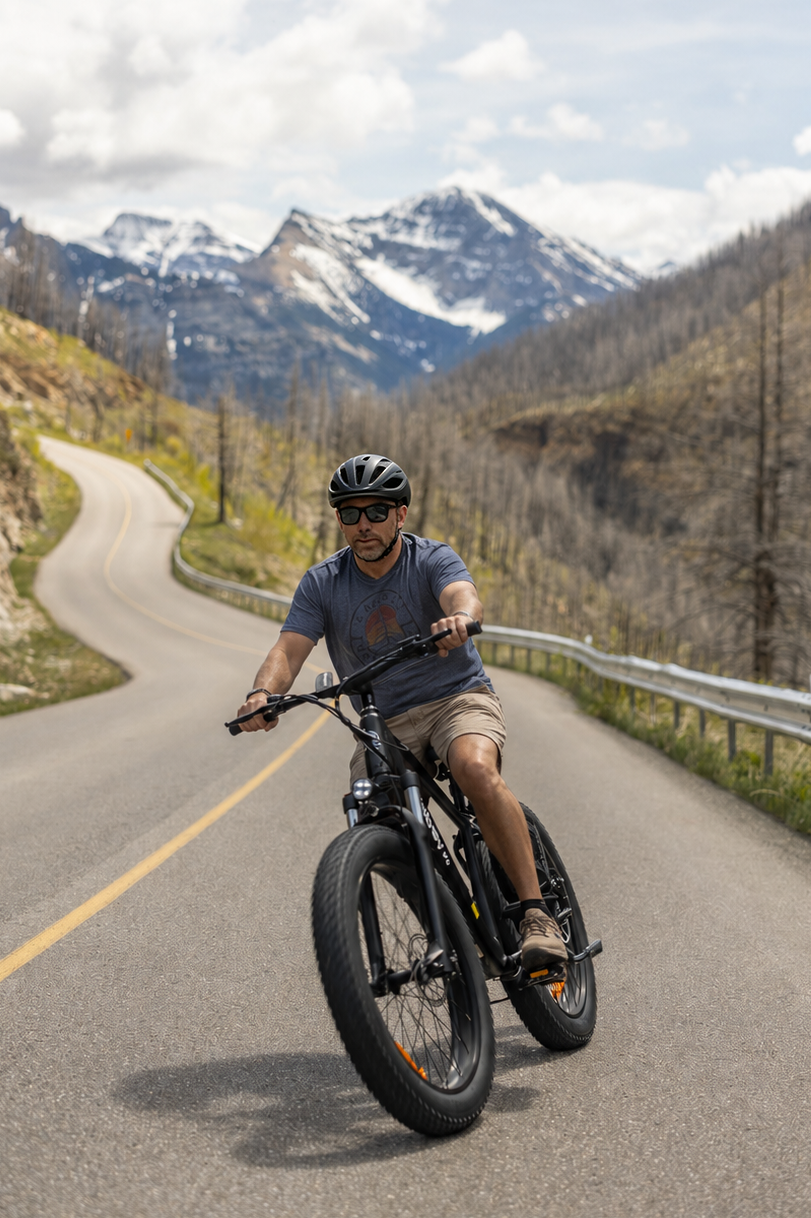
 First Rides
 Everyday Fun
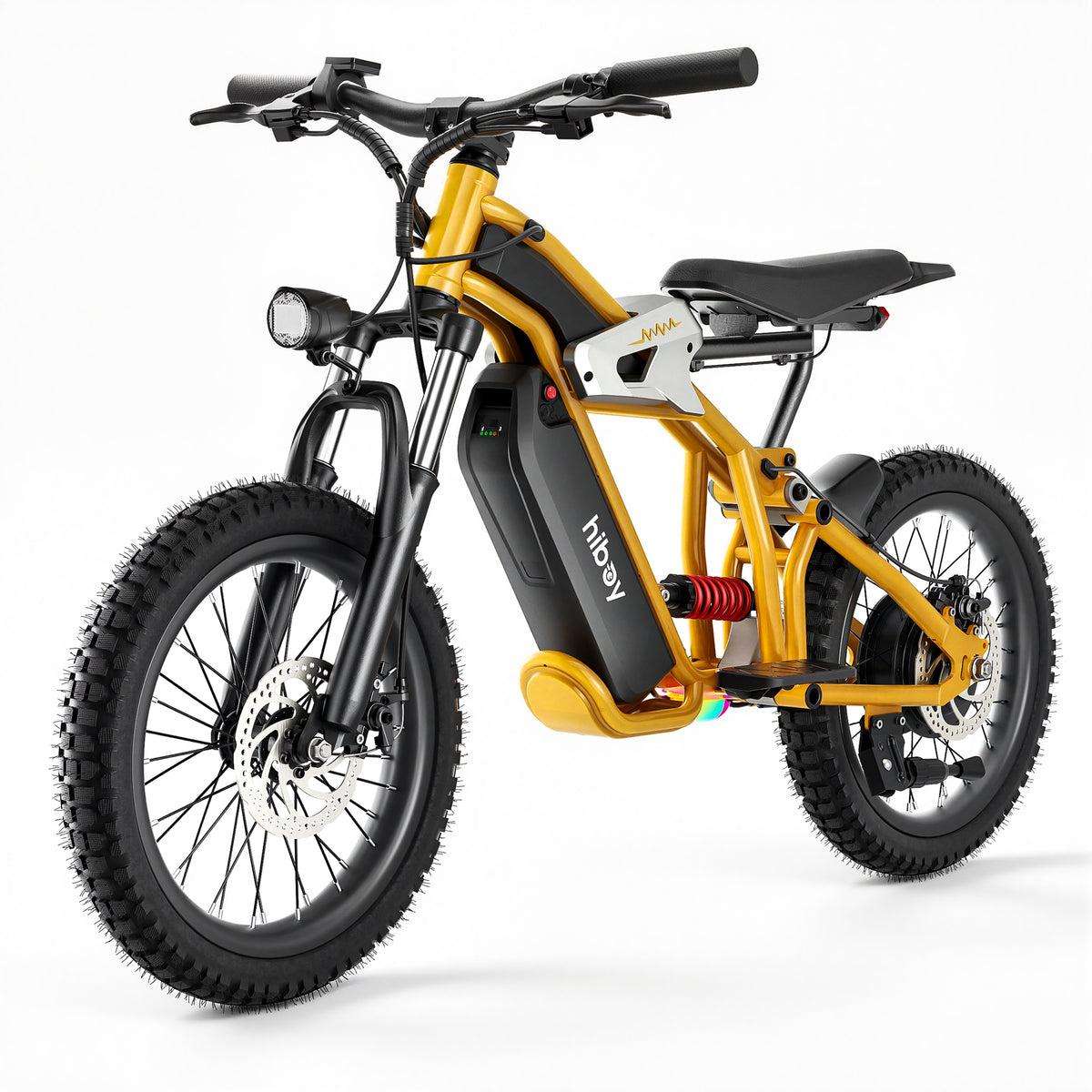 DM14
DM14
 S2 Lite
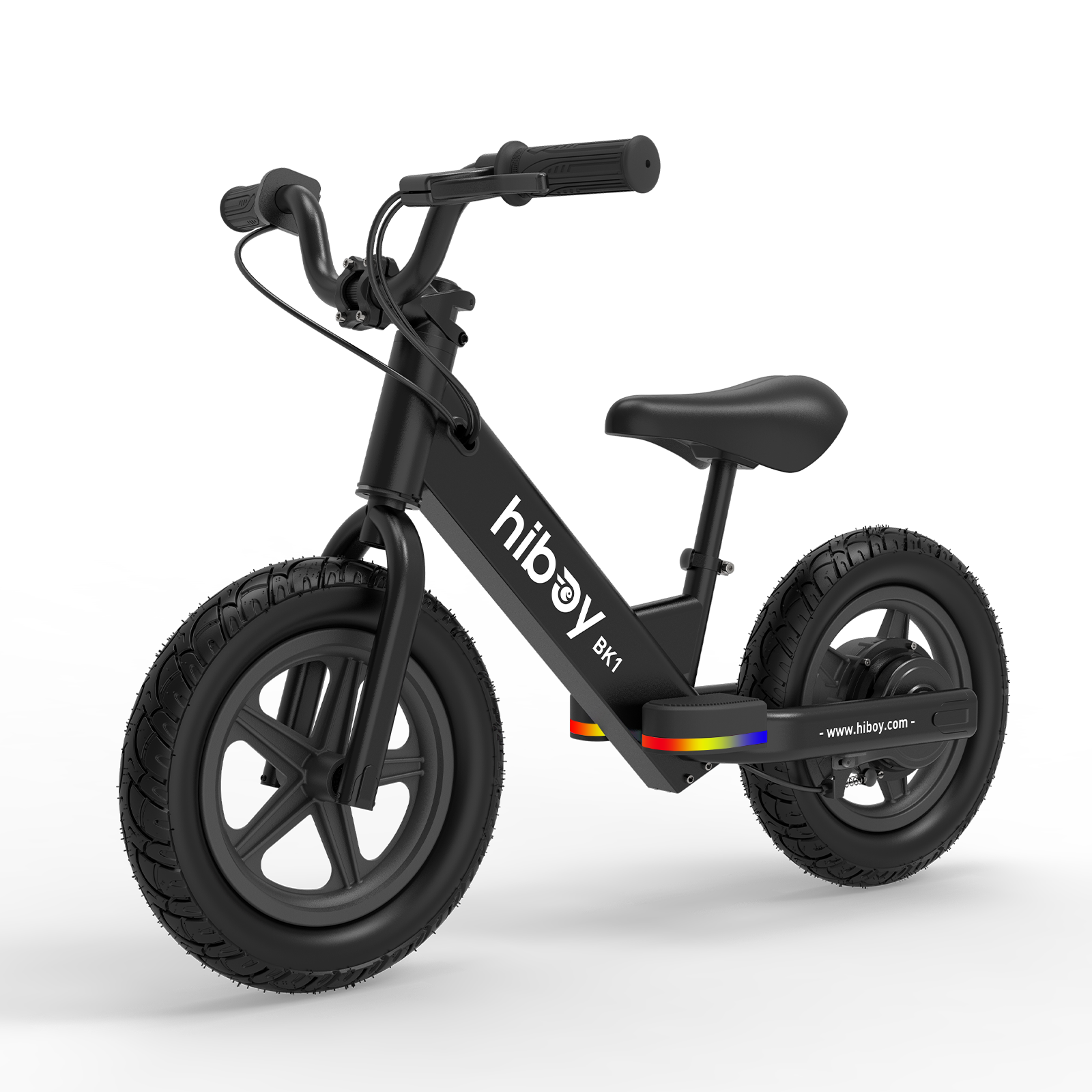 BK1
BK1
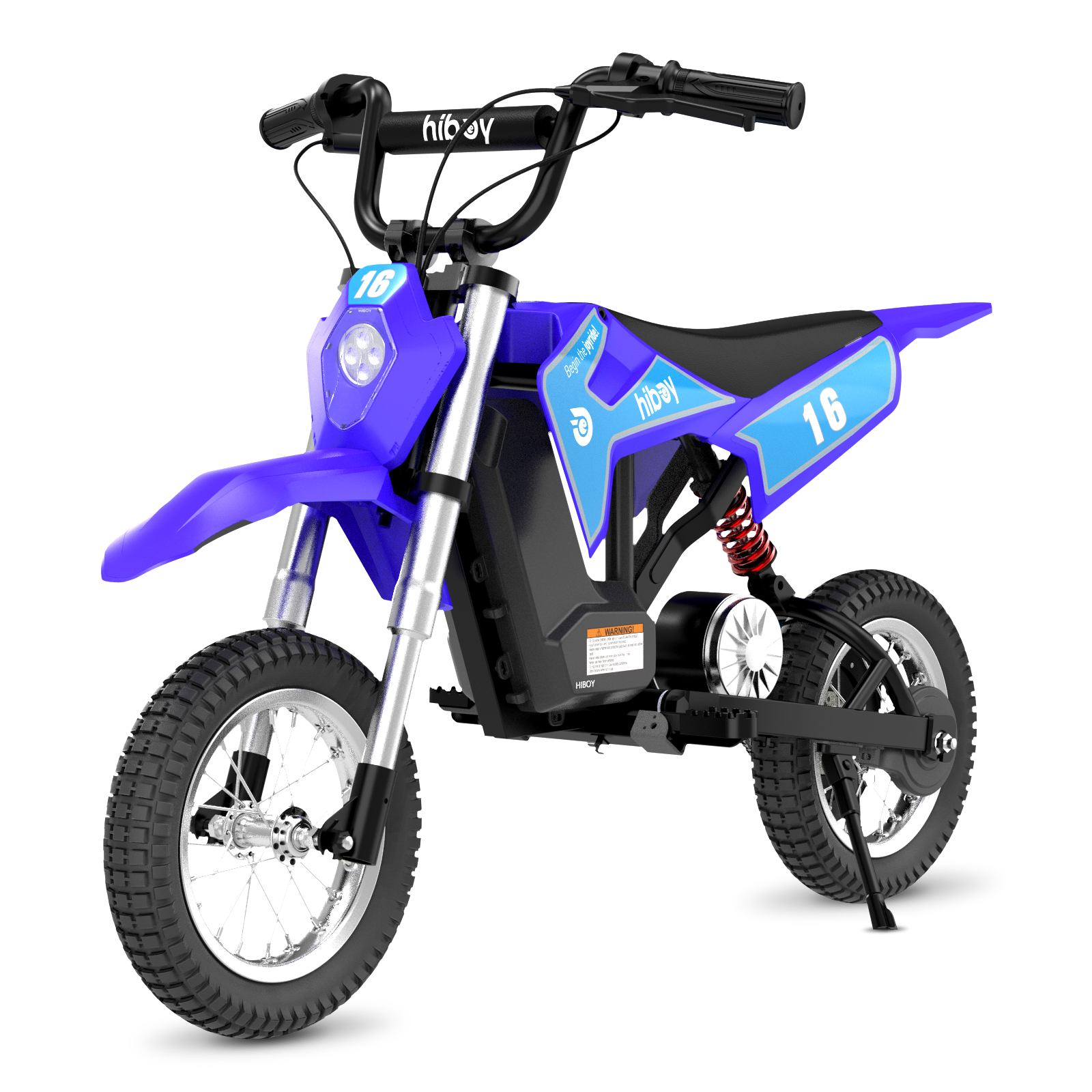 DK1
DK1
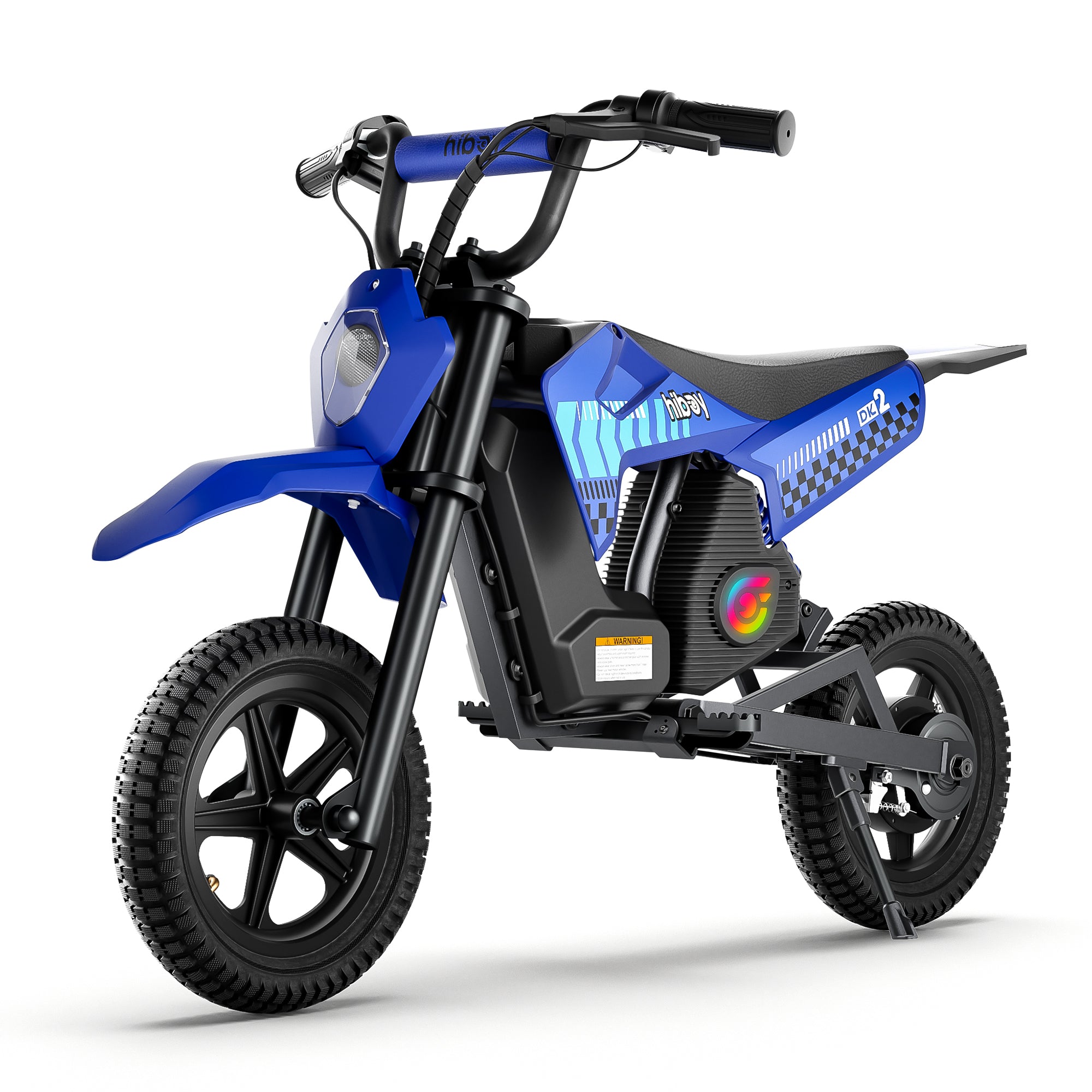 DK2
DK2
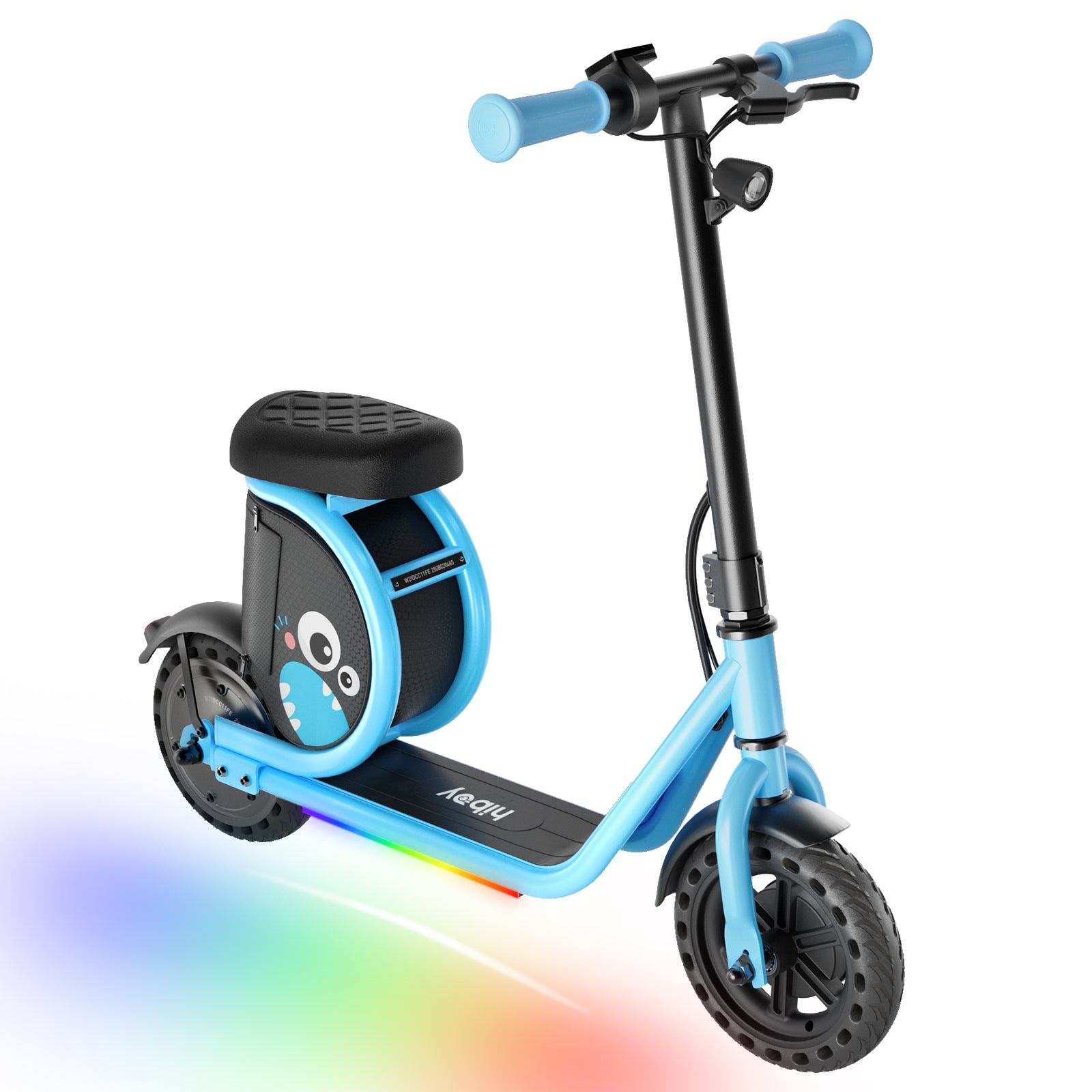 Joy Haul
 Compare Models
Electric scooters have quickly become one of the most popular personal mobility devices in cities and neighborhoods around the world. Lightweight, easy to ride, and fun, they are widely used by commuters and recreational riders alike. Naturally, many parents wonder: Can kids ride electric scooters safely?
The short answer is yes, but only under the right conditions. Age, safety equipment, supervision, and choosing the appropriate scooter model all play critical roles in ensuring a safe riding experience for young riders.
This guide explains age recommendations, safety requirements, legal considerations, and practical tips to help parents make informed decisions.
Are Electric Scooters Safe for Kids?
Electric scooters can be safe for children when used properly and with appropriate supervision. However, they are motorized vehicles capable of reaching speeds that may be unsafe for younger riders without adequate coordination or judgment.
According to safety guidance from the U.S. Consumer Product Safety Commission, injuries related to scooters often occur due to:
- Lack of protective gear
- Excessive speed
- Inexperience
- Riding in unsafe environments
Because electric scooters add motor power to traditional kick scooters, the risk increases if children ride models designed for adults.
This is why manufacturers such as Hiboy and other mobility brands design youth-specific scooters with lower speeds and enhanced safety features.
Recommended Age for Electric Scooter Riders
Most manufacturers recommend a minimum age of 8 years, though the appropriate age depends heavily on the scooter’s design and speed capabilities.

Typical Age Guidelines
| Age Group | Recommendation |
| Under 6 years | Not recommended for electric scooters |
| 6–8 years | Only low-speed models with supervision |
| 8–12 years | Suitable for youth scooters with safety limits |
| 13+ years | Can ride entry-level commuter scooters |
Children under 8 typically lack the coordination, reaction time, and traffic awareness needed to safely operate motorized scooters.
Parents should always check the manufacturer's age recommendations before purchasing a scooter.
Why Electric Scooters Require Extra Caution
Unlike traditional kick scooters, electric scooters introduce factors that require additional responsibility and awareness. Even youth models can reach speeds and behaviors that children may not be fully prepared to handle.
1. Higher Speeds
Many entry-level electric scooters can reach 10–20 mph (16–32 km/h). Even slower youth models often travel 8–10 mph, which is fast enough to cause injury if a rider loses balance or falls. Unlike walking or riding a bike, motorized speeds amplify the risk of impact and accidents.

2. Motorized Acceleration
Electric scooters accelerate differently than push scooters, requiring riders to manage throttle control, braking distance, and balance while in motion. Children need time and guidance to understand how to start, stop, and adjust speed safely, especially in changing terrain.
3. Environmental Awareness
Riders must constantly stay alert to their surroundings, including:
- Pedestrians
- Vehicles
- Road hazards such as potholes, gravel, or wet surfaces
- Uneven pavement or curbs
Young children may not yet have the judgment or reaction speed to navigate these hazards safely, which is why supervision and gradual skill-building are essential.
Essential Safety Gear for Kids
If a child rides an electric scooter, protective equipment is non-negotiable.
Required Safety Gear
- Helmet: A properly fitted helmet significantly reduces head injury risk. The American Academy of Pediatrics strongly recommends helmets for all scooter riders.
- Knee Pads and Elbow Pads: These protect joints during falls.
- Closed-Toe Shoes: Sneakers provide better grip and foot protection than sandals.
- Reflective Clothing: Improves visibility in low-light conditions.
Parents should also ensure the scooter has working lights, reflectors, and reliable brakes.

Choosing the Right Electric Scooter for Kids
Selecting the correct electric scooters for kids is one of the most important safety decisions parents can make. Scooters designed specifically for younger riders typically include features that make them easier to control and reduce the risk of accidents.
Look for These Features
1. Speed Limits
Kid-friendly scooters should have maximum speeds between 6–10 mph (10–16 km/h). Lower speed limits help beginners maintain control while they develop balance, braking skills, and confidence.
2. Lightweight Design
A lightweight scooter is easier for children to steer, turn, and stop. It also makes the scooter easier to carry when not in use, which is helpful for younger riders who may need assistance transporting it.
3. Stable Deck
A wider, non-slip deck provides better footing and balance, allowing children to place both feet comfortably while riding. This stability can reduce slips and improve overall control.
4. Reliable Braking System
A dependable braking system is essential. Many modern scooters combine electronic braking with a rear mechanical brake, giving riders more stopping power and better control in different riding conditions.

5. Lower Power Motors
Motors in the 100–250W range generally provide enough power for smooth acceleration without making the scooter too fast or difficult to manage for younger riders.
Hiboy electric scooters for kids often incorporate these safety-focused features into youth-oriented scooter designs to help create a safer and more enjoyable riding experience for kids.
Where Kids Should Ride Electric Scooters
Environment matters just as much as equipment.
Safe Riding Locations
Children should ride in areas such as:
- Residential sidewalks (where permitted)
- Parks
- Bike paths
- Closed playground areas
- Private driveways
Areas to Avoid
Kids should not ride in:
- Busy streets
- Parking lots with traffic
- Crowded pedestrian zones
- Steep hills
Younger riders should always ride within direct adult supervision.

Understanding Local Laws and Regulations
Electric scooter rules differ significantly across regions and countries. Laws may cover who can ride, where they can ride, and what safety equipment is required, making it essential for parents to stay informed.
Common Regulations to Consider
- Minimum Rider Age: Many areas set age limits, often between 12 and 16 years, to ensure riders have sufficient coordination and judgment.
- Helmet Requirements: Helmets are frequently mandatory for minors and strongly recommended for all riders.
- Riding Restrictions: Some regions restrict scooters from sidewalks, certain streets, or pedestrian-heavy areas.
- Speed Limits: Local laws may impose maximum speeds to reduce accidents in public areas.
Parents should review local transportation rules, as regulations can vary not only by country but also by state, province, or city. Staying informed helps ensure safe and legal riding for young riders.
Teaching Kids How to Ride Safely
Before allowing children to ride independently, parents should dedicate time to teaching safe riding habits. Proper guidance helps kids build confidence while reducing the risk of accidents.
Basic Training Steps
1. Start in a Controlled Environment
Begin in a safe, open space such as a driveway, empty park path, or quiet playground. This allows children to practice without the distractions or hazards of traffic.
2. Teach Proper Braking
Show kids how to slow down gradually and use the brakes correctly. Avoid abrupt stops that could throw them off balance, and practice stopping from different speeds.
3. Practice Turning and Balance
Encourage children to make wide, controlled turns and shift their weight as needed. Practicing balance while moving at low speeds builds confidence before navigating more complex paths.

4. Explain Basic Riding Etiquette
Teach children to:
- Yield to pedestrians and avoid sudden movements near crowds
- Stay to the right on paths or bike lanes where required
- Signal turns using hand gestures when possible
5. Set Clear Rules
Establish boundaries on where and when riding is allowed, including rules about speed, areas to avoid, and supervision requirements. Clear guidelines help children develop responsibility and reinforce safe habits.
Common Mistakes Parents Should Avoid
Even with the best intentions, certain choices can increase the risk of accidents. Parents should avoid these common mistakes:
- Purchasing adult scooters for young children
- Allowing children to ride without helmets
- Letting kids ride at night without proper lights
- Permitting unsupervised riding in busy or high-traffic areas
- Ignoring the scooter’s weight limits or age recommendations
A scooter that is too heavy or too powerful for a child can quickly become unsafe, so choosing the right model is essential for a safe and enjoyable riding experience.
Benefits of Electric Scooters for Kids
When used responsibly and with proper supervision, electric scooters can offer several benefits for children. Beyond being a fun activity, riding a scooter can support physical development and help kids build practical skills.
Physical and Developmental Benefits
- Improves Balance and Coordination: Riding an electric scooter requires children to maintain balance while steering and adjusting their body position. Over time, this helps strengthen coordination and motor skills.
- Encourages Outdoor Activity: Electric scooters motivate kids to spend more time outdoors instead of staying indoors with screens. Regular outdoor play supports both physical health and overall well-being.
- Teaches Responsibility and Awareness: Learning to ride safely helps children develop responsibility. They must follow basic riding rules, pay attention to their surroundings, and understand how to control speed and braking.
- Provides Fun Recreational Exercise: Although electric scooters are motorized, riders still engage their core muscles and maintain an active stance while riding. This light physical activity can be an enjoyable way for kids to stay active.
Scooters can also introduce children to personal mobility, helping them understand how to travel short distances independently. In addition, using electric scooters may encourage early awareness of eco-friendly transportation, showing kids how small electric vehicles can help reduce emissions and traffic congestion.
Final Thoughts
Kids can ride electric scooters, but safety must always come first. Parents should make sure their child meets the recommended age, uses a scooter designed for young riders, wears appropriate protective gear, rides in safe environments, and receives proper training and supervision. With these precautions in place, electric scooters can provide a fun, safe, and confidence-building experience for children.








Leave a comment
All comments are moderated before being published.
This site is protected by hCaptcha and the hCaptcha Privacy Policy and Terms of Service apply.