





 Daily Commute
 Lightweight & Portable
 Performance Rides
 Comfort With Seat
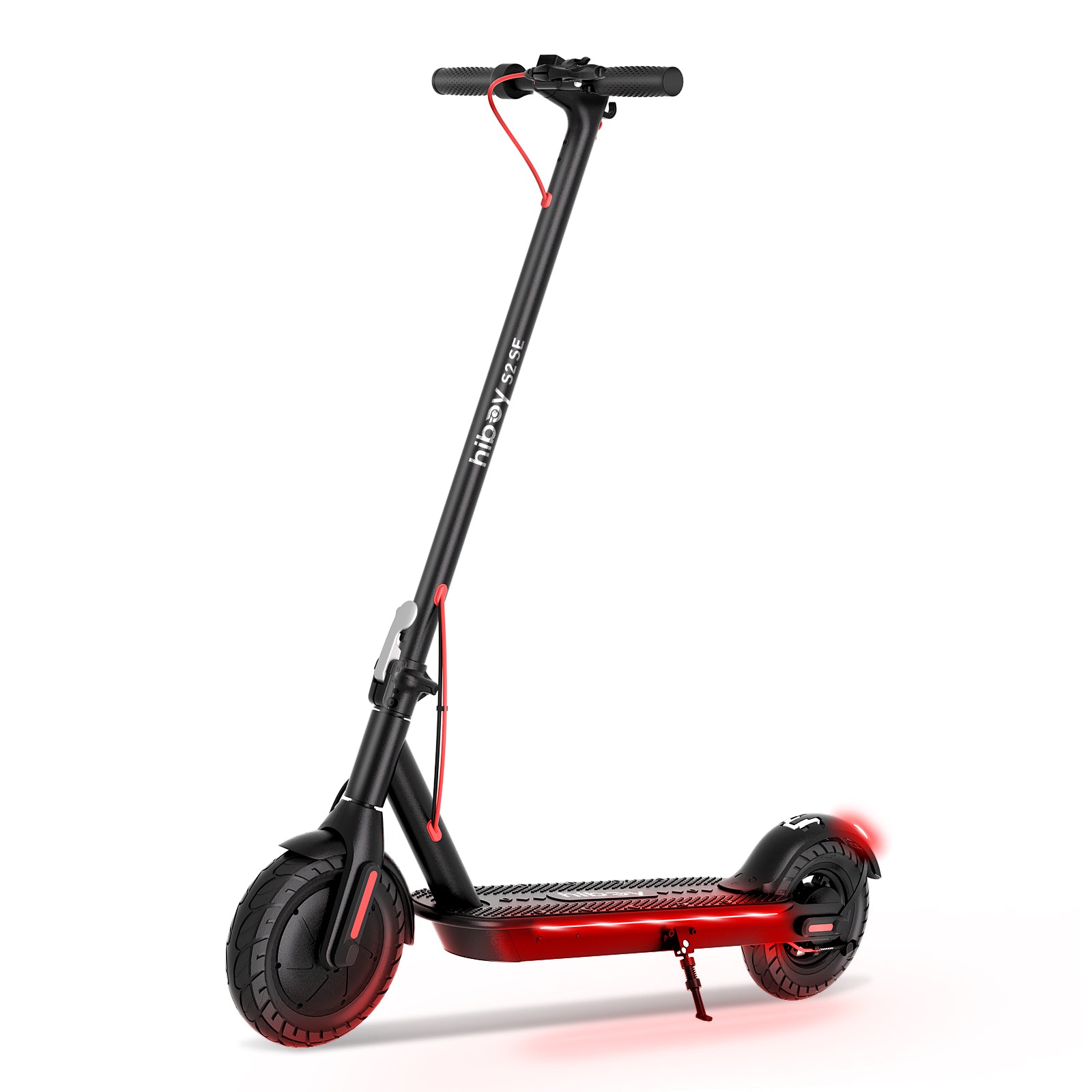 S2 SE
S2 SE
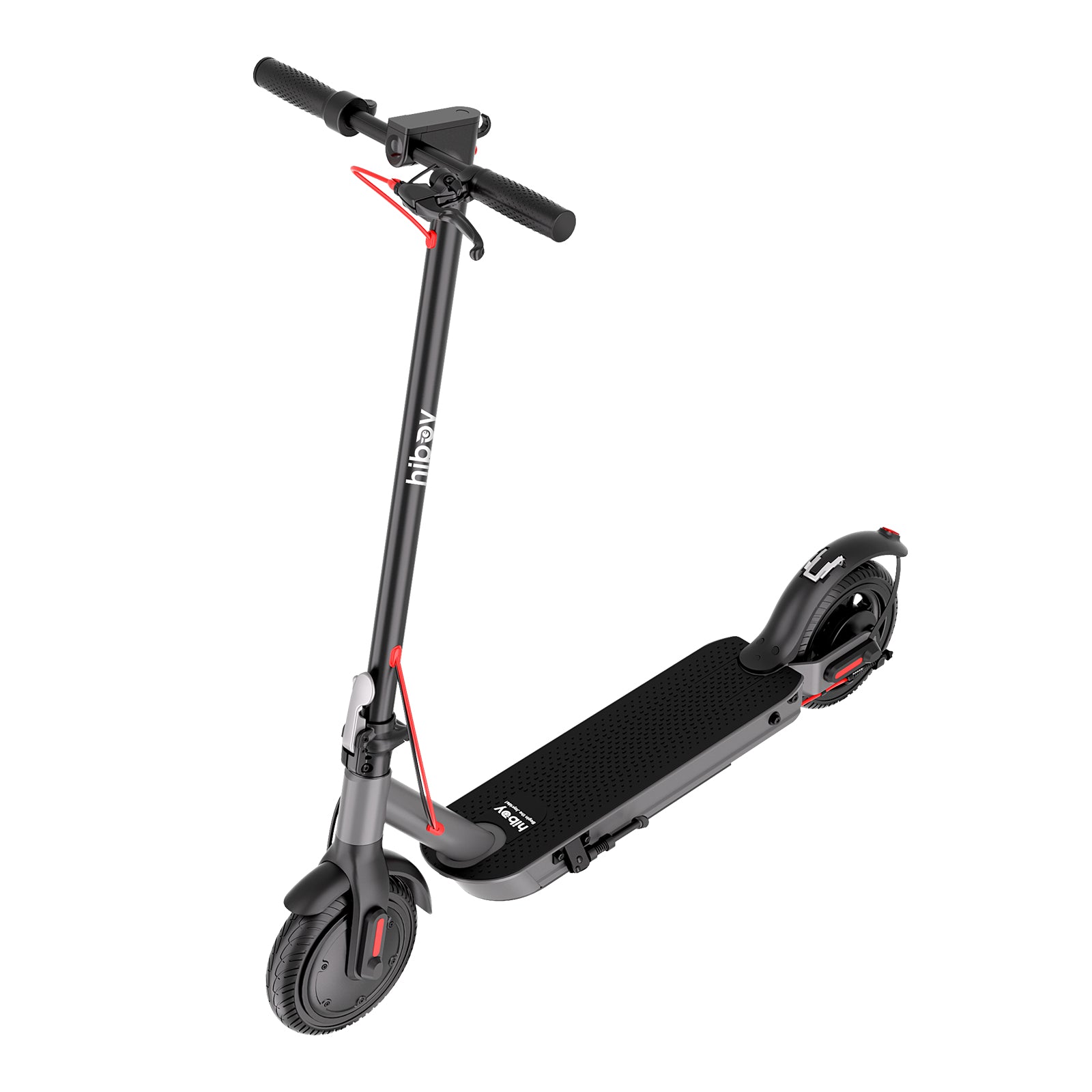 S2 Nova
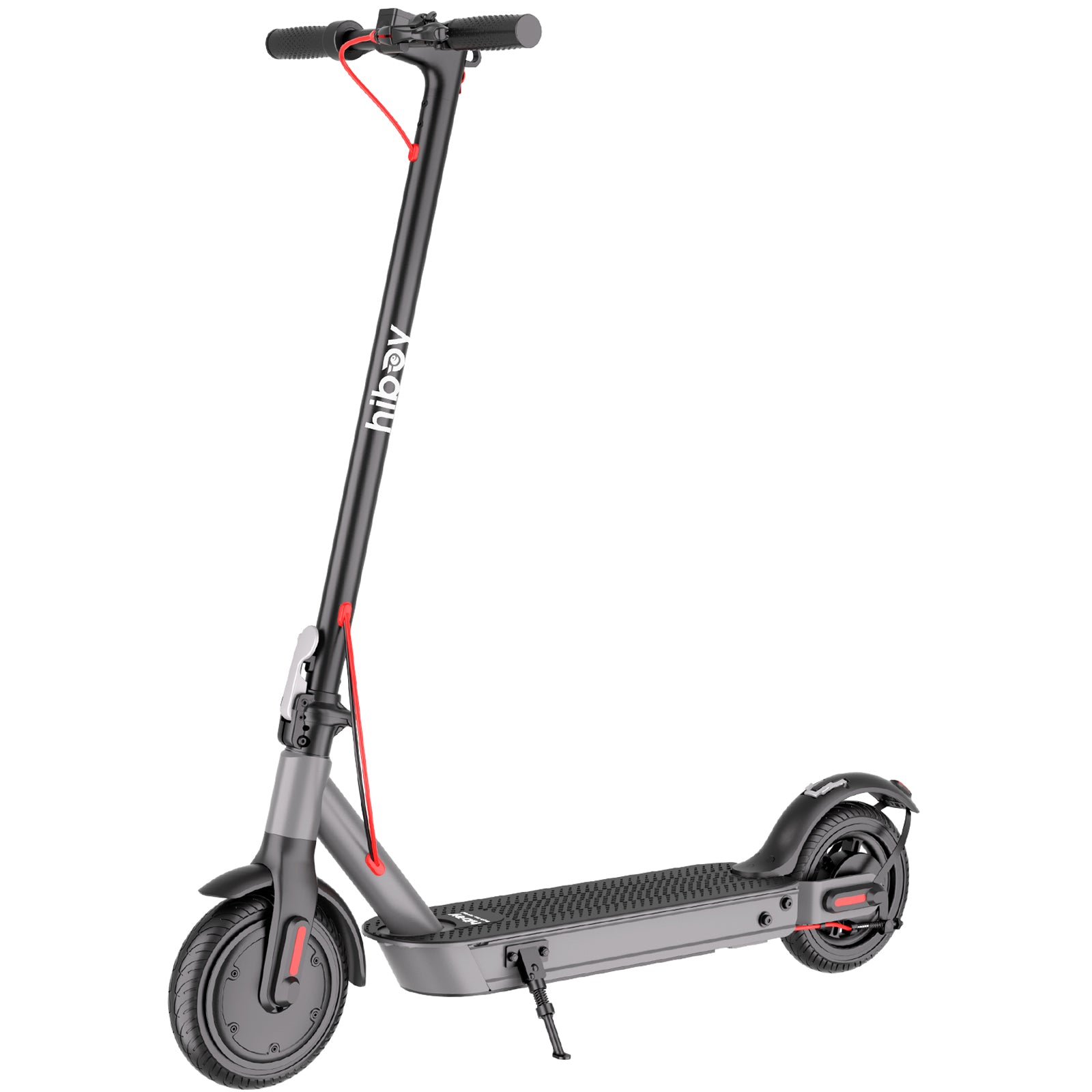 S3
S3
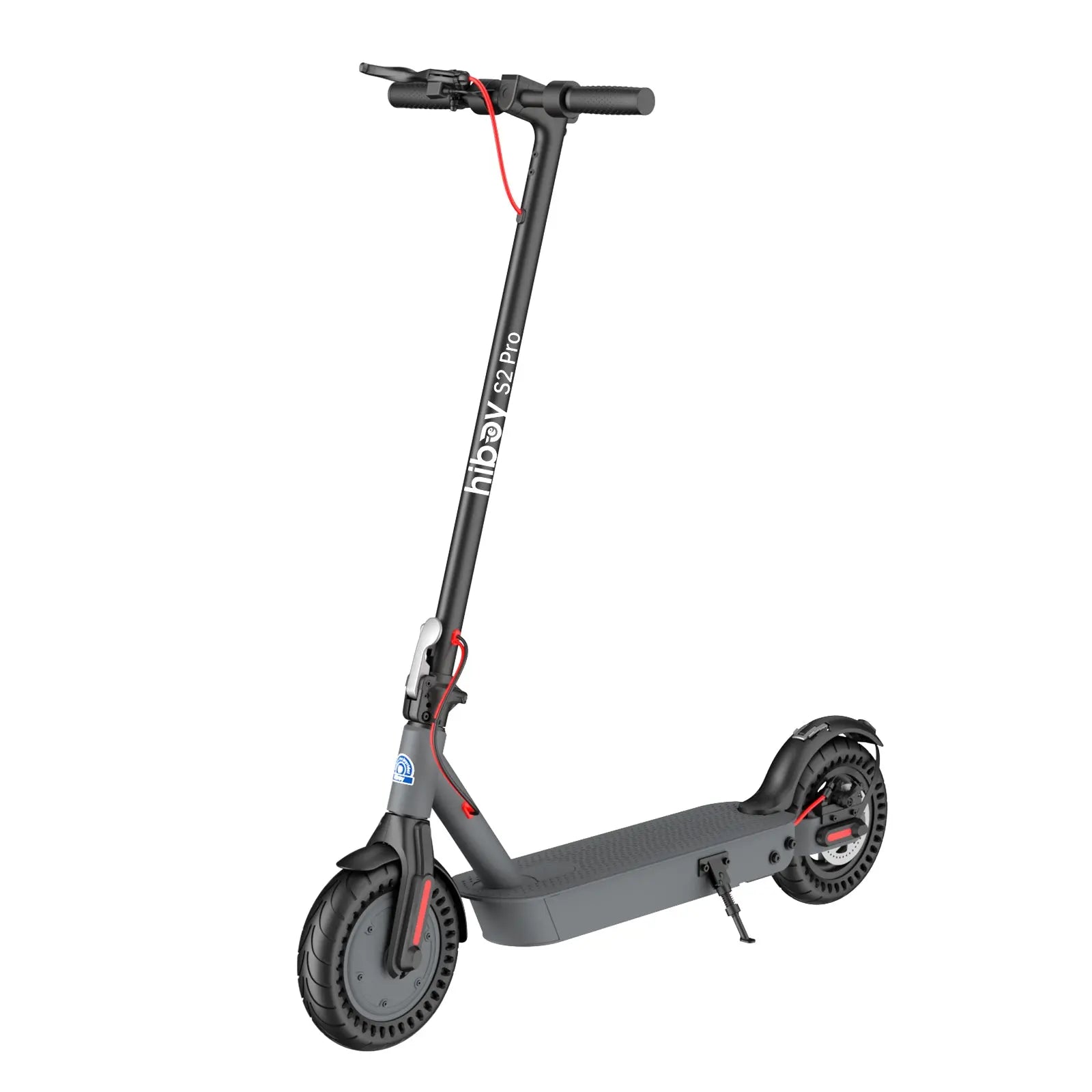 S2 Pro
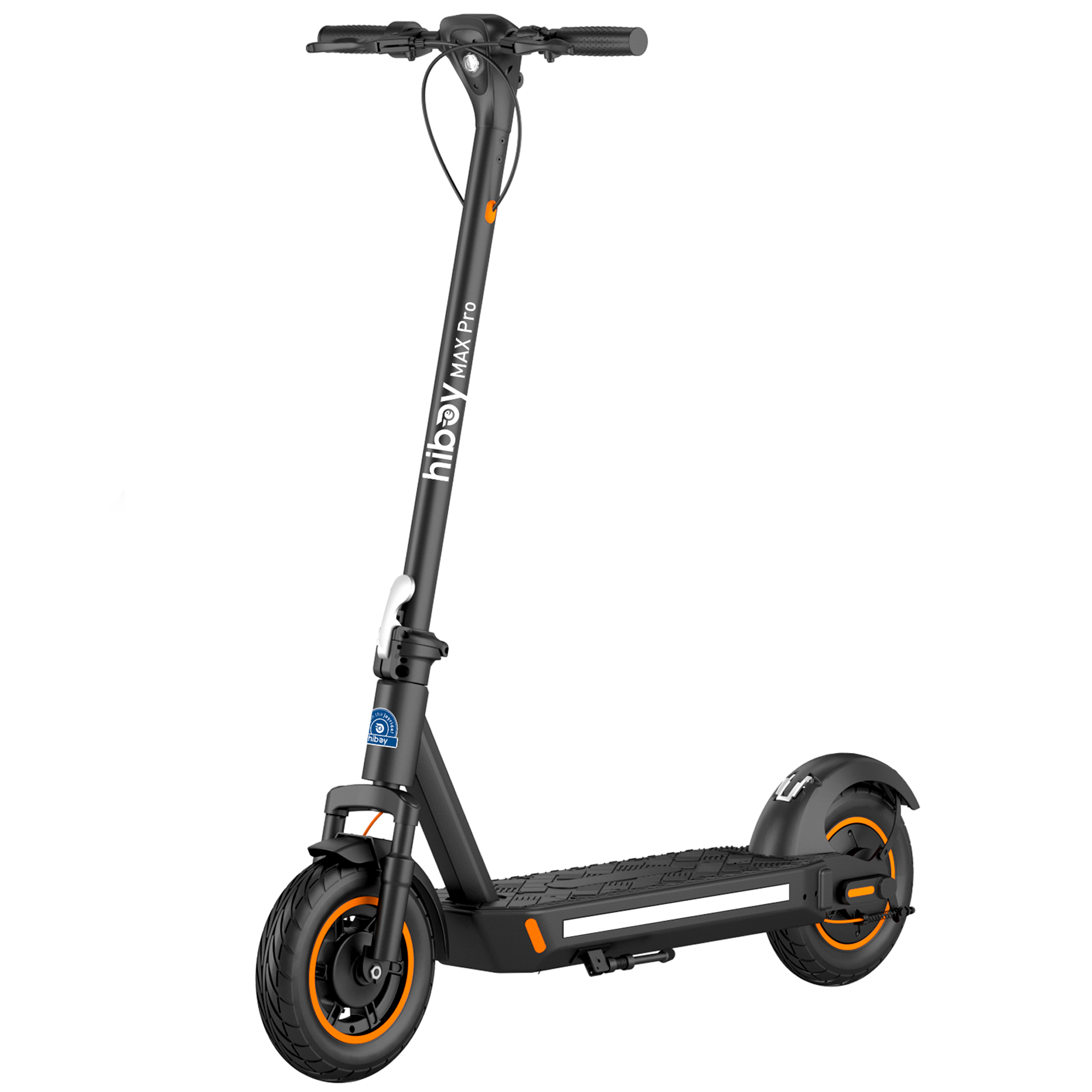 MAX Pro
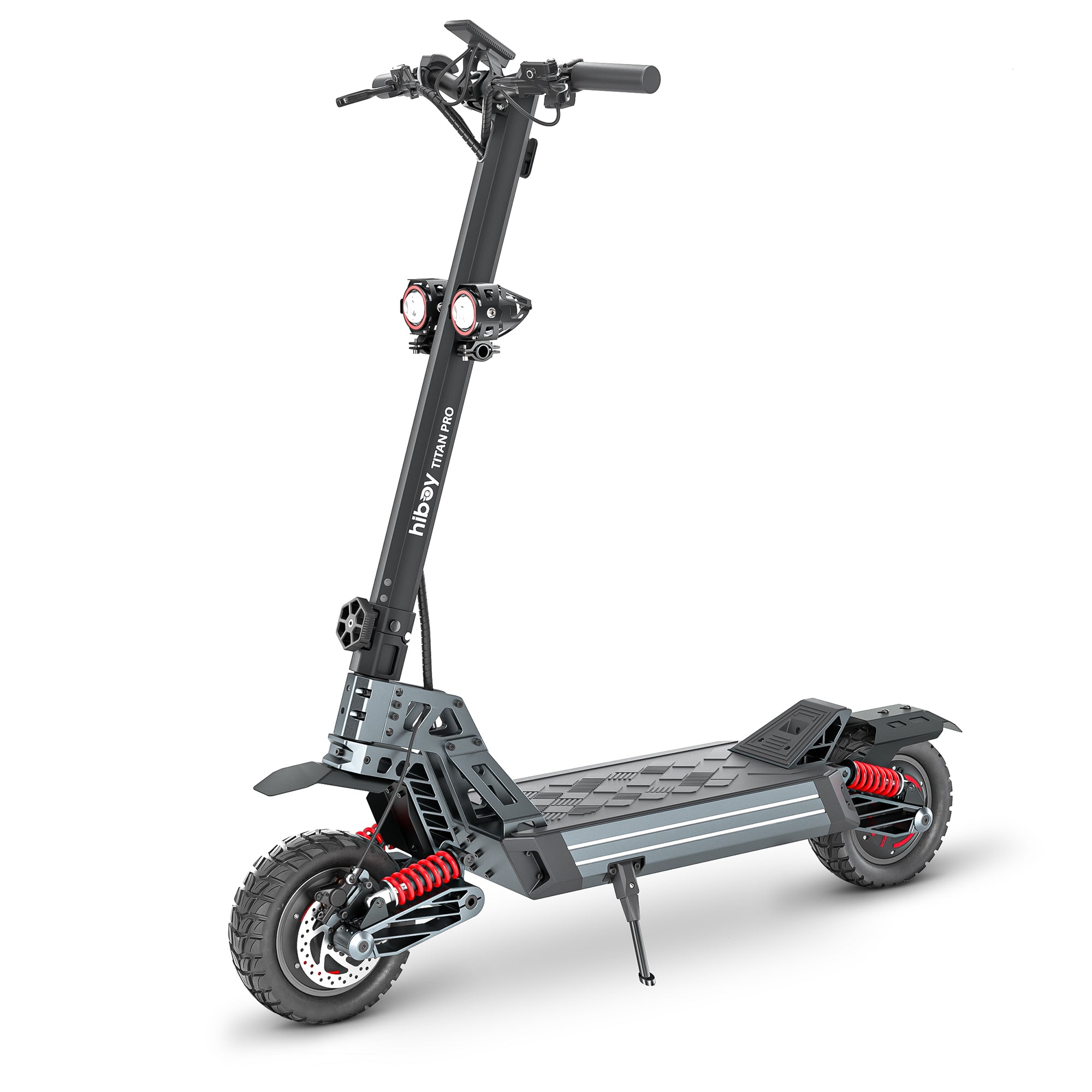 TITAN PRO
 Compare Models
 Find Your Best Ride
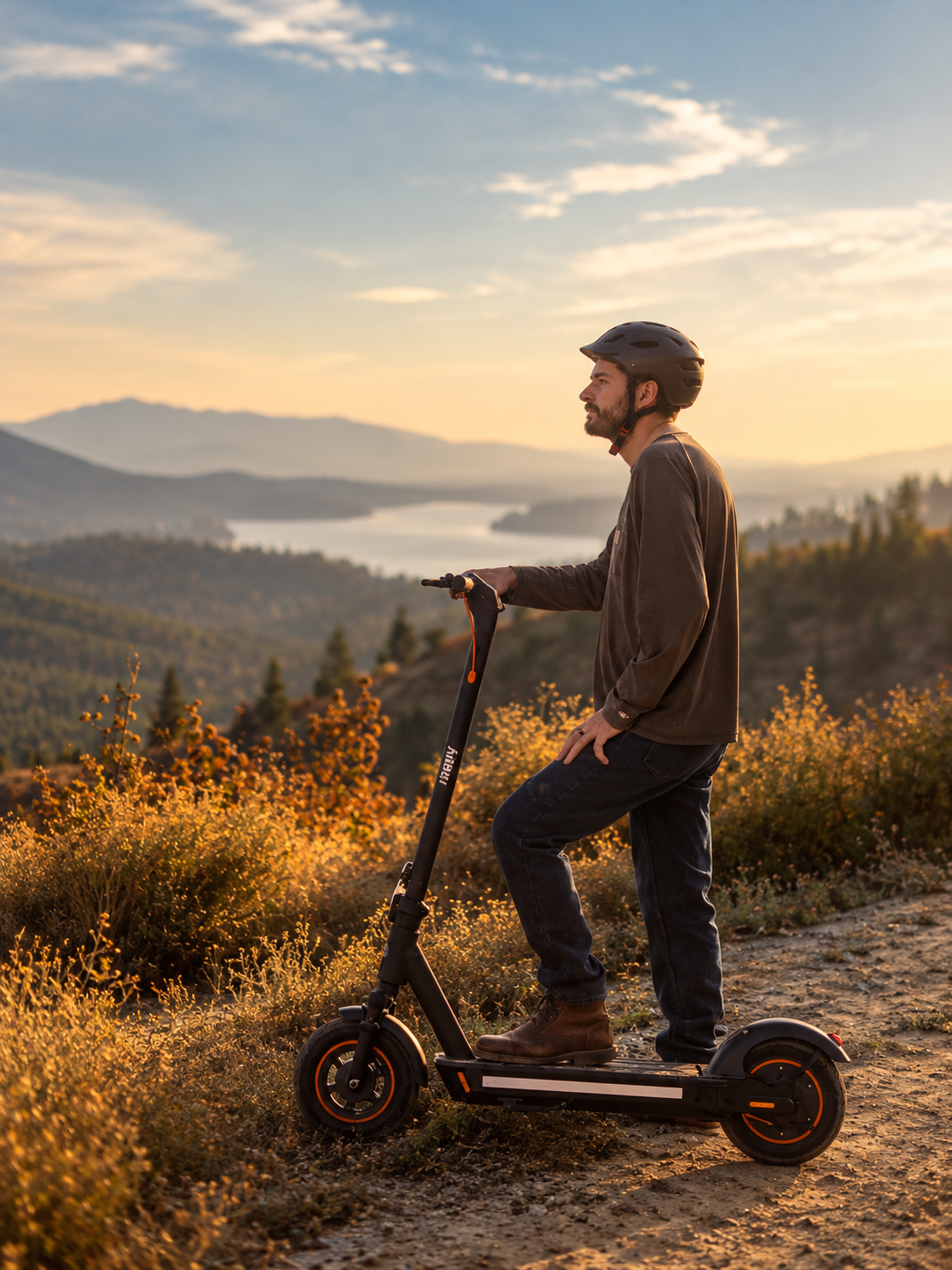
 Daily Commute
 Off-road & Trail
 Folding & Compact
 Fat Tire Rides
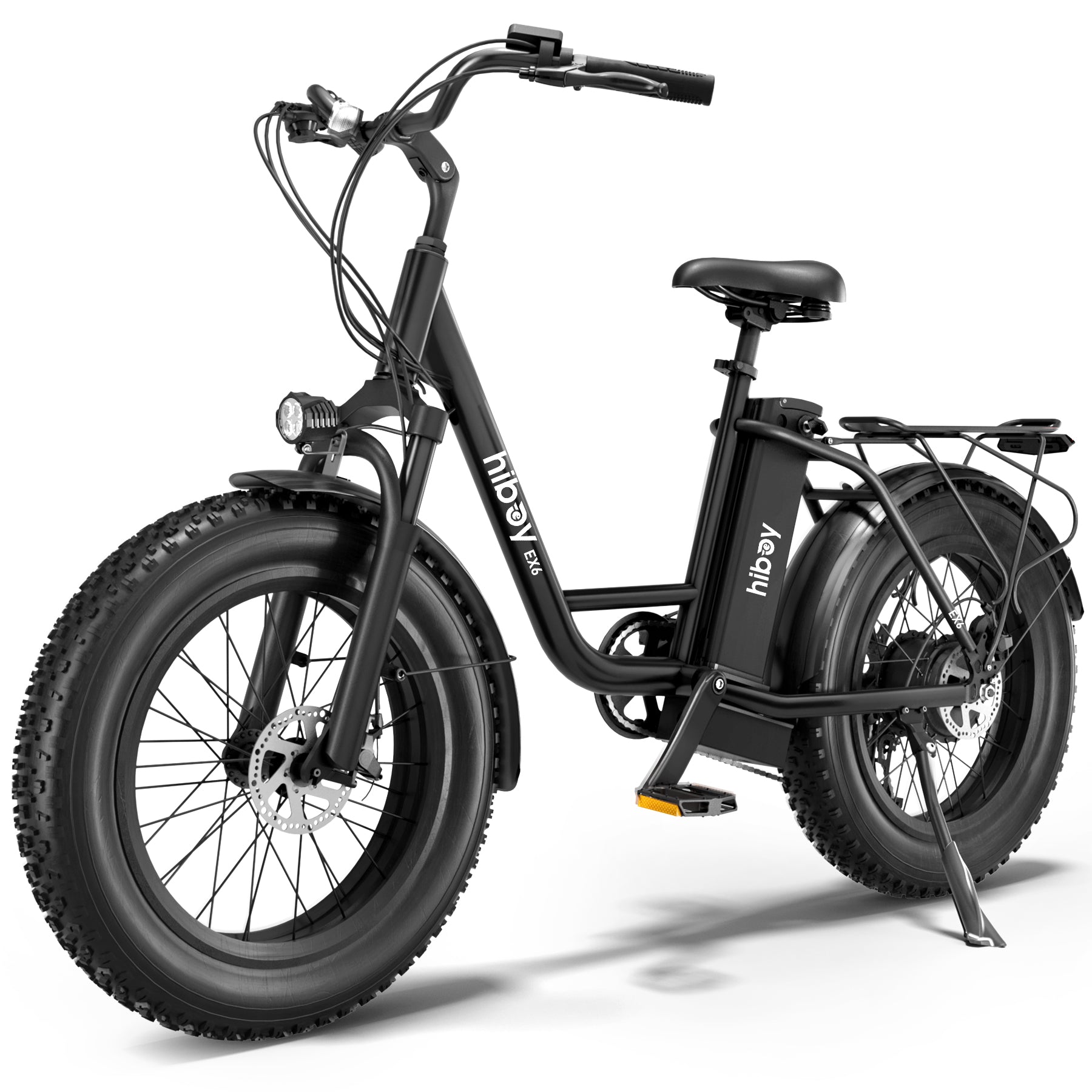 EX6
EX6
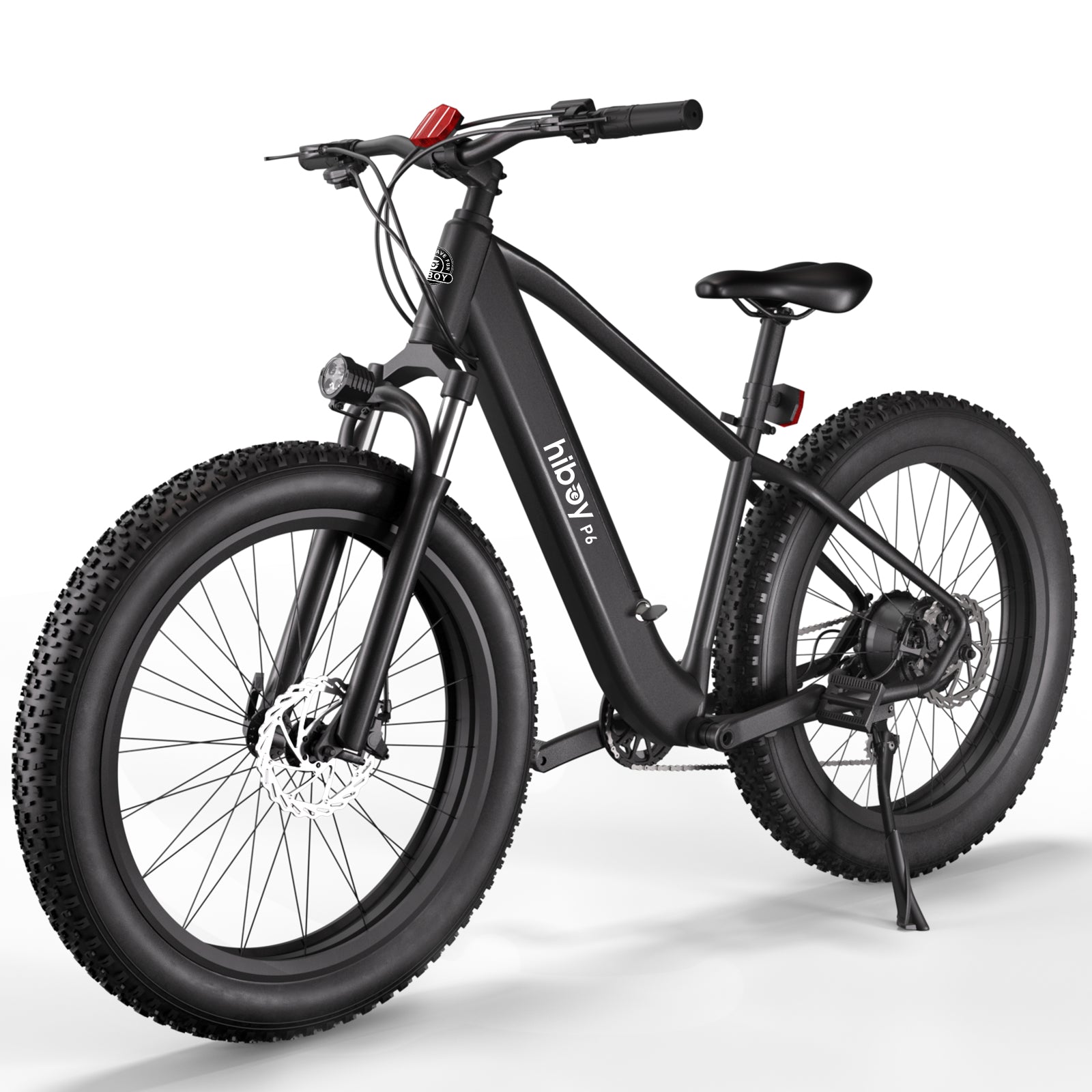 P6
P6
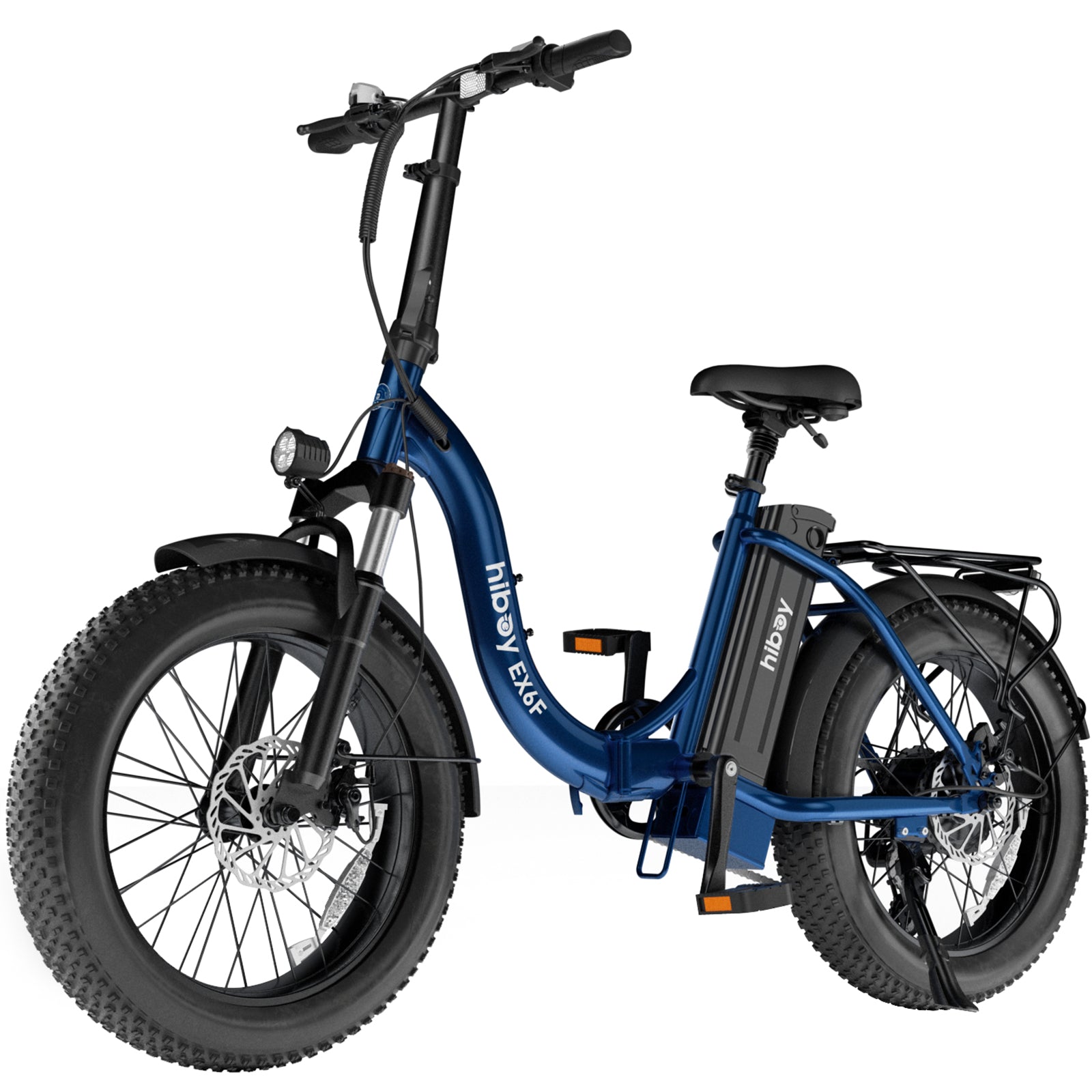 EX6F
EX6F
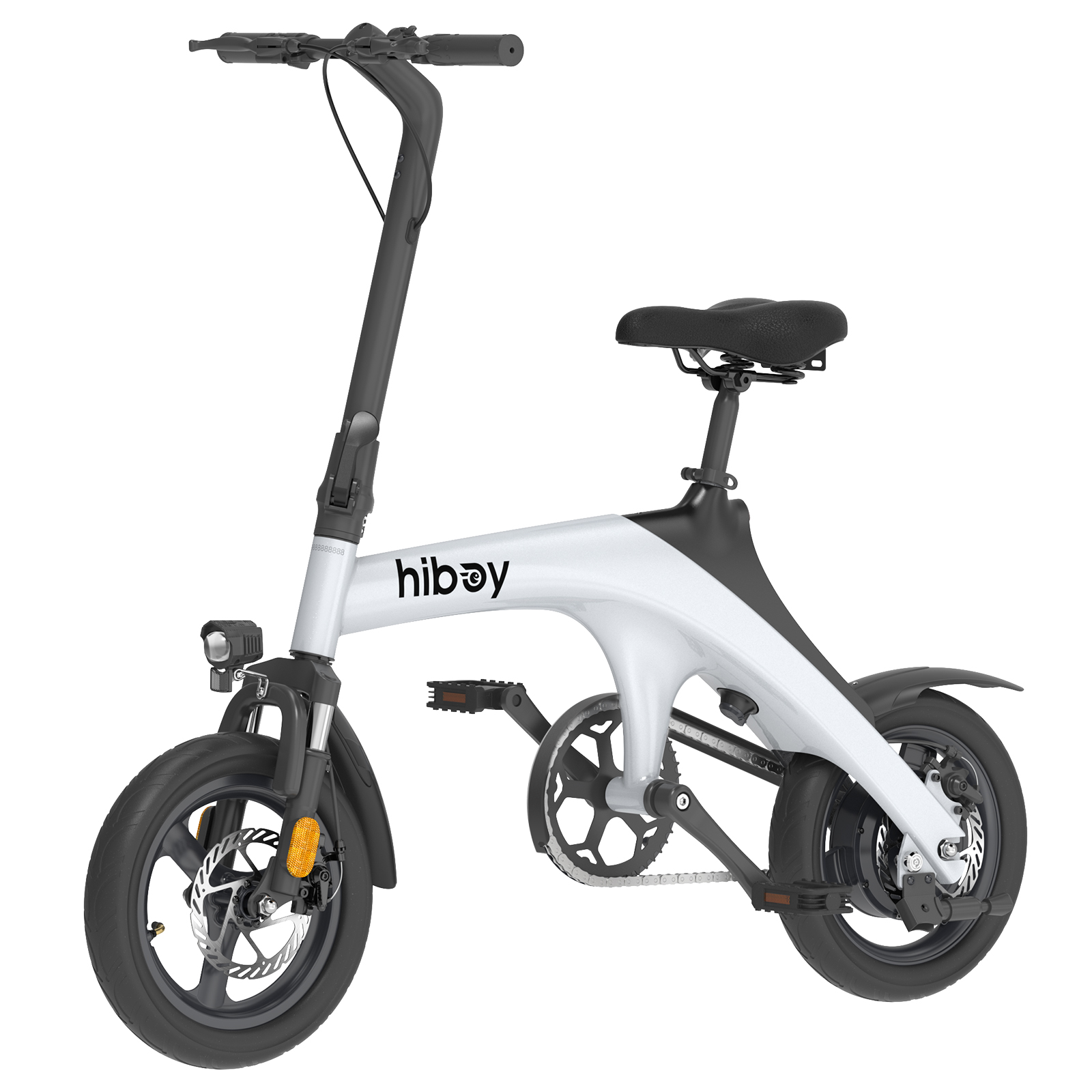 C1
C1
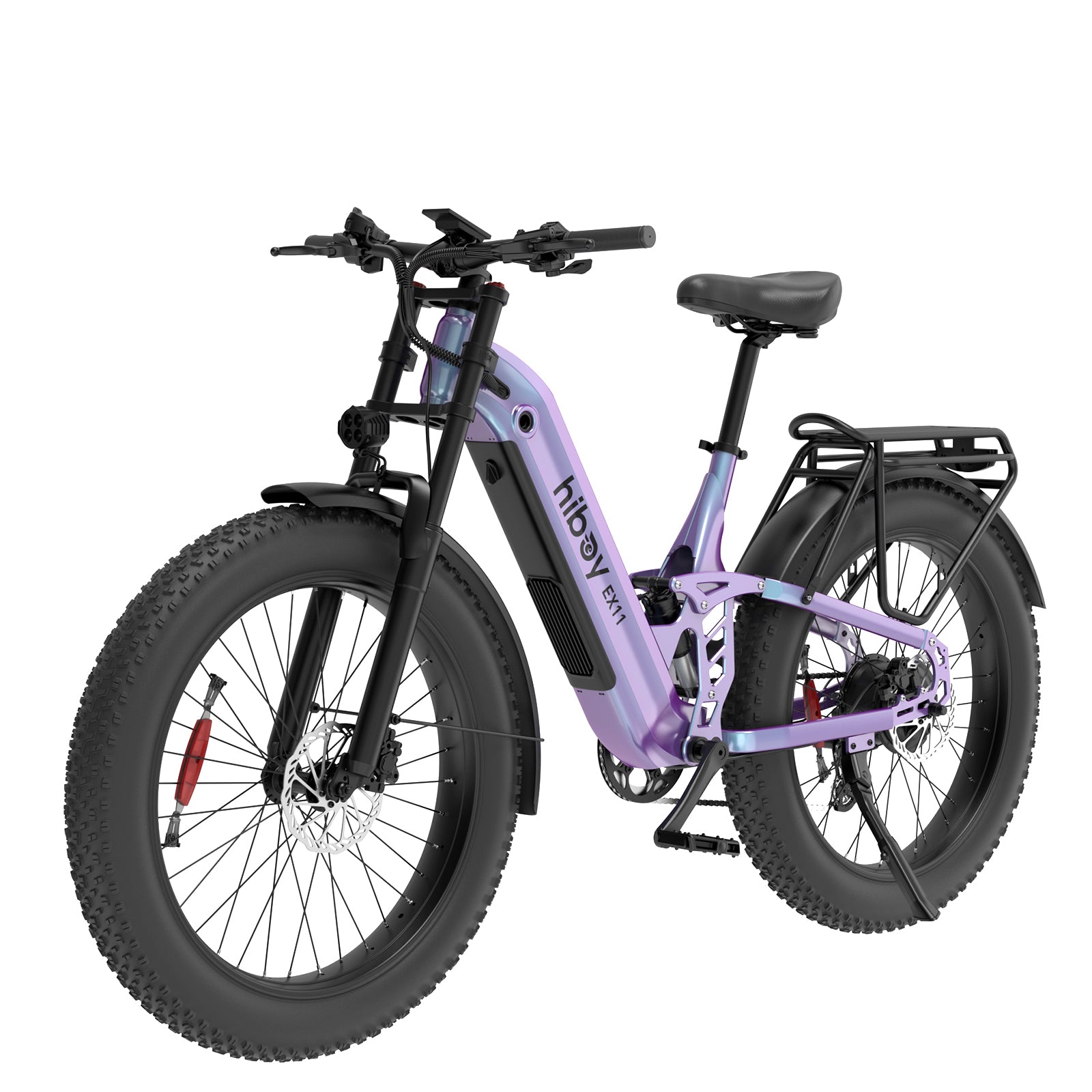 EX11
EX11
 EX9
EX9
 Compare Models
 First Rides
 Everyday Fun
 S2 Lite
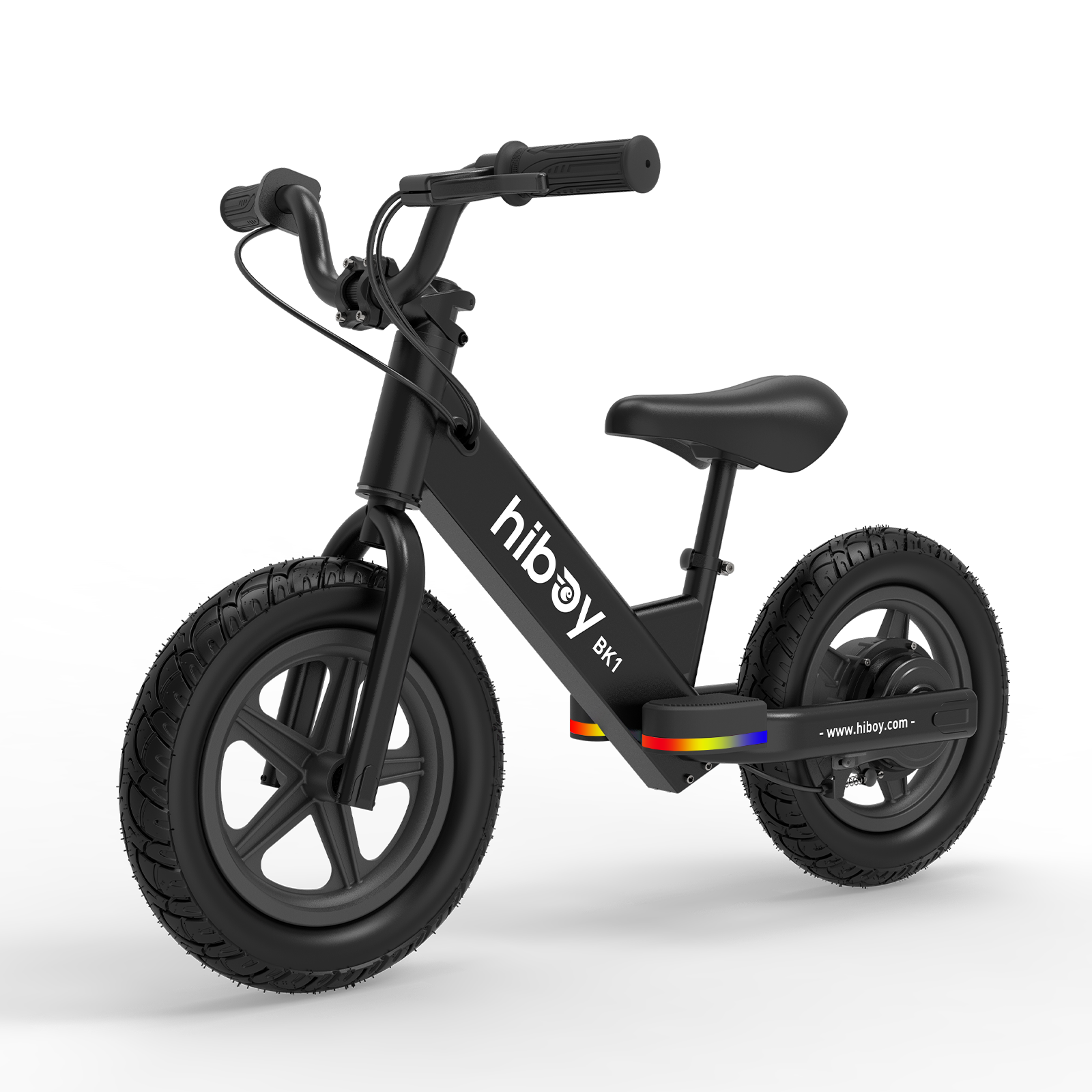 BK1
BK1
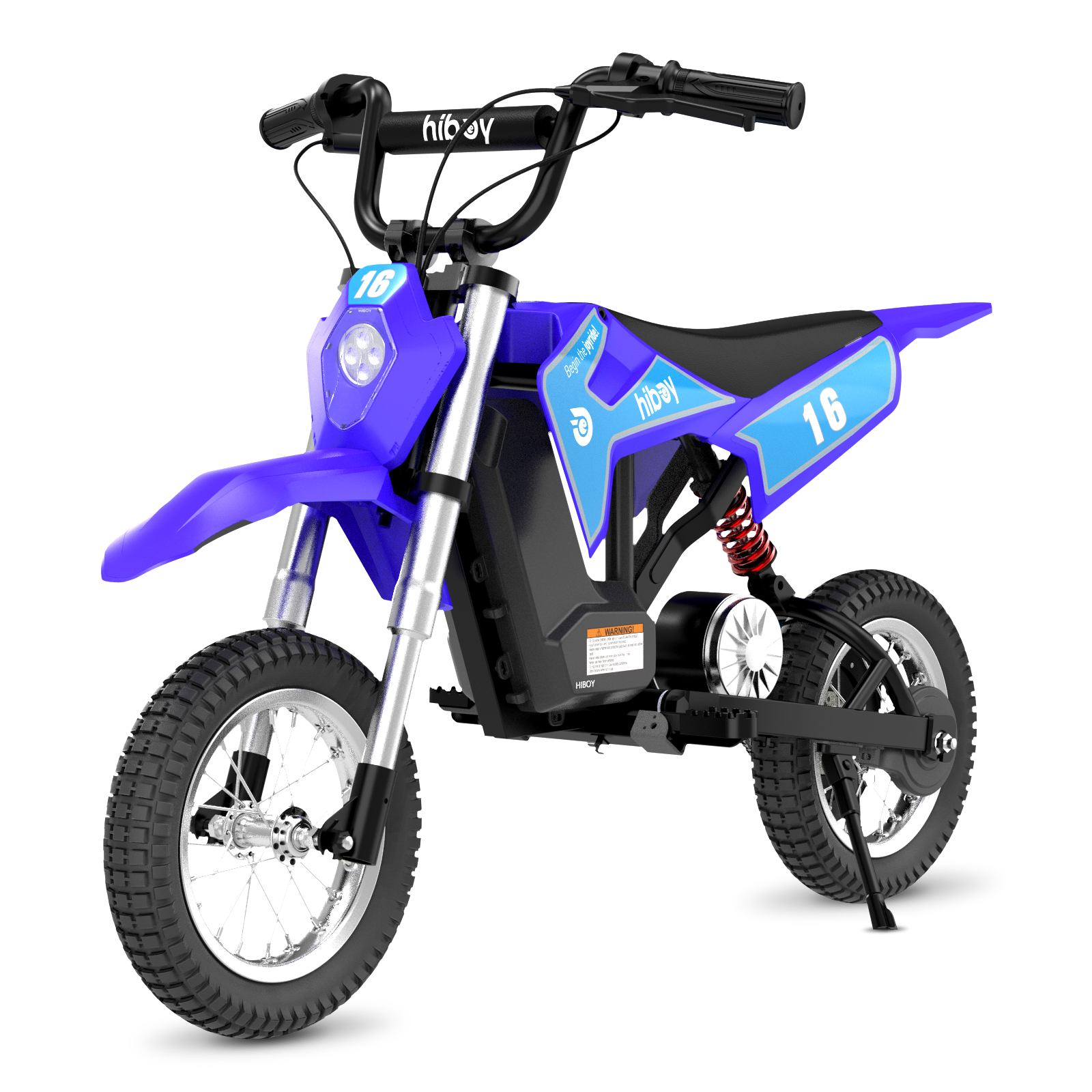 DK1
DK1
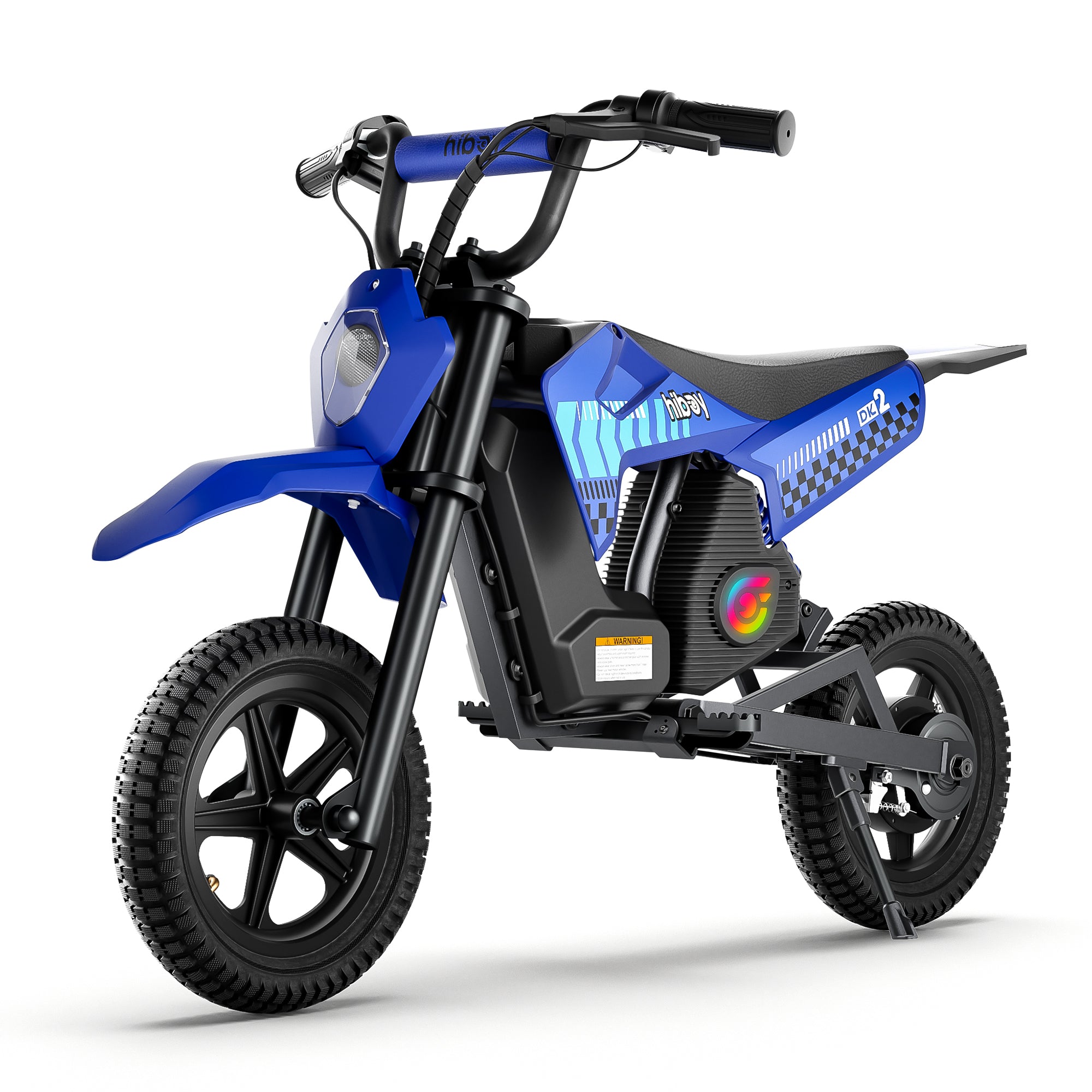 DK2
DK2
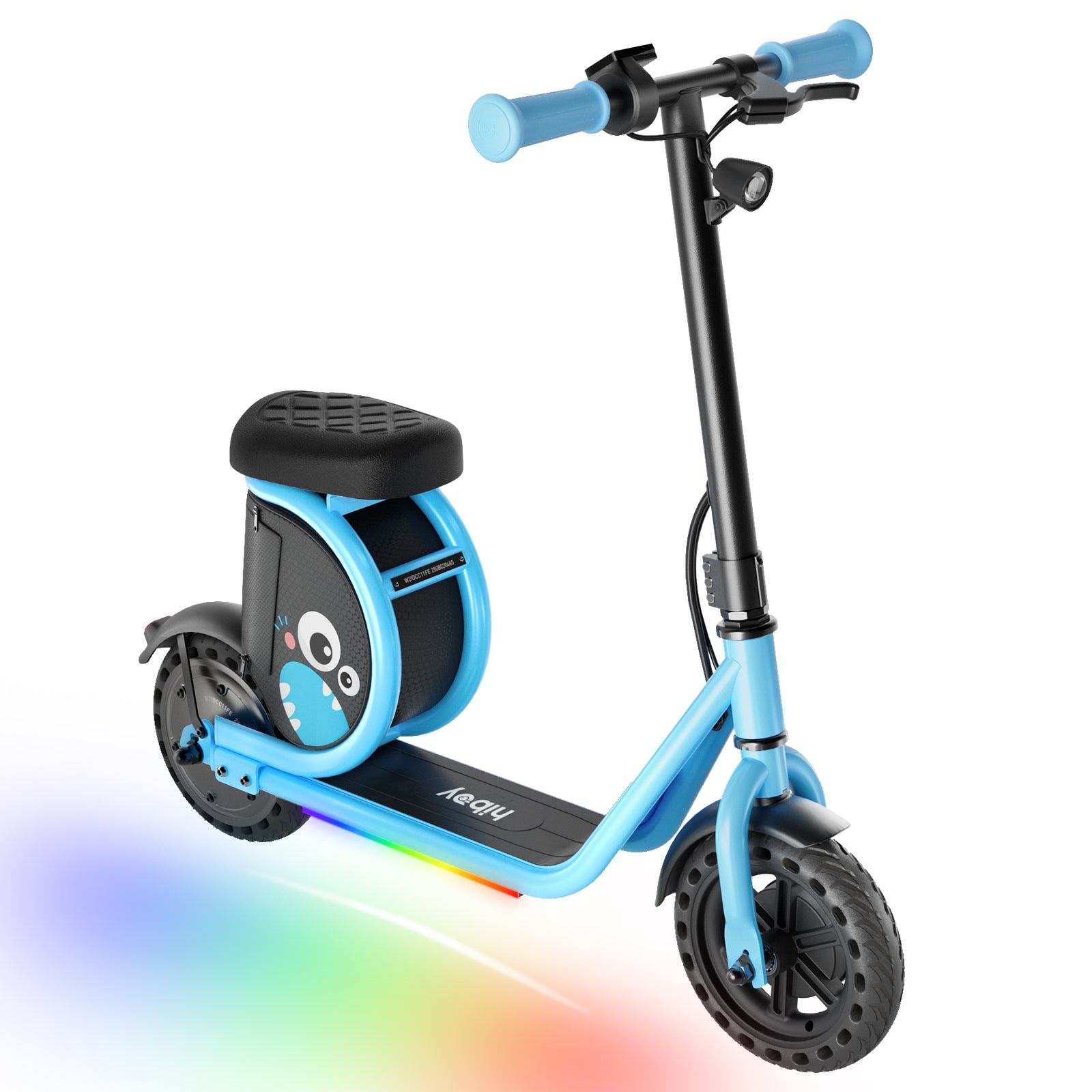 Joy Haul
 Q2 Lite
 Compare Models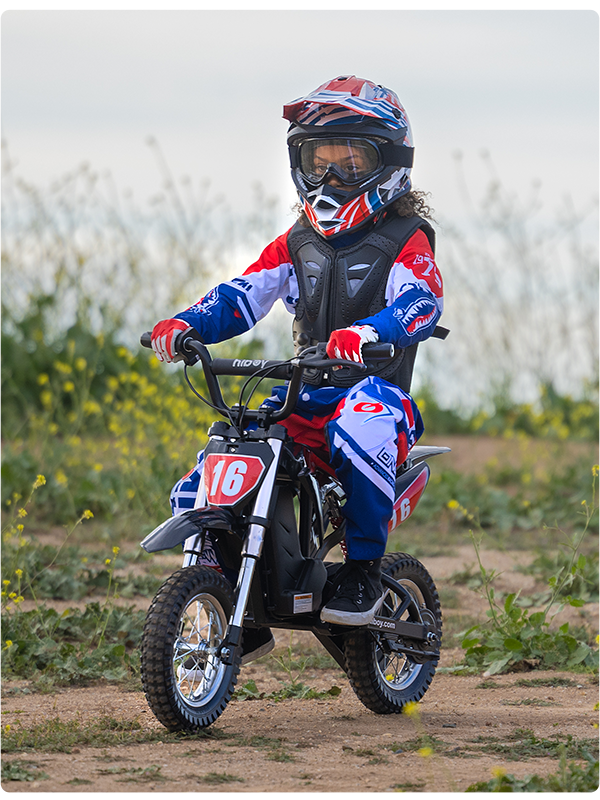
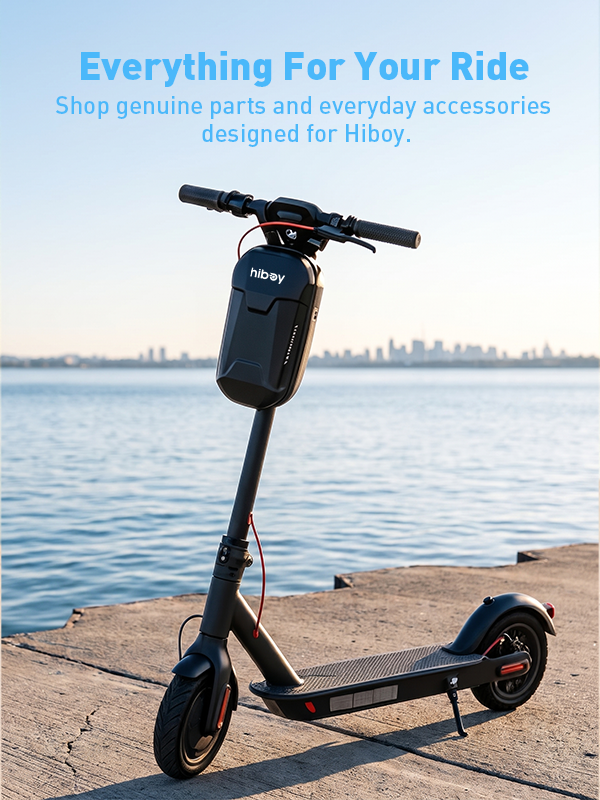
Electric dirt bikes have become one of the fastest-growing outdoor recreational vehicles for children. They offer an exciting way to develop riding skills, confidence, coordination, and an appreciation for outdoor adventure. But for many parents, one important question comes first:
Are electric dirt bikes actually safe for kids?
The short answer is yes, when the bike is age-appropriate, ridden responsibly, and paired with proper safety equipment and supervision.
Like bicycles, skateboards, ATVs, or even playground equipment, electric dirt bikes carry inherent risks. However, those risks can be significantly reduced by choosing the right bike, teaching safe riding habits, and ensuring children always wear proper protective gear.
This guide explains everything parents should know before purchasing an electric dirt bike for their child.
Understanding Electric Dirt Bike Safety
Safety isn't determined simply by whether a bike has an electric motor.
Instead, it depends on several factors working together:
- The child's age and physical size
- Riding experience
- Bike speed and power
- Riding environment
- Adult supervision
- Safety equipment
- Proper maintenance
A well-matched beginner bike ridden in a controlled environment is considerably safer than a powerful bike that's too large or too fast for its rider.

The goal isn't eliminating all risk, that's impossible with any outdoor activity, but reducing unnecessary risks while allowing children to learn safely.
Why Electric Dirt Bikes Can Be Safer Than Gas Dirt Bikes
Many parents are surprised to learn that electric dirt bikes often offer several safety advantages over traditional gas-powered models.
1. Smooth, Predictable Power Delivery
Electric motors deliver power consistently without sudden surges.
Unlike gas engines that require clutch control and gear shifting, electric dirt bikes accelerate smoothly, making them easier for beginners to control.
This predictable throttle response helps reduce accidental wheel spin or jerky acceleration.
2. No Hot Engine Components
Gas dirt bikes have extremely hot exhaust pipes and engines that can cause burns after riding.
Electric dirt bikes eliminate these hot components, reducing one common injury risk for young riders.
3. Quieter Operation
Electric bikes produce far less noise than gas-powered alternatives.
This offers several safety benefits:
- Parents can communicate with riders more easily.
- Riders are less likely to become startled by engine noise.
- Children can better hear instructions or nearby riders.
4. Simpler Controls
Most electric dirt bikes feature:
- Twist throttle
- Hand brakes
- No clutch
- No gears
Fewer controls allow beginners to focus on balance, steering, and braking before learning more advanced riding techniques.

What Age Is Appropriate for an Electric Dirt Bike?
There's no universal age that fits every child.
Instead, parents should consider both age and readiness.
| Child's Age | Recommended Experience |
| 3–5 years | Balance bikes or very low-speed electric ride-ons under close supervision |
| 6–8 years | Entry-level electric dirt bikes with low speed settings |
| 9–12 years | More capable beginner/intermediate electric dirt bikes depending on experience |
| 13+ years | Larger models matched to rider size and skill |
A child should also demonstrate the ability to:
- Follow safety instructions
- Use hand brakes confidently
- Balance well on a bicycle
- Stay focused while riding
- Understand riding boundaries
Maturity often matters more than age alone.
Choosing the Right Size Matters Most
One of the biggest safety mistakes parents make is purchasing a bike their child will "grow into."

An oversized bike is much harder to control.
A properly fitted bike allows the rider to:
- Reach the handlebars comfortably
- Operate both brakes easily
- Place at least one foot firmly on the ground
- Maintain proper balance at low speeds
Children gain confidence much faster when the bike fits correctly.
Essential Safety Gear Every Child Needs
Protective equipment is not optional.
Every ride should begin with a complete set of riding gear.
Helmet
A DOT-certified or ASTM-approved full-face helmet provides the best protection for off-road riding.
The helmet should:
- Fit snugly
- Stay secure without excessive movement
- Cover the entire jaw and face
Never use a damaged helmet.
Goggles
Off-road riding often involves:
- Dust
- Dirt
- Small rocks
- Tree branches
- Insects
Goggles protect vision while improving rider confidence.

Gloves
Gloves improve grip while protecting hands during falls.
Look for:
- Reinforced palms
- Flexible materials
- Good wrist coverage
Boots
Proper riding boots provide:
- Ankle support
- Foot protection
- Better traction when stopping
Avoid sneakers or sandals.
Knee and Elbow Guards
These reduce injuries during low-speed falls and help prevent scrapes or impact injuries.
Chest Protector
For more advanced off-road riding, a chest protector adds valuable protection against impacts.
Safe Places for Kids to Ride
Where children ride is just as important as what they ride.
Ideal riding locations include:
- Private property with permission
- Designated off-road riding parks
- Beginner motocross practice areas
- Large open dirt fields
- Family riding trails suitable for children

Children should never ride:
- Public roads
- Busy neighborhoods
- Sidewalks with pedestrians
- Parking lots with vehicle traffic
Controlled environments allow riders to focus on learning without additional hazards.
Adult Supervision Makes a Huge Difference
Younger riders should never ride alone.
Parents or guardians should:
- Watch every ride
- Set riding boundaries
- Monitor speed
- Teach proper braking
- Demonstrate safe riding techniques
- Check the bike before each ride
Supervision helps children develop safe habits from the beginning.
Teach These Riding Skills First
Before increasing speed or tackling rough terrain, children should master the basics.
Smooth Throttle Control
Teach riders to accelerate gradually rather than twisting the throttle suddenly.
Controlled Braking
Practice stopping smoothly using both brakes.
Children should understand that grabbing only the front brake suddenly can lead to loss of control.
Looking Ahead
Encourage riders to focus on where they want to go rather than looking directly in front of the front wheel.
This improves balance and reaction time.

Turning
Practice wide, gentle turns before attempting tighter corners.
Riding Position
Teach children to:
- Bend their elbows slightly
- Keep knees relaxed
- Stand slightly over rough terrain when appropriate
- Maintain balanced body positioning
These habits improve control and reduce fatigue.
Speed Isn't Everything
Many beginner electric dirt bikes include multiple riding modes or speed limit settings.
Parents should start with the lowest available mode.
Increase speed only after the child consistently demonstrates:
- Good braking
- Smooth steering
- Awareness of surroundings
- Responsible riding behavior
Progression should be based on skill, not excitement.
Regular Maintenance Improves Safety
A poorly maintained bike is more likely to experience mechanical problems.
Before every ride, check:
- Tire pressure
- Brake function
- Battery charge
- Throttle response
- Loose bolts
- Chain or belt condition (if applicable)
Routine inspections take only a few minutes but help prevent avoidable issues.
Common Mistakes Parents Should Avoid
Avoid these common errors:
Buying Too Much Bike
Higher speed doesn't mean more fun.
Children build confidence faster on bikes they can comfortably control.

Skipping Protective Gear
Even experienced riders wear full protective equipment every ride.
Falls can happen at any speed.
Allowing Road Riding
Electric dirt bikes are designed for off-road use, not public streets.
Road traffic introduces risks that children are not equipped to manage.
Riding Without Rules
Establish clear family riding rules such as:
- No passengers
- Stay within designated areas
- Ride only during daylight
- No racing
- Stop immediately when called
Consistency helps reinforce safe habits.
Frequently Asked Questions
Are electric dirt bikes safer than gas dirt bikes?
For many beginners, yes. Electric dirt bikes typically offer smoother power delivery, quieter operation, simpler controls, and no hot exhaust components, making them easier for children to learn safely.
Can a 6-year-old ride an electric dirt bike?
Many manufacturers offer beginner models designed specifically for children around this age. The bike should match the child's size, maturity, and experience, and riding should always take place under adult supervision.
Do kids need a license to ride an electric dirt bike?
In most parts of the United States, electric dirt bikes intended for off-road use do not require a driver's license when ridden on private property or designated off-road areas. However, local and state regulations vary, so parents should check the rules where they live before riding.
What protective gear is absolutely necessary?
At a minimum:
- Full-face helmet
- Goggles
- Gloves
- Long sleeves and pants
- Knee protection
- Elbow protection
- Riding boots
More advanced riders should also consider chest and neck protection.
How fast should a beginner ride?
Beginner riders should start at the lowest speed setting available and only progress after consistently demonstrating safe control and good riding judgment.
Final Thoughts
Electric dirt bikes can be a safe and rewarding outdoor activity for children when introduced thoughtfully. The key isn't simply choosing a popular model, it's selecting one that matches your child's age, size, and experience, while pairing it with proper protective gear, consistent supervision, and a safe place to ride.
By focusing on skill development instead of speed, parents can help young riders build confidence, improve coordination, and enjoy the excitement of off-road riding in a responsible way.
Whether your child is just getting started or advancing their riding abilities, a safety-first approach lays the foundation for years of enjoyable and responsible riding.







Leave a comment
All comments are moderated before being published.
This site is protected by hCaptcha and the hCaptcha Privacy Policy and Terms of Service apply.