


 Daily Commute
 Lightweight & Portable
 Performance Rides
 Comfort With Seat
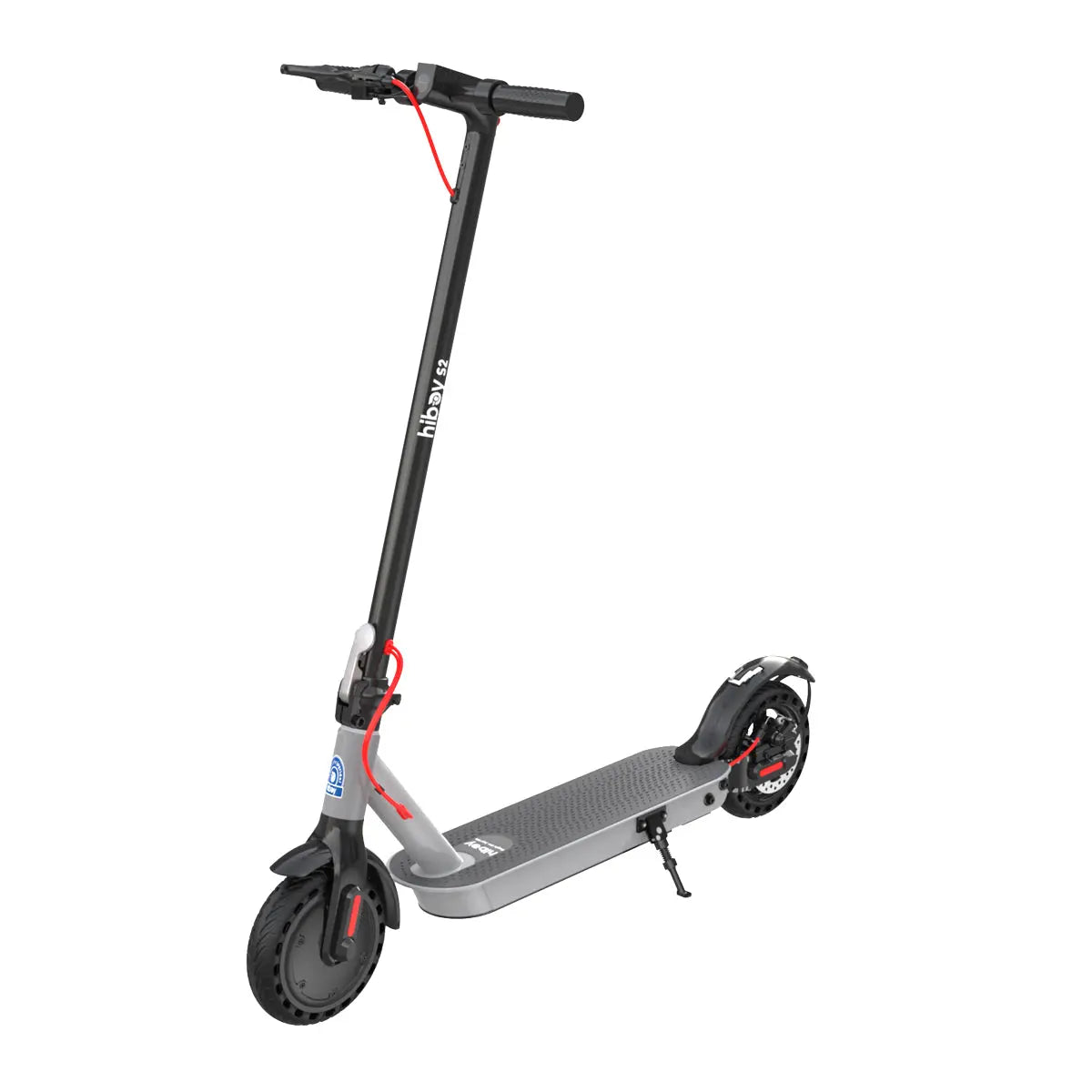 S2
S2
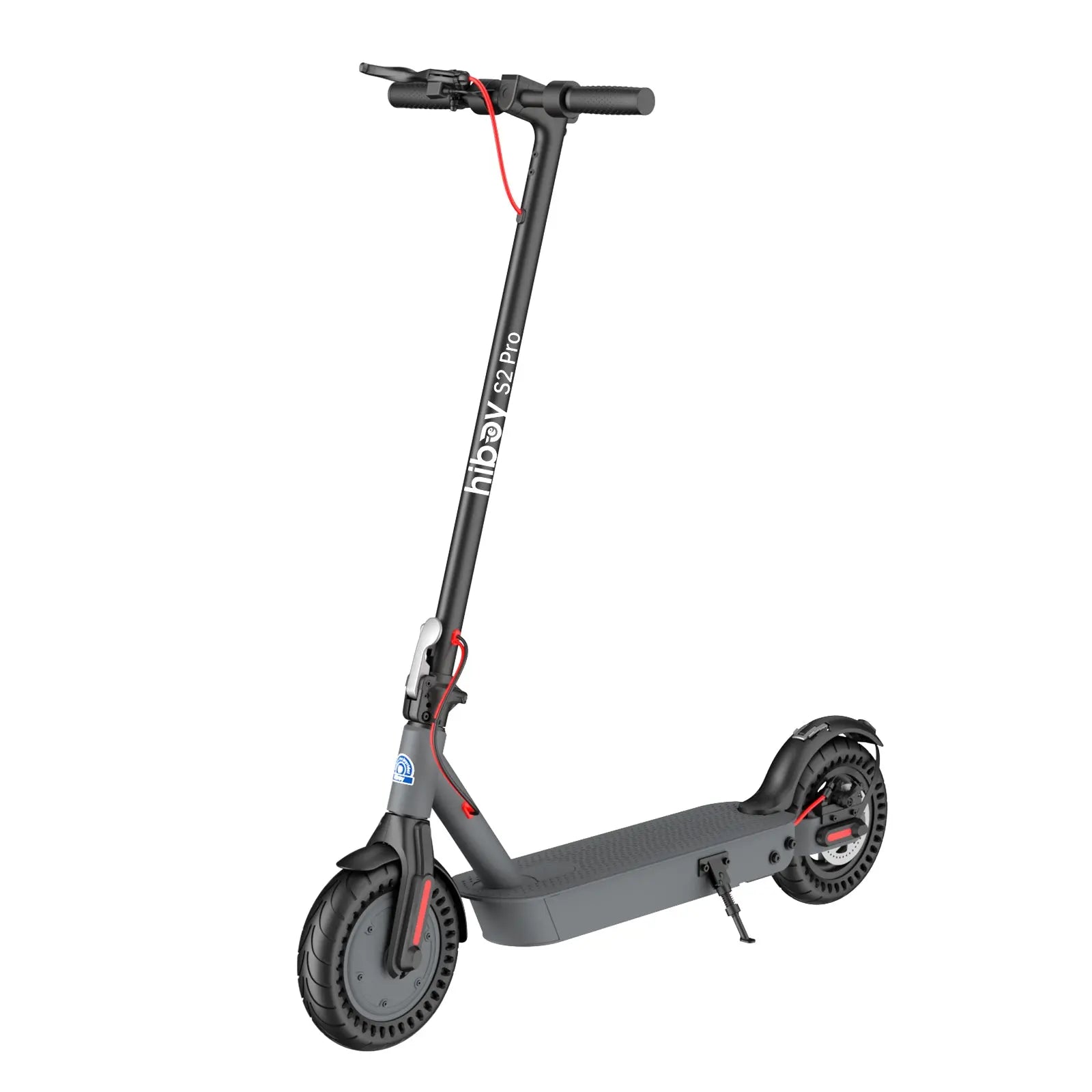 S2 Pro
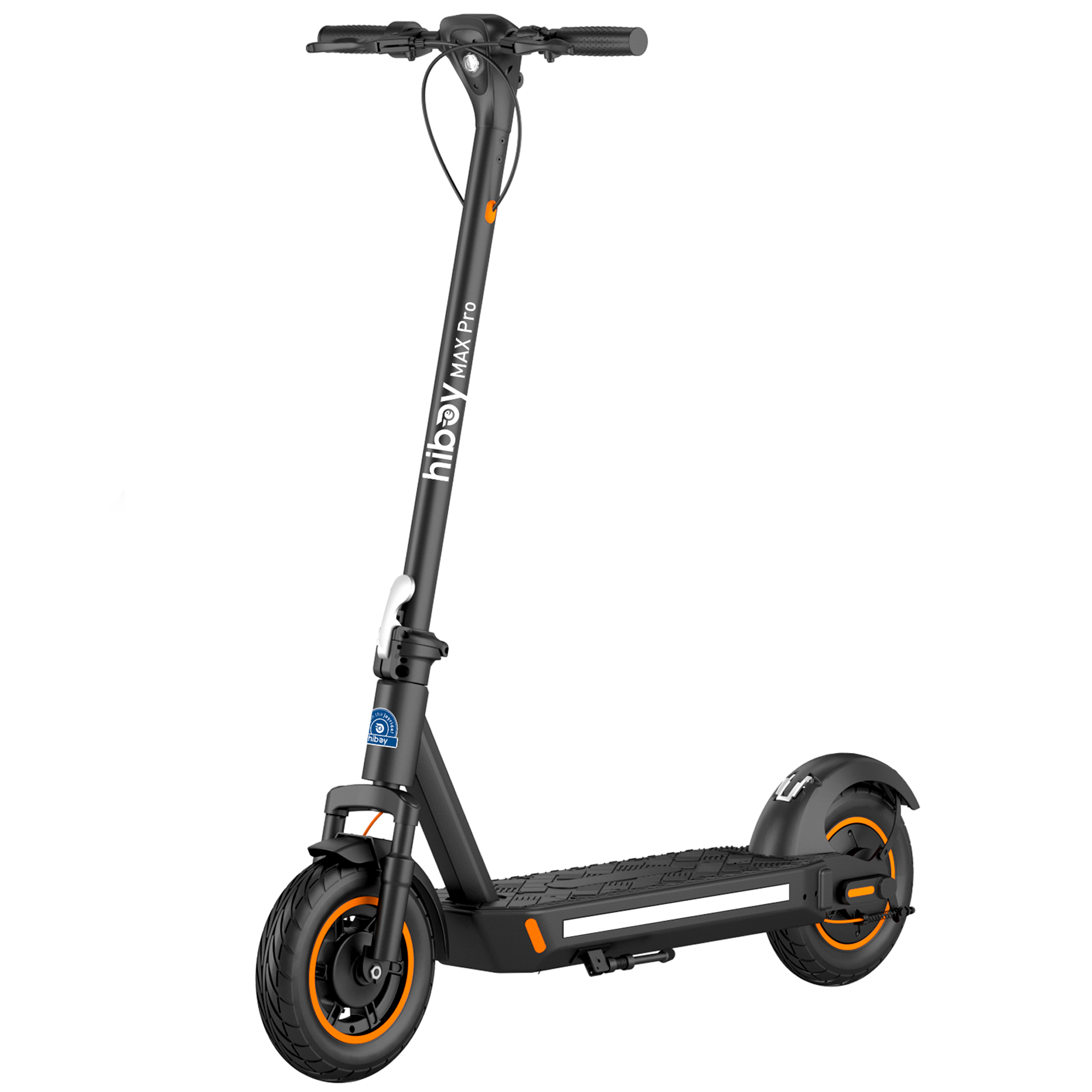 MAX Pro
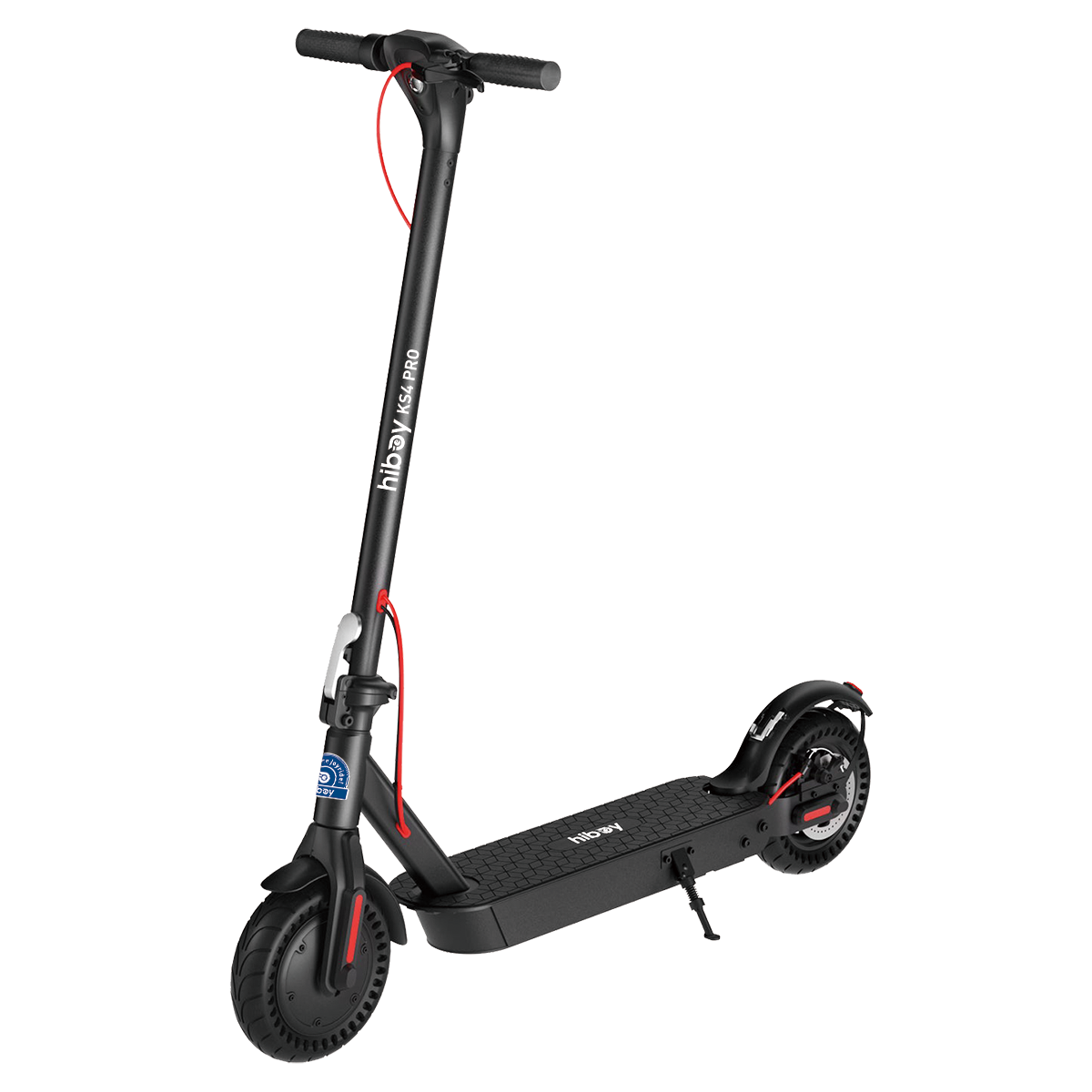 KS4 Pro
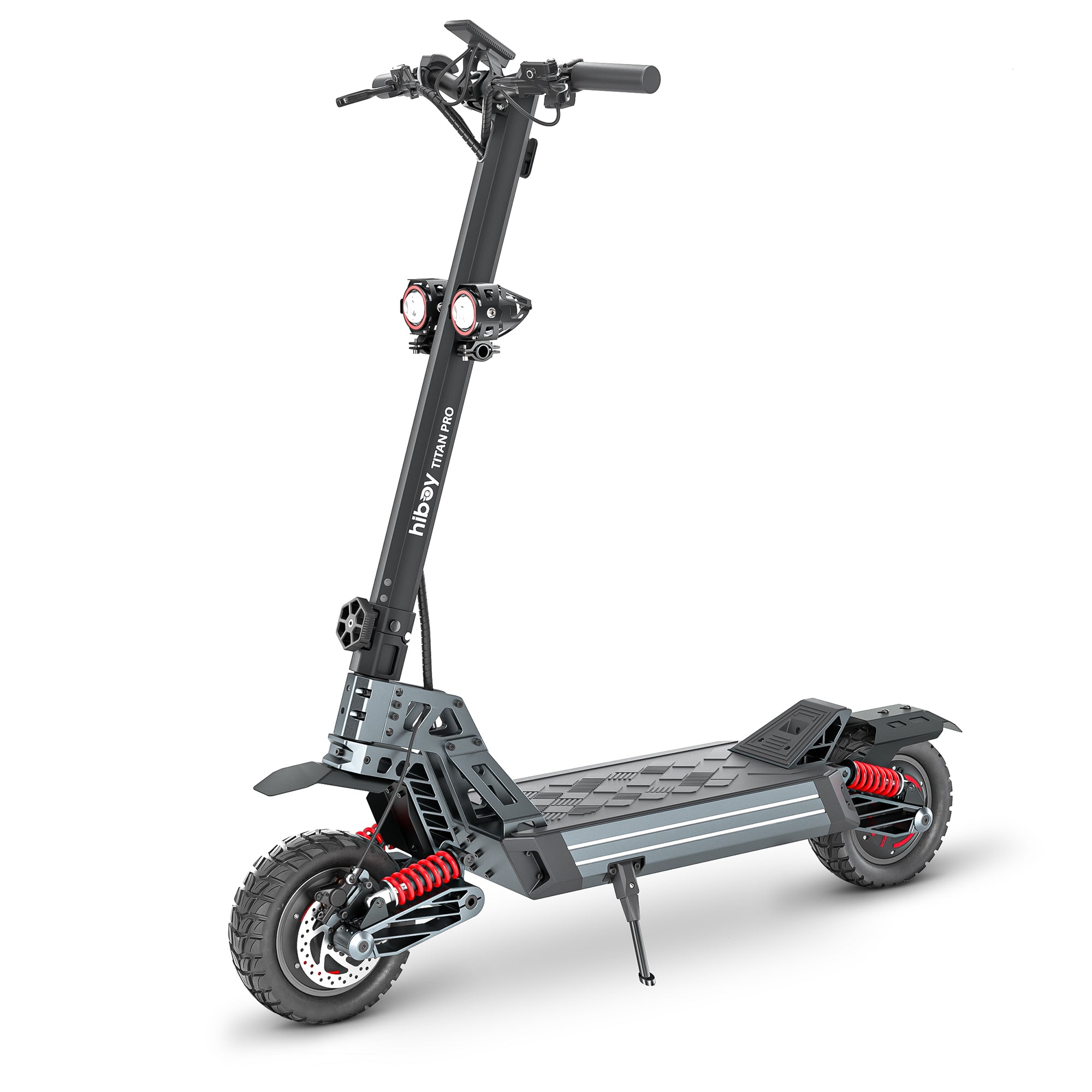 TITAN PRO
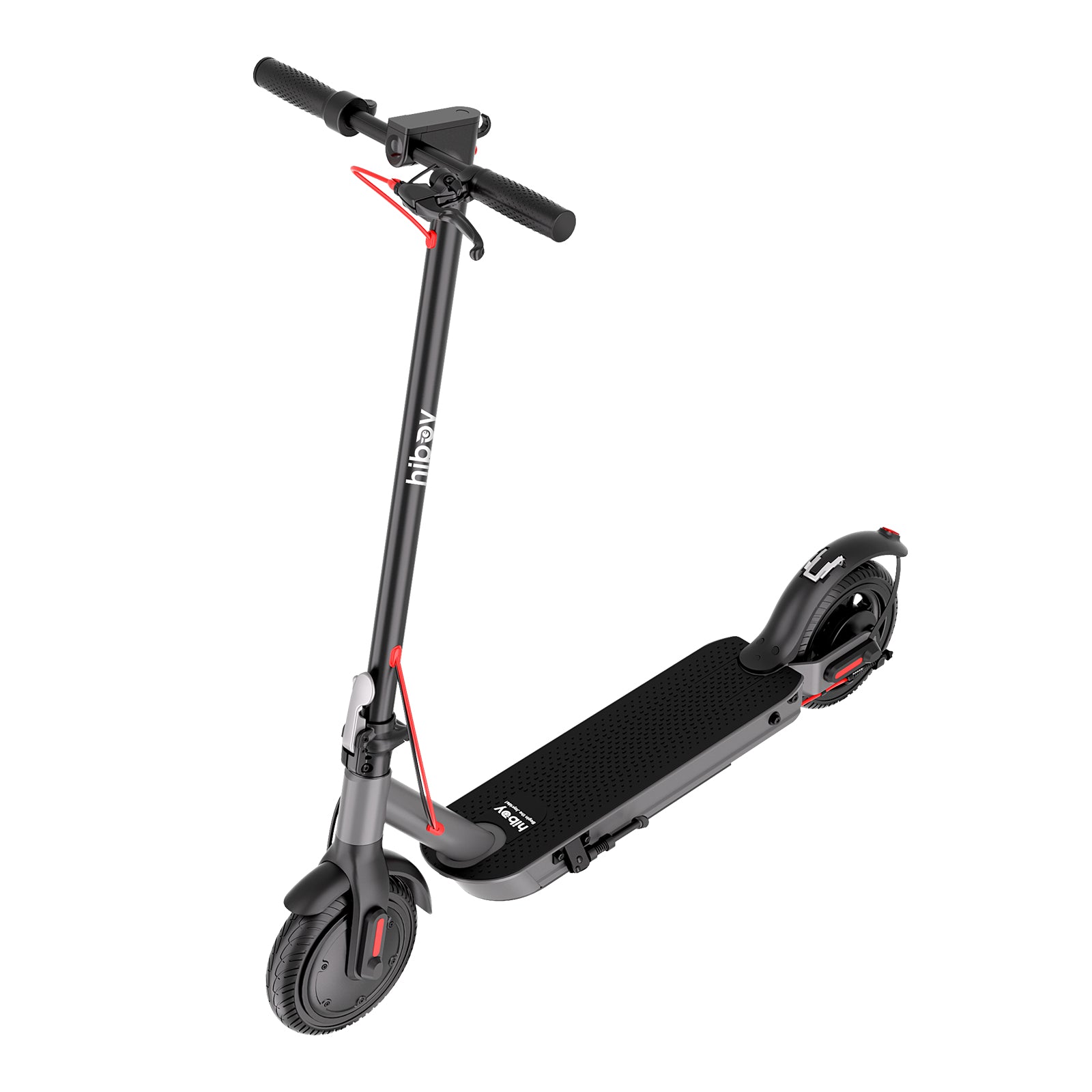 S2 Nova
 Compare Models
 Find Your Best Ride
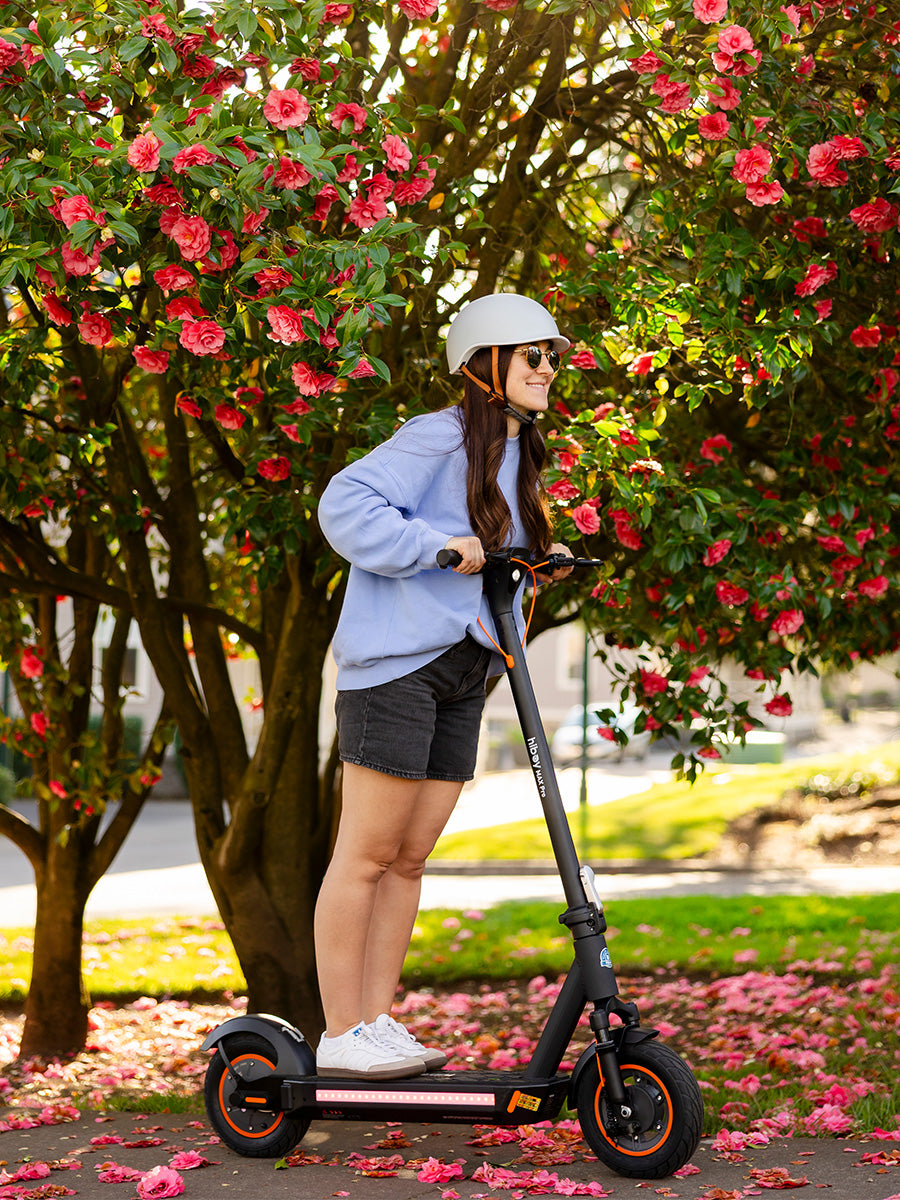
 Daily Commute
 Off-road & Trail
 Folding & Compact
 Fat Tire Rides
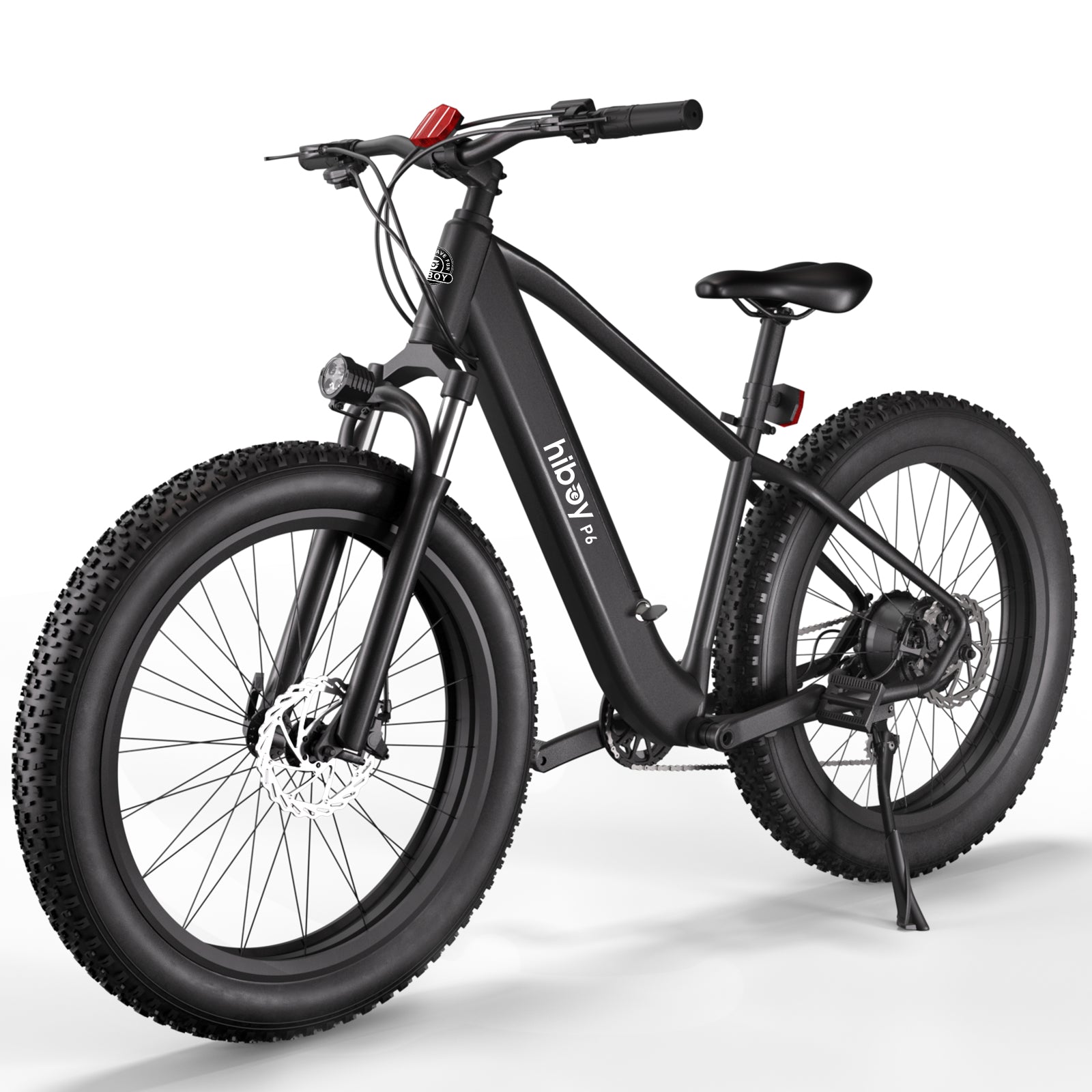 P6
P6
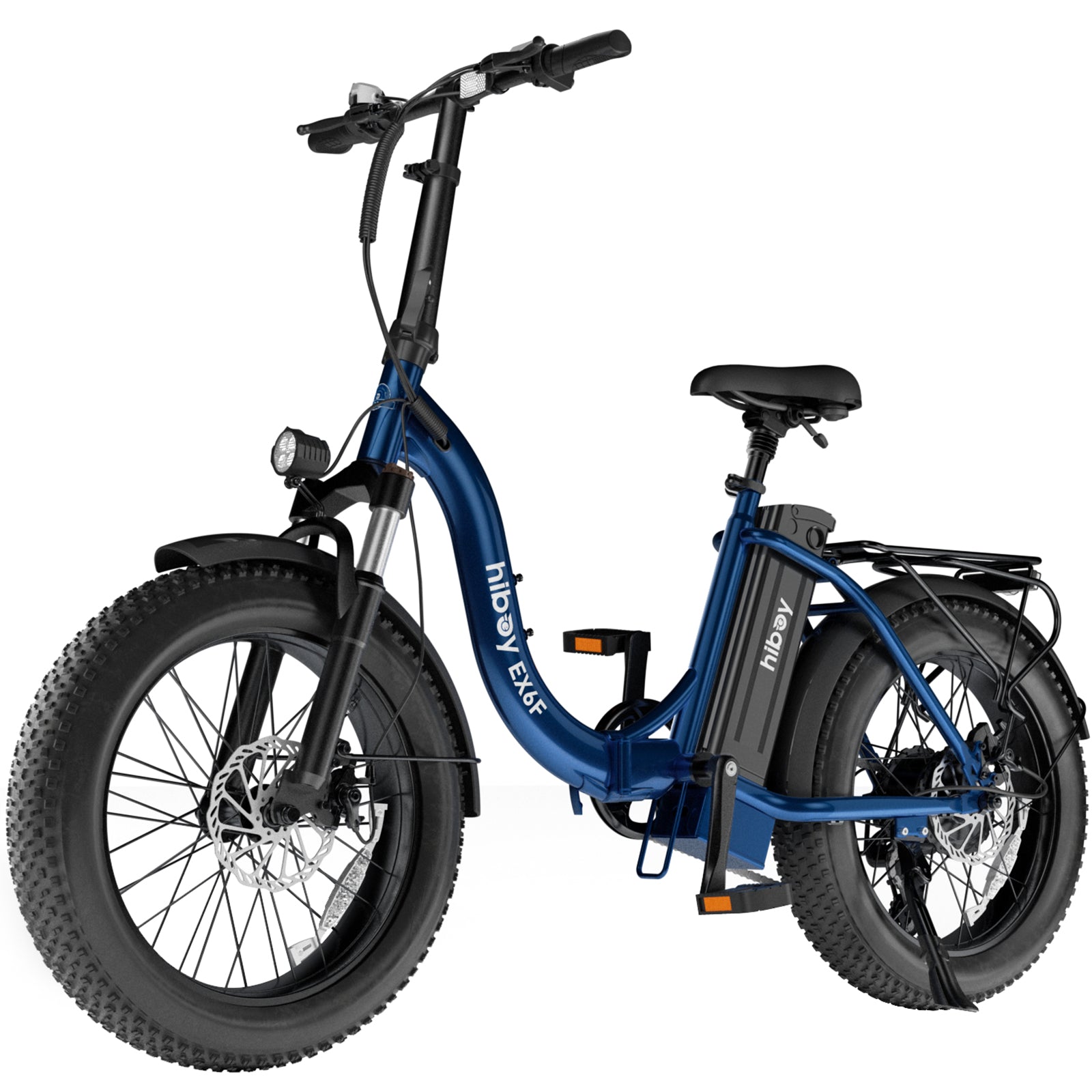 EX6F
EX6F
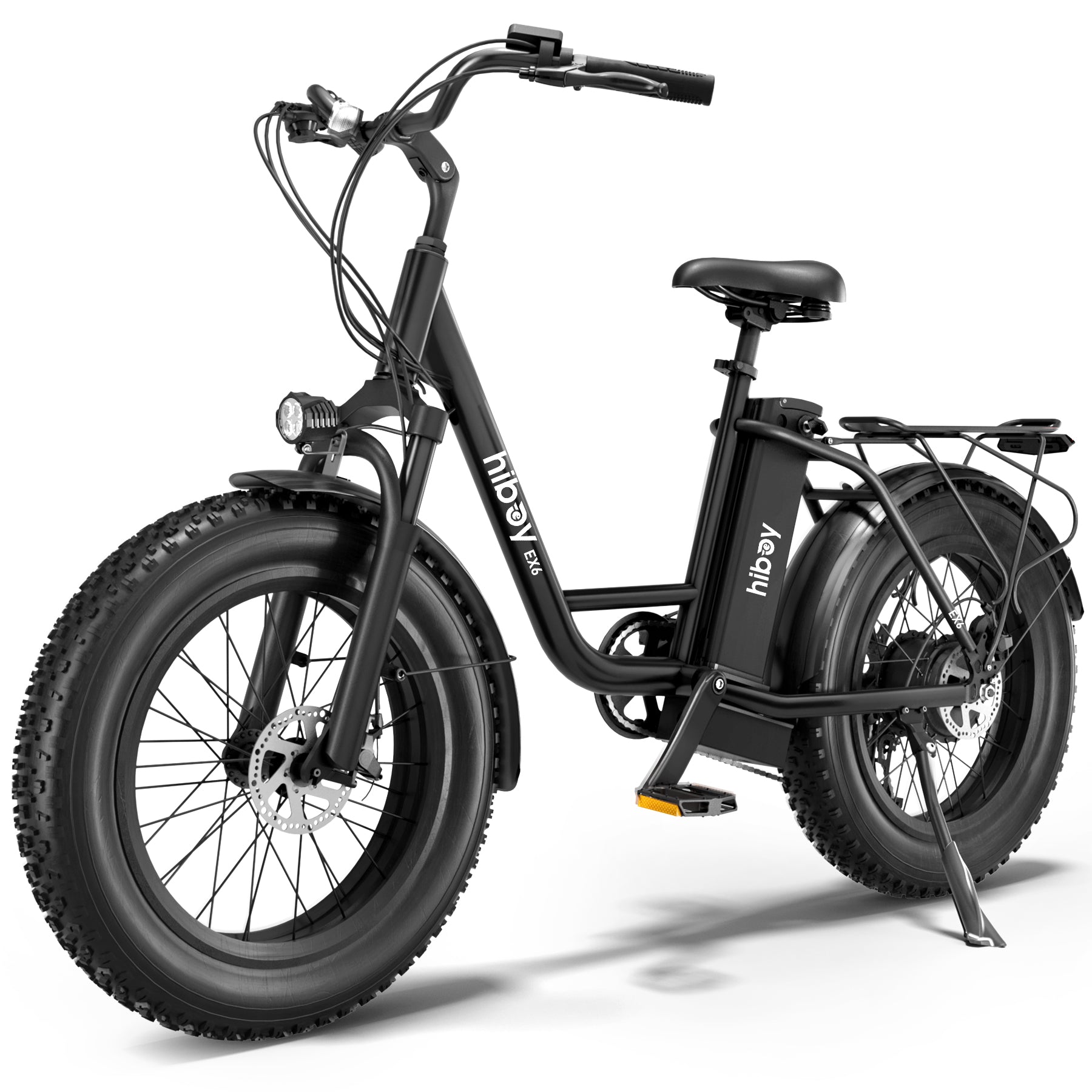 EX6
EX6
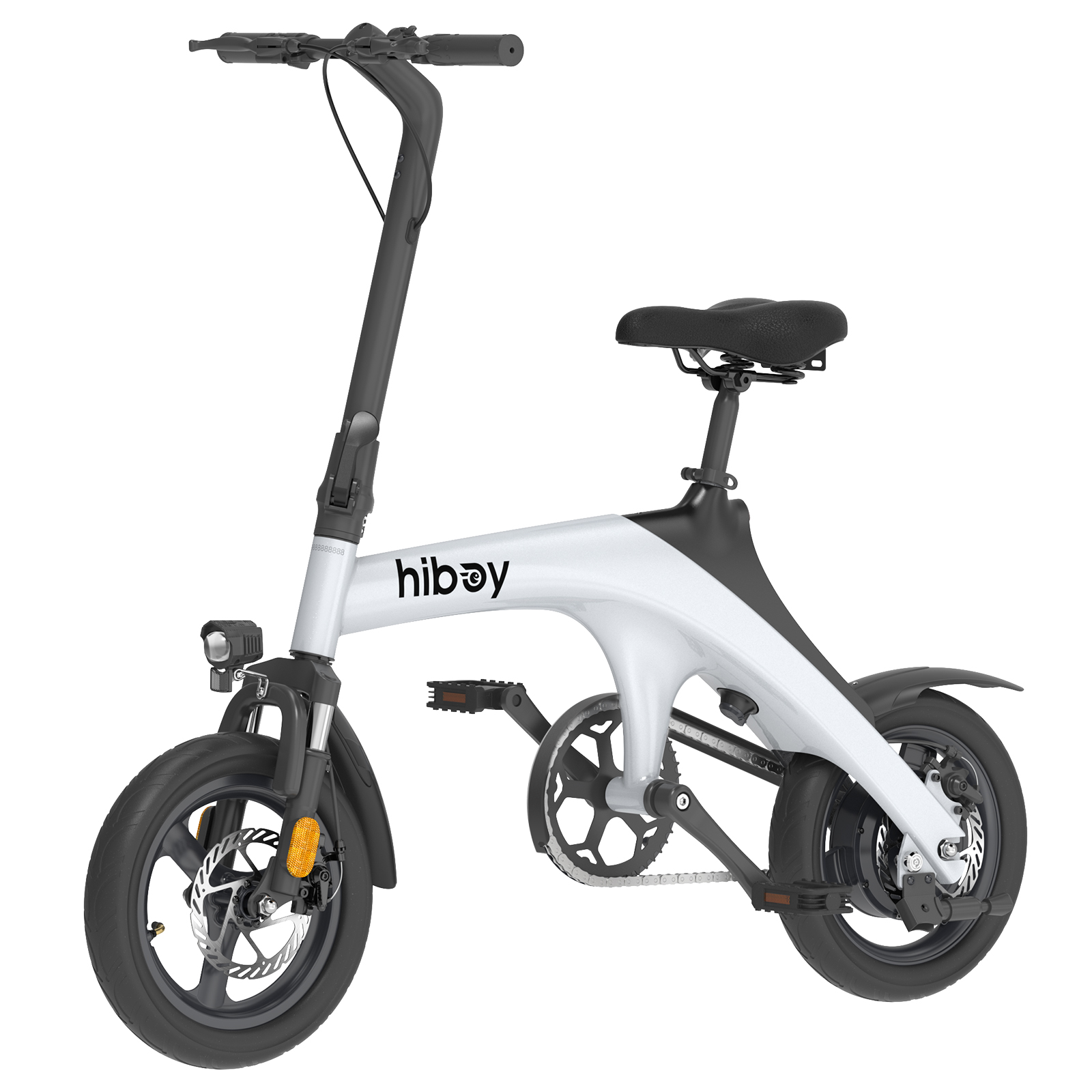 C1
C1
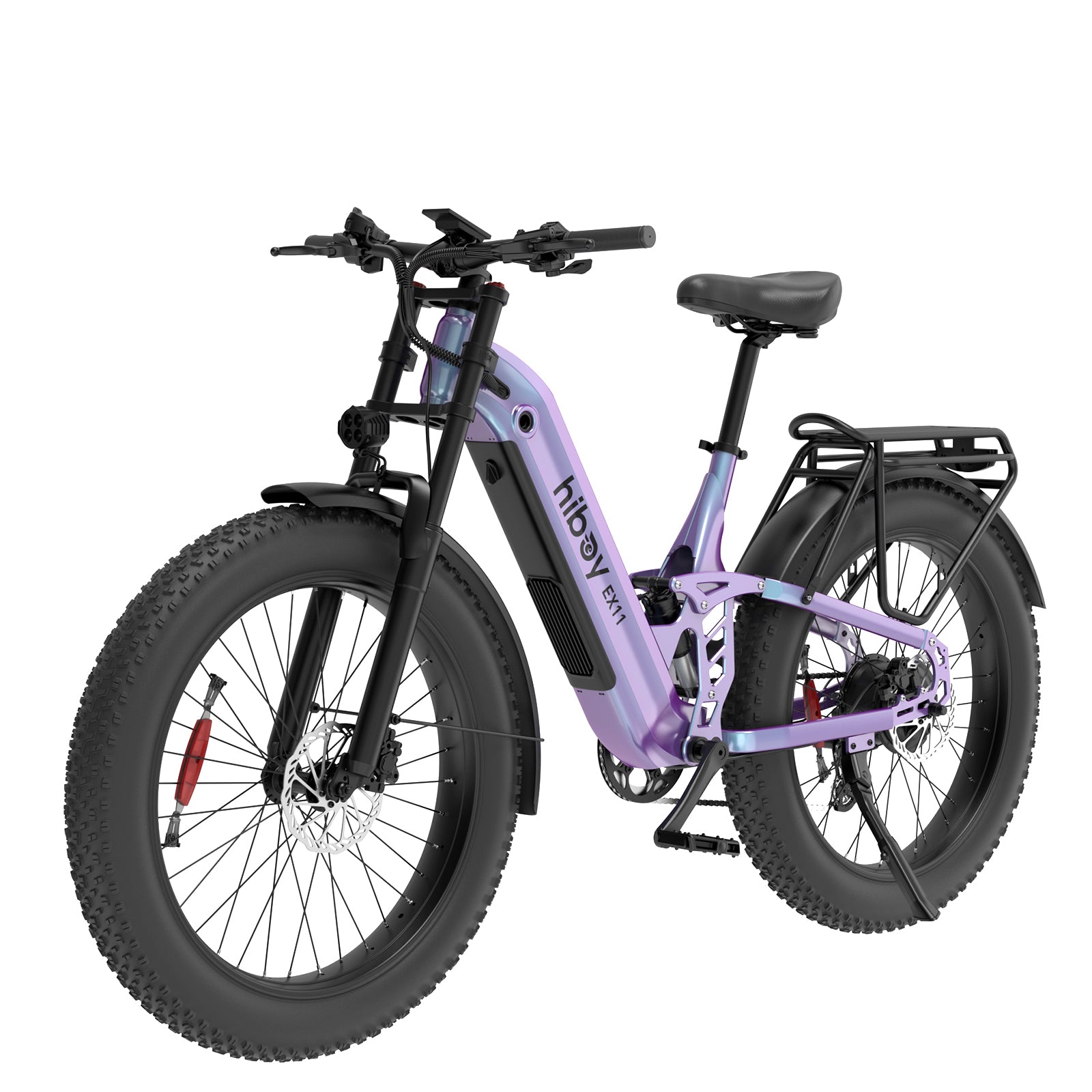 EX11
EX11
 EX9
EX9
 Compare Models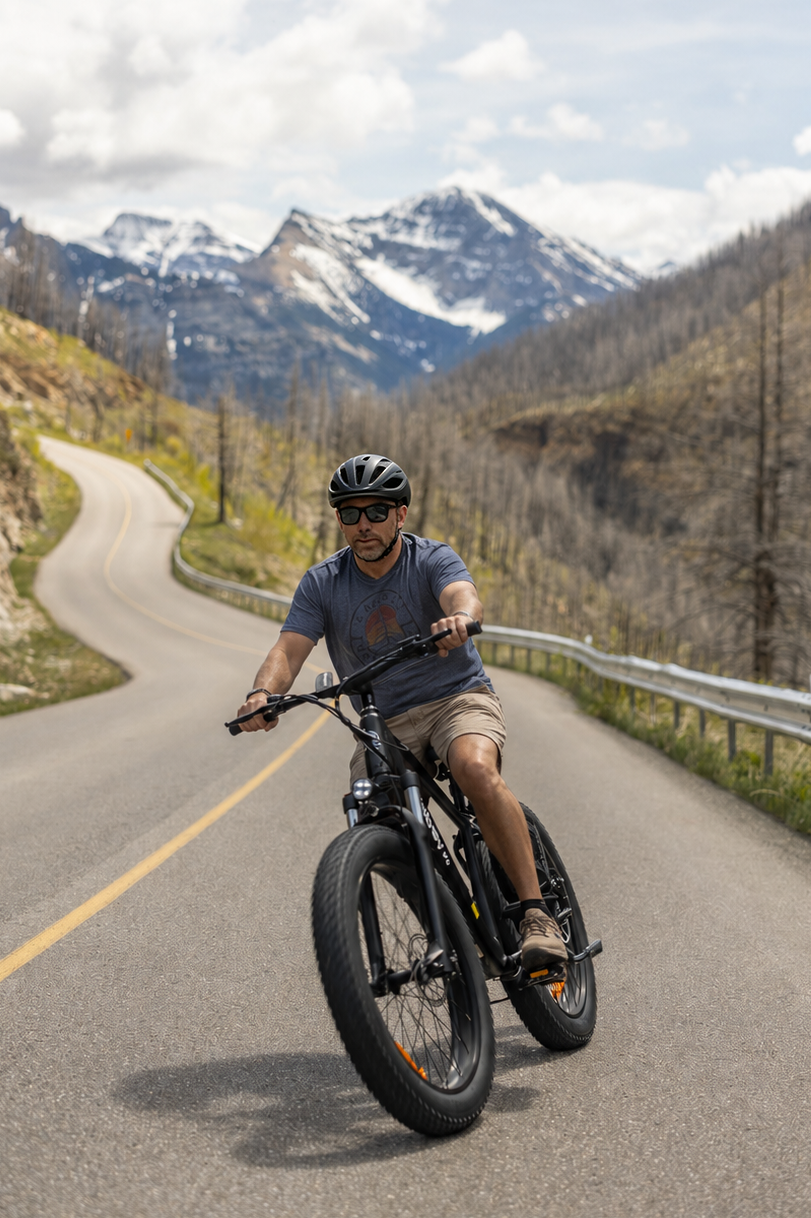
 First Rides
 Everyday Fun
 S2 Lite
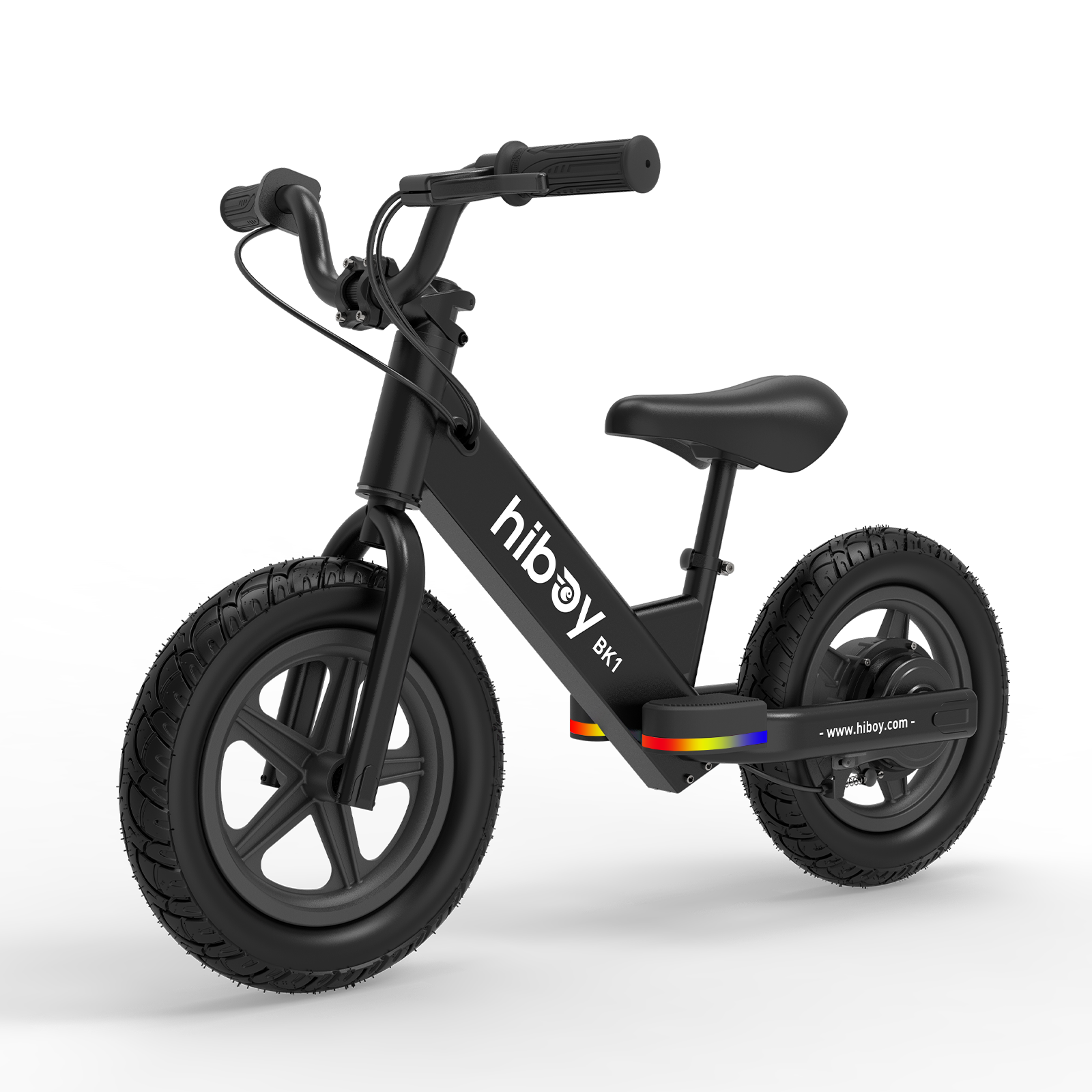 BK1
BK1
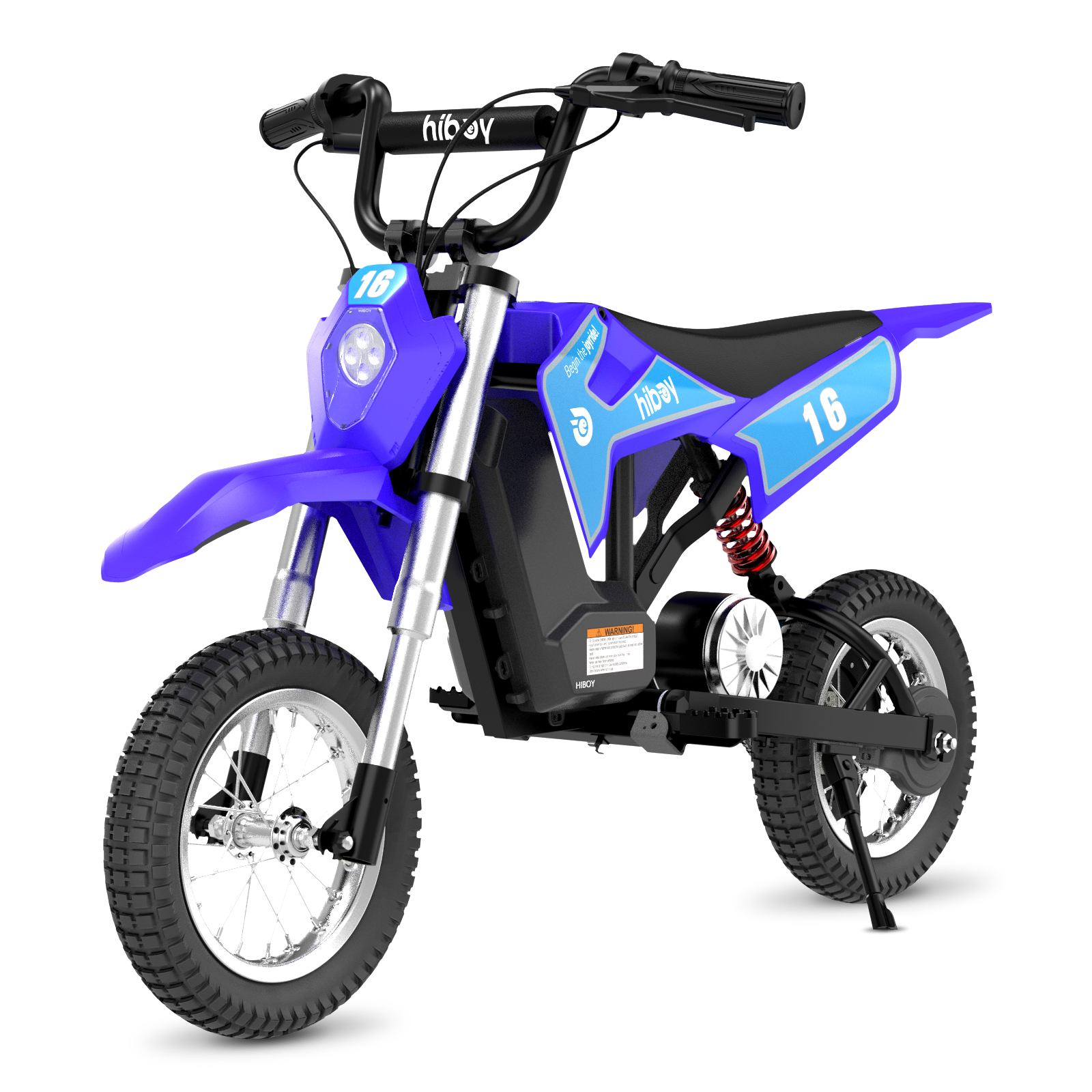 DK1
DK1
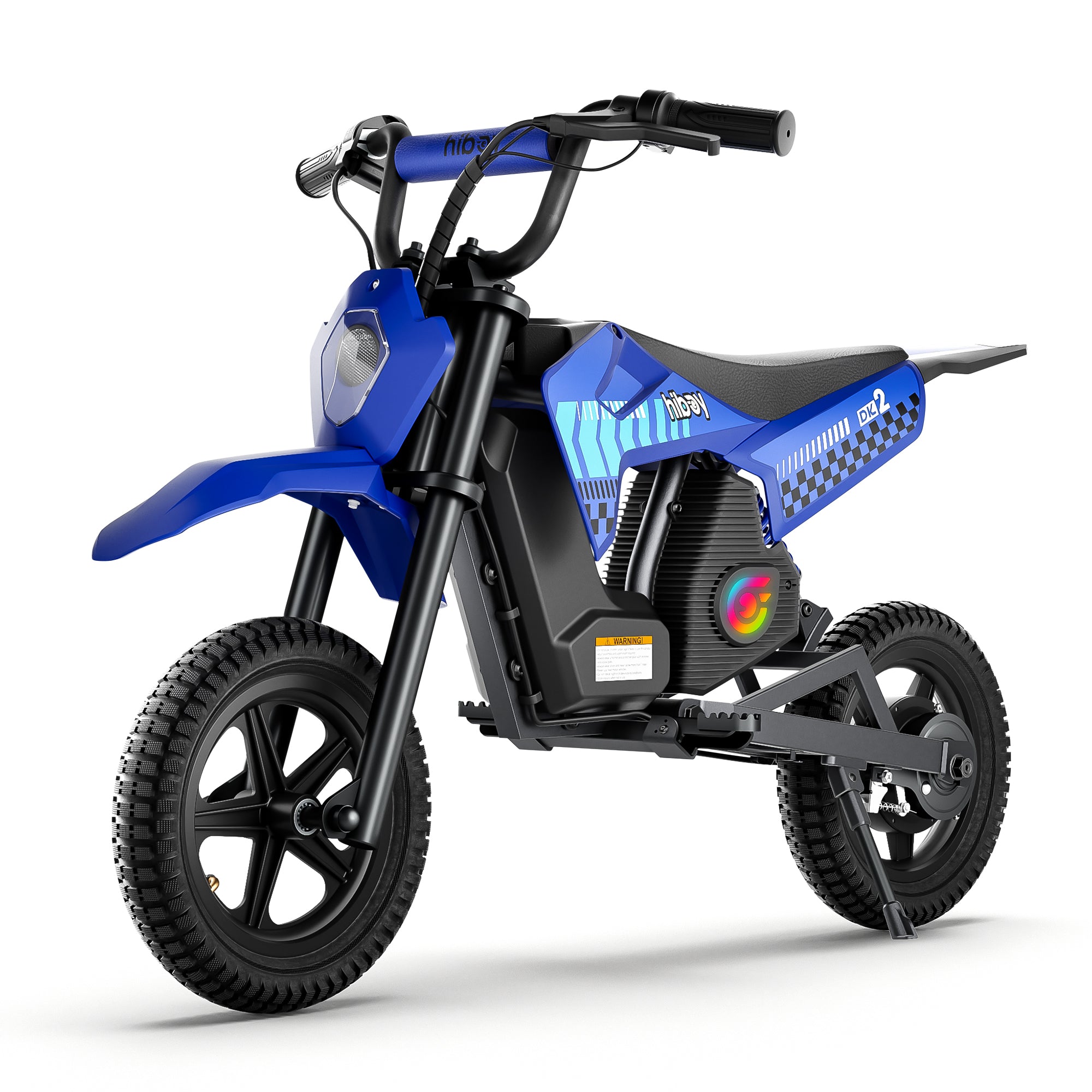 DK2
DK2
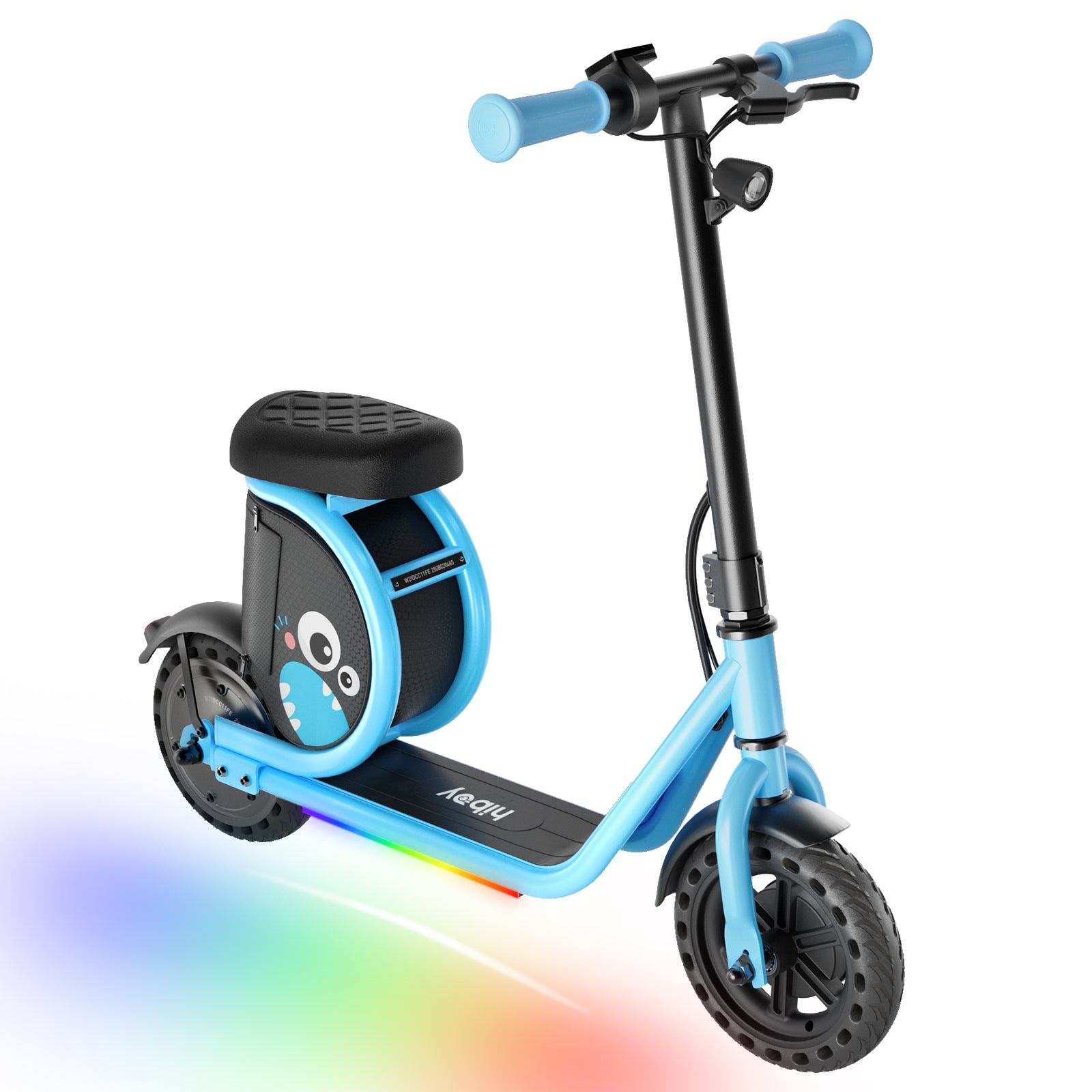 Joy Haul
 Q2 Lite
 Compare Models
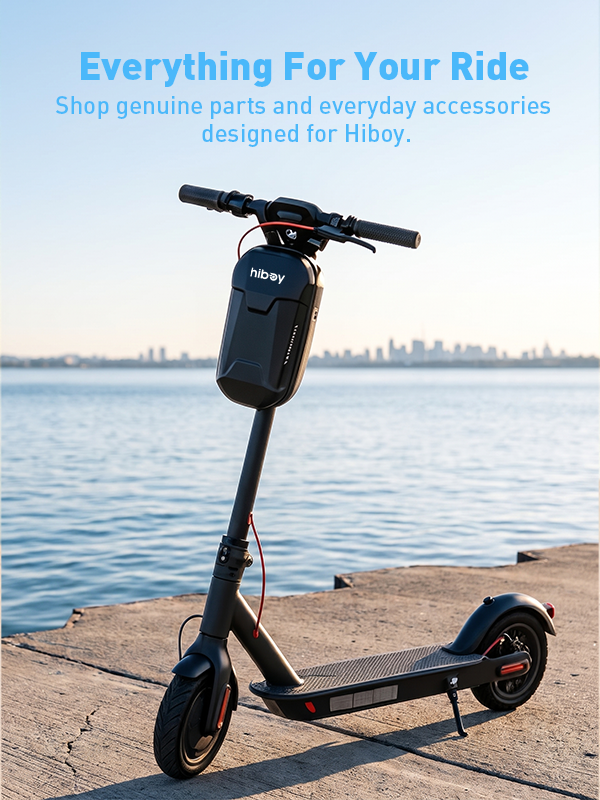


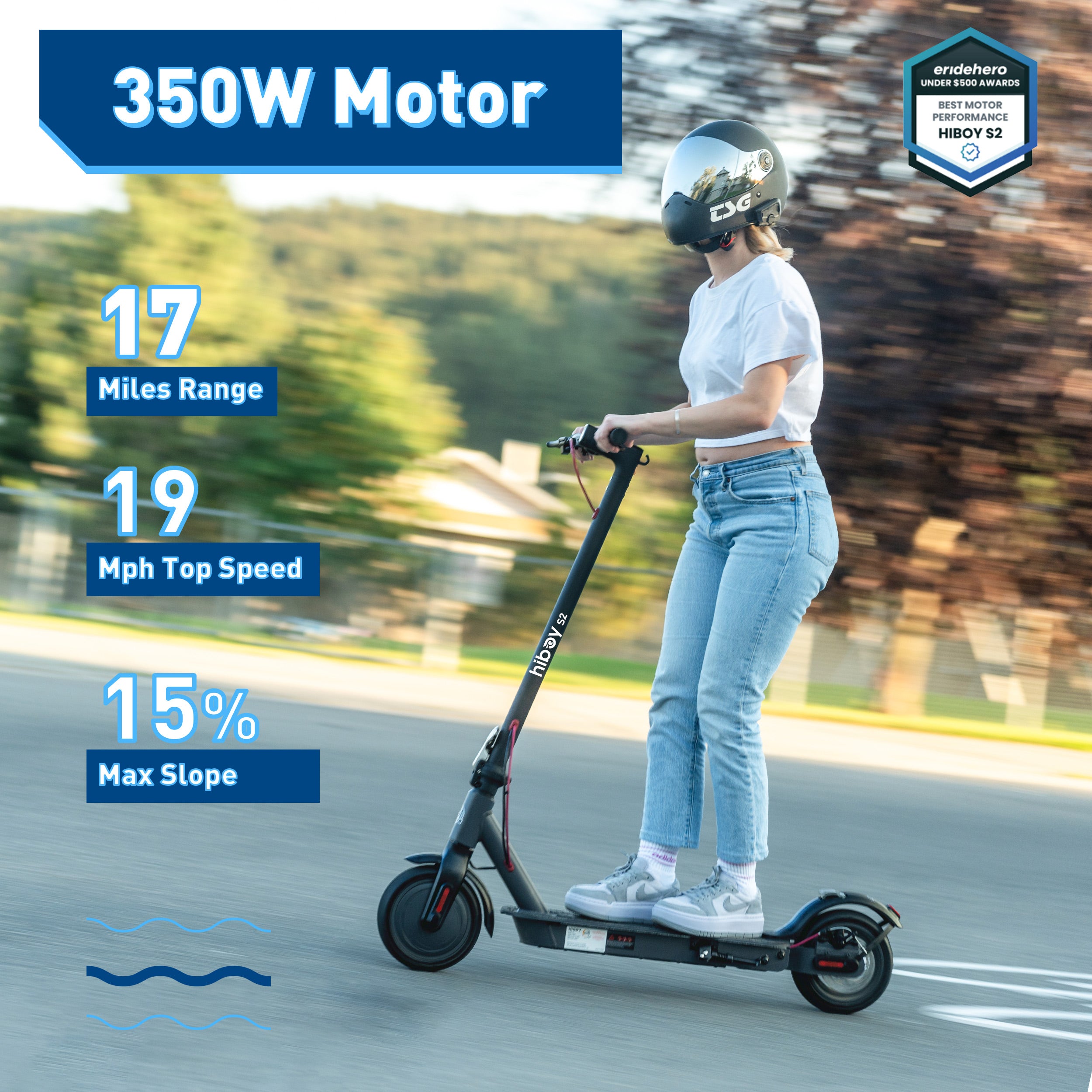
Hiboy S2 Electric Scooter
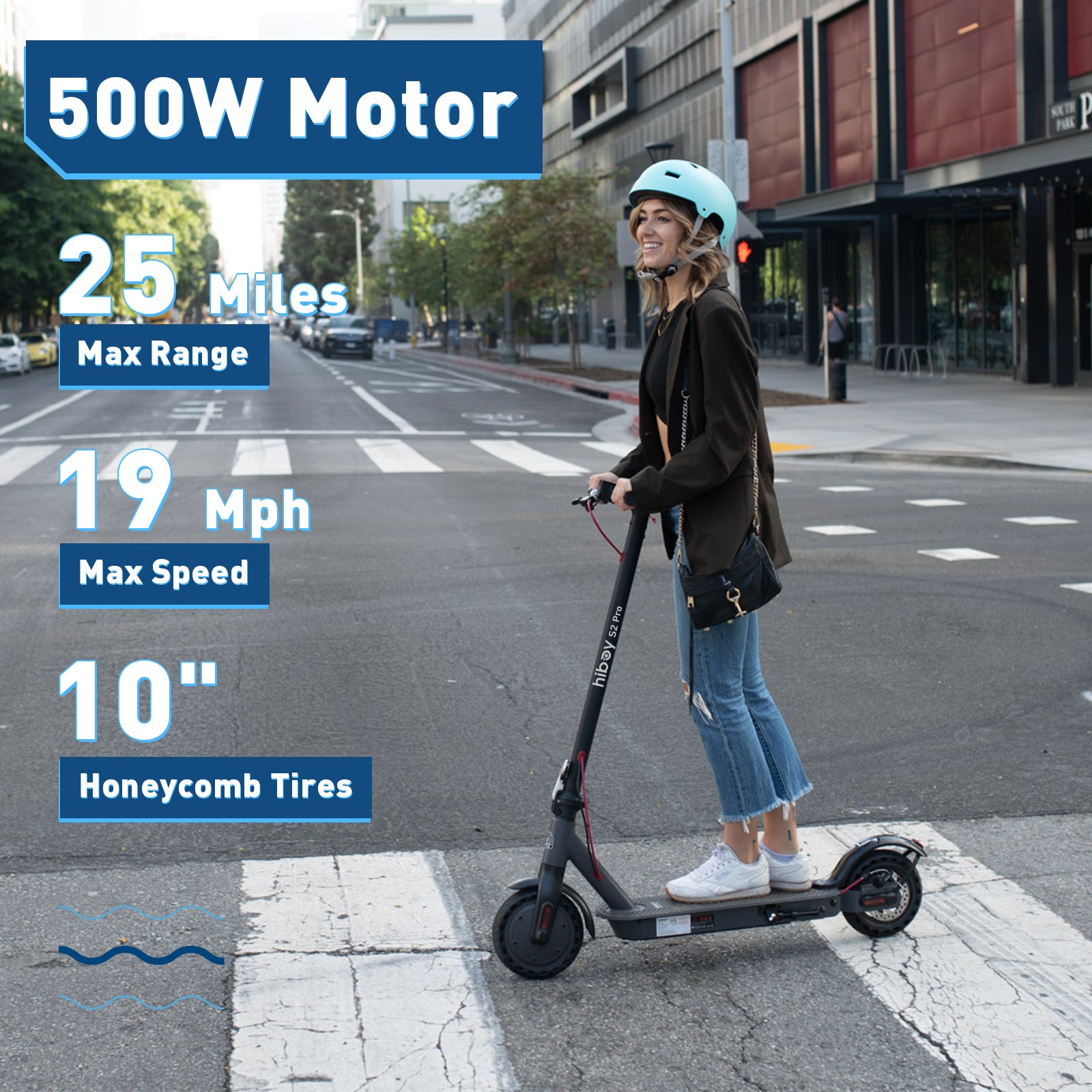
Hiboy S2 Pro Electric Scooter For Commuting

Hiboy MAX Pro Electric Scooter
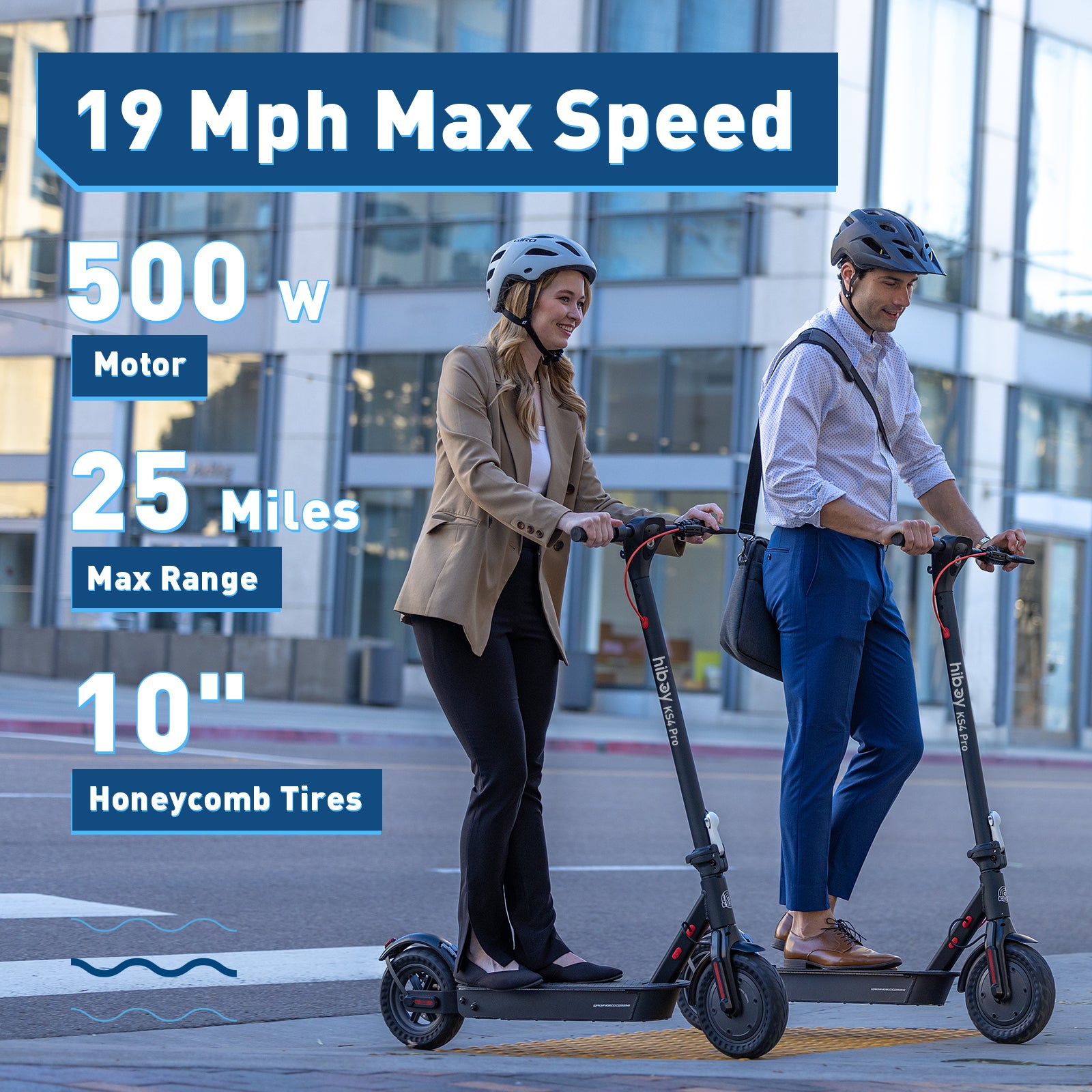
Hiboy KS4 Pro Premium Electric Scooter


Hiboy TITAN PRO Electric Scooter 2026
New


Hiboy S2 Nova Electric Scooter


Hiboy Q2 Electric Seat Scooter for Adults
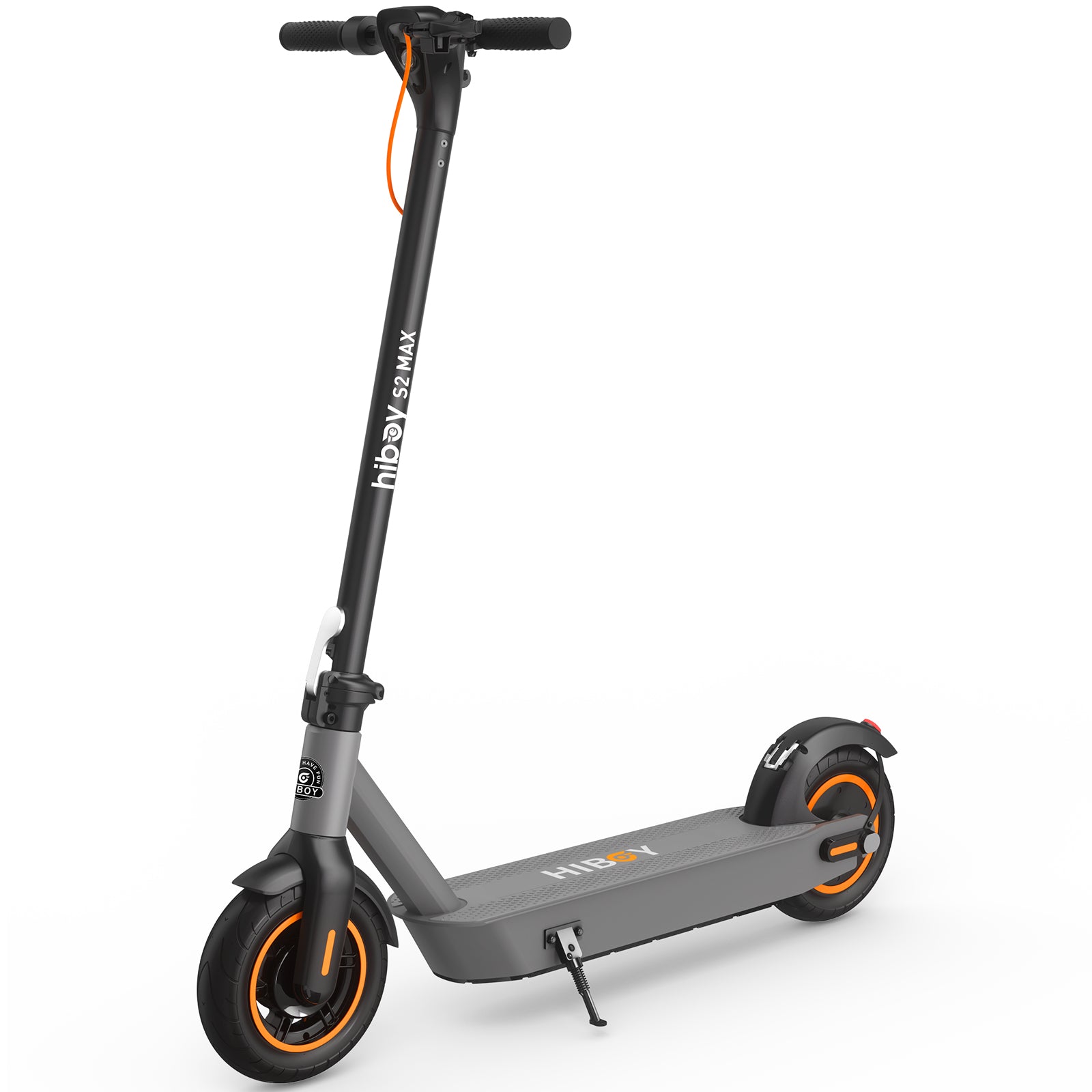

Hiboy S2 MAX Electric Scooter


Hiboy S2 SE Electric Scooter


Hiboy S3 Electric Scooter
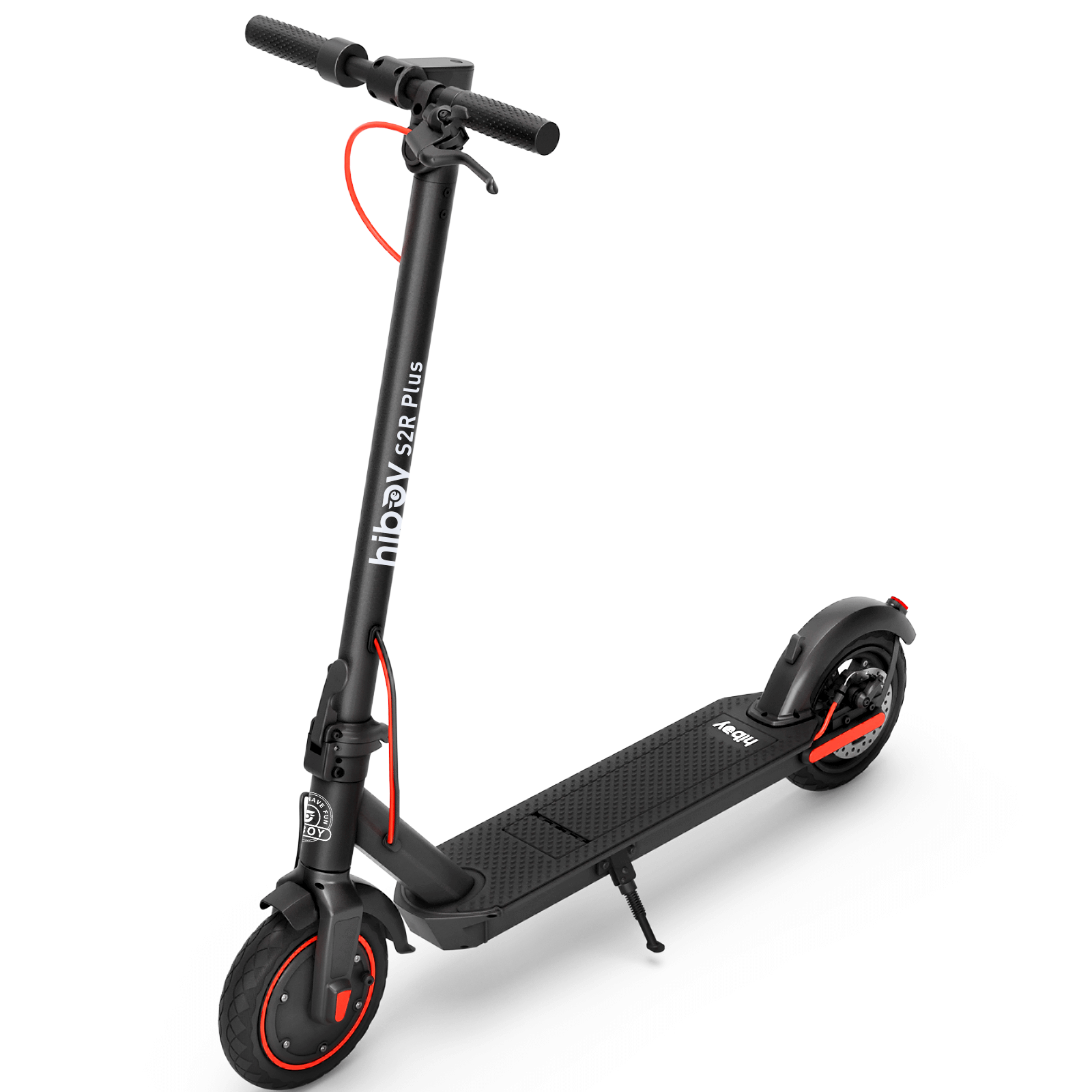
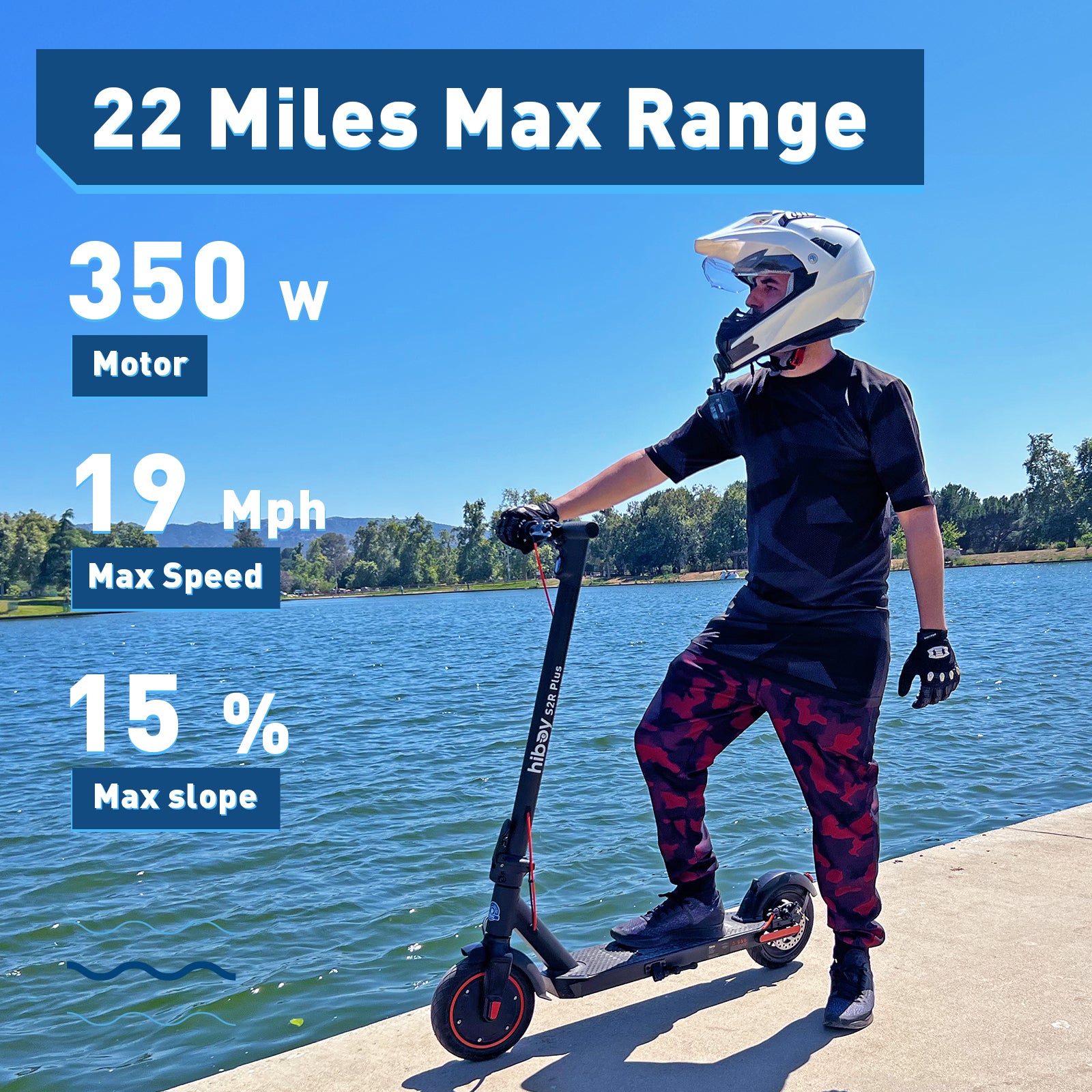
Hiboy S2R Plus Electric Scooter with Removable Battery


Hiboy TITAN Electric Scooter 2025


Hiboy U2 Electric Scooter with Seat


Hiboy U2 Pro Electric Scooter with 16" Fat Tires
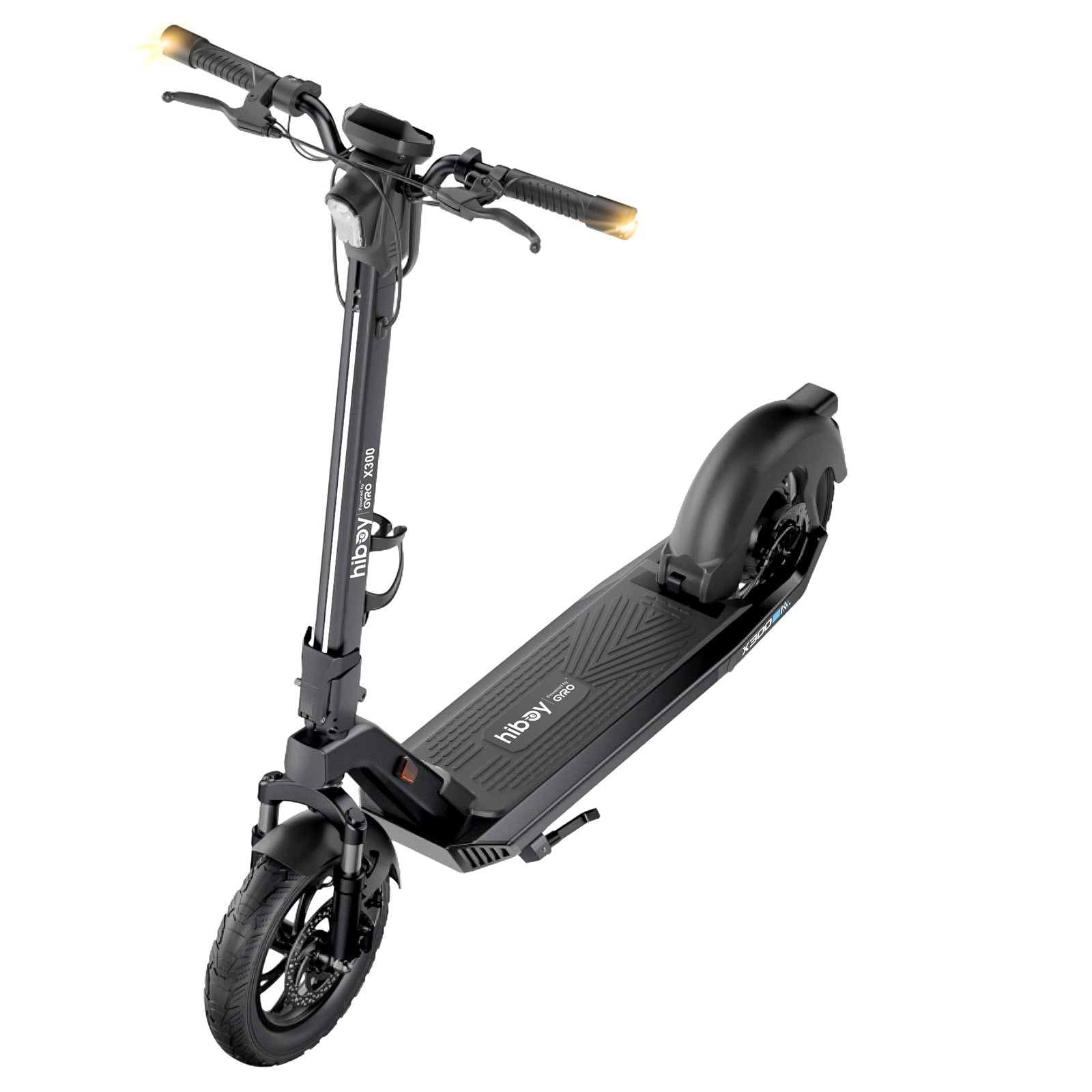
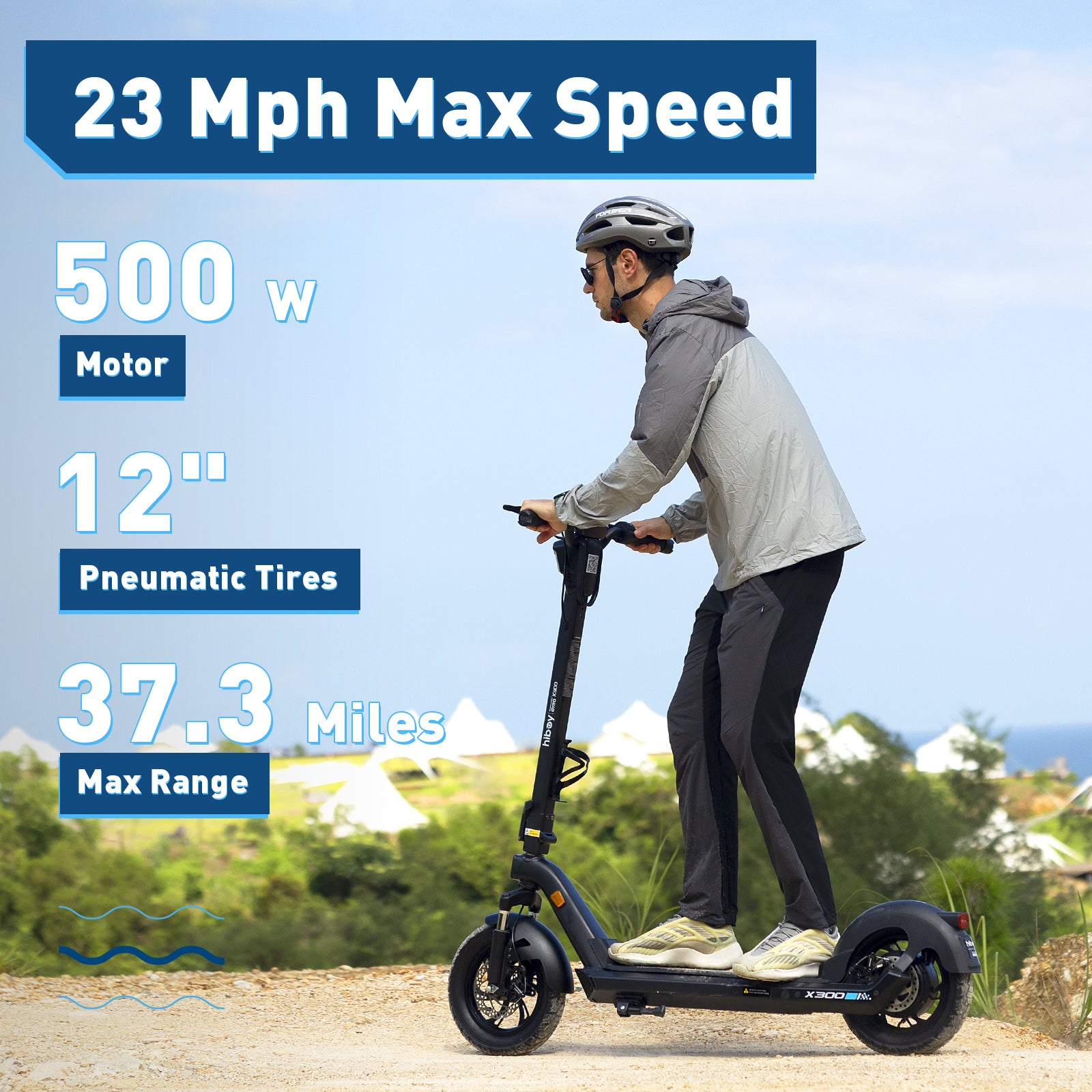
Hiboy X300 Big-Wheel Electric Scooter


Hiboy U3 Electric Scooter with Seat


Hiboy TITAN Electric Scooter 2026

Begin the Joyride
Why Hiboy?
Since 2014, Hiboy has been dedicated to redefining personal transportation with innovative electric mobility solutions. From electric scooters to e-bikes, we design products that make everyday travel easier, smarter, and more enjoyable.
Driven by a passionate team of engineers, designers, and mobility experts, Hiboy continuously develops products that combine performance, safety, and style. Every detail is thoughtfully crafted to deliver a smooth and reliable riding experience.
At Hiboy, we believe transportation should be more than just getting from point A to point B—it should give you freedom. That’s why we focus on creating electric vehicles that are lightweight, portable, durable, and eco-friendly, empowering riders to move through city streets and daily adventures with confidence.
With high manufacturing standards, globally recognized certifications, and years of industry expertise, Hiboy has earned the trust of riders around the world.

Watch Video
Frequently Asked Questions
1. How do I choose the right electric scooter?
The right electric scooter depends on how and where you plan to ride. Consider the scooter’s range, motor power, top speed, weight, tire type, suspension, braking system, and portability. For short urban trips, a lightweight and foldable scooter may be the most practical choice. For longer commutes or hilly routes, look for a model with a larger battery and more powerful motor. Riders who frequently encounter rough pavement may also benefit from larger tires and suspension. Hiboy offers electric scooters with different combinations of these features for commuting, recreational riding, and longer-distance travel.
2. What should I look for in an electric scooter for commuting?
For commuting, prioritize range, portability, ride comfort, braking performance, and reliability. A scooter should have enough real-world range to cover your daily trip without requiring frequent charging. A foldable design can make it easier to store at home or at work, while suspension and appropriately sized tires can improve comfort on uneven city streets. If your commute includes hills, a more powerful motor can provide stronger acceleration and climbing performance. The best commuter scooter is ultimately one that matches your route, distance, storage situation, and local riding regulations.
3. How much motor power does an electric scooter need?
The motor power you need depends on rider weight, terrain, desired acceleration, and how the scooter will be used. A lower-power motor can be sufficient for relatively flat city streets and short trips, while higher-power motors are better suited to hills, heavier riders, or riders who want stronger acceleration. When comparing electric scooters, look at both rated power and peak power, because peak output represents the maximum power the motor can temporarily deliver rather than its normal continuous output.
4. How far can an electric scooter travel on a single charge?
Electric scooter range varies depending on the battery capacity, rider weight, speed, terrain, temperature, tire pressure, and riding conditions. Manufacturer-listed range is typically measured under controlled conditions, so real-world range can be lower. Riding at higher speeds, climbing hills, carrying more weight, or frequently accelerating can increase battery consumption. When choosing a scooter, it is generally better to select a model with more range than your minimum daily requirement so you have a practical buffer.
5. Are dual-motor electric scooters better than single-motor scooters?
Neither configuration is universally better; the right choice depends on your riding needs. A single-motor scooter is generally lighter, simpler, and sufficient for many everyday urban trips. A dual-motor scooter can provide stronger acceleration, improved hill-climbing ability, and greater traction because power is delivered to both wheels. If you mainly ride on flat pavement and prioritize portability, a single-motor scooter may be more practical. If you regularly ride on hills or want stronger performance, a dual-motor model may be a better fit.
6. Are electric scooters with suspension better for commuting?
Suspension can make an electric scooter more comfortable on rough pavement, cracks, bumps, and other uneven surfaces. It can help reduce the amount of vibration transferred to the rider, particularly during longer rides. However, suspension can also add weight and complexity to a scooter. If your commute is primarily on smooth roads, suspension may be less important. If you regularly encounter uneven streets or rough pavement, a scooter equipped with suspension can provide a more comfortable riding experience.
7. Are foldable electric scooters good for commuting?
Yes. Foldable electric scooters can be particularly convenient for commuters who need to carry, store, or transport their scooter. A folding mechanism can reduce the scooter's overall footprint when it is stored at home or work and can make it easier to place in a vehicle. However, portability involves more than just whether a scooter folds. Its total weight, folded dimensions, and folding mechanism should also be considered, especially if you need to carry it up stairs or combine it with public transportation.
8. Can electric scooters handle hills?
Many electric scooters can handle moderate hills, but climbing ability depends on motor power, battery charge, rider weight, incline, and road conditions. A scooter with greater motor output generally has an advantage when climbing steeper hills or accelerating uphill. Dual-motor scooters can provide additional traction and power compared with many single-motor models. When choosing a scooter for hilly areas, don't look only at top speed—motor performance, battery capacity, and the manufacturer's specifications for climbing performance are also important.
9. How long does it take to charge an electric scooter?
Charging time varies by model and depends primarily on battery capacity and charger specifications. Smaller commuter scooters may charge relatively quickly, while scooters with larger batteries can require more time. For daily commuting, it is useful to consider charging time alongside range. If your daily riding distance is close to the scooter's maximum range, you may need to charge more frequently. Following the manufacturer's charging instructions and using the recommended charger can also help maintain battery performance over time.
10. How long does an electric scooter battery last?
An electric scooter battery can last for several years with proper use and maintenance, although its capacity gradually decreases over time. Battery lifespan depends on factors such as charging habits, storage temperature, riding frequency, and how deeply the battery is discharged. Extreme temperatures can also affect battery performance. To help preserve battery health, follow the manufacturer's charging and storage recommendations, avoid unnecessary exposure to extreme heat or cold, and use the charger designed for your scooter.
11. Are pneumatic or solid tires better for an electric scooter?
Both tire types have advantages. Pneumatic tires contain air and generally provide better shock absorption and ride comfort, particularly on uneven pavement. Solid tires are resistant to punctures and typically require less maintenance. The better choice depends on your priorities and riding environment. Riders who prioritize comfort may prefer pneumatic tires, while riders who want to minimize the risk of flat tires may prefer solid tires. Tire size and tread design should also be considered when comparing scooters.
12. What is the difference between a commuter electric scooter and a performance electric scooter?
A commuter electric scooter is generally designed around practicality, portability, efficiency, and everyday usability. It may prioritize a manageable weight, foldable design, sufficient range, and comfortable handling. A performance-oriented scooter typically emphasizes higher motor output, stronger acceleration, greater range, larger batteries, or dual-motor systems. If your primary goal is getting to work, school, or nearby destinations efficiently, a commuter model may be more appropriate. Riders looking for stronger acceleration, hill-climbing ability, or higher performance may prefer a more powerful model.
13. Can I ride an electric scooter in the rain?
Electric scooters vary in their resistance to water, so riders should always check the specific model's water-resistance rating and owner's manual before riding in wet conditions. Water can affect electrical components, brakes, tires, and other parts of a scooter. Even when a scooter is designed to withstand some exposure to water, heavy rain, flooding, and standing water can increase the risk of damage and reduce traction. Always follow the manufacturer's recommendations and local riding regulations regarding wet-weather use.
14. What maintenance does an electric scooter need?
Regular electric scooter maintenance generally includes checking tire pressure, inspecting the brakes, tightening fasteners, keeping the scooter clean, and checking the battery and electrical components for signs of damage. Tires should be maintained at the recommended pressure because incorrect pressure can affect handling, range, and tire wear. Riders should also periodically inspect the folding mechanism, lights, cables, and other components. Following the maintenance schedule in the owner's manual can help keep the scooter operating safely and efficiently.
15. What accessories do I need for an electric scooter?
The accessories you need depend on how you ride. A properly fitted helmet is one of the most important safety accessories. Depending on your commute and riding environment, you may also find a phone mount, additional lighting or reflective equipment, storage solutions, a lock, or protective gear useful. Before purchasing accessories, check that they are compatible with your specific scooter model and do not interfere with controls, folding mechanisms, lighting, or other safety features.
16. How can I maximize my electric scooter's range?
To maximize range, maintain the recommended tire pressure, avoid unnecessary rapid acceleration and braking, and use a moderate riding speed when practical. Carrying less weight and choosing flatter routes can also reduce energy consumption. Battery condition and temperature can affect range as well. If you regularly need to travel long distances, choosing a scooter with a larger battery and a range rating comfortably above your normal trip distance is generally more practical than relying on the maximum advertised range.
Fuel Your Curiosity
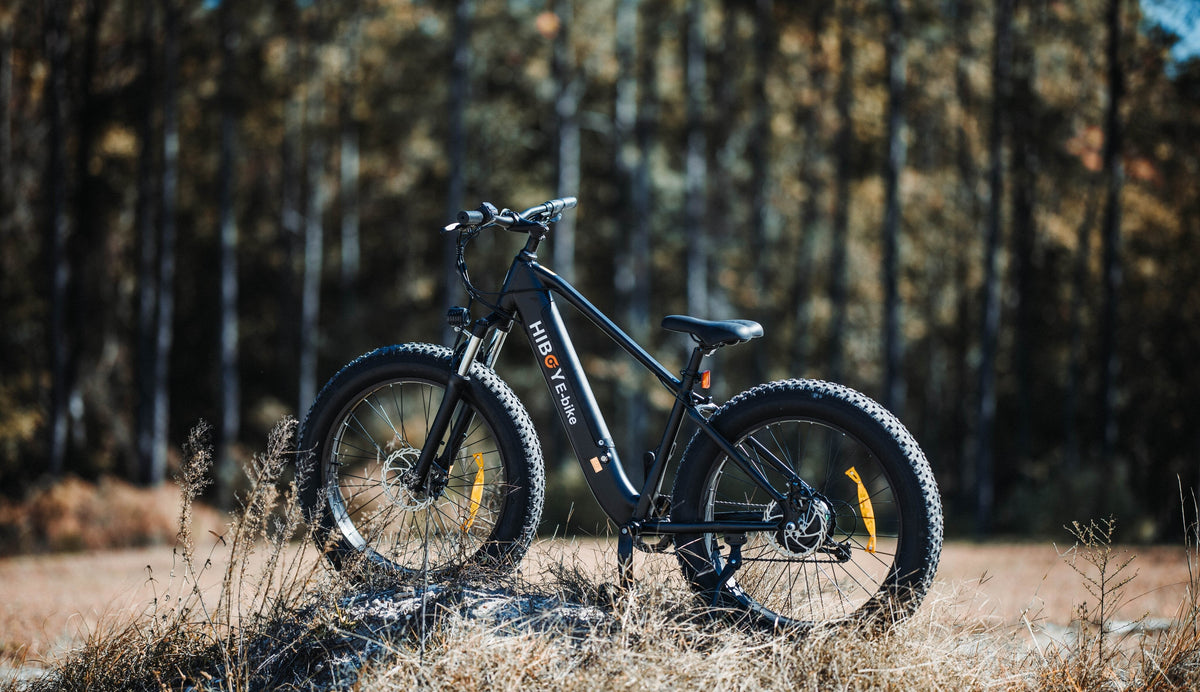
10 Best Electric Bike Brands in North America for 2026
Electric bikes have become an increasingly popular option for commuting, recreation, errands, and everyday transportation across North America. But with hundreds of models and dozens of established...

Hiboy at the Fremont Police Safety Fair: Join Our Micromobility Safety Rodeo
Hiboy is partnering with the Fremont Police Department for the 2026 Fremont Police Safety Fair on Saturday, October 3. The free community event will bring together local public safety agencies, cit...
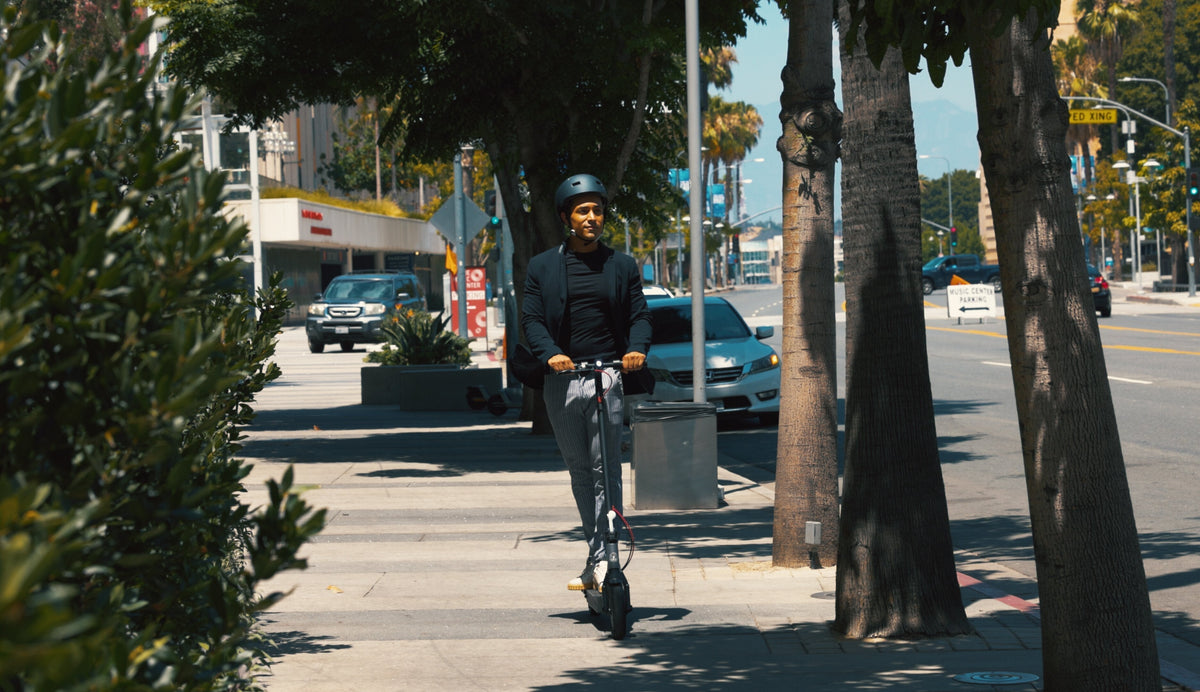
Electric Scooter Terms Explained: A Beginner’s Dictionary of eScooter Specs & Features
Shopping for your first electric scooter can feel like learning a new language. You may see specifications such as 500W motor, 48V battery, 15Ah, 40-mile range, 10-inch pneumatic tyres, IPX5, regen...