


 Daily Commute
 Lightweight & Portable
 Performance Rides
 Comfort With Seat
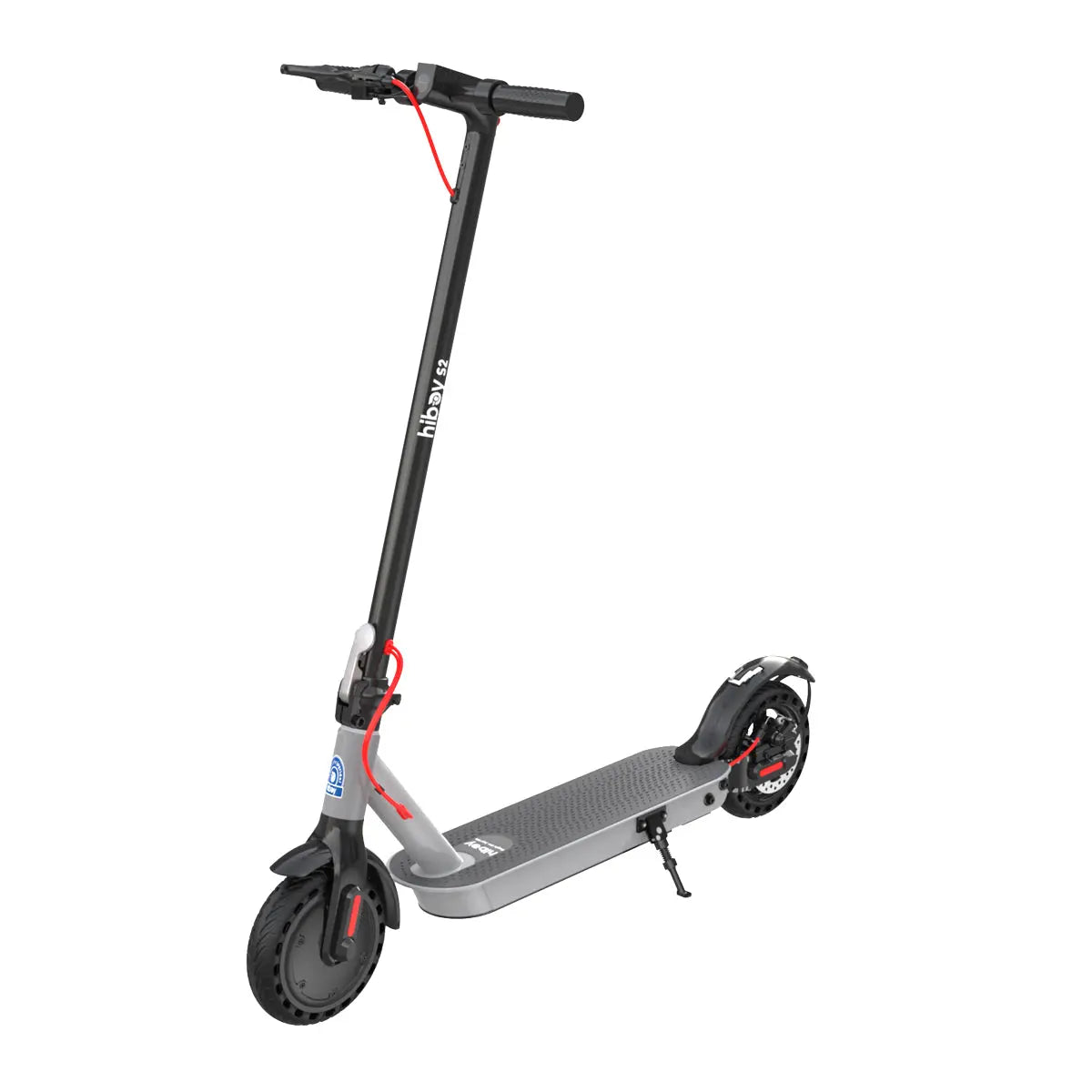 S2
S2
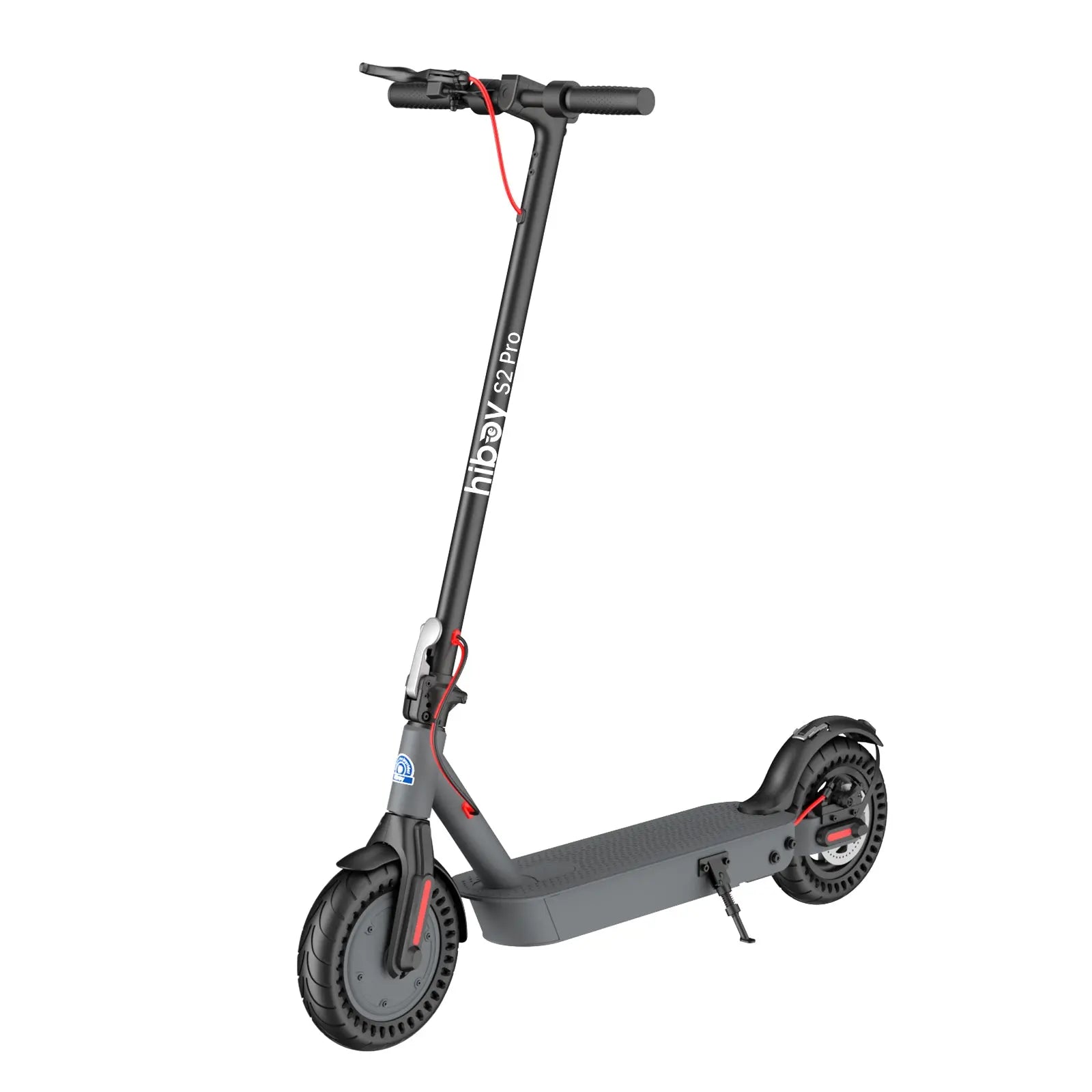 S2 Pro
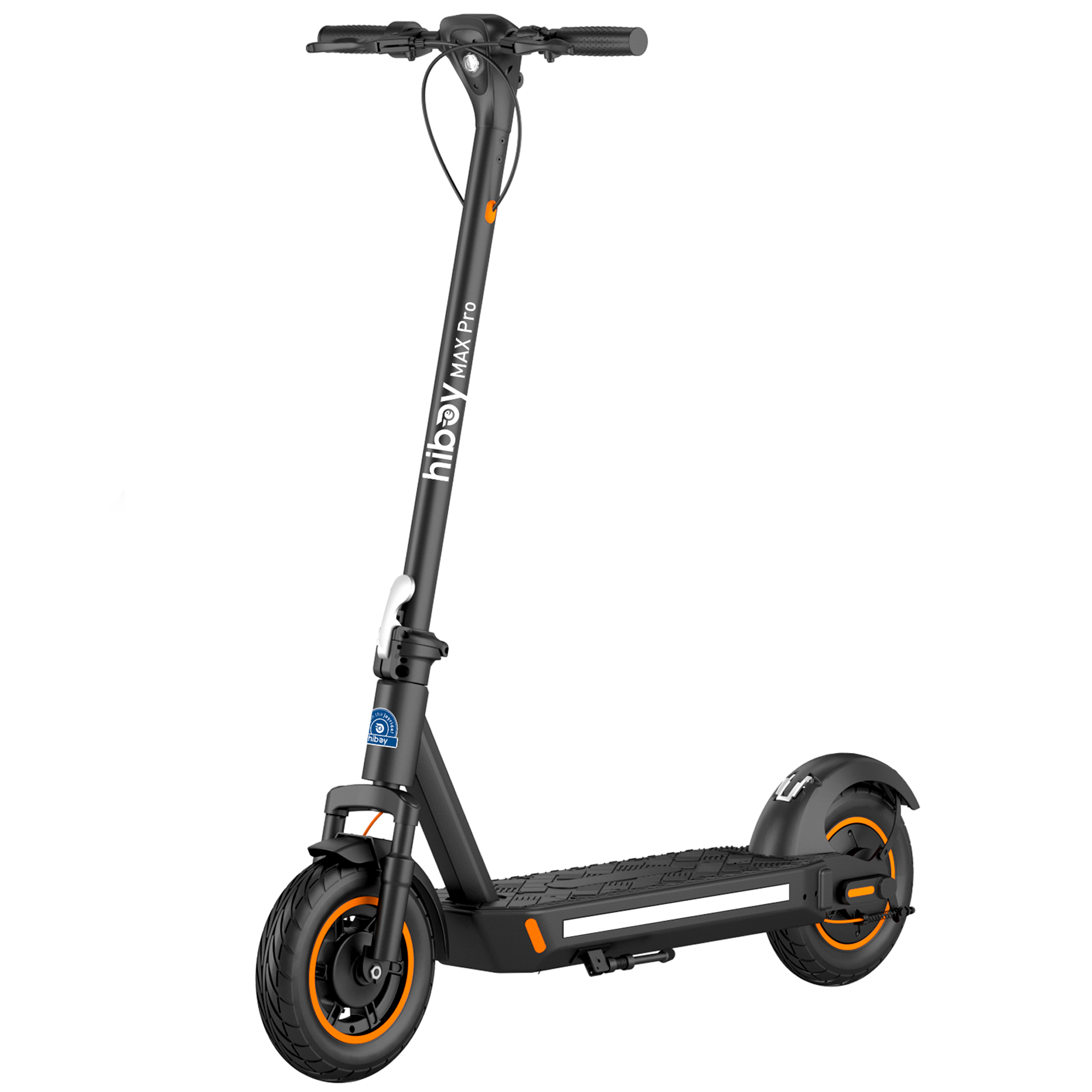 MAX Pro
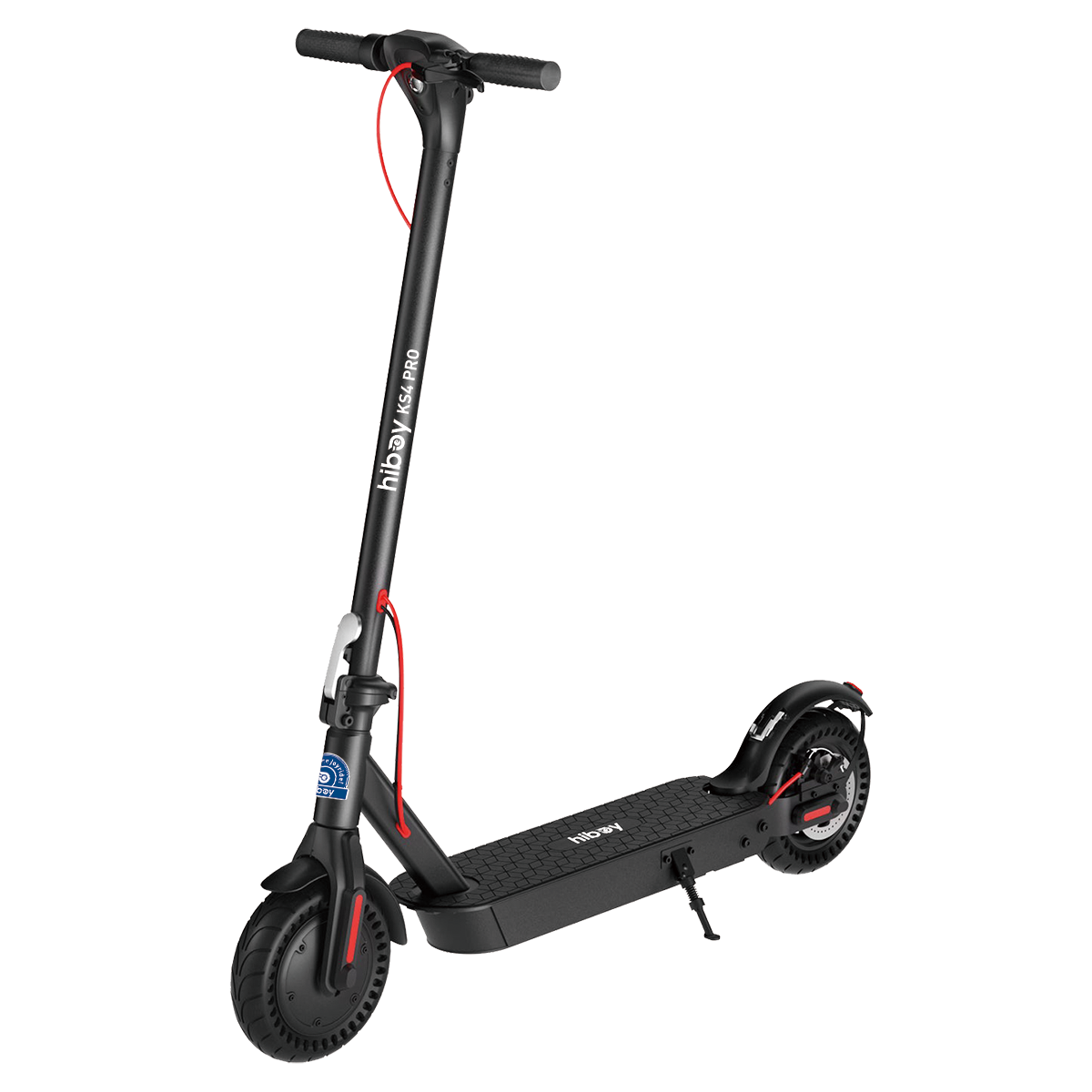 KS4 Pro
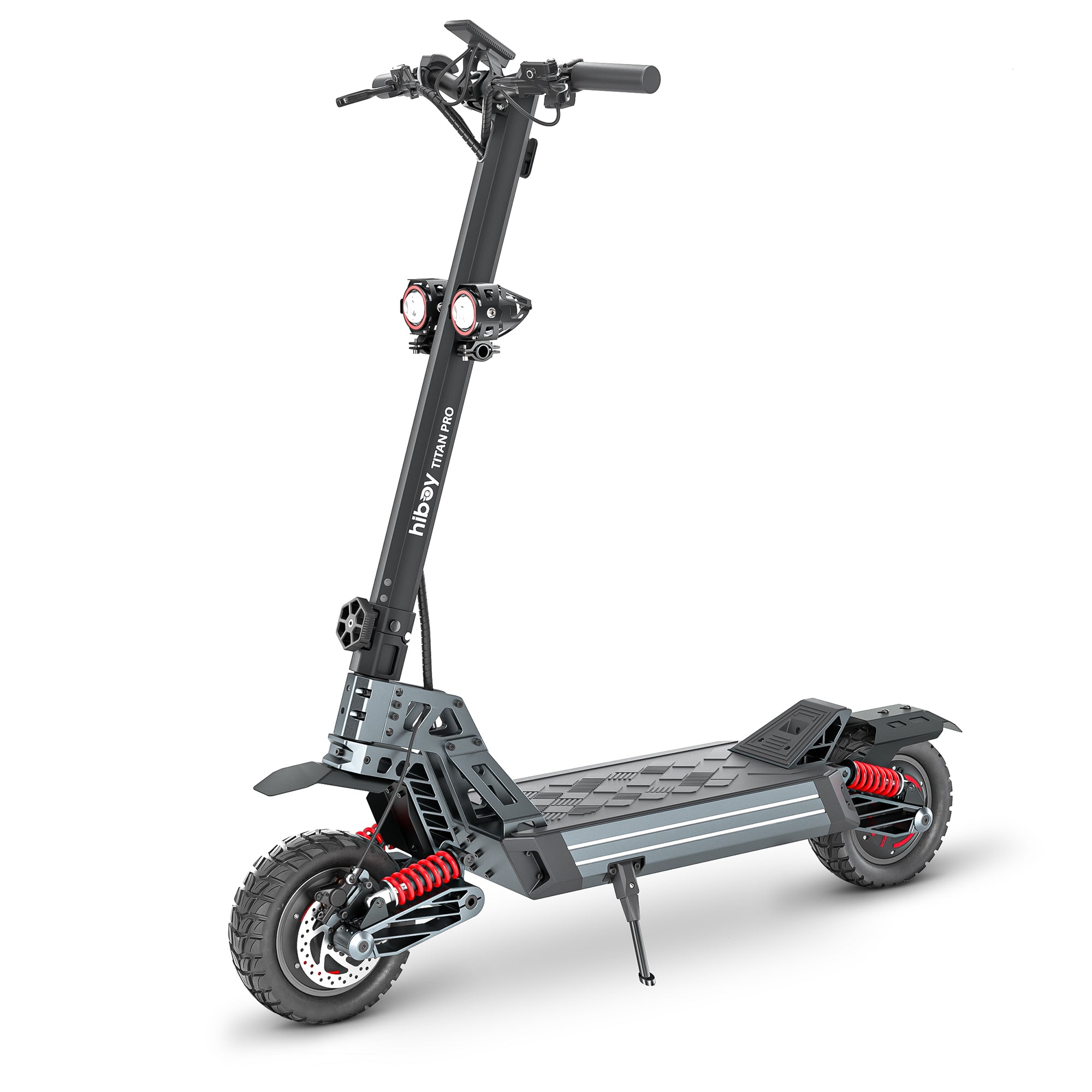 TITAN PRO
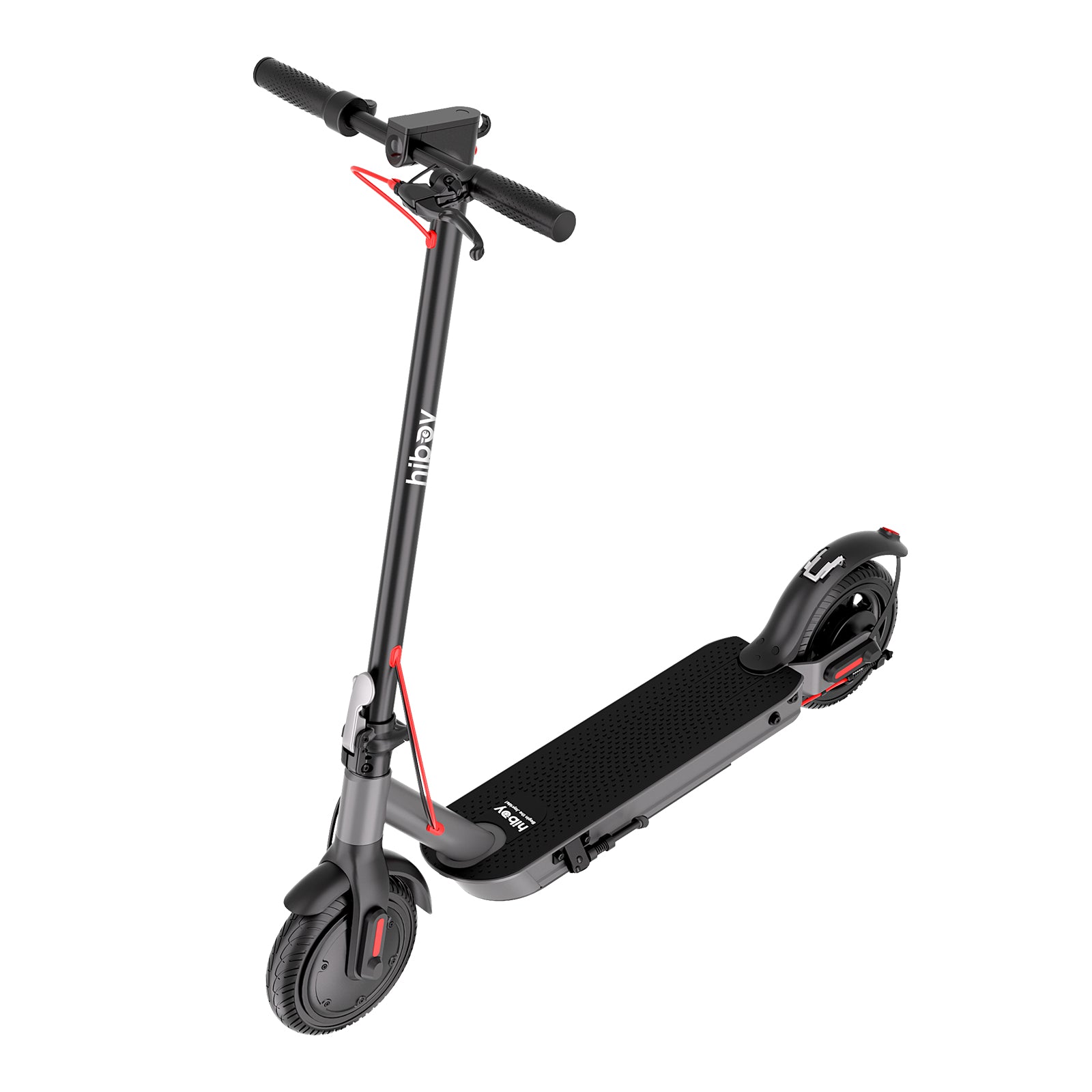 S2 Nova
 Compare Models
 Find Your Best Ride
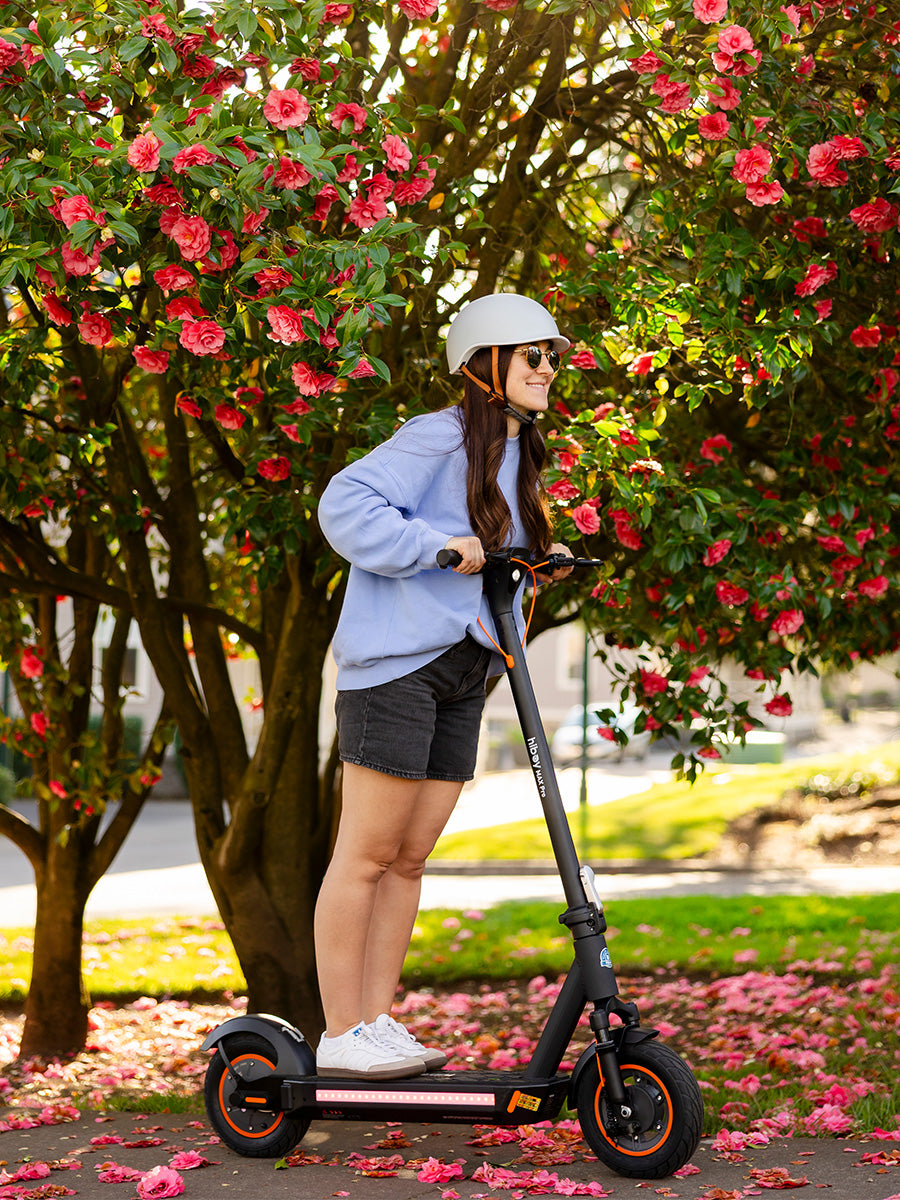
 Daily Commute
 Off-road & Trail
 Folding & Compact
 Fat Tire Rides
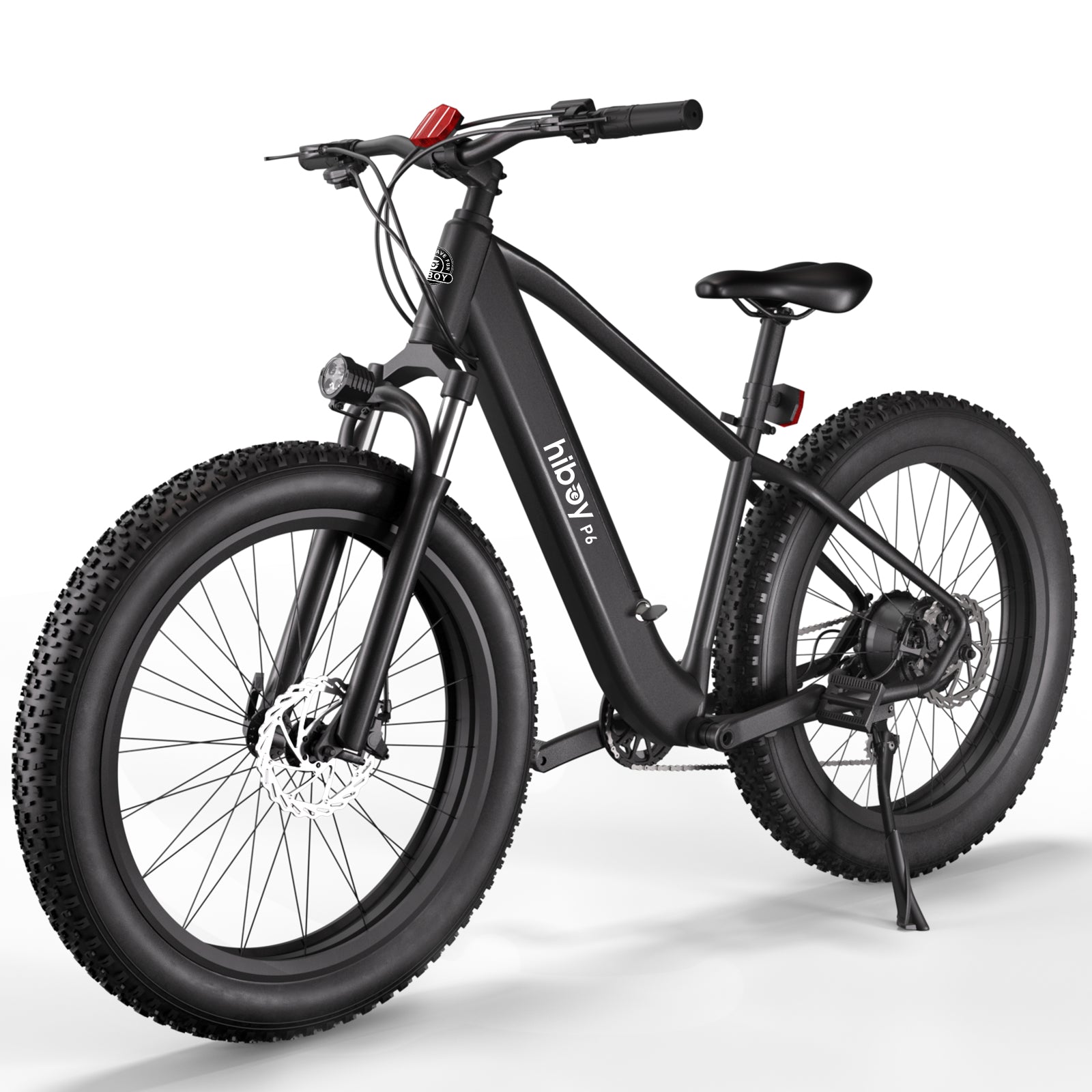 P6
P6
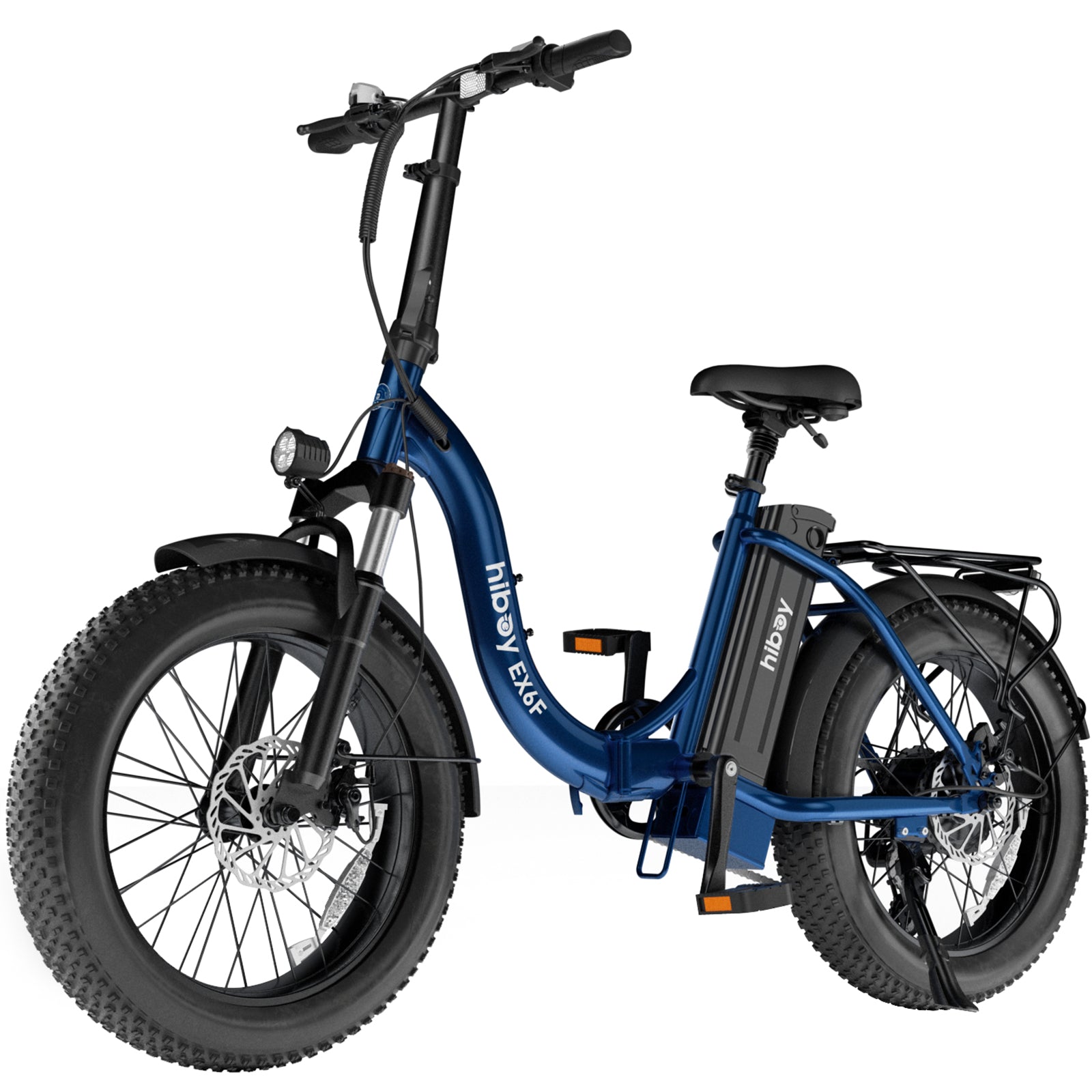 EX6F
EX6F
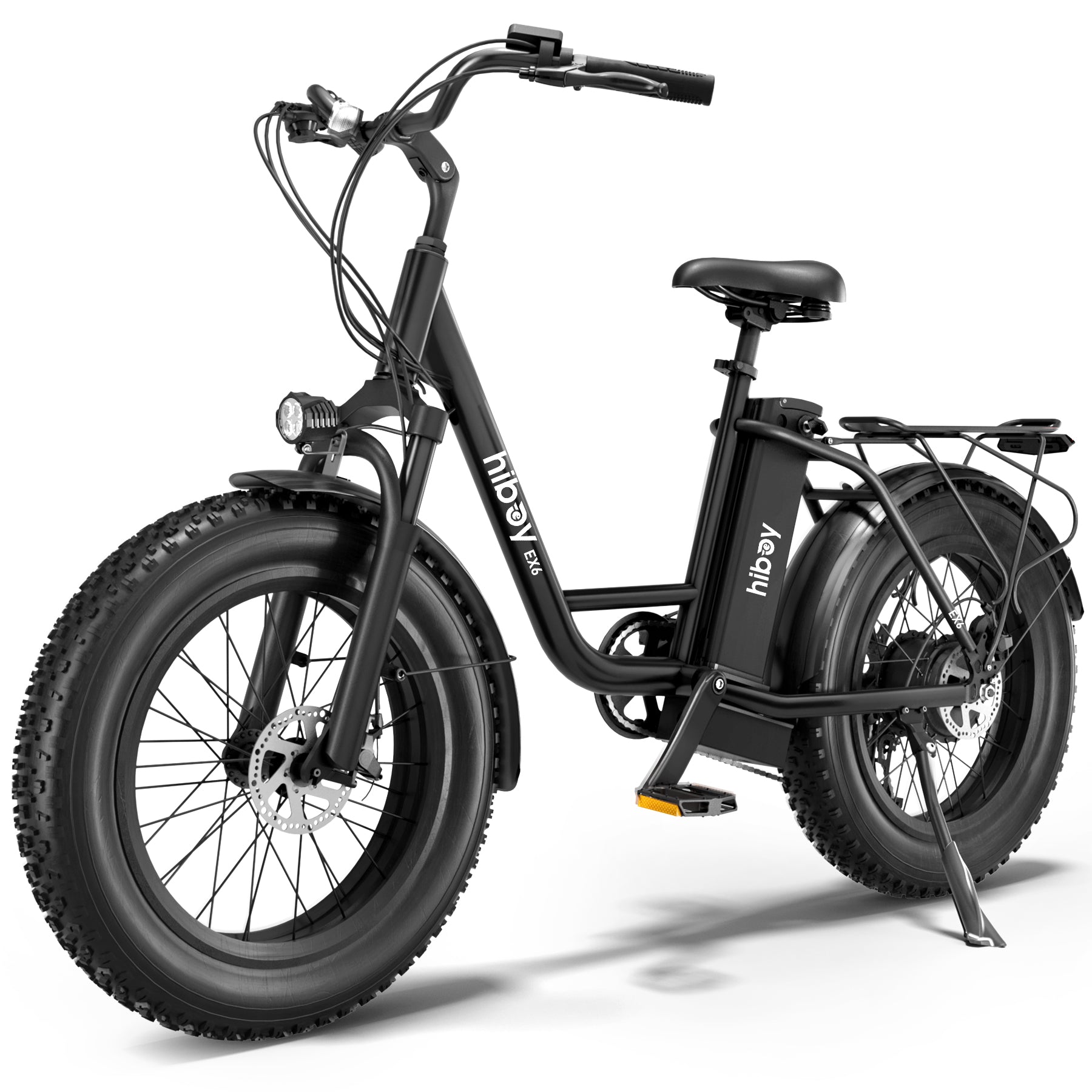 EX6
EX6
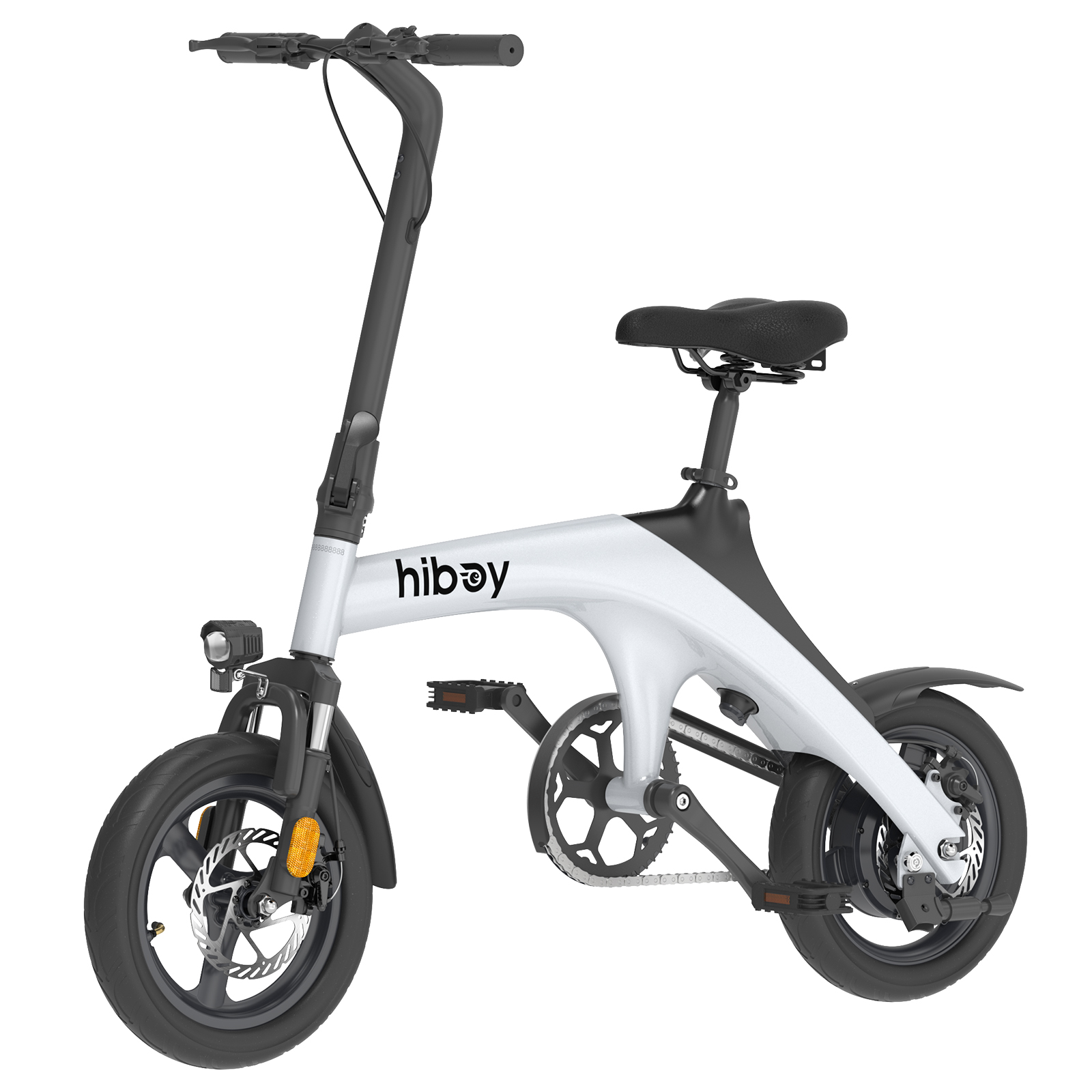 C1
C1
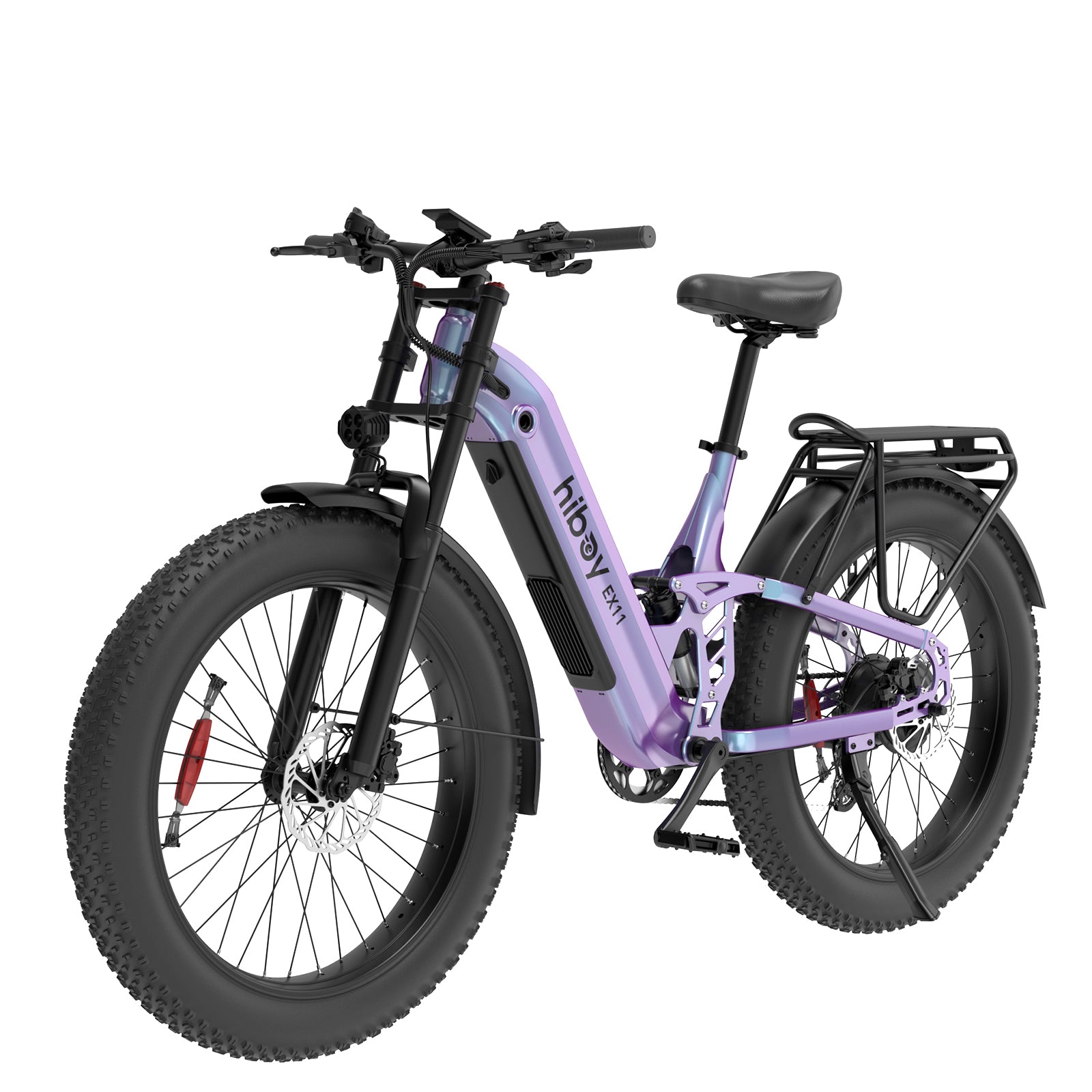 EX11
EX11
 EX9
EX9
 Compare Models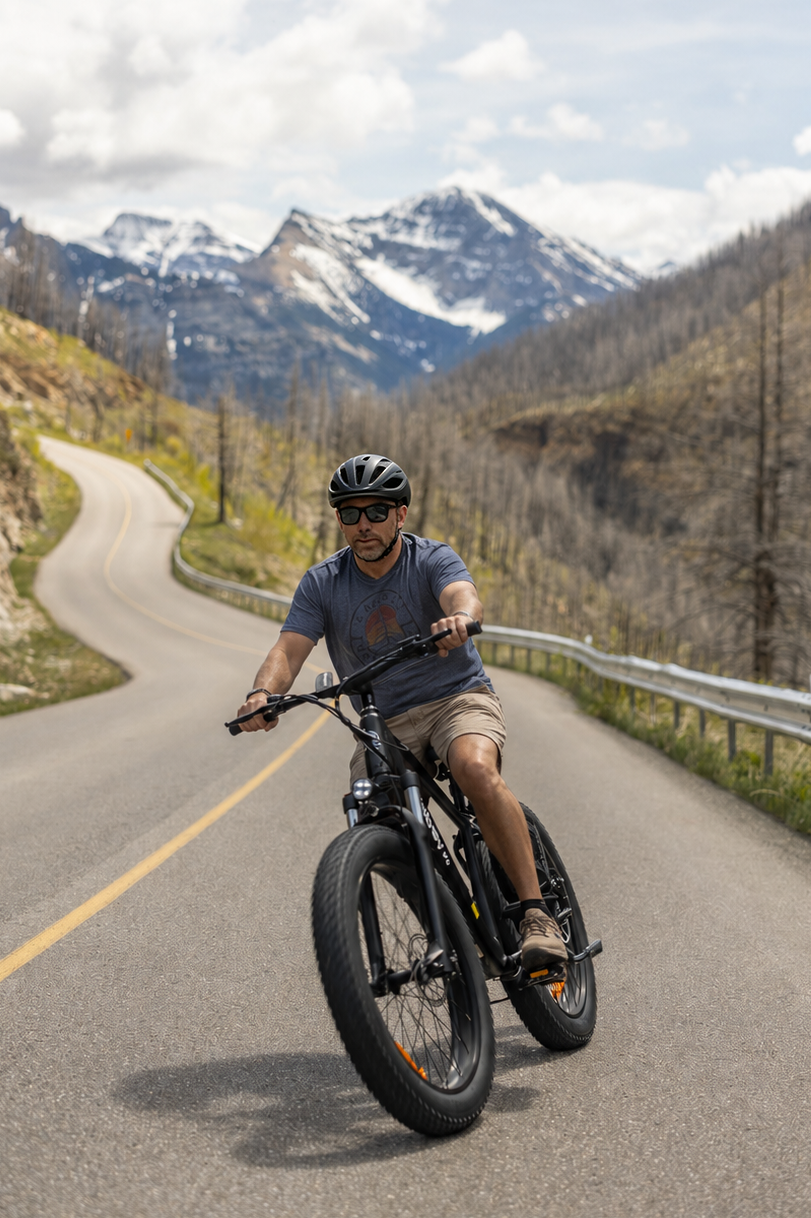
 First Rides
 Everyday Fun
 S2 Lite
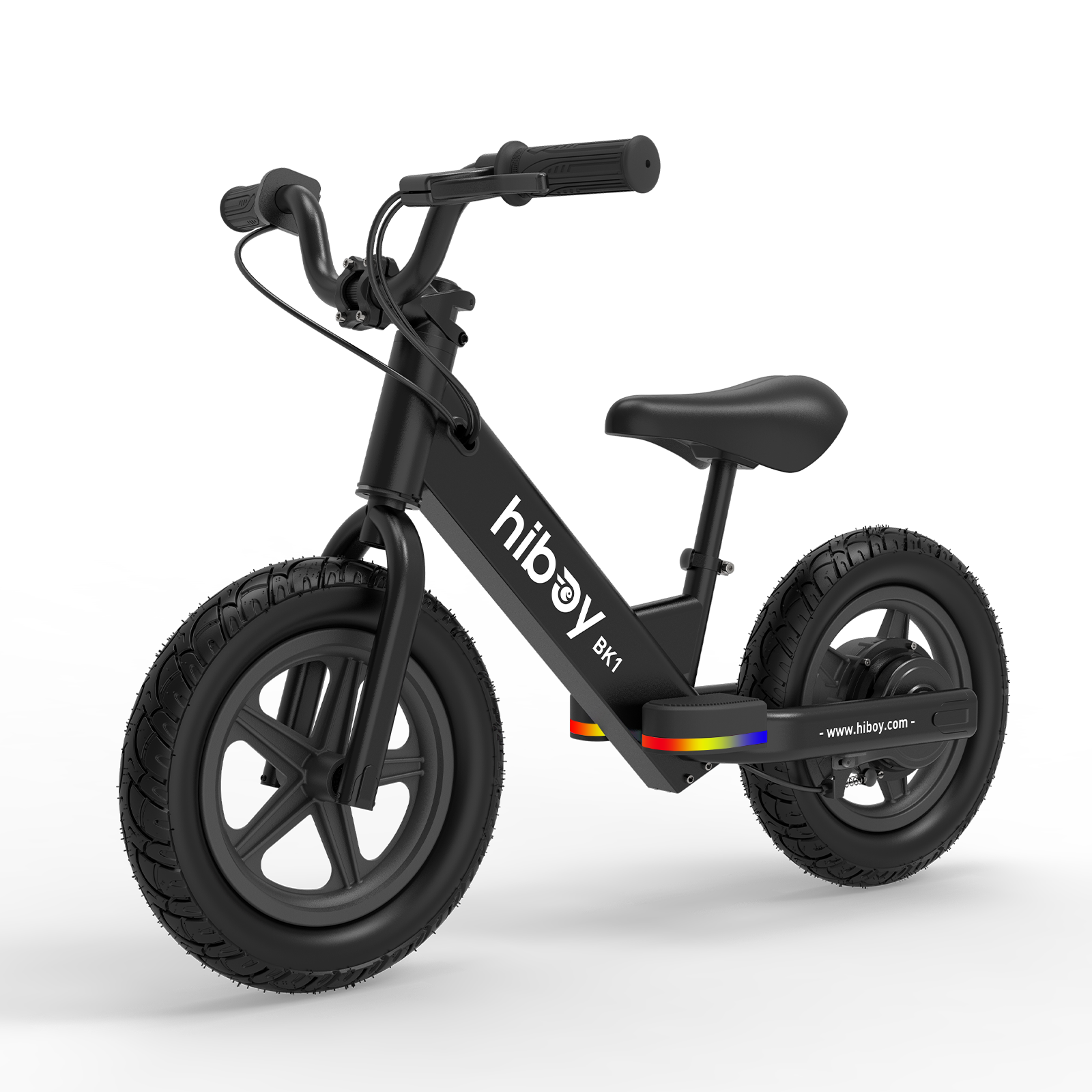 BK1
BK1
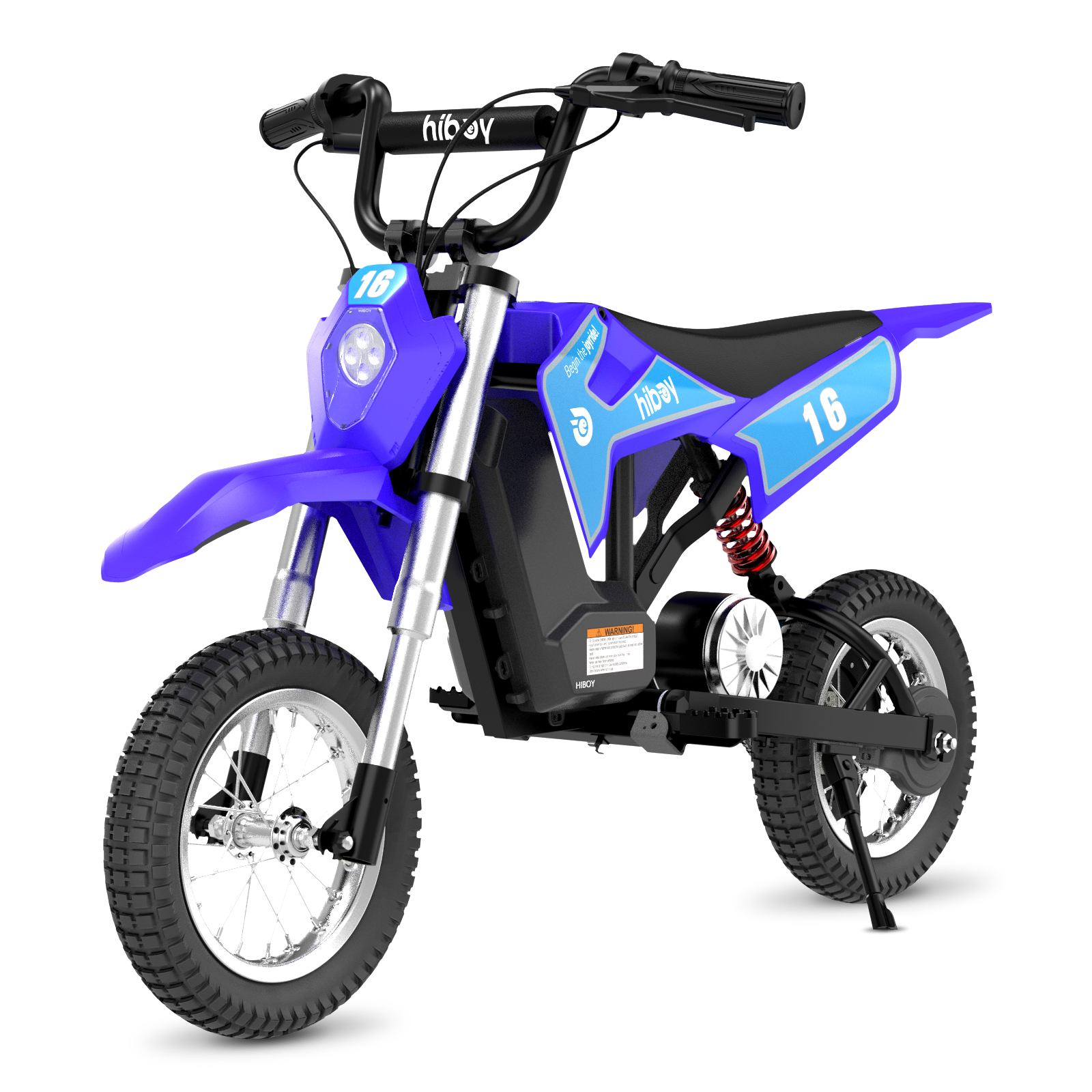 DK1
DK1
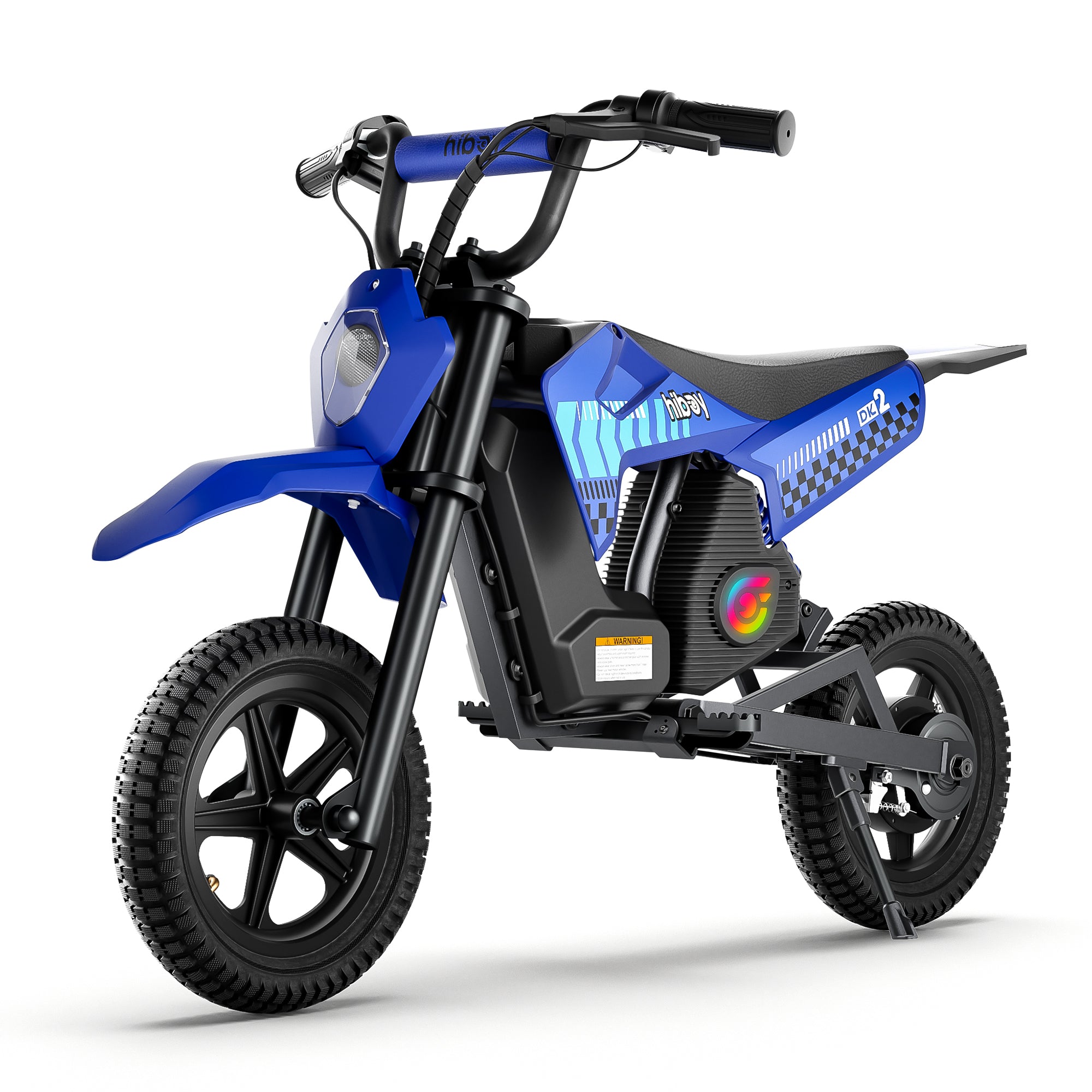 DK2
DK2
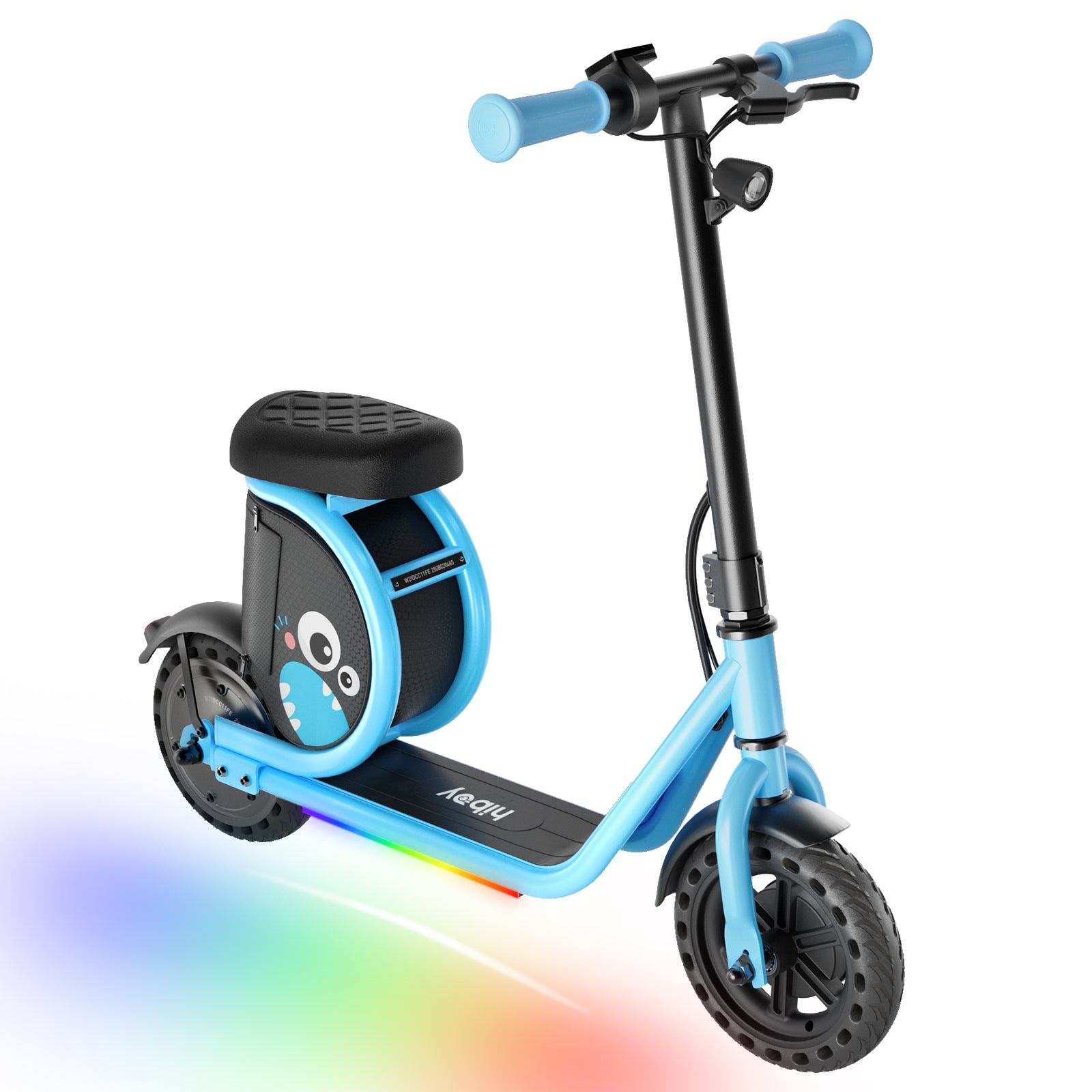 Joy Haul
 Q2 Lite
 Compare Models


FILTERS
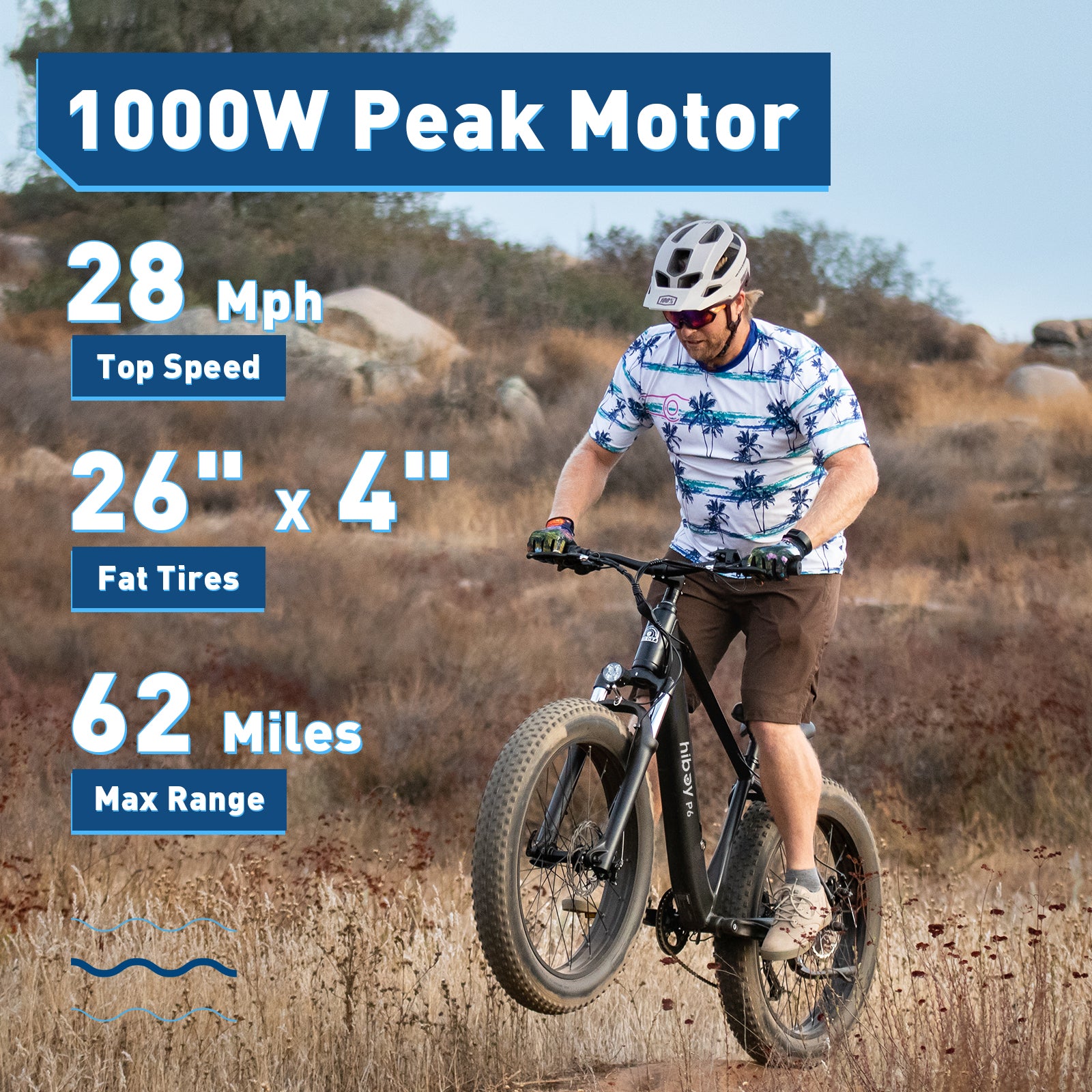
Hiboy P6 Fat Tire Electric Bike


Hiboy EX6F Low-Step Foldable Electric Bike


Hiboy EX6 Step-thru Fat Tire Electric Bike


Hiboy C1 Folding Electric Bike


Hiboy EX11 Full Suspension Electric Bike


Hiboy EX9 Urban Commuter Electric Bike
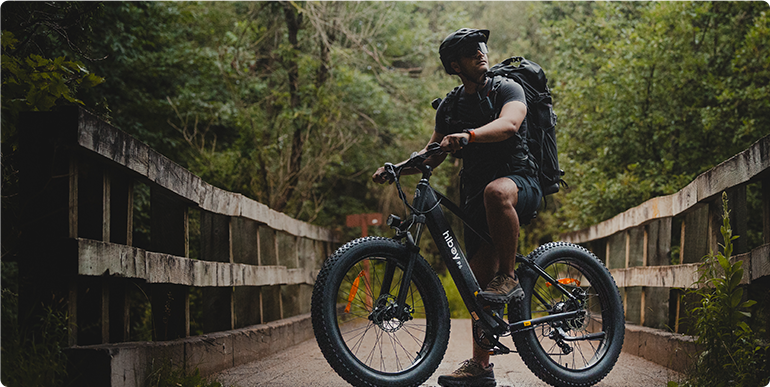
Begin the Joyride
Why Hiboy?
Since 2014, Hiboy has been dedicated to redefining personal transportation with innovative electric mobility solutions. From electric scooters to e-bikes, we design products that make everyday travel easier, smarter, and more enjoyable.
Driven by a passionate team of engineers, designers, and mobility experts, Hiboy continuously develops products that combine performance, safety, and style. Every detail is thoughtfully crafted to deliver a smooth and reliable riding experience.
At Hiboy, we believe transportation should be more than just getting from point A to point B—it should give you freedom. That’s why we focus on creating electric vehicles that are lightweight, portable, durable, and eco-friendly, empowering riders to move through city streets and daily adventures with confidence.
With high manufacturing standards, globally recognized certifications, and years of industry expertise, Hiboy has earned the trust of riders around the world.

Video
Frequently Asked Questions
1. How do I choose the right electric bike?
Choosing the right electric bike depends on where you plan to ride, how far you travel, and what type of terrain you encounter. Consider the bike's motor power, battery capacity, estimated range, frame style, tire size, suspension, payload capacity, and overall weight. For urban commuting, a lighter and more maneuverable e-bike may be more practical, while riders traveling on rough roads, hills, or mixed terrain may benefit from larger tires, suspension, and a more powerful motor. You should also consider whether you need features such as a folding frame, integrated lights, a rear rack, or a more upright riding position.
2. What should I look for in an electric bike for commuting?
A good commuter e-bike should provide enough range for your regular route while remaining comfortable and practical to use every day. Important factors include battery capacity, motor performance, riding position, tire size, braking system, lighting, and overall weight. If you need to carry the bike upstairs or combine it with a car or public transportation, portability becomes particularly important. For longer commutes or routes with hills, choose a model with sufficient battery capacity and motor output rather than focusing only on the bike's top speed.
3. How much motor power does an electric bike need?
The motor power you need depends on rider weight, terrain, desired acceleration, and local regulations. A lower-power motor may be sufficient for relatively flat roads and casual urban riding, while a more powerful motor can provide stronger assistance when climbing hills or carrying heavier loads. When comparing e-bikes, don't evaluate motor power in isolation. Battery capacity, torque, pedal-assist characteristics, rider weight, and terrain all affect how the bike performs in real-world conditions.
4. How far can an electric bike travel on one charge?
An e-bike's range depends on factors including battery capacity, motor output, rider weight, riding speed, terrain, temperature, tire pressure, and how much pedal assistance is used. Manufacturer range estimates are generally measured under specific test conditions, so actual range can vary. Using a higher level of pedal assistance, riding at higher speeds, climbing hills, or carrying additional weight will typically reduce the distance available from a single charge. Riders who regularly travel long distances should choose an e-bike with enough battery capacity to provide a comfortable range buffer.
5. What is the difference between an electric bike's battery capacity and range?
Battery capacity describes how much energy the battery can store, while range describes approximately how far the e-bike can travel using that stored energy. Battery capacity is commonly expressed in watt-hours (Wh). In general, a larger Wh rating means the battery stores more energy, but it does not guarantee a specific range because riding conditions also matter. Two e-bikes with similarly sized batteries can achieve different real-world ranges depending on motor efficiency, rider weight, terrain, speed, tires, and pedal-assist settings.
6. Are electric bikes good for commuting?
Yes. Electric bikes can be a practical option for commuting because pedal assistance can reduce the physical effort required to travel longer distances or climb hills. They can also make cycling more accessible to riders who may find conventional bicycles too demanding for daily transportation. For commuting, consider range, charging time, comfort, weather conditions, storage, and the availability of safe cycling routes. A commuter e-bike can be particularly useful for replacing short car trips or connecting with public transportation.
7. Are electric bikes good for long-distance riding?
Many electric bikes can be used for longer rides, but the suitability of a particular model depends on its battery capacity, motor efficiency, riding position, and overall comfort. For longer distances, look for an e-bike with sufficient range, a comfortable saddle and riding position, reliable brakes, appropriately sized tires, and enough battery capacity for the planned route. Riders should also account for hills, wind, temperature, rider weight, and the amount of pedal assistance they expect to use when estimating real-world range.
8. Can electric bikes handle hills?
Many electric bikes can handle moderate hills, but climbing performance varies between models. Motor power and torque, battery charge, rider weight, incline, terrain, and pedal-assist settings all affect hill-climbing ability. A more powerful motor can provide stronger assistance on steep inclines, while a larger battery can help maintain performance over longer or repeated climbs. If you live in a hilly area, look for an e-bike designed with sufficient motor output and battery capacity rather than choosing a model based solely on its advertised top speed.
9. Are fat tire electric bikes good for everyday riding?
Fat tire e-bikes can be useful for both everyday riding and recreational use. Their wider tires provide a larger contact area with the ground and can improve stability and traction on surfaces such as gravel, packed dirt, sand, and uneven pavement. They can also provide additional cushioning compared with narrower tires. However, fat tire e-bikes are generally heavier and may have greater rolling resistance than traditional commuter bikes. They are a good choice for riders who value stability and versatility across different surfaces.
10. Are fat tire electric bikes good for commuting?
Fat tire e-bikes can work well for commuting, particularly when the route includes rough pavement, gravel paths, or mixed surfaces. Their wider tires can provide a stable and comfortable ride, while electric assistance helps offset some of the additional weight and rolling resistance. However, riders whose commute consists entirely of smooth pavement may prefer a lighter e-bike with narrower tires. The best choice depends on the balance between comfort, stability, portability, and efficiency that you need for your route.
11. What is the difference between a step-through and a traditional electric bike frame?
A step-through frame has a lower or open section between the seat and handlebars, making it easier to mount and dismount. This can be especially convenient for riders who frequently stop in traffic, carry items, or prefer a more accessible frame design. A traditional step-over frame generally has a higher top tube and can provide a more conventional bicycle riding position. Neither design is inherently better; the right choice depends on rider preference, comfort, mobility, and intended use.
12. Are electric bikes suitable for beginners?
Electric bikes can be suitable for beginners because pedal assistance can make cycling easier, particularly when starting from a stop or riding uphill. However, new riders should become familiar with the bike's controls, brakes, pedal-assist levels, acceleration, and handling before riding in traffic or at higher speeds. It is a good idea to start at a lower assistance level in a safe, open area and gradually become comfortable with the bike's weight and braking distance.
13. How fast can an electric bike go?
The maximum assisted speed of an e-bike depends on its motor system, configuration, and applicable local regulations. Different jurisdictions may classify electric bikes into different categories with different speed and equipment requirements. Actual riding speed can also vary based on rider weight, terrain, wind, battery charge, and pedal input. When choosing an e-bike, consider the speed appropriate for your intended riding environment rather than selecting a model solely because it has the highest advertised top speed.
14. How long does it take to charge an electric bike?
Charging time varies depending on the battery capacity, charger, and specific e-bike model. Larger batteries generally require more time to fully recharge. For daily commuting, it is useful to consider charging time together with the bike's expected range so you can determine whether the battery can support your normal schedule. Always use the manufacturer's recommended charger and follow the charging instructions provided with the e-bike.
15. How long does an electric bike battery last?
An e-bike battery can typically provide useful service for several years, although its capacity gradually decreases with repeated charging and use. Battery lifespan depends on factors such as charging habits, storage conditions, temperature, usage frequency, and how deeply the battery is discharged. Proper storage and following the manufacturer's charging recommendations can help maintain battery performance over time. Riders should also recognize that a battery's ability to hold a charge will naturally decline as it ages.
16. Can I ride an electric bike in the rain?
Whether an e-bike can be ridden in wet conditions depends on the model's water-resistance specifications. Riders should check the manufacturer's guidance before riding in rain and avoid deep water, flooding, or conditions that could expose electrical components to excessive moisture. Wet roads can also increase braking distances and reduce tire traction. Even when an e-bike is designed to tolerate some water exposure, it should not be treated as completely waterproof.
17. What maintenance does an electric bike need?
Regular e-bike maintenance includes checking tire pressure, inspecting the brakes, keeping the drivetrain clean and lubricated, checking bolts and fasteners, and inspecting electrical connections for signs of damage. The battery should be charged and stored according to the manufacturer's recommendations. Riders should also periodically check the tires, wheels, chain or drivetrain, lights, and other components. Following the maintenance schedule in the owner's manual can help maintain performance and identify potential problems before they become more serious.
18. What accessories are useful for an electric bike?
Useful e-bike accessories depend on how and where you ride. A properly fitted helmet is an important safety accessory, while lights and reflective equipment can improve visibility. Commuters may also benefit from a rear rack, pannier bags, phone mount, lock, or other storage solutions. Riders who use their e-bike for recreational riding may prefer accessories designed for carrying water, tools, or other equipment. Always make sure accessories are compatible with the specific e-bike and do not interfere with its controls, wheels, brakes, or electrical components.
19. How can I maximize my electric bike's range?
To maximize range, maintain the recommended tire pressure, avoid unnecessary rapid acceleration, use an appropriate pedal-assist level, and keep the bike properly maintained. Carrying less weight and choosing flatter routes can also reduce energy consumption. Riding at very high speeds generally uses more battery power, while frequent steep climbs can significantly reduce range. If you regularly travel long distances, selecting an e-bike with a battery capacity comfortably above your normal requirements is more practical than relying on the maximum advertised range.
20. Are electric bikes worth it for everyday transportation?
For many riders, an electric bike can be worthwhile if it replaces frequent car trips, reduces commuting costs, or makes cycling practical for longer distances and hills. The value depends on factors such as purchase price, expected usage, charging requirements, maintenance, storage, and local riding conditions. An e-bike can be particularly useful for short-to-medium urban trips where a car may be inconvenient but a conventional bicycle requires more physical effort than the rider wants to expend.
Fuel Your Curiosity
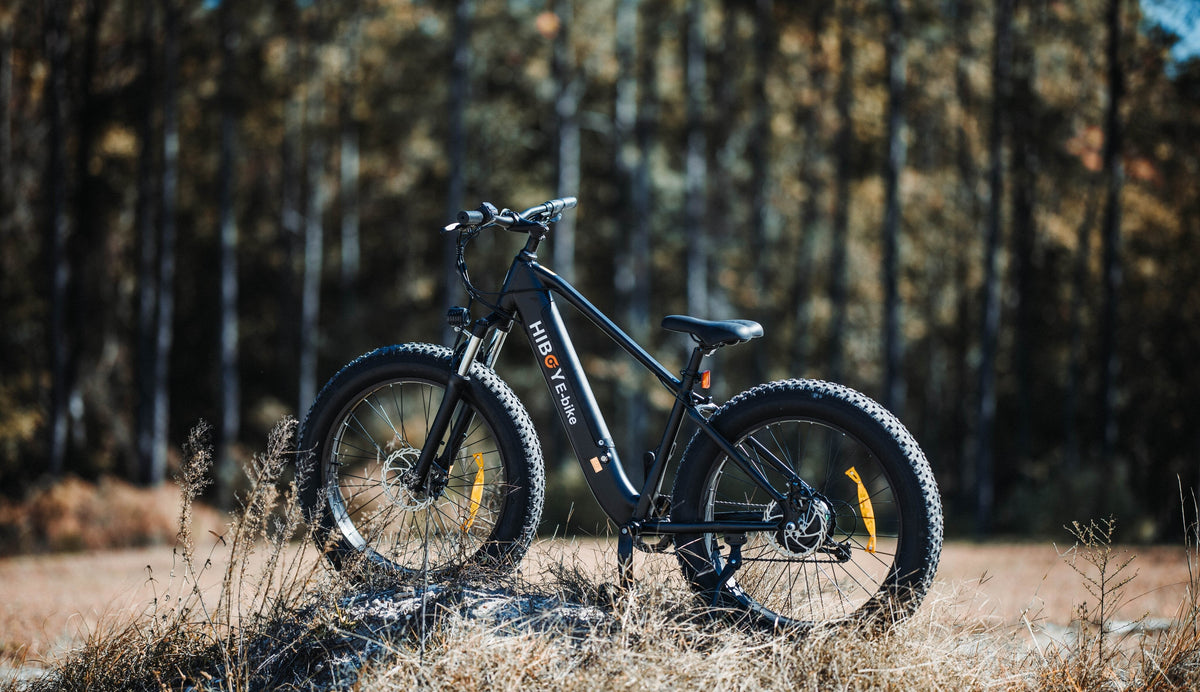
10 Best Electric Bike Brands in North America for 2026
Electric bikes have become an increasingly popular option for commuting, recreation, errands, and everyday transportation across North America. But with hundreds of models and dozens of established...

Hiboy at the Fremont Police Safety Fair: Join Our Micromobility Safety Rodeo
Hiboy is partnering with the Fremont Police Department for the 2026 Fremont Police Safety Fair on Saturday, October 3. The free community event will bring together local public safety agencies, cit...
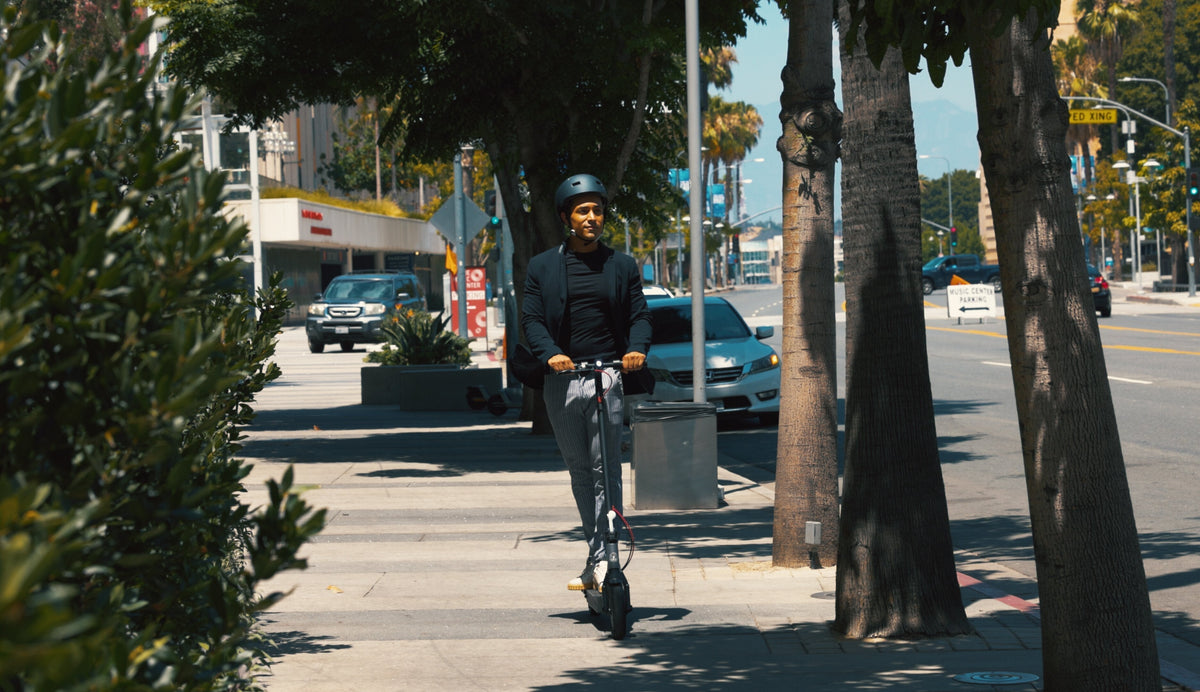
Electric Scooter Terms Explained: A Beginner’s Dictionary of eScooter Specs & Features
Shopping for your first electric scooter can feel like learning a new language. You may see specifications such as 500W motor, 48V battery, 15Ah, 40-mile range, 10-inch pneumatic tyres, IPX5, regen...