





 Daily Commute
 Lightweight & Portable
 Performance Rides
 Comfort With Seat
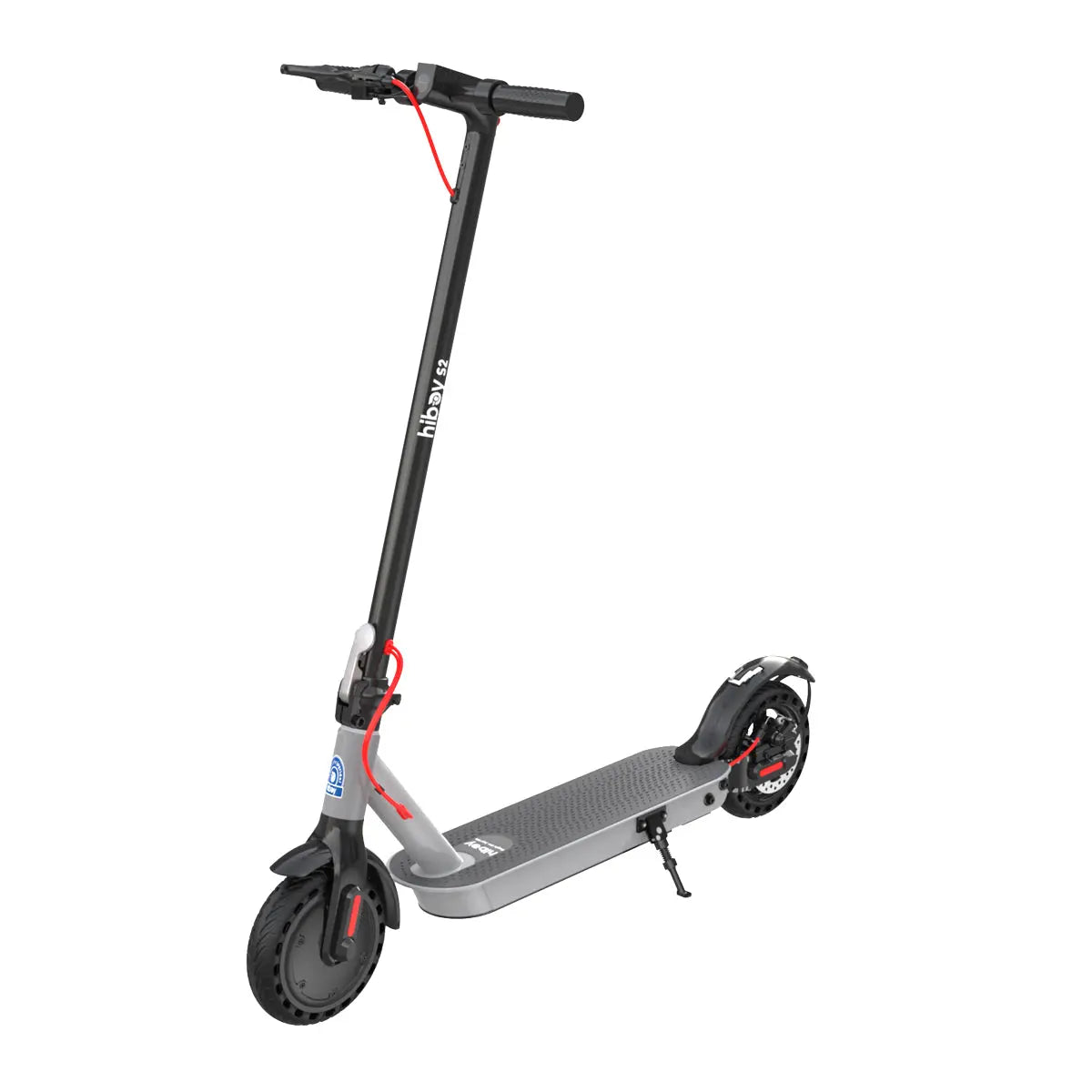 S2
S2
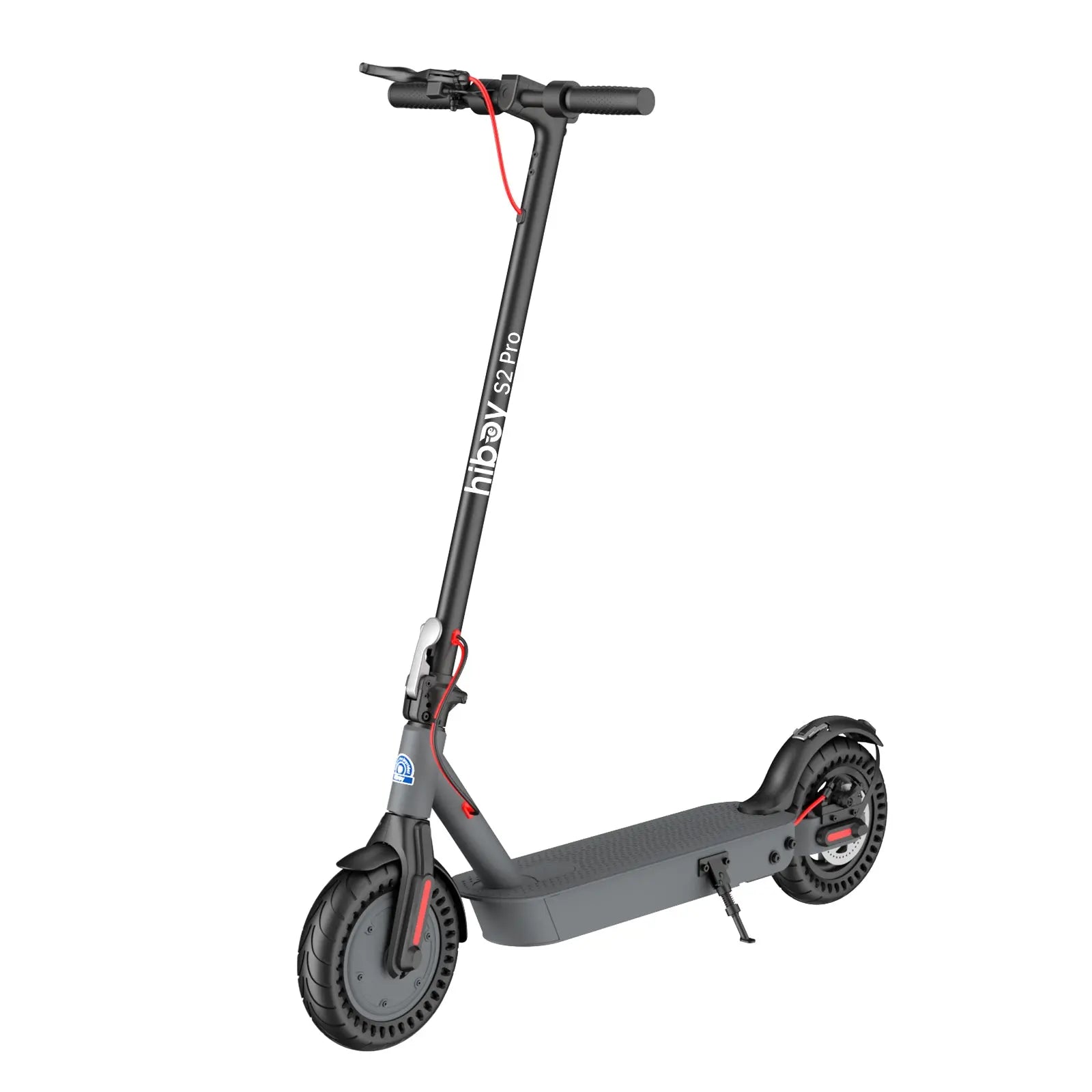 S2 Pro
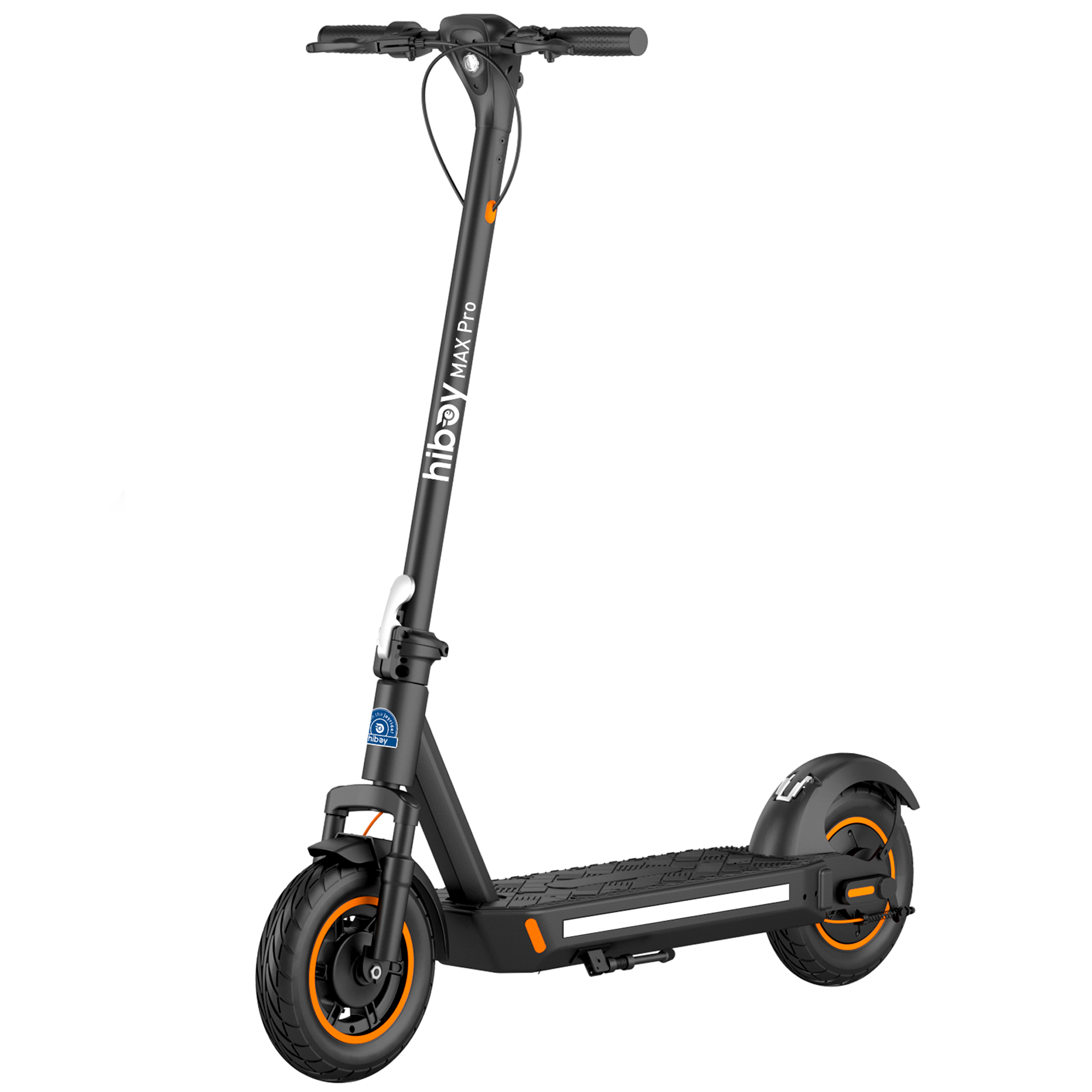 MAX Pro
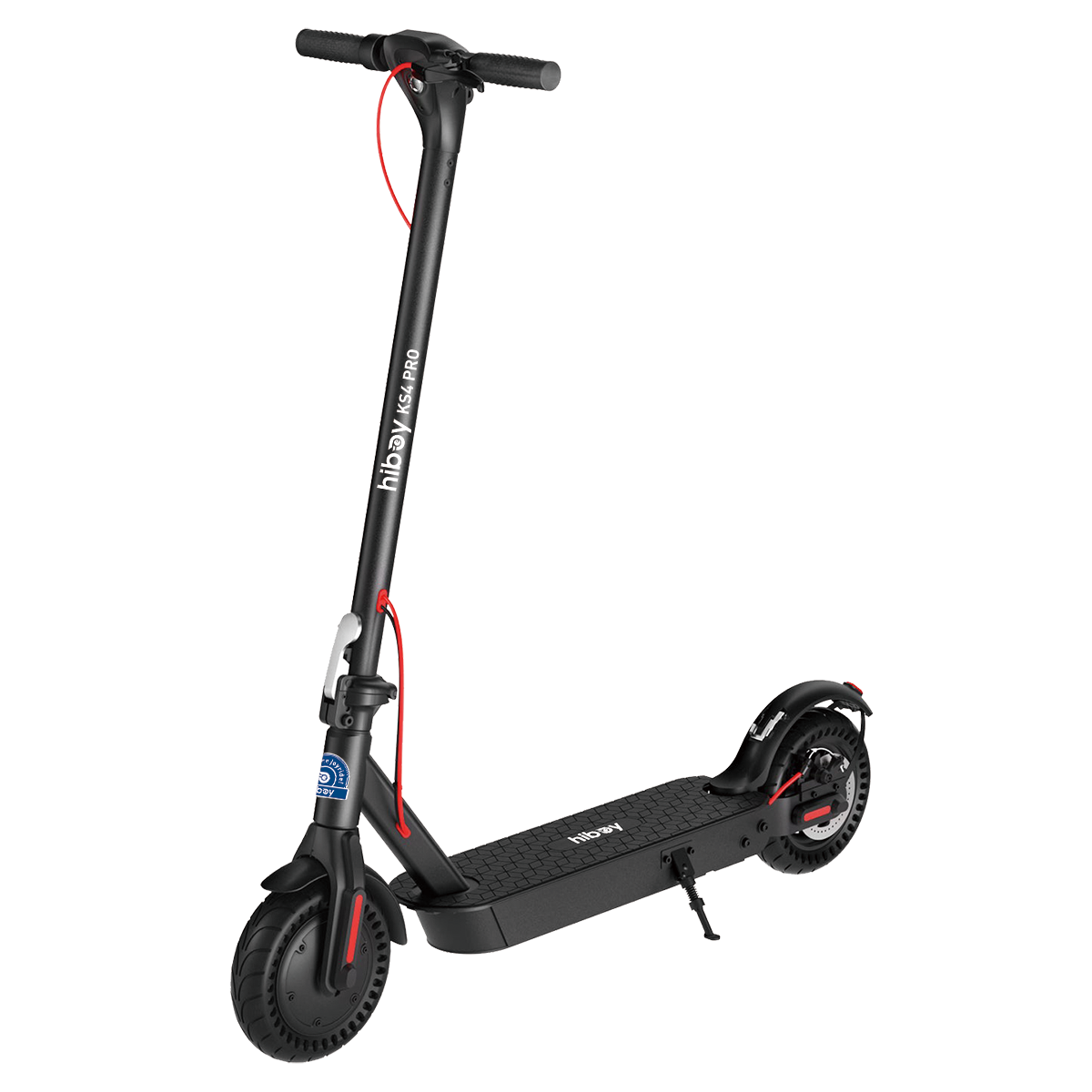 KS4 Pro
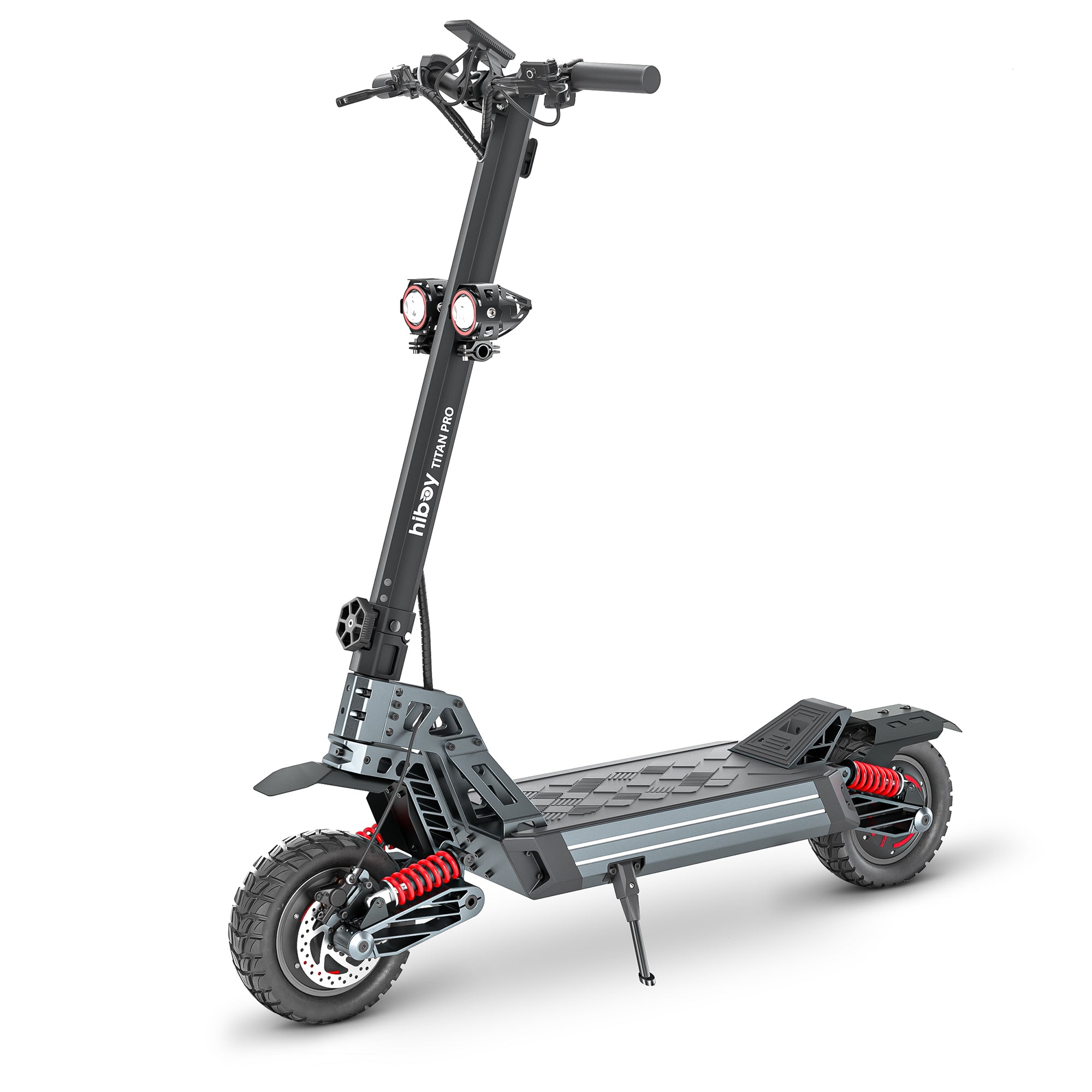 TITAN PRO
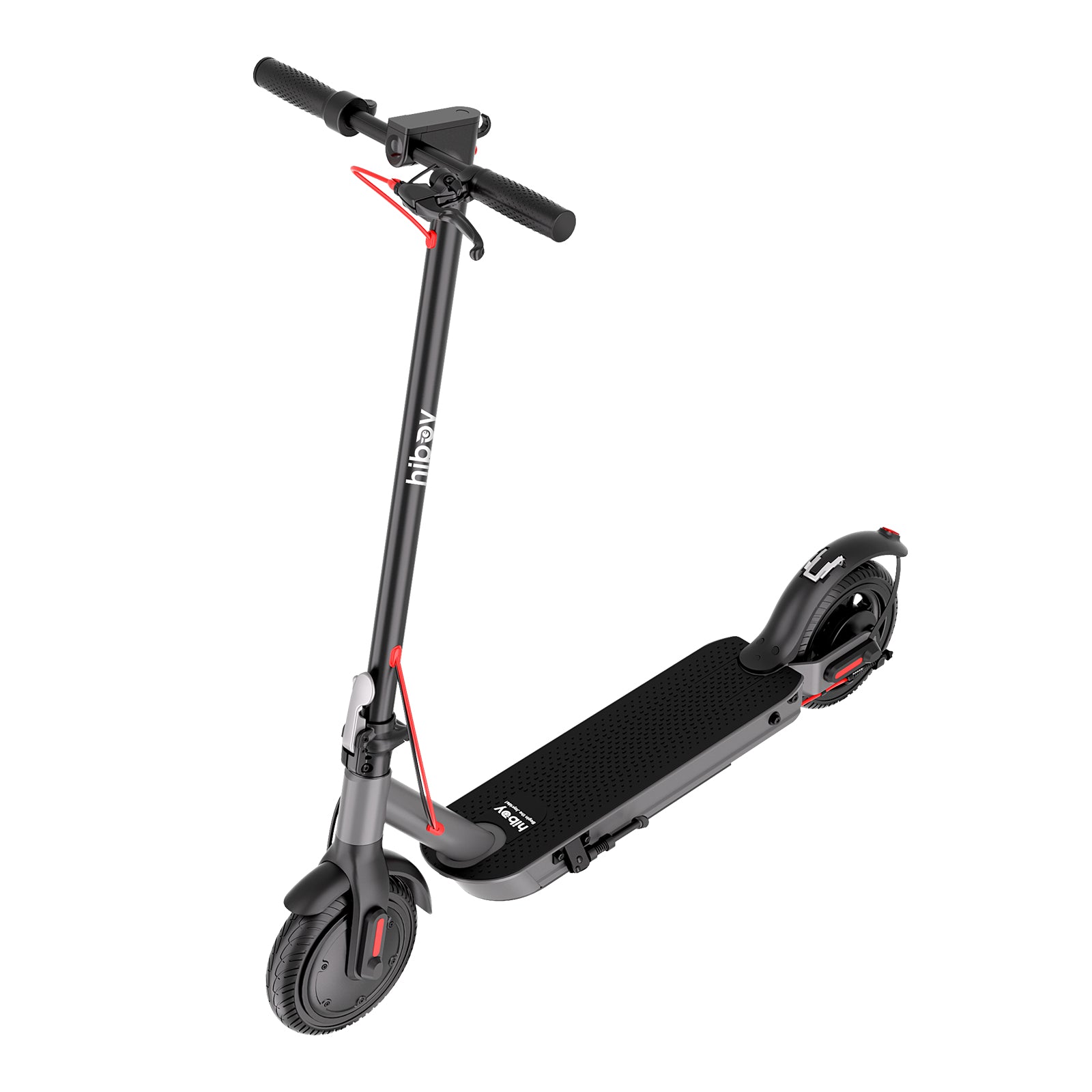 S2 Nova
 Compare Models
 Find Your Best Ride

 Daily Commute
 Off-road & Trail
 Folding & Compact
 Fat Tire Rides
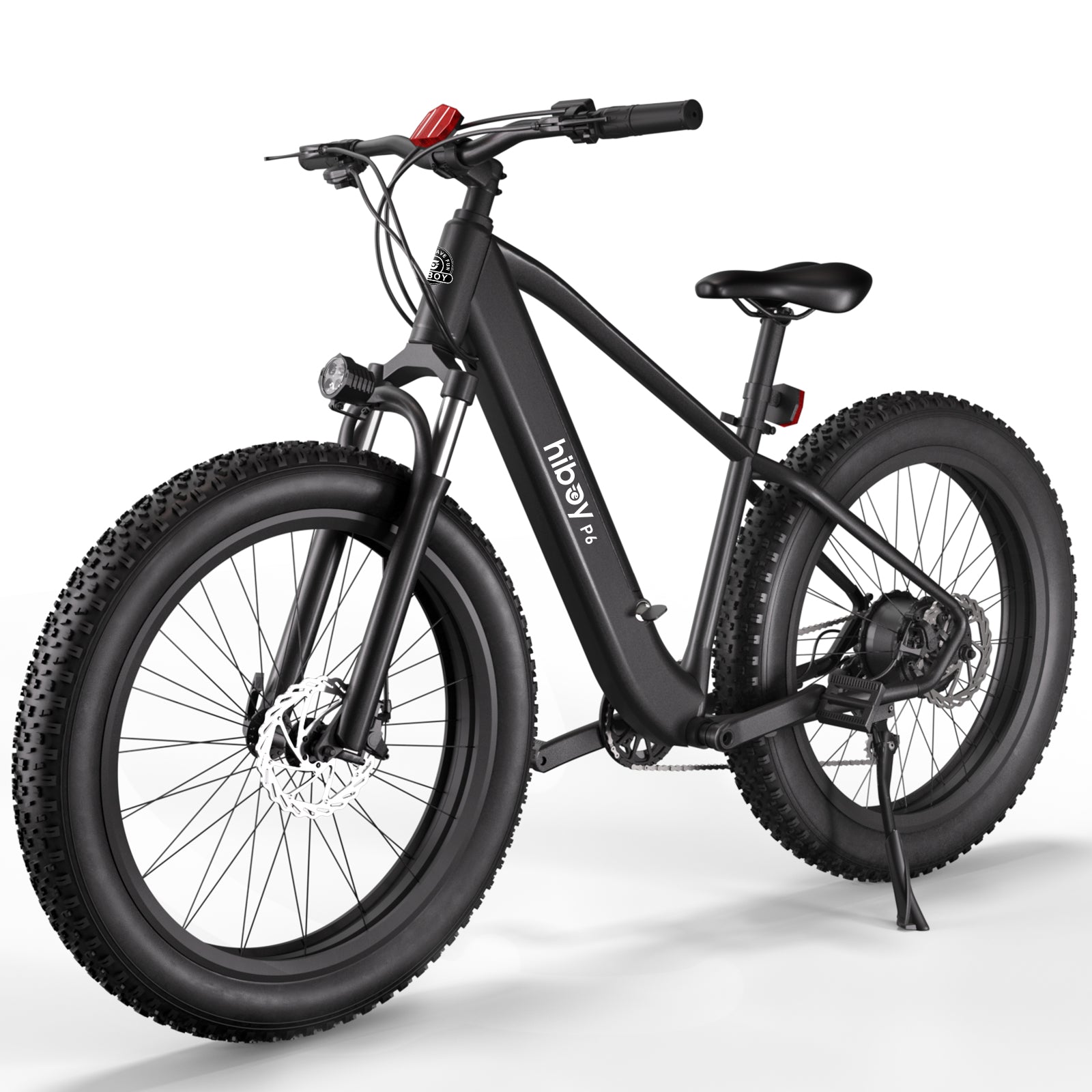 P6
P6
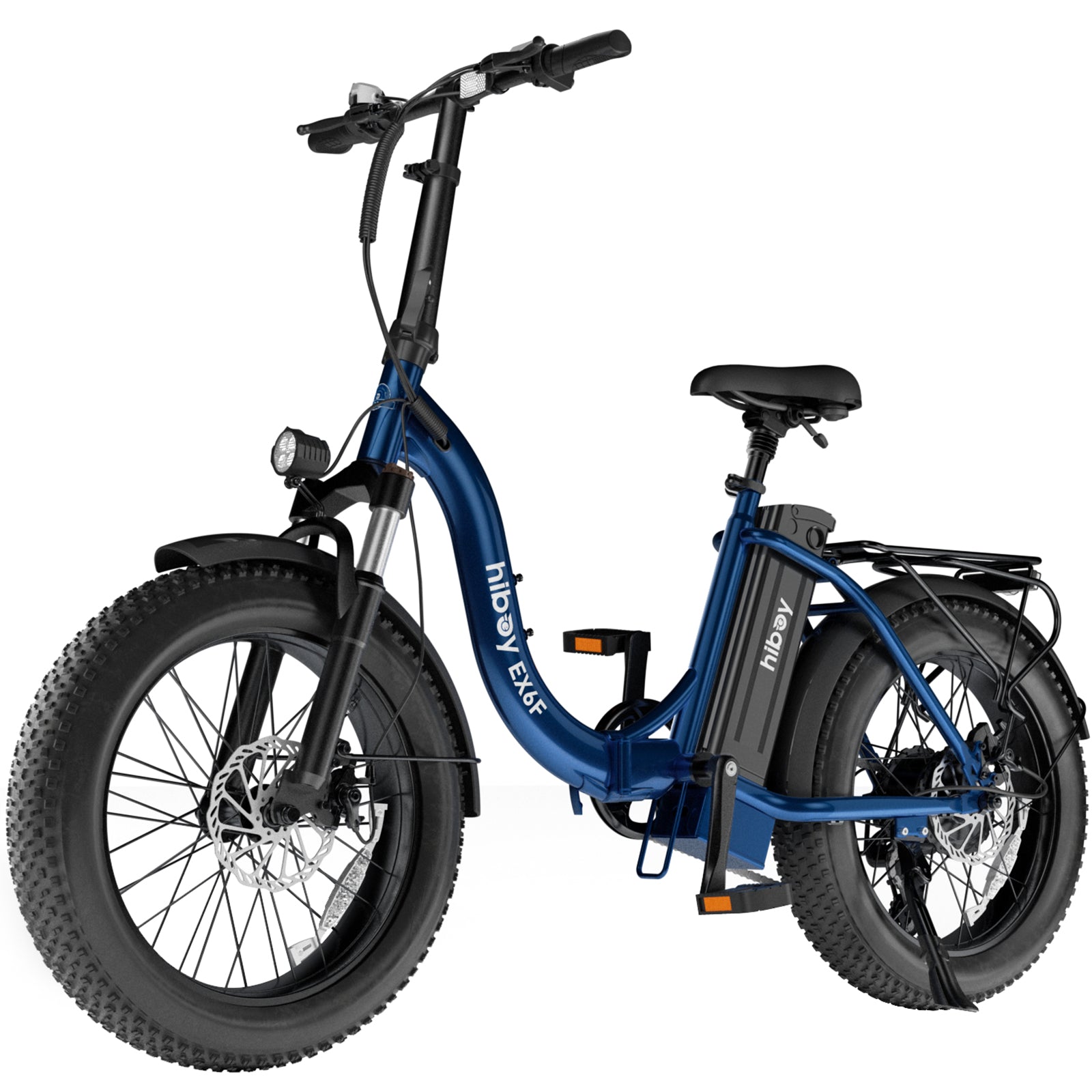 EX6F
EX6F
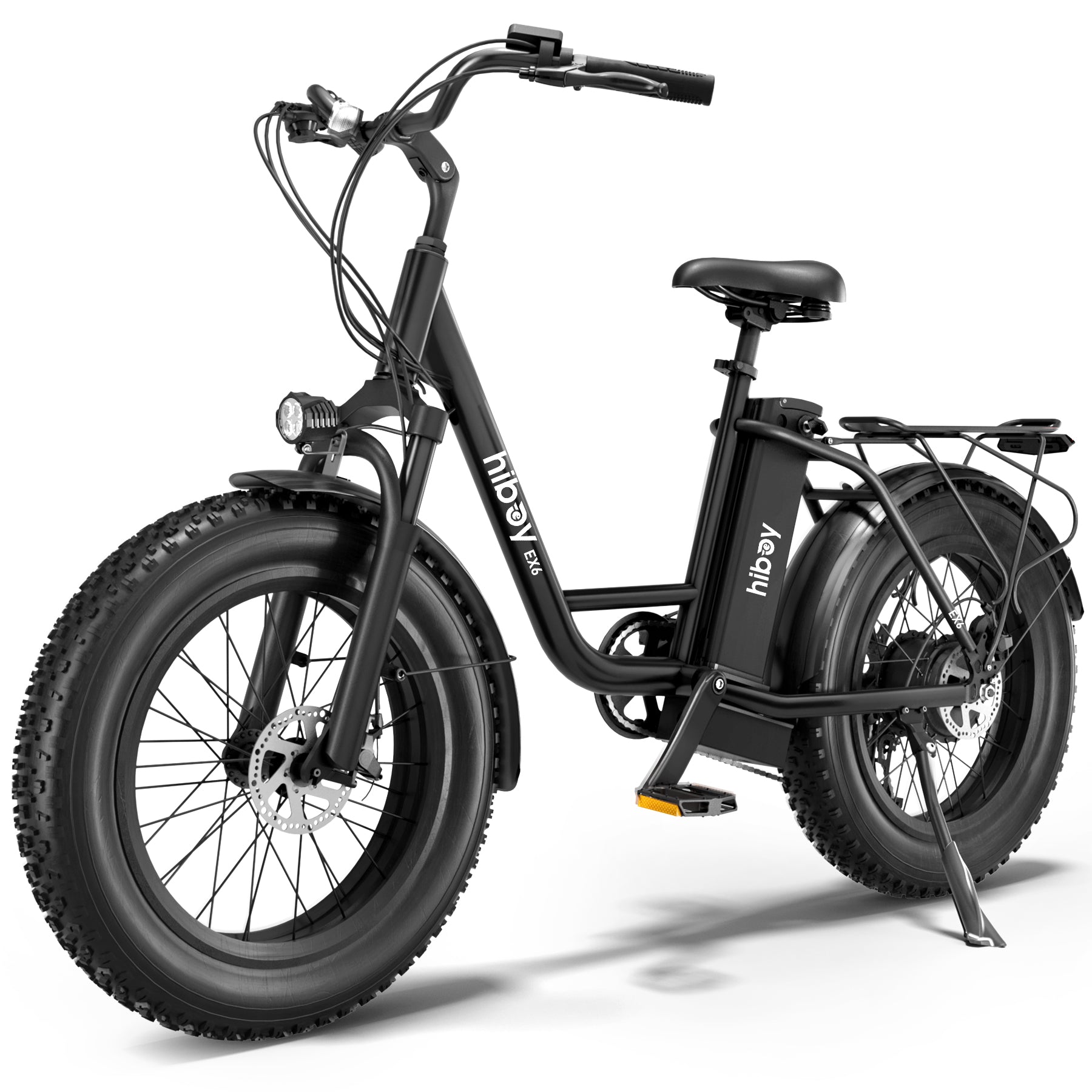 EX6
EX6
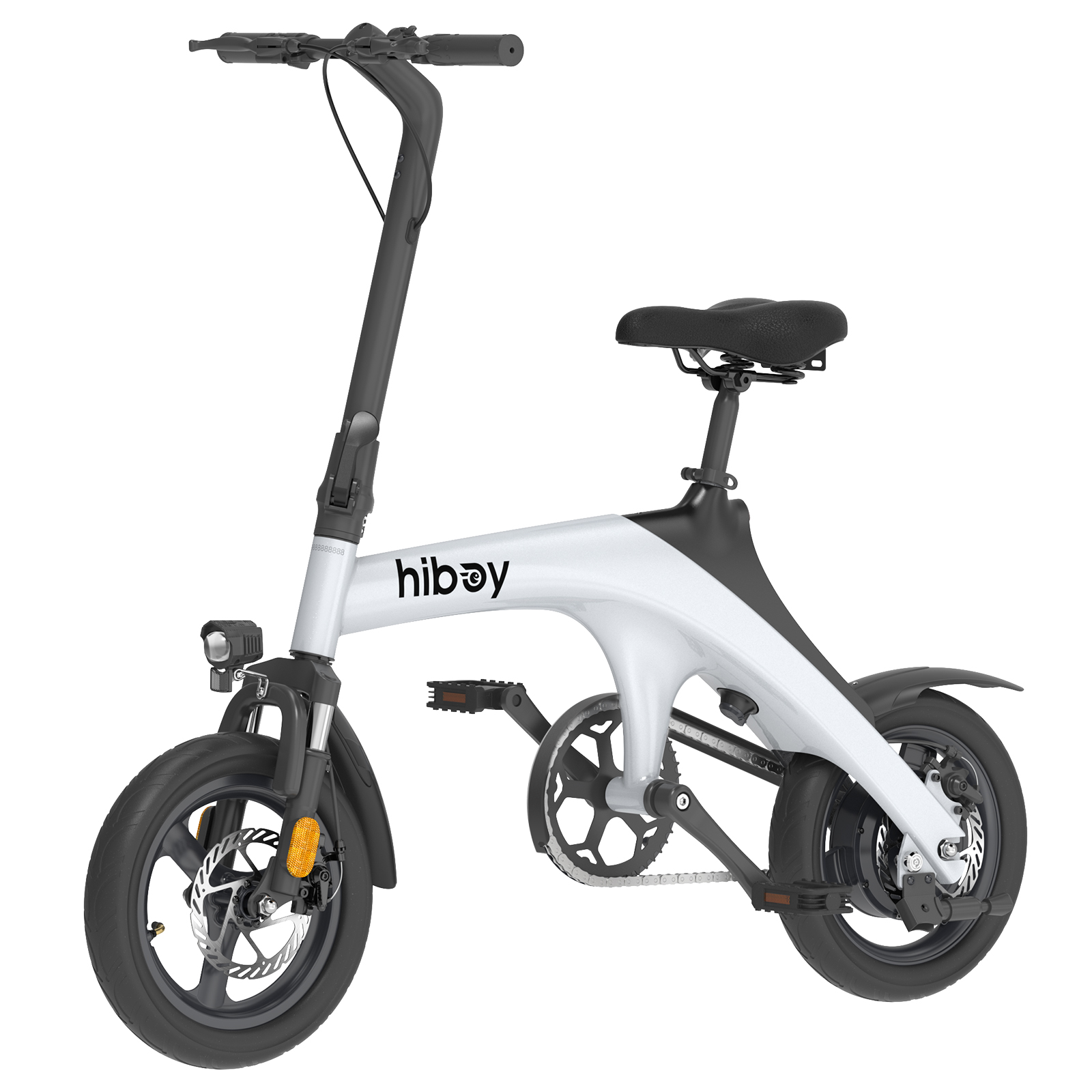 C1
C1
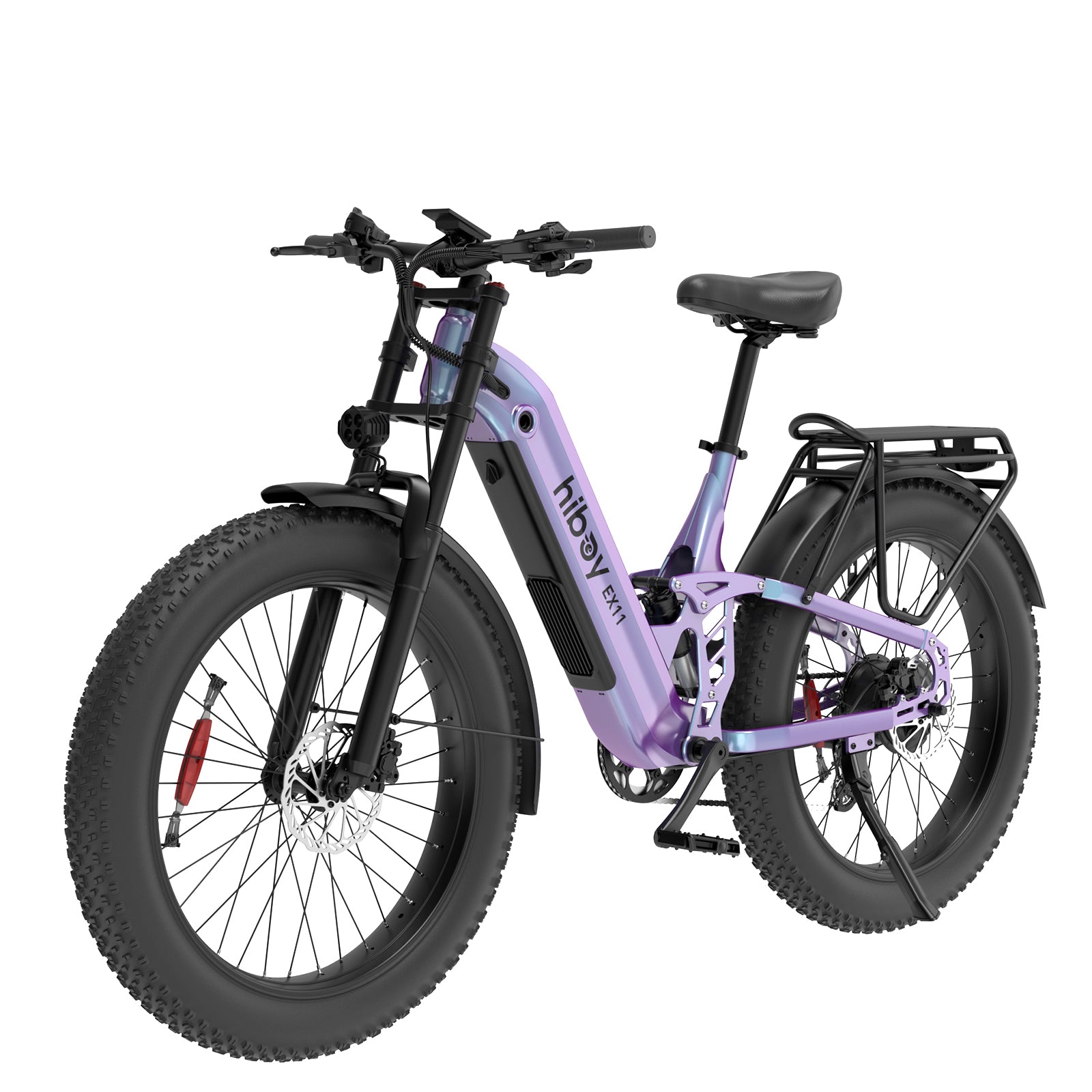 EX11
EX11
 EX9
EX9
 Compare Models
 First Rides
 Everyday Fun
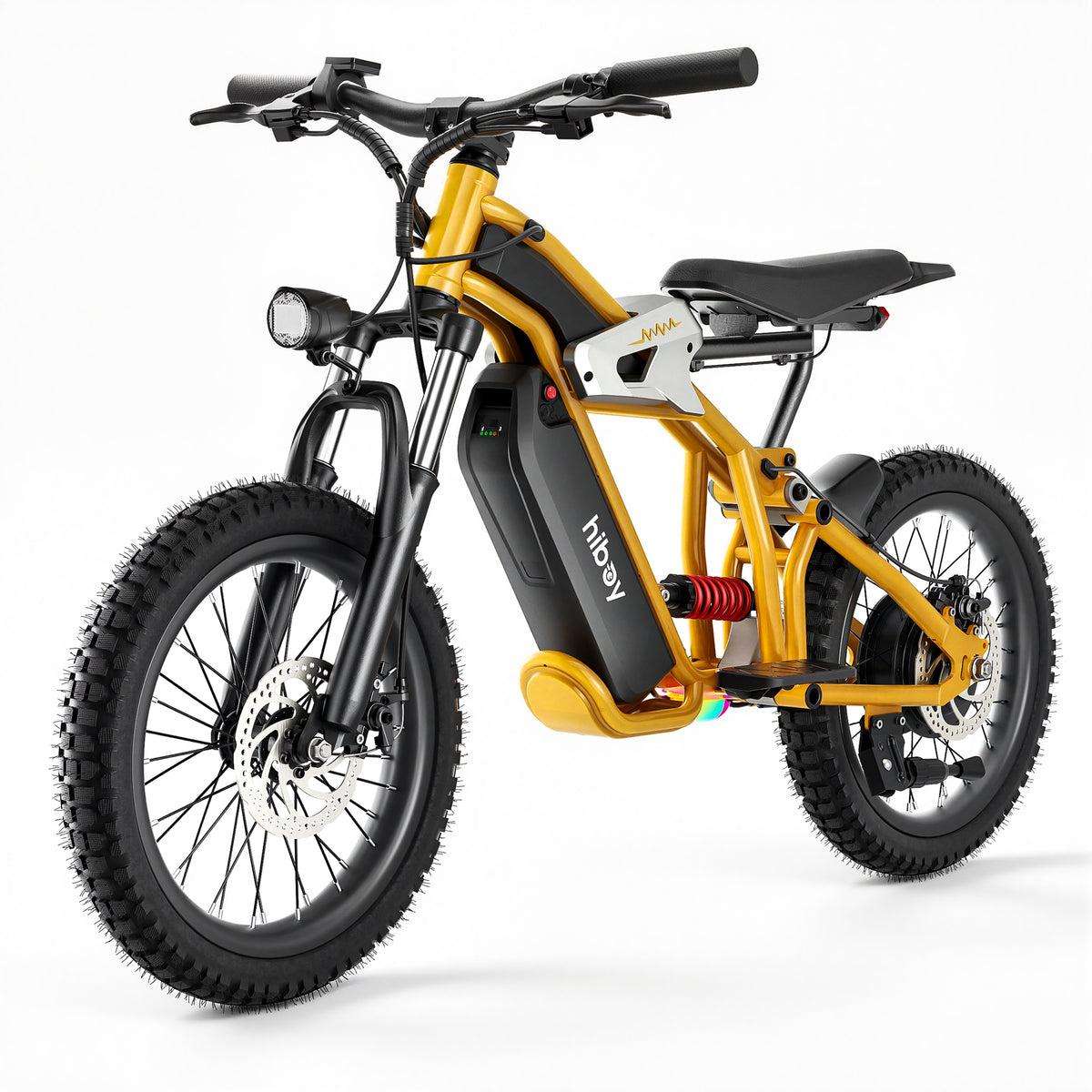 DM14
DM14
 S2 Lite
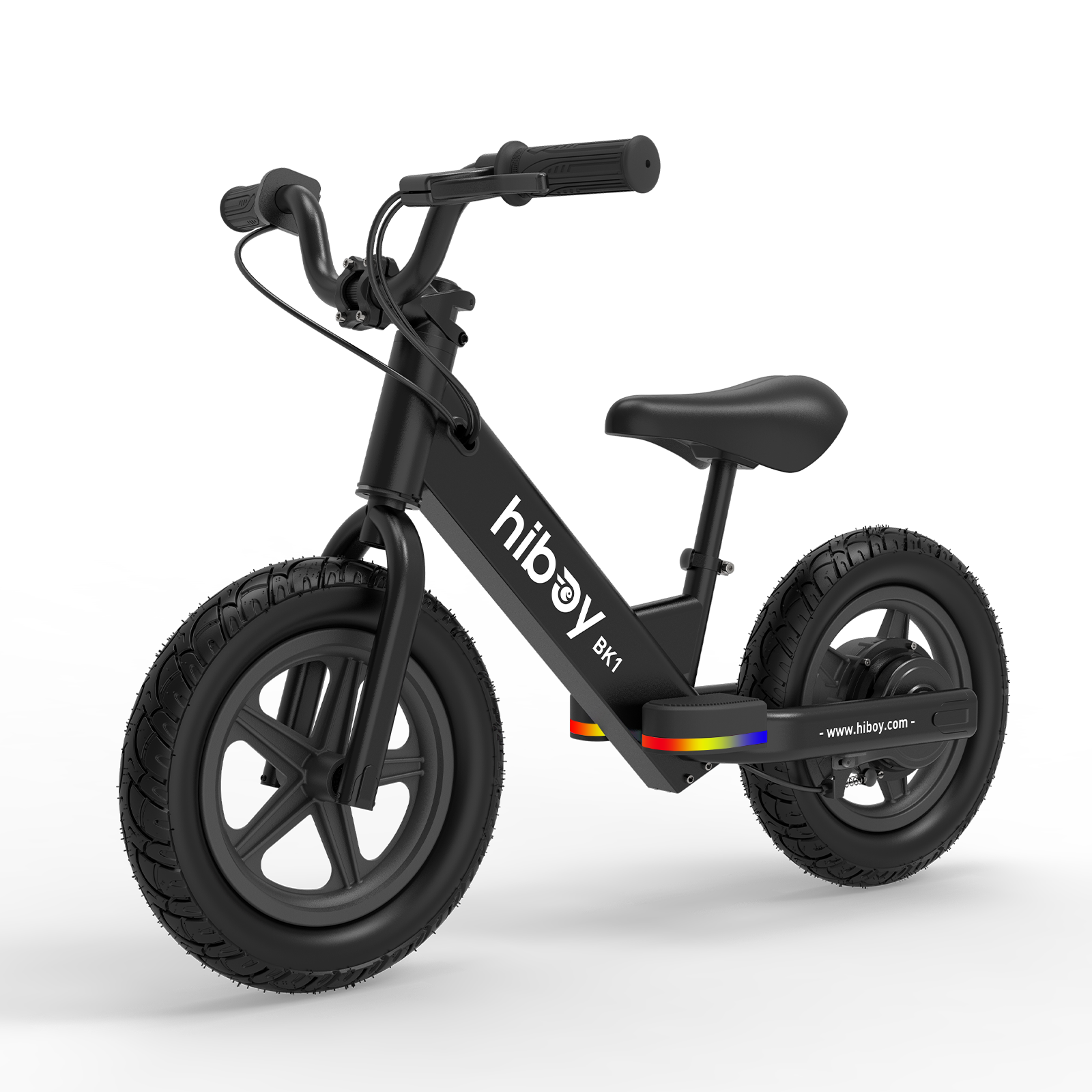 BK1
BK1
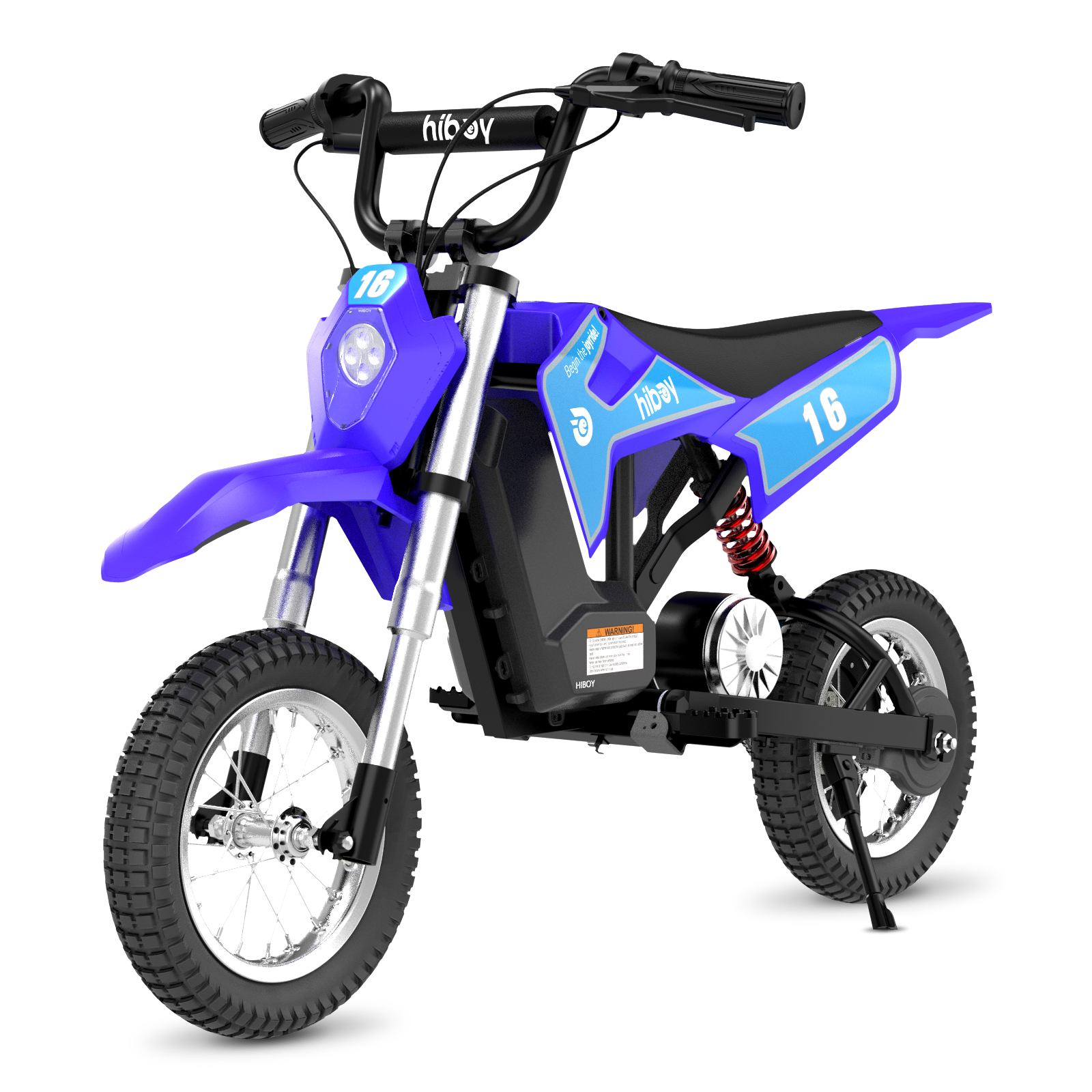 DK1
DK1
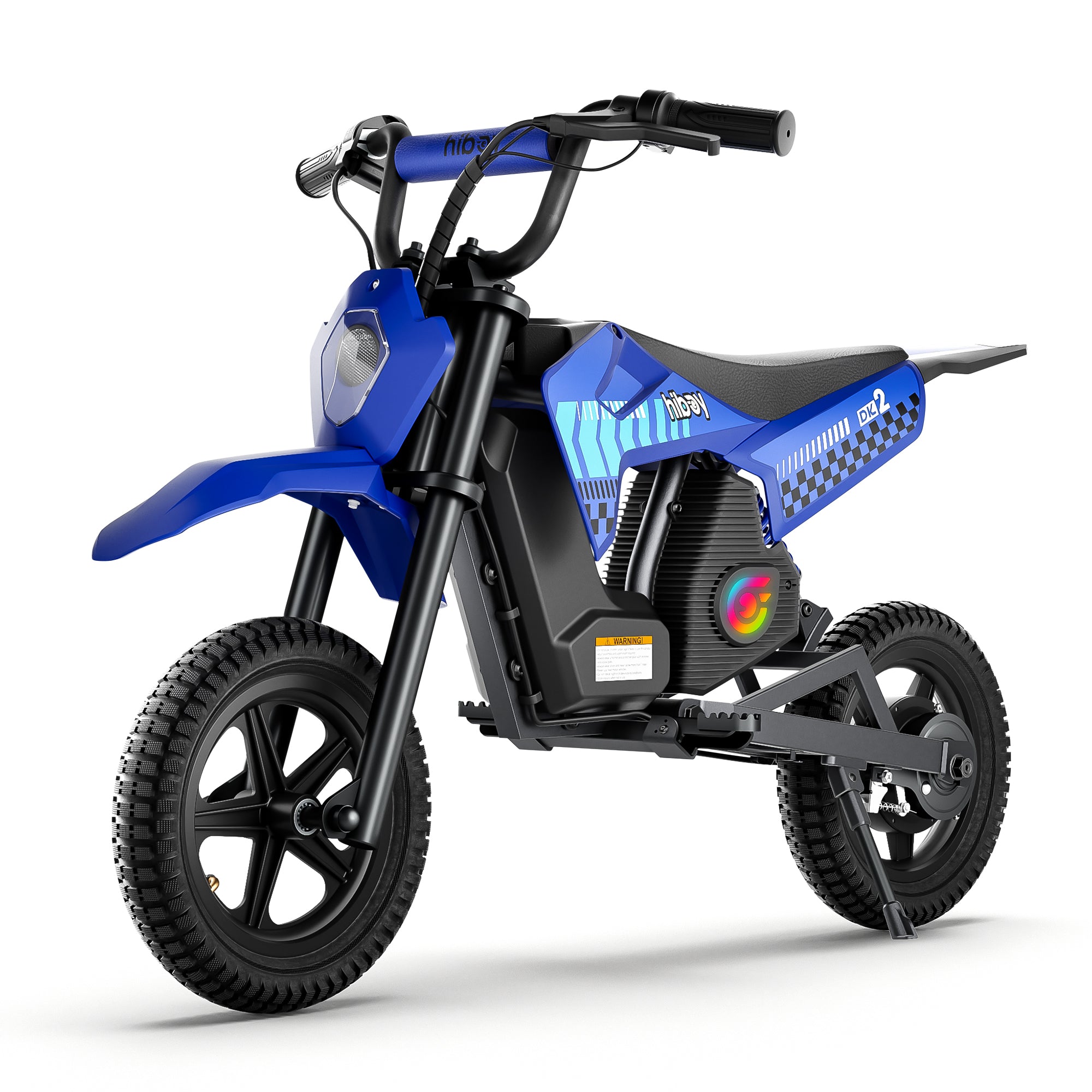 DK2
DK2
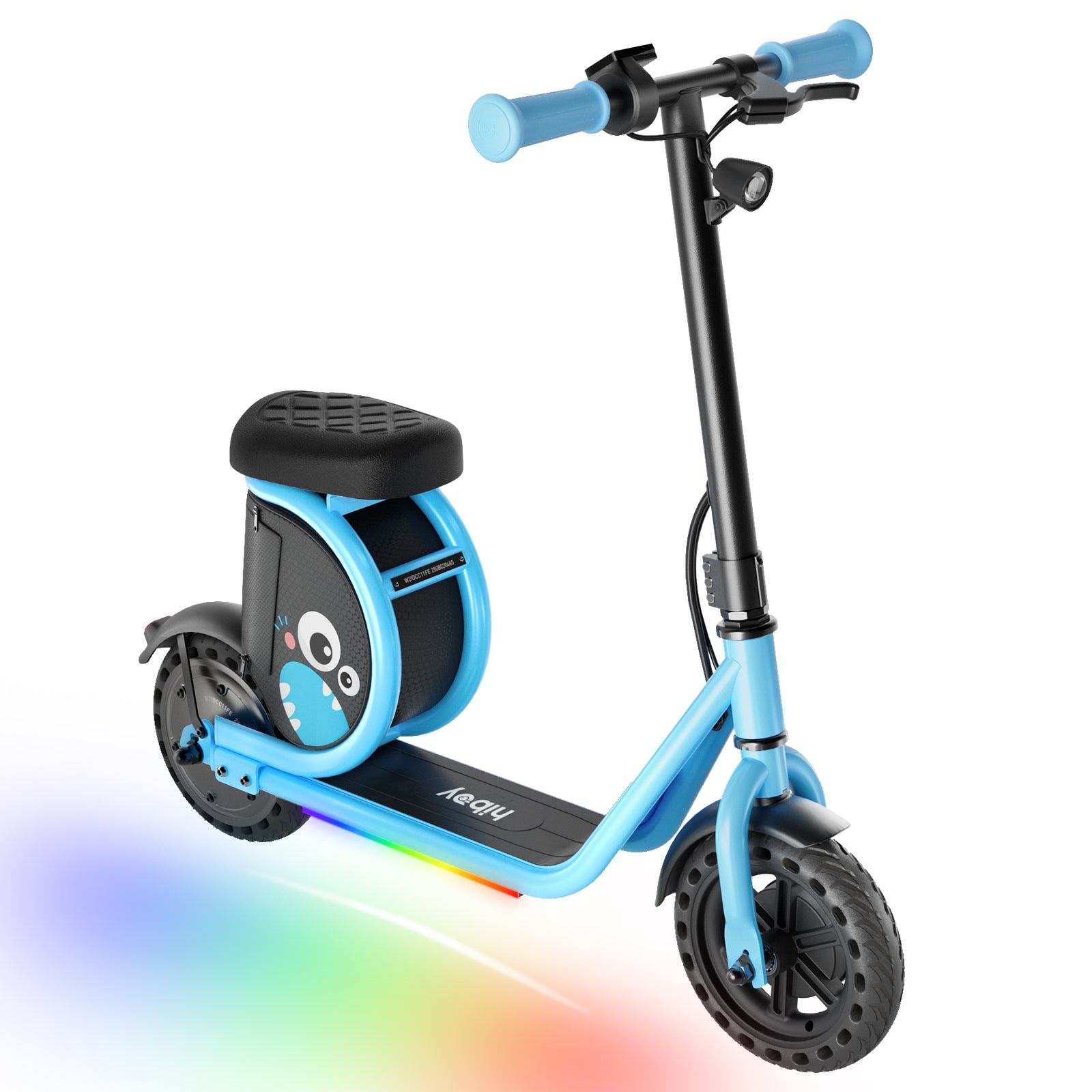 Joy Haul
 Compare Models
As sustainability moves from policy discussions into everyday decision-making, transportation remains one of the most critical areas for emissions reduction in the United States. According to the U.S. Environmental Protection Agency, transportation continues to account for the largest share of greenhouse gas emissions nationwide, with a significant portion tied to short-distance, routine trips.
In this context, electric scooters, part of the broader micromobility ecosystem, are emerging as a practical, low-carbon alternative for urban and suburban mobility in 2026.
The Carbon Challenge of Short-Distance Travel
While electric vehicles dominate headlines, most daily trips in the U.S. are still completed using internal combustion engine vehicles. Notably, a large percentage of these trips are under five miles, distances that are disproportionately inefficient for gas-powered cars.
The EPA estimates that a typical passenger vehicle emits approximately 4.6 metric tons of CO₂ annually, much of it generated through frequent short trips. These trips often involve cold starts, stop-and-go traffic, and low fuel efficiency, all of which increase per-mile emissions.

Electric scooters directly address this inefficiency by offering a right-sized mobility solution for short-distance travel.
Micromobility’s Emissions Advantage
Lower Emissions Per Mile
Multiple lifecycle assessments indicate that electric scooters generate substantially lower emissions per passenger mile compared to traditional vehicles. Studies published in journals such as Nature Energy suggest that micromobility solutions can reduce emissions by up to 50% or more, depending on usage patterns and energy sources.
Because scooters are lightweight and energy-efficient, they require significantly less electricity to operate, resulting in a much smaller carbon footprint per trip.
Energy Efficiency by Design
Electric scooters are inherently optimized for efficiency:
- Lightweight frames reduce energy demand
- Compact electric motors convert energy more efficiently than combustion engines
- Minimal material usage lowers embedded manufacturing emissions

In contrast, conventional vehicles expend most of their energy moving the vehicle itself rather than the passenger, especially in single-occupancy scenarios.
Mode Shift: The Key to Real Impact
The environmental benefits of electric scooters depend heavily on mode substitution, specifically, replacing car trips rather than walking or cycling.
Recent mobility studies show that when scooters replace car usage, they contribute to measurable reductions in both emissions and urban congestion. In U.S. cities such as Los Angeles, Austin, and Washington, D.C., scooters are increasingly used for:
- First- and last-mile connections to transit
- Short urban commutes
- Local errands and neighborhood travel
Beyond Carbon: Urban and Environmental Benefits
Electric scooters also contribute to broader sustainability outcomes:
- Zero tailpipe emissions, improving local air quality
- Reduced noise pollution, particularly in dense urban areas
- Lower congestion, easing pressure on city infrastructure

These benefits align with municipal sustainability goals and federal initiatives aimed at reducing urban emissions and improving the quality of life.
Why 2026 Marks a Turning Point in the U.S.
Several structural trends are accelerating micromobility adoption across the country:
Infrastructure Investment
Cities are expanding micromobility infrastructure, including:
- Protected bike lanes
- Multi-use urban pathways
- Dedicated parking and charging zones
These developments improve both safety and accessibility for scooter users.

Economic Pressures
Fluctuating fuel prices and rising transportation costs are prompting consumers to explore alternatives. Electric scooters offer a cost-efficient solution, with:
- Low charging costs
- Reduced maintenance requirements
- No reliance on gasoline
Consumer Behavior Shift
Sustainability is increasingly reflected in individual behavior. Rather than large-scale lifestyle changes, many consumers are adopting incremental habits, such as replacing short car trips that collectively deliver meaningful emissions reductions.
Seasonal Viability Across the U.S.
Electric scooters are no longer limited to fair-weather use. Their practicality varies by region but remains viable across much of the U.S.:
- Spring and Fall: Optimal riding conditions nationwide
- Summer: Ideal for avoiding congestion and parking constraints
- Mild Winter Regions (e.g., California, Texas, Southeast): Year-round usability
Even in colder climates, scooters remain a practical option during significant portions of the year.

Lifecycle Considerations: Manufacturing and Charging
Like all electric mobility solutions, scooters have an environmental footprint associated with manufacturing and battery production. However, lifecycle analyses consistently show that:
- Total emissions remain significantly lower than those of cars
- Environmental impact decreases with increased usage
- Ongoing improvements in the U.S. electricity grid further reduce charging-related emissions
As renewable energy adoption expands, the carbon intensity of scooter charging continues to decline.
Small Changes, Scalable Impact
From an emissions perspective, the value of electric scooters lies in their ability to enable small but consistent behavioral changes. Replacing even a few car trips per week can lead to measurable reductions in annual carbon output.
Common use cases include:
- Trips under three miles
- Daily errands
- First-mile/last-mile commuting
When integrated with public transit systems, scooters can further extend their environmental benefits.

The Role of Micromobility in Future U.S. Cities
Electric scooters are a key component of the broader micromobility transition reshaping urban transportation. As cities pursue decarbonization strategies, scooters complement:
- Public transportation networks
- Electric vehicle adoption
- Walkable urban planning initiatives
Rather than replacing existing systems, micromobility enhances them by offering flexible, low-emission options for short-distance travel.
Conclusion
As the U.S. continues to address transportation-related emissions, electric scooters represent a practical and scalable solution for reducing carbon footprints at the individual level.
In 2026, their role extends beyond convenience. They are increasingly recognized as an integral part of a more sustainable, efficient, and accessible urban mobility ecosystem, one short trip at a time.







Leave a comment
All comments are moderated before being published.
This site is protected by hCaptcha and the hCaptcha Privacy Policy and Terms of Service apply.