





 Daily Commute
 Lightweight & Portable
 Performance Rides
 Comfort With Seat
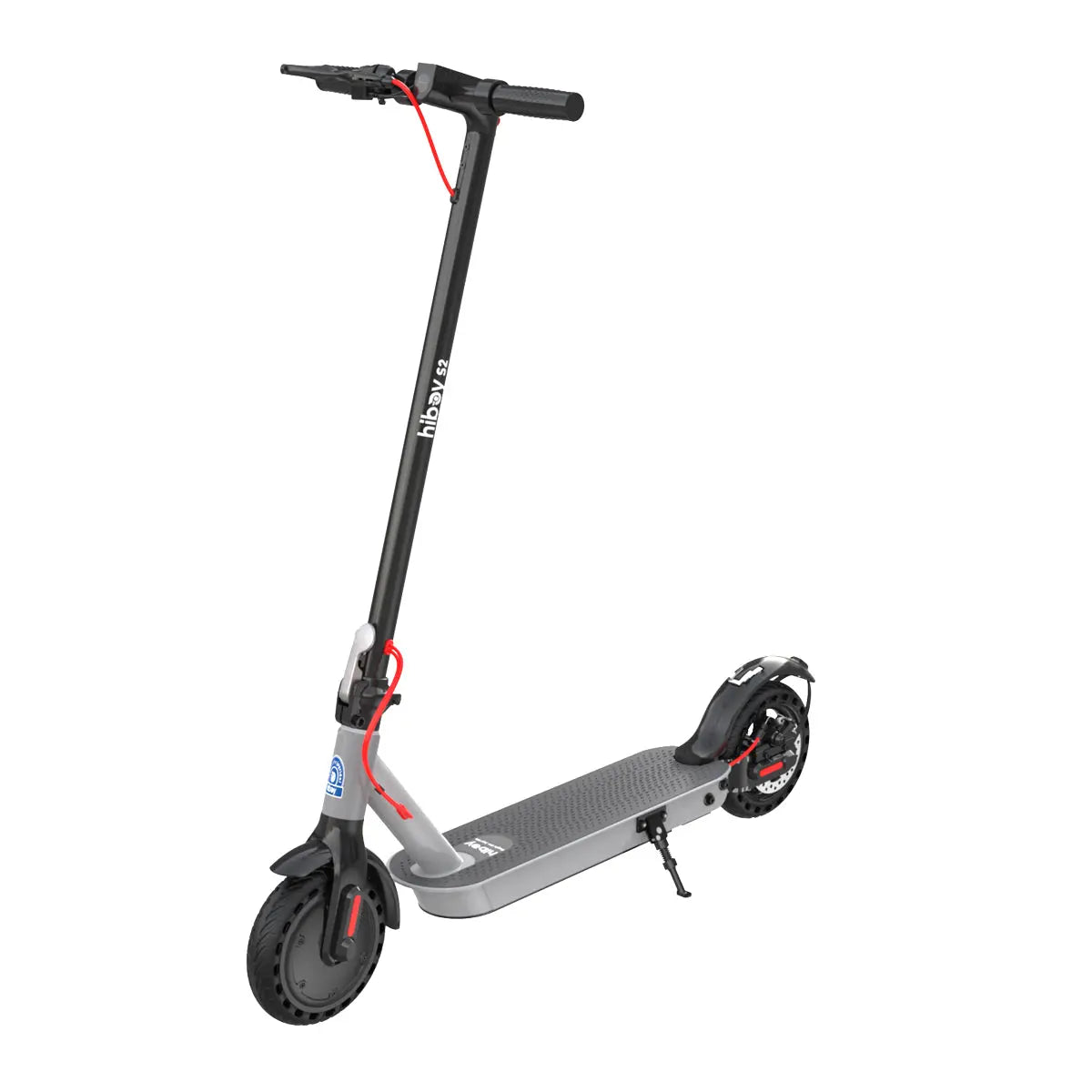 S2
S2
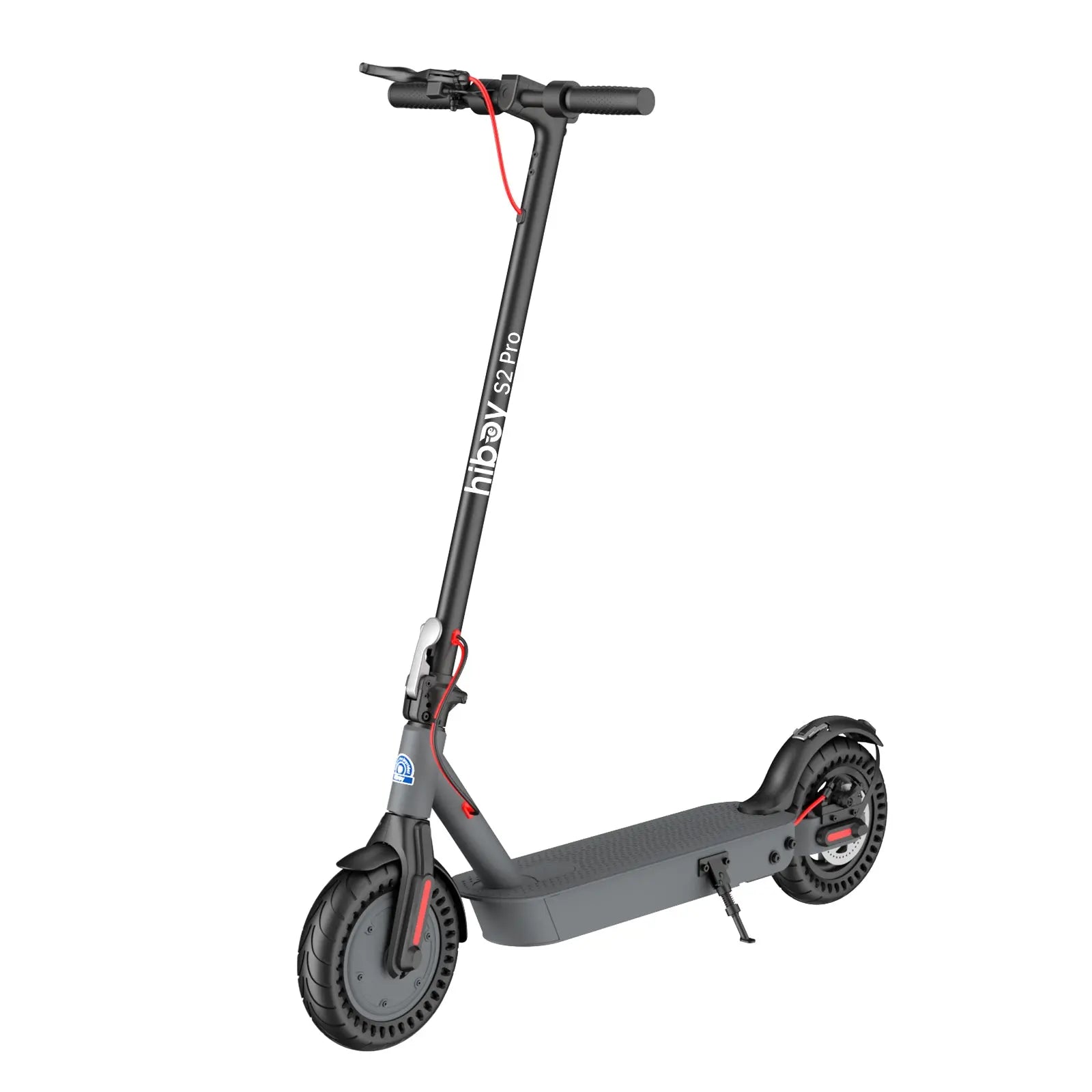 S2 Pro
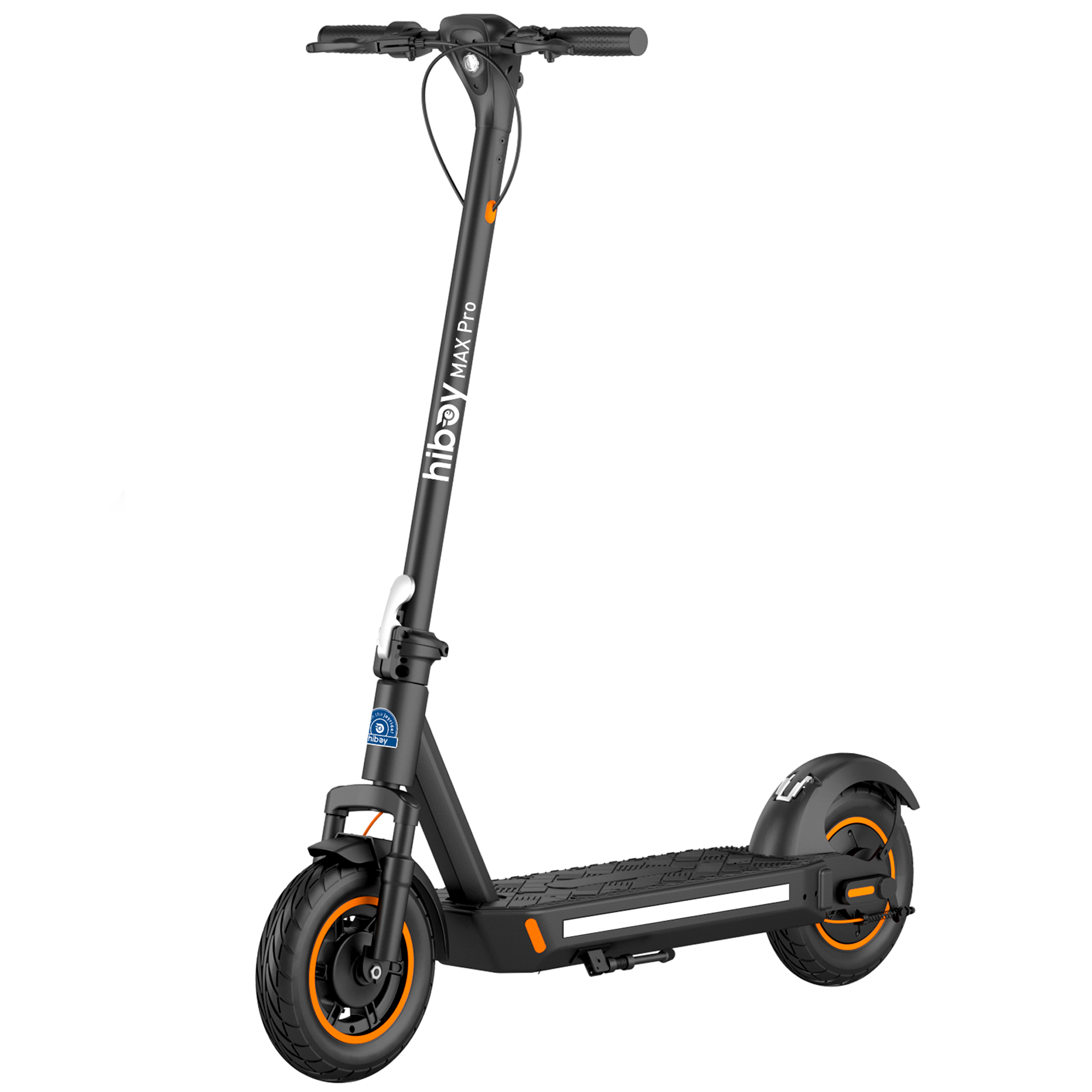 MAX Pro
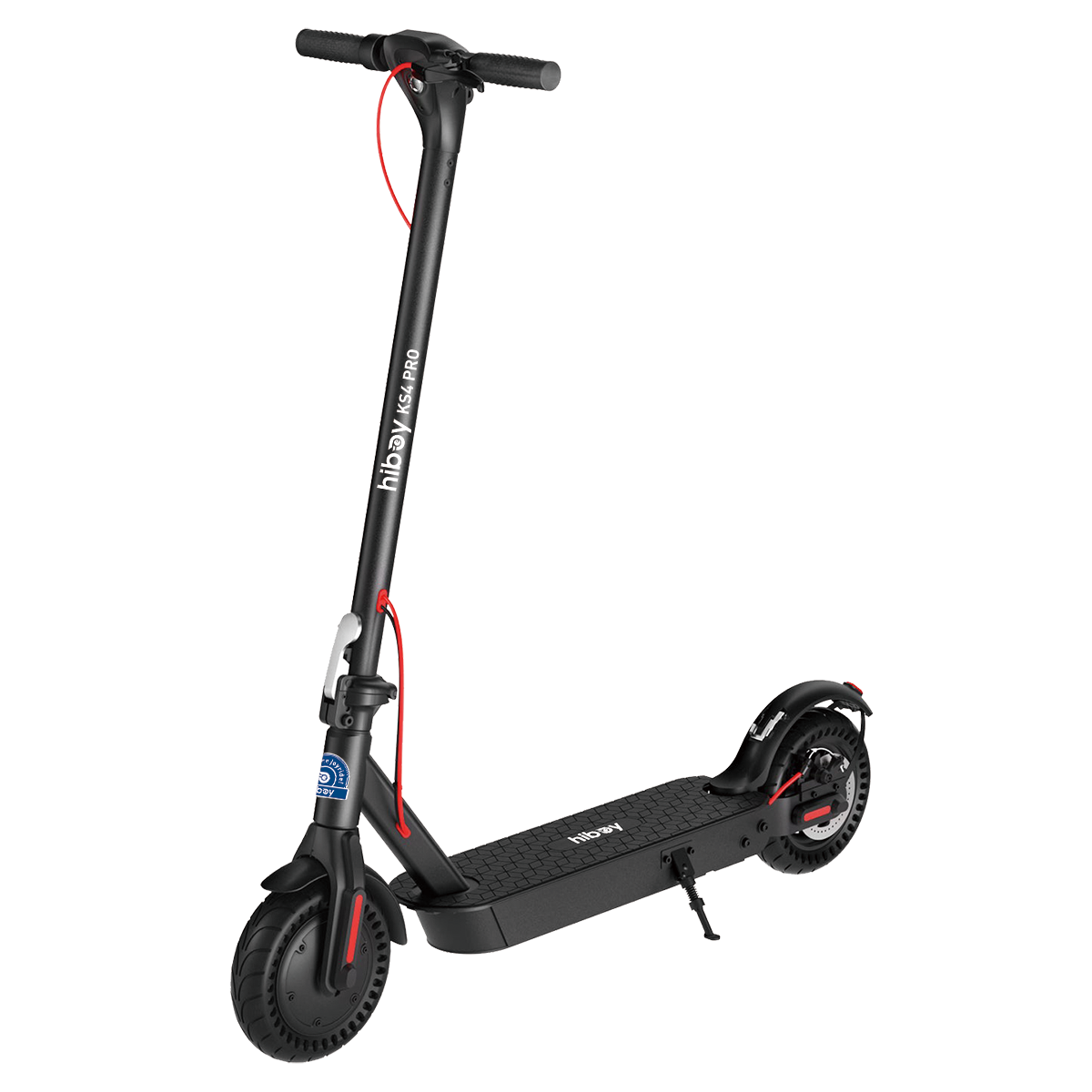 KS4 Pro
 TITAN
TITAN
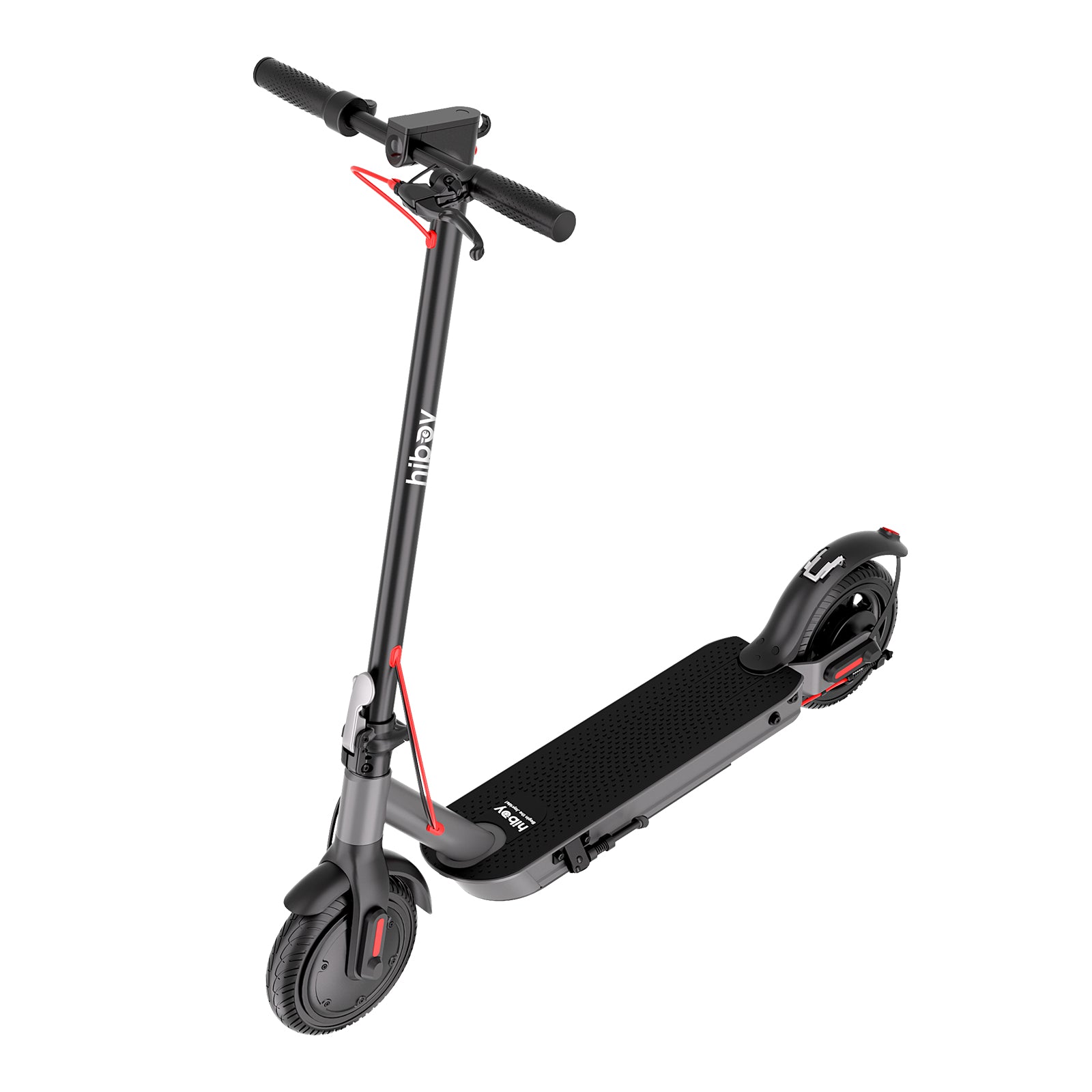 S2 Nova
 Compare Models
 Find Your Best Ride
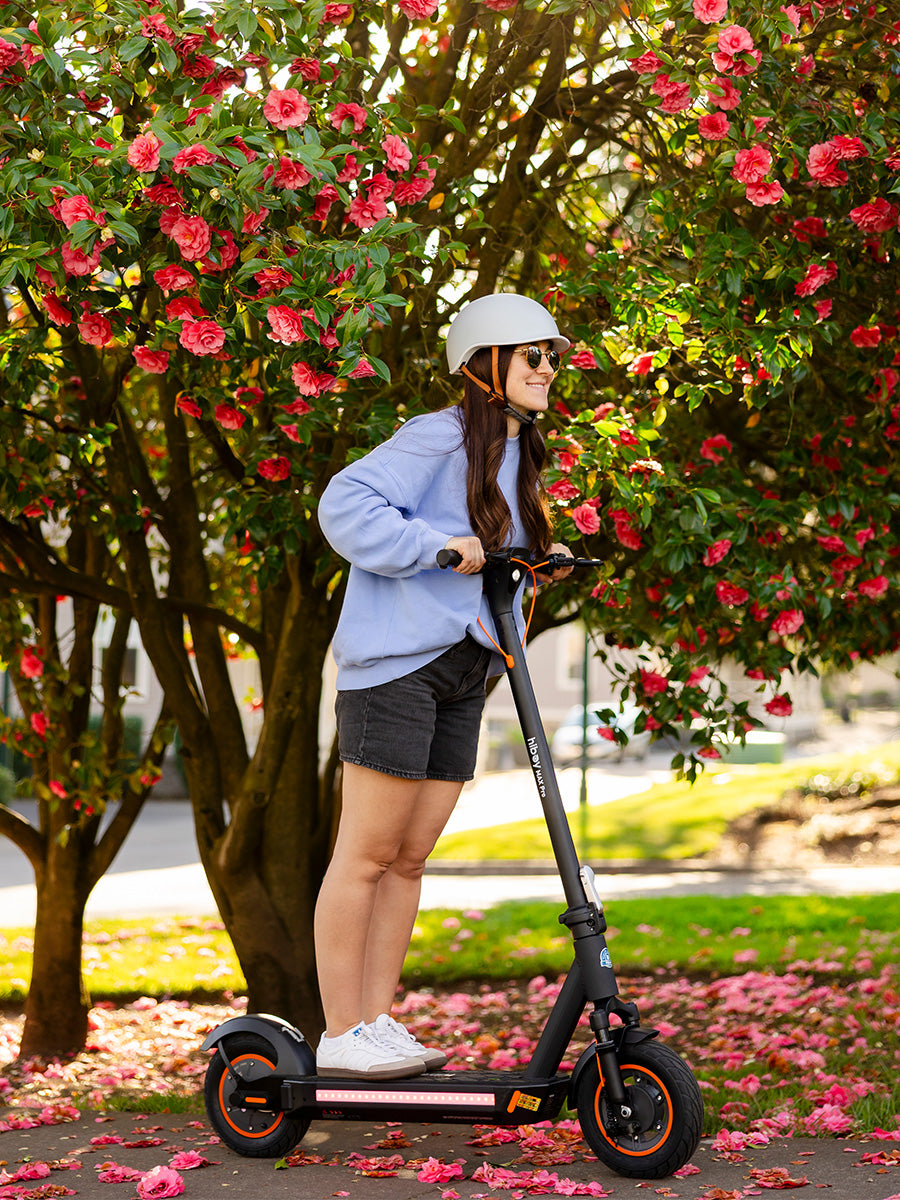
 Daily Commute
 Off-road & Trail
 Folding & Compact
 Fat Tire Rides
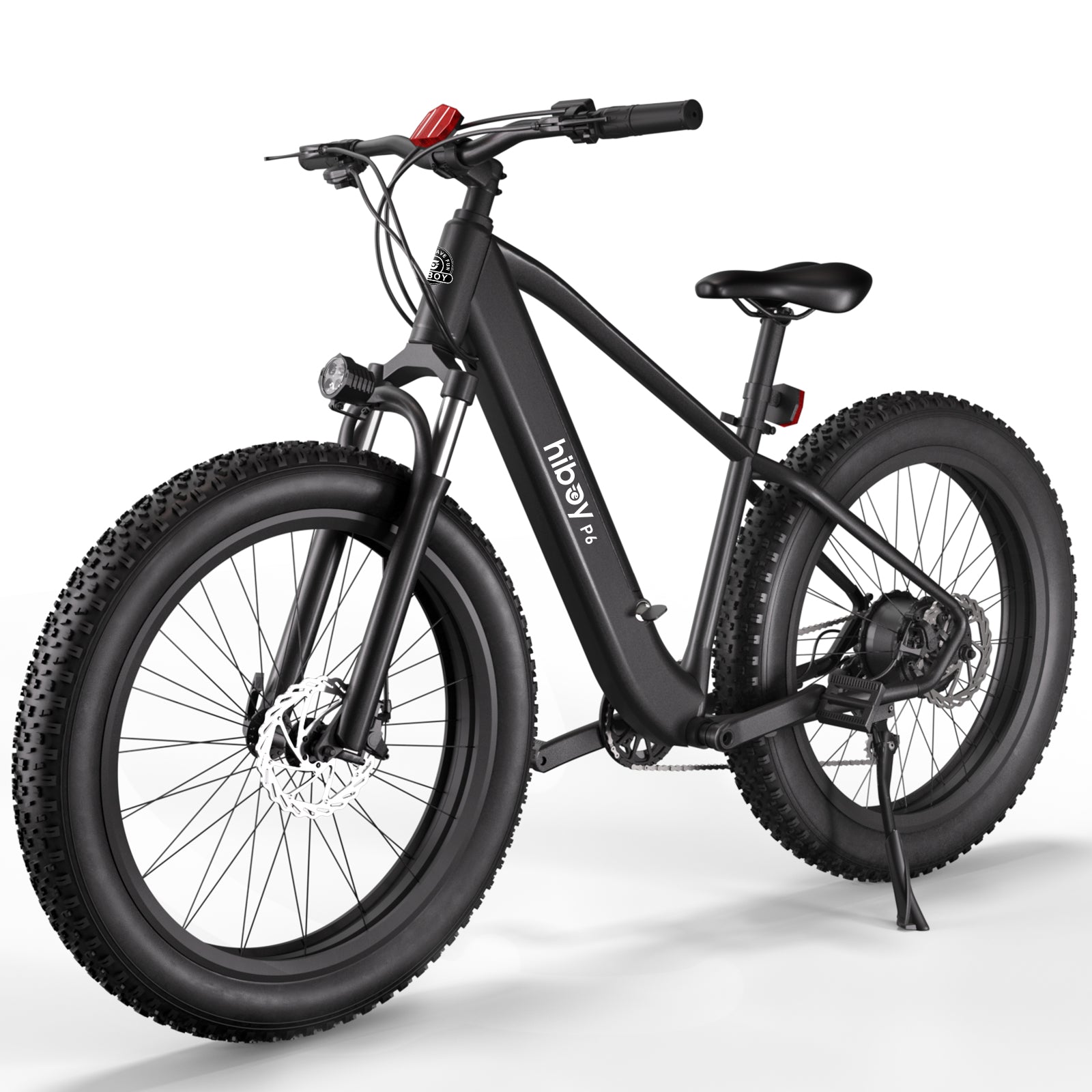 P6
P6
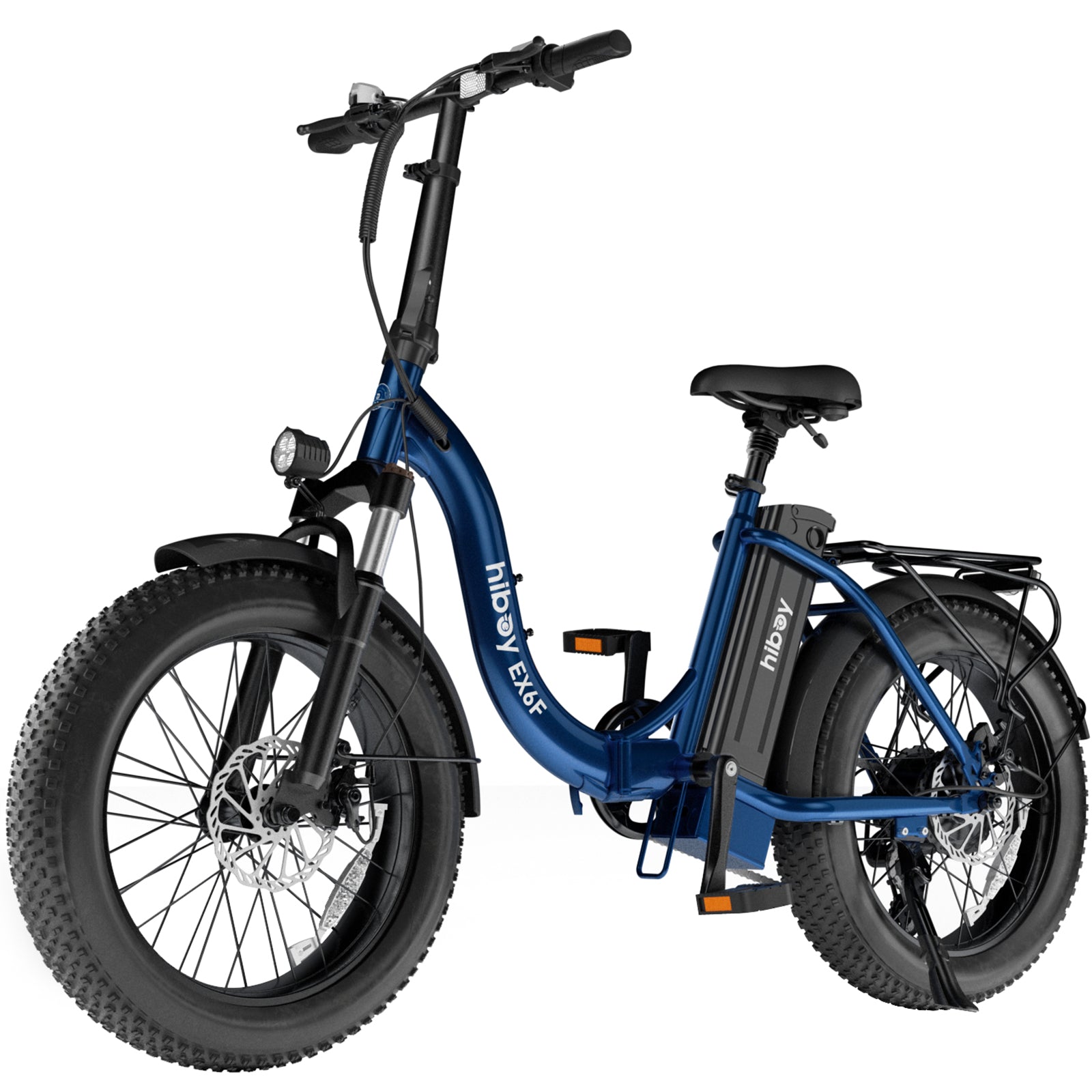 EX6F
EX6F
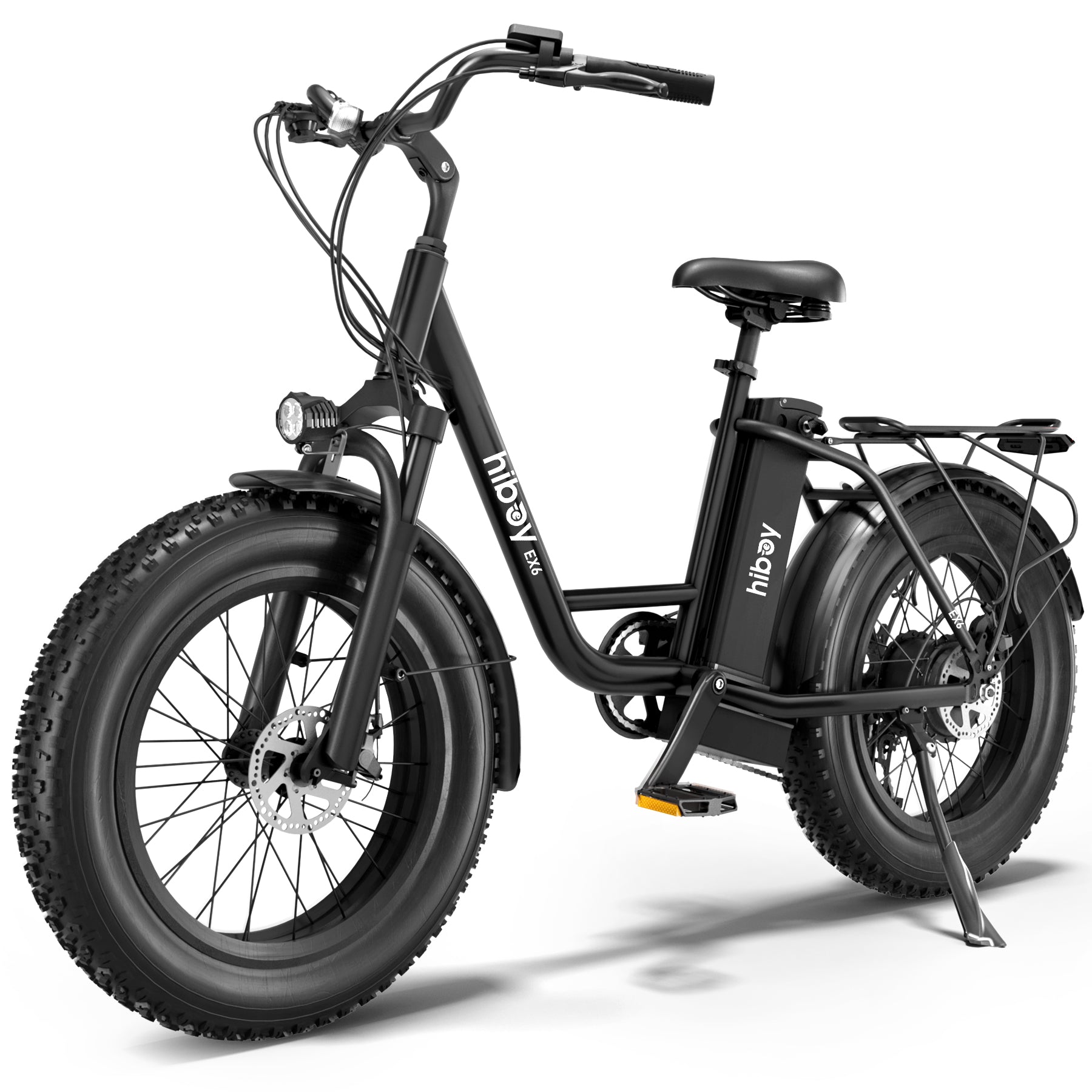 EX6
EX6
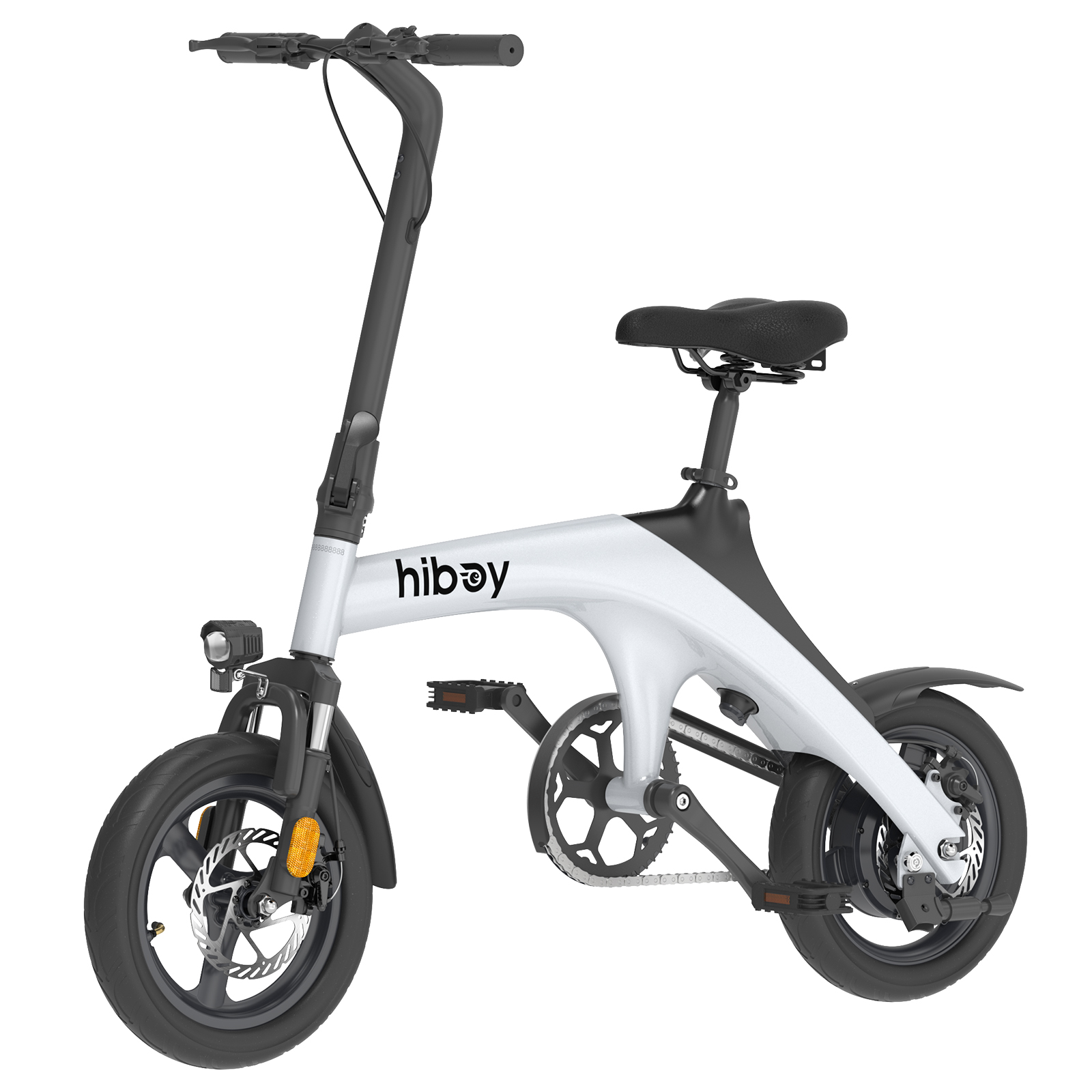 C1
C1
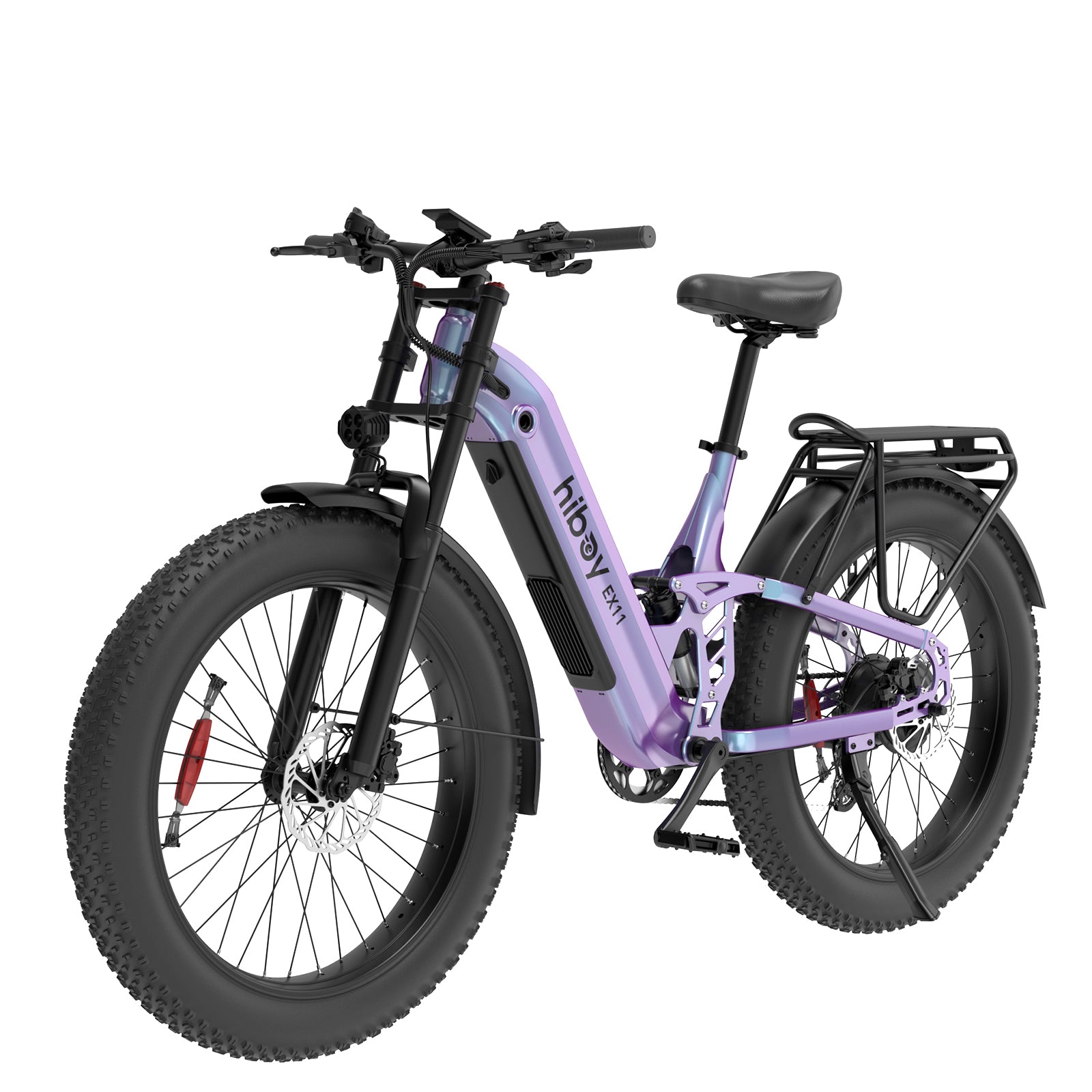 EX11
EX11
 EX9
EX9
 Compare Models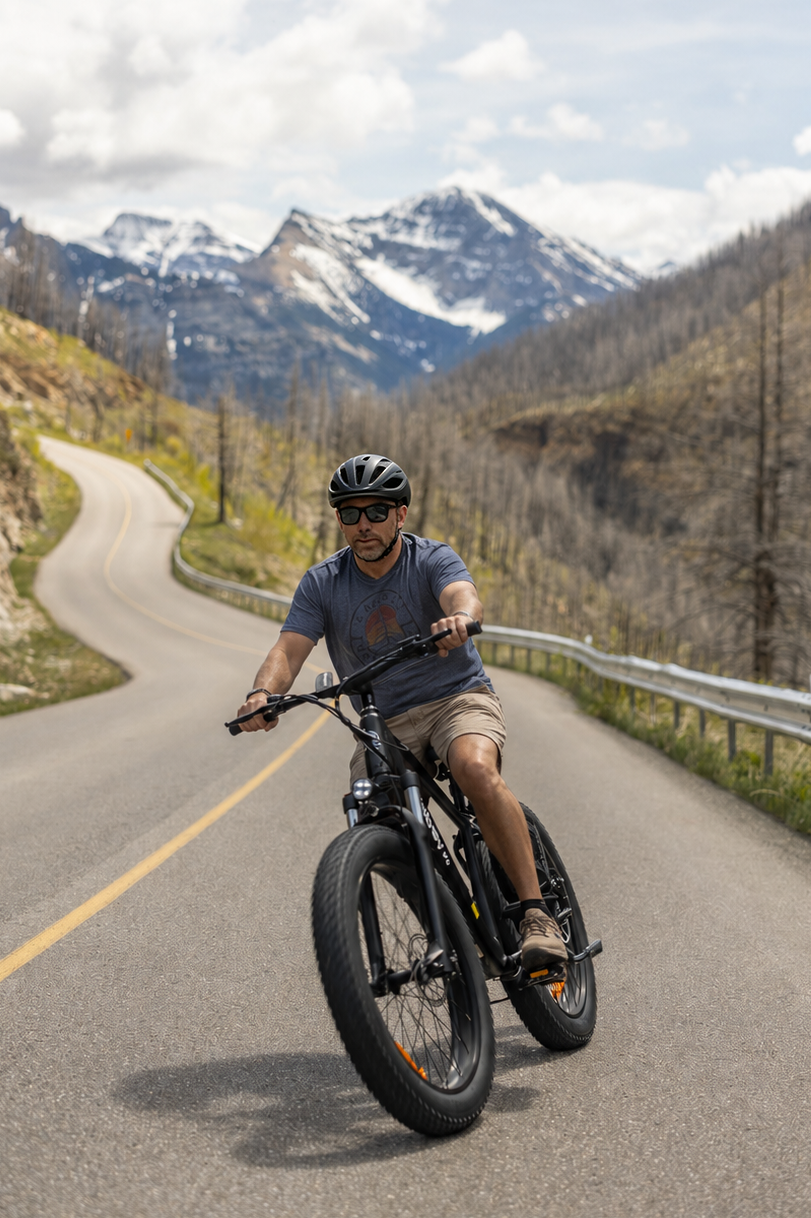
 First Rides
 Everyday Fun
 S2 Lite
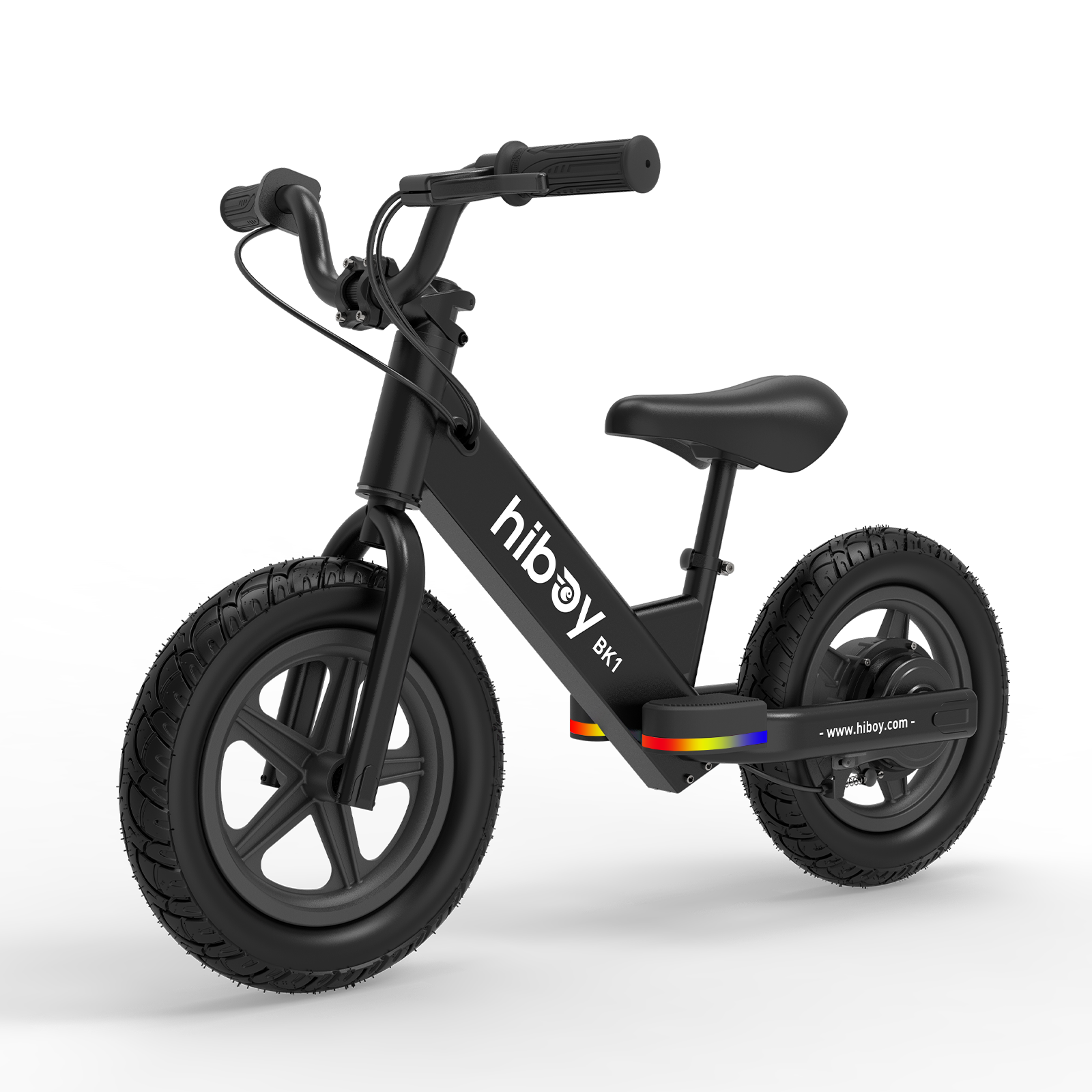 BK1
BK1
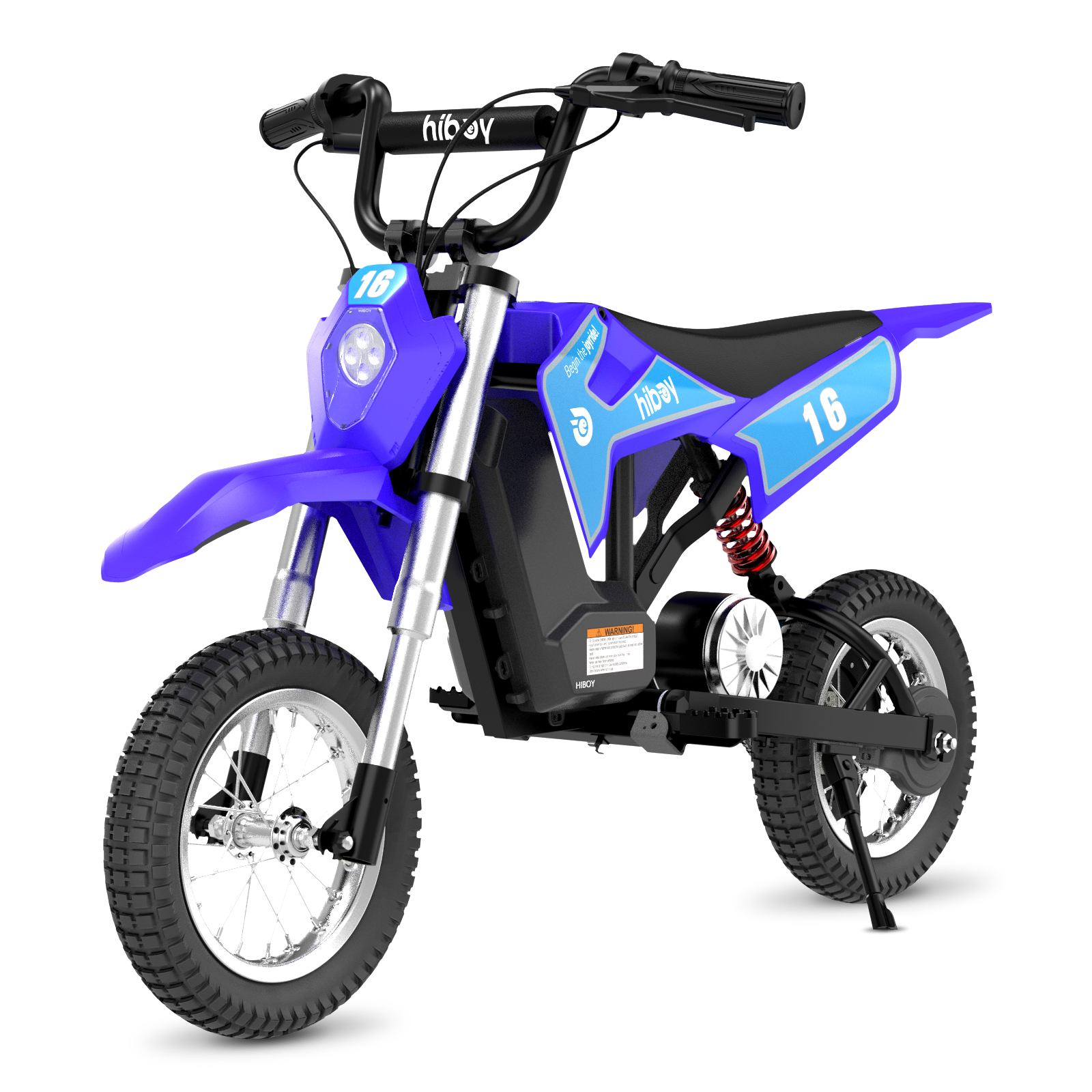 DK1
DK1
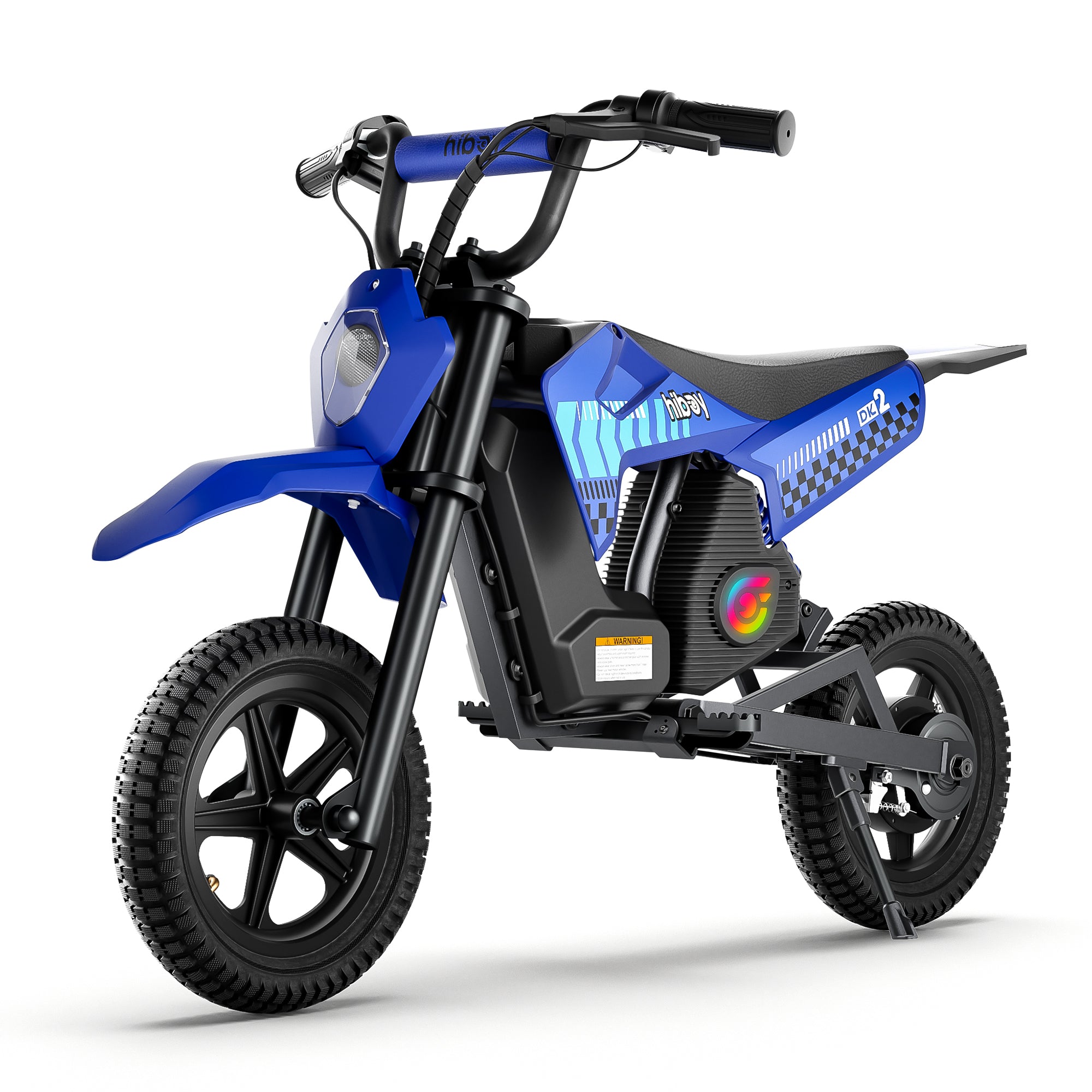 DK2
DK2
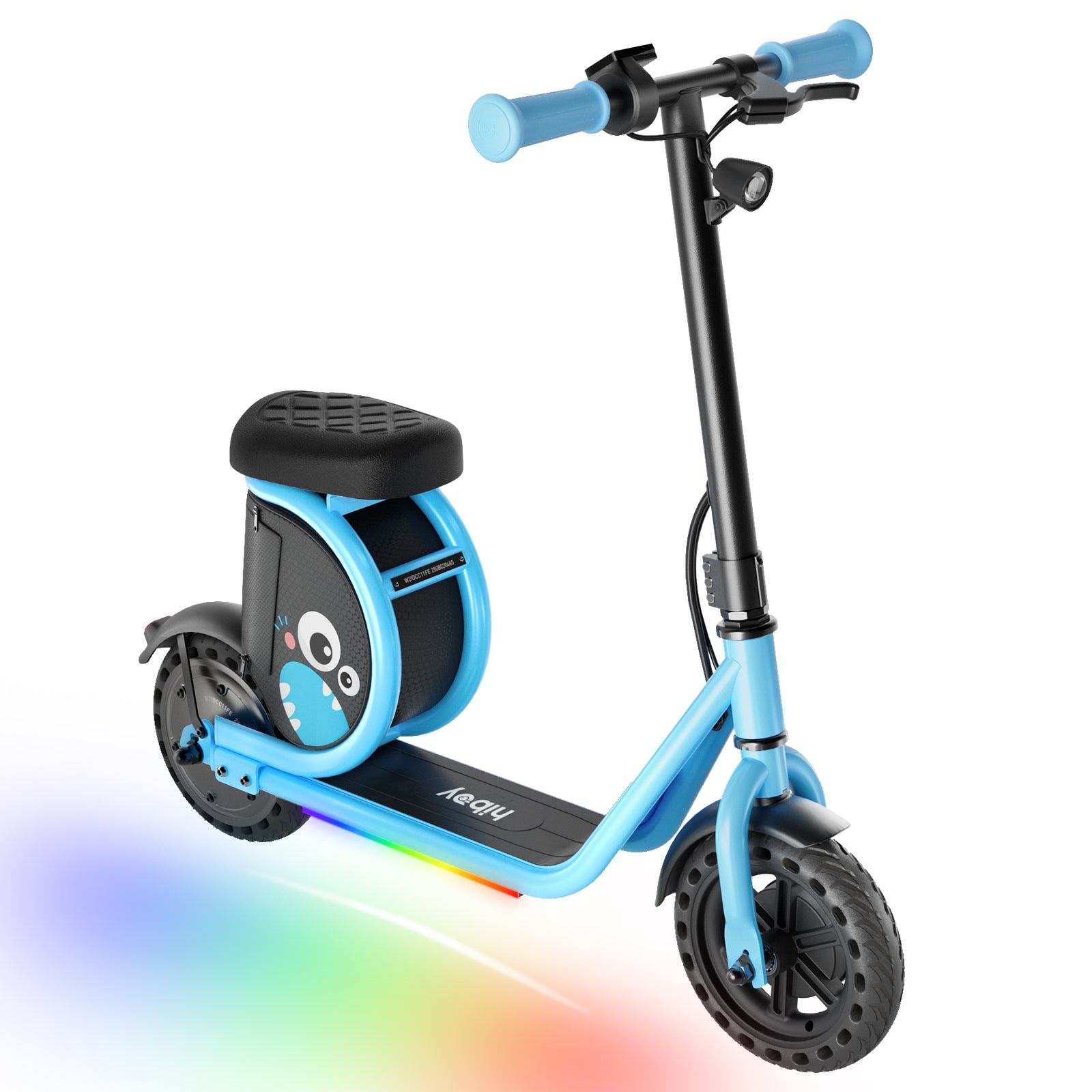 Joy Haul
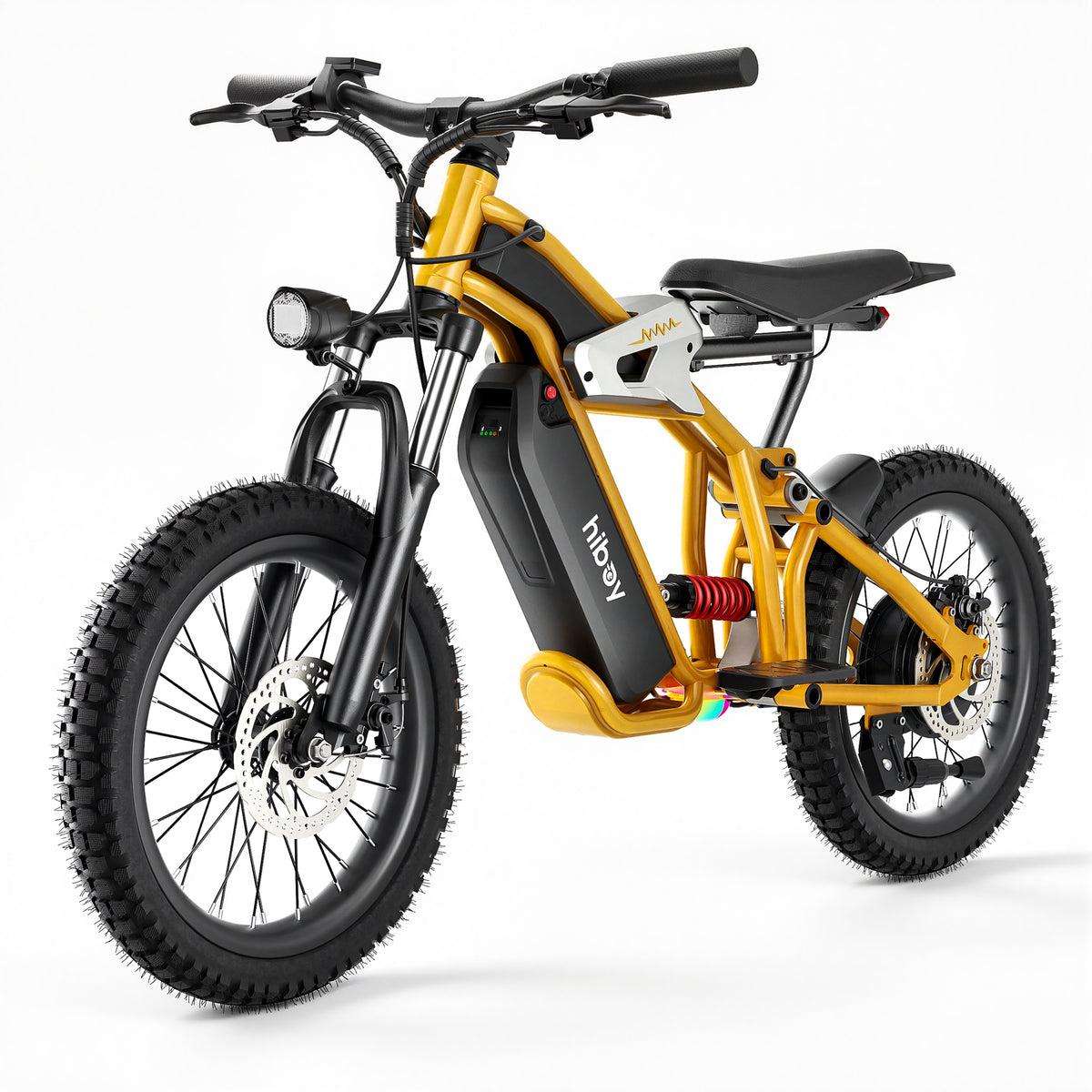 DM14
DM14
 Compare Models
Electric scooters have become a staple of urban mobility across the United States, from Los Angeles bike lanes to New York commuter routes. They’re fast, efficient, and fun, but city traffic introduces real risks. Riding safely isn’t just about balance; it’s about awareness, legal compliance, and smart decision-making.
This guide breaks down everything you need to know to ride confidently and safely in U.S. city traffic, especially if you’re navigating places like California, where e-scooter usage is booming.
Why Safety Matters More in U.S. Cities
Urban environments are unpredictable. You’re sharing the road with cars, cyclists, pedestrians, delivery vehicles, and increasingly, other micro mobility riders. Unlike cars, e-scooters offer minimal physical protection, which makes rider behavior and awareness critical.
Studies and city data consistently show that many scooter injuries come from:
- Inexperience
- Ignoring traffic rules
- Poor visibility (especially at night)
- Not wearing protective gear
The good news? Most of these risks are preventable with the right habits.
Know the Law Before You Ride
In the U.S., e-scooter laws vary by state and city, but California is a strong reference point thanks to its well-defined regulations.

Key Rules in California (and Similar States)
| Category | Rule |
| Minimum Age | 16 years old |
| License Required | Yes — valid driver’s license or learner’s permit |
| Helmet Use | Required under 18; strongly recommended for all riders |
| Speed Limit | Maximum 15 mph |
| Where to Ride |
|
Ignoring these rules can lead to fines and, more importantly, significantly increase your risk of accidents.
💡 Pro tip: Even if enforcement varies by city, liability in an accident often depends on whether you were following the law.
Essential Safety Gear (Don’t Skip This)
Riding without proper protection is one of the most common and avoidable mistakes new riders make. Unlike cars, e-scooters don’t give you a buffer, so even a low-speed fall can lead to injury.

Must-have gear:
- Helmet (non-negotiable): Even if you’re over 18, wearing a helmet is the single most effective way to reduce serious injury risk, especially head trauma.
- Front & rear lights: Required at night in many states like California, and essential for being seen by drivers in low-light conditions.
- Reflective gear: Vests, ankle bands, or reflective strips help you stand out, particularly in busy urban environments.
- Gloves: Improve grip, reduce hand fatigue, and protect your palms if you fall (which is often the first point of contact).
Many emergency room cases involving e-scooters are linked to head injuries, often because riders skipped helmets. It’s a small habit that makes a big difference.
Master the Basics Before Entering Traffic
Before heading into busy city streets, take time to build confidence in a low-risk environment like an empty parking lot or quiet neighborhood.
Focus on practicing:
- Smooth acceleration & braking: Avoid jerky starts or sudden stops that can throw off your balance
- Turning & signaling: Get comfortable looking over your shoulder and using one hand to signal
- Emergency stops: Learn how quickly you can safely stop without skidding
- Low-speed balance: Crucial for navigating traffic, intersections, and tight spaces
One rider summed it up well:
“Standing position + small wheels = less stability margin.”
In other words, e-scooters are inherently less stable than bikes, so control matters. Small mistakes can turn into falls, especially at higher speeds or on uneven pavement. Practicing the basics gives you the muscle memory to react safely when it counts.

How to Ride Safely in Traffic
1. Ride Like a Cyclist, Not a Pedestrian
E-scooters belong in the flow of traffic, not on the sidewalk. In most U.S. cities (including across California), they follow the same general rules as bicycles.
- Use bike lanes whenever they’re available; they’re your safest space
- If you must enter traffic, merge smoothly and stay close to the right side of the lane
- Avoid weaving between cars or riding unpredictably in gaps; drivers won’t anticipate it
👉 Think of yourself as a small vehicle, not a pedestrian cutting through space.
2. Be Predictable
Drivers make decisions based on what they expect you to do. Sudden movements break that expectation.
- Hold a straight, steady line, especially when cars are passing
- Use clear hand signals before turning or changing lanes
- Brake gradually when possible instead of stopping abruptly
👉 The more predictable you are, the easier it is for drivers to safely move around you.
3. Watch Intersections Closely
Intersections are the highest-risk areas for scooter riders. Most collisions happen here.
- Always slow down, even if you have the right of way
- Look left-right-left and make eye contact with nearby drivers
- Be cautious with left turns; some states recommend crossing like a pedestrian (walk your scooter) instead of turning directly
👉 Assume drivers may roll through turns or misjudge your speed.

4. Stay Visible at All Times
Visibility is your first line of defense, especially in heavy or fast-moving traffic.
- Turn on lights at dusk, night, or in low-visibility conditions
- Stay out of vehicle blind spots (especially near trucks and SUVs)
- Wear bright or reflective gear to stand out against the road
👉 If a driver has to “guess” where you are, you’re already at risk.
5. Control Your Speed
Speed is one of the biggest factors in both accidents and injury severity.
- Follow local limits, e-scooters are capped at 15 mph in California
- Slow down on crowded streets, near intersections, or on uneven pavement
- Remember: lower speed = more time to react and shorter stopping distance
👉 Ride at a speed that matches conditions, not just your scooter’s capability.
Common Mistakes to Avoid
Even experienced riders fall into these habits, often without realizing the risk:
- Riding on sidewalks where it’s restricted or illegal
- Ignoring stop signs, red lights, or lane rules
- Wearing headphones that block out traffic sounds
- Carrying passengers (not allowed in many states, including California)
- Riding under the influence, legally treated like DUI in many areas
👉 The simplest rule still holds: ride like you would drive, alert, lawful, and in control.
Night Riding: Extra Caution Required
Night riding can be smooth and enjoyable, but only if you’re properly equipped.

Typical requirements (California example):
- White front light visible from at least 300 feet
- Red rear reflector or light visible from 500 feet
- Side reflectors for cross-traffic visibility
Smart habits for after-dark riding:
- Reduce your speed, visibility is limited for everyone
- Stick to well-lit streets and bike lanes
- Assume drivers will see you later than they should
👉 At night, visibility replaces speed as your top priority.
Urban Riding Mindset: Defensive, Not Aggressive
City riding rewards awareness, not confidence. The safest riders stay one step ahead of traffic.
- Assume drivers may not see you, even if you’re visible
- Watch for sudden car doors opening along parked streets
- Expect pedestrians to step out unpredictably
- Always keep space around you so you have an “escape route”
👉 You’re not just riding, you’re constantly reading the road and adjusting in real time.
Final Thoughts: Ride Smart, Ride Free
Electric scooters are one of the most efficient ways to move through American cities, but they demand respect for the road.
If you remember nothing else:
- Follow local laws
- Wear a helmet
- Stay visible
- Ride predictably
Do that consistently, and you’ll not only stay safe, you’ll actually enjoy the ride more.








Leave a comment
All comments are moderated before being published.
This site is protected by hCaptcha and the hCaptcha Privacy Policy and Terms of Service apply.