





 Daily Commute
 Lightweight & Portable
 Performance Rides
 Comfort With Seat
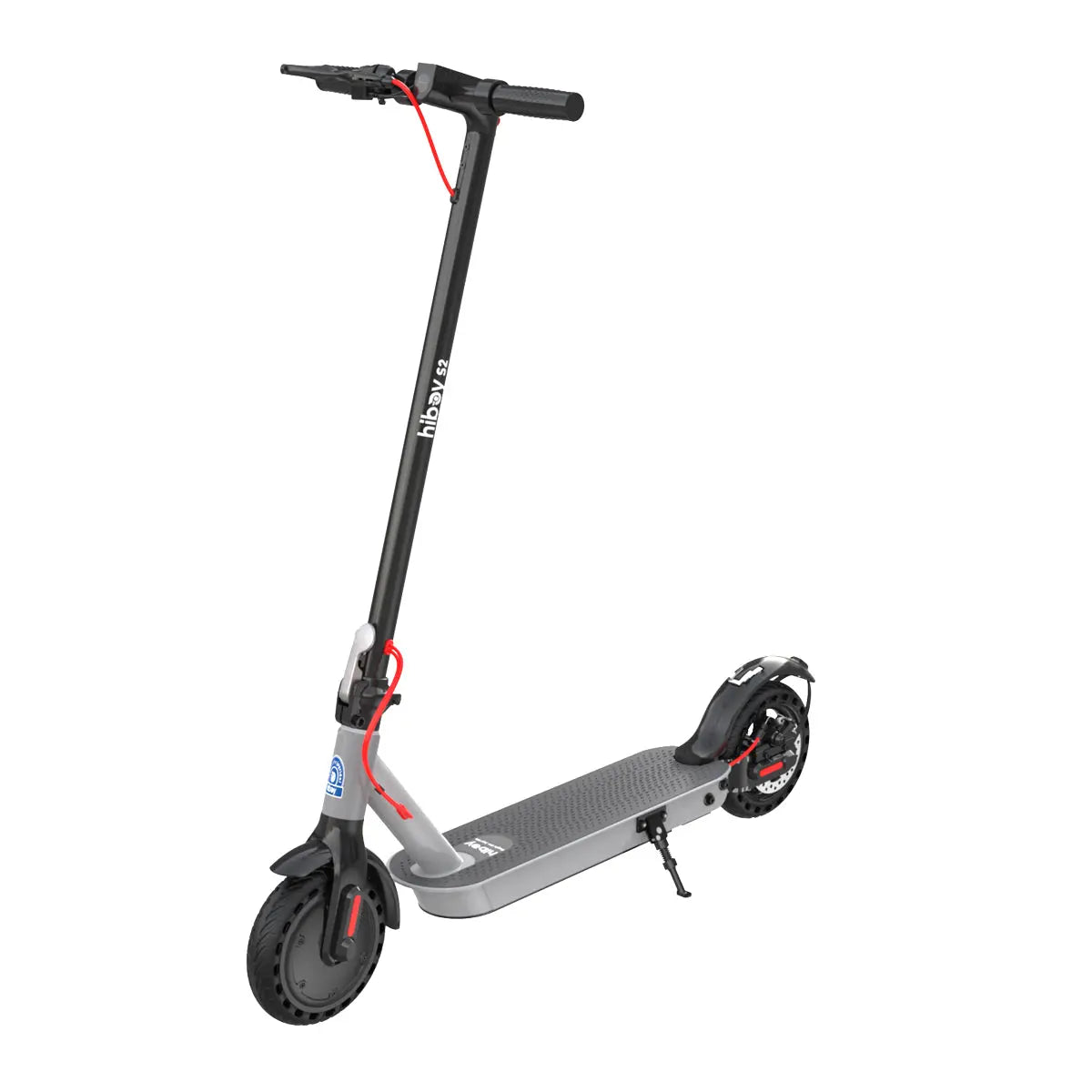 S2
S2
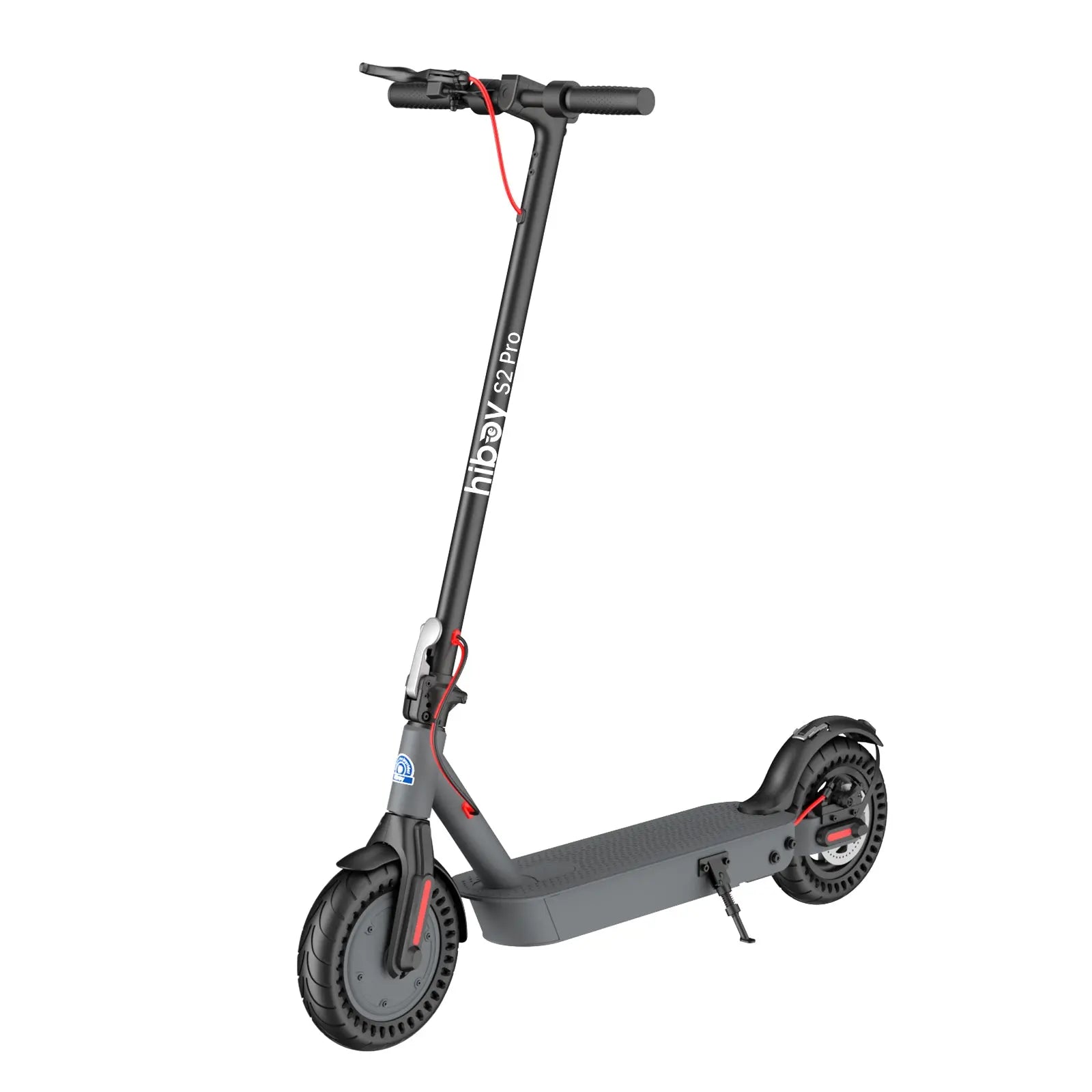 S2 Pro
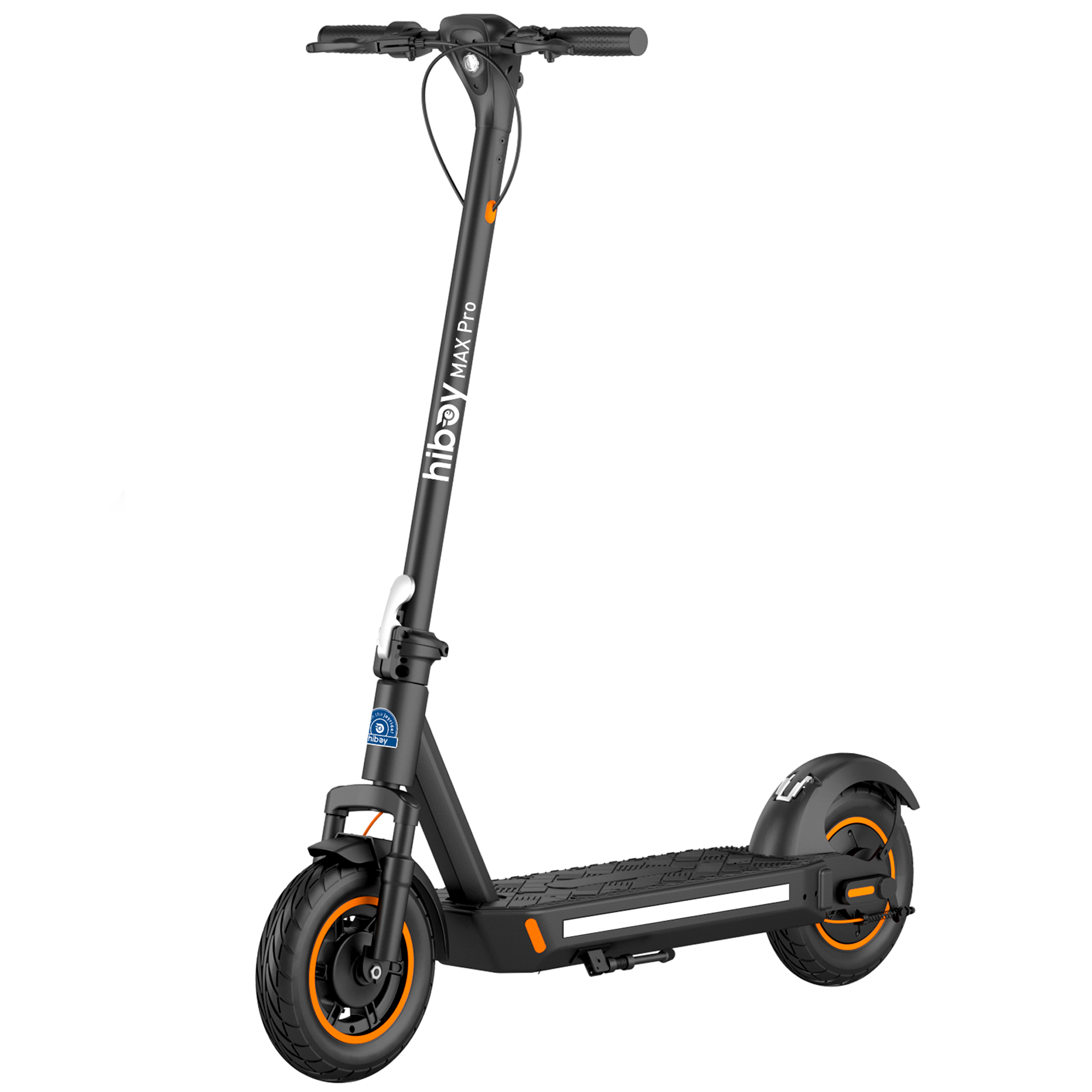 MAX Pro
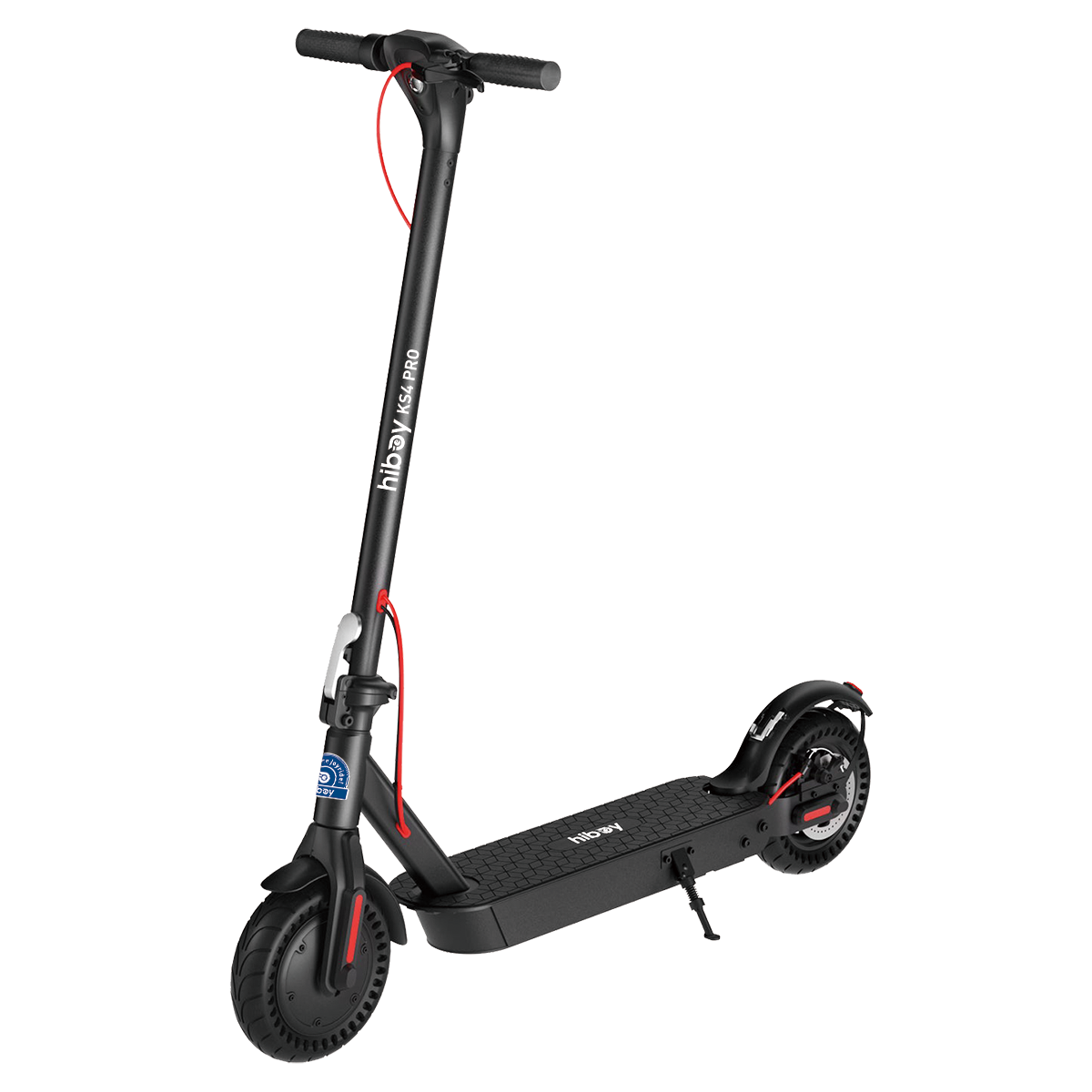 KS4 Pro
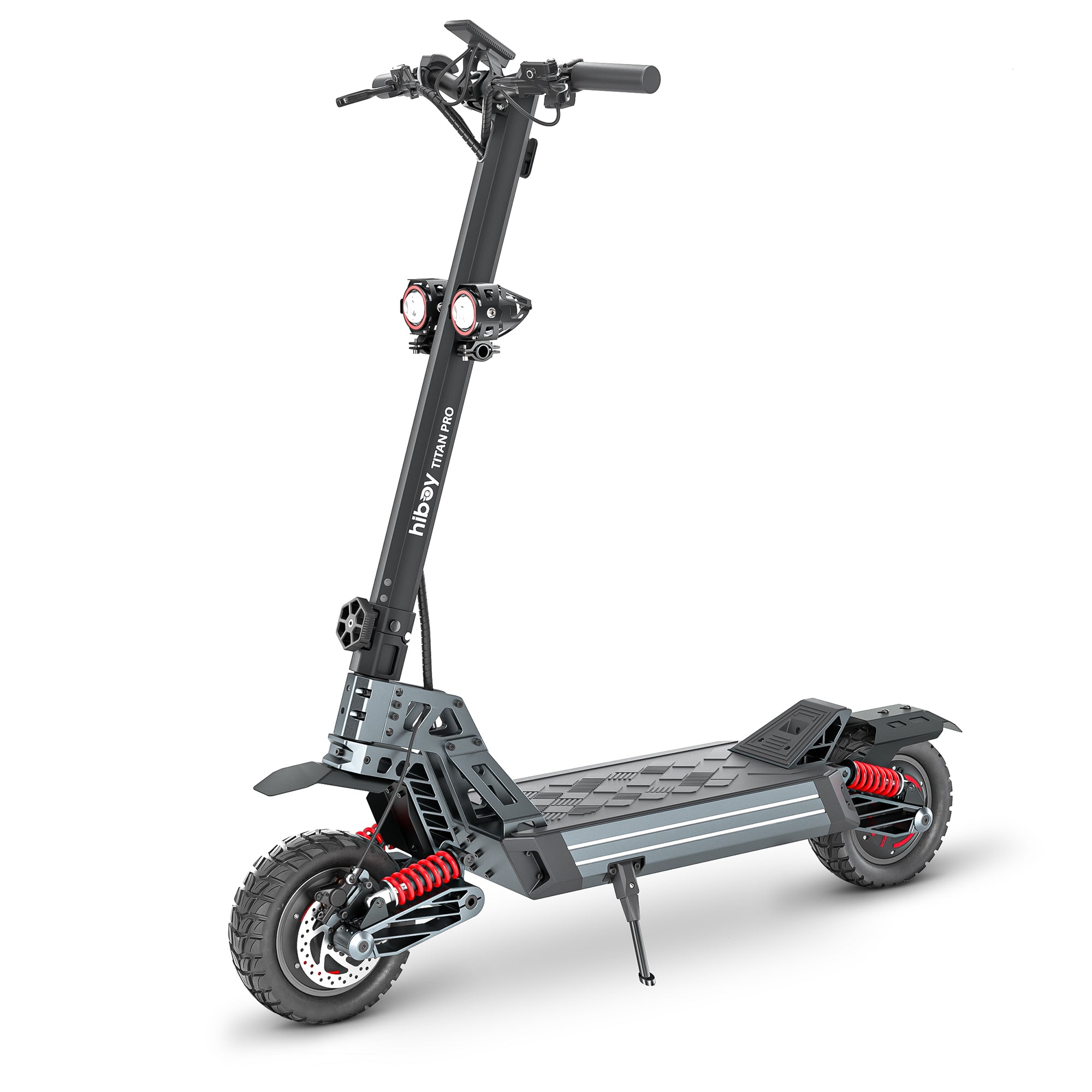 TITAN PRO
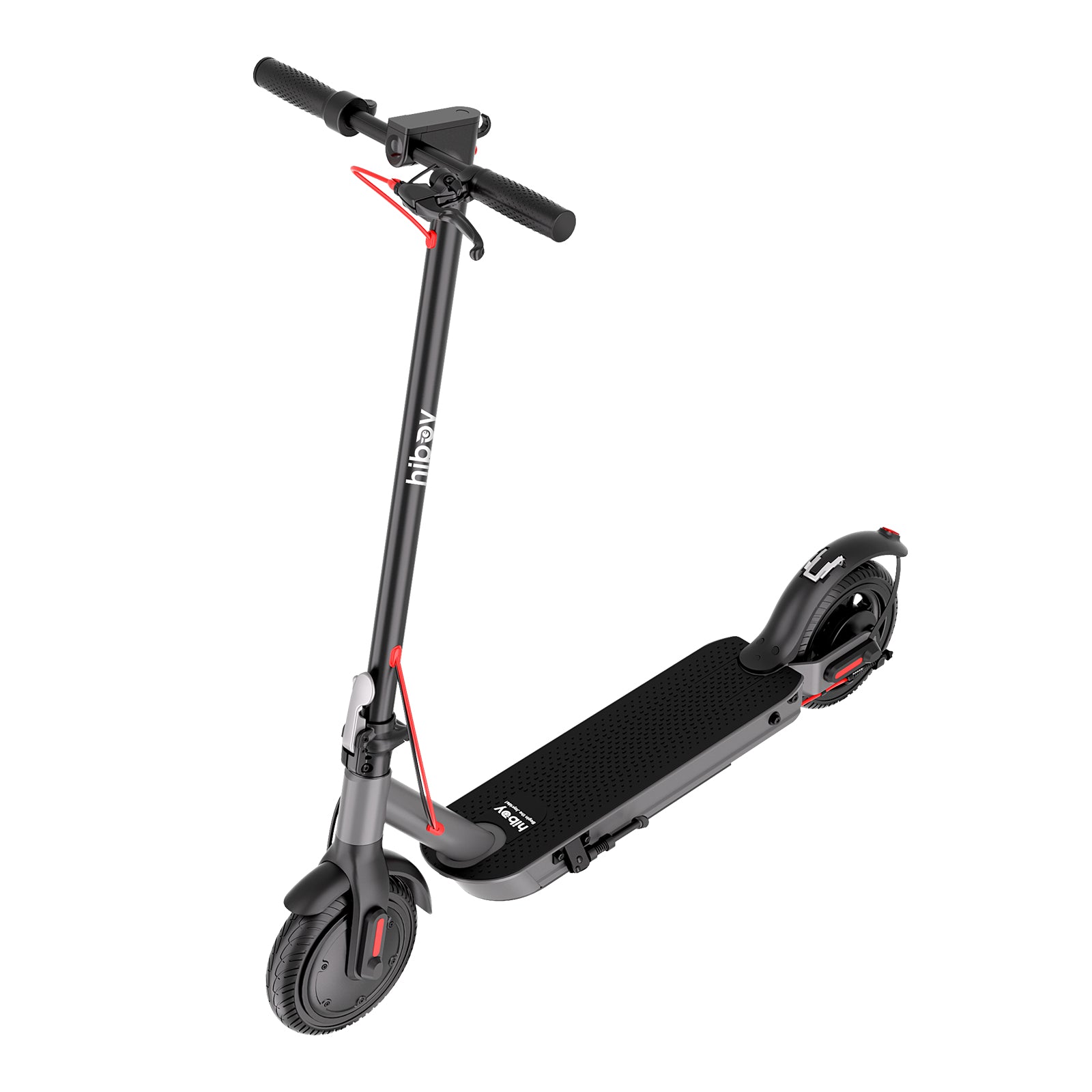 S2 Nova
 Compare Models
 Find Your Best Ride
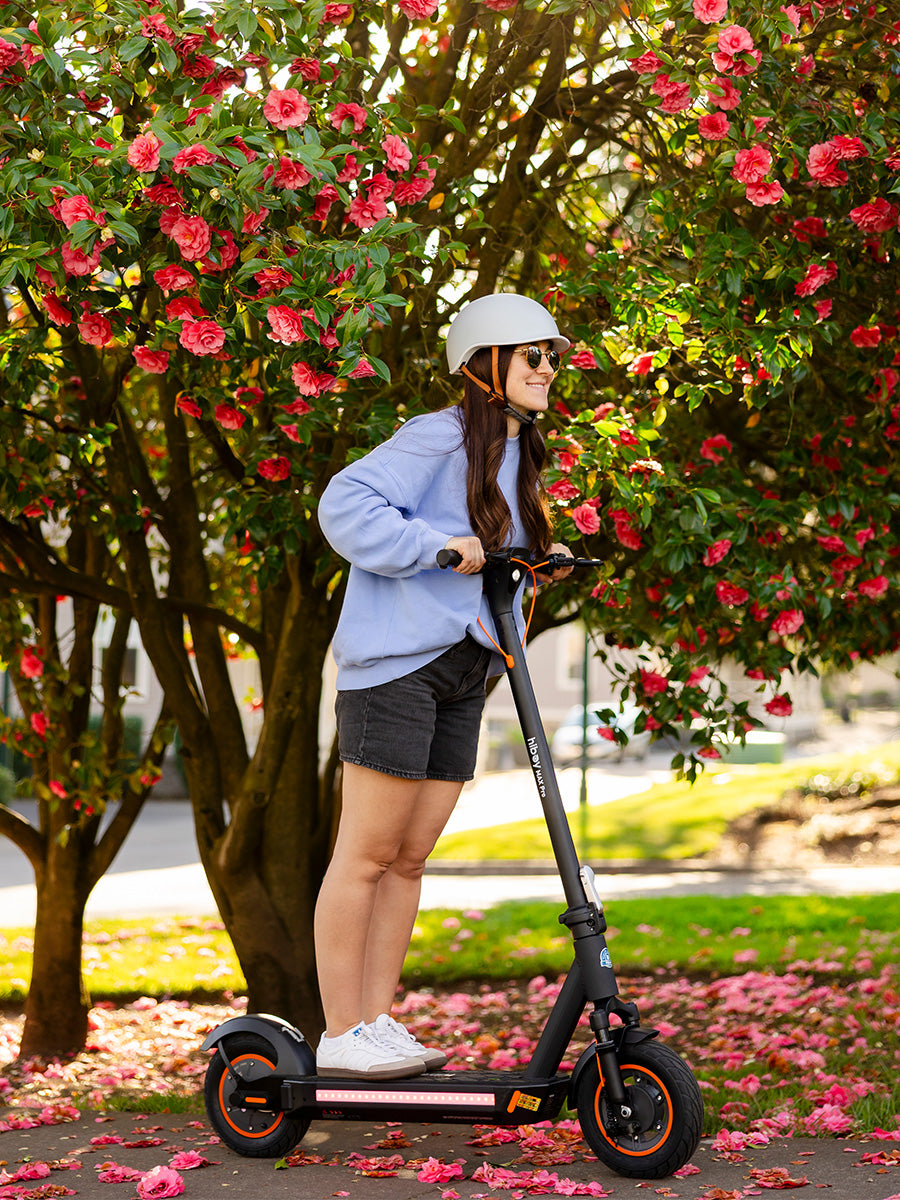
 Daily Commute
 Off-road & Trail
 Folding & Compact
 Fat Tire Rides
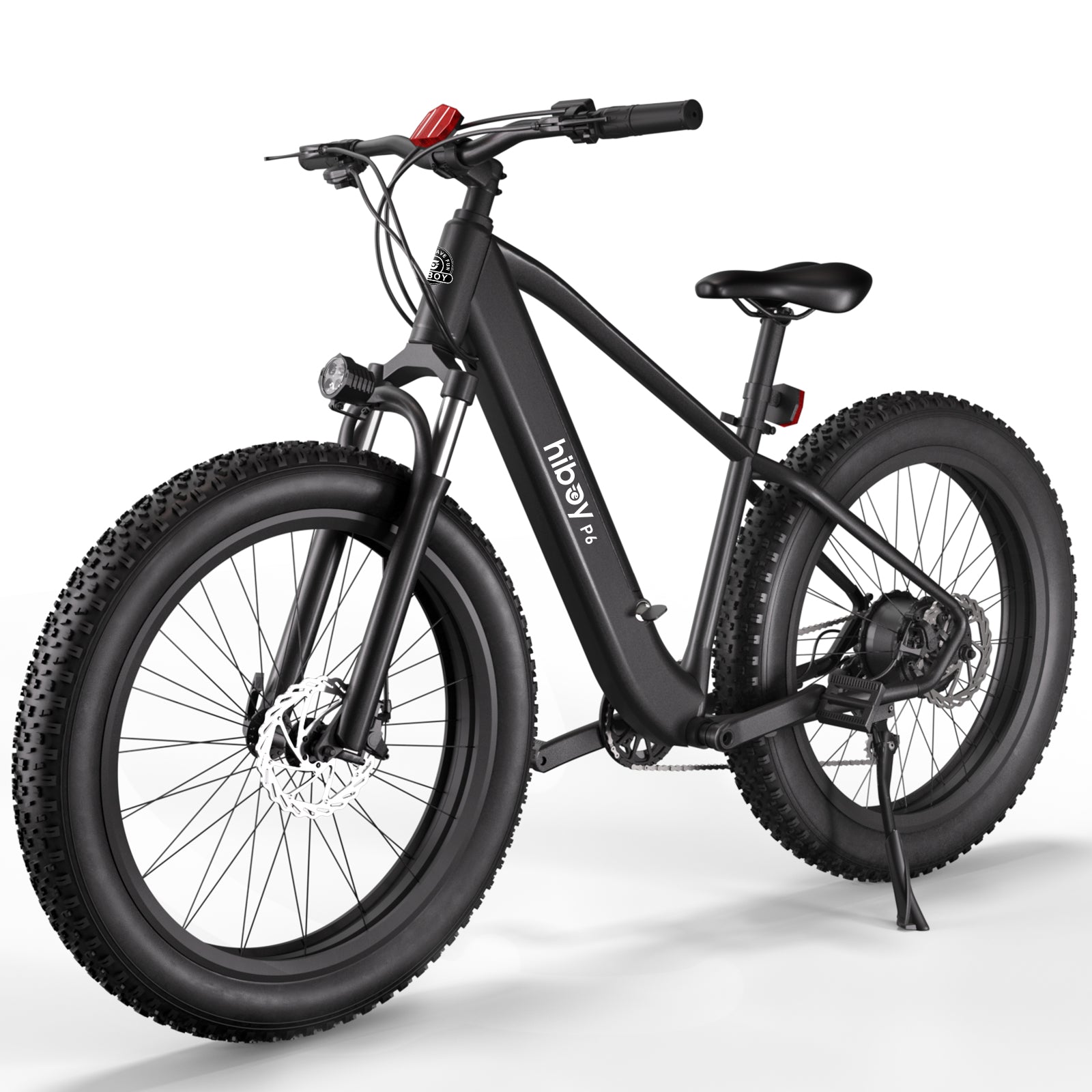 P6
P6
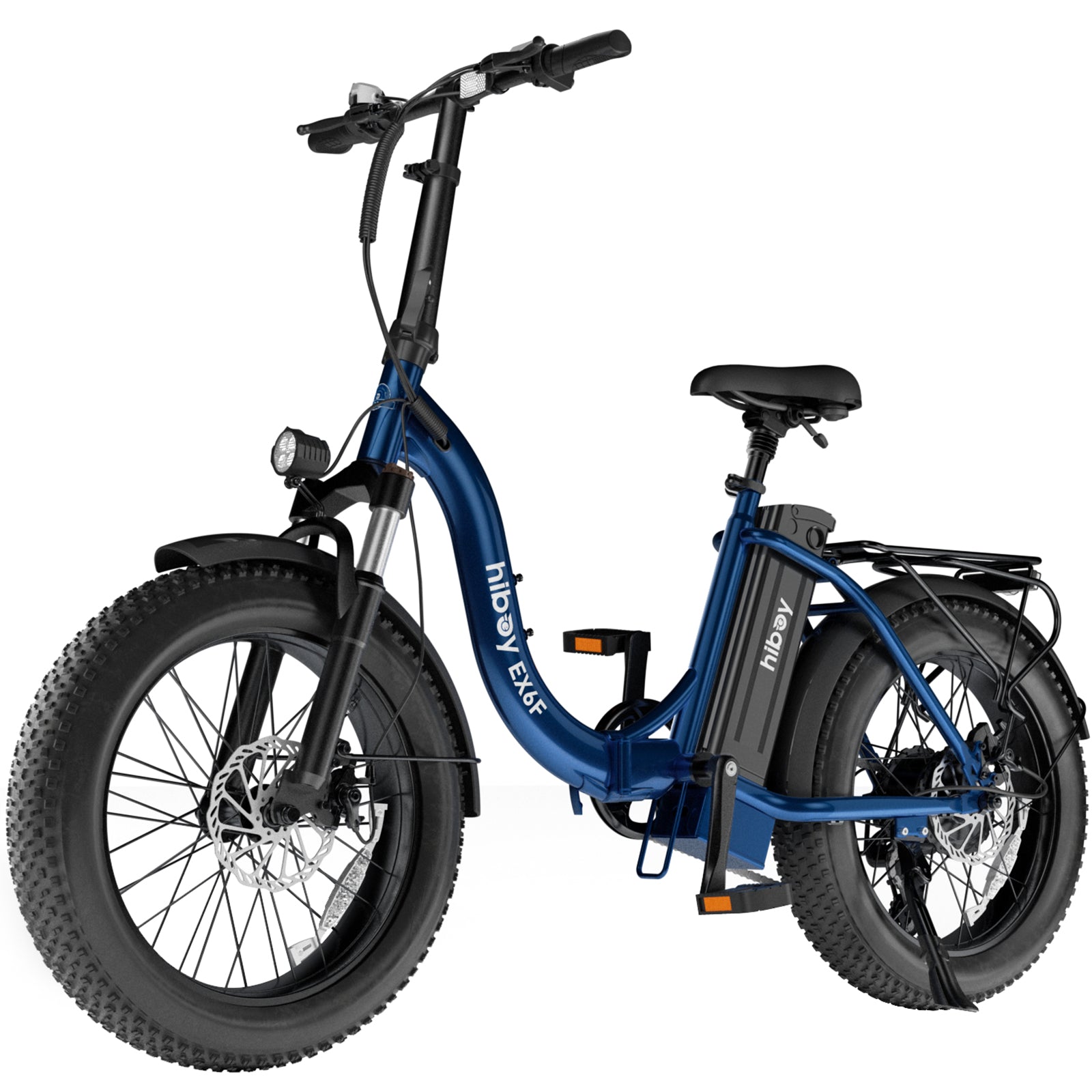 EX6F
EX6F
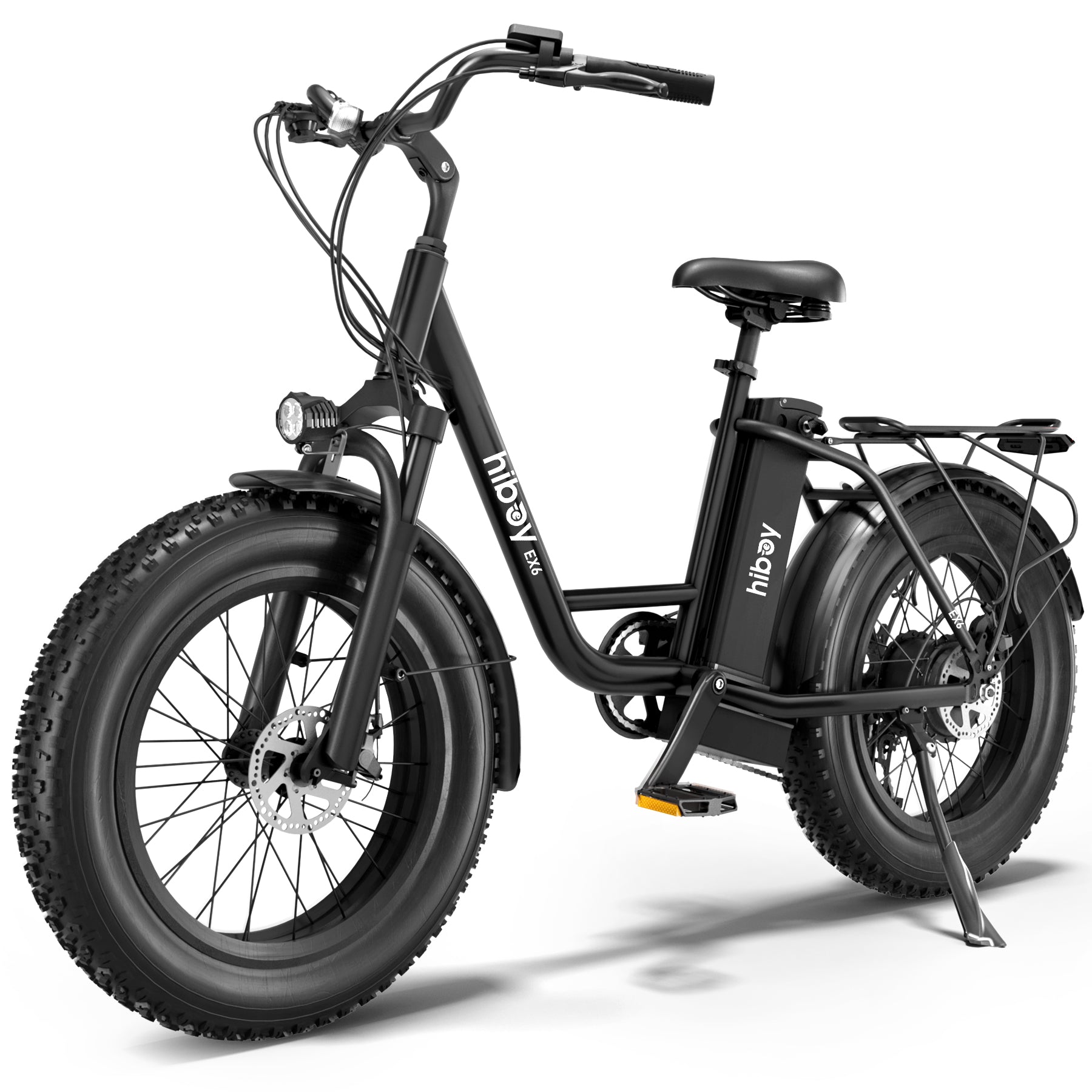 EX6
EX6
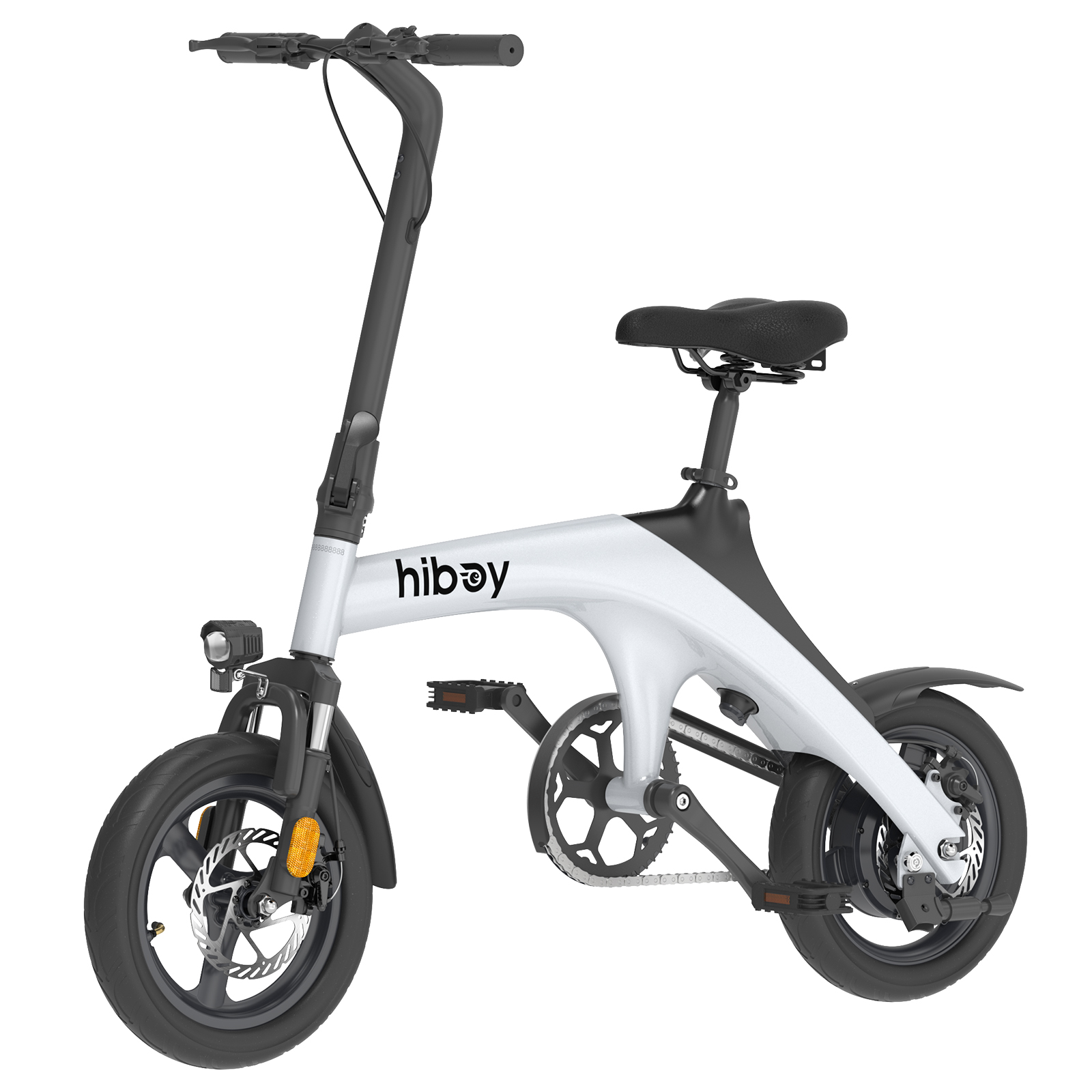 C1
C1
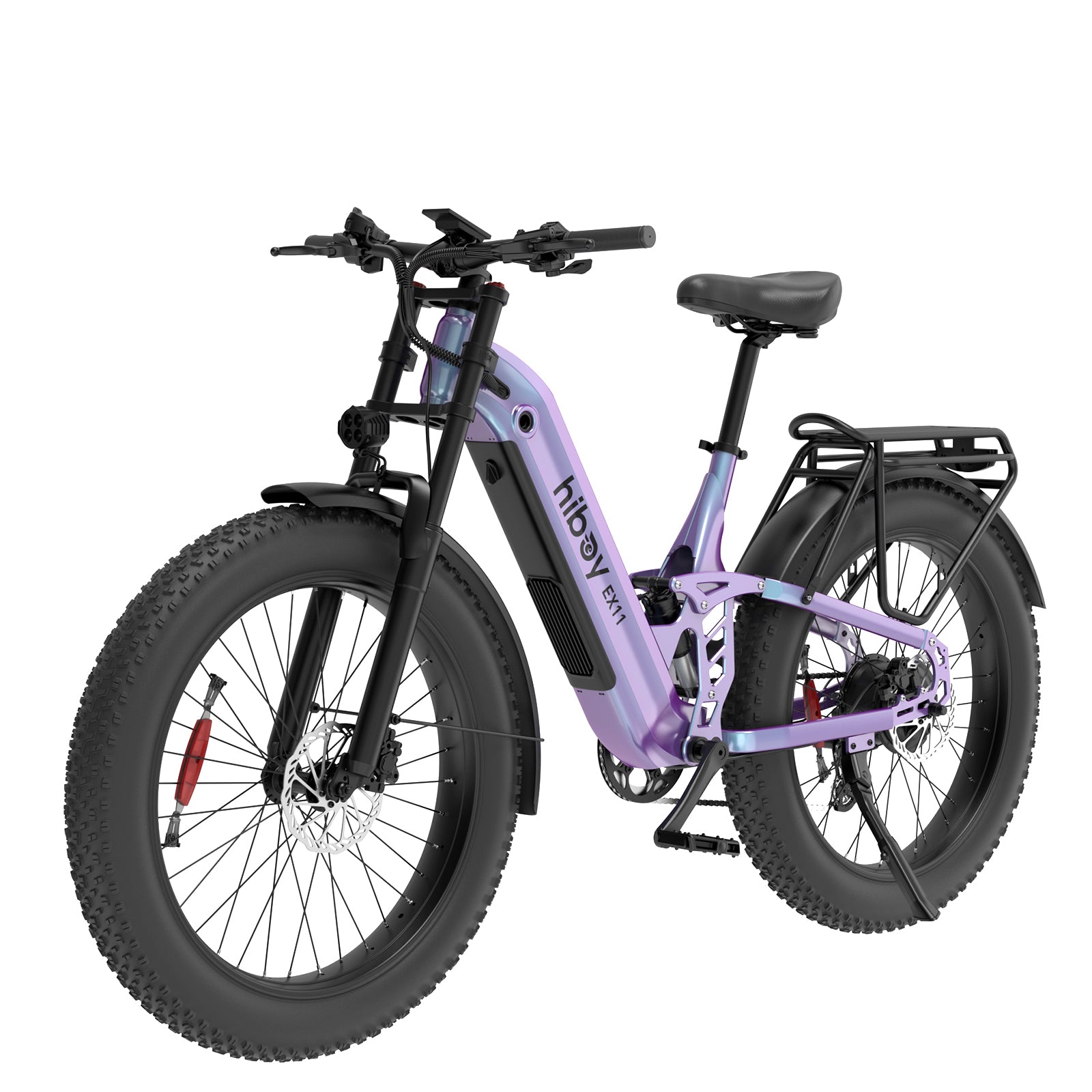 EX11
EX11
 EX9
EX9
 Compare Models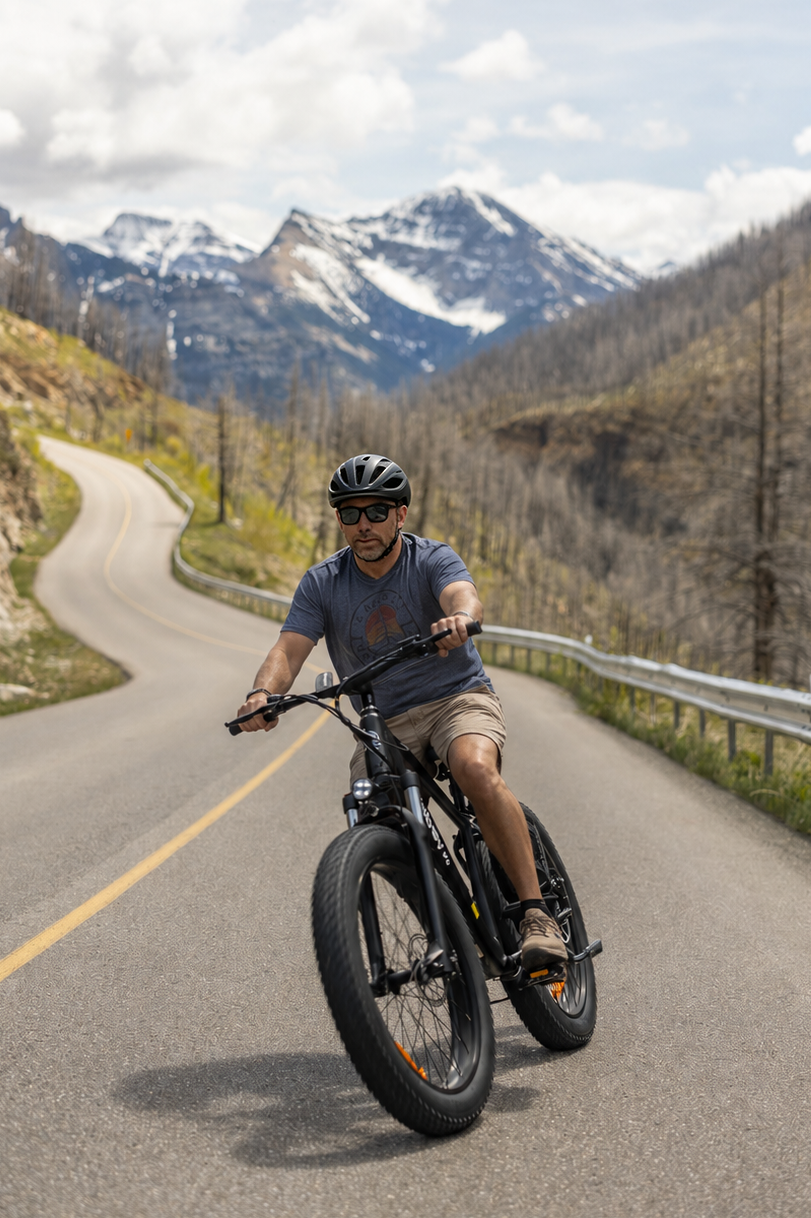
 First Rides
 Everyday Fun
 S2 Lite
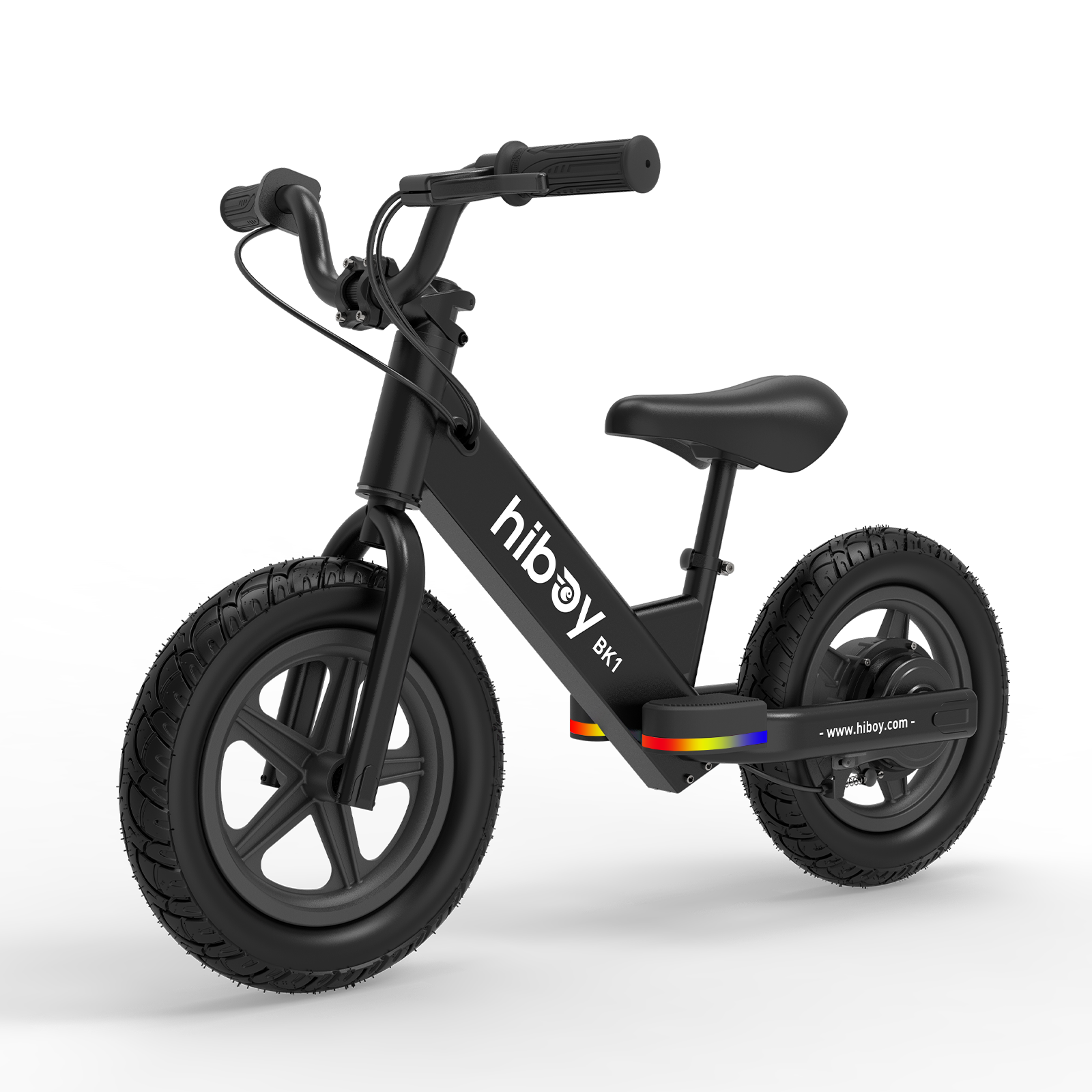 BK1
BK1
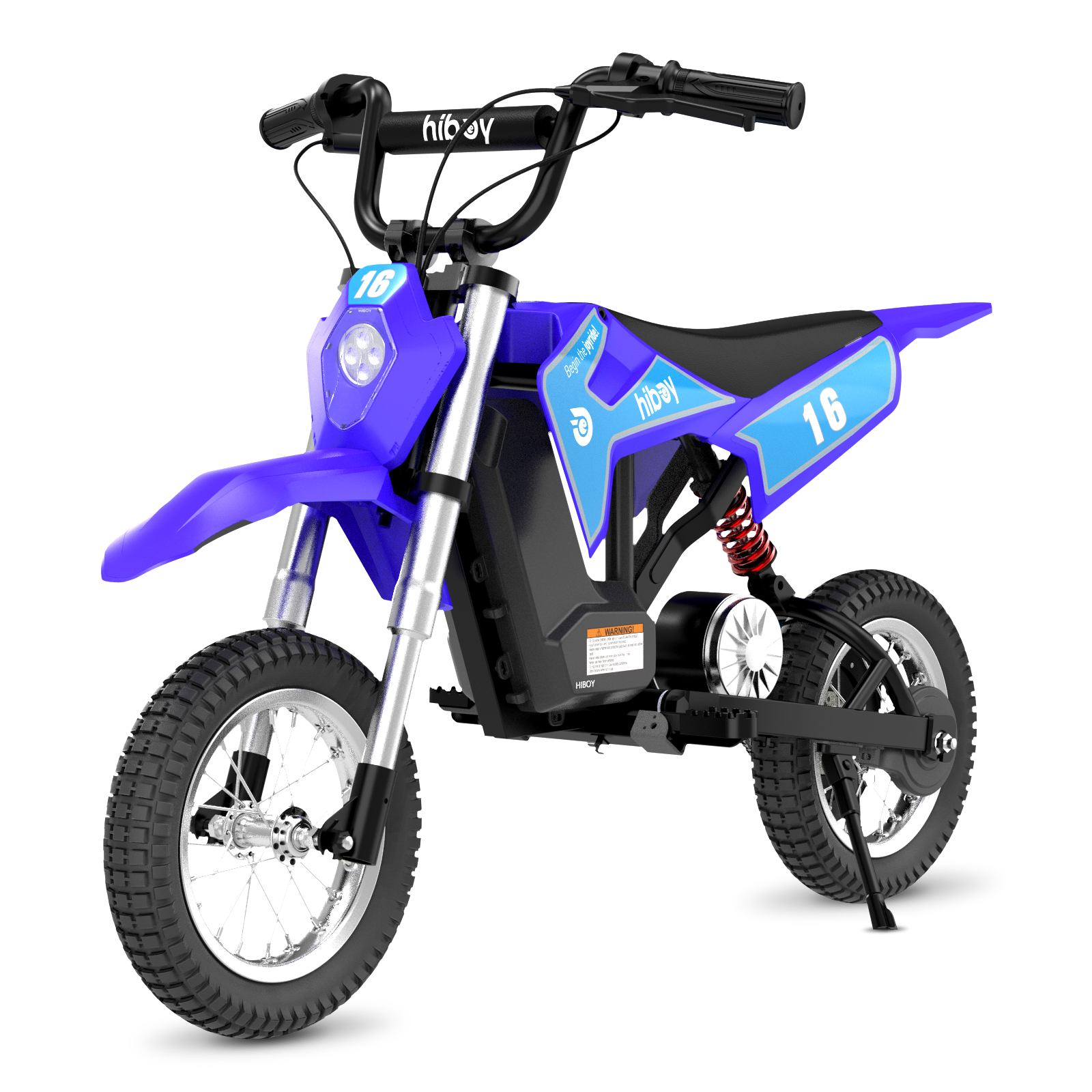 DK1
DK1
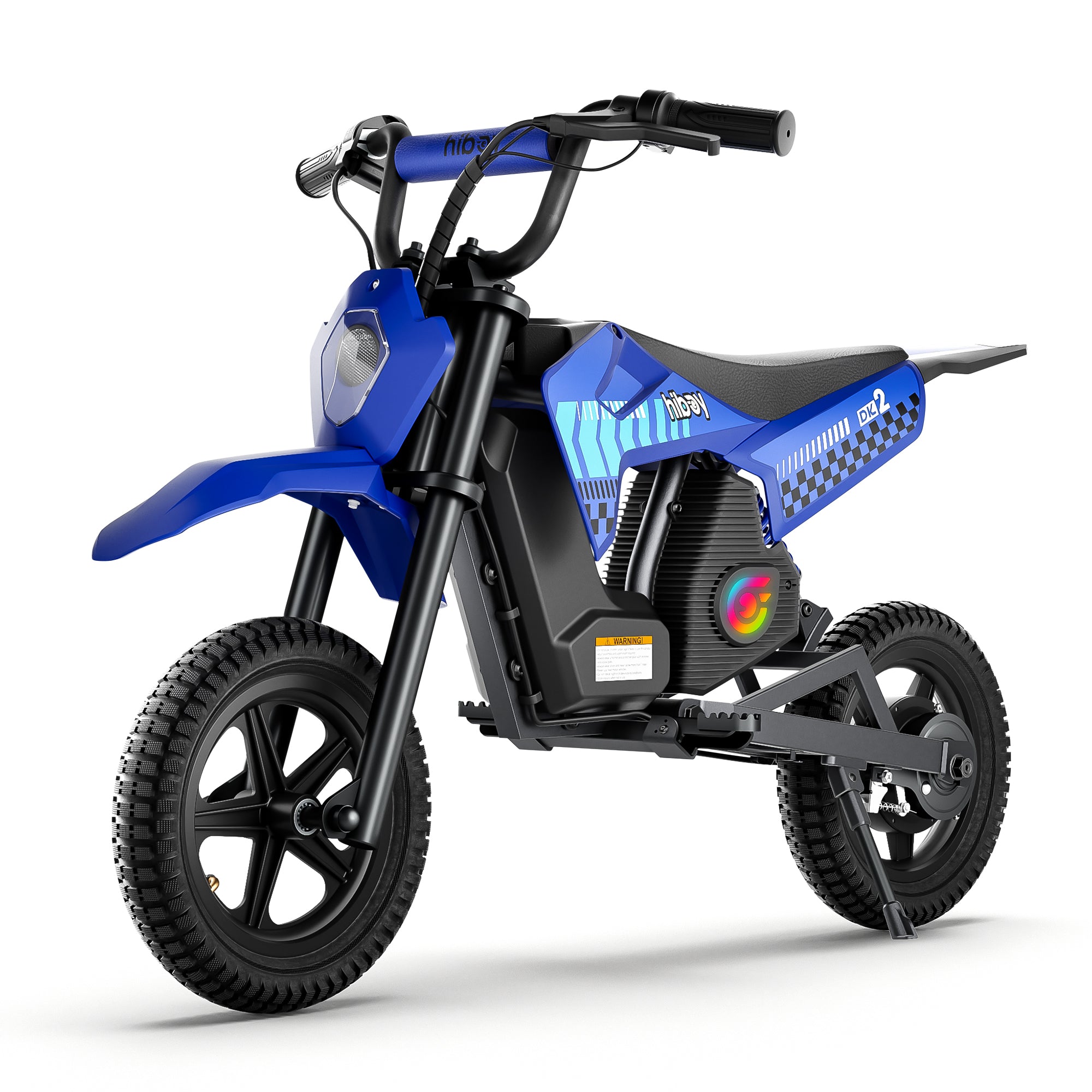 DK2
DK2
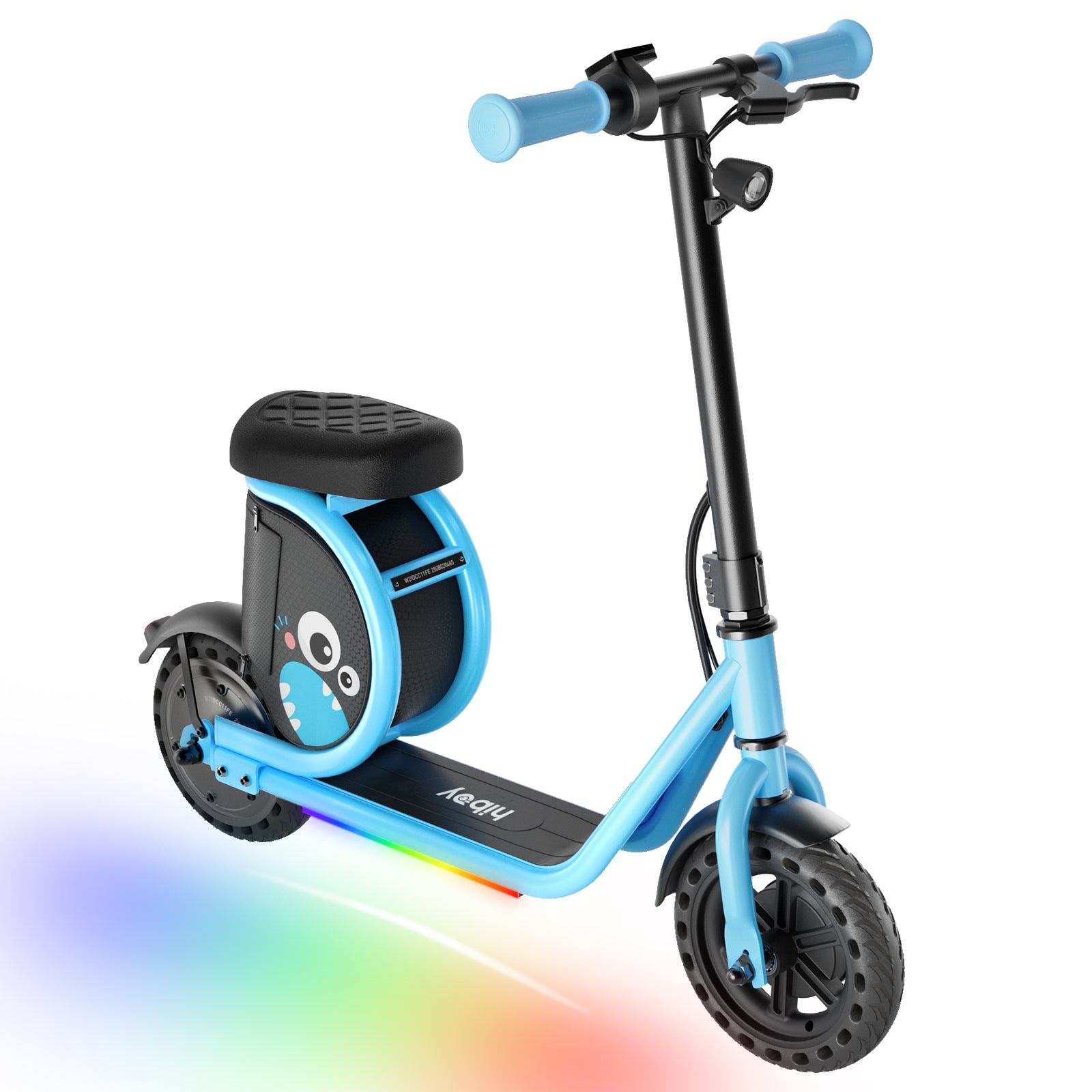 Joy Haul
 Q2 Lite
 Compare Models
One of the first specifications shoppers compare when buying an electric scooter or e-bike is range. It's common to see models advertised with ranges like 25 miles, 40 miles, or even 60+ miles, making it tempting to assume that's exactly how far you'll be able to ride on every trip.
In reality, your actual riding range is almost always different from the advertised figure.
That doesn't mean manufacturers are being misleading. Advertised range is typically measured under standardized test conditions designed to create a consistent benchmark across models. Everyday riding, however, involves hills, traffic, weather, rider weight, and riding habits, all of which affect how far a battery can take you.
Understanding the difference between advertised range and real-world range will help you choose the right electric ride and avoid unrealistic expectations.
What Is an Advertised Range?
Advertised range refers to the maximum distance a scooter or e-bike can travel on a full charge under controlled testing conditions.
While testing methods vary slightly between manufacturers, they're generally conducted under favorable conditions such as:
- Flat, paved roads
- Moderate temperatures
- A lightweight rider
- Minimal cargo
- Steady riding speed
- Fully charged battery
- Little or no wind
- Eco or lowest power mode
These conditions allow manufacturers to provide a consistent performance benchmark.

Think of it like the fuel economy rating on a car, it offers a useful comparison but doesn't guarantee identical results in everyday driving.
Why Your Real-World Range Is Different
Every ride is unique.
Small changes in terrain, weather, or riding style can significantly affect battery consumption.
Let's look at the biggest factors.
1. Rider Weight
The heavier the total load, the more energy the motor needs.
That load includes:
- Rider
- Backpack
- Groceries
- Child seat
- Cargo
For example:
| Rider Weight | Expected Impact on Range |
| 140 lbs | Longer range |
| 180 lbs | Average range |
| 220 lbs+ | Noticeably reduced range |
This is one of the biggest reasons why two riders can experience very different results on the same scooter.

2. Hills and Elevation
Flat roads require far less power than steep climbs.
If your commute includes:
- Long hills
- Mountain roads
- Frequent elevation changes
your battery will discharge faster than during flat-ground testing.
Fortunately, many modern electric scooters and e-bikes recover a small amount of energy through regenerative braking (where available), but this typically doesn't fully offset the additional energy used when climbing.
3. Riding Speed
Higher speeds consume more battery power.
Although riding at maximum speed is exciting, it also increases energy consumption.
For example:
| Riding Style | Battery Usage |
| Eco mode | Lowest |
| Moderate cruising | Balanced |
| Full throttle | Highest |
Even reducing your cruising speed by a few miles per hour can noticeably extend range.

4. Stop-and-Go Traffic
City riding often involves:
- Traffic lights
- Stop signs
- Pedestrian crossings
- Congestion
Each acceleration from a complete stop requires more energy than maintaining a steady speed.
This is why urban commuting may produce shorter ranges than continuous trail riding.
5. Tire Pressure
Underinflated tires increase rolling resistance.
This means the motor must work harder to move the scooter or bike forward.
Checking tire pressure regularly is one of the easiest ways to maximize battery efficiency.
6. Weather Conditions
Temperature plays a surprisingly important role.
Cold Weather
Lithium-ion batteries temporarily lose efficiency in cold temperatures.
During winter, riders may notice:
- Shorter range
- Reduced acceleration
- Slower charging
Battery performance usually improves once temperatures return to normal.
Wind
Strong headwinds increase aerodynamic resistance.
Just like cycling into the wind, your motor uses more power to maintain speed.
7. Battery Age
Over time, all rechargeable batteries gradually lose capacity.
This is completely normal.
With proper charging and storage habits, most lithium-ion batteries continue delivering reliable performance for several years before noticeable capacity loss occurs.

How Manufacturers Calculate Range
Manufacturers generally test under controlled conditions to create a standardized reference point.
Typical testing conditions include:
| Test Condition | Typical Scenario |
| Rider weight | Moderate load |
| Road | Flat pavement |
| Wind | Minimal |
| Temperature | Mild weather |
| Battery | Fully charged |
| Riding mode | Eco or lowest assist |
| Tire pressure | Properly inflated |
These conditions represent ideal performance, not everyday commuting.
That's why real-world results naturally vary.
Real Range Expectations
Rather than expecting the maximum advertised number every ride, it's helpful to think in terms of a range window.
| Advertised Range | Typical Real-World Expectation* |
| 20 miles | 14–19 miles |
| 30 miles | 22–28 miles |
| 40 miles | 28–38 miles |
| 60 miles | 45–58 miles |
*Actual results depend on rider weight, terrain, weather, speed, tire pressure, battery condition, and riding style.

These estimates aren't guarantees, they simply illustrate why real-world performance often differs from laboratory testing.
How to Get the Most Out of Every Charge
Fortunately, there are several ways to maximize battery range.
Ride Smoothly
Avoid sudden acceleration whenever possible.
Gentle throttle control reduces energy consumption.
Use Eco Mode When Appropriate
Eco mode limits power output and helps conserve battery during longer rides.
Save higher power modes for hills or when additional acceleration is needed.
Maintain Proper Tire Pressure
Properly inflated tires:
- Improve efficiency
- Increase range
- Enhance handling
- Reduce tire wear
Check tire pressure regularly, especially before longer rides.
Charge the Battery Correctly
To maximize battery lifespan:
- Use the original charger
- Avoid leaving the battery fully discharged for extended periods
- Store batteries in moderate temperatures
- Follow the manufacturer's charging recommendations
Reduce Extra Weight
Every additional pound requires more energy.
When possible, avoid carrying unnecessary items during longer rides.
Choosing the Right Range for Your Needs

Instead of buying based only on the highest advertised number, consider your actual daily riding habits.
| Daily Commute | Recommended Advertised Range |
| Under 5 miles | 15–20 miles |
| 5–10 miles | 20–30 miles |
| 10–20 miles | 30–45 miles |
| Over 20 miles | 45+ miles |
A good rule of thumb is to choose a scooter or e-bike with an advertised range comfortably above your typical daily distance. This provides flexibility for hills, detours, weather changes, and battery aging over time.
How Hiboy Designs for Everyday Riding
At Hiboy, the advertised range is intended to serve as a helpful performance benchmark, not a promise that every rider will achieve identical results.
Our electric scooters and e-bikes are engineered with efficiency, battery reliability, and everyday usability in mind. By offering a variety of models with different battery capacities and riding ranges, we make it easier for riders to find a product that matches their commuting needs and lifestyle.
Whether you're looking for a compact scooter for short urban trips or a long-range e-bike for extended adventures, choosing the right model starts with understanding how you'll actually ride.
Frequently Asked Questions
Why is my scooter's actual range lower than advertised?
Advertised range is measured under ideal testing conditions. Factors such as rider weight, hills, speed, weather, stop-and-go traffic, tire pressure, and battery age can all reduce real-world range.

Does cold weather affect battery range?
Yes. Cold temperatures temporarily reduce the efficiency of lithium-ion batteries, which can lead to shorter riding distances and slower charging. Performance typically returns to normal in warmer conditions.
Can I increase my scooter's range?
Yes. Riding at moderate speeds, maintaining proper tire pressure, using Eco mode, reducing unnecessary weight, and following good battery care practices can all help extend range.
Should I buy a scooter with more range than I need?
In most cases, yes. Choosing a model with a higher advertised range than your daily commute provides a comfortable buffer for changing conditions, battery aging, and occasional longer rides.
Final Thoughts
Advertised range is an important specification, but it's only one part of the story. Real-world riding conditions, from hills and weather to speed and payload, mean that your actual range will naturally vary from one trip to the next.
Rather than focusing solely on the maximum number printed on the spec sheet, think about how and where you'll ride most often. By selecting a model with enough range for your everyday needs, and understanding the factors that influence battery performance, you'll enjoy a more reliable, predictable, and satisfying riding experience.
The best electric scooter or e-bike isn't simply the one with the highest advertised range, it's the one that delivers the right balance of performance, efficiency, and confidence for the way you ride every day.







Leave a comment
All comments are moderated before being published.
This site is protected by hCaptcha and the hCaptcha Privacy Policy and Terms of Service apply.