





 Daily Commute
 Lightweight & Portable
 Performance Rides
 Comfort With Seat
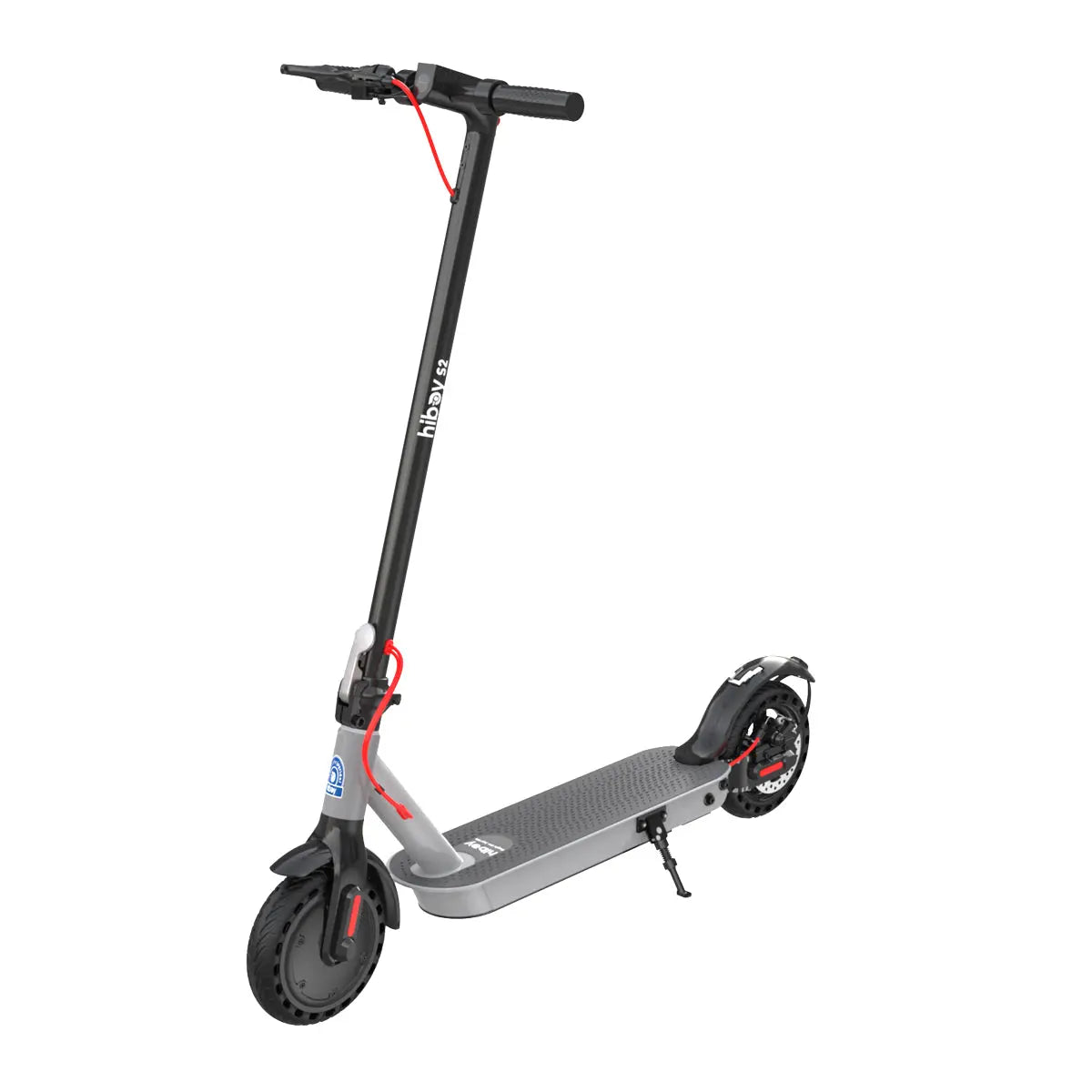 S2
S2
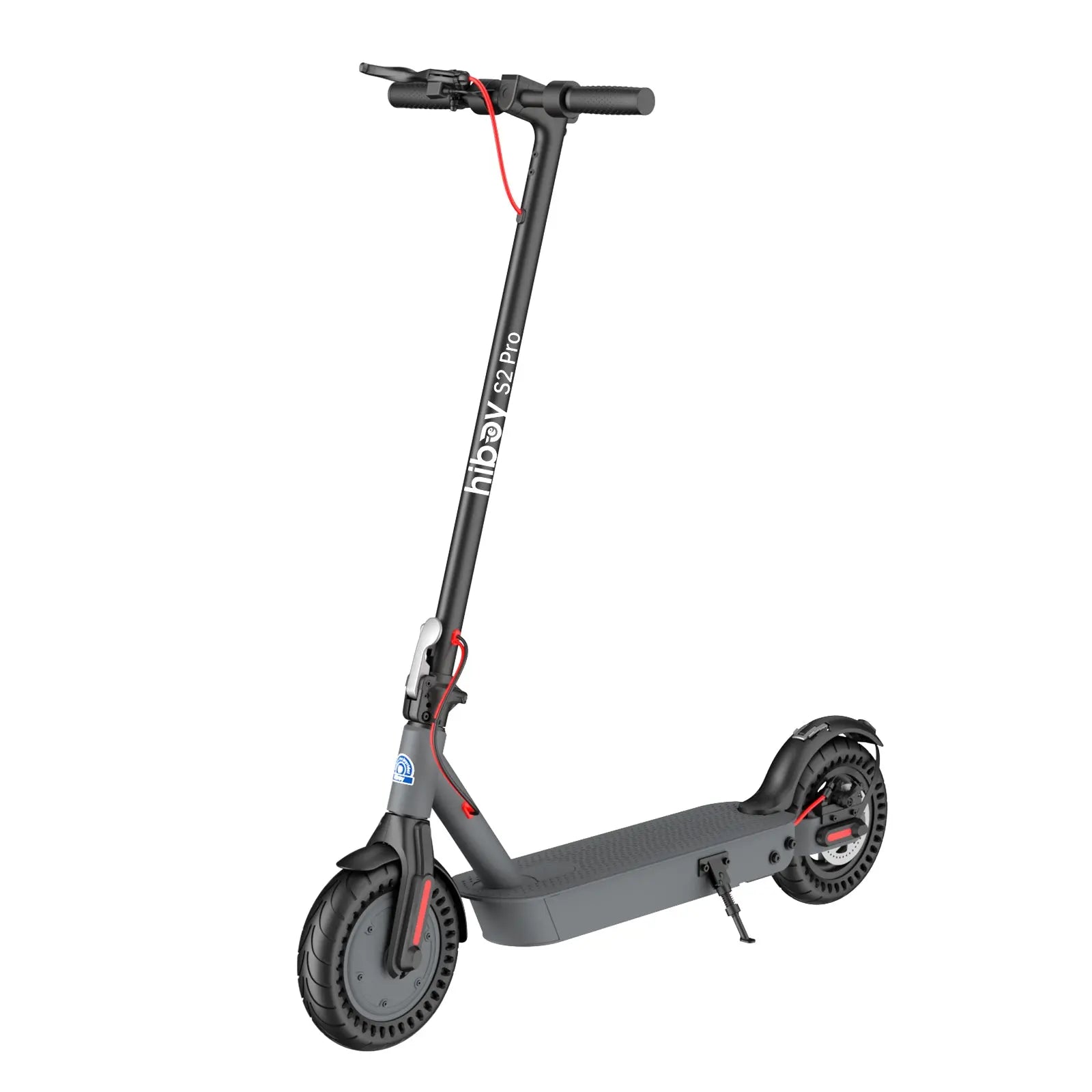 S2 Pro
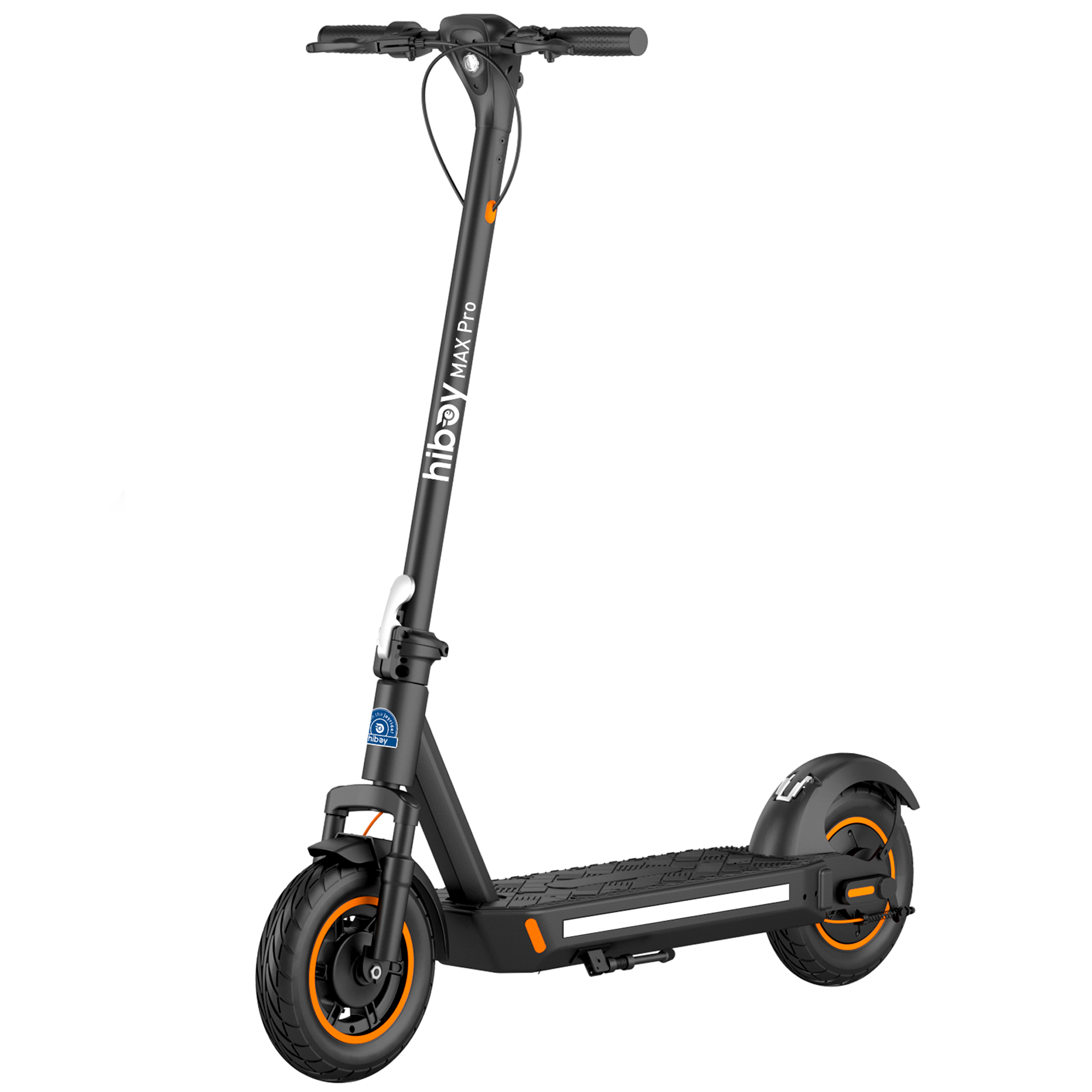 MAX Pro
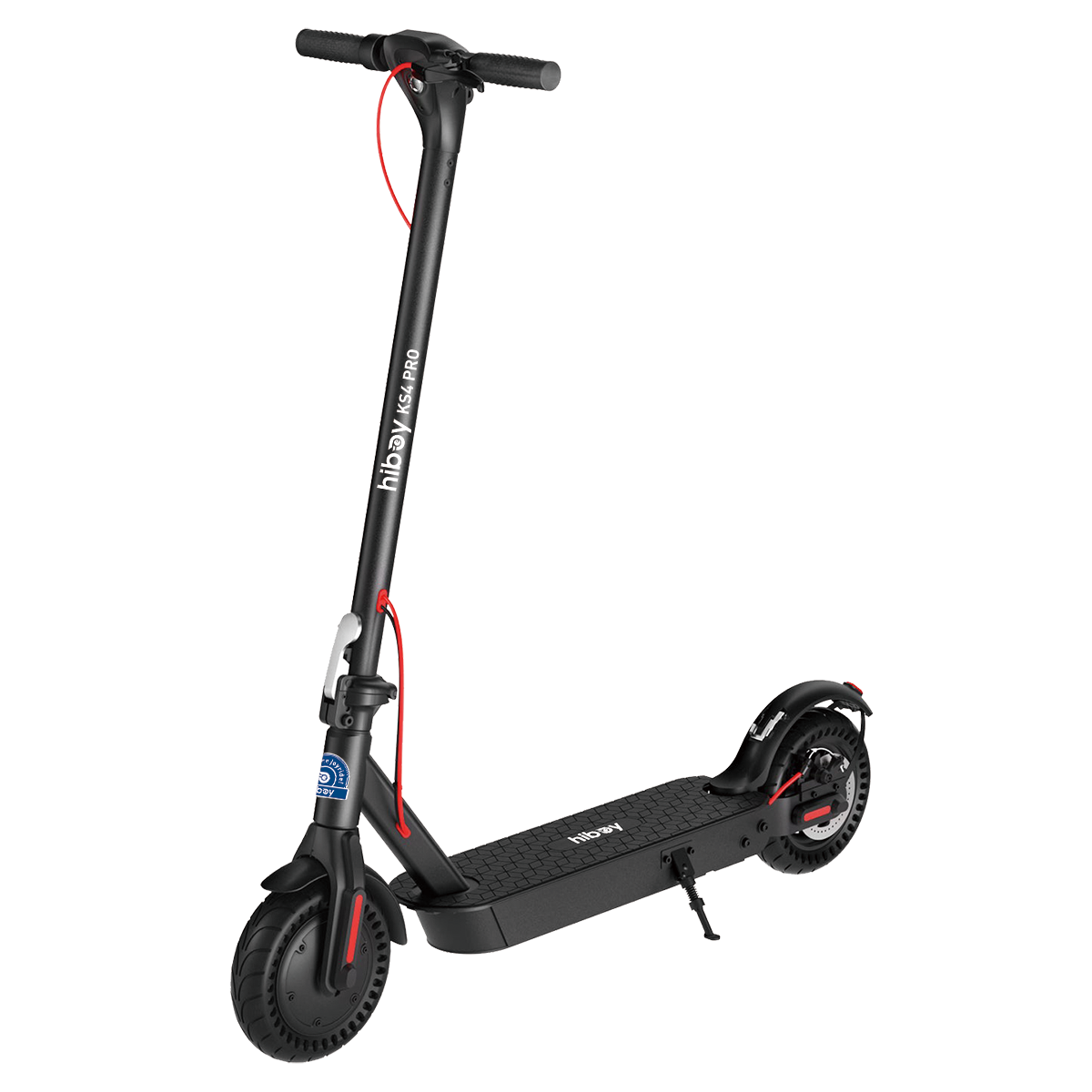 KS4 Pro
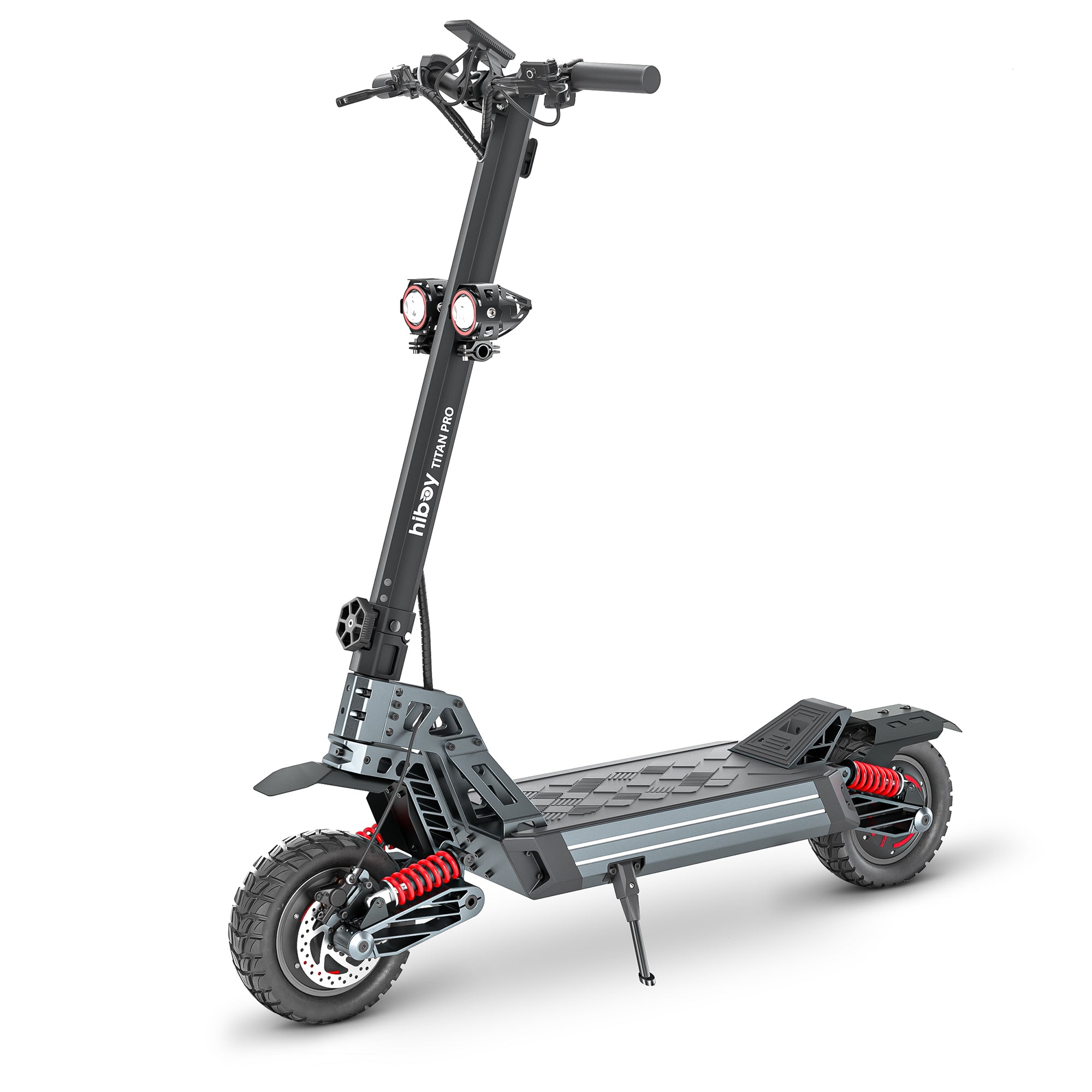 TITAN PRO
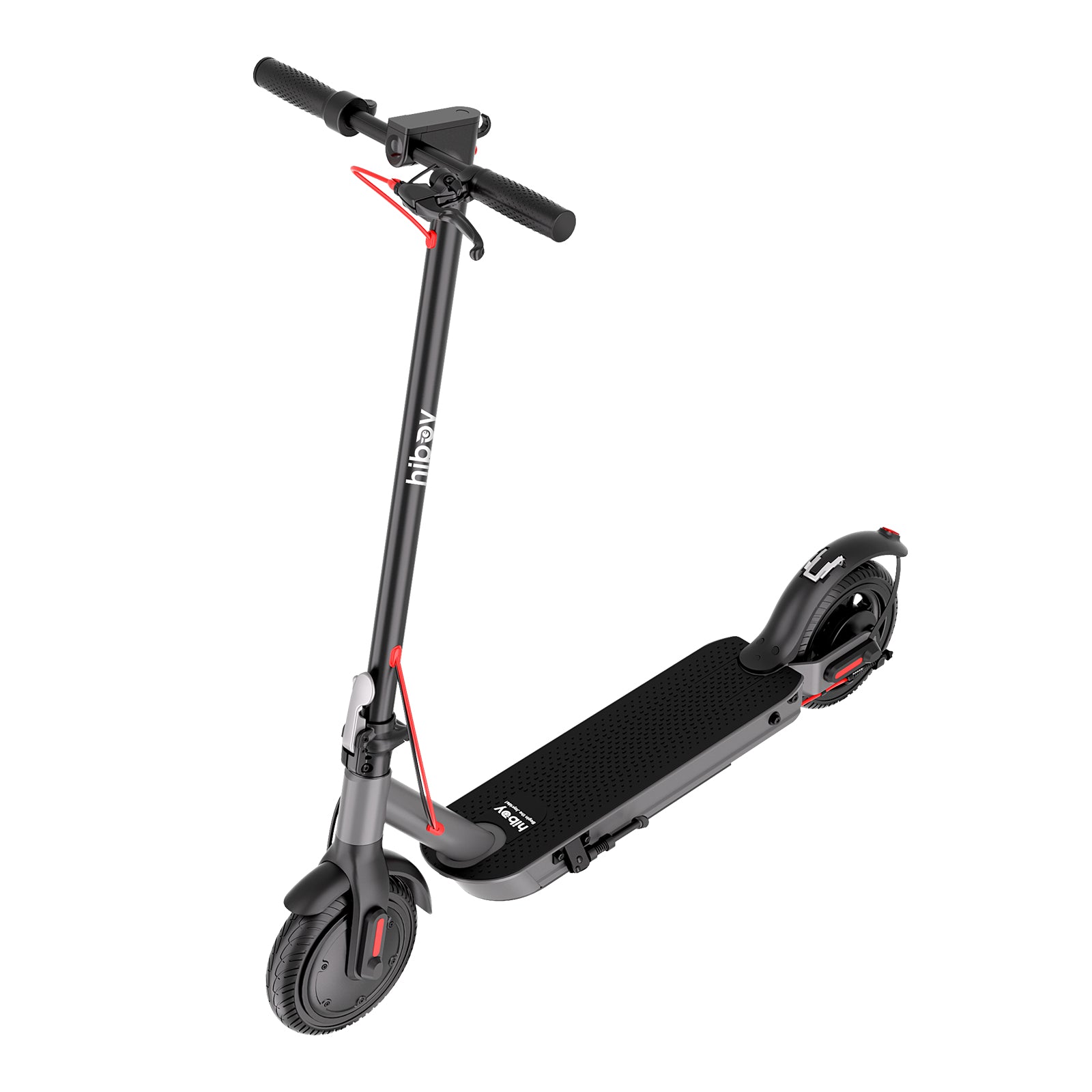 S2 Nova
 Compare Models
 Find Your Best Ride

 Daily Commute
 Off-road & Trail
 Folding & Compact
 Fat Tire Rides
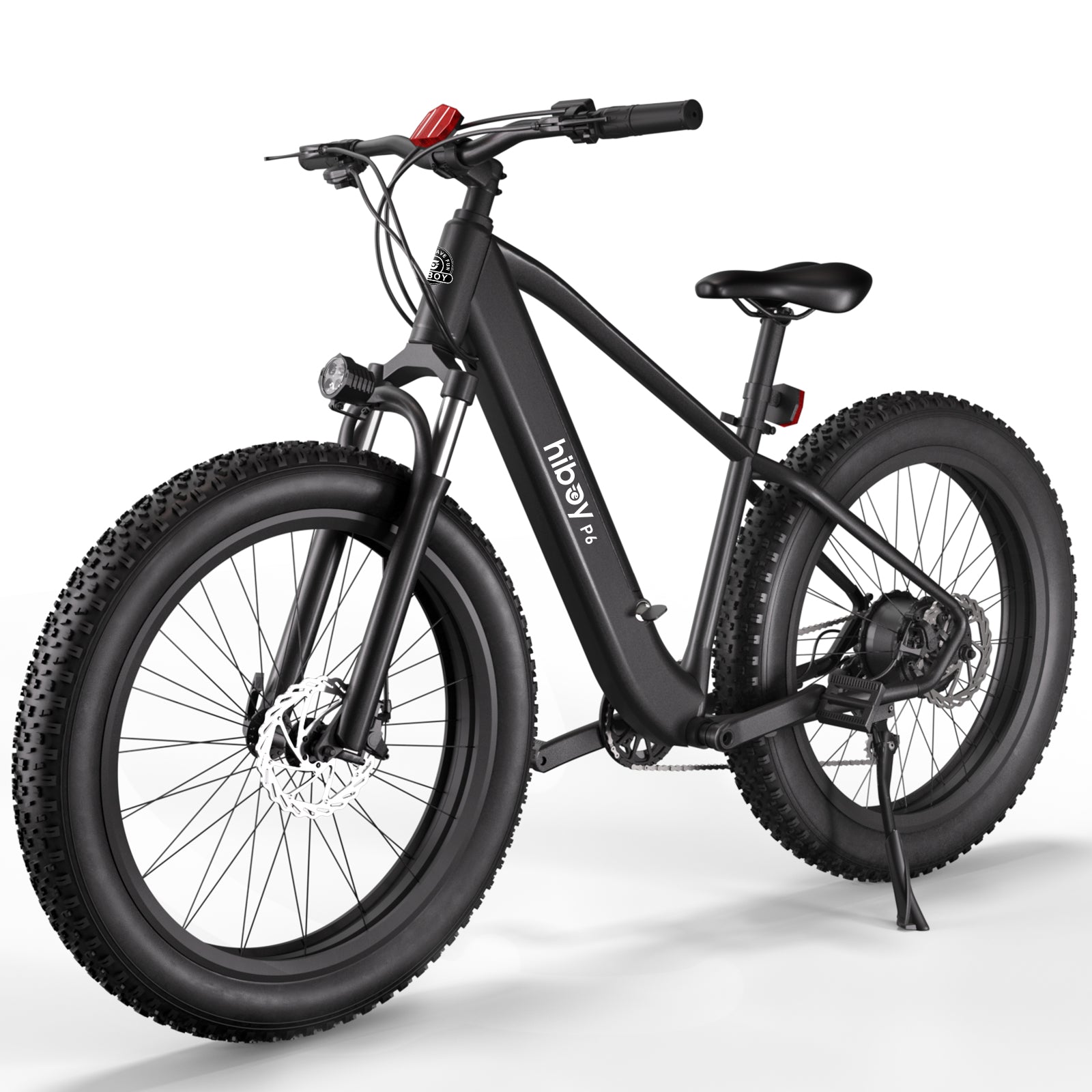 P6
P6
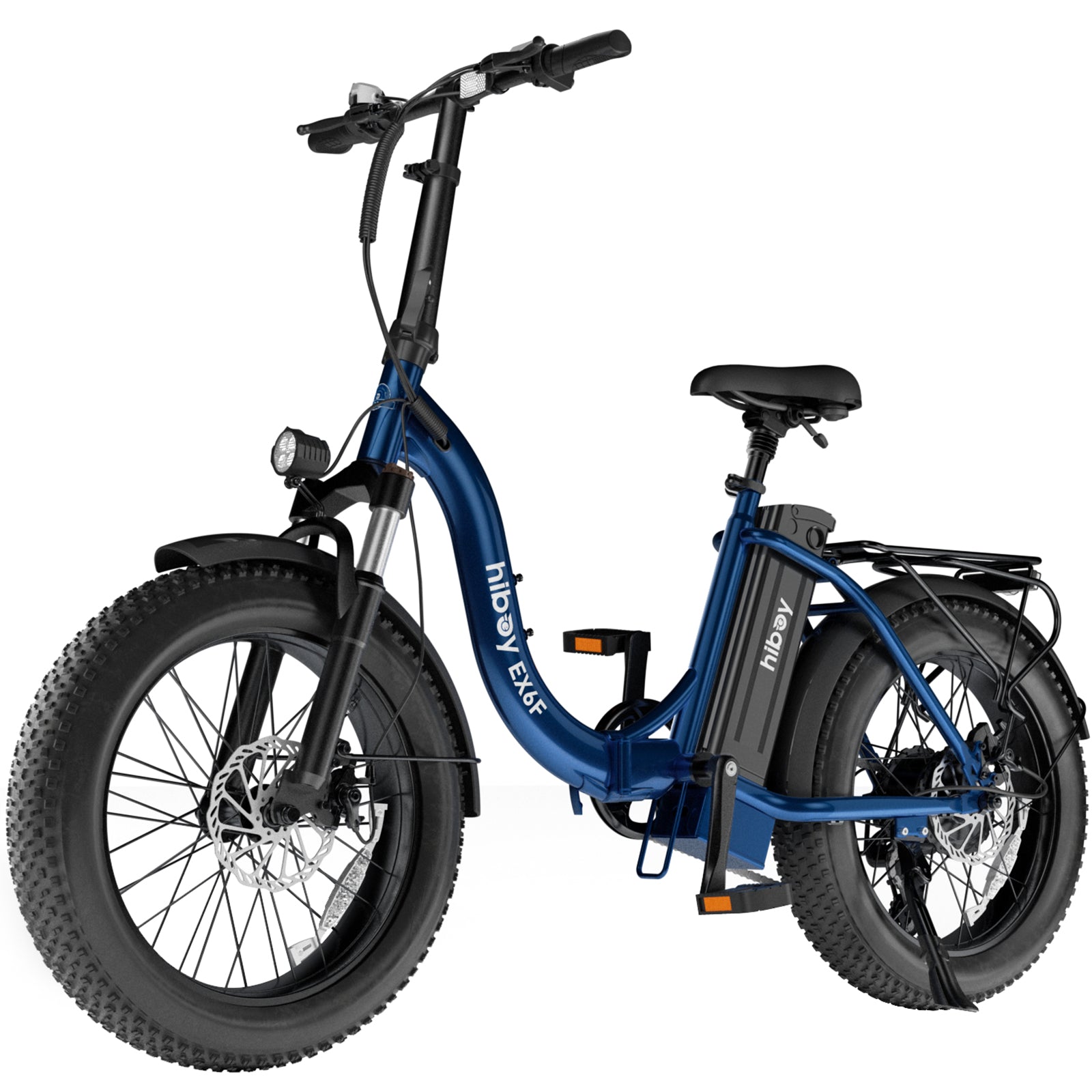 EX6F
EX6F
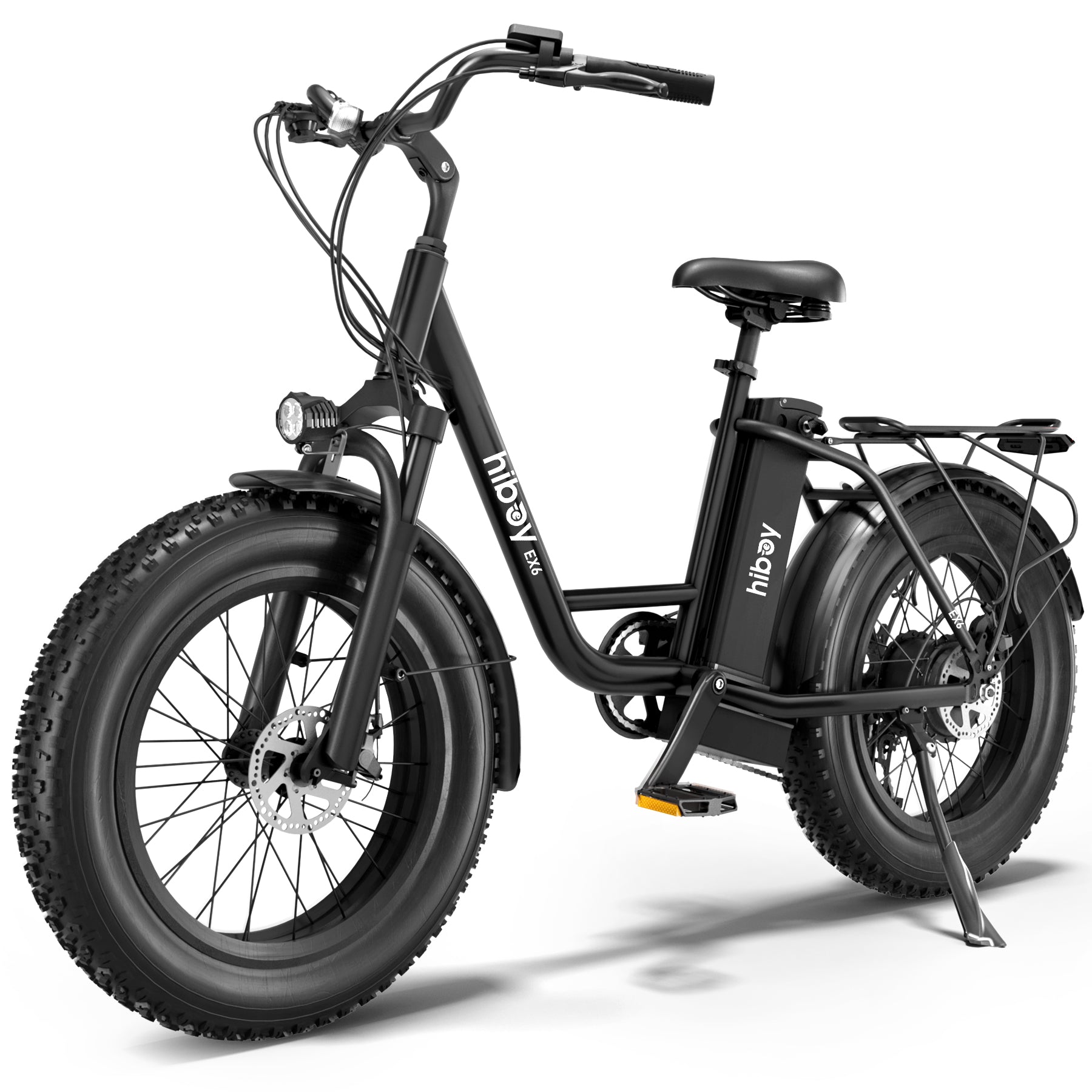 EX6
EX6
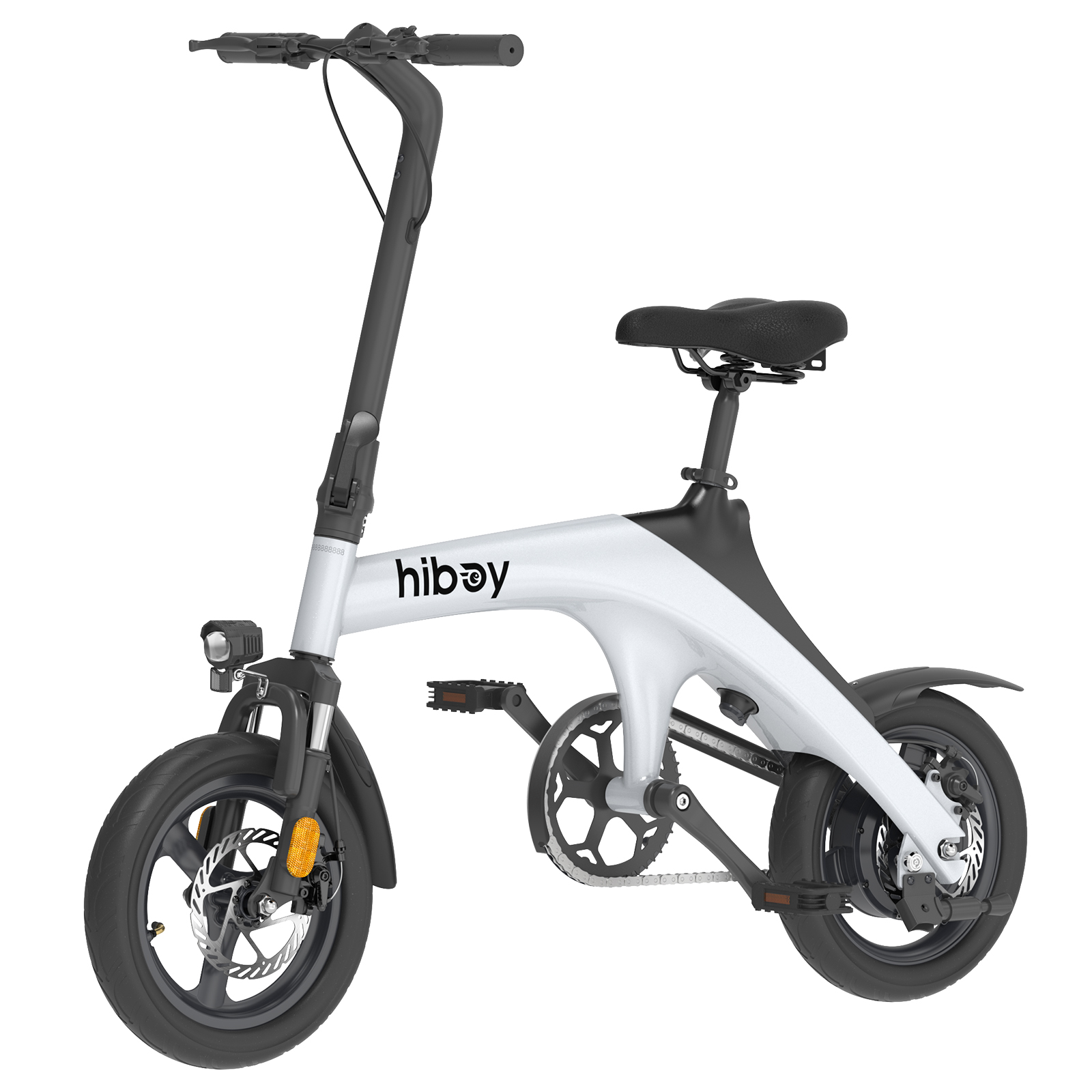 C1
C1
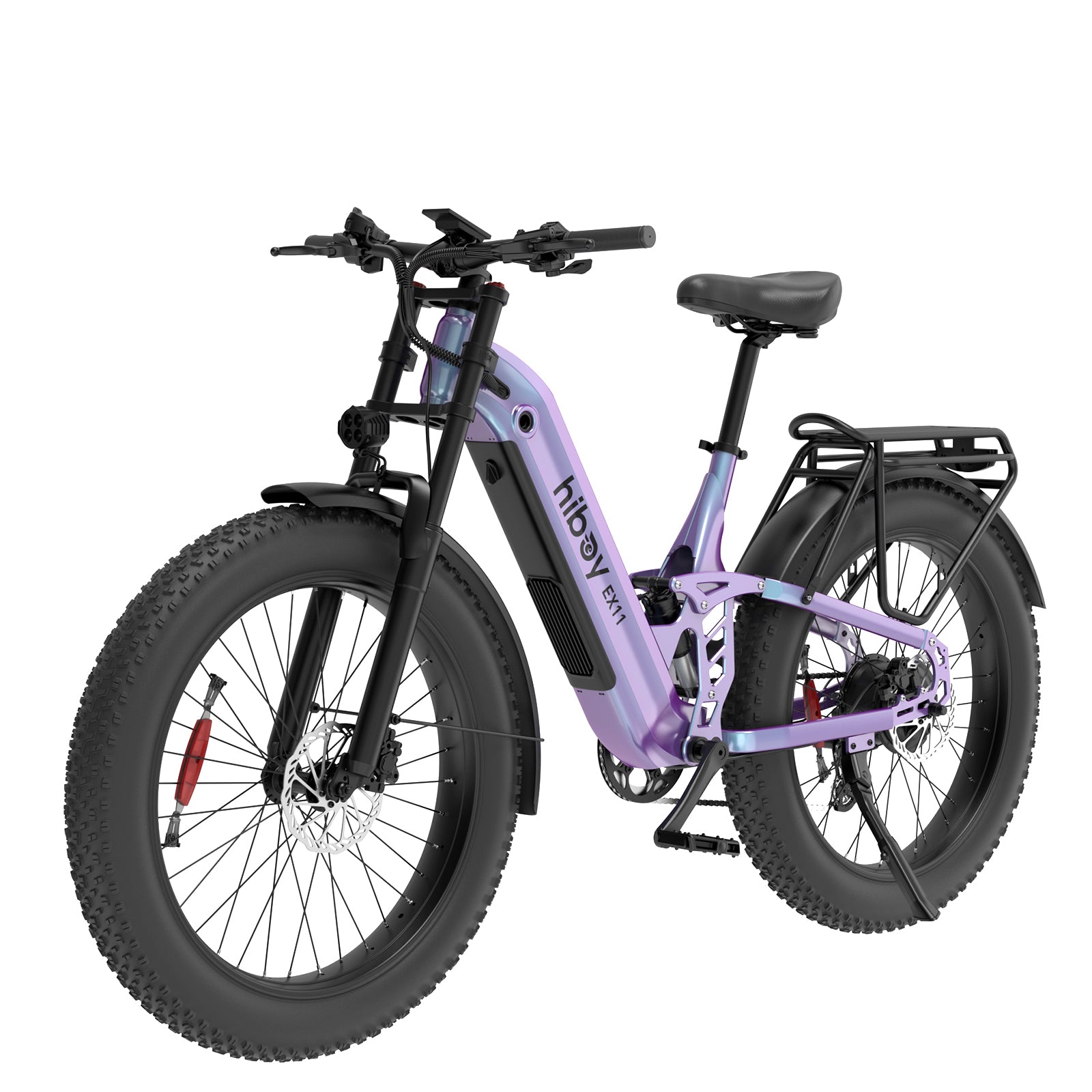 EX11
EX11
 EX9
EX9
 Compare Models
 First Rides
 Everyday Fun
 S2 Lite
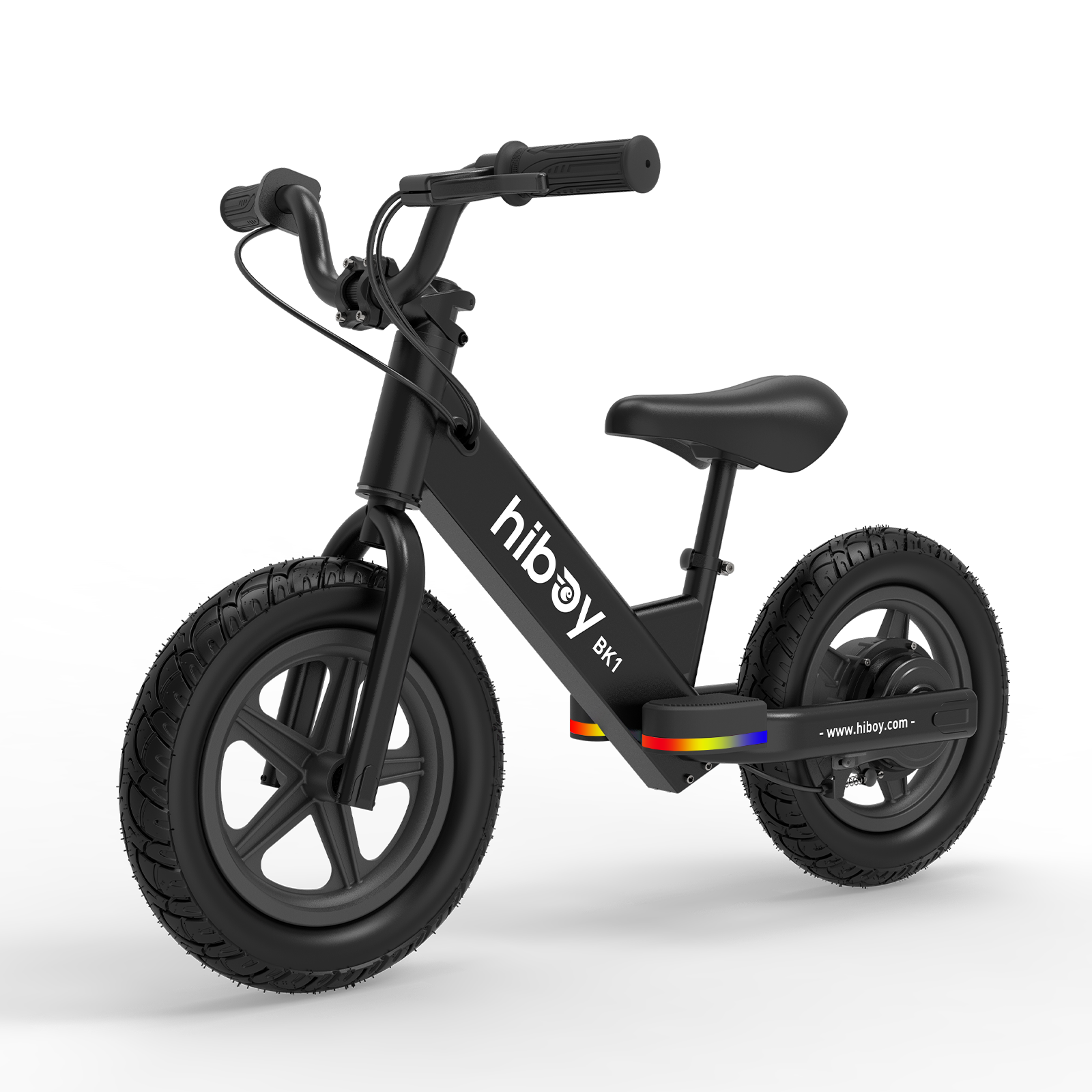 BK1
BK1
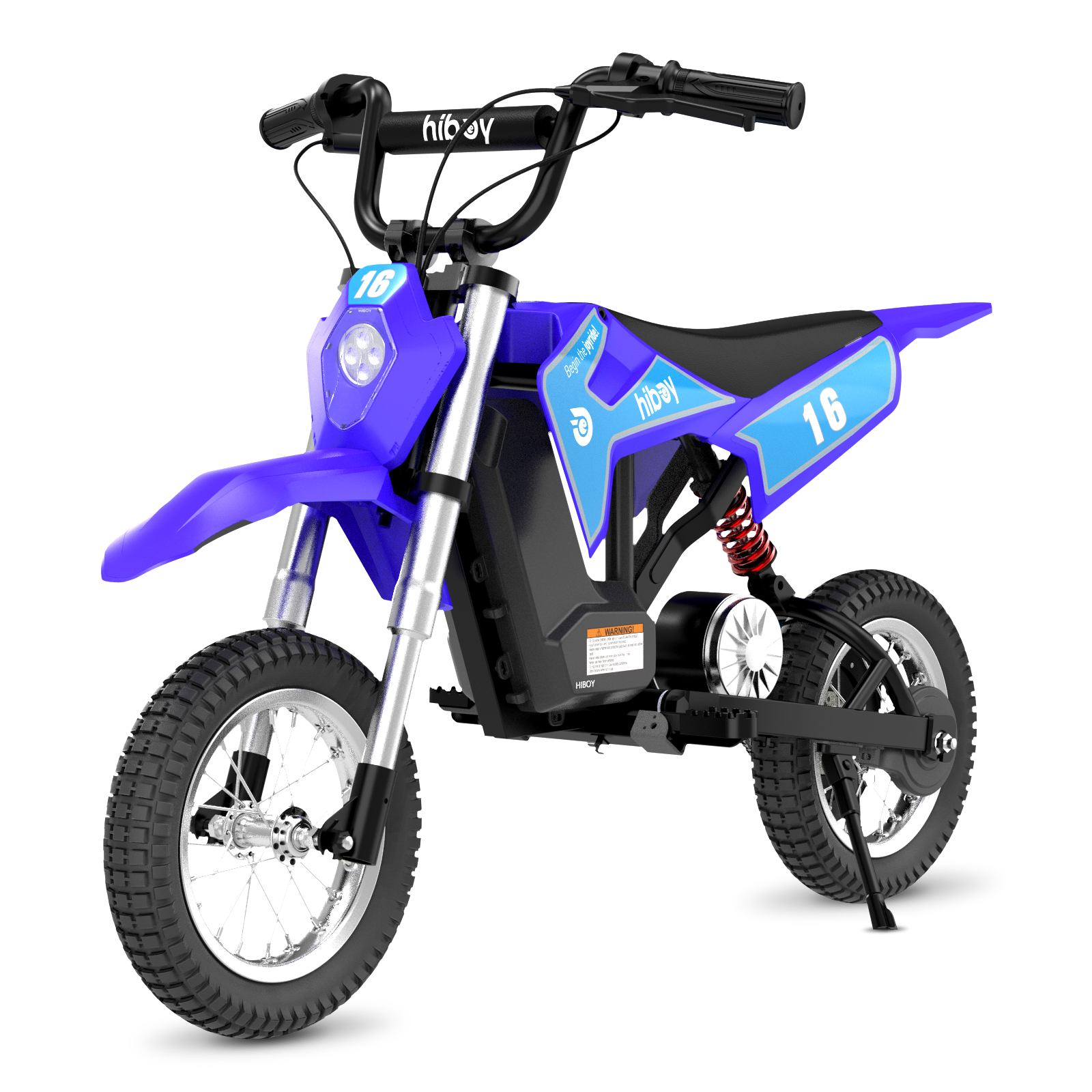 DK1
DK1
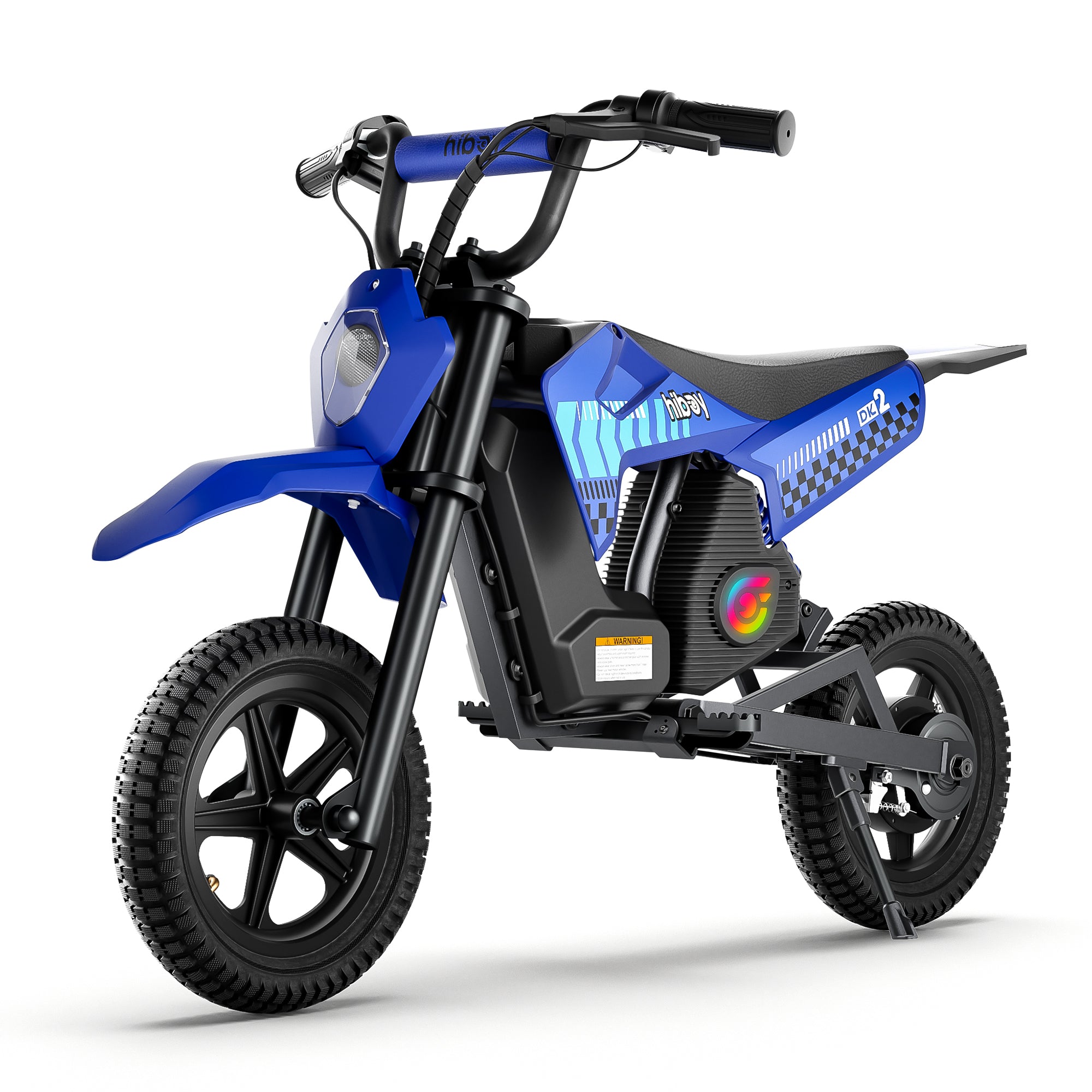 DK2
DK2
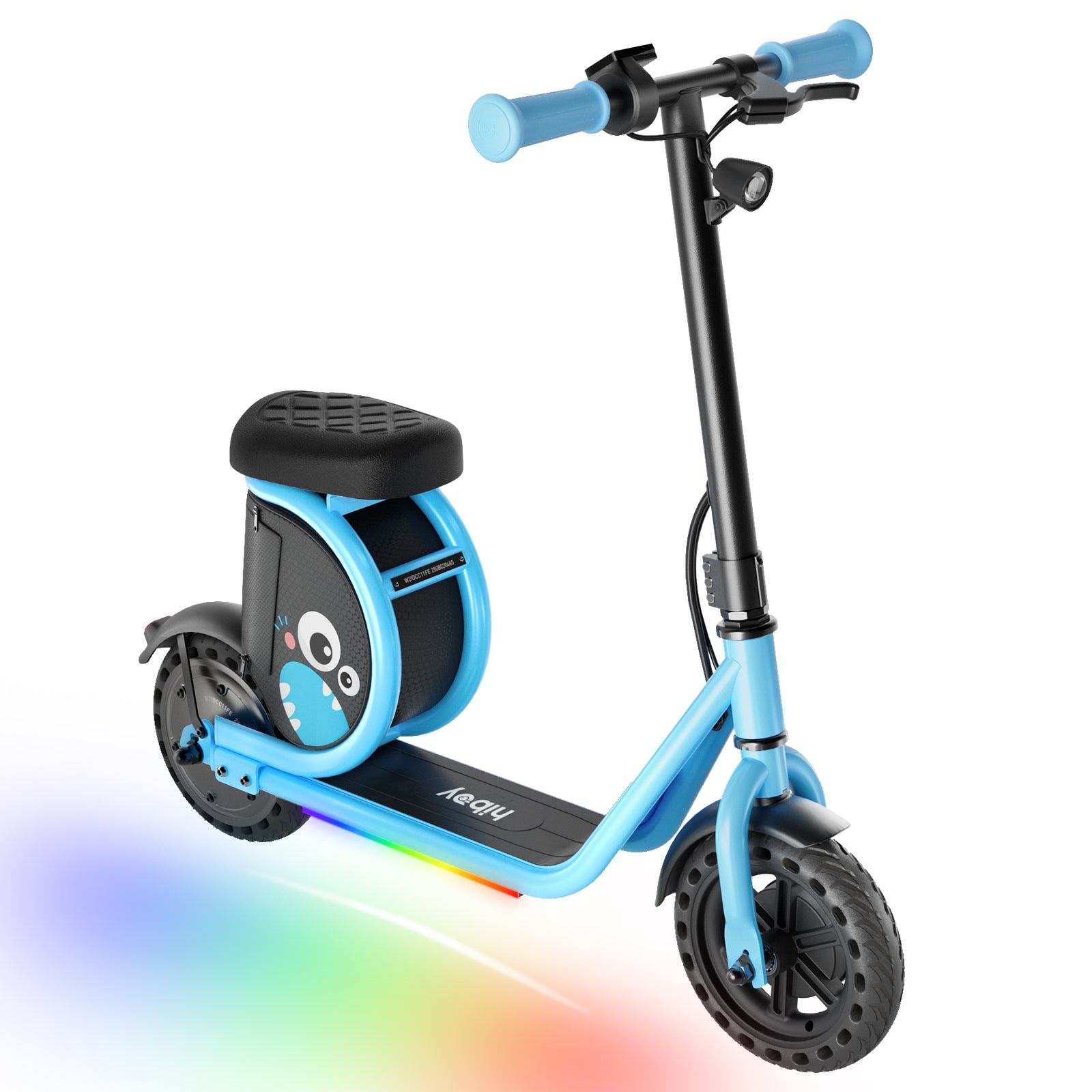 Joy Haul
 Q2 Lite
 Compare Models
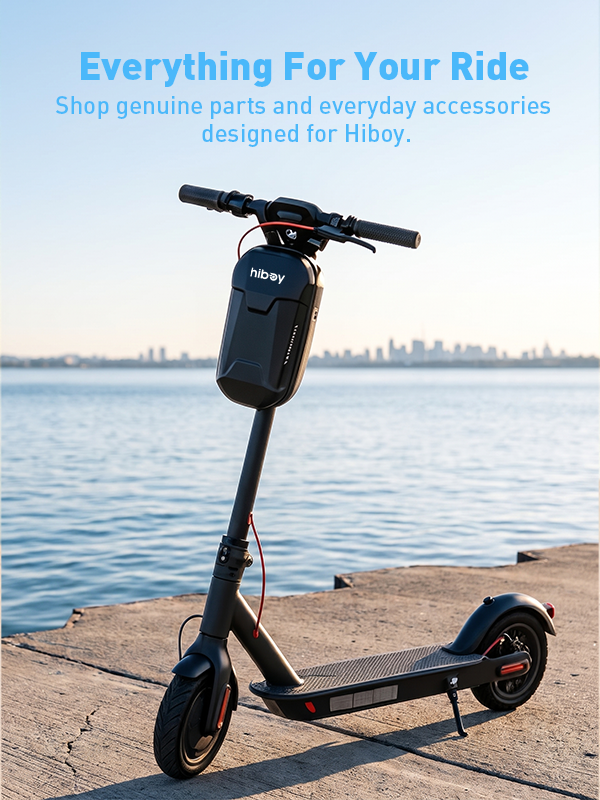
Electric scooters have become a core part of modern urban transportation. From daily commuting to last-mile travel, they’re everywhere, but one question still confuses riders:
Are electric scooters considered motor vehicles?
The answer is not universal. In 2026, electric scooters are generally not classified as motor vehicles, but their legal status depends on how they’re defined under federal, state, and local laws.
This guide explains the issue clearly, accurately, and responsibly, so you understand where electric scooters fit legally, what rules apply, and what riders need to know to stay compliant.
What Counts as a “Motor Vehicle” Under the Law?
In legal and regulatory contexts, a motor vehicle is typically defined as a vehicle that:
- Is powered by a motor
- Is designed for use on public roads
- Requires registration, insurance, and licensing
- Is subject to motor vehicle safety standards
Cars, motorcycles, trucks, and mopeds almost always fall into this category.

Electric scooters, however, were not widely anticipated when many motor vehicle laws were written, leading to the rise of new legal categories specifically for micromobility.
The Short Answer (2026 Update)
In most U.S. states, electric scooters are not considered motor vehicles. Instead, they are usually classified as:
- Electric scooters
- Motorized scooters
- Motorized foot scooters
- Personal mobility devices
- Micromobility vehicles
These classifications intentionally separate electric scooters from traditional motor vehicles like cars and motorcycles.
Why Electric Scooters Are Treated Differently
Lawmakers typically exclude electric scooters from motor vehicle status because they:
- Operate at lower speeds (commonly capped at 15–20 mph)
- Are lightweight and compact
- Are intended for short-distance travel
- Lack vehicle features such as VINs, license plates, airbags, or enclosed cabins
- Pose lower risk to road infrastructure than cars or motorcycles
As a result, electric scooters are usually regulated more like bicycles than cars.

Federal vs. State Authority: Who Makes the Rules?
Federal Level
At the federal level in the U.S., there is no single law that universally defines electric scooters as motor vehicles. The federal government generally leaves day-to-day operational rules to states and municipalities.
State Level
States define:
- Whether scooters are motor vehicles
- Speed and power limits
- Helmet and age requirements
- Where scooters can be ridden
Local Level
Cities and counties may further regulate:
- Sidewalk use
- Bike lane access
- Parking rules
- Shared scooter operations
This layered system is why scooter laws can vary widely, even within the same state.

When Could an Electric Scooter Be Considered a Motor Vehicle?
While most consumer electric scooters are not motor vehicles, reclassification can occur if a scooter exceeds certain thresholds. A scooter may be treated as a motor vehicle if it:
- Exceeds typical speed limits (often above 25–30 mph)
- Has very high motor output comparable to mopeds
- Is marketed or modified for highway use
- Meets a state’s legal definition of a moped or motor-driven cycle
In those cases, riders may be required to obtain:
- Vehicle registration
- Insurance
- A driver’s license or permit
Electric Scooters vs. Other Vehicles (Legal Comparison)
| Vehicle Type | Considered a Motor Vehicle? | Registration Required | License Required |
| Car | Yes | Yes | Yes |
| Motorcycle | Yes | Yes | Yes |
| Moped | Often | Often | Often |
| Electric Bicycle | Usually No | No | No |
| Electric Scooter | Usually No | No | No |
This distinction explains why electric scooters are subject to traffic rules but not full motor vehicle compliance.
2026 U.S. State-by-State Legal Classification of Electric Scooters

Important note: Laws change, and local ordinances may override state rules. This table reflects the typical treatment of standard consumer electric scooters (generally ≤20 mph, ≤750W) as of 2026.
| State | Are Electric Scooters Considered Motor Vehicles? | License Required? | Registration Required? | Notes |
| Alabama | ❌ No (varies locally) | ❌ | ❌ | Some cities impose stricter rules |
| Alaska | ⚠️ Sometimes | ⚠️ | ⚠️ | Gray area; higher-power scooters may be restricted |
| Arizona | ❌ No | ❌ | ❌ | Treated similarly to bicycles |
| Arkansas | ❌ No | ❌ | ❌ | Local restrictions may apply |
| California | ❌ No | ✔️ Yes | ❌ | Driver’s license or permit required |
| Colorado | ❌ No | ✔️ Yes | ❌ | Regulated as “low-powered scooter” |
| Connecticut | ❌ No | ❌ | ❌ | Statewide micromobility framework |
| Delaware | ❌ No | ❌ | ❌ | Speed-limited operation |
| Florida | ❌ No | ❌ | ❌ | Treated as micromobility devices |
| Georgia | ❌ No | ❌ | ❌ | Helmet rules for minors |
| Hawaii | ❌ No | ❌ | ❌ | Defined as electric foot scooters |
| Idaho | ❌ No | ❌ | ❌ | Similar to bicycles |
| Illinois | ❌ No | ❌ | ❌ | Municipal control common |
| Indiana | ❌ No | ❌ | ❌ | Low-speed scooter category |
| Iowa | ❌ No | ❌ | ❌ | Treated separately from motor vehicles |
| Kansas | ❌ No | ❌ | ❌ | Bicycle-like regulation |
| Kentucky | ❌ No | ❌ | ❌ | Helmet rules vary |
| Louisiana | ❌ No | ❌ | ❌ | Speed limits apply |
| Maine | ❌ No | ❌ | ❌ | Limited roadway use |
| Maryland | ❌ No | ❌ | ❌ | Defined as “electric scooters” |
| Massachusetts | ❌ No | ❌ | ❌ | Helmet required for minors |
| Michigan | ❌ No | ❌ | ❌ | Treated as electric skateboards/scooters |
| Minnesota | ❌ No | ❌ | ❌ | Speed capped at 15 mph |
| Mississippi | ❌ No | ❌ | ❌ | Local rules apply |
| Missouri | ❌ No | ❌ | ❌ | Bicycle-style regulation |
| Montana | ❌ No | ❌ | ❌ | City ordinances common |
| Nebraska | ⚠️ Unclear | ⚠️ | ⚠️ | Limited statewide guidance |
| Nevada | ❌ No | ❌ | ❌ | Legal statewide |
| New Hampshire | ❌ No | ❌ | ❌ | Local enforcement varies |
| New Jersey | ❌ No | ❌ | ❌ | Defined as low-speed e-scooters |
| New Mexico | ❌ No | ❌ | ❌ | Treated like bicycles |
| New York | ❌ No | ❌ | ❌ | Legal statewide with restrictions |
| North Carolina | ❌ No | ❌ | ❌ | Helmet rules for minors |
| North Dakota | ⚠️ Unclear | ⚠️ | ⚠️ | Limited scooter-specific law |
| Ohio | ❌ No | ❌ | ❌ | Local governments regulate use |
| Oklahoma | ❌ No | ❌ | ❌ | Speed-limited |
| Oregon | ❌ No | ❌ | ❌ | Max speed typically 15 mph |
| Pennsylvania | ⚠️ Often treated as motor vehicles | ⚠️ | ⚠️ | Legal gray area; many scooters restricted |
| Rhode Island | ❌ No | ❌ | ❌ | Local ordinances apply |
| South Carolina | ⚠️ Unclear | ⚠️ | ⚠️ | Limited statewide framework |
| South Dakota | ⚠️ Unclear | ⚠️ | ⚠️ | Local interpretation common |
| Tennessee | ❌ No | ❌ | ❌ | Treated as micromobility devices |
| Texas | ❌ No | ❌ | ❌ | Treated as personal mobility devices |
| Utah | ❌ No | ❌ | ❌ | Speed and sidewalk rules apply |
| Vermont | ❌ No | ❌ | ❌ | Limited statewide rules |
| Virginia | ❌ No | ❌ | ❌ | Defined as electric personal assistive devices |
| Washington | ❌ No | ❌ | ❌ | “Motorized foot scooter” category |
| West Virginia | ❌ No | ❌ | ❌ | Bicycle-like treatment |
| Wisconsin | ⚠️ Sometimes | ⚠️ | ⚠️ | Some interpretations treat as mopeds |
| Wyoming | ❌ No | ❌ | ❌ | Minimal restrictions |
Key 2026 Legal Takeaways (for Readers)
- Most states do NOT classify electric scooters as motor vehicles
- Licensing and registration are usually not required
- California and Colorado are notable exceptions to license requirements
- Pennsylvania and Wisconsin remain legal gray zones
- Local city rules can override state law

Disclaimer: This content is provided for general informational purposes only and does not constitute legal advice. Riders should consult their local transportation authority or municipal code to confirm current regulations.
Where Are Electric Scooters Typically Allowed?
Because they are not motor vehicles in most jurisdictions, electric scooters are commonly allowed on:
- Bike lanes
- Multi-use paths
- Low-speed streets
They are usually prohibited from:
- Highways
- Roads with high posted speed limits
- Certain sidewalks (depending on local law)
Local signage and ordinances always take priority.
Rider Responsibilities Still Apply
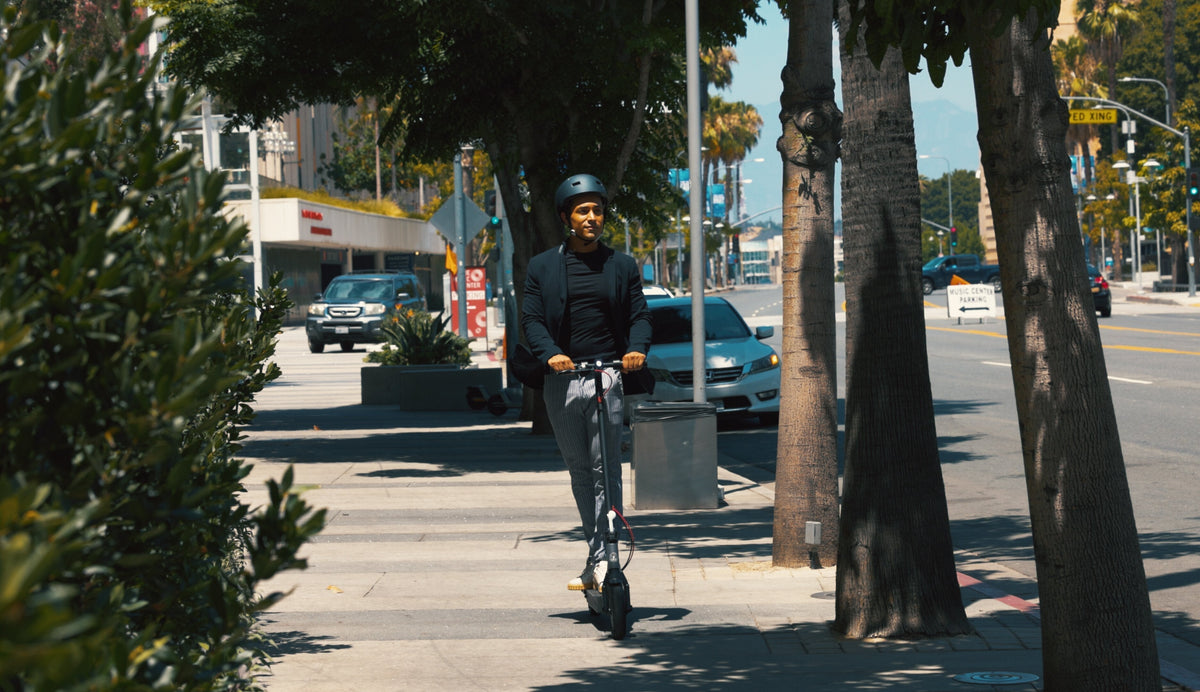
Even when electric scooters are not considered motor vehicles, riders must still:
- Obey traffic signals and signs
- Yield to pedestrians
- Ride in permitted areas
- Follow helmet and age laws where applicable
Not being a motor vehicle does not mean unregulated.

Why Legal Classification Matters
Whether a scooter is classified as a motor vehicle affects:
- Where you can ride
- Whether you need a license
- Insurance and liability in accidents
- Helmet and age requirements
- Enforcement and fines
Understanding classification helps riders make informed, responsible decisions and avoid unnecessary legal trouble.
2026 Takeaway: The Final Answer
Electric scooters are generally not considered motor vehicles in the United States.
They are regulated under separate micromobility or motorized scooter laws designed to reflect their lower speed, lighter weight, and urban use cases.
However:
- Laws vary by state and city
- High-powered scooters may be treated differently
- Riders should always verify local regulations
Hiboy’s Commitment to Responsible Riding
At Hiboy, rider safety, legal compliance, and education are core priorities. Understanding how electric scooters are classified empowers riders to:
- Choose the right scooter for their area
- Ride legally and confidently
- Integrate scooters safely into everyday transportation
For the most accurate guidance, always consult your local transportation authority or municipal code.








Leave a comment
All comments are moderated before being published.
This site is protected by hCaptcha and the hCaptcha Privacy Policy and Terms of Service apply.