





 Daily Commute
 Lightweight & Portable
 Performance Rides
 Comfort With Seat
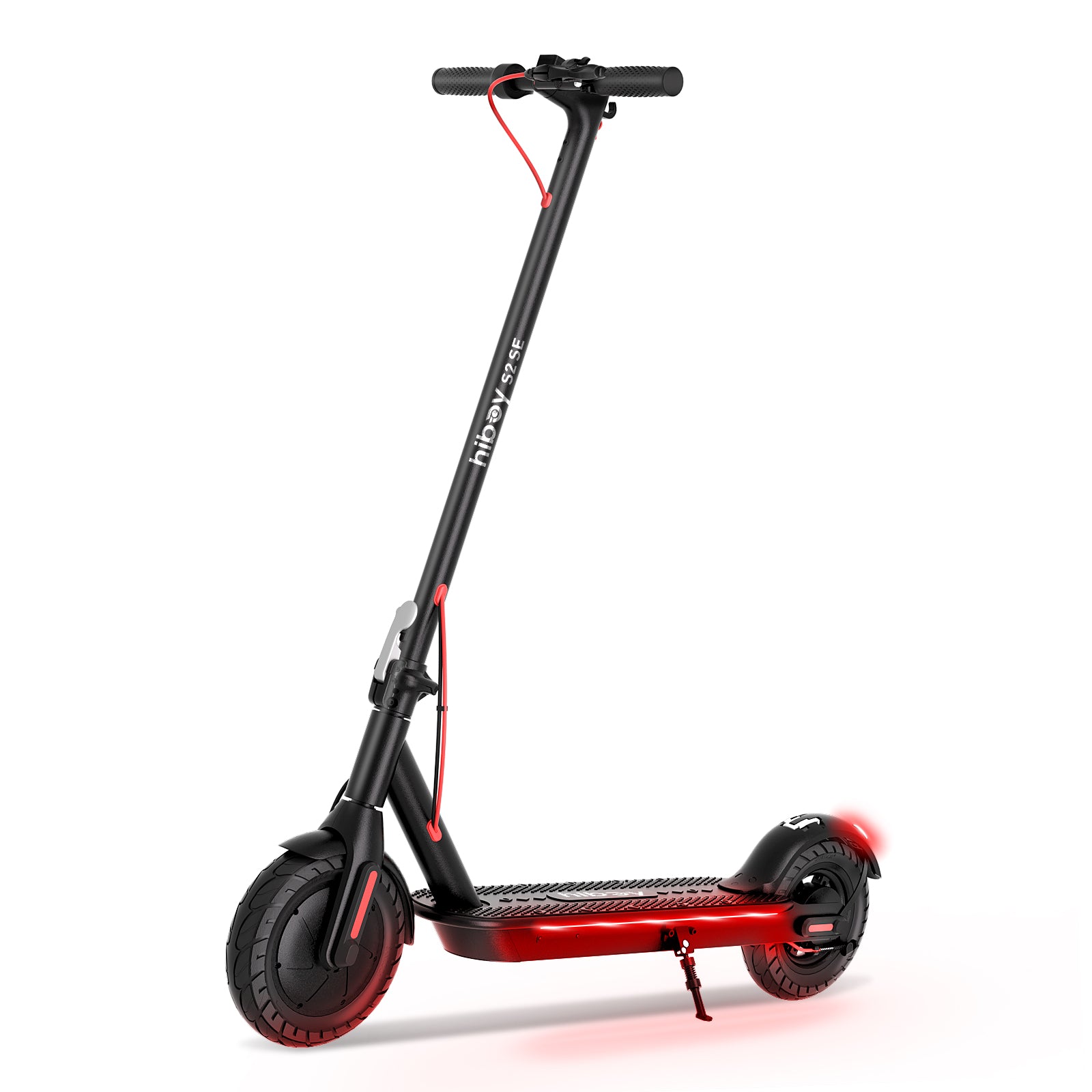 S2 SE
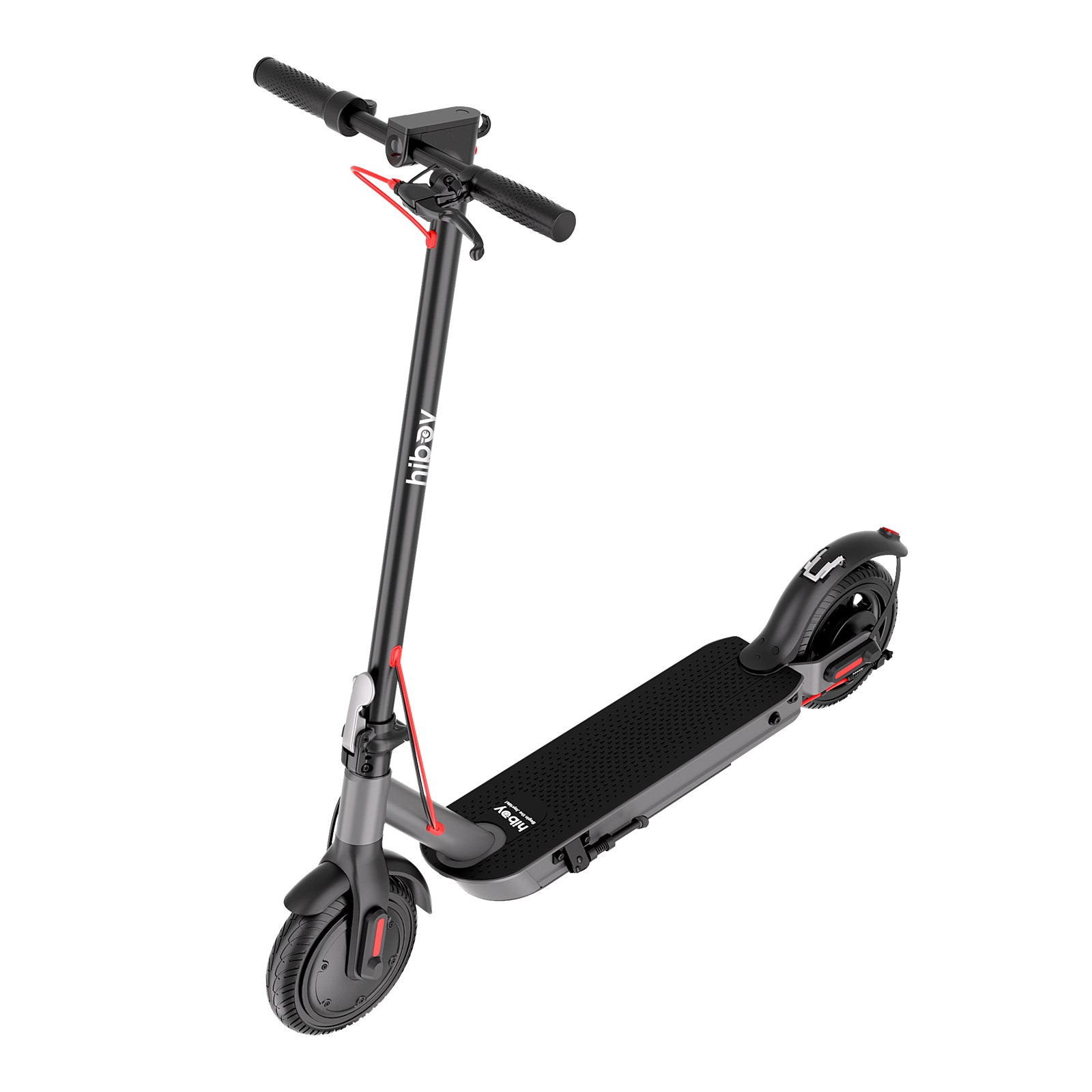 S2 Nova
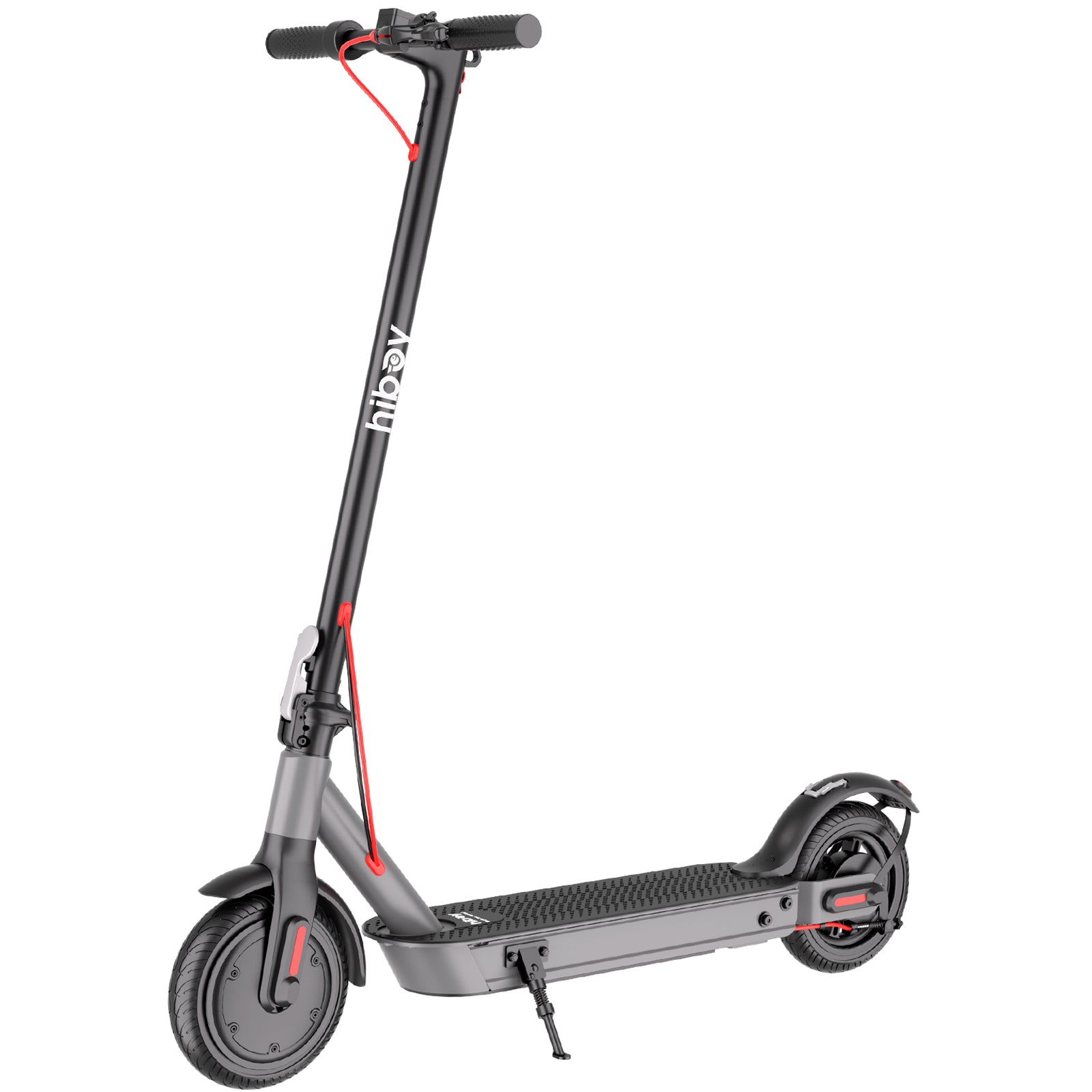 S3
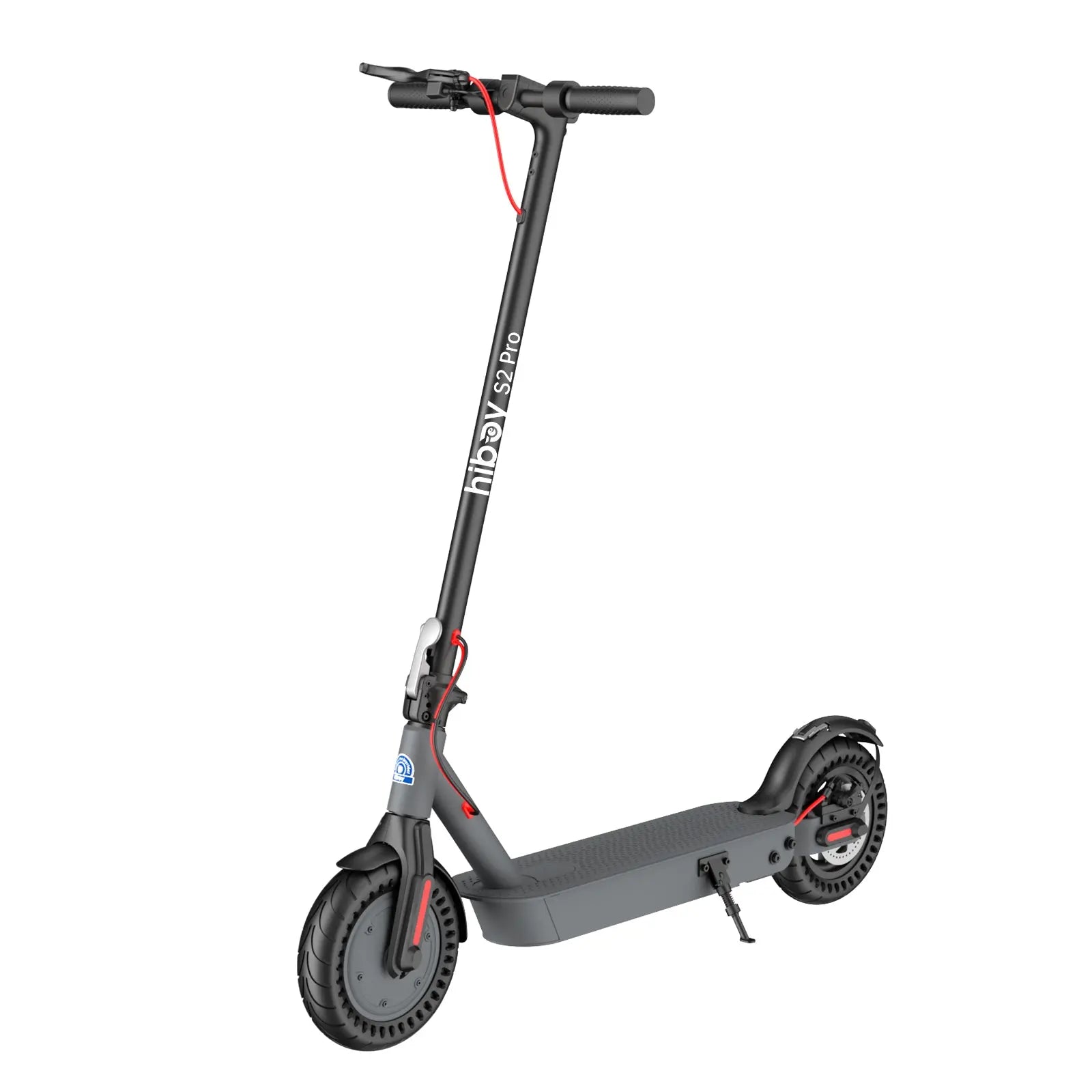 S2 Pro
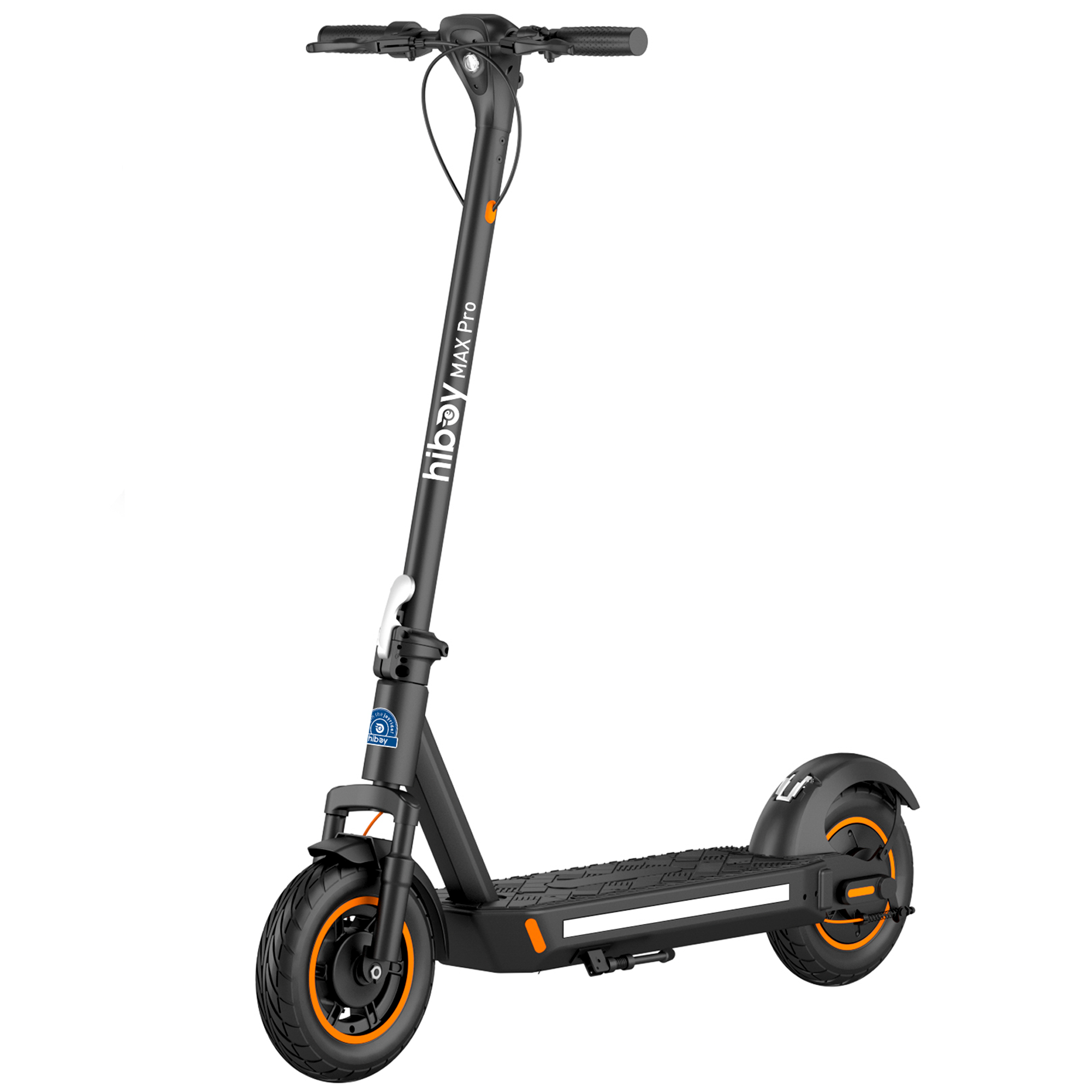 MAX Pro
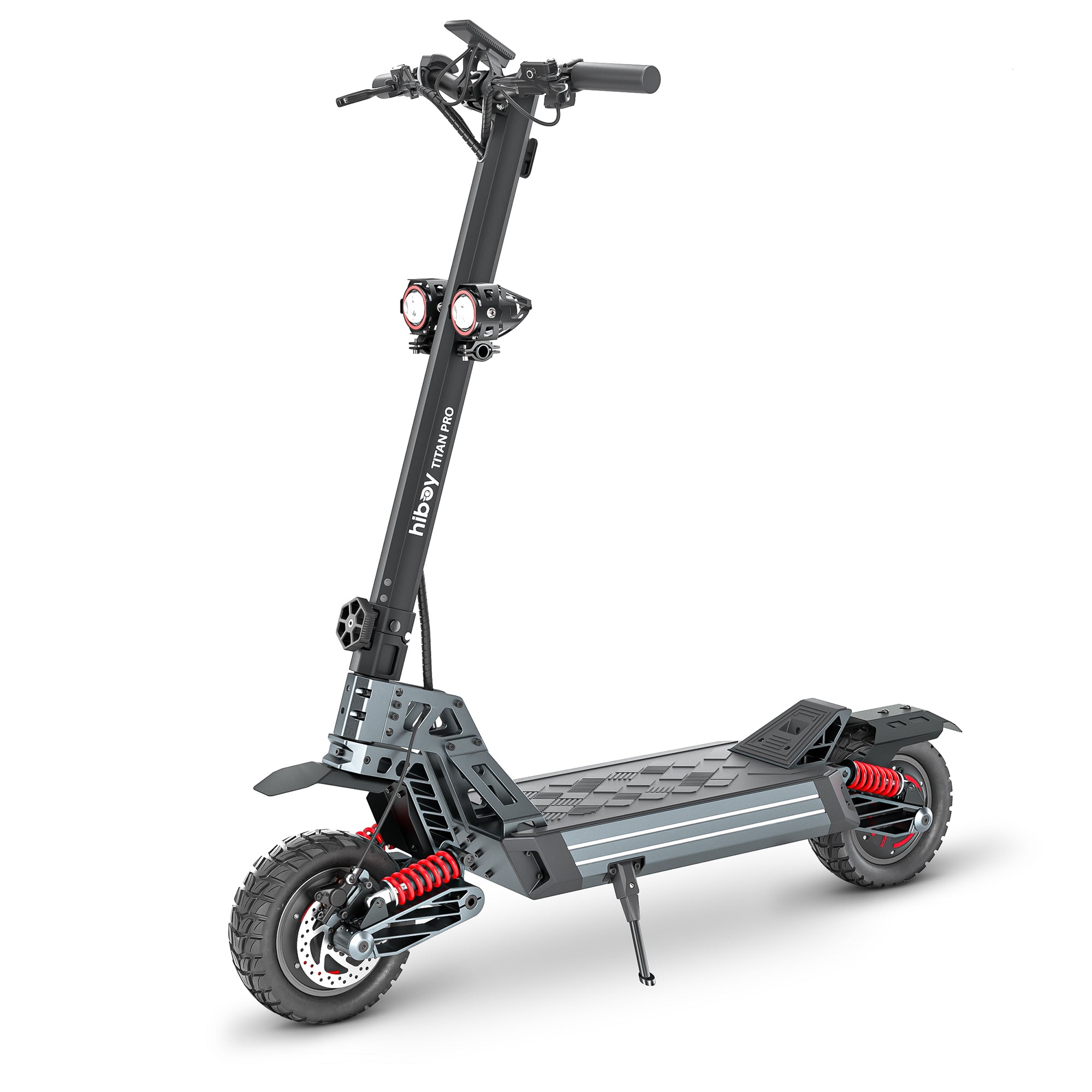 TITAN PRO
 Compare Models
 Find Your Best Ride


 Daily Commute
 Off-road & Trail
 Folding & Compact
 Fat Tire Rides
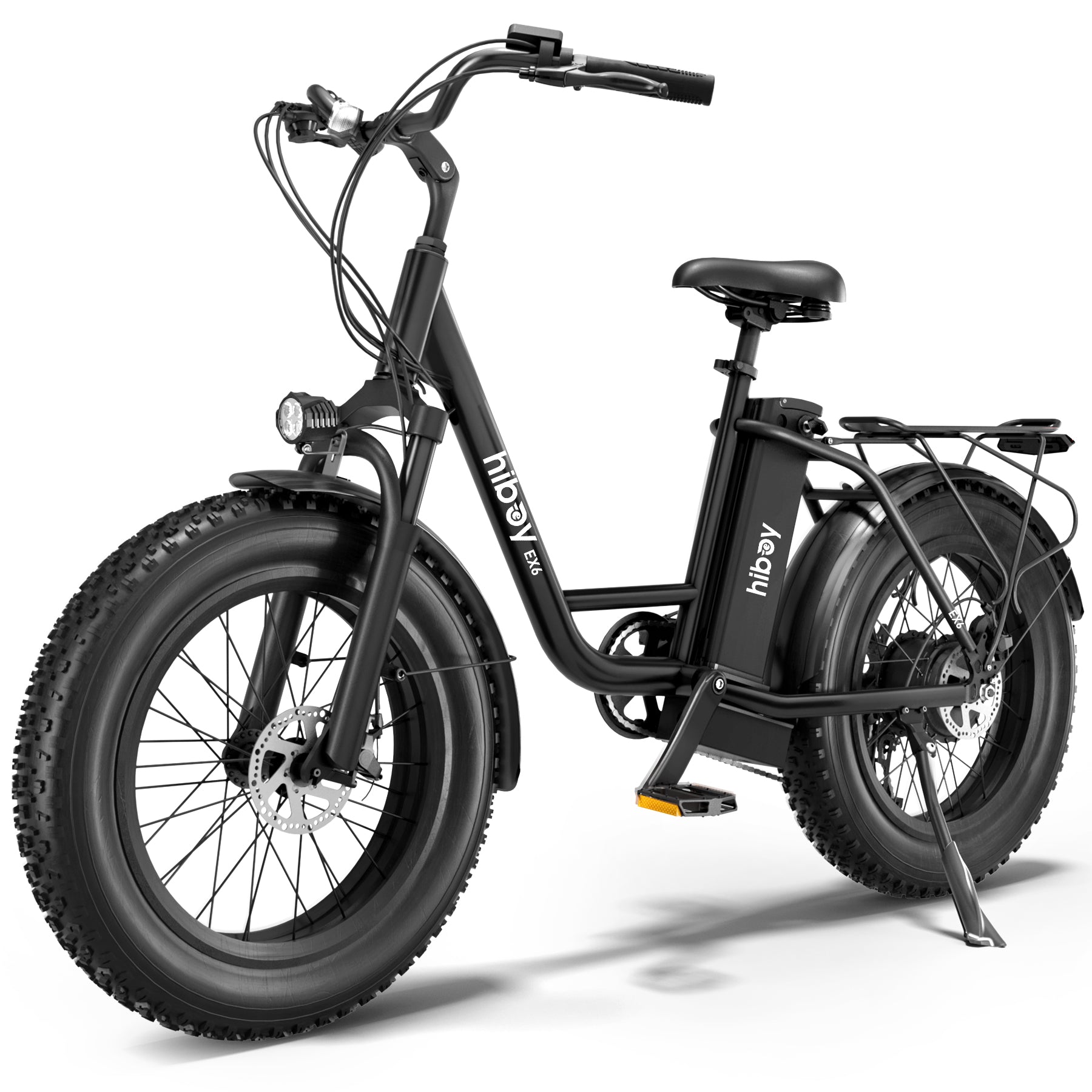 EX6
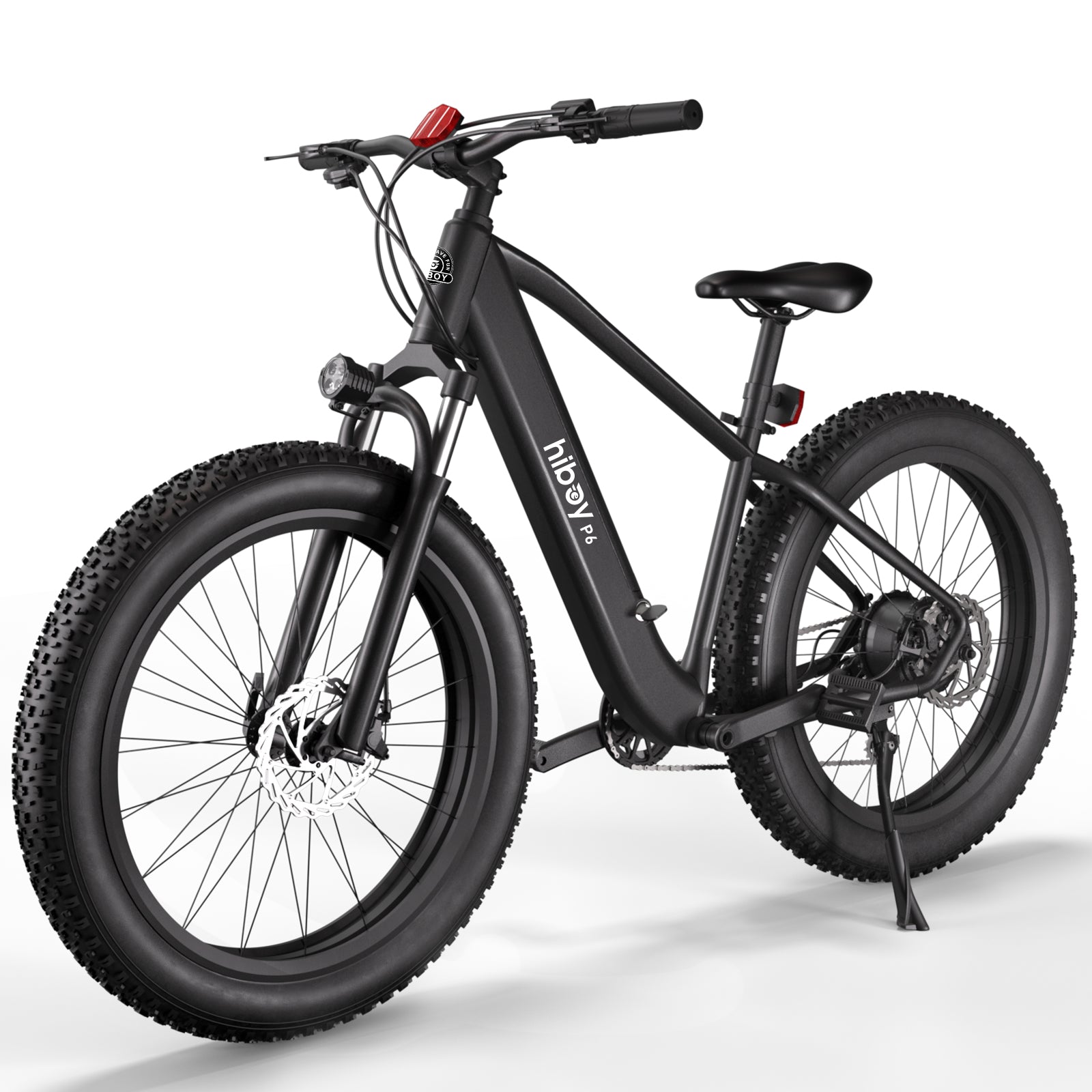 P6
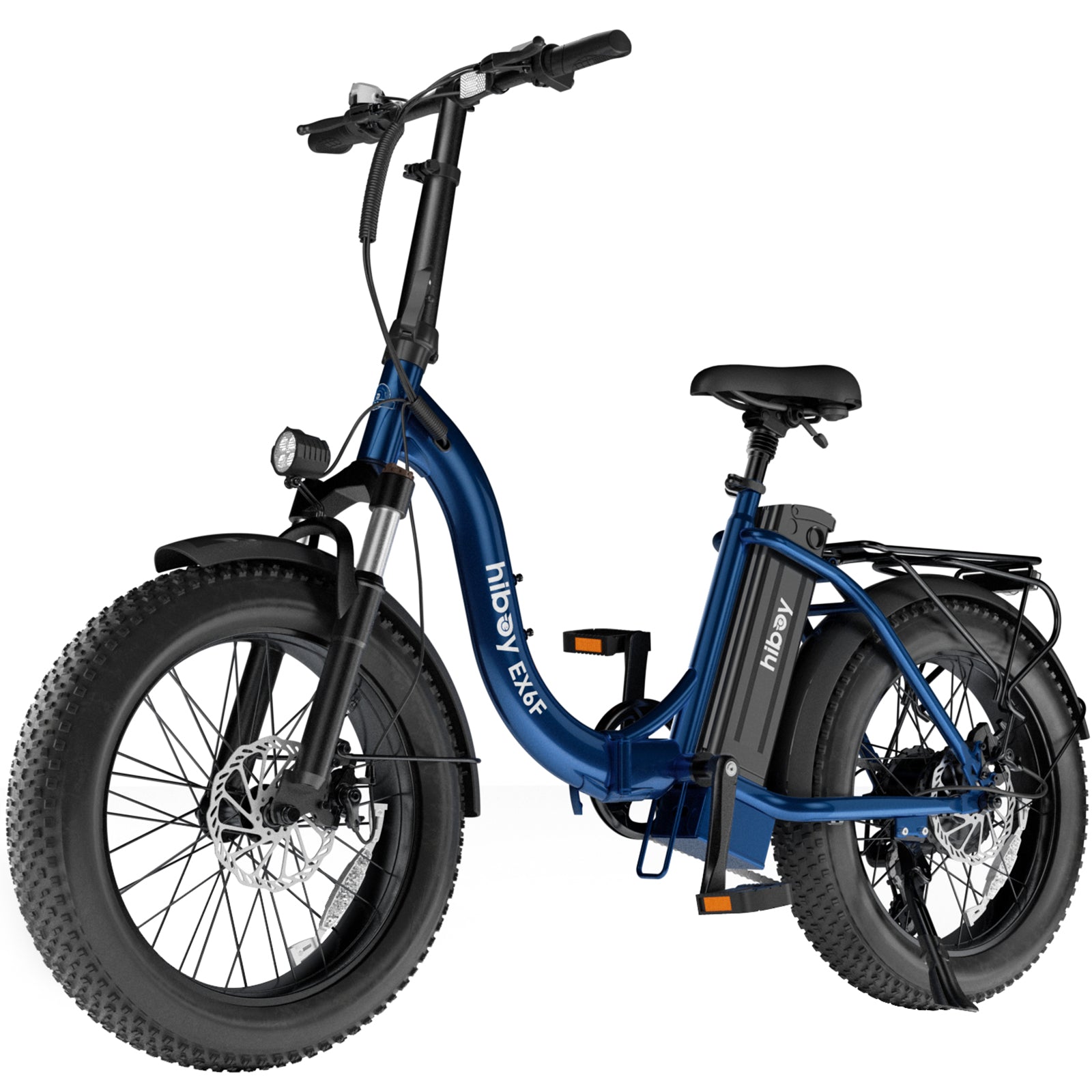 EX6F
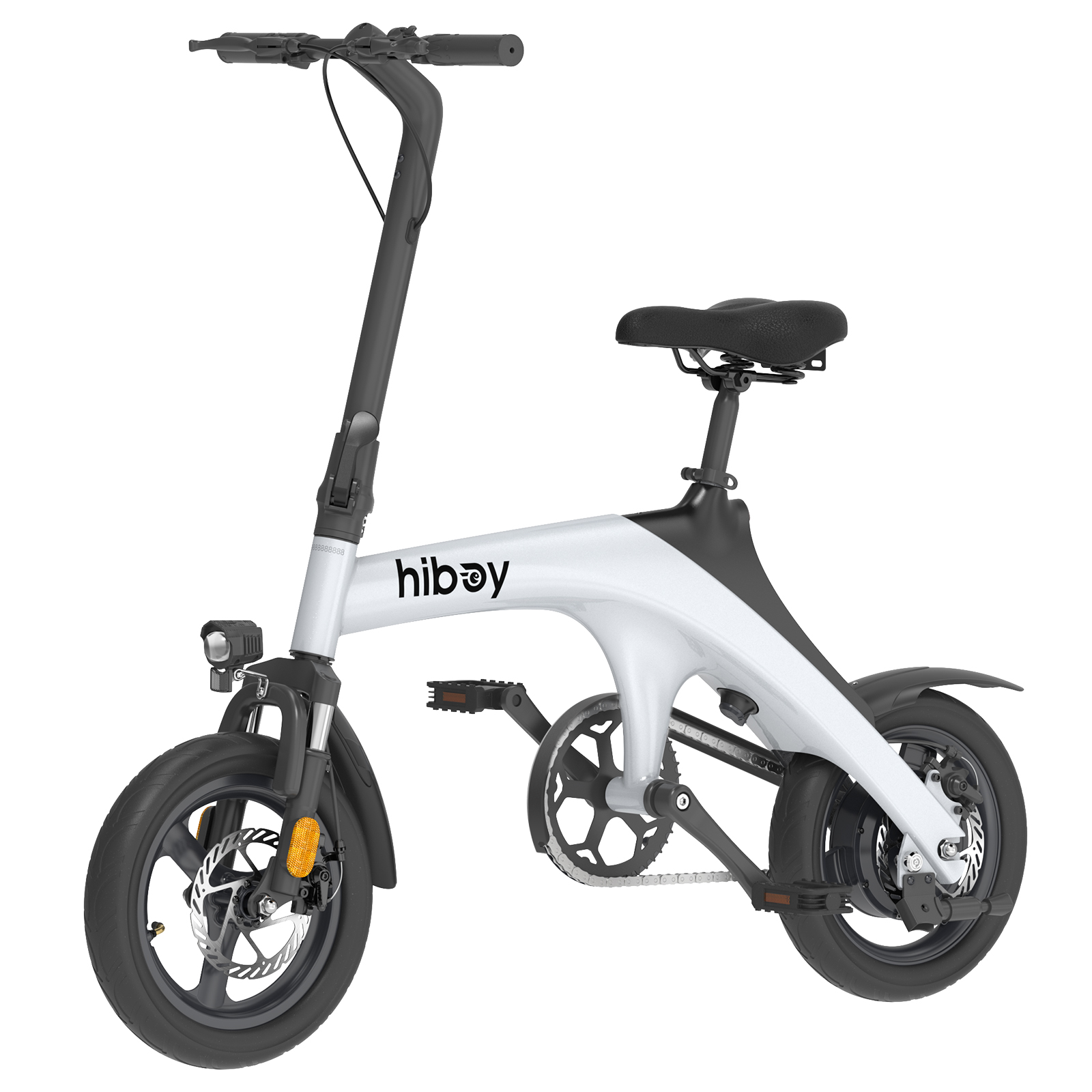 C1
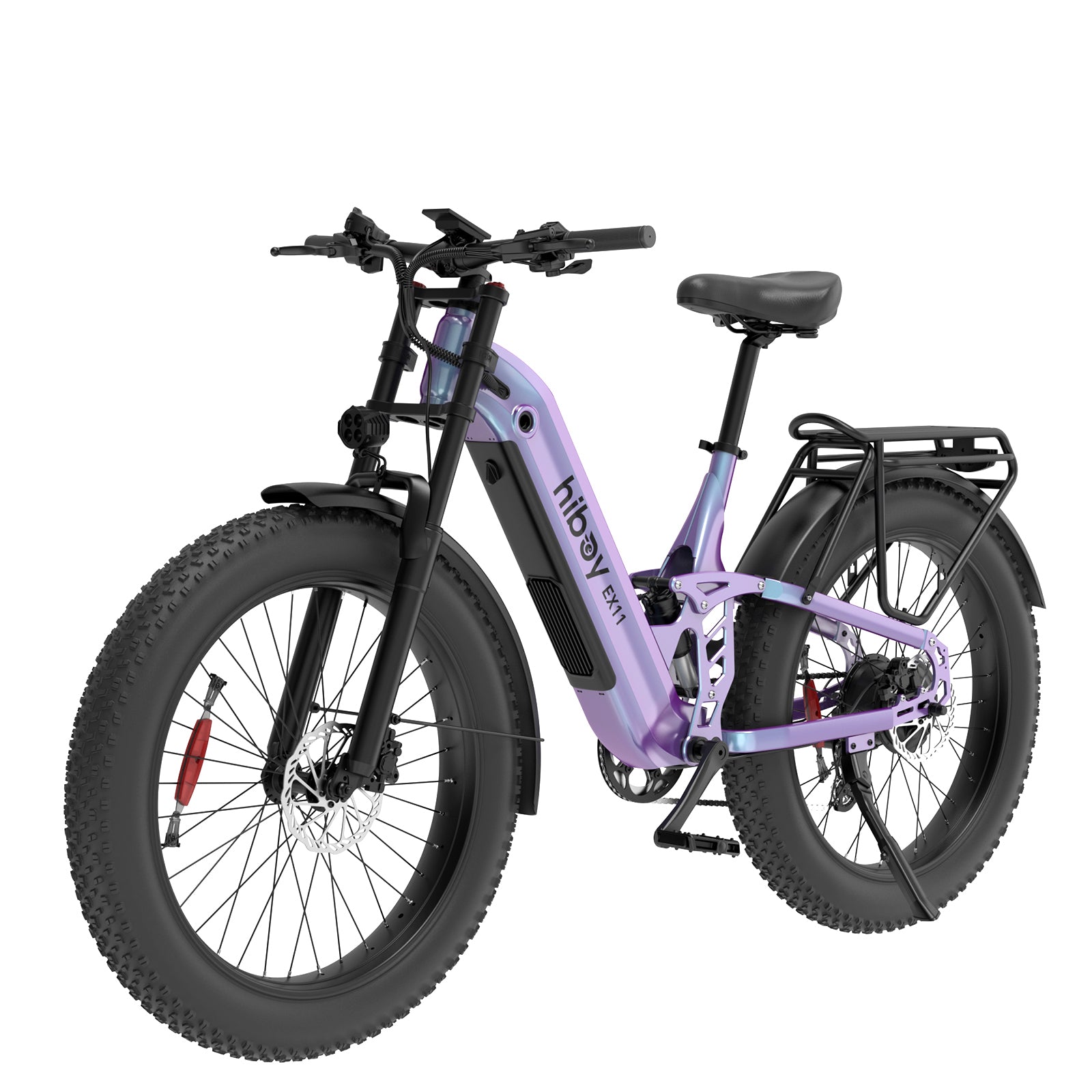 EX11
 EX9
 Compare Models
 First Rides
 Everyday Fun
 S2 Lite
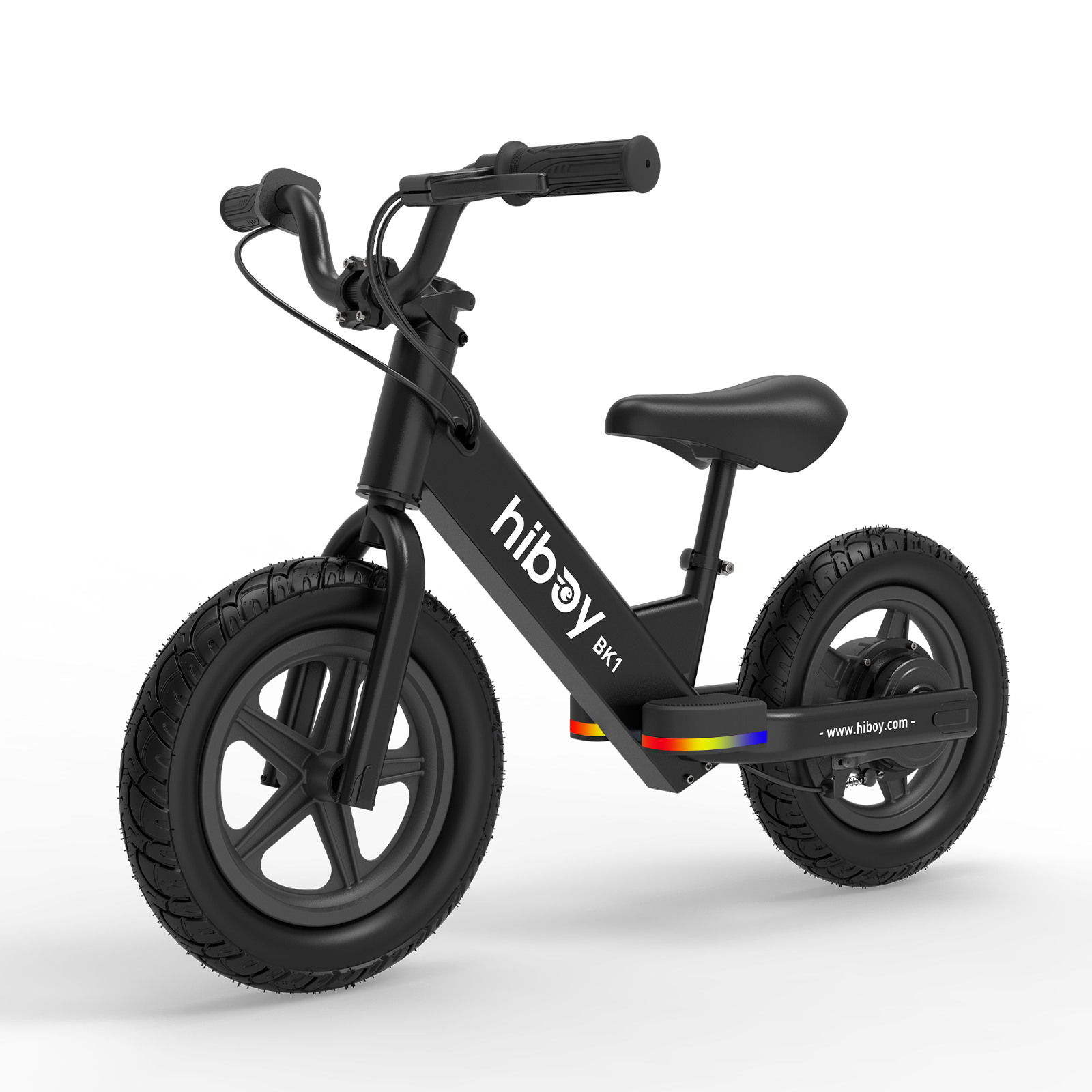 BK1
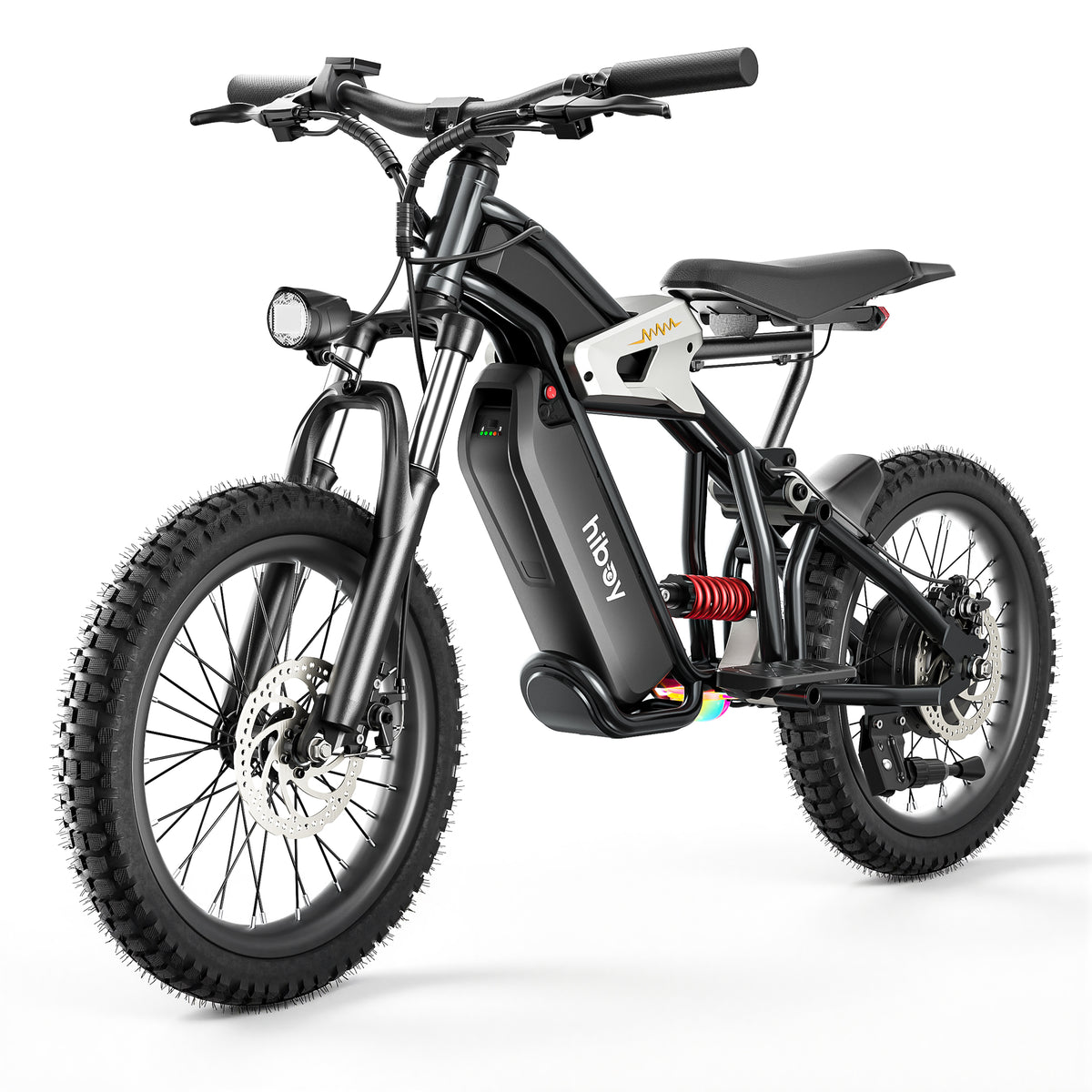 DM14
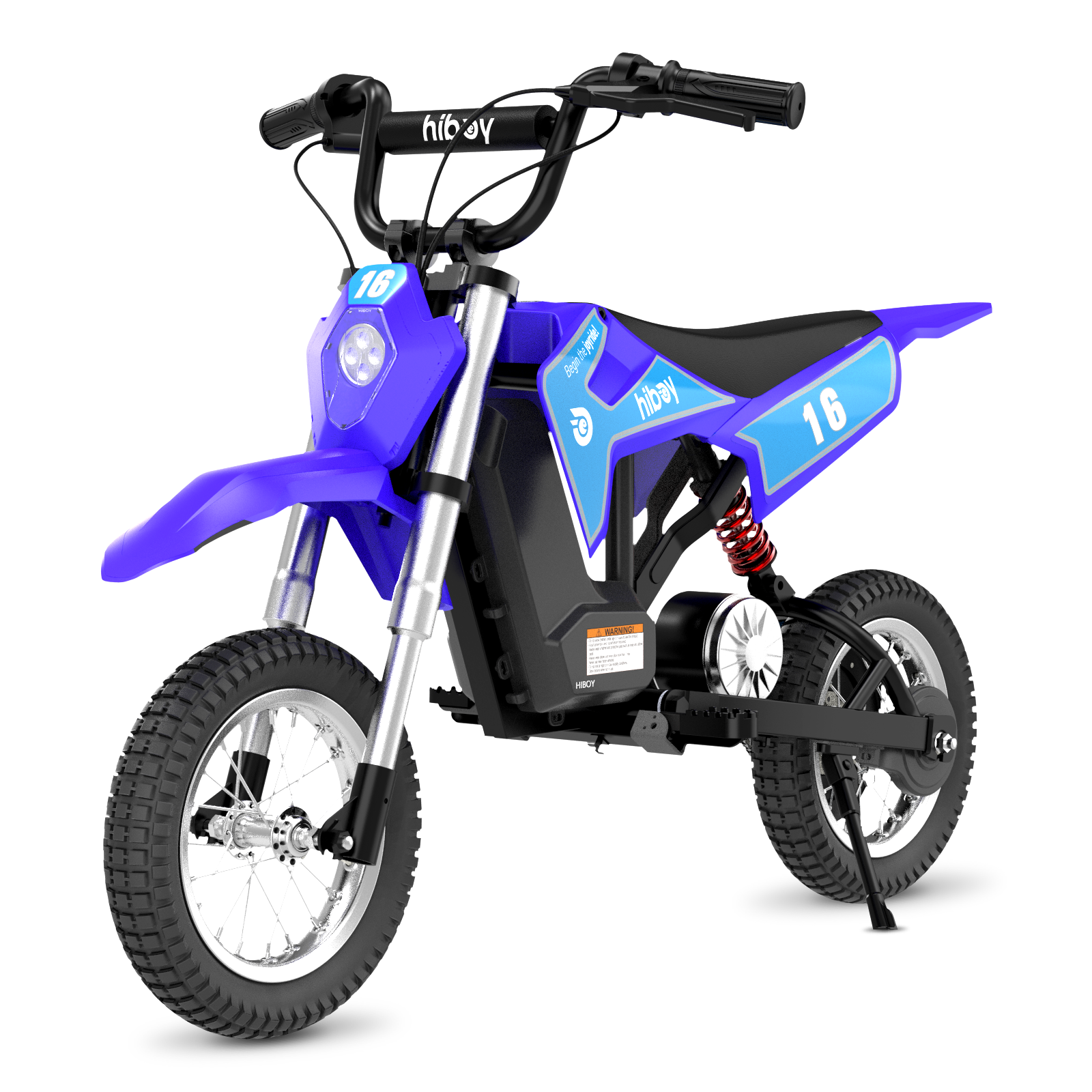 DK1
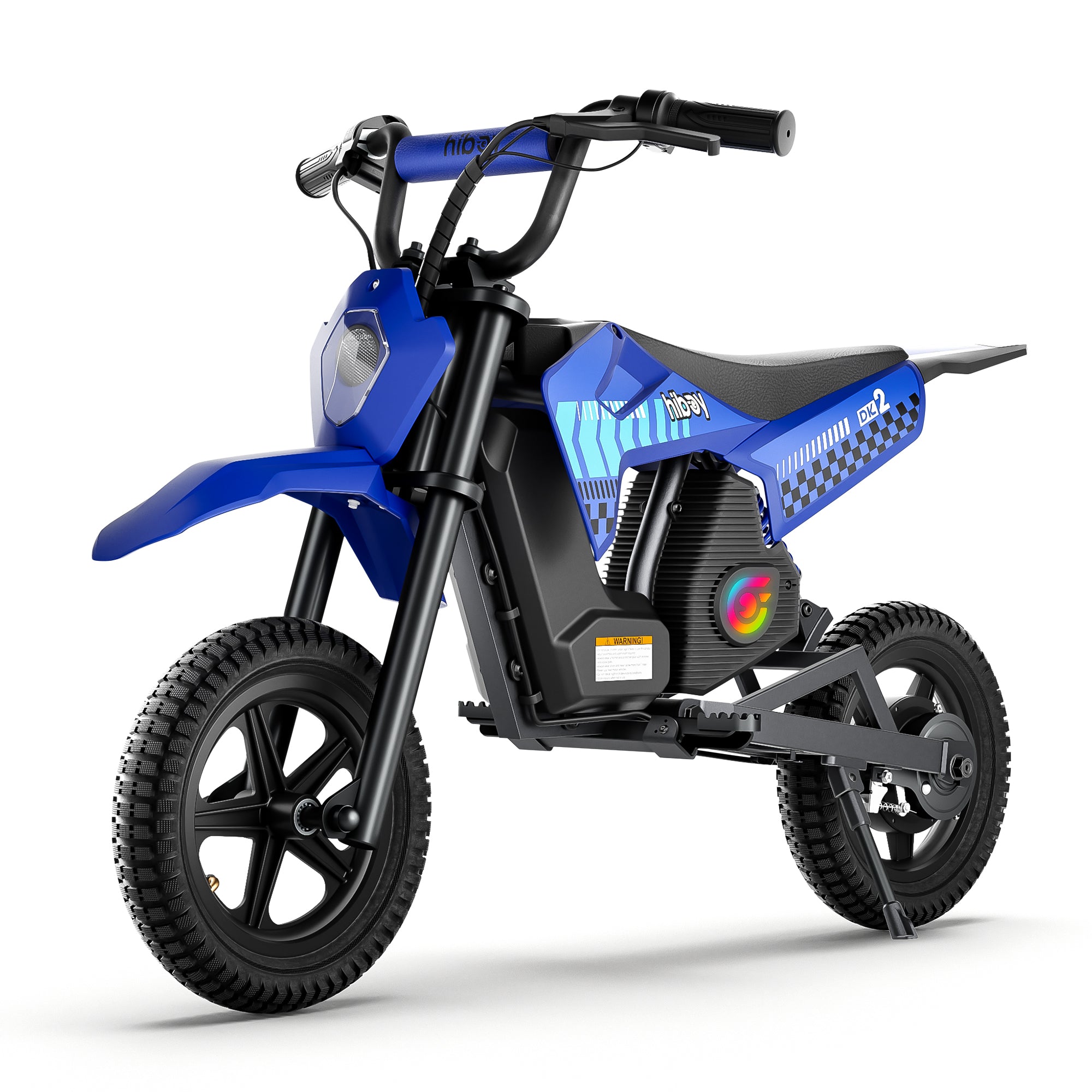 DK2
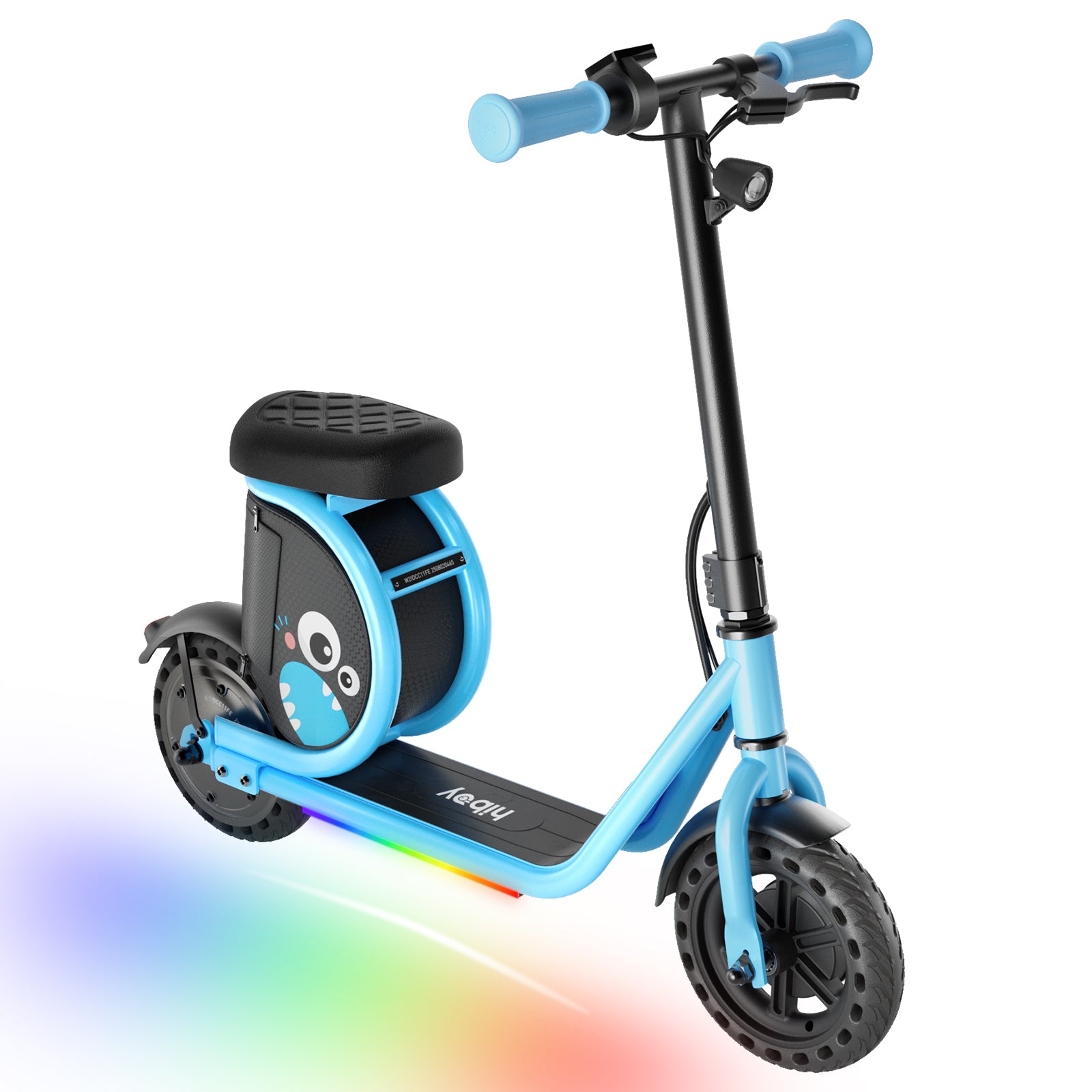 Joy Haul
 Compare Models

Electric bikes are relatively simple compared with many motor vehicles, but they still have components that can develop problems over time. A battery may not charge, the motor may stop providing assistance, the display may show an error, or the brakes may begin to feel different.
The good news is that many common e-bike problems have straightforward causes.
A loose connector, low battery, incorrect riding mode, underinflated tire, or misaligned brake component can sometimes explain a problem that initially seems more serious.
This guide covers 12 common electric bike problems and practical fixes you can try before taking your e-bike to a professional.
Safety first: Turn the bike off before inspecting electrical connections or mechanical components. Remove the battery when the manufacturer's instructions call for it. Never open, puncture, modify, or attempt to repair a damaged lithium-ion battery yourself. If you notice swelling, smoke, unusual heat, burning smells, leaking, or visible battery damage, stop using the bike and contact the manufacturer or a qualified service professional.
Quick Electric Bike Troubleshooting Checklist
Before diving into a specific problem, run through these basic checks:
- Is the battery sufficiently charged?
- Is the battery correctly installed and locked into place?
- Is the power switch turned on?
- Is the display functioning normally?
- Is the bike in the correct riding or assist mode?
- Are all accessible electrical connectors fully seated?
- Is the kickstand sensor or another safety interlock preventing motor operation?
- Are the brake levers fully released?
- Are the tires properly inflated?
- Are the brakes functioning correctly?
- Is there an error code on the display?
- Has the bike recently been exposed to heavy rain, extreme temperatures, or physical impact?
If the issue remains after these basic checks, use the troubleshooting guide below.
1. The E-Bike Won't Turn On
One of the most common e-bike complaints is also one of the easiest to diagnose: nothing happens when you press the power button.
Possible causes
Several things can prevent an e-bike from powering on:
- Battery is depleted
- Battery is not properly seated
- Battery power switch is off, if equipped
- Display or control connection is loose
- Power button is not being activated correctly
- Battery or electrical system has a fault
- The battery is too cold or too hot to operate normally
Easy fixes
1. Charge the battery.
Connect the battery to the manufacturer's approved charger and allow it to charge according to the owner's manual.

2. Check the battery connection.
If your e-bike has a removable battery, turn the bike off and make sure the battery is fully inserted and securely locked.
3. Check the battery switch.
Some e-bikes have a separate battery power switch. Make sure it is in the correct position.
4. Restart the system.
Turn the bike off, wait briefly, and restart it according to the manufacturer's instructions.
5. Inspect accessible connectors.
Look for loose or visibly damaged connectors. Do not force connectors together or modify the wiring.
If the display remains completely unresponsive despite a charged and correctly installed battery, professional diagnosis may be necessary.
2. The E-Bike Turns On but the Motor Doesn't Work
Another common situation is that the display turns on normally, but the motor provides no assistance.
Before assuming the motor has failed, check the simplest possibilities.
Possible causes
- Pedal-assist level is set to zero
- Battery charge is too low
- Brake sensor is detecting that a brake is being applied
- Throttle is not enabled or is not functioning
- Motor connector is loose
- Controller or motor has detected a fault
- The bike requires an initial pedal input before assistance begins
Easy fixes
Check the assist level
If the pedal-assist setting is at zero, the motor may not provide assistance even though the display is working.
Select an appropriate assist level and test the bike again.
Release both brake levers
Many e-bikes use brake cut-off sensors that temporarily disable motor assistance when a brake lever is engaged.
Make sure both levers are completely released.
Check the battery
A battery can have enough power to illuminate a display but still be too depleted to operate the motor normally.
Charge the battery and try again.
Inspect the motor connection
If accessible, check that the motor cable is fully connected and that there is no obvious damage.
If the motor still does not respond, check the display for an error code and consult the owner's manual.
3. The E-Bike Battery Won't Charge
A battery that refuses to charge can be concerning, but the problem is not necessarily the battery itself.

Possible causes
- Charger is not connected correctly
- Wall outlet is not supplying power
- Charger is damaged
- Charging port is dirty or damaged
- Battery temperature is outside the recommended charging range
- Battery is deeply discharged
- Battery or charging system has a fault
Easy fixes
Check the power source.
Try a known-working outlet.
Check the charger connections.
Make sure the charger is properly connected to both the power source and the bike or battery, following the manufacturer's charging sequence.
Inspect the charging port.
Look for visible dirt, moisture, bent contacts, or other damage. Never insert metal objects into the port.
Allow the battery to reach an appropriate temperature.
Lithium-ion batteries should not be charged outside the temperature range specified by the manufacturer.
If the battery has been stored in very cold conditions, allow it to warm naturally to an appropriate temperature before charging.
Use the correct charger.
Always use the charger specified or approved by the e-bike manufacturer. Using an incompatible charger can damage the battery or create a safety hazard.
When should you stop?
If a battery becomes unusually hot, swollen, damaged, smells unusual, leaks, smokes, or behaves abnormally while charging, stop charging and move away from the bike if it is safe to do so. Contact the manufacturer or a qualified professional for guidance.
Do not attempt to open or repair a lithium-ion battery pack yourself.
4. The E-Bike Battery Drains Too Quickly
An e-bike battery that once lasted all day may appear to lose range over time.
However, reduced range does not necessarily mean the battery has failed.
Common causes of reduced range
- Cold weather
- Low tire pressure
- Higher rider or cargo weight
- Frequent hills
- Strong headwinds
- High pedal-assist levels
- Frequent acceleration and braking
- Higher riding speeds
- Rough terrain
- Battery age and normal capacity loss
Easy fixes
Check tire pressure
Underinflated tires increase rolling resistance and make the motor work harder.
Check the tire sidewall and owner's manual for the appropriate pressure range, then use a reliable gauge to check the pressure.

Reduce unnecessary motor assistance
If conditions allow, use a lower assist level and contribute more pedaling effort.
Avoid unnecessary acceleration
Repeated hard acceleration consumes more energy than maintaining a steady pace.
Consider the weather
Cold temperatures can temporarily reduce battery performance. If you notice a range reduction during winter, conditions may be contributing to the change.
Carry only what you need
Additional rider or cargo weight increases the energy required to accelerate and climb hills.
Remember that advertised range is not a guarantee
Manufacturers typically provide range estimates under specific test conditions. Real-world range can vary significantly depending on rider weight, terrain, temperature, speed, assist level, tire pressure, and other factors.
5. The E-Bike Display Shows an Error Code
Modern e-bikes use electronic control systems that can display an error code when they detect a problem.
An error code is useful because it can narrow down the source of the issue.
What should you do?
First, record the exact code.
Don't simply restart the bike repeatedly and ignore the message.
Check your owner's manual for the code and recommended troubleshooting procedure.
Depending on the system, error codes may relate to:
- Motor
- Throttle
- Brake sensor
- Controller
- Battery
- Display
- Communication between components
- Speed sensor
A simple reset
If the owner's manual recommends a power cycle, turn the bike off, wait briefly, and restart it.
If the same error returns, don't assume that repeated resets have solved the underlying problem.
The exact meaning of an error code varies between e-bike systems, so avoid applying a troubleshooting procedure from another brand or model without verifying that it applies to your bike.
6. The Throttle Isn't Working
If your e-bike has a throttle, you may notice that it doesn't respond even though the display is powered on.
Possible causes
- Battery is too low
- Throttle is not enabled in the current mode
- Brake cut-off is active
- Throttle connector is loose
- Throttle has been damaged
- Controller has detected a fault

Easy fixes
Check the brake levers.
Make sure neither brake lever is partially engaged.
Check the riding mode.
Some e-bikes have conditions or settings that determine when the throttle can operate.
Check the throttle connection.
If the connector is accessible, verify that it is properly seated.
Look for an error code.
If the display shows an error, consult the manufacturer's troubleshooting instructions.
Do not continue riding if the throttle behaves unpredictably, for example, if the motor continues running after you release the throttle.
7. Pedal Assist Isn't Working Properly
Pedal-assist systems use sensors to detect pedaling and determine when motor assistance should begin.
If the motor works with the throttle but not with pedal assist, the problem may be related to the pedal-assist sensor or its settings.
Possible causes
- Assist level is set too low or to zero
- Pedal-assist sensor is misaligned
- Speed sensor is not positioned correctly
- Magnet or sensor is dirty or displaced
- Wiring connection is loose
- Controller has detected a fault
Easy fixes
Start by checking the assist setting.
Then inspect the speed sensor and magnet if your e-bike uses an externally mounted sensor. The sensor and magnet generally need to remain properly aligned for the system to detect wheel movement.
If the sensor has shifted after transporting or servicing the bike, repositioning it according to the manufacturer's instructions may restore normal operation.
If you're unsure how the sensor should be positioned, consult the owner's manual rather than guessing.
8. The E-Bike Brakes Squeak or Feel Weak
Not every brake noise indicates a serious problem. However, changes in braking performance should never be ignored.
Common causes of squeaky brakes
- Brake rotor or braking surface is contaminated
- Brake pads are worn
- Moisture or dirt is present
- Components need adjustment
- Brake pads or rotors have not been properly bedded in
If the brakes feel weak
Potential causes include:
- Worn brake pads
- Incorrect adjustment
- Contaminated braking surfaces
- Cable problems on mechanical brakes
- Air or other issues in a hydraulic system
- Damaged brake components

What you can check
Inspect the brake pads for excessive wear.
Look at the rotor or braking surface for obvious contamination or damage.
Check whether the brake levers feel normal.
If the lever suddenly feels significantly different, the brakes feel spongy, or stopping distance has increased, don't continue riding normally until the problem has been diagnosed.
Brake repairs are safety-critical. If you're not comfortable identifying or repairing the problem, have the bike inspected by a qualified bicycle technician.
9. The E-Bike Tires Keep Losing Air
If you have to inflate the same tire repeatedly, there is probably an underlying issue.
Possible causes
- Small puncture
- Valve leak
- Damaged tube
- Damaged tire
- Loose or damaged tubeless seal
- Improperly seated tire
Easy fixes
First, inflate the tire to the recommended pressure.
Then inspect:
- Tire tread
- Sidewalls
- Valve stem
- Rim area
- Tube or tubeless setup, depending on the bike
If the tire loses pressure quickly after inflation, don't simply keep adding air and riding.
A slow leak can eventually become a complete flat, potentially affecting handling.
For a tubed tire, replacing or repairing the tube may solve the problem. For a tubeless setup, the appropriate repair depends on the location and size of the puncture and the manufacturer's tire recommendations.
10. The E-Bike Makes an Unusual Noise
Electric bikes can produce various normal sounds from the motor, drivetrain, tires, brakes, and suspension.
But a new or progressively louder noise deserves attention.
Common sources
Clicking or grinding while pedaling
Possible causes include:
- Chain or drivetrain problems
- Pedal or crank issues
- Loose components
- Bearing wear
- Squealing during braking
Often associated with brake contamination, pad condition, moisture, or alignment.
Humming or unusual motor noise
Some motor noise is normal, particularly under load. However, a sudden change in sound accompanied by reduced performance, vibration, or an error code should be investigated.

Rattling
Check accessories, racks, fenders, battery mounts, and other components that may have become loose.
Don't ignore a new mechanical sound
If the noise is accompanied by vibration, loss of power, difficulty controlling the bike, or visible damage, stop riding until the source has been identified.
11. The E-Bike Feels Slow or Has Less Power
If your e-bike suddenly feels slower than usual, start with the simplest explanations.
Possible causes
- Low battery
- High assist setting is unavailable due to low battery
- Underinflated tires
- Increased rider/cargo weight
- Strong headwind
- Steep terrain
- Cold temperatures
- Brake drag
- Drivetrain resistance
- Motor or controller problem
Easy fixes
Check the battery charge first.
Then check tire pressure and make sure the wheels spin normally.
You can also check whether the brakes are dragging. If a wheel feels unusually difficult to rotate when the brake is released, the brake system may require adjustment.
If performance has dropped dramatically despite a charged battery and normal tire pressure, check for error codes and consult the manufacturer's troubleshooting information.
12. The E-Bike Cuts Out While Riding
An e-bike that unexpectedly loses motor assistance can have several possible causes.
Possible causes
- Battery connection is loose
- Battery charge is low
- Battery protection system has activated
- Motor or controller is overheating
- Brake sensor is intermittently activating
- Electrical connector is loose
- System has detected a fault
What to check
First, stop somewhere safe.
Check whether the battery is securely mounted.
Look for an error code on the display.
Consider the riding conditions. Long periods of high load, steep climbing, heavy rider/cargo weight, or high ambient temperatures can increase electrical and motor-system demands.
If the problem happens repeatedly, don't simply restart the bike and continue riding. Repeated power cutouts can indicate an electrical or control-system issue that needs further diagnosis.

13. The E-Bike Won't Shift Gears Smoothly
Although the motor and battery receive most of the attention, the mechanical drivetrain still needs regular maintenance.
If shifting becomes slow, noisy, or inconsistent, possible causes include:
- Dirty drivetrain
- Poor cable tension
- Worn chain
- Misaligned derailleur
- Damaged derailleur hanger
- Worn cassette or chainring
Easy fixes
Clean the chain and drivetrain regularly.
Make sure the chain is properly lubricated with a bicycle-specific lubricant.
If the chain skips under load or gears consistently fail to shift correctly, the derailleur or other drivetrain components may need adjustment.
Avoid making multiple adjustment changes at once if you don't know which component is causing the problem. A small adjustment can sometimes create a larger shifting issue.
What Electric Bike Problems Can You Fix Yourself?
Many basic e-bike issues are suitable for routine owner troubleshooting.
Usually beginner-friendly
- Charging the battery correctly
- Checking battery installation
- Checking tire pressure
- Cleaning the bike
- Cleaning and lubricating the chain
- Checking accessible connectors
- Adjusting basic settings
- Checking brake pad wear
- Checking loose accessories
- Inspecting tires for obvious damage
Better left to a qualified technician
- Opening the battery pack
- Repairing damaged lithium-ion cells
- Replacing internal battery components
- Diagnosing complex controller faults
- Repairing damaged wiring
- Hydraulic brake bleeding
- Major motor repairs
- Structural frame damage
- Electrical repairs when you're unsure of the system
A useful rule is: if a repair involves opening the battery, modifying electrical components, or compromising a safety-critical system, don't experiment.
How to Prevent Common E-Bike Problems
Troubleshooting is useful, but preventive maintenance can help reduce the frequency of problems in the first place.
1. Keep the Battery Healthy
Use the manufacturer's approved charger.
Avoid exposing the battery to excessive heat, extreme cold, moisture, or physical damage.
For long-term storage, follow the battery manufacturer's recommended charge level and storage conditions.
Never store or charge a visibly damaged battery.

2. Check Tire Pressure Regularly
Tire pressure affects:
- Range
- Handling
- Comfort
- Rolling resistance
- Tire wear
Check the pressure regularly rather than waiting until the tire looks visibly flat.
3. Keep the Drivetrain Clean
A dirty chain can increase friction and accelerate component wear.
Clean and lubricate the chain according to the manufacturer's recommendations and riding conditions.
4. Inspect the Brakes
Check brake pads and braking surfaces regularly.
Don't wait until braking performance becomes obviously poor.
5. Keep Electrical Connections Dry and Secure
Avoid unnecessary exposure to water, especially around charging ports and electrical connections.
If the bike becomes wet, follow the manufacturer's instructions for drying and inspection before charging or storing it.
6. Avoid High-Pressure Water
A pressure washer can force water into bearings, electrical connectors, seals, and other components.
For most e-bikes, gentle cleaning with appropriate tools is a safer approach.
7. Follow the Manufacturer's Maintenance Schedule
Different e-bikes use different motors, batteries, brakes, sensors, and drivetrain components.
The owner's manual should take priority over generic internet advice when the two differ.
Electric Bike Troubleshooting: A Simple Decision Tree
If your e-bike suddenly stops working, don't immediately assume that the motor or battery has failed.
Try this sequence:
Step 1: Does the display turn on?
- No: Check battery charge, battery installation, power switch, and charger.
- Yes: Continue.
Step 2: Does the motor provide assistance?
- No: Check assist mode, brake sensors, throttle/pedal-assist settings, connectors, and error codes.
- Yes: Continue.
Step 3: Is performance lower than usual?
- Yes: Check tire pressure, battery level, riding conditions, brakes, and drivetrain.
- No: The issue may have been resolved or may be intermittent.
Step 4: Is there an error code?
- Yes: Check the manufacturer's manual for the exact code.
- No: Continue with mechanical and electrical inspection.

Step 5: Is there visible damage, unusual heat, smoke, burning odor, or battery swelling?
- Yes: Stop using the bike and seek professional/manufacturer assistance.
- No: Continue with basic troubleshooting.
This approach prevents riders from replacing expensive components before checking simple causes.
When Should You Stop Riding an E-Bike?
Not every problem requires you to immediately stop riding. But certain symptoms should be treated as warning signs.
Stop riding and inspect the bike if you notice:
- Sudden loss of braking performance
- A damaged or severely underinflated tire
- Unexpected motor acceleration
- Repeated electrical shutdowns
- Exposed or damaged wiring
- Battery swelling
- Smoke or burning smell
- Unusually hot battery or electrical components
- Significant frame damage
- Severe steering problems
- A loose wheel
- A new mechanical noise accompanied by vibration or loss of control
When in doubt, prioritize safety over completing the ride.
Frequently Asked Questions
What is the most common problem with an electric bike?
Common e-bike issues include battery or charging problems, reduced range, motor-assistance problems, brake issues, flat tires, error codes, and loose electrical connections. Many can be traced to routine maintenance, battery charge, tire pressure, settings, or connections.
Why is my e-bike turning on but not moving?
If the display turns on but the motor doesn't provide assistance, check the assist level, battery charge, brake cut-off sensors, throttle or pedal-assist system, and any error codes. If those checks do not solve the issue, the motor, controller, or wiring may require professional diagnosis.
Why is my e-bike battery draining so fast?
High assist levels, low tire pressure, cold weather, hills, strong headwinds, heavy loads, high speeds, frequent acceleration, and battery age can all reduce real-world range.
Why won't my electric bike battery charge?
Check the outlet, charger connections, charging port, battery temperature, and whether you're using the correct charger. If the battery is swollen, damaged, unusually hot, or producing an unusual smell, stop charging and seek professional assistance.
Why is my e-bike losing power while riding?
Possible causes include low battery, a loose battery connection, overheating, a brake sensor issue, an electrical connection problem, or a system fault. If the power loss happens repeatedly, the bike should be inspected rather than repeatedly restarted.
How often should I maintain my electric bike?
The frequency depends on how often you ride, terrain, weather, mileage, and the manufacturer's recommendations. Check tire pressure and brakes regularly, keep the drivetrain clean and lubricated, inspect the bike before rides, and follow the maintenance schedule in the owner's manual.
Can I fix an e-bike myself?
Many basic maintenance tasks can be performed by owners, including checking tire pressure, charging the battery, cleaning the drivetrain, inspecting accessible connections, and replacing certain wear components. Battery-internal repairs, complex electrical work, hydraulic brake service, and structural repairs are better handled by qualified professionals.
How long do e-bike batteries last?
Battery lifespan varies with battery chemistry, usage, charging habits, storage conditions, temperature, and overall maintenance. A battery's capacity gradually decreases with use, so reduced range over time does not necessarily indicate an immediate failure.







Leave a comment
All comments are moderated before being published.
This site is protected by hCaptcha and the hCaptcha Privacy Policy and Terms of Service apply.