





 Daily Commute
 Lightweight & Portable
 Performance Rides
 Comfort With Seat
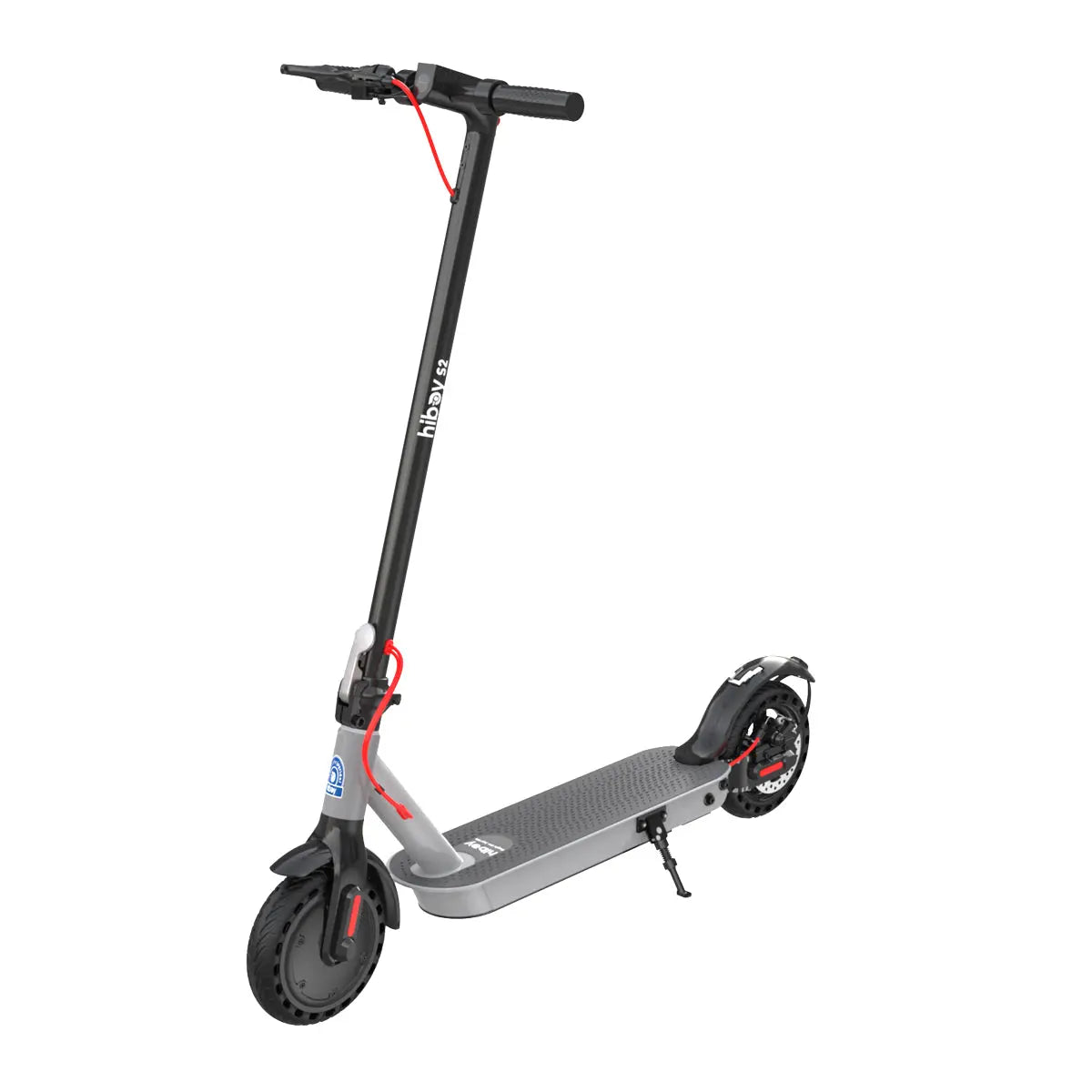 S2
S2
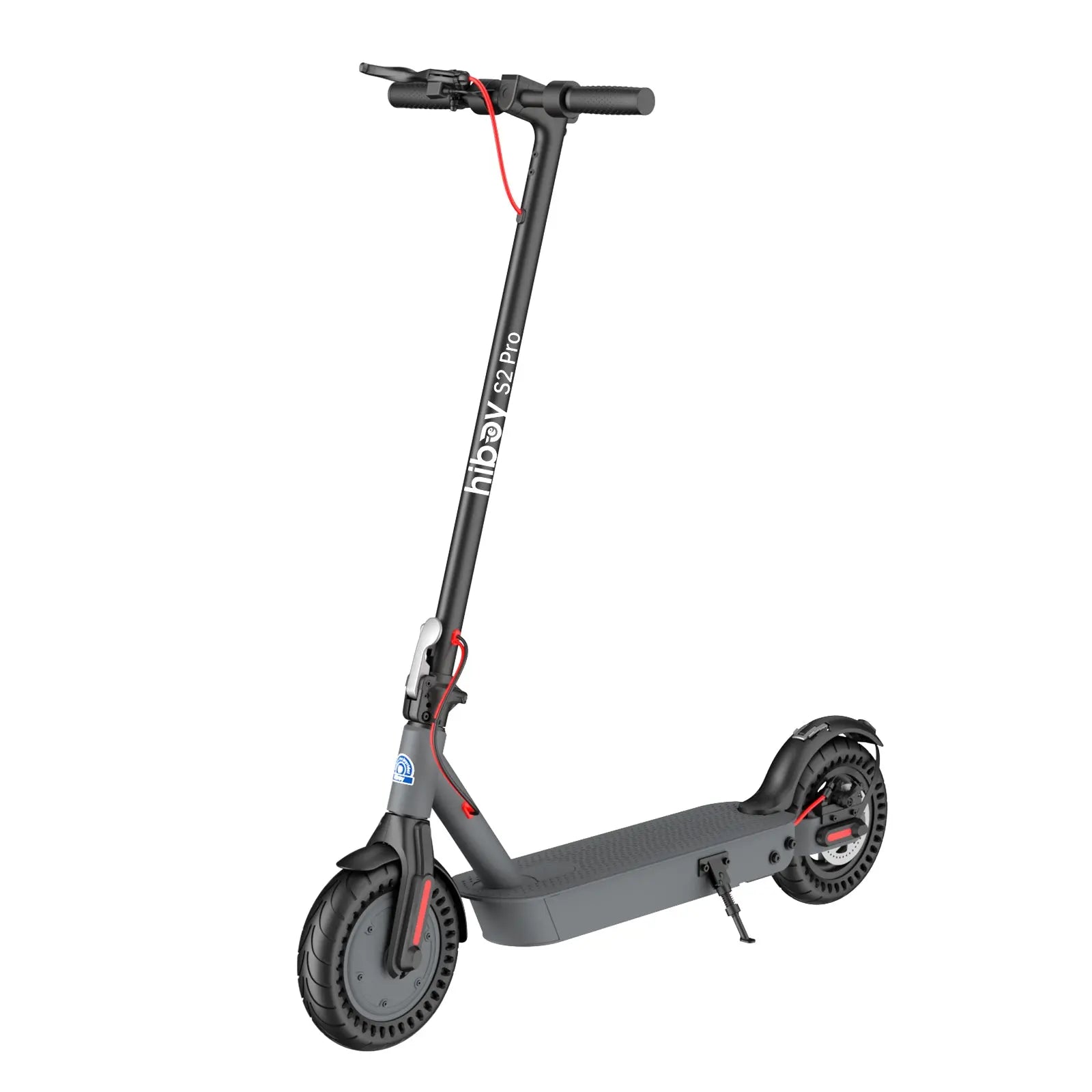 S2 Pro
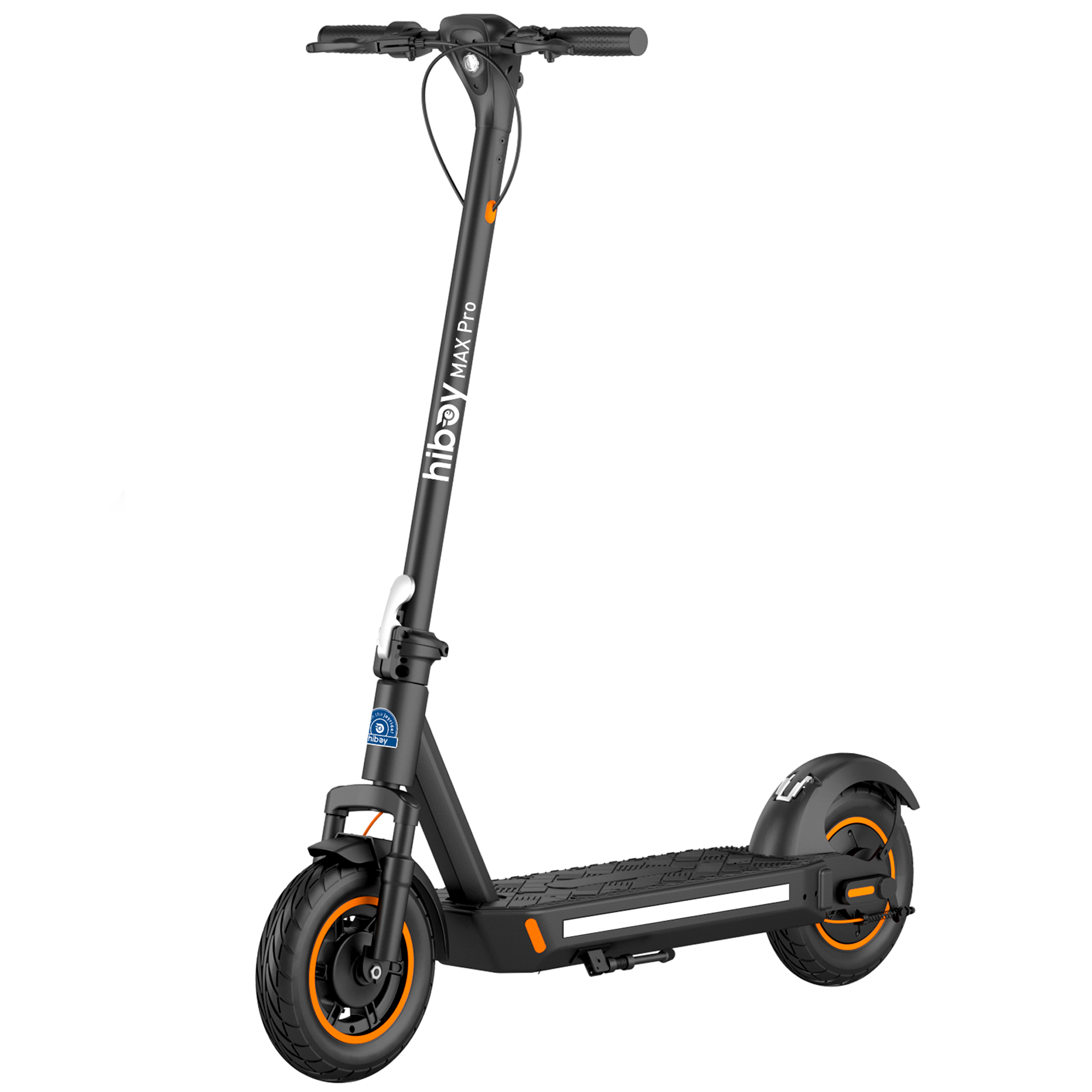 MAX Pro
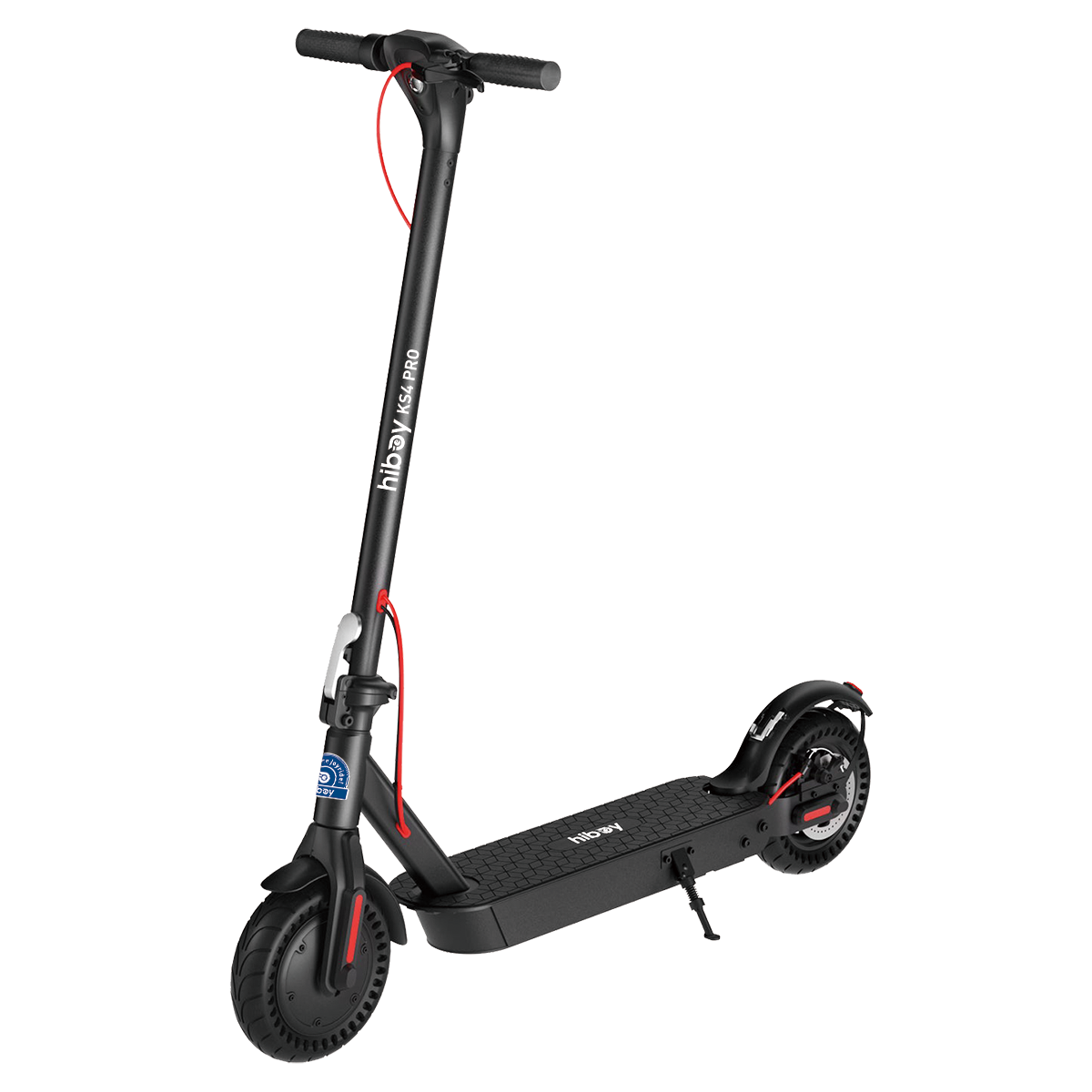 KS4 Pro
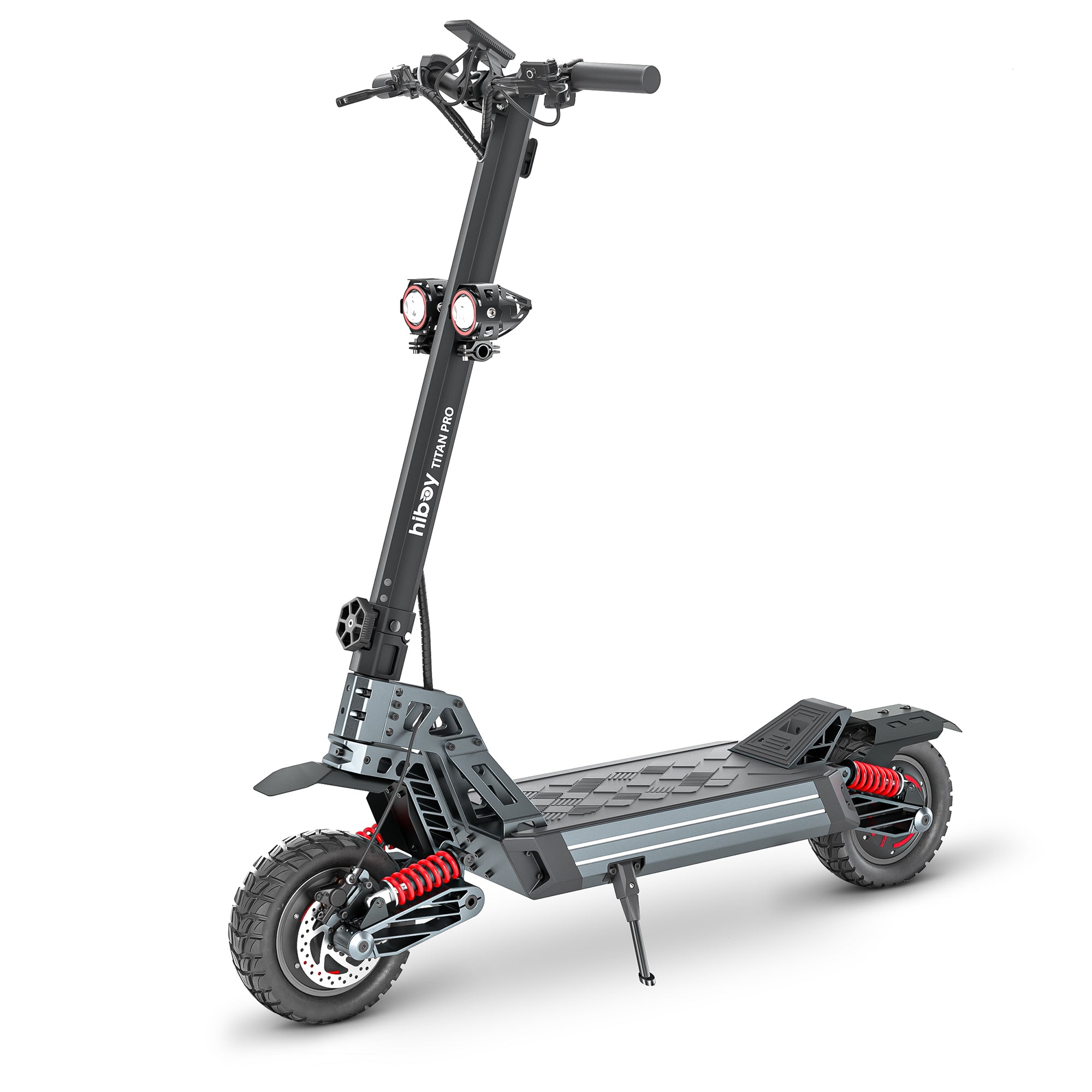 TITAN PRO
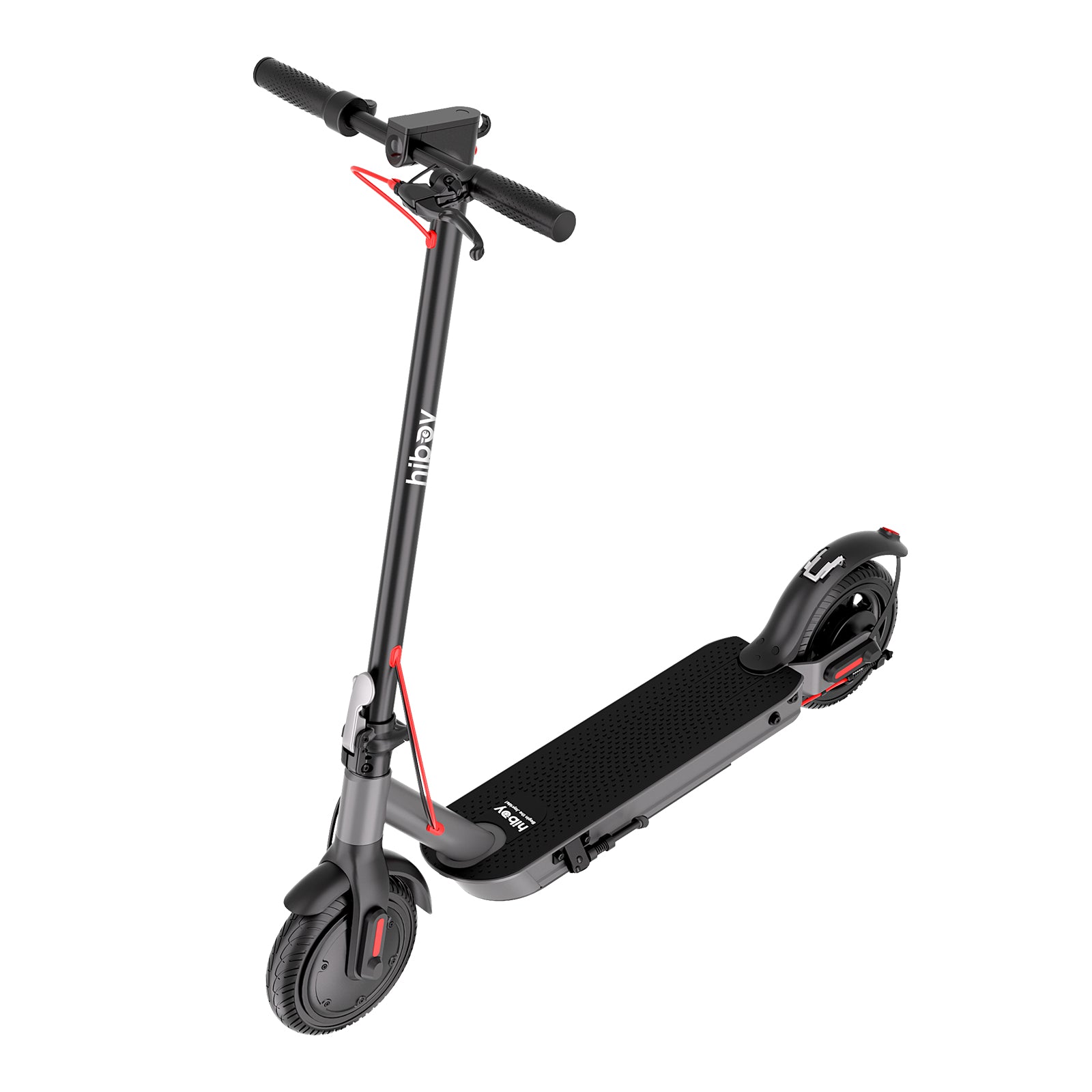 S2 Nova
 Compare Models
 Find Your Best Ride
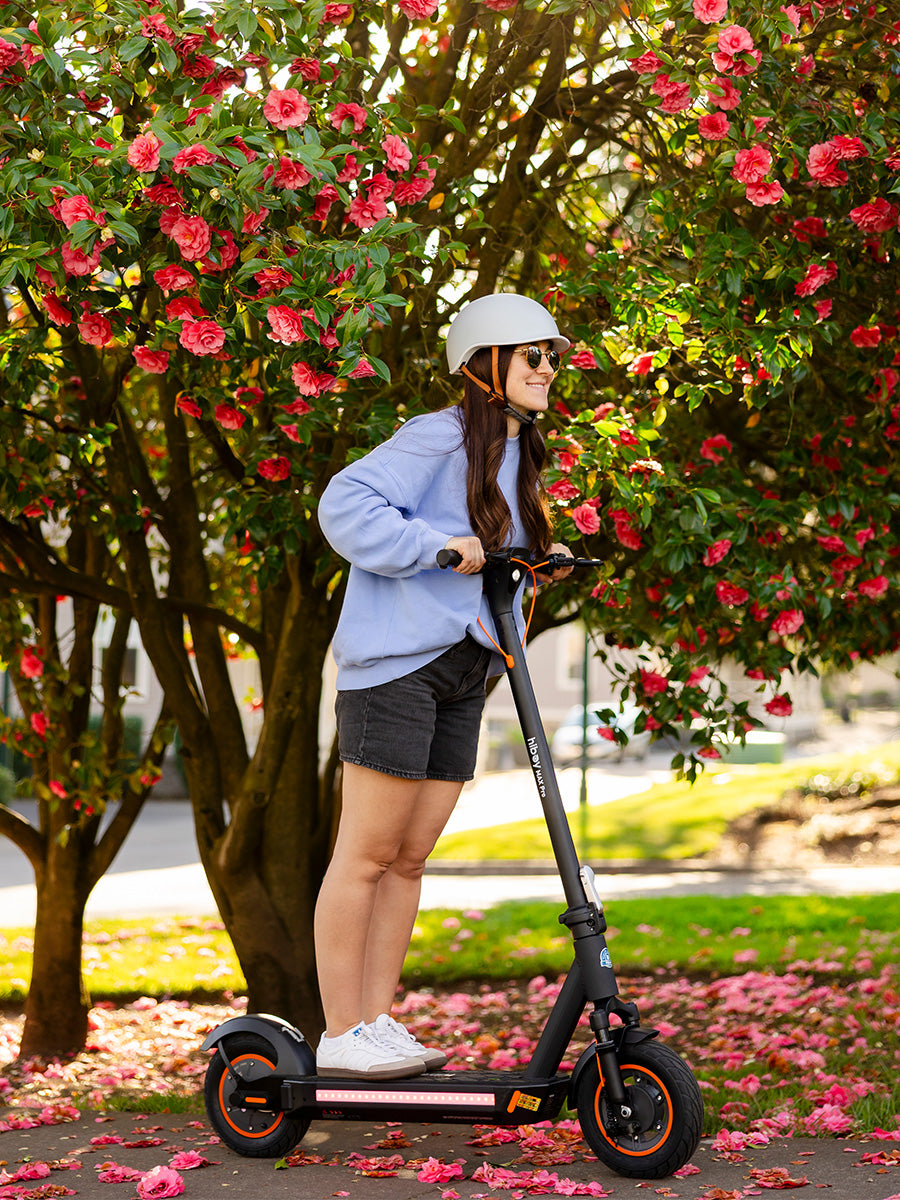
 Daily Commute
 Off-road & Trail
 Folding & Compact
 Fat Tire Rides
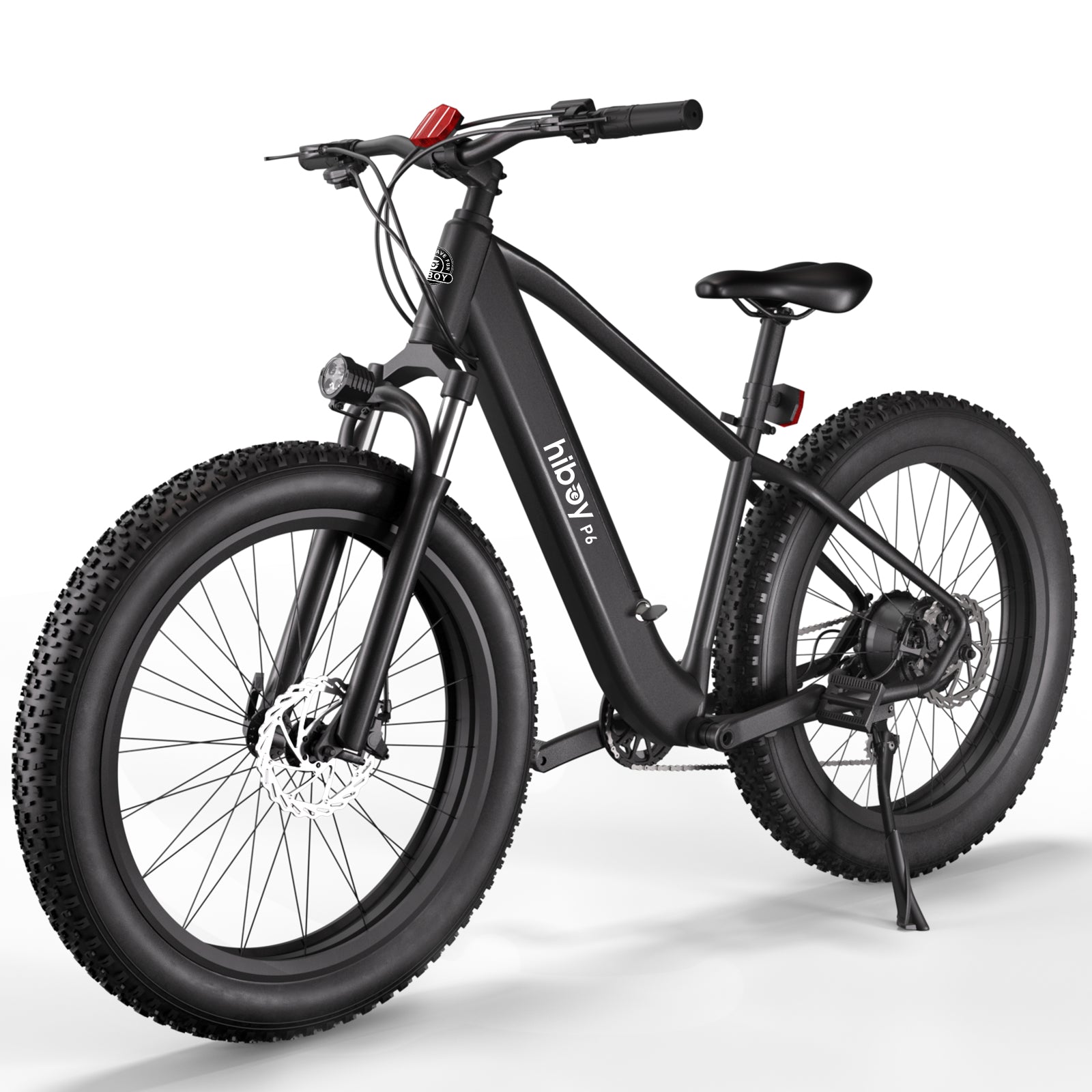 P6
P6
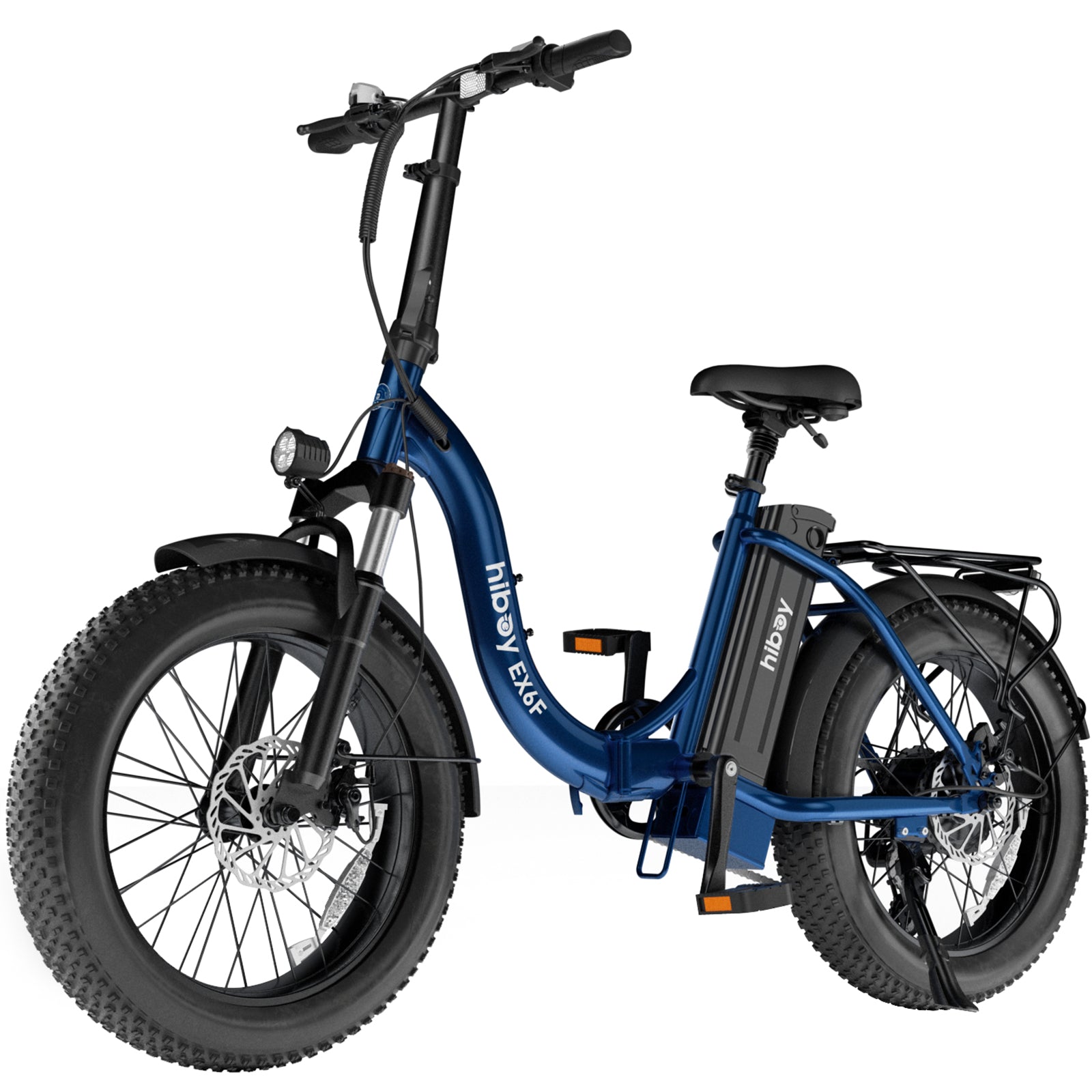 EX6F
EX6F
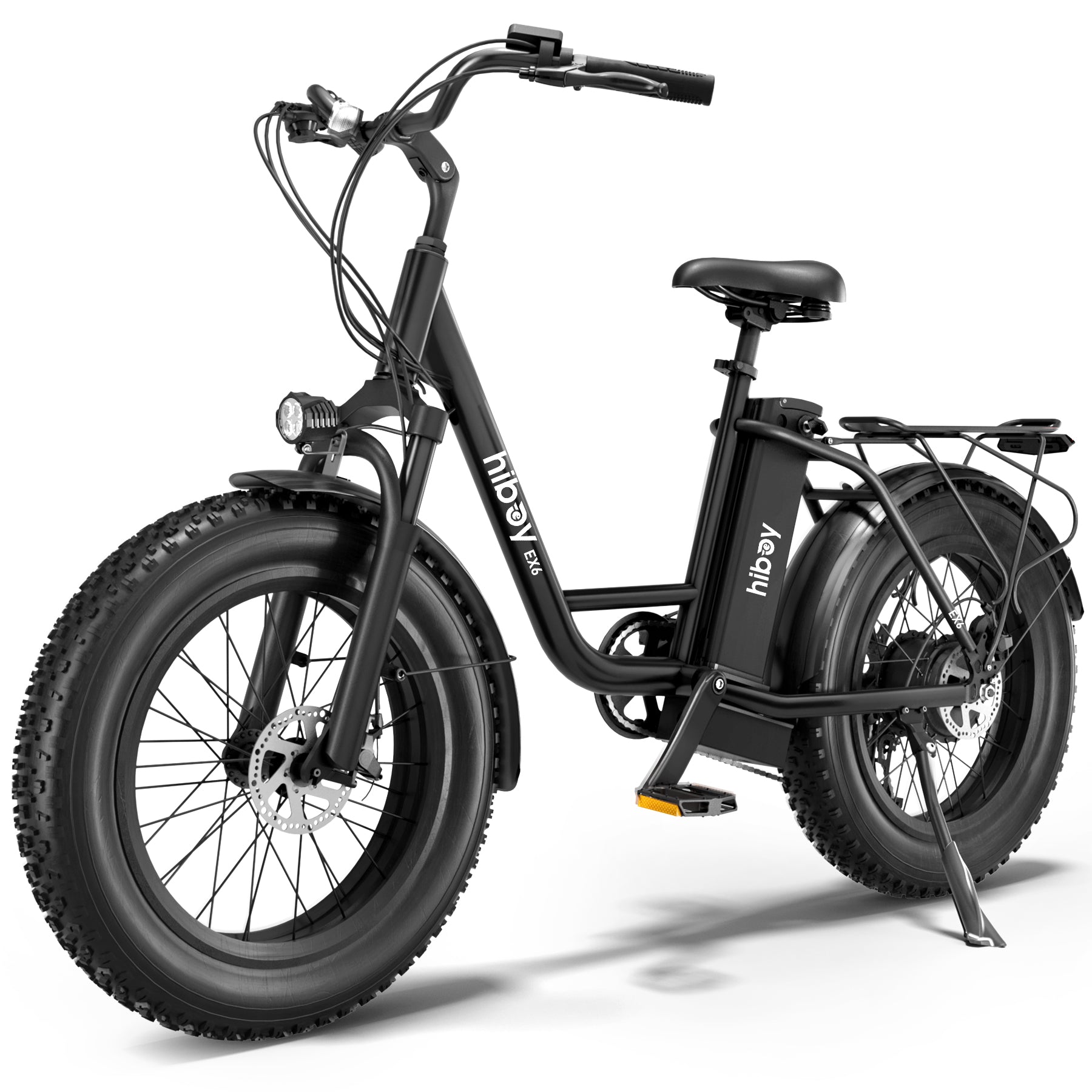 EX6
EX6
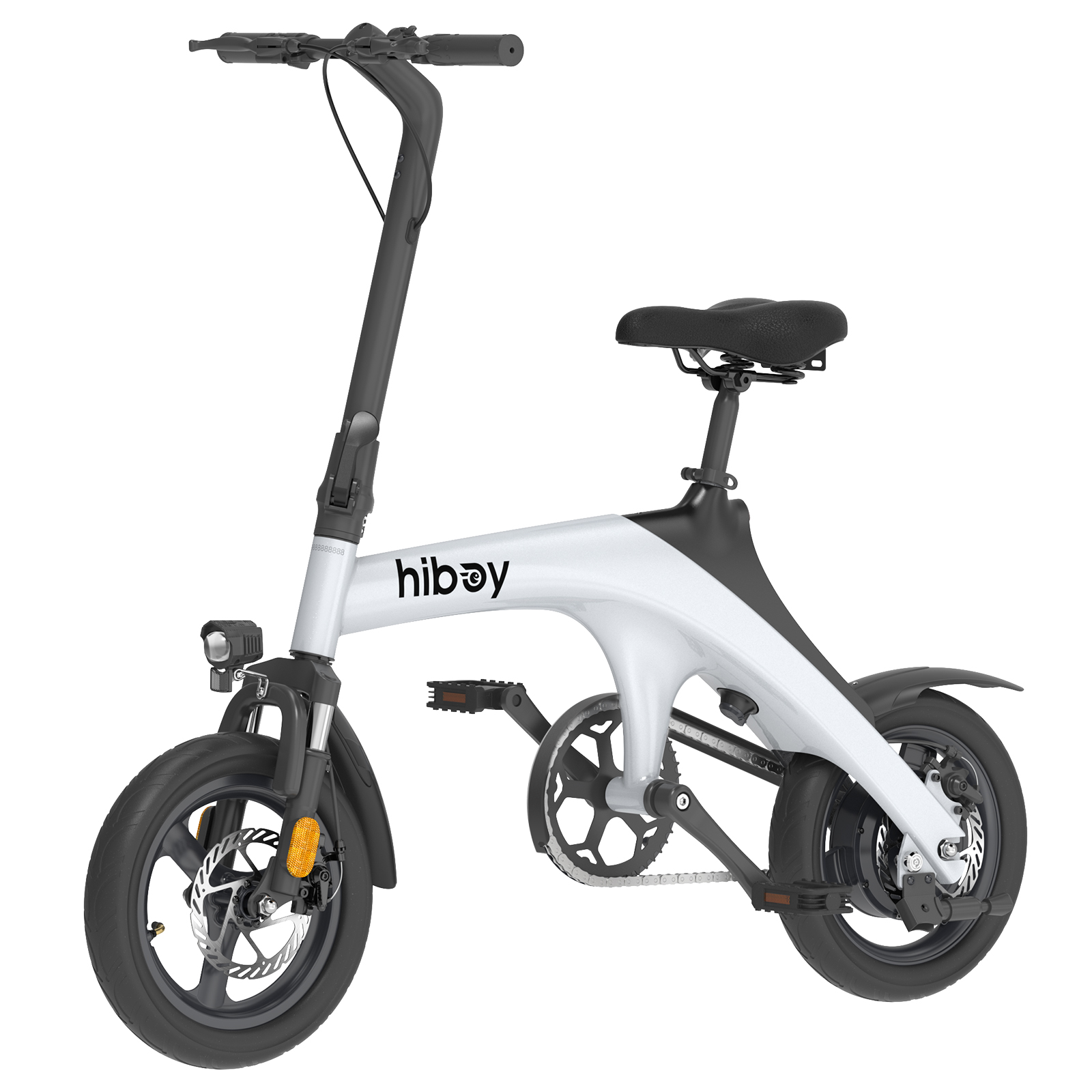 C1
C1
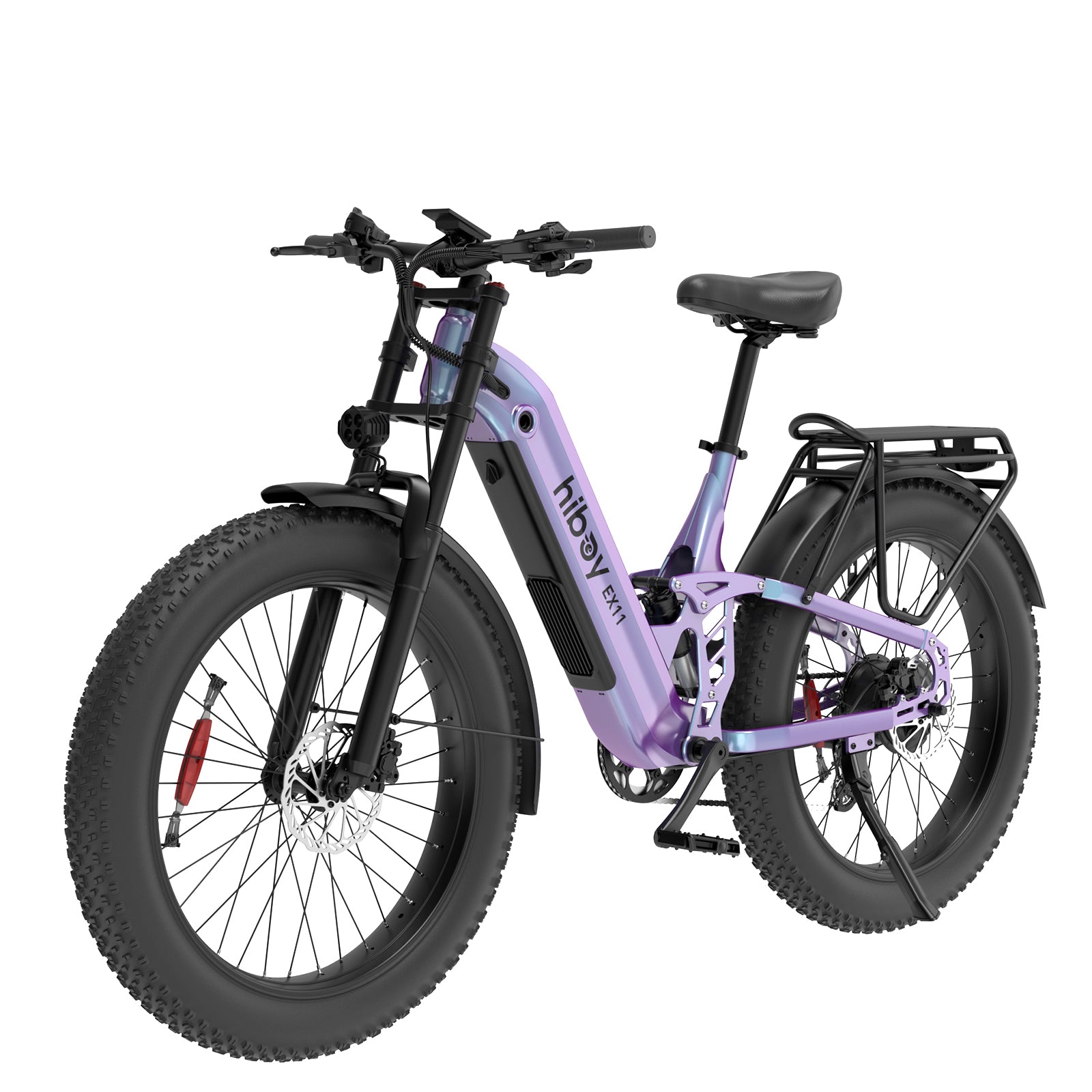 EX11
EX11
 EX9
EX9
 Compare Models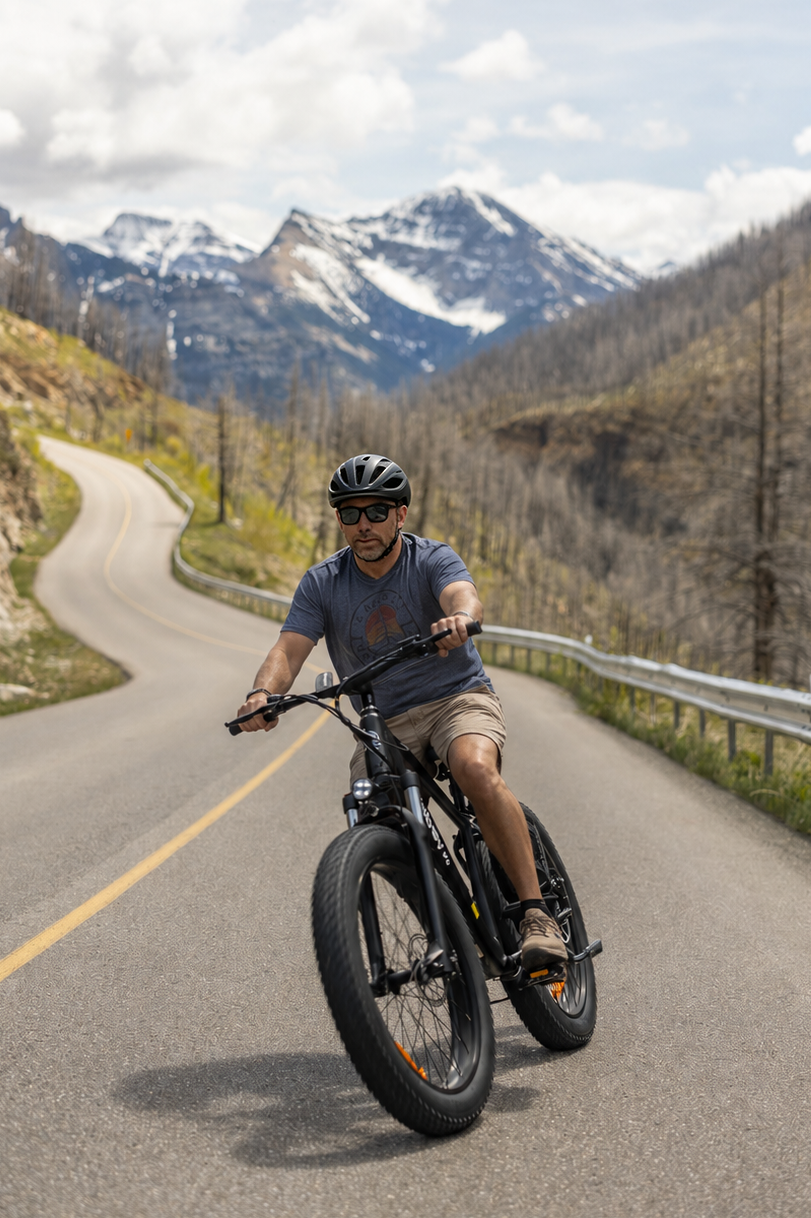
 First Rides
 Everyday Fun
 S2 Lite
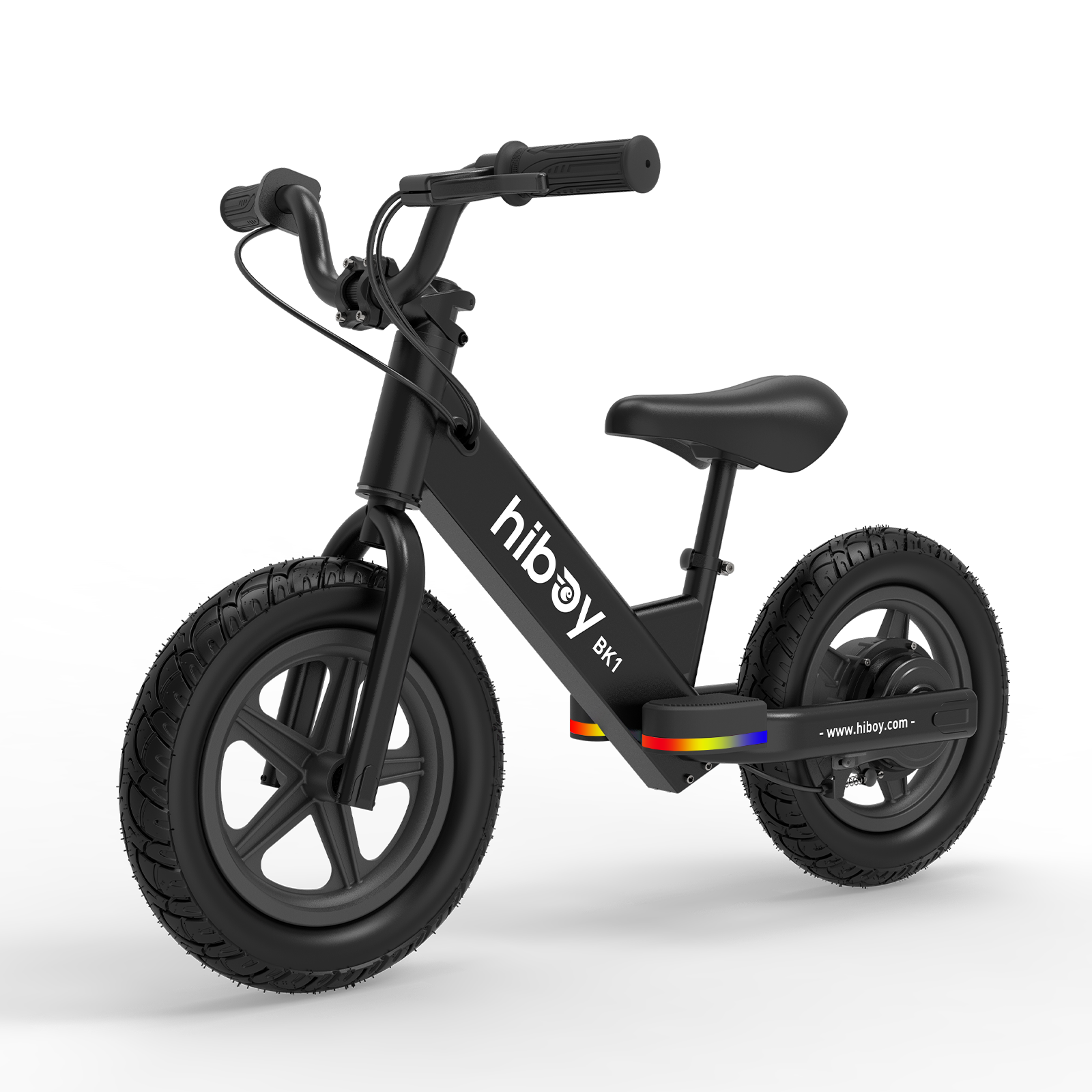 BK1
BK1
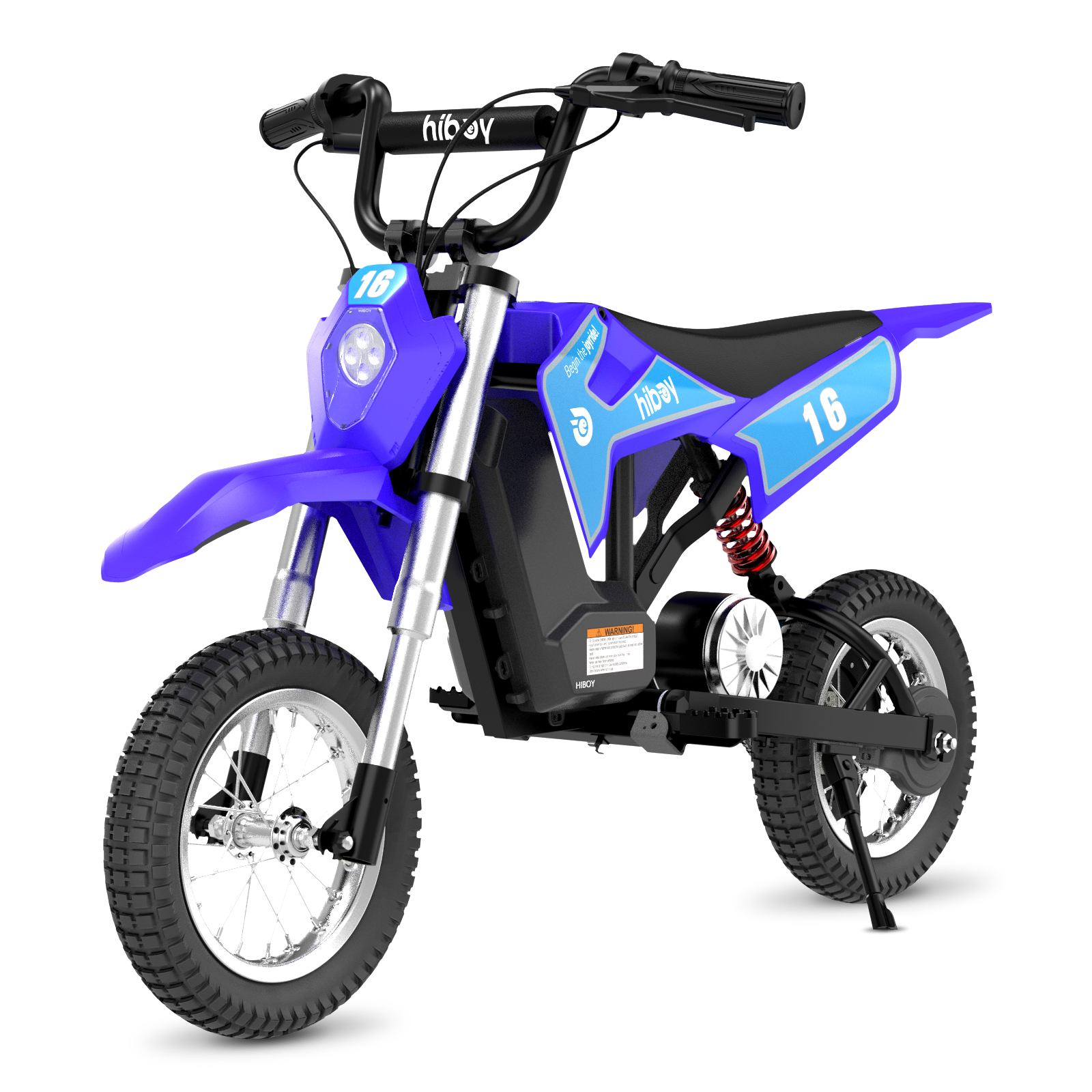 DK1
DK1
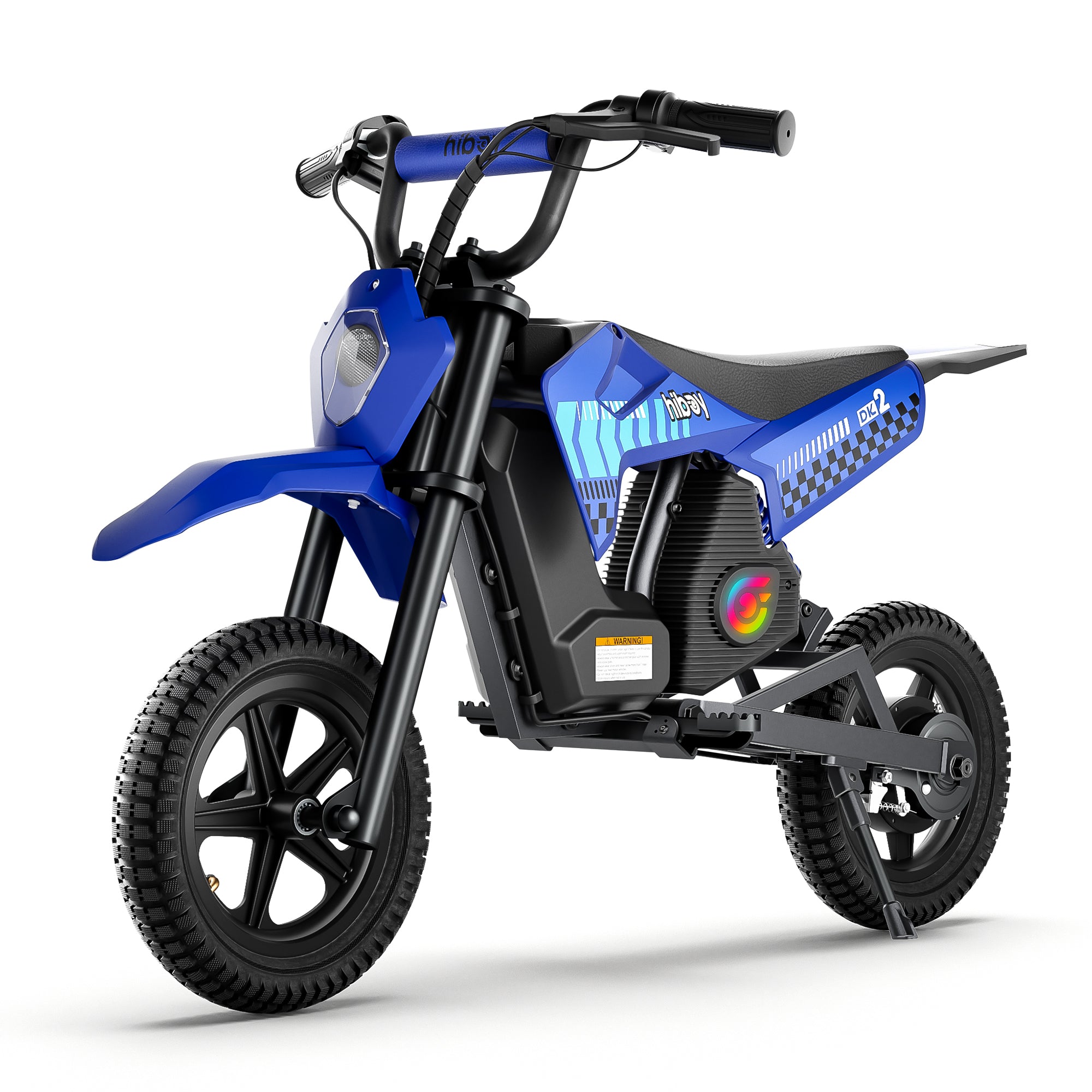 DK2
DK2
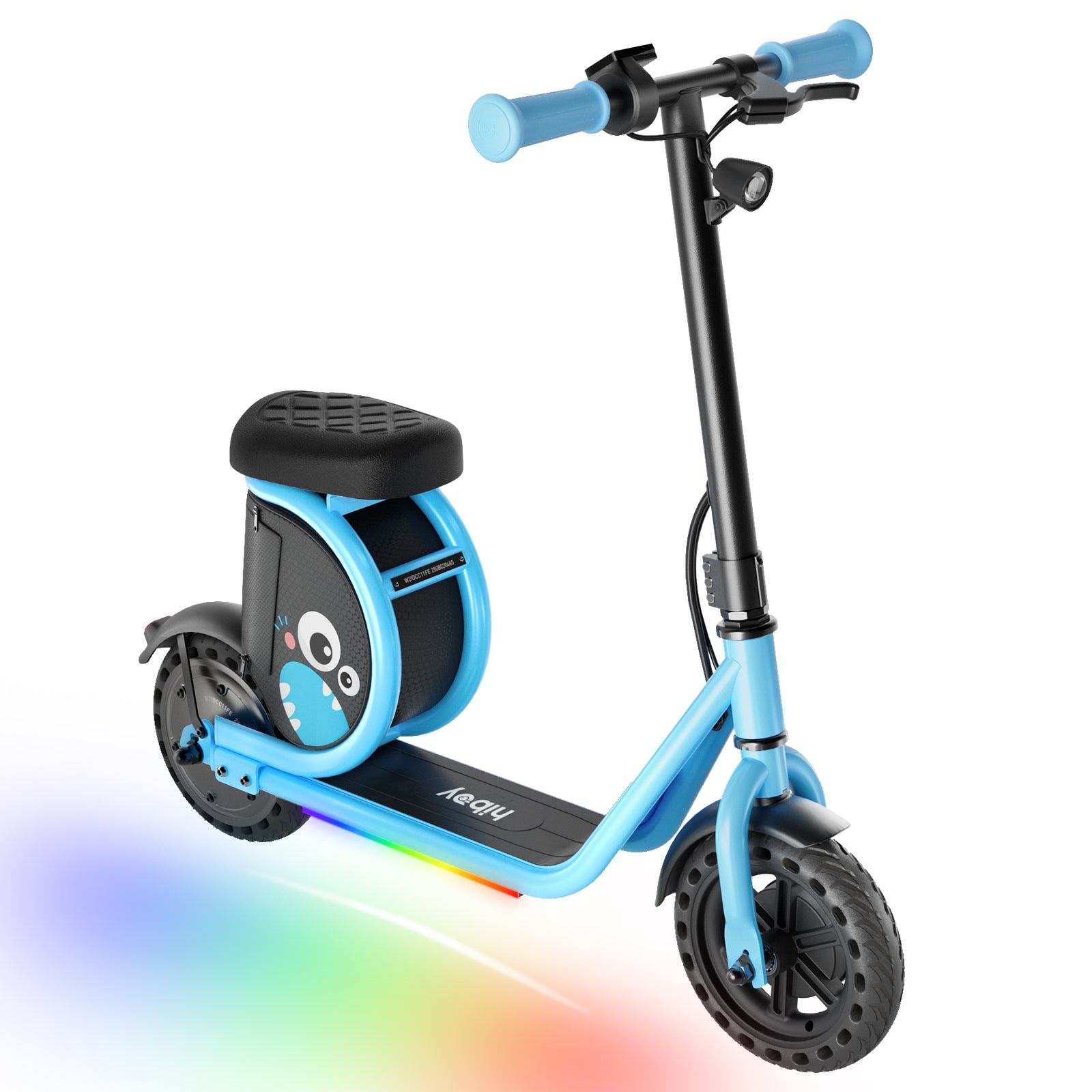 Joy Haul
 Q2 Lite
 Compare Models
Electric bikes have transformed how Americans commute, exercise, and explore. As e-bike adoption continues to rise, states across the US are updating laws to improve safety, clarify classifications, and ensure riders know where and how e-bikes can be used legally.
One of the latest developments comes from Hawaii, where lawmakers are advancing new legislation that could soon become law. While this bill applies specifically to Hawaii, it reflects a broader nationwide trend: stricter enforcement of the established three-class e-bike system, clearer labeling requirements, and tighter limits on higher-speed devices.
At Hiboy, we believe riders deserve transparency and products that meet evolving regulations. That’s why we’re proactively aligning our e-bike models with US compliance standards.
Why New E-Bike Regulations Are Happening
Across the United States, lawmakers are responding to several major trends:
- Rapid growth in e-bike ownership
- More powerful two-wheel electric vehicles entering the market
- Confusion between legal e-bikes and unregulated high-speed devices
- Safety concerns on sidewalks, bike lanes, roads, and school campuses
The goal of many new laws is not to restrict responsible riders, but to preserve access for legal e-bikes while improving safety for everyone.

Understanding the 3-Class E-Bike System
| E-Bike Class | Motor Assistance Type | Throttle | Maximum Assisted Speed | Additional Notes |
| Class 1 E-Bikes | Pedal-assist only | No | 20 mph | Commonly allowed on many bike paths and trails (varies by local law) |
| Class 2 E-Bikes | Throttle-assisted and may include pedal assist | Yes | 20 mph | Popular for commuting and easier acceleration |
| Class 3 E-Bikes | Pedal-assist only | No | 28 mph | Usually requires a speedometer and may face additional access restrictions depending on the location |
This framework has become the standard in much of the United States and is increasingly used by lawmakers when updating regulations.
Hawaii’s Proposed Law Signals a Bigger National Shift
If signed into law, Hawaii’s proposed legislation would represent one of the most comprehensive e-bike regulatory updates in the United States. While the bill applies specifically to Hawaii, it reflects a broader national movement toward clearer definitions, stronger enforcement, and safer use of shared public spaces.

Here are the key measures included in the proposal:
| Proposed Regulation | What It Means | Why It Matters |
| Registration for All E-Bikes | Every e-bike would need to be registered with the state through a one-time $30 fee. | Creates a formal system for identification, accountability, and ownership records. |
| Mandatory Manufacturer Labels | All e-bikes would need visible labels showing the class designation, top assisted speed, and motor wattage. | Helps riders, retailers, and law enforcement quickly verify whether a bike is legally compliant. |
| Limits on High-Speed Devices | Any device capable of speeds above 28 mph or using a motor over 750 watts could be classified as a high-speed electric device. | Separates traditional e-bikes from more powerful e-moto style vehicles that may require stricter regulation. |
| Restrictions on Public Infrastructure | High-speed electric devices would generally be prohibited from bike lanes, bike paths, and many public roadways. | Protects cyclists and pedestrians by reducing speed conflicts in shared spaces. |
| Sidewalk Riding Rules | E-bikes may be allowed on sidewalks, but only at 10 mph or below, and riders must yield to pedestrians at all times. | Balances rider access with pedestrian safety, especially in dense urban areas. |
| Local County Authority | Counties could still restrict sidewalk riding in business districts or other high-traffic areas. | Allows local governments to tailor rules based on congestion and infrastructure needs. |
| Bike Lane Preference | Where bike lanes are available, e-bike riders are generally expected to use them rather than sidewalks. | Encourages safer and more organized traffic flow. |
| Expanded Helmet Rules | The mandatory helmet age requirement would increase from 16 to 18 years old for bicycles, e-bikes, and other micromobility devices. | Offers greater protection for younger riders. |
| Ban on Unsafe Riding Behavior | Public stunts such as wheelies, reckless riding, and dangerous maneuvers would be prohibited. | Reduces accident risks and promotes a responsible riding culture. |
| Device Enforcement Powers | Illegal or unregistered devices could be confiscated by law enforcement. | Gives authorities clearer power to remove non-compliant vehicles from public spaces. |
| School Campus Restrictions | High-speed electric devices would be banned from K-12 school campuses. High schools could also require decals for parked bikes. | Improves student safety and campus oversight. |
Why This Matters Beyond Hawaii
This proposal is important because it shows how states are trying to preserve access for legal Class 1, Class 2, and Class 3 e-bikes while cracking down on vehicles that exceed accepted standards.

Across the US, lawmakers are increasingly focused on:
- Protecting bike lanes and shared-use paths
- Clarifying what qualifies as a legal e-bike
- Improving pedestrian safety
- Regulating faster electric two-wheelers separately
- Requiring clearer product labeling and compliance standards
For riders and manufacturers alike, Hawaii’s bill may be a preview of future e-bike laws in other states.
What This Means for Hiboy Riders
At Hiboy, rider safety and legal compliance are priorities. To align with evolving US market requirements, all applicable Hiboy e-bikes sold for the US market will be factory-set to comply with Class 2 standards.
Factory Default Speed Setting
For applicable US models:
- Throttle Mode Max Speed: 20 mph
- Pedal Assist Max Speed: 20 mph (default setting)
This ensures riders receive products configured to meet the most widely accepted Class 2 requirements upon delivery.
User Adjustable Speed Settings on Select Hiboy Models
Where permitted, some models allow advanced user settings through the display menu.

EX6 / EX6F
10–20 mph: throttle and pedal assist adjust together
Above 20 mph:
- Throttle remains capped at 20 mph
- Pedal assist can increase directly to 25 mph
P6 / EX11 / EX9
10–20 mph: throttle and pedal assist adjust together
Above 20 mph:
- Throttle remains capped at 20 mph
- Pedal assist can increase directly to 28 mph
This means throttle operation remains Class 2 compliant, while pedal-assist capability may vary depending on rider settings and local laws.
Why Hiboy Is Making These Adjustments
We’re taking a proactive approach because regulations are changing quickly across the US. Our goals are simple:
- Help riders stay compliant
- Improve safety confidence
- Support access to bike lanes and public infrastructure
- Ensure long-term compatibility with future laws
As more states refine e-bike definitions, factory compliance matters more than ever.

Important Reminder: Laws Vary by State
E-bike laws can differ by:
- State
- County
- City
- Trail systems
- Campus rules
For example, some states allow Class 3 bikes in bike lanes, while others restrict them. Sidewalk use may also vary. We always recommend checking your local regulations before riding.
The Future of E-Bikes in America
The US e-bike market is maturing. As adoption rises, clearer rules are a natural next step.
We expect to see more states follow similar paths:
- Stronger three-class enforcement
- Better labeling requirements
- Crackdowns on non-compliant high-speed devices
- Safer shared infrastructure for riders and pedestrians
- That’s good news for responsible e-bike riders.
Hiboy’s Commitment to Riders
At Hiboy, we’re committed to building e-bikes that are:
- Fun to ride
- Built for real life
- Safety-minded
- Regulation-ready
As laws evolve, we’ll continue adapting our products so riders can focus on what matters most: enjoying the ride.
Final Thoughts
The latest Hawaii proposal is more than a local story—it’s a sign of where the US e-bike market is headed.
For riders, the takeaway is simple:
Know your class. Know your speed. Know your local rules.
And with Hiboy, know that your e-bike is built with the future in mind.









Leave a comment
All comments are moderated before being published.
This site is protected by hCaptcha and the hCaptcha Privacy Policy and Terms of Service apply.