





 Daily Commute
 Lightweight & Portable
 Performance Rides
 Comfort With Seat
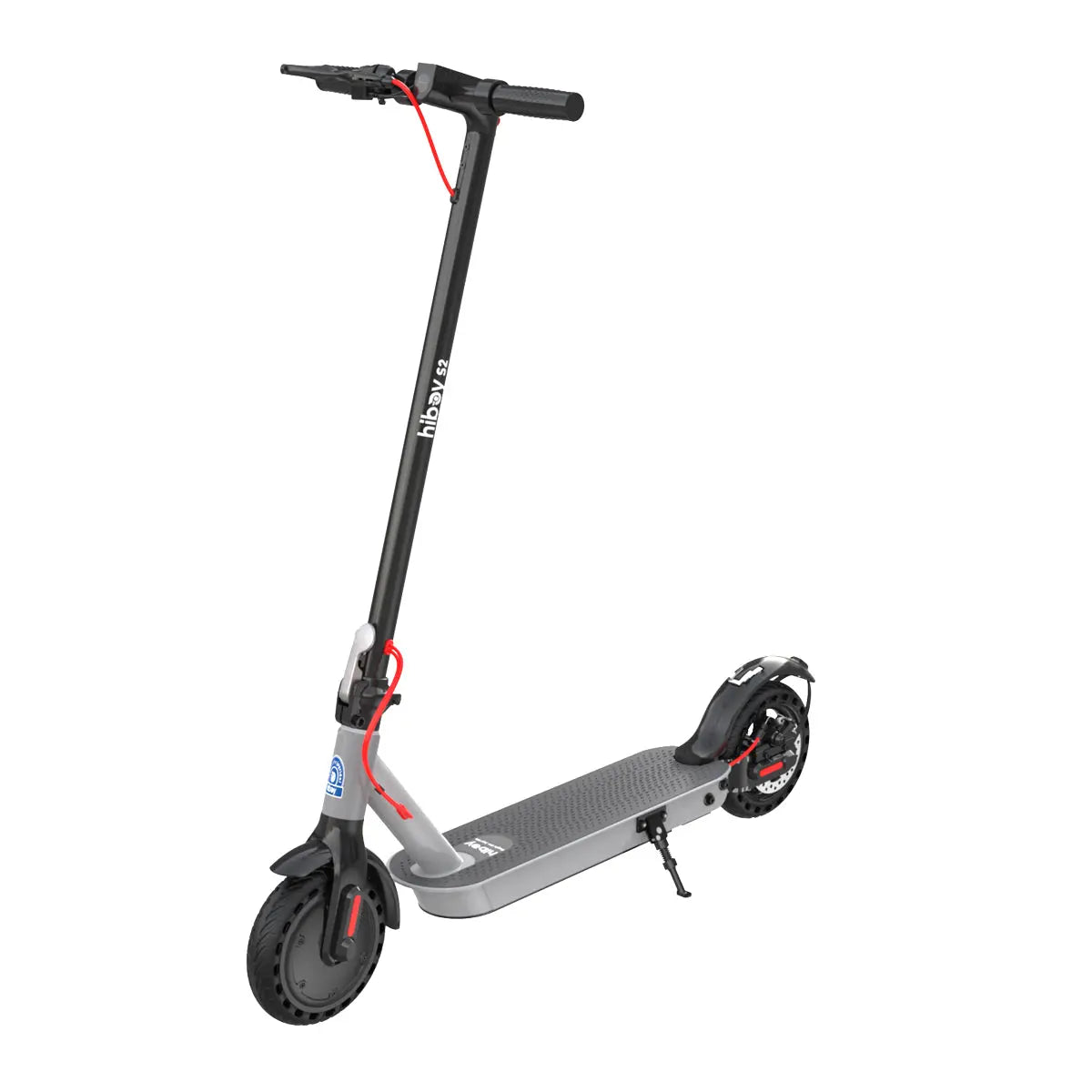 S2
S2
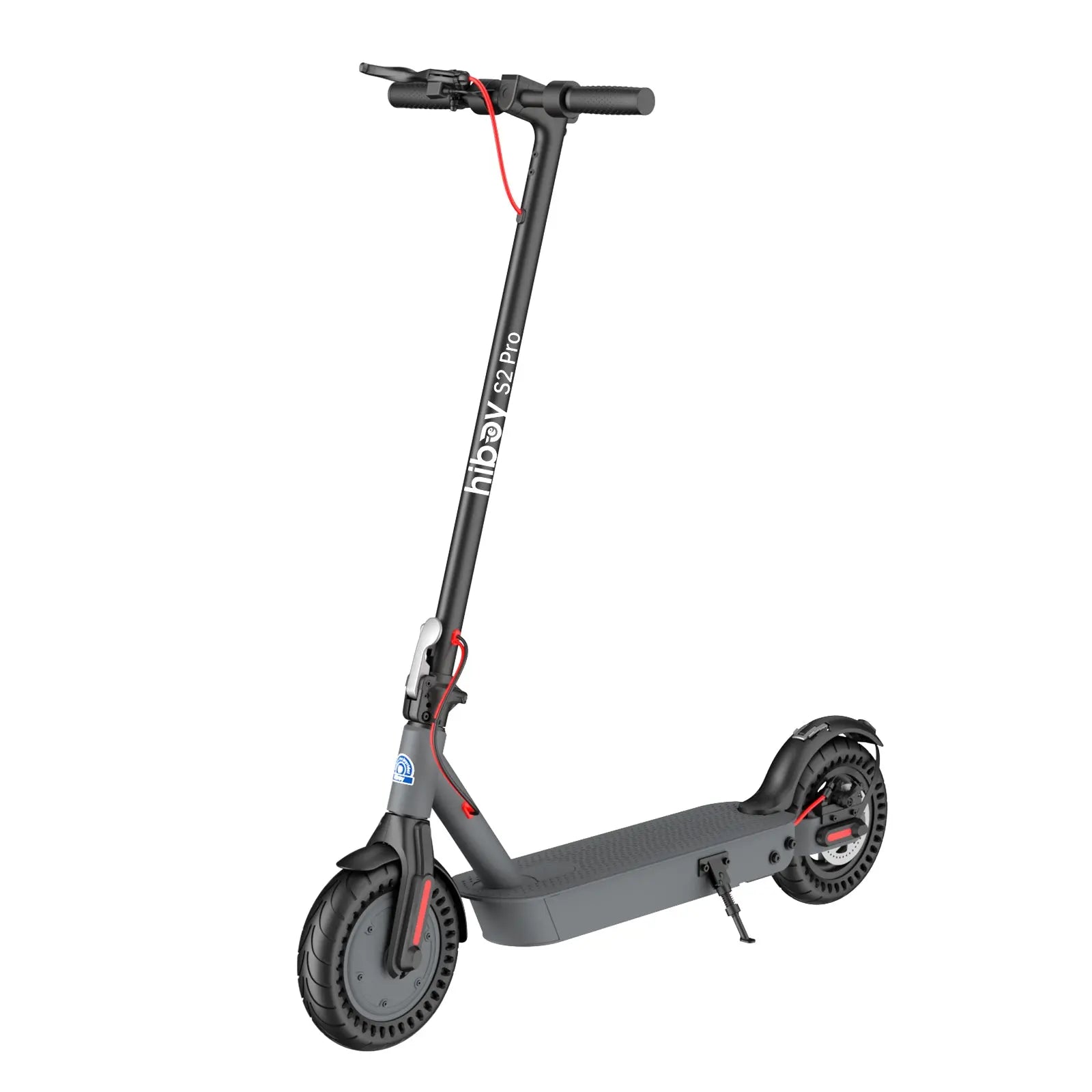 S2 Pro
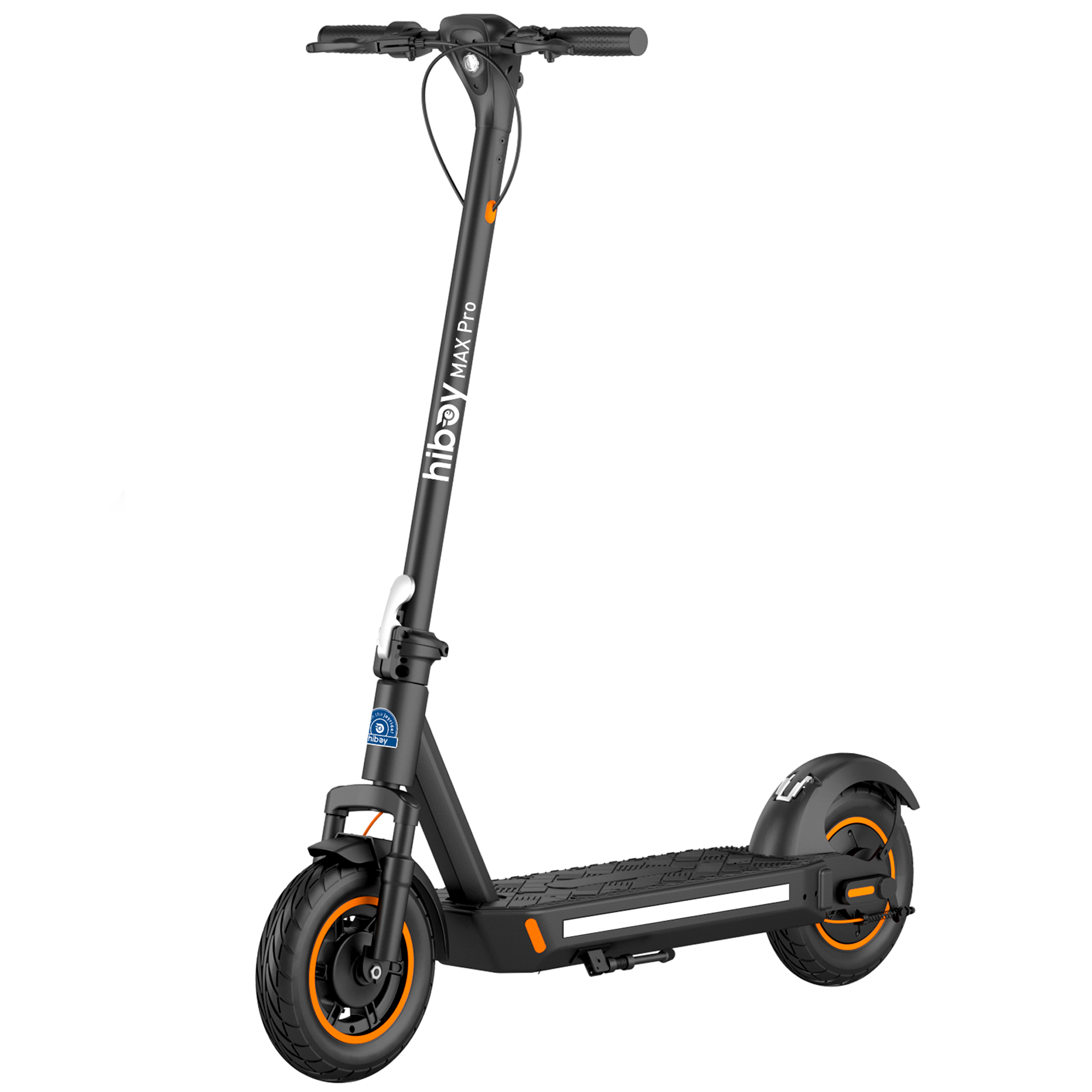 MAX Pro
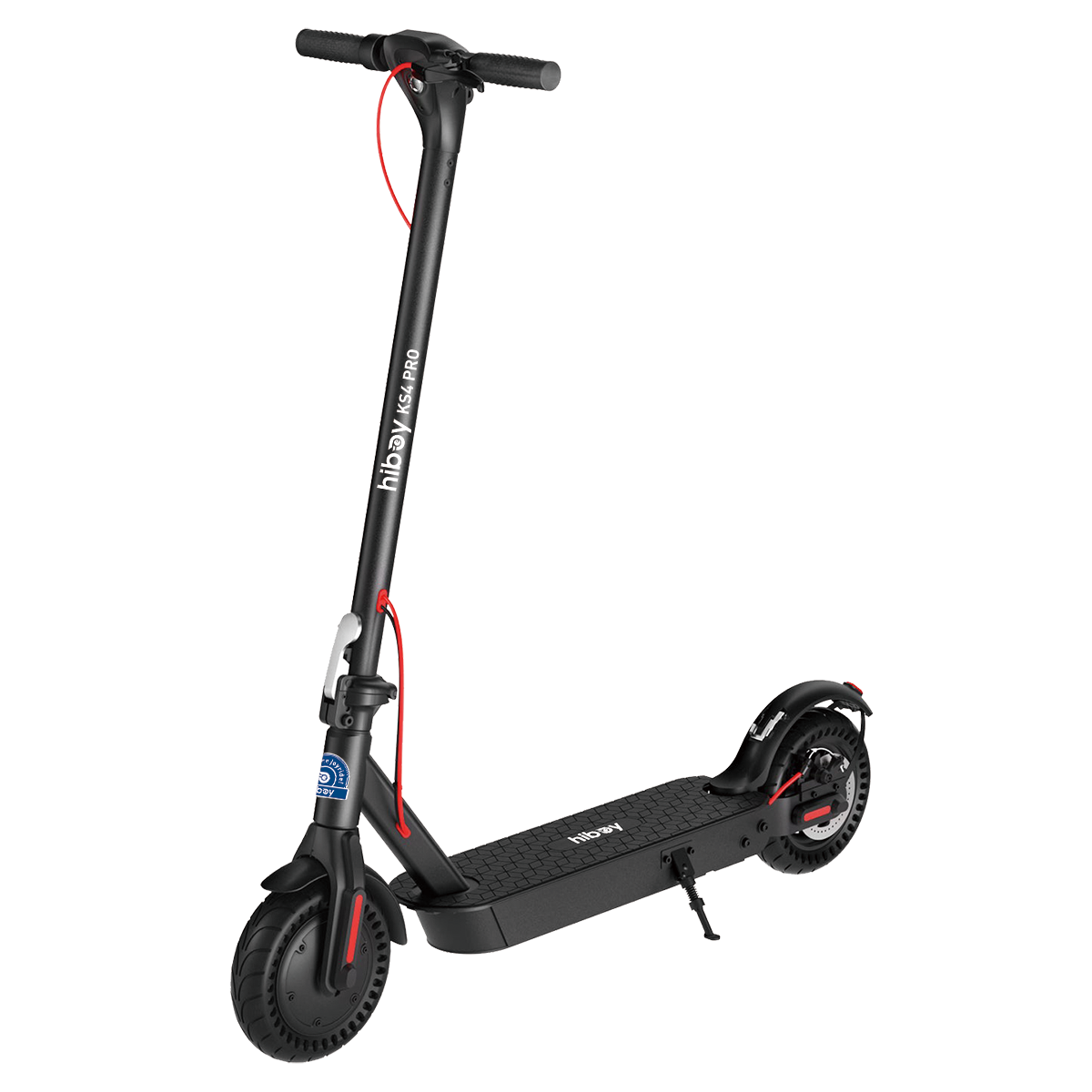 KS4 Pro
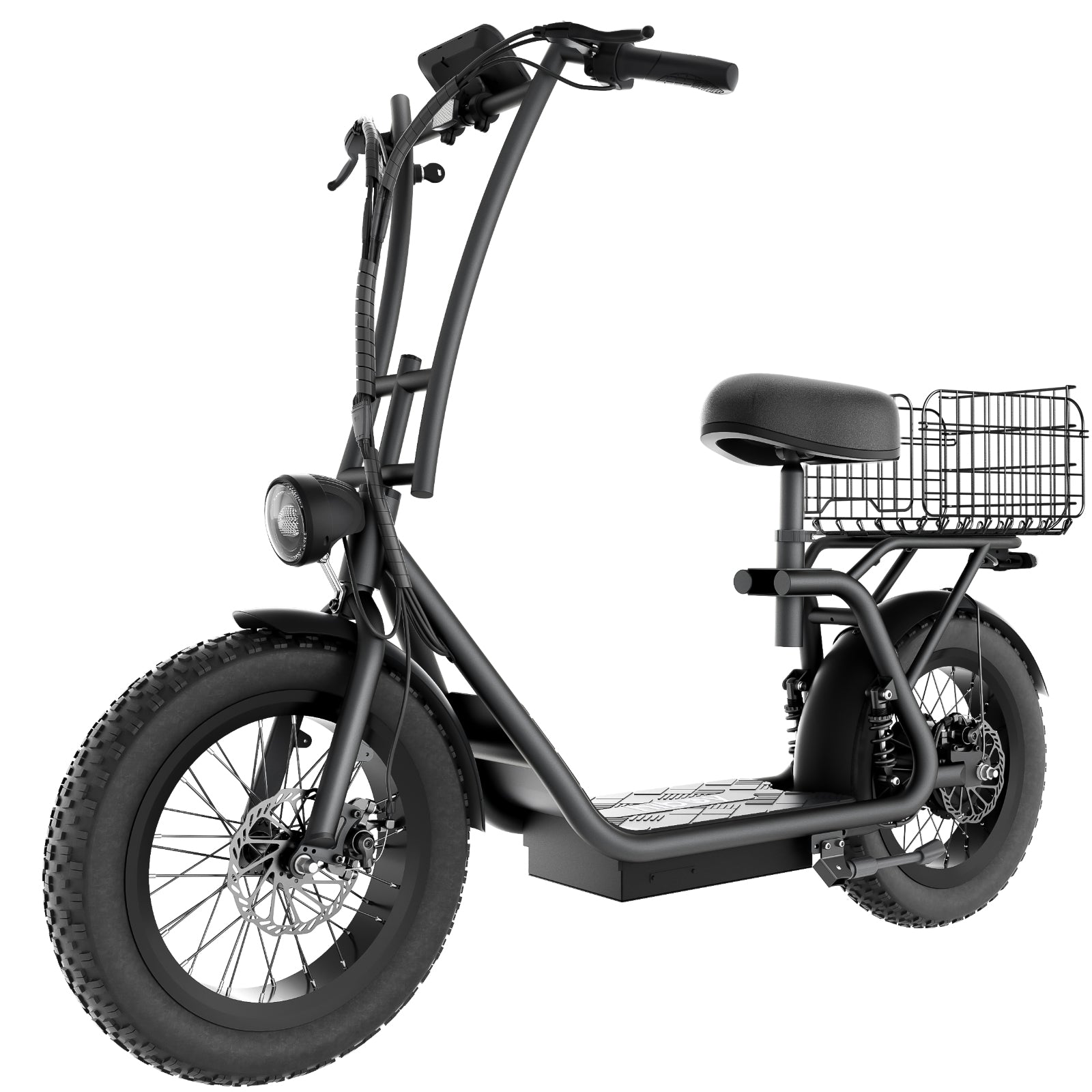 U2 Pro
 TITAN
TITAN
 Compare Models
 Find Your Best Ride
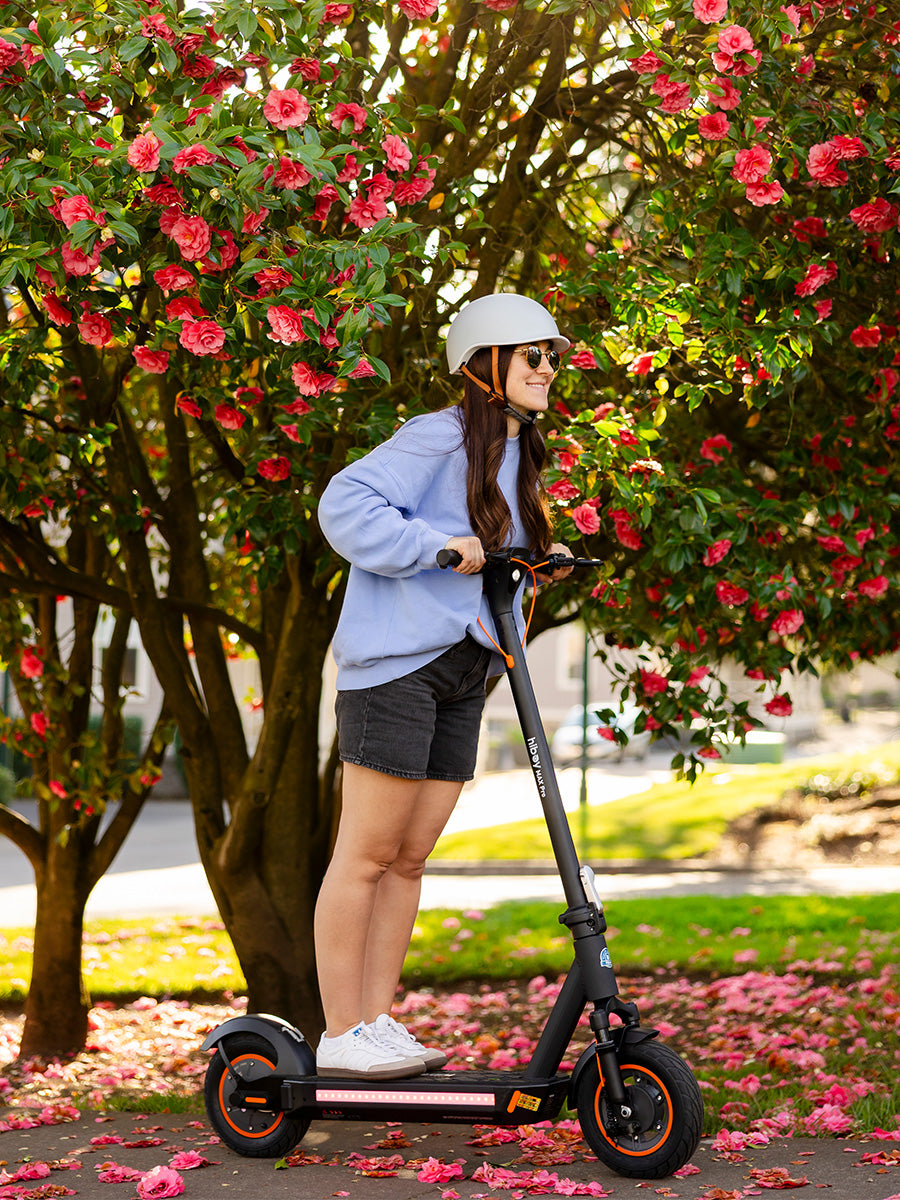
 Daily Commute
 Off-road & Trail
 Folding & Compact
 Fat Tire Rides
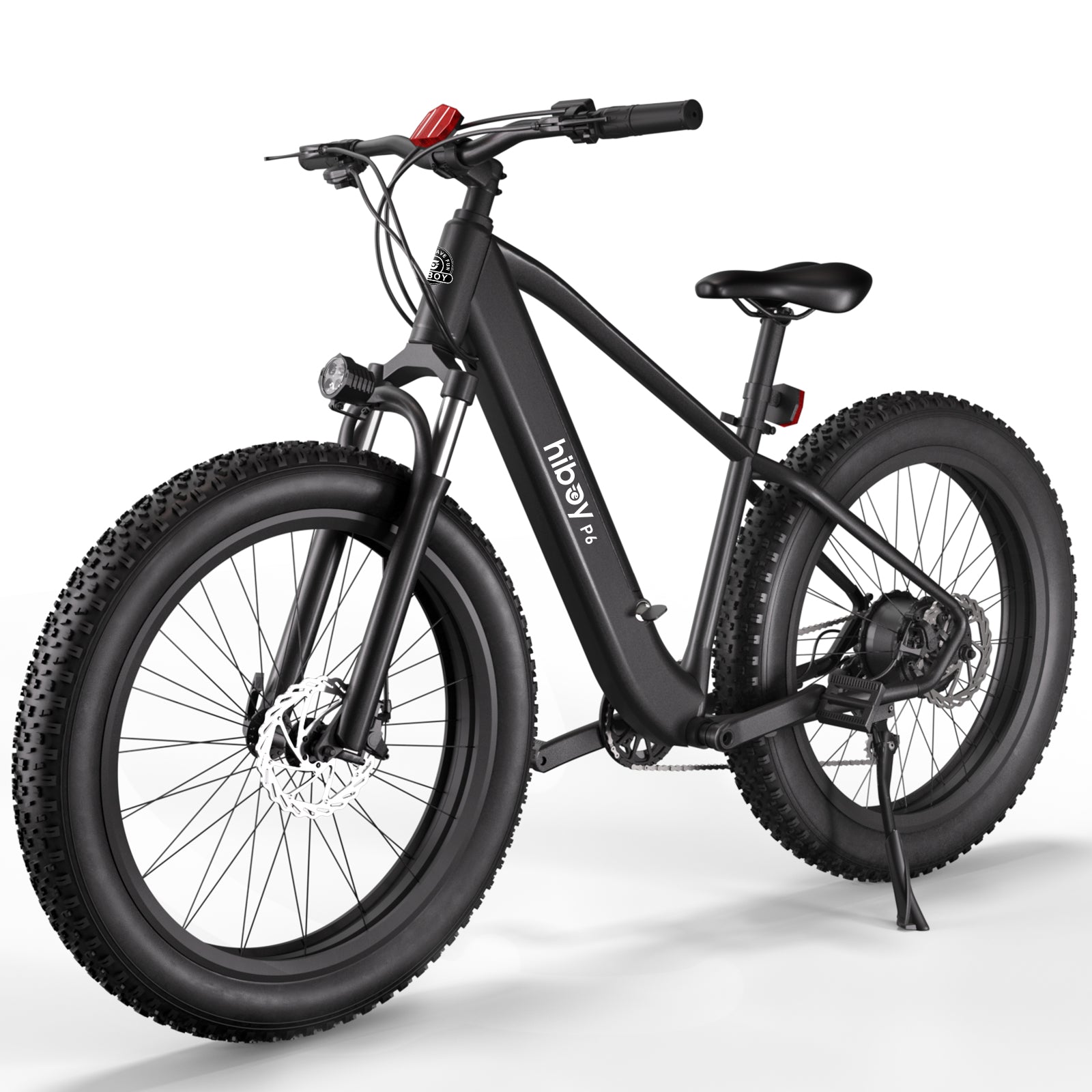 P6
P6
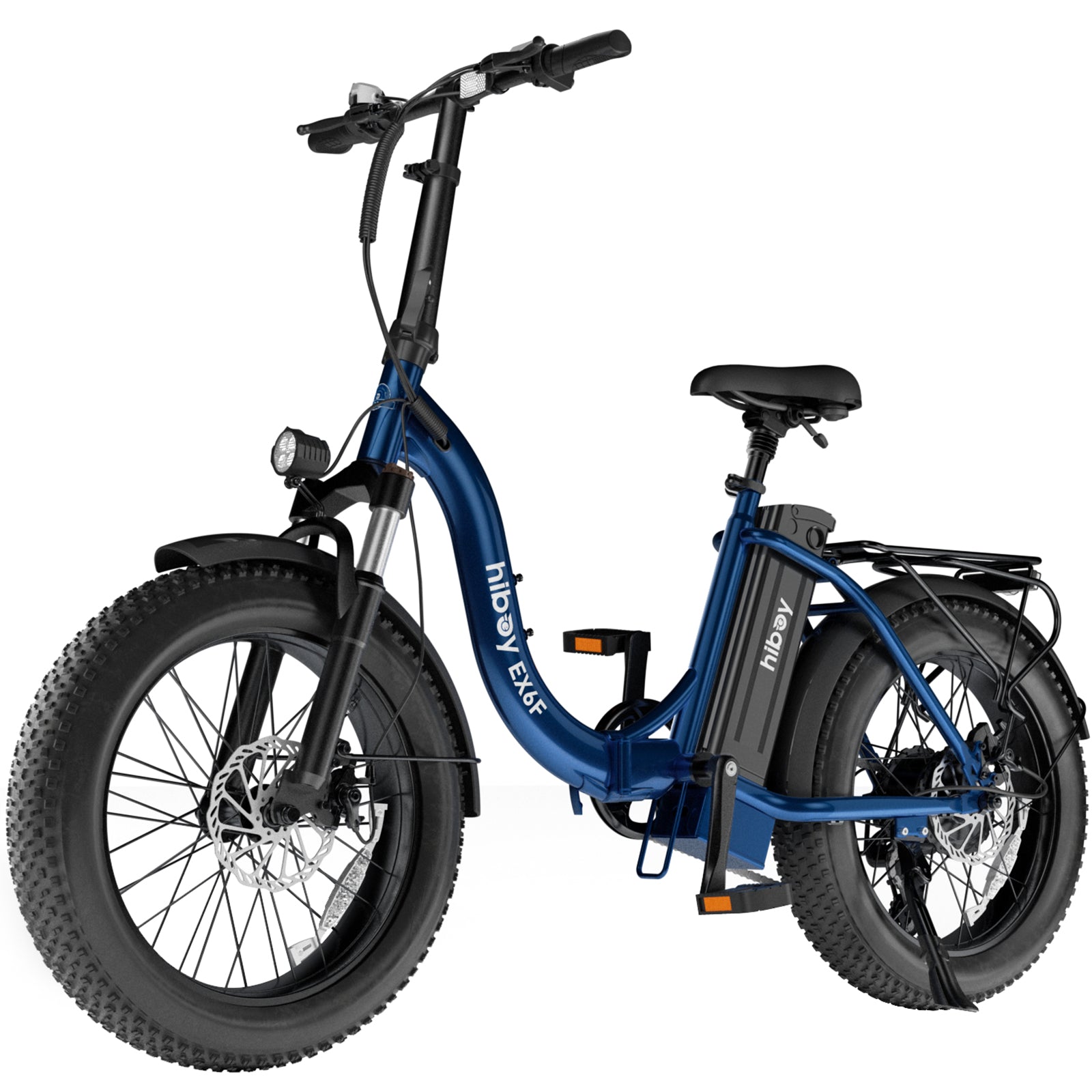 EX6F
EX6F
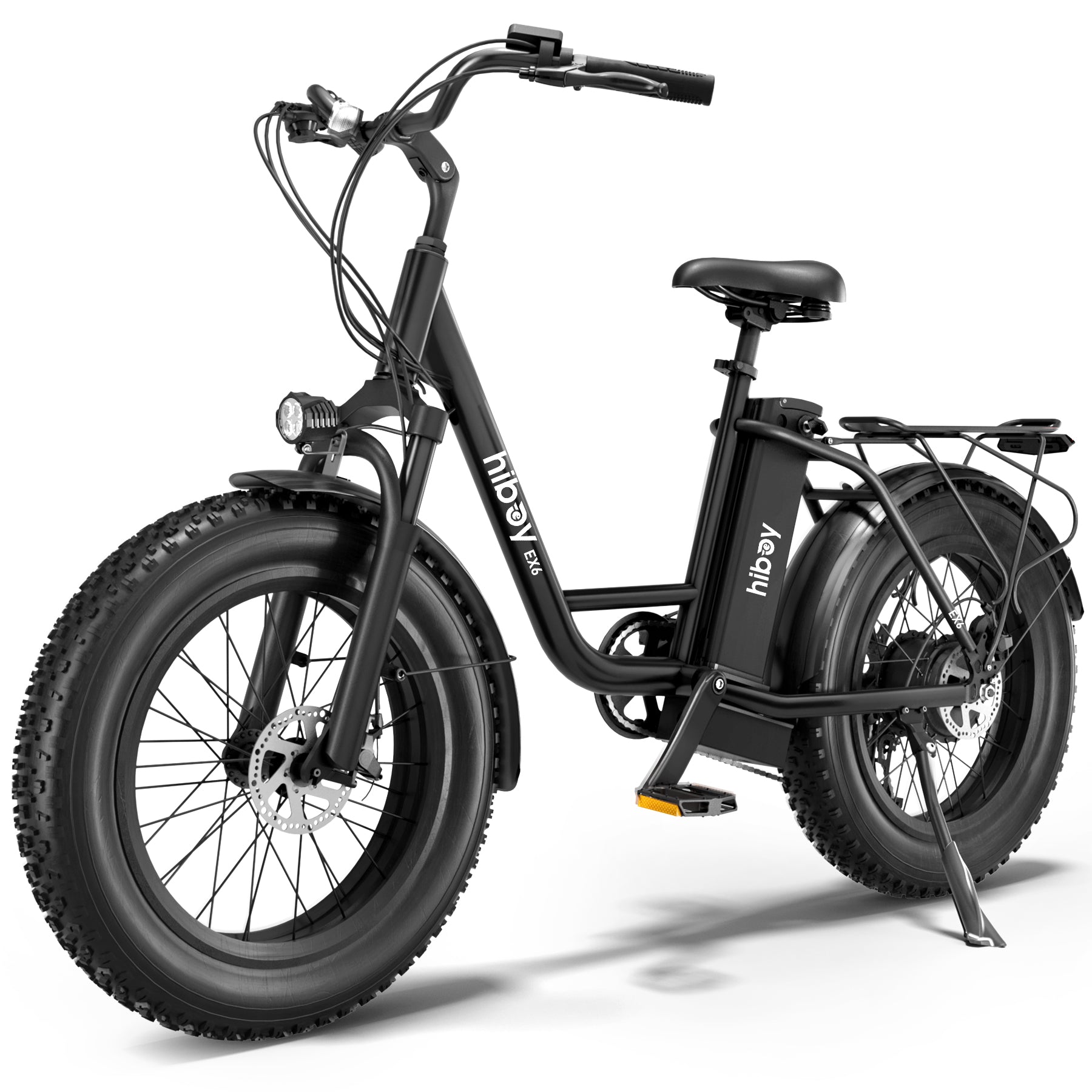 EX6
EX6
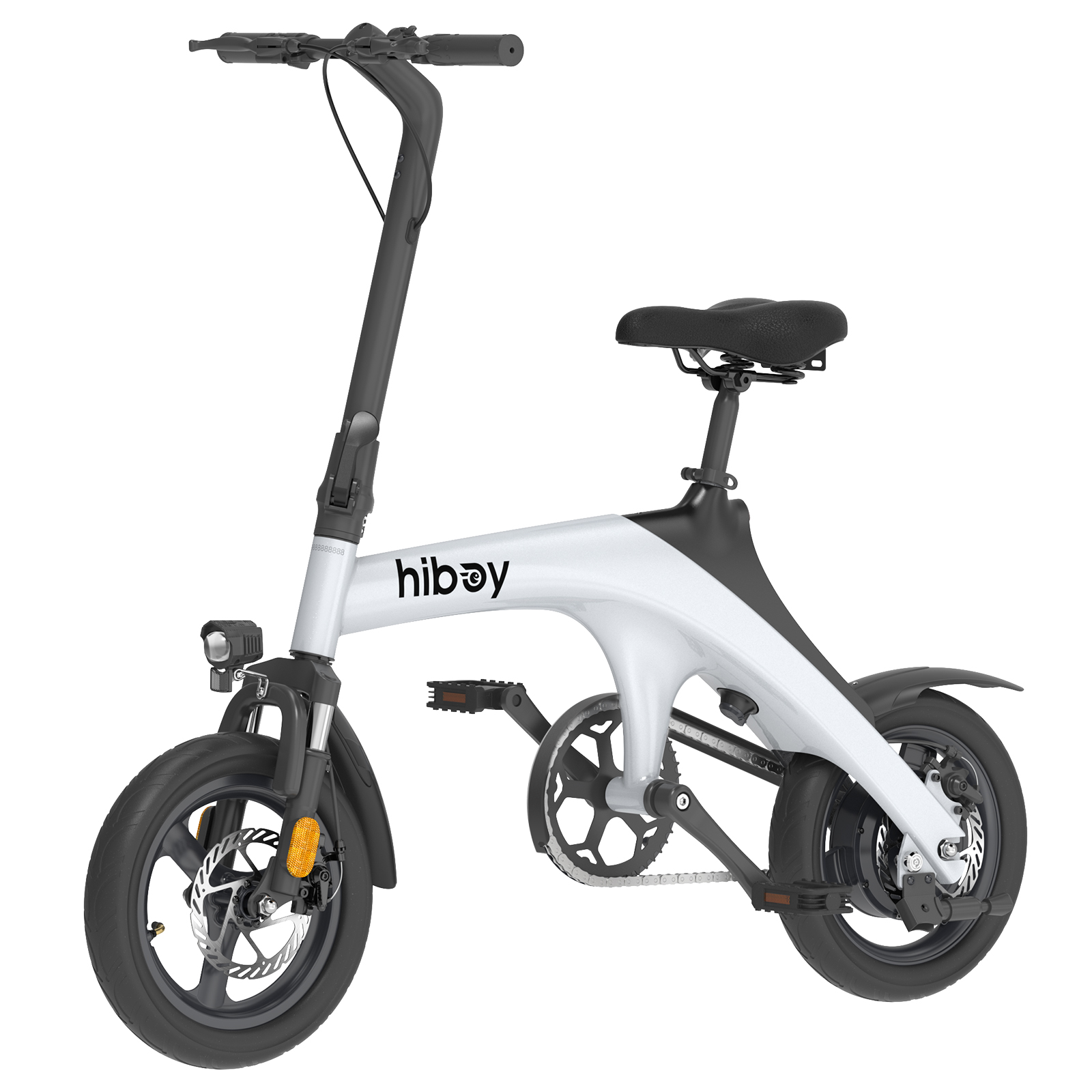 C1
C1
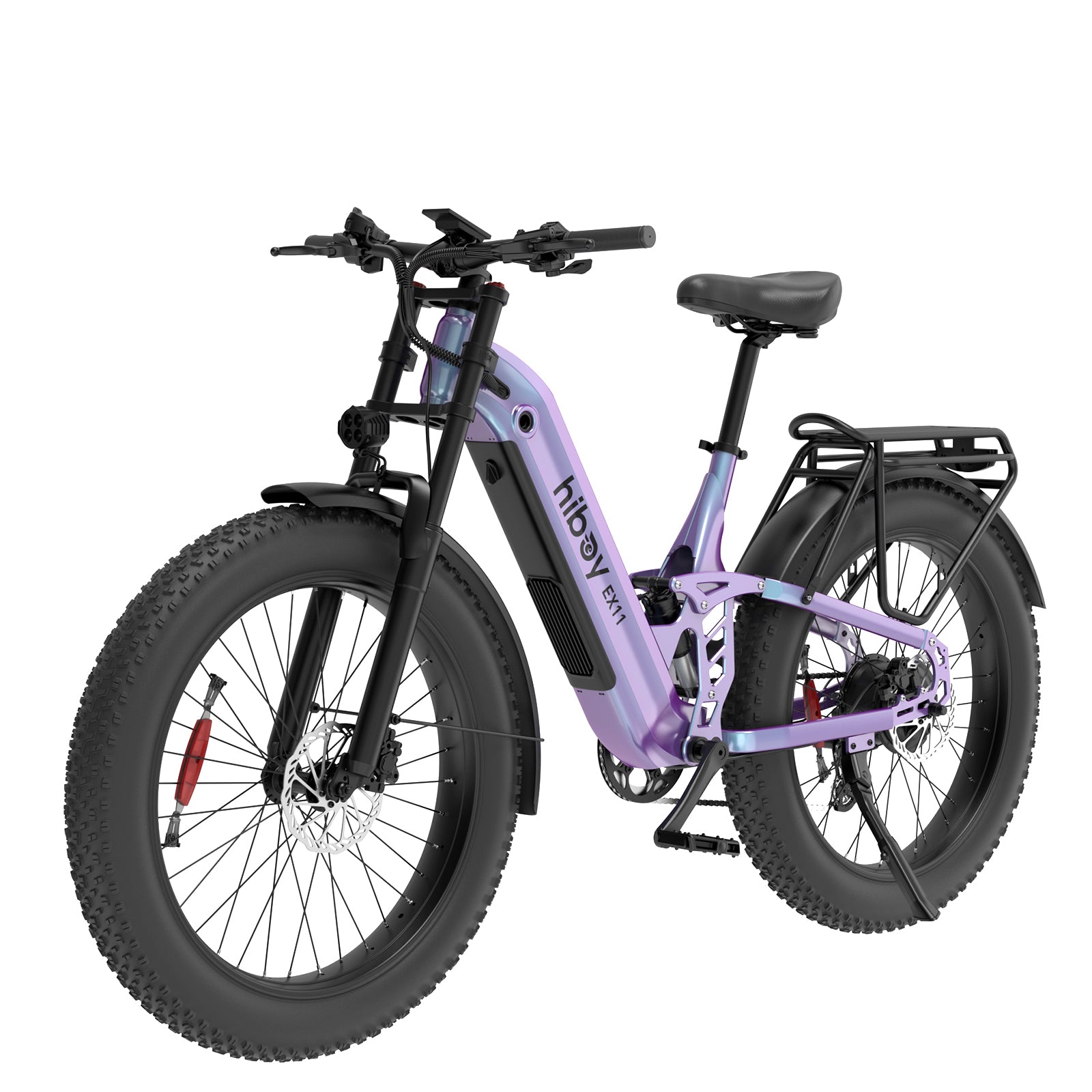 EX11
EX11
 EX9
EX9
 Compare Models
 First Rides
 Everyday Fun
 S2 Lite
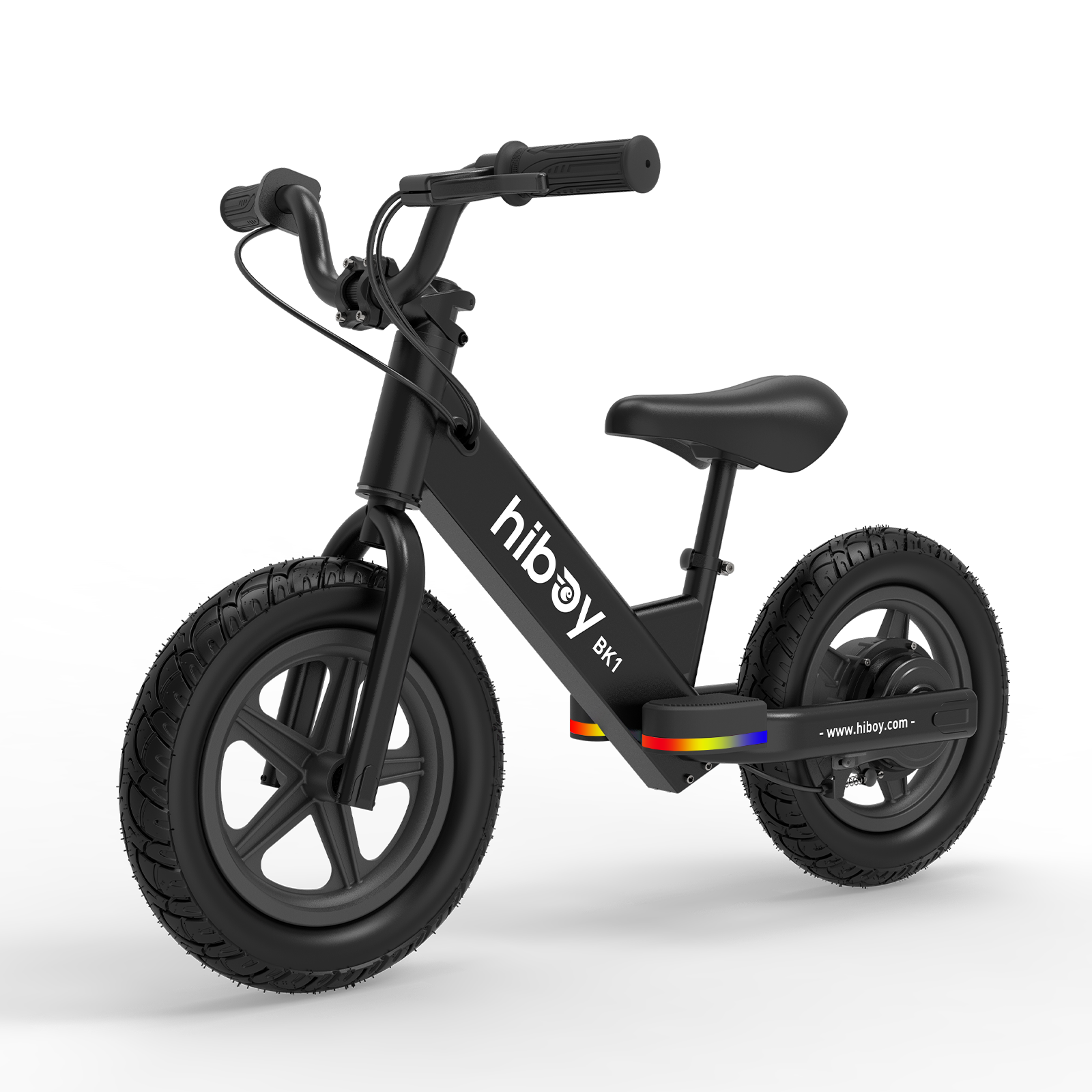 BK1
BK1
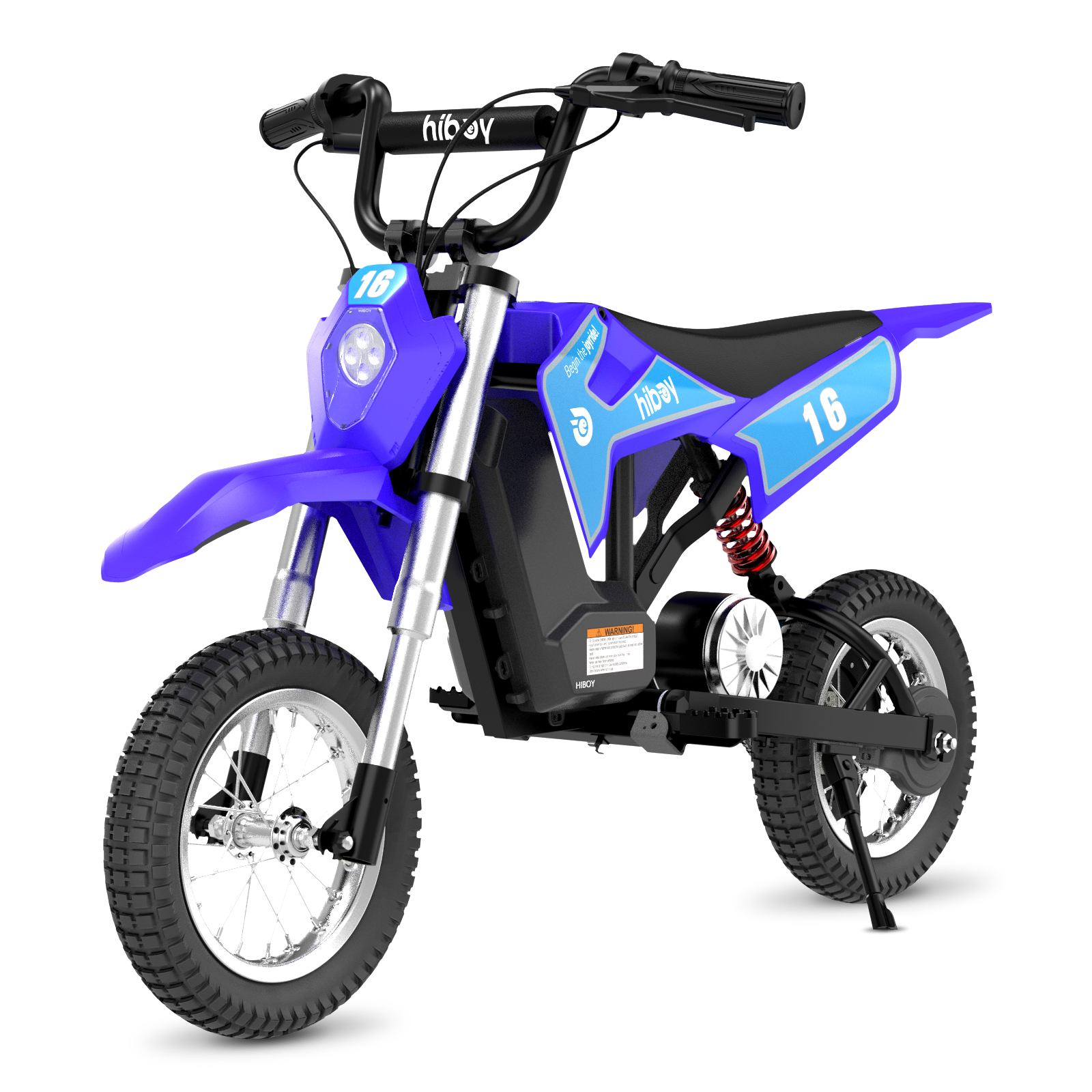 DK1
DK1
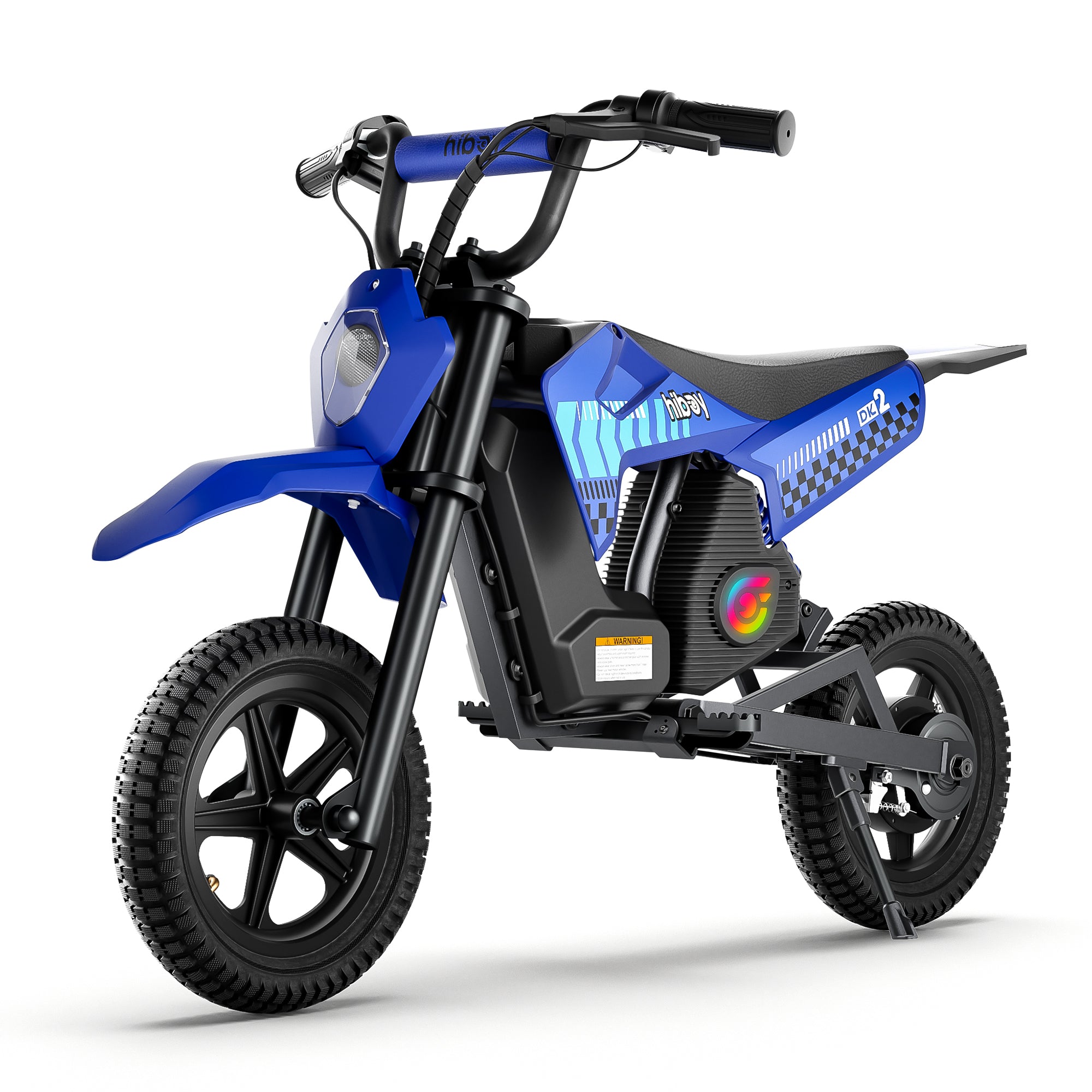 DK2
DK2
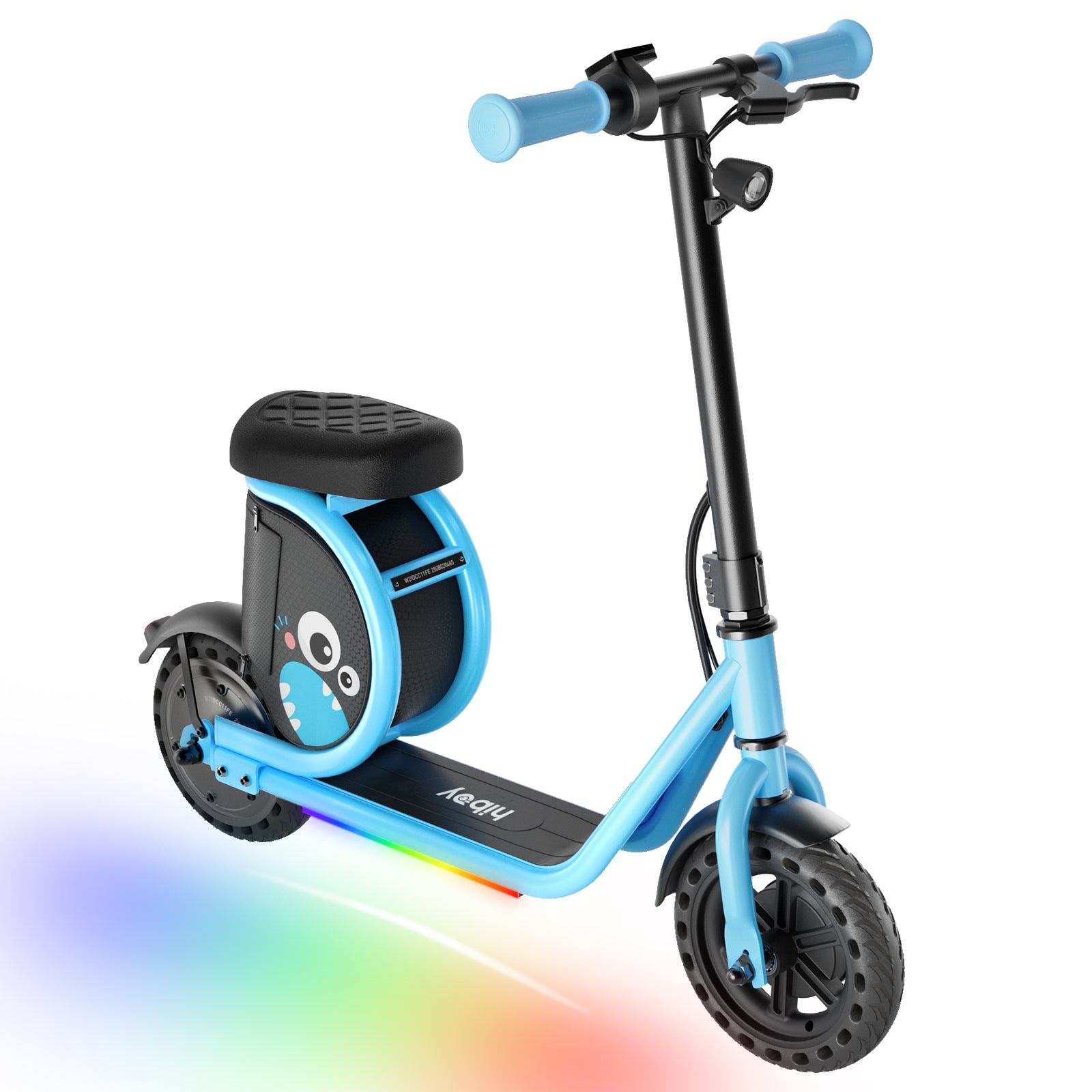 Joy Haul
 Q2 Lite
 Compare Models
Electric scooters have rapidly evolved from niche gadgets into mainstream urban mobility solutions. But one of the most common questions remains: how much does an electric scooter actually cost today?
In this latest 2026 price guide, we break down real market data, price tiers, and what you actually get at each level, so riders can make informed decisions with confidence.
Electric Scooter Price Overview (2026)
Based on recent industry data and retailer listings, electric scooters span a wide price range:
- Entry-level: $200 – $500
- Mid-range (commuter): $500 – $1,200
- Premium: $1,200 – $3,000+
- High-performance: $3,000 – $5,000+
👉 The average adult electric scooter today typically costs $300 to $1,500, depending on performance and build quality.
Recent real-world product benchmarks confirm this:
- Budget commuter scooters: ~$349
- Popular mid-range models: ~$600
- Premium long-range scooters: $1,200+
- Extreme performance models: up to $2,500+

Electric Scooter Price Tiers Explained
1. Entry Level Electric Scooters ($200–$500)
Best for: beginners, short commutes, occasional use
At this level, affordability is the priority. You’ll typically get:
- Range: 10–20 miles (16–32 km)
- Speed: 15–18 mph (24–29 km/h)
- Basic suspension (or none)
- Lightweight, portable design
💡 Industry insight: Many popular entry-level scooters now fall between $300–$400, offering solid value for short urban trips.
2. Mid-Range Electric Scooters ($500–$1,200)
Best for: daily commuting, reliability, comfort
This is the most popular category for urban riders.
Typical features:
- Range: 20–40 miles (32–64 km)
- Speed: 18–25 mph (29–40 km/h)
- Better suspension & braking
- Improved battery lifespan
💡 Market data shows this range delivers the best balance of price and performance, making it the sweet spot for most riders.

3. Premium Electric Scooters ($1,200–$3,000)
Best for: long commutes, heavier riders, advanced features
Expect significant upgrades:
- Range: 40–70 miles (64–113 km)
- Dual suspension systems
- Larger motors (500W–1000W+)
- Smart features (apps, tracking, riding modes)
💡 Example: many top-rated commuter scooters today sit around $1,200–$1,500, offering strong performance and durability.
4. High-Performance Scooters ($3,000–$5,000+)
Best for: enthusiasts, off-road riding, extreme performance
These are the “supercars” of e-scooters:
- Range: up to 100 miles (160 km)
- Speed: 40–50+ mph (64–80+ km/h)
- Dual motors & off-road capability
- Advanced safety systems
💡 Some flagship models now reach $2,500–$5,000+, reflecting their power and engineering.

Hiboy Electric Scooter Comparison Table (2026)
| Model | Price | Max Speed | Max Range | Motor | Battery | Tires | Suspension | Best For |
| Hiboy S2 | $299.99
(Reg. $599.99) |
19 MPH | 17 miles | 500W (peak) | 36V 7.5Ah | 8.5" Honeycomb | Rear | Entry-level, short city commutes |
| Hiboy MAX Pro | $656.99
(Reg. $999.99) |
22 MPH | 46 miles | 650W (peak) | 48V 15Ah | 11" Pneumatic | Dual (Front & Rear) | Daily commuting, long range |
| Hiboy U2 Pro (with Seat) | $899.99
(Reg. $1,499.98) |
25 MPH | 34 miles | 810W (peak) | 48V 13Ah | 16×4" All-Terrain | Rear | Comfort riding, mixed terrain |
| Hiboy TITAN PRO | $1,299.98
(Reg. $1,999.99) |
31 MPH | 80 miles | 2400W Combined Peak (Bosch) | 48V 36Ah | 10" Gel-Filled Tubeless | Dual (Front & Rear) | Long-distance, high-performance |
Key Insights
As reflected in this comparison:
- Moving up in price primarily increases range, motor power, and ride comfort
- The mid-range segment ($600–$900) delivers the best balance for most riders
- Premium models justify their cost with significantly larger batteries and dual suspension systems

Quick Buying Guide
- Best Budget Pick: Hiboy S2
- Best Value for Commuters: Hiboy MAX Pro
- Most Comfortable Ride: Hiboy U2 Pro
- Best for Performance & Range: Hiboy TITAN PRO
How Hiboy Pricing Aligns with the Market
Across these models, a clear pattern emerges:
- $300 range (S2): entry-level, practical, accessible
- $600–$700 (MAX Pro): best value for commuters
- ~$900 (U2 Pro): added comfort and versatility
- $1,300+ (TITAN PRO): performance and long-range capability
This mirrors broader industry trends, where:
- Most riders choose mid-range scooters for daily use
- Higher prices correlate with battery size, motor power, and ride comfort

How to Choose the Right Hiboy Scooter
Instead of focusing only on price, match your scooter to your needs:
- City errands & short trips → Hiboy S2
- Daily commuting → Hiboy MAX Pro
- Comfort & mixed terrain → Hiboy U2 Pro
- Long range & power → Hiboy TITAN PRO
What Actually Affects Electric Scooter Price?
Electric scooter pricing isn’t random; it reflects a combination of engineering, performance capabilities, and long-term durability. Understanding these factors helps explain why two scooters can look similar but differ significantly in price.
1. Battery Capacity (The Biggest Cost Driver)
The battery is the most expensive component in any electric scooter, often accounting for 30–50% of the total cost.
- Measured in: Wh (watt-hours) or Ah × Voltage
- Impact on price: Higher capacity = longer range = higher cost
- Typical ranges: Entry-level: 180–300Wh; mid-range: 400–700Wh; premium: 800Wh+

A larger battery not only increases range but also:
- Improves longevity (more charge cycles)
- Supports higher motor output
- Maintains stable performance over longer rides
👉 This is why a scooter with double the range can cost significantly more; it’s not just distance, it’s battery technology and size.
2. Motor Power & Performance
Motor power directly impacts speed, acceleration, and hill-climbing ability.
- 250W–350W: Entry-level scooters for flat urban terrain
- 500W–1000W: Strong commuting performance with better acceleration
- 2000W+ (often dual motors): High-performance scooters with fast speeds and off-road capability
Higher motor power increases cost due to:
- More advanced controllers
- Increased battery demand
- Enhanced cooling and safety requirements
👉 Peak power vs nominal power also matters; some scooters advertise higher “peak” output for short bursts.

3. Build Quality & Materials
The frame and structural components determine durability, safety, and ride feel.
- Entry-level: basic aluminum frames
- Mid-range: reinforced aluminum alloy, improved folding mechanisms
- Premium: aerospace-grade materials, precision engineering
Higher-end construction typically includes:
- Better weight distribution and stability
- Stronger load capacity
- Improved water resistance (IP ratings)
👉 Scooters designed for daily commuting or harsh conditions naturally cost more due to stricter durability standards.
4. Suspension & Tire System
Ride comfort and handling are heavily influenced by suspension and tires.
Suspension types:
- None → lighter, cheaper, but rough ride
- Rear or front suspension → moderate comfort
- Dual suspension → significantly smoother ride

Tire types:
- Solid (honeycomb): Maintenance-free, lower cost, but less shock absorption
- Pneumatic (air-filled): Better comfort and grip, higher price
- Tubeless / gel-filled: Premium durability with improved ride quality
👉 A well-designed suspension + tire system can dramatically improve ride quality, but also adds cost due to additional components and engineering.
5. Smart Features & Technology
Modern electric scooters increasingly include integrated tech features, which can raise the price but improve usability and safety.
Common features include:
- App connectivity (ride stats, locking, firmware updates)
- Anti-theft systems (digital locking, alarms)
- Regenerative braking (energy recovery)
- Riding modes (eco, standard, sport)
- LED dashboards and lighting systems
👉 While not essential, these features enhance the overall riding experience and are more common in mid-to-premium models.

Hidden Costs to Consider
The upfront price is only part of the total ownership cost. Here’s what riders should factor in:
1. Accessories ($50–$200+)
Essential gear often includes:
- Helmet (safety priority)
- Lock (anti-theft protection)
- Lights or reflectors (if not included)
2. Maintenance & Wear Parts
Like any vehicle, scooters require ongoing upkeep:
- Tires: wear over time (especially pneumatic)
- Brake systems: pads or discs need replacement
- Battery degradation: gradual capacity loss over the years
👉 Higher-quality scooters often have lower long-term maintenance costs due to better components.
3. Electricity Costs
Charging an electric scooter is inexpensive:
- Typical full charge cost: $0.05–$0.15 (U.S. average)
- Annual cost: significantly lower than fuel or public transport
👉 Energy efficiency is one of the biggest advantages of electric scooters.

4. Insurance & Local Regulations
Depending on the region, additional costs may include:
- Registration or permits
- Liability insurance
- Safety compliance requirements
So, How Much Should You Spend?
Here’s a simple rule of thumb:
- Under $500: casual riding, short trips
- $600–$1,000: best for most commuters
- $1,000+: frequent riders or longer distances
- $2,000+: performance or enthusiast use
👉 For most riders, the optimal price point is around $600–$900, where reliability, range, and comfort meet.
Final Thoughts: Price vs Value
Electric scooter prices in 2026 reflect a maturing market:
- Entry-level models are more capable than ever
- Mid-range scooters offer exceptional value
- Premium models push the limits of performance
The key isn’t finding the cheapest scooter, it’s finding the right balance between price, range, and reliability.
For brands like Hiboy, this means focusing on what matters most to riders: safe, dependable, and practical scooters that deliver everyday value









Leave a comment
All comments are moderated before being published.
This site is protected by hCaptcha and the hCaptcha Privacy Policy and Terms of Service apply.