





 Daily Commute
 Lightweight & Portable
 Performance Rides
 Comfort With Seat
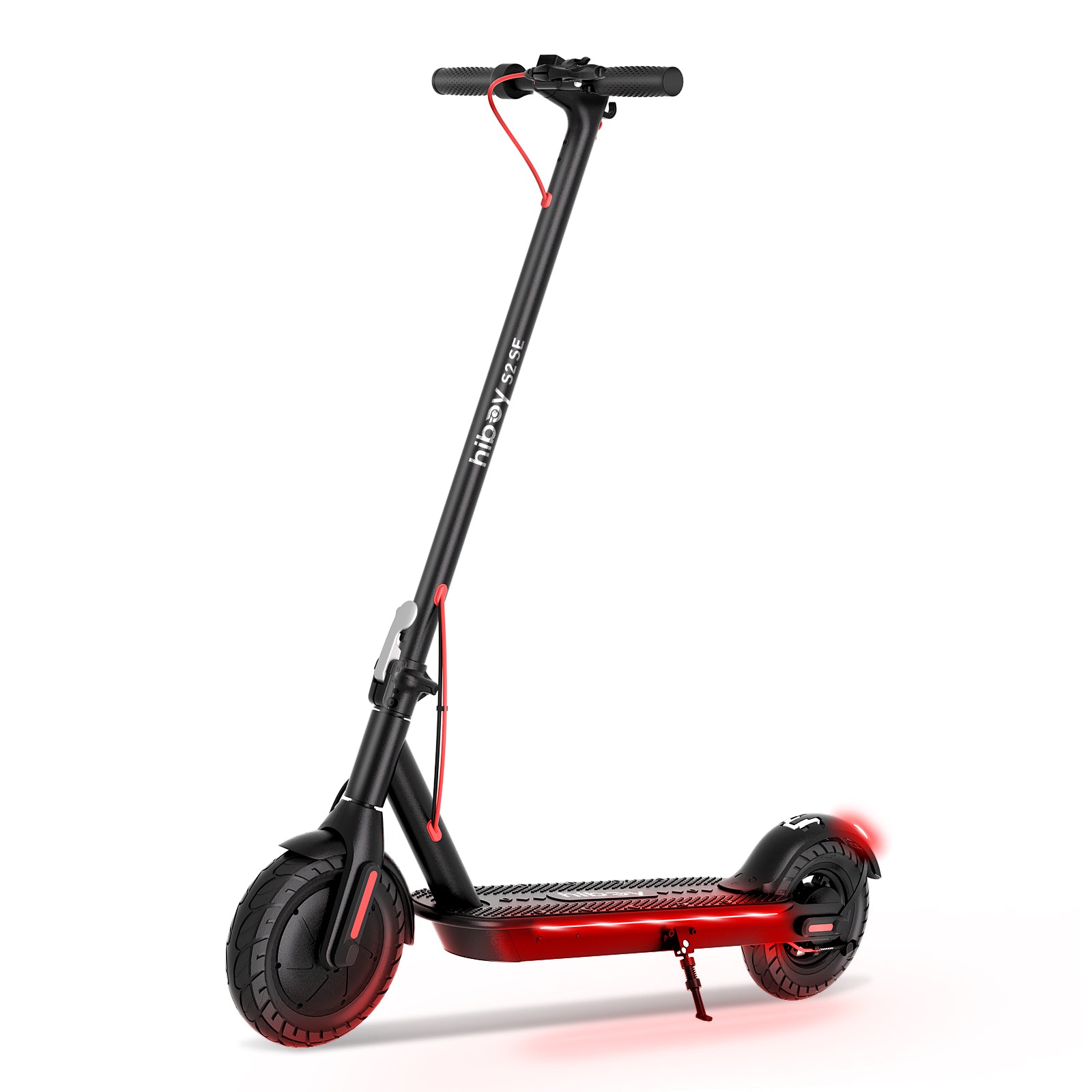 S2 SE
S2 SE
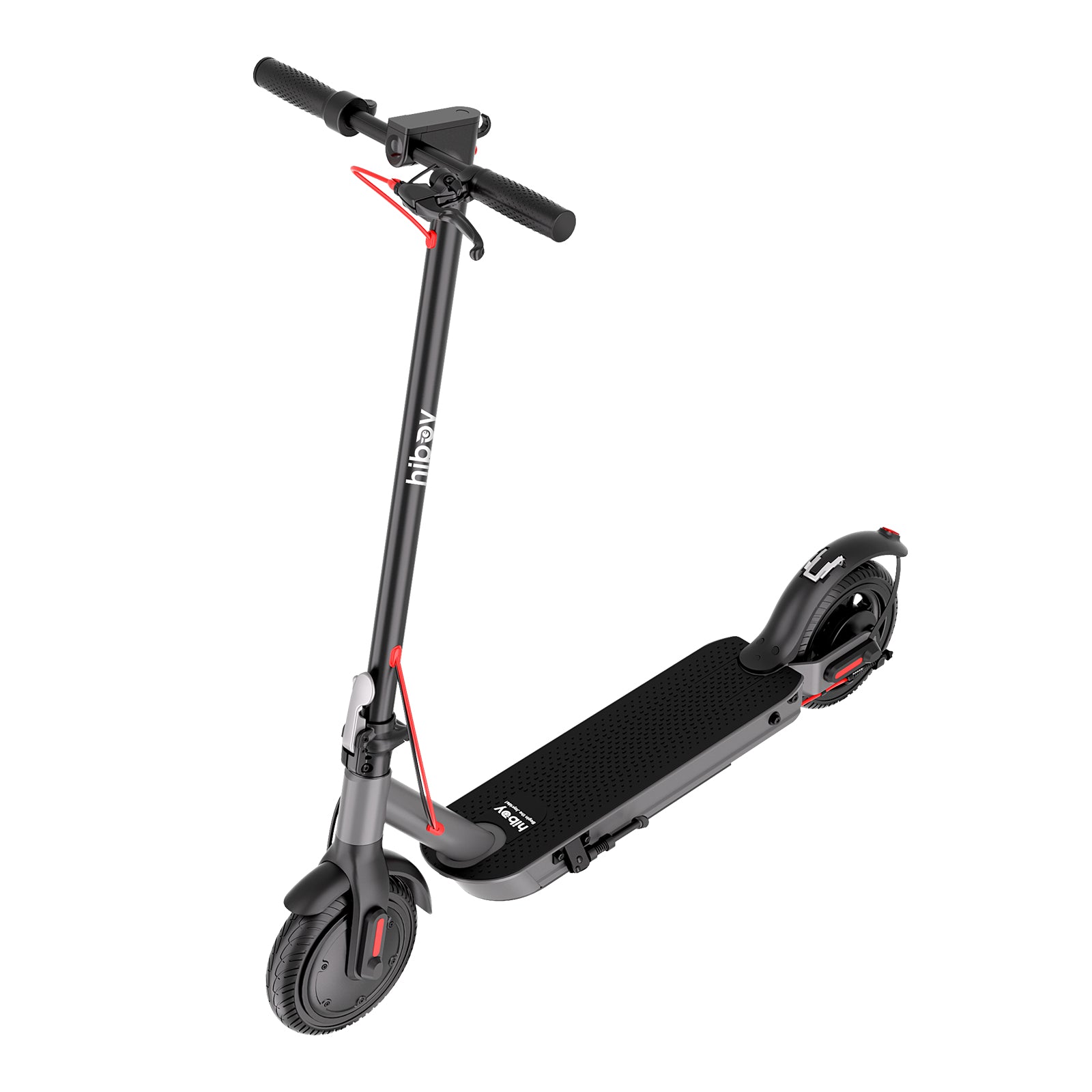 S2 Nova
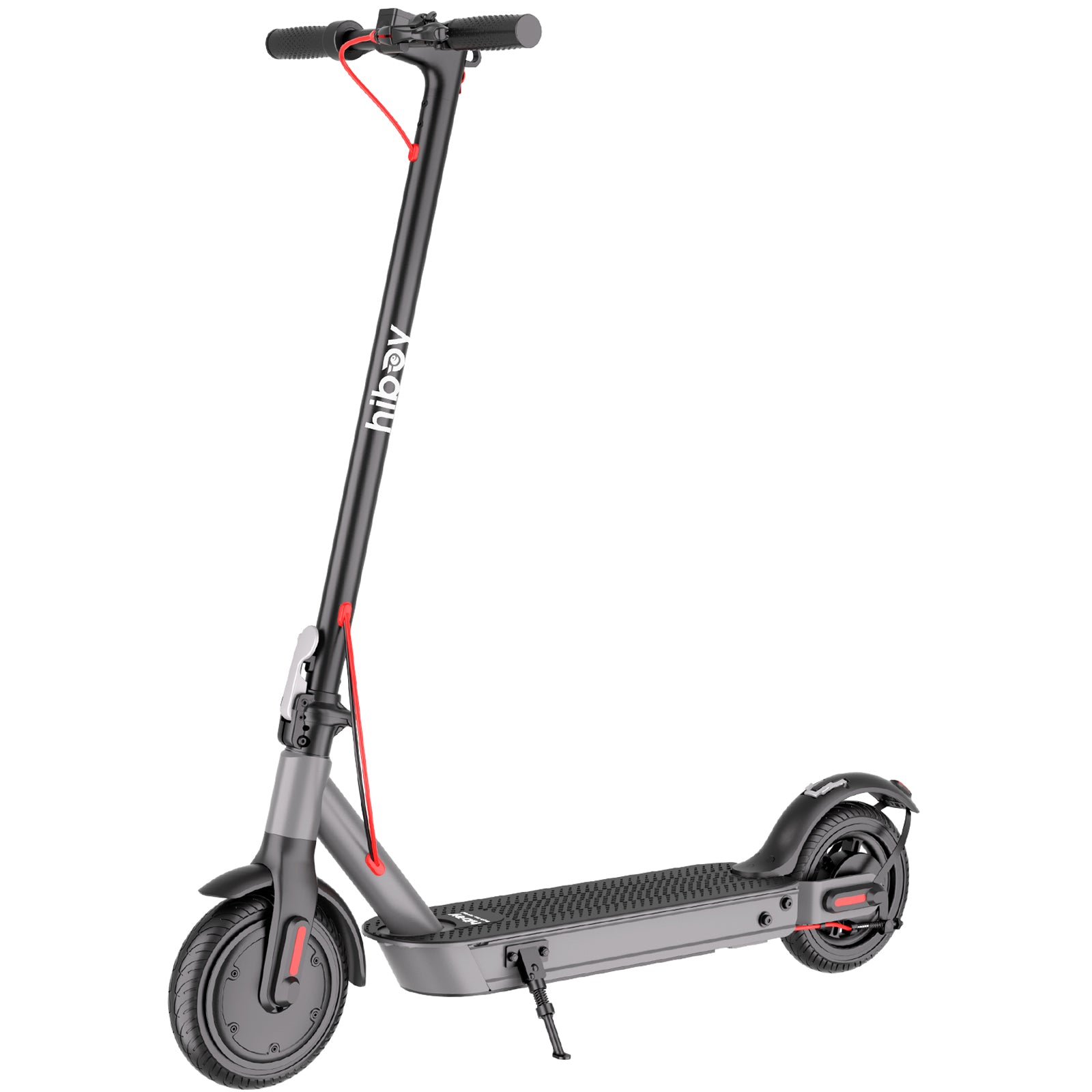 S3
S3
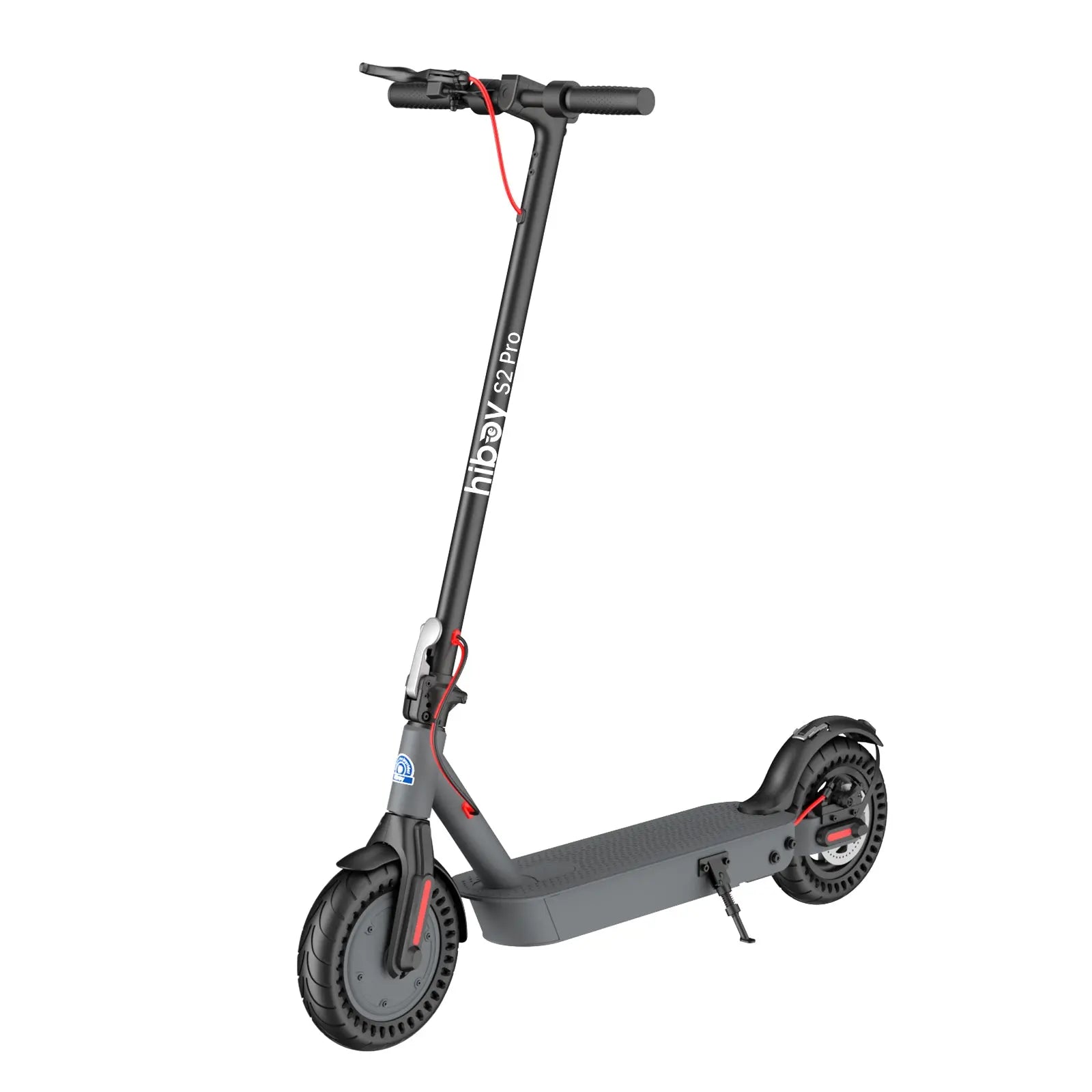 S2 Pro
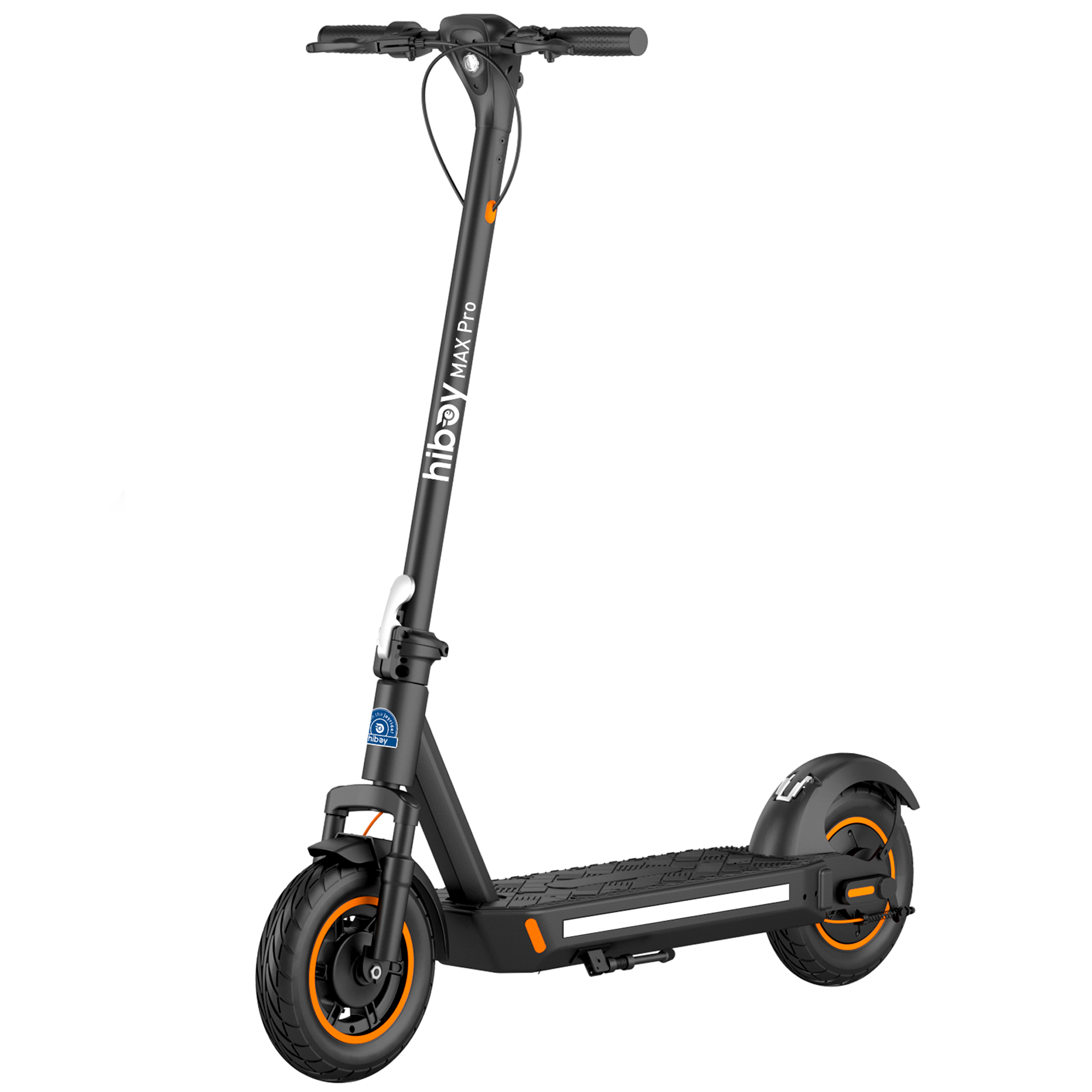 MAX Pro
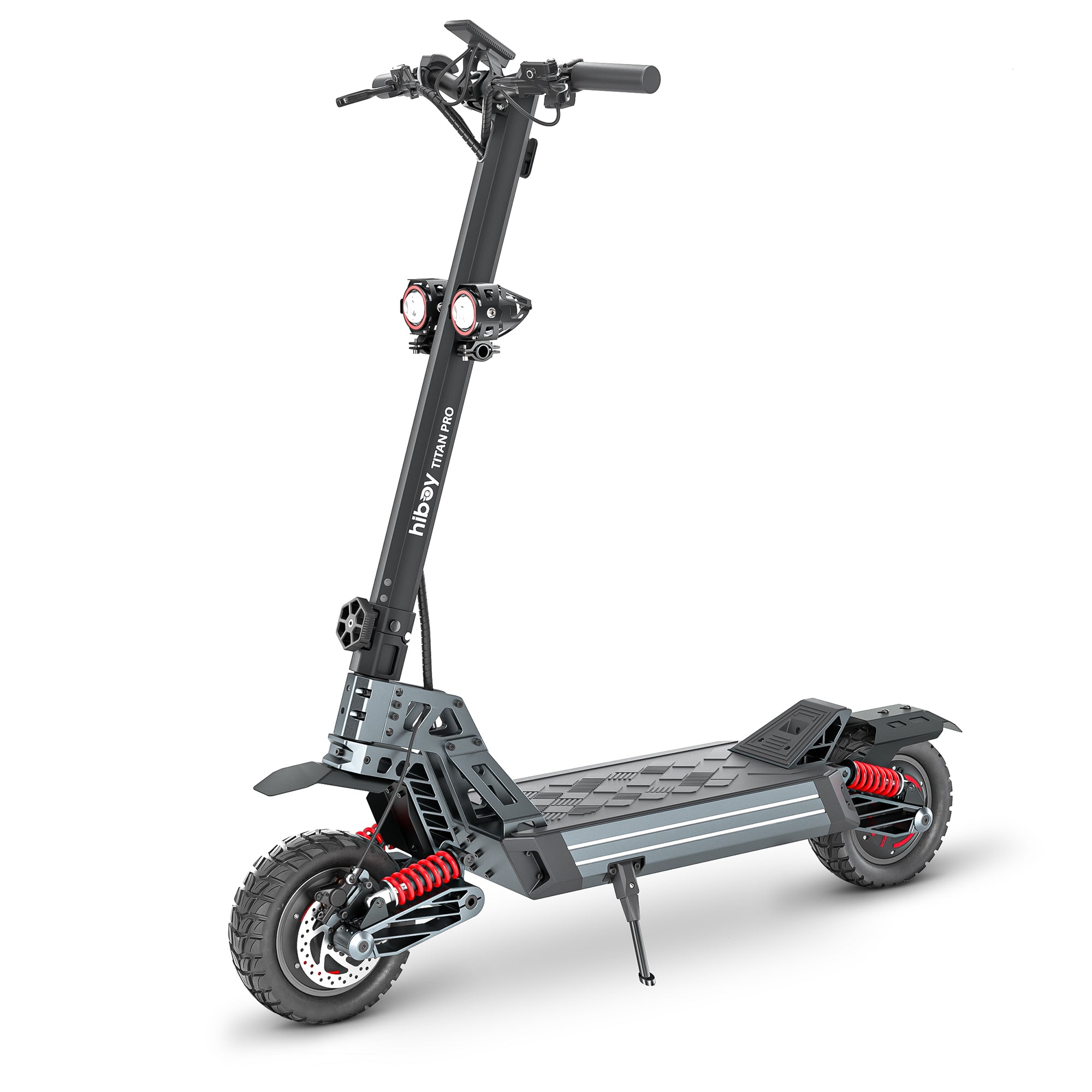 TITAN PRO
 Compare Models
 Find Your Best Ride
 Daily Commute
 Off-road & Trail
 Folding & Compact
 Fat Tire Rides
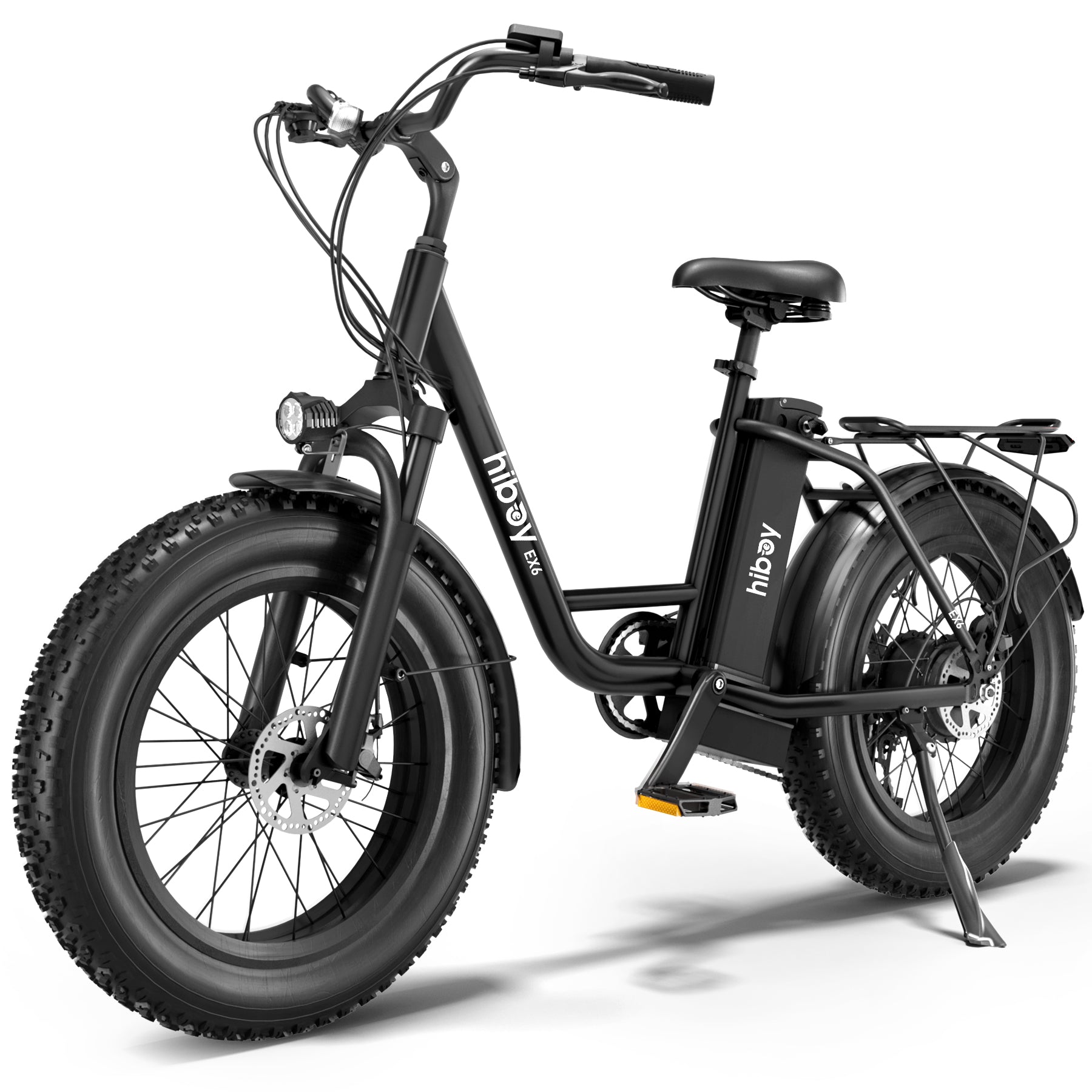 EX6
EX6
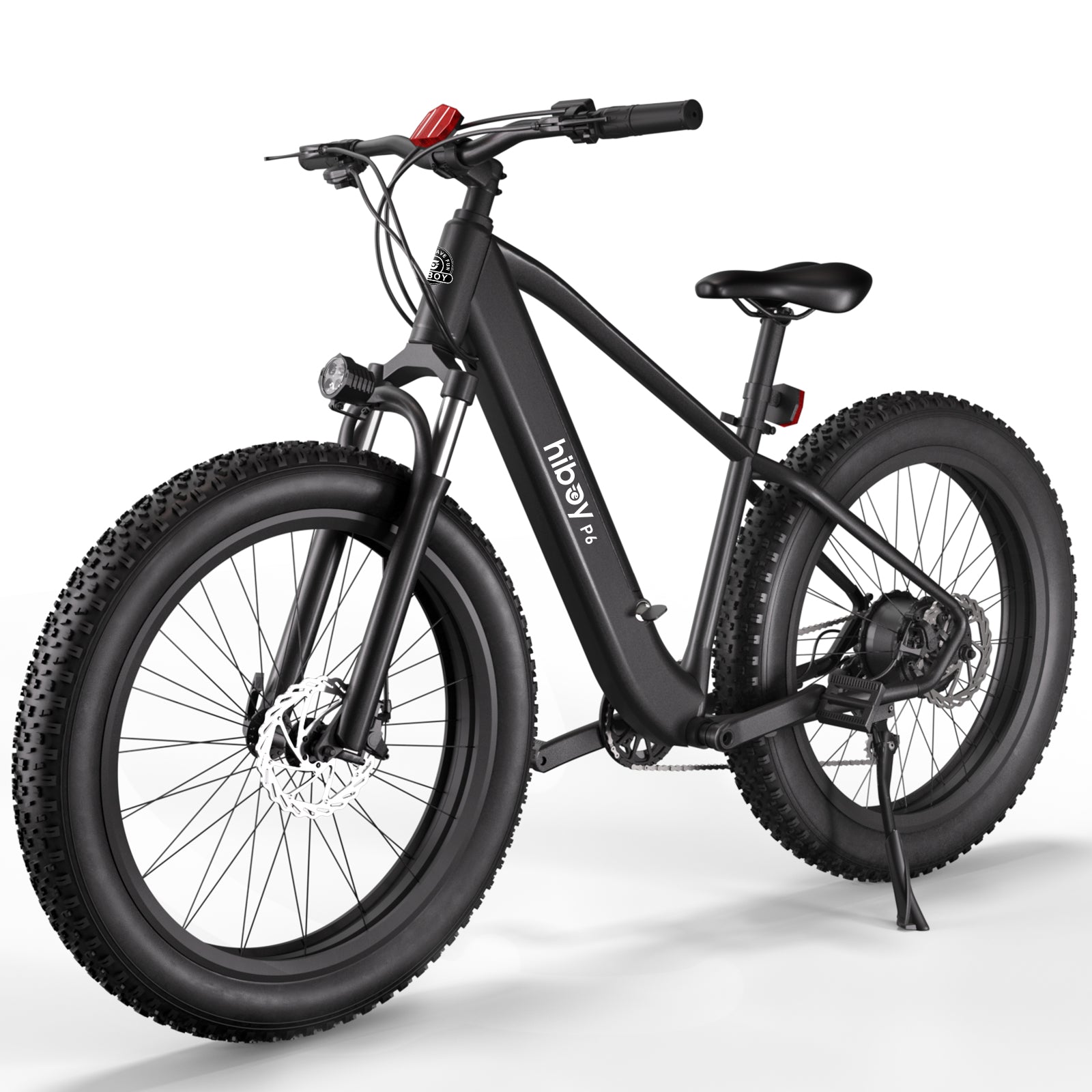 P6
P6
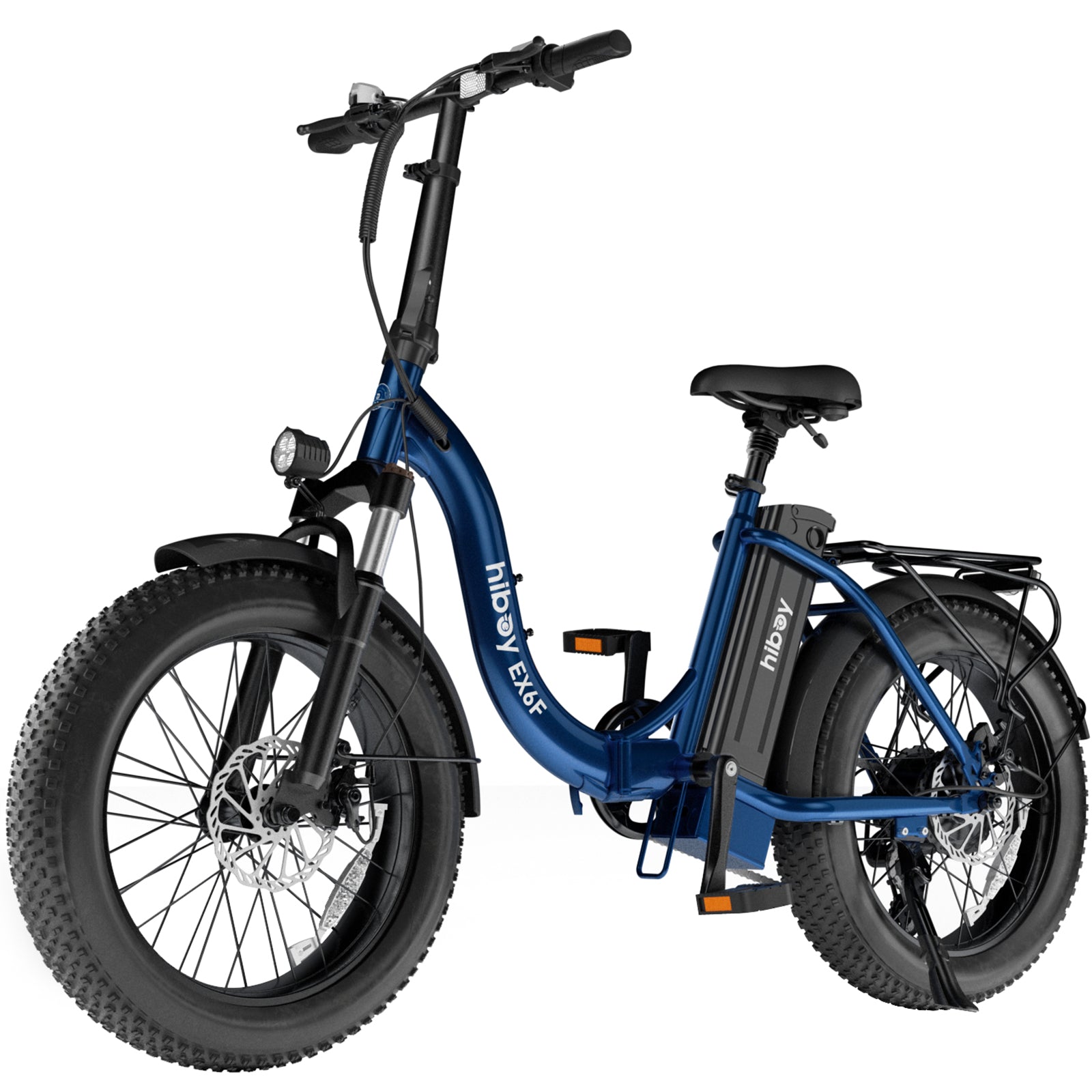 EX6F
EX6F
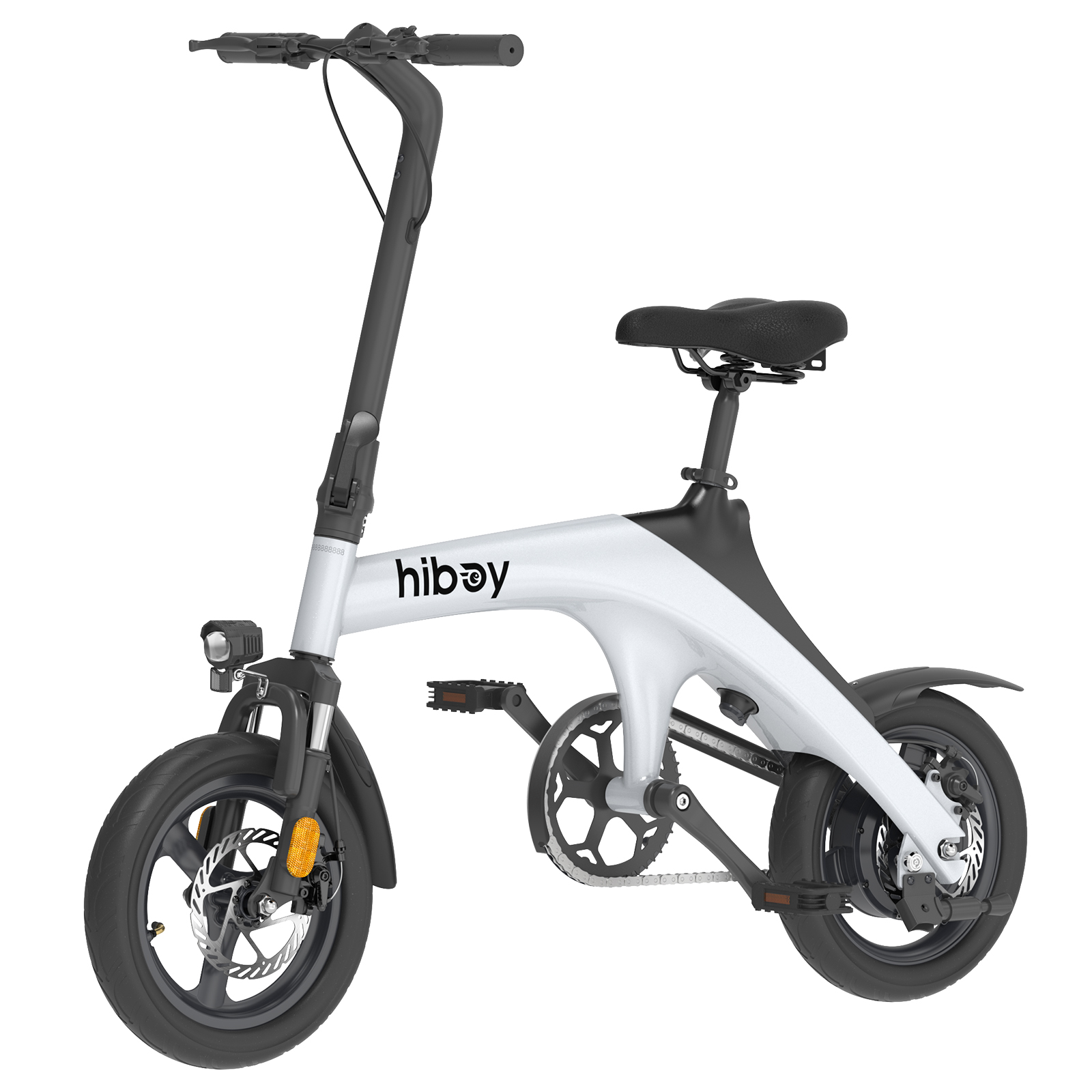 C1
C1
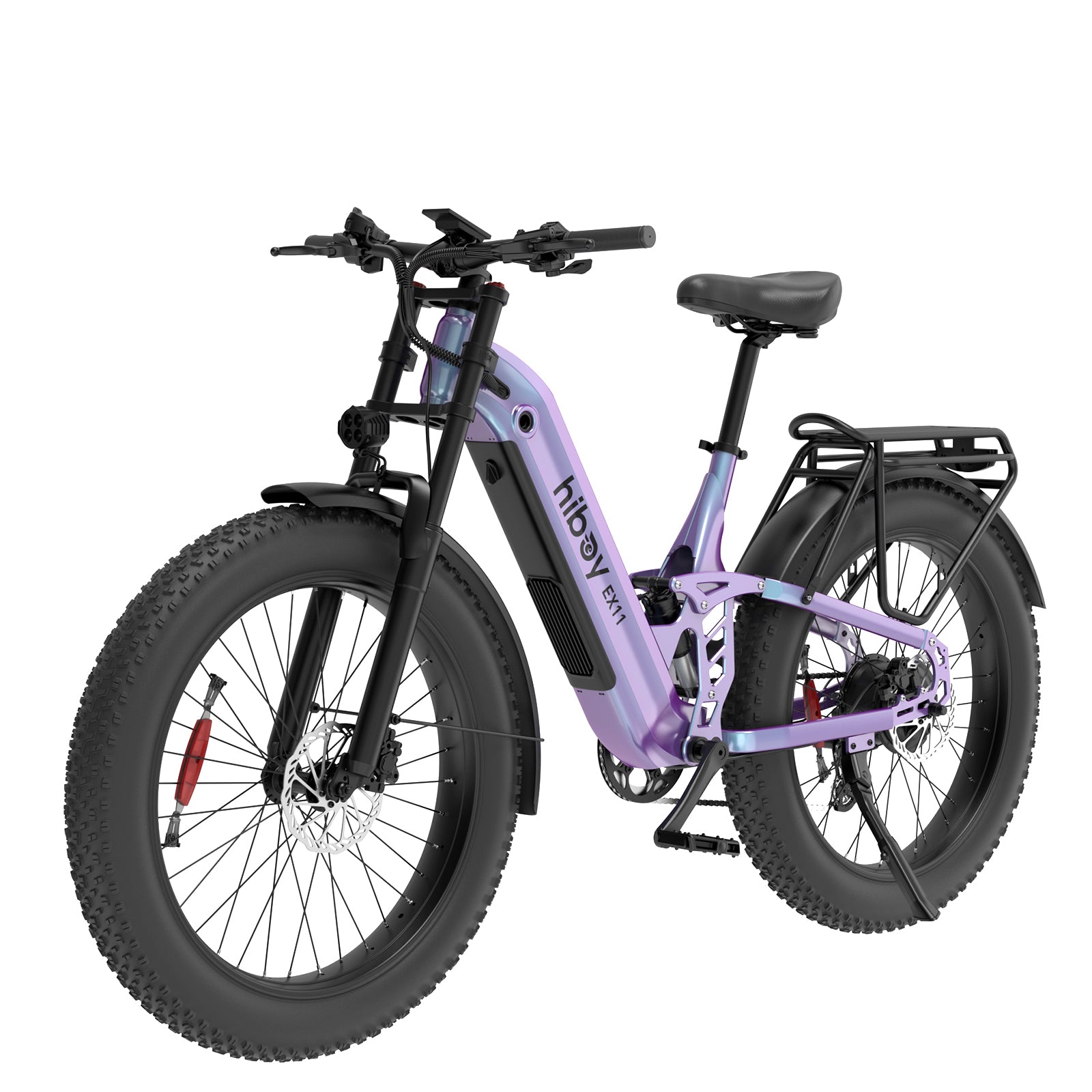 EX11
EX11
 EX9
EX9
 Compare Models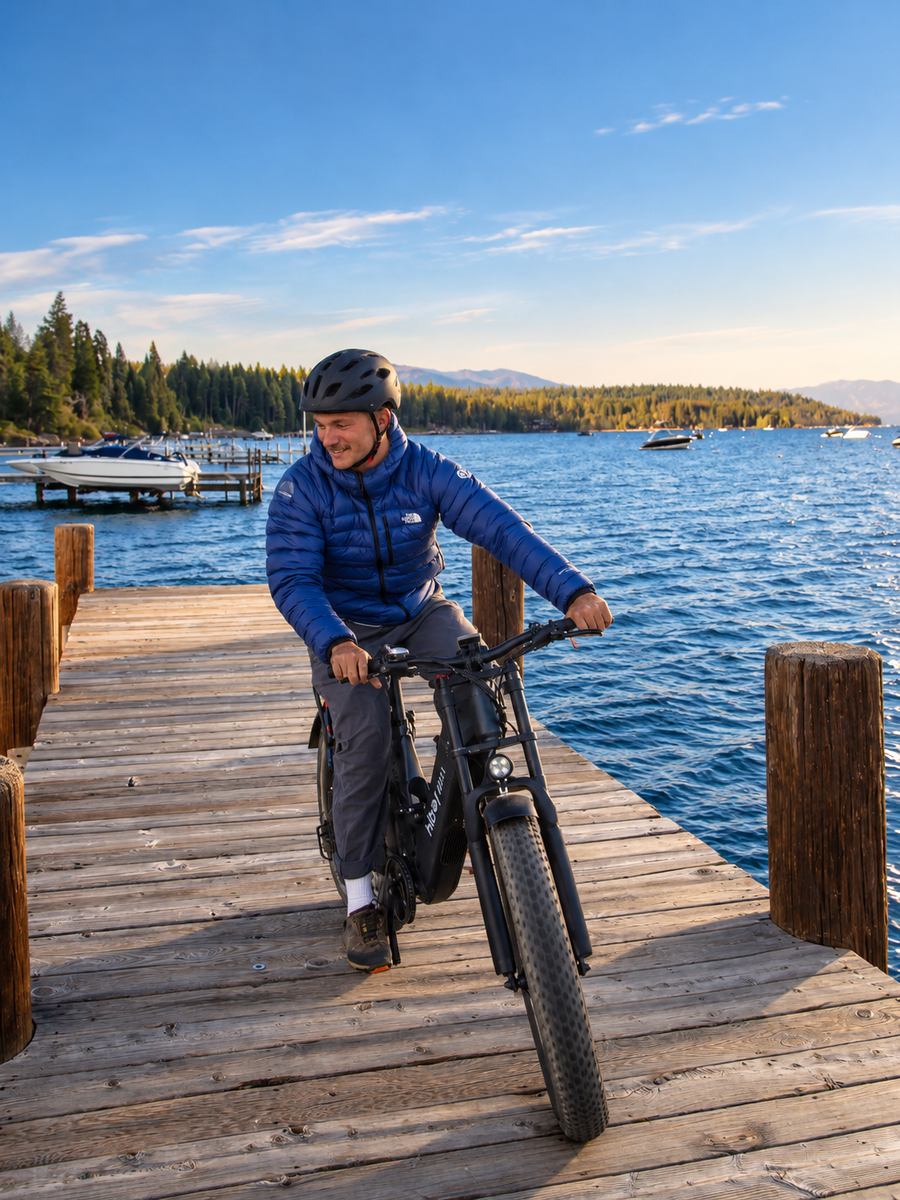
 First Rides
 Everyday Fun
 S2 Lite
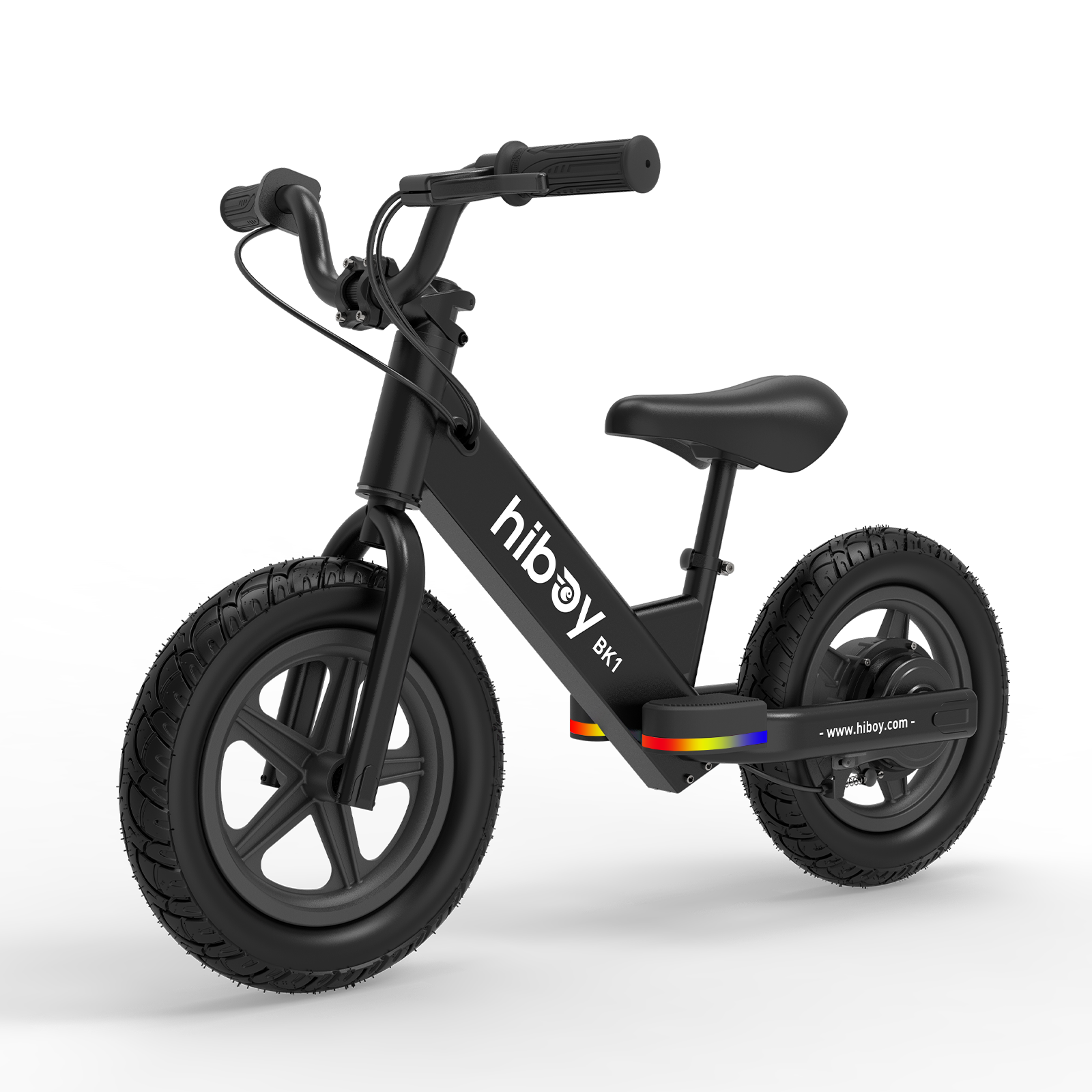 BK1
BK1
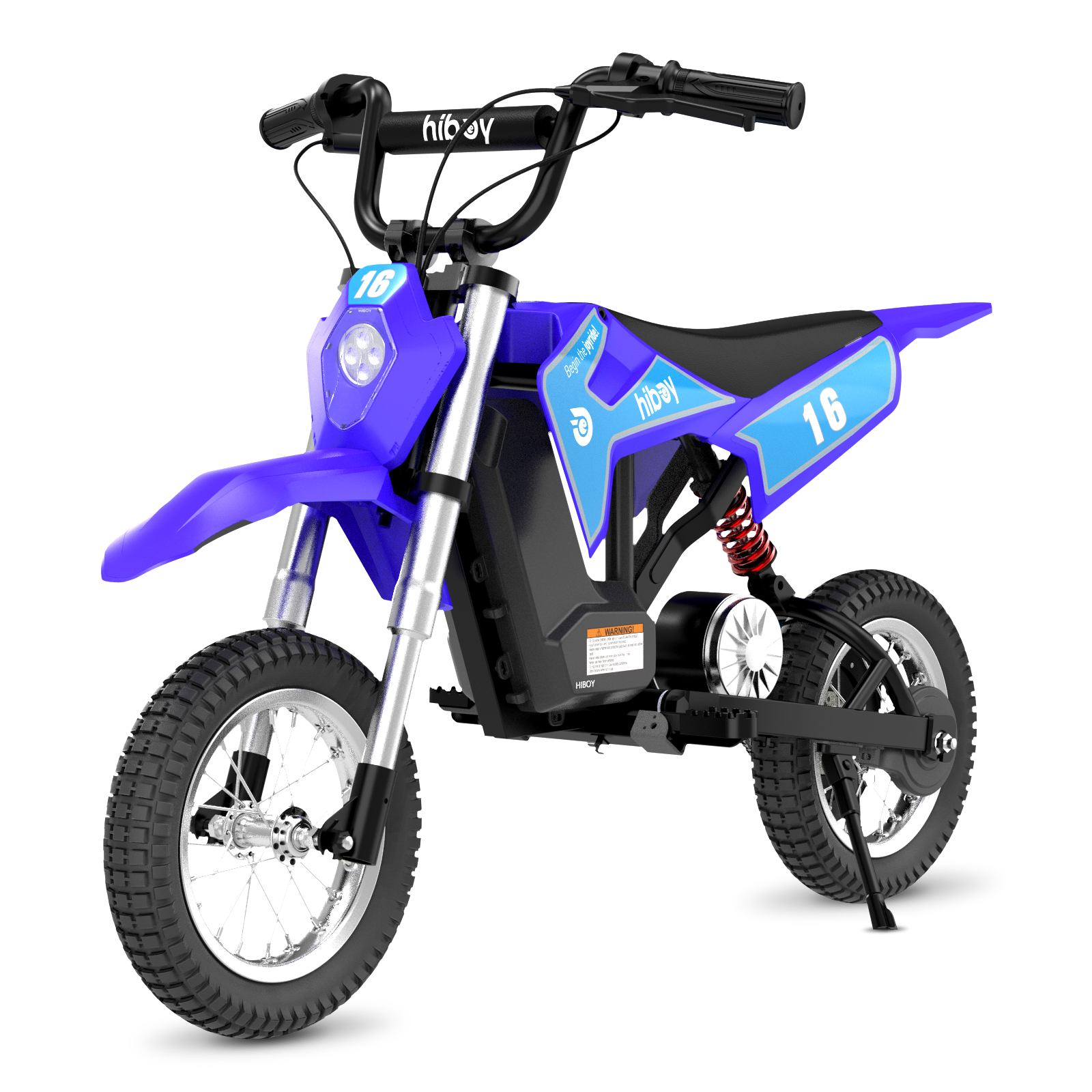 DK1
DK1
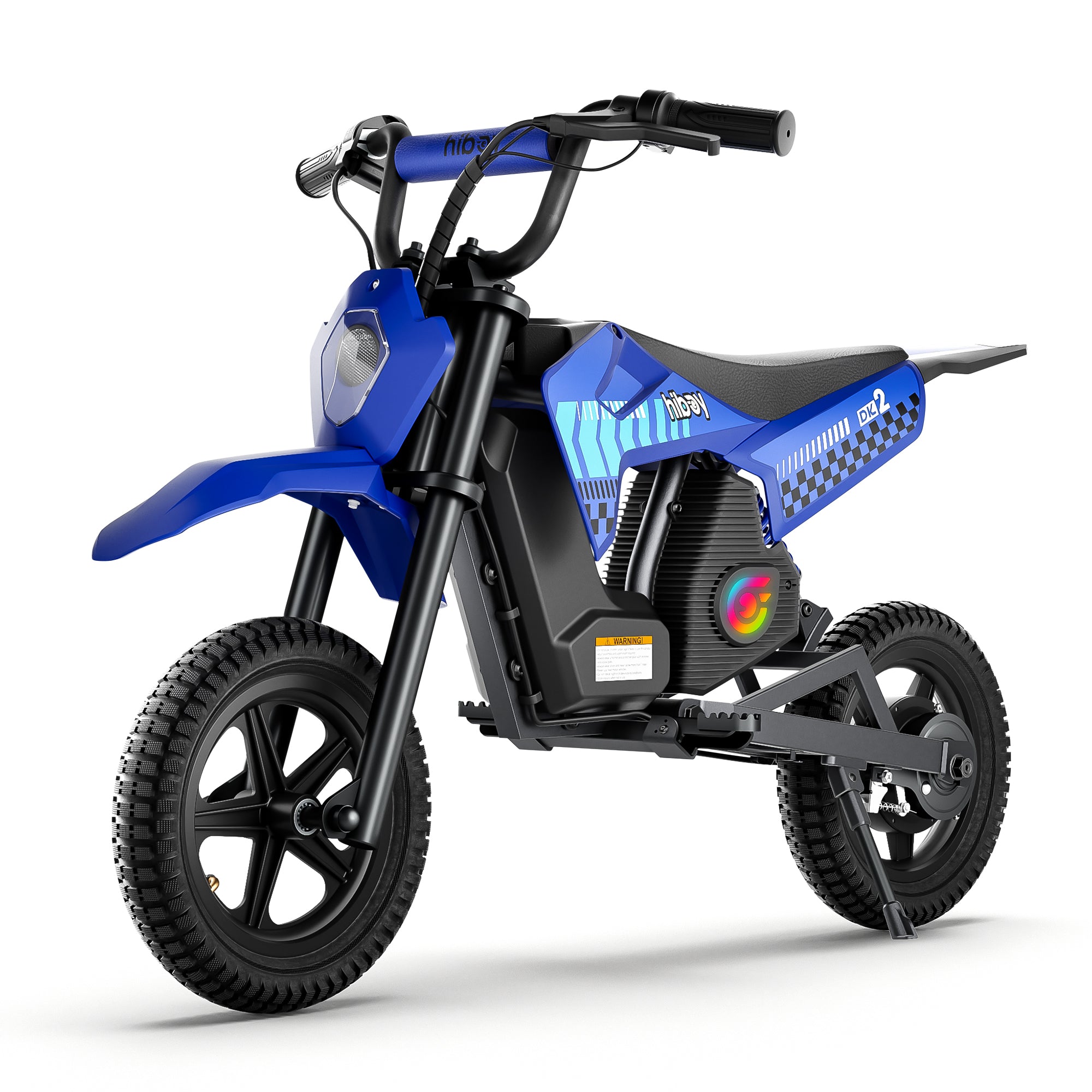 DK2
DK2
 Joy Haul
 Q2 Lite
 Compare Models
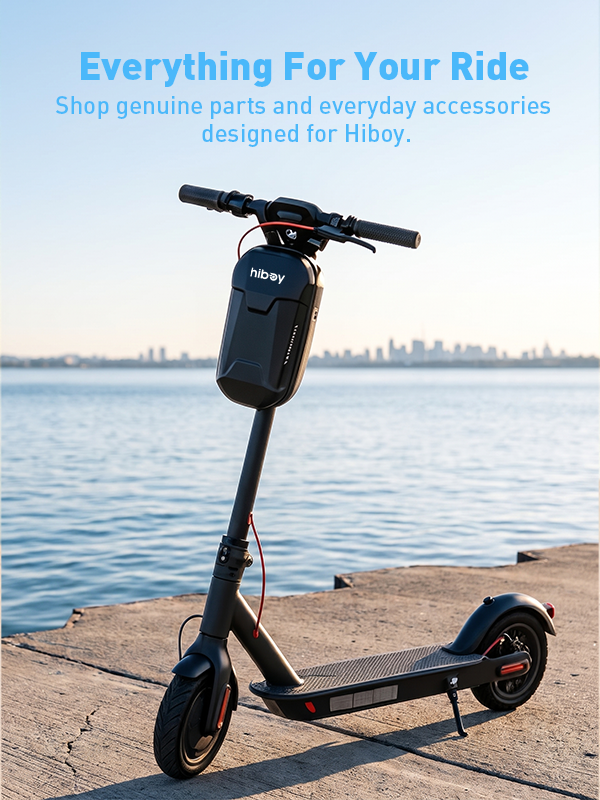
When shopping for an electric scooter, motor power is one of the first specifications you’ll see. A scooter may advertise a 350W motor, 500W motor, 750W motor, or even more than 2,000W of peak power.
But does more motor power always mean a better scooter?
Not necessarily.
The right amount of motor power depends on how you ride, where you ride, how much you weigh, and what kind of terrain you encounter. A lightweight scooter with a 500W motor may be perfectly capable for a flat city commute, while a heavier rider who regularly climbs steep hills may benefit from significantly more power.
This guide explains what electric scooter motor wattage actually means and how much power you may need for commuting, recreational riding, hills, off-road riding, and more.
What Does Motor Power Mean on an Electric Scooter?
Motor power is typically measured in watts (W). In simple terms, watts indicate how much electrical power the motor can use to produce mechanical output.
However, electric scooter specifications can be confusing because manufacturers may list several different power figures, including:
- Rated power
- Peak power
- Combined power for dual-motor scooters
These numbers are not interchangeable.
Rated Power vs. Peak Power
Rated power is the motor's sustained power rating under normal operating conditions. It gives you a better idea of the power the motor can consistently deliver during a ride.
Peak power refers to the maximum output the motor can produce for short periods, such as during hard acceleration or when climbing a steep hill.

For example, a scooter with a 750W rated motor may be capable of producing considerably more power at peak output. That extra power can be useful when you need stronger acceleration or additional torque on an incline.
For this reason, you shouldn't compare two scooters based on a single wattage number without checking whether you're looking at rated or peak power.
What About Dual-Motor Scooters?
A dual-motor scooter has one motor driving each wheel. This can provide more available power and traction than a comparable single-motor scooter.
For example, a scooter with two 750W motors has a combined 1,500W rated motor power. Its peak output may be substantially higher.
But motor wattage is only one part of the equation. Battery voltage, controller output, rider weight, tire size, terrain, gearing, and overall scooter design can all affect real-world performance.
How Much Motor Power Do You Need?
There isn't one perfect wattage for every rider. As a general starting point, you can think about motor power in these ranges:
| Riding Scenario | Recommended Motor Power | What It's Good For |
| Light, flat-city riding | 250–350W | Short trips and gentle terrain |
| Daily commuting | 350–500W | Typical urban riding |
| Longer commutes & moderate hills | 500–750W | More demanding everyday riding |
| Steeper hills & heavier loads | 750–1,000W+ | Stronger climbing and acceleration |
| Weekend adventures | 750–1,000W+ | Mixed terrain and longer recreational rides |
| Light off-road riding | 1,000W+ | Dirt paths, gravel, uneven surfaces |
| Challenging off-road terrain | Dual motor / high peak power | Steep terrain, rough surfaces and demanding riding |
These ranges are guidelines rather than strict rules. A 500W scooter can perform very differently from another 500W scooter depending on its battery, controller, weight, tires, and motor configuration.

Let's look at each scenario in more detail.
1. Short, Flat-City Trips: 250–350W
If your typical ride consists of short trips on relatively flat, paved roads, you may not need a high-powered scooter.
A motor in the 250W to 350W range can be sufficient for:
- Short neighborhood trips
- Getting around a flat campus
- Running local errands
- Riding on paved bike paths where permitted
- Low-speed recreational riding
The main advantage of a lower-power scooter is that you generally don't need to carry around a large, heavy powertrain when your riding environment doesn't demand it.
If your route is mostly flat and your priority is simple transportation rather than acceleration or hill climbing, there's little reason to pay for substantially more power than you need.
Best for:
Flat terrain + lighter loads + shorter distances + relaxed riding
2. Daily Commuting: 350–500W
For many urban riders, 350W to 500W is a practical middle ground.
A commuter may encounter more than just perfectly flat pavement. Your route could include:
- Mild inclines
- Bridges
- Rough pavement
- Stop-and-go traffic
- Frequent starts from intersections
- Longer riding distances
A 500W-class motor can provide a useful performance buffer over a lower-powered scooter without necessarily moving into the heavier performance-scooter category.
That extra power can make acceleration feel more responsive, particularly when starting from a stop or dealing with moderate inclines.

If your commute is mostly flat, however, you may not need anything dramatically more powerful.
Best for:
Everyday commuting + paved roads + moderate inclines + typical rider loads
3. Longer Commutes and Moderate Hills: 500–750W
If your daily commute involves hills, longer distances, or a heavier rider load, stepping up to 500–750W can make a noticeable difference.
Hill climbing is one of the situations where motor power becomes particularly important.
On a flat road, a scooter may have no trouble maintaining speed. Start climbing, however, and gravity works against the scooter. The motor needs to produce more torque to maintain speed.
A more powerful motor can help reduce the feeling that the scooter is struggling as the road goes uphill.
This range is also worth considering if you frequently carry additional weight, such as:
- A backpack
- Work equipment
- Groceries
- Other permitted cargo
Remember that maximum load is not the same thing as ideal performance. A scooter may technically support a certain maximum rider weight, but acceleration and hill-climbing performance can decrease as the total load increases.
Best for:
Longer commutes + moderate hills + heavier loads + riders who want stronger acceleration
4. Steep Hills: 750–1,000W+
If hills are a regular part of your route, motor power becomes much more important.
For steep urban hills, a scooter with 750W to 1,000W or more can provide a significant performance advantage over a basic commuter scooter.
The reason is simple: climbing requires torque.
A more powerful setup can help the scooter maintain momentum instead of losing speed quickly as the gradient increases.

However, don't choose a scooter based on motor wattage alone. When evaluating a scooter for hill climbing, look at:
- Motor configuration
- Rated and peak power
- Battery voltage
- Controller output
- Maximum incline rating
- Rider and cargo weight
- Tire size and traction
- Scooter weight
A manufacturer's stated maximum climbing capability is especially useful because it provides additional context beyond wattage.
Best for:
Steep urban hills + frequent inclines + heavier riders + stronger acceleration
5. Weekend Adventures: 750–1,000W+
Your requirements change when your electric scooter isn't just a way to get from A to B.
Weekend riding often means longer routes and more varied terrain. You might ride through a combination of:
- City streets
- Bike paths
- Paved trails
- Gravel
- Hard-packed dirt
- Uneven surfaces
- Moderate hills
For this kind of riding, 750W to 1,000W+ can be a useful range, particularly when combined with a larger battery and more capable suspension.
The extra motor power isn't only about going faster. It can give you more flexibility when terrain changes.
A scooter that feels perfectly adequate on a flat road may feel underpowered when the route suddenly becomes steep or uneven.
For adventure riding, it's often better to have some power in reserve rather than constantly operate the motor near its limits.

Best for:
Longer recreational rides + mixed terrain + hills + riders who want more performance
6. Light Off-Road Riding: 1,000W+
Off-road riding places very different demands on an electric scooter.
Loose gravel, dirt, grass, uneven ground, and inclines can all increase the amount of power and traction required.
For light off-road riding, a 1,000W-class motor or higher can be a good starting point, especially when paired with:
- Larger pneumatic or tubeless tires
- Suspension
- A sturdy deck
- Good ground clearance
- Strong brakes
- Appropriate traction
Motor power alone won't turn a city commuter scooter into an off-road scooter.
A high-powered scooter with small street tires and minimal suspension may still perform poorly on rough terrain.
For off-road use, think of motor power as one part of a complete system.
Best for:
Dirt paths + gravel + hard-packed trails + uneven terrain + moderate inclines
7. Challenging Terrain: Dual Motors and High Peak Power
For riders who regularly tackle steep hills, rough terrain, or demanding mixed surfaces, a dual-motor scooter can provide a major step up in capability.
Instead of sending power to only one wheel, dual-motor systems drive both wheels.
This can provide:
- Stronger acceleration
- More available power
- Better traction
- Improved hill-climbing capability
- Greater confidence on varied terrain
For experienced riders looking for high performance, dual motors with high combined peak output can make sense.

However, this type of scooter is usually heavier and more powerful than a typical commuter model. That means it may be more scooter than you need if your daily route is a flat two-mile commute.
Best for:
Steep hills + mixed terrain + light off-road riding + high-performance recreational riding
Does a Heavier Rider Need More Motor Power?
Usually, yes.
The total load has a direct effect on how hard the motor has to work.
Imagine two riders using the same scooter:
- Rider A weighs 140 lbs.
- Rider B weighs 220 lbs.
On a flat road, both may have a perfectly acceptable experience. On a steep hill, however, the heavier rider will generally demand more from the motor.
This is why motor power should always be considered alongside the scooter's maximum load rating.
If you're close to the scooter's maximum load, choosing a higher-powered model can give you more performance headroom, especially if your route includes hills.
Does More Motor Power Mean More Speed?
Not necessarily.
Motor power can contribute to acceleration and hill-climbing performance, but top speed depends on much more than wattage.
Other factors include:
- Battery voltage
- Controller settings
- Motor design
- Wheel size
- Rider weight
- Aerodynamic resistance
- Scooter weight
- Manufacturer speed limits
A high-powered scooter may be designed to deliver strong torque rather than simply maximize top speed.

That's an important distinction.
For everyday riding, the ability to accelerate smoothly, climb hills, and maintain performance under load can be more useful than having the highest possible top-speed number.
Does More Motor Power Mean Less Range?
Not automatically.
It's true that using more motor power generally requires more energy. Hard acceleration, high speeds, steep climbs, and off-road riding can all consume considerably more battery energy than relaxed riding.
But motor power and range are not the same specification.
Battery capacity is usually expressed in watt-hours (Wh):
Battery capacity = Voltage × Amp-hours
For example, a 48V 36Ah battery has:
48 × 36 = 1,728Wh
A larger battery can provide more energy to support longer rides, although actual range depends heavily on riding conditions.
That's why a high-powered scooter can still offer long range if it has a sufficiently large battery and you ride efficiently.
Why Battery Voltage Matters
Motor wattage gets most of the attention, but battery voltage is another important specification.
A higher-voltage electrical system can support higher electrical power and can be particularly useful in performance-oriented scooters.
For example, a 48V system is common among more powerful electric scooters.
However, don't assume that a higher voltage automatically means a better scooter. The battery, controller, motor, and overall electrical system need to work together.
When comparing two scooters, consider the entire powertrain rather than focusing on one number.
Why Peak Power Isn't Everything
Peak power can look impressive on a product specification sheet, but it shouldn't be the only number you consider.

Think about it this way:
Rated power tells you more about sustained output.
Peak power tells you more about the maximum output available when the scooter needs an extra burst of performance.
A scooter with high peak power may feel particularly responsive when accelerating or climbing, but real-world performance still depends on the complete system.
When shopping for an electric scooter, look at:
- Rated motor power
- Peak motor power
- Single- or dual-motor configuration
- Battery voltage and capacity
- Maximum incline
- Maximum load
- Tire design
- Suspension
- Brake system
- Scooter weight
This gives you a much clearer picture of what the scooter can actually do.
What Motor Power Is Right for You?
A simple way to narrow down your options is to start with your riding environment.
Choose around 250–350W if:
- You mostly ride on flat pavement
- Your trips are relatively short
- You prioritize a lighter, simpler scooter
- You don't regularly encounter hills
Consider 350–500W if:
- You commute around a typical city
- You ride mostly on paved roads
- You encounter mild inclines
- You want a good balance of performance and practicality
Consider 500–750W if:
- Your commute includes moderate hills
- You ride longer distances
- You carry additional weight
- You want stronger acceleration
Consider 750–1,000W+ if:
- You regularly ride steep hills
- You're a heavier rider
- You want stronger acceleration
- You frequently ride mixed terrain
- Weekend adventures are part of your riding routine

Consider a high-powered dual-motor scooter if:
- You want maximum hill-climbing capability
- You regularly ride demanding terrain
- You want strong acceleration
- You plan to combine urban and off-road riding
- Performance is a priority
Hiboy TITAN PRO: High Power for Riders Who Want More Capability
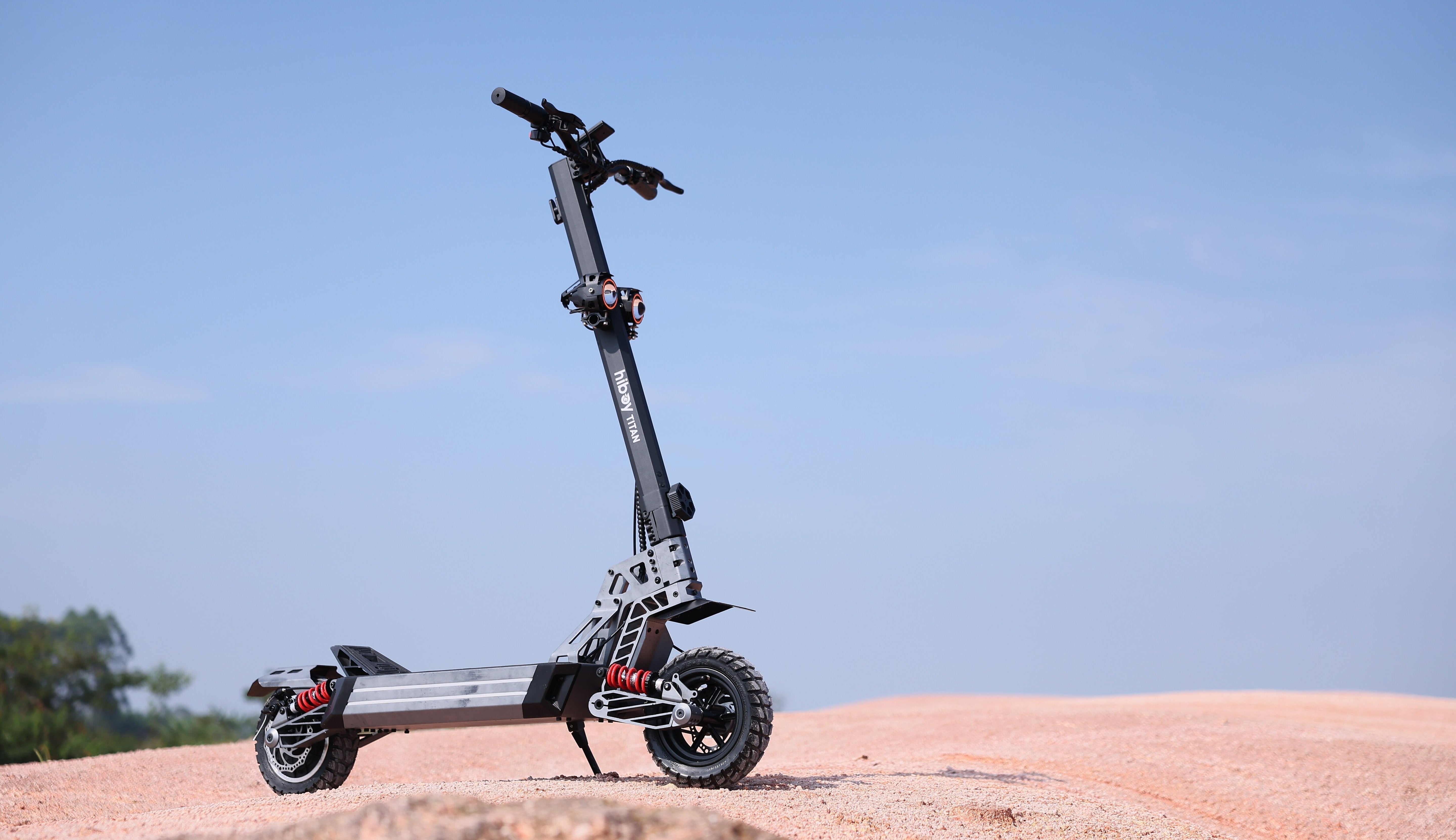
If your riding goes beyond a basic city commute, the Hiboy TITAN PRO Electric Scooter is designed for riders who want substantial power, long range, and a more capable overall setup.
The TITAN PRO offers an optional Dual BOSCH in-hub motor configuration with 750W rated power per motor and up to 2,400W combined peak power.
With dual motors engaged, the TITAN PRO can reach a top speed of 33 MPH and is rated for a maximum incline of 35%, giving riders substantial power for steep climbs and mixed riding conditions.
The TITAN PRO also allows riders to switch between single- and dual-motor modes, making it possible to prioritize efficiency during more relaxed rides or access additional performance when the terrain demands it.
2,400W Combined Peak Power
The optional dual BOSCH motor configuration delivers up to 2,400W of combined peak power.
That power is especially useful when you need strong acceleration or additional capability on hills. Rather than choosing a high-powered scooter simply for its top-speed number, the TITAN PRO's motor setup is designed around having power available when you need it.
The TITAN PRO also offers standard motor configurations for riders with different performance requirements.
48V 36Ah Battery for Long Rides
Power is only useful if you have enough energy to support it.
The TITAN PRO uses a 48V 36Ah lithium-ion battery, providing 1,728Wh of battery capacity. It uses 21700 cells and an advanced battery management system, with a UL2272-certified battery system.
The scooter offers up to 80 miles of claimed range, although actual range will vary depending on factors such as speed, rider weight, terrain, temperature, riding mode, and acceleration.
That large battery makes the TITAN PRO suitable for riders who want to combine everyday transportation with longer recreational rides.
Built for More Than Smooth Pavement
Motor power isn't enough for off-road riding. The rest of the scooter needs to be capable of handling the additional demands.
The TITAN PRO features 10-inch gel-filled tubeless tires, front and rear suspension, and a reinforced wide deck.
The tires are designed to provide traction and stability across a variety of surfaces, while the suspension helps absorb bumps and uneven sections of pavement or trail.
The TITAN PRO is intended for light off-road and challenging surfaces, giving riders more versatility than a basic city commuter scooter.
Dual Hydraulic Brakes and Dual Suspension
More power also means you need reliable control.
The TITAN PRO uses front and rear hydraulic brakes for responsive braking performance, along with a front and rear suspension system.
Together, these components are designed to help riders maintain control when riding at higher speeds or across uneven terrain.
A Wide Deck for Better Stability
The TITAN PRO features a wide deck that gives riders plenty of room for their feet.
A rear wing adds additional support and helps riders maintain a stable stance during acceleration and maneuvering.
This becomes especially useful when riding on uneven surfaces or when making quick changes in direction.
Ride Information at a Glance
A 3.5-inch LED display keeps important information visible while you ride.
Depending on the selected mode and riding conditions, the display can show information including:
- Speed
- Battery level
- Voltage
- Mileage
- Drive mode
- Cruise-control status
- System warnings
The multi-function controls also allow riders to switch between single- and dual-motor modes, adjust speed levels, activate cruise control, and control the headlight.
Lighting for Day and Night Riding
The TITAN PRO includes a front headlight, brake taillight, ambient deck lighting, and additional LED lighting.
A loud horn is also included.
These features help increase visibility and awareness when riding in lower-light conditions while giving the scooter a distinctive look.
So, How Much Motor Power Do You Really Need?
The answer depends less on the number printed next to the motor and more on what you expect your scooter to do.
For a flat, short commute, a 350W scooter may be all you need.
For everyday city riding with hills, 500W–750W can provide a useful performance advantage.
For steep hills, heavier loads, weekend adventures, and mixed terrain, 750W–1,000W+ can make more sense.
And if you're looking for a high-performance scooter that can combine city riding with light off-road adventures, a dual-motor setup with high peak output gives you substantially more power in reserve.
The key is to choose enough power for your real riding conditions, not simply the biggest number available.
For riders who want substantial power, long-range capability, and an off-road-ready setup, the Hiboy TITAN PRO brings together optional dual BOSCH motors, up to 2,400W combined peak power, a 1,728Wh battery, 10-inch tires, dual suspension, and hydraulic brakes in one high-performance electric scooter.







Leave a comment
All comments are moderated before being published.
This site is protected by hCaptcha and the hCaptcha Privacy Policy and Terms of Service apply.