





 Daily Commute
 Lightweight & Portable
 Performance Rides
 Comfort With Seat
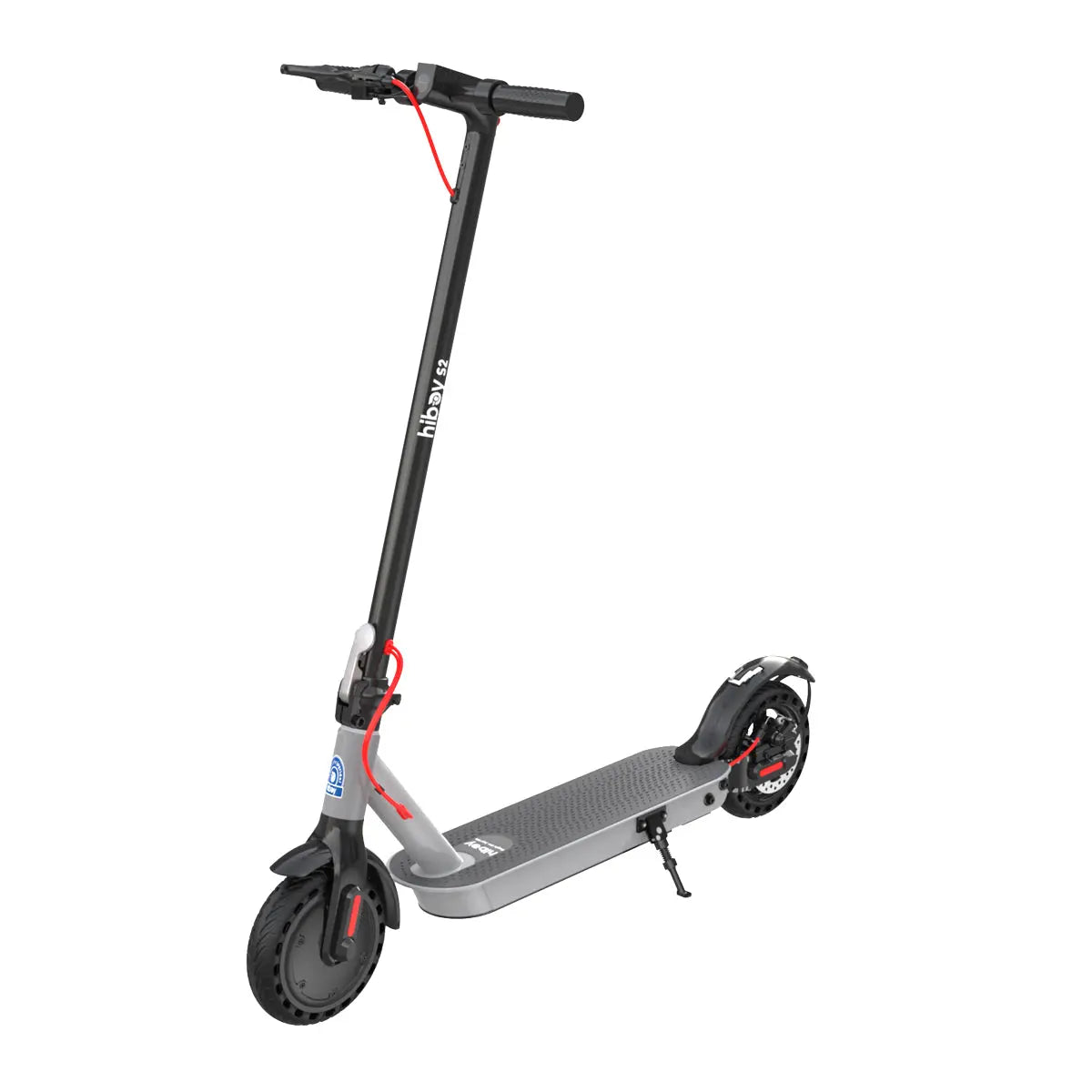 S2
S2
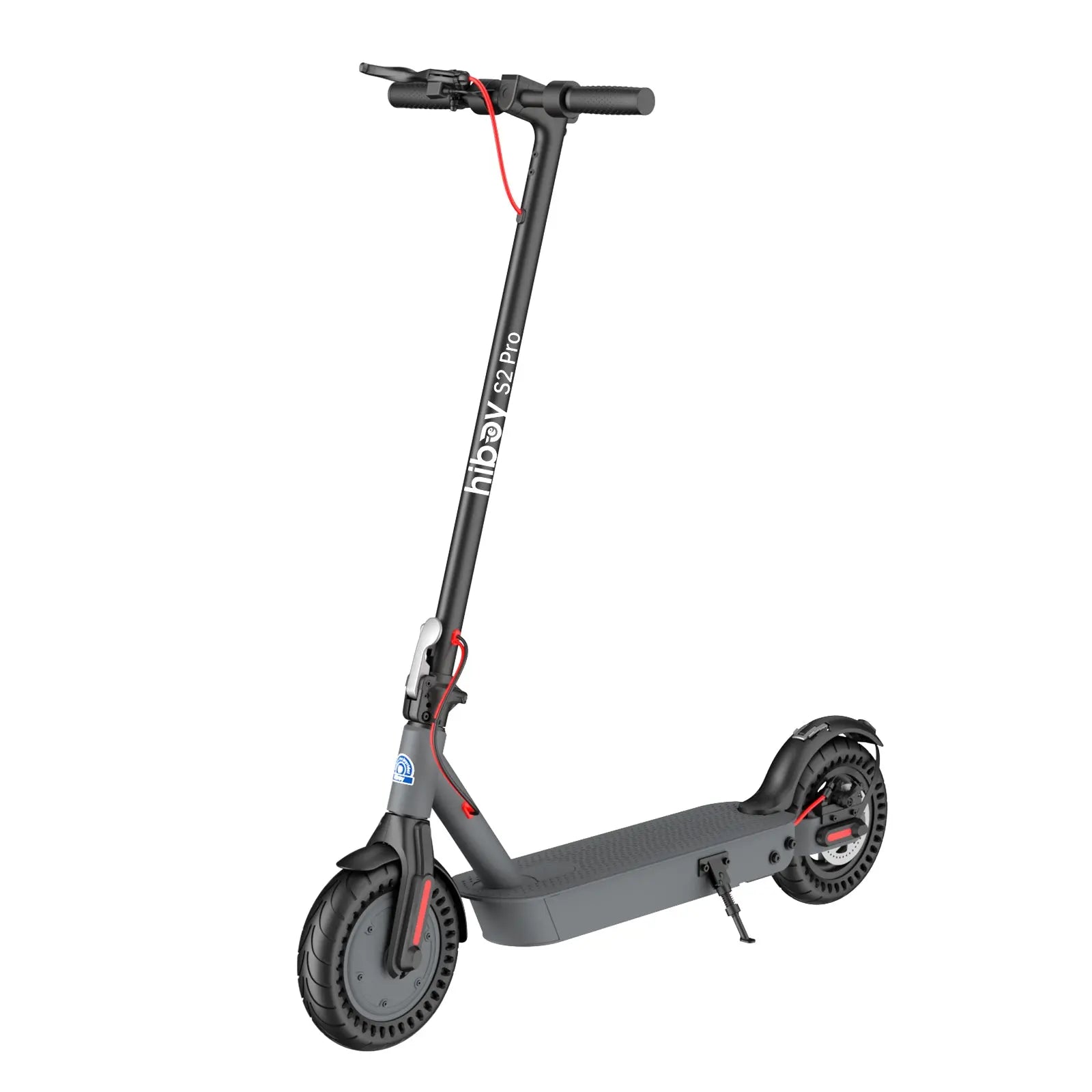 S2 Pro
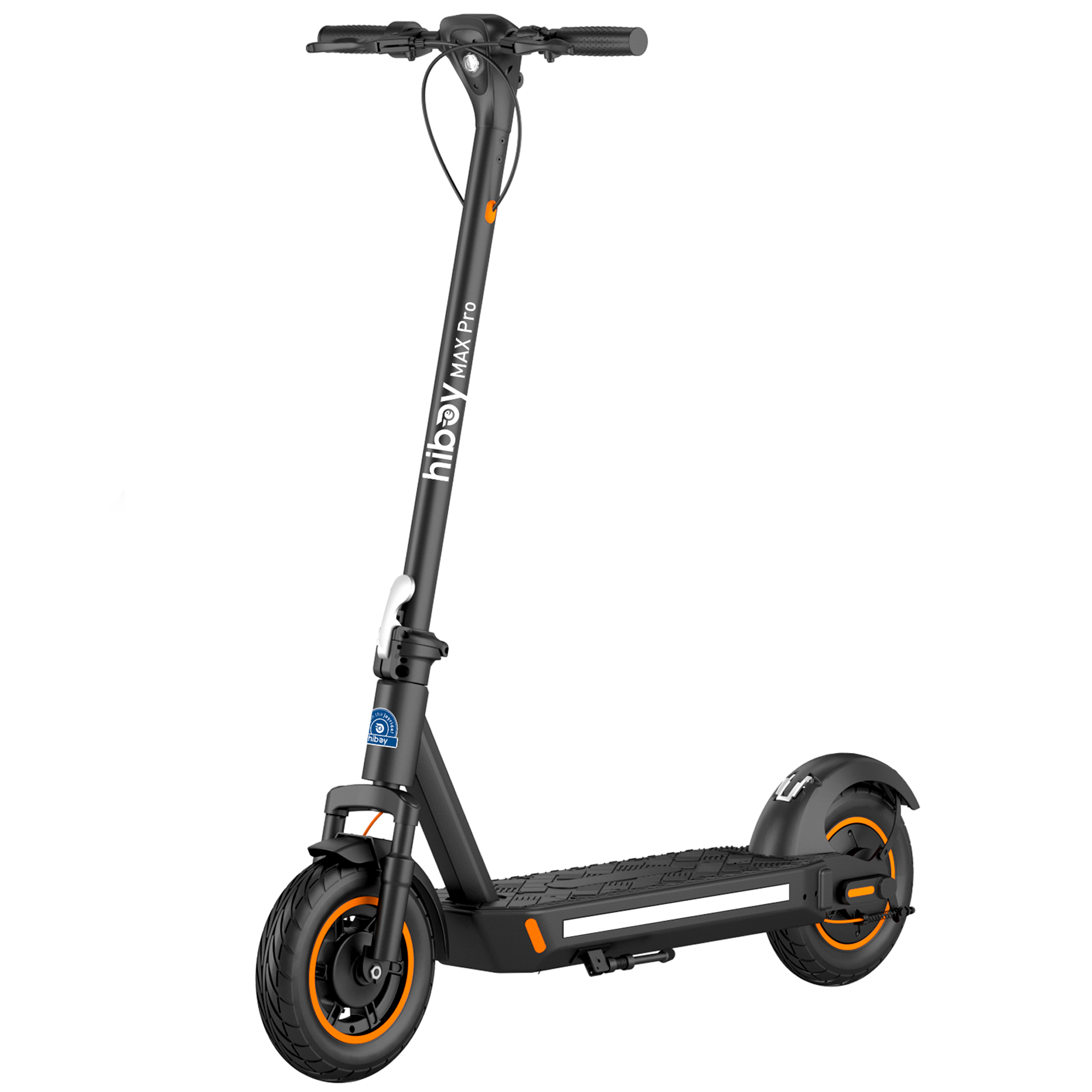 MAX Pro
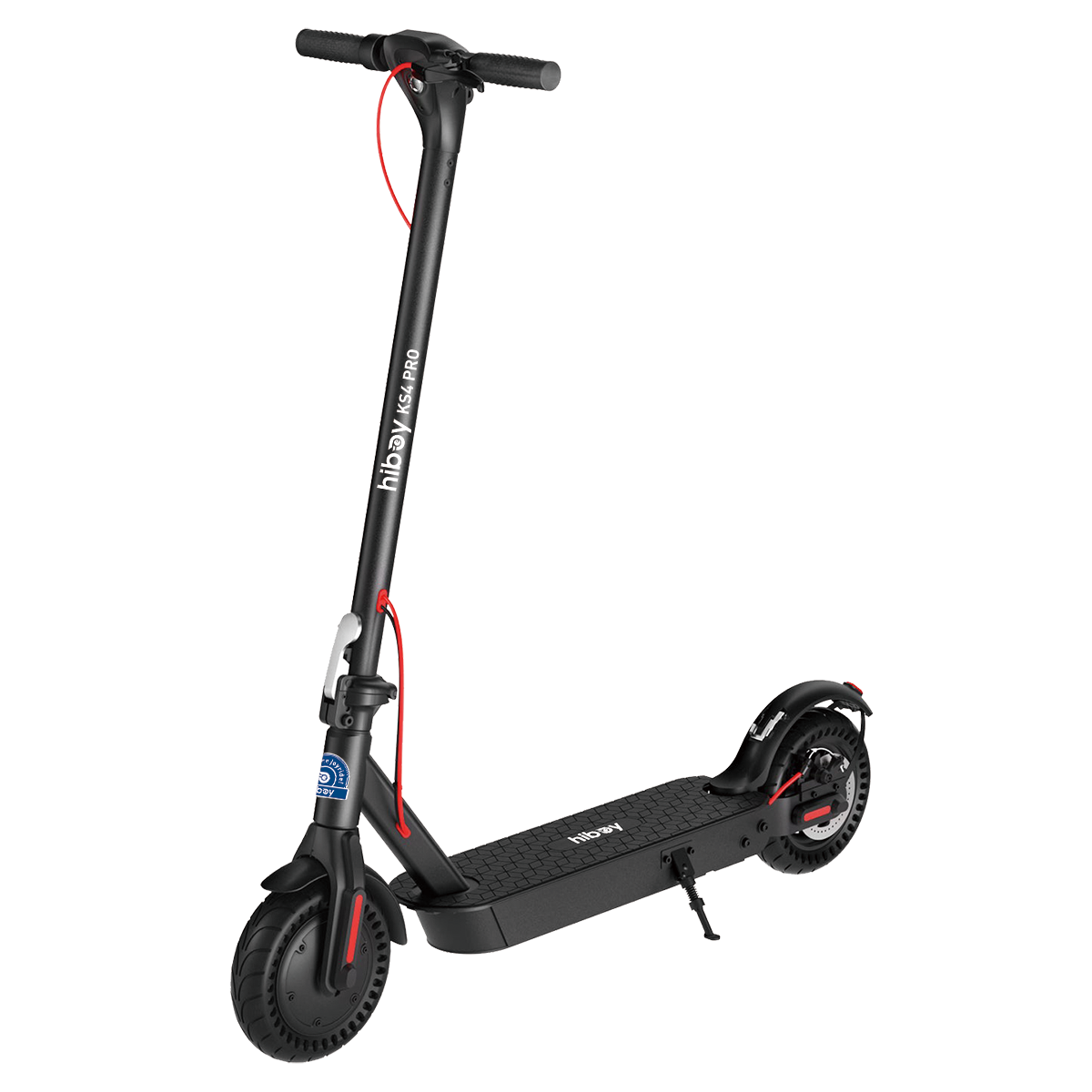 KS4 Pro
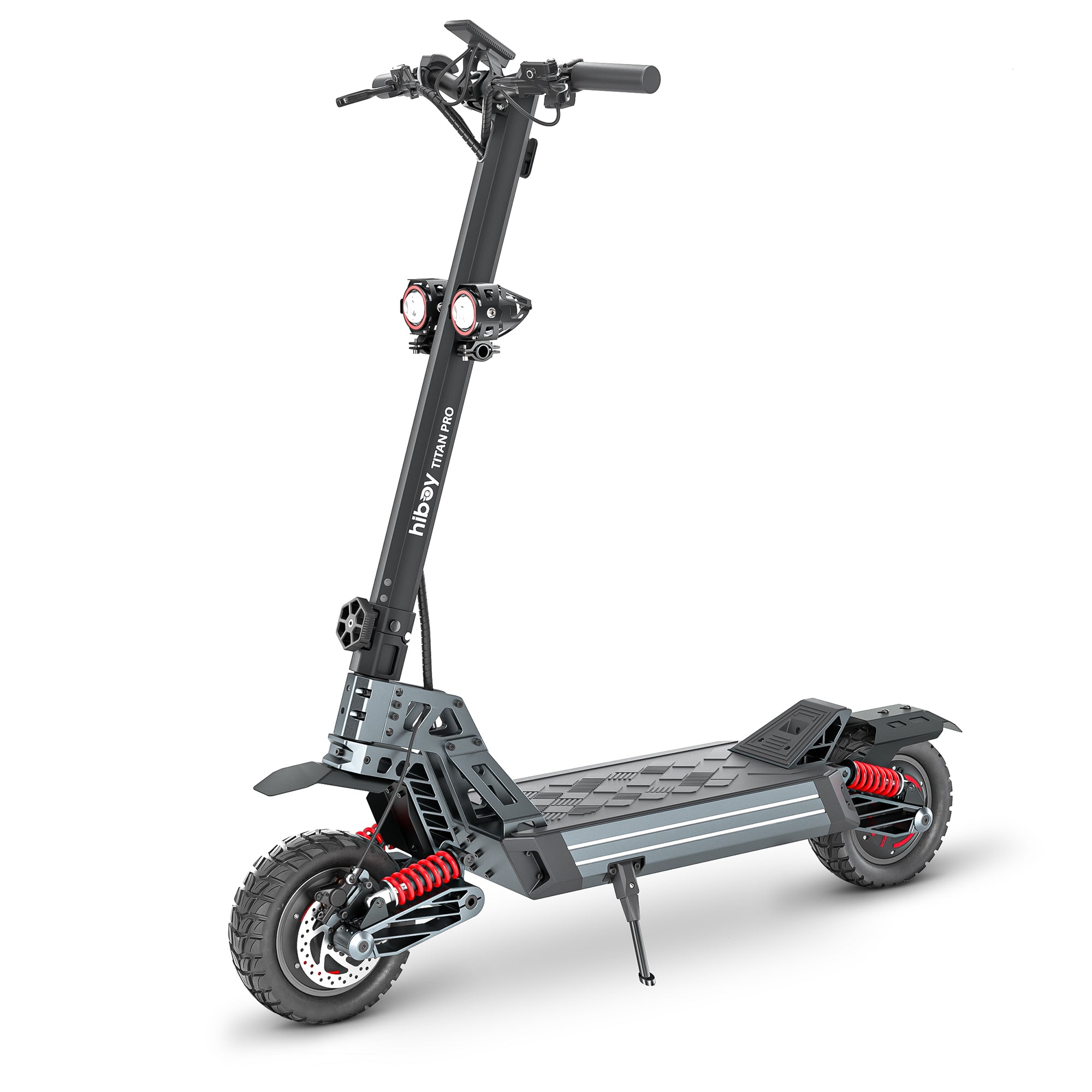 TITAN PRO
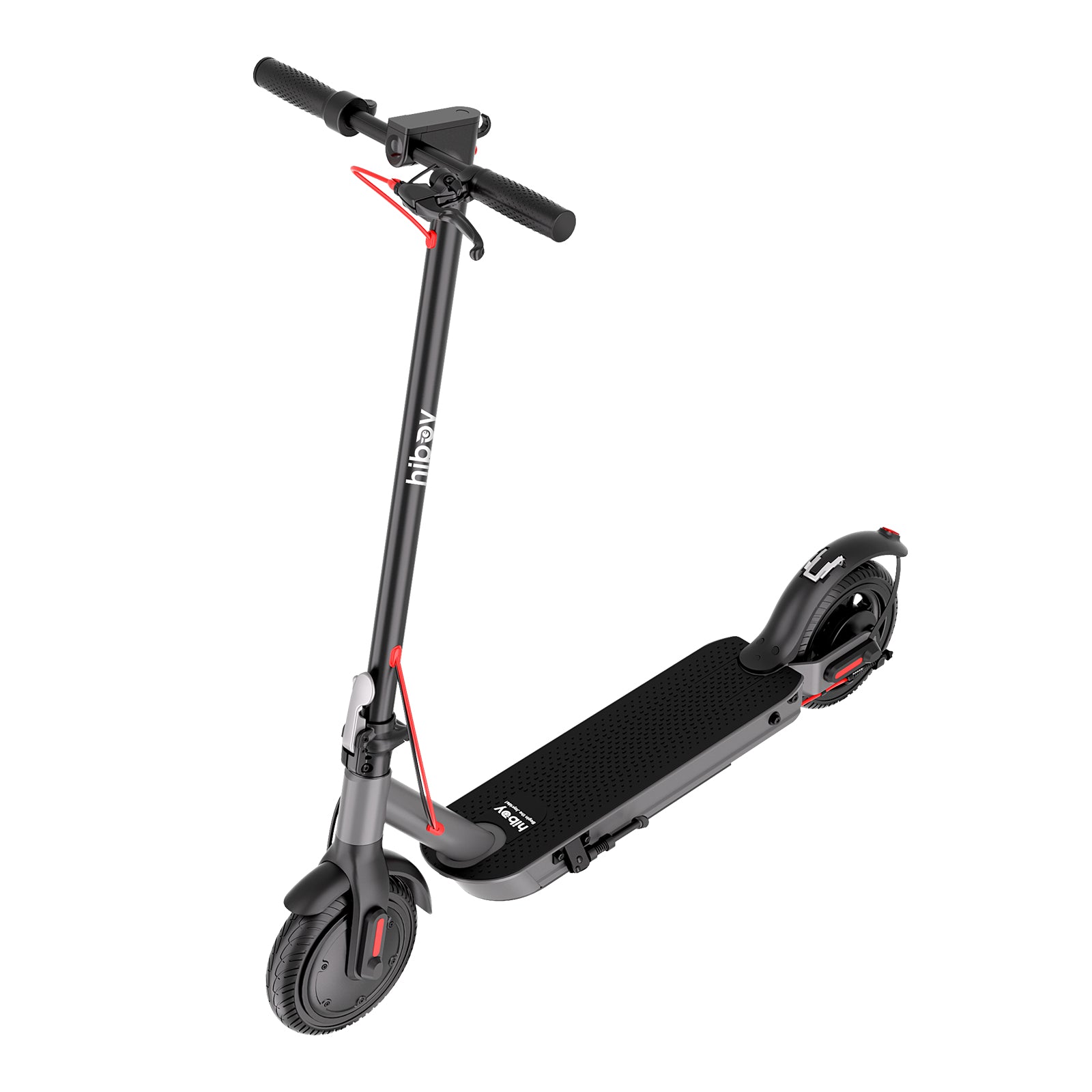 S2 Nova
 Compare Models
 Find Your Best Ride
 Daily Commute
 Off-road & Trail
 Folding & Compact
 Fat Tire Rides
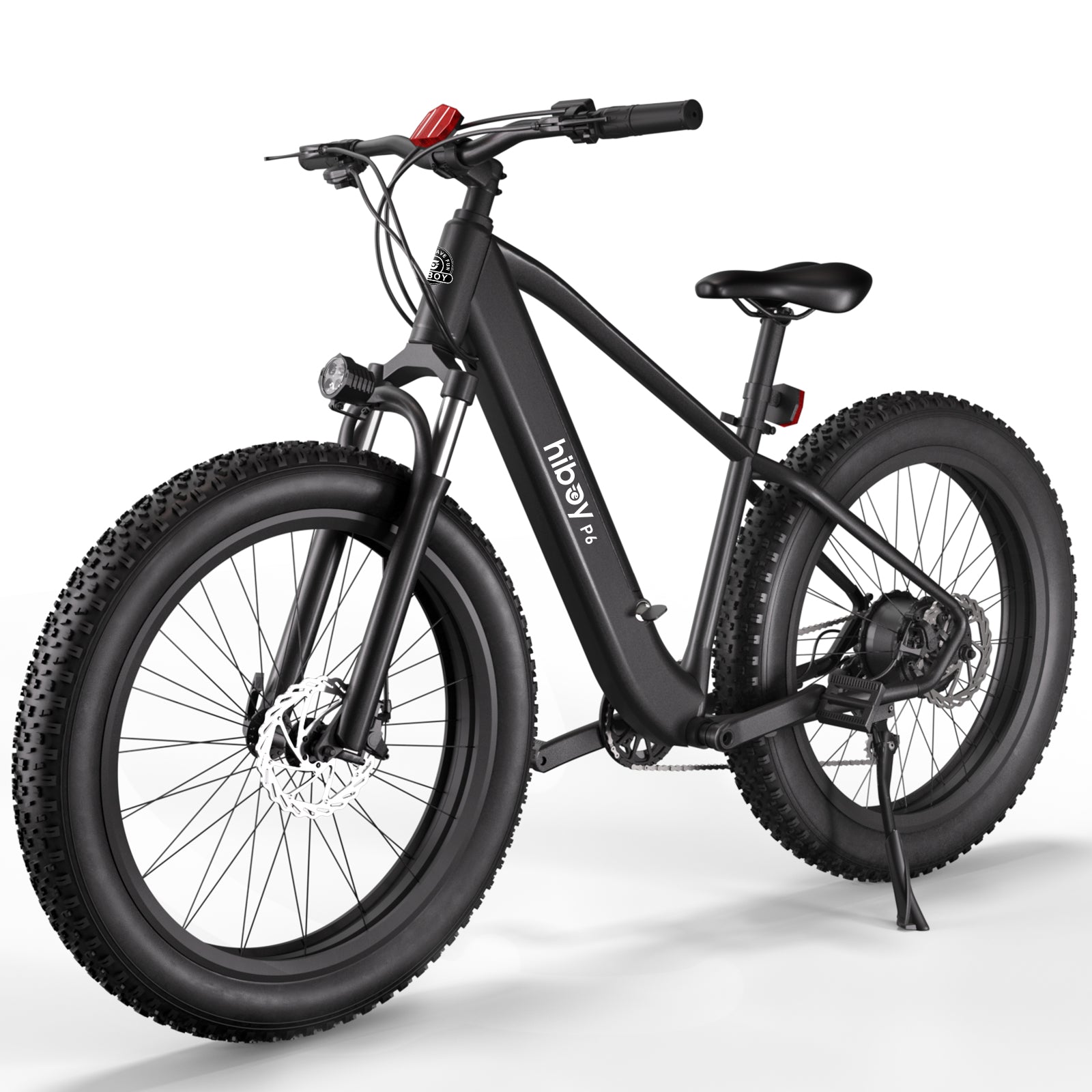 P6
P6
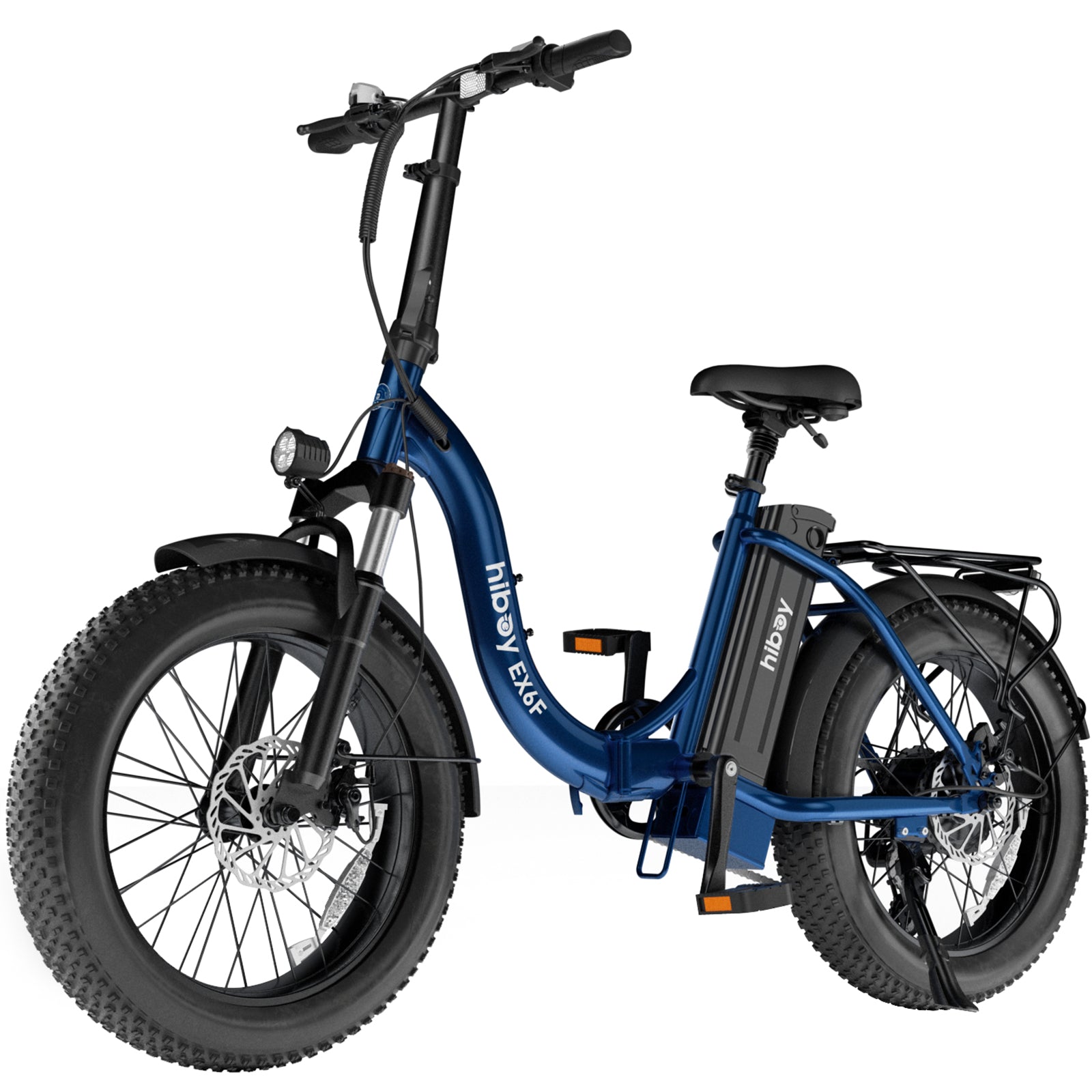 EX6F
EX6F
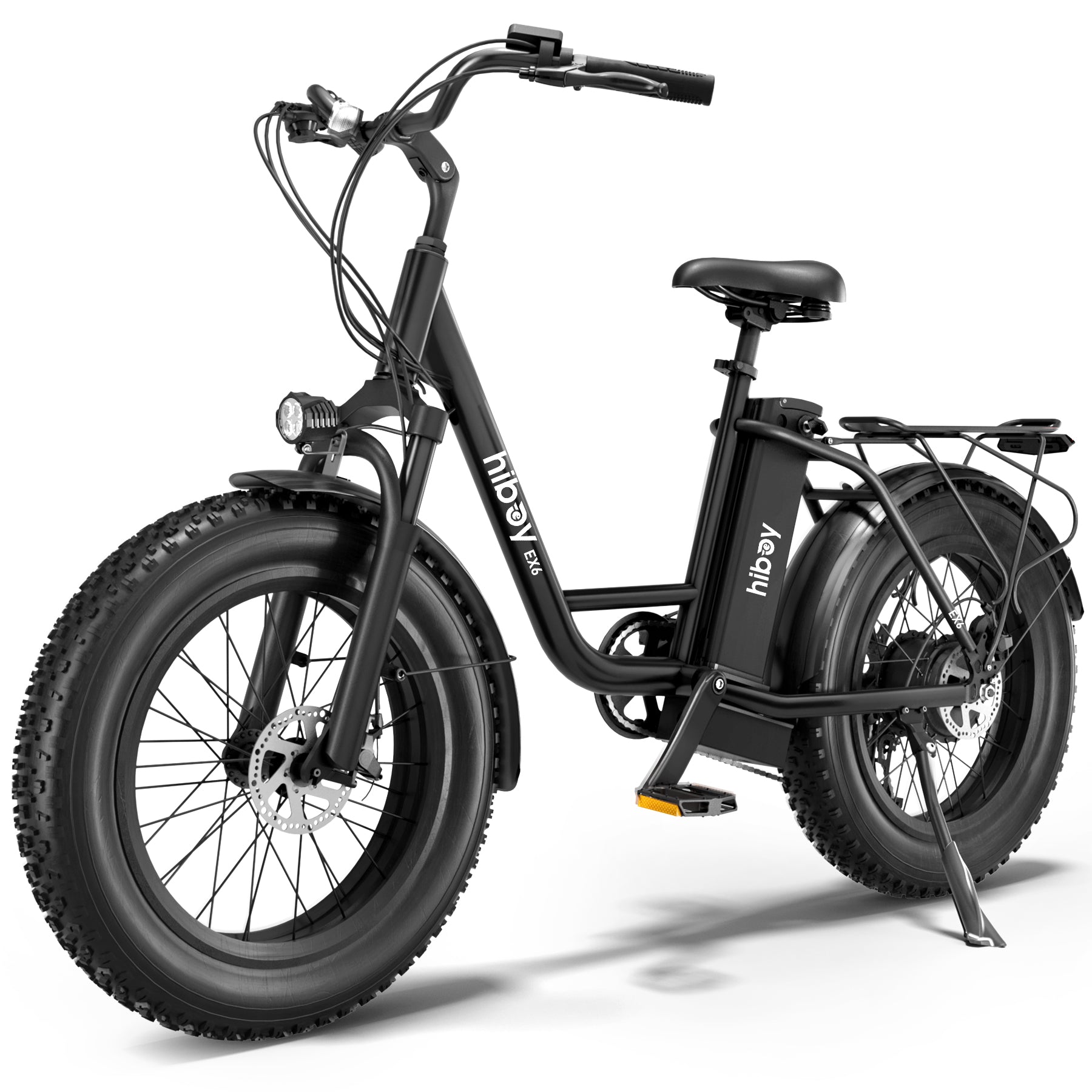 EX6
EX6
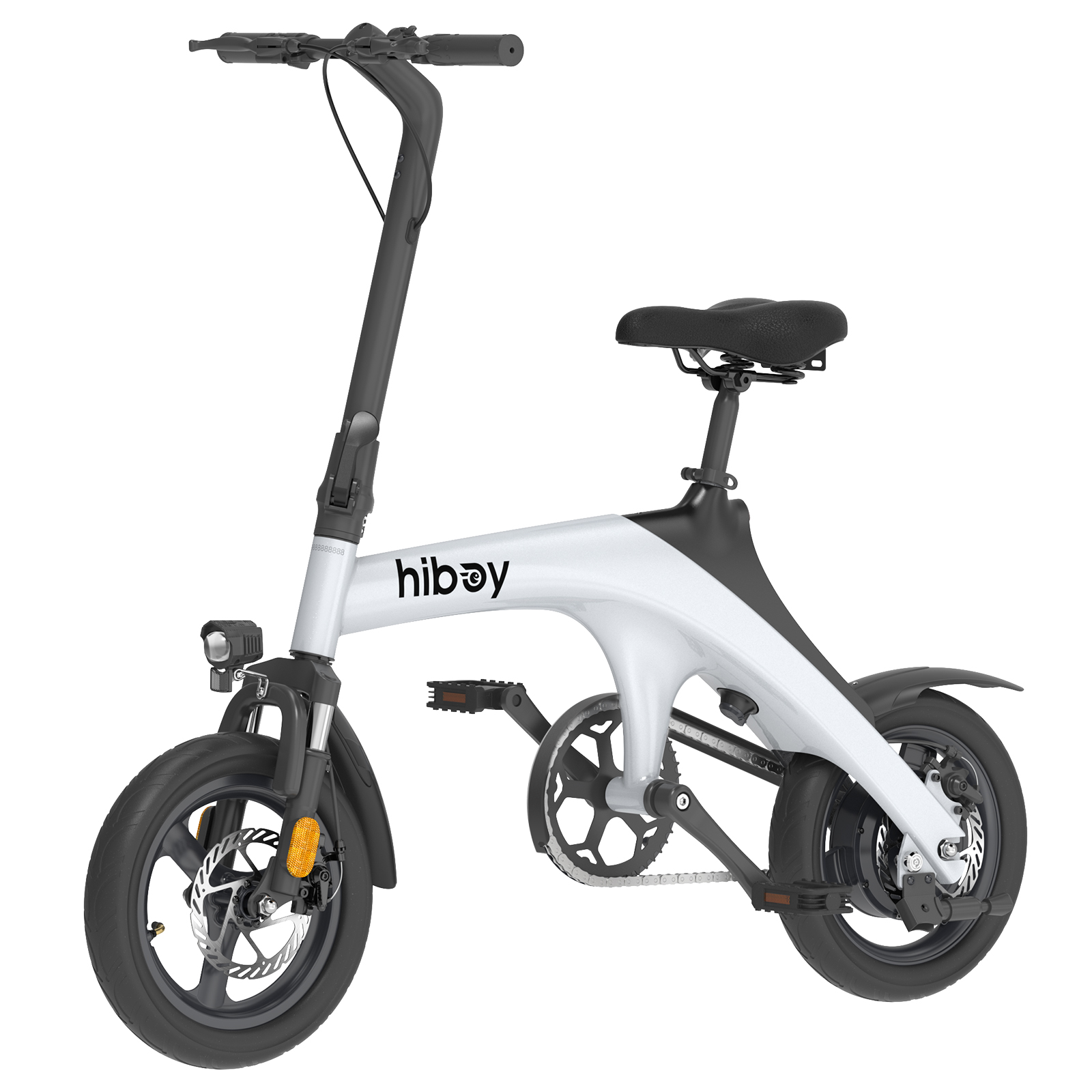 C1
C1
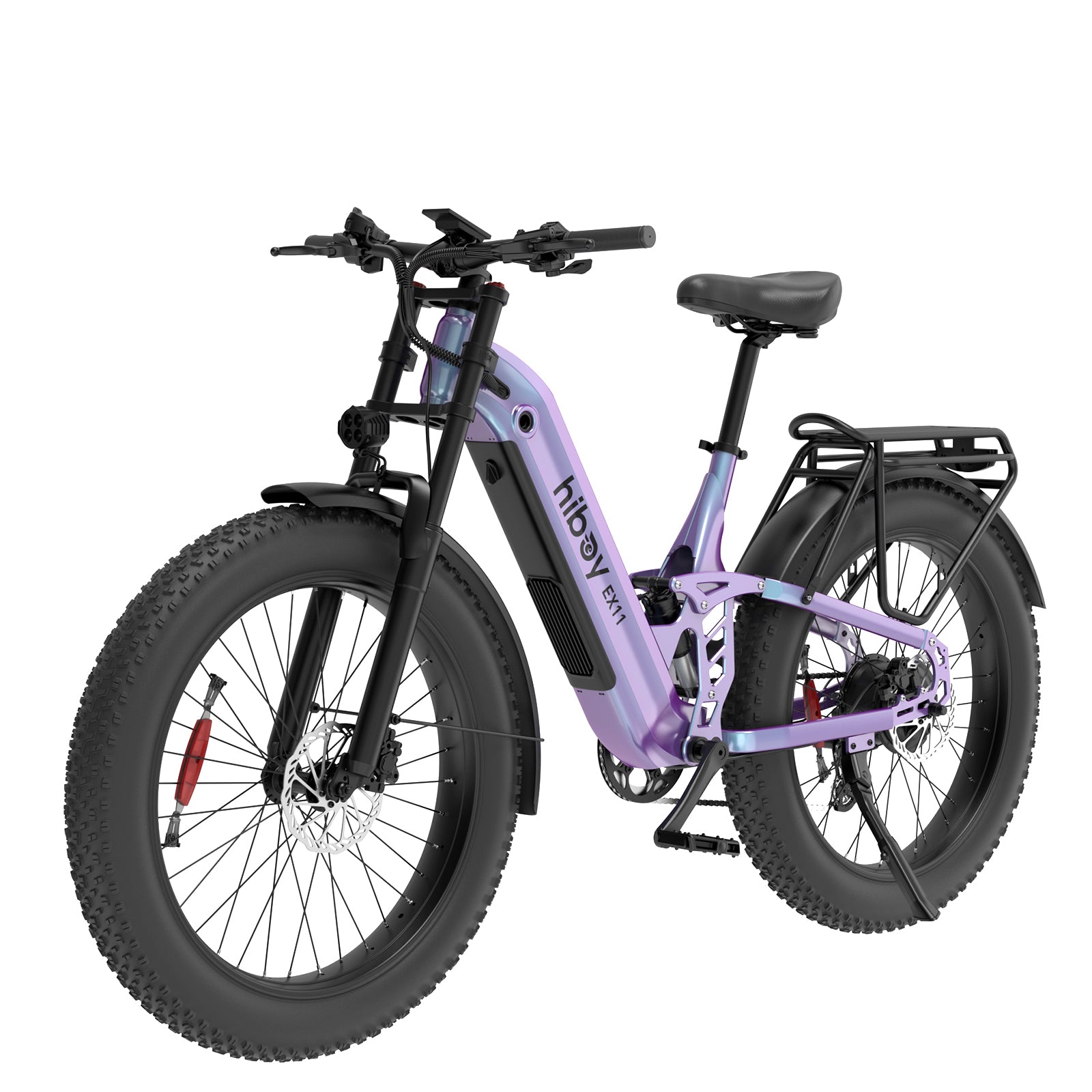 EX11
EX11
 EX9
EX9
 Compare Models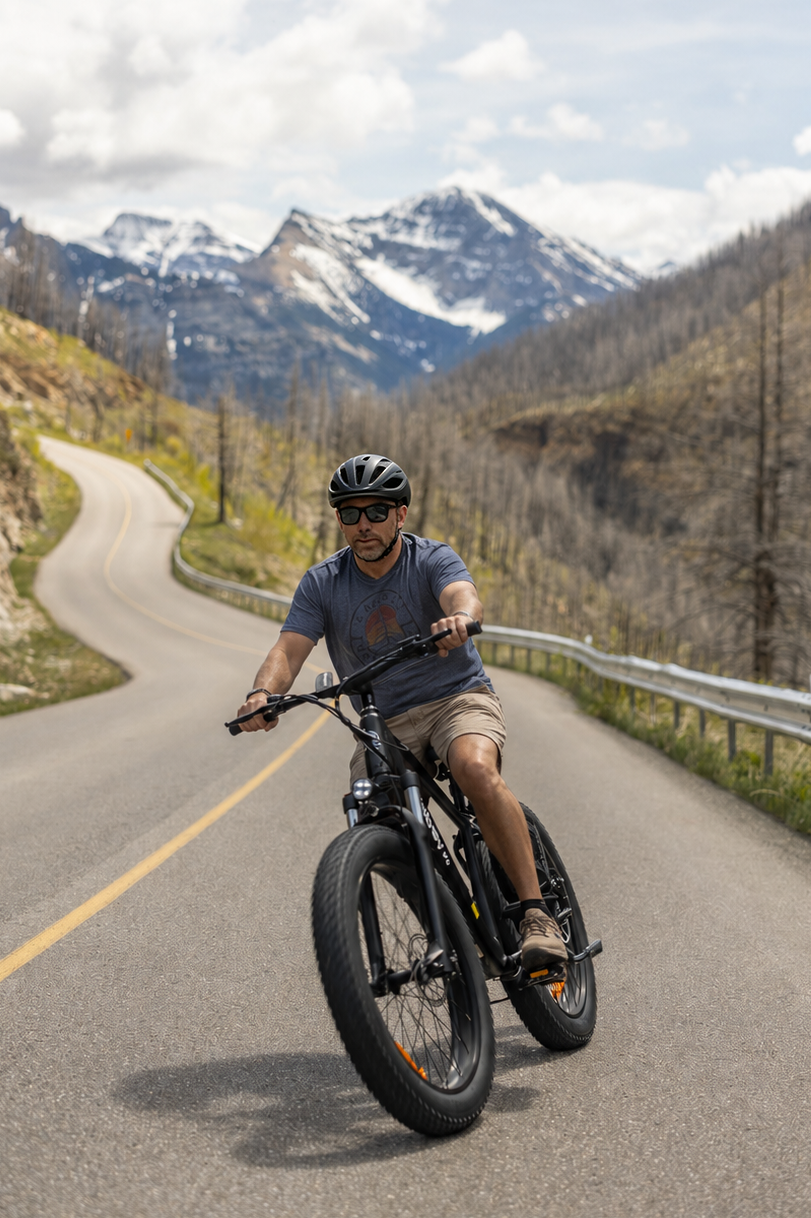
 First Rides
 Everyday Fun
 S2 Lite
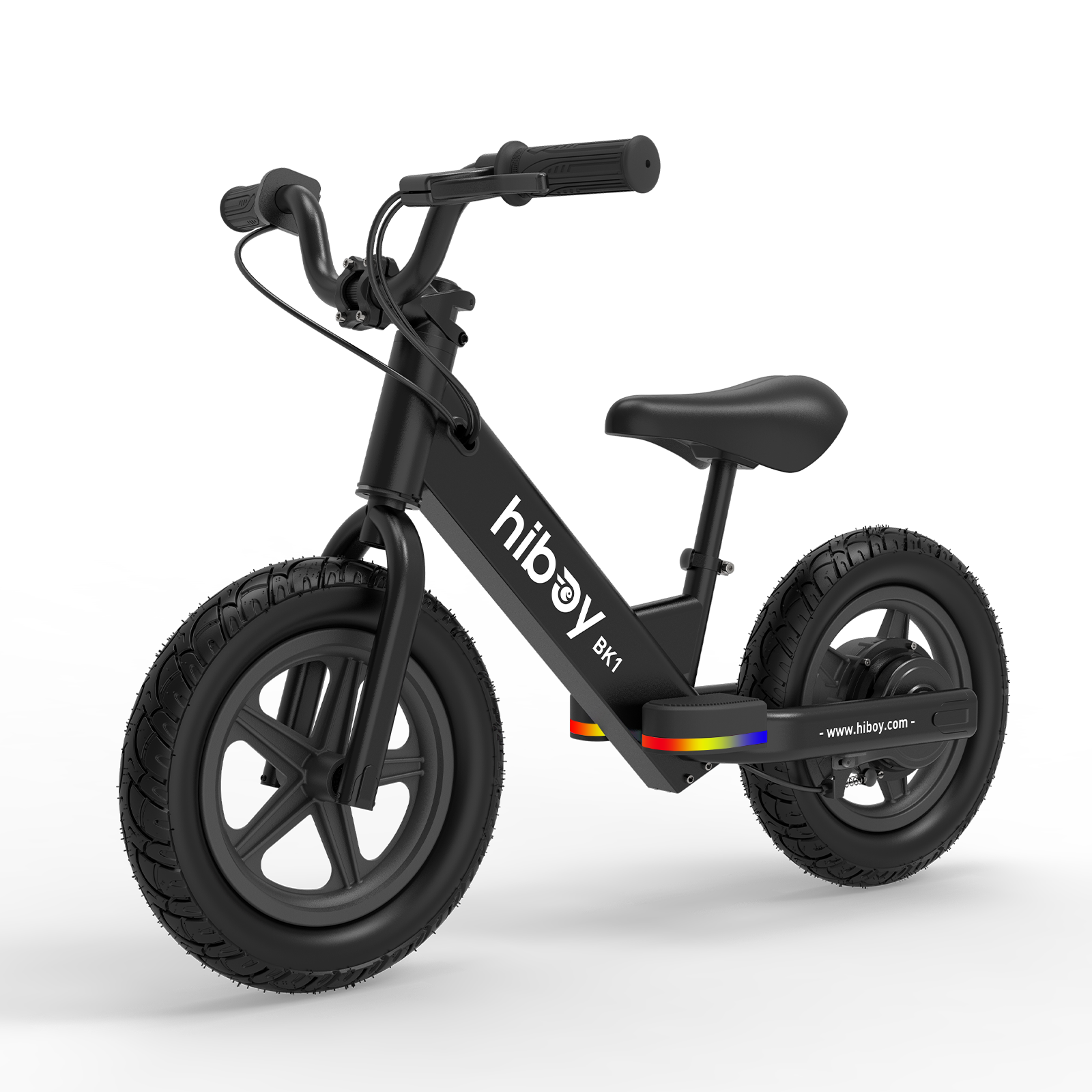 BK1
BK1
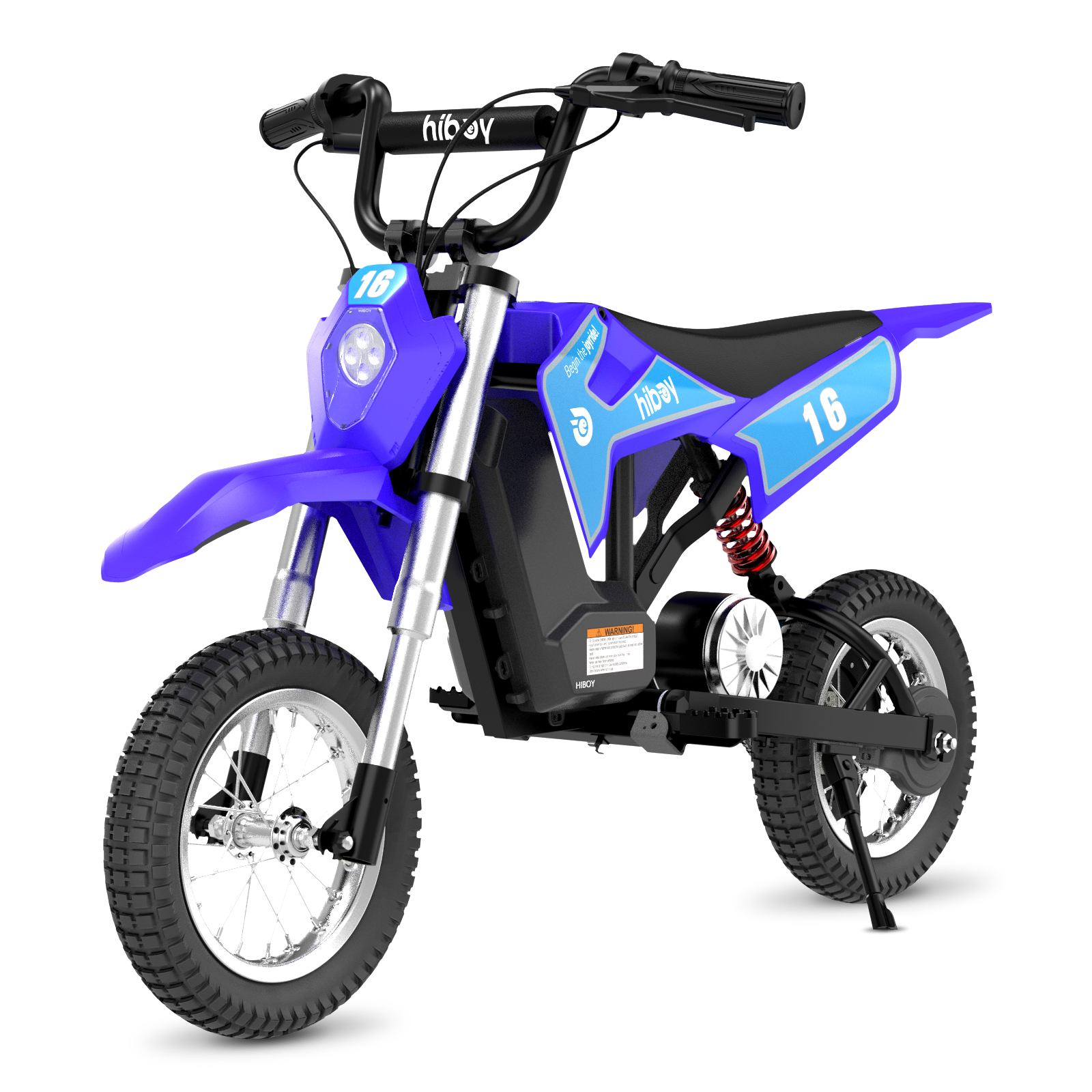 DK1
DK1
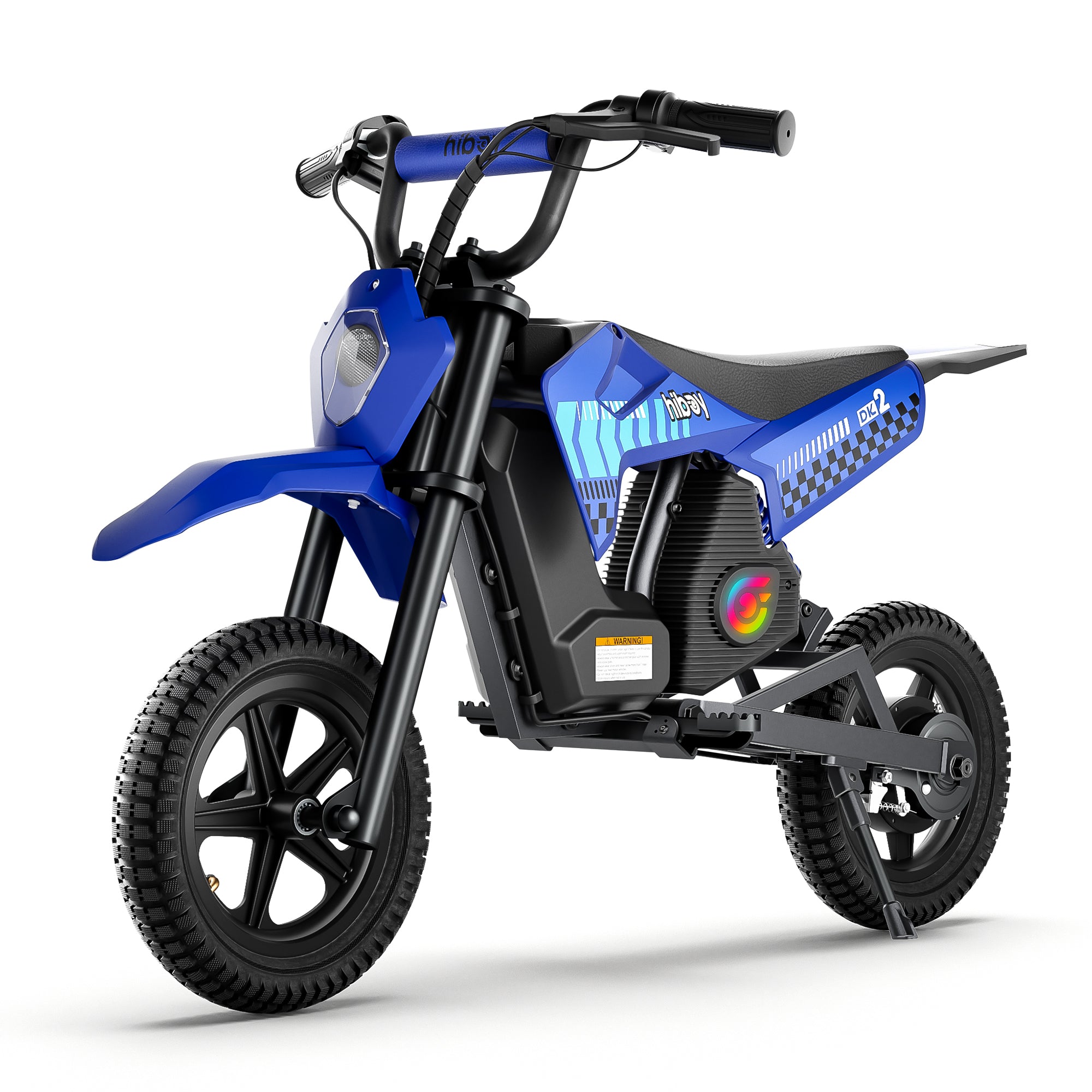 DK2
DK2
 Joy Haul
 Q2 Lite
 Compare Models
When choosing an electric scooter, it's easy to focus on the numbers that stand out first: top speed, motor power, battery capacity, and range.
Those specifications matter. But if you plan to take an electric scooter beyond smooth pavement and onto dirt roads, gravel paths, forest trails, or uneven terrain, suspension can have a bigger impact on your actual riding experience than another few miles per hour of top speed.
On rough surfaces, speed is only useful when you can maintain control.
A scooter with a powerful motor may accelerate quickly, but if its wheels bounce over bumps, the handlebars become difficult to control, or the deck sends harsh impacts through your feet, that extra power won't necessarily make the ride better.
Good suspension helps the scooter's wheels respond to uneven terrain while keeping the chassis more controlled. It can influence traction, steering, braking, comfort, and rider fatigue.
In other words:
For off-road scooter riding, usable performance matters more than headline performance.
Why Speed Isn't Everything Off-Road
On smooth pavement, a higher top speed can be relatively easy to use. The surface is predictable, the tires generally maintain consistent contact with the ground, and there are fewer sudden changes in elevation.
Off-road terrain is different.
A trail can include:
- Gravel and loose dirt
- Small rocks
- Tree roots
- Potholes
- Ruts
- Uneven patches
- Grass and compacted soil
- Broken pavement
- Steep or irregular sections
These obstacles can make a scooter's wheels move rapidly up and down.
At that point, the question isn't simply how fast the scooter can go. It's whether the scooter can remain stable while the wheels are responding to the terrain.
If you ride too quickly over rough terrain, you may reach a point where additional speed makes the scooter harder to control rather than more enjoyable.
That's why suspension deserves serious attention when evaluating an electric scooter for off-road use.

What Does Suspension Do on an Electric Scooter?
An electric scooter's suspension connects the wheels to the rest of the chassis while allowing controlled movement between them.
When a wheel encounters a bump, the suspension compresses and then returns toward its normal position. Springs support the load, while damping controls the movement.
A properly functioning suspension system can help:
- Absorb impacts
- Keep the tires in contact with the ground
- Reduce vibration
- Improve steering stability
- Maintain traction
- Reduce rider fatigue
- Make uneven surfaces easier to navigate
Without suspension, much of the terrain's movement is transferred directly into the scooter and rider.
That's particularly noticeable on an electric scooter because the rider is standing rather than sitting.
Your feet, legs, arms, and hands are all part of the system that has to manage the movement.
1. Suspension Helps Keep the Wheels Connected to the Ground
One of the most important jobs of suspension is helping the wheels follow uneven terrain.
Imagine riding over a series of small rocks.
As the front wheel encounters each rock, it needs to move upward and then return to the ground. A suspension system allows that movement to happen without forcing the entire scooter to move by the same amount.
This matters because the tires provide the actual contact with the riding surface.
When a tire remains more consistently connected to the ground, the scooter has a better opportunity to maintain:
- Steering control
- Braking performance
- Acceleration traction
- Stability
This is one reason suspension is more than a comfort feature.
It plays a role in how the scooter interacts with the terrain.
2. Suspension Can Matter More Than a Higher Top Speed
Consider two hypothetical off-road electric scooters.

Scooter A
- Higher top speed
- More motor power
- Limited suspension
- Less comfortable over rough surfaces
Scooter B
- Slightly lower top speed
- Adequate motor power
- Front and rear suspension
- Better control over uneven terrain
On a smooth road, Scooter A's higher speed might be noticeable.
On a rough trail, however, you may not be able to safely or comfortably use that additional speed.
You might need to slow down because of bumps, loose gravel, rocks, or uneven surfaces.
Meanwhile, Scooter B's suspension may allow you to maintain a more controlled and comfortable pace.
This illustrates an important distinction:
Top speed describes what a scooter can potentially do. Suspension helps determine how well it behaves while doing it.
For off-road riding, that distinction matters.
3. Suspension Helps Improve Steering Stability
Electric scooters have a unique steering design.
Unlike a motorcycle or bicycle, the rider stands on a relatively narrow deck and controls the front wheel through the handlebar and steering stem.
That makes sudden movements from the front wheel particularly noticeable.
When the front wheel hits a bump, the impact can travel through the fork and steering system toward the handlebars.
On a poorly controlled or rigid setup, this can make the steering feel harsh or unsettled.
Suspension helps the front wheel respond to terrain changes while reducing some of the movement transferred directly to the rider.
This becomes particularly important when riding over:
- Gravel
- Small rocks
- Potholes
- Roots
- Broken pavement
- Repeated bumps
The goal isn't to eliminate all movement.
It's to make the movement more controlled and predictable.

4. Suspension Helps Maintain Traction
Traction is critical for an off-road electric scooter.
Your tires need to maintain contact with the surface to accelerate, brake, and steer effectively.
On smooth pavement, maintaining traction is relatively straightforward.
On loose or uneven terrain, it's more challenging.
When a wheel encounters a bump, inadequate suspension can allow the wheel to bounce or unload. A properly functioning suspension system helps the wheel move with the terrain instead of transmitting every impact directly through the chassis.
This can be particularly useful when riding over a sequence of uneven surfaces.
However, suspension doesn't create traction by itself.
Tires matter too.
Off-road-oriented tires, appropriate tire pressure, suspension, rider technique, and terrain all contribute to how well an electric scooter maintains traction.
5. Suspension Makes Braking More Controlled
Braking changes how weight is distributed across an electric scooter.
When you brake, weight shifts toward the front wheel.
If the front suspension compresses too quickly or excessively, the scooter's geometry and steering feel can change noticeably.
On uneven terrain, braking becomes even more complicated because the tires may already be dealing with bumps, loose gravel, or changing surface conditions.
A well-matched suspension system can help the front wheel respond to these changes while controlling the movement of the chassis.
That doesn't mean suspension makes braking automatically safer.
Riders still need to:
- Reduce speed before difficult sections
- Brake progressively
- Maintain a stable stance
- Leave adequate stopping distance
- Avoid abrupt inputs on loose surfaces
Suspension is one part of the overall system, not a substitute for proper riding technique.
6. Suspension Reduces Vibrations Through the Deck and Handlebars
This is probably the benefit riders notice first.
When an electric scooter travels over rough terrain, impacts can travel through the wheels, frame, deck, and steering system.

Without sufficient suspension, you may feel those impacts through:
- Your feet
- Ankles
- Knees
- Legs
- Arms
- Hands
Because you're standing, your body becomes an active part of the scooter's suspension system.
A suspension-equipped scooter can absorb and control some of the movement before it reaches the rider.
The result isn't necessarily a perfectly smooth ride off-road terrain will always be rough but the ride can feel considerably less harsh.
7. Less Fatigue Can Mean Better Riding
Comfort isn't just about whether your ride feels pleasant.
It can also affect how well you ride over time.
Repeated vibration and impacts can cause fatigue, especially during longer rides.
As fatigue increases, riders may find it harder to maintain:
- Proper body position
- Precise steering
- Smooth throttle control
- Controlled braking
- Attention to changing terrain
This is particularly relevant for off-road scooter rides, where the rider may already need to constantly adjust their body position.
By helping manage repeated impacts, suspension can reduce some of the physical workload placed on the rider.
8. Front Suspension vs. Front and Rear Suspension
Not all electric scooters use the same suspension configuration.
Front suspension
A front suspension system primarily helps manage impacts reaching the front wheel.
It can improve:
- Steering comfort
- Front-wheel response
- Handlebar vibration
- Control over smaller obstacles
For riders who mostly encounter mild bumps and uneven pavement, front suspension may provide a noticeable improvement over a rigid setup.
Front and rear suspension
A scooter with suspension at both ends can manage movement at both wheels.
This is particularly useful when riding over rougher terrain because the rear wheel encounters its own series of impacts.

Rear suspension can help:
- Reduce deck vibration
- Improve rear-wheel contact
- Absorb repeated bumps
- Improve overall ride comfort
For more demanding off-road riding, a well-designed front-and-rear suspension system can provide a more balanced experience than front suspension alone.
Suspension Travel Matters, But More Isn't Automatically Better
You'll often see suspension travel listed in millimeters.
Suspension travel refers to how far the suspension can move through its available range.
More travel can provide additional capacity for larger terrain changes.
But more suspension travel doesn't automatically mean better performance.
A scooter's suspension also depends on:
- Spring characteristics
- Damping
- Rider weight
- Scooter weight
- Suspension geometry
- Tire pressure
- Tire construction
- Terrain
- Riding style
A scooter with long suspension travel but poor damping may still feel uncontrolled.
A scooter with appropriately designed and tuned suspension can provide a better experience even without the largest travel number.
So don't compare suspension solely by asking:
"Which scooter has more millimeters?"
Instead ask:
"Is the suspension appropriate for the terrain and rider?"
What Is Suspension Damping?
If you're comparing electric scooters, you may encounter terms such as compression damping and rebound damping.
Understanding the basic idea is useful.
Compression
Compression occurs when the suspension moves inward after encountering a bump or when the scooter experiences a force that compresses the suspension.
Rebound
Rebound occurs when the suspension extends again after compression.

Damping
Damping controls how quickly these movements happen.
Without enough damping, the scooter can feel bouncy.
With excessive damping, the suspension may feel harsh and struggle to respond quickly to smaller terrain changes.
The objective is controlled suspension movement.
This is particularly important when riding over repeated bumps.
The suspension doesn't just need to absorb the first impact; it needs to be ready for the next one.
Why Tires and Suspension Need to Work Together
It's easy to think about suspension and tires as separate features.
They're actually closely connected.
Your tires are the scooter's direct connection to the terrain.
Suspension helps the wheels respond to changes in that terrain.
For off-road riding, consider the combination of:
Tire design + tire pressure + suspension + rider technique
For example, an aggressive suspension system won't compensate for a tire that isn't appropriate for the surface.
Likewise, an off-road tire can't completely compensate for a scooter with inadequate suspension.
The entire setup matters.
Ground Clearance Matters Too
If you're taking an electric scooter onto rough terrain, suspension isn't the only chassis specification worth considering.
Ground clearance matters as well.
A scooter with insufficient clearance may allow rocks, roots, or other obstacles to contact the underside of the deck.
Suspension and ground clearance serve different purposes:
- Suspension travel determines how much the wheel can move.
- Ground clearance determines how much space exists beneath the scooter.
For uneven trails, you want both to be appropriate for the terrain.
How Speed Changes the Demands on Suspension
The faster you travel, the less time you have to react to an obstacle.
At higher speeds, the suspension also has to respond more quickly to terrain changes.
Consider a small bump.
At a slow speed, you have more time to recognize it and adjust your body position.

At a higher speed, the wheel reaches the obstacle much sooner.
The impact can also be more noticeable.
That's why increasing speed doesn't simply make an off-road scooter faster.
It can also increase the demands placed on:
- Suspension
- Tires
- Brakes
- Steering
- Rider reaction time
This is another reason why a scooter's top-speed specification shouldn't be considered independently from the rest of the design.
When Does Suspension Matter Most?
The importance of suspension depends heavily on where you ride.
Smooth pavement
Suspension can improve comfort, particularly over cracks, expansion joints, and imperfect pavement.
Gravel roads
Suspension becomes more useful because the surface is less predictable and may contain repeated small impacts.
Dirt trails
The combination of bumps, loose material, roots, and uneven surfaces increases the value of a well-designed suspension system.
Rough trails
As obstacles become larger and more frequent, suspension becomes increasingly important for maintaining control and reducing rider fatigue.
Technical terrain
For challenging terrain, suspension should be evaluated together with tire design, brakes, ground clearance, chassis construction, and the scooter's intended use.
Not every electric scooter is designed for every type of off-road riding.
Always follow the manufacturer's intended-use guidelines.
What to Look for in an Off-Road Electric Scooter
If you're shopping for an electric scooter that can handle more than ordinary pavement, don't evaluate it based on top speed alone.
Consider these factors:
- Suspension configuration - Does it have front suspension, rear suspension, or both?
- Suspension travel - Is there enough travel for the terrain you intend to ride?
- Suspension design - Look at how the suspension is constructed rather than focusing only on a single specification.
- Tire type - Are the tires designed for the surfaces where you'll ride?
- Tire size - Larger wheels can help roll over certain obstacles more easily, while tire construction and tread also affect performance.
- Ground clearance - Is the underside of the scooter sufficiently elevated for your intended terrain?
- Brakes - Does the braking system provide appropriate control for the scooter's weight and performance?
- Motor performance - You still need enough power for your intended terrain, particularly if your routes include hills or loose surfaces.
- Weight and portability - A heavier scooter may offer different stability characteristics, but it can also be more difficult to carry or transport.
- Intended use - Perhaps the most important question: Is the scooter actually designed for the kind of off-road riding you want to do?
How to Adjust Your Riding for Off-Road Terrain
Even the best suspension cannot replace good technique.
When riding an electric scooter off-road:
- Slow down before obstacles - Don't wait until you're directly on top of a large bump to reduce speed.
- Keep your knees slightly bent - Your legs can act as an additional layer of impact management.
- Keep both hands firmly on the handlebars - Off-road terrain can create unexpected steering movements.
- Look ahead - Scanning the trail gives you more time to identify rocks, ruts, roots, and other obstacles.
- Avoid sudden inputs - Smooth throttle, braking, and steering inputs are generally easier to control on loose or uneven terrain.
- Choose your line - Sometimes the best way around an obstacle is simply not to ride directly over it.
- Don't assume suspension makes every surface safe - Suspension improves the scooter's ability to respond to terrain, but it doesn't turn an ordinary electric scooter into a motorcycle designed for extreme off-road riding.

Speed vs. Suspension: Which Should You Prioritize?
The answer depends on your riding environment.
If you mostly ride smooth roads and bike paths, top speed, acceleration, range, and other specifications may be more relevant to your priorities.
But if you're specifically interested in off-road riding, suspension deserves much more attention.
Think of it this way:
Speed tells you how fast the scooter can potentially travel.
Suspension helps determine how well the scooter can manage the terrain while traveling.
And on rough terrain, maintaining control is often more important than reaching the highest possible speed.
A scooter that is comfortable and predictable at a moderate speed may be more useful on an uneven trail than one that can travel significantly faster but becomes difficult to control over bumps.
FAQs
Is suspension important on an electric scooter for off-road riding?
Yes. Suspension helps the wheels respond to uneven terrain and can improve ride comfort, traction, steering stability, and control. Its importance generally increases as the terrain becomes rougher.
Is a faster electric scooter better for off-road riding?
Not necessarily. Top speed is only one aspect of performance. On rough terrain, suspension, tires, brakes, ground clearance, and overall handling can be more relevant to how effectively you can use the scooter's power.
Is front suspension enough for off-road electric scooter riding?
Front suspension can improve comfort and front-wheel control, but front-and-rear suspension can provide more comprehensive impact management because both wheels encounter uneven terrain.
Does suspension make an electric scooter safer?
A properly functioning suspension system can contribute to better control and more consistent wheel contact with uneven surfaces. However, it does not eliminate the risks of off-road riding. Riders should use appropriate protective equipment and follow the manufacturer's intended-use and safety guidelines.
Does more suspension travel mean a better electric scooter?
Not automatically. Suspension travel is only one part of suspension performance. Spring characteristics, damping, rider weight, tire setup, geometry, and intended terrain also matter.
What is more important for off-road riding: suspension or motor power?
Both have a role, but they solve different problems. Motor power helps the scooter accelerate and climb, while suspension helps it manage uneven terrain. For off-road riding, evaluating the two together is more useful than focusing exclusively on either one.
Can I take any electric scooter off-road?
No. Electric scooters vary significantly in their intended use and construction. Before riding off pavement, check the manufacturer's specifications and recommendations for terrain, rider weight, water exposure, and other operating conditions.








Leave a comment
All comments are moderated before being published.
This site is protected by hCaptcha and the hCaptcha Privacy Policy and Terms of Service apply.