





 Daily Commute
 Lightweight & Portable
 Performance Rides
 Comfort With Seat
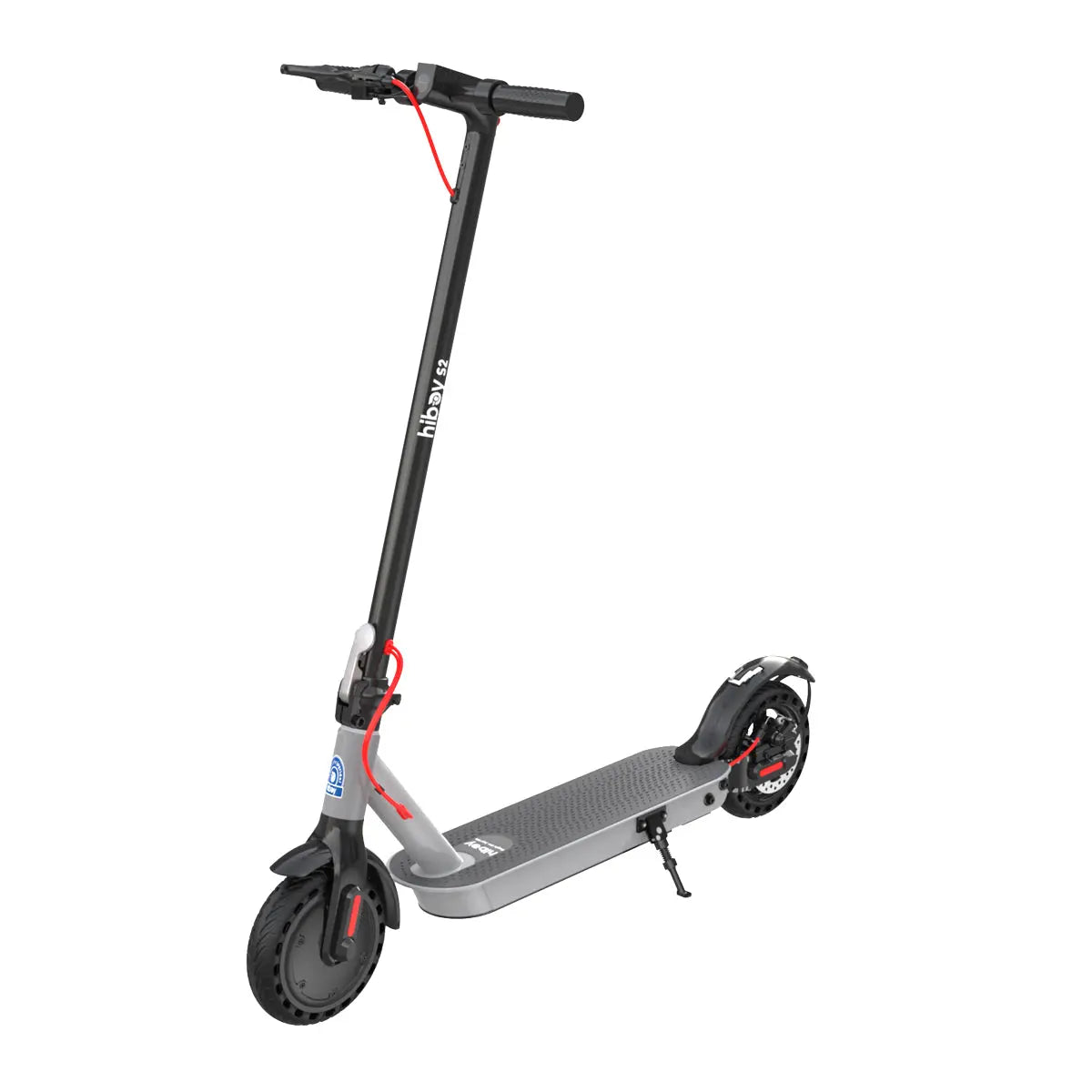 S2
S2
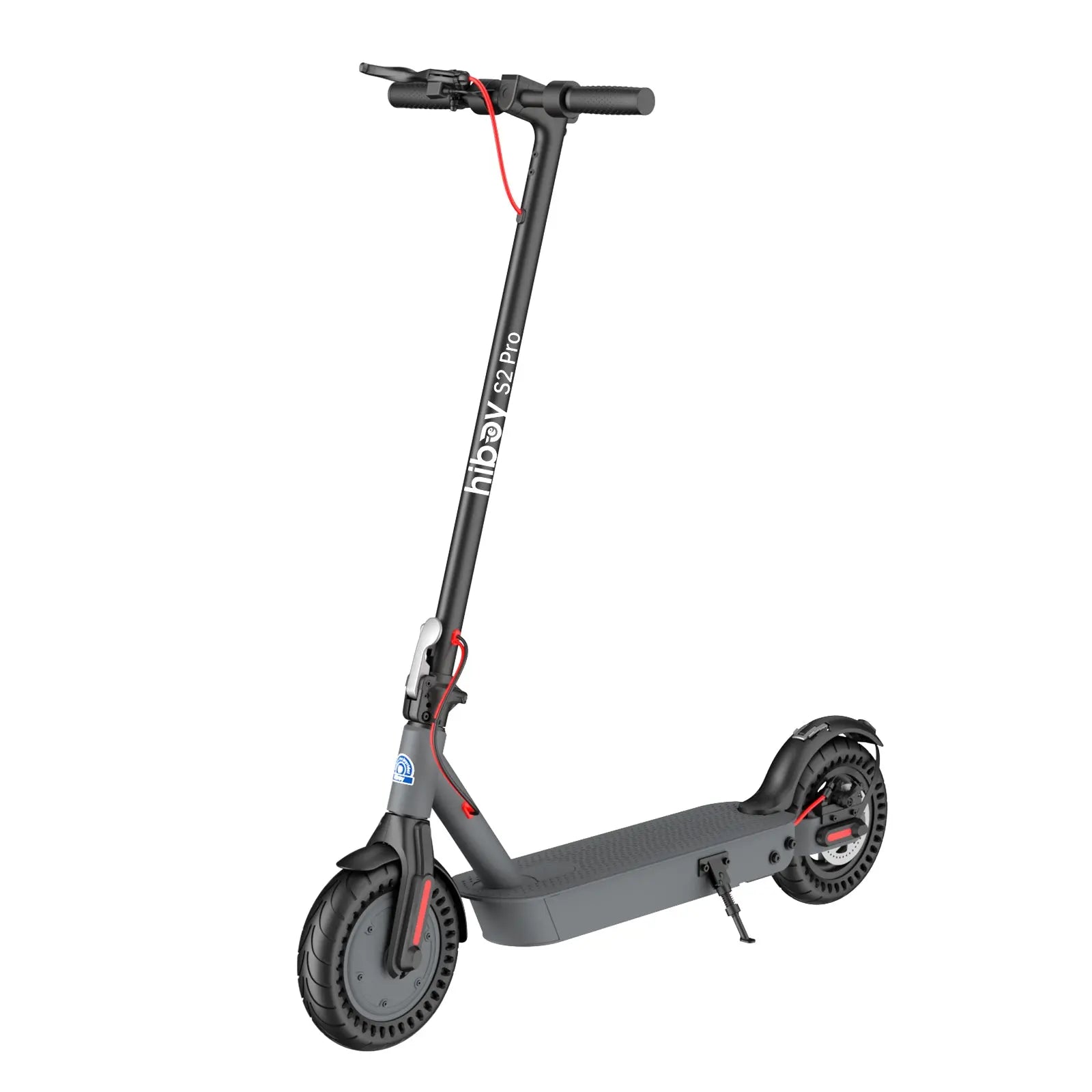 S2 Pro
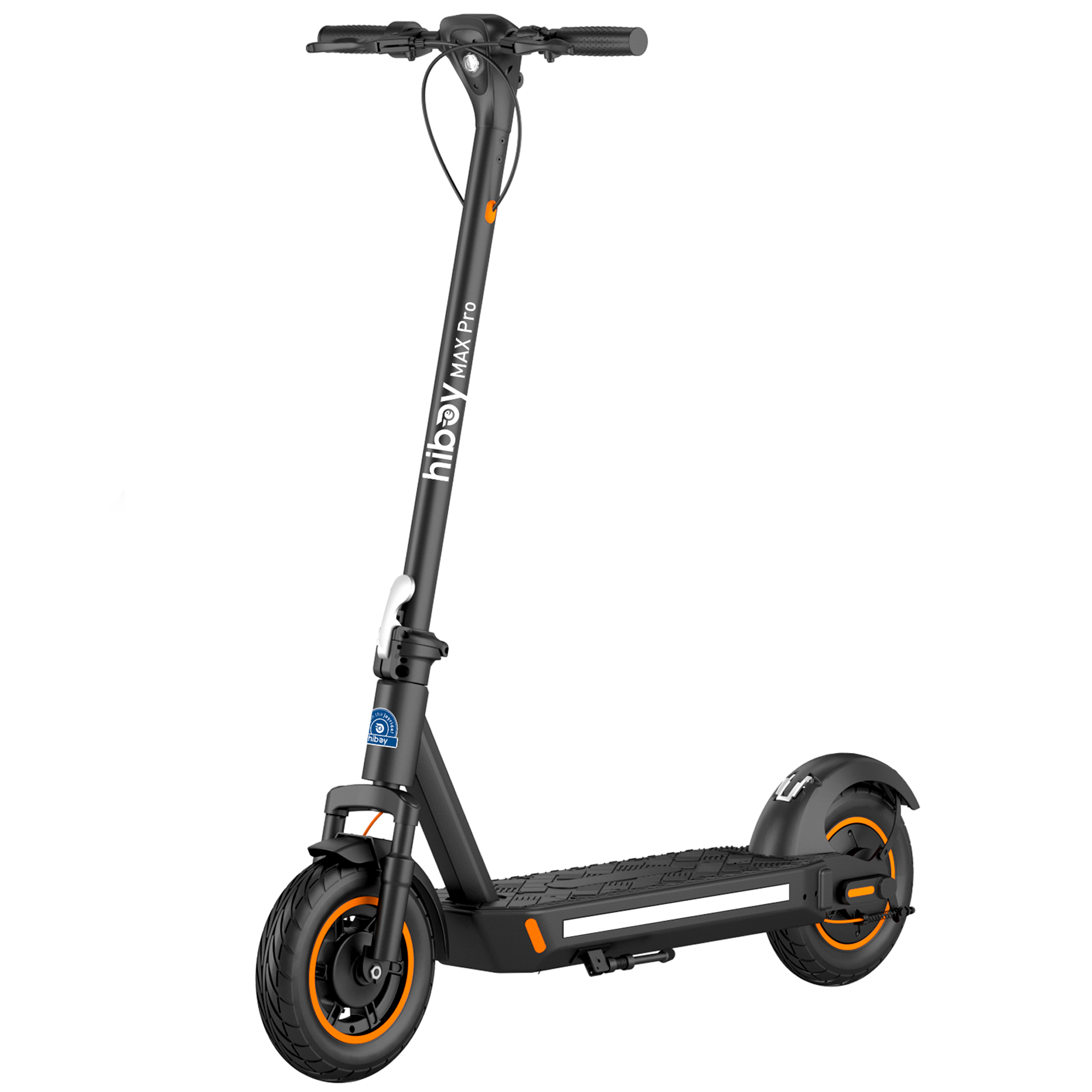 MAX Pro
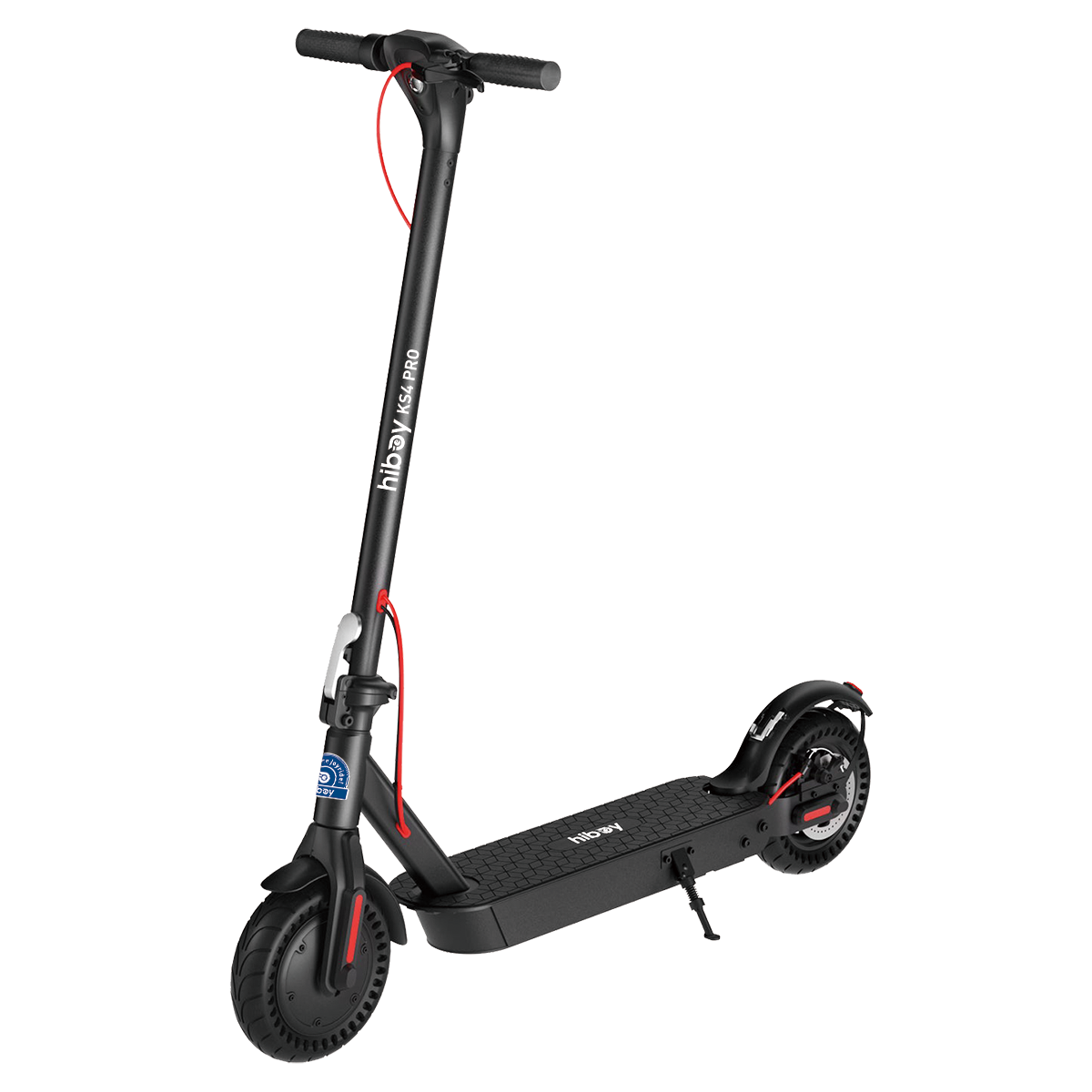 KS4 Pro
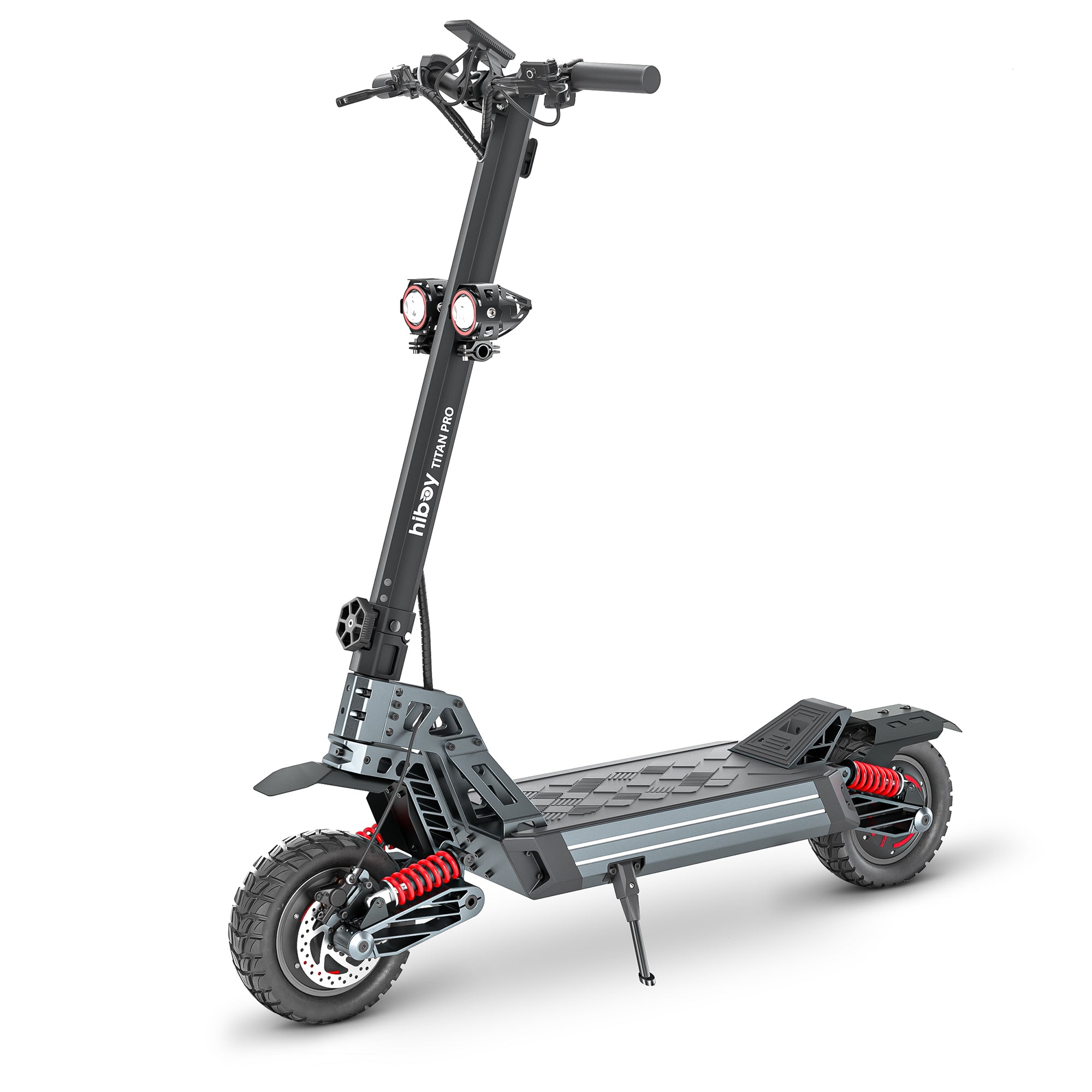 TITAN PRO
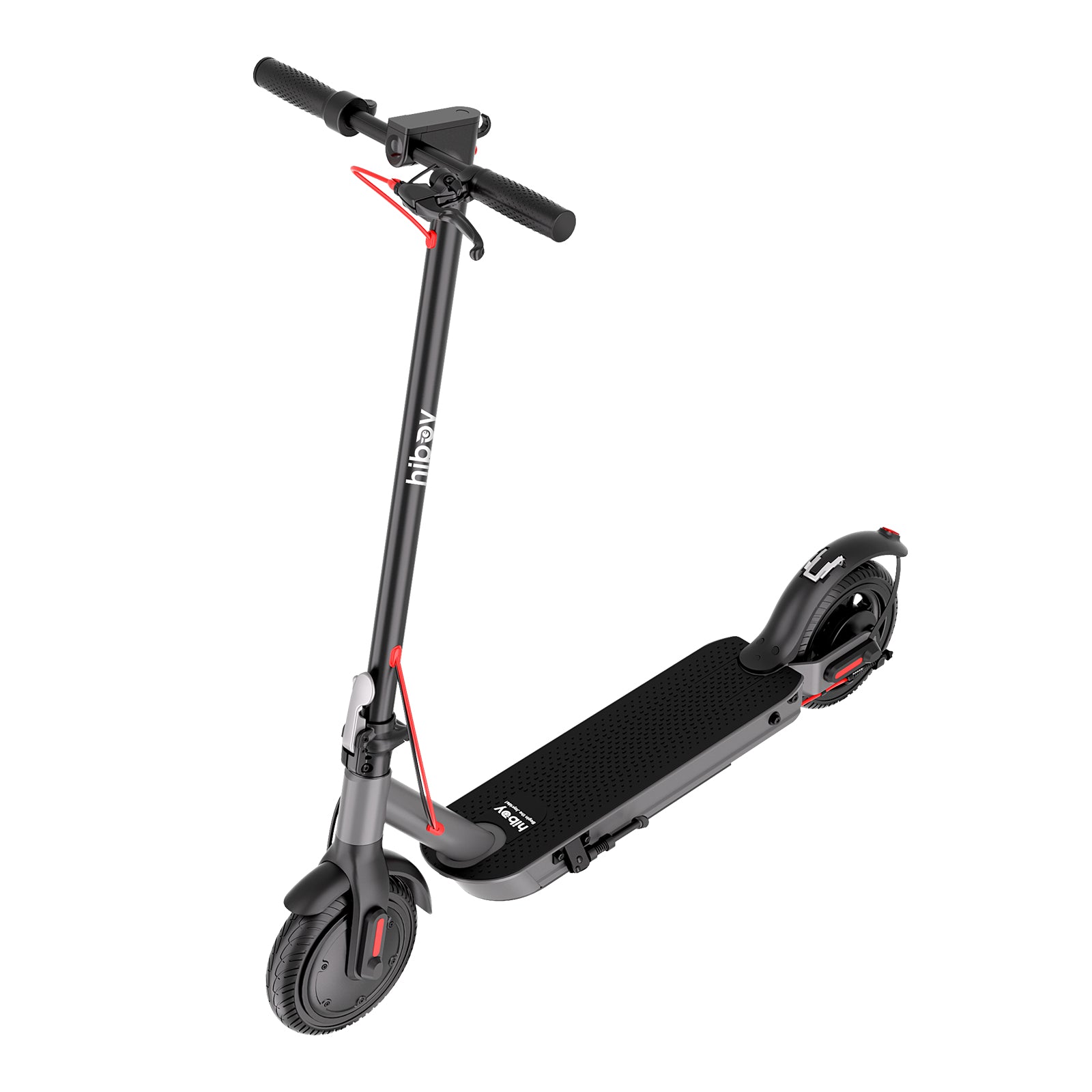 S2 Nova
 Compare Models
 Find Your Best Ride
 Daily Commute
 Off-road & Trail
 Folding & Compact
 Fat Tire Rides
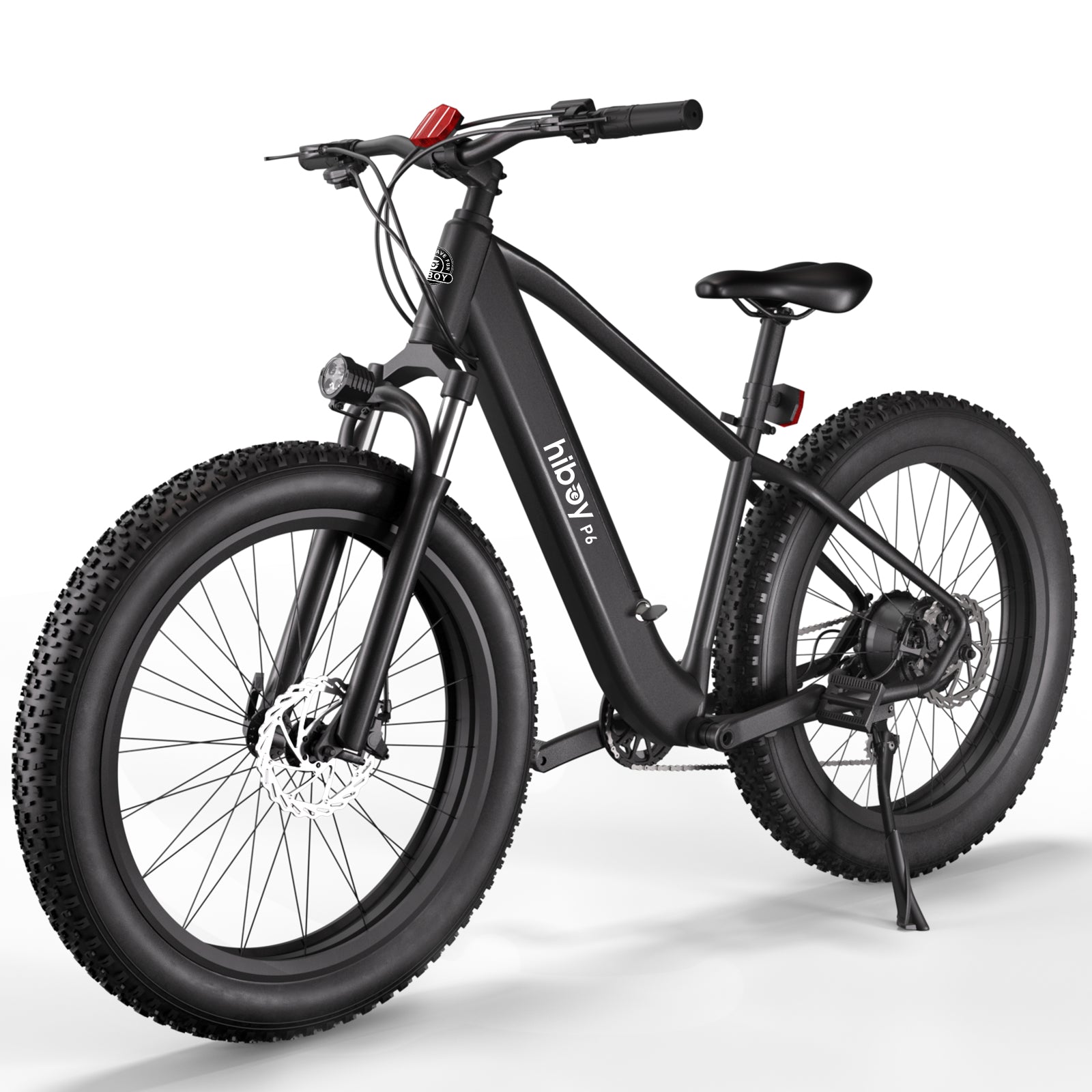 P6
P6
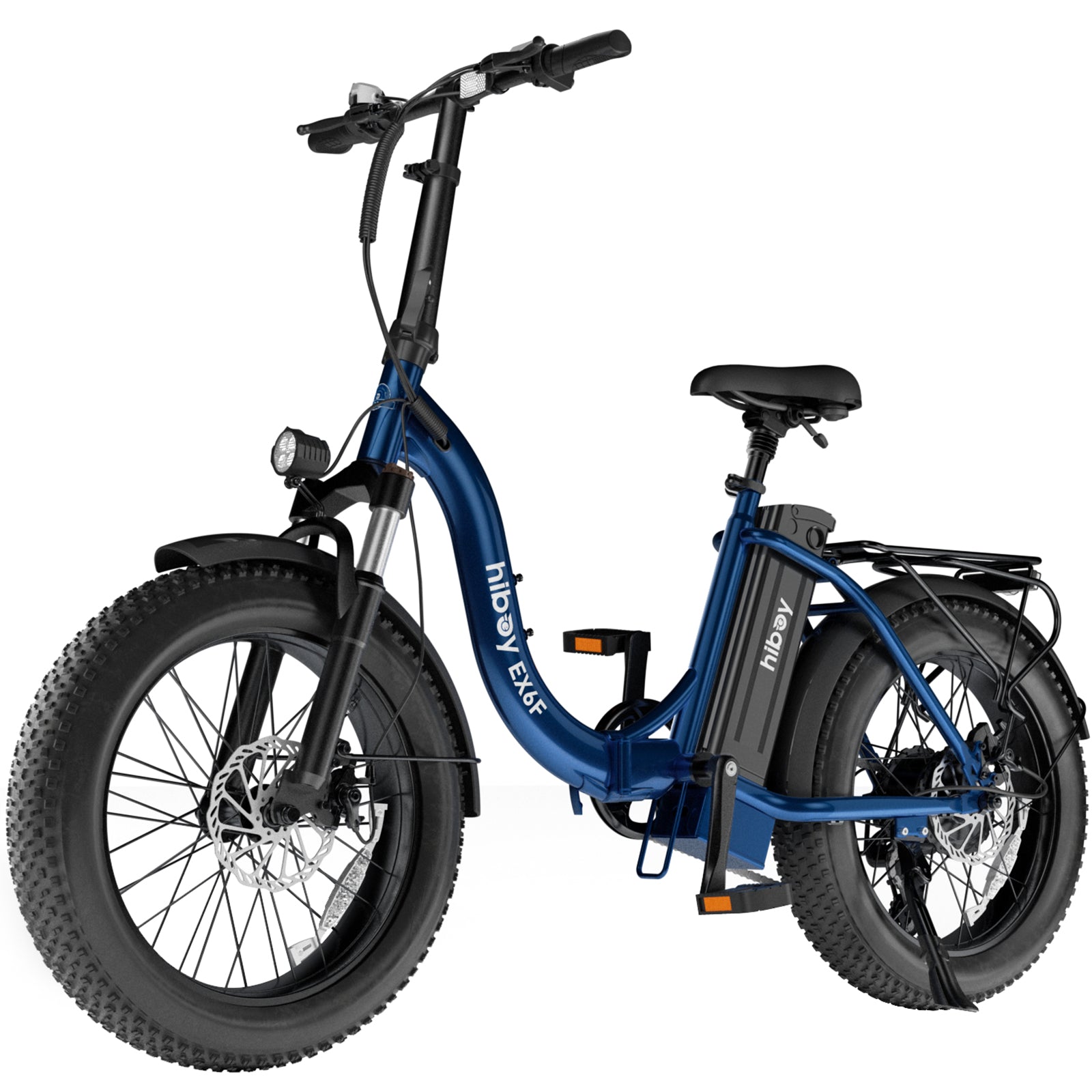 EX6F
EX6F
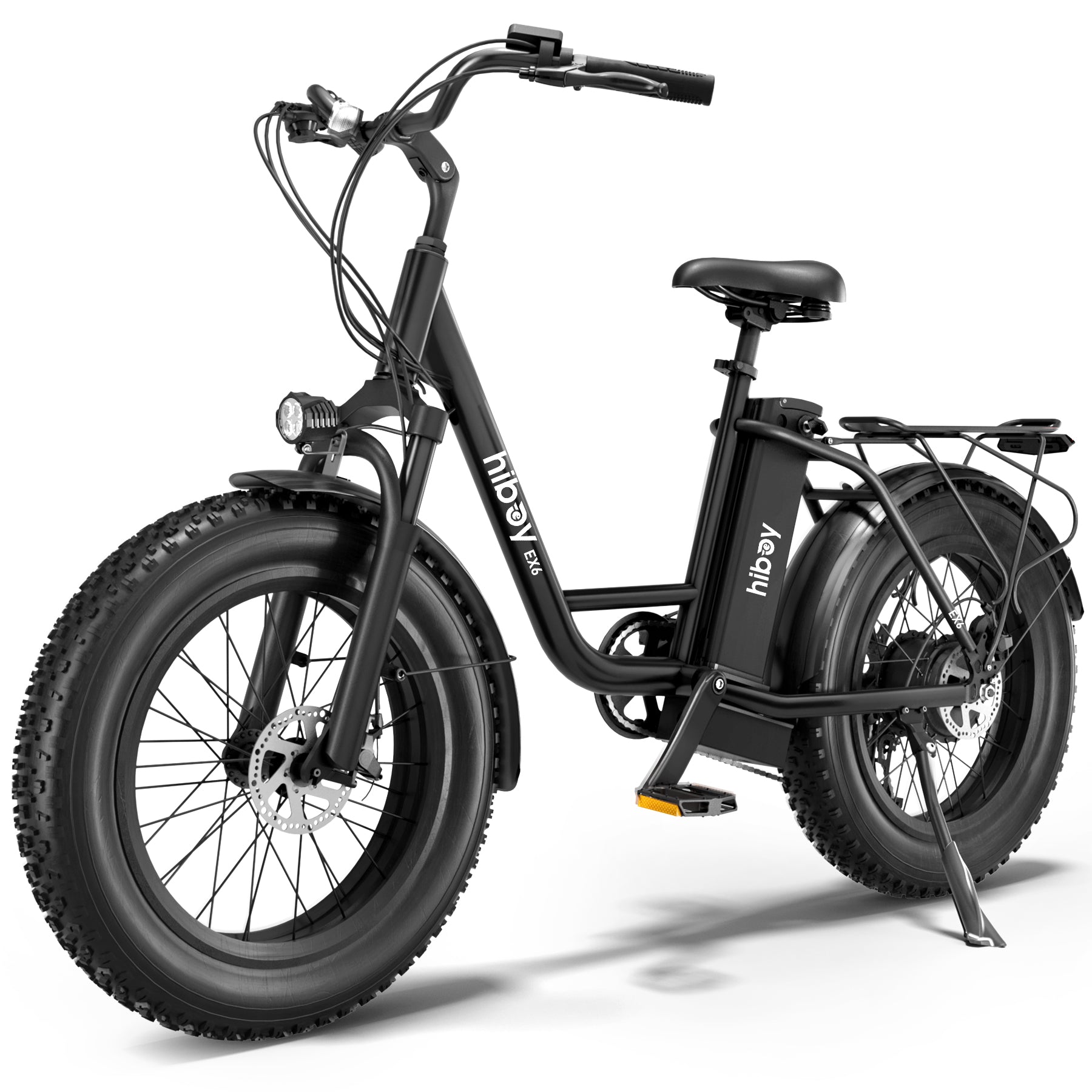 EX6
EX6
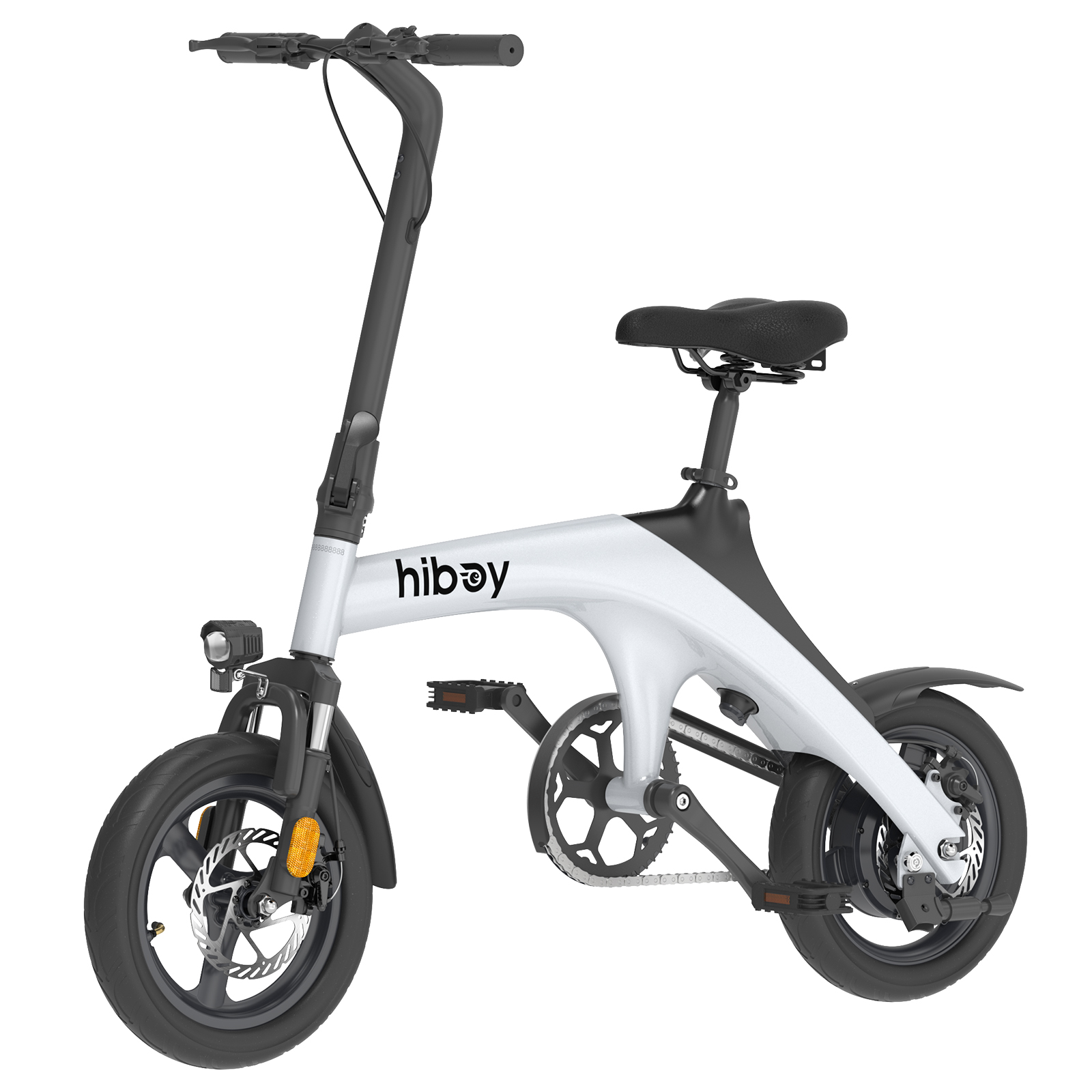 C1
C1
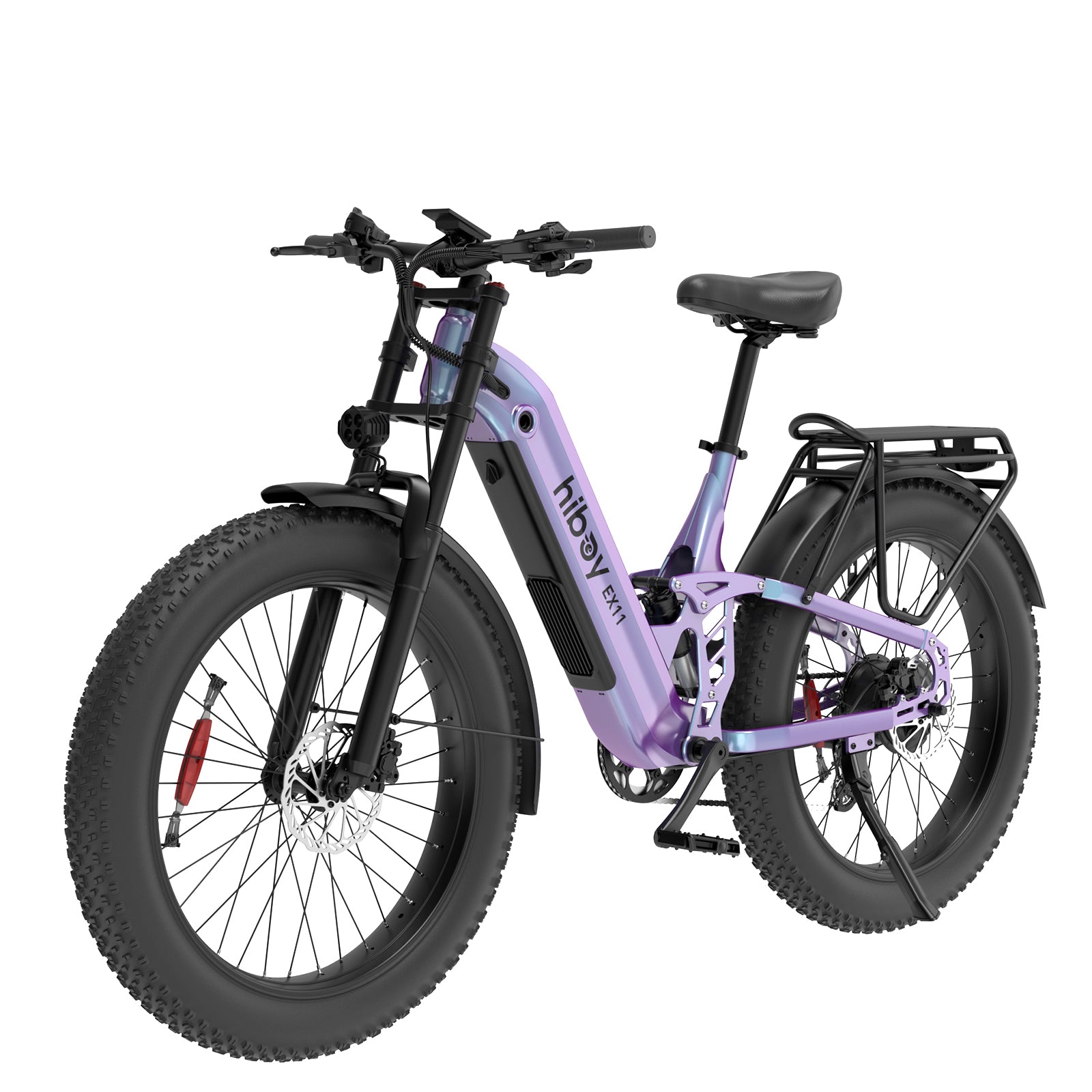 EX11
EX11
 EX9
EX9
 Compare Models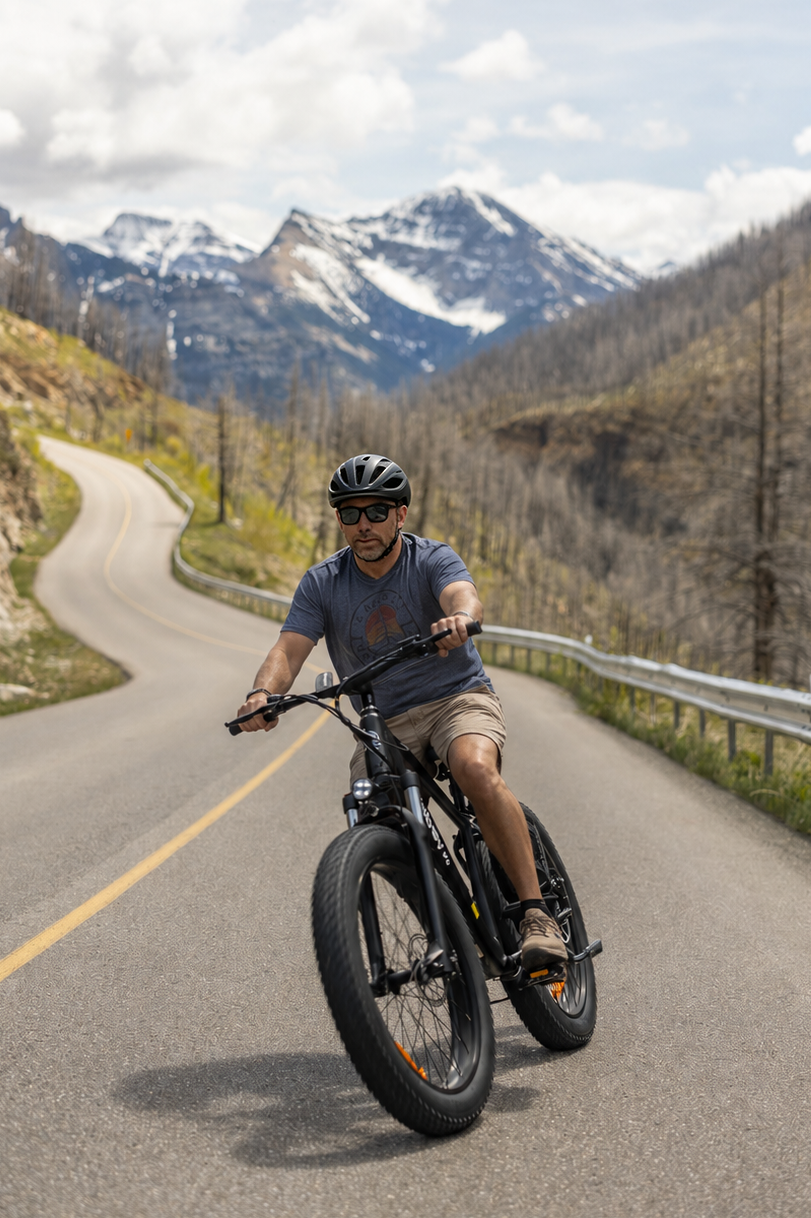
 First Rides
 Everyday Fun
 S2 Lite
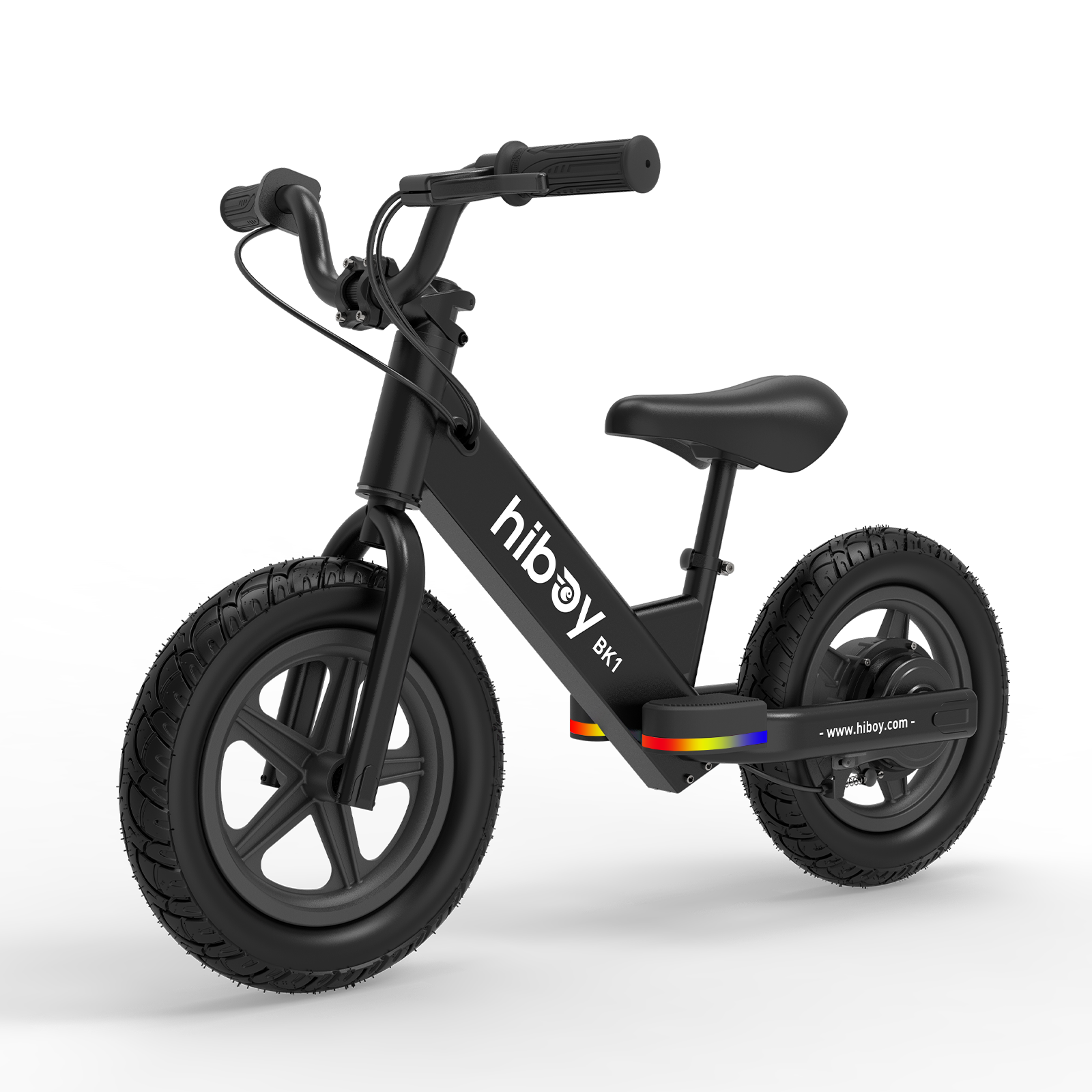 BK1
BK1
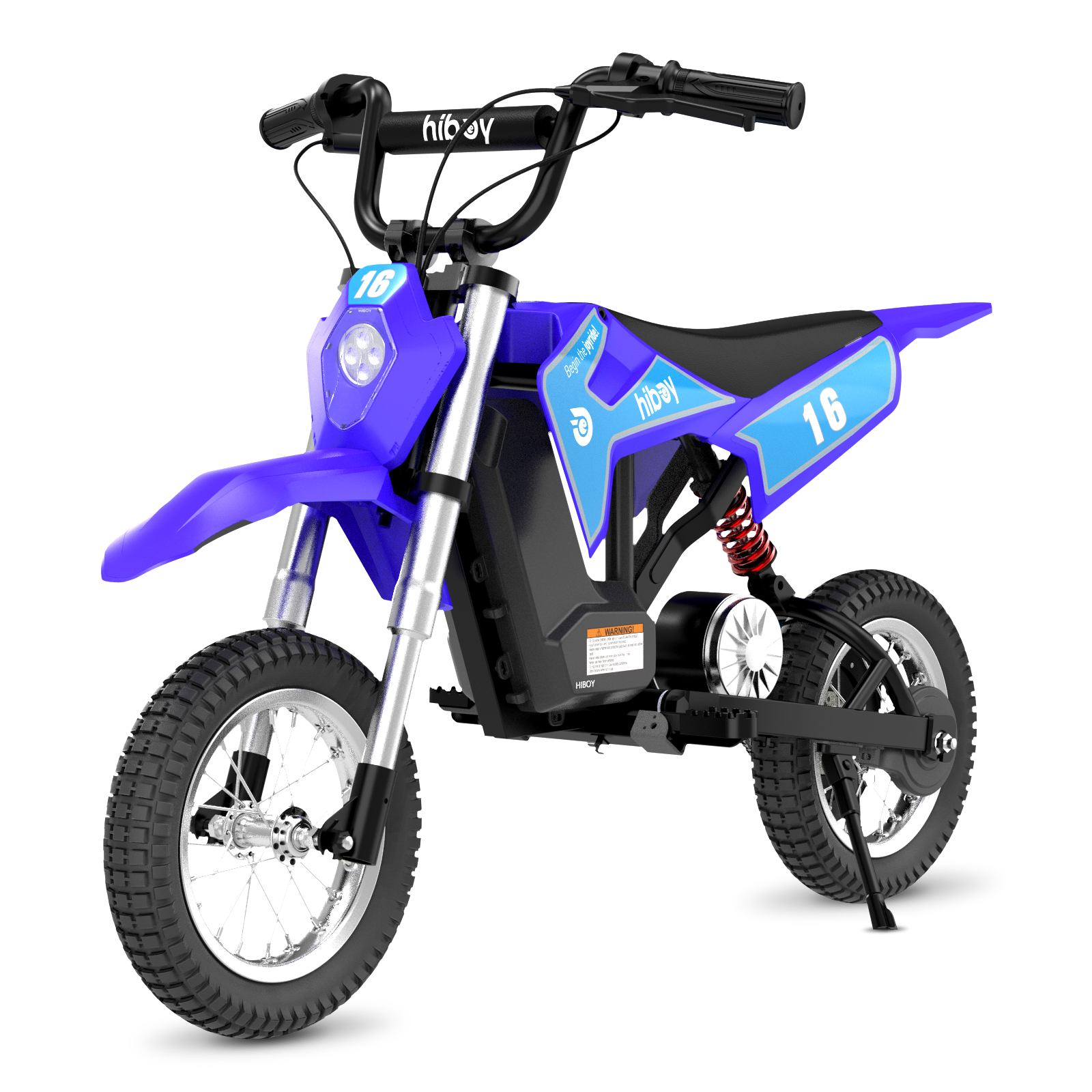 DK1
DK1
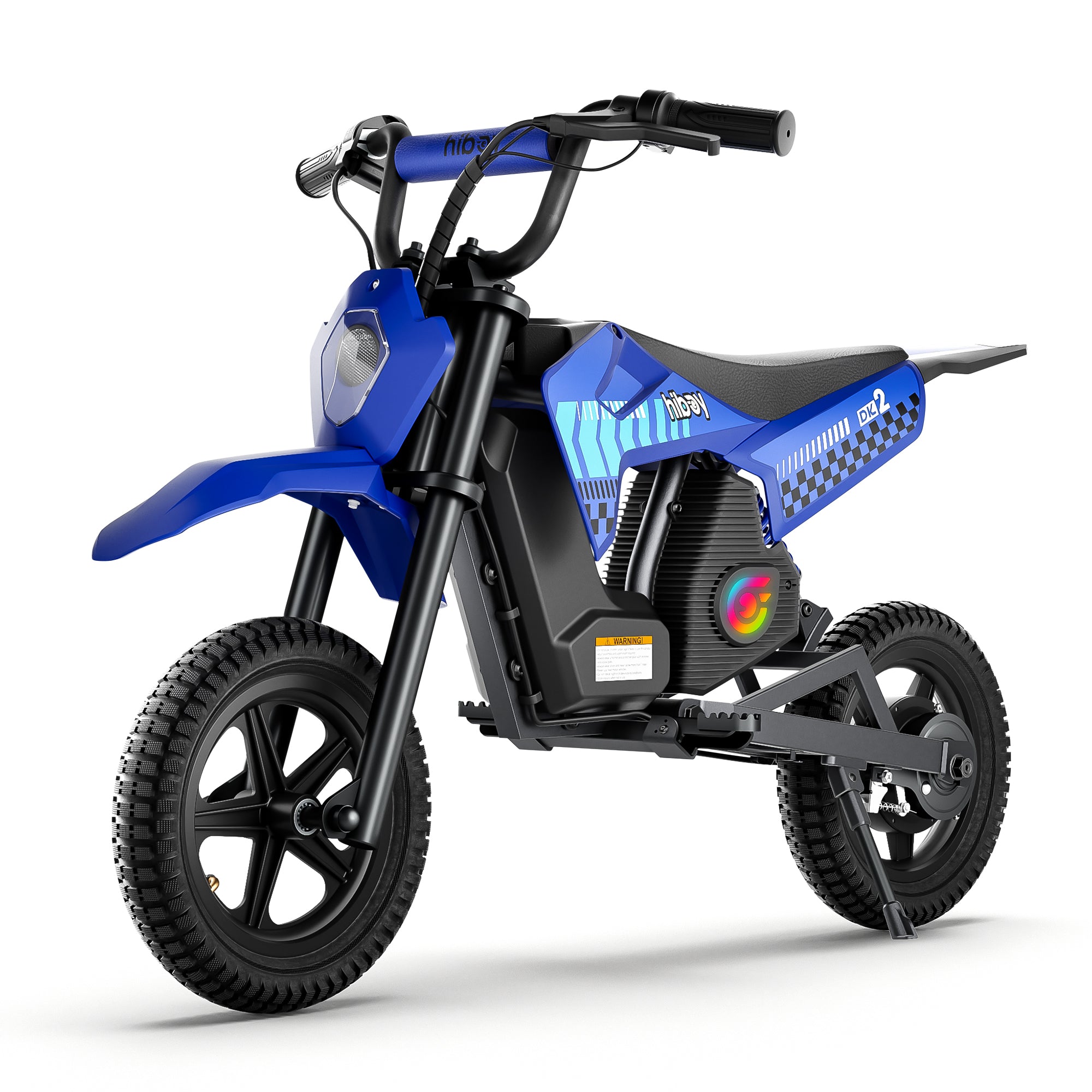 DK2
DK2
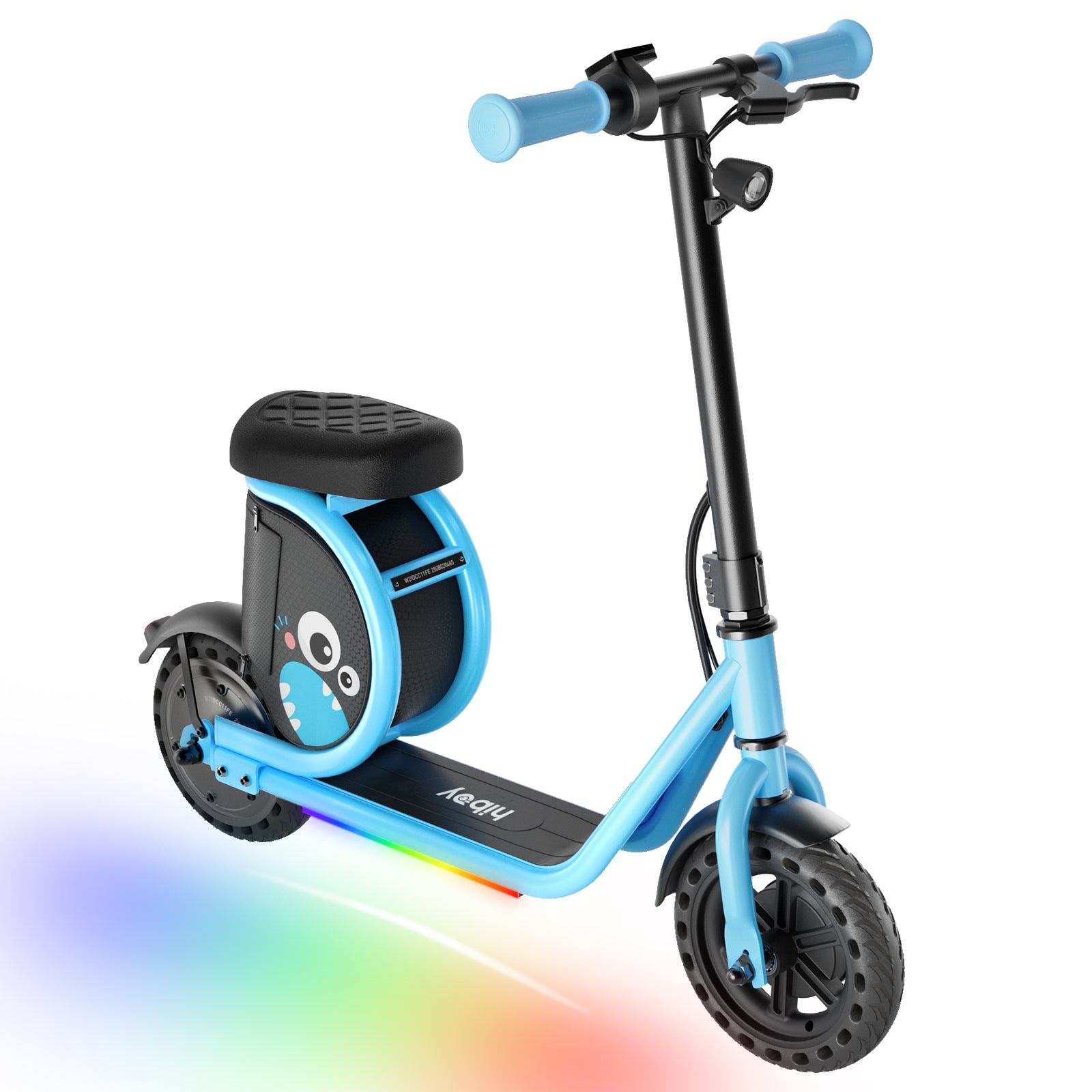 Joy Haul
 Q2 Lite
 Compare Models
Electric bikes have evolved from niche commuter tools into one of the fastest-growing transportation trends in the United States. But as popularity rises, so does regulation, and one of the most important things every rider should understand is the e-bike classification system.
In the U.S., most states follow a three-class e-bike system (Class 1, Class 2, and Class 3) that determines:
- How fast your e-bike can go
- Whether it has a throttle
- Where you are legally allowed to ride
This 2026 guide breaks down everything you need to know so you can choose the right e-bike, and ride legally and confidently.
What Is an E-Bike Class System?
The U.S. e-bike classification system is designed to standardize regulations across states and local jurisdictions. It helps cities and trail authorities determine where different types of electric bikes are allowed.
In general, e-bike classes are defined by:
- Maximum assisted speed
- Motor activation type (pedal assist vs throttle)
- Trail and roadway access rules
Most states, including California, follow this three-class model, which has remained the foundation of U.S. e-bike regulation through 2026.

Class 1 E-Bikes: The Most Versatile Option
Definition
A Class 1 e-bike is a pedal-assist-only bike:
- Motor activates only when you pedal
- No throttle
- Maximum assisted speed: 20 mph (32 km/h)
Key Features
- Feels most like a traditional bicycle
- Smooth and natural riding experience
- No throttle control
Where You Can Ride
Class 1 e-bikes are the most widely accepted:
- Bike lanes
- Multi-use paths
- Most bike-friendly trails
- Urban streets
Because they require pedaling and have a lower speed cap, they are generally treated like traditional bicycles in most jurisdictions.
Best For
- First-time e-bike riders
- Fitness-focused users
- Trail and recreational cycling

Class 2 E-Bikes: Throttle-Powered Convenience
Definition
A Class 2 e-bike includes:
- Throttle (ride without pedaling)
- Pedal assist mode
- Maximum assisted speed: 20 mph (32 km/h)
Key Features
- Can ride using throttle alone
- Optional pedaling for exercise or range
- Same speed limit as Class 1
Where You Can Ride
Rules vary by state, but generally:
- Allowed on roads and bike lanes
- Often allowed on some shared paths
- Some trails may restrict throttle use
Best For
- Commuters who want effortless starts
- Riders who want flexibility (pedal + throttle)
- Urban transportation users

Class 3 E-Bikes: Fastest Legal Pedal Assist
Definition
A Class 3 e-bike is designed for higher-speed commuting:
- Pedal assist only (no throttle in most cases)
- Maximum assisted speed: 28 mph (45 km/h)
- Often requires a built-in speedometer
Key Features
- Faster acceleration and cruising speed
- More powerful commuting capability
- Usually restricted to paved roads
Where You Can Ride
Class 3 e-bikes typically have more restrictions:
- Allowed on roads and bike lanes
- Often prohibited on multi-use trails
- Limited access to bike paths in many states
Some states also require:
- Minimum rider age (commonly 16+)
- Helmet use (especially for minors or all riders in certain states)
Best For
- Long-distance commuters
- Urban riders covering larger distances
- Experienced cyclists who want higher speeds

Side-by-Side Comparison
| Feature | Class 1 | Class 2 | Class 3 |
| Max Speed | 20 mph | 20 mph | 28 mph |
| Throttle | ❌ No | ✅ Yes | ❌ Usually no |
| Pedal Assist | ✅ Yes | ✅ Yes | ✅ Yes |
| Trail Access | Widest | Moderate | Restricted |
| Best Use | Recreation + fitness | Urban flexibility | Fast commuting |
Key 2026 E-Bike Law Updates You Should Know
While the three-class system remains consistent across most of the U.S., updates through 2025–2026, especially in states like California, have tightened enforcement and clarified safety expectations:
750W Motor Limit Still Applies
The federal standard of a maximum 750-watt motor continues to define what qualifies as a low-speed e-bike. Exceeding this threshold may reclassify a bike as a motor vehicle, triggering registration and licensing requirements.
Stricter Speed Enforcement on Shared Paths
Cities are increasingly enforcing speed limits on bike paths and multi-use trails, particularly for Class 2 and Class 3 e-bikes. Even compliant bikes can face penalties if ridden unsafely in shared spaces.
Greater Focus on Battery Safety (UL Certification)
Regulators and retailers are placing more emphasis on UL-certified batteries and electrical systems to reduce fire risks and improve overall safety standards.

Penalties for Illegal Modifications
Modifying an e-bike to exceed its class limits, such as unlocking higher speeds, can result in fines, liability issues, or reclassification under motor vehicle laws.
Clear Legal Distinction from Motor Vehicles
E-bikes that meet class definitions remain legally treated as bicycles, allowing access to bike infrastructure without registration, insurance, or a driver’s license in most states.
Together, these updates reflect a broader trend: keeping e-bikes accessible while improving safety, accountability, and trail sharing.
Emerging Legislation to Watch in 2026
Beyond enforcement updates, some states are actively reshaping how e-bikes and new electric devices are regulated. A notable example is Hawaii, where a comprehensive bill is currently under consideration.
If passed, the proposal would modernize outdated laws and introduce clearer, statewide rules for both e-bikes and emerging micro-mobility devices.
What the Proposed Law Would Do
Reinforce the Three-Class System
Hawaiʻi’s bill formally adopts the same structure used nationwide:
- Class 1: Pedal assist only, up to 20 mph
- Class 2: Throttle-assisted, up to 20 mph
- Class 3: Pedal assist up to 28 mph (with required speedometer)
Define “Electric Micro-Mobility Devices”
New categories would cover devices like electric skateboards and one-wheels, reducing legal gray areas as new technologies emerge.
Restrict High-Speed Devices
Devices exceeding 28 mph or 750W would be classified as “high-speed electric devices” and generally prohibited from public roads and bike paths.

Introduce Sidewalk Speed Limits
E-bikes could be allowed on sidewalks, but only at 10 mph or less, with riders required to yield to pedestrians. Local counties could still impose stricter rules.
Expand Helmet and Safety Requirements
The minimum helmet age would increase from 16 to 18, and unsafe riding behaviors, such as stunts, would be explicitly prohibited.
Add Registration and Labeling Rules
All e-bikes would require:
- A one-time state registration fee
- Manufacturer labels indicating class, top speed, and motor power
Strengthen Enforcement Authority
Law enforcement would gain clearer authority to confiscate illegal or non-compliant devices, while retailers would be required to inform customers about legal usage.
Why This Matters
Although the bill has not yet been enacted, it signals where e-bike regulation is heading:
👉 More structure, clearer definitions, and stronger enforcement across all device types
Hawaiʻi’s approach could influence other states looking to address:
- The rise of high-speed or modified e-bikes
- Conflicts between riders and pedestrians
- The rapid growth of new electric mobility devices

Which E-Bike Class Should You Choose?
Choosing the right class depends on how and where you ride:
Choose Class 1 if you want:
- The widest access to bike paths and trails
- A natural, pedal-powered riding experience
- A balance of fitness and recreation
Choose Class 2 if you want:
- Throttle convenience for effortless riding
- Easier starts in urban, stop-and-go traffic
- A more relaxed commuting experience
Choose Class 3 if you want:
- Higher speeds (up to 28 mph) for commuting
- Efficient travel over longer urban distances
- A faster alternative to driving in city environments
Important Legal Reminder (2026)
Even with widespread adoption of the three-class system, state and local regulations can vary. In some areas, proposed laws, like those in Hawaii, may soon introduce additional requirements.
Before riding, especially in a new location, always check for local rules regarding:
- Trail and path access
- Helmet requirements
- Minimum rider age
- Speed limits and enforcement zones
Staying informed ensures you can ride safely, legally, and confidently, wherever your e-bike takes you.
Final Thoughts
Understanding the difference between Class 1, Class 2, and Class 3 e-bikes is essential for choosing the right ride, not just for performance, but also for legal compliance and everyday usability.
At Hiboy, we design e-bikes that align with real-world riding needs, balancing speed, safety, and freedom of movement so riders can enjoy the road ahead with confidence.







Leave a comment
All comments are moderated before being published.
This site is protected by hCaptcha and the hCaptcha Privacy Policy and Terms of Service apply.