





 Daily Commute
 Lightweight & Portable
 Performance Rides
 Comfort With Seat
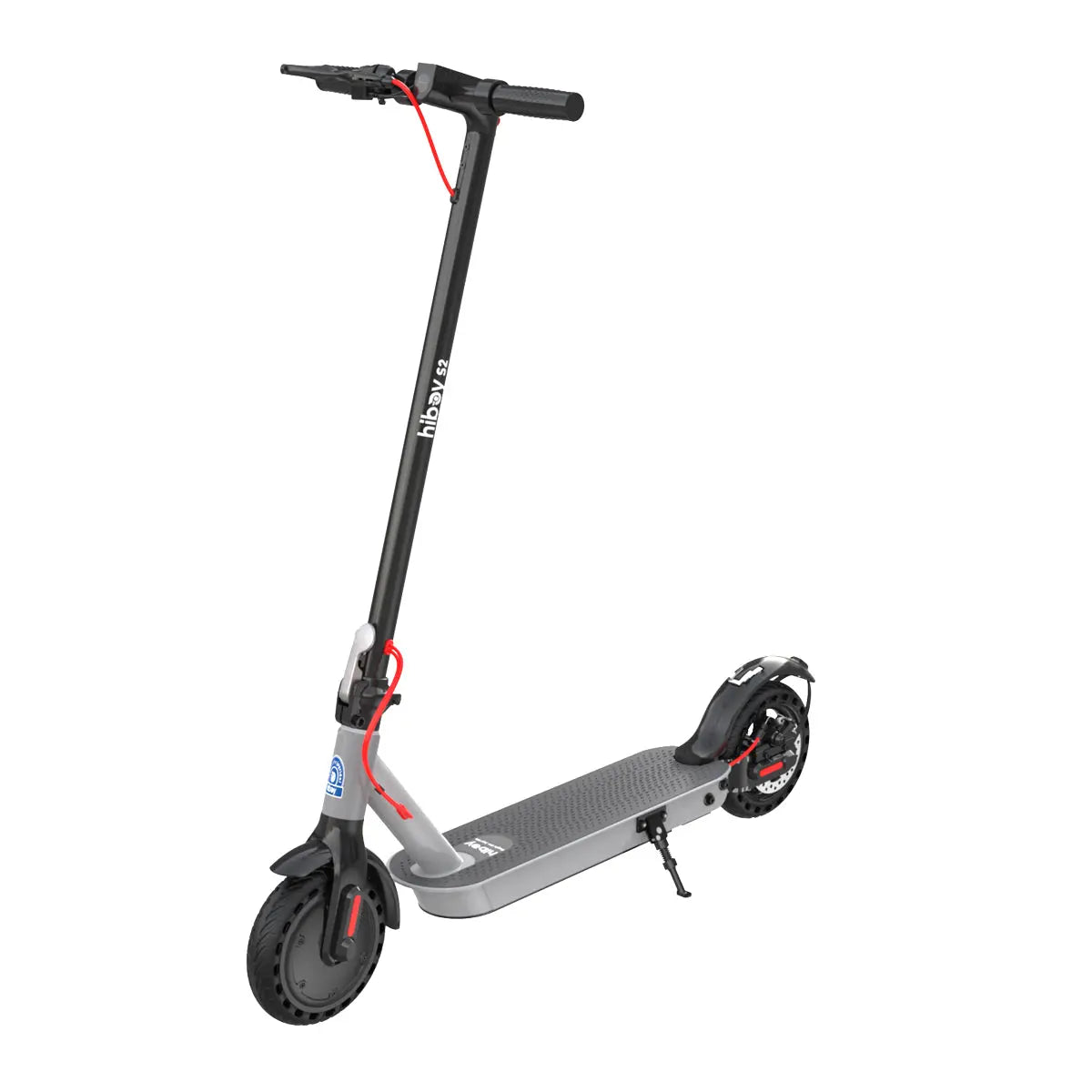 S2
S2
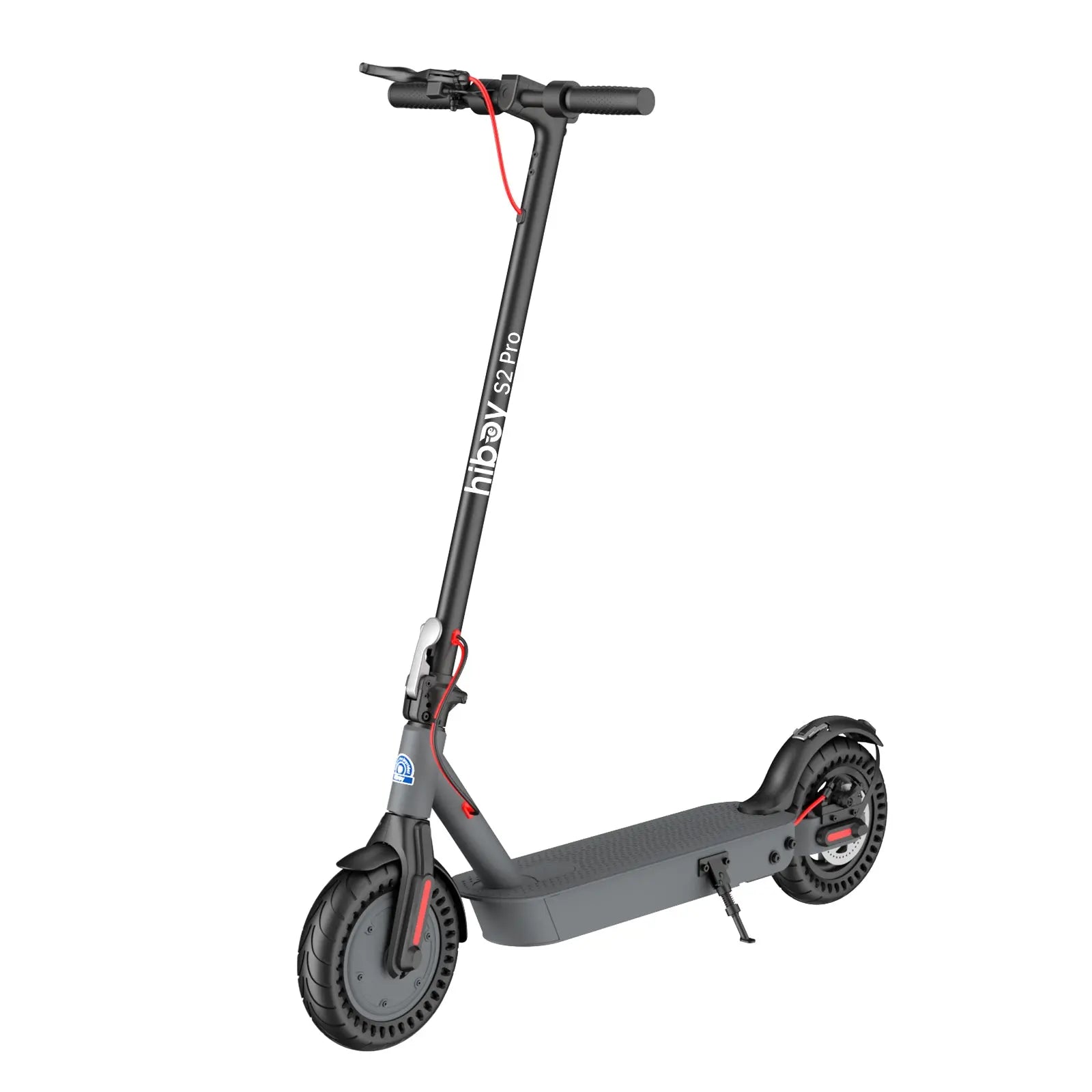 S2 Pro
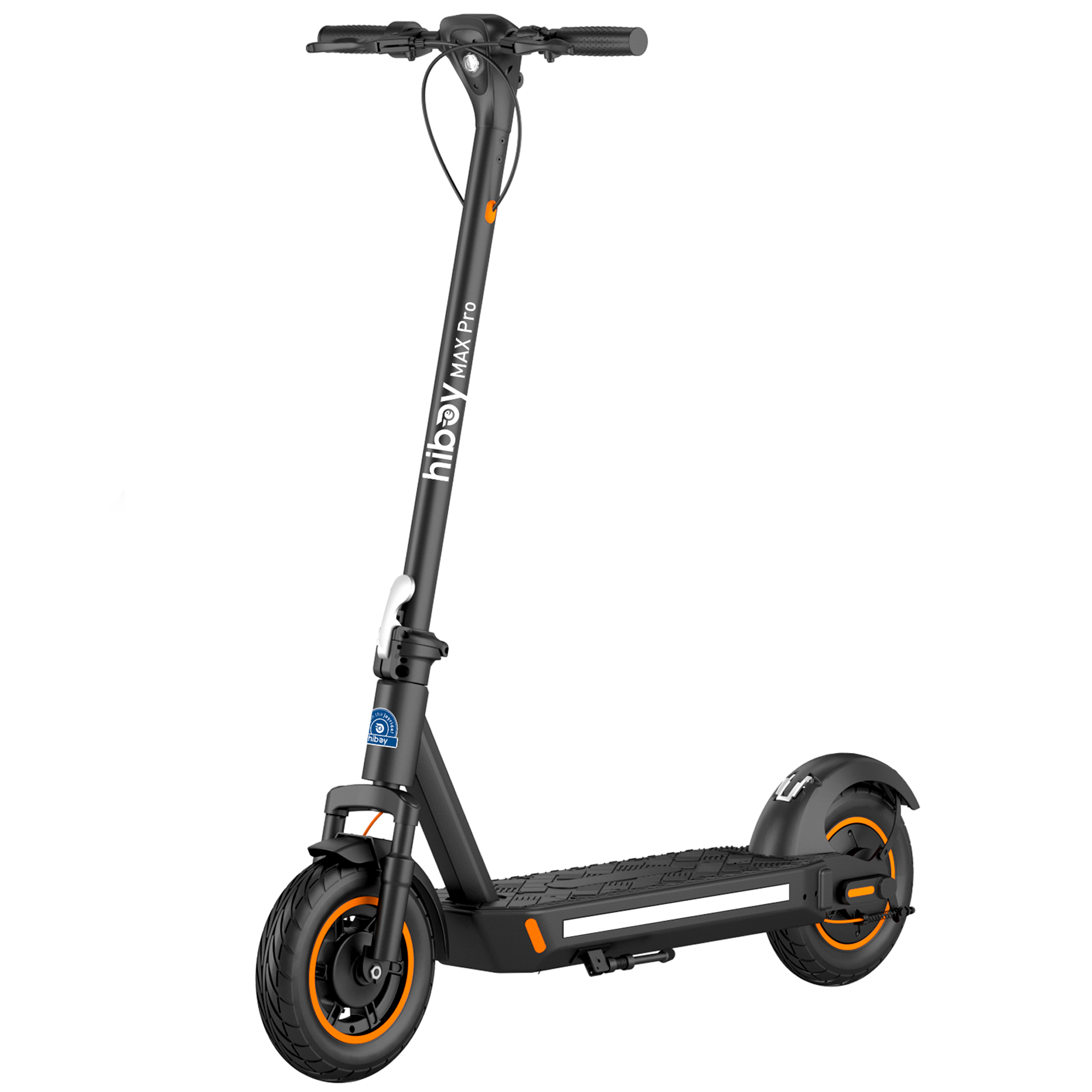 MAX Pro
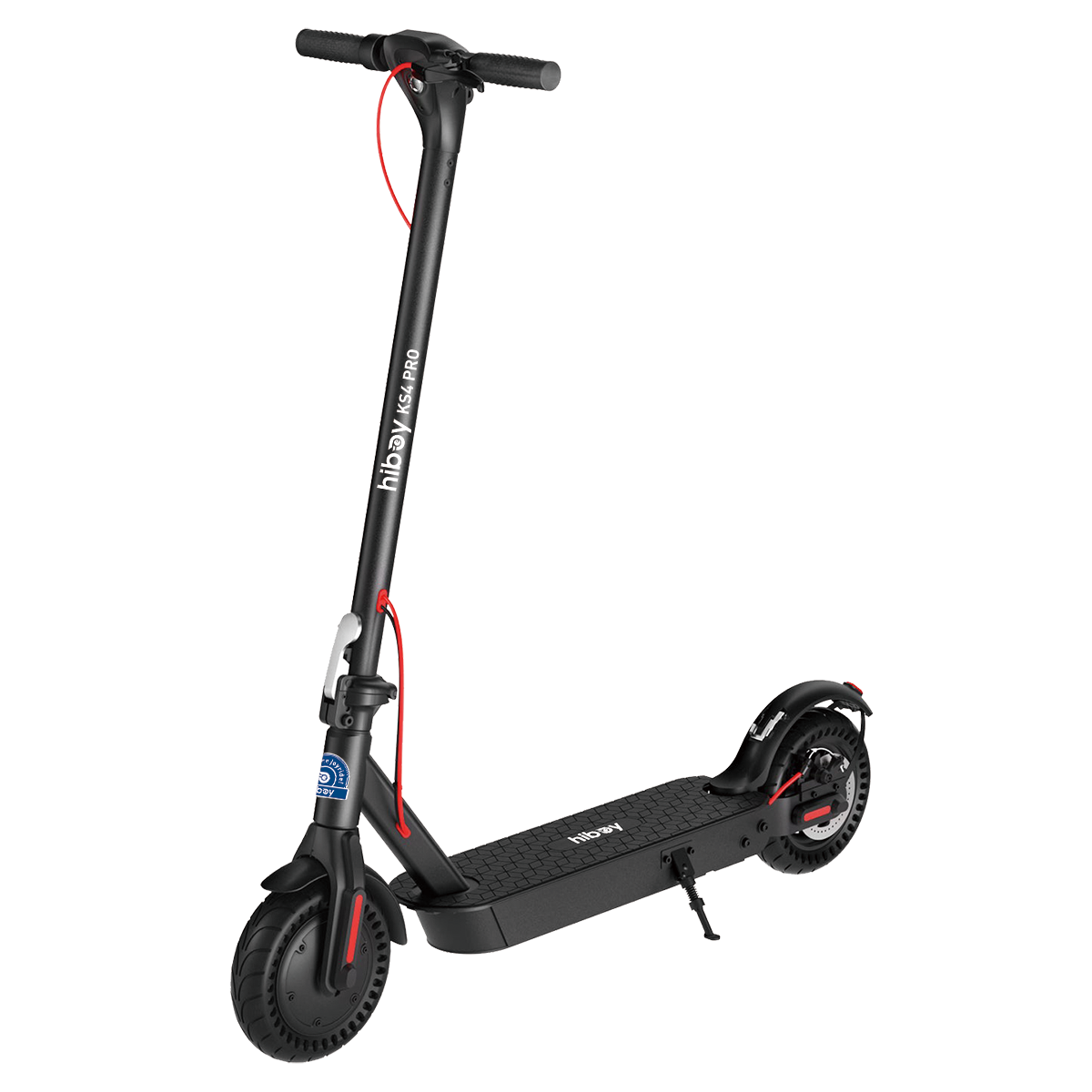 KS4 Pro
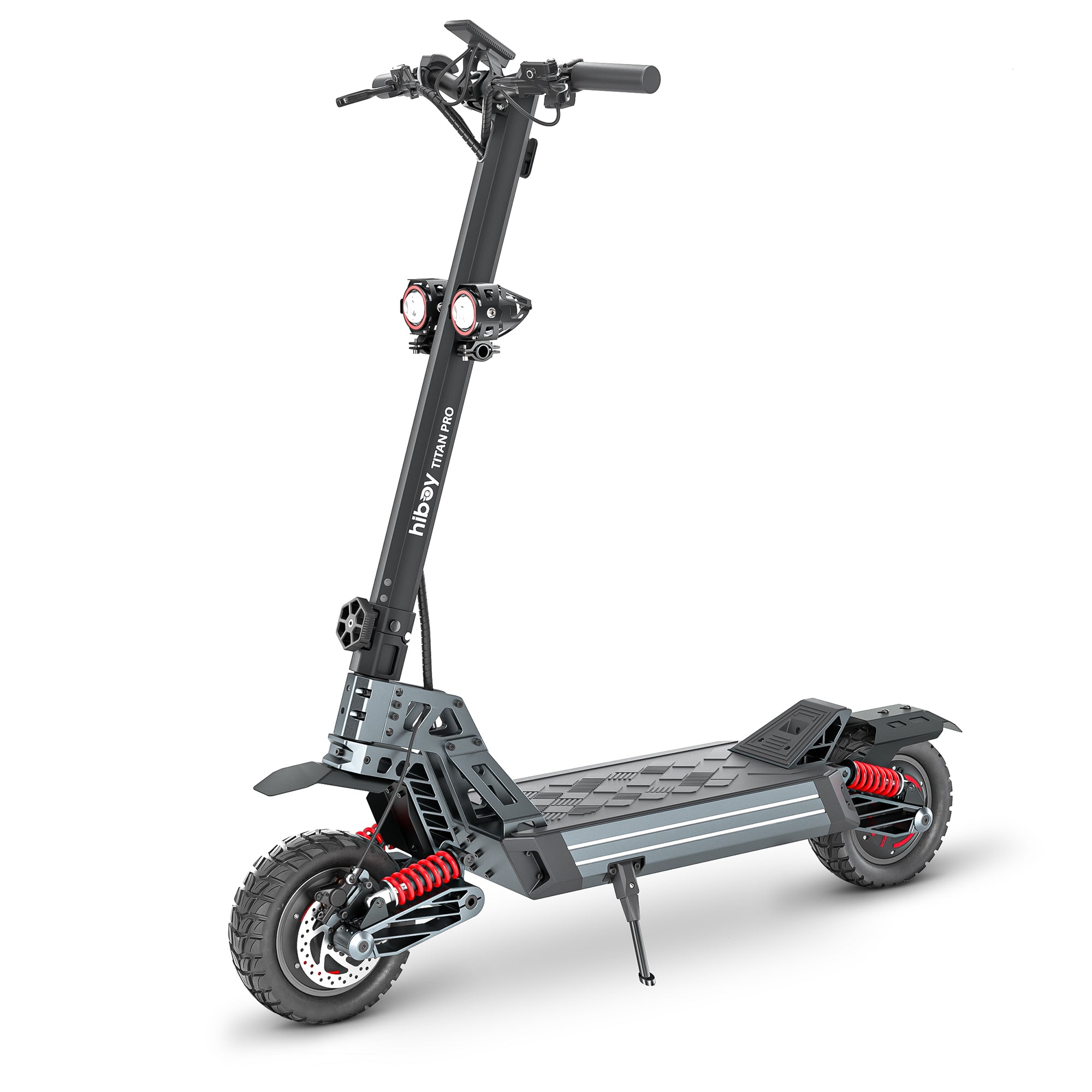 TITAN PRO
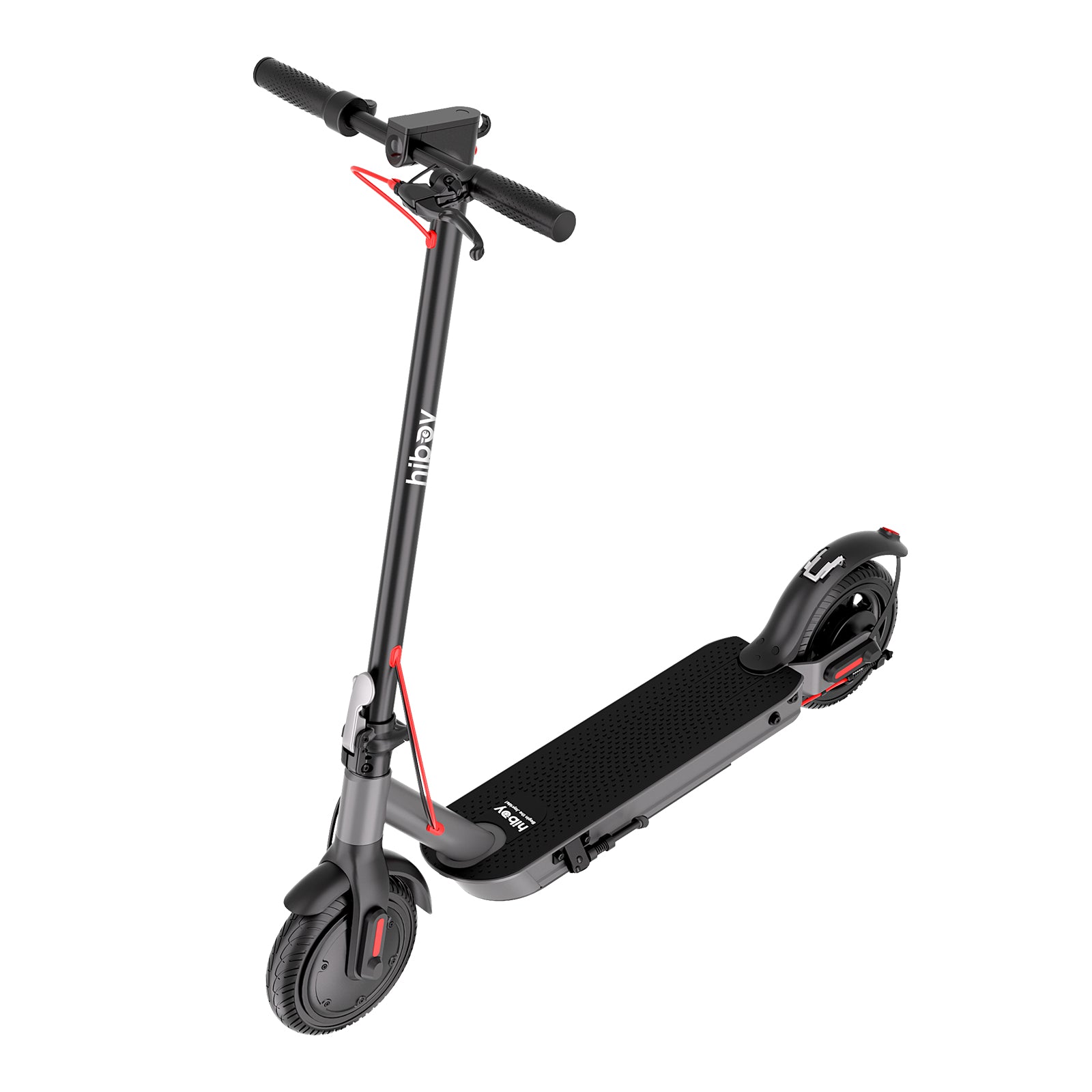 S2 Nova
 Compare Models
 Find Your Best Ride
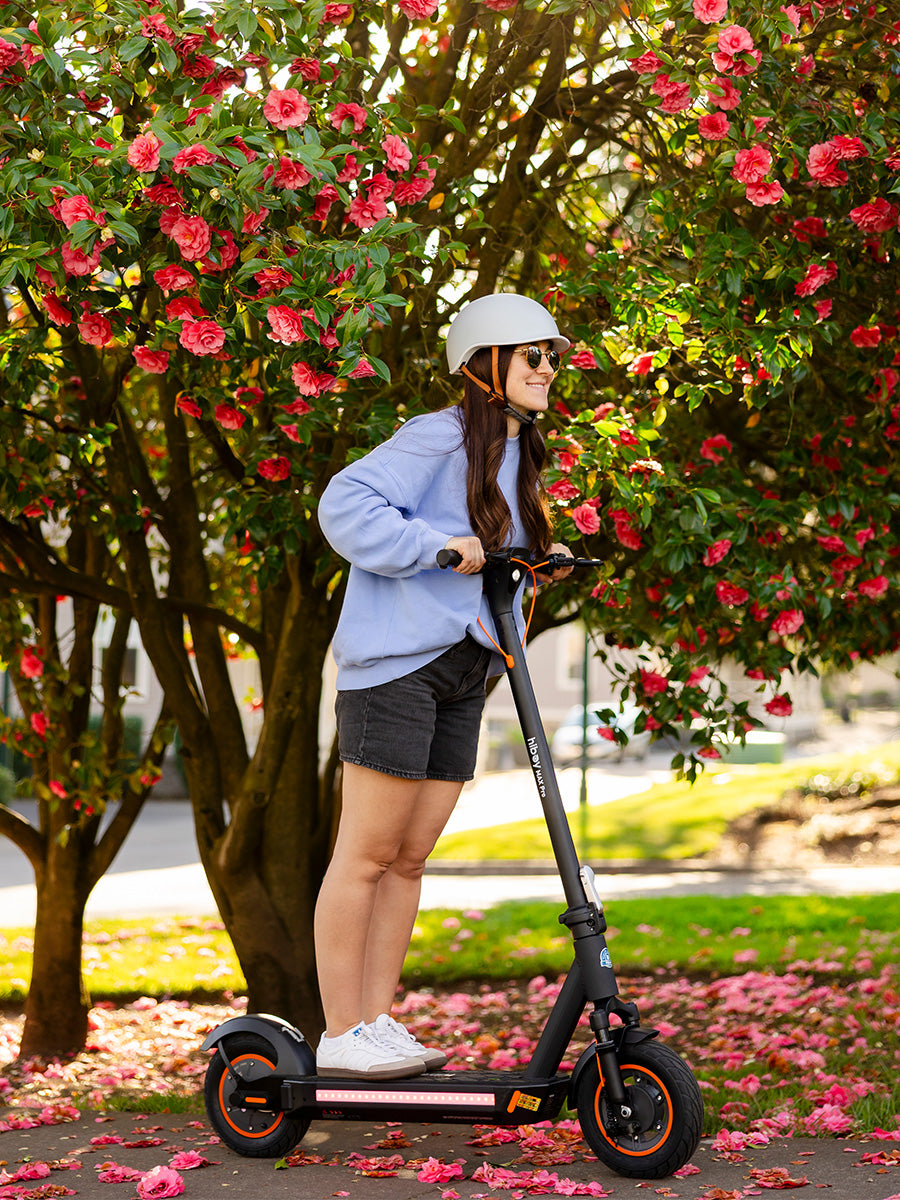
 Daily Commute
 Off-road & Trail
 Folding & Compact
 Fat Tire Rides
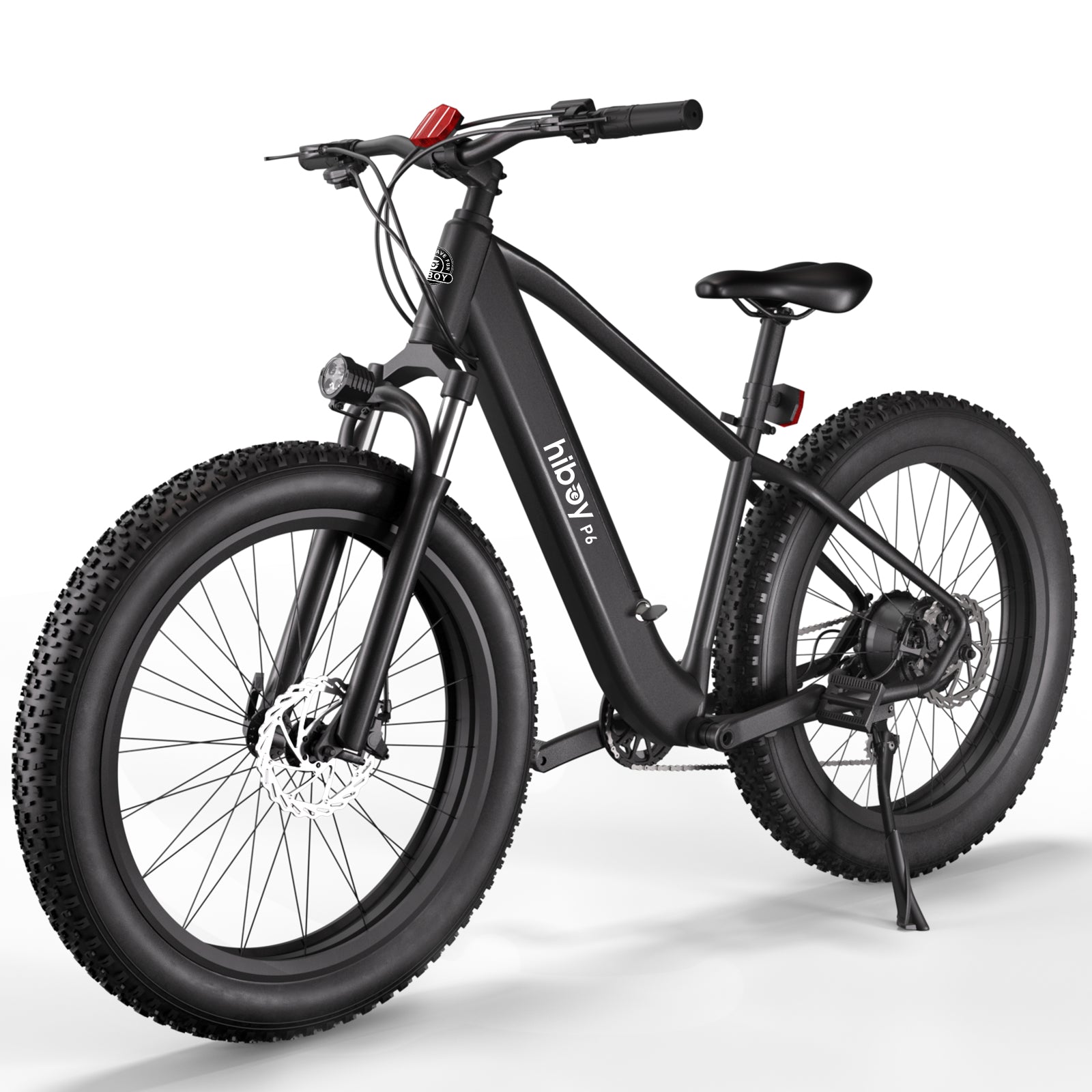 P6
P6
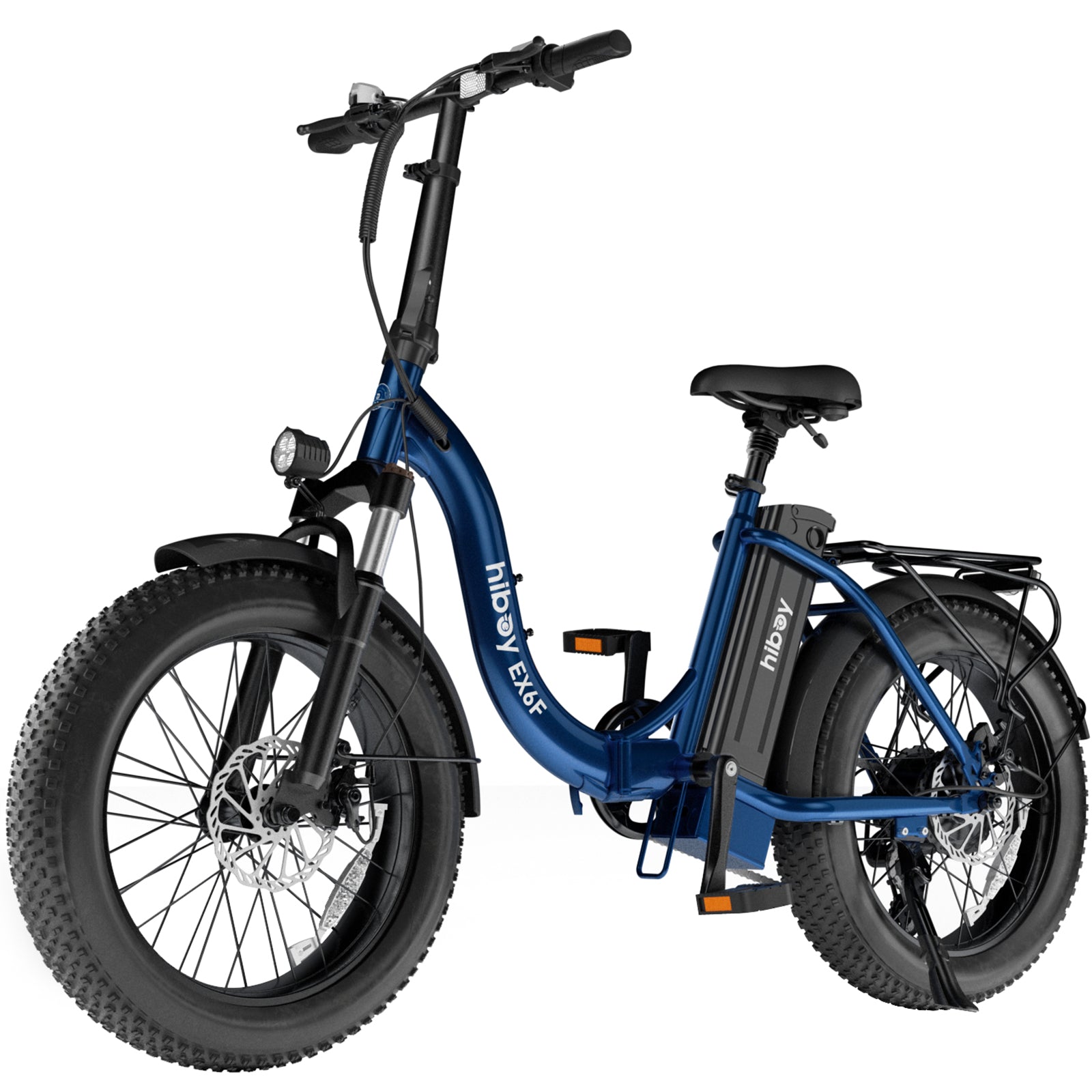 EX6F
EX6F
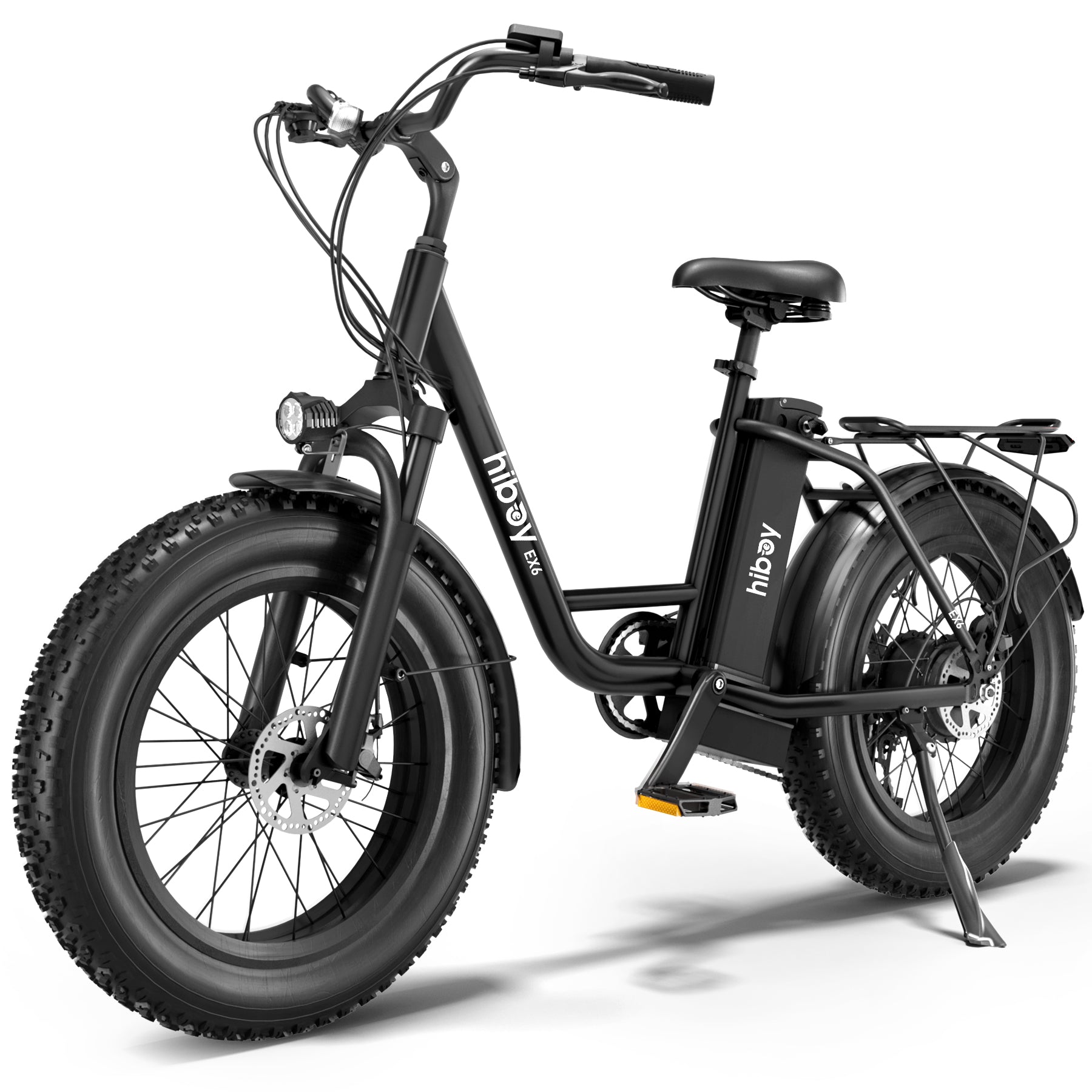 EX6
EX6
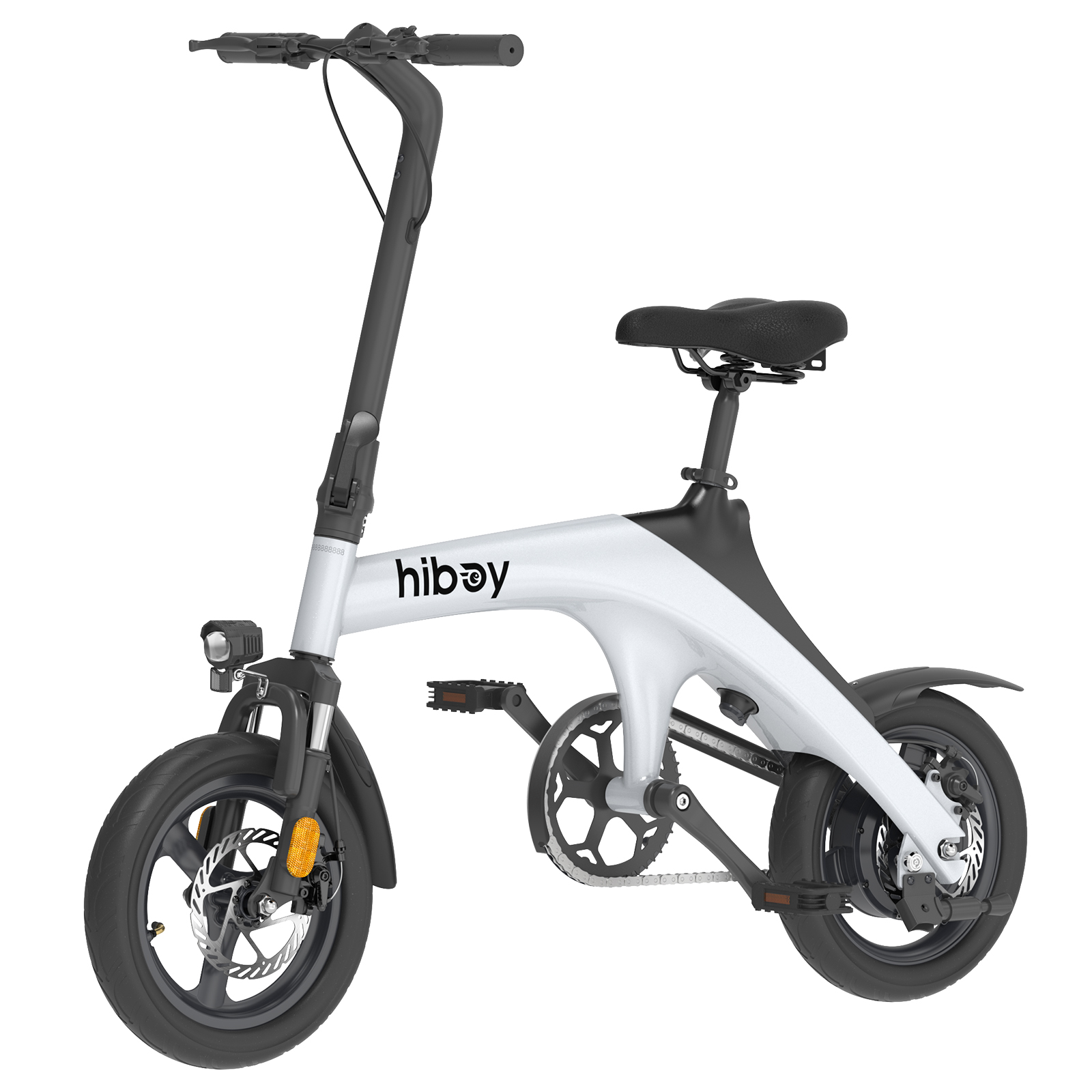 C1
C1
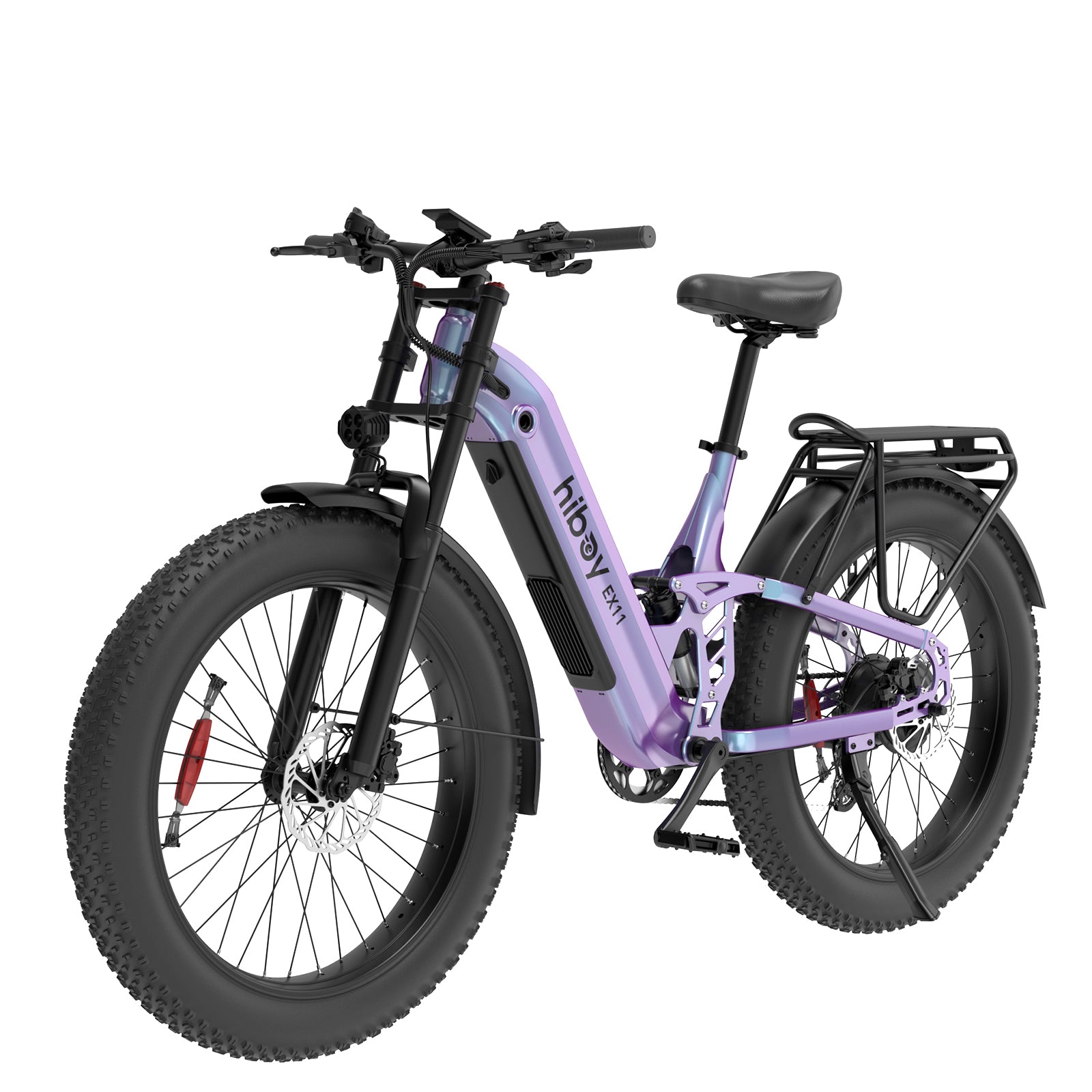 EX11
EX11
 EX9
EX9
 Compare Models
 First Rides
 Everyday Fun
 DM14
DM14
 S2 Lite
 BK1
BK1
 DK1
DK1
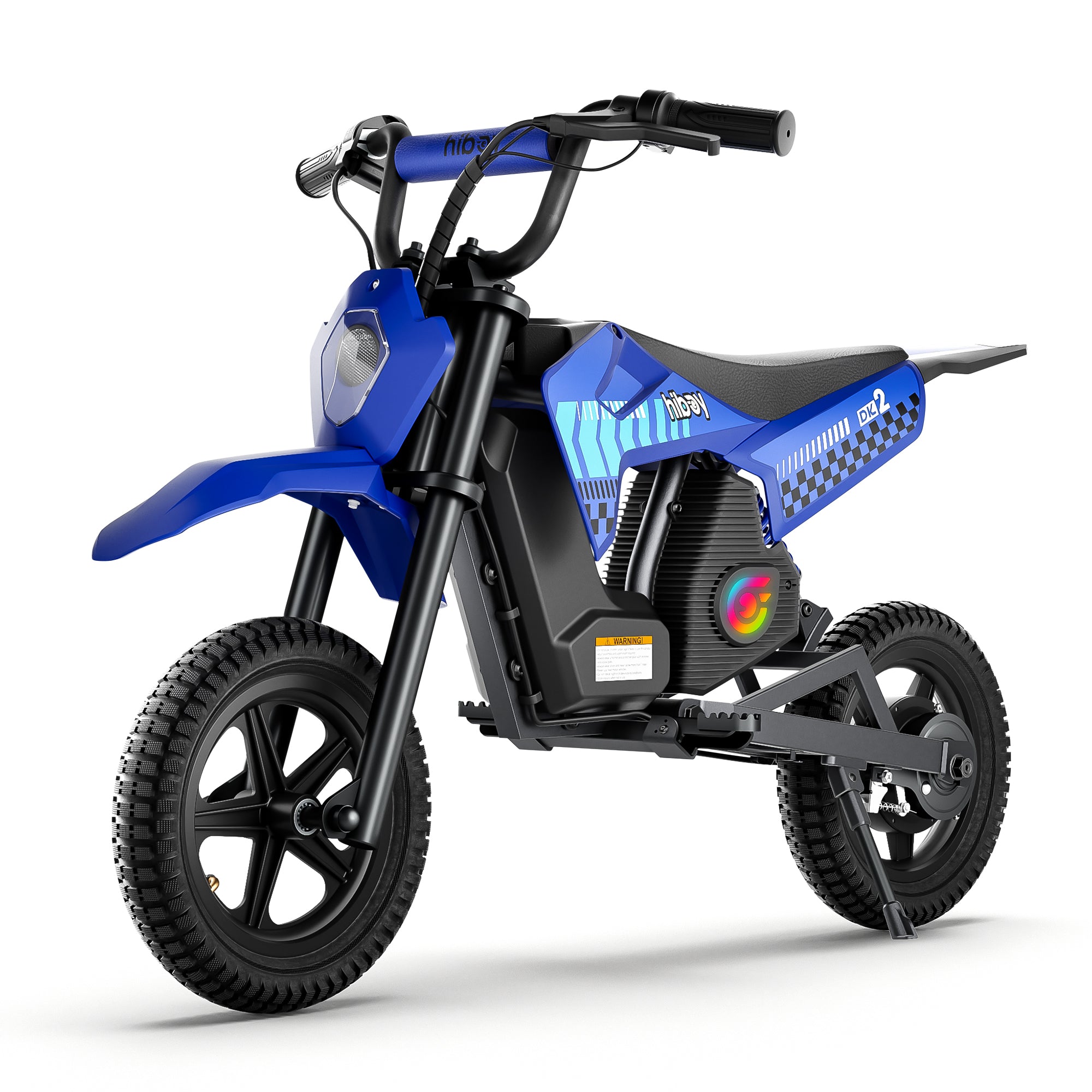 DK2
DK2
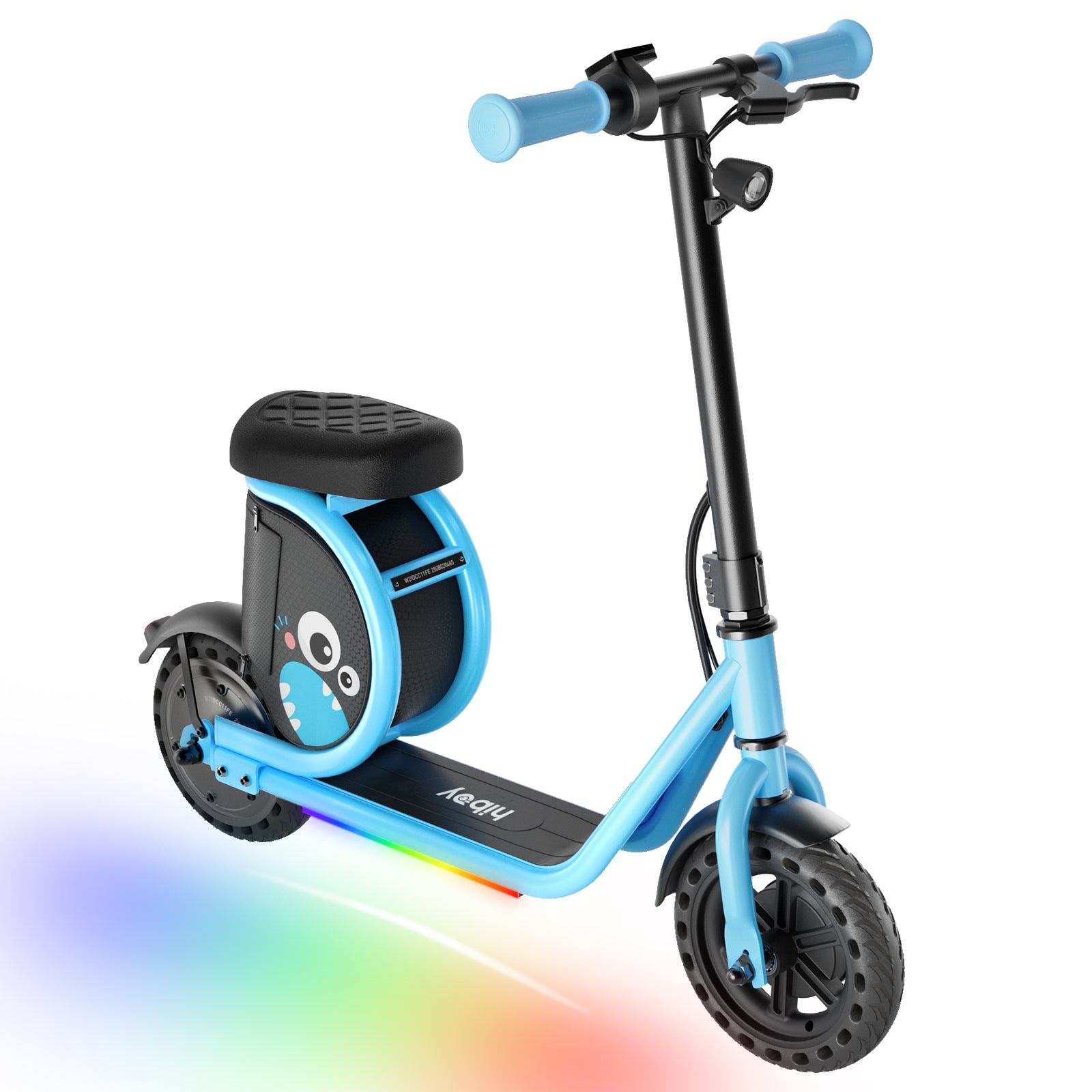 Joy Haul
 Compare Models
Electric scooters can climb hills, but how steep a hill an electric scooter can handle depends on the scooter’s motor power, maximum incline rating, battery charge, rider weight, terrain, and riding conditions.
For everyday riding, a hill that looks steep may not be a problem for a capable electric scooter. However, not every scooter is designed for the same grades. A lightweight commuter scooter may perform well on moderate inclines but struggle on a steep hill, while a high-performance model with more motor power and a higher incline rating can tackle significantly steeper grades.
If you are choosing an electric scooter for a hilly neighborhood, campus, commute, or trail, understanding maximum incline is one of the most important specifications to check.
What Does "Maximum Incline" Mean on an Electric Scooter?
Maximum incline describes the steepest slope an electric scooter is designed to climb under specified conditions.
It is usually expressed as a percentage (%) or sometimes as an angle in degrees.
A 15% incline, for example, means the road rises approximately 15 feet for every 100 feet traveled horizontally.
Here is a quick comparison:
| Incline | Approx. angle | What it feels like |
| 5% | 2.9° | Gentle hill |
| 10% | 5.7° | Moderate hill |
| 15% | 8.5° | Steep hill |
| 20% | 11.3° | Very steep hill |
| 25% | 14.0° | Extremely steep |
| 35% | 19.3° | Very steep/high-performance territory |
The percentage and angle describe the same slope in different ways. For example, a 20% grade does not mean a 20-degree hill.

How to Calculate Incline
You can calculate a hill's grade using:
Incline (%) = Vertical Rise ÷ Horizontal Distance × 100
For example, if a road rises 20 feet over a horizontal distance of 100 feet:
20 ÷ 100 × 100 = 20%
That means the hill has a 20% grade.
So, Can Electric Scooters Climb Steep Hills?
Yes, many electric scooters can climb steep hills, but their ability varies significantly by model.
The most important specification to look for is the manufacturer's maximum incline or hill-climbing rating.
For example, a scooter rated for a 15% incline is designed for considerably less demanding hills than a model rated for 25% or 35%.
However, the maximum rating should not be interpreted as a guarantee that the scooter will climb that grade at full speed under every condition.
A scooter's real-world hill-climbing performance can change depending on:
- Rider weight
- Battery charge
- Motor power and torque
- Hill length
- Road surface
- Tire condition and pressure
- Wind
- Temperature
- Starting speed
- Whether the rider is carrying additional weight
This is why two riders can use the same scooter on the same hill and experience different results.
How Steep a Hill Can a Hiboy Electric Scooter Climb?
Hiboy offers electric scooters with different hill-climbing capabilities, ranging from models rated for 13% inclines to the TITAN PRO's 35% maximum incline.
Here's how the current Hiboy lineup compares:
| Hiboy Model | Maximum Incline |
| S2 SE | 13% |
| S2, S2 Pro, KS4 Pro, S2 Nova, Q2, S3, S2R Plus, ECOM 14 | 15% |
| Max Pro, S2 Max, U2 Pro | 20% |
| TITAN, X300 | 25% |
| TITAN PRO | 35% |
This makes the lineup suitable for different types of terrain and riding needs.

13–15% Incline: Everyday Hills
Models such as the S2 SE, S2, S2 Pro, KS4 Pro, S2 Nova, Q2, S3, S2R Plus, and ECOM 14 are rated for approximately 13–15% inclines.
These scooters can be suitable for riders who encounter moderate to steep hills during daily commuting or neighborhood riding.
However, if your regular route includes long, steep hills, you may want to consider a model with a higher incline rating.
20% Incline: Steeper Routes
The Max Pro, S2 Max, and U2 Pro are rated for up to 20% inclines.
A 20% grade is significantly steeper than a 15% grade. Riders who regularly encounter substantial hills may benefit from choosing a scooter in this category.
These models can make more sense for hilly commutes, neighborhoods with substantial elevation changes, or routes where hill climbing is a frequent part of the ride.
25% Incline: Very Steep Hills
The Hiboy TITAN and X300 are rated for up to 25% inclines.
A 25% grade is a serious hill for an electric scooter. Riders who live in particularly hilly areas or regularly encounter steep climbs should pay closer attention to hill-climbing specifications rather than choosing a scooter based solely on top speed or range.
35% Incline: Maximum Hill-Climbing Capability
The Hiboy TITAN PRO is rated for up to a 35% incline, making it the strongest hill-climbing option in this Hiboy lineup.
A 35% grade corresponds to approximately 19.3 degrees.
This type of capability is particularly relevant for riders who regularly deal with steep terrain and want an electric scooter designed with substantial climbing ability.
What Determines an Electric Scooter's Hill-Climbing Ability?
Maximum incline isn't determined by one component. Several factors work together.

1. Motor Power and Torque
Motor power is one of the biggest factors affecting hill climbing.
When an electric scooter climbs a hill, gravity is working against the scooter. The steeper the hill, the more force the motor needs to maintain forward movement.
A scooter with stronger climbing performance can maintain momentum more effectively on an incline.
However, higher wattage doesn't automatically mean a scooter can climb every hill. Motor characteristics, gearing, controller output, battery voltage, rider weight, and overall scooter design also matter.
For hill climbing, torque and the scooter's ability to deliver power under load are particularly important.
2. Rider Weight
Rider weight has a noticeable effect on hill-climbing performance.
A heavier combined load means the motor has to move more mass uphill.
The total load includes more than just the rider:
Total load = Rider + clothing + backpack + accessories + cargo
If you're close to the scooter's maximum load rating, you may notice slower acceleration and reduced climbing performance compared with a lighter rider.
This is one reason maximum incline ratings should not be treated as identical for every rider.
3. Battery Charge
Battery condition matters when climbing hills.
A scooter may perform differently with a nearly full battery compared with a battery that is close to empty. As battery voltage drops during use, the scooter may have less power available for demanding situations.
For a route with multiple hills, starting the ride with sufficient battery charge is especially important.
4. Hill Length
Not all hills are equally difficult.
A short, steep hill may be easier for a scooter to handle than a long climb that places continuous demand on the motor and battery.
For example, a scooter might handle a short 20% incline but lose speed during a much longer climb of the same grade.

When evaluating your route, consider both steepness and distance.
5. Road Surface
Surface conditions can make a major difference.
Smooth, dry pavement provides better traction than:
- Loose gravel
- Wet pavement
- Mud
- Sand
- Snow
- Fallen leaves
- Other slippery surfaces
Even a powerful electric scooter can struggle if its tires cannot maintain sufficient traction.
6. Tire Pressure and Condition
Proper tire pressure helps maintain traction and rolling efficiency.
Underinflated tires can increase rolling resistance, while incorrect pressure can affect handling and grip.
Before riding on steep hills, check your tires and make sure they are in good condition and properly inflated according to the manufacturer's recommendations.
7. Wind and Weather
Headwinds increase the resistance the scooter needs to overcome.
Cold temperatures can also affect battery performance, while rain and wet surfaces can reduce traction.
As a result, a hill that is manageable on a dry, calm day may feel considerably more demanding in poor conditions.
Does a Higher Maximum Incline Mean a Better Electric Scooter?
Not necessarily.
A higher incline rating is valuable if you regularly ride on steep terrain, but it shouldn't be the only specification you consider.
For a relatively flat commute, you may get more value from factors such as:
- Range
- Ride comfort
- Weight
- Portability
- Braking performance
- Tire design
- Lighting
- Suspension
- Charging time

If you live in a very hilly area, however, incline capability should move much higher on your list of priorities.
The best electric scooter is the one whose capabilities match your actual riding environment.
How to Choose an Electric Scooter for Hills
If you're buying an electric scooter specifically for hill climbing, start by looking at your typical route.
Mostly Flat Roads
If your route is predominantly flat with occasional gentle inclines, you probably don't need an extreme hill-climbing model.
A scooter rated around 13–15% may be sufficient for many everyday riding situations.
Moderate to Steep Hills
If your neighborhood or commute includes frequent steep hills, consider a scooter rated around 20%.
The extra climbing capability can give you more flexibility when your route changes or when you encounter a longer or steeper climb.
Very Hilly Areas
If steep hills are a regular part of your ride, consider models rated for 25% or more.
The Hiboy TITAN and X300, with their 25% maximum incline ratings, are designed for substantially steeper terrain than the 15% models.
Extremely Steep Routes
For riders who regularly encounter exceptionally steep roads, the TITAN PRO's 35% maximum incline rating makes it the standout choice within the Hiboy lineup.
Still, riders should follow local laws and ride only on surfaces and routes where electric scooters are permitted and safe.
How to Ride an Electric Scooter Uphill
Even a capable scooter benefits from the right riding technique.
Start With Enough Momentum
If possible, approach the hill with a reasonable amount of momentum.
Avoid suddenly accelerating at the steepest point of the hill. Maintaining steady speed can help the motor handle the climb more efficiently.
Keep Your Weight Balanced
When climbing, maintain a stable riding position and keep both hands on the handlebars.
Avoid making sudden movements or leaning excessively.

Use the Appropriate Riding Mode
If your scooter has different riding modes, choose a mode appropriate for the terrain and conditions.
Higher-power modes may provide stronger acceleration, but they can also consume battery more quickly.
Slow Down When Necessary
You don't need to maintain your scooter's maximum speed while climbing.
If the hill is steep, prioritize stability, traction, and control rather than trying to maintain top speed.
Watch Your Battery
Steep hills consume more energy than flat roads.
If you're planning a route with significant elevation changes, leave enough battery capacity for the return trip rather than relying on the scooter's maximum advertised range.
Why Your Electric Scooter May Slow Down on a Hill
It's normal for an electric scooter to lose speed when climbing a steep incline.
This doesn't necessarily mean something is wrong.
The motor has to overcome gravity while moving the combined weight of the scooter and rider uphill. As the slope becomes steeper, more power is required.
However, a sudden or unusual loss of hill-climbing performance can indicate a problem.
If your scooter previously handled a particular hill easily but now struggles, check:
- Battery charge and condition
- Tire pressure
- Tire wear
- Brake drag
- Motor or controller issues
- Electrical connections
- Error codes
- Excessive load
- Riding conditions
If the scooter is making unusual noises, overheating, displaying an error code, or behaving unpredictably, stop riding and consult the manufacturer's troubleshooting or support guidance.
Can an Electric Scooter Climb a 30% Hill?
Some can, but not every electric scooter is designed for a 30% grade.

A 30% incline corresponds to approximately 16.7 degrees, making it considerably steeper than a 15% hill.
For a hill this steep, look specifically for a scooter with a maximum incline rating at or above the grade you expect to encounter.
Within the Hiboy lineup, the TITAN PRO is rated for up to 35% incline, making it the appropriate model to consider for riders who specifically need this level of climbing capability.
Keep in mind that real-world performance depends on rider weight, battery level, terrain, and other conditions.
Can Electric Scooters Climb Hills Without Losing Speed?
Usually, you should expect some reduction in speed on a steep hill.
An electric scooter's advertised top speed is generally measured under more favorable conditions than a steep uphill climb.
When climbing, the motor is working against gravity, so maintaining the same speed requires significantly more power.
A better question isn't whether a scooter can maintain its maximum speed uphill, but whether it can climb the hill safely and reliably without excessive strain.
What Is a Good Incline Rating for an Electric Scooter?
There isn't one ideal incline rating for everyone.
A useful rule of thumb is:
- 13–15%: Suitable for moderate hills and many everyday routes
- 20%: Better for frequent steep hills
- 25%: Designed for very steep terrain
- 35%: High hill-climbing capability for exceptionally steep routes
Your local terrain should determine which category makes the most sense.
Electric Scooter Hill-Climbing FAQs
What is considered a steep hill for an electric scooter?
A hill around 15% is already fairly steep for many electric scooters. A 20% grade is very steep, while 25% or higher represents demanding terrain that requires a scooter with stronger hill-climbing capability.
Is a 15% incline steep for an electric scooter?
Yes. A 15% grade corresponds to approximately 8.5 degrees and can be considered a steep hill for many electric scooters. Whether a scooter can climb it effectively depends on its maximum incline rating and real-world conditions.
Is a 20% incline too steep for an electric scooter?
Not necessarily. Some electric scooters are specifically rated for 20% inclines or higher. For example, Hiboy's Max Pro, S2 Max, and U2 Pro are rated for up to 20% inclines.
Can an electric scooter climb a 25% grade?
Yes, if it is designed for that level of incline. Hiboy's TITAN and X300 are rated for up to 25% inclines.
Can an electric scooter climb a 35% grade?
Some high-performance electric scooters can. The Hiboy TITAN PRO is rated for up to a 35% incline. Actual performance can vary depending on rider weight, battery level, surface conditions, and other factors.
Does rider weight affect hill climbing?
Yes. A heavier rider or heavier total load requires more power to move uphill. If you frequently ride with a backpack, cargo, or other equipment, consider the combined weight when evaluating hill-climbing performance.
Does battery level affect hill climbing?
Yes. A low battery can reduce available power, particularly under demanding conditions such as steep climbs. For hilly routes, it is a good idea to start with adequate battery charge.
Should I buy an electric scooter with a higher incline rating than I need?
If you regularly ride hills, having some additional climbing capacity can be useful. It gives you more flexibility when encountering steeper sections, longer climbs, or changing riding conditions.
Is motor wattage the only thing that matters for hills?
No. Motor power is important, but hill climbing also depends on torque, battery output, controller performance, rider weight, tires, traction, road surface, battery charge, and the length and steepness of the hill.
Final Takeaway
Yes, electric scooters can climb steep hills, but not all electric scooters are built to climb the same grades.
When shopping for a scooter for hilly terrain, don't look at top speed alone. Pay close attention to the maximum incline rating, then consider motor performance, rider weight, battery level, tires, terrain, and the length of your typical climbs.
For moderate hills, a Hiboy model rated around 13–15% may be sufficient. If you regularly encounter steeper roads, models rated for 20% or 25% provide greater climbing capability. And for riders who need the highest hill-climbing rating in the Hiboy lineup, the TITAN PRO is rated for up to 35% inclines.
Ultimately, the right scooter isn't the one with the biggest number on the spec sheet. It's the one that provides enough climbing capability for the hills you actually ride.








Leave a comment
All comments are moderated before being published.
This site is protected by hCaptcha and the hCaptcha Privacy Policy and Terms of Service apply.