





 Daily Commute
 Lightweight & Portable
 Performance Rides
 Comfort With Seat
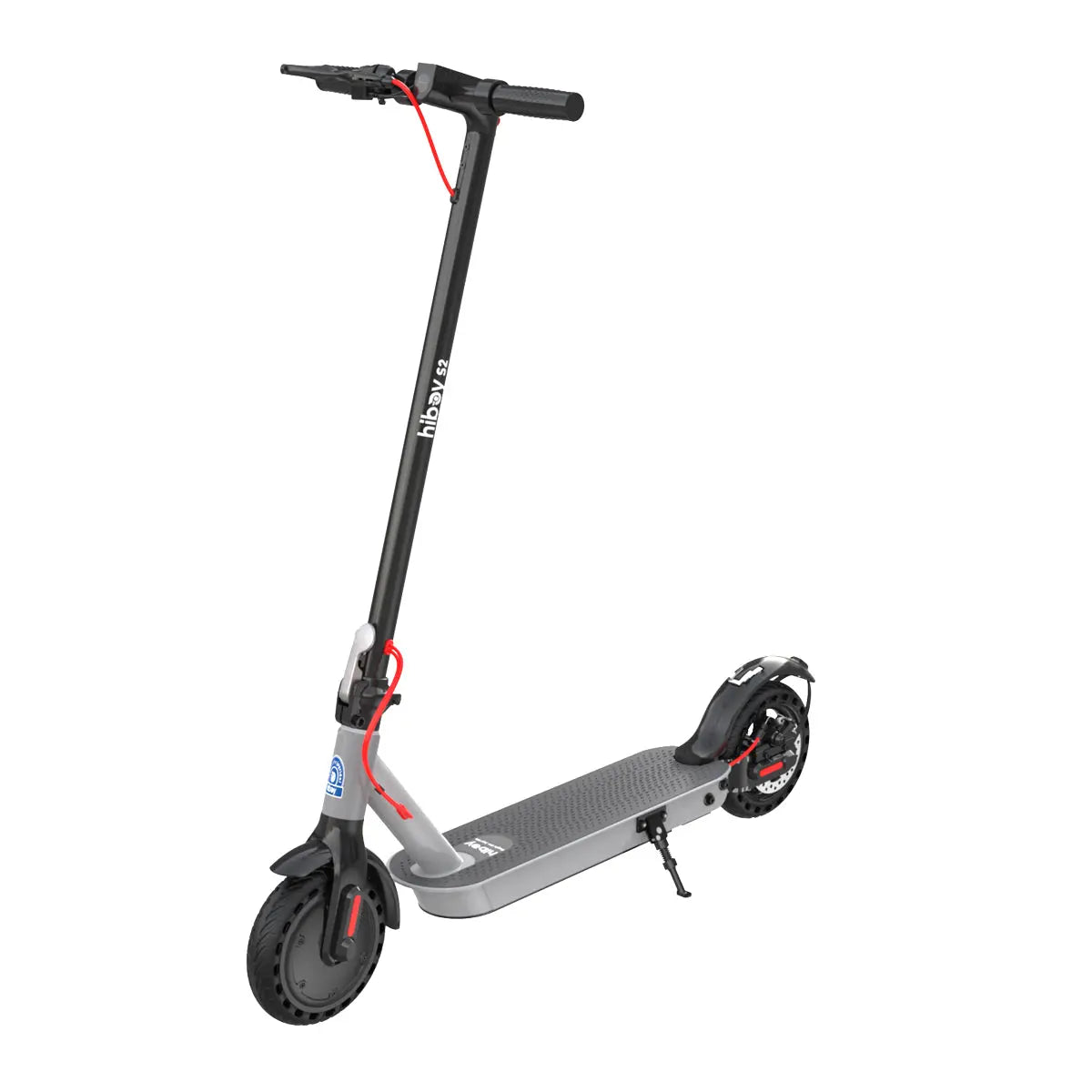 S2
S2
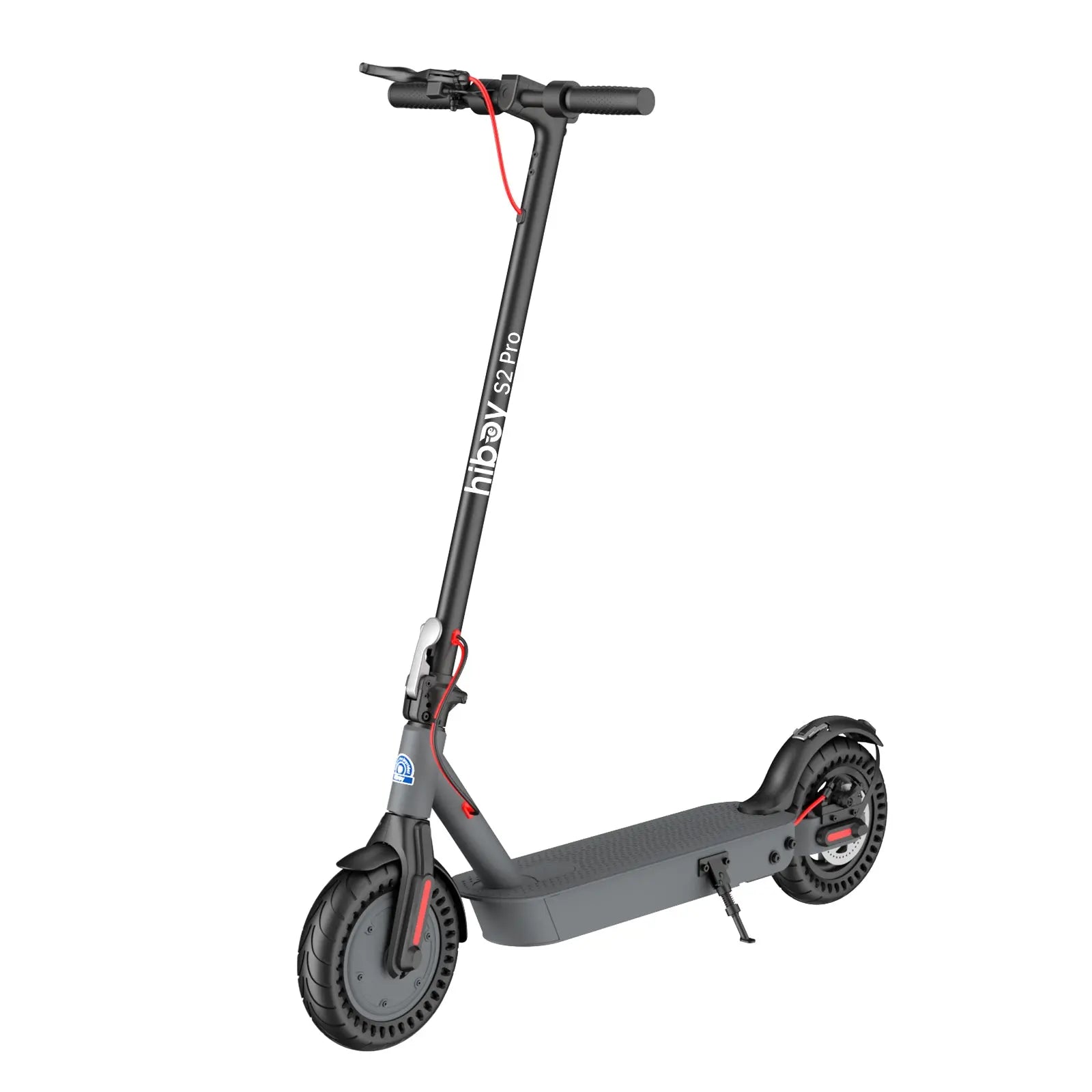 S2 Pro
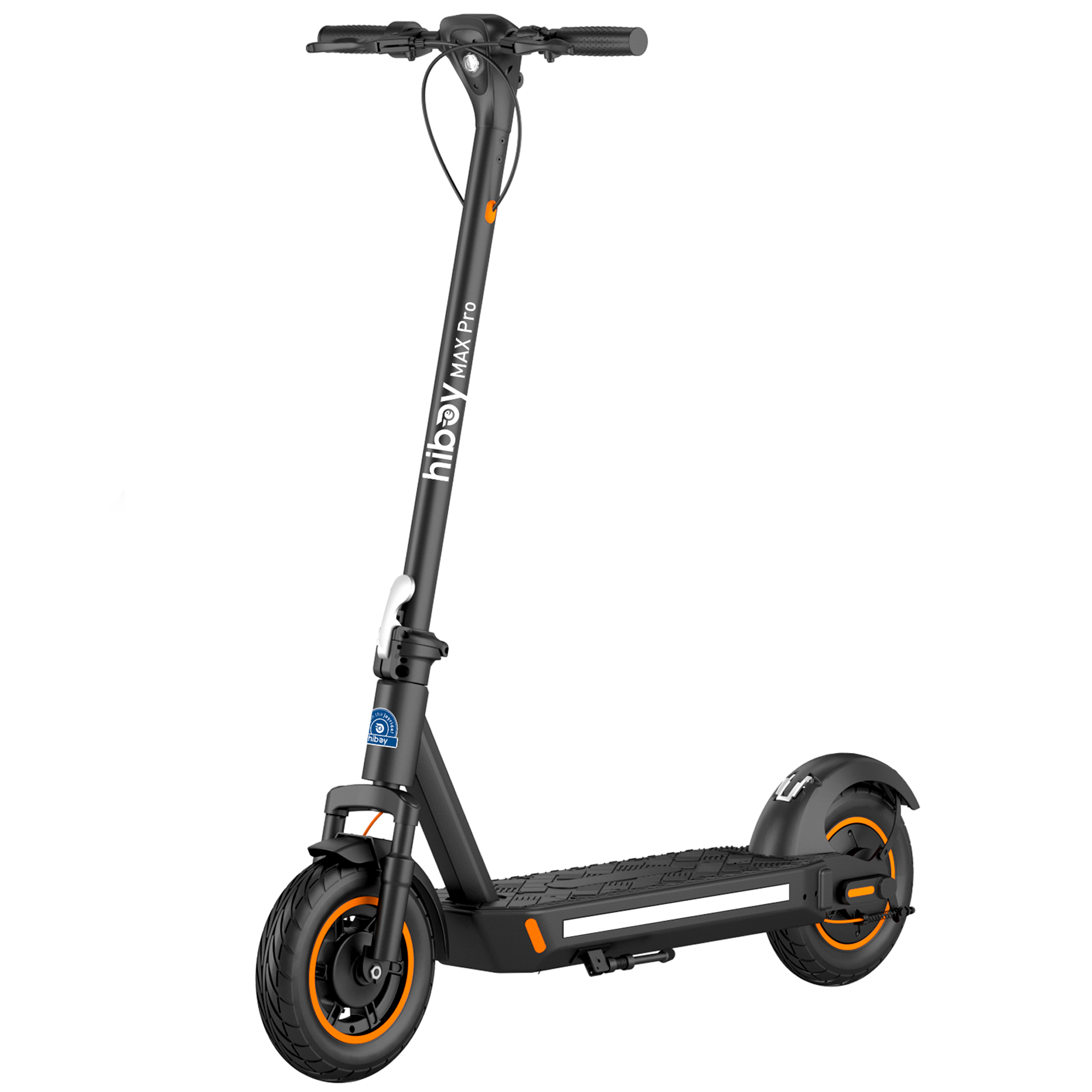 MAX Pro
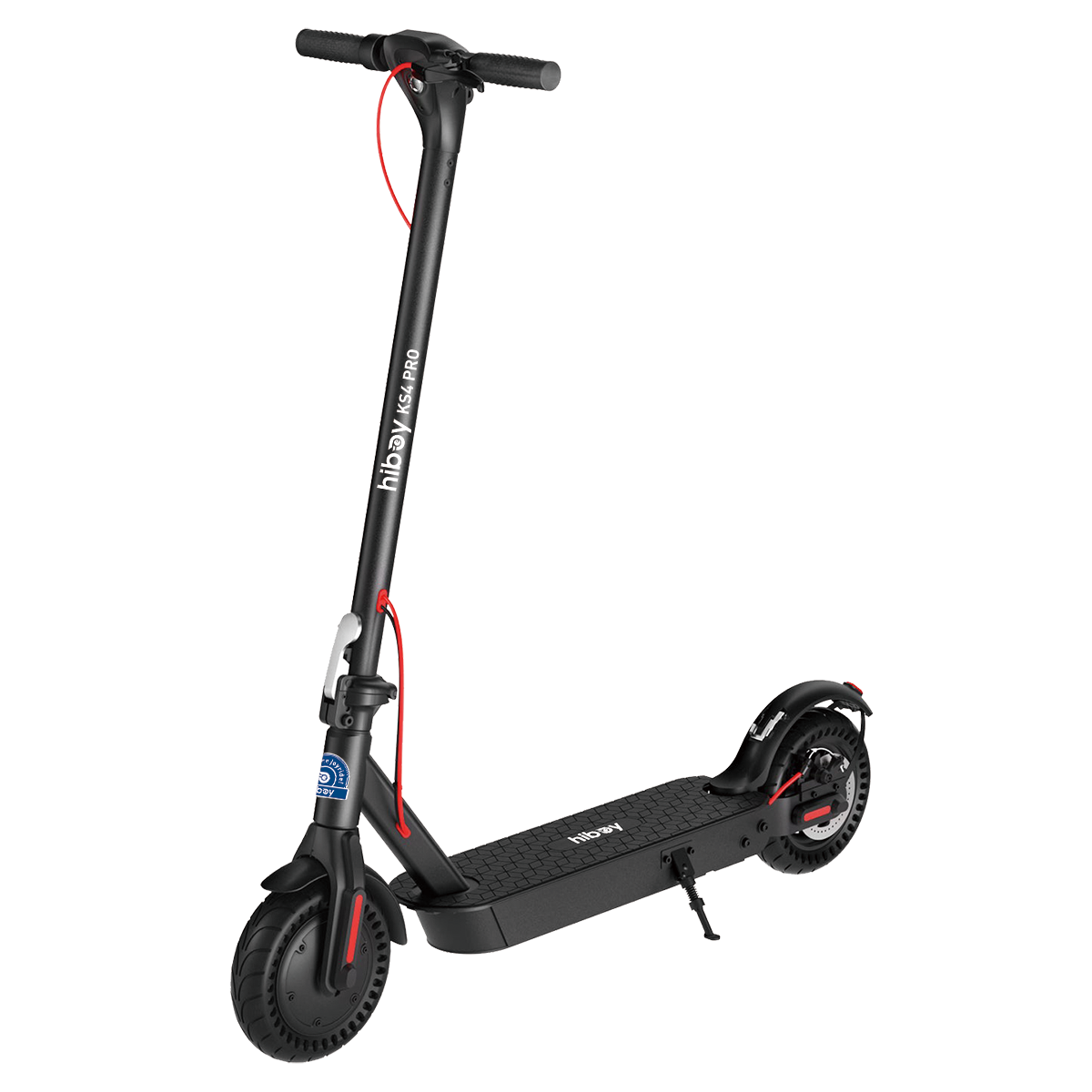 KS4 Pro
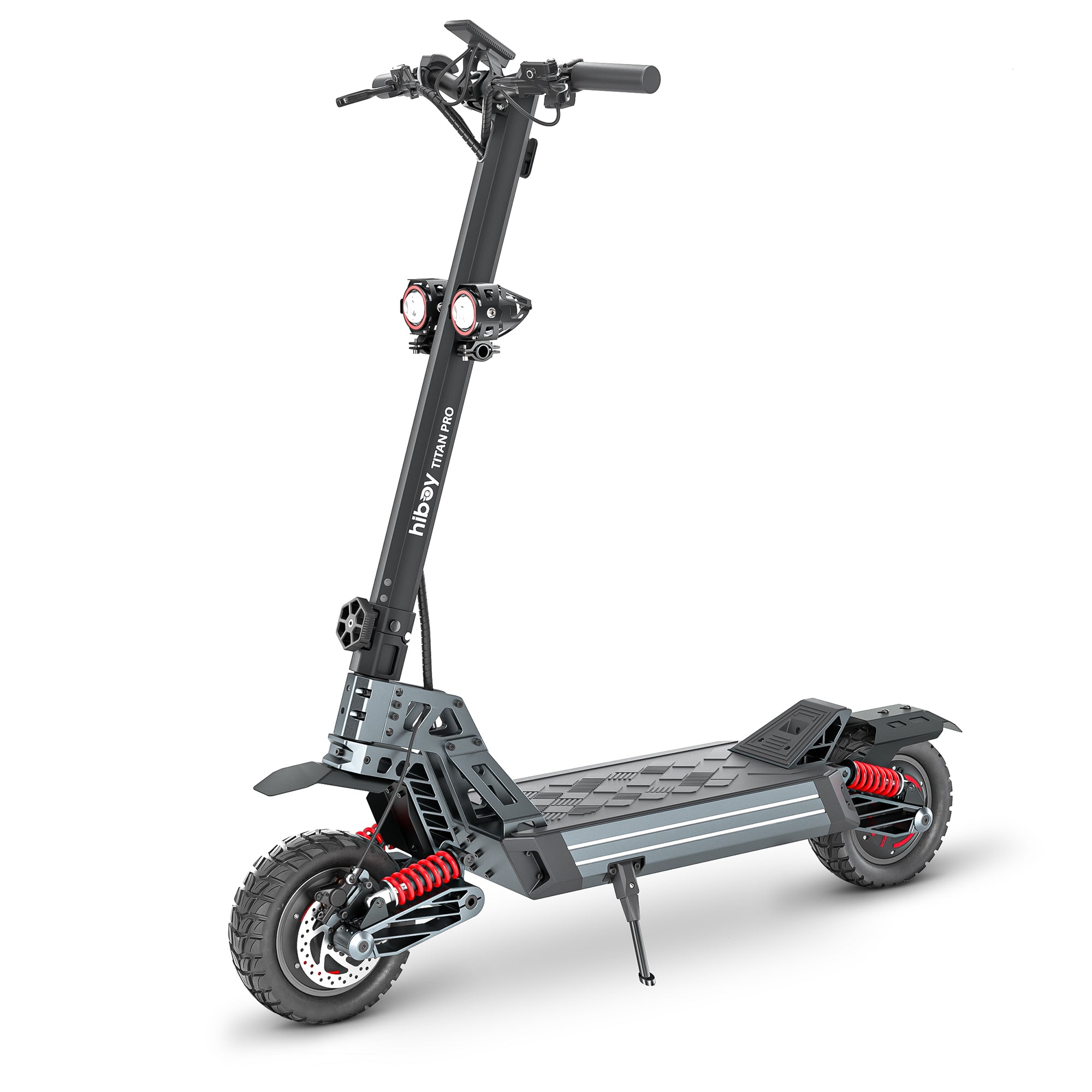 TITAN PRO
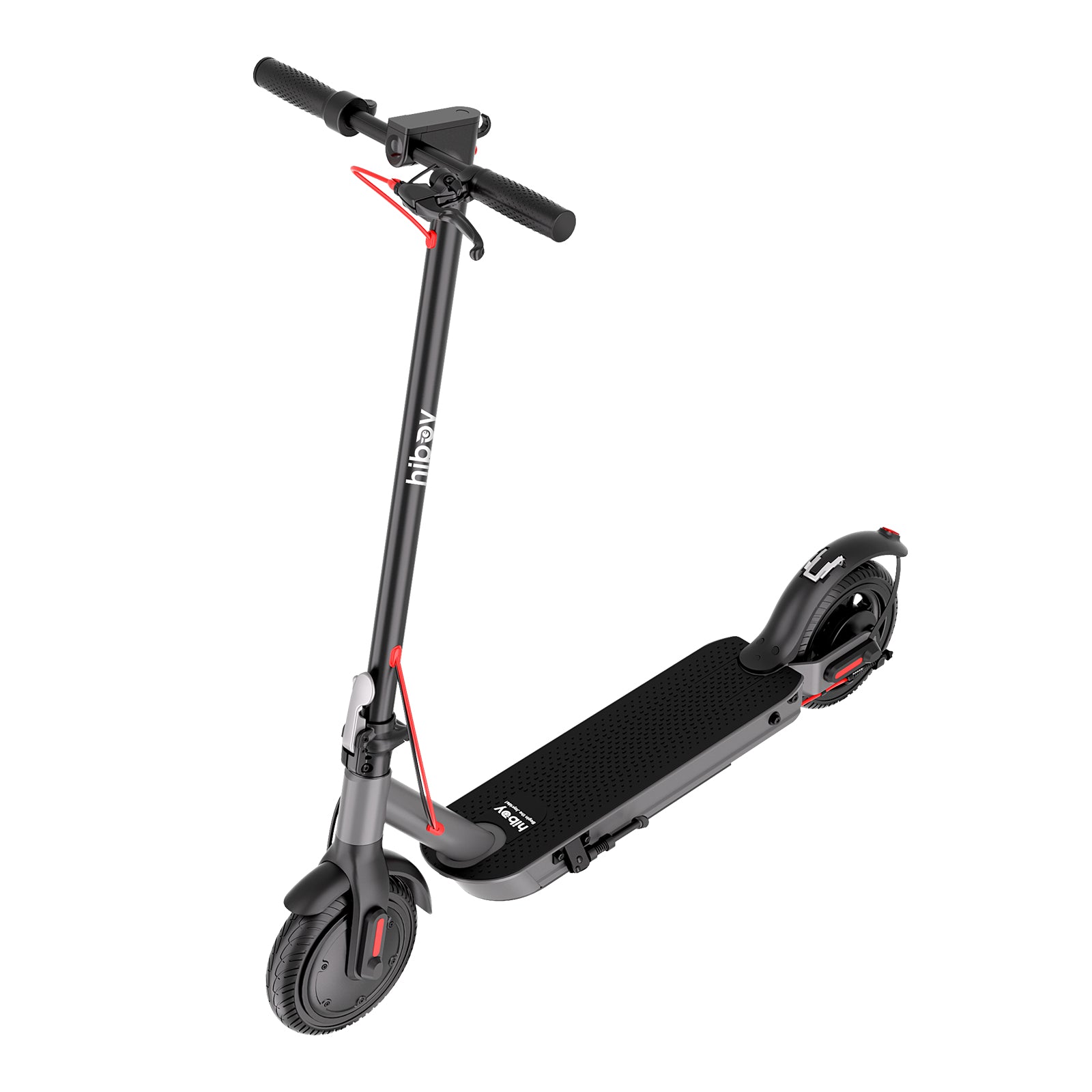 S2 Nova
 Compare Models
 Find Your Best Ride

 Daily Commute
 Off-road & Trail
 Folding & Compact
 Fat Tire Rides
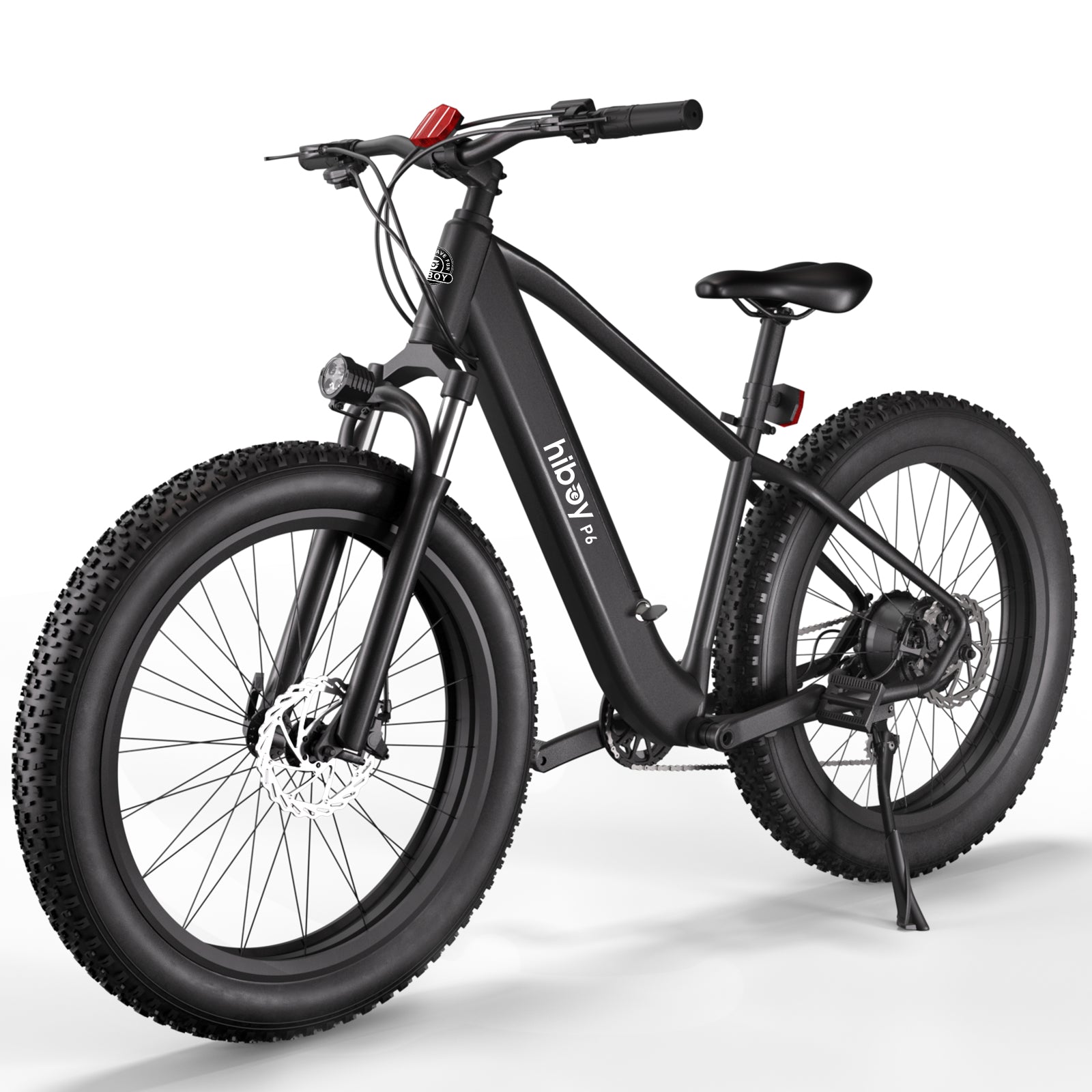 P6
P6
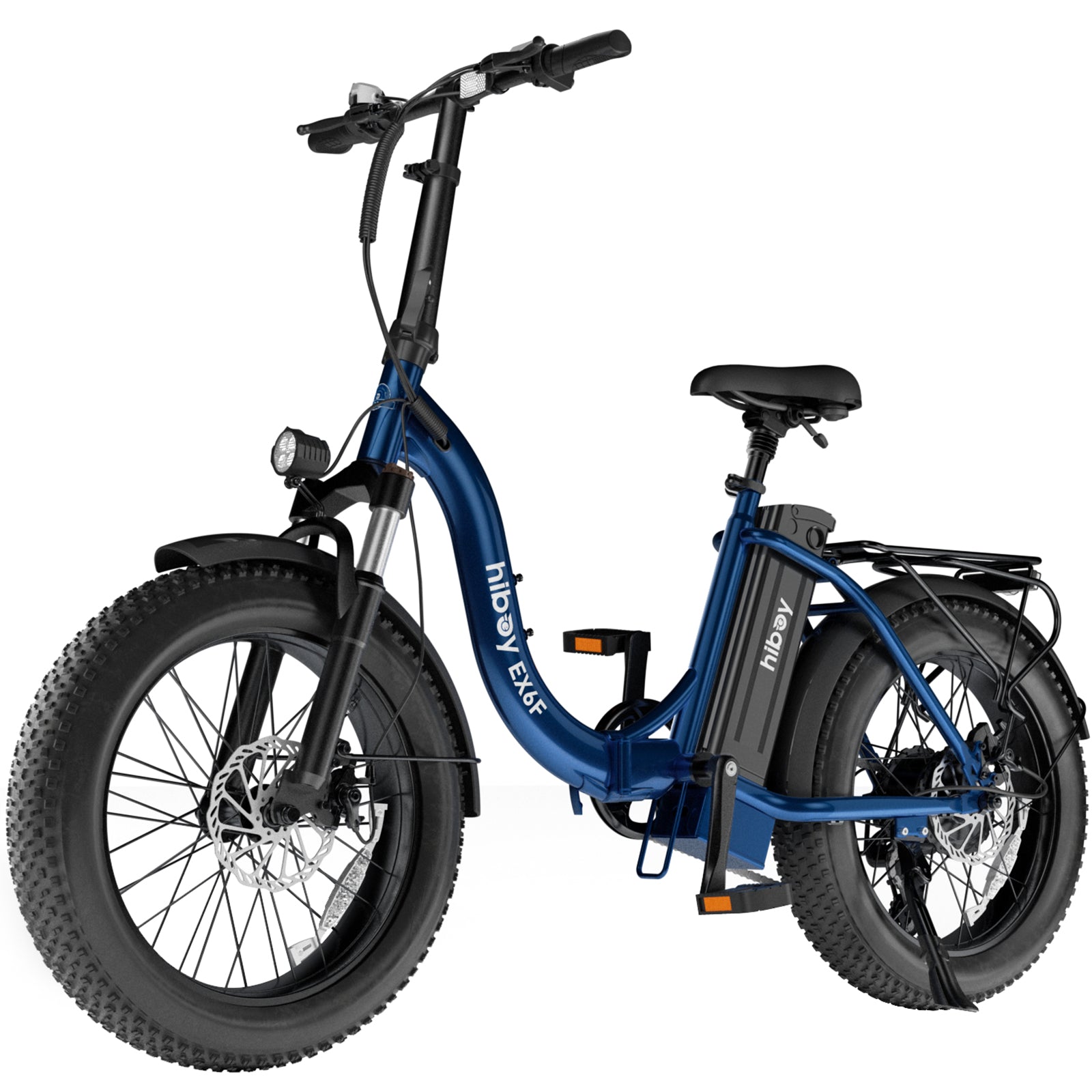 EX6F
EX6F
 EX6
EX6
 C1
C1
 EX11
EX11
 EX9
EX9
 Compare Models
 First Rides
 Everyday Fun
 S2 Lite
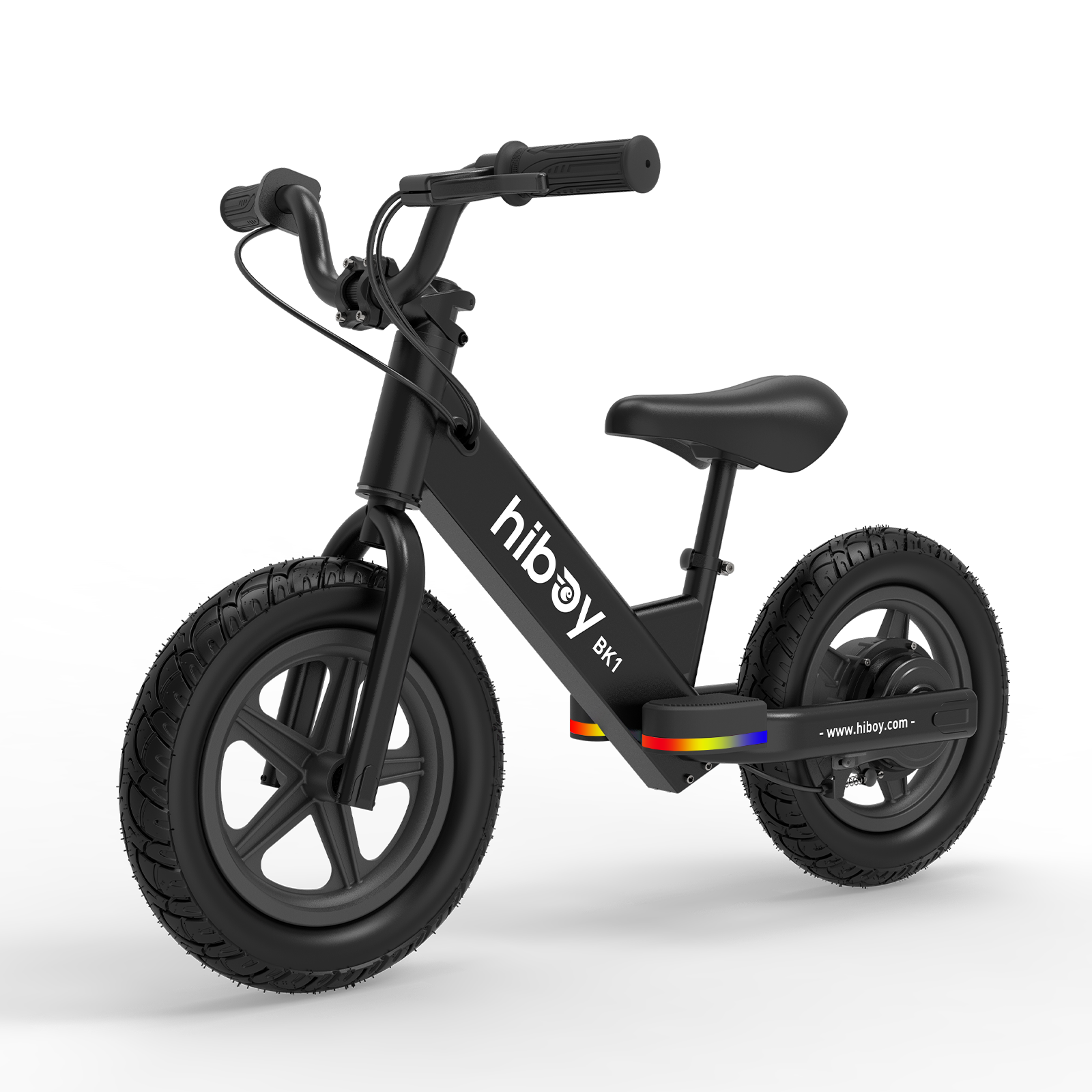 BK1
BK1
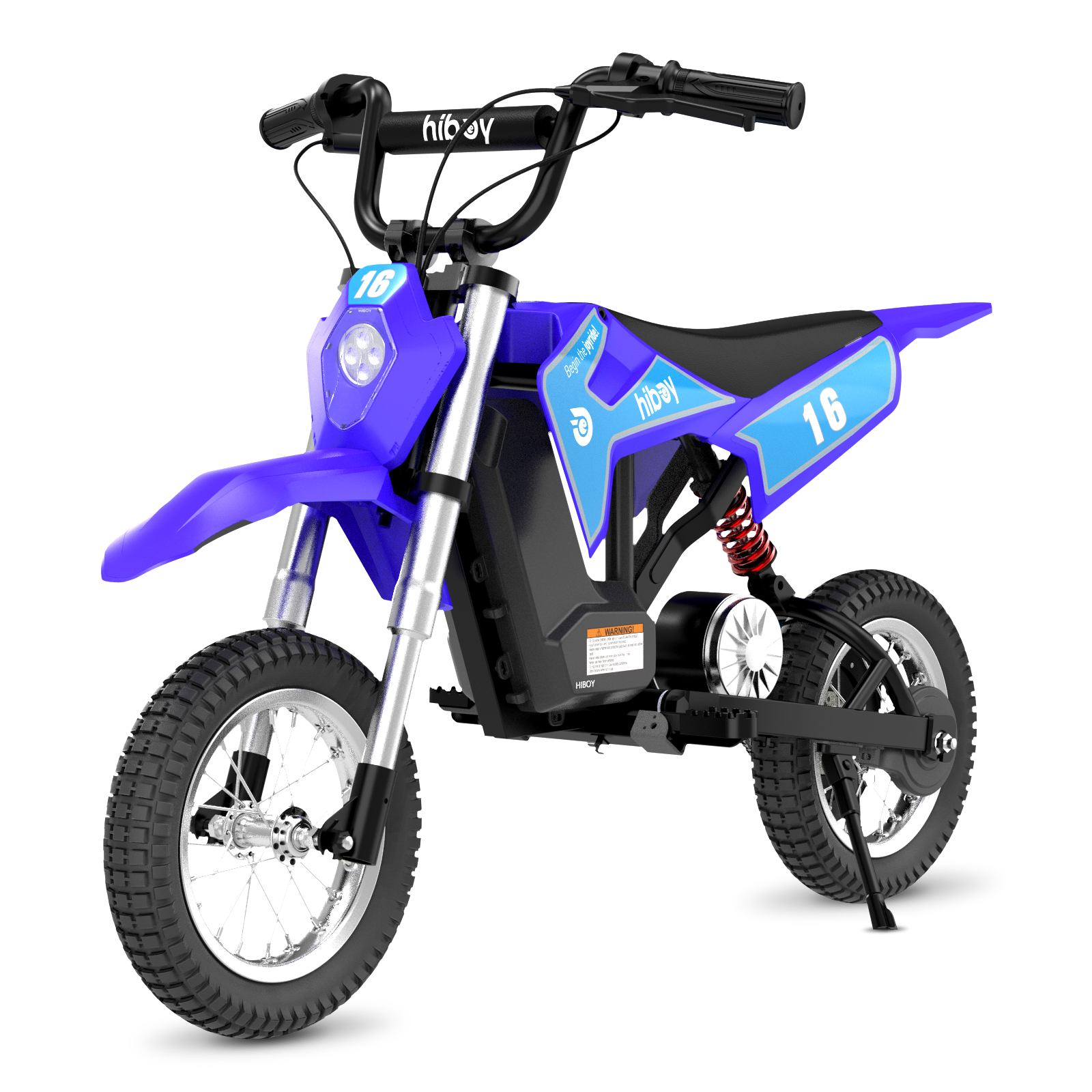 DK1
DK1
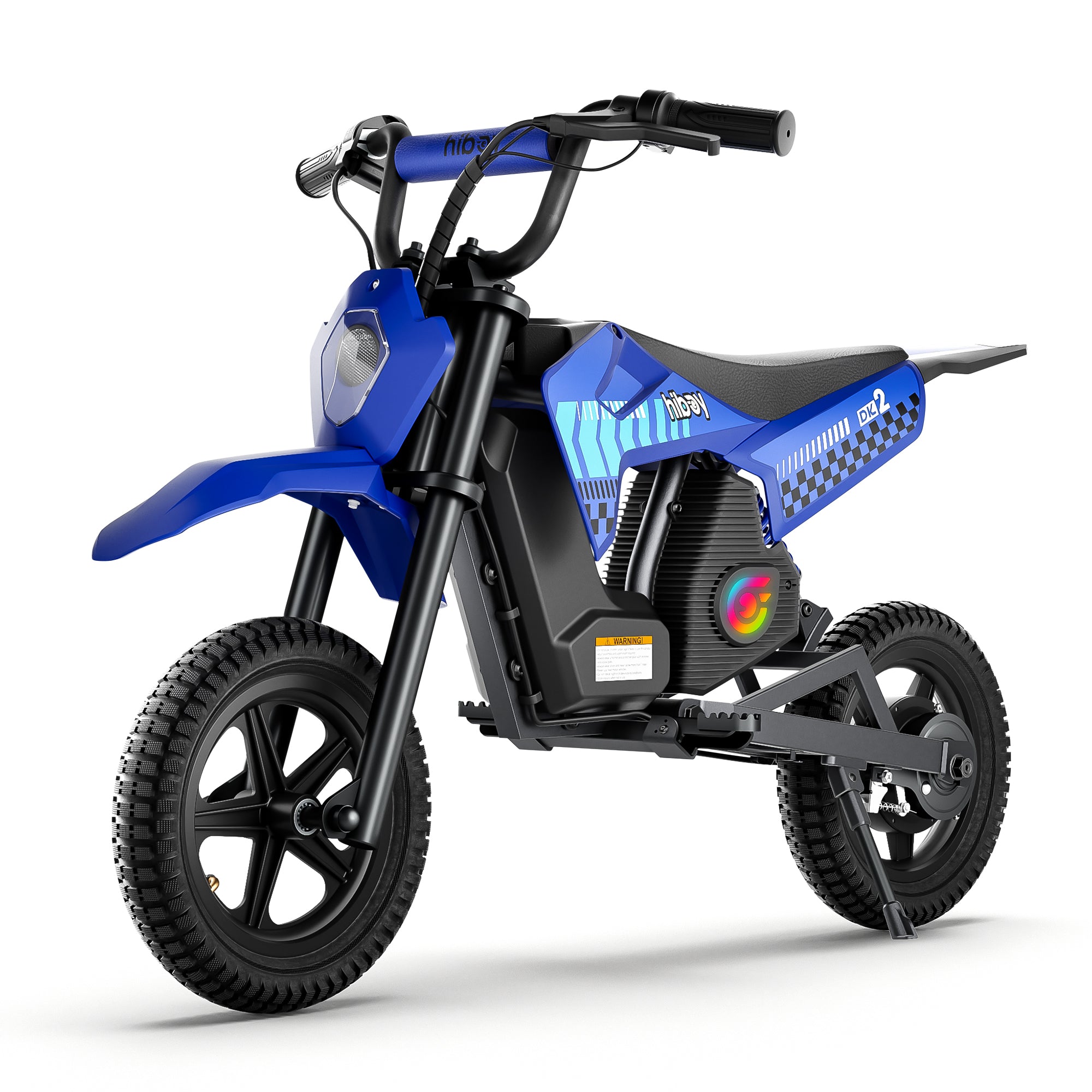 DK2
DK2
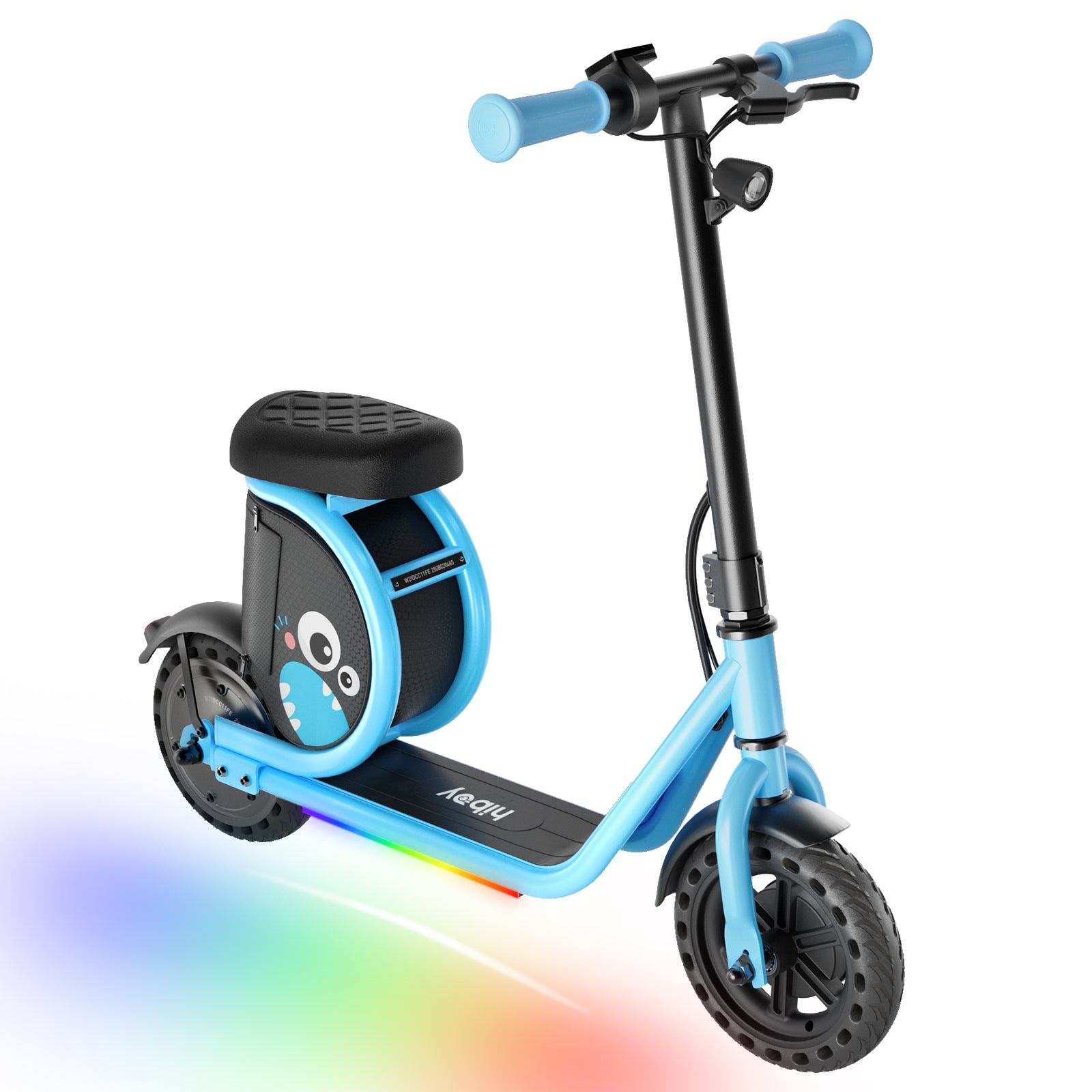 Joy Haul
 Q2 Lite
 Compare Models
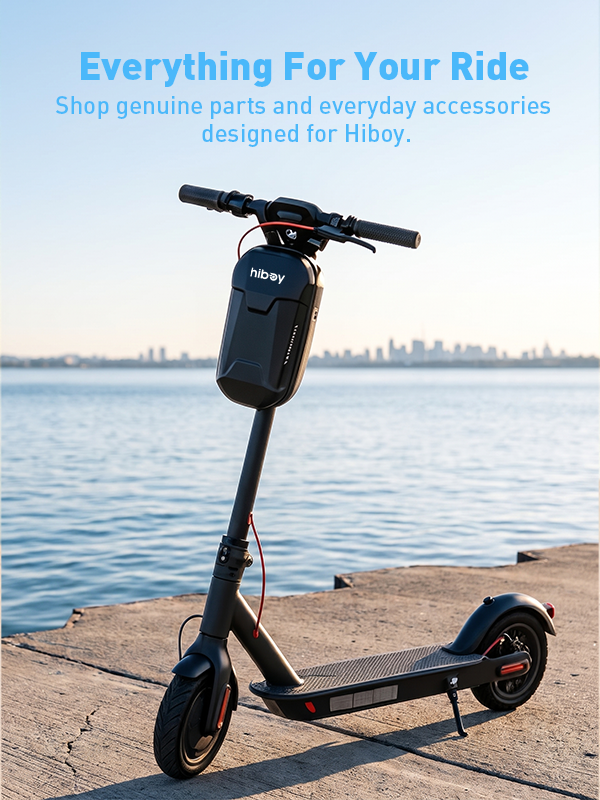
Shopping for your first electric scooter can feel like learning a new language.
You may see specifications such as 500W motor, 48V battery, 15Ah, 40-mile range, 10-inch pneumatic tyres, IPX5, regenerative braking, suspension, peak power, payload capacity, and wonder what any of them actually mean.
Even familiar terms can be confusing. A scooter advertised with a 500W motor does not necessarily produce only 500W at all times. A 40-mile range does not mean every rider will travel 40 miles on a single charge. And a higher voltage or wattage number is not automatically better for every rider.
This beginner-friendly electric scooter dictionary explains the most important eScooter terms and specifications in plain English, so you can compare models more confidently and understand what the numbers mean in real-world riding.
Electric Scooter Terms at a Glance
If you are new to electric scooters, these are some of the terms you are most likely to encounter:
| Term | What it means |
| Watt (W) | A unit used to describe motor power |
| Peak Power | Maximum motor output under specific conditions |
| Voltage (V) | Electrical potential of the battery system |
| Amp-hours (Ah) | Battery capacity based on electrical charge |
| Watt-hours (Wh) | A useful measure of total battery energy |
| Range | How far a scooter can travel on a charge under specified conditions |
| Top Speed | Maximum stated speed under specified conditions |
| Torque | Rotational force that helps the motor accelerate and climb |
| Payload Capacity | Maximum total supported rider/load weight specified by the manufacturer |
| IP Rating | A standard classification for resistance to dust and water |
| Pneumatic Tyre | An air-filled tyre |
| Tubeless Tyre | An air-filled tyre without an inner tube |
| Solid Tyre | A tyre without an air chamber |
| Suspension | A system that helps absorb impacts and uneven surfaces |
| Disc Brake | A braking system using a rotor and brake mechanism |
| Regenerative Braking | Braking that can send some energy back toward the battery |
| Stem | The vertical section connecting the handlebar area to the front of the scooter |
| Deck | The platform where the rider stands |
| Controller | Electronics that regulate power between the battery, motor and controls |
| UL Certification/Listing | Indicates compliance with applicable safety standards when properly certified/listed |
Now let's look at each term in more detail.

1. Motor & Performance Terms
Watt (W)
Wattage is one of the first specifications you will notice when comparing electric scooters.
A watt (W) is a unit of power. In scooter specifications, motor wattage is commonly used to describe the motor's rated or nominal power output.
For example, a scooter may be described as having a 500W motor.
However, don't compare scooters based on wattage alone. Different manufacturers may specify motor power differently, and real-world performance also depends on factors such as battery voltage, controller settings, rider weight, terrain and motor design.
What does higher wattage mean?
Generally, a motor with greater available power can provide stronger performance under demanding conditions, but that does not automatically make one scooter the right choice for every rider.
Rated Power vs. Peak Power
This distinction is particularly important when reading scooter specifications.
Rated power generally describes the motor's sustained or nominal power rating under defined conditions.
Peak power refers to the higher level of power the motor can produce temporarily under certain conditions.
For example, a scooter might be advertised as:
500W rated / 1,000W peak
That does not mean the motor continuously operates at 1,000W.
When comparing scooters, check whether a manufacturer's specification refers to rated power or peak power before comparing numbers.
Voltage (V)
Voltage measures electrical potential.
Electric scooters commonly use battery systems such as:
- 36V
- 48V
- 52V
- 60V
- 72V
Voltage is important because it works together with current to determine electrical power.
A higher-voltage system can support different performance and electrical-system designs, but higher voltage alone does not tell you how fast or powerful a scooter will be.
Torque
Torque is rotational force.
In practical terms, torque helps explain how strongly a motor can turn the wheel, particularly when starting from a stop or dealing with resistance such as an incline.

Torque can therefore be relevant when evaluating:
- Acceleration
- Hill climbing
- Carrying heavier loads
- Starting on inclines
However, published torque figures are not always directly comparable between manufacturers because testing methods and specifications may differ.
Top Speed
Top speed is the maximum speed stated by the manufacturer under specified conditions.
Actual speed can vary depending on:
- Rider weight
- Battery charge
- Terrain
- Wind
- Temperature
- Riding mode
- Tyre pressure
- Local speed restrictions
In the US, riders should also check applicable local laws and regulations before riding at a scooter's maximum advertised speed.
Acceleration
Acceleration describes how quickly a scooter increases its speed.
A scooter with strong acceleration can feel more responsive when:
- Starting from a stop
- Merging into a permitted riding environment
- Climbing an incline
- Carrying a heavier load
Acceleration depends on much more than motor wattage, including torque, controller settings, battery output, rider weight and riding conditions.
Hill-Climbing Ability
A scooter's ability to climb hills depends on several factors rather than one specification.
Important variables include:
- Motor power
- Torque
- Battery voltage
- Rider weight
- Incline
- Surface conditions
- Battery charge
- Temperature
- Scooter design
Some manufacturers publish a maximum incline percentage.
For example, a 20% grade means the elevation changes by 20 units vertically for every 100 units horizontally.
A published maximum incline should not be interpreted as a guarantee that the scooter will climb every hill at its normal speed. Real-world performance varies significantly with conditions.

2. Battery & Charging Terms
Battery Capacity
Battery capacity tells you how much electrical energy the battery can store.
You may see battery specifications expressed in:
- Ah (amp-hours)
- Wh (watt-hours)
Both can be useful, but Wh is often more convenient when comparing batteries with different voltages.
Amp-Hours (Ah)
Ah stands for amp-hours.
It describes the amount of electrical charge a battery can deliver over time under specified conditions.
For example:
48V 15Ah
means the battery has a nominal voltage of 48 volts and a rated capacity of 15 amp-hours.
But Ah alone doesn't tell you the total energy stored.
Watt-Hours (Wh)
Wh, or watt-hours, describes energy capacity.
A simplified calculation is:
Wh ≈ V × Ah
For example:
48V × 15Ah = 720Wh
This provides a useful way to compare batteries with different voltage and Ah ratings.
A larger Wh figure generally indicates more stored energy, although actual range still depends on riding conditions and system efficiency.
Battery Management System (BMS)
A Battery Management System, commonly called a BMS, is electronics used to monitor and manage a battery pack.
Depending on the battery design, a BMS may help monitor factors such as:
- Voltage
- Current
- Temperature
- Charging
- Discharging
- Cell protection
The BMS is an important part of a lithium-ion battery system.

Lithium-Ion Battery
Most modern electric scooters use lithium-ion batteries because they offer a useful combination of energy density, weight and rechargeable performance.
A lithium-ion battery contains multiple cells connected into a battery pack and managed by battery-control electronics.
Because batteries are a critical safety component, use the charger and charging procedures specified by the manufacturer.
Charging Time
Charging time is the approximate time required to recharge the battery.
It depends on factors including:
- Battery capacity
- Charger output
- Starting battery level
- Charging system
- Battery temperature
A larger battery generally takes longer to charge if the charger output remains similar.
Charger
The charger converts electricity from an external power source into the appropriate electrical form for charging the scooter battery.
Always use the charger specified or approved by the scooter manufacturer.
Do not assume that two chargers are interchangeable simply because their connectors look similar.
Battery Range
Range refers to the distance an electric scooter can travel on a charge.
However, advertised range is generally measured under specified test conditions and may not match your everyday riding experience.
Range can be affected by:
- Rider weight
- Speed
- Terrain
- Wind
- Temperature
- Tyre pressure
- Riding mode
- Battery age
- Number of stops and starts
For a more realistic comparison, think of advertised range as a reference point rather than a guaranteed distance.
3. Tyre & Wheel Terms
Pneumatic Tyres
A pneumatic tyre is an air-filled tyre.
Because air provides cushioning, pneumatic tyres can offer a more comfortable ride over uneven surfaces compared with some solid-tyre designs.
The trade-off is that pneumatic tyres require pressure checks and can be punctured.

Tubeless Tyres
A tubeless tyre holds air without using a separate inner tube.
Potential advantages include:
- No inner tube to pinch
- Potentially easier puncture repair depending on the tyre/system
- Different tyre construction options
- Reduced risk of certain tube-related failures
However, tubeless tyres can still be punctured and require proper inflation and maintenance.
Self-Healing Tyres
Some electric scooters use tyres containing a sealant designed to help seal certain small punctures.
This can reduce the inconvenience of some punctures, but self-healing does not mean puncture-proof.
Large cuts or serious tyre damage may still require repair or replacement.
Solid Tyres
Solid tyres do not contain an air chamber.
Their main advantage is that they eliminate traditional air-pressure maintenance and greatly reduce the risk of conventional punctures.
However, they may transmit more road vibration than pneumatic tyres because they do not use an air-filled chamber for cushioning.
Tyre Pressure
For scooters equipped with pneumatic tyres, maintaining the recommended tyre pressure is important for:
- Handling
- Ride comfort
- Rolling resistance
- Range
- Tyre life
Always follow the pressure recommendation for your specific scooter and tyre.
Do not simply use the maximum pressure printed on a tyre as the recommended riding pressure.
Wheel Size
Electric scooters commonly use wheels around 8 to 12 inches, although designs vary.
Larger wheels can help a scooter roll over small surface imperfections more smoothly, while smaller wheels can contribute to a more compact design.
Wheel size should be considered together with tyre type, suspension and overall scooter design.
4. Ride Comfort & Handling Terms
Suspension
Suspension helps absorb impacts and reduce the effects of uneven terrain.

Common suspension designs include:
- Spring suspension
- Hydraulic suspension
- Elastomer suspension
- Front suspension
- Rear suspension
- Dual suspension
Suspension can improve comfort and control, especially on rougher surfaces.
However, suspension does not make a scooter suitable for every type of terrain. Always follow the manufacturer's intended-use recommendations.
Front Suspension
Front suspension is located around the front wheel or fork area.
It primarily helps absorb impacts reaching the front of the scooter.
Rear Suspension
Rear suspension helps absorb impacts toward the back of the scooter.
A scooter with both front and rear suspension is often described as having dual suspension.
Deck
The deck is the platform where you stand while riding.
Deck dimensions can affect:
- Standing position
- Rider comfort
- Foot placement
- Overall scooter size
A larger deck may provide more standing space, but it can also increase the scooter's overall dimensions.
Stem
The stem is the vertical structure connecting the handlebar assembly to the front section of the scooter.
It is an important structural and steering component.
Before riding, check that the stem and folding mechanism, where applicable, are properly secured.
Folding Mechanism
Many electric scooters use a folding mechanism to make transportation and storage easier.
A folding scooter can be convenient for:
- Car storage
- Public transportation
- Apartment storage
- Carrying short distances
A folding mechanism should be fully locked before riding.

Payload Capacity
Payload capacity refers to the maximum total load the scooter is designed to support according to the manufacturer's specification.
Depending on the manufacturer, this may include:
- Rider weight
- Backpack
- Accessories
- Other carried items
Do not confuse payload capacity with the rider's body weight alone.
5. Brake & Control Terms
Disc Brake
A disc brake uses a rotor attached to the wheel and a brake mechanism that clamps onto or acts against it.
Disc brakes can provide strong braking performance and are common on higher-performance electric scooters.
Mechanical Brake
A mechanical brake typically uses a physical cable to transfer force from the brake lever to the braking mechanism.
Mechanical systems are generally straightforward to understand and maintain.
Hydraulic Brake
Hydraulic brakes use fluid pressure rather than a conventional mechanical cable to activate the braking mechanism.
They can provide strong, controlled braking and are commonly found on performance-oriented scooters.
Hydraulic systems require appropriate maintenance, including bleeding when necessary.
Regenerative Braking
Regenerative braking, often shortened to "regen braking," uses the motor to slow the scooter and can convert some of the vehicle's kinetic energy into electrical energy that is sent back toward the battery.
Regenerative braking can help supplement the scooter's conventional braking system.
However, it should not be assumed that regen braking will fully recharge the battery during normal riding.
Electronic Brake
An electronic brake uses the scooter's electrical system to help slow the motor.
Depending on the scooter, electronic braking may work alongside a mechanical or hydraulic brake.
Throttle
The throttle is the control used to request motor power.
Common designs include:
- Thumb throttles
- Twist throttles
- Trigger-style throttles
Throttle response can vary depending on the scooter's controller, riding mode and settings.

Controller
The controller is an electronic component that manages power between the battery, motor and rider controls.
It can influence functions such as:
- Motor output
- Acceleration
- Braking response
- Speed limits
- Protection functions
The controller is one reason why two scooters with similar motors and batteries can still have noticeably different riding characteristics.
6. Electrical & Safety Terms
IP Rating
An IP rating, or Ingress Protection rating, indicates how well an enclosure protects against intrusion from solids and water under standardized testing conditions.
You may see ratings such as:
- IPX4
- IPX5
- IPX6
- IP54
- IP65
The first digit, when provided, relates to protection against solids. The second digit relates to water protection.
The X means that a particular part of the rating is not specified.
For example, IPX5 indicates a specified level of water-jet protection, but it does not provide a dust-protection classification for the first digit.
Important:
An IP rating does not mean an electric scooter is waterproof.
Always check the manufacturer's instructions for riding and storage in wet conditions.
UL Certification / Listing
You may encounter references to UL standards when researching electric scooters and their electrical systems.
UL Solutions develops safety standards and provides testing and certification services for many products.
When evaluating a scooter, look for the specific standard and certification/listing claim, rather than assuming that any mention of "UL" means the entire scooter has been certified.
For example, UL 2272 is a standard addressing the electrical systems of personal e-mobility devices.
Certification details should be verified for the specific model.
LED Display
An LED or digital display allows the rider to monitor information such as:
- Speed
- Battery level
- Riding mode
- Mileage
- Error codes
The exact information depends on the scooter model.

Riding Modes
Many scooters provide multiple riding modes.
Examples include:
- Eco
- Drive
- Sport
- Beginner
These modes may change acceleration, speed or power output.
Eco mode may prioritize efficiency, while a higher-performance mode may provide stronger acceleration or higher speed where permitted.
7. Smart & Connected Scooter Terms
Bluetooth
Some electric scooters use Bluetooth to connect with a smartphone.
Depending on the model, Bluetooth may allow functions such as:
- App pairing
- Settings management
- Scooter information
- Locking functions
- Firmware updates
Bluetooth availability and features vary by scooter.
Companion App
A scooter's companion app may provide additional information and controls that are not available directly from the handlebar display.
Potential features include:
- Battery monitoring
- Ride statistics
- Settings
- Firmware updates
- Device locking
- Diagnostic information
Always check which functions are supported by the specific scooter model.
Firmware
Firmware is software embedded in the scooter's electronic hardware.
Manufacturers may release firmware updates to improve functionality, address bugs or modify certain system behaviors.
If your scooter supports firmware updates, follow the manufacturer's instructions carefully and make sure the battery has sufficient charge before starting an update.
8. Range & Riding Condition Terms
Real-World Range
Real-world range is the distance a scooter actually travels under everyday riding conditions.
It may be significantly different from an advertised maximum range because real riders encounter:
- Hills
- Wind
- Stops and starts
- Different speeds
- Different temperatures
- Different rider weights
- Different road surfaces
When comparing scooters, consider your typical route rather than relying exclusively on the maximum range number.

Nominal Range
Some manufacturers provide a range figure measured under a defined test setup.
The conditions behind the number matter.
If two manufacturers use different test conditions, their published range figures may not be directly comparable.
Battery Cycle
A battery cycle generally refers to using an amount of energy equivalent to the battery's full capacity, although that energy can be consumed across multiple partial charges.
For example, using 50% of the battery one day and another 50% later can approximately equal one full cycle.
Battery lifespan is influenced by factors including usage, temperature, charging practices and battery chemistry.
9. Electric Scooter Legal Terms in the US
Specifications are only part of the equation. If you are riding an electric scooter in the United States, you also need to understand the rules that apply where you ride.
State Law
Electric scooter regulations can vary by state.
Rules may address:
- Maximum permitted speed
- Where scooters can be ridden
- Age requirements
- Helmet requirements
- Equipment requirements
- Driver's license requirements
Local Ordinance
Cities and other local jurisdictions may have additional rules.
Before riding, check the regulations that apply to your specific location rather than assuming that rules are identical throughout the country.
Bike Lane
Some jurisdictions permit certain electric scooters to use bicycle lanes, while others may impose different requirements or restrictions.
Always check local regulations and posted signs.
Sidewalk Riding
Sidewalk rules vary considerably by location.
Do not assume that because a scooter is small or lightweight, sidewalk riding is automatically permitted.
10. The Most Important Specs to Compare When Buying an Electric Scooter
Once you understand the terminology, the next question is: Which specifications actually matter?
That depends on how you plan to ride.
For commuting
Pay particular attention to:
- Realistic range
- Weight
- Folding design
- Charging time
- Tyre type
- Braking system
- Weather resistance
- Local legal requirements

For longer rides
Consider:
- Battery capacity in Wh
- Range
- Riding comfort
- Suspension
- Tyre size
- Charging options
For hills
Look at:
- Motor power
- Torque
- Battery voltage
- Rider/load capacity
- Manufacturer's hill-climbing specification
For portability
Focus on:
- Scooter weight
- Folded dimensions
- Folding mechanism
- Carrying design
For comfort
Look at:
- Wheel size
- Tyre type
- Suspension
- Deck dimensions
- Riding position
There is no single specification that determines whether an electric scooter is suitable for everyone. The best way to compare models is to match the specifications with your actual riding needs.
Frequently Asked Questions About Electric Scooter Terms
What does 500W mean on an electric scooter?
500W generally refers to the motor's rated or nominal power, depending on how the manufacturer specifies it. It should not automatically be interpreted as the motor's maximum output. Check whether the manufacturer lists rated power, peak power or both.
Is a higher wattage electric scooter always better?
Not necessarily. Higher motor power can support stronger performance under demanding conditions, but it can also come with differences in weight, size, cost and energy consumption. Consider the type of riding you actually plan to do.
What does 48V 15Ah mean?
It describes a battery with a nominal voltage of 48 volts and a rated capacity of 15 amp-hours. As a simplified estimate, multiplying the two gives approximately 720Wh of battery energy.
What does IPX5 mean on an electric scooter?
IPX5 indicates a defined level of protection against water jets under standardized testing conditions. It does not mean the scooter is waterproof or safe to submerge.
What is the difference between pneumatic and tubeless tyres?
A pneumatic tyre is air-filled. A tubeless tyre is an air-filled tyre that does not use a separate inner tube. A tubeless tyre can still be punctured and requires appropriate maintenance.
What is peak power on an electric scooter?
Peak power is the maximum motor output under specified conditions and for a limited period. It is different from the motor's rated or nominal power.
What does electric scooter range mean?
Range is the distance a scooter can travel on a battery charge under specified conditions. Actual range varies depending on speed, rider weight, terrain, temperature, wind, tyre pressure and other factors.
What is regenerative braking?
Regenerative braking uses the motor to help slow the scooter and can convert some kinetic energy into electrical energy that is returned to the battery.
What is payload capacity?
Payload capacity is the maximum total load specified by the manufacturer that the scooter is designed to support. It may include the rider plus clothing, backpack and other carried items.
Do I need to understand all these terms before buying an electric scooter?
No. Start with the specifications that matter most for your use: range, speed, weight, payload capacity, tyres, brakes, suspension, battery capacity and applicable local regulations. Understanding the terminology simply makes it easier to compare those specifications accurately.








Leave a comment
All comments are moderated before being published.
This site is protected by hCaptcha and the hCaptcha Privacy Policy and Terms of Service apply.