





 Daily Commute
 Lightweight & Portable
 Performance Rides
 Comfort With Seat
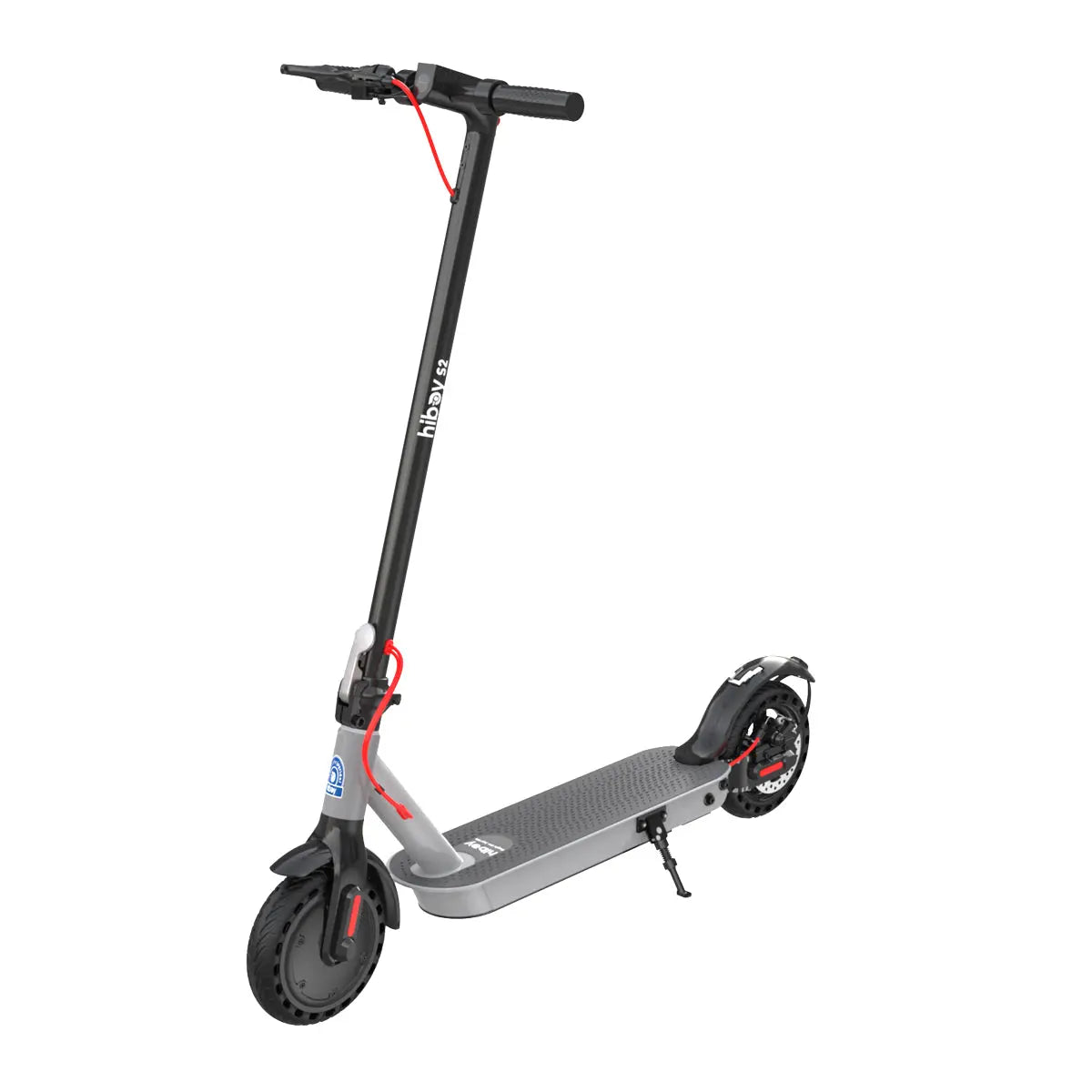 S2
S2
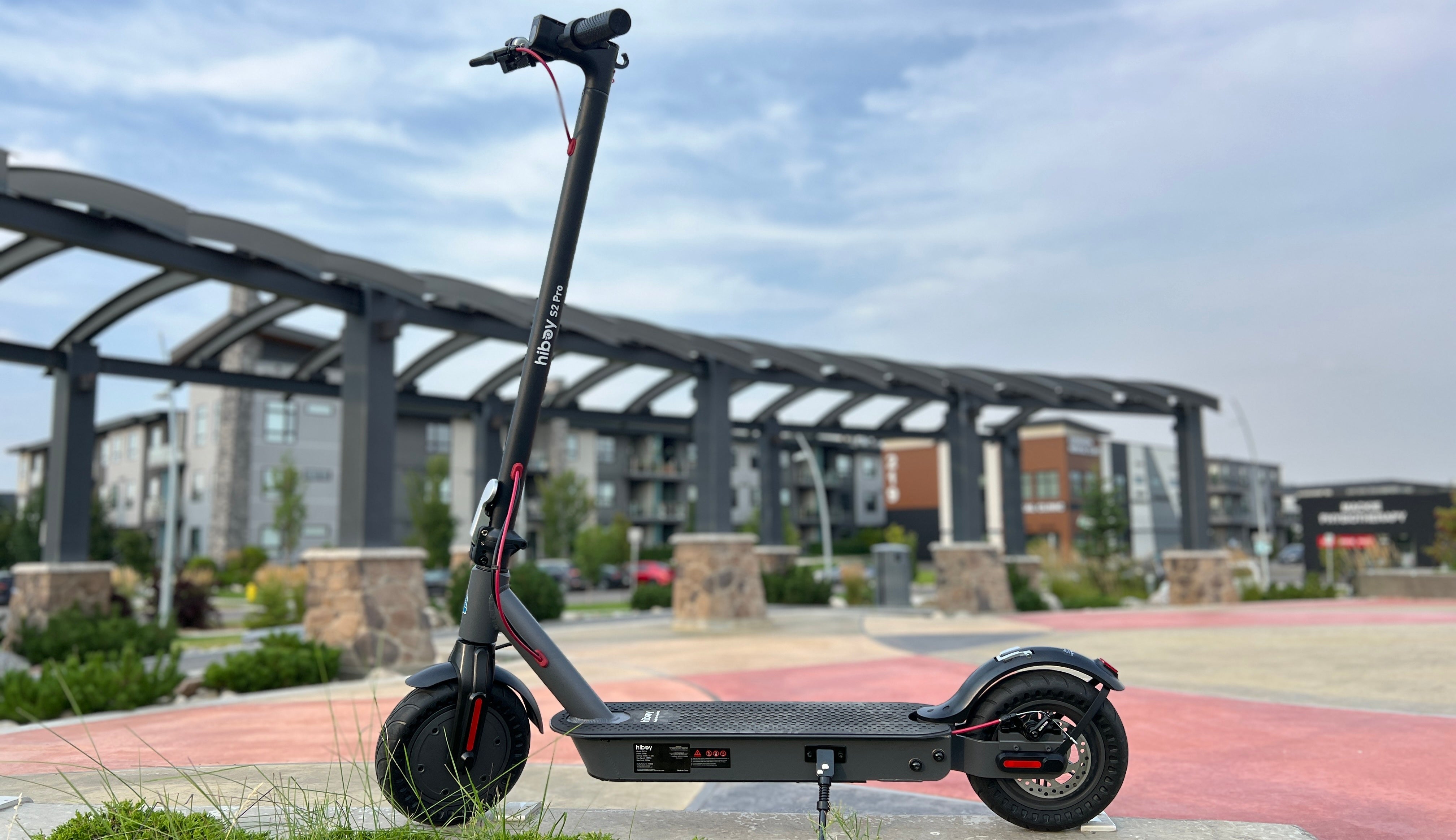
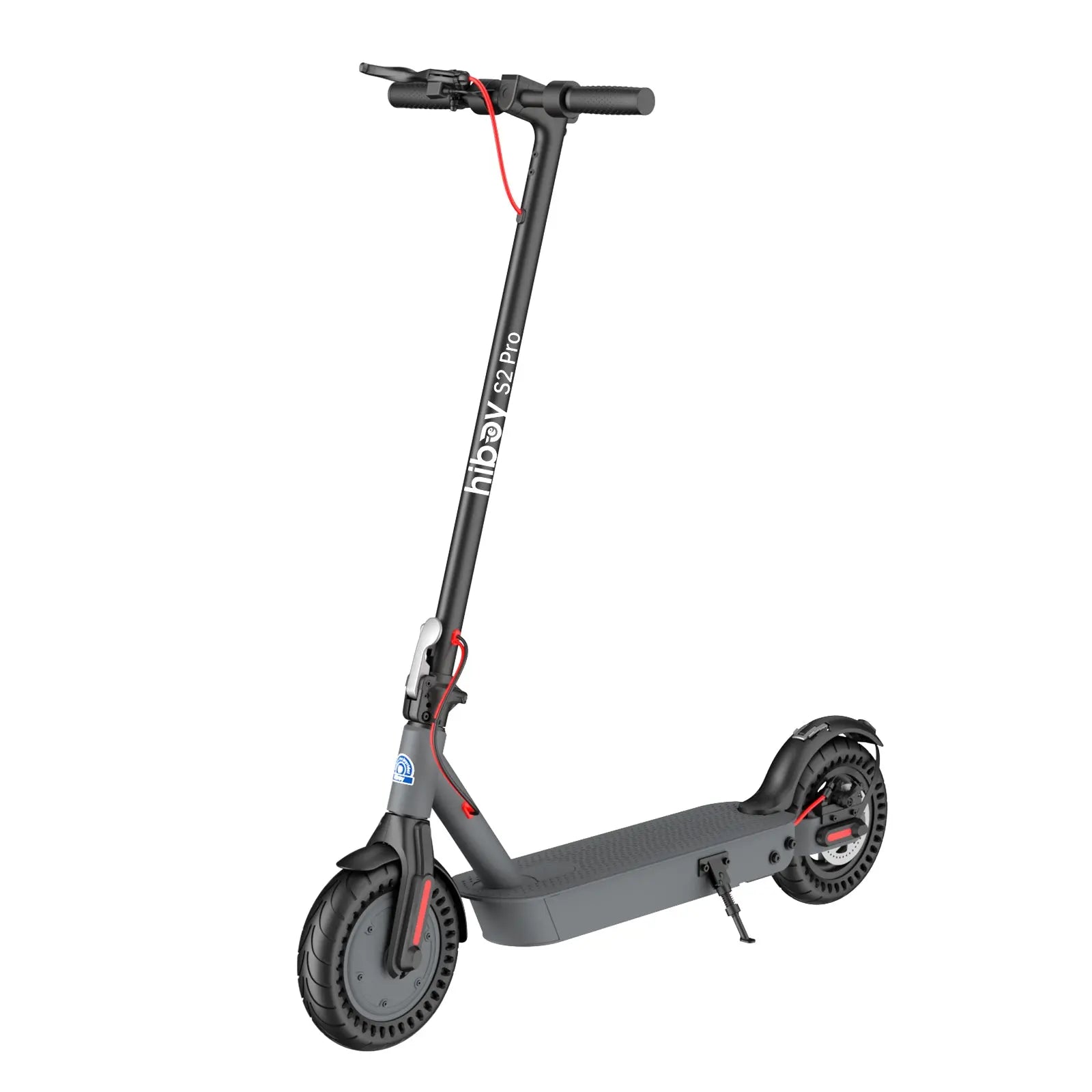 S2 Pro
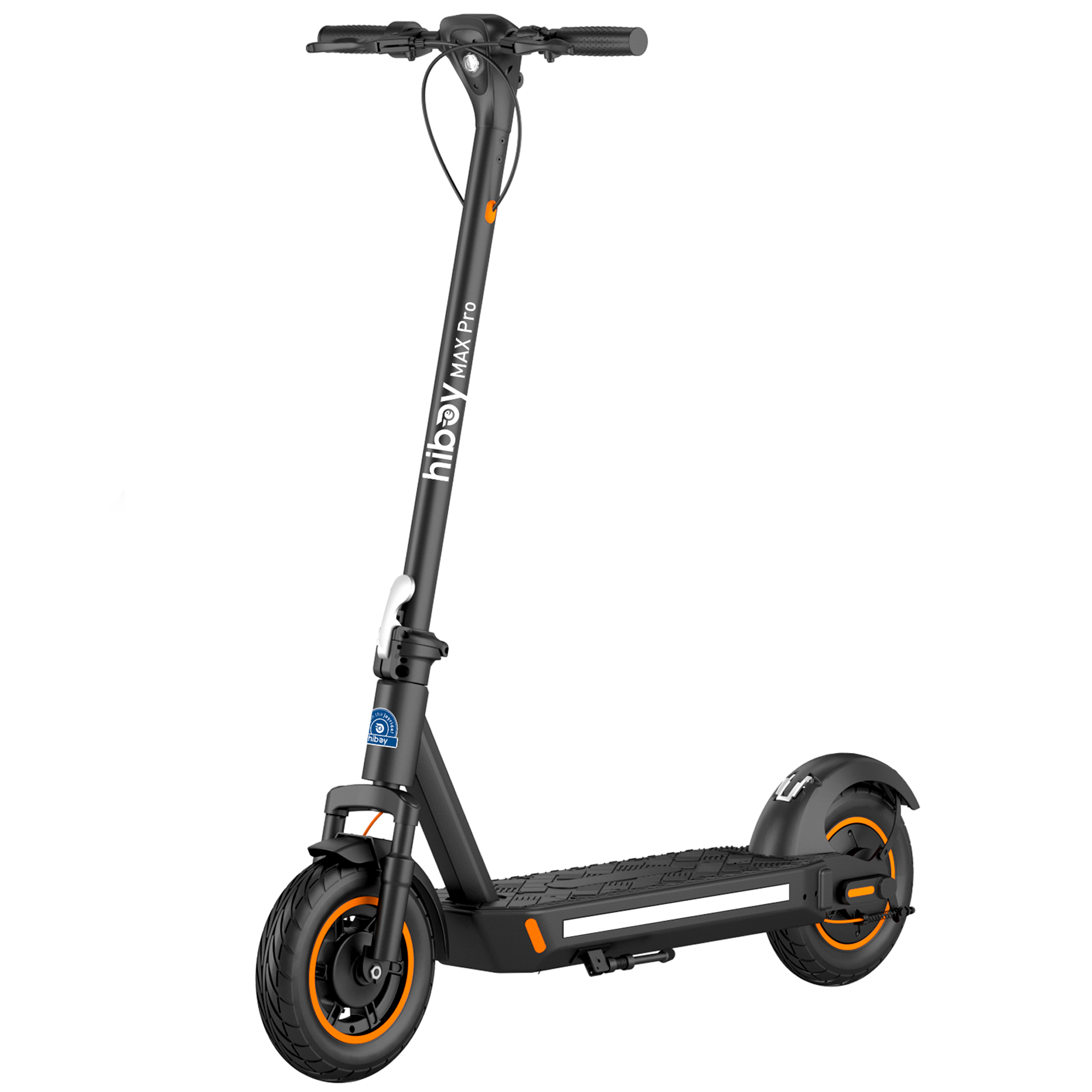 MAX Pro
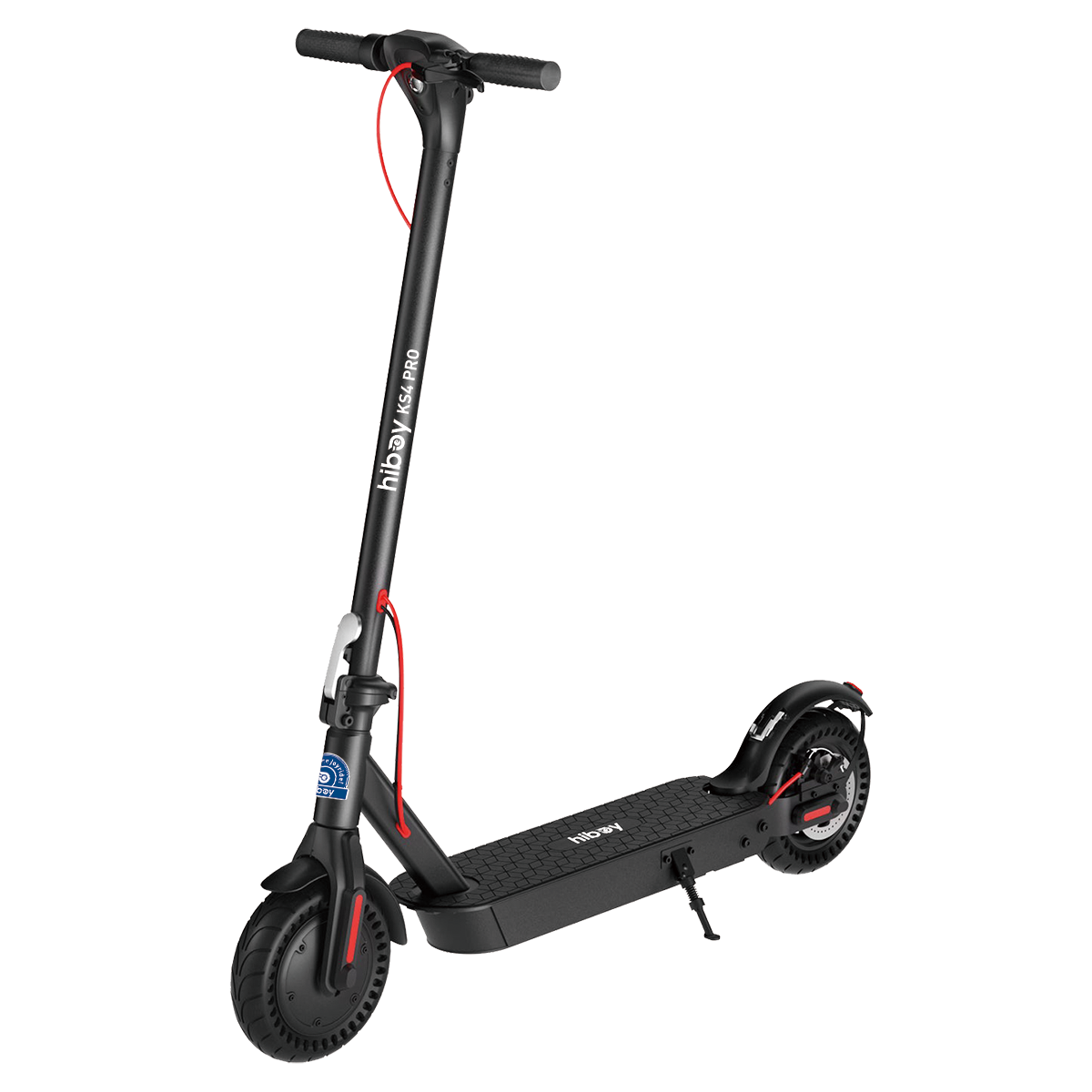 KS4 Pro
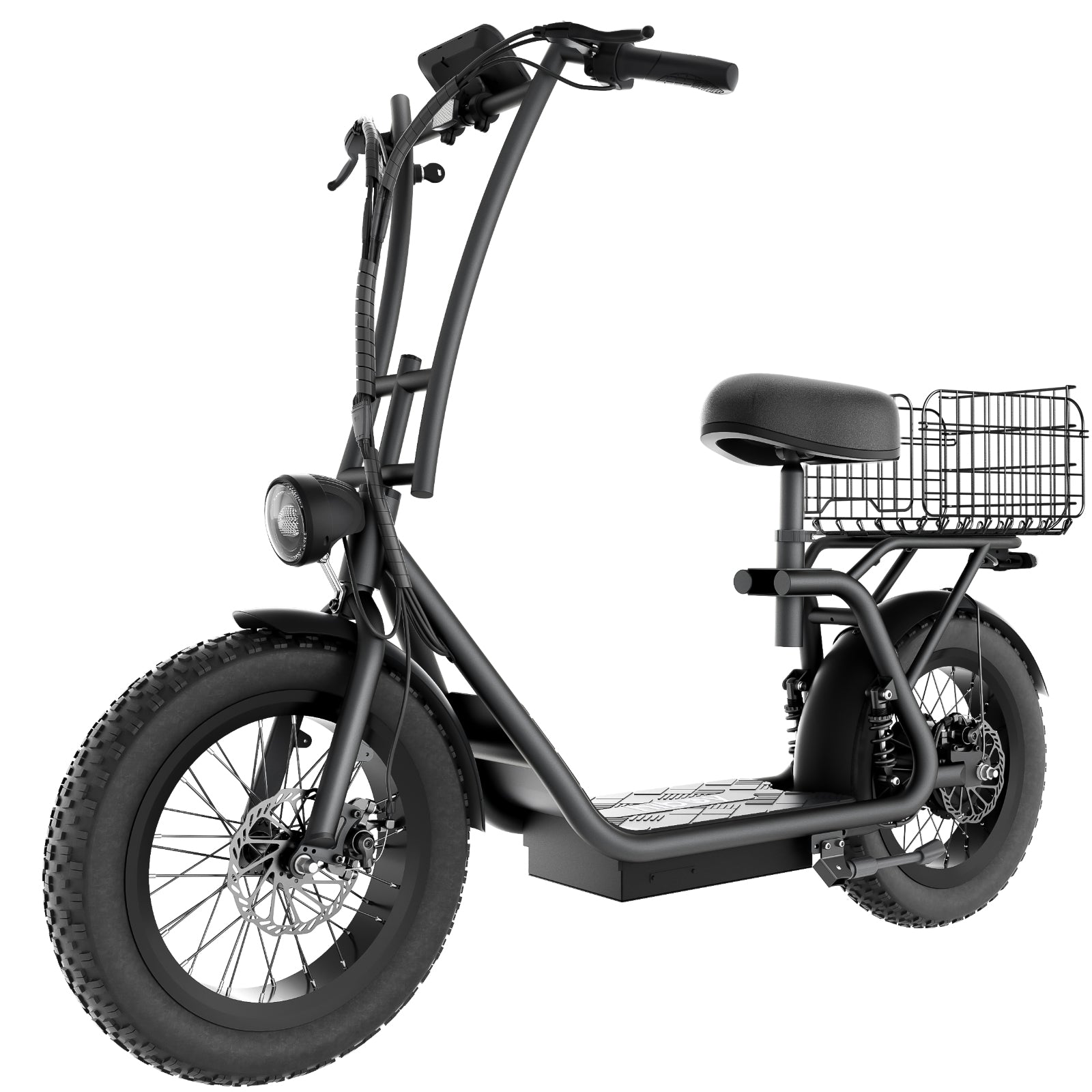 U2 Pro
 TITAN
TITAN
 Compare Models
 Find Your Best Ride

 Daily Commute
 Off-road & Trail
 Folding & Compact
 Fat Tire Rides
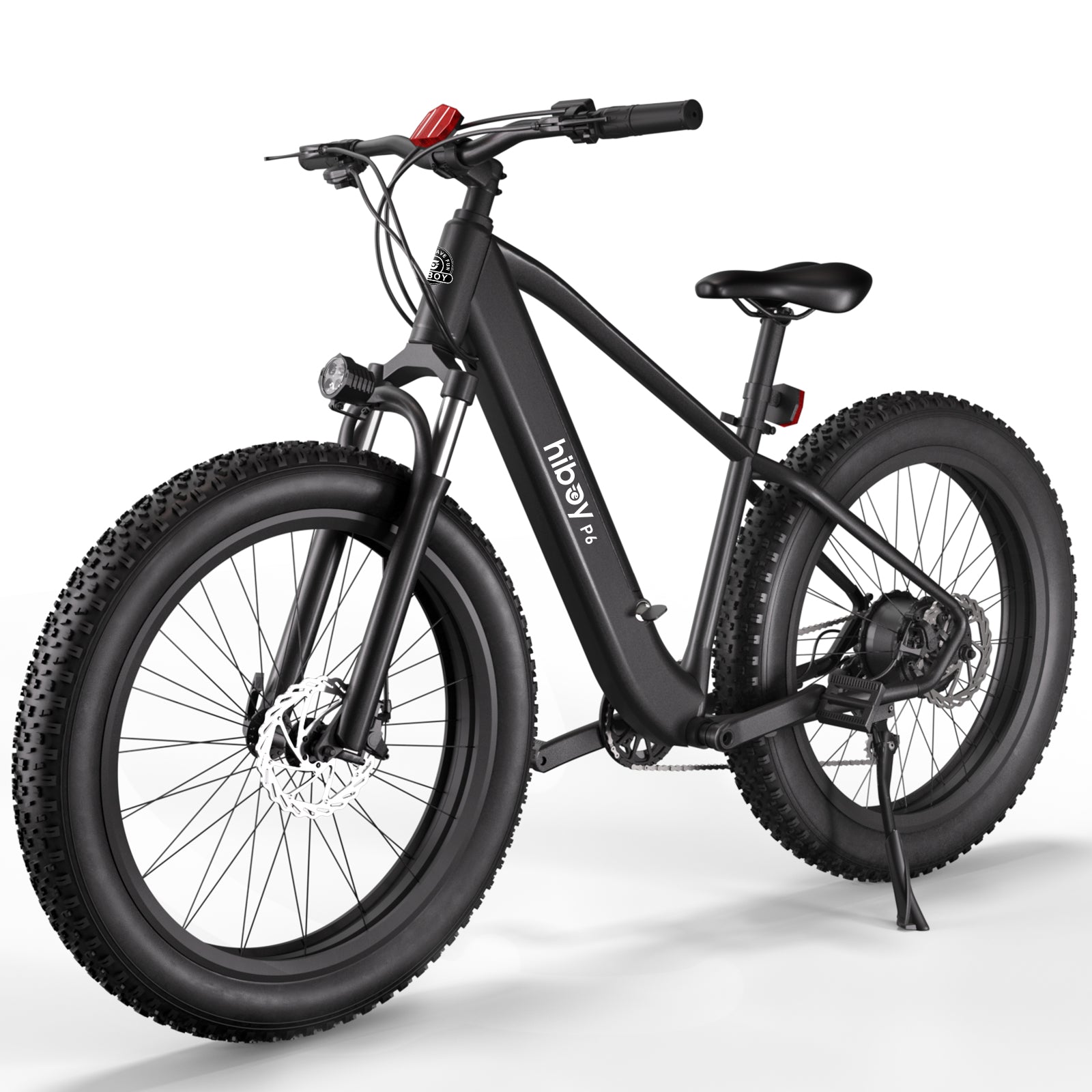 P6
P6
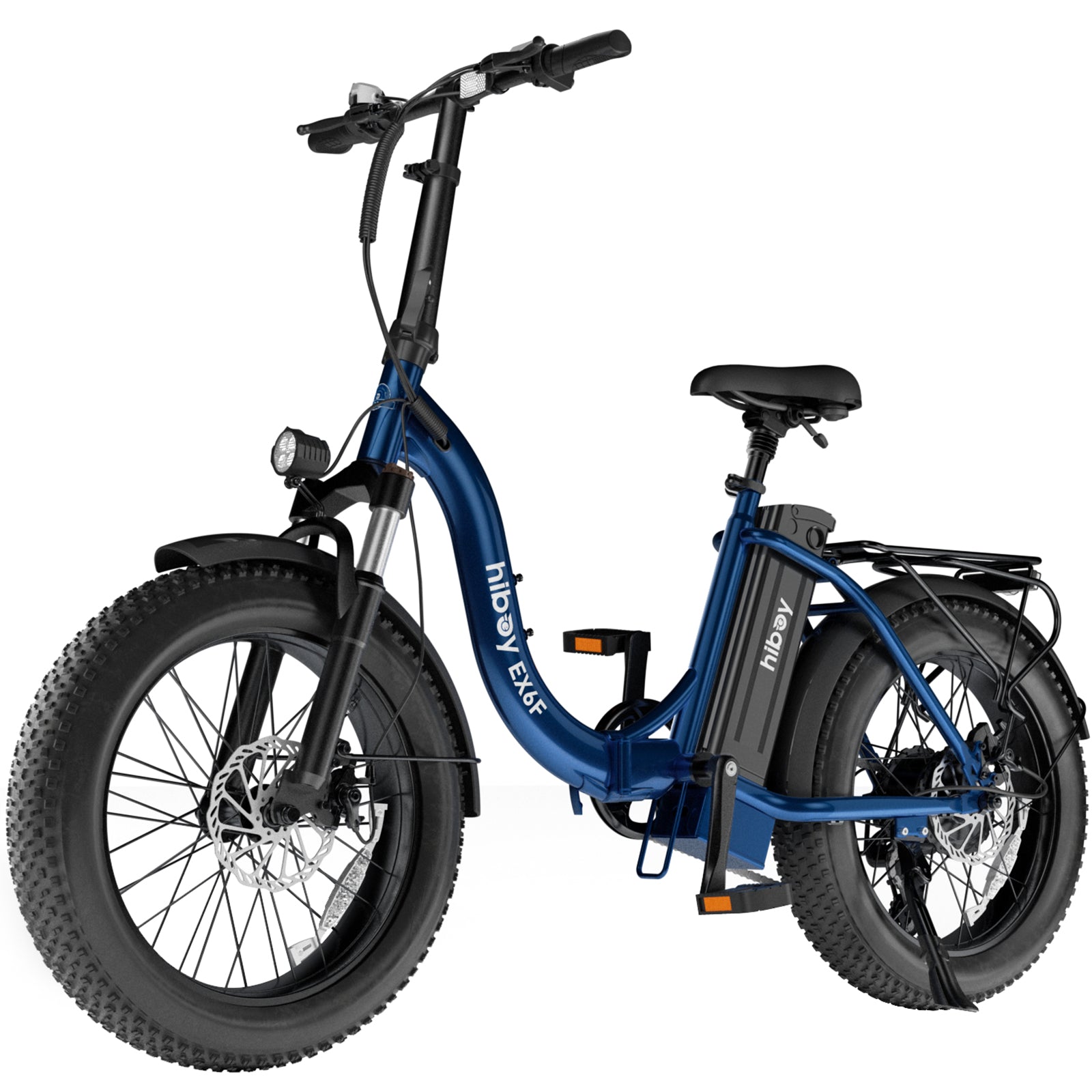 EX6F
EX6F
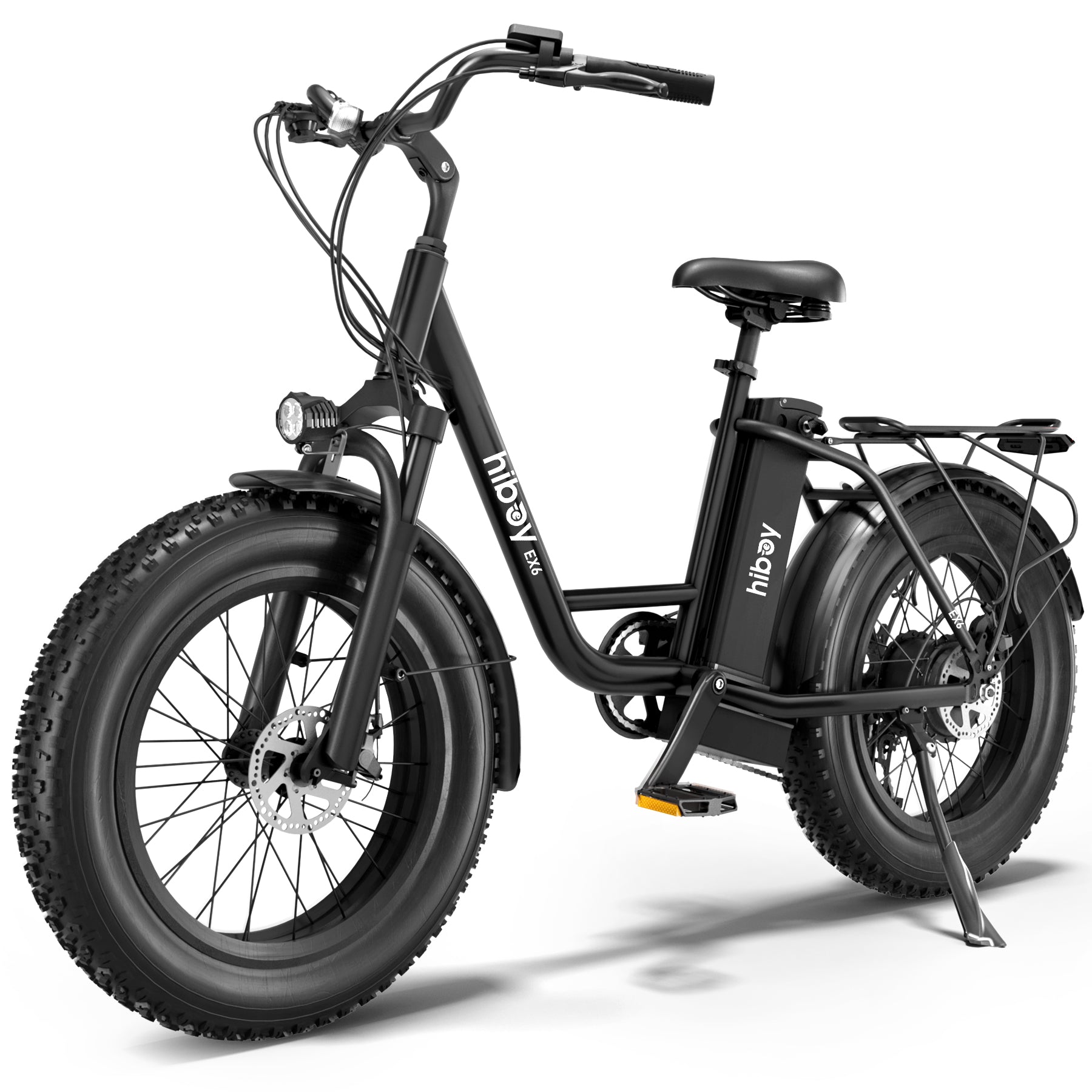 EX6
EX6
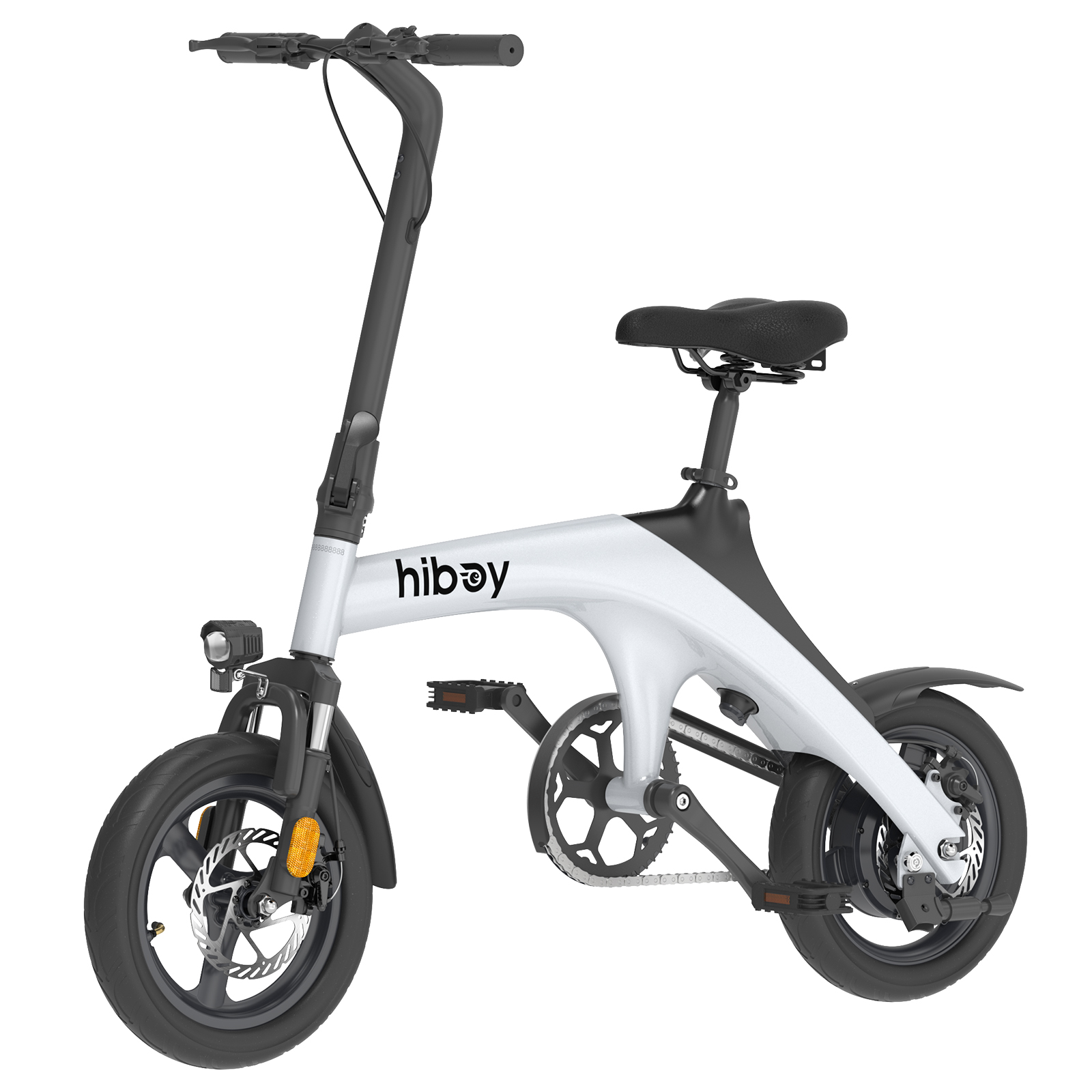 C1
C1
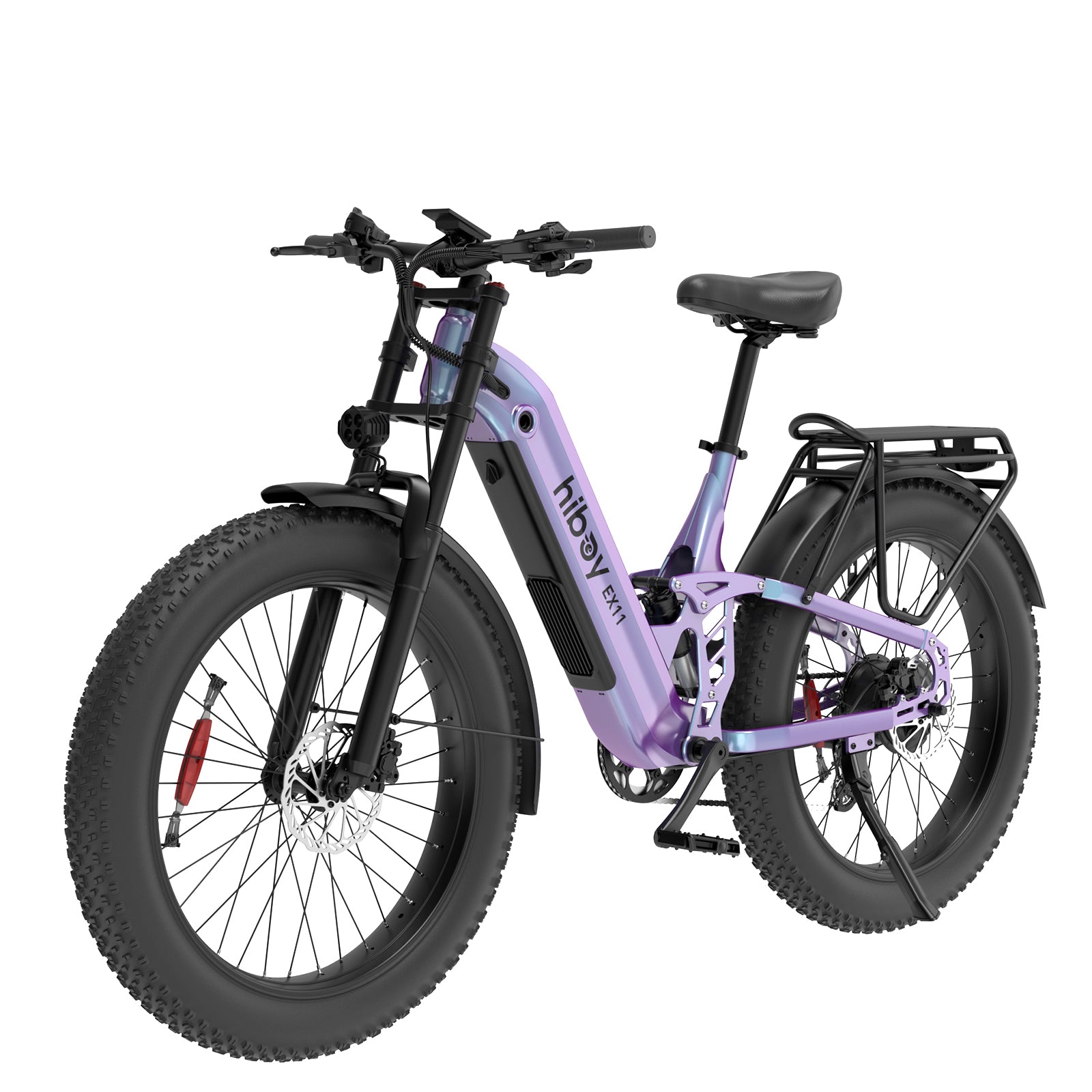 EX11
EX11
 EX9
EX9
 Compare Models
 First Rides
 Everyday Fun
 S2 Lite
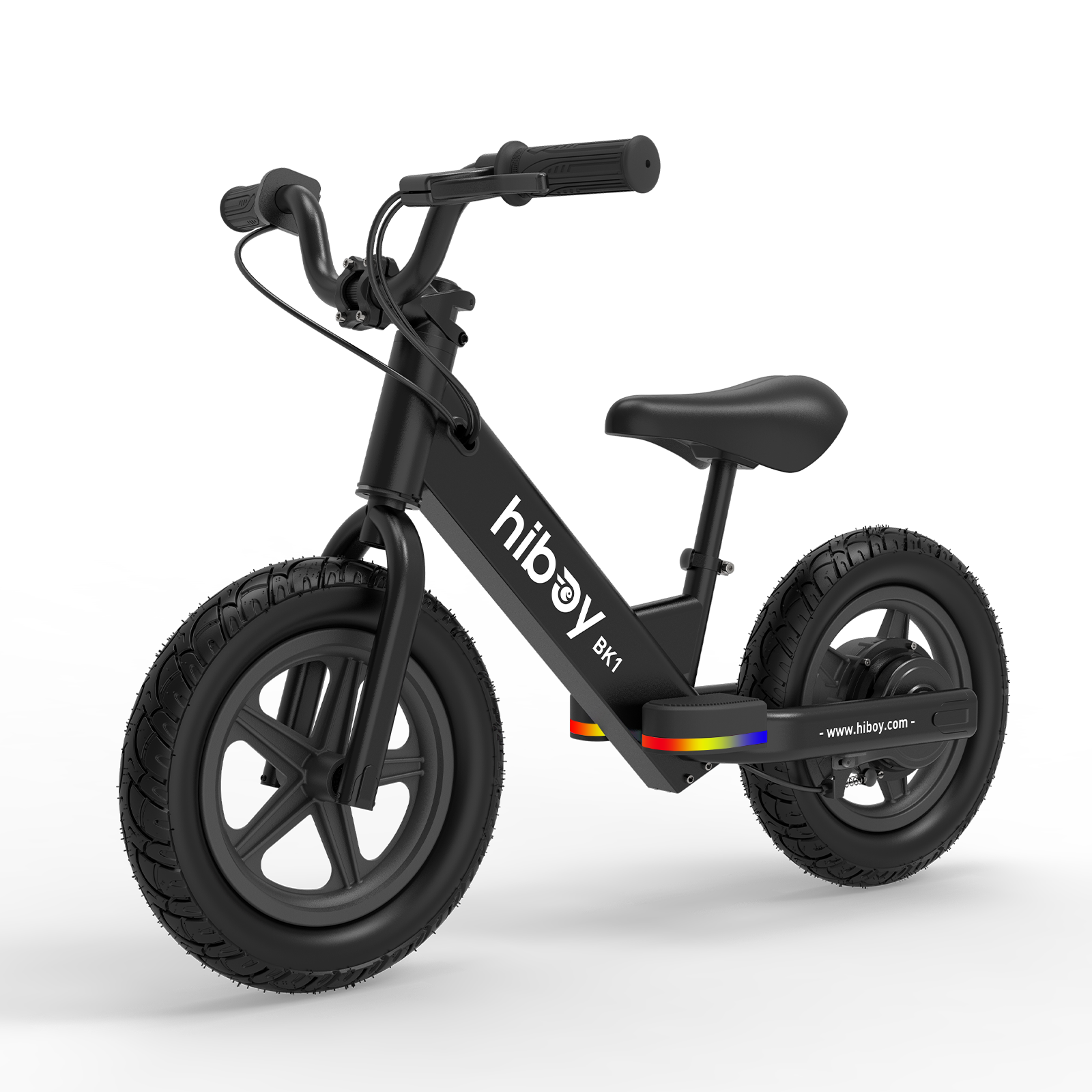 BK1
BK1
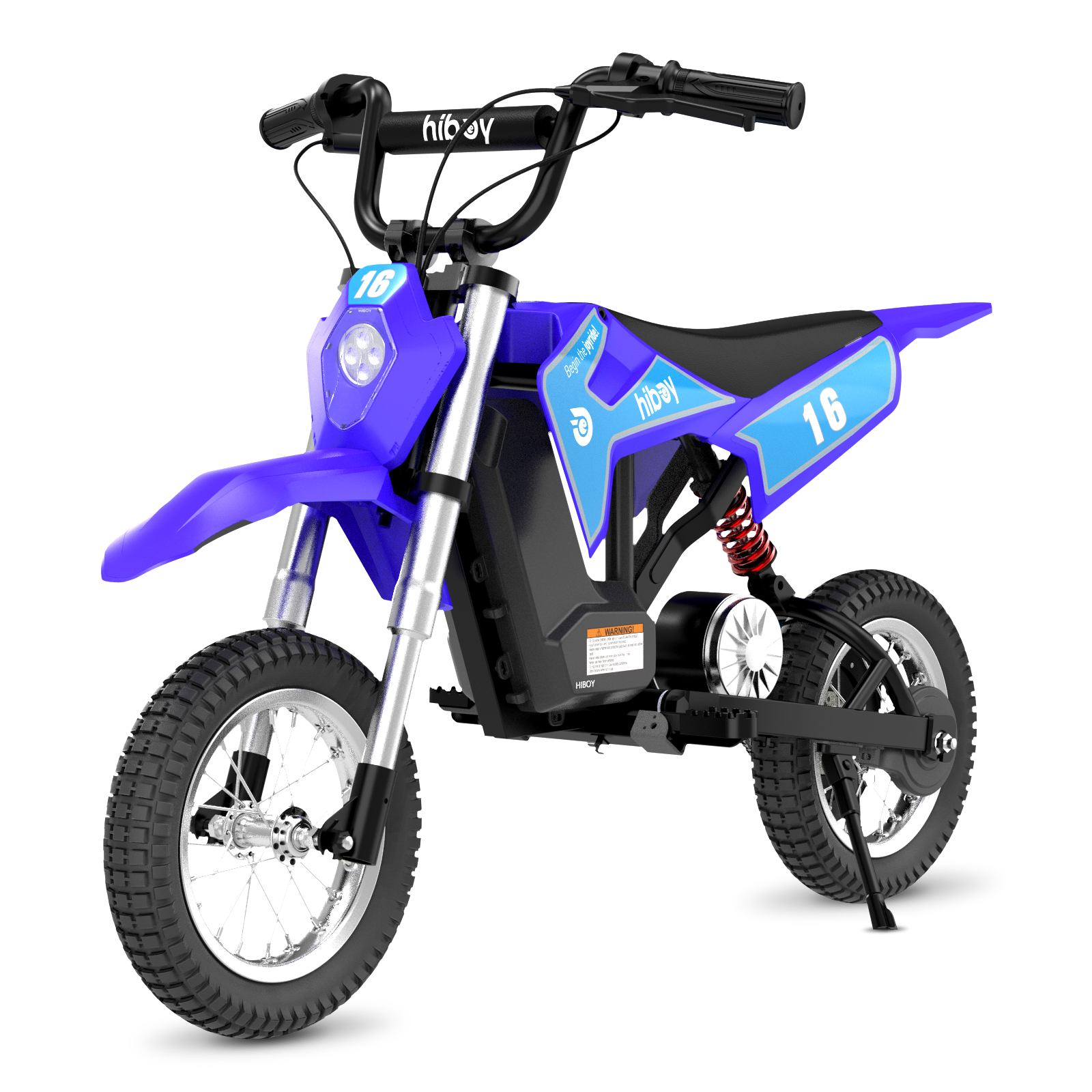 DK1
DK1
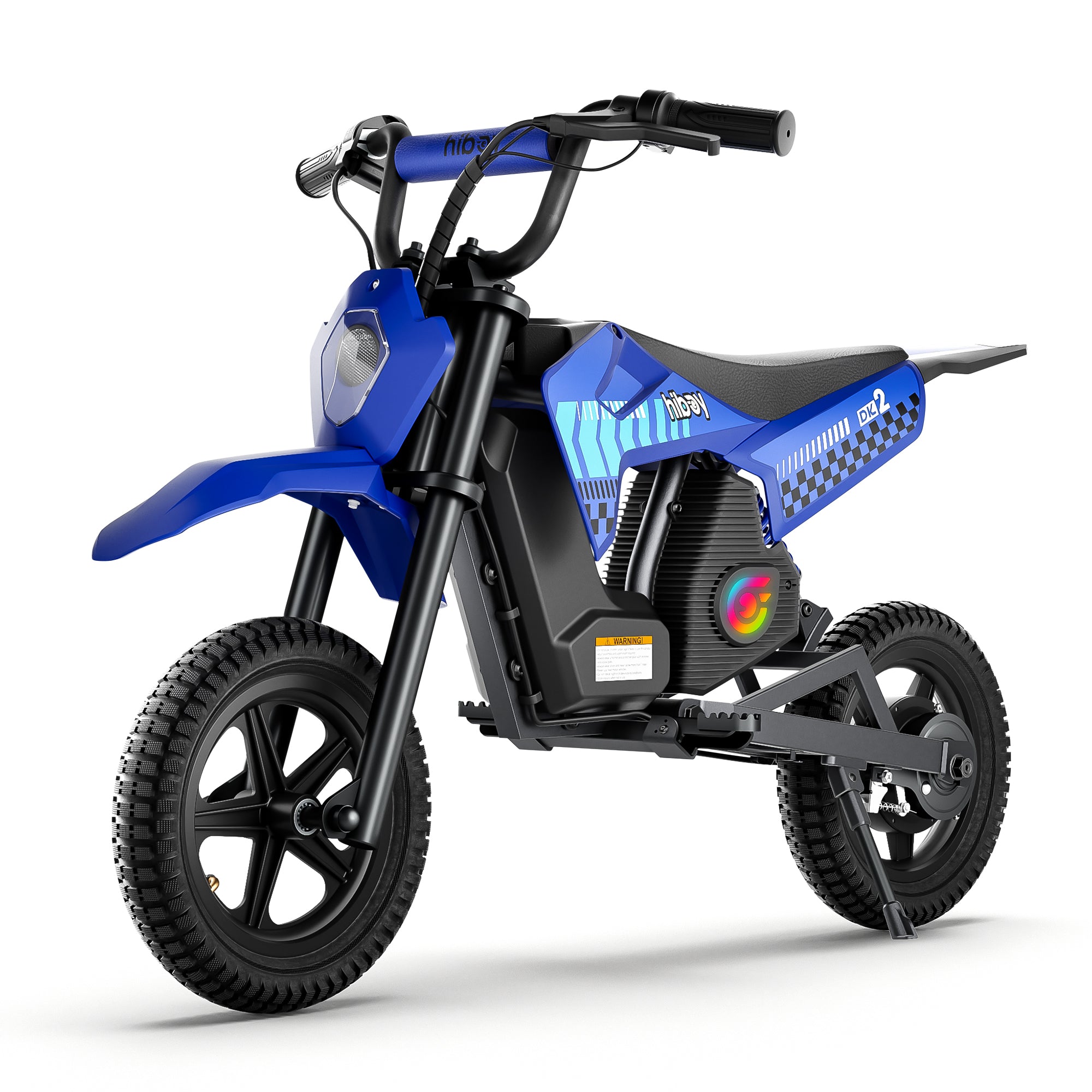 DK2
DK2
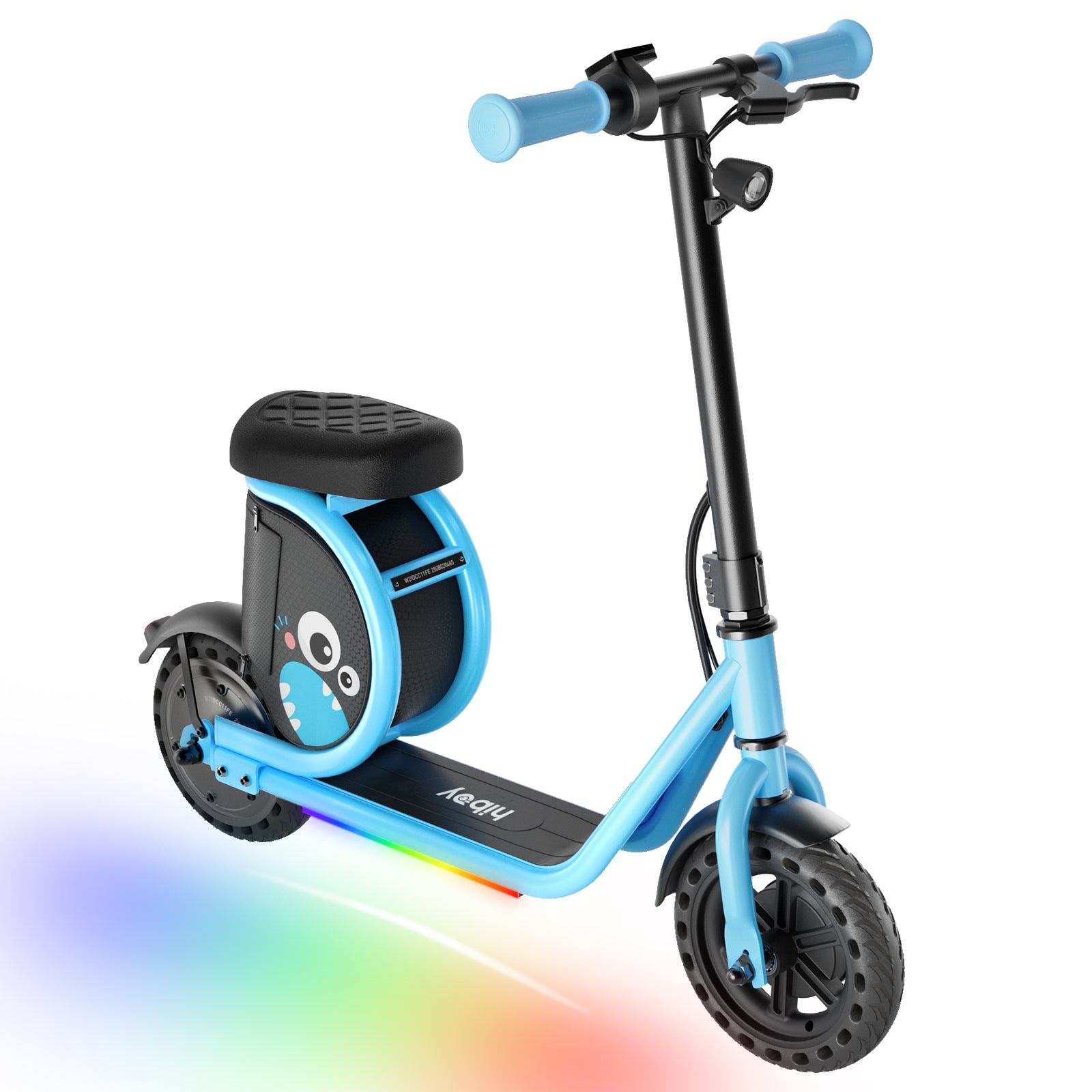 Joy Haul
 Q2 Lite
 Compare Models
Electric scooters have transformed urban transportation, offering an efficient, affordable, and eco-friendly way to travel. At the heart of every electric scooter is its battery, the single most important component affecting range, performance, and long-term ownership costs.
While modern lithium-ion batteries are designed to be durable, improper charging habits, extreme temperatures, and poor maintenance can significantly shorten their lifespan. The good news is that with the right practices, you can maximize both your scooter's daily range and the overall lifespan of its battery.
In this guide, we'll explain how electric scooter batteries work, what causes them to degrade, and the proven strategies that help riders get the most from every charge.
Understanding Electric Scooter Battery Life
Before discussing maintenance tips, it's important to understand what "battery life" actually means.
Battery life can refer to two different things:
| Battery Metric | Meaning |
| Daily Range | How far your scooter can travel on a single charge |
| Battery Lifespan | How many charge cycles the battery can complete before its capacity significantly decreases |
Most quality electric scooters use lithium-ion batteries that typically last:
| Battery Type | Typical Lifespan |
| Standard Lithium-Ion | 300–500 charge cycles |
| Premium Lithium-Ion | 500–1,000+ charge cycles |
A charge cycle does not necessarily mean one charge. Using 50% of the battery one day and 50% the next day equals one full cycle.

With proper care, many riders can enjoy several years of reliable battery performance.
Why Electric Scooter Batteries Degrade Over Time
Battery degradation is a natural process. Over time, chemical reactions inside lithium-ion cells gradually reduce their ability to store energy.
Several factors accelerate this process:
- Frequent full discharges
- Constant charging to 100%
- High temperatures
- Long-term storage at extreme charge levels
- Excessive fast charging
- Heavy riding loads
- Poor charging habits
Understanding these factors helps you make smarter decisions that preserve battery health.
1. Avoid Letting the Battery Reach 0%
One of the most common battery mistakes is regularly draining the battery completely.
Lithium-ion batteries experience greater stress when discharged to extremely low levels.
Best Practice
- Try to recharge when the battery reaches:
- 20%–30% remaining charge
Avoid:
- Repeatedly riding until the scooter shuts off
- Leaving the battery depleted for days or weeks

Why It Matters
Deep discharges increase internal wear and can permanently reduce battery capacity over time.
2. Don't Always Charge to 100%
Many riders assume charging to 100% is ideal. While it's perfectly acceptable before a long ride, constantly maintaining a full charge can accelerate battery aging.
Ideal Charging Range
For everyday use:
| Battery Level | Recommendation |
| 20%–30% | Recharge |
| 80%–90% | Stop charging when practical |
| 100% | Reserve for longer rides |
This practice reduces stress on battery cells and helps preserve long-term capacity.
3. Charge After Riding—But Let the Battery Cool First
After a demanding ride, the battery may be warm due to power output and regenerative braking.
Charging immediately while the battery is still hot can increase wear.
Recommended Approach
- Finish riding
- Allow the scooter to cool for 15–30 minutes
- Begin charging
This simple habit helps maintain battery efficiency and reduces thermal stress.

4. Protect the Battery from Extreme Heat
Heat is one of the biggest enemies of lithium-ion batteries.
High temperatures accelerate chemical degradation and reduce long-term performance.
Common Heat Risks
- Leaving the scooter in direct sunlight
- Storing it inside a hot vehicle
- Charging in extremely warm environments
- Riding aggressively during heat waves
Recommended Temperature Range
| Condition | Ideal Temperature |
| Charging | 50°F–86°F (10°C–30°C) |
| Storage | 50°F–77°F (10°C–25°C) |
| Riding | Within manufacturer recommendations |
If the scooter feels excessively hot, allow it to cool before charging.
5. Avoid Charging in Freezing Temperatures
Cold weather affects battery chemistry differently than heat.
Charging a lithium-ion battery while it is extremely cold can cause irreversible damage.
Winter Charging Tips
- Bring the scooter indoors before charging
- Allow the battery to warm to room temperature
- Avoid charging immediately after exposure to freezing conditions
You may notice reduced range during winter, but this is often temporary and improves as temperatures rise.

6. Use the Original Charger
Using a charger that wasn't designed for your scooter can create voltage inconsistencies and potentially damage battery cells.
Always Use
- The manufacturer-supplied charger
- An approved replacement charger from the manufacturer
Avoid
- Generic chargers
- Incorrect voltage chargers
- Cheap third-party alternatives
The charger is an essential part of the battery management system.
7. Unplug the Charger After Charging Completes
Modern scooters include battery management systems (BMS) that help prevent overcharging.
However, leaving the charger connected indefinitely is still not ideal.
Recommended Habit
- Disconnect the charger once charging is complete
- Avoid leaving the scooter plugged in for days at a time
While occasional overnight charging is generally acceptable, constant charging can contribute to unnecessary battery stress.
8. Store the Battery Properly During Long Breaks
If you won't be riding for several weeks or months, battery storage becomes especially important.
Ideal Storage Charge
Store the battery at:
- 40%–60% charge

Avoid Storing At
| Charge Level | Risk |
| 0% | Deep discharge damage |
| 100% | Accelerated aging |
Long-Term Storage Checklist
- ✓ Store indoors
- ✓ Keep in a dry environment
- ✓ Avoid extreme temperatures
- ✓ Check charge level every 1–2 months
- ✓ Recharge to approximately 50% if necessary
9. Ride Smoothly to Reduce Battery Strain
Aggressive riding doesn't just affect safety, it also places greater demands on the battery.
Frequent hard acceleration draws large amounts of current from the battery pack.
Battery-Friendly Riding Habits
- Accelerate gradually
- Maintain steady speeds
- Anticipate stops
- Avoid unnecessary bursts of maximum power
These habits can improve both range and battery longevity.
10. Maintain Proper Tire Pressure
Many riders overlook the connection between tire pressure and battery performance.

Underinflated tires increase rolling resistance, forcing the motor to consume more energy.
Benefits of Proper Tire Pressure
- Improved efficiency
- Longer range
- Reduced motor strain
- Better handling
Check tire pressure regularly according to manufacturer specifications.
11. Reduce Excess Weight When Possible
The heavier the load, the harder the motor and battery must work.
Extra weight can significantly affect energy consumption.
Examples of Additional Weight
- Heavy backpacks
- Cargo loads
- Accessories
- Additional passengers (if prohibited by manufacturer guidelines)
Reducing unnecessary weight helps maximize efficiency and range.
12. Keep Firmware Updated
Many modern electric scooters use software to manage battery performance, power delivery, and charging behavior.
Manufacturers occasionally release firmware updates that improve:
- Battery efficiency
- Range estimation accuracy
- Charging management
- System reliability
Check your scooter app or manufacturer's support resources periodically for updates.

Signs Your Battery May Need Attention
Even with excellent care, batteries eventually age.
Watch for these warning signs:
| Symptom | Possible Cause |
| Noticeably reduced range | Battery aging |
| Sudden drops in battery percentage | Cell imbalance |
| Longer charging times | Battery degradation |
| Excessive heat during charging | Battery issue |
| Failure to hold charge | Aging battery |
If these symptoms become severe, consult the manufacturer or authorized service provider.
Common Battery Life Myths
Myth #1: You Must Fully Drain the Battery Before Charging
This was true for older battery technologies but not for modern lithium-ion batteries.
In fact, frequent full discharges can shorten battery life.
Myth #2: Charging Overnight Always Damages the Battery
Modern scooters include battery management systems designed to prevent overcharging.
Occasional overnight charging is generally safe, although unplugging after charging is still preferable.
Myth #3: More Powerful Riding Modes Are Always Bad for Batteries
Higher power modes increase energy consumption, but occasional use will not significantly damage a healthy battery.
The real issue is consistently subjecting the battery to extreme heat and heavy loads without proper care.

Battery Life Optimization Checklist
Use this quick reference guide:
| Do | Avoid |
| Recharge at 20%–30% | Regularly draining to 0% |
| Store at 40%–60% charge | Long-term storage at 0% or 100% |
| Keep battery cool | Leaving scooter in direct sunlight |
| Use original charger | Using incompatible chargers |
| Check tire pressure regularly | Riding on underinflated tires |
| Charge in moderate temperatures | Charging in extreme heat or cold |
| Ride smoothly | Frequent hard acceleration |
| Update firmware when available | Ignoring manufacturer updates |
Final Thoughts
An electric scooter battery is a long-term investment. While all lithium-ion batteries naturally lose capacity over time, proper care can dramatically slow the aging process and help you maintain strong performance for years.
The most effective strategies are also the simplest: avoid deep discharges, minimize exposure to extreme temperatures, charge responsibly, and maintain your scooter regularly. By following these best practices, you'll enjoy longer rides, more consistent performance, and a healthier battery throughout the life of your electric scooter.
A few small habits today can add hundreds of miles of reliable riding tomorrow.







Leave a comment
All comments are moderated before being published.
This site is protected by hCaptcha and the hCaptcha Privacy Policy and Terms of Service apply.