





 Daily Commute
 Lightweight & Portable
 Performance Rides
 Comfort With Seat
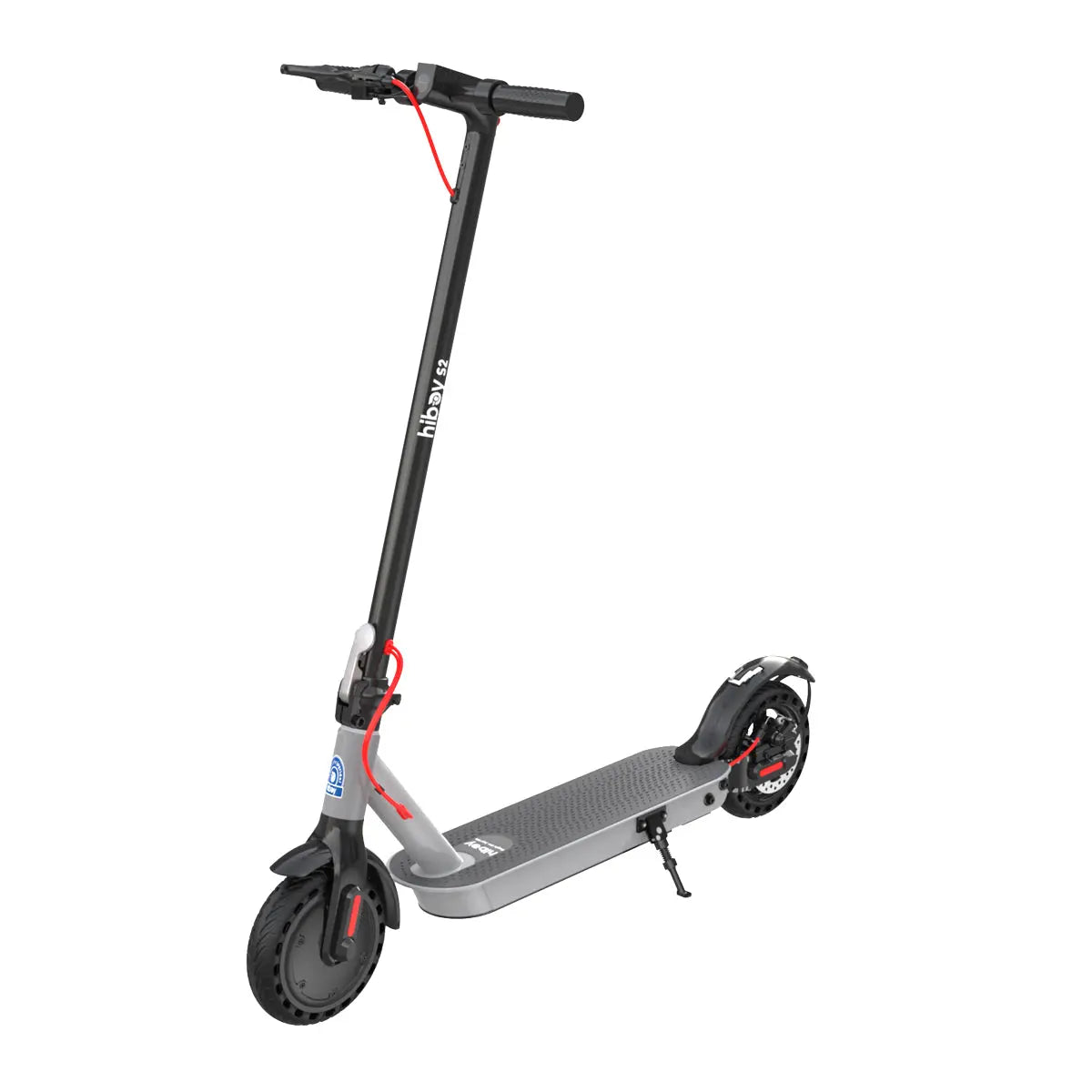 S2
S2
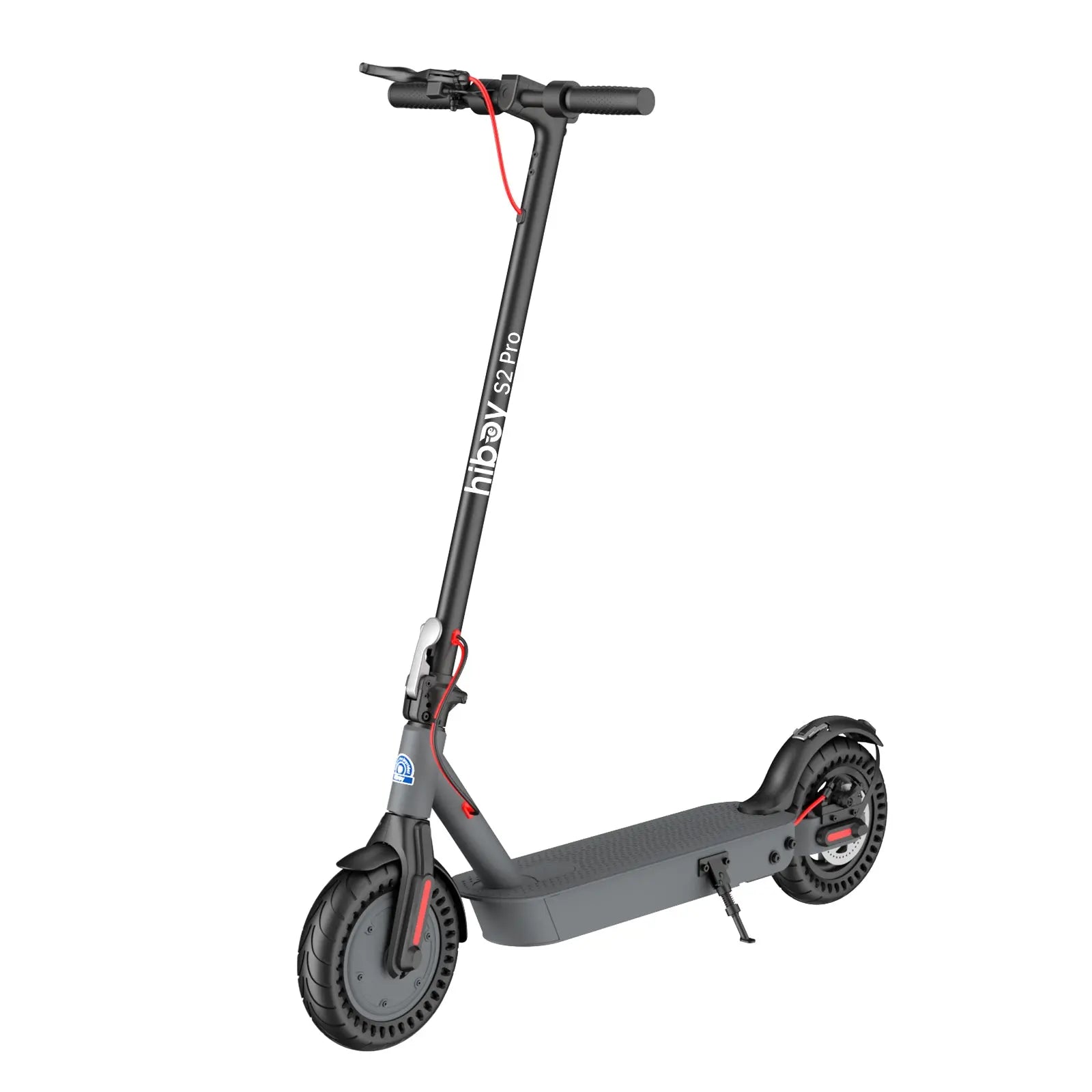 S2 Pro
 MAX Pro
 KS4 Pro
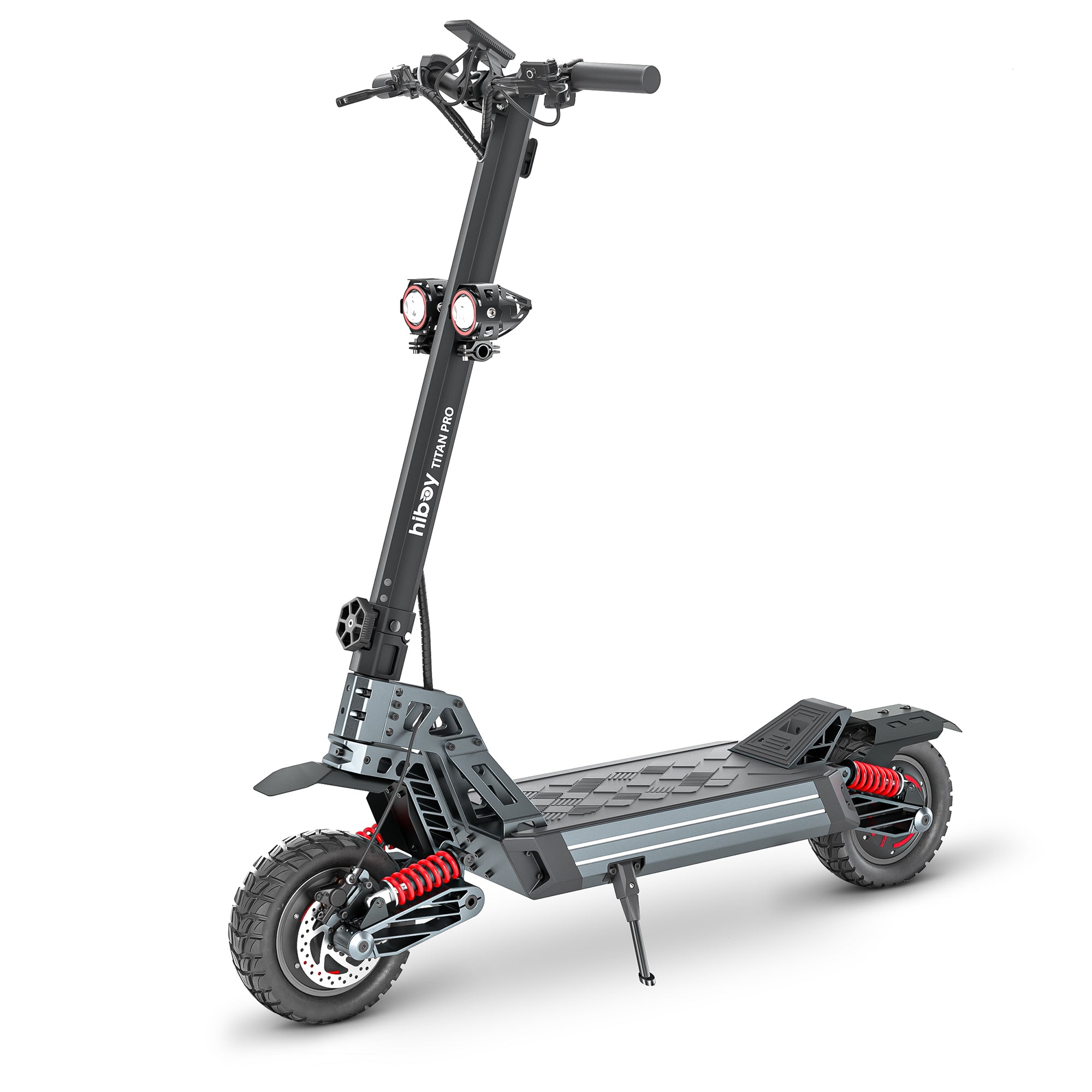 TITAN PRO
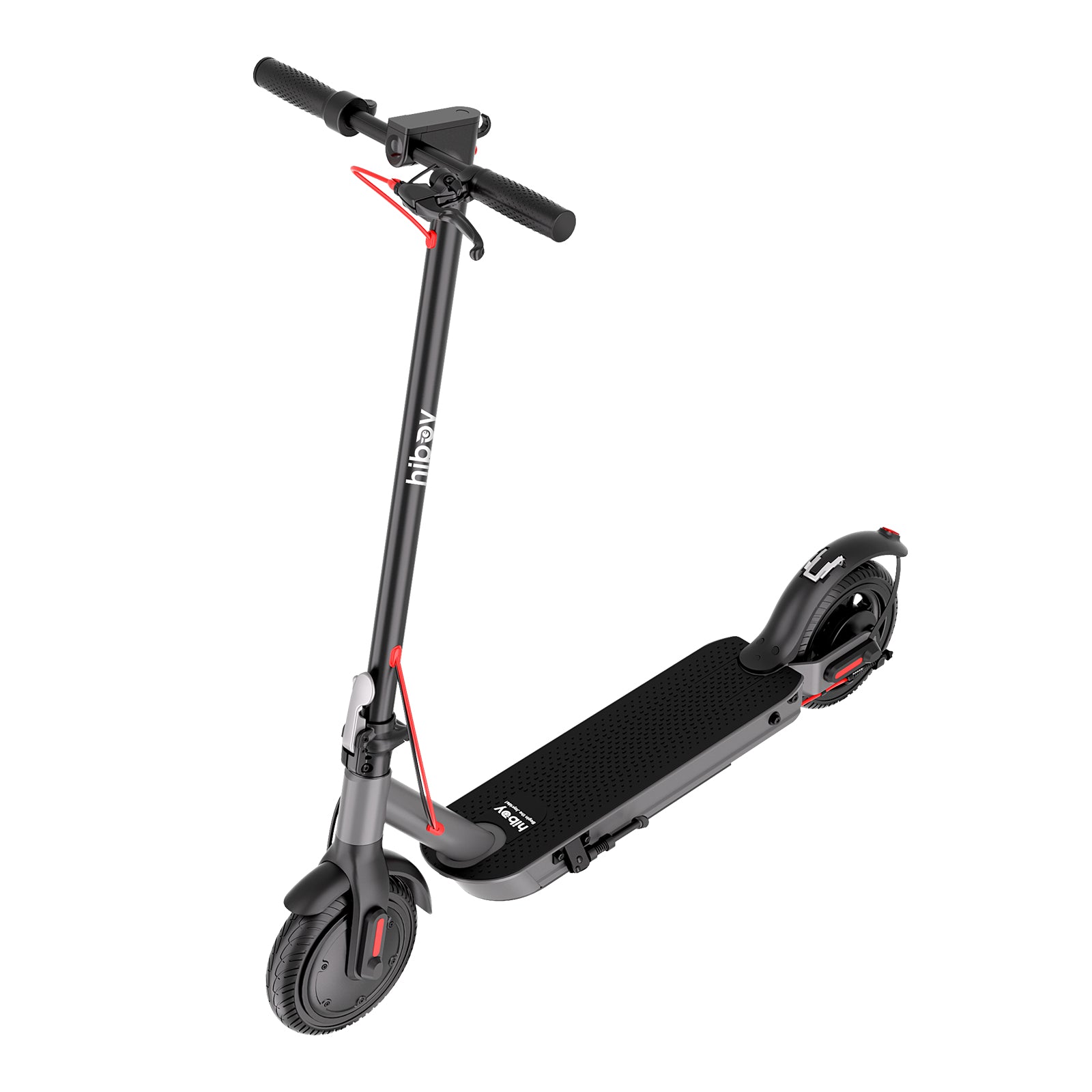 S2 Nova
 Compare Models
 Find Your Best Ride
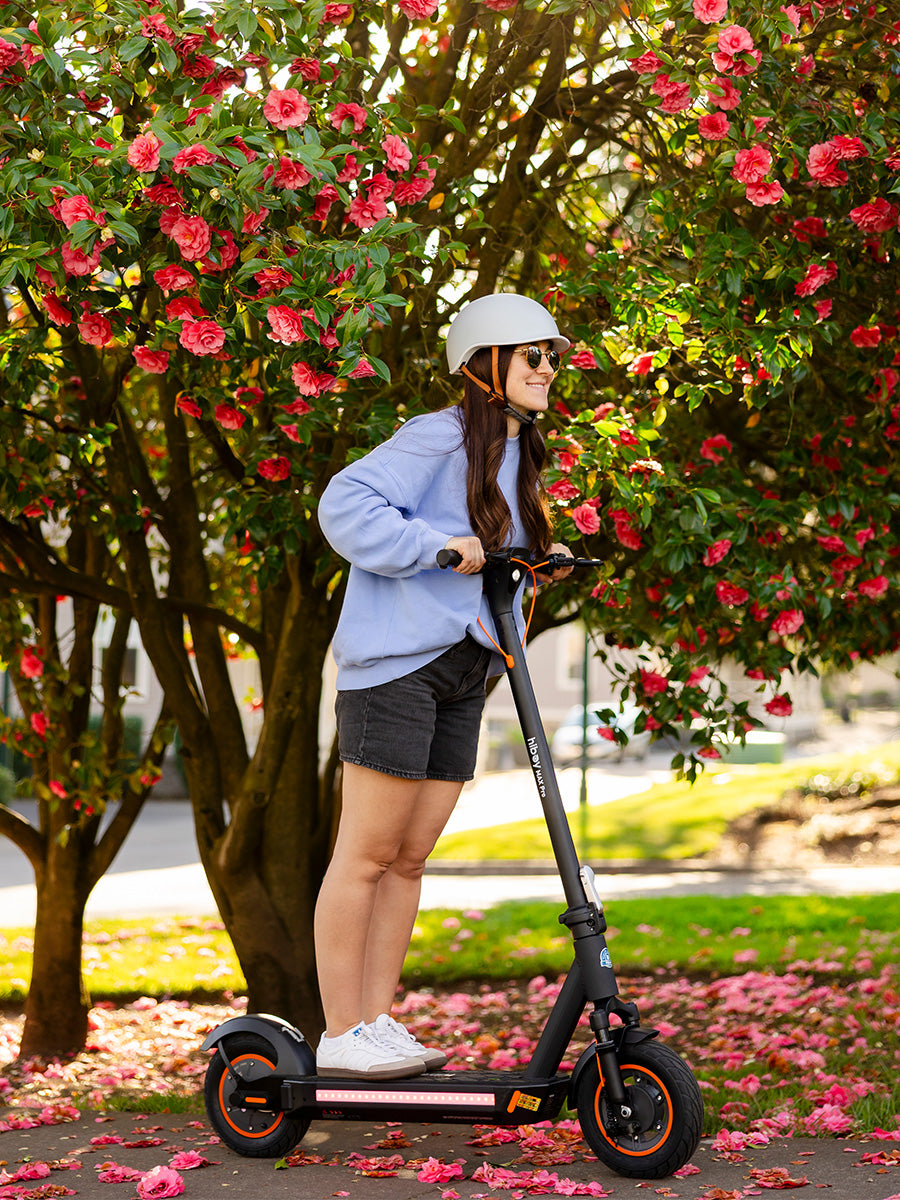
 Daily Commute
 Off-road & Trail
 Folding & Compact
 Fat Tire Rides
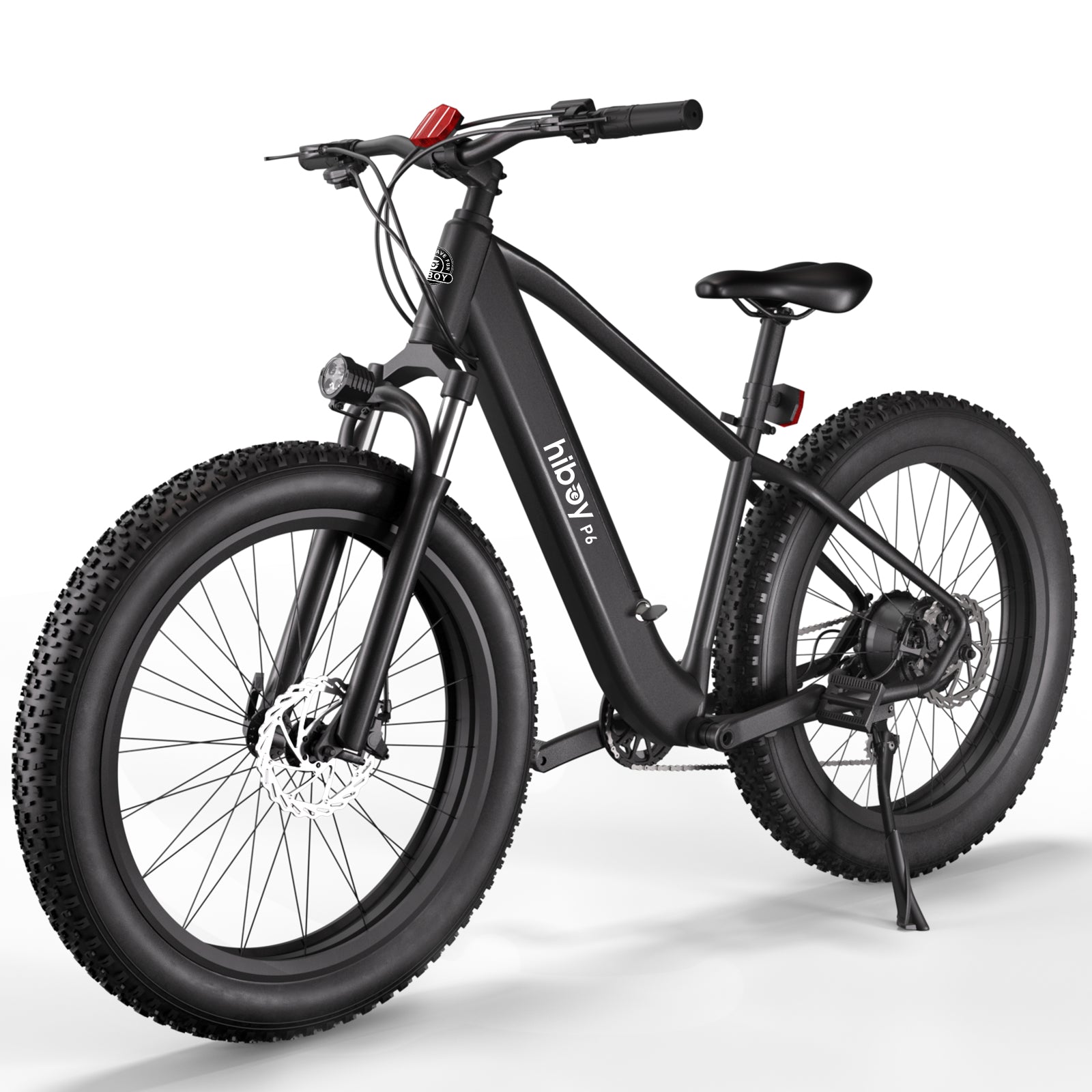 P6
P6
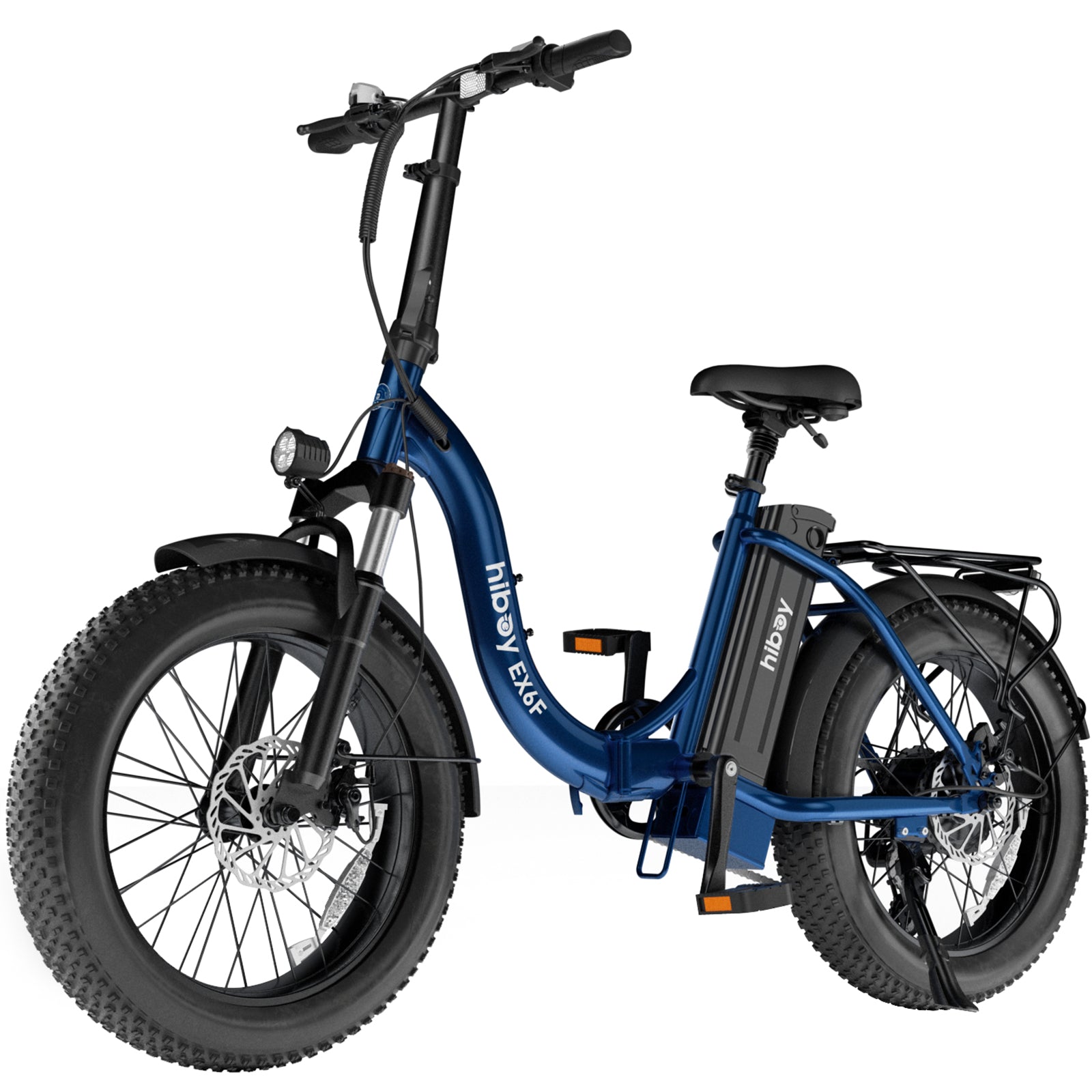 EX6F
EX6F
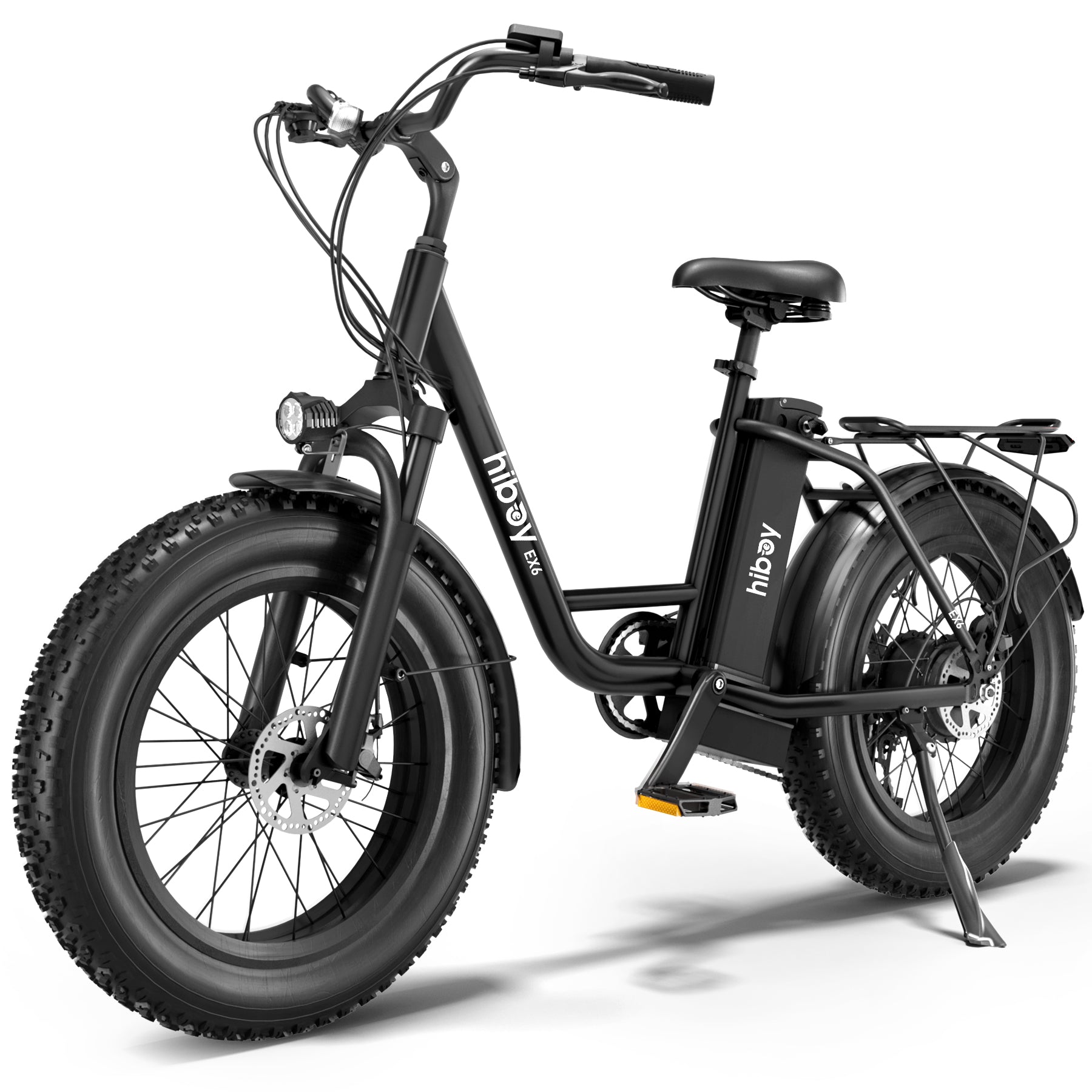 EX6
EX6
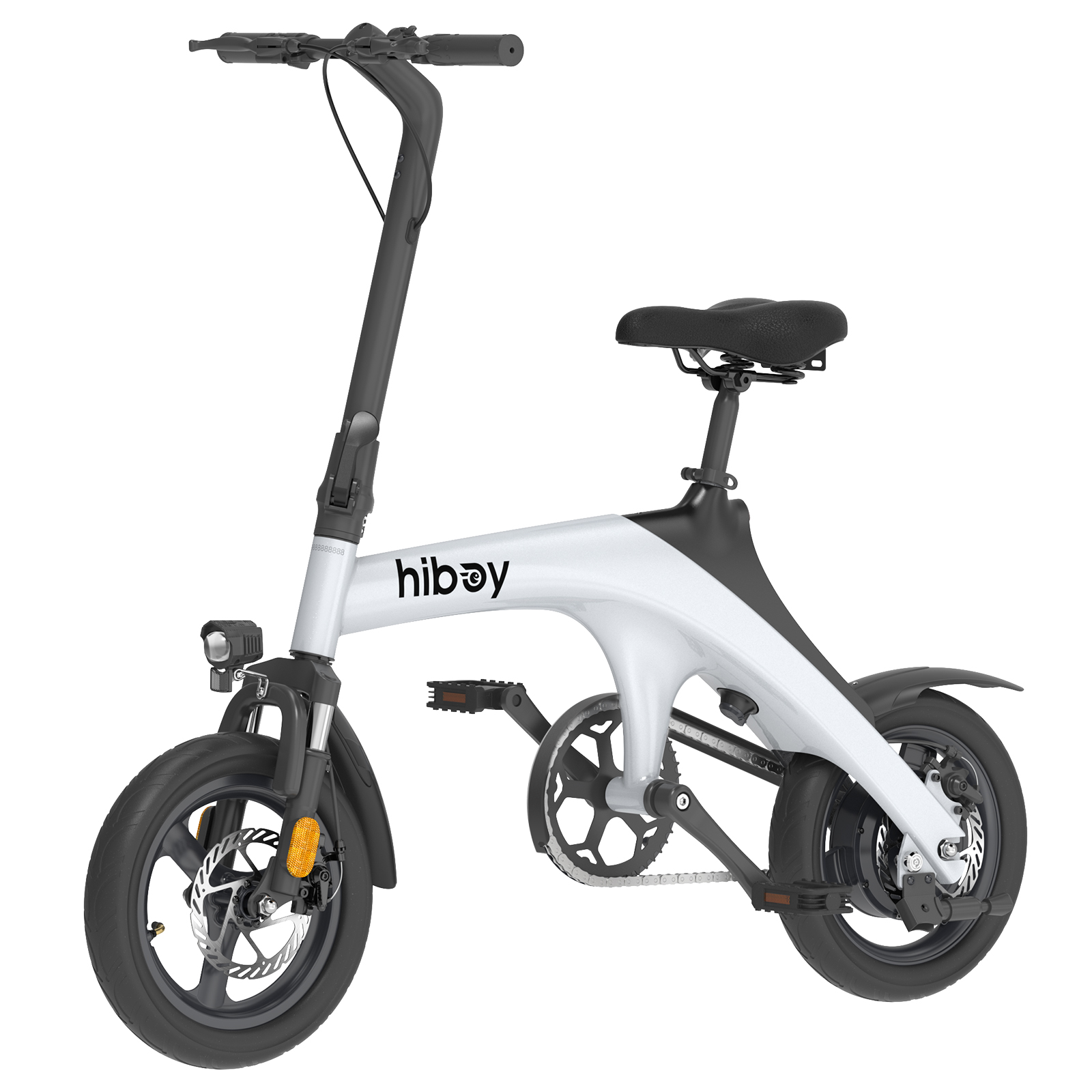 C1
C1
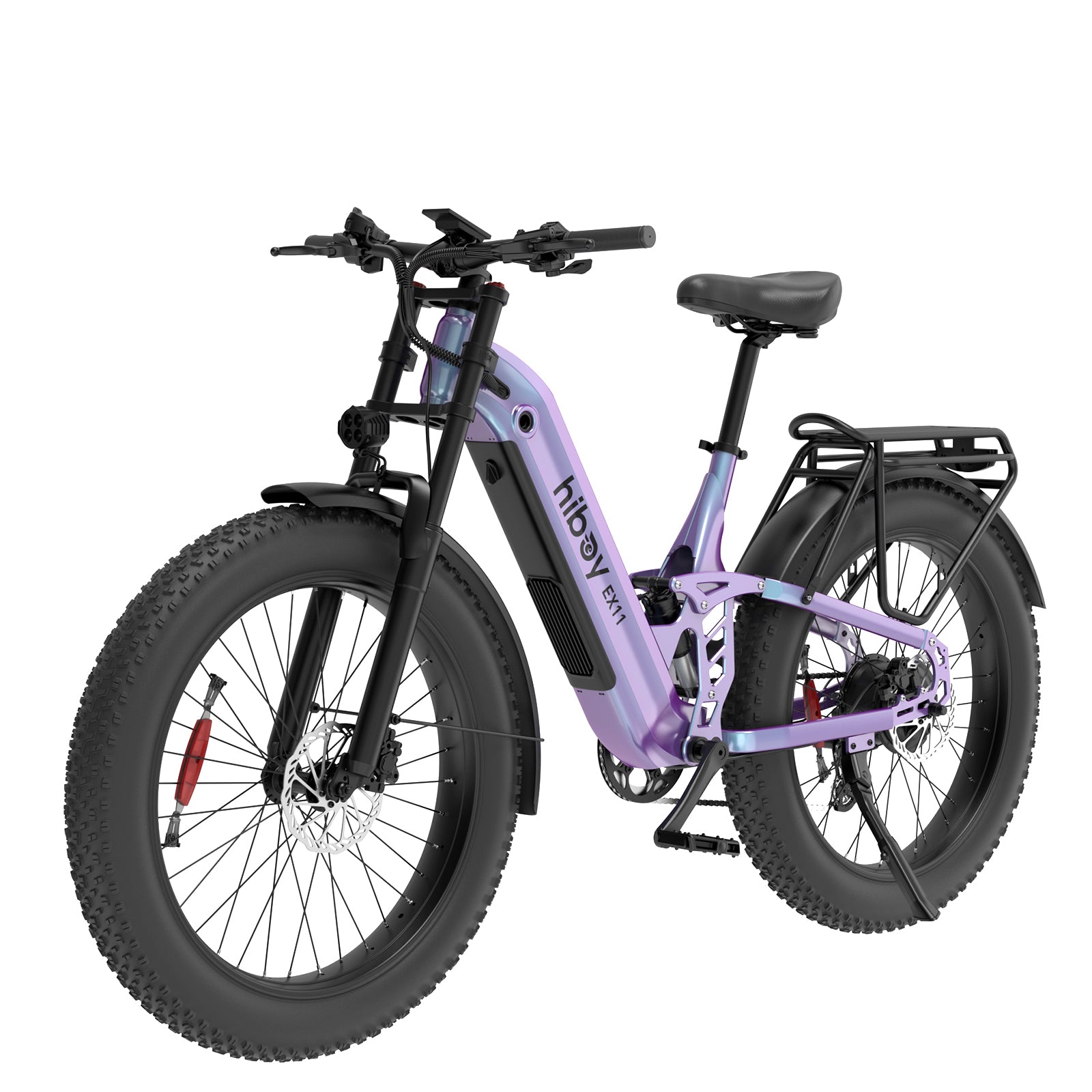 EX11
EX11
 EX9
EX9
 Compare Models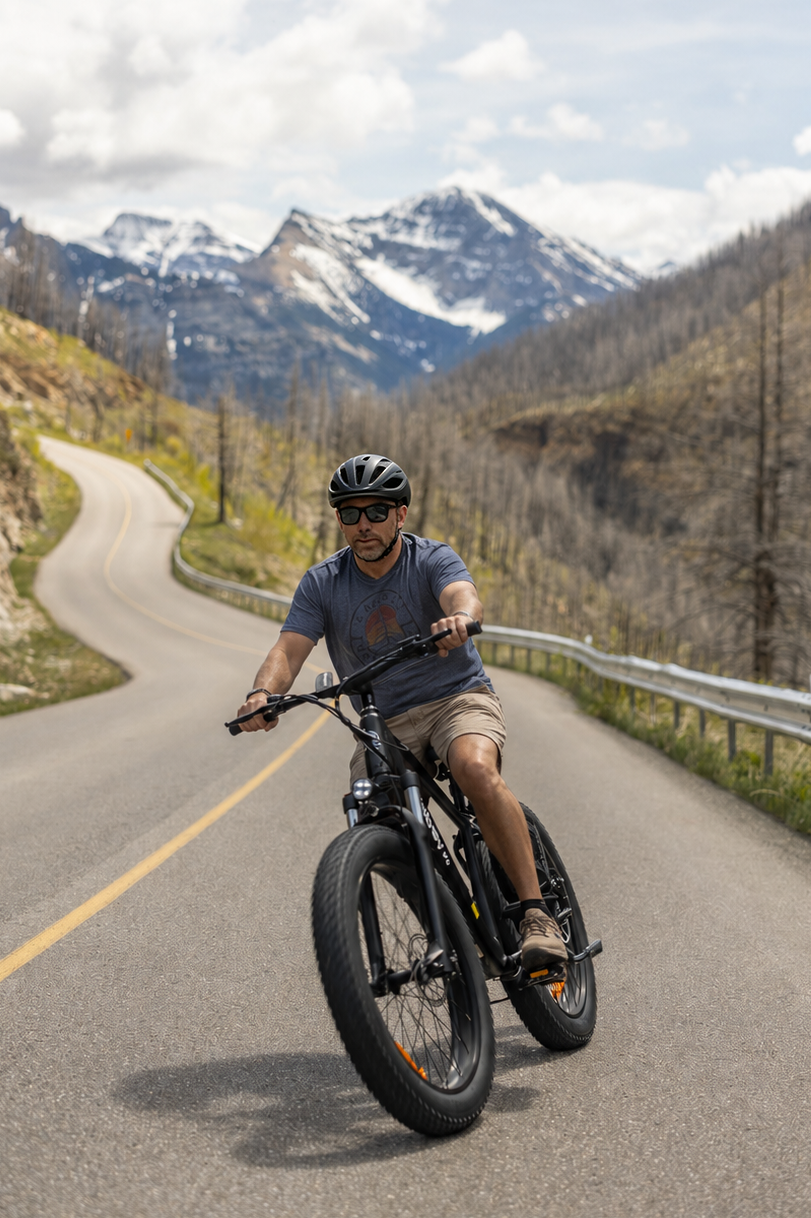
 First Rides
 Everyday Fun
 S2 Lite
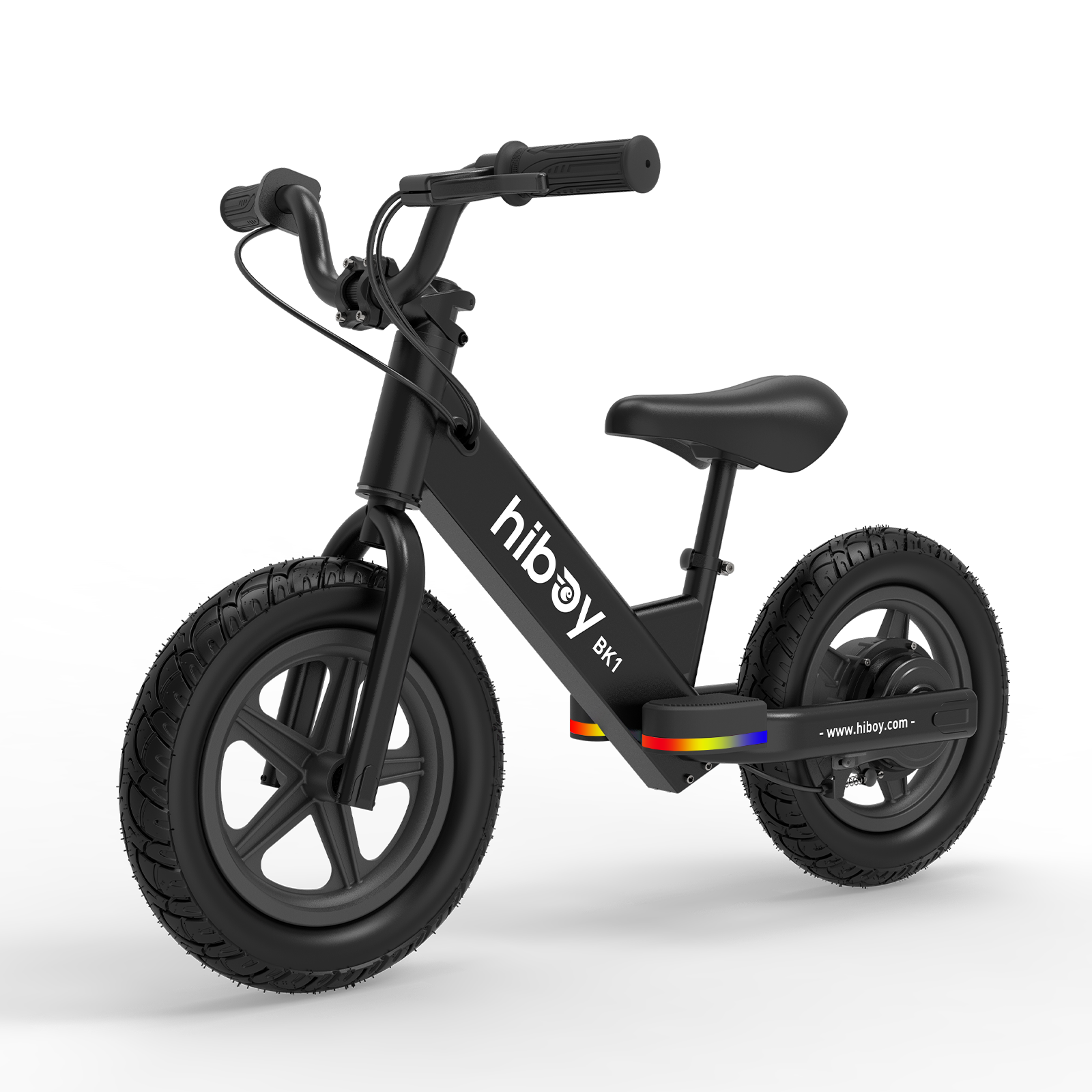 BK1
BK1
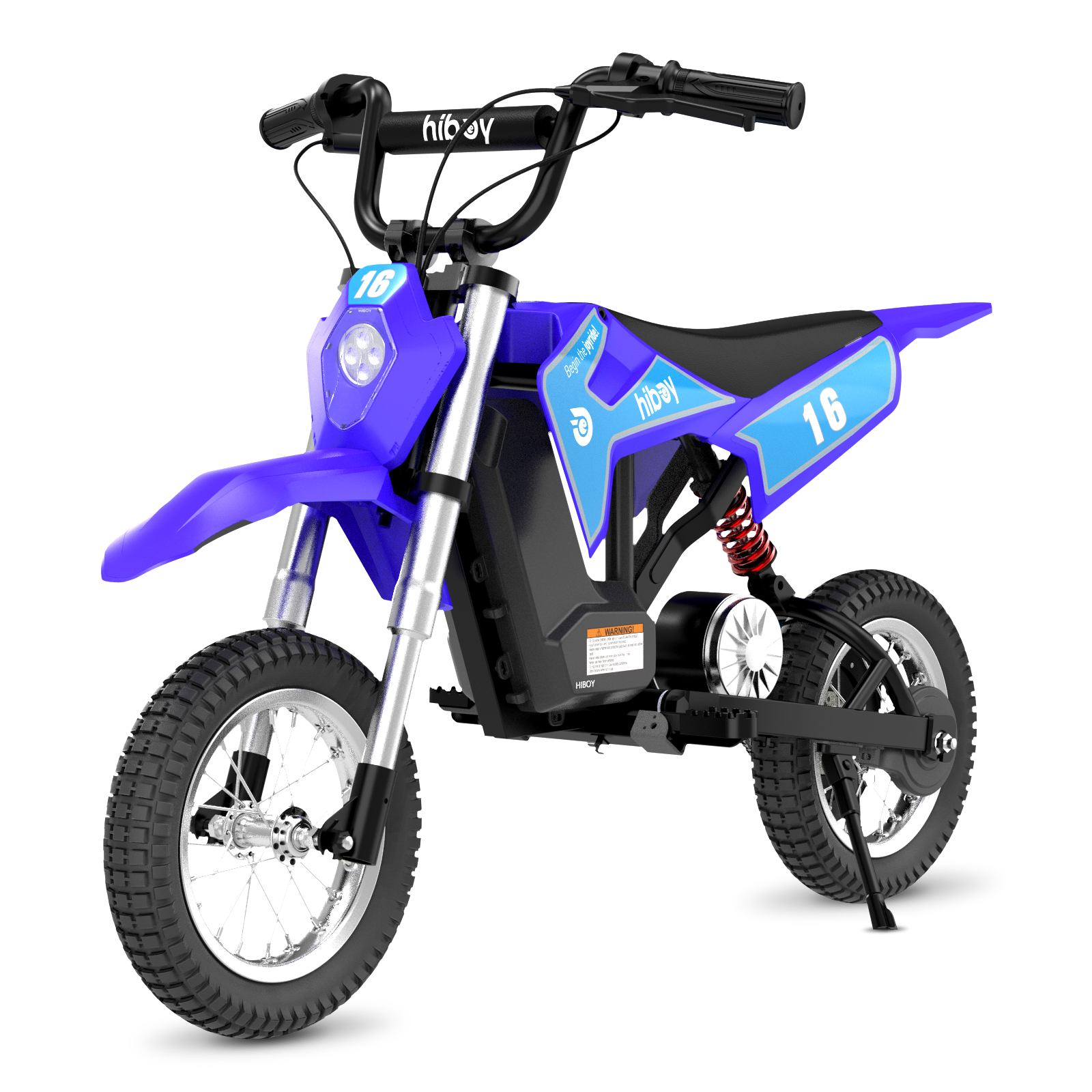 DK1
DK1
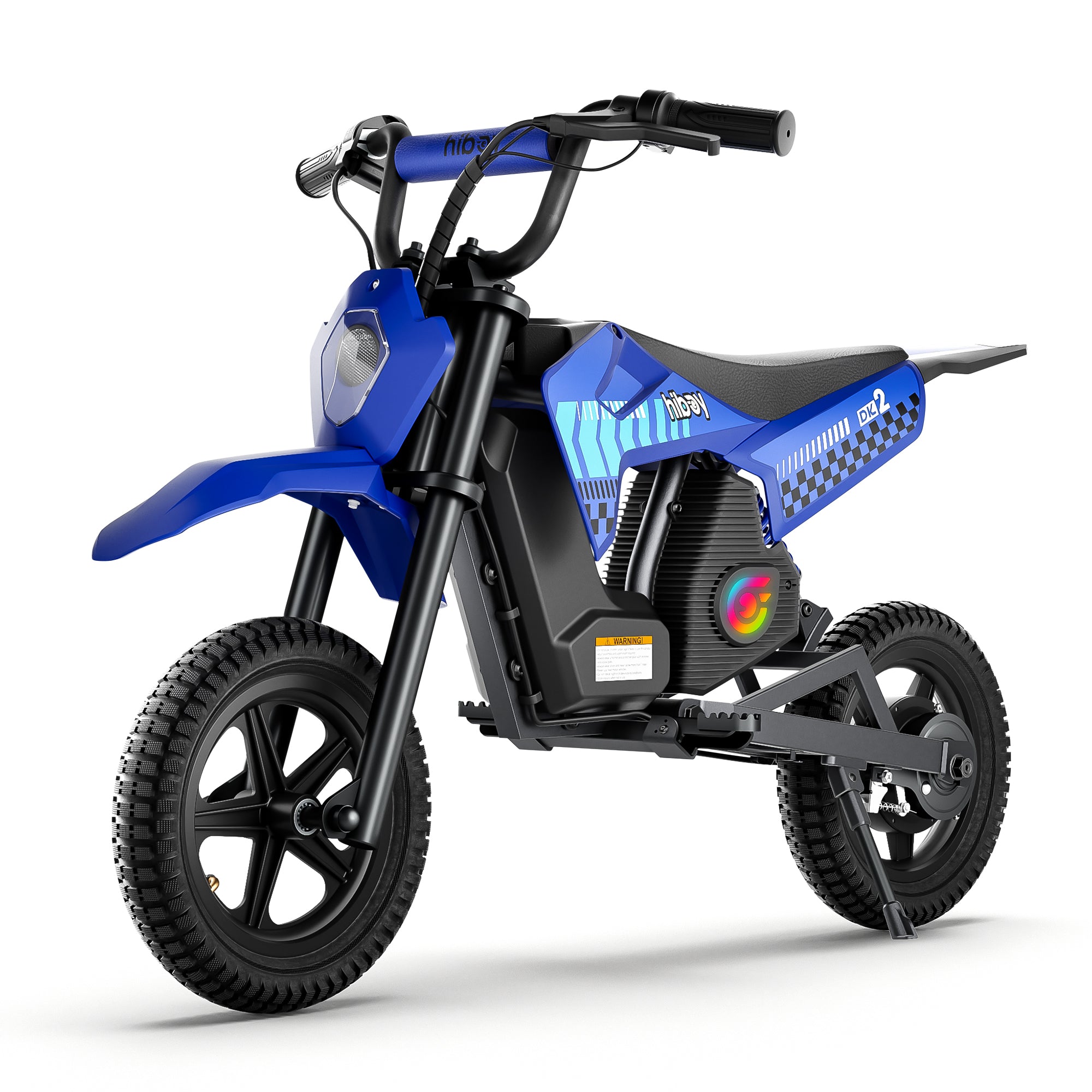 DK2
DK2
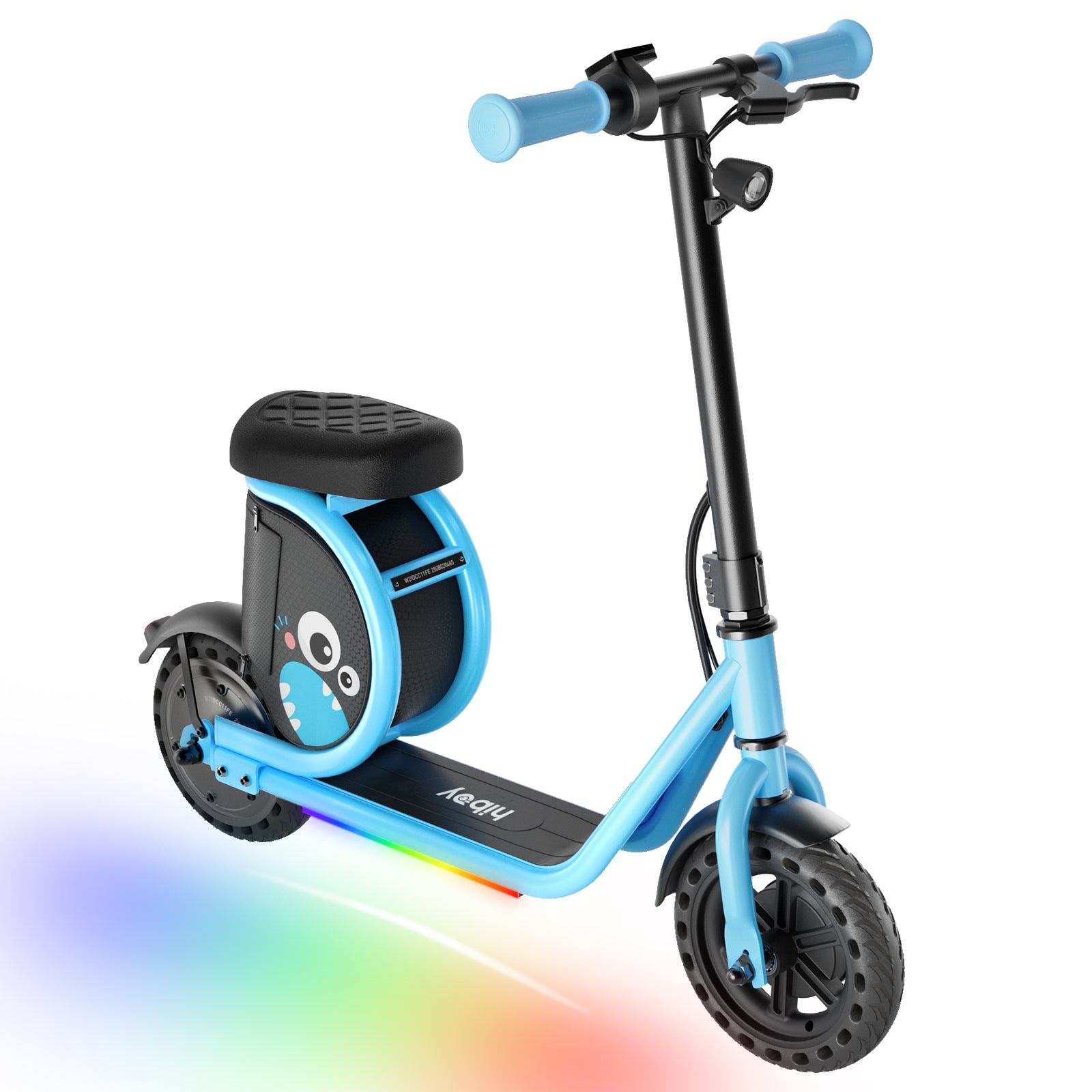 Joy Haul
 Q2 Lite
 Compare Models
Choosing the best electric scooter for a teenager is not simply about finding the fastest model or the one with the longest range. For younger riders, speed, weight, braking, stability, rider size, battery safety, and ease of control all matter.
A scooter that works well for an adult commuter may be unnecessarily heavy or powerful for a 13-year-old. On the other hand, an entry-level kids' scooter may feel too small or underpowered for a 16- or 17-year-old who wants to ride to school or around the neighborhood.
To help parents and teens compare their options, we researched eight electric scooters currently available in the U.S. market, looking at specifications, age recommendations, portability, speed, range, braking, tires, and overall suitability for teenage riders.
Our eight picks for 2026 are:
- Hiboy S2 Lite — Best Electric Scooter for Younger Teens
- Segway Ninebot E2 Plus II — Best for First-Time 14+ Riders
- NIU KQi 100P — Best for Comfort and Stability
- Razor E Prime Air — Best Lightweight Option
- TurboAnt M10 Lite — Best Budget Teen Scooter
- GOTRAX Apex — Best for Everyday Short Trips
- Hiboy S2 Pro — Best for Older Teens and Longer Commutes
- VMAX VX5 Pro — Best for Older Teens Who Need More Range
Important: Product specifications, availability, prices, and local riding regulations can change. Always check the manufacturer's current specifications and your state or local laws before purchasing or riding an electric scooter.
Quick Comparison: 8 Best Electric Scooters for Teens
| Electric Scooter | Recommended Age | Top Speed | Claimed Range | Weight | Best For |
| Hiboy S2 Lite | 12+ | 13 mph | 10.6 mi | 21.8 lbs | Younger teens, beginners |
| Segway Ninebot E2 Plus II | 14+ | 15.5 mph | Up to 15.5 mi* | 36.2 lbs | First-time 14+ riders |
| NIU KQi 100P | 14+ | 17.4 mph | 18 mi | 38.1 lbs | Stability and comfort |
| Razor E Prime Air | 14+ | 15 mph | Up to 7.5 mi** | 21.8 lbs | Portability |
| TurboAnt M10 Lite | Teen-focused | 16 mph | 15.5 mi | 30.9 lbs | Budget-conscious buyers |
| GOTRAX Apex | Check manufacturer guidance | 15.5 mph | 15.5 mi | 32lbs | Short commutes |
| Hiboy S2 Pro | 16+ | 19 mph | 25 mi | 37.4 lbs | Older teens, commuting |
| VMAX VX5 Pro | Adult-oriented | 17 mph | Up to 25 mi | 35.7 lbs | Older/larger teens |
* Segway lists approximately 12.4 miles at maximum speed and approximately 15.5 miles in its ECO-mode test conditions.
** Razor lists up to 40 minutes of continuous use and up to 12 km/7.5 miles on its current international specification page.

The numbers above are manufacturer claims or specifications, not guarantees of real-world performance. Rider weight, speed, temperature, terrain, tire pressure, battery condition, and riding mode can all affect range.
1. Hiboy S2 Lite — Best Electric Scooter for Younger Teens
For families specifically looking for an electric scooter for teens, the Hiboy S2 Lite is one of the most age-focused options in this group.
It is designed for riders 12 years and older, with a recommended height range of 3'7" to 5'7". At 21.8 pounds, it is also substantially easier for a younger rider to maneuver, fold, and carry than many full-size commuter scooters.
The S2 Lite has a 250W motor, a top speed of 13 mph, and a claimed range of up to 10.6 miles. It uses 6.5-inch solid tires and has a maximum rider weight of 180 pounds.
Why it works well for teens
The biggest advantage isn't raw performance. It is proportion.
A 13-year-old does not necessarily need a 20-mph commuter scooter. A lower top speed can make the scooter easier for a beginner to control while still providing enough performance for neighborhood riding and short trips.
The S2 Lite also includes:
- Dual braking with an electronic brake and rear pedal brake
- LED headlight, stem light, taillight, and sidelights
- Eco and Sport riding modes
- Solid, low-maintenance tires
- Foldable design
- IPX4 water resistance
- 180-pound maximum load
The manufacturer also highlights its simple LED dashboard and beginner-friendly controls.
Best for
Younger teens, first-time riders, smaller riders, and parents who prioritize manageable speed and portability.
One thing to consider
The 10.6-mile claimed range is considerably shorter than that of larger commuter scooters. If the teenager will regularly make longer trips, an older-teen model may make more sense.

2. Segway Ninebot E2 Plus II — Best for First-Time 14+ Riders
The Segway Ninebot E2 Plus II is another relatively approachable option for teenagers.
Segway specifies a minimum age of 14+, a minimum rider height of approximately 4'6", and a maximum payload of 198 pounds. The scooter reaches approximately 15.5 mph and weighs about 36.2 pounds.
It uses a front spring suspension with 27 mm of travel and has both front electronic and rear drum braking.
Segway lists approximately 20 km, or 12.4 miles, of range when riding at its maximum speed, while its ECO-mode test is approximately 25 km, or 15.5 miles.
Why it stands out
The E2 Plus II sits between a children's scooter and a full-size commuter scooter.
Its 15.5-mph maximum speed is still relatively modest compared with many adult models, while the front suspension and 8.1-inch inner-hollow tires are designed to make everyday riding more comfortable.
It also has:
- Front spring suspension
- Front electronic brake
- Rear drum brake
- Front headlight
- Built-in direction indicators
- IPX4 water resistance
- Three riding modes
Best for
Teens 14+ who have outgrown a children's scooter but don't need a high-performance commuter model.
One thing to consider
At roughly 36 pounds, it is considerably heavier than the Hiboy S2 Lite. Parents should consider whether the teen will need to carry the scooter up stairs or onto public transportation.
3. NIU KQi 100P — Best for Comfort and Stability
The NIU KQi 100P is worth considering for older teens who want something closer to a full-size commuter scooter.
NIU lists a minimum rider age of 14+, a top speed of 17.4 mph, a maximum range of 18 miles, and a maximum rider weight of 265 pounds. It weighs 38.1 pounds and uses 9.5-inch pneumatic tires.
Its 48V battery system provides up to 600W of peak power, while the scooter uses a front drum brake and rear regenerative braking.
Why it stands out
The KQi 100P is more substantial than most teen-oriented scooters.
Its larger tires, front suspension, relatively wide handlebar, and longer deck can provide a more planted riding position. That can be particularly useful for taller or larger teenagers.
NIU also includes several electronic controls through its app, including the ability to adjust starting speed, acceleration mode, braking strength, and riding mode.
That gives parents and riders more flexibility than a basic scooter.
Best for
Teens 14+ who are larger or taller and want a more comfortable commuter-style scooter.
One thing to consider
The KQi 100P is 38.1 pounds, so portability is not its strongest point. It is also considerably more powerful than a basic beginner scooter.
4. Razor E Prime Air — Best Lightweight Option
Razor has long been associated with scooters for younger riders, and the E Prime Air takes that familiar design philosophy into the electric category.
The E Prime Air is specified for riders 14+, supports up to 200 pounds, weighs approximately 21.8 pounds, and reaches up to 15 mph. Razor lists up to 40 minutes of continuous riding time and up to 12 km of distance on its current specification page.
Why it stands out
Its biggest advantage is weight.
At roughly 22 pounds, it is much easier to carry than most full-size commuter scooters. That's useful for teenagers who need to take a scooter inside the house, store it in a locker, or carry it for part of a trip.
The E Prime Air also uses:
- 8-inch pneumatic front tire
- 8-inch airless rear tire
- Adjustable-height handlebars
- Thumb-activated throttle
- Rear-fender and thumb-activated braking
- Aluminum frame
- Foldable design
The pneumatic front tire is intended to improve comfort over rougher surfaces.
Best for
Teens who prioritize low weight, portability, and a relatively simple riding experience.
One important consideration
Razor's current product information states that this model is intended for private-property use in the markets where that specification applies, so U.S. buyers should verify the applicable product instructions and local laws before using it on public roads or paths.
5. TurboAnt M10 Lite — Best Budget Teen Scooter
The TurboAnt M10 Lite is specifically featured by TurboAnt in its collection of electric scooters for teenagers.
It has a 350W motor, a 16-mph top speed, and a claimed maximum range of 15.5 miles. It weighs approximately 30.9 pounds and uses 8.5-inch pneumatic tires.
One useful feature for beginners is its two riding modes. TurboAnt lists a lower-speed Mode 1 at 9 mph and a Mode 2 that reaches 16 mph.
Why it stands out
The M10 Lite offers a relatively straightforward package:
- 350W brushless motor
- 16-mph top speed
- 15.5-mile claimed range
- 8.5-inch pneumatic tires
- Electronic and disc brakes
- Three-second folding
- USB charging port
- 220-pound maximum load
Independent testing from Electric Scooter Insider found that the M10 Lite reached its advertised 16-mph top speed in testing, although real-world range was lower than the manufacturer's maximum claim under faster riding conditions.
That difference is worth emphasizing: advertised range should always be treated as a best-case figure rather than a guarantee.
Best for
Budget-conscious families and teens who need a lightweight commuter for relatively short trips.
6. GOTRAX Apex — Best for Everyday Short Trips
The GOTRAX Apex is another affordable commuter-style scooter that can work for older or more experienced teenagers, depending on the manufacturer's current age guidance and local regulations.
GOTRAX lists a 250W motor, 15.5-mph top speed, up to 15.5 miles of range, an 8.5-inch tire size, and a 220-pound payload capacity. The current product page also states that the Apex is certified to UL 2272.
Why it stands out
The Apex uses a rear-wheel-drive layout and an in-deck battery. GOTRAX says this configuration is intended to improve power, range, and stability.
The combination makes it more of a traditional commuter scooter than a children's recreational model.
It can make sense for teenagers who need to travel around a neighborhood or make short school-related trips and who have enough experience to manage a heavier scooter.
Best for
Older teens looking for an affordable commuter-style scooter for short-to-medium trips.
One thing to consider
The Apex is not specifically designed around younger teenage riders in the way the Hiboy S2 Lite is. Always check the current manufacturer's rider requirements before buying it for a teen.
7. Hiboy S2 Pro — Best for Older Teens and Longer Commutes

For a teenager who is 16 or older, taller, heavier, or already experienced with electric scooters, stepping up to a full-size commuter scooter can make sense.
The Hiboy S2 Pro is specifically listed with a recommended age range of 16–60 years old. It has a 500W rated motor, up to 19 mph of speed, a claimed range of up to 25 miles, 10-inch honeycomb tires, rear suspension, and a 220-pound maximum load. The scooter weighs 37.4 pounds.
Why it stands out
The S2 Pro is fundamentally different from the S2 Lite.
Instead of prioritizing compact size and low speed, it focuses on commuting range, stability, and ride comfort.
Its 10-inch honeycomb tires are larger than those on most teen-focused entry-level models, while the rear suspension helps absorb some bumps.
It also has enough range for a much broader variety of daily trips. Hiboy claims up to 25 miles under ideal conditions.
Best for
Older teens, especially 16–18-year-olds who need a scooter for school, neighborhood transportation, or longer daily rides.
One thing to consider
At 19 mph and nearly 38 pounds, the S2 Pro is not a beginner children's scooter. A teenager should have sufficient riding experience and follow all local requirements.
8. VMAX VX5 Pro — Best for Older Teens Who Need More Range
The VMAX VX5 Pro is another option that sits firmly in the adult-oriented commuter category.
VMAX lists a 17-mph top speed, up to 25 miles of range depending on the battery version, a maximum payload of 265 pounds, 9-inch tubeless pneumatic tires, front drum braking, rear regenerative braking, and UL 2272 certification. Weight varies by battery configuration from approximately 34 to 37 pounds.
Why it stands out
The VX5 Pro offers a useful combination of portability and commuter performance.
It has:
- 17-mph top speed
- Up to 25 miles of claimed range
- 9-inch tubeless tires
- Front drum brake
- Rear regenerative brake
- Turn indicators
- IPX6 water resistance
- UL 2272 certification
VMAX describes the VX5 Pro as an adult-oriented scooter, so it should be considered primarily for older, appropriately sized teenagers, rather than younger riders.
Best for
Older teens who have the size, maturity, and riding experience for an adult-oriented commuter scooter.
How to Choose the Best Electric Scooter for a Teen
The eight scooters above cover a surprisingly wide range of riders. Instead of asking which model has the highest top speed, parents should start with the teenager's age, size, experience, and intended use.

1. Start With the Recommended Age
Age guidance is one of the easiest specifications to overlook.
For example:
- Hiboy S2 Lite: 12+
- Segway E2 Plus II: 14+
- NIU KQi 100P: 14+
- Razor E Prime Air: 14+
- Hiboy S2 Pro: 16–60
- VMAX VX5 Pro: adult-oriented
The appropriate choice can therefore be very different for a 12-year-old and a 17-year-old.
Do not assume that a teenager can safely use an adult scooter simply because they are physically large enough to meet the weight limit.
2. Consider Speed Carefully
More speed isn't automatically better for a teenager.
The scooters in this roundup range from 13 mph to 19 mph. For a first-time rider, a lower top speed can make learning throttle control and braking easier.
A useful progression is:
Beginner → lower-speed mode → supervised practice → higher-speed mode when appropriate
Several models offer multiple riding modes, allowing the rider to start at a lower speed.
For example, the Hiboy S2 Lite offers Eco and Sport modes, while the TurboAnt M10 Lite has a 9-mph beginner mode and a 16-mph higher-speed mode.
Parents should also check whether local laws impose speed restrictions that are lower than the scooter's maximum capability.
3. Don't Choose Range Based Only on the Advertised Number
A scooter advertised with a 20-mile range does not necessarily travel 20 miles in everyday riding.
Range can change significantly depending on:
- Rider weight
- Average speed
- Riding mode
- Hills
- Temperature
- Wind
- Tire pressure
- Battery age
- Frequent acceleration and braking
For example, NIU's KQi 100P is advertised with an 18-mile maximum range, but the manufacturer's test conditions matter when interpreting that number.
The same principle applies to every scooter on this list.
A better approach
Estimate the teen's typical daily distance and choose a scooter with a reasonable buffer rather than selecting the model with the largest advertised number.
If the school is two miles away, for example, a 40-mile scooter may provide little practical benefit compared with a lighter, simpler model.
4. Pay Attention to Scooter Weight
This is particularly important for teenagers.
A scooter weighing 20–22 pounds can be carried by many younger riders relatively easily. A scooter weighing nearly 40 pounds is a very different proposition.
Consider where the scooter will be stored.
Will the teen need to:
- Carry it upstairs?
- Put it in a car?
- Take it into school?
- Store it in a bedroom?
- Lift it over a curb?
- Carry it after the battery is depleted?
For younger teens, portability can be more useful than extra motor power.
5. Tire Size Affects Ride Stability
Electric scooters typically use solid, honeycomb, pneumatic, or tubeless pneumatic tires.
Larger tires generally provide a more stable platform and can handle ordinary surface imperfections better than very small wheels.

However, tire type matters too.
Solid or honeycomb tires
Advantages:
- No punctures from flat tires
- Little maintenance
- Convenient for beginners
Trade-off:
They generally provide less cushioning than air-filled tires.
Pneumatic tires
Advantages:
- Better shock absorption
- More comfortable on rough pavement
- Can provide good traction
Trade-off:
They require tire-pressure checks and can experience punctures.
For example, the Hiboy S2 Lite uses 6.5-inch solid tires, while the NIU KQi 100P uses 9.5-inch pneumatic tires.
6. Braking Matters More Than Motor Power
A powerful motor can make a scooter exciting, but effective braking is much more important when something unexpected happens.
CPSC recommends that riders understand how their scooter's brakes work and test stopping performance before riding in traffic or unfamiliar environments.
Depending on the model, scooters may use:
- Electronic brakes
- Regenerative brakes
- Drum brakes
- Disc brakes
- Rear-fender or foot brakes
- Combinations of multiple braking systems
Teen riders should practice controlled braking at low speeds before riding faster.
7. Look for Appropriate Electrical Safety Certifications
For an electric scooter, mechanical safety isn't the only consideration.
The battery and electrical system matter too.
The U.S. Consumer Product Safety Commission has urged manufacturers and importers of e-scooters and other micromobility products to comply with applicable UL safety standards, noting that compliance with relevant standards can significantly reduce the risk associated with micromobility fires.
UL 2272 is one standard parents may encounter when researching electric scooters and other personal e-mobility devices.
Several models in this roundup advertise UL-related certification, including the Hiboy S2 Lite, NIU KQi 100P, GOTRAX Apex, and VMAX VX5 Pro.
Certification should not be the only purchasing criterion, but it is an important factor when comparing electric scooters.
Are Electric Scooters Safe for Teens?
An electric scooter is a motorized vehicle, not simply a toy.
Even a relatively slow scooter can cause injuries if a rider loses control, hits an obstacle, or collides with another person or vehicle.
CPSC recommends wearing a properly fitted helmet when riding bikes, scooters, and e-bikes. It also recommends checking the scooter before each ride, testing the brakes, staying visible, following local traffic laws, and following the manufacturer's age and weight requirements.
For teenage riders, a good safety routine should include:
Before every ride
- Check tire condition and pressure when applicable
- Test the brakes
- Check the handlebars and folding mechanism
- Make sure the throttle works normally
- Check headlights and taillights
- Confirm the battery is properly installed
- Make sure nothing is loose
While riding
- Wear a properly fitted helmet
- Keep both hands on the handlebars
- Ride alone rather than carrying a passenger
- Slow down around pedestrians
- Watch for potholes, gravel, wet surfaces, and curbs
- Use lights and reflective equipment when appropriate
- Never ride under the influence of alcohol or drugs
CPSC specifically warns that small scooter tires can catch on obstacles and cause a sudden loss of control.

What About Charging an Electric Scooter at Home?
Battery charging is another area parents should take seriously.
CPSC recommends being present while charging micromobility products, avoiding overnight charging, using the charger supplied or approved by the manufacturer, and not using modified or improperly repaired battery packs.
A simple household rule is:
Ride → let the scooter cool if necessary → charge with the approved charger → unplug when charging is complete.
Do not use a random replacement charger simply because the plug fits.
What Is the Best Electric Scooter for a 12-Year-Old?
For a 12-year-old, start by looking specifically at models with a manufacturer recommendation of 12+ rather than assuming any adult scooter is appropriate.
The Hiboy S2 Lite is explicitly recommended for riders 12 and older and has a 13-mph top speed, 21.8-pound weight, 180-pound maximum load, and 10.6-mile claimed range.
The lower speed and lighter frame make it fundamentally different from a 19-mph commuter scooter.
What Is the Best Electric Scooter for a 14-Year-Old?
At 14, there are more options.
The Segway Ninebot E2 Plus II, NIU KQi 100P, and Razor E Prime Air all carry 14+ manufacturer guidance.
The right choice depends on priorities:
- Choose a lighter scooter if portability matters.
- Choose a larger scooter if stability and comfort matter.
- Choose a lower-speed model if the rider is inexperienced.
- Consider suspension and pneumatic tires if the teen regularly rides on less-than-perfect pavement.
What Is the Best Electric Scooter for a 16-Year-Old?
Older teens have access to larger commuter scooters, but age alone shouldn't determine the choice.
For example, the Hiboy S2 Pro is specifically recommended for ages 16–60 and offers a 19-mph top speed, 25-mile claimed range, 10-inch honeycomb tires, rear suspension, and a 220-pound maximum load.
That makes it more appropriate for a teenager who has outgrown a lightweight beginner scooter and needs something for longer daily trips.
But a more powerful scooter also demands more responsible riding. Parents should consider experience, local regulations, traffic conditions, and the teen's ability to control the scooter before choosing a larger model.
FAQ: Electric Scooters for Teens
What is the best electric scooter for teens?
The best choice depends on the teen's age, size, experience, and intended use. For younger teens and beginners, the Hiboy S2 Lite is specifically designed for riders 12+ and has a 13-mph top speed. Older teens may prefer a full-size commuter such as the NIU KQi 100P or Hiboy S2 Pro.
What age is appropriate for an electric scooter?
There is no single age that applies to every electric scooter. Manufacturers set different minimum ages. For example, the Hiboy S2 Lite is recommended for ages 12+, while the Segway Ninebot E2 Plus II, NIU KQi 100P, and Razor E Prime Air specify 14+. Always follow the manufacturer's current age and rider requirements and check local laws.
How fast should an electric scooter for a teenager go?
For a beginner, a lower top speed can make learning easier. The scooters in this roundup range from 13 mph to 19 mph. Parents should consider experience and local speed limits rather than choosing the fastest model.
Should teenagers wear helmets on electric scooters?
Yes. CPSC recommends that riders wear a properly fitted helmet when riding scooters and other micromobility devices.
Are electric scooters safe for teenagers?
Electric scooters can present fall, collision, and battery-related risks. Safety depends on the scooter, rider behavior, riding environment, maintenance, and appropriate protective equipment. Parents should follow the manufacturer's instructions, use appropriate safety gear, and make sure the teen understands how to brake and control the scooter before riding independently.
How far can an electric scooter for teens travel?
It depends on the model. The scooters in this roundup have claimed ranges from roughly 10.6 to 25 miles. Real-world range is usually affected by rider weight, speed, terrain, temperature, riding mode, and battery condition.
Can a teenager ride an electric scooter to school?
That depends on local and school rules. Electric-scooter laws vary by state and municipality, including rules governing minimum age, helmets, sidewalks, bike lanes, roadways, speed limits, and where scooters may be operated. Always check the current rules where the scooter will be ridden.
What should parents look for when buying an electric scooter for a teen?
Start with the manufacturer's minimum age, rider height and weight limits, and the teen's experience level. Then compare speed, braking, tire type, range, scooter weight, lighting, electrical safety certification, and local legal requirements. A scooter that matches the rider is generally more useful than one chosen simply for having higher performance.







Leave a comment
All comments are moderated before being published.
This site is protected by hCaptcha and the hCaptcha Privacy Policy and Terms of Service apply.