





 Daily Commute
 Lightweight & Portable
 Performance Rides
 Comfort With Seat
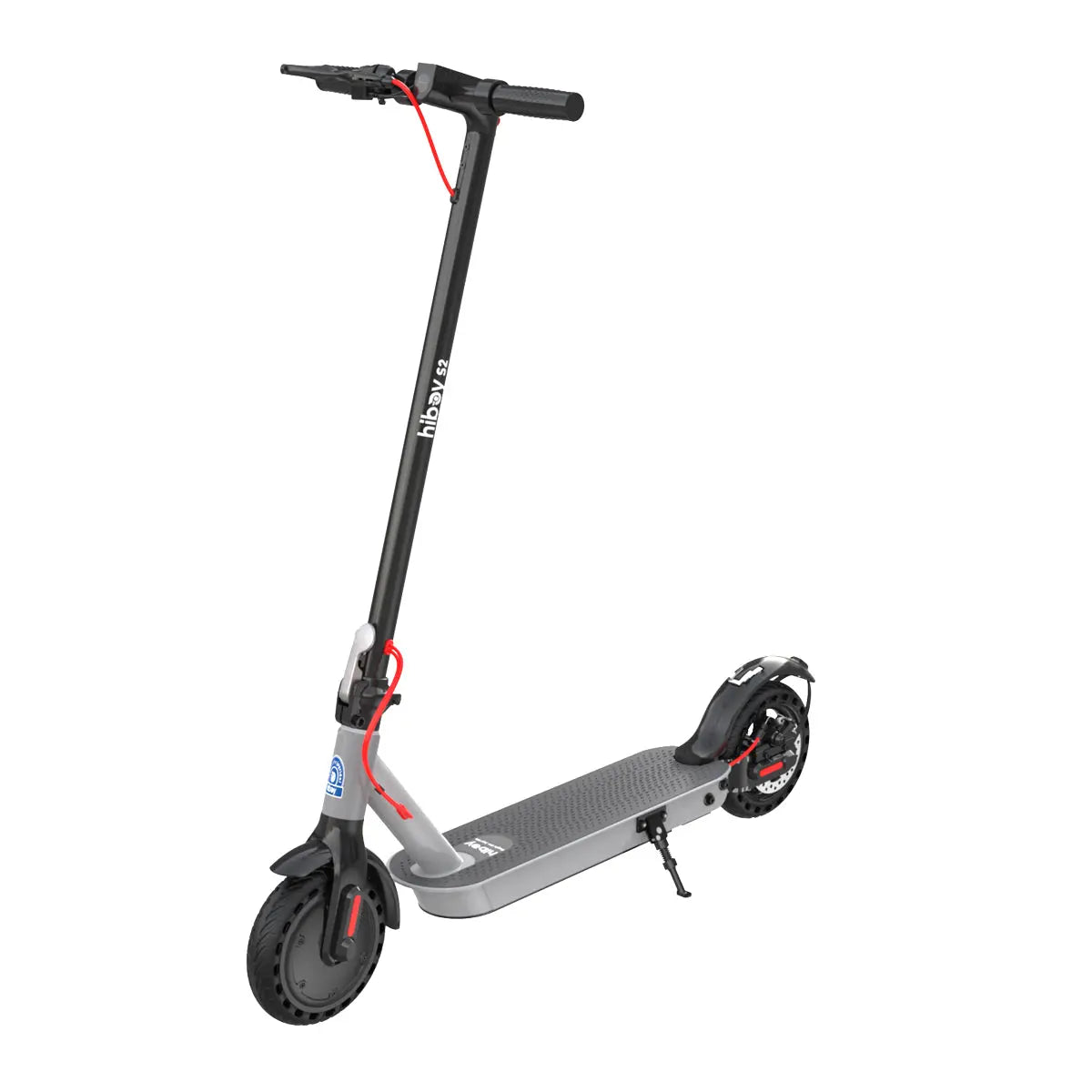 S2
S2
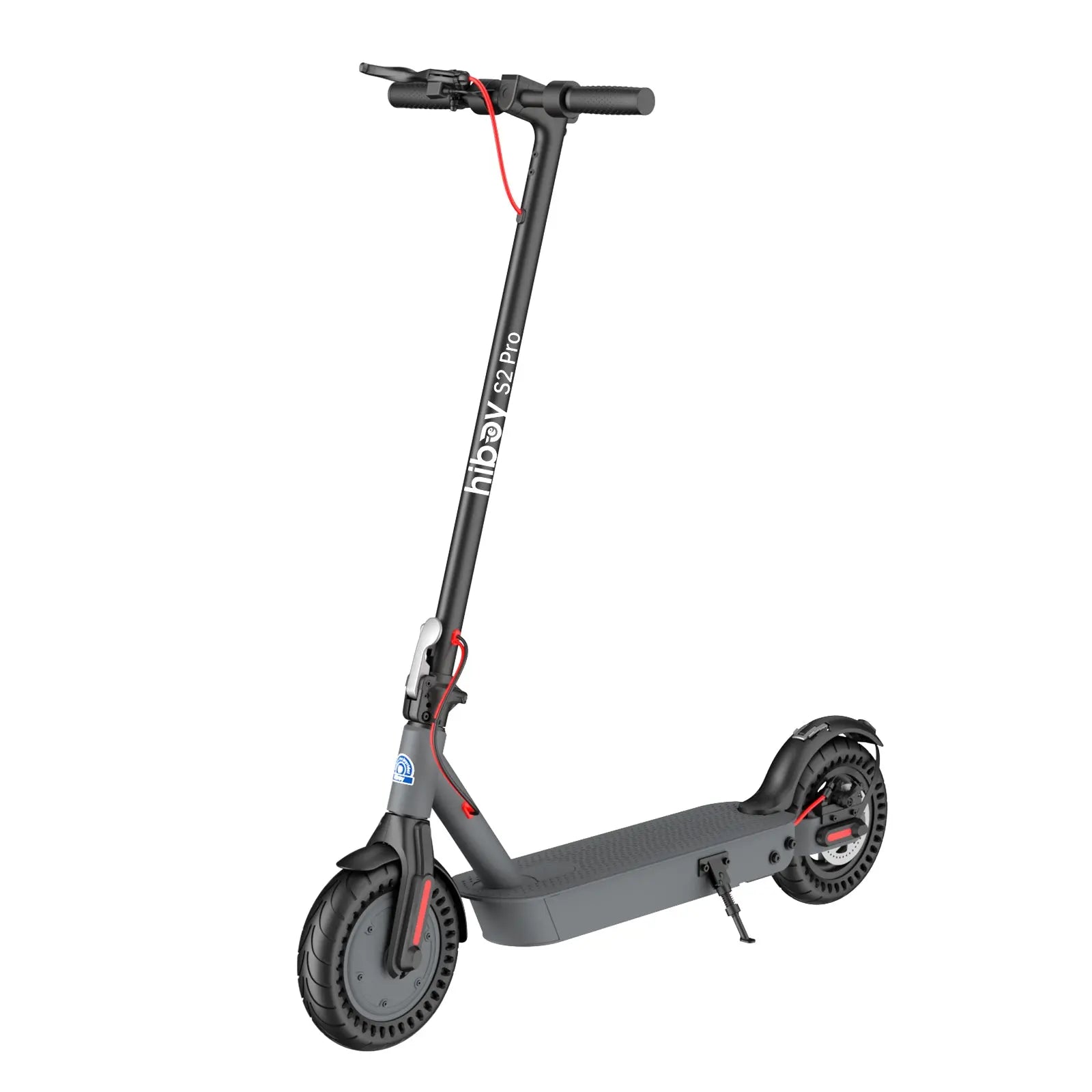 S2 Pro
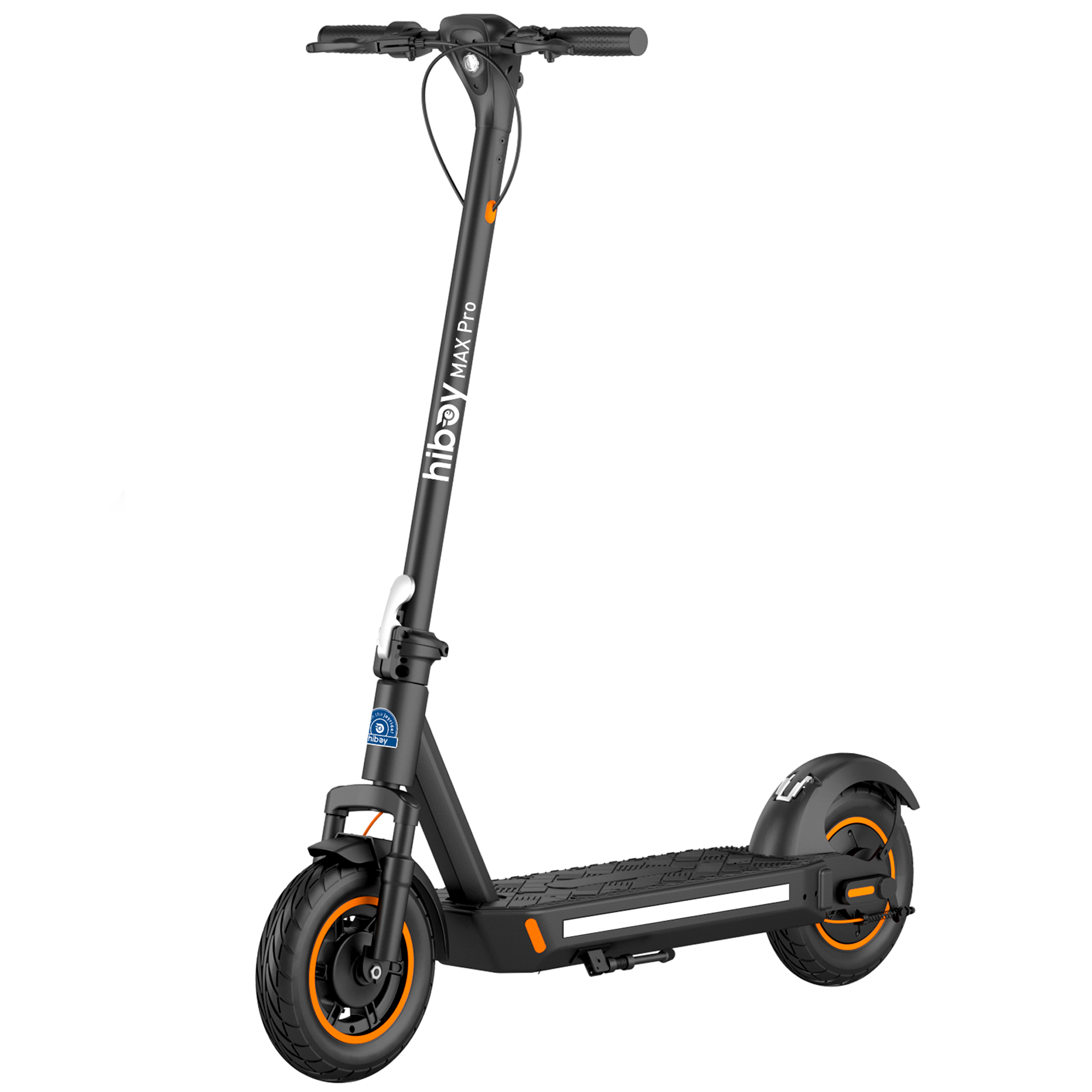 MAX Pro
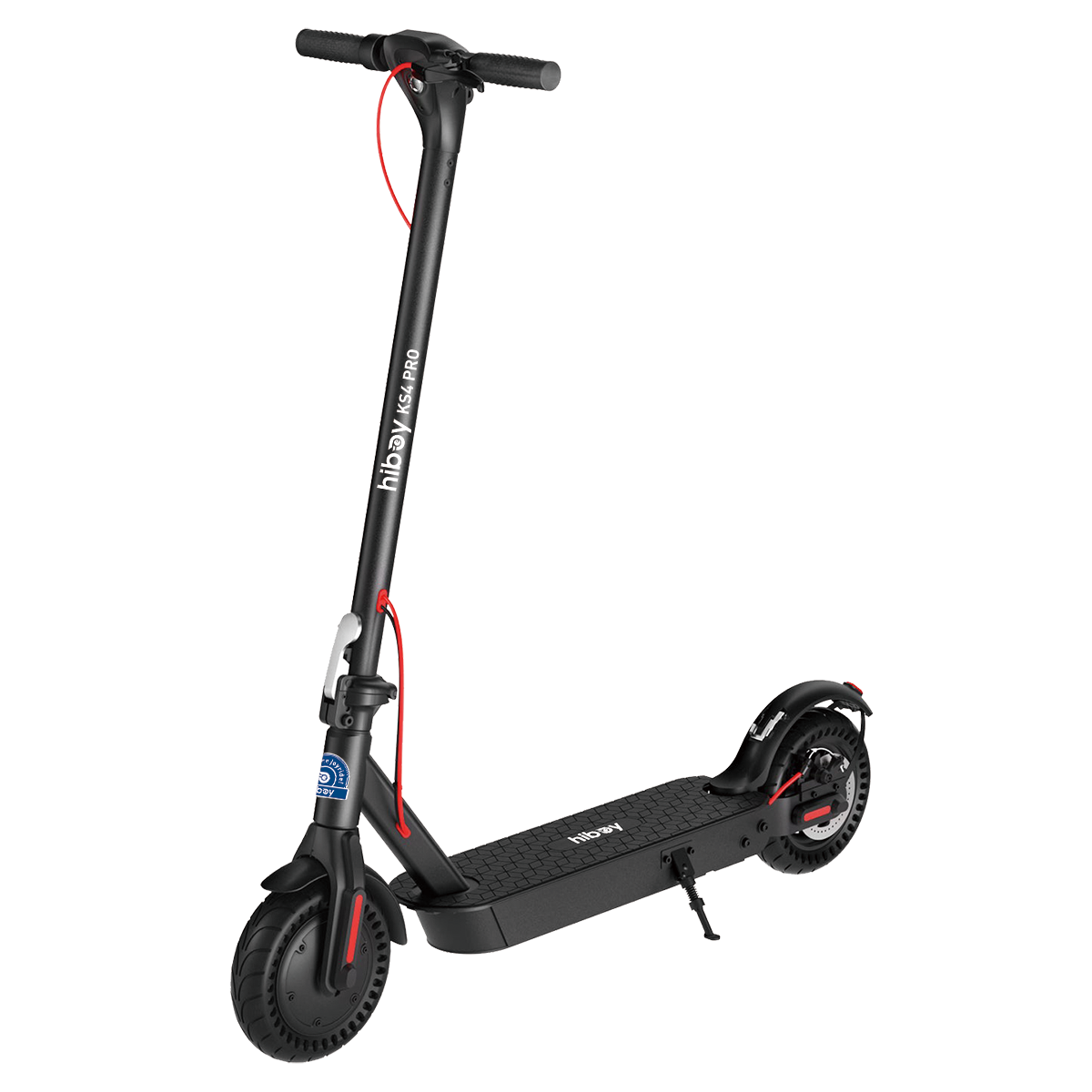 KS4 Pro
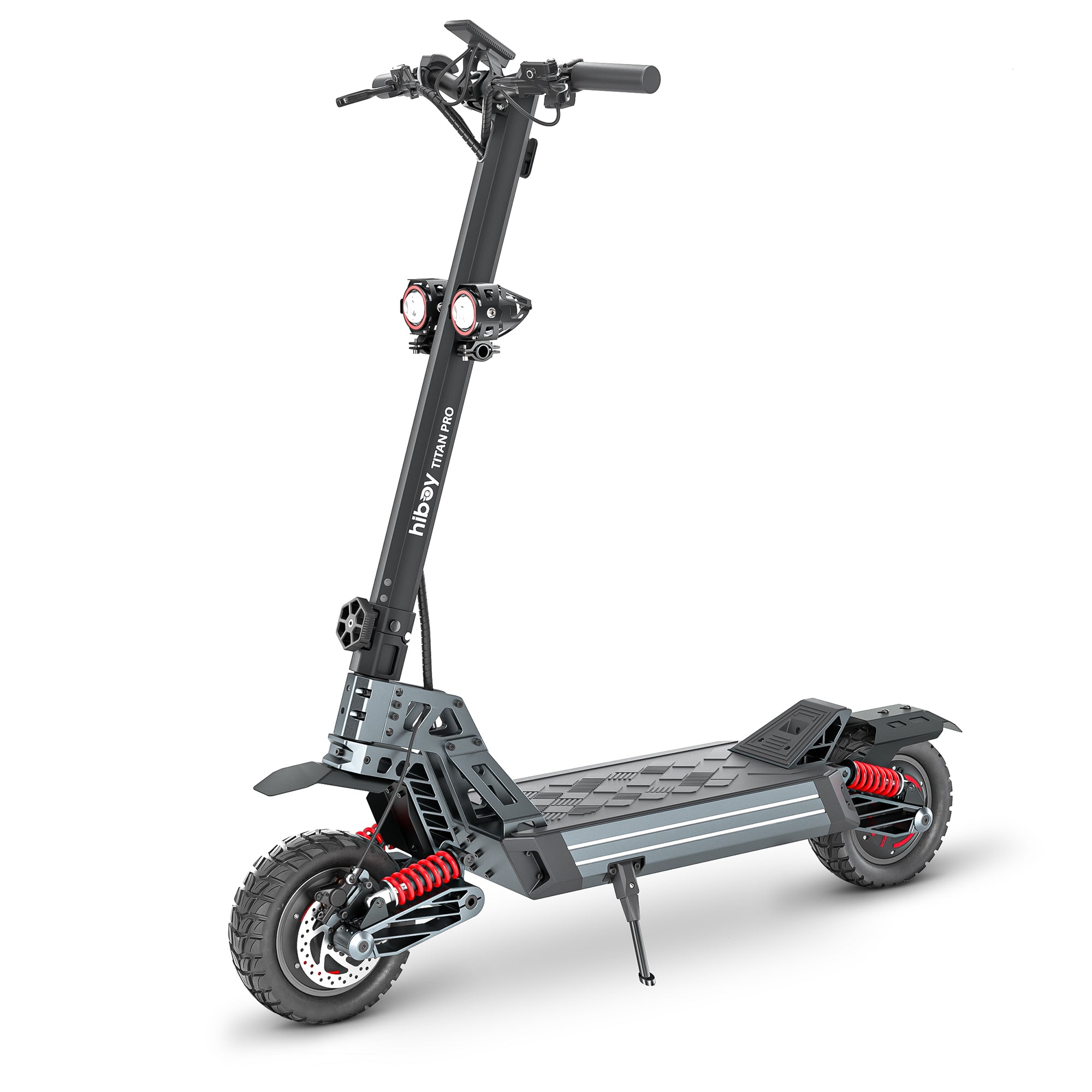 TITAN PRO
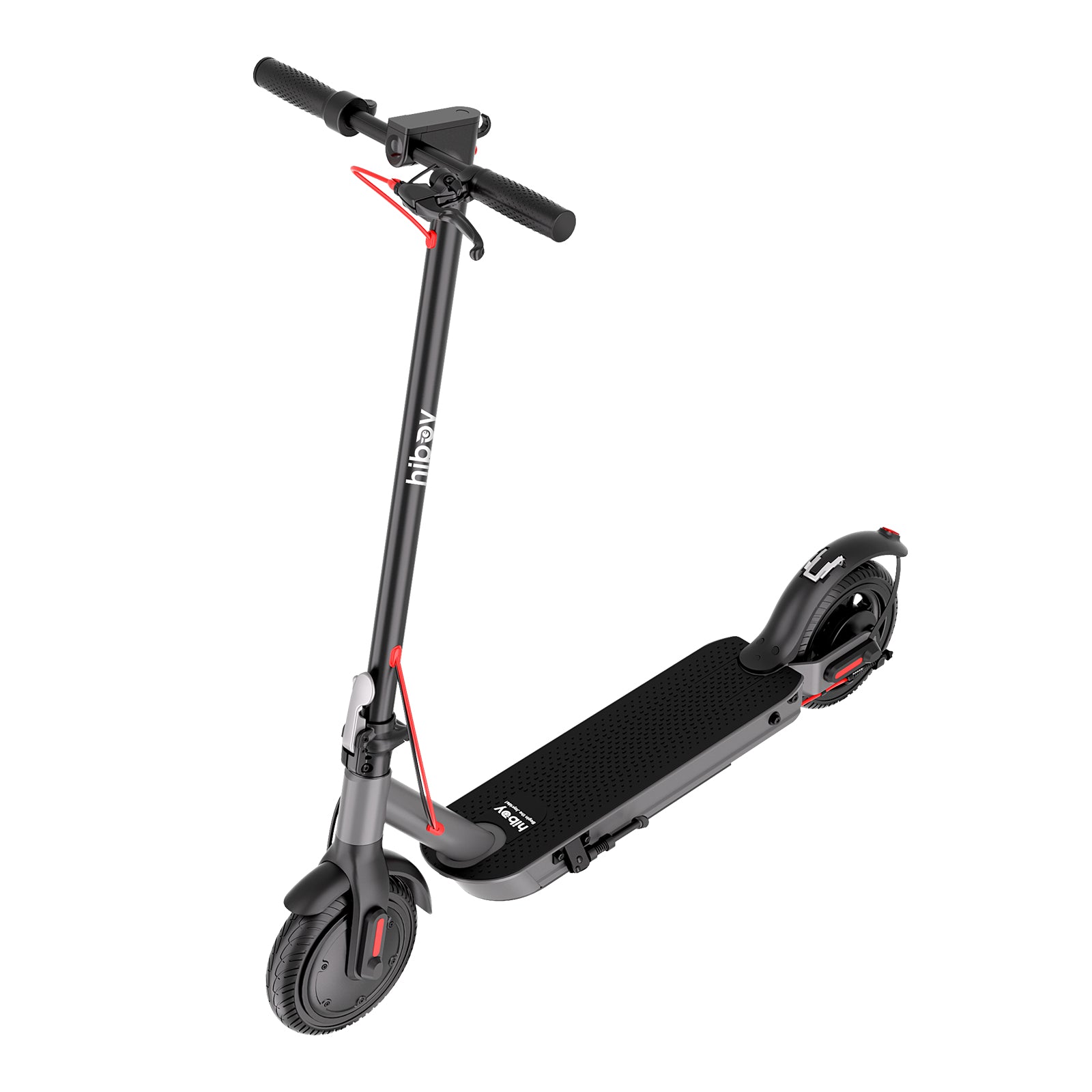 S2 Nova
 Compare Models
 Find Your Best Ride
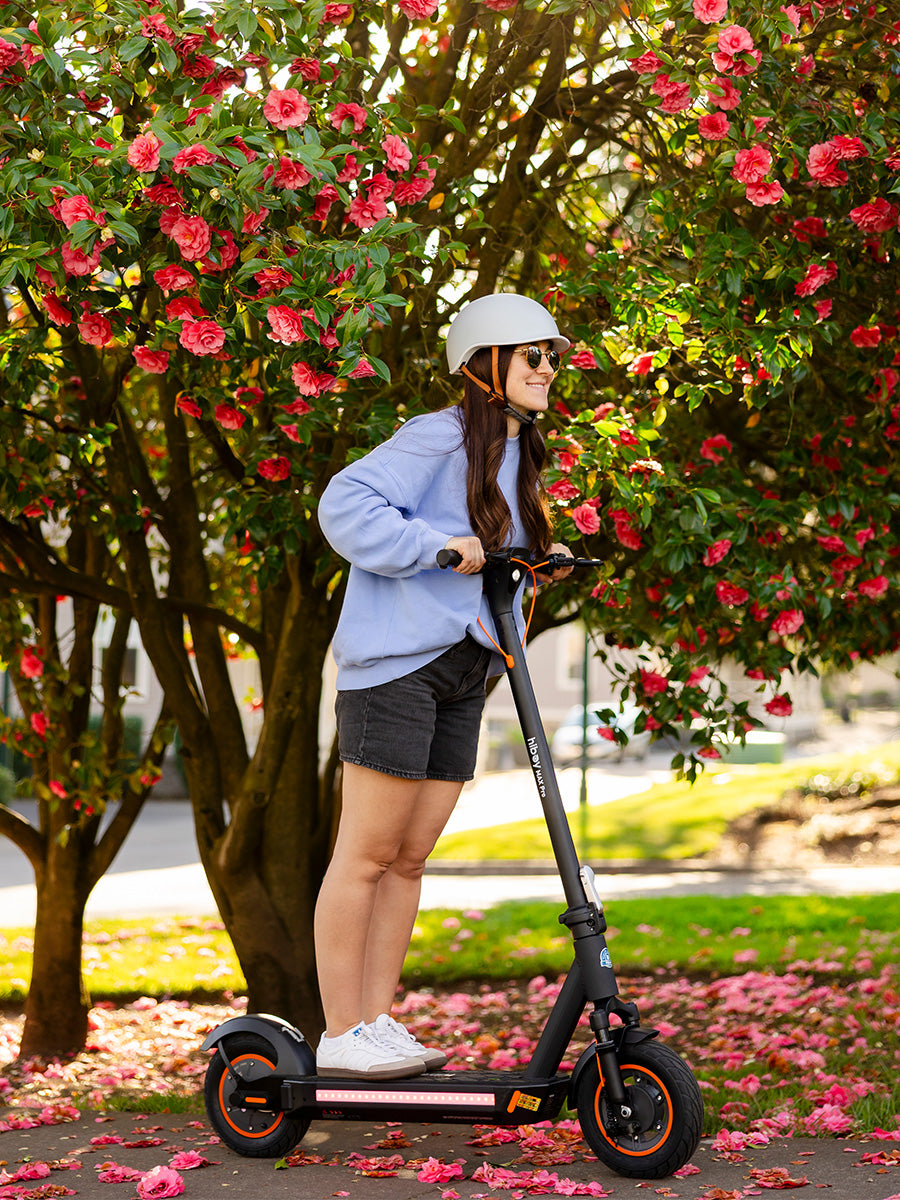
 Daily Commute
 Off-road & Trail
 Folding & Compact
 Fat Tire Rides
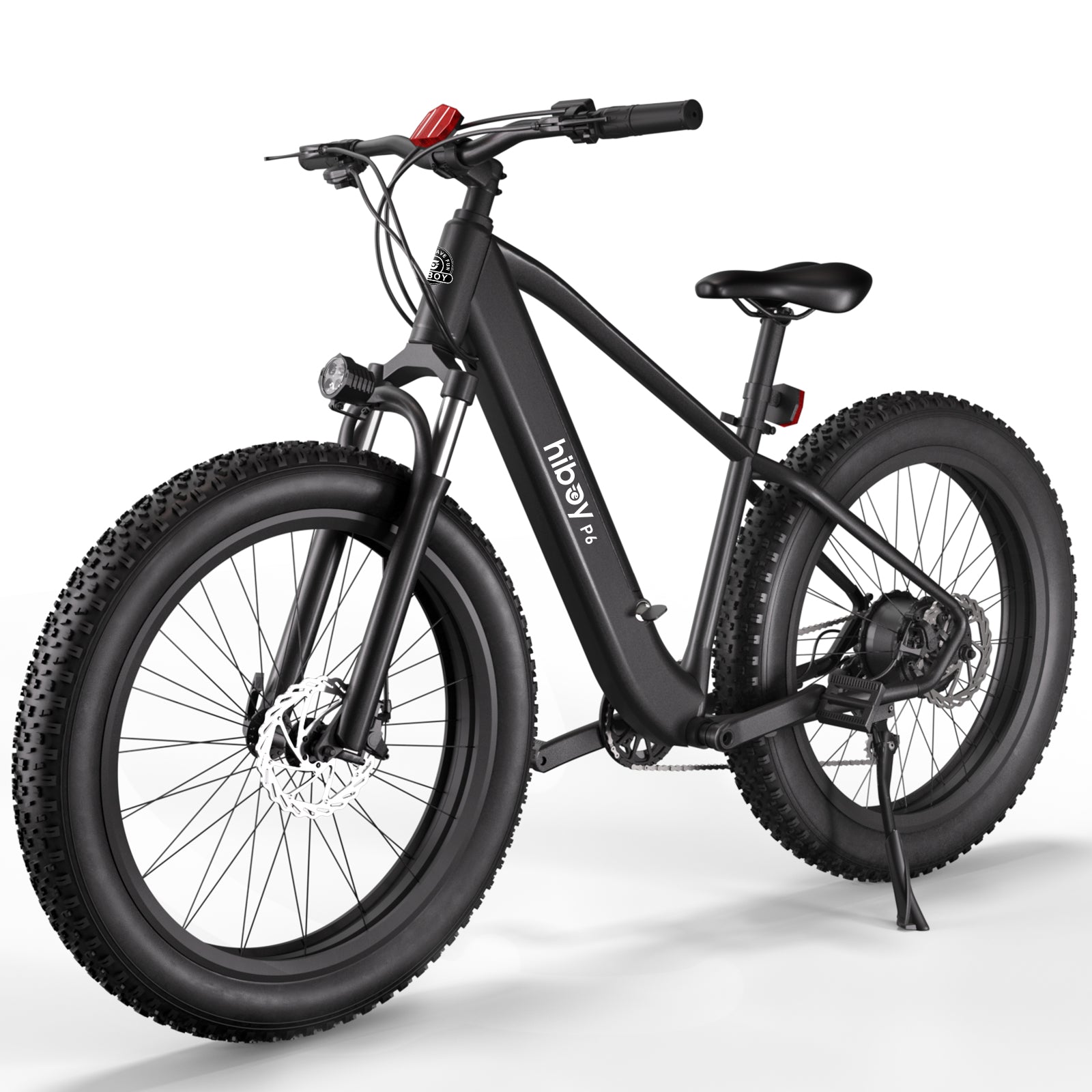 P6
P6
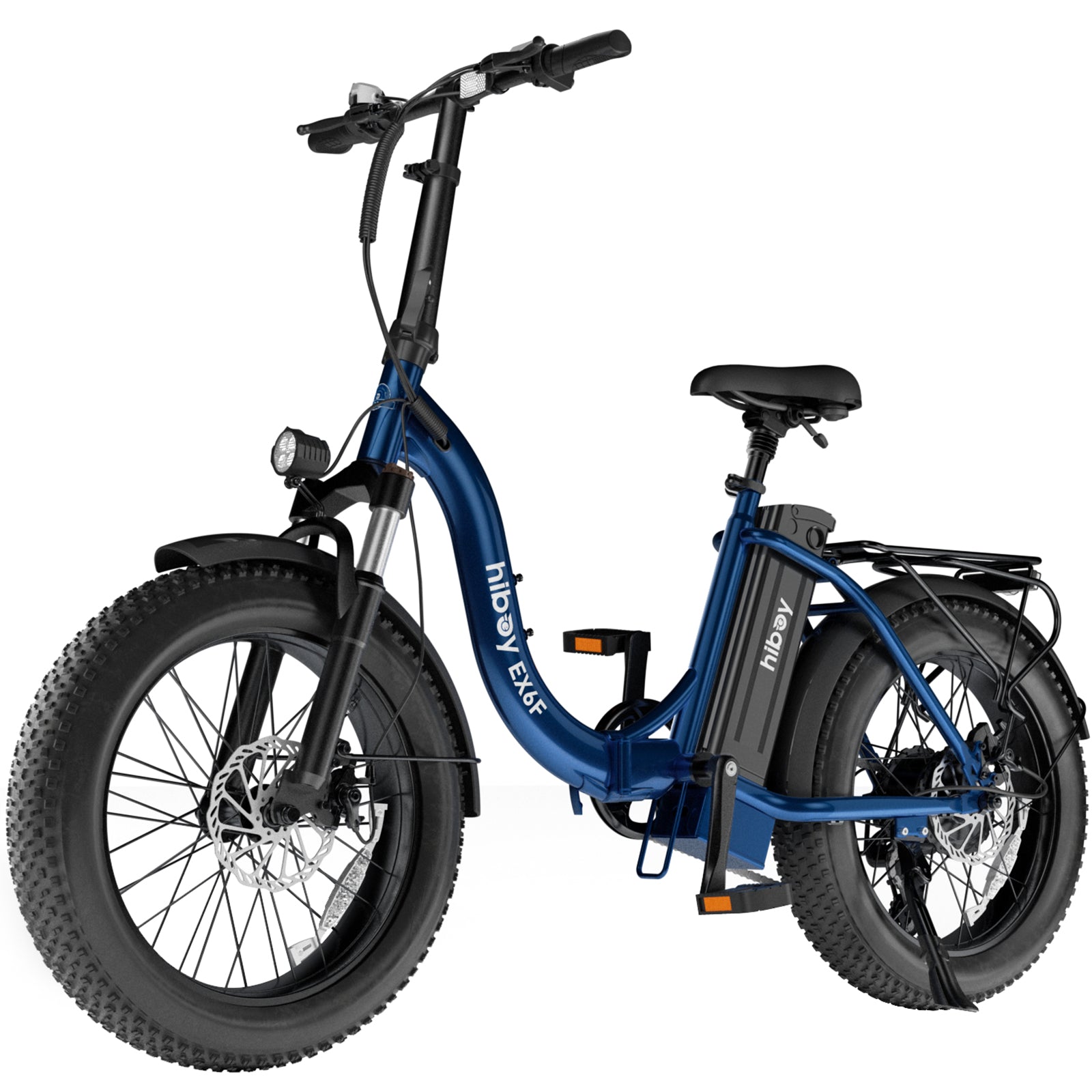 EX6F
EX6F
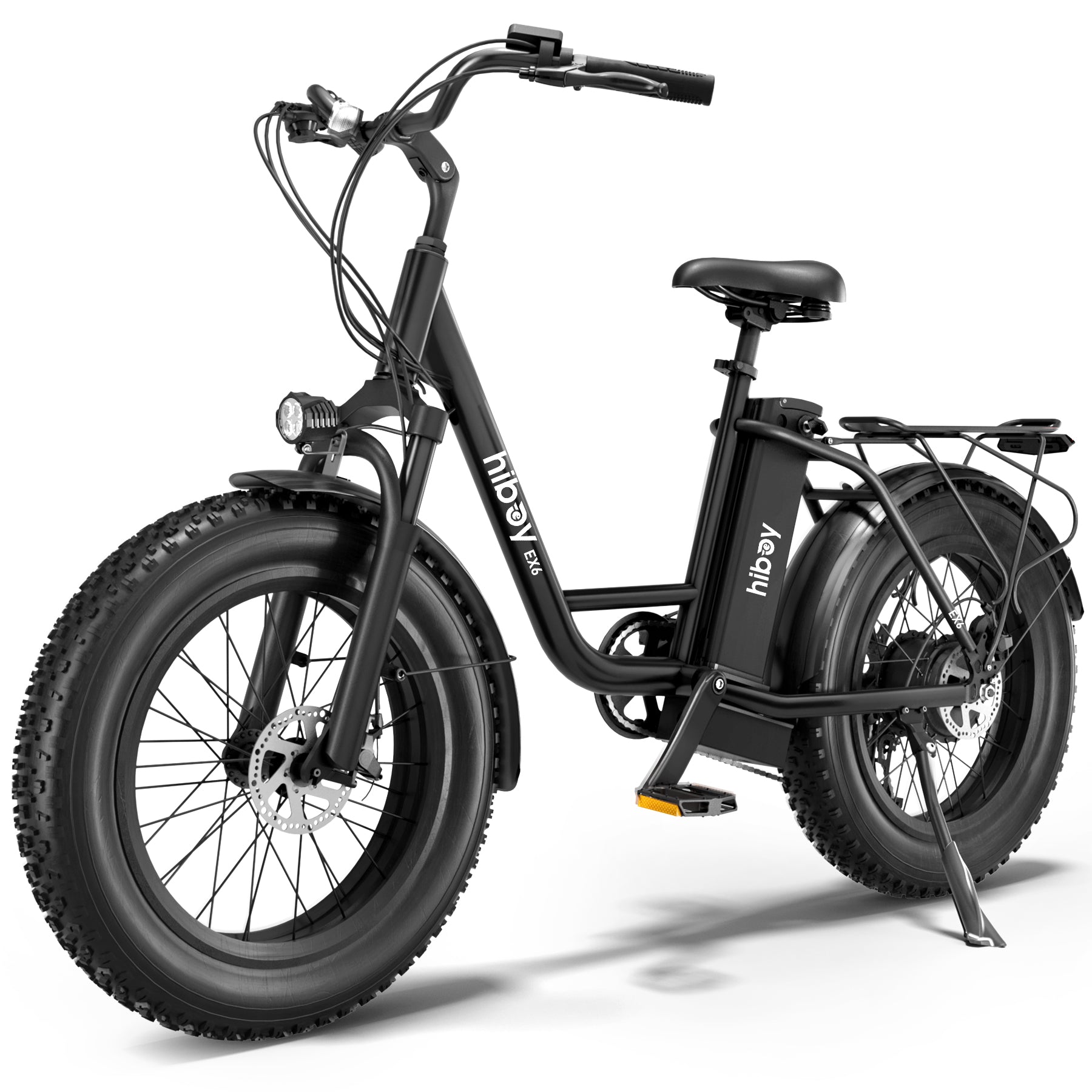 EX6
EX6
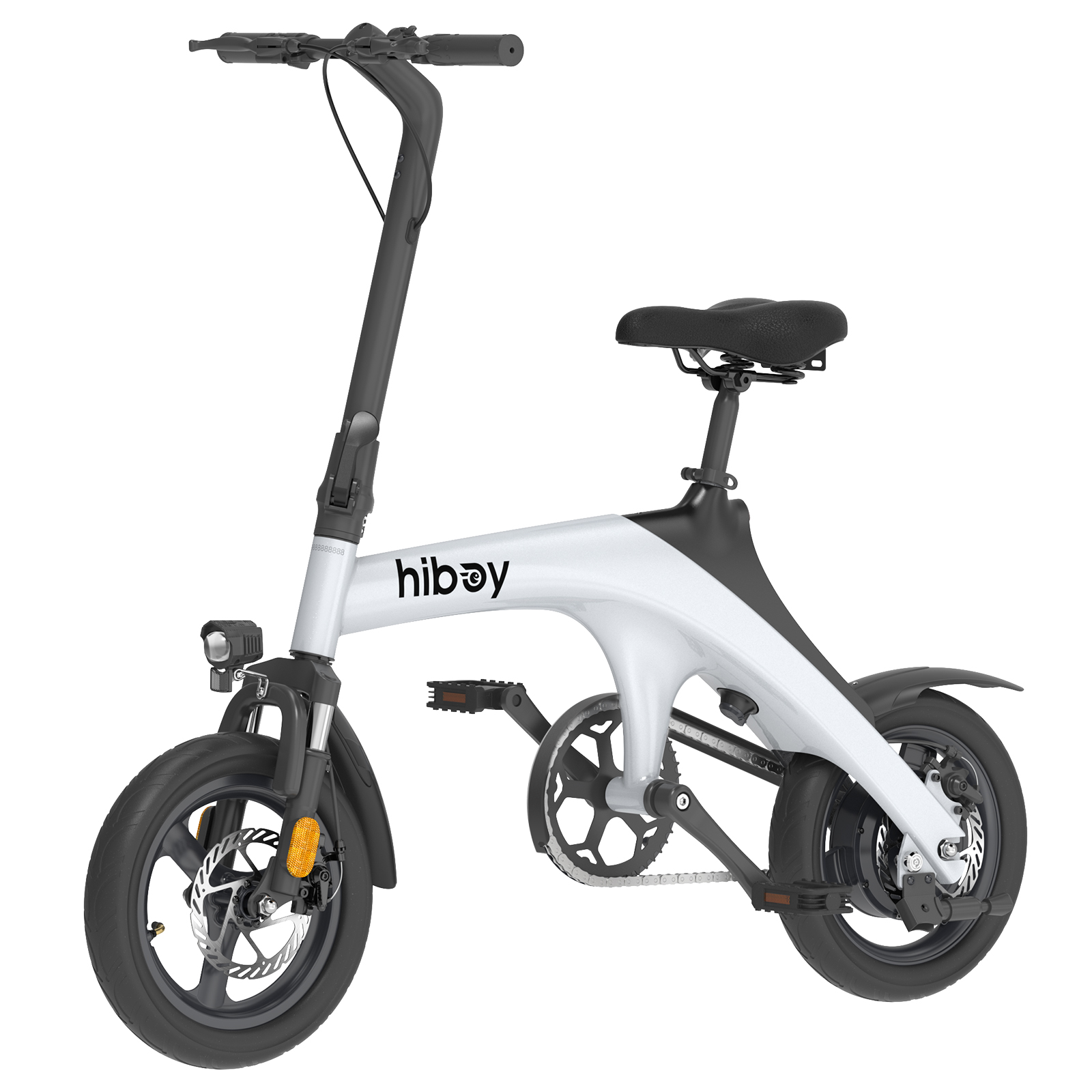 C1
C1
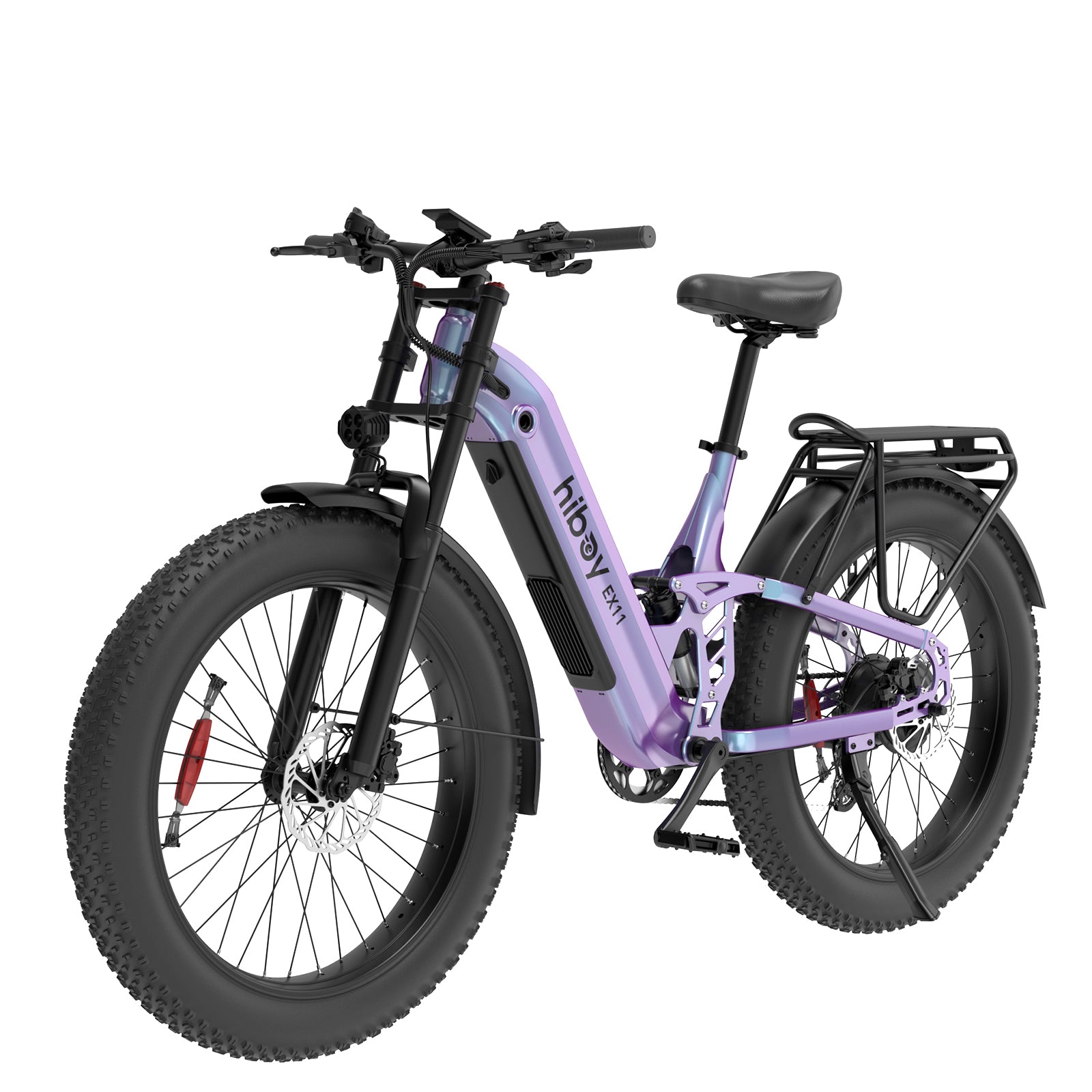 EX11
EX11
 EX9
EX9
 Compare Models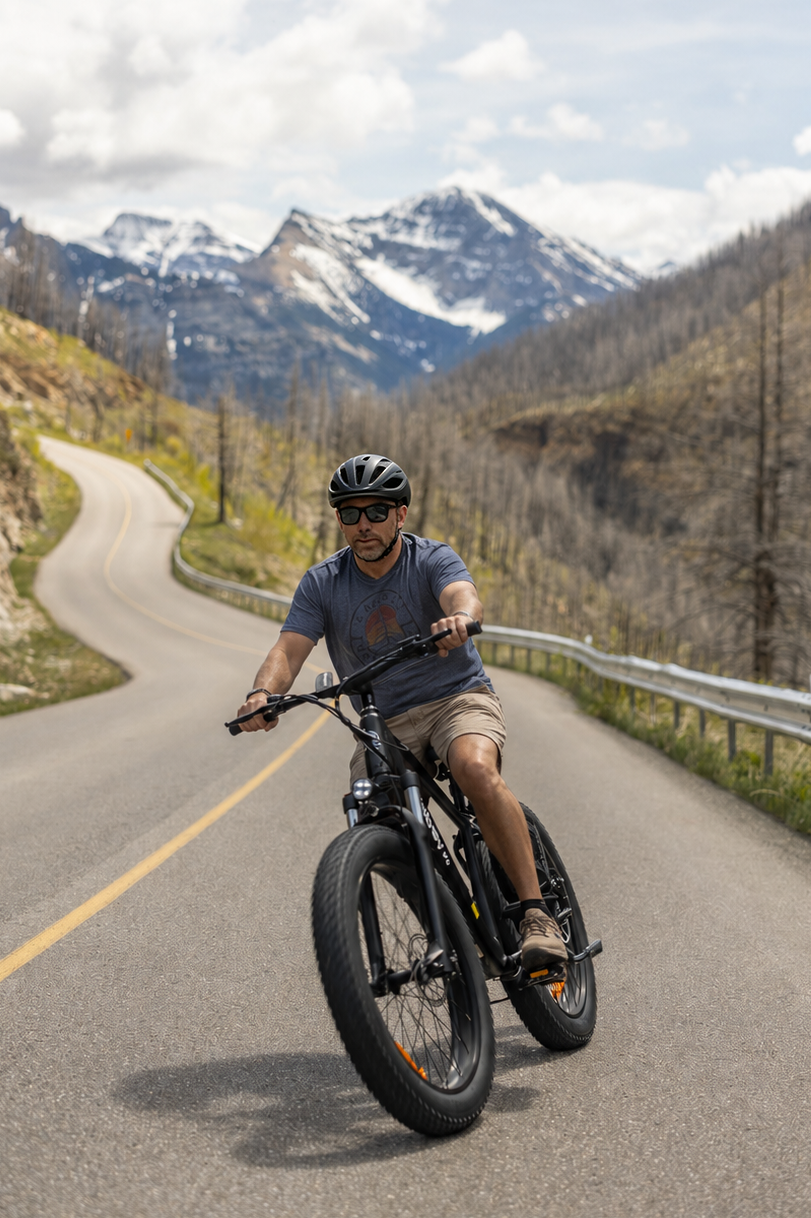
 First Rides
 Everyday Fun
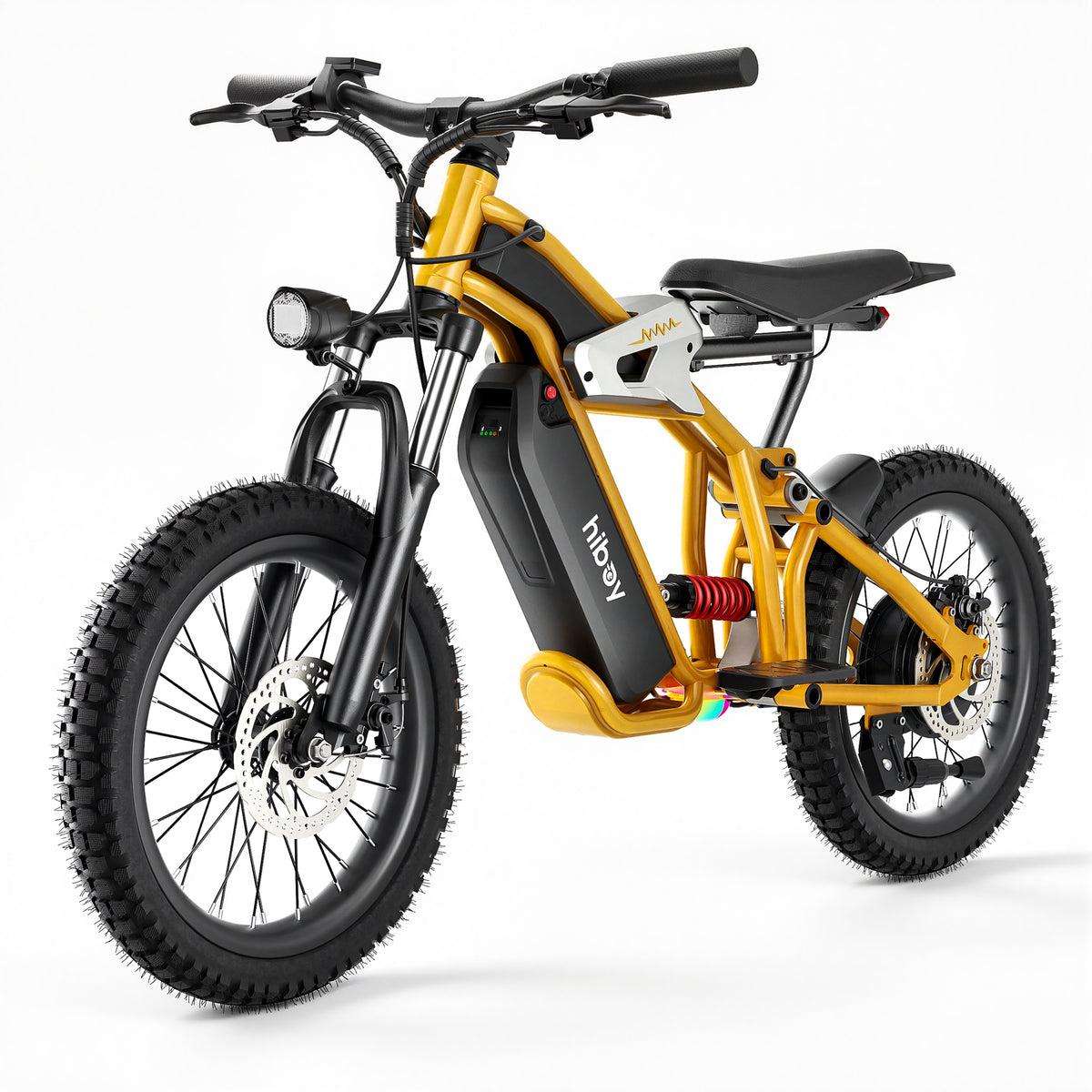 DM14
DM14
 S2 Lite
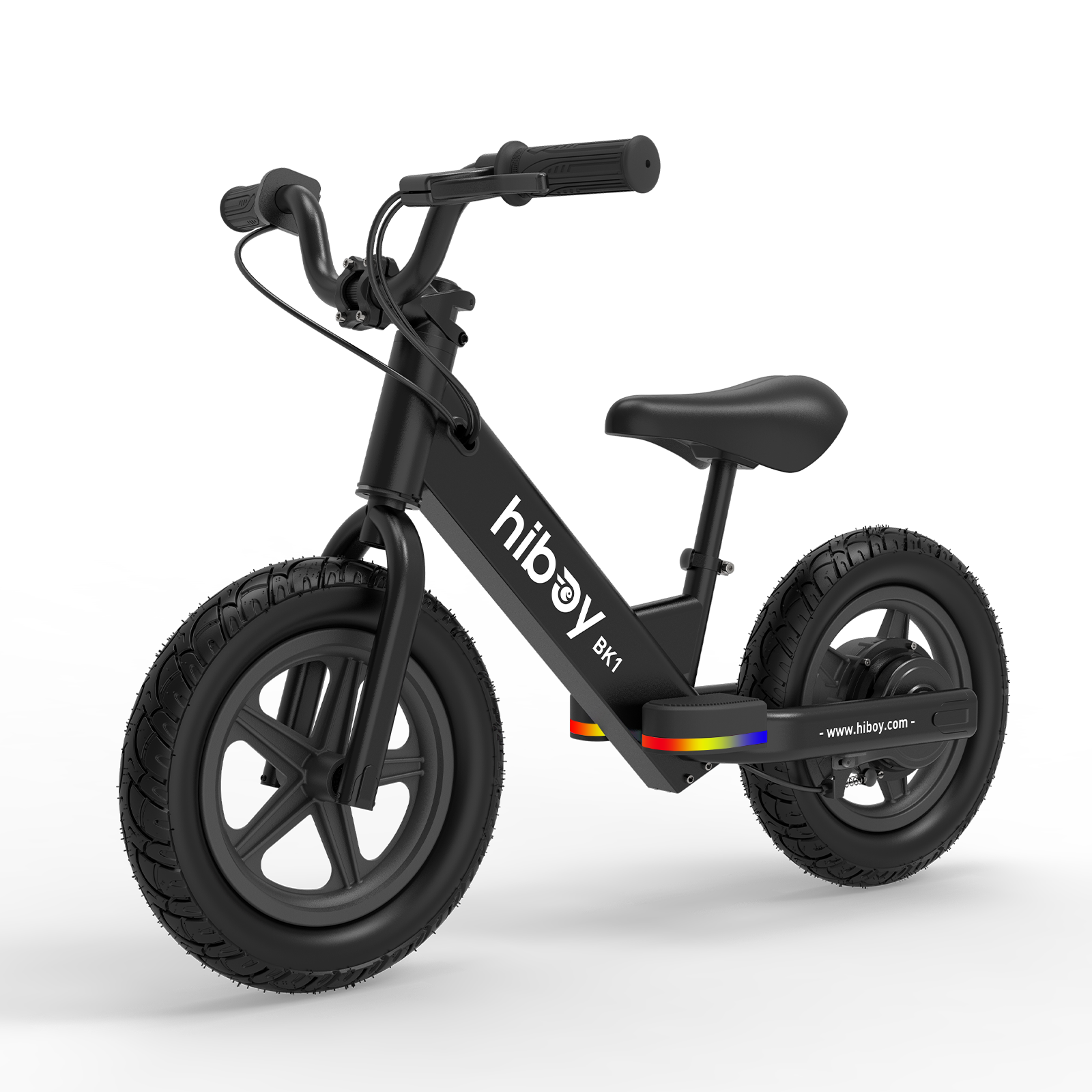 BK1
BK1
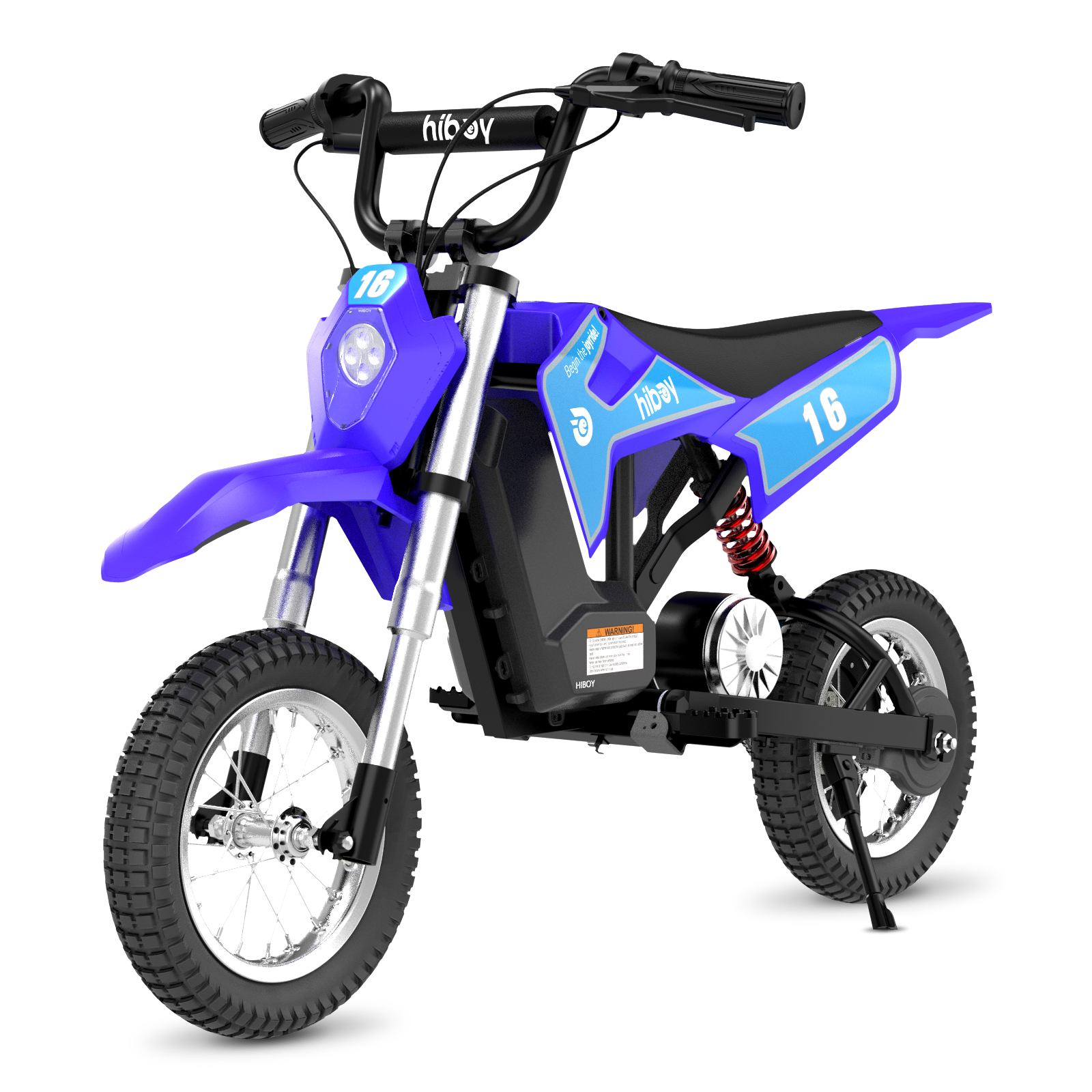 DK1
DK1
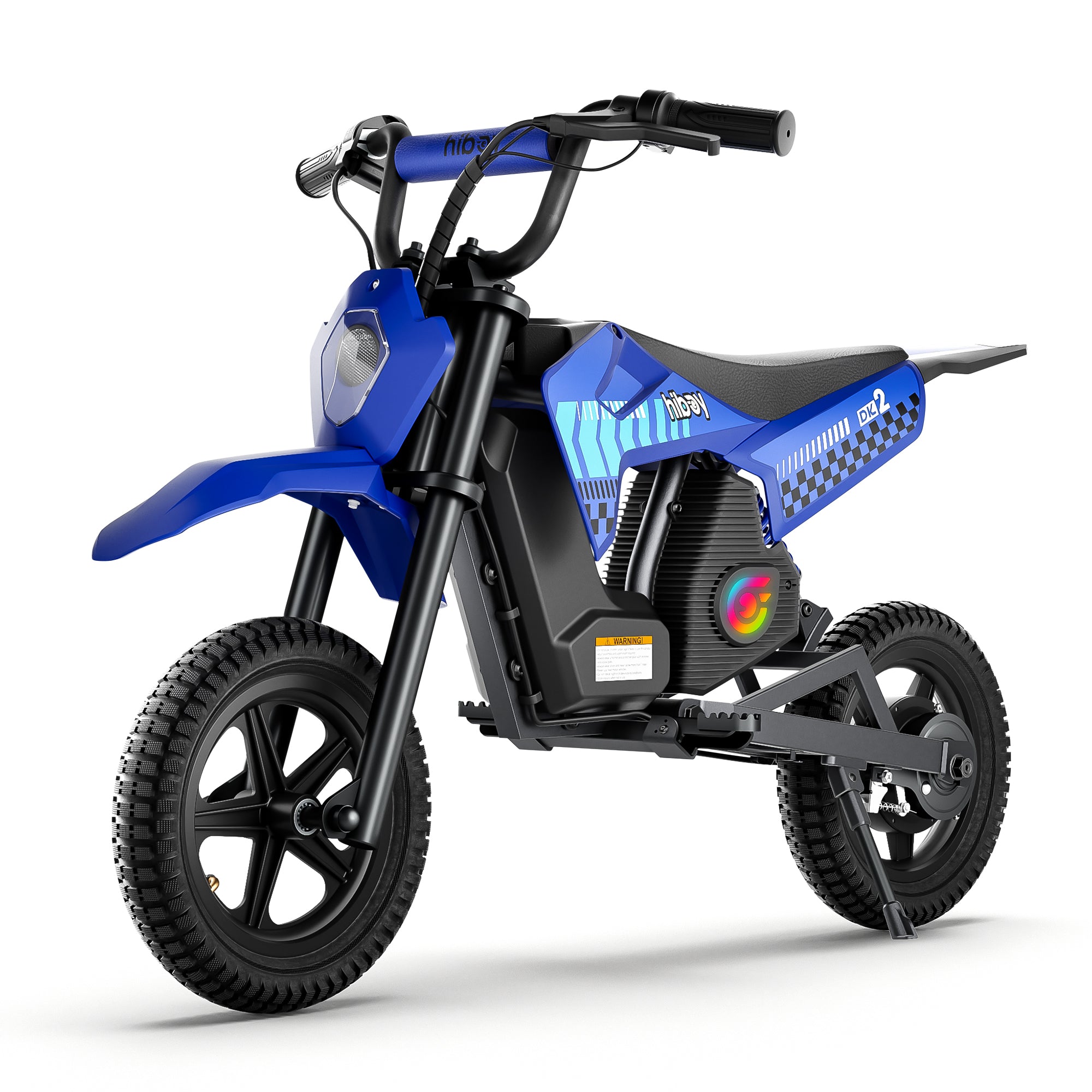 DK2
DK2
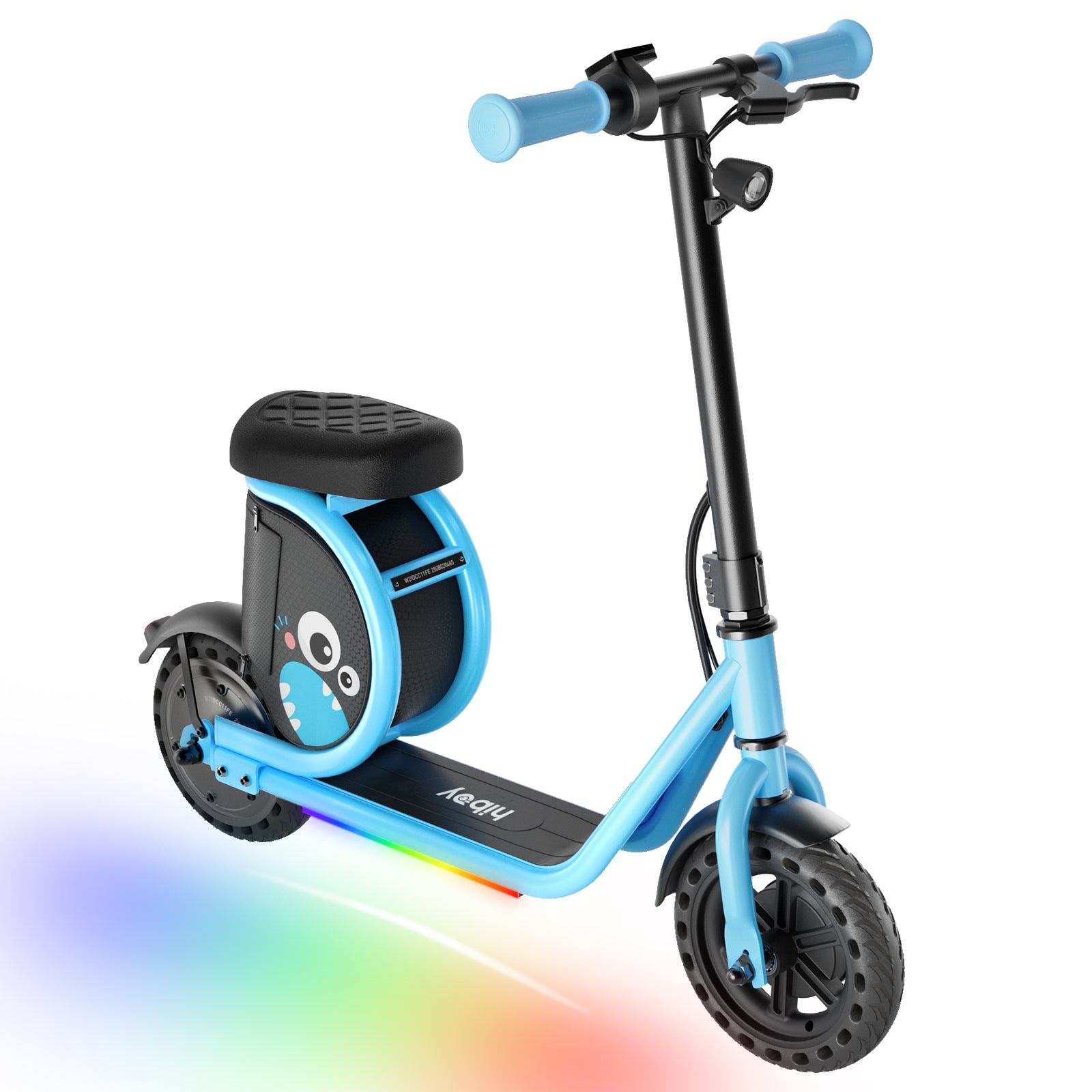 Joy Haul
 Compare Models
Electric scooters are no longer a trend; they’re infrastructure.
In 2026, the conversation has clearly shifted. A few years ago, people were asking, “Should I get one?” Now, the real question is:
Which electric scooter actually makes sense for my lifestyle?
This guide takes a clear, evidence-based approach, looking at cost, technology, safety, and real-world usage, to answer one simple question:
Are electric scooters worth it in 2026?
The Short Answer
Yes, for most urban riders, electric scooters are absolutely worth it in 2026.

But the real answer depends on how you use them:
| Usage Scenario | Worth It in 2026? | Recommendation |
| Daily commuting (8–20 miles / 13–32 km) | ✔ Strong Yes | Excellent ROI and practicality |
| Short trips, errands, flexible mobility | ✔ Yes | Convenient and cost-effective |
| Occasional leisure use | ⚖ Maybe | Depends on frequency of use |
| Rare use | ✖ No | Renting is a better option |
Why Electric Scooters Are Taking Over Cities
Urban mobility isn’t just evolving, it’s being redefined. And electric scooters have moved from the edges of that conversation to the center.
What started as a “last-mile solution” is now becoming a first-choice mode of transportation for millions of riders.
What’s Actually Driving the Shift?

1. Rising Cost of Getting Around
Fuel prices, parking fees, and public transit costs have all increased in recent years. For many urban commuters, the math is simple:
- A scooter can cost a fraction per mile/km compared to cars or transit
- No parking fees, minimal electricity cost
- Lower long-term ownership expenses
👉 Over time, this isn’t just convenience, it’s a financial decision.
2. Traffic Isn’t Getting Better
In most major cities, congestion is no longer occasional; it’s daily.
- Cars lose time in gridlock
- Public transit faces delays and overcrowding
- Parking availability continues to shrink
Electric scooters cut through this friction:
- Use bike lanes or mixed-use paths
- Avoid parking bottlenecks
- Offer predictable commute times
👉 For many riders, scooters don’t just save money. They give back time.
3. Cities Are Finally Built for Them
Five years ago, infrastructure was a barrier. In 2026, it’s becoming a catalyst.
- Expansion of protected bike lanes
- Integration of micromobility into city planning
- More charging points and parking zones
- Clearer regulations improving safety and adoption
👉 This shift reduces friction for new riders and makes scooters a viable daily option, not a risky experiment.

4. A Cultural Shift Toward Smarter Mobility
There’s also a mindset change happening:
- People are rethinking car ownership
- Sustainability is influencing everyday decisions
- Flexibility is valued more than permanence
Electric scooters fit perfectly into this shift:
- On-demand mobility
- Low environmental impact
- Easy integration into daily routines
The Bigger Picture
Micromobility is projected to grow into a hundreds-of-billions-dollar global market by 2030, with electric scooters leading adoption.
👉 The key shift: Scooters are no longer just solving the “last mile”, they’re replacing entire trips.
Technology Has Quietly Solved the Old Problems

Not long ago, electric scooters had obvious limitations:
- Short range
- Weak motors
- Questionable durability
That’s why many riders hesitated.
But by 2026, those concerns will have largely been addressed, not through one breakthrough, but through consistent, incremental innovation.
What’s Changed by 2026?
1. Longer, More Practical Range
- Typical real-world range: 40–100+ km (25–60+ miles)
- Premium models: even higher
This means:
- Full-day commuting without recharge
- Weekend rides without range anxiety
- Less dependence on charging infrastructure
👉 Range is no longer the limiting factor it once was.

2. Better, Safer Battery Technology
Battery systems have matured significantly:
- Adoption of LFP (Lithium Iron Phosphate) for better thermal stability
- 3–5+ years lifespan under normal use
- Slow degradation (~2–3% per year)
👉 Translation: More predictable performance, lower long-term cost, and improved safety.
3. Smart Features Are Now Standard
Scooters are no longer “dumb machines.”
Most modern models include:
- App connectivity (ride stats, settings, diagnostics)
- GPS tracking and anti-theft systems
- Firmware updates and system monitoring
👉 These features don’t just add convenience, they increase reliability and security.
4. Real Comfort & Ride Quality Improvements
Early scooters felt rigid and unstable. That’s changed.
Modern upgrades include:
- Dual suspension systems for shock absorption
- 10-inch (or larger) tires for stability and grip
- Reinforced frames for durability

👉 The result:
- Smoother rides on rough roads
- Better control at higher speeds
- Less rider fatigue over distance
What This Means in Practice
All these changes add up to one important shift:
Electric scooters are no longer experimental or “just for fun.”
They’ve become:
- Reliable daily commuters
- Cost-efficient transport solutions
- Integrated parts of urban infrastructure
👉 In short: They’ve crossed the line from gadget to transportation.
Cost Breakdown: Are Electric Scooters Actually Cheaper?
Let’s move past the hype and talk about what really matters: money, time, and long-term value.

Electric scooters stand out in 2026 not because they’re the most powerful machines, but because they’re often the most efficient way to move through a city.
Typical Cost of Ownership (2026)
Here’s a realistic breakdown based on current market averages:
| Cost Category | Typical Range | What It Means in Practice |
| Upfront Cost | $500 – $3,000+ | Entry-level to premium models |
| Electricity Cost | ~$0.05–$0.10 per charge | Often just a few cents per ride |
| Operating Cost | ~$0.15–$0.25 per km | Includes electricity + wear parts |
| Maintenance | ~$200–$800/year | Tires, brake pads, occasional servicing |
👉 Key insight: Even higher-end scooters remain cheap to run compared to almost any alternative.
Compared to Other Transportation Options
| Transport Type | Cost per km (avg) | Hidden Costs |
| Electric Scooter | ~$0.17 | Minimal (maintenance + charging) |
| Public Transit | ~$0.40–$0.60 | Fares, passes, surge pricing |
| Car (fuel + maintenance) | Significantly higher | Fuel, insurance, parking, depreciation |
👉 And that doesn’t even include:
- Parking fees
- Traffic-related time loss
- Insurance and registration (for cars)

Real-World ROI: When Do You Break Even?
Let’s take a typical scenario:
Daily commute: 10–15 miles (16–24 km)
Annual usage: ~5,000–7,500 km
- Break-even point: ~6–12 months
- 5-year savings vs transit: potentially thousands of dollars
- Savings vs car ownership: dramatically higher
👉 Why this works:
- Low energy cost
- Fewer moving parts = lower maintenance
- No recurring “access fees” like transit or ride-sharing
Where the Savings Actually Come From
It’s not just about fuel vs electricity.
Scooters eliminate or reduce:
- Parking costs
- Waiting time (which has real value)
- Multi-leg commutes (bus + walk + train)
- Subscription or pass-based expenses
👉 Over time, scooters don’t just save money, they simplify your entire commute.

Pros and Cons (No Marketing Spin)
✅ What Scooters Do Extremely Well
- Ultra-low cost per ride
- Time savings in traffic-heavy areas
- Compact and portable (easy to store at home or office)
- Environmentally friendly (zero tailpipe emissions)
- Flexible ride when you want, no schedules
👉 These are the reasons scooters move from “nice to have” to a daily essential.
⚠️ Where Scooters Still Fall Short
- Safety risks (especially without proper gear)
- Weather limitations (rain, snow, extreme heat)
- Theft risks without GPS or secure locking
- Ongoing maintenance (tires, brakes, occasional servicing)
👉 Reality check: Electric scooters are efficient, but they’re not effortless or risk-free.
Safety in 2026: Better, But Still Rider-Dependent
Safety has improved significantly, but it’s still a shared responsibility between technology and rider behavior.

What’s Improved
- More reliable braking systems (disc + electronic braking)
- Stronger, brighter lighting systems for visibility
- Wider tires (10-inch+) for better grip and stability
- More consistent regulations across cities
👉 Modern scooters are objectively safer than earlier generations.
What Still Matters Most
- Wearing a helmet
- Staying aware of traffic and road conditions
- Following local laws and speed limits
👉 Important reality: A large percentage of serious injuries are linked to not wearing helmets, not mechanical failure.
What Smart Buyers Care About in 2026
The market has matured, and so have buyers. Today’s riders are less impressed by flashy specs and more focused on real-world usability.
Top Decision Factors
- Reliability > raw speed
- Battery quality > advertised range
- Safety features > aesthetics
- Brand trust & after-sales support > lowest price

👉 This is a major shift.
- A few years ago: Buyers chased speed and price
- In 2026: Buyers prioritize long-term value and peace of mind
The Bigger Trend Behind All This
This shift in buyer behavior explains a key market trend:
Premium and mid-tier scooters are growing faster than budget models.
Why?
Because riders have learned that:
- A cheaper scooter can cost more over time
- Reliability and support matter more than initial savings
Final Takeaway
Electric scooters aren’t just cheaper, they’re structurally more efficient than most urban transport options.
But they’re not perfect.
They save you money, time, and flexibility as long as you ride them consistently and responsibly.
That’s the trade-off.

Where Hiboy Fits Into This Conversation
As the market matures, brands that balance performance, reliability, and accessibility stand out.
Hiboy focuses on exactly that balance, building scooters that are:
- Practical for daily commuting
- Designed with real-world durability in mind
- Accessible to a wide range of riders
Instead of chasing extreme specs, the focus is on usable performance:
- Stable ride quality
- Reliable battery systems
- Rider-friendly design
👉 And in 2026, that’s exactly what most riders actually need.
Are Electric Scooters Worth It in 2026?
Let’s simplify it.
✔ They’re Worth It If You
- Commute regularly
- Want to reduce transportation costs
- Need flexible, on-demand mobility
- Live in a city or suburban area

⚖ They Might Be Worth It If You
- Ride occasionally
- Value convenience over cost savings
✖ They’re Not Worth It If You
- Rarely ride
- Live in areas with no safe infrastructure
- Expect zero maintenance or effort
Final Verdict
Electric scooters in 2026 are no longer experimental; they’re practical, efficient, and increasingly essential.
They won’t replace every mode of transport. But for millions of riders, they have already replaced the most frustrating one:
Daily commuting.
And that’s why they’re worth it.









Leave a comment
All comments are moderated before being published.
This site is protected by hCaptcha and the hCaptcha Privacy Policy and Terms of Service apply.