





 Daily Commute
 Lightweight & Portable
 Performance Rides
 Comfort With Seat
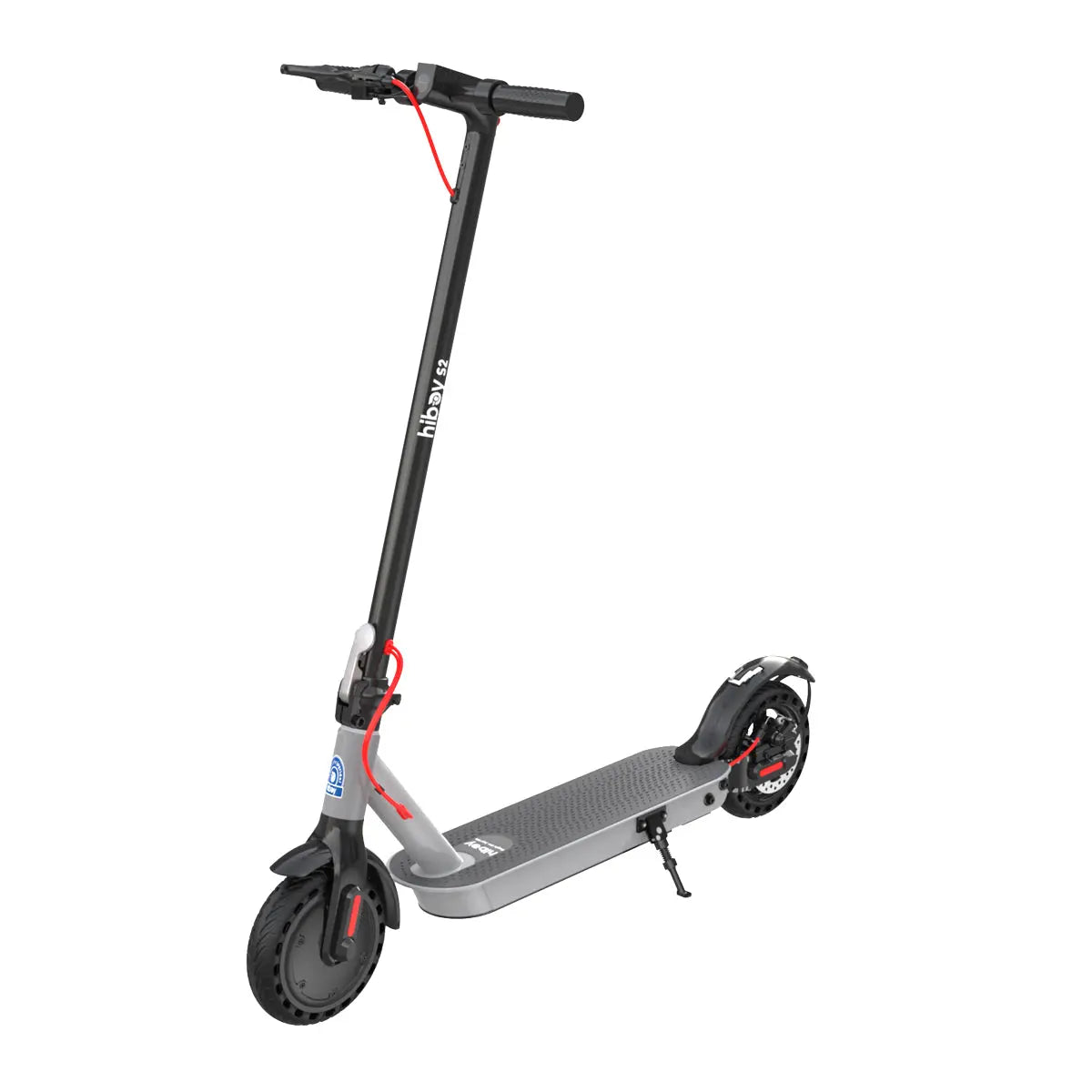 S2
S2
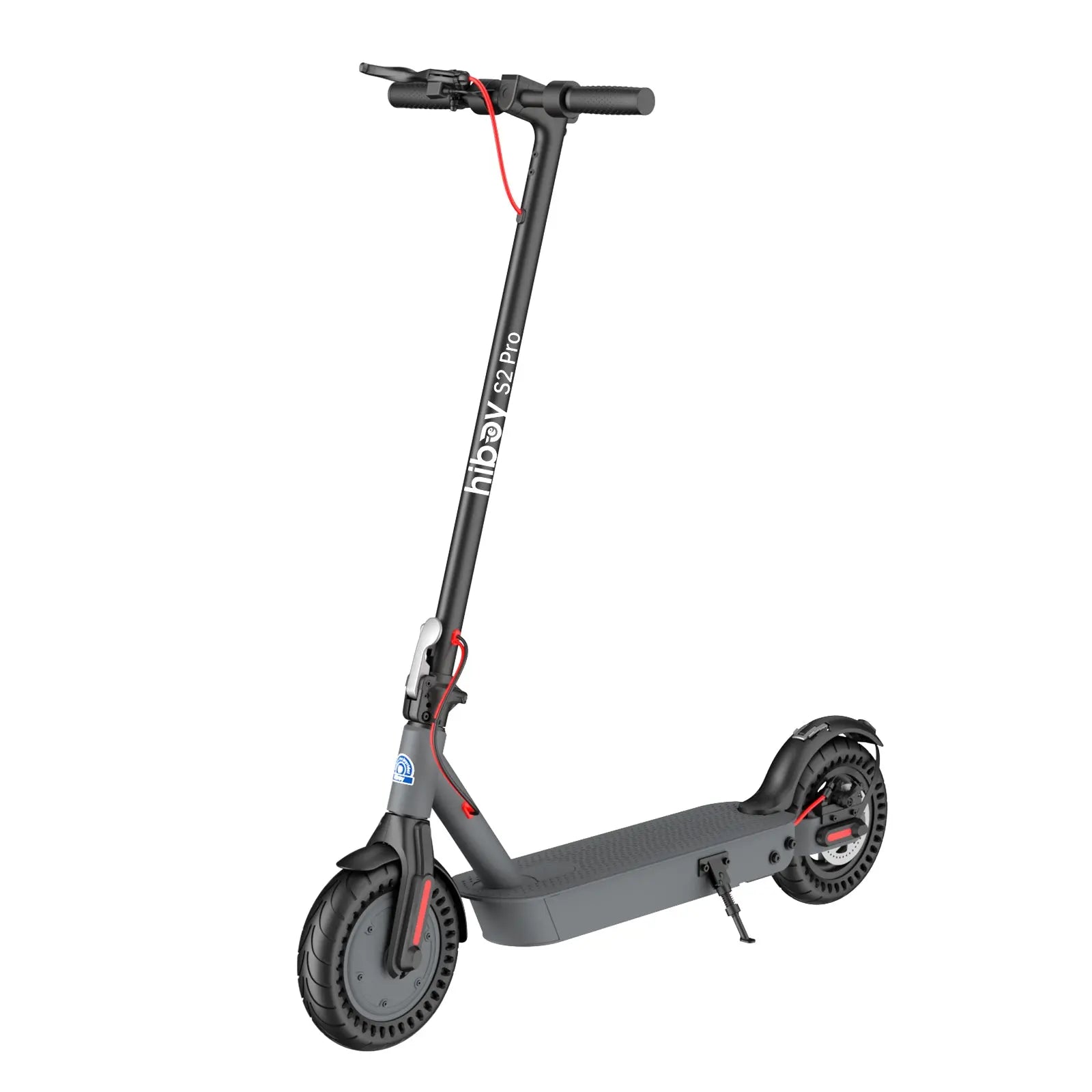 S2 Pro
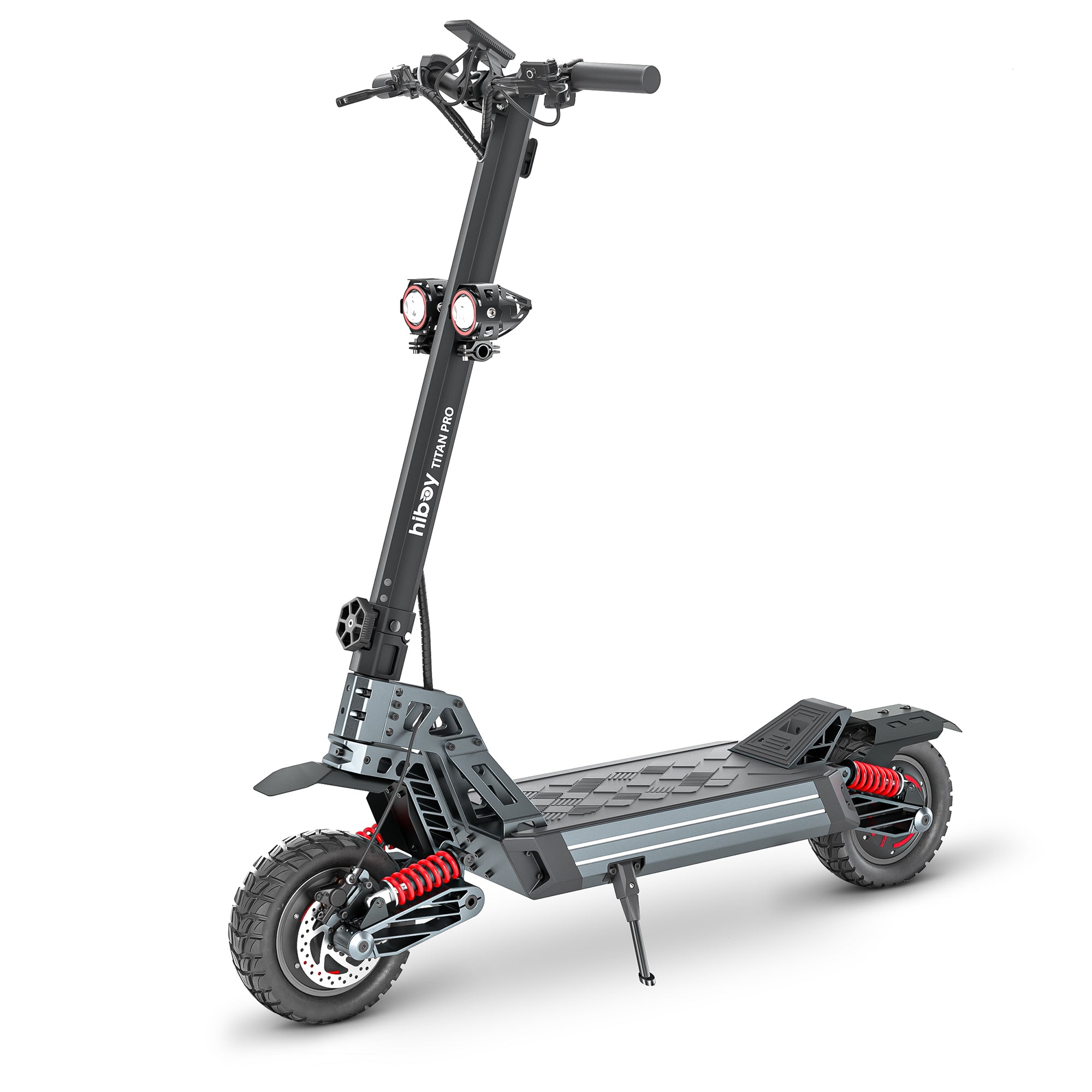 TITAN PRO
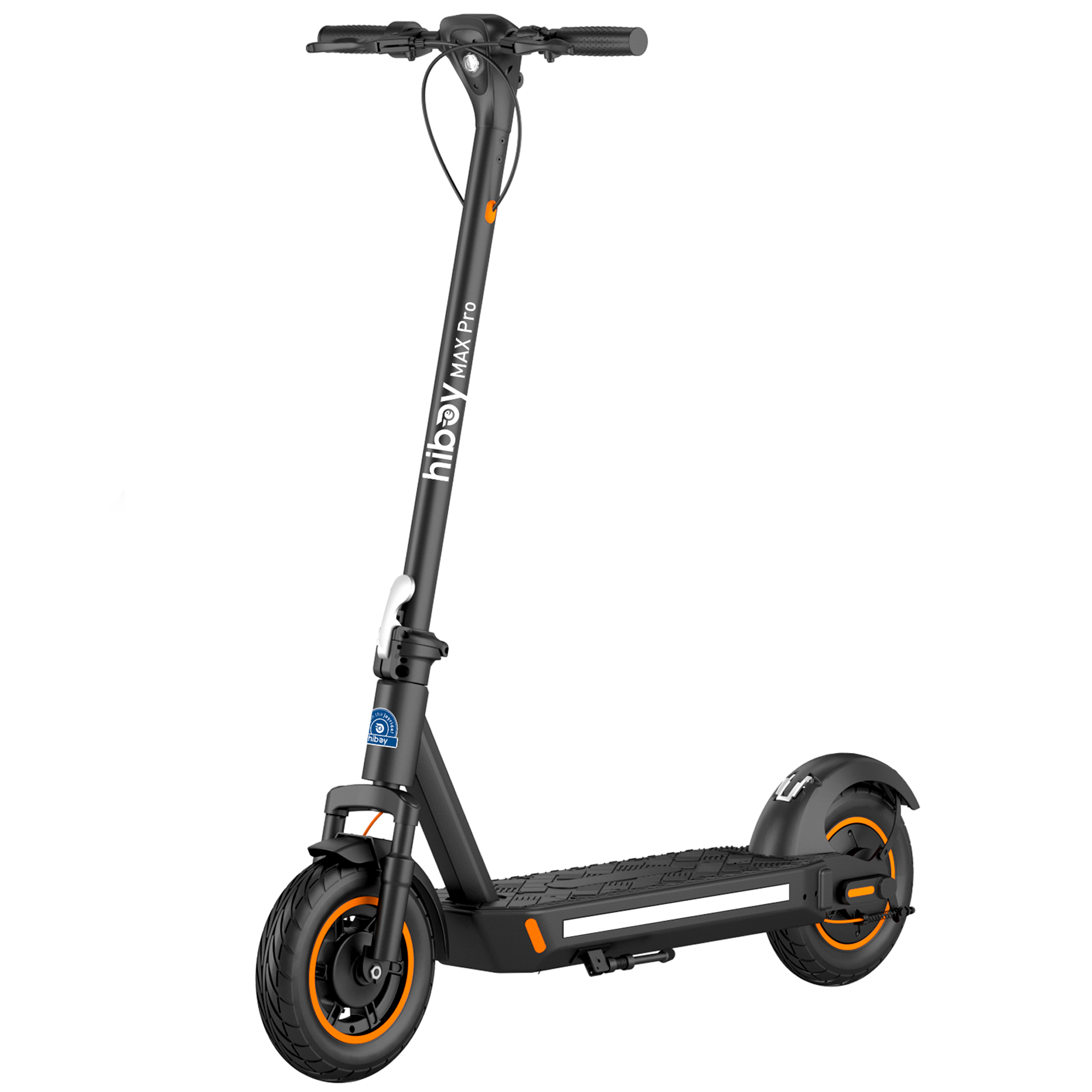 MAX Pro
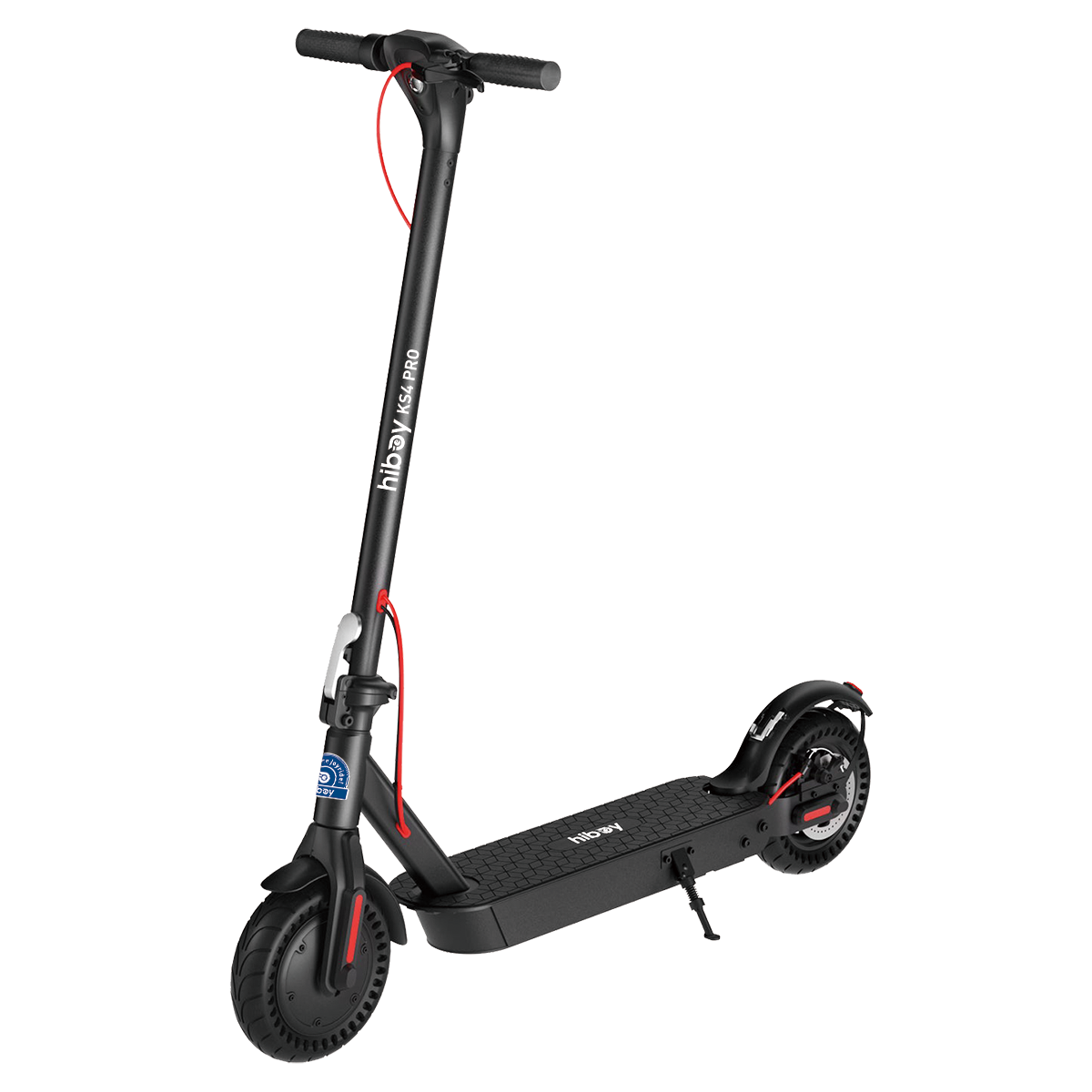 KS4 Pro
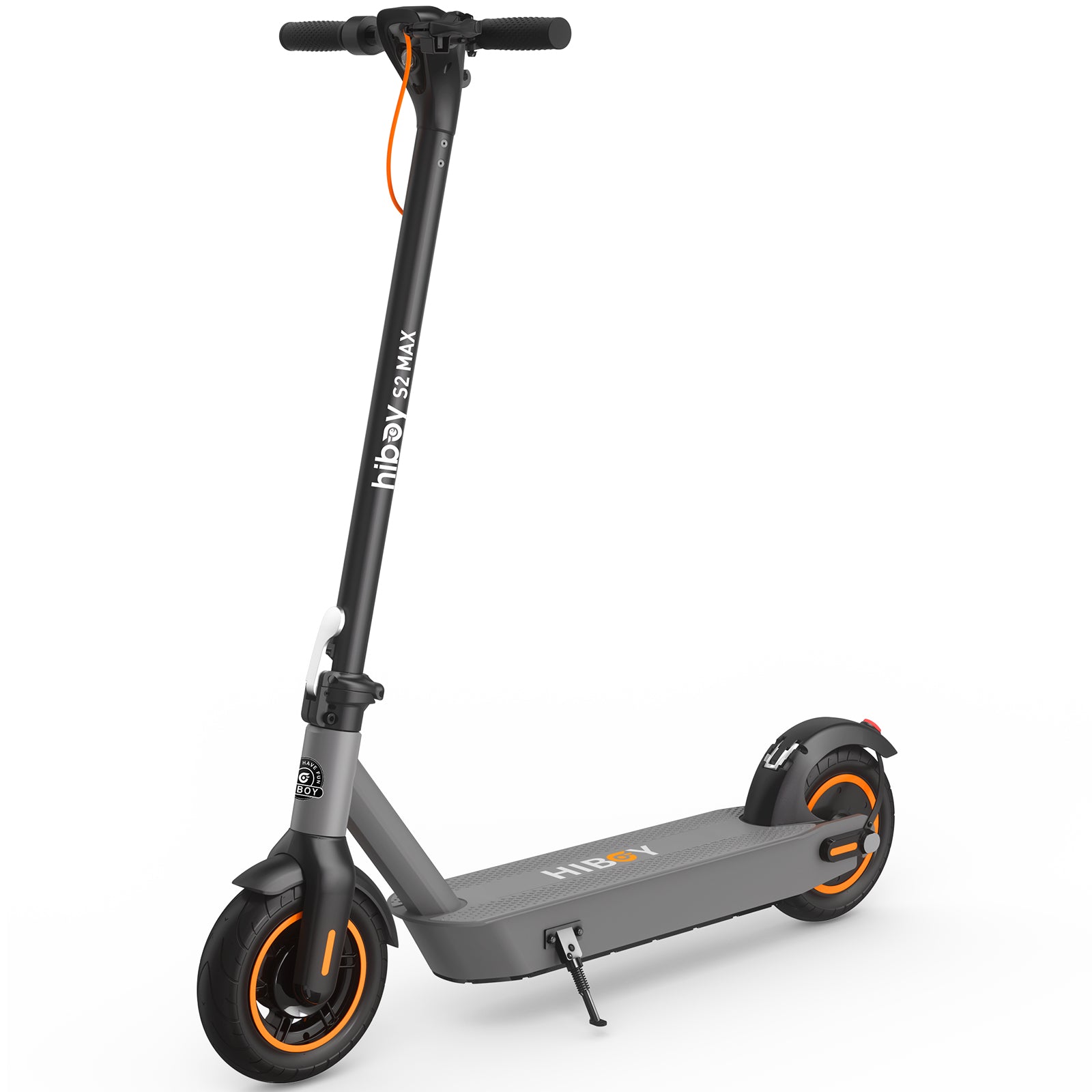 S2 MAX
 Compare Models
 Find Your Best Ride
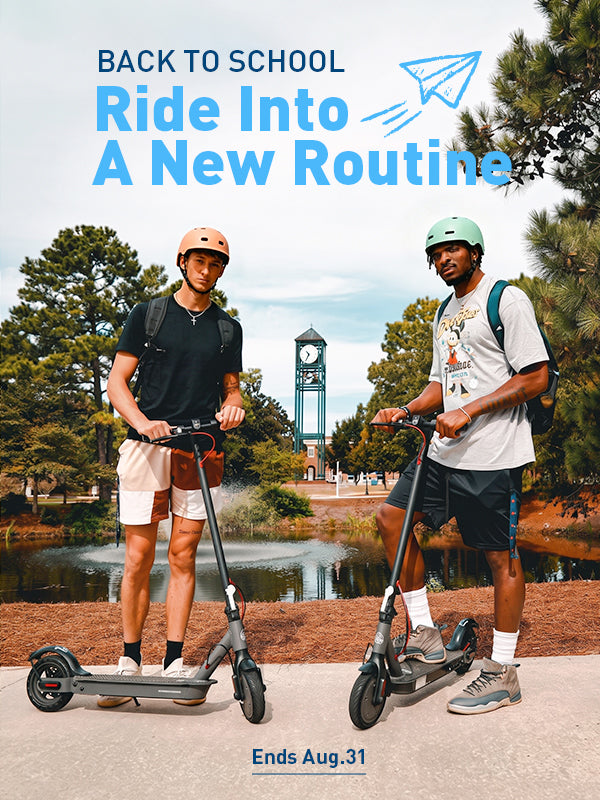
 Daily Commute
 Off-road & Trail
 Folding & Compact
 Fat Tire Rides
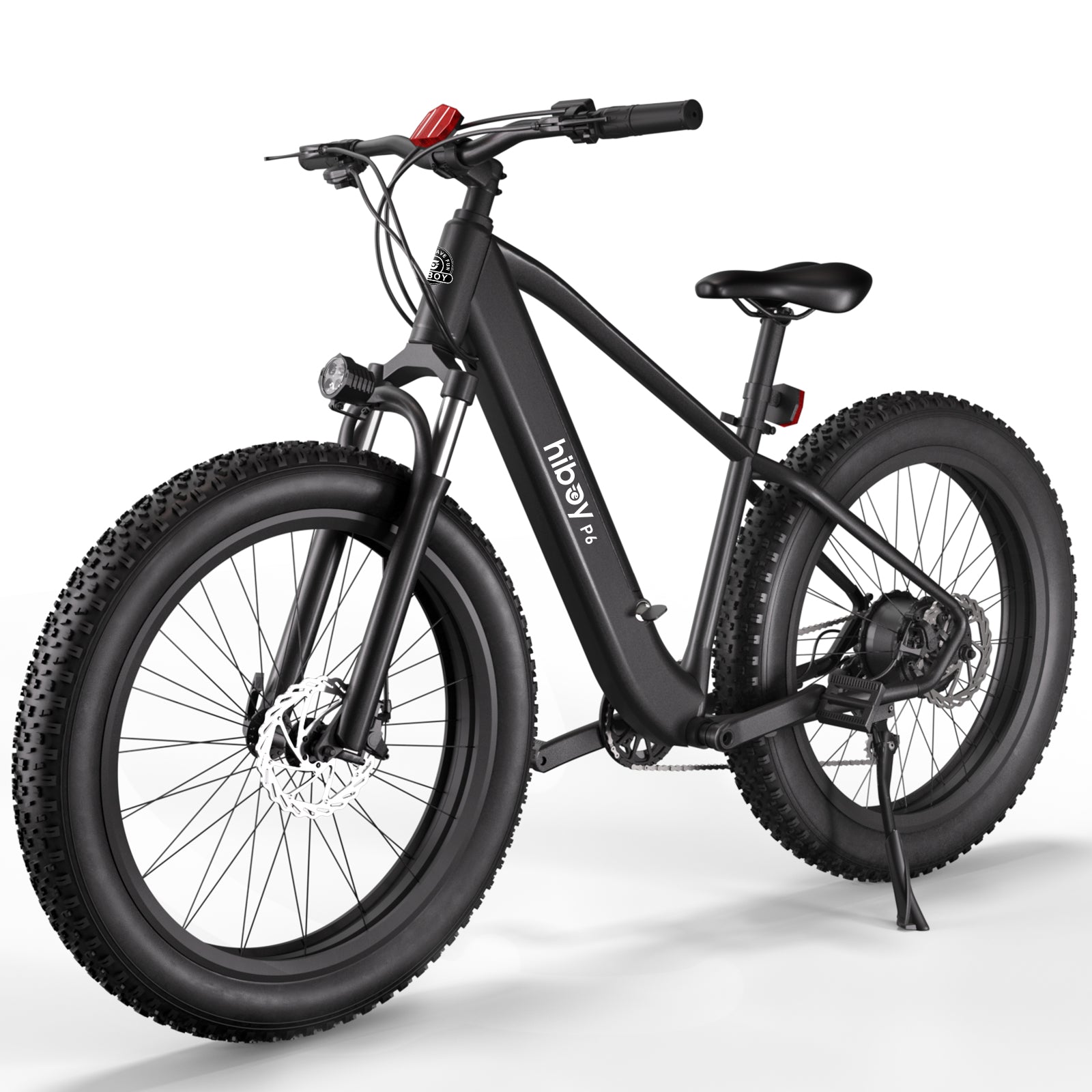 P6
P6
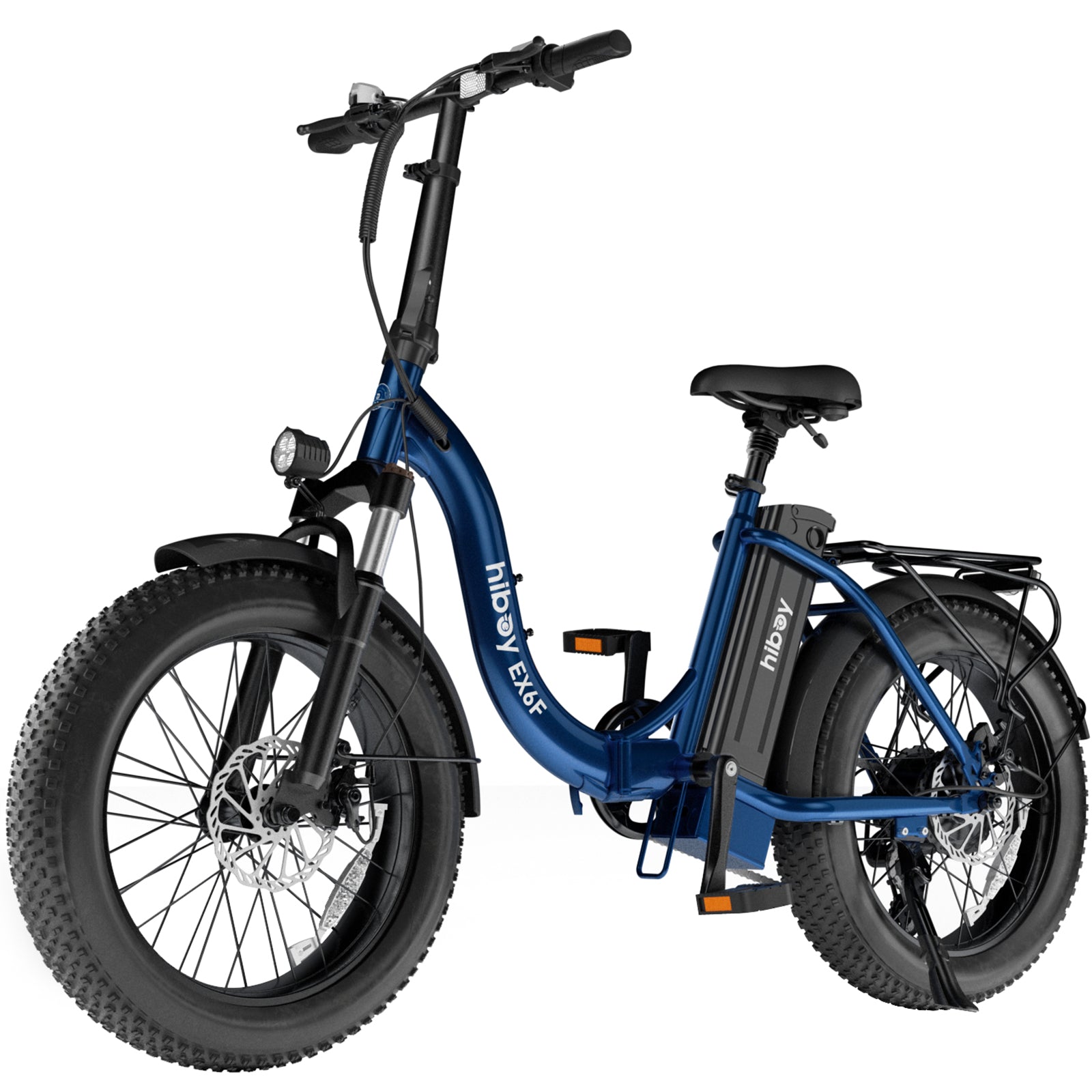 EX6F
EX6F
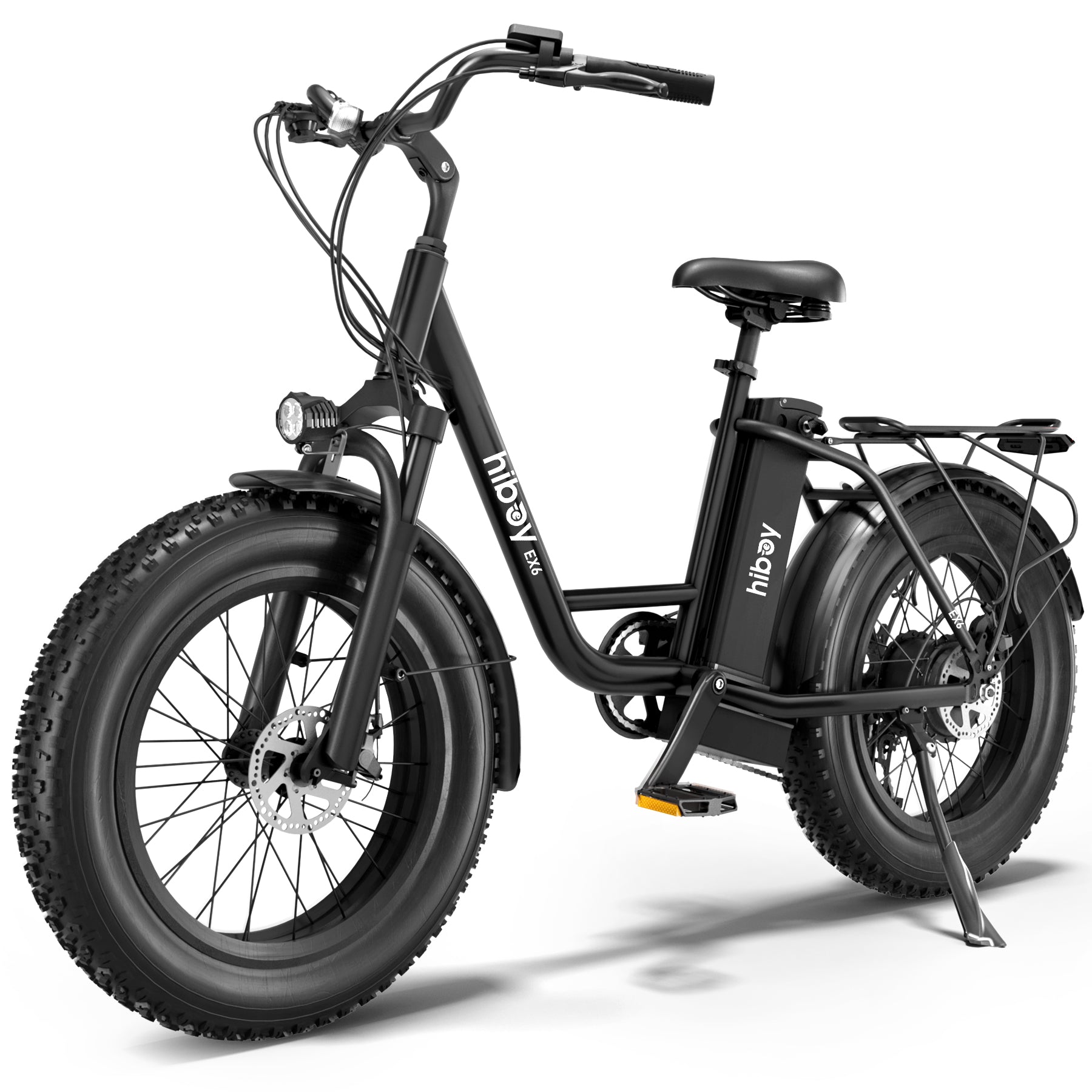 EX6
EX6
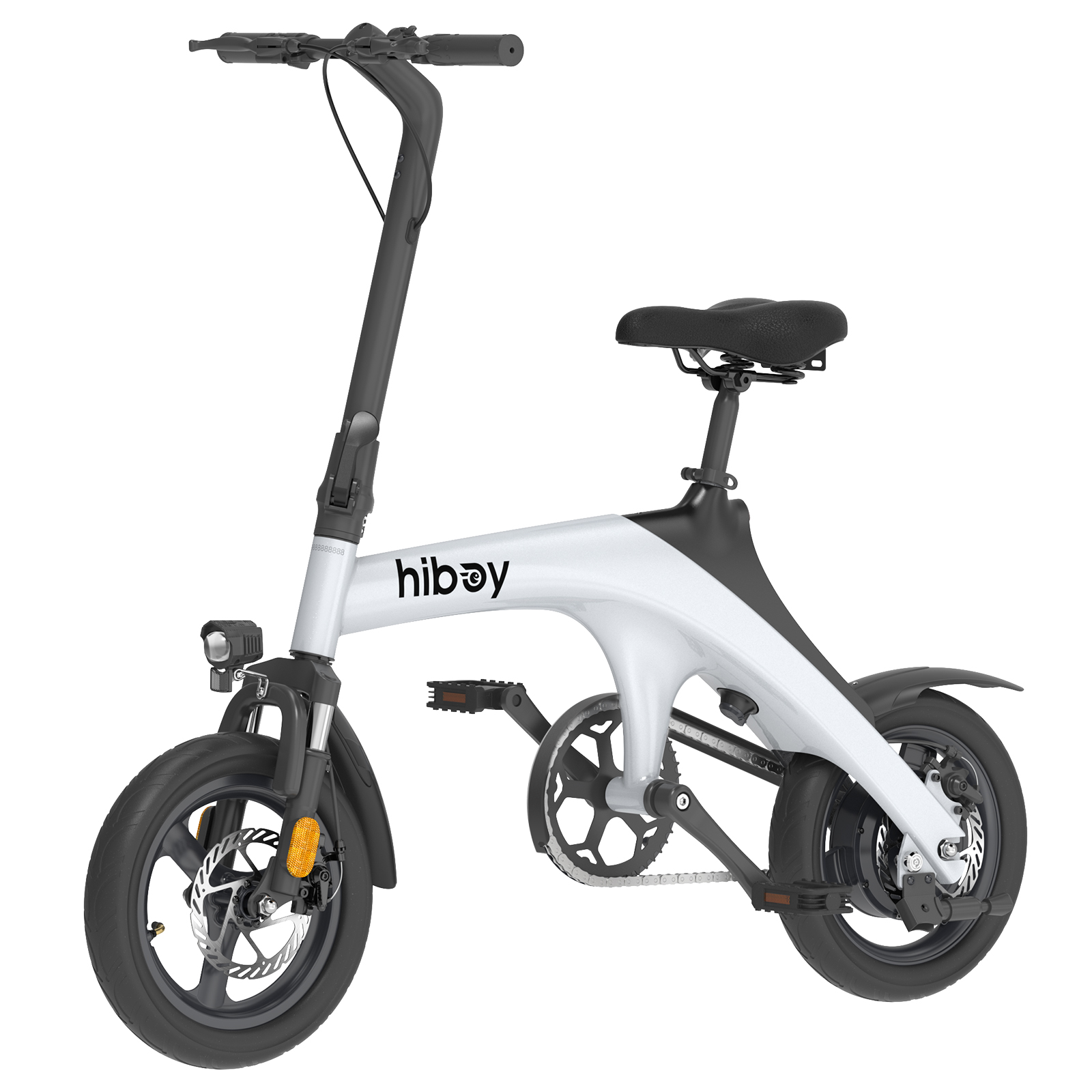 C1
C1
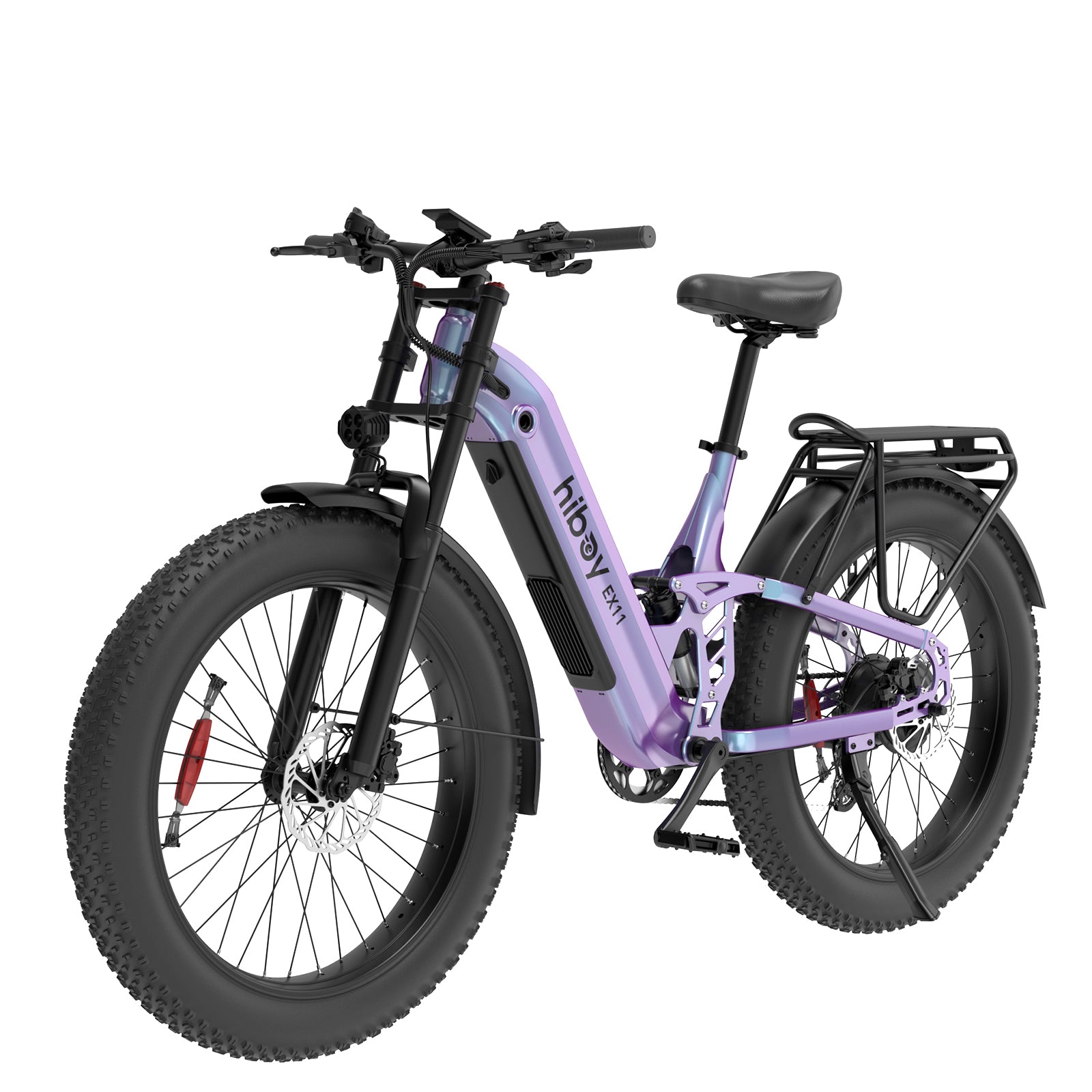 EX11
EX11
 EX9
EX9
 Compare Models
 First Rides
 Everyday Fun
 S2 Lite
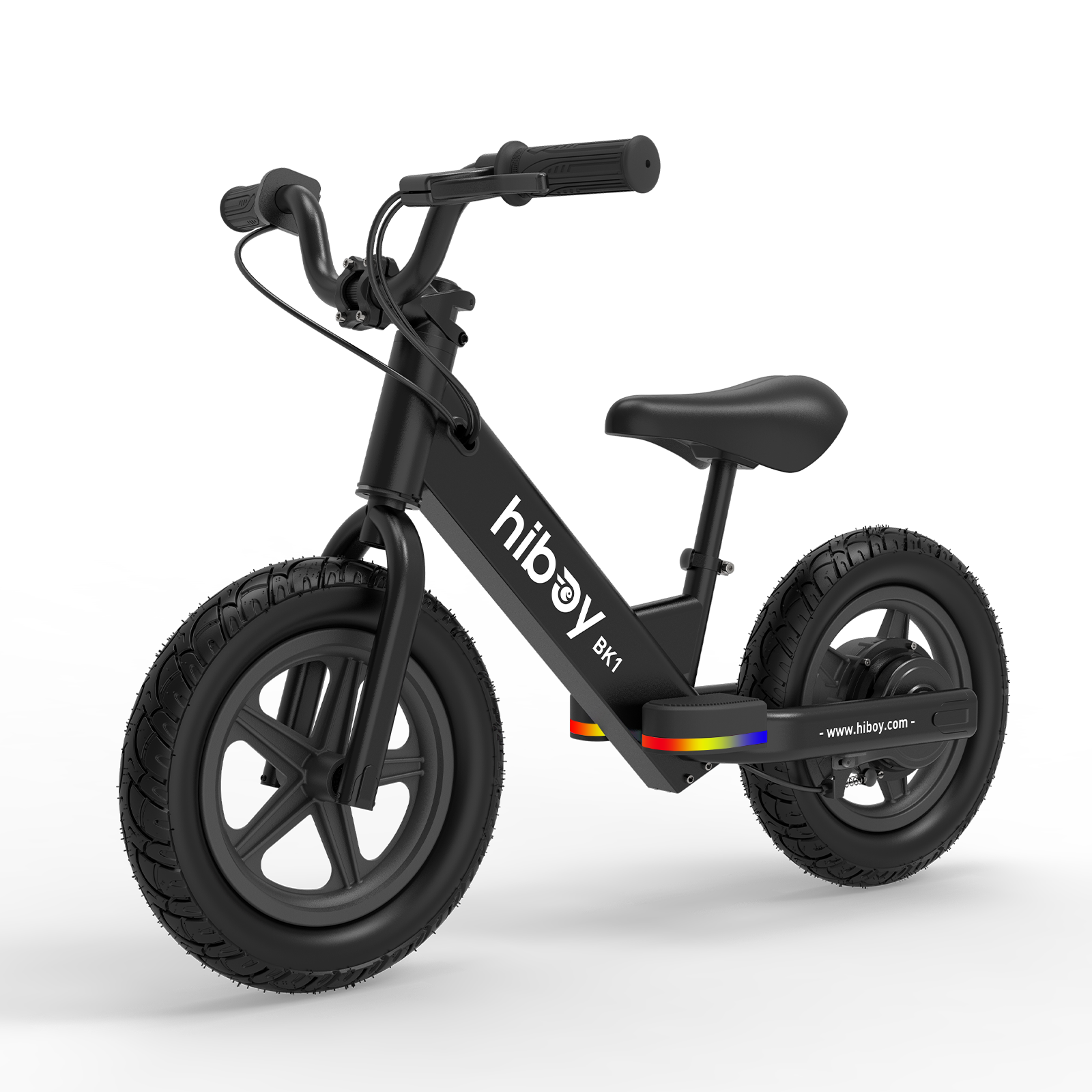 BK1
BK1
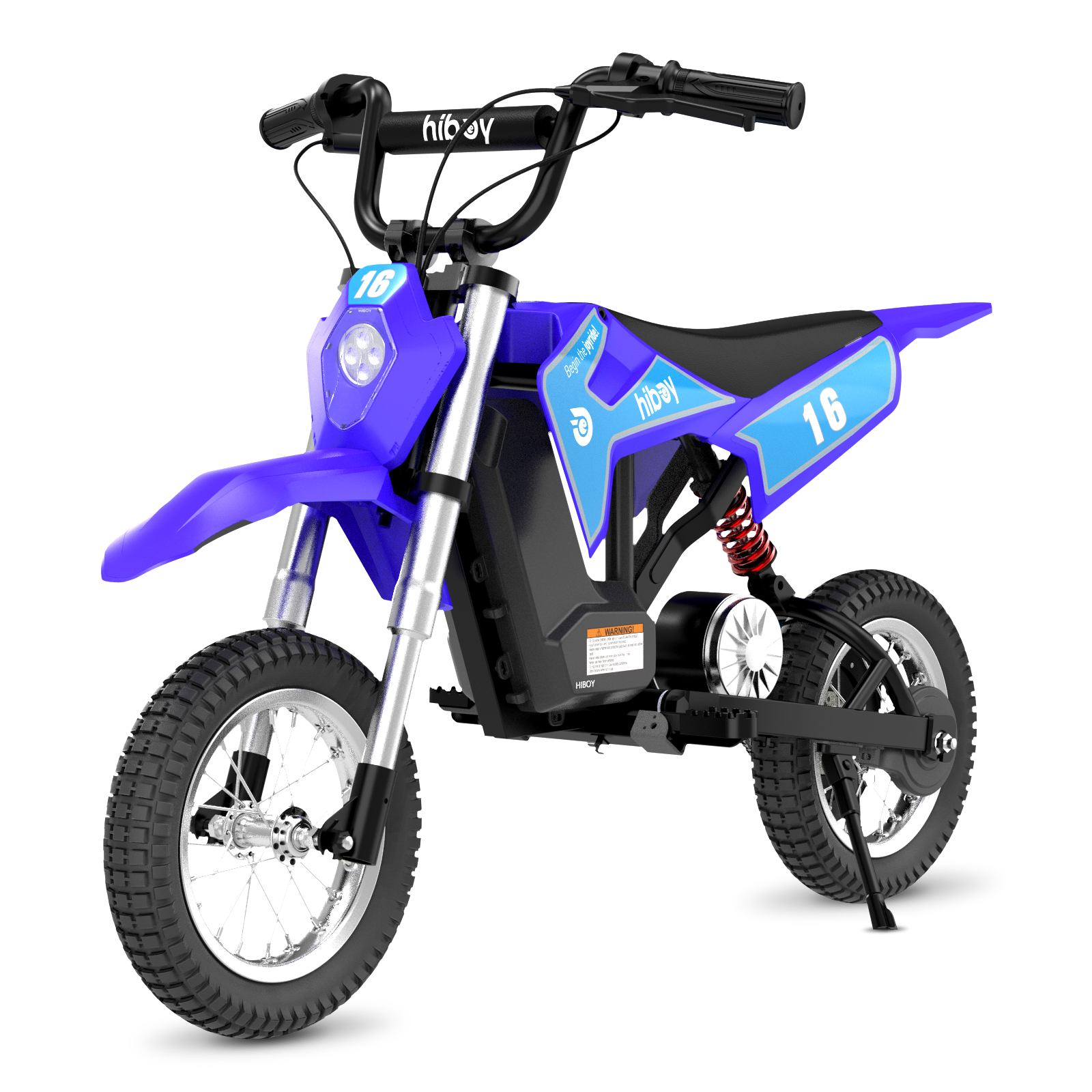 DK1
DK1
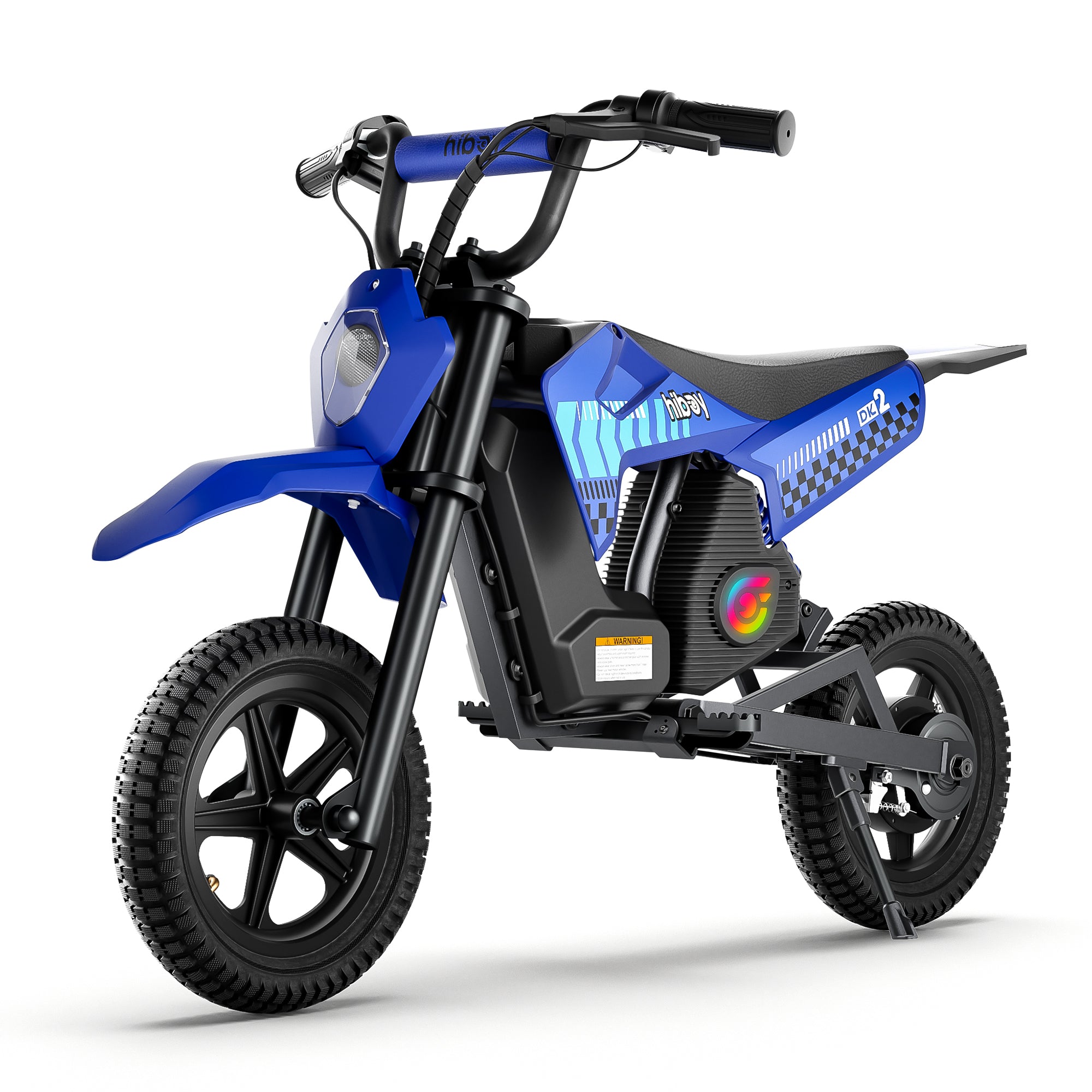 DK2
DK2
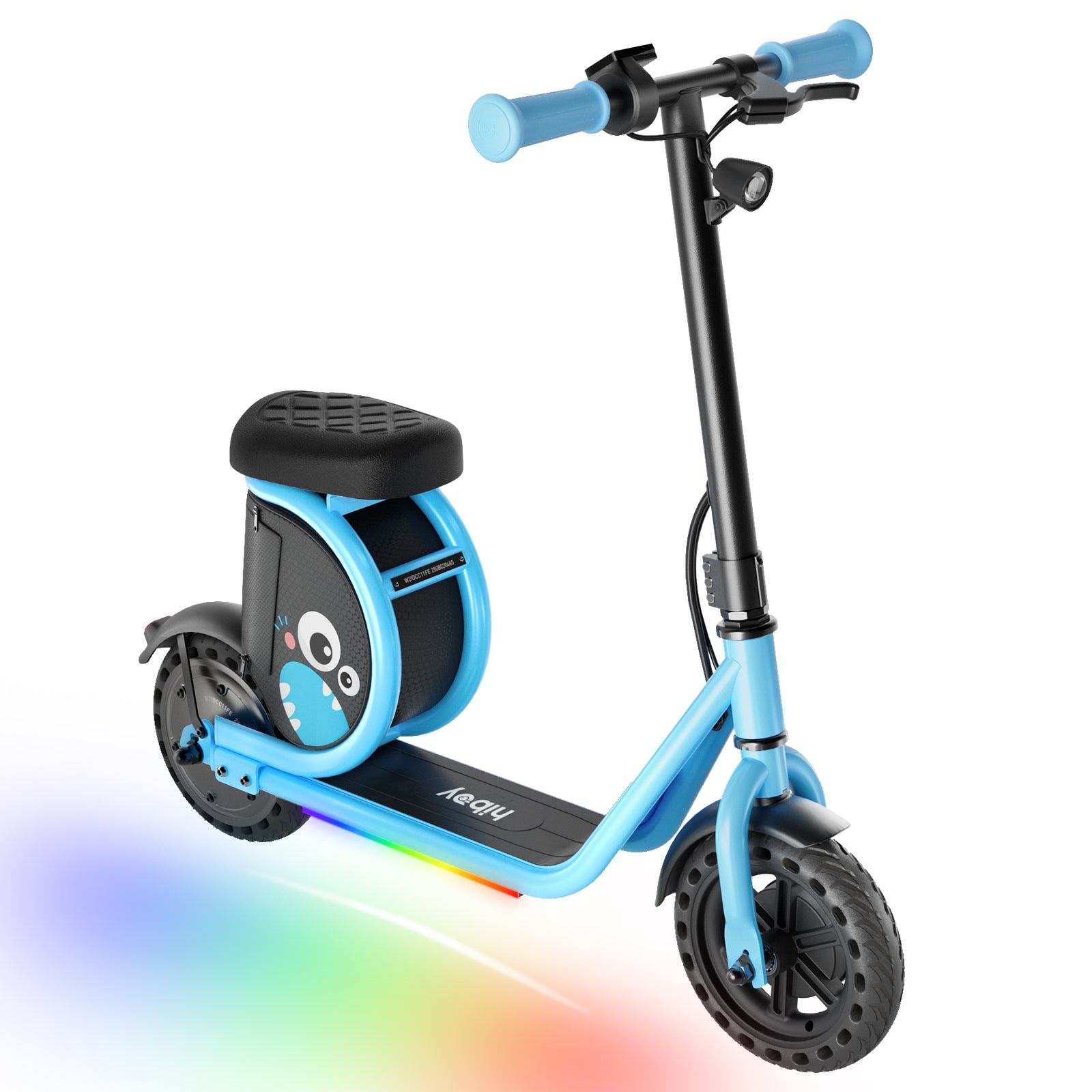 Joy Haul
 Q2 Lite
 Compare Models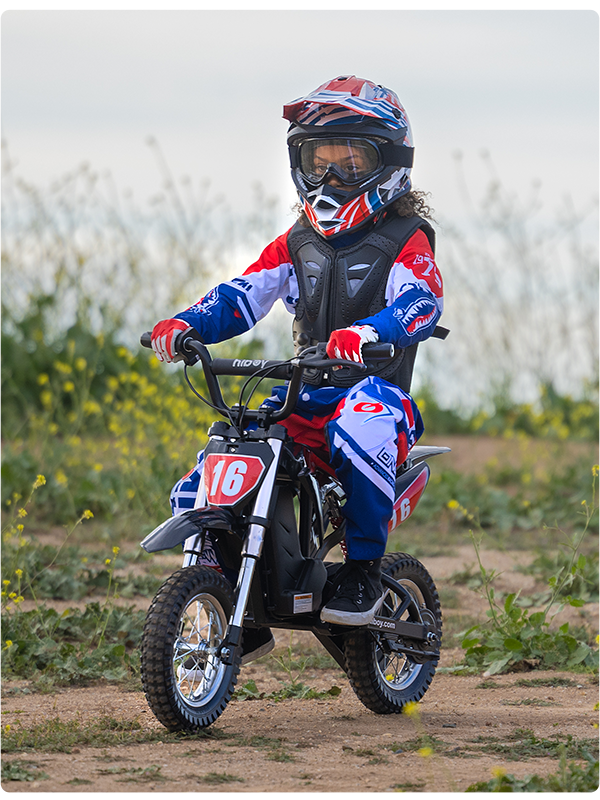
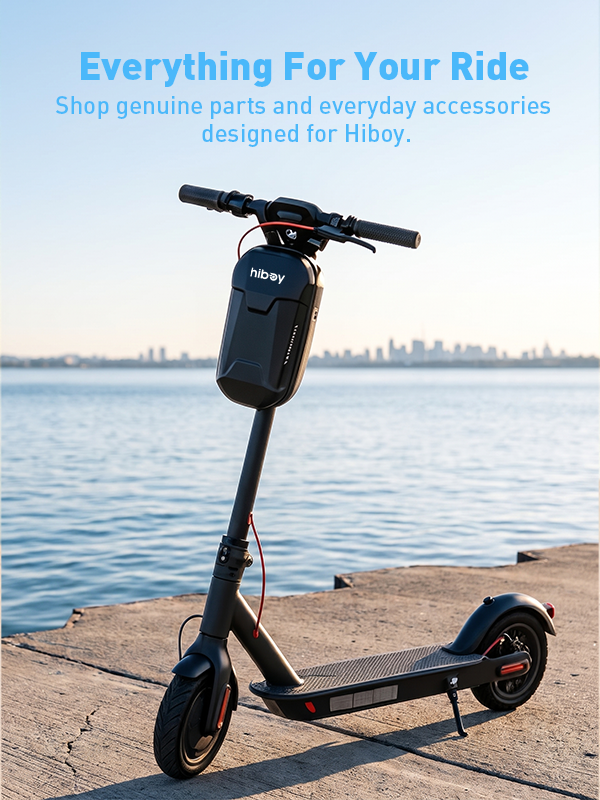
Back-to-school season means more than new classes and supplies. For many students, it also means figuring out how to get to and from school every day.
If driving is inconvenient, public transportation is limited, or walking takes too long, an electric bike or electric scooter can provide a practical alternative for short-to-moderate commutes. Both offer electric-assisted transportation without the fuel costs of a car, but they are designed around different priorities.
An e-bike generally offers a more traditional riding position, larger wheels, greater stability, and better versatility for longer commutes. An electric scooter, on the other hand, is typically lighter, more compact, and easier to carry and store.
So which one is better for getting to school?
There is no universal answer. The better choice depends on the student's commute distance, road conditions, storage options, riding experience, and local regulations.
This guide compares e-bikes and electric scooters in detail to help students and families choose the right option for the school year.
E-Bike vs. Electric Scooter at a Glance
Before getting into the details, here's a quick comparison of the two transportation options:
| Factor | E-Bike | Electric Scooter |
| Short urban commute | Good | Excellent |
| Longer commute | Excellent | Good |
| Portability | Moderate | Excellent |
| Storage in small spaces | Moderate | Excellent |
| Larger wheels | Usually | Usually smaller |
| Stability on uneven roads | Excellent | Good |
| Pedaling capability | Yes | No |
| Carrying capacity | Usually better | More limited |
| Physical effort | Low to moderate | Very low |
| Maneuverability | Good | Excellent |
| Public transit compatibility | Moderate | Excellent |
| Hill performance | Good to excellent | Model-dependent |
| Weather resistance | Model-dependent | Model-dependent |
| Learning curve | Low | Low |
| Best for | Longer, varied commutes | Compact urban trips |
The table provides a general comparison, but individual models can differ significantly. Motor output, battery capacity, wheel size, suspension, brakes, weight, and overall design all affect real-world performance.

What Makes an E-Bike Good for School Commutes?
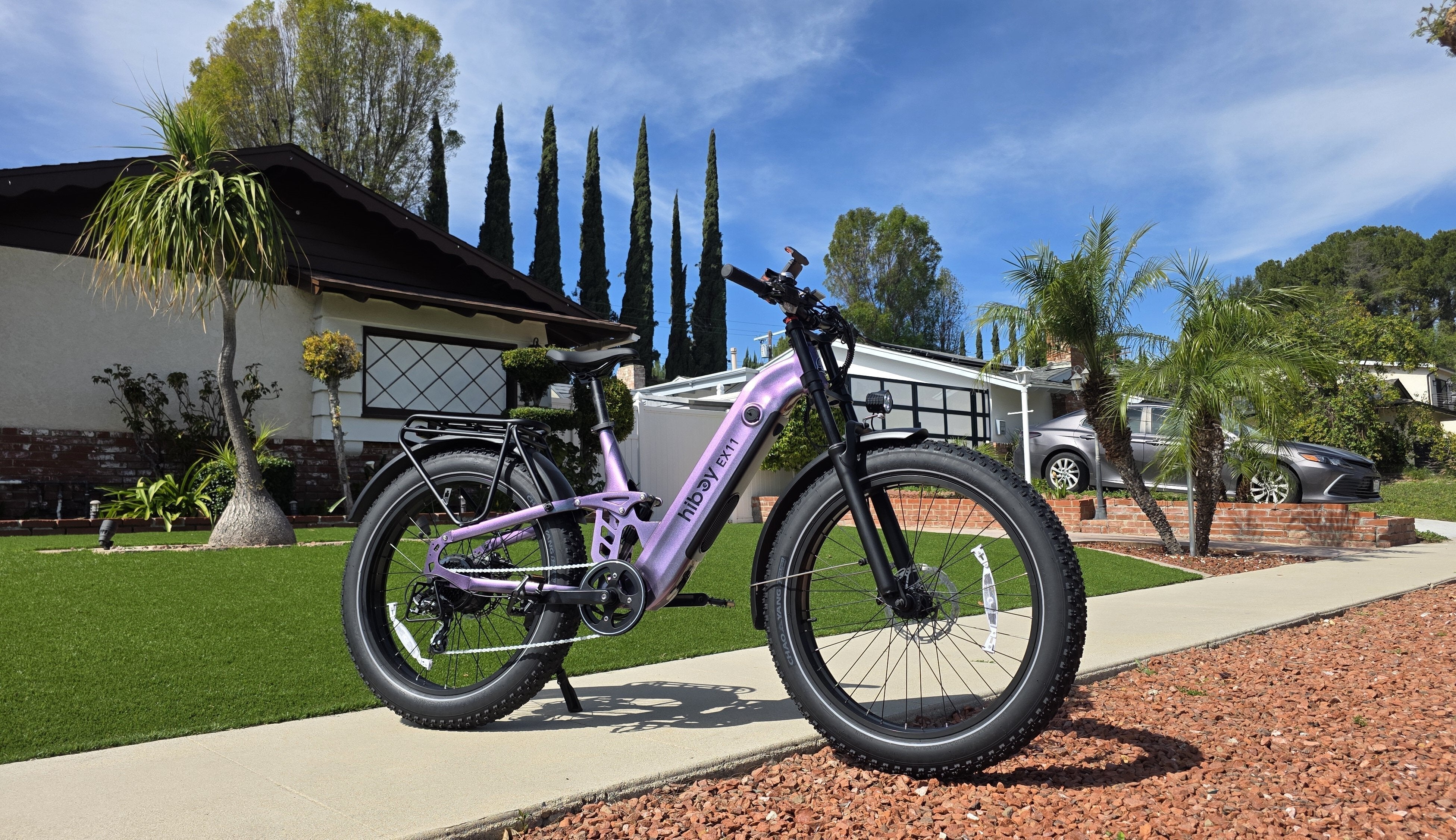
An e-bike combines a bicycle with an electric motor and battery. Depending on the model, the motor can assist the rider while pedaling or provide additional electric power.
For students with longer commutes or routes that include hills, an e-bike can offer a comfortable balance between active transportation and motor-assisted travel.
Advantages of Using an E-Bike for School
Better for Longer Commutes
One of the biggest advantages of an e-bike is its suitability for longer distances.
Larger wheels and a conventional bicycle frame generally provide a stable and comfortable riding experience over extended periods. If a student has a commute that takes 20 to 30 minutes or more, an e-bike may be more comfortable than standing on a scooter for the entire trip.
The ability to pedal also gives riders another option if the battery runs low.
More Comfortable on Uneven Roads
School routes don't always consist of smooth pavement. Students may encounter cracked sidewalks, rough bike paths, potholes, gravel, or other imperfect surfaces.
E-bikes typically have larger wheels than electric scooters, which can help them roll over minor surface irregularities more smoothly. Some models also feature front or full suspension for additional comfort.
That doesn't mean an e-bike can safely handle every type of terrain. Riders should still avoid potholes, obstacles, and surfaces that exceed the bike's intended use.
Better for Carrying Essentials
Students rarely travel with just a backpack.
There may be textbooks, laptops, sports equipment, lunch, or other school supplies to carry. Depending on the model, an e-bike can accommodate accessories such as racks, baskets, panniers, or other cargo solutions.
This makes an e-bike particularly useful for students who regularly carry more than can comfortably fit in a backpack.
Pedaling Provides a Backup
One practical advantage of an e-bike is that the rider can continue pedaling if the battery becomes depleted.
The bike will feel heavier than a conventional bicycle, especially when the battery is empty, but pedal capability provides an additional layer of flexibility.
For students with unpredictable schedules, this can be useful when a charging opportunity isn't available during the school day.
More Versatile Beyond the School Commute
An e-bike isn't necessarily limited to transportation between home and school.
The same bike can be used for:
- Weekend rides
- Errands
- Recreational cycling
- Neighborhood transportation
- Commuting to work
- Longer bike-path trips
If the student expects to use the vehicle for more than school transportation, an e-bike can provide greater long-term versatility.

Disadvantages of Using an E-Bike for School
E-bikes aren't the perfect solution for every student.
Heavier and Harder to Carry
The larger frame, wheels, motor, and battery make most e-bikes substantially heavier than electric scooters.
Carrying an e-bike upstairs, lifting it onto a bike rack, or moving it through a building can be difficult for some students.
If the school requires students to carry their vehicle indoors or store it in a small locker area, weight and dimensions become important considerations.
Requires More Storage Space
An e-bike generally needs a dedicated parking or storage area.
Students should confirm where they can securely store the bike at school and at home. Leaving an e-bike outdoors for extended periods can also expose it to weather and increase the risk of theft.
Less Convenient for Public Transportation
Combining an e-bike with a bus or train commute can be more complicated because of its size.
Some transit systems permit bikes during certain hours or on designated services, while others have restrictions. Students who regularly combine cycling with public transportation should check the applicable rules before purchasing.
What Makes an Electric Scooter Good for School Commutes?
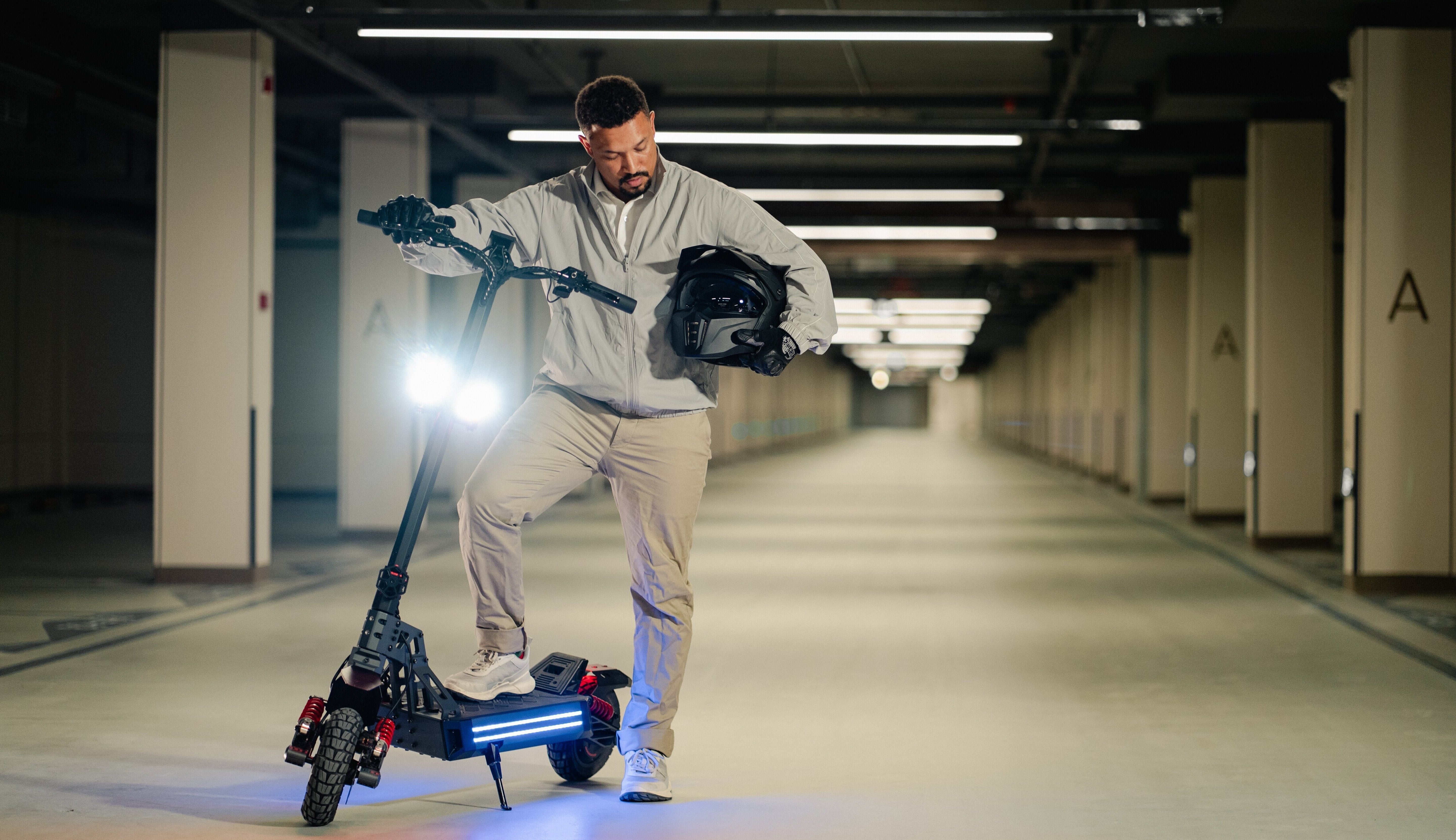
Electric scooters are designed around simplicity and portability.
Most models use a narrow deck, two wheels, a handlebar, and a compact electric drivetrain. Many are also designed to fold, making them easier to store and transport.
For students with relatively short urban commutes, these characteristics can be significant advantages.
Advantages of Using an Electric Scooter for School
Excellent Portability
Portability is arguably the biggest advantage of an electric scooter.

A foldable model can often be carried into a home, apartment, office, or other permitted indoor space without requiring the floor area of a bicycle.
For students who live in apartments, use public transportation, or have limited storage space, this can make an electric scooter much more convenient.
Easy to Store
A folded electric scooter takes up considerably less space than most e-bikes.
This can be useful when storing the scooter:
- At home
- In a garage
- In a dorm or apartment
- In a designated school storage area
- In a vehicle
However, students should never assume that a school permits electric scooters inside classrooms, hallways, or other buildings. Always check school policies before bringing one onto campus.
Convenient for Short Trips
For relatively short commutes, an electric scooter can be extremely practical.
There is no need to pedal, and riders can maintain a consistent cruising speed within the limits of the scooter and local regulations.
For example, a student who lives a few miles from school and has a mostly paved route may find an electric scooter faster and more convenient than walking or cycling without electric assistance.
Easy to Combine With Other Transportation
A compact scooter can complement public transportation.
A student may ride the scooter from home to a train or bus station, fold it, take public transportation, and then continue riding from the destination.
This type of multimodal commute can be difficult with a full-size e-bike because of its larger dimensions.
Typically Easier to Maneuver and Park
Electric scooters have a narrow profile and compact wheelbase, which can make them convenient in crowded urban environments.

They can also be easier to position in designated parking areas or storage spaces.
That said, riders should never weave through pedestrians or use crowded sidewalks irresponsibly. Where and how an electric scooter can be ridden depends on local regulations.
Disadvantages of Using an Electric Scooter for School
Smaller Wheels Can Be Less Forgiving
Electric scooters generally use smaller wheels than e-bikes.
Small wheels can be more sensitive to potholes, cracks, gravel, and other road hazards. A surface that feels manageable on a bicycle can be more challenging on a scooter.
Students should choose routes with smooth, well-maintained surfaces whenever possible and slow down before crossing uneven sections.
Standing Can Become Less Comfortable on Long Trips
Most electric scooters require the rider to stand throughout the journey.
For a short commute, this may not be an issue. On longer rides, however, standing can become tiring.
Students with longer school commutes should pay particular attention to deck size, riding position, suspension, and overall ergonomics.
More Limited Cargo Capacity
A scooter generally provides less opportunity to carry cargo than an e-bike.
A backpack can work well, but adding heavy or bulky items to the handlebar can affect steering and stability. Riders should avoid overloading the scooter or carrying objects that interfere with their ability to control the handlebars.
Battery Dependence
Unlike an e-bike, a typical electric scooter cannot simply be pedaled home when the battery is depleted.
This makes battery management especially important.
Students should consider their daily round-trip distance, the scooter's stated range, weather, rider weight, hills, riding speed, and other factors that can affect actual range.
E-Bike vs. Electric Scooter: Which Is Better for Different Commutes?
The best choice becomes clearer when you look at the type of commute rather than the vehicle alone.
| Commute Situation | Better Choice | Why |
| Under 2 miles | Electric scooter | Compact and convenient for short trips |
| 2–5 miles | Either | Depends on terrain, comfort, and storage |
| 5+ miles | E-bike | Better suited to longer riding |
| Mostly smooth pavement | Electric scooter | Smaller wheels are less of a concern |
| Rough or uneven roads | E-bike | Larger wheels generally provide better stability |
| Several hills | E-bike or high-power scooter | Choose based on motor and battery specifications |
| Limited home storage | Electric scooter | Easier to fold and store |
| Must carry the vehicle upstairs | Electric scooter | Generally easier to transport |
| Heavy school supplies | E-bike | More options for carrying cargo |
| Public transit connection | Electric scooter | More portable in many cases |
| Weekend recreational use | E-bike | Greater versatility for longer rides |
These are general guidelines rather than fixed rules. A student's specific route and the specifications of the model should always be considered.

Range: How Far Can You Actually Commute?
Range is one of the most important specifications when choosing either an e-bike or electric scooter.
Manufacturers typically advertise range under controlled or ideal conditions. Real-world range can be lower depending on:
- Rider weight
- Riding speed
- Hills
- Wind
- Temperature
- Tire pressure
- Road surface
- Frequent stops and acceleration
- Battery age
For a school commute, don't select a vehicle based solely on the advertised maximum range.
Instead, calculate the round-trip distance and leave a reasonable buffer.
For example, if a student's school is 4 miles from home, the daily trip is already 8 miles round trip. Choosing a model with only slightly more than 8 miles of advertised range leaves little room for real-world variables.
A larger range buffer also reduces the risk of arriving home with a depleted battery.
Speed: Faster Isn't Always Better
It's tempting to prioritize top speed when comparing electric vehicles, but speed shouldn't be the primary deciding factor for school transportation.
A school commute often involves:
- Intersections
- Pedestrians
- Driveways
- Parked vehicles
- Bike lanes
- Other cyclists
- Traffic
- Unexpected obstacles
A vehicle that provides predictable acceleration and effective braking can be more useful than one designed primarily for high speed.
Students should also comply with applicable local speed limits and electric-bike or electric-scooter regulations.
For younger or inexperienced riders, learning to control acceleration and braking is more important than maximizing speed.

Safety: What Matters Most for Students?
Whether choosing an e-bike or electric scooter, safety should come before convenience.
Wear a Proper Helmet
A properly fitted helmet should be considered essential equipment.
Look for a helmet that meets applicable safety standards and fits securely. A helmet that is too loose, too large, or improperly positioned may not provide the intended protection.
Use Lights and Reflective Equipment
School commutes may take place early in the morning or later in the afternoon when visibility is reduced.
Front and rear lights, reflectors, and reflective clothing can help make riders more visible to other road users.
Use the lighting equipment required by local regulations and ensure it is working before every ride.
Learn to Brake Properly
Students should practice controlled braking before riding in traffic.
They should understand how the vehicle responds when braking on dry pavement, wet surfaces, downhill sections, and at different speeds.
Avoid abrupt braking unless necessary to prevent a collision.
Follow Traffic Rules
An electric vehicle doesn't eliminate the responsibilities of being a road user.
Students should:
- Obey traffic signs and signals
- Yield where required
- Watch for turning vehicles
- Signal intentions when appropriate
- Stay alert at intersections
- Avoid distractions
- Never ride while using a phone
Local laws may determine whether a particular e-bike or electric scooter can use sidewalks, bike lanes, roads, or multi-use paths.
School Policies Matter Too
Legal permission to ride isn't necessarily the same as permission to bring a vehicle onto school property.
Before buying an e-bike or electric scooter for school transportation, check the school's rules regarding:
- Riding on campus
- Parking
- Indoor storage
- Battery charging
- Locking requirements
- Age restrictions
- Use of helmets and protective equipment
Some schools may prohibit electric vehicles inside buildings even if riding them to school is legal.
A secure outdoor bike or scooter parking area may also be required.

Which Is More Affordable for School Transportation?
Both e-bikes and electric scooters can reduce transportation costs compared with driving a car, particularly for short trips.
The main ongoing costs generally include electricity, maintenance, replacement tires, brake components, and eventual battery replacement.
However, the total ownership cost depends heavily on the specific model.
| Cost Consideration | E-Bike | Electric Scooter |
| Purchase price | Varies widely | Varies widely |
| Electricity | Low | Low |
| Tire replacement | Moderate | Moderate |
| Brake maintenance | Moderate | Moderate |
| Battery replacement | Potential long-term cost | Potential long-term cost |
| Storage equipment | May require more space | Usually minimal |
| Lock/security | Important | Important |
| Cargo accessories | More options | More limited |
A lower purchase price isn't necessarily the better value. For daily transportation, durability, battery capacity, braking performance, warranty coverage, and availability of replacement parts can matter just as much.
E-Bike or Electric Scooter: Which One Should You Choose?
The right answer depends on what the student's daily life actually looks like.
Choose an E-Bike If:
- The school is relatively far from home.
- The route includes hills or uneven surfaces.
- The student wants a more comfortable riding position.
- Carrying school supplies is important.
- The bike will also be used for recreational riding.
- The rider wants the option to pedal when necessary.
- There is secure space to store the bike.
Choose an Electric Scooter If:
- The commute is relatively short.
- The route is mostly smooth pavement.
- Portability is a major priority.
- Storage space is limited.
- The student uses buses or trains.
- The scooter needs to be carried upstairs.
- The rider prefers a compact transportation option.

What About Students Who Aren't Sure?
If you're deciding between the two, start with the commute rather than the vehicle.
Map the route from home to school and consider:
- Distance: How many miles is the round trip?
- Terrain: Are there hills, rough pavement, gravel, or poorly maintained roads?
- Storage: Where will the vehicle be stored at home and at school?
- Transportation: Will the student combine riding with a bus or train?
- Cargo: Does the student regularly carry a laptop, textbooks, sports equipment, or other items?
- Weather: Will the vehicle be used in rain, cold temperatures, or other challenging conditions?
- Experience: Is the rider comfortable operating a two-wheeled electric vehicle?
- Rules: Are the vehicle and intended route permitted under applicable local and school regulations?
Answering these questions will usually make the decision much easier.
Back-to-School Checklist for E-Bike and Electric Scooter Riders
Before the first ride of the school year, make sure everything is ready.
Vehicle
- Battery fully charged
- Tires properly inflated
- Brakes working correctly
- Lights functioning
- No loose bolts or components
- Folding mechanism securely locked, if applicable
- Manufacturer's weight limit understood
Safety
- Properly fitted helmet
- Front and rear visibility equipment
- Reflective gear for low-light conditions
- Comfortable, secure footwear
- Basic knowledge of braking and traffic safety
School and Route
- School policy checked
- Legal riding requirements checked
- Safe route planned
- Secure parking or storage identified
- Charging location identified
- Weather conditions considered
Final Verdict: E-Bike or Electric Scooter for School?
Both e-bikes and electric scooters can be practical transportation options for students, but they solve slightly different problems.
An e-bike is generally the better choice for longer commutes, varied terrain, greater comfort, and carrying additional gear. Its larger wheels, bicycle-style design, and ability to pedal make it a versatile option for students who plan to ride frequently and beyond the school commute.

An electric scooter is generally the better choice for short urban commutes, portability, limited storage, and multimodal transportation. Its compact design makes it particularly convenient for students who need to carry and store their vehicle throughout the day.
The most important consideration isn't which vehicle is objectively better. It's which one fits the student's route, experience, storage situation, and daily transportation needs.
For the new school year, choose based on the commute, not just the specifications on the box. A properly matched vehicle, combined with responsible riding habits and appropriate safety equipment, can make everyday transportation more convenient while helping students become more confident and independent riders.
Frequently Asked Questions
Is an e-bike or electric scooter better for going to school?
It depends on the commute. Electric scooters are generally more convenient for short, smooth, urban routes and situations where portability is important. E-bikes are often better for longer distances, hills, uneven roads, and carrying additional gear.
How far is too far to commute to school on an electric scooter?
There is no universal distance limit. The practical limit depends on the scooter's real-world range, rider comfort, terrain, weather, and local regulations. Always consider the complete round-trip distance rather than the one-way trip.
Is an e-bike safer than an electric scooter?
Neither is automatically safer. Safety depends on the vehicle's design, braking system, rider experience, speed, road conditions, and riding behavior. Larger bicycle wheels may provide an advantage on rough surfaces, while a scooter's lower speed and compact design can be useful in certain environments.
Can students bring an electric scooter or e-bike to school?
School policies vary. Some schools provide designated parking or storage, while others restrict electric vehicles on campus or inside buildings. Students should check their school's current policy before riding to school.
Can you ride an e-bike or electric scooter in the rain?
It depends on the vehicle's design and water-resistance rating. Riders should follow the manufacturer's instructions and local safety guidance. Wet roads can also reduce traction and braking performance, so extra caution is necessary even when the vehicle is designed to tolerate some exposure to water.
Should students choose an electric vehicle based on top speed?
Not necessarily. For school commuting, range, braking performance, stability, portability, comfort, and suitability for the route are often more important than maximum speed. Riders should always comply with applicable speed limits and local regulations.







Leave a comment
All comments are moderated before being published.
This site is protected by hCaptcha and the hCaptcha Privacy Policy and Terms of Service apply.