





 Daily Commute
 Lightweight & Portable
 Performance Rides
 Comfort With Seat
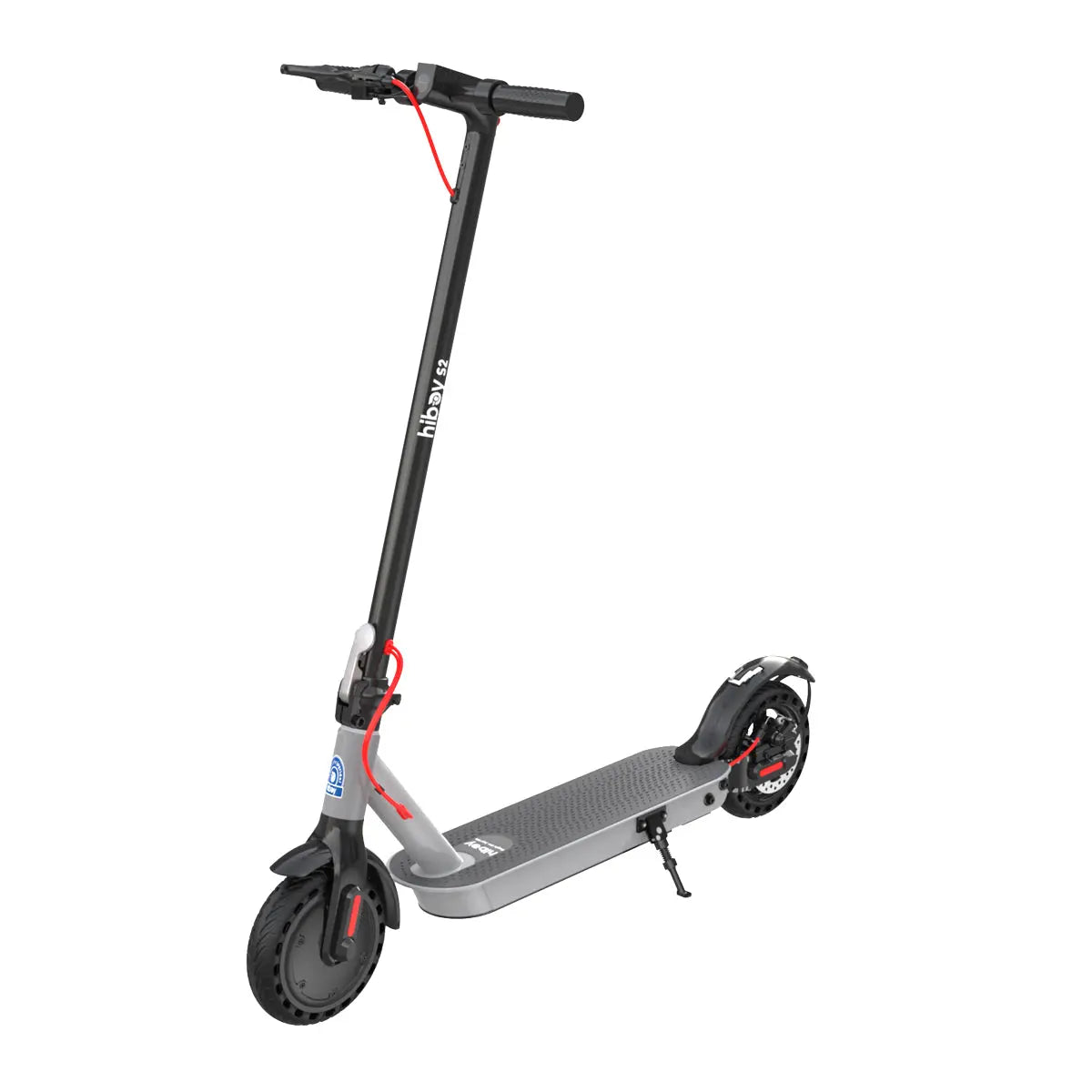 S2
S2
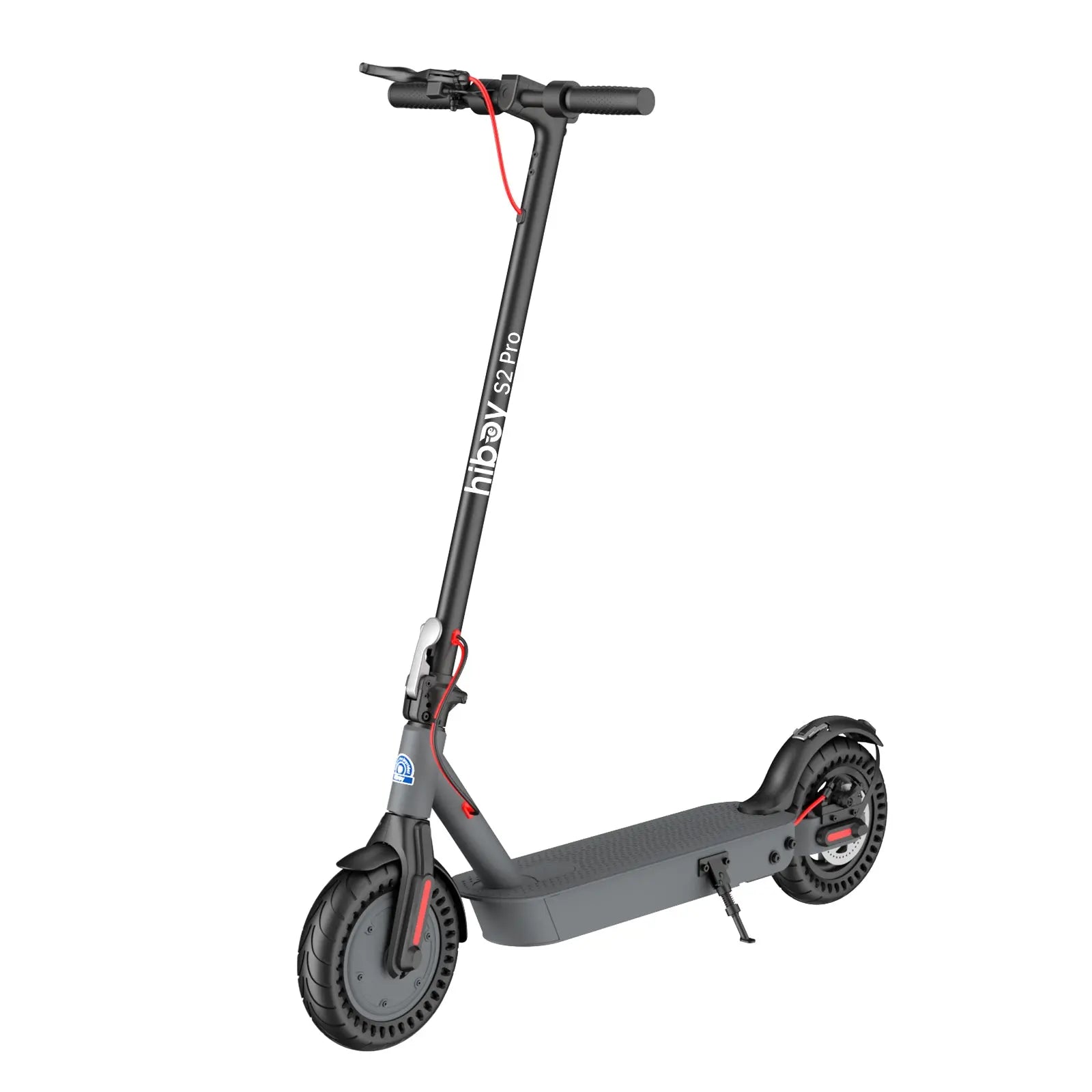 S2 Pro
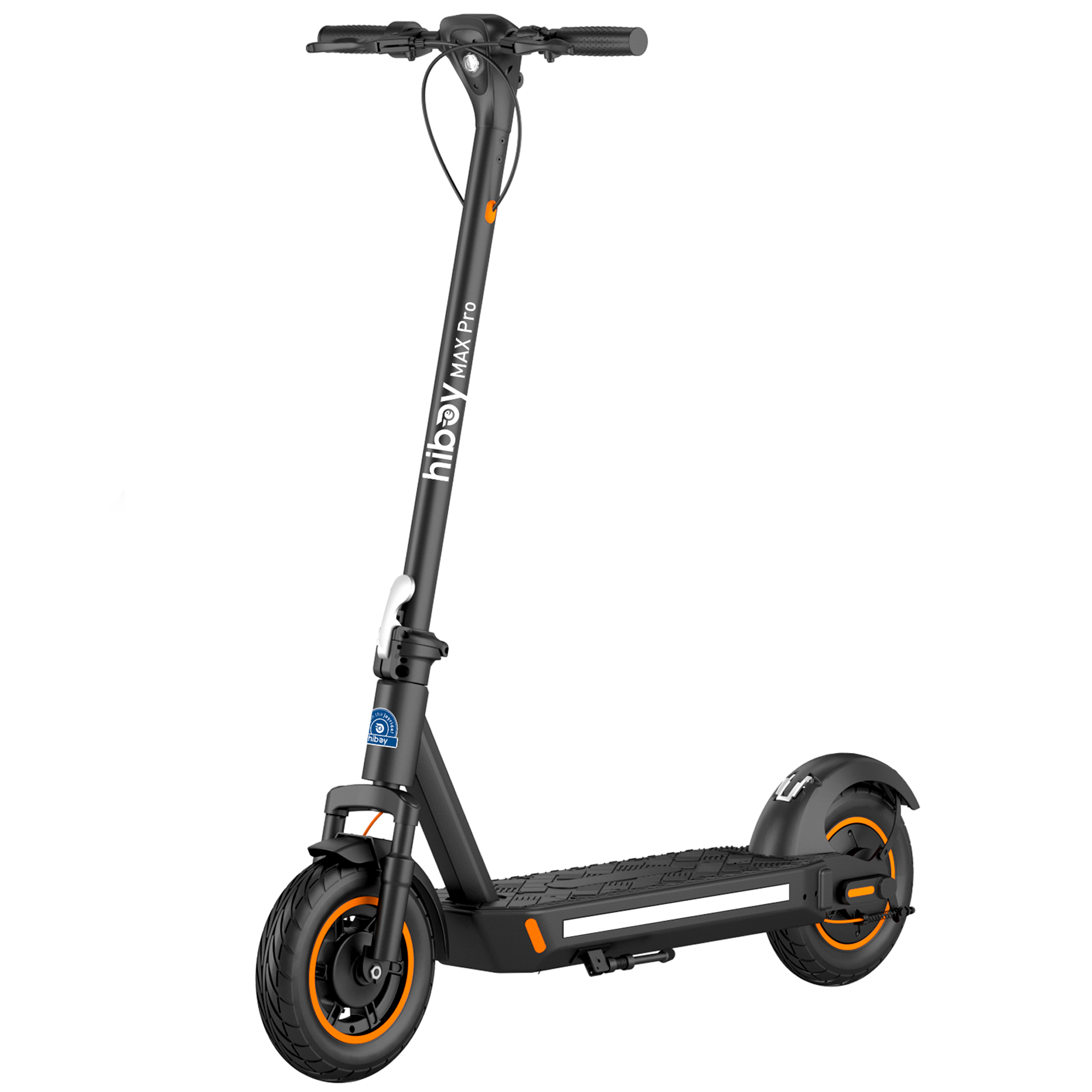 MAX Pro
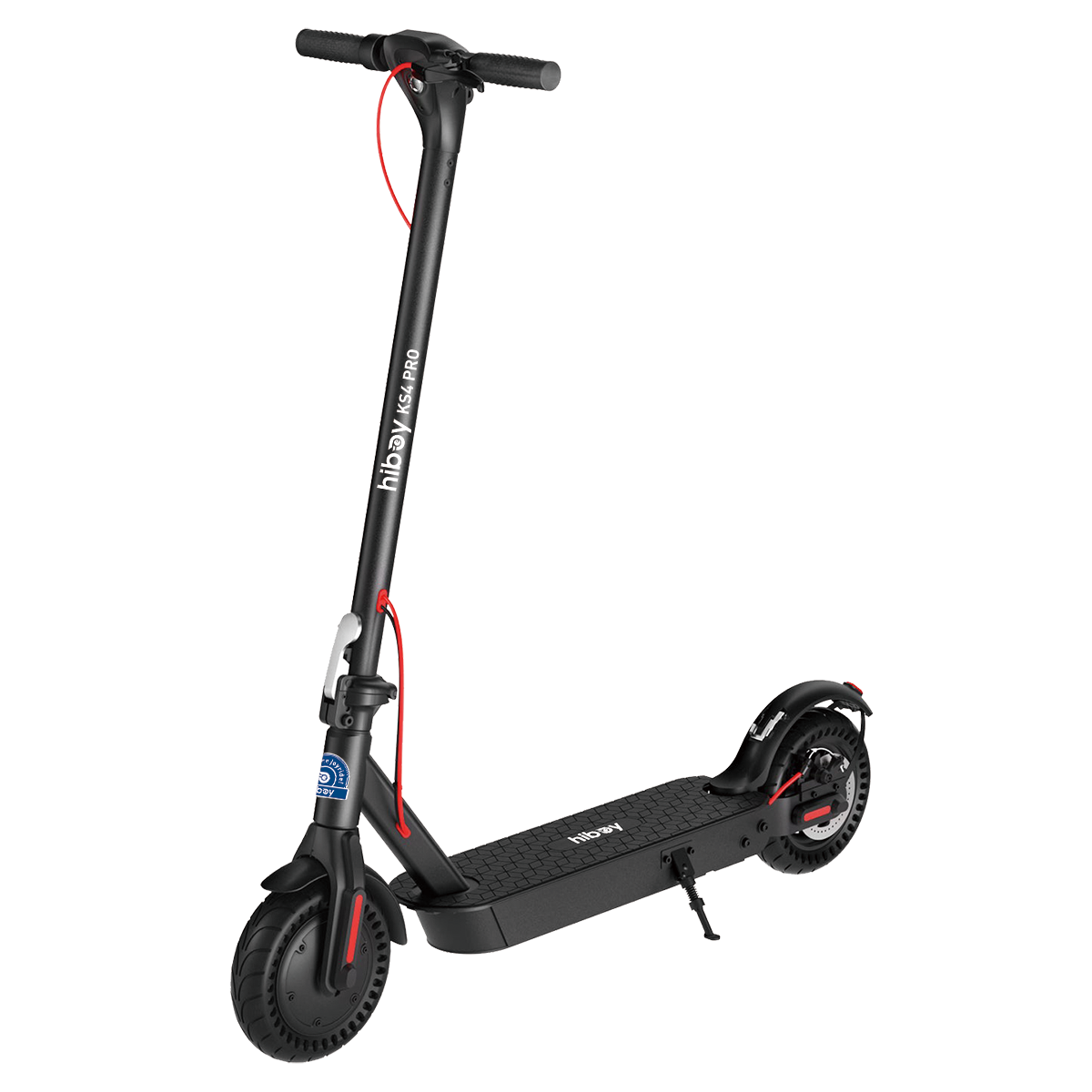 KS4 Pro
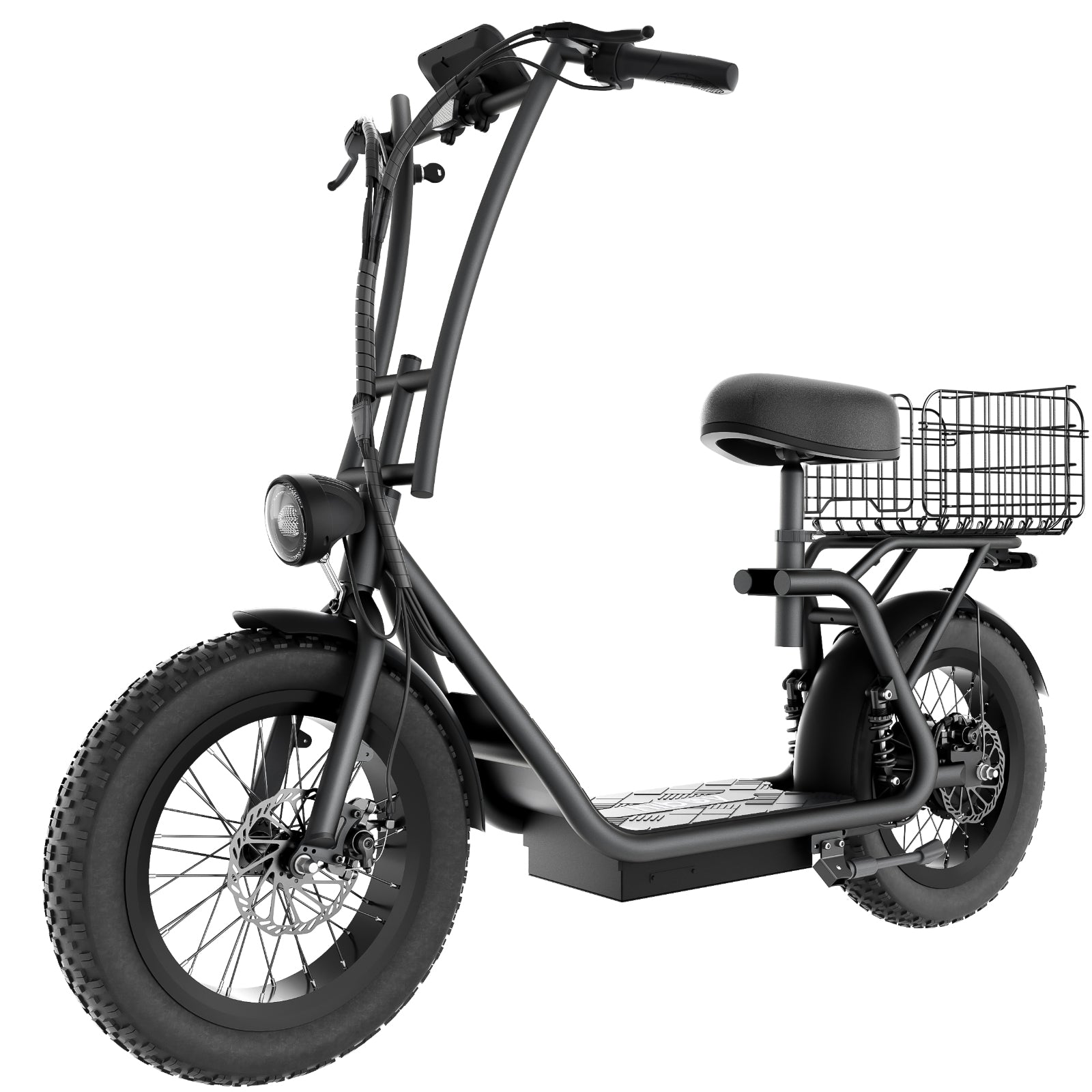 U2 Pro
 TITAN
TITAN
 Compare Models
 Find Your Best Ride

 Daily Commute
 Off-road & Trail
 Folding & Compact
 Fat Tire Rides
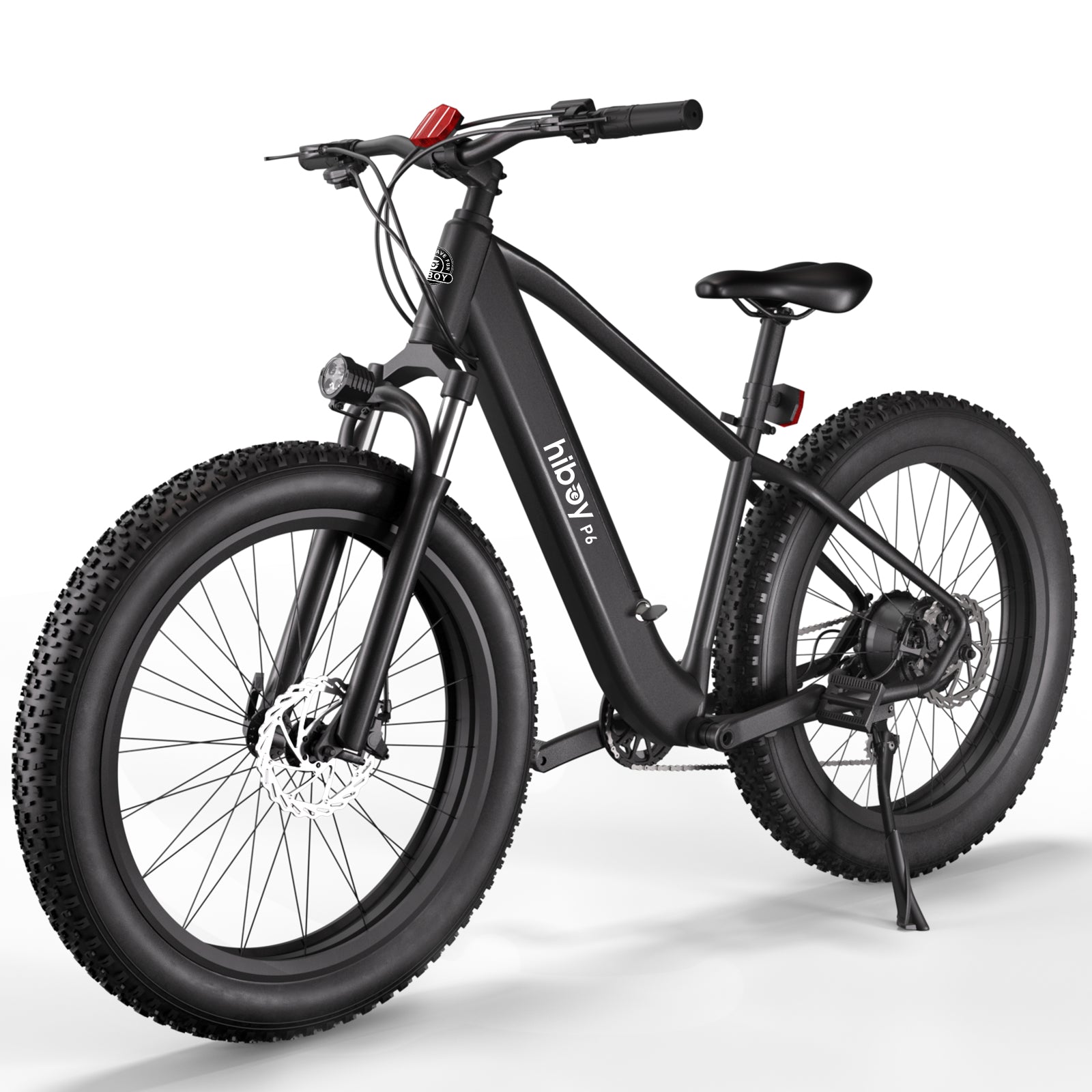 P6
P6
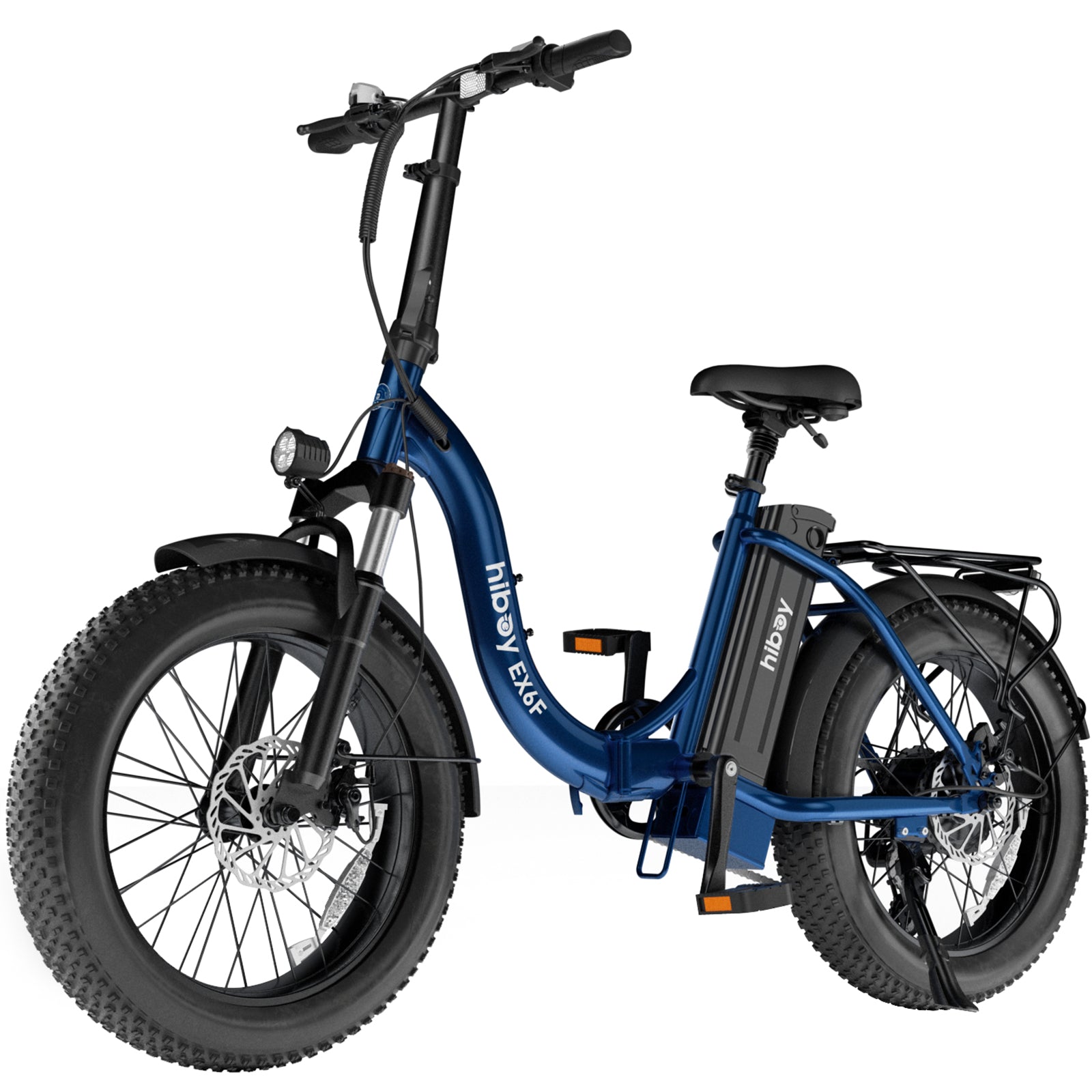 EX6F
EX6F
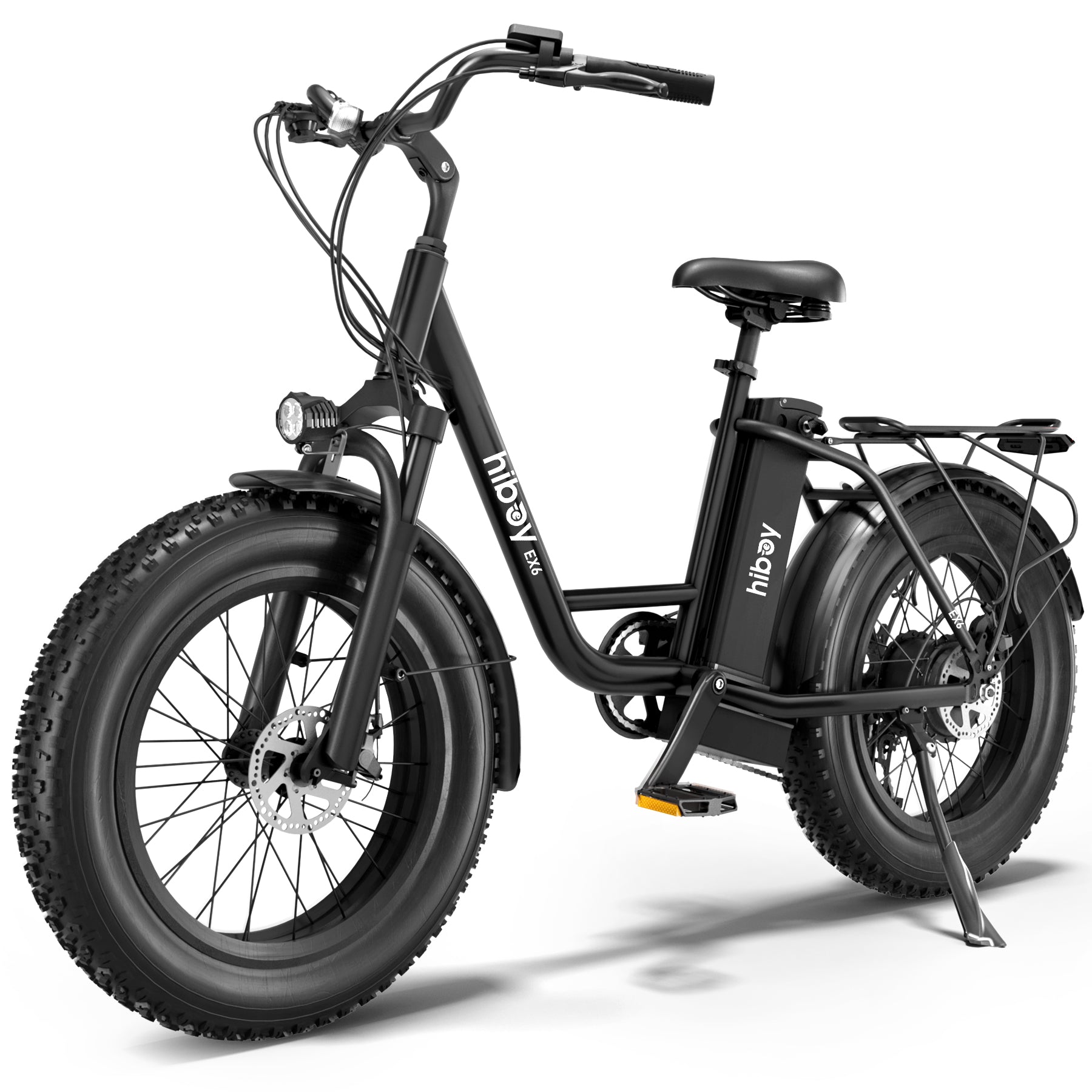 EX6
EX6
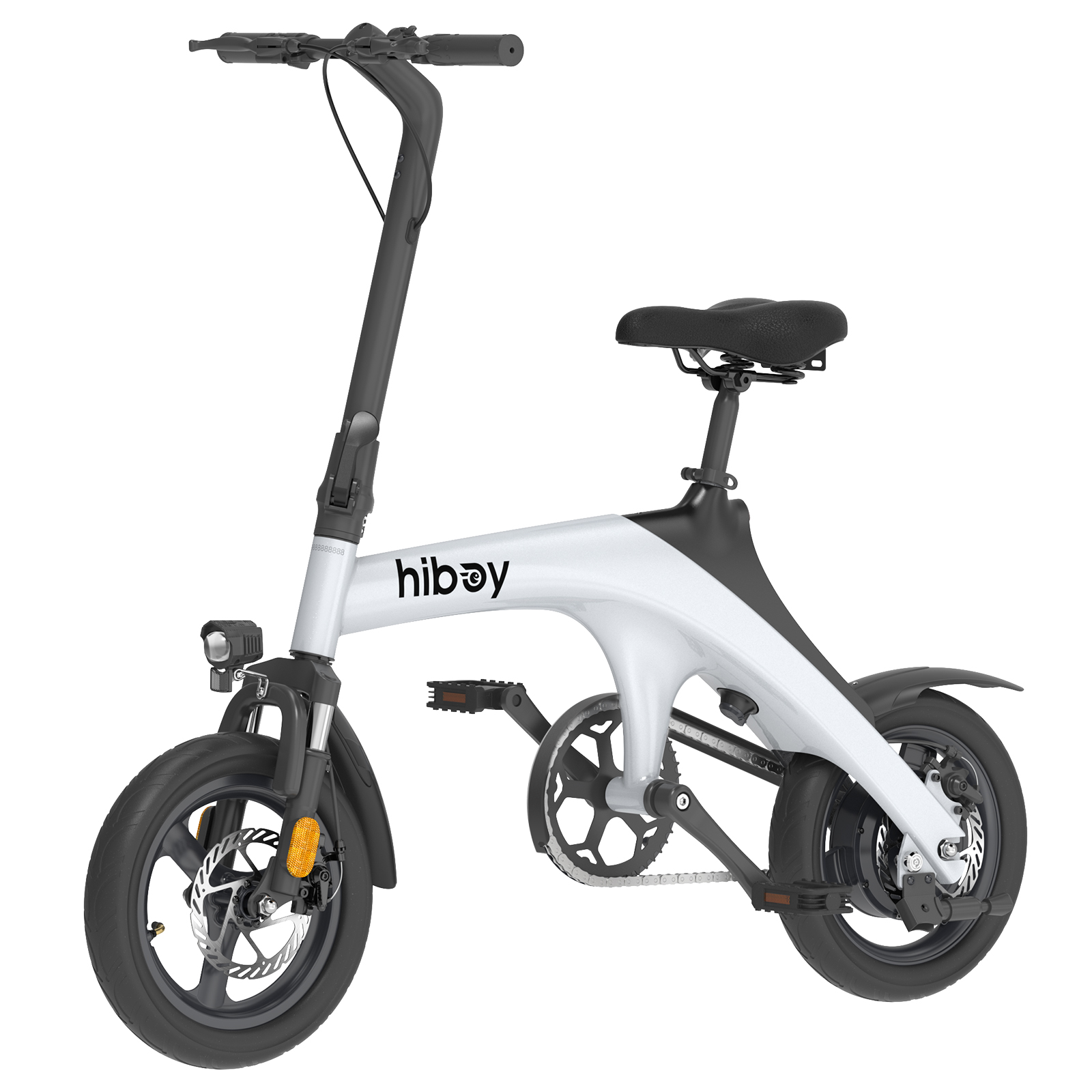 C1
C1
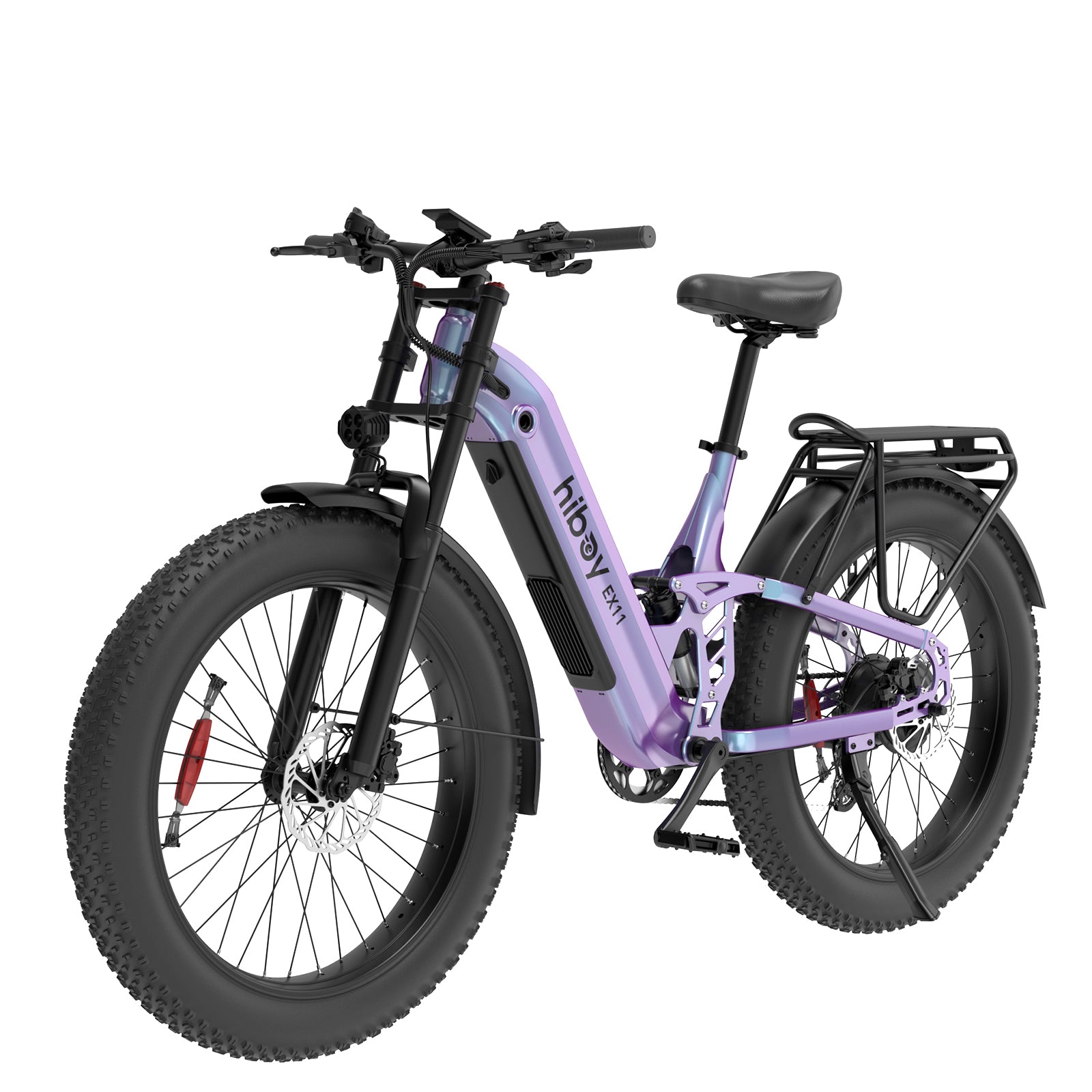 EX11
EX11
 EX9
EX9
 Compare Models
 First Rides
 Everyday Fun
 S2 Lite
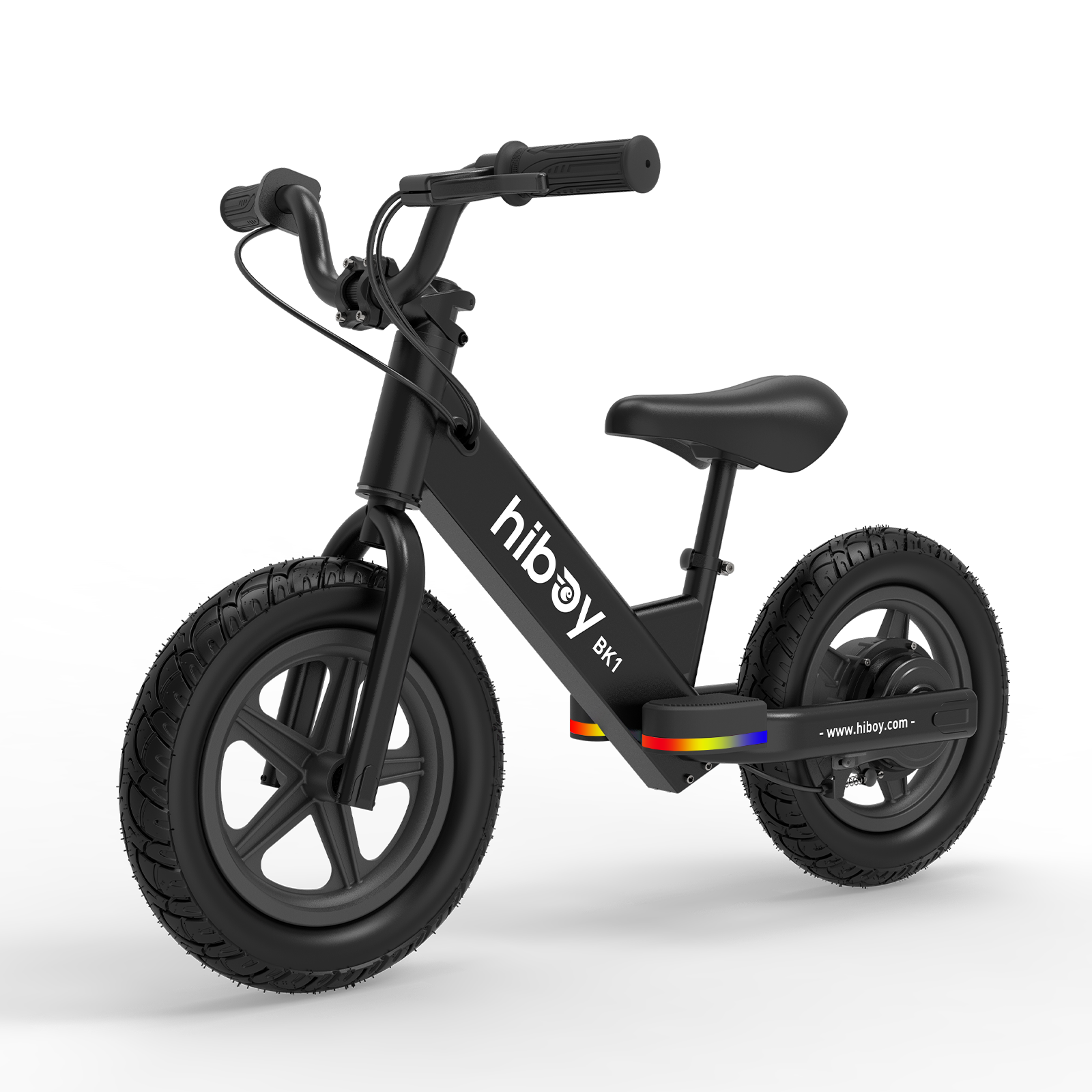 BK1
BK1
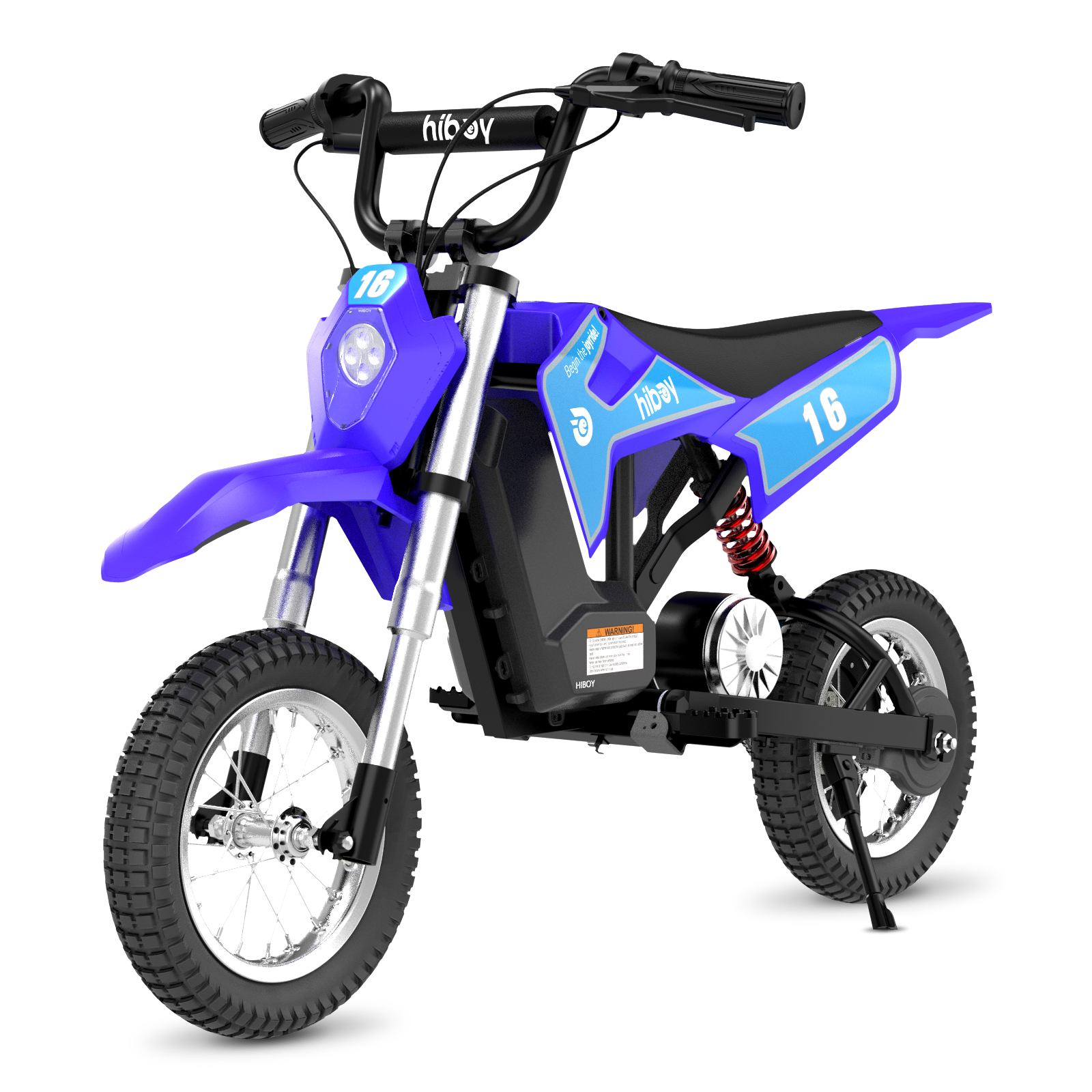 DK1
DK1
 DK2
DK2
 Joy Haul
 Q2 Lite
 Compare Models
Whether you ride your electric scooter for daily commuting, weekend adventures, or everyday errands, three components have the greatest impact on your safety and riding experience:
- Tires
- Brakes
- Suspension
These systems work together to provide traction, control, comfort, and stopping power. When properly maintained, they help maximize performance, extend the lifespan of your scooter, and reduce the risk of accidents caused by mechanical issues.
The good news is that most tire, brake, and suspension maintenance tasks require only a few minutes and can be performed as part of a regular inspection routine.
In this guide, we'll explain how to maintain these critical components, identify early warning signs of wear, and keep your electric scooter performing at its best.
Why Routine Maintenance Matters
Many riders focus on battery care and charging habits but overlook the mechanical components that experience the most daily wear.
Tires, brakes, and suspension absorb thousands of impacts and stresses during every ride.

Benefits of Regular Maintenance
| Benefit | Why It Matters |
| Improved Safety | Better traction and stopping power |
| Longer Component Life | Reduces premature wear |
| Better Ride Comfort | Smoother handling on rough surfaces |
| Lower Repair Costs | Identifies problems before they worsen |
| Consistent Performance | Helps maintain factory-level ride quality |
A simple monthly inspection can prevent many common issues before they become expensive repairs.
Tire Maintenance: Your First Line of Safety
Your tires are the only part of your scooter that makes direct contact with the road.
Their condition affects:
- Stability
- Cornering
- Braking performance
- Ride comfort
- Battery efficiency
Neglecting tire maintenance can compromise all of these areas.

Check Tire Pressure Regularly
Proper tire pressure is one of the most important aspects of scooter maintenance.
Underinflated tires can:
- Reduce range
- Increase rolling resistance
- Cause uneven wear
- Increase puncture risk
- Affect handling
Overinflated tires may:
- Reduce traction
- Create a harsher ride
- Increase impact stress
Tire Pressure Inspection Schedule
| Riding Frequency | Recommended Check Interval |
| Daily Riders | Weekly |
| Occasional Riders | Every 2–3 Weeks |
| Long-Distance Riders | Before Major Rides |
Always follow the PSI recommendations listed in your owner's manual.
Inspect Tires for Wear and Damage
Before riding, take a quick look at both tires.

Watch for These Signs
| Warning Sign | What It Means |
| Worn tread | Reduced traction |
| Cracks in rubber | Aging tire material |
| Embedded debris | Potential puncture risk |
| Bulges or deformities | Structural damage |
| Uneven wear | Inflation or alignment issues |
If you notice significant damage, replace the tire before continuing to ride.
Keep Tires Clean
Road debris can accelerate wear.
Periodically remove:
- Glass fragments
- Sharp stones
- Metal shards
- Dirt buildup
Cleaning your tires helps prevent punctures and improves overall performance.
Brake Maintenance: Essential for Rider Safety
Your brakes are arguably the most important safety system on your scooter.

Whether your scooter uses:
- Mechanical disc brakes
- Hydraulic disc brakes
- Drum brakes
- Electronic braking systems
Routine inspections are critical.
Test Brakes Before Every Ride
A quick brake check should become a habit.
Pre-Ride Brake Checklist
| Check | What to Look For |
| Brake Lever Feel | Firm and responsive |
| Stopping Power | Smooth and effective |
| Brake Noise | No excessive squealing |
| Brake Cables | No fraying or damage |
| Brake Rotor | No visible warping |
Testing takes less than 30 seconds but can prevent serious issues.
Monitor Brake Pad Wear
Brake pads gradually wear down over time.
Worn pads reduce stopping performance and can damage other braking components.

Signs Brake Pads Need Attention
| Symptom | Possible Cause |
| Squealing | Pad wear or contamination |
| Longer stopping distance | Worn pads |
| Grinding noises | Pads worn through |
| Reduced braking force | Brake adjustment needed |
Replacing brake pads early is far less expensive than replacing rotors or calipers.
Keep Brake Components Clean
Brake performance can suffer when dirt, grease, or moisture accumulates on braking surfaces.
Avoid:
- Spraying lubricants near rotors
- Touching brake rotors with oily hands
- Allowing excessive mud buildup
Components to Inspect
| Component | Inspection Frequency |
| Brake Pads | Monthly |
| Rotors | Monthly |
| Brake Cables | Every 2–3 Months |
| Calipers | Every 3–6 Months |
Clean braking surfaces contribute to more predictable stopping power.

Know When Brake Adjustments Are Needed
Brake systems naturally loosen over time.
If you notice:
- Excessive lever travel
- Delayed engagement
- Reduced responsiveness
Your brakes may require adjustment.
Many minor adjustments can be performed using basic tools, while more complex brake servicing should be handled by a qualified technician.
Suspension Maintenance: The Key to Ride Comfort and Control
Suspension systems absorb impacts and help keep tires in contact with the riding surface.
While suspension is often associated with comfort, it also plays an important role in handling and stability.
Understand Your Suspension System
Depending on the model, your scooter may feature:
Common Suspension Types
| Suspension Type | Characteristics |
| Spring Suspension | Durable and simple |
| Hydraulic Suspension | Smooth and responsive |
| Dual Suspension | Front and rear comfort |
| Swingarm Suspension | Improved stability on rough terrain |
Each design requires periodic inspection.
Inspect Suspension Components Regularly

Suspension systems experience constant movement and vibration.
Check for:
| Inspection Point | Warning Sign |
| Mounting Bolts | Looseness |
| Suspension Arms | Cracks or damage |
| Springs | Corrosion or deformation |
| Shock Absorbers | Oil leakage |
| Bushings | Excessive play |
Loose suspension hardware can negatively affect handling and rider confidence.
Listen for Unusual Noises
Suspension components often provide early warning signs.
Common Sounds and Causes
| Sound | Possible Cause |
| Squeaking | Dry pivot points |
| Clicking | Loose hardware |
| Knocking | Worn bushings |
| Rattling | Loose suspension components |
Addressing these issues early can prevent more serious repairs later.

Keep Suspension Components Clean
Dust, sand, and debris can shorten suspension lifespan.
After riding on:
- Gravel roads
- Dirt trails
- Wet conditions
- Muddy surfaces
Clean exposed suspension components using a soft cloth.
This helps preserve moving parts and reduces wear.
Maintenance Schedule at a Glance
The easiest way to stay on top of maintenance is to follow a simple routine.
Recommended Inspection Schedule
| Task | Before Every Ride | Monthly | Every 3–6 Months |
| Tire Pressure Check | ✓ | ||
| Tire Condition Inspection | ✓ | ||
| Brake Function Test | ✓ | ||
| Brake Pad Inspection | ✓ | ||
| Rotor Inspection | ✓ | ||
| Suspension Inspection | ✓ | ||
| Hardware Tightness Check | ✓ | ||
| Comprehensive Service | ✓ |
Consistent inspections reduce the likelihood of unexpected issues.
Common Maintenance Mistakes to Avoid
Many scooter problems stem from preventable oversights.

Avoid These Mistakes
| Mistake | Potential Consequence |
| Ignoring tire pressure | Reduced range and stability |
| Delaying brake service | Longer stopping distances |
| Riding on damaged tires | Increased puncture risk |
| Ignoring unusual noises | Component failure |
| Skipping monthly inspections | Missed safety issues |
| Riding with loose hardware | Handling problems |
Small issues rarely fix themselves. Early attention almost always saves time and money.
Signs It's Time for Professional Service
While many maintenance tasks can be performed at home, some issues require professional inspection.
Consider professional service if you notice:
- Persistent brake issues
- Hydraulic fluid leaks
- Significant tire damage
- Suspension oil leakage
- Frame or fork damage
- Severe vibration during riding
A trained technician can identify problems that may not be visible during routine inspections.

Final Thoughts
Tires, brakes, and suspension are the foundation of a safe and enjoyable riding experience.
Regular maintenance doesn't require extensive mechanical expertise, but it does require consistency.
By checking tire pressure, monitoring brake performance, inspecting suspension components, and addressing minor issues early, you can:
- Improve rider safety
- Extend component lifespan
- Enhance ride quality
- Reduce repair costs
- Maintain peak scooter performance
A few minutes of maintenance today can help ensure hundreds of miles of smoother, safer riding tomorrow.







Leave a comment
All comments are moderated before being published.
This site is protected by hCaptcha and the hCaptcha Privacy Policy and Terms of Service apply.