





 Daily Commute
 Lightweight & Portable
 Performance Rides
 Comfort With Seat
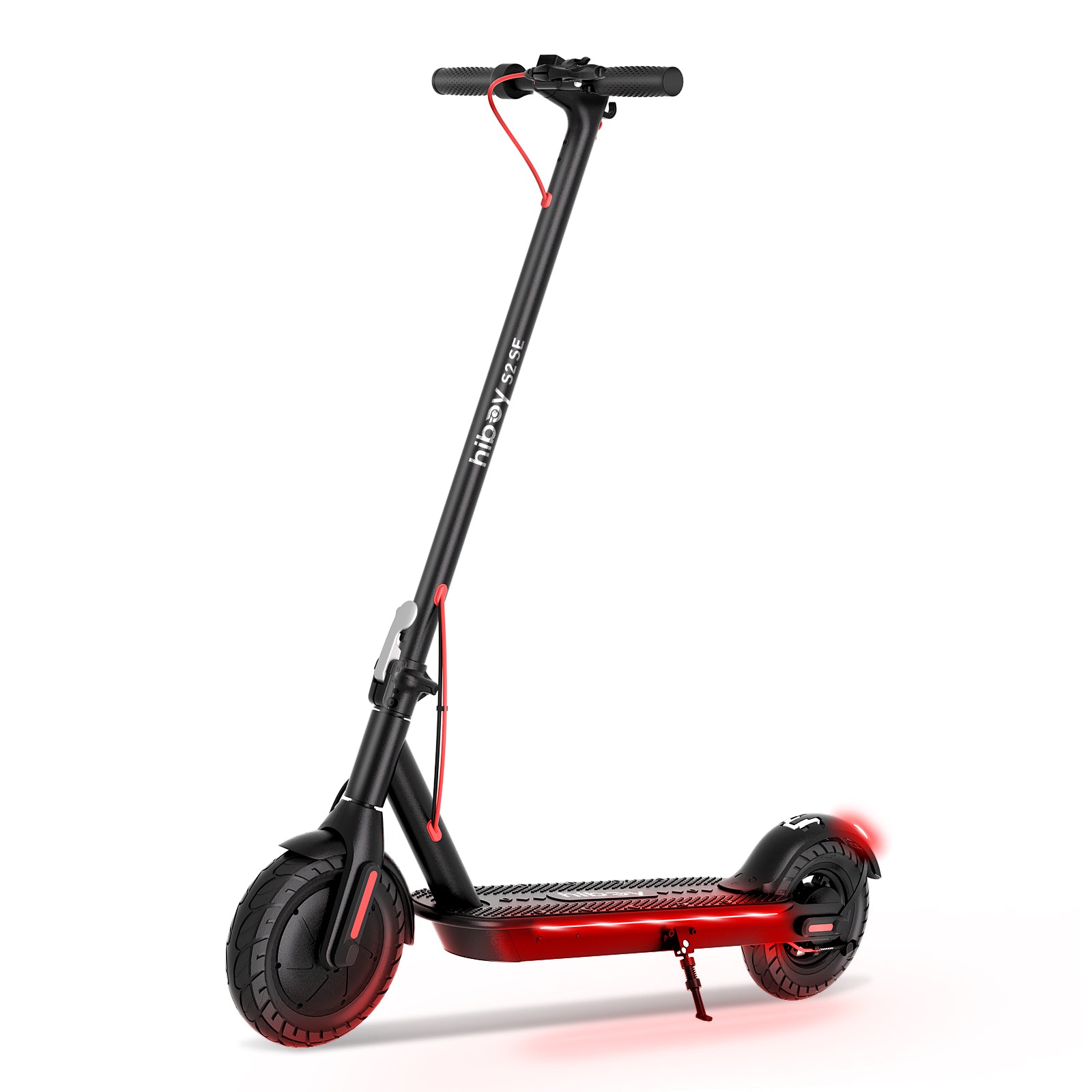 S2 SE
S2 SE
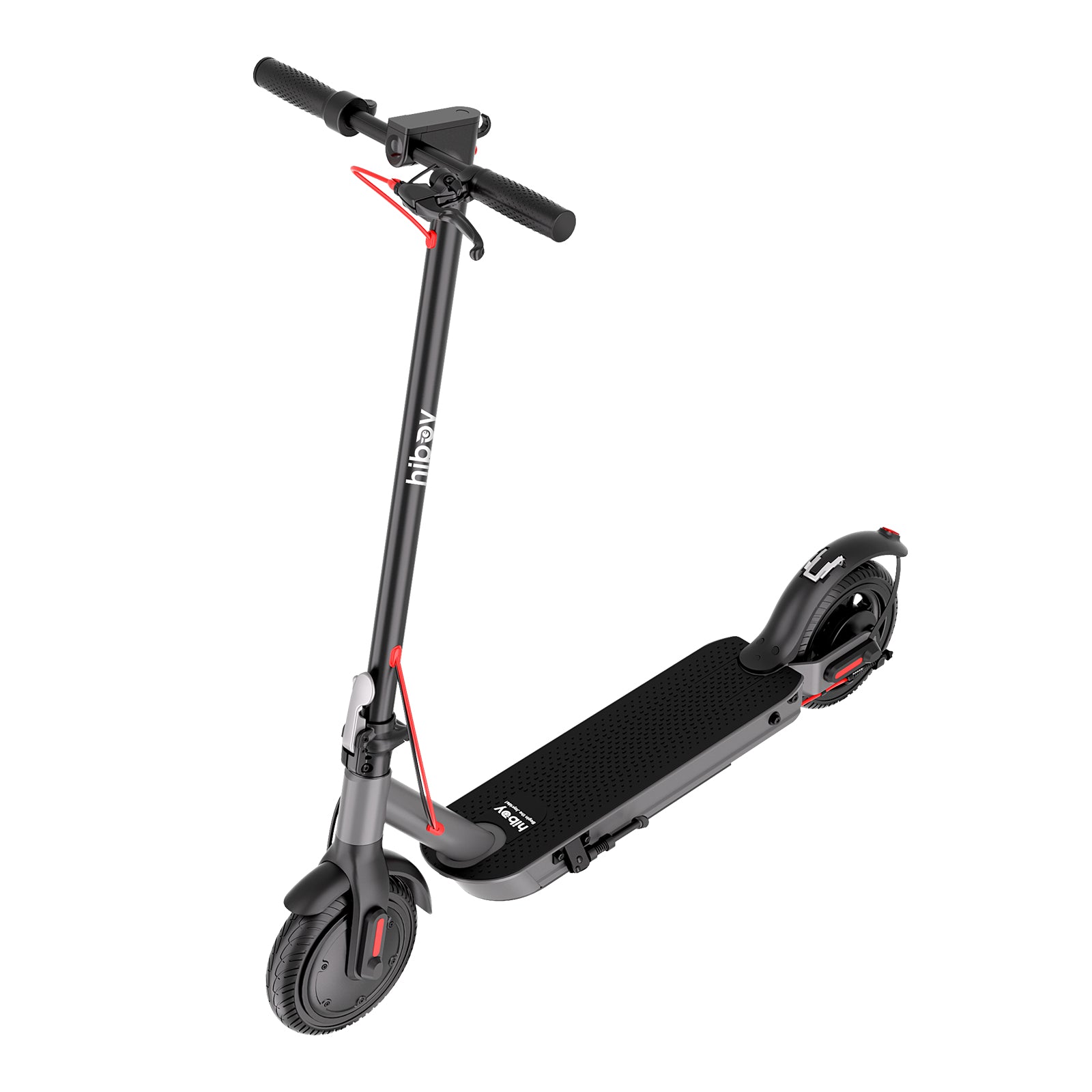 S2 Nova
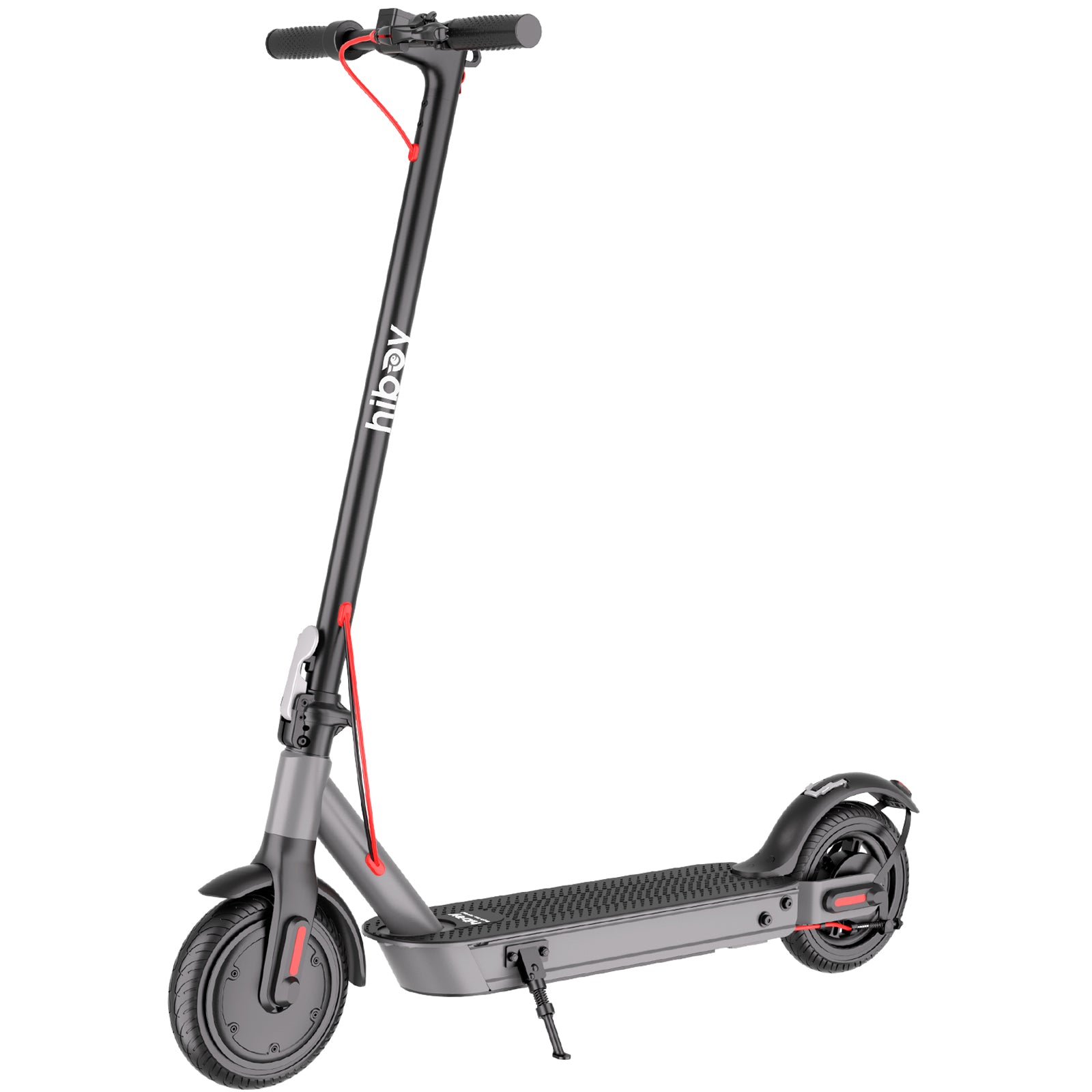 S3
S3
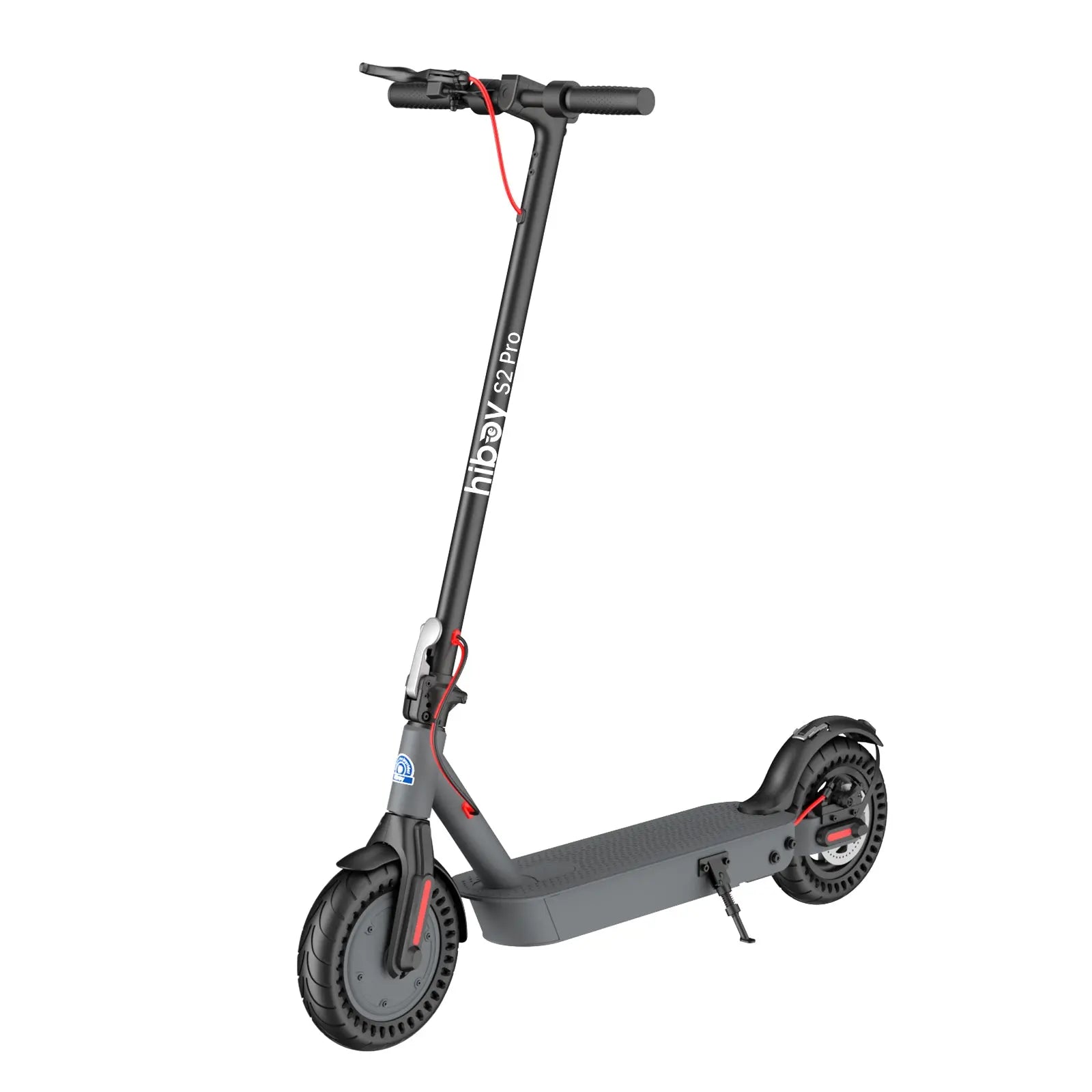 S2 Pro
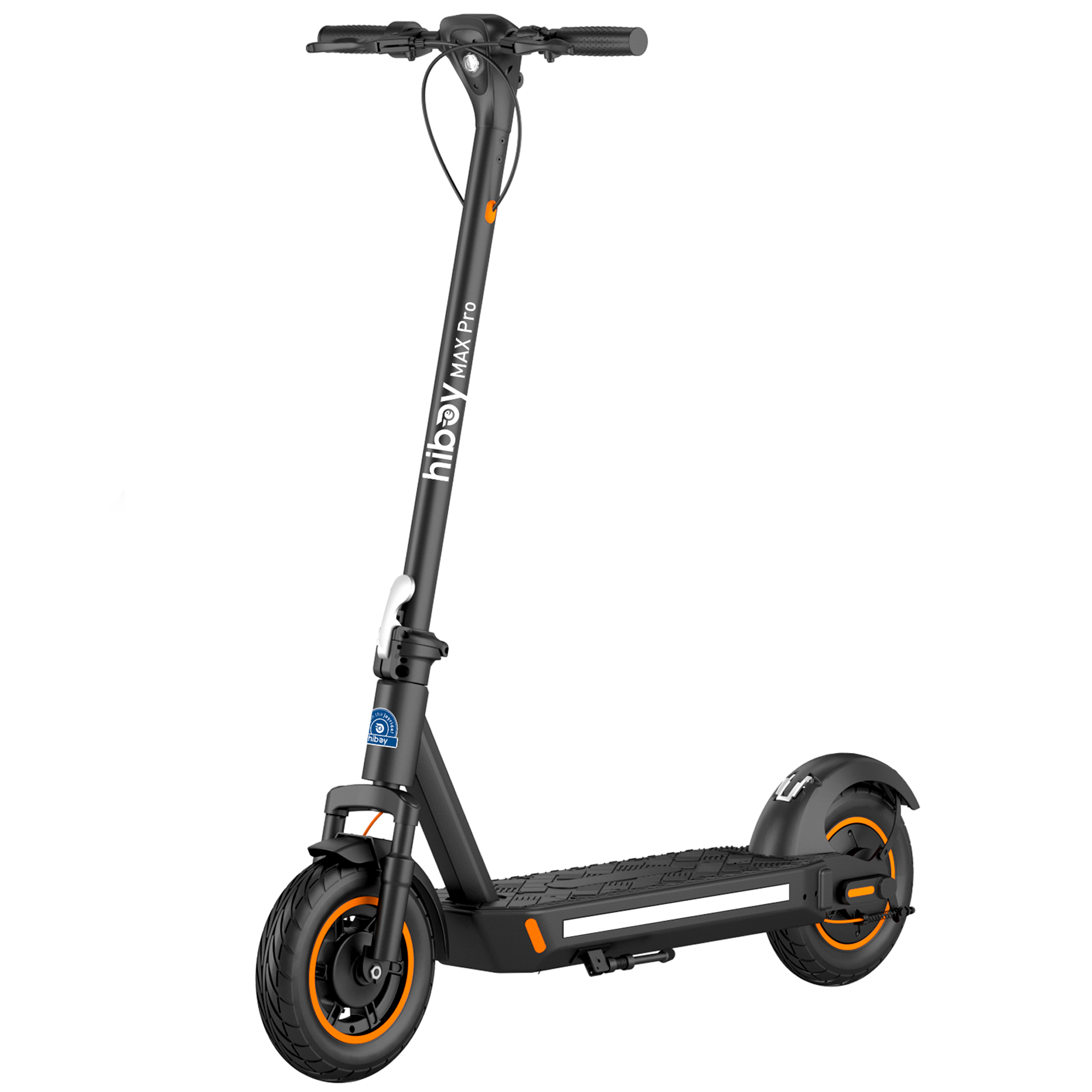 MAX Pro
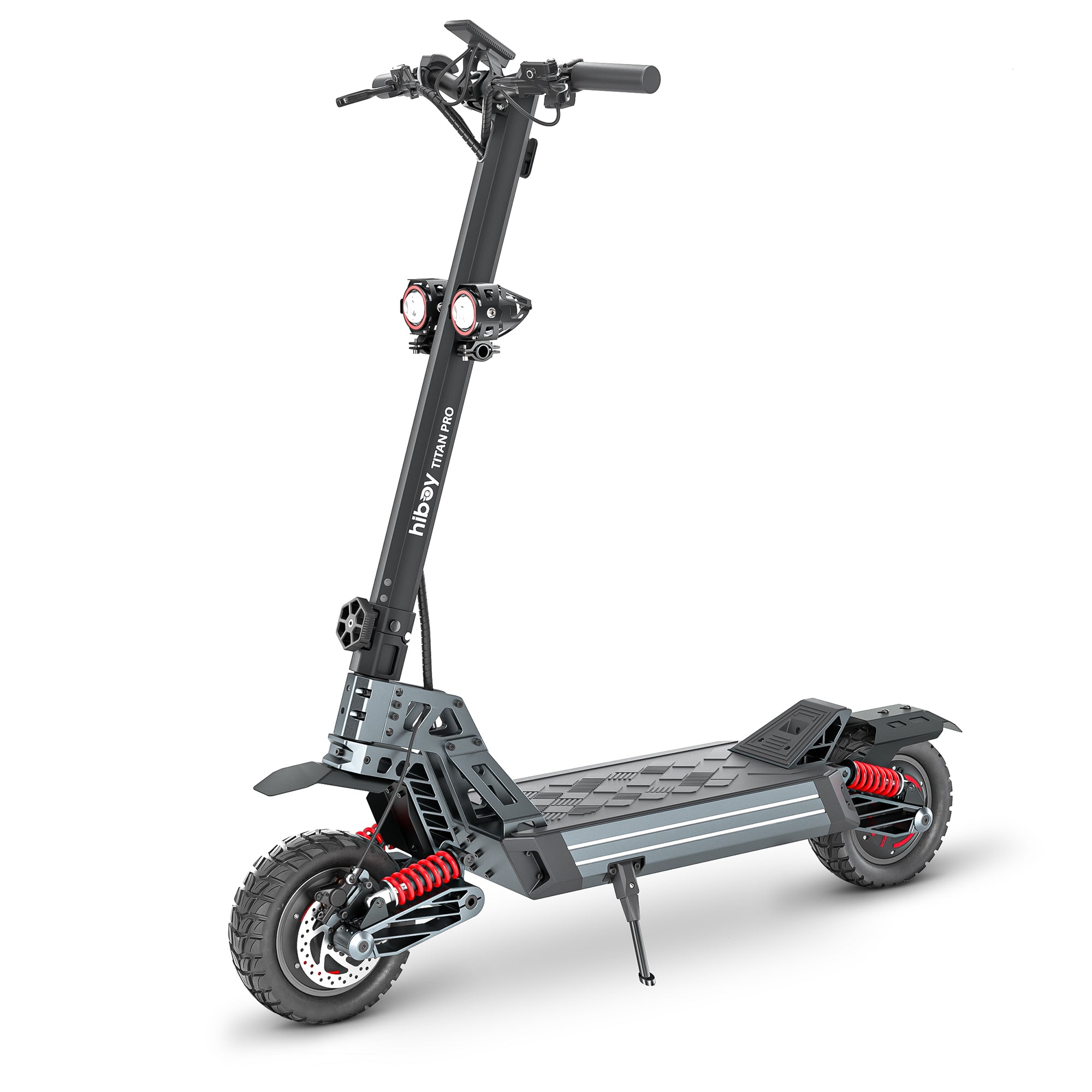 TITAN PRO
 Compare Models
 Find Your Best Ride

 Daily Commute
 Off-road & Trail
 Folding & Compact
 Fat Tire Rides
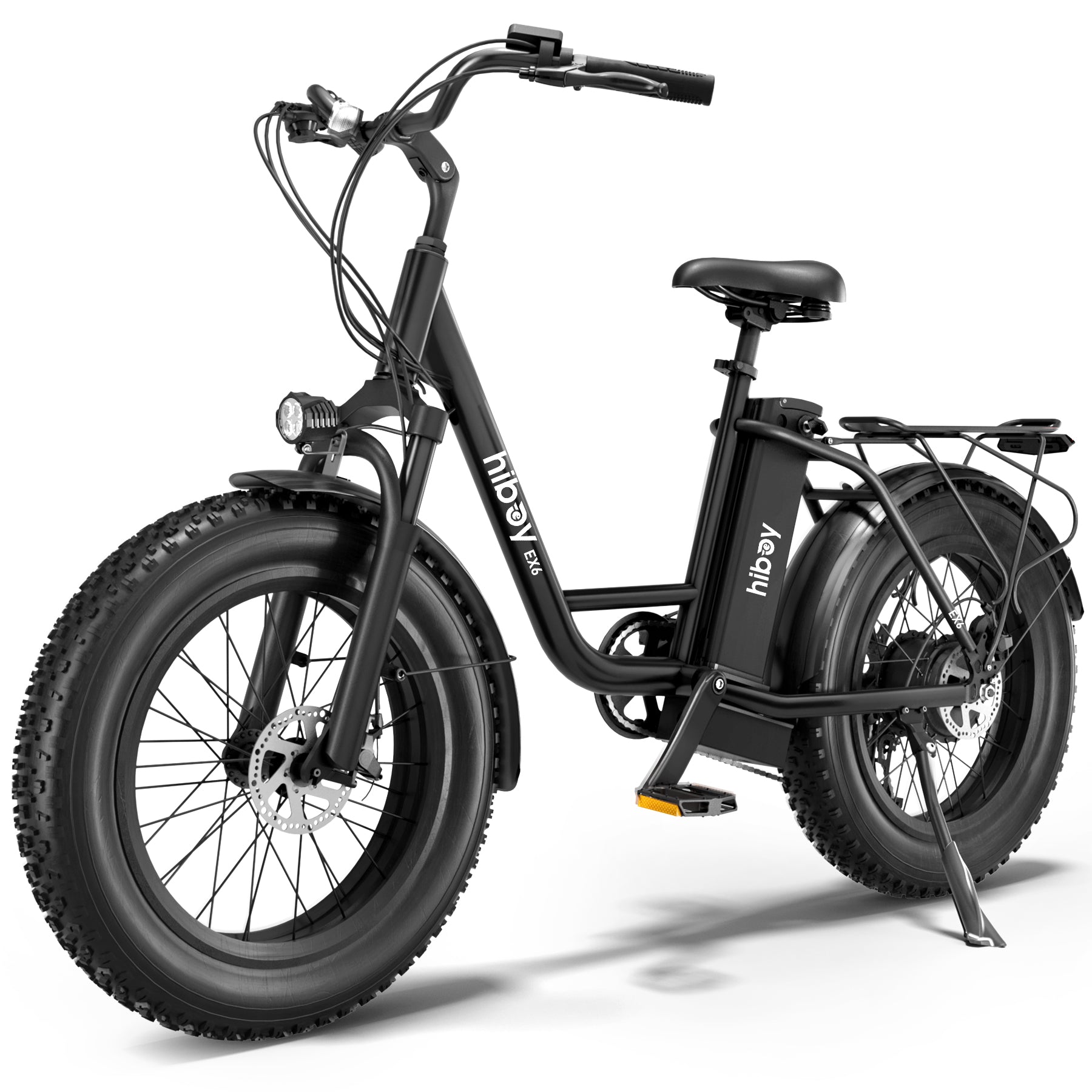 EX6
EX6
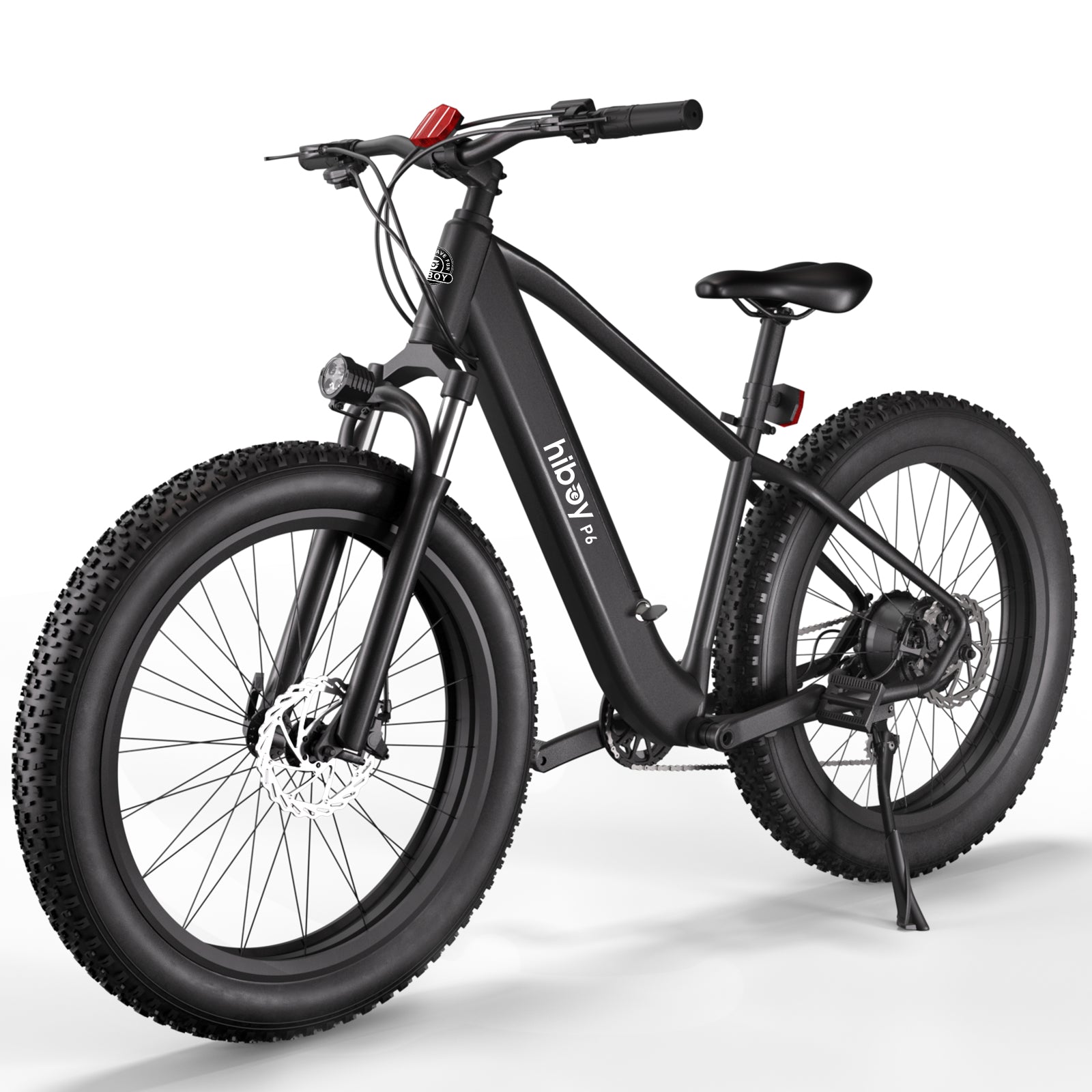 P6
P6
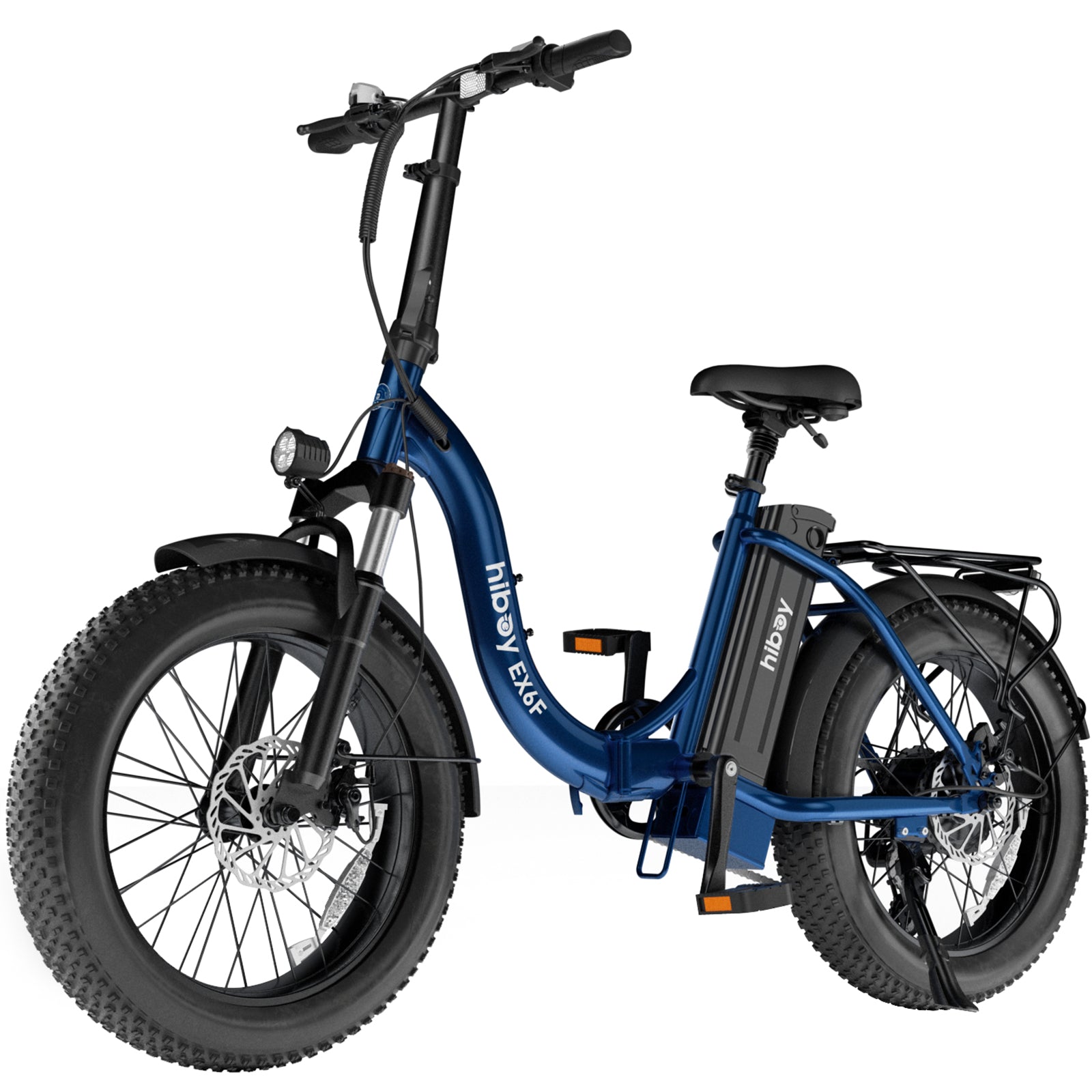 EX6F
EX6F
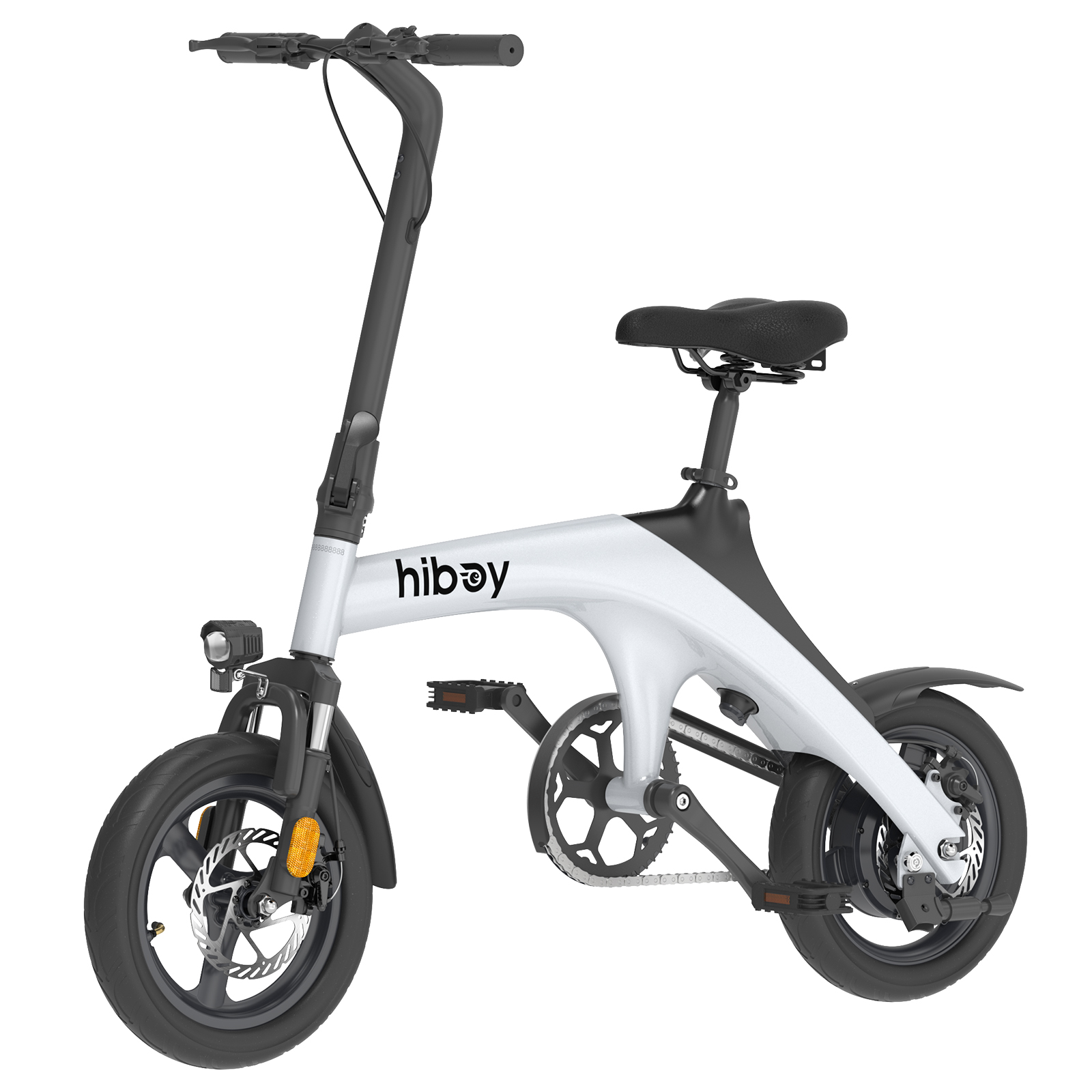 C1
C1
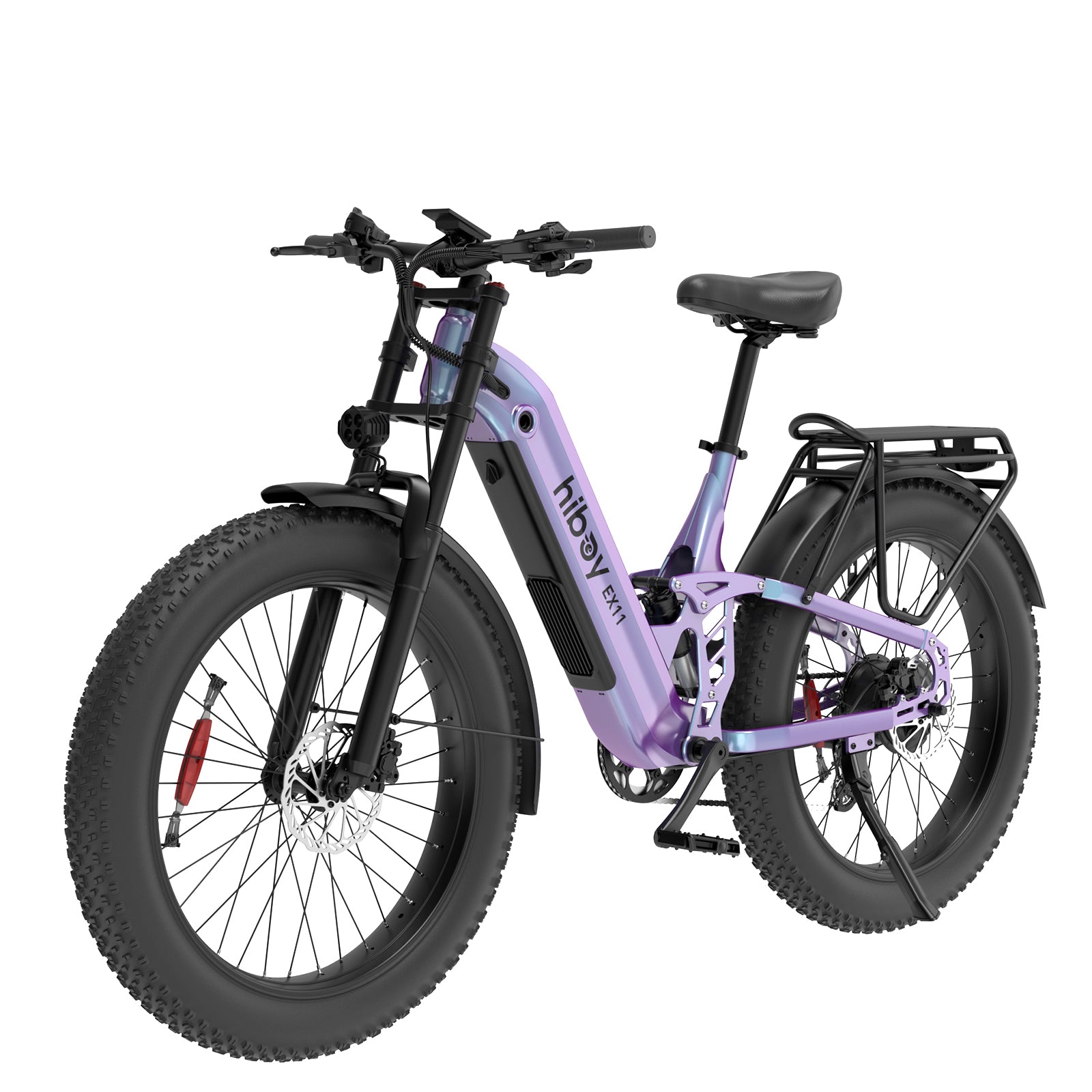 EX11
EX11
 EX9
EX9
 Compare Models
 First Rides
 Everyday Fun
 S2 Lite
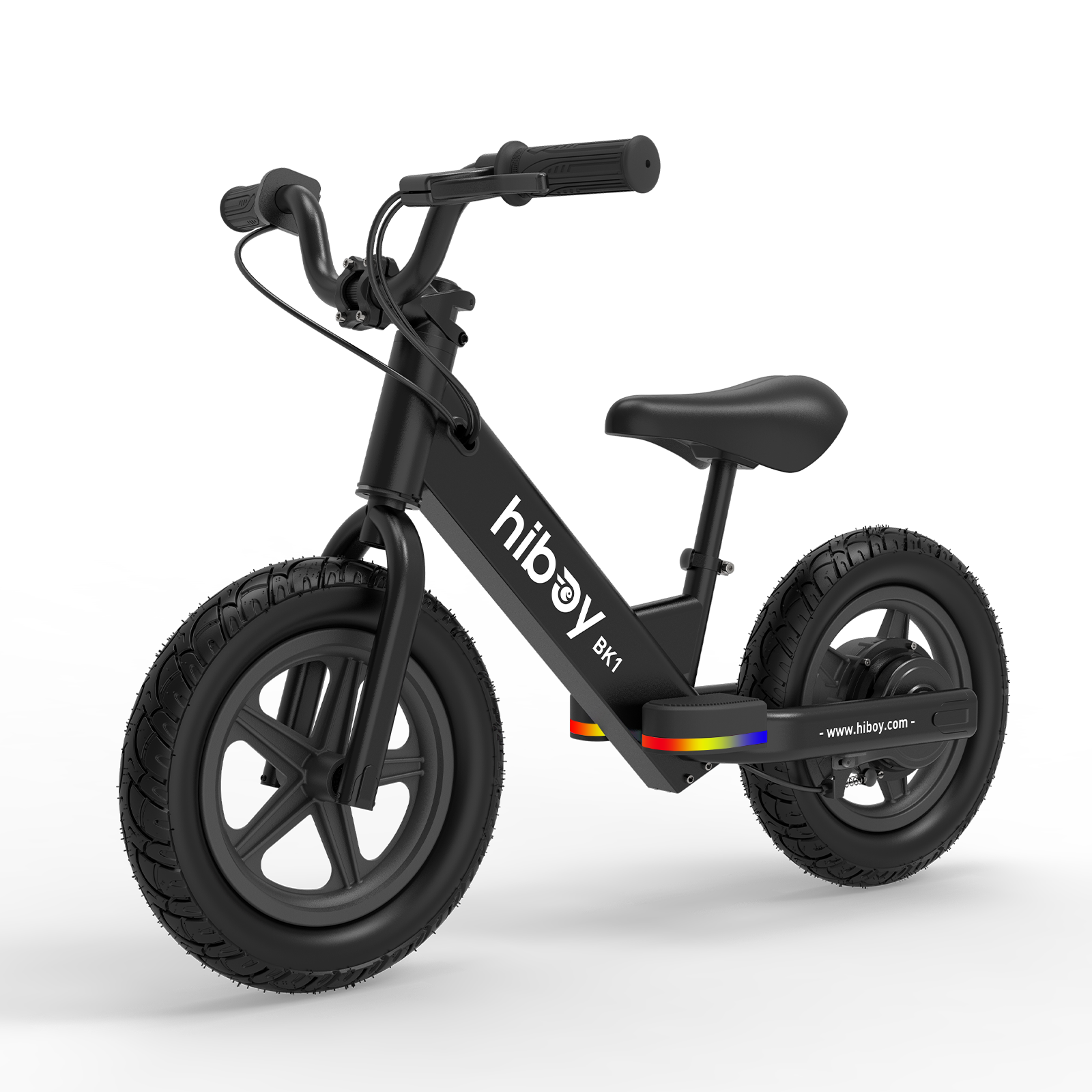 BK1
BK1
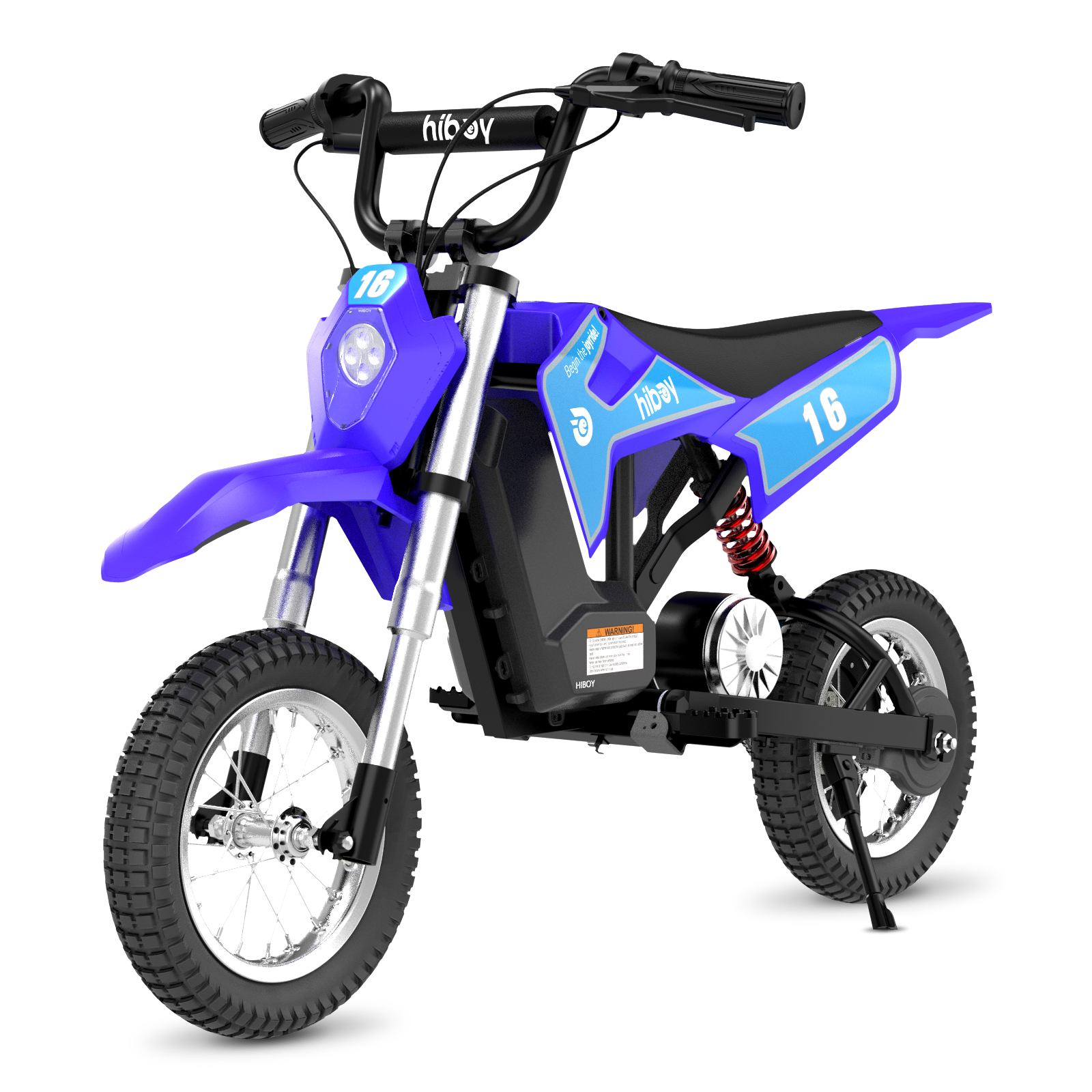 DK1
DK1
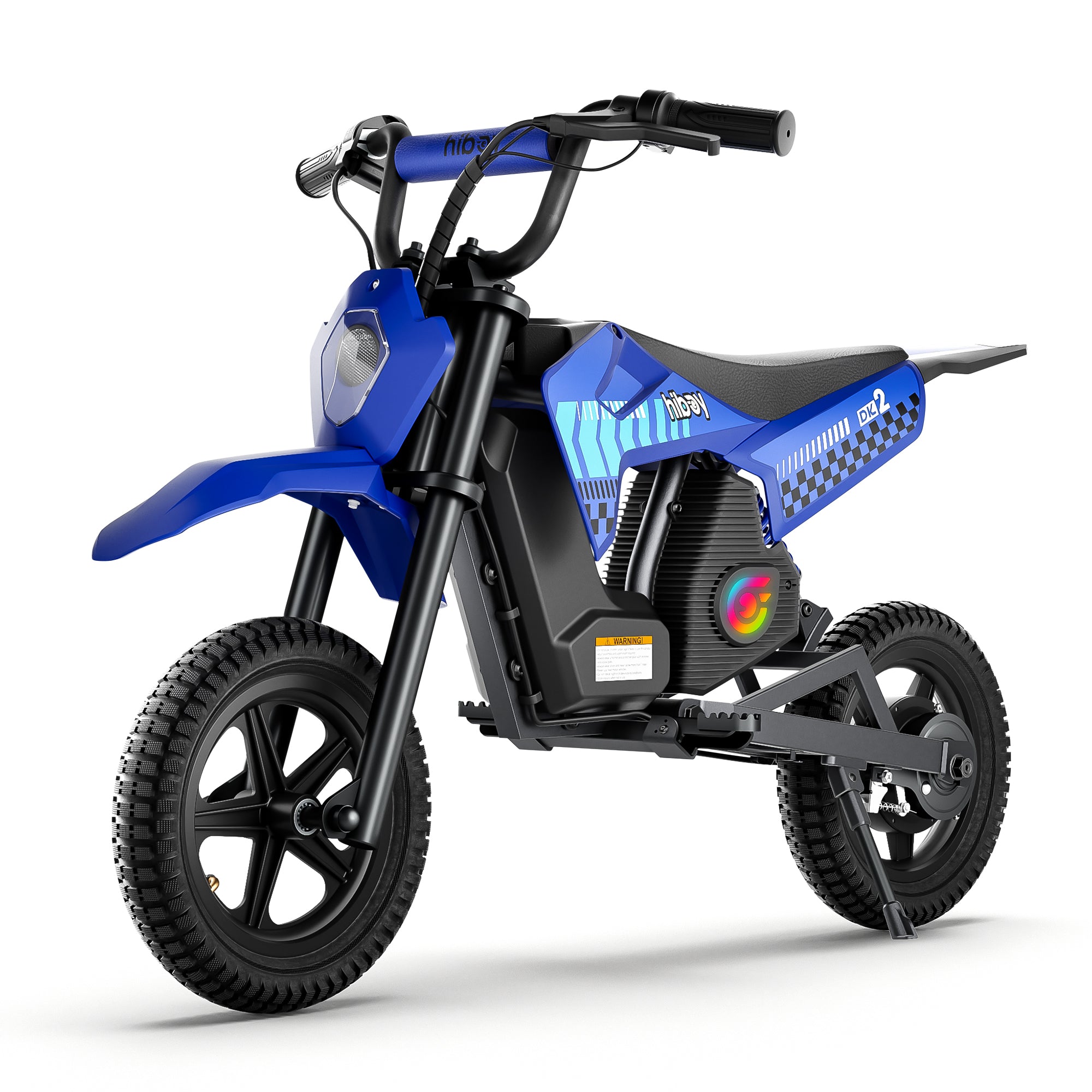 DK2
DK2
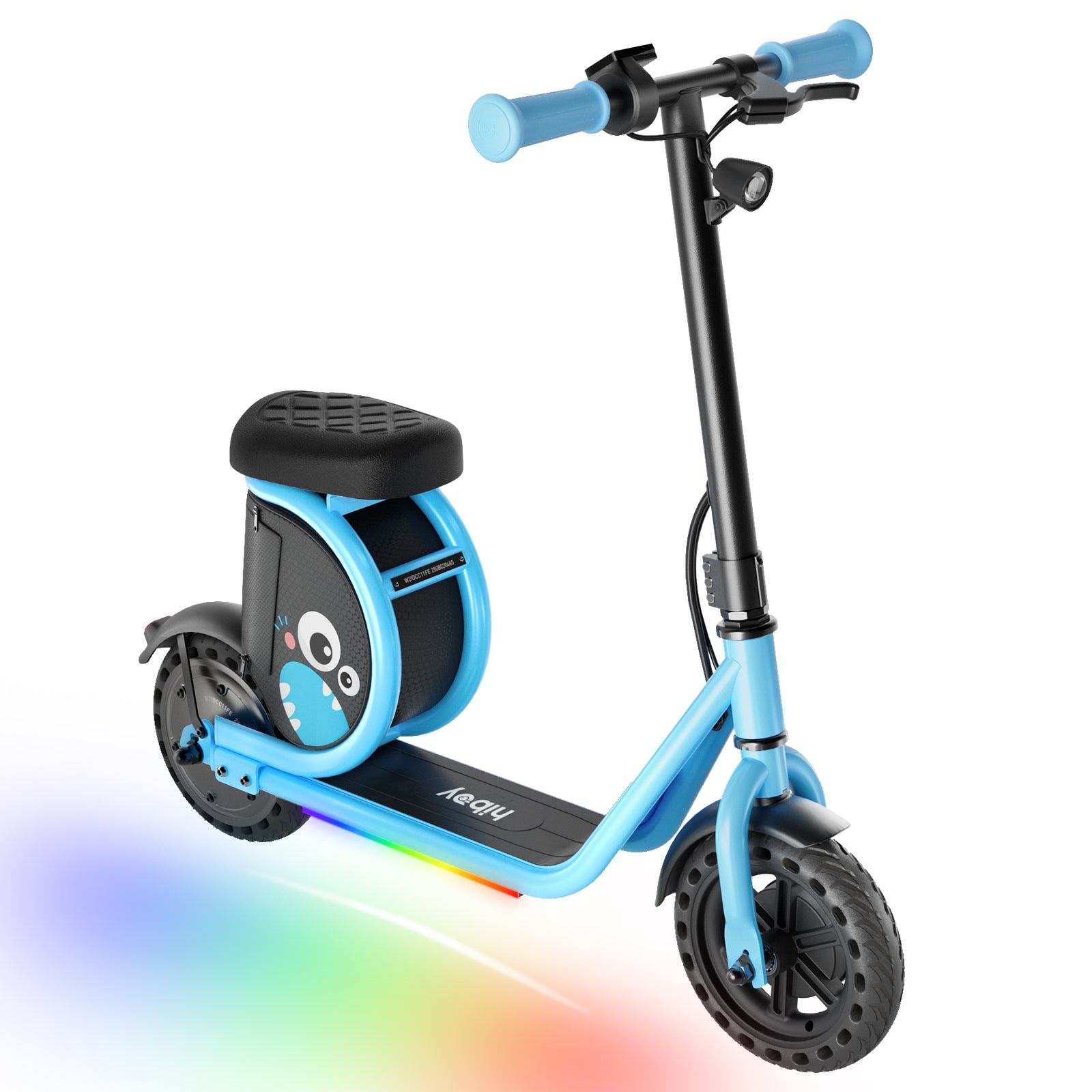 Joy Haul
 Q2 Lite
 Compare Models
When choosing an electric scooter, most riders focus on motor power, range, speed, and suspension. But one component has an equally important role in the riding experience: the tires.
Your tires affect how smoothly the scooter rides, how well it handles uneven pavement, how much maintenance it requires, and how concerned you need to be about punctures.
Two of the most common tire types you'll encounter are pneumatic tires and tubeless tires. Both use air to provide cushioning, but their construction is different, and that difference can matter when you're riding an electric scooter every day.
So, are tubeless tires better than pneumatic tires?
Not necessarily for every rider. Pneumatic tires can provide excellent comfort and traction, while tubeless tires can offer advantages in puncture resistance, maintenance, and high-speed stability, particularly when paired with features such as self-healing or gel-filled construction.
The better choice depends on where and how you ride.
Tubeless vs. Pneumatic Tires: What's the Difference?
Before comparing the advantages and disadvantages, it's important to clarify the terminology.
What Are Pneumatic Tires?
A pneumatic tire is an air-filled tire. Traditional pneumatic scooter tires generally use an inner tube that holds the air inside the tire.
The basic structure looks like this:
Tire → Inner Tube → Wheel/Rim
If a sharp object punctures the tire and damages the inner tube, the tube can lose air, resulting in a flat tire.
Pneumatic tires have been widely used on bicycles, motorcycles, cars, and electric scooters because air provides natural cushioning between the rider and the road.
What Are Tubeless Tires?
A tubeless tire also uses air, but there is no separate inner tube.
Instead, the tire itself forms an airtight seal against the wheel rim.
The structure is essentially:
Tire → Wheel/Rim
Because there is no inner tube, there is one fewer component that can be punctured or pinched.
Some electric scooters take this concept further by using self-healing or gel-filled tubeless tires, which are designed to improve resistance to common punctures or reduce the likelihood of an immediate flat.

Tubeless vs. Pneumatic Tires at a Glance
| Feature | Tubeless Tires | Traditional Pneumatic Tires |
| Inner tube | No | Usually yes |
| Air-filled | Yes | Yes |
| Puncture risk | Generally lower with tubeless/self-healing designs | Higher if the tube is punctured |
| Ride comfort | Very good | Excellent |
| Maintenance | Often lower | More frequent tube/pressure maintenance |
| Flat-tire risk | Reduced, depending on design | Higher |
| Road cushioning | Good | Excellent |
| Puncture repair | Depends on tire construction | Tube may need repair/replacement |
| Weight | Varies | Varies |
| Best for | Commuting, longer rides, riders seeking lower maintenance | Comfort-focused riding and riders comfortable with more maintenance |
The actual performance depends heavily on the specific tire design, not simply whether the tire is tubeless or pneumatic.
That's an important distinction because tubeless and pneumatic aren't necessarily opposites.
A tubeless tire is pneumatic, it simply doesn't use an inner tube.
Are Tubeless Tires More Puncture Resistant?
This is one of the biggest reasons riders choose tubeless tires.
With a traditional pneumatic tire, a sharp object can penetrate the outer tire and puncture the inner tube. Once the tube loses air, the tire can go flat.
A tubeless setup eliminates the inner tube, which removes problems such as tube punctures and pinch flats.
However, tubeless does not mean puncture-proof.
A sufficiently large or damaging object can still penetrate a tubeless tire or compromise the seal between the tire and rim.
That's why some manufacturers use additional technologies to improve puncture resistance.
Self-Healing Tubeless Tires
The Hiboy S2 MAX uses a 10-inch self-healing tire.
Self-healing tire technology is designed to seal certain small punctures automatically, helping reduce the likelihood of an immediate flat caused by common road debris.

For everyday commuting, this can be a meaningful advantage. Riders don't have to worry as much about every small puncture becoming a roadside repair.
However, self-healing technology has limitations. Large cuts, severe sidewall damage, or major tire damage may still require repair or replacement.
Gel-Filled Tubeless Tires
The Hiboy TITAN and TITAN PRO use 10-inch gel-filled tubeless tires.
Gel-filled construction provides an additional layer of protection against certain punctures while retaining the advantages of a tubeless design.
For riders who frequently commute, ride longer distances, or encounter debris on urban roads, this combination can provide added peace of mind.
Are Pneumatic Tires More Comfortable?
This is where traditional pneumatic tires have a strong advantage.
Because air naturally compresses under load, pneumatic tires can absorb some of the vibration and impact created by cracks, bumps, and uneven pavement.
That can result in a smoother ride, particularly on roads that aren't perfectly maintained.
But this doesn't mean tubeless tires are uncomfortable.
A tubeless tire is still an air-filled pneumatic tire. Its ride quality depends on factors such as:
- Tire size
- Tire pressure
- Tire construction
- Sidewall design
- Wheel size
- Rider weight
- Suspension
- Road surface
In other words, comparing “tubeless” with “pneumatic” based solely on comfort can be misleading.
The more meaningful comparison is often:
Tubeless vs. tubed pneumatic tires.
Do Tubeless Tires Require Less Maintenance?
Generally, yes, especially when the tubeless tire incorporates puncture-resistant technology.
A traditional tube-type tire can require more attention because riders need to monitor not only the tire but also the condition of the inner tube.
If a tube develops a puncture, riders may need to:
- Remove the wheel.
- Remove the tire.
- Remove the damaged tube.
- Repair or replace the tube.
- Reinstall the tire.
- Inflate it properly.
Tubeless tires eliminate the inner tube from this equation.

That doesn't mean tubeless tires are maintenance-free. Riders should still regularly inspect:
- Tire pressure
- Tread wear
- Sidewall damage
- Embedded objects
- Air leaks
- Wheel/rim condition
Proper tire maintenance remains important regardless of tire type.
Tubeless Tires vs. Pneumatic Tires for Daily Commuting
For commuters, tire reliability can be especially important.
Imagine discovering a flat tire several miles from home or halfway through your trip to work.
With a traditional tube-type pneumatic tire, a puncture can turn into an immediate transportation problem.
A tubeless setup can reduce this risk, particularly when the tire incorporates self-healing or gel-filled construction.
This is one reason tubeless tires can be attractive for riders who:
- Commute frequently
- Ride longer distances
- Ride on roads with debris
- Don't want to deal with frequent tube replacements
- Want to reduce the chance of roadside flats
For these riders, the convenience of tubeless construction can be more important than small differences in tire characteristics.
Tubeless Tires vs. Pneumatic Tires for Long-Distance Riding
Tire reliability becomes even more important as your riding distance increases.
A short neighborhood ride may be easy to cut short if something goes wrong.
A longer commute or recreational ride is different.
The farther you travel from home, the more inconvenient a flat tire can become.
For long-distance electric scooter riders, tubeless tires, particularly self-healing or gel-filled designs can provide an additional layer of protection against common punctures.
That doesn't eliminate the need to check your tires before a long ride. In fact, pre-ride inspection becomes even more important.
How Tire Size Affects Electric Scooter Ride Quality
Tire type isn't the only factor that determines comfort and stability.
Tire size matters, too.
Larger tires generally have a greater ability to roll over small cracks and imperfections in the road.
For example, Hiboy's three current tubeless models use 10-inch tires:
- Hiboy S2 MAX: 10-inch self-healing tire
- Hiboy TITAN: 10-inch gel-filled tubeless tires
- Hiboy TITAN PRO: 10-inch gel-filled tubeless tires
The larger diameter can contribute to a more stable and comfortable ride compared with smaller scooter wheels, particularly when riding over common urban imperfections.

Of course, overall ride quality also depends on suspension, tire pressure, rider weight, and road conditions.
What About Tire Pressure?
Whether you choose tubeless or tube-type pneumatic tires, proper tire pressure matters.
Incorrect pressure can affect:
- Ride comfort
- Handling
- Traction
- Rolling resistance
- Tire wear
- Puncture resistance
Underinflated tires can increase rolling resistance and cause the tire to flex excessively. Overinflation can make the ride harsher and may reduce the tire's ability to conform to the road.
Always follow the manufacturer's recommended tire pressure rather than using a generic pressure recommendation from another scooter or vehicle.
Are Tubeless Tires Better for Wet Roads?
Neither tubeless nor traditional pneumatic tires should automatically be considered “better in the rain.”
Wet-road performance depends on the tire's tread pattern, rubber compound, road surface, tire pressure, and riding speed.
A tubeless tire's main advantage is its construction and resistance to certain types of punctures, not automatic superior wet-weather traction.
When riding on wet pavement:
- Reduce your speed.
- Brake earlier.
- Avoid sudden turns.
- Watch for painted road markings and metal surfaces.
- Be especially careful around leaves, gravel, and standing water.
Always follow the scooter manufacturer's guidance regarding wet-weather riding and water resistance.
Are Tubeless Tires Better for Electric Scooters?
For many riders, yes, but “better” depends on what you value most.
Tubeless tires can be particularly appealing because they eliminate the inner tube and can be paired with technologies such as self-healing or gel-filled construction.
Their biggest advantages include:
- Lower risk of tube-related flats: There is no inner tube to puncture or pinch.
- Convenience: Fewer tube-related problems can mean less roadside maintenance.
- Good stability: Larger tubeless tires can provide a stable platform for everyday riding.
- Puncture-resistant options: Self-healing and gel-filled designs can provide additional protection against certain types of punctures.
But traditional pneumatic tires remain a good option for riders who prioritize cushioning and are comfortable with tube maintenance.

Which Hiboy Electric Scooters Have Tubeless Tires?
Currently, three Hiboy electric scooter models feature tubeless tires.
Hiboy S2 MAX
The Hiboy S2 MAX features a 10-inch self-healing tire.
For daily riders, self-healing construction can help reduce the inconvenience of small punctures caused by common road debris.
The 10-inch tire also provides a larger contact platform for everyday urban riding.
Hiboy TITAN
The Hiboy TITAN uses 10-inch gel-filled tubeless tires.
The combination of a larger tire and gel-filled tubeless construction is designed to provide a balance of ride stability and puncture resistance for riders who want a more capable scooter for demanding everyday use.
Hiboy TITAN PRO
The Hiboy TITAN PRO also features 10-inch gel-filled tubeless tires.
As Hiboy's high-performance option, the TITAN PRO pairs its larger tubeless tires with a performance-oriented platform designed for riders who want greater capability and stability.
For riders considering a high-performance electric scooter, tire construction is worth considering alongside motor power, suspension, braking, range, and overall weight.
How to Choose Between Tubeless and Pneumatic Tires
Rather than asking which tire type is universally better, consider your riding priorities.
Choose Tubeless If You Want:
- Reduced risk of tube-related flats
- Less concern about inner-tube maintenance
- Better protection against common punctures with self-healing or gel-filled designs
- A practical setup for daily commuting
- Greater peace of mind on longer rides
Consider Tube-Type Pneumatic Tires If You Prioritize:
- Maximum air-cushioning characteristics
- A traditional tire setup
- Easy access to replacement tubes
- A riding environment where punctures are relatively uncommon
- A willingness to perform tube repairs when necessary
For many everyday electric scooter riders, tubeless tires are an attractive balance of comfort, reliability, and convenience.
How to Prevent Electric Scooter Tire Problems
Regardless of which tire type your scooter uses, good maintenance can significantly extend tire life.
Check Tire Pressure Regularly
Don't wait until the scooter feels different.
Check tire pressure according to the manufacturer's recommended schedule and before longer rides.
Inspect for Embedded Objects
Small pieces of glass, metal, or other debris can become lodged in the tread.
Removing them early may prevent more serious damage.
Look for Sidewall Damage
Cuts, cracks, bulges, or other visible damage can compromise tire safety.
If you notice significant damage, don't continue riding until the tire has been properly inspected.

Monitor Tread Wear
Tires gradually lose their tread as they accumulate mileage.
Replace tires when they reach the manufacturer's recommended wear limit or show signs of significant deterioration.
Don't Ignore Slow Air Loss
If a tire repeatedly loses pressure, don't simply keep adding air.
A slow leak can indicate puncture damage, valve problems, or an issue with the tire-to-rim seal.
Frequently Asked Questions
Are tubeless tires better than pneumatic tires on an electric scooter?
Tubeless tires can be better for riders who prioritize puncture resistance and lower maintenance. However, tubeless tires are also pneumatic because they contain air. The key difference is that tubeless tires don't use a separate inner tube.
Do tubeless electric scooter tires go flat?
Yes. Tubeless tires can still lose air because of punctures, valve problems, rim damage, or seal issues. Self-healing and gel-filled designs can reduce the risk of certain punctures but don't make a tire completely flat-proof.
Are tubeless tires more comfortable?
Not necessarily. Both tubeless and tube-type pneumatic tires can provide good cushioning because they contain air. Comfort depends on tire size, pressure, construction, suspension, rider weight, and road conditions.
Are tubeless tires safer?
Tubeless construction can reduce certain types of flat-tire problems, which can be an advantage. However, overall riding safety depends on many factors, including tires, brakes, speed, road conditions, visibility, and rider behavior.
Do tubeless tires need air?
Yes. Tubeless tires are air-filled tires. They don't use an inner tube, but they still require proper inflation.
How long do electric scooter tires last?
There is no universal mileage limit. Tire life depends on riding frequency, rider weight, road conditions, tire pressure, storage, and riding style. Inspect your tires regularly and replace them when they become excessively worn or damaged.
Final Verdict: Tubeless or Pneumatic?
There isn't a single tire type that's best for every electric scooter rider.
Traditional pneumatic tires remain a proven choice for riders who value air cushioning and don't mind maintaining or replacing inner tubes.
Tubeless tires, meanwhile, offer a compelling combination of air-filled comfort, fewer tube-related problems, and the potential for improved puncture resistance, especially when combined with self-healing or gel-filled technology.
For riders who want the convenience of tubeless construction, Hiboy currently offers three options:
- S2 MAX: 10-inch self-healing tires
- TITAN: 10-inch gel-filled tubeless tires
- TITAN PRO: 10-inch gel-filled tubeless tires
Ultimately, the best tire isn't determined by the label alone. Consider where you ride, how far you ride, the road conditions you encounter, and how much maintenance you're willing to do.
For many daily commuters and longer-distance riders, a well-designed tubeless tire can be a practical upgrade that makes electric scooter ownership easier and more predictable.







Leave a comment
All comments are moderated before being published.
This site is protected by hCaptcha and the hCaptcha Privacy Policy and Terms of Service apply.