





 Daily Commute
 Lightweight & Portable
 Performance Rides
 Comfort With Seat
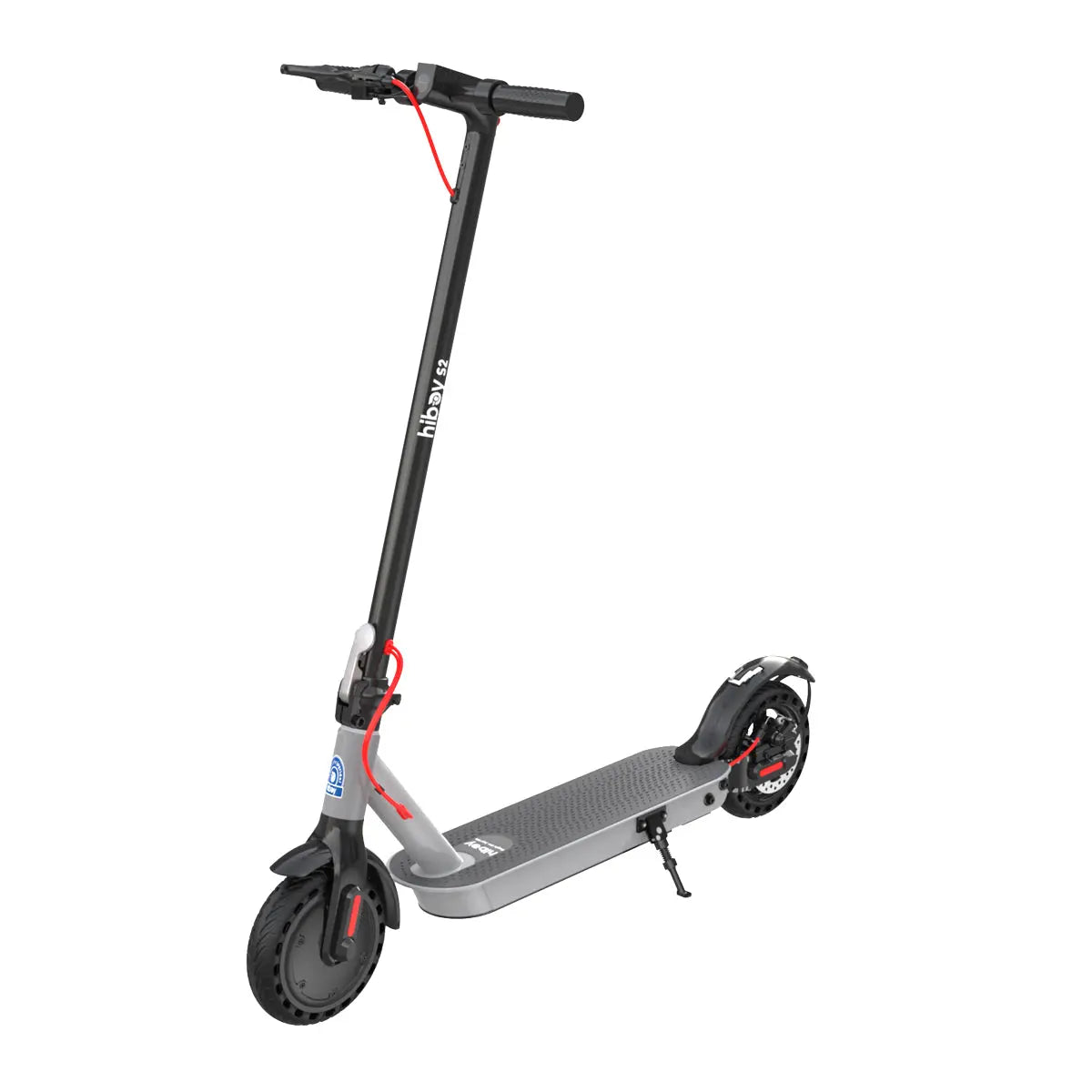 S2
S2
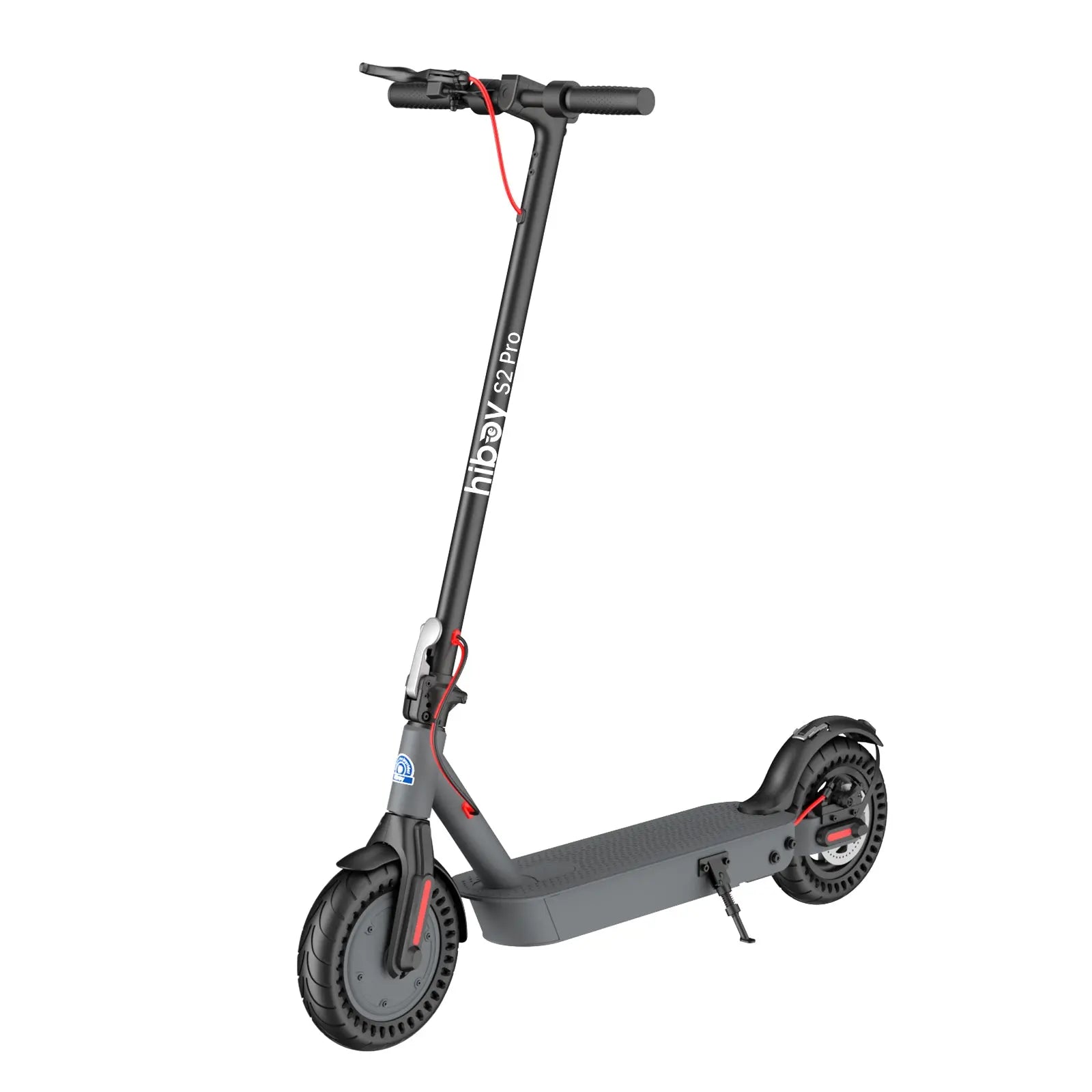 S2 Pro
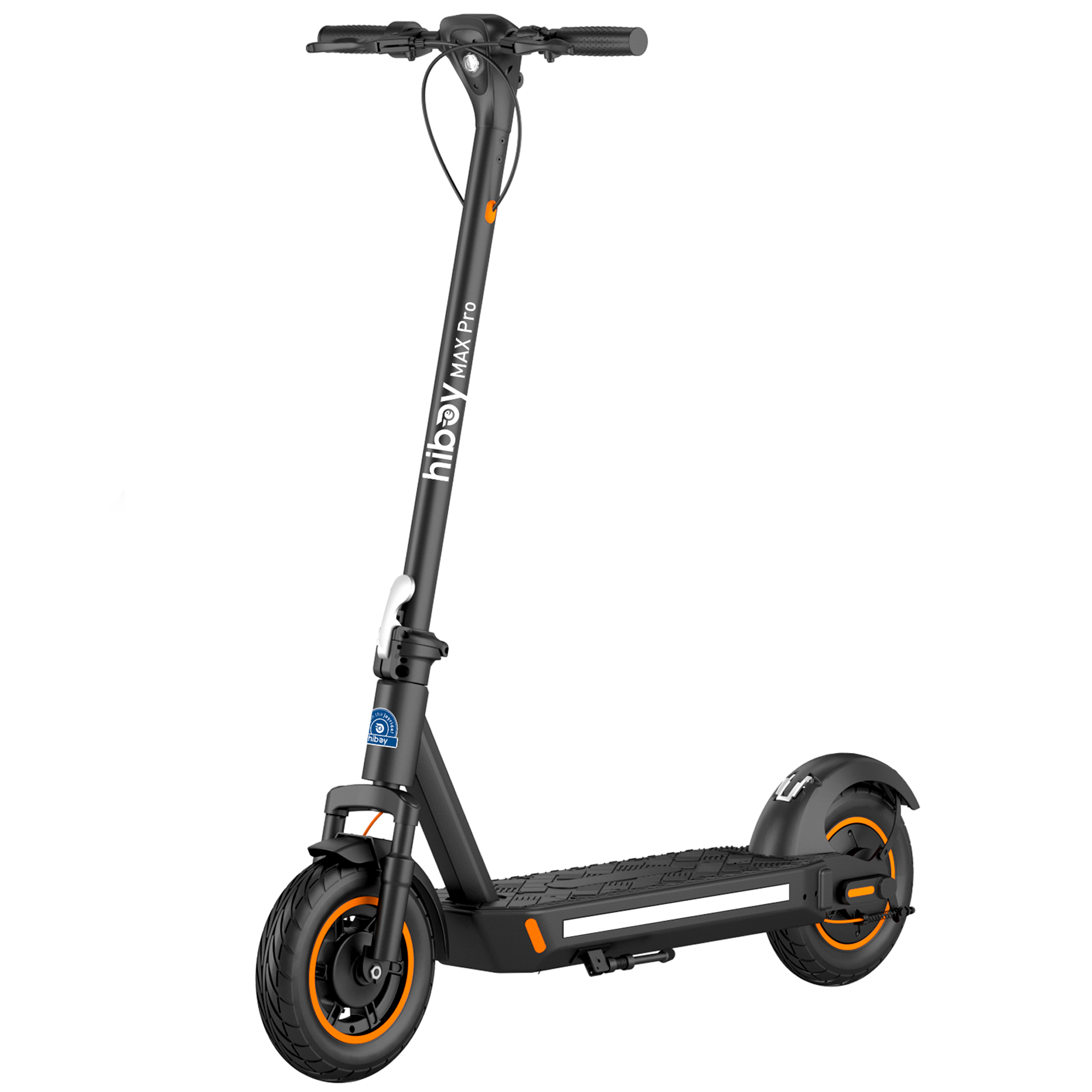 MAX Pro
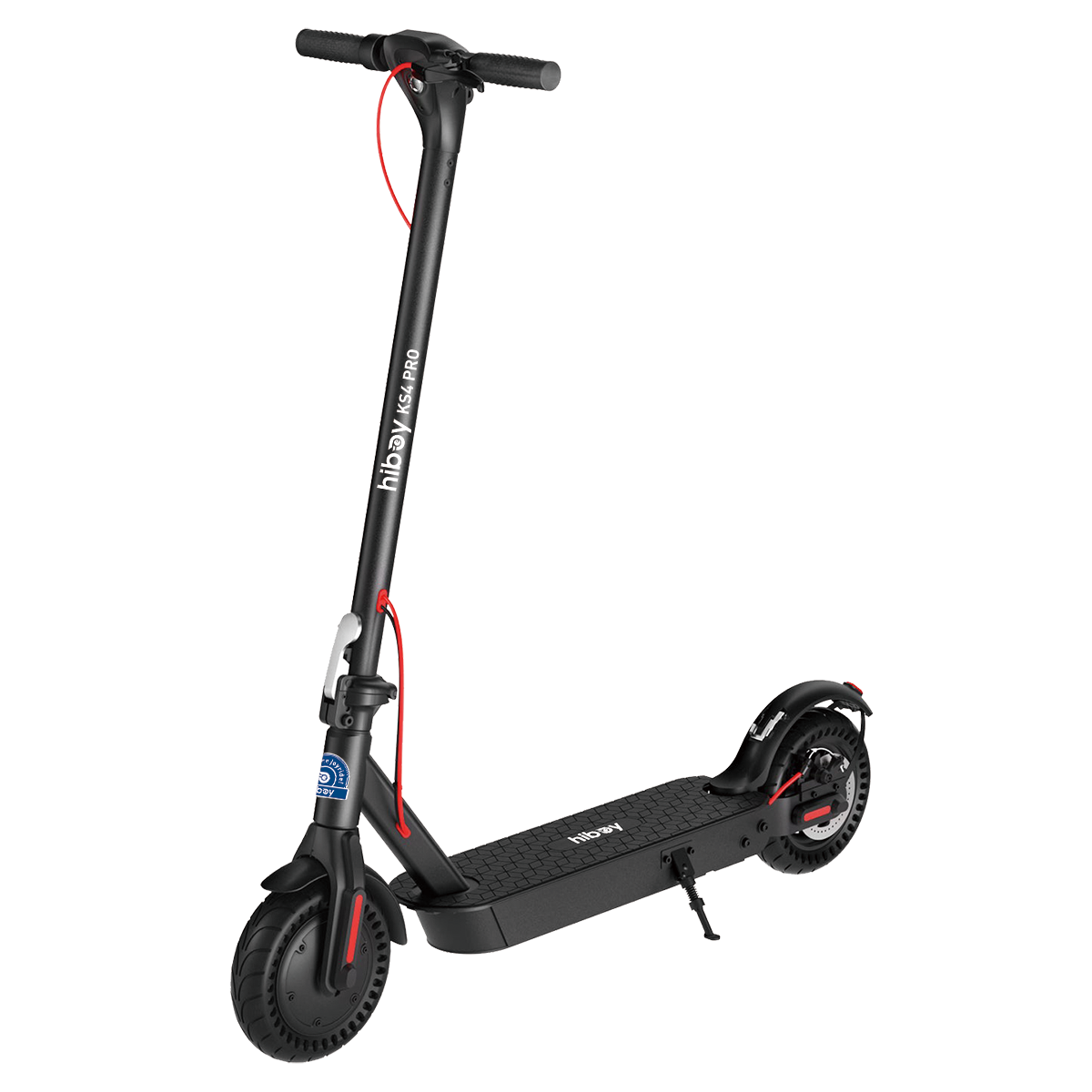 KS4 Pro
 TITAN
TITAN
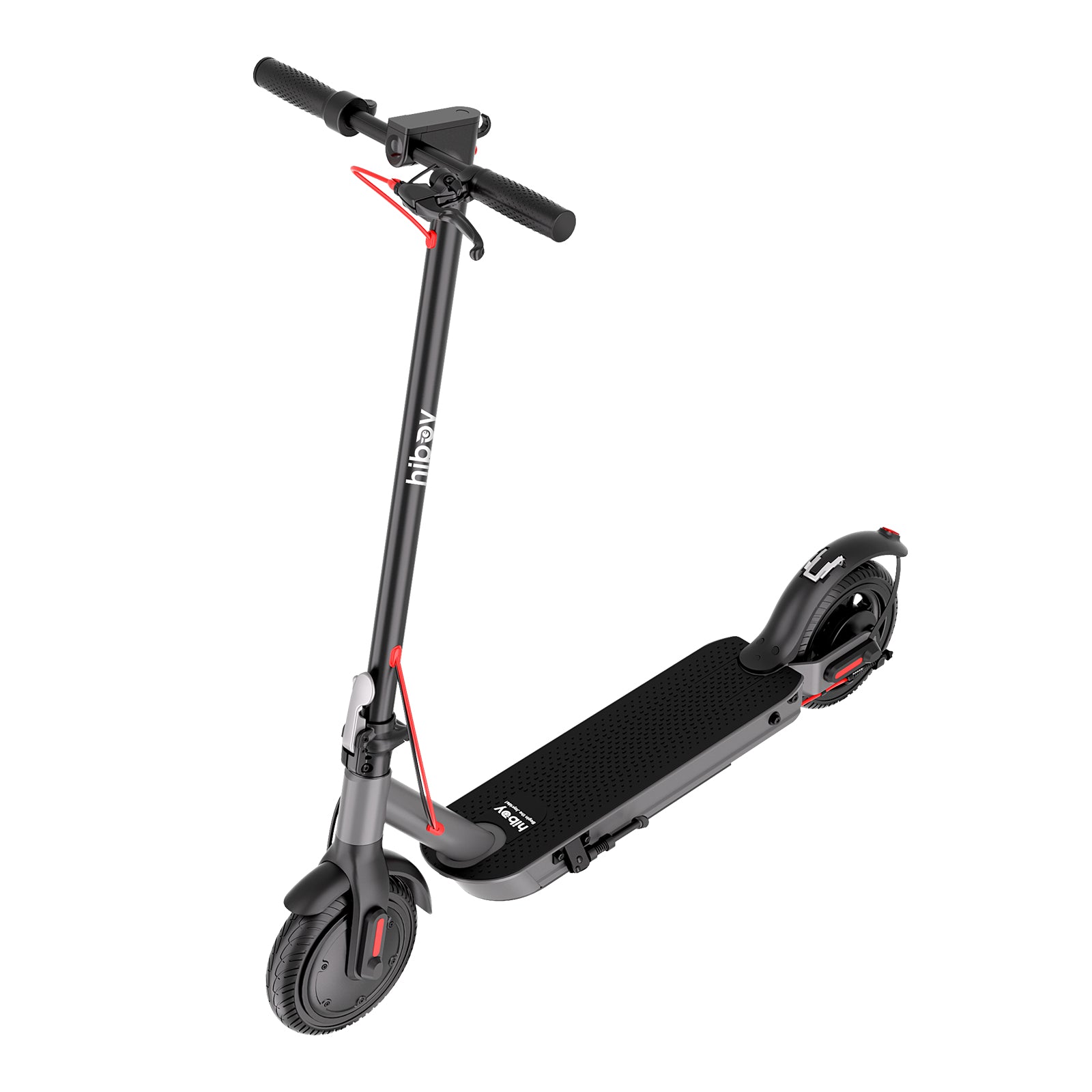 S2 Nova
 Compare Models
 Find Your Best Ride
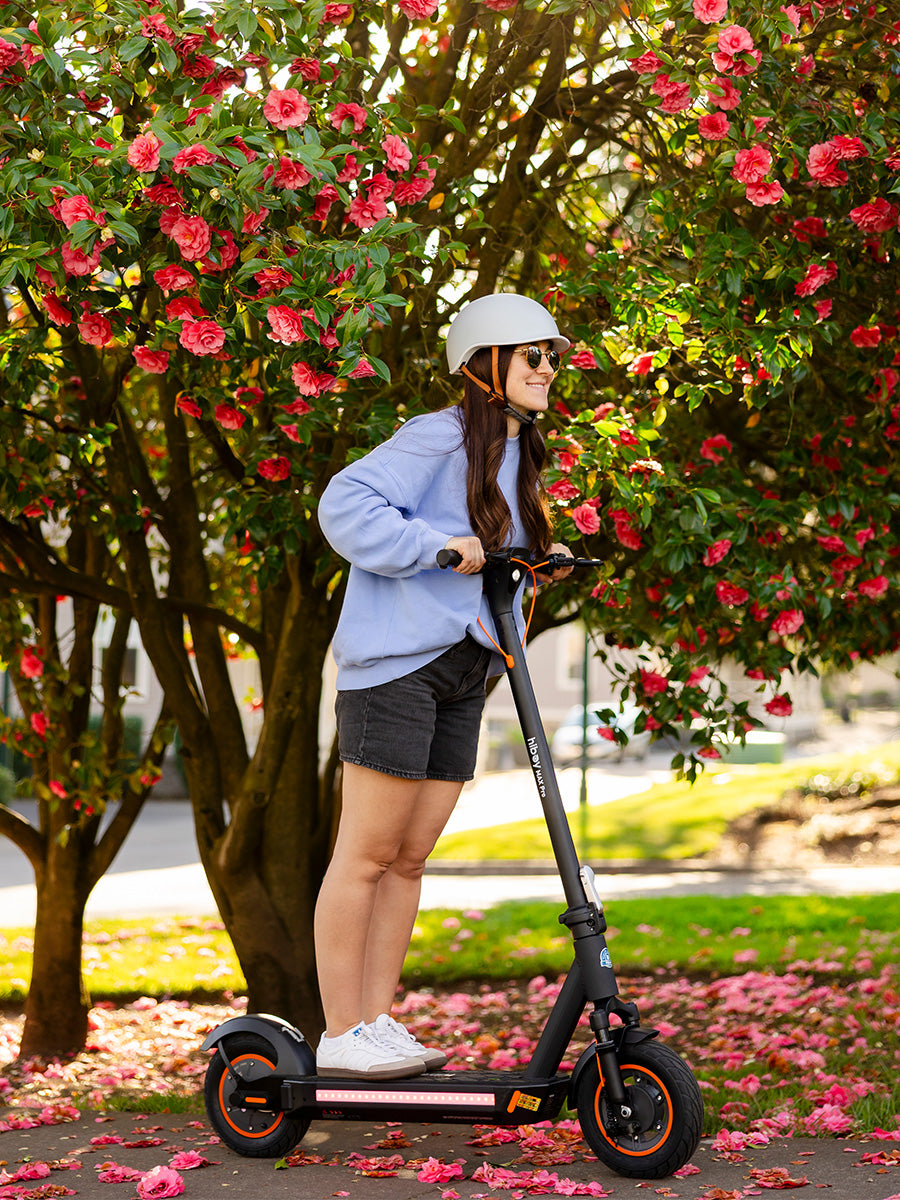
 Daily Commute
 Off-road & Trail
 Folding & Compact
 Fat Tire Rides
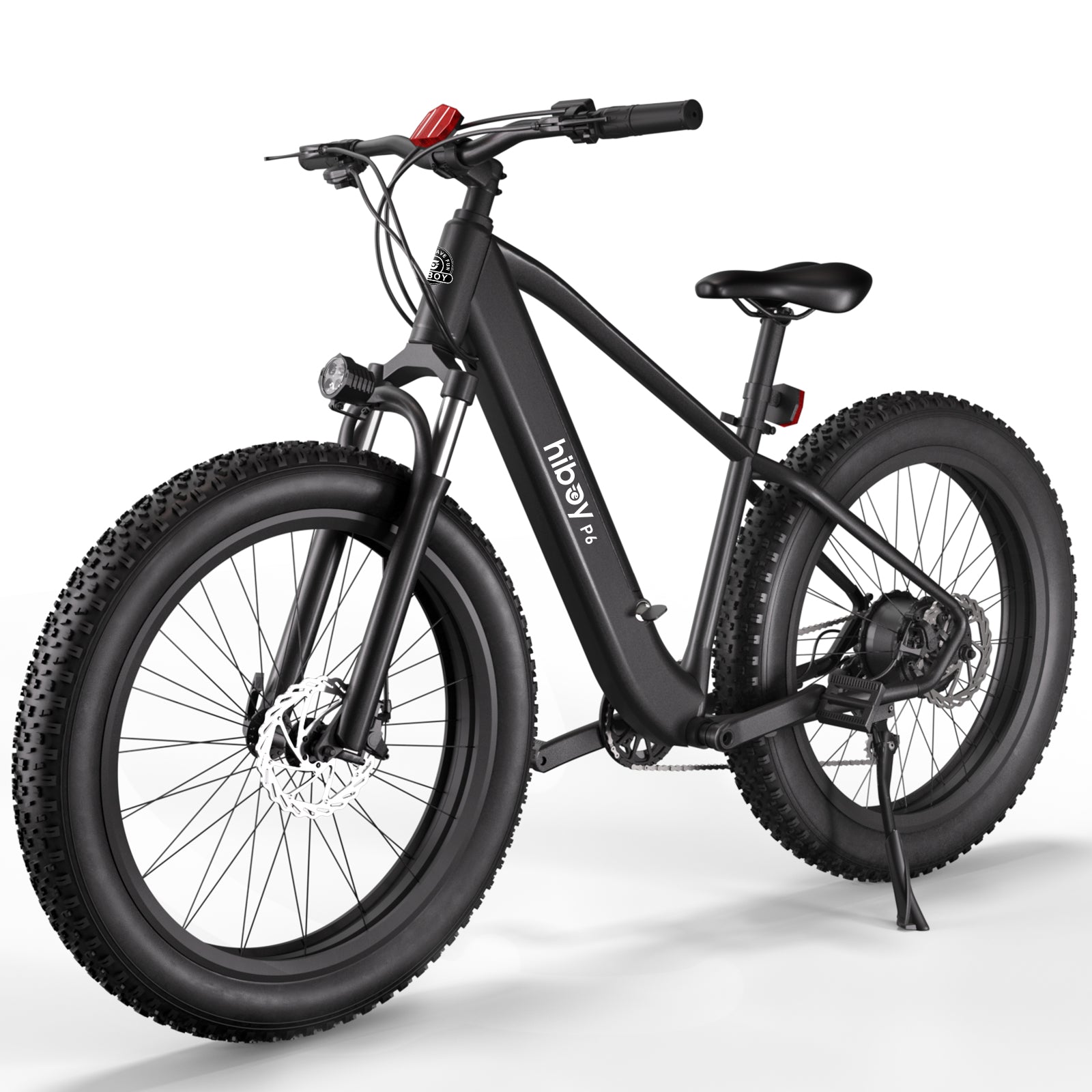 P6
P6
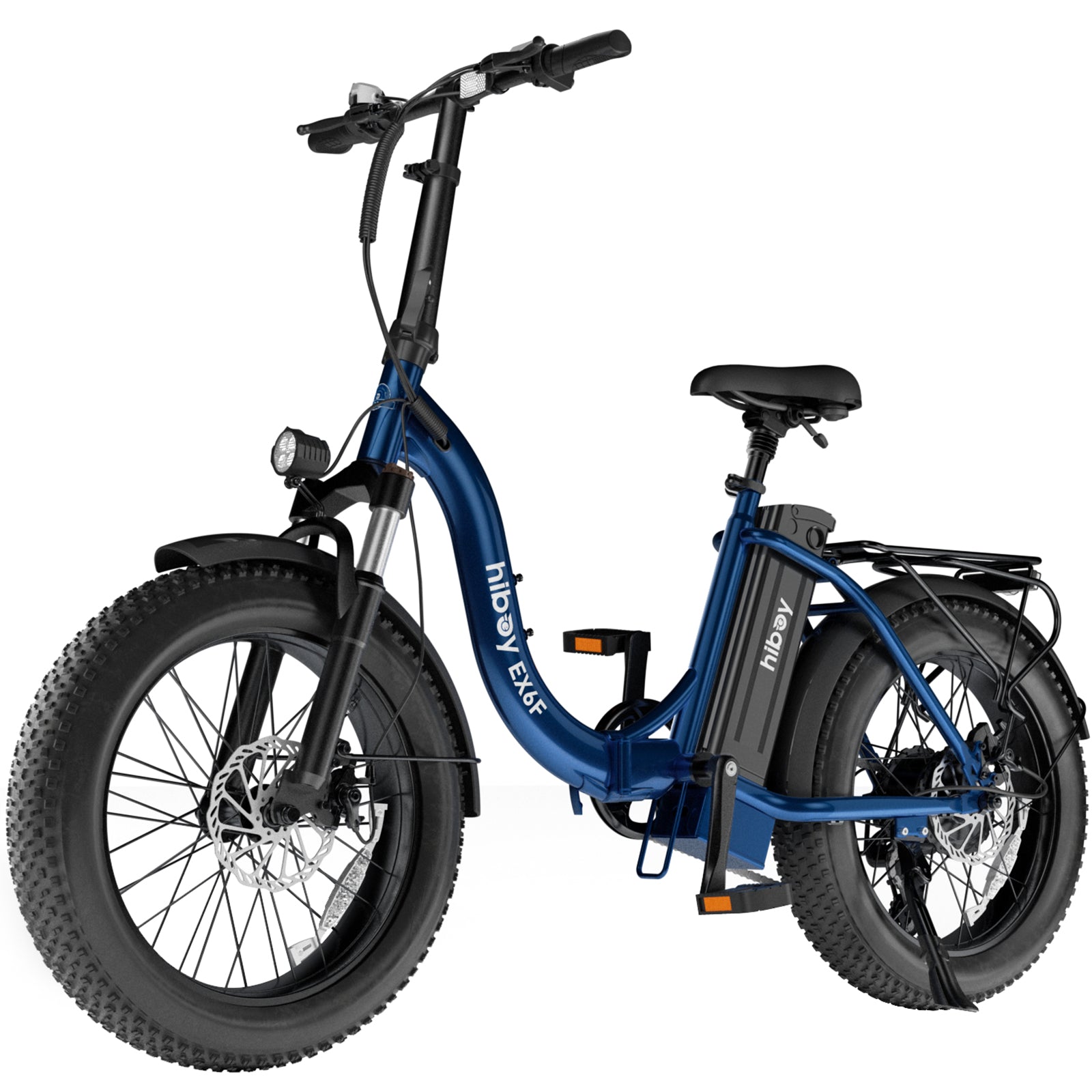 EX6F
EX6F
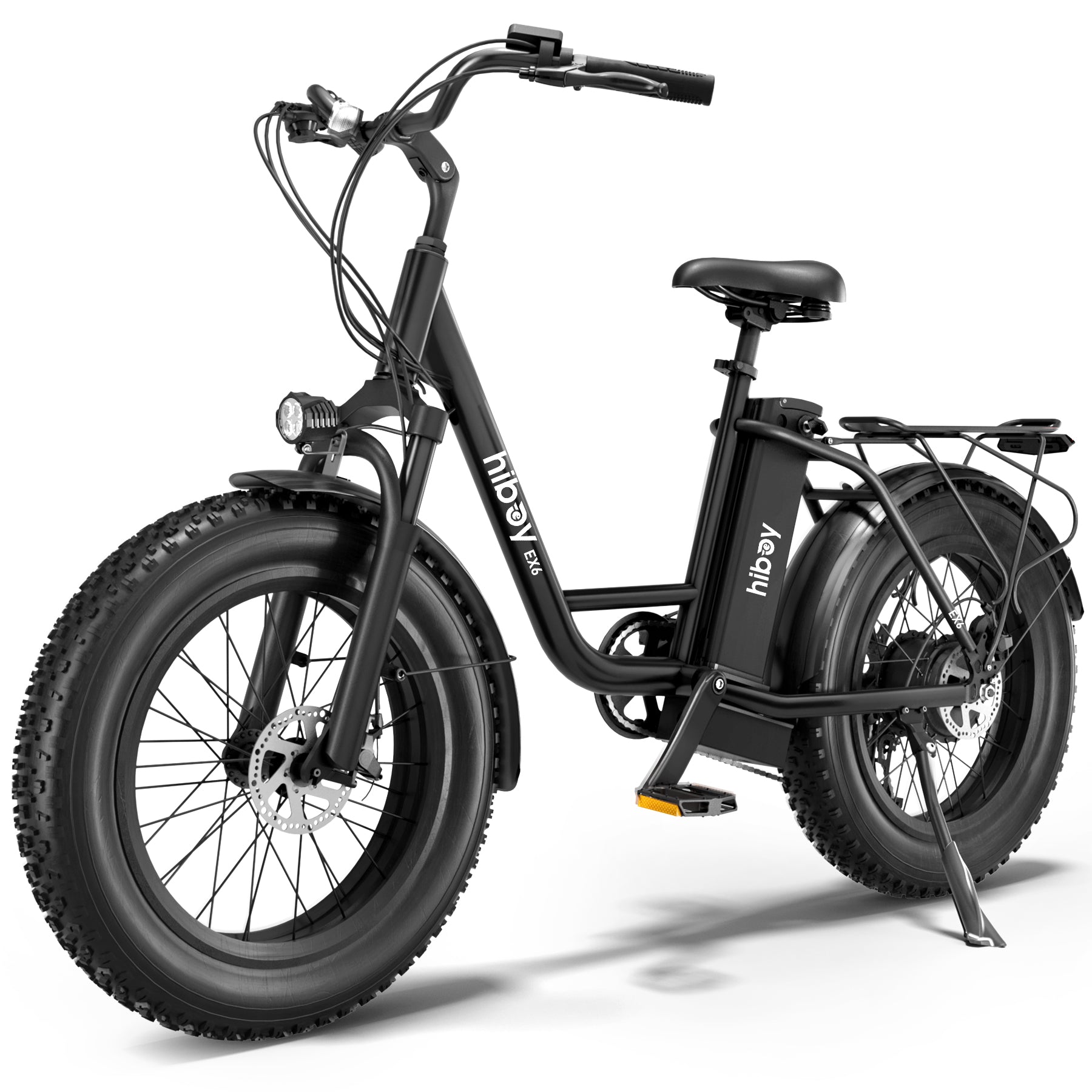 EX6
EX6
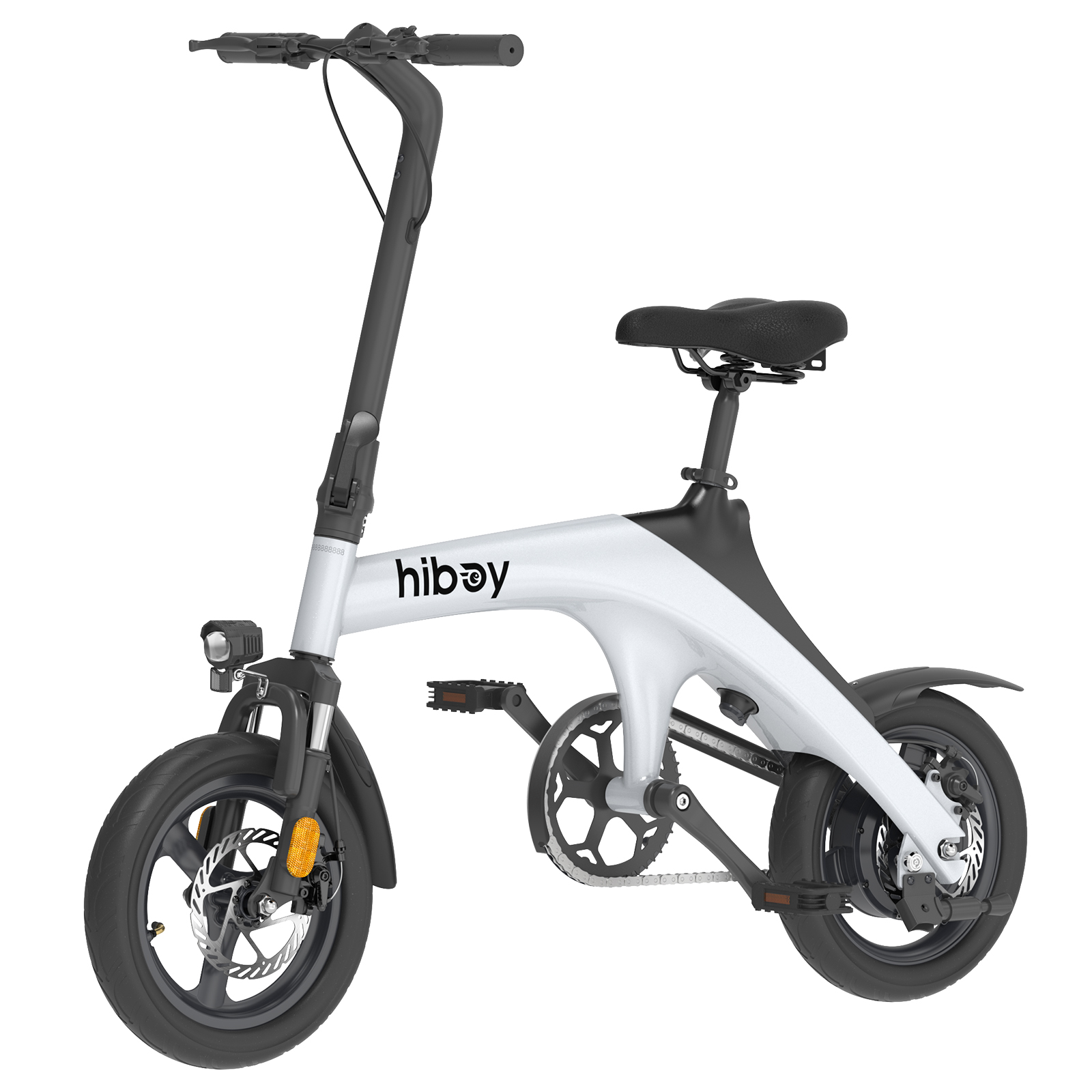 C1
C1
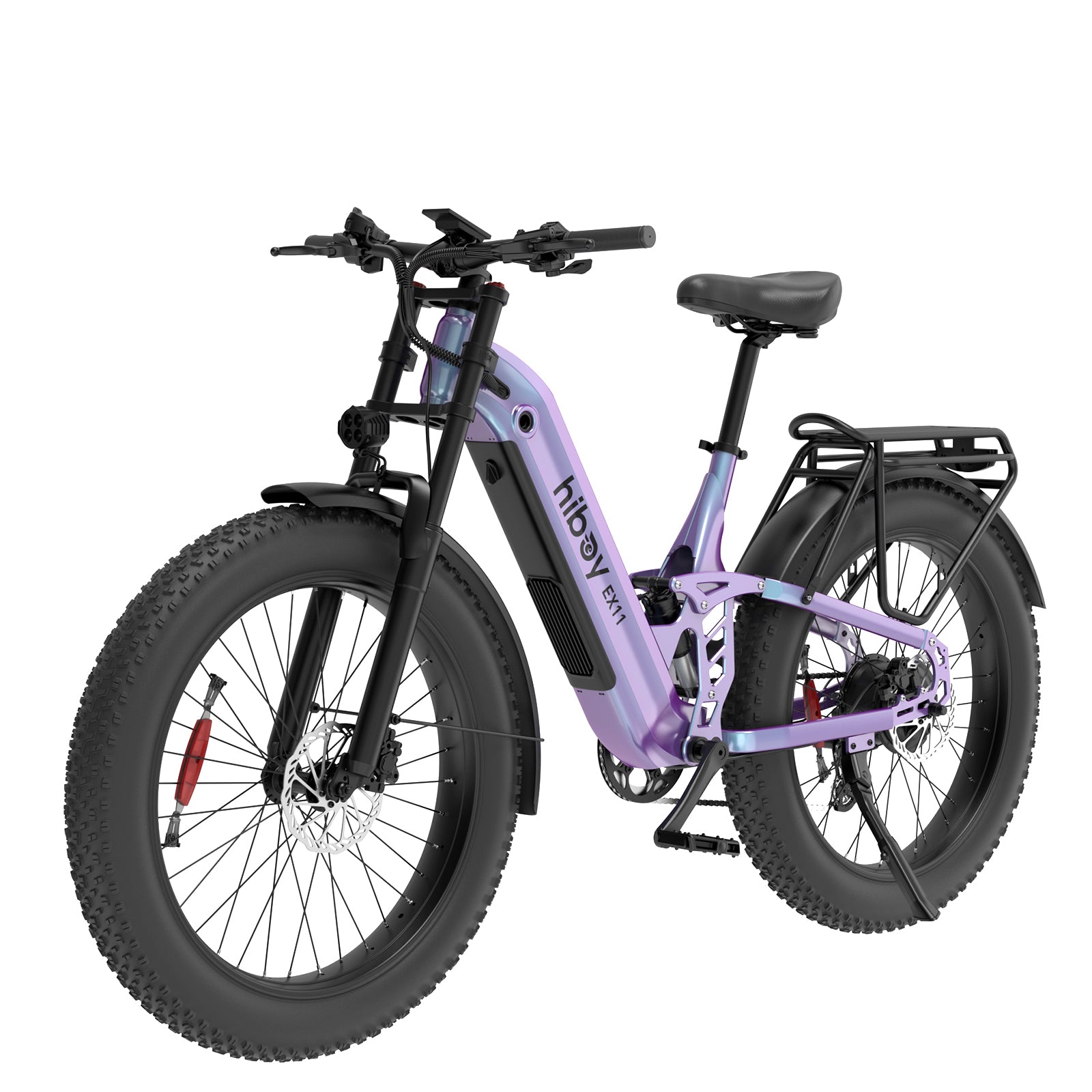 EX11
EX11
 EX9
EX9
 Compare Models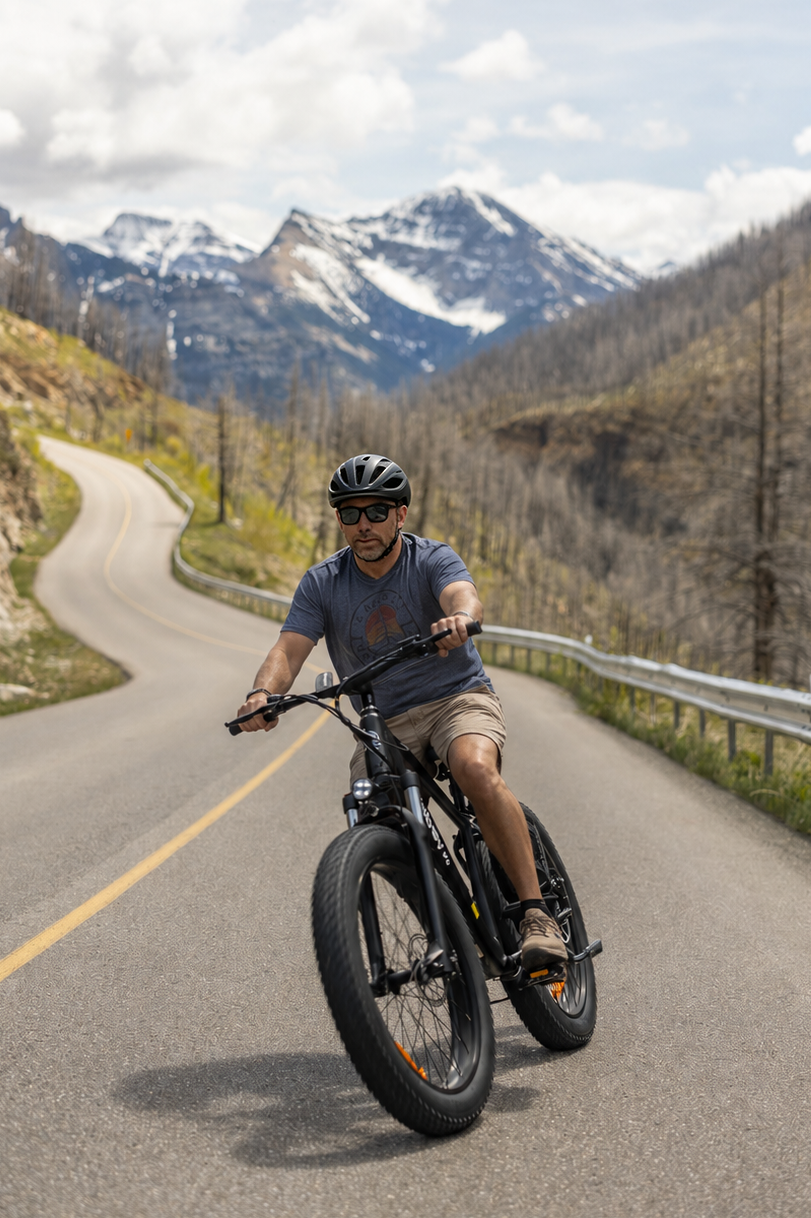
 First Rides
 Everyday Fun
 S2 Lite
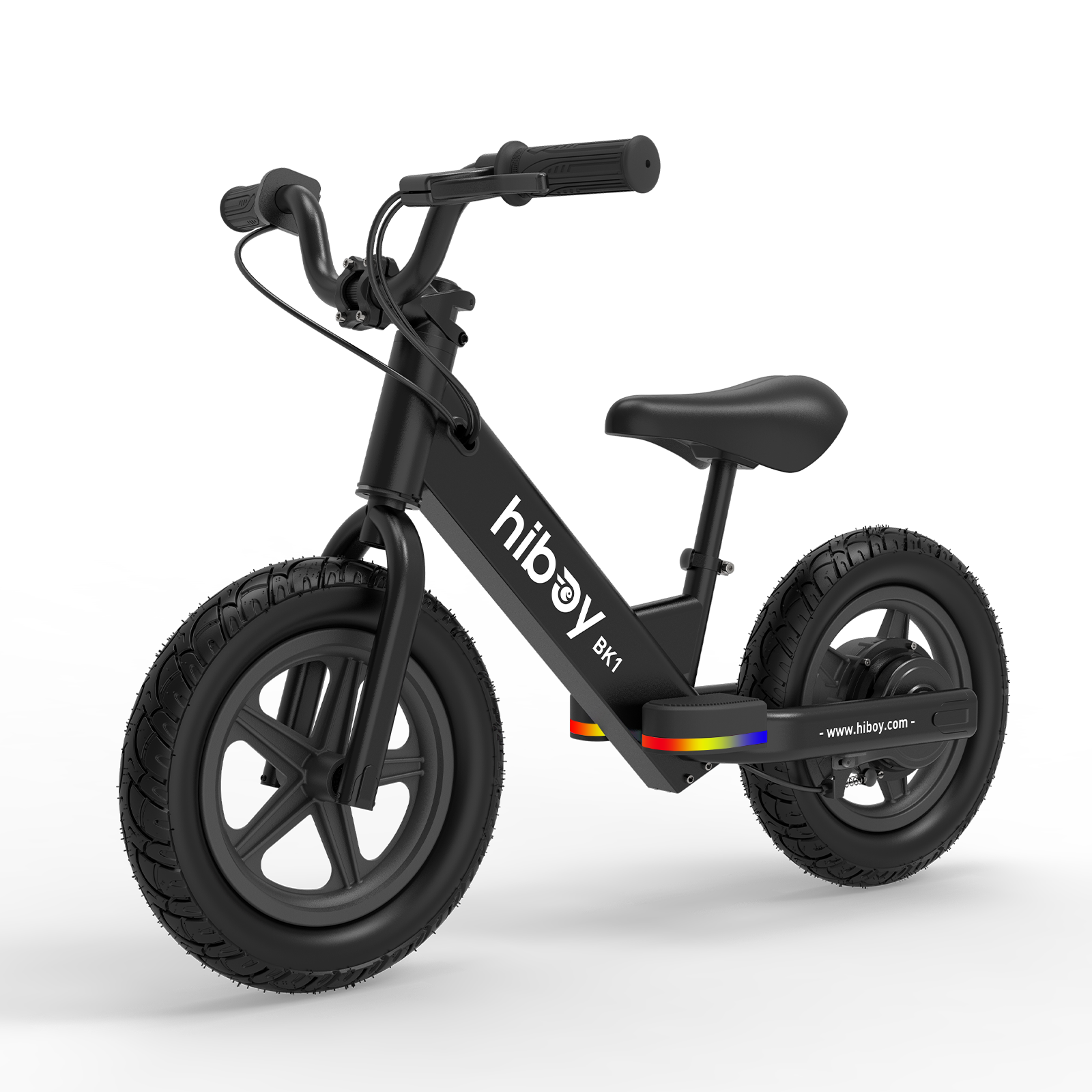 BK1
BK1
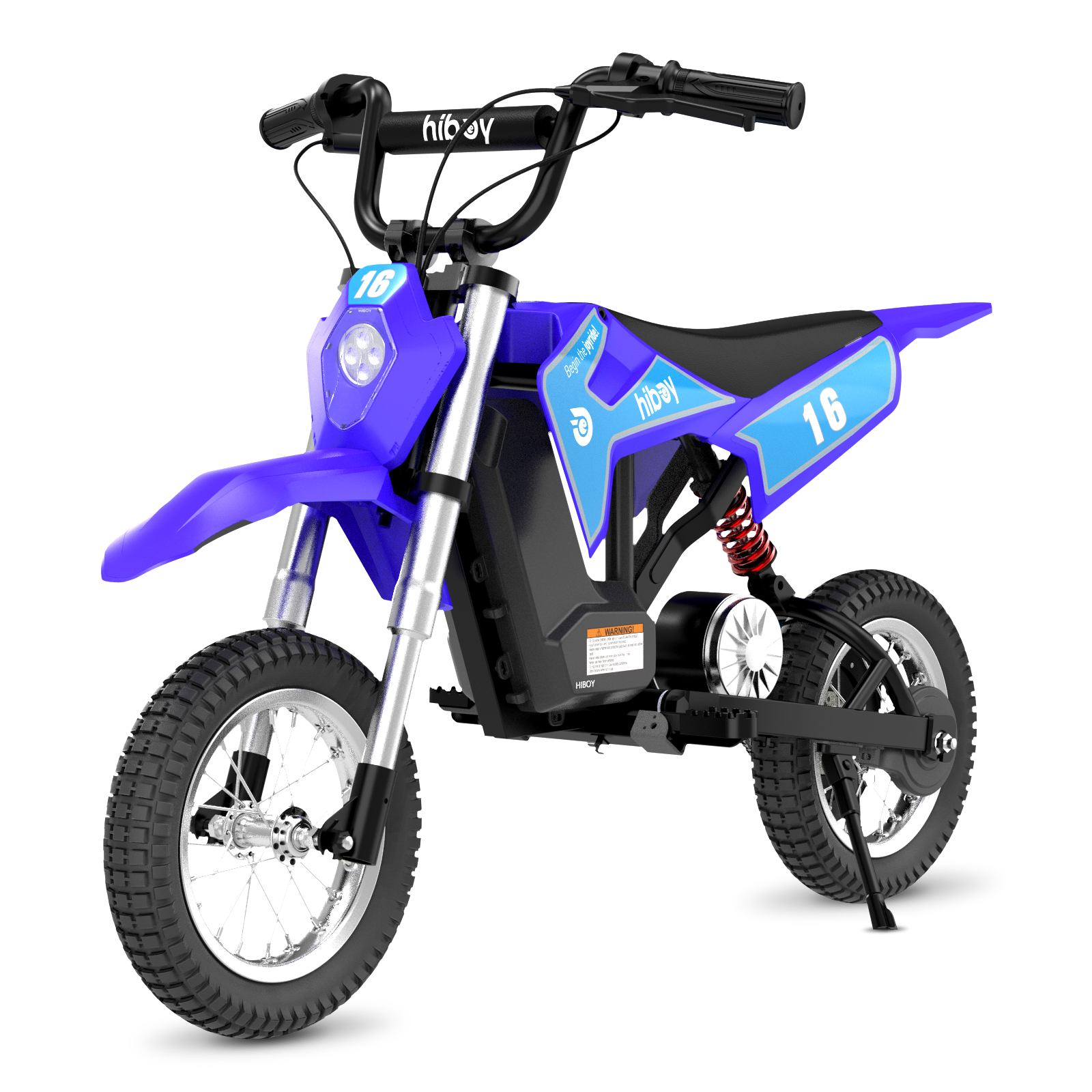 DK1
DK1
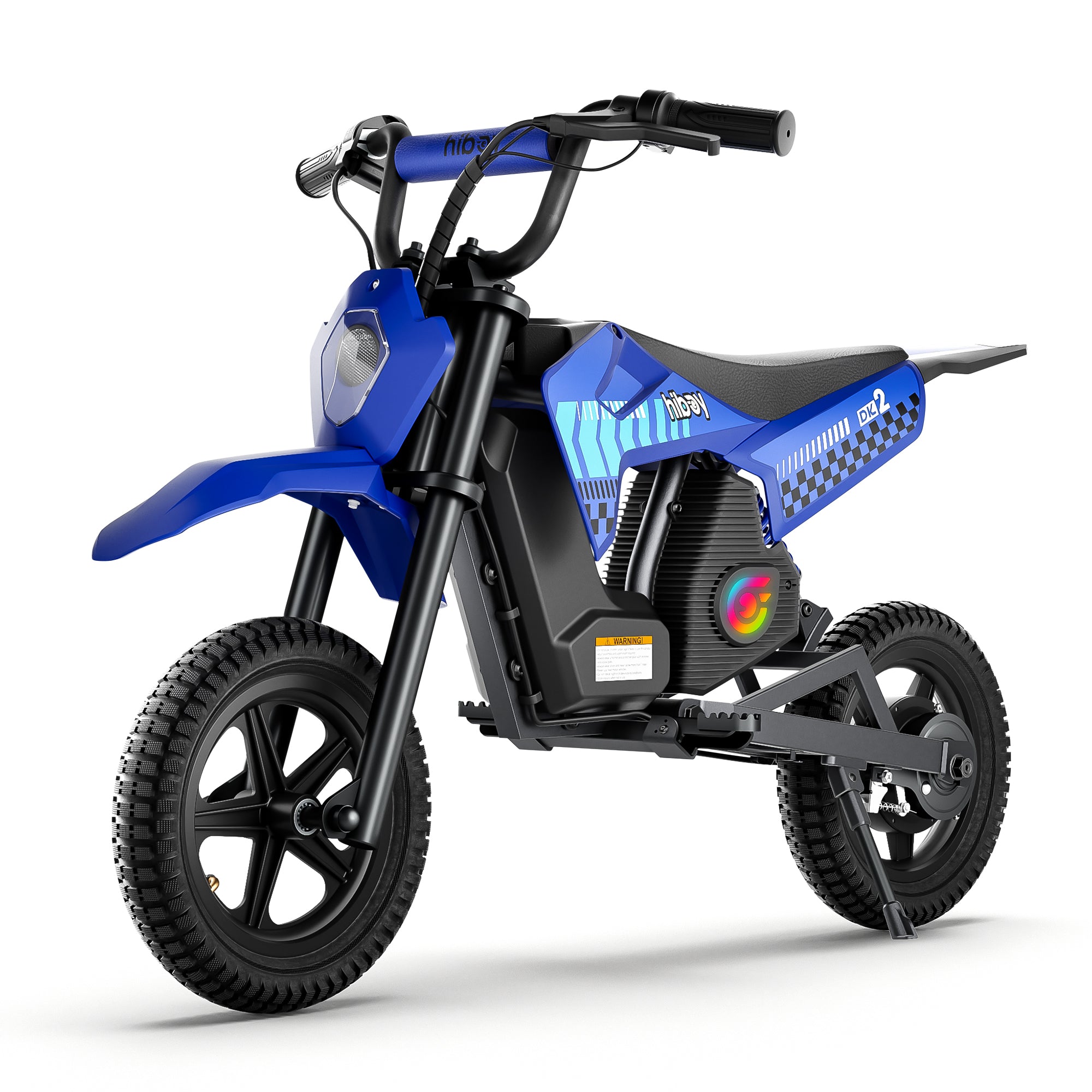 DK2
DK2
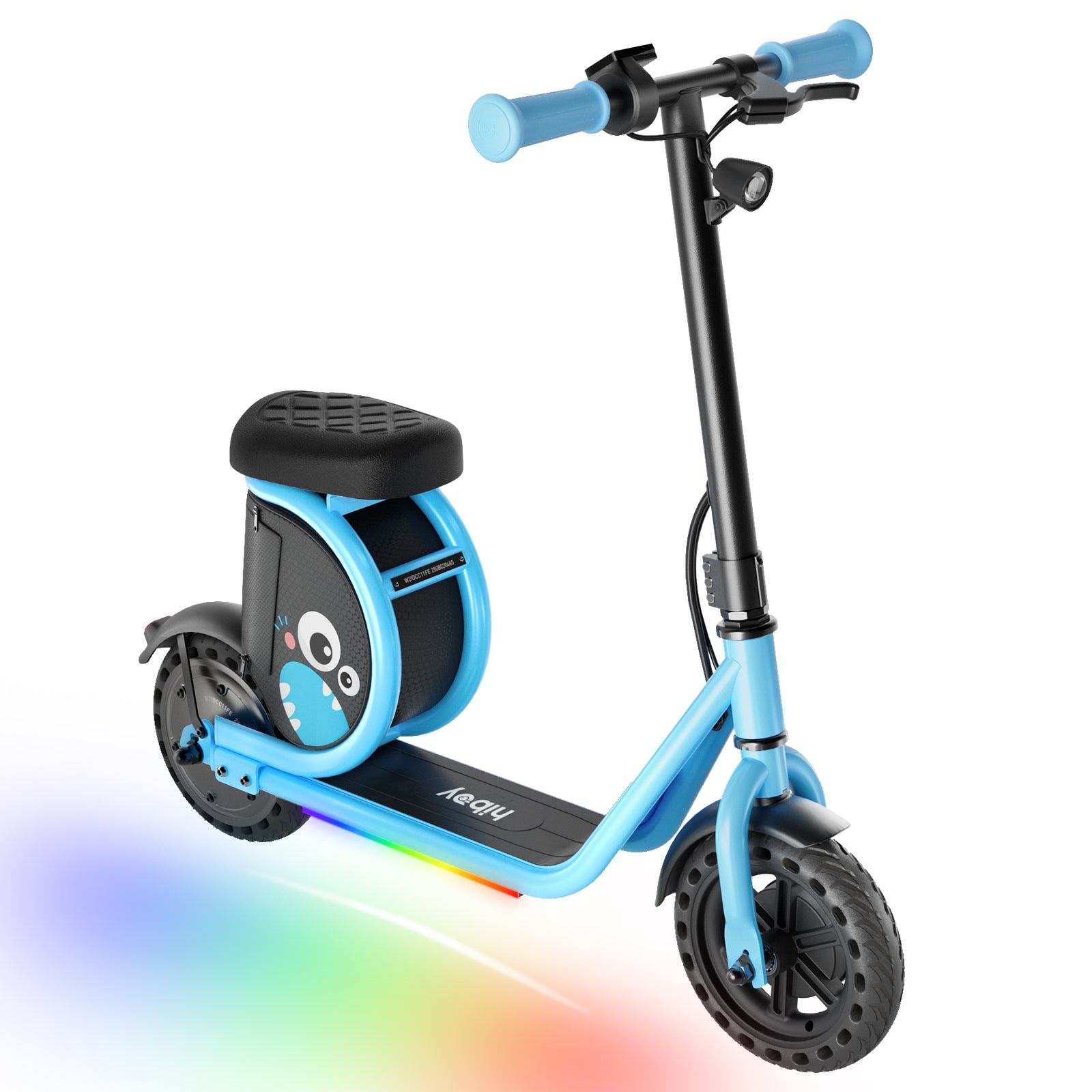 Joy Haul
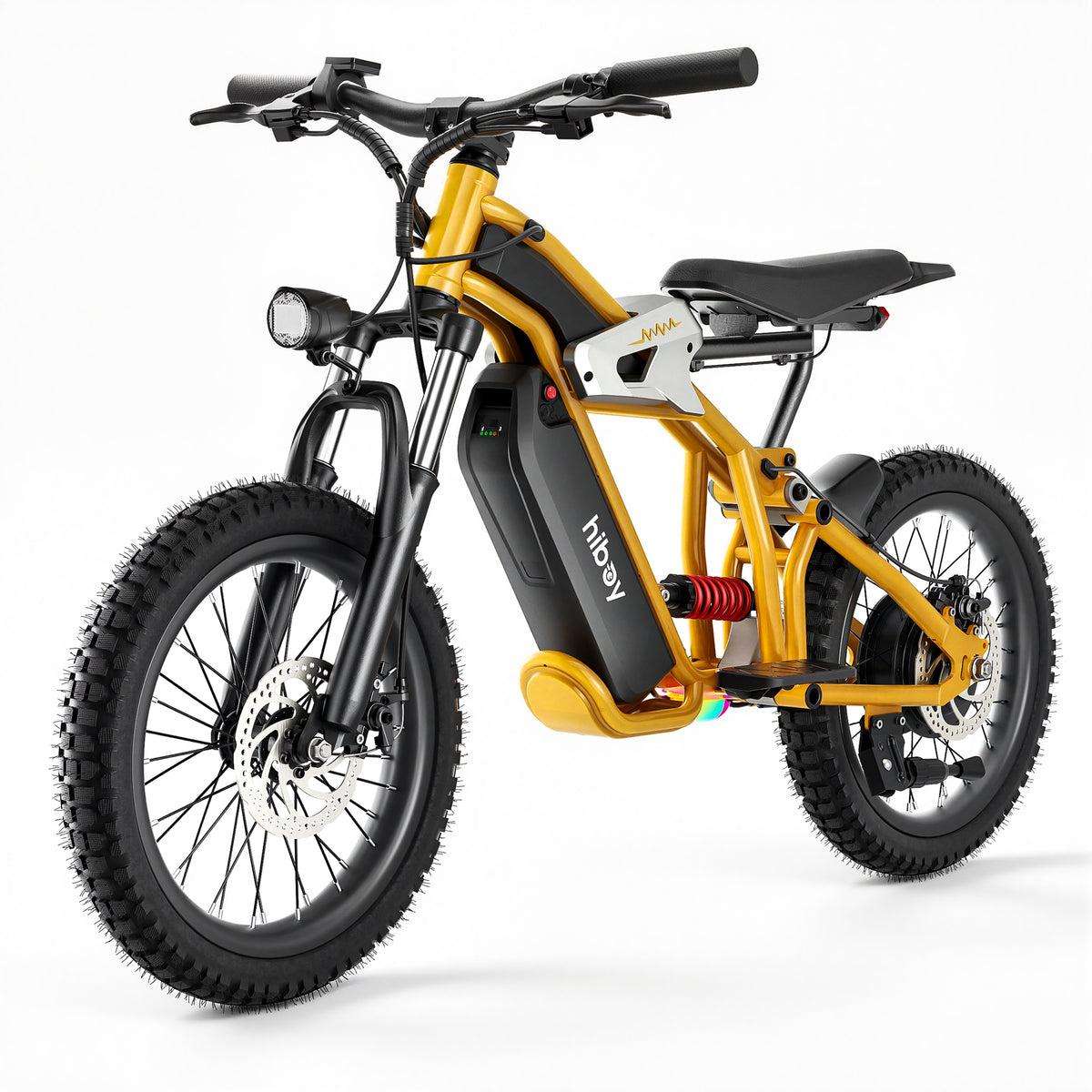 DM14
DM14
 Compare Models
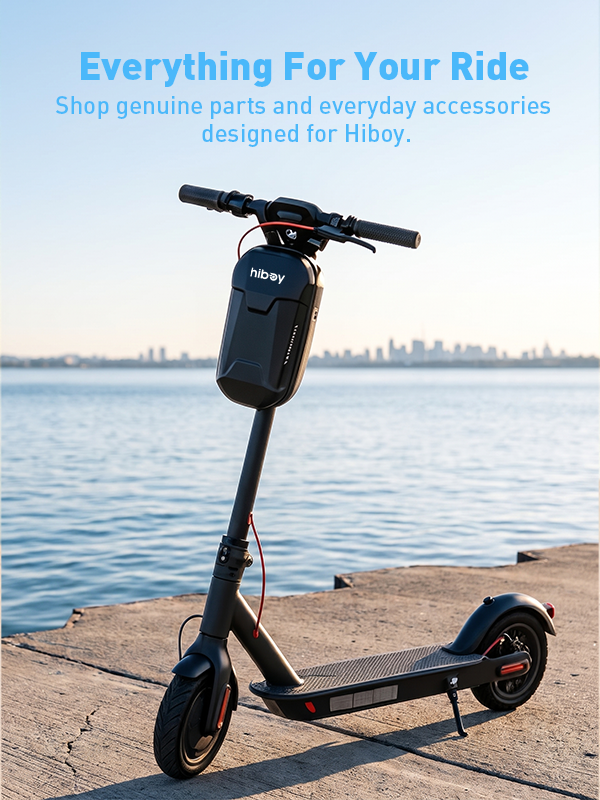
As cities across the United States continue to embrace electric transportation and micro-mobility, the term “light motor vehicle” is becoming increasingly common. From electric scooters and e-bikes to mopeds and low-speed vehicles, these compact forms of transportation are reshaping how Americans commute, explore cities, and reduce transportation costs.
But what exactly qualifies as a light motor vehicle in the U.S.? And how do laws and regulations differ depending on the vehicle type and the state you ride in?
This guide breaks down the definition, major categories, and key legal regulations surrounding light motor vehicles in the United States.
What Is a Light Motor Vehicle?
A light motor vehicle (LMV) generally refers to a small, lightweight motor-powered vehicle designed for personal transportation. In the United States, the term is not always defined uniformly across federal and state laws, but it commonly includes:
- Electric scooters
- E-bikes
- Mopeds
- Motorized bicycles
- Low-speed electric vehicles (LSVs)
- Small motorcycles
- Neighborhood electric vehicles (NEVs)
Compared to traditional automobiles, light motor vehicles are:
- lighter in weight
- lower in speed
- more energy efficient
- easier to maneuver in urban areas
- cheaper to operate and maintain
Many LMVs are now electric-powered, making them a central part of America’s growing micro-mobility movement.

Why Light Motor Vehicles Are Growing in the U.S.
Several major trends are driving the rapid growth of light motor vehicles (LMVs) across the United States. From crowded cities to rising transportation costs, more Americans are turning to electric scooters, e-bikes, and other compact vehicles as practical alternatives to traditional cars.
1. Urban Traffic Congestion
Major U.S. cities such as New York, Los Angeles, Chicago, Austin, and Miami continue to experience heavy traffic congestion, especially during daily commuting hours. For many riders, light motor vehicles offer a faster and more flexible way to travel short distances.
LMVs help riders:
- bypass traffic more easily
- reduce commute times
- avoid expensive parking fees
- navigate crowded urban streets efficiently
Electric scooters and e-bikes are particularly effective for trips under 5 miles, where driving can often be slower and less convenient than riding a compact electric vehicle.
2. Rising Transportation Costs
The cost of owning and operating a car in the U.S. has increased significantly in recent years. Gas prices, insurance premiums, maintenance expenses, parking fees, and vehicle financing costs are pushing many Americans to seek more affordable transportation options.
Compared to traditional cars, light motor vehicles typically offer:
- lower upfront purchase costs
- minimal charging expenses
- reduced maintenance requirements
- lower registration fees in some states
- fewer long-term ownership costs overall
For students, urban commuters, and short-distance travelers, LMVs can provide substantial savings over time.

3. Sustainability and Environmental Goals
Cities and states across the U.S. are increasingly promoting cleaner transportation to reduce environmental impact and improve urban living conditions. Electric light motor vehicles support these efforts by offering low-emission alternatives to gas-powered cars.
Many local governments are aiming to reduce:
- greenhouse gas emissions
- urban air pollution
- traffic-related noise
- dependence on fossil fuels
Because e-bikes and electric scooters consume far less energy than automobiles, they are becoming an important part of America’s broader sustainability and climate initiatives.
4. Expansion of Bike Lanes and Urban Infrastructure
Infrastructure improvements have also made LMVs more practical and safer to use. Many U.S. cities are investing heavily in micro-mobility-friendly infrastructure to support growing rider demand.
Recent developments include:
- protected bike lanes
- shared-use greenways and trails
- scooter parking zones
- dedicated mobility corridors
- improved street safety designs
As urban infrastructure continues to evolve, riding light motor vehicles is becoming more convenient for both daily commuting and recreational travel.

Main Types of Light Motor Vehicles
Although definitions vary by state, most light motor vehicles fall into several major types.
| Type | Definition / Description | Key Features or Classes | Typical U.S. Regulations |
| Electric Bicycles (E-Bikes) | Bicycles equipped with an electric motor that assists pedaling or provides throttle power. | Class 1: Pedal-assist only, max 20 mph
Class 2: Throttle included, max 20 mph Class 3: Pedal-assist only, max 28 mph |
Most states follow the three-class system.Typical regulations may include:
• No driver’s license required • Registration often unnecessary • Helmets may be required for younger riders • Bike lane access usually permitted |
| Electric Scooters | Compact standing or seated vehicles powered by an electric motor. | • Lightweight frame
• Rechargeable battery • Typical speeds: 15–30 mph • Foldable and portable design Common uses: • Commuting • Campus transportation • First-mile/last-mile travel • Recreational riding |
Regulations vary by state and city, but often include:
• Minimum rider age requirements • Speed limits • Sidewalk riding restrictions • Helmet rules for minors • Night visibility requirements Some faster scooters may be classified similarly to mopeds. |
| Mopeds | Small motorized vehicles powered by gasoline or electricity. | • Small engine or motor
• Limited top speed • Step-through frame • Seated riding position |
In many states:
• Driver’s license required • Registration and insurance may be necessary • Helmets may be mandatory • Roadway access rules vary Mopeds typically face stricter regulations than e-bikes or scooters. |
| Low-Speed Vehicles (LSVs) | Four-wheeled electric vehicles designed for short-distance road use, also called Neighborhood Electric Vehicles (NEVs). | Federal definition typically includes:
• Four wheels • Speeds between 20–25 mph • Operation on roads under 35 mph speed limits Common examples: • Golf-cart-style EVs • Neighborhood shuttles • Small urban electric vehicles |
Usually require:
• Registration • Insurance • Valid driver’s license • Safety equipment such as headlights, seat belts, mirrors, and turn signals |
| Small Motorcycles & Mini Bikes | Lightweight motor vehicles closer to motorcycles in performance and design. | Examples include:
• Mini bikes • Lightweight electric motorcycles • Pit bikes |
Often require:
• Motorcycle license • Registration • Insurance • DOT-compliant safety equipment Regulations generally become stricter as vehicle speed and power increase. |
Federal vs State Laws: Why Regulations Differ
One of the most important things riders in the United States should understand is that light motor vehicle (LMV) laws can vary significantly from one state to another. A vehicle that is fully legal in one city or state may face different restrictions elsewhere, especially when it comes to electric scooters, e-bikes, mopeds, and low-speed vehicles.

This is because transportation regulations in the U.S. are divided between federal and state governments.
Federal Government Role
At the federal level, agencies mainly focus on:
- manufacturing standards
- product safety
- vehicle classifications
- import and compliance requirements
Federal regulations help establish baseline safety and technical standards for manufacturers selling vehicles in the U.S.
For example:
- the Consumer Product Safety Commission (CPSC) regulates low-speed electric bicycles at the federal level
- the National Highway Traffic Safety Administration (NHTSA) oversees certain motor vehicle categories and safety standards
Federal law may define whether a vehicle qualifies as an e-bike, scooter, or motor vehicle, but it usually does not determine where or how the vehicle can be ridden locally.
State Government Role
State and local governments are responsible for most day-to-day riding regulations. These laws determine:
- where vehicles can legally operate
- licensing requirements
- registration rules
- helmet laws
- roadway and bike lane access
- local speed restrictions
Because of this, riders should always check their state DMV or local transportation authority before purchasing or riding a light motor vehicle.

For example, some states allow Class 3 e-bikes on roads and bike lanes, while others restrict them from certain trails or shared-use paths. Similarly, electric scooter laws can vary widely between cities, even within the same state.
Important U.S. Laws and Regulations Riders Should Know
Helmet Laws
Helmet requirements differ significantly across the U.S. depending on vehicle type, rider age, and state law.
For example:
- some states require helmets only for riders under a certain age
- others require helmets for all moped or motorcycle riders
- certain states have no mandatory helmet laws for standard e-bikes
Even in places where helmets are not legally required, wearing one is strongly recommended for safety, especially in urban traffic or higher-speed riding environments.
Speed Limits
Many states and cities regulate the maximum speed of micro-mobility vehicles to improve rider and pedestrian safety.
Common restrictions may include:
- maximum motor-assisted speeds for e-bikes
- speed caps for electric scooters
- lower speed limits on shared-use paths and bike trails
- city-specific scooter restrictions in crowded urban areas
Many shared scooter systems now use geo-fencing technology to automatically reduce speed in pedestrian-heavy zones, parks, or downtown areas.
Sidewalk Riding Rules
Sidewalk riding laws vary widely across the country.

Some cities prohibit:
- electric scooter riding on sidewalks
- high-speed e-bike use in pedestrian areas
Other locations allow limited sidewalk riding depending on:
- rider age
- vehicle speed
- local traffic conditions
In dense urban areas, riders are often encouraged or required to use bike lanes instead of sidewalks to improve pedestrian safety.
Night Riding Requirements
Many states require light motor vehicles to have proper lighting and visibility equipment when riding after dark.
Common requirements include:
- front white headlights
- rear red reflectors or taillights
- side reflectors or reflective materials
Good lighting is especially important for urban commuting, where visibility can be reduced by traffic, parked cars, and poor weather conditions.
Registration and Insurance
Registration and insurance rules usually depend on the vehicle’s speed, motor power, and classification.
Generally:
- standard e-bikes and lower-speed scooters do not require registration
- mopeds and low-speed vehicles (LSVs) often do
- higher-powered vehicles may require insurance coverage and a valid driver’s license
Because regulations differ by state, riders should always review local DMV requirements before operating a new vehicle on public roads.

Safety Tips for Riding Light Motor Vehicles
As light motor vehicles (LMVs) become more common across the United States, practicing safe riding habits is more important than ever. Whether riding an e-bike, electric scooter, moped, or low-speed vehicle, following basic safety guidelines can help reduce accidents and improve the overall riding experience.
Wear Protective Gear
Wearing proper protective equipment is one of the simplest and most effective ways to improve rider safety. Even at lower speeds, protective gear can significantly reduce the risk of injury in the event of a fall or collision.
Recommended gear includes:
- a properly fitted helmet
- gloves for better grip and hand protection
- reflective or high-visibility clothing
- knee and elbow pads for higher-speed vehicles
- closed-toe shoes with good traction
For night riding, reflective gear and additional lighting can also help improve visibility to drivers and pedestrians.
Follow Traffic Rules
Light motor vehicle riders should follow local traffic laws just like other road users. Responsible riding not only improves safety but also helps support the growing acceptance of micro-mobility in American cities.
Riders should:
- obey traffic lights and road signs
- yield to pedestrians at crossings
- use bike lanes where permitted
- ride in the correct direction of traffic
- avoid distracted riding, including phone use
- maintain safe speeds in crowded areas
Many accidents occur at intersections or in areas with heavy pedestrian traffic, so staying alert and predictable is essential.

Maintain Your Vehicle
Routine maintenance helps ensure both safety and performance. Before riding, it is important to inspect key components regularly to avoid mechanical issues on the road.
Important areas to check include:
- brakes and brake response
- tire pressure and tread condition
- battery charge and overall battery health
- front and rear lights
- folding and locking mechanisms
- throttle and acceleration response
Keeping your vehicle clean and properly maintained can also extend its lifespan and improve riding reliability over time.
The Future of Light Motor Vehicles in America
Light motor vehicles are expected to play an increasingly important role in the future of transportation across the United States. As cities become more crowded and consumers look for cleaner, more affordable ways to travel, electric scooters, e-bikes, and other compact vehicles are rapidly moving into the mainstream.
Several key developments are accelerating this shift:
- expanding urban bike lanes and micro-mobility infrastructure
- improvements in battery range, charging speed, and efficiency
- rising fuel and vehicle ownership costs
- growing environmental awareness among consumers and policymakers
- increased demand for flexible and convenient commuting options
At the same time, many American cities are redesigning streets to better support alternative transportation. Protected bike lanes, shared mobility hubs, and scooter-friendly urban planning are making light motor vehicles safer and more practical for daily use.
Technology is also advancing quickly. Modern e-bikes and electric scooters now offer:
- longer riding ranges
- smarter safety systems
- app connectivity and GPS tracking
- lighter and more durable designs
These improvements are helping LMVs appeal to a broader range of riders, including commuters, students, delivery workers, and recreational users.

As infrastructure, technology, and public acceptance continue to evolve, light motor vehicles are becoming more than just niche alternatives, they are emerging as a major part of America’s future transportation ecosystem.
Final Thoughts
Light motor vehicles are transforming mobility across the United States by offering affordable, efficient, and environmentally friendly alternatives to traditional cars.
From e-bikes and electric scooters to mopeds and low-speed electric vehicles, each category comes with its own legal requirements and riding considerations. Because laws vary by state, riders should always check local regulations before purchasing or operating a vehicle.
As technology and infrastructure continue to evolve, light motor vehicles will likely become an even larger part of everyday transportation in America, especially for urban commuting and short-distance travel.







Leave a comment
All comments are moderated before being published.
This site is protected by hCaptcha and the hCaptcha Privacy Policy and Terms of Service apply.