





 Daily Commute
 Lightweight & Portable
 Performance Rides
 Comfort With Seat
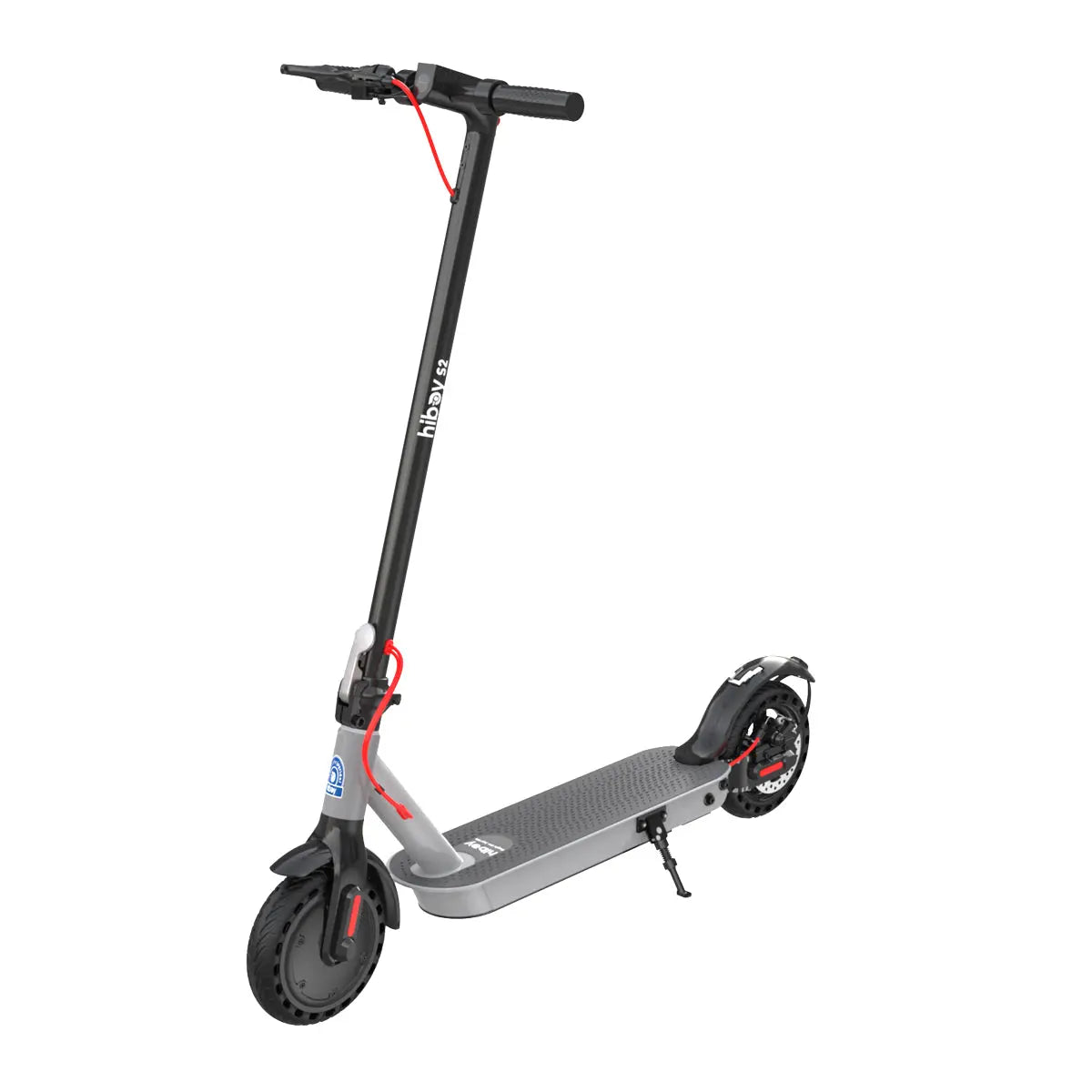 S2
S2
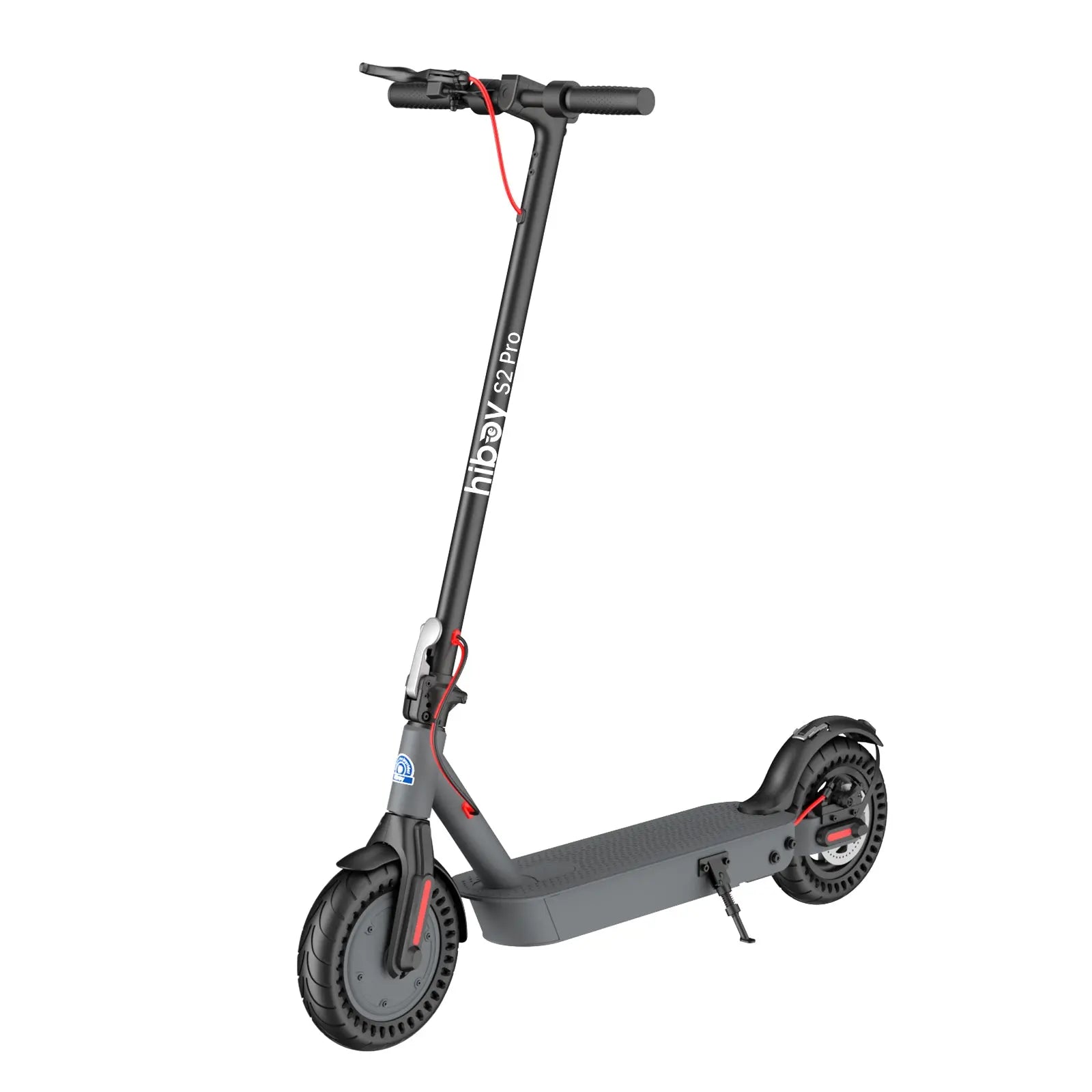 S2 Pro
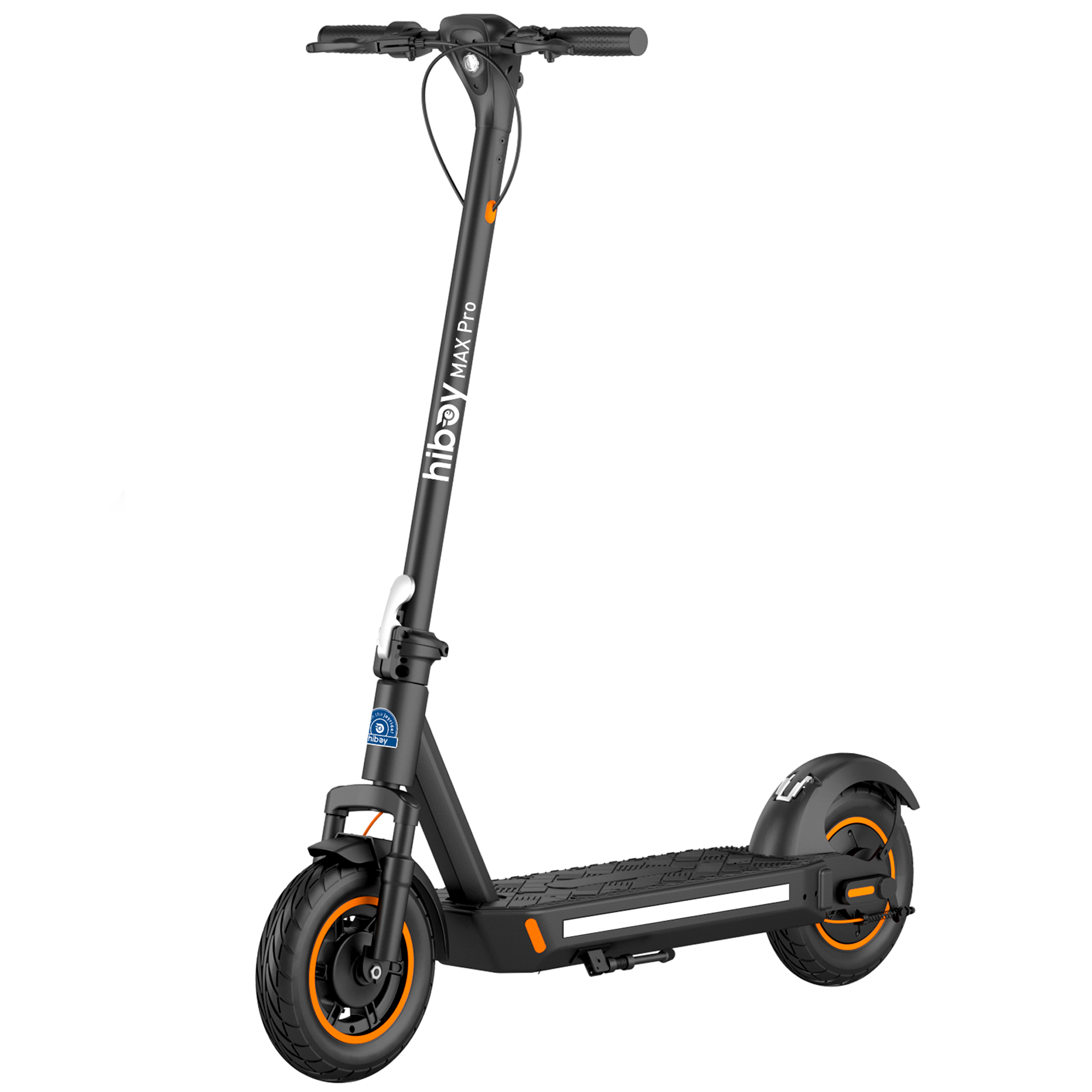 MAX Pro
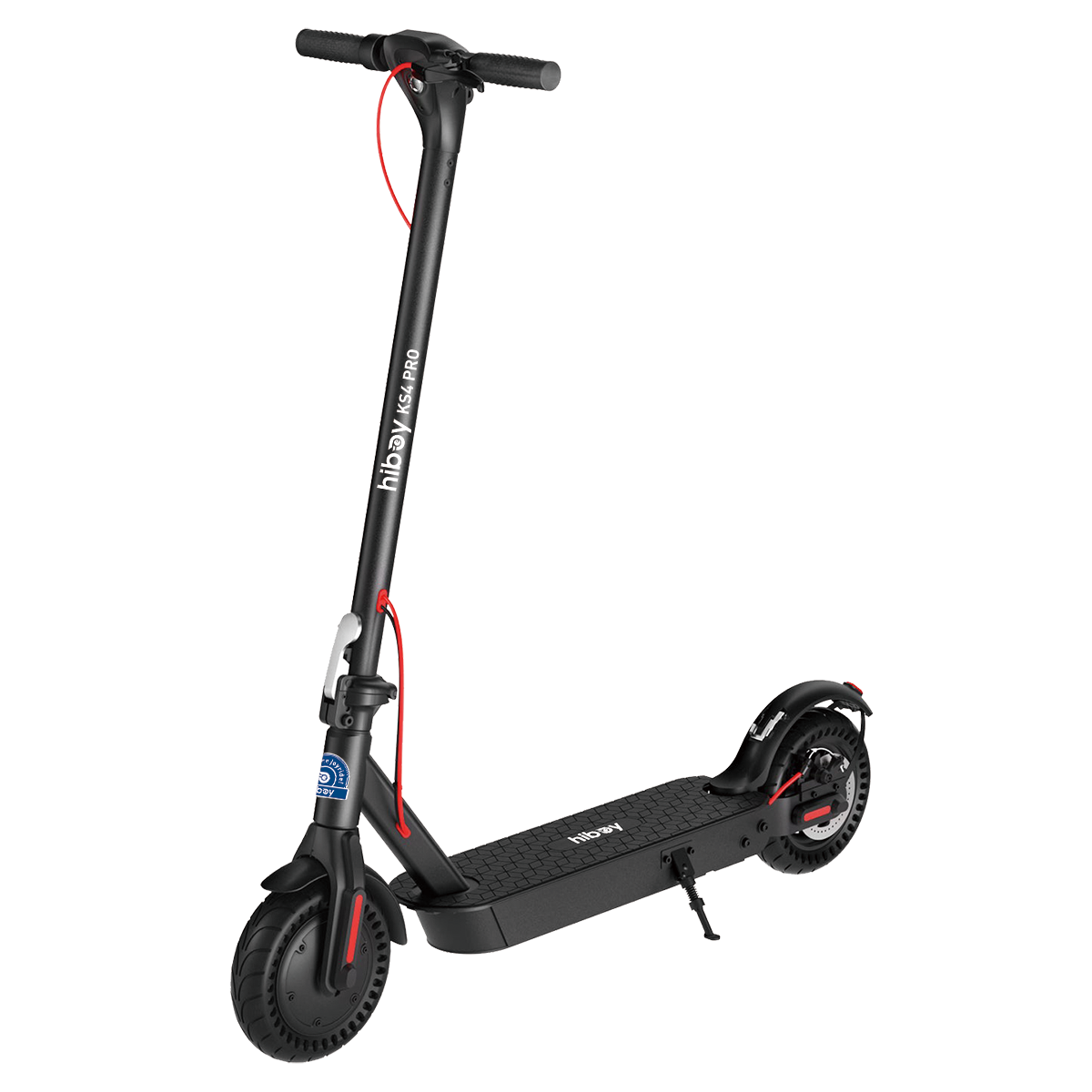 KS4 Pro
 TITAN
TITAN
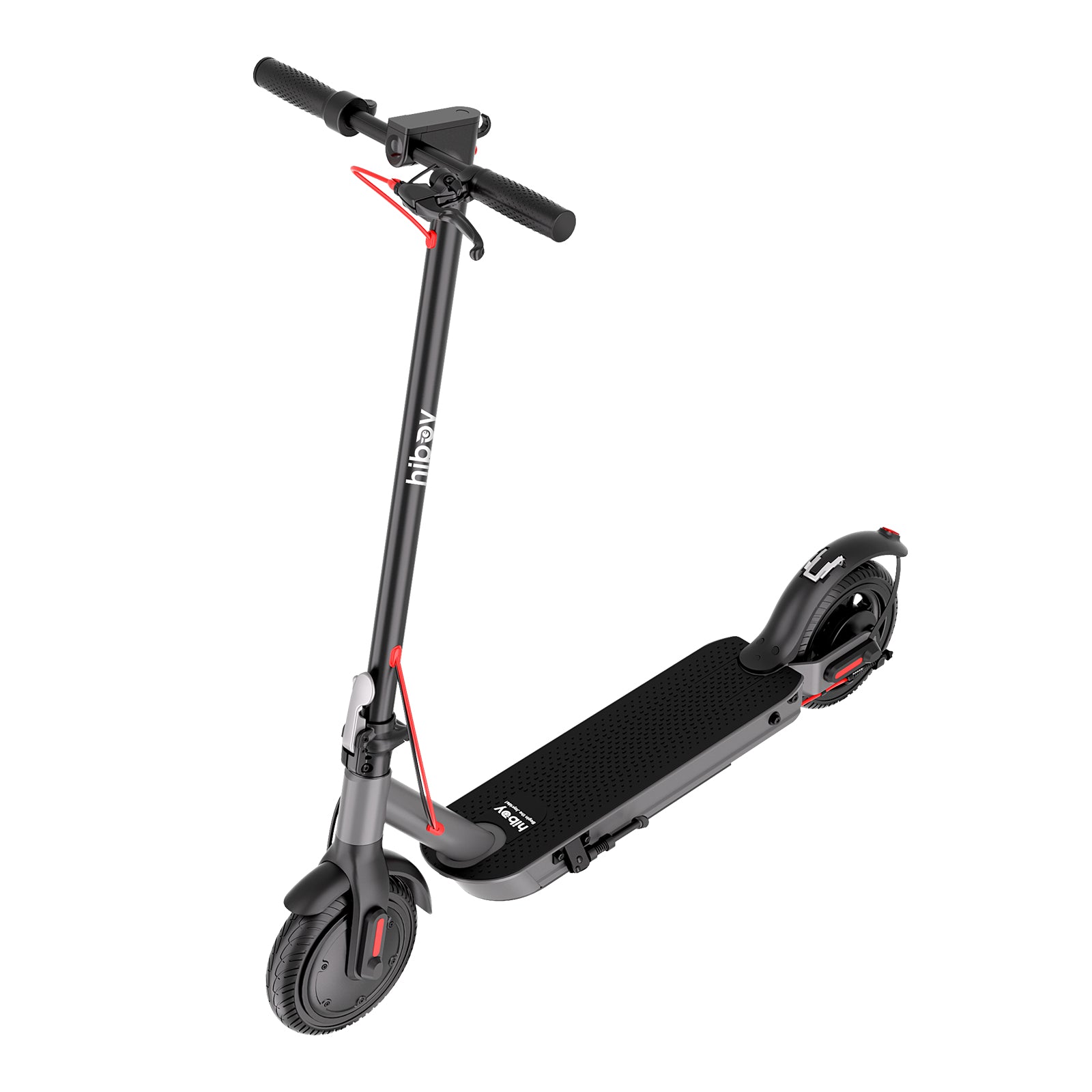 S2 Nova
 Compare Models
 Find Your Best Ride
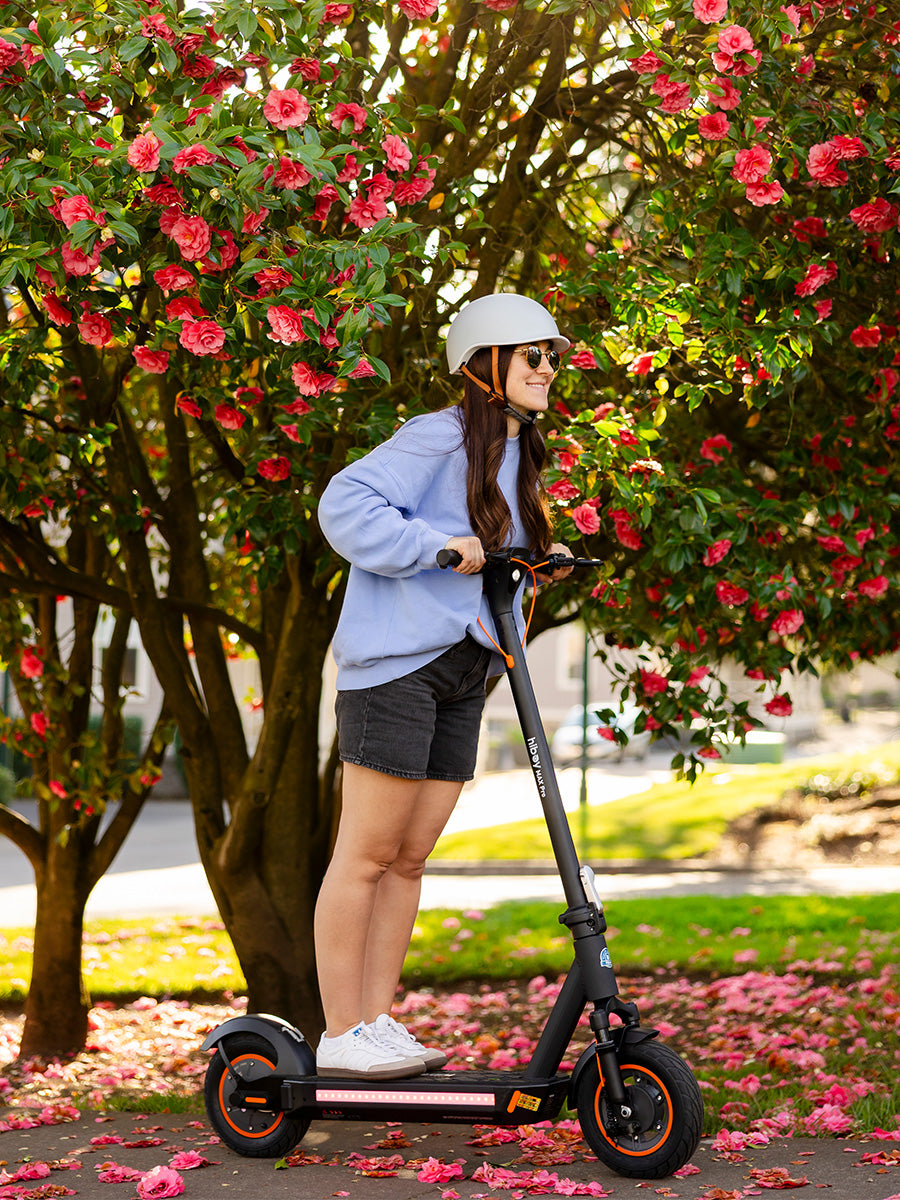
 Daily Commute
 Off-road & Trail
 Folding & Compact
 Fat Tire Rides
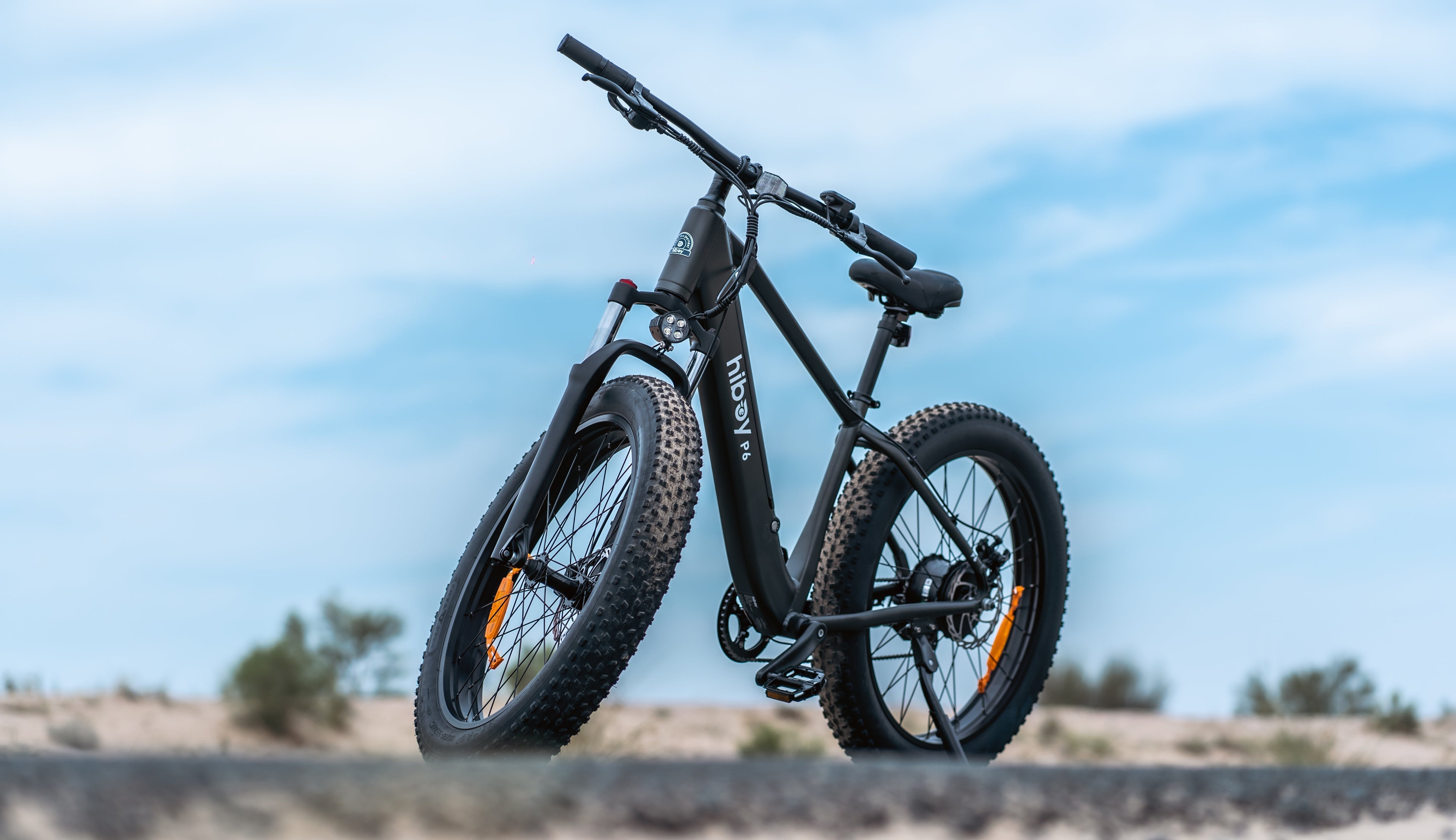
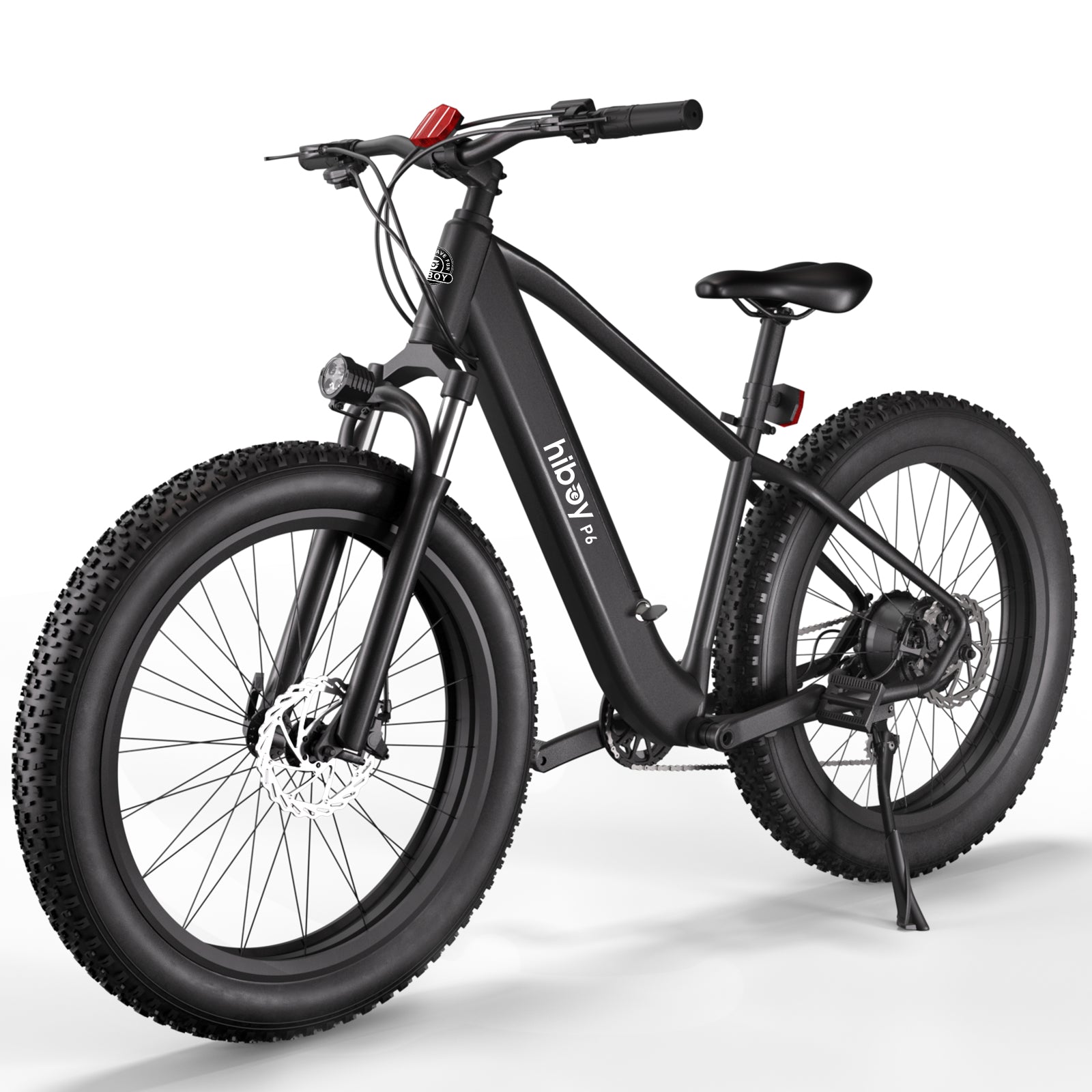 P6
P6
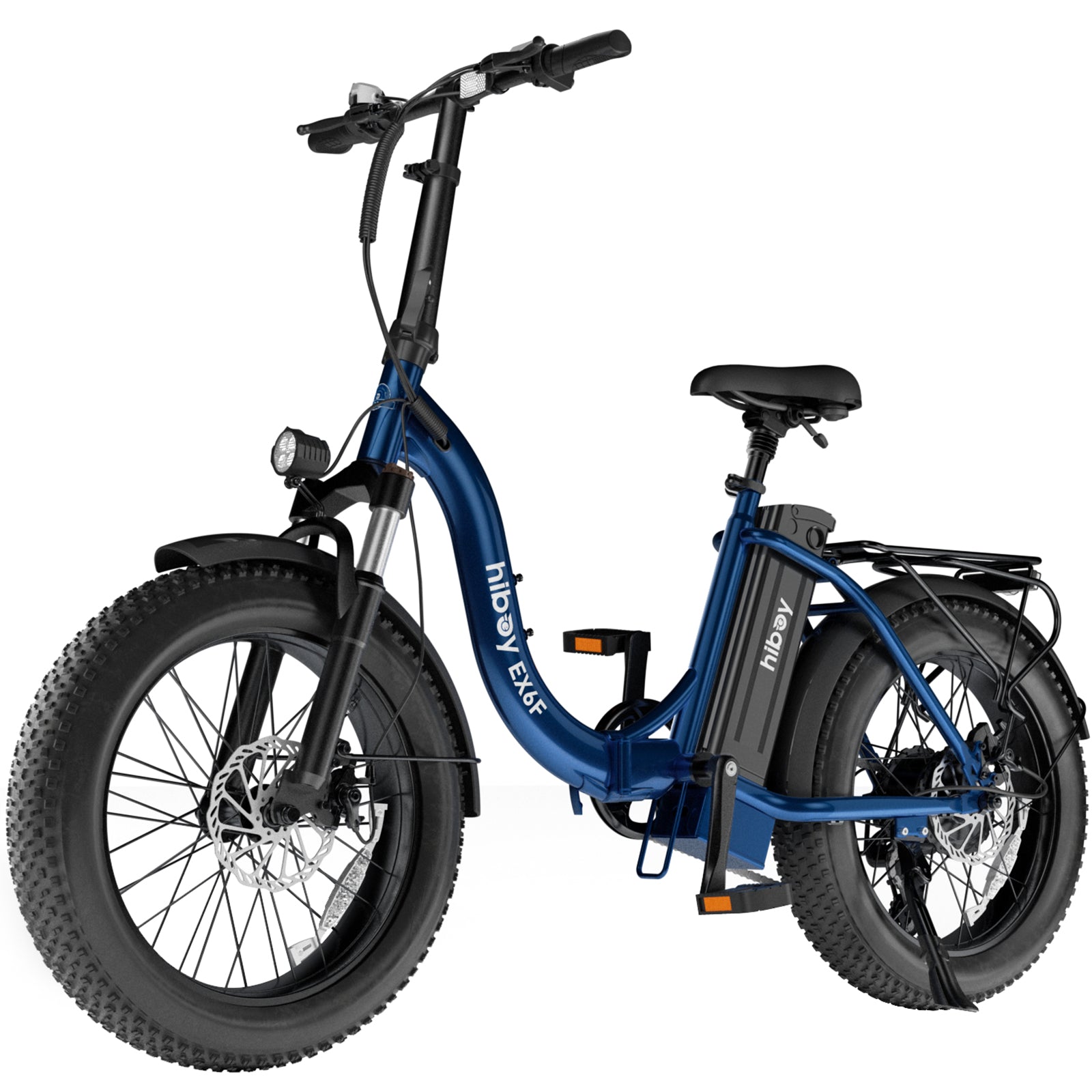 EX6F
EX6F
 EX6
EX6
 C1
C1
 EX11
EX11
 EX9
EX9
 Compare Models
 First Rides
 Everyday Fun
 S2 Lite
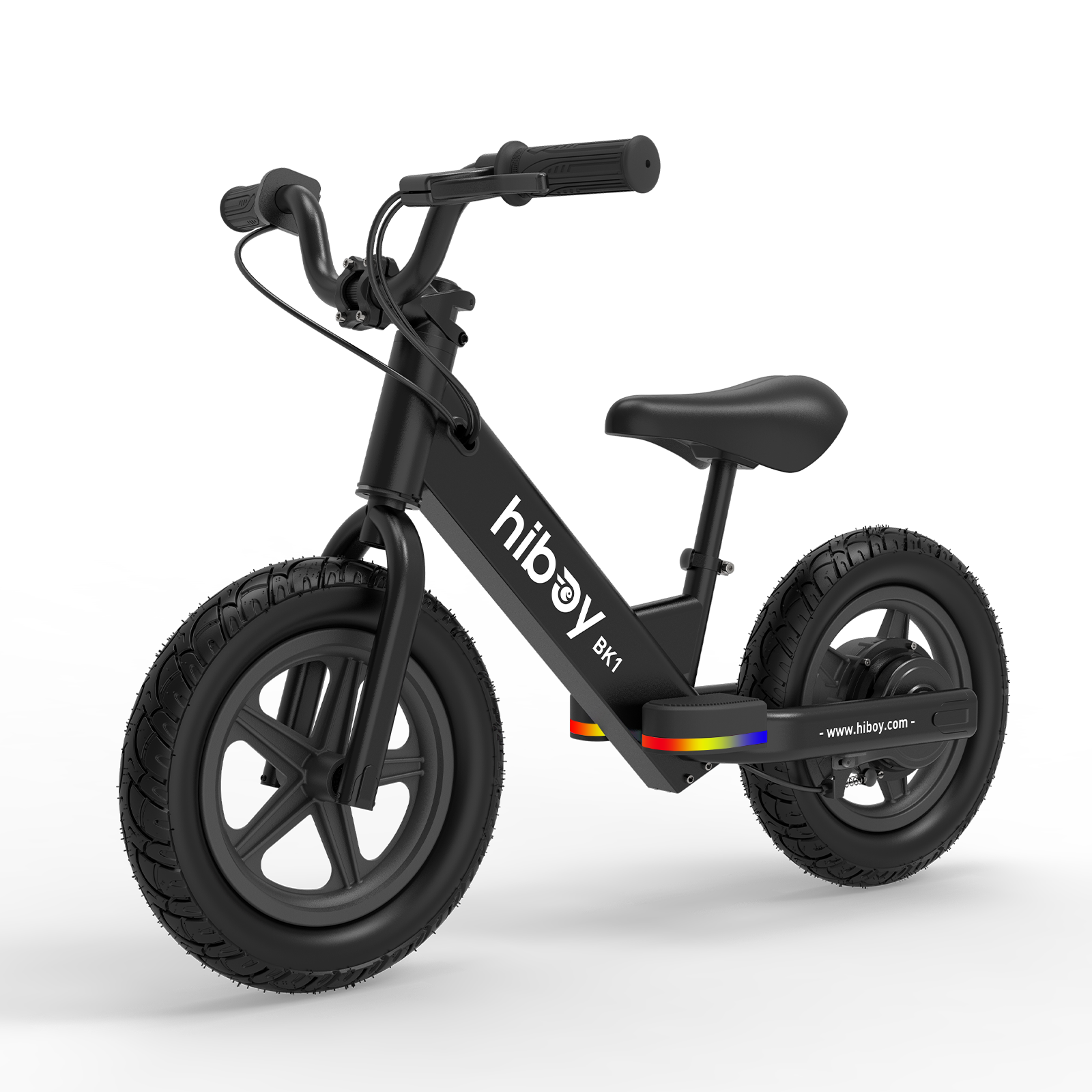 BK1
BK1
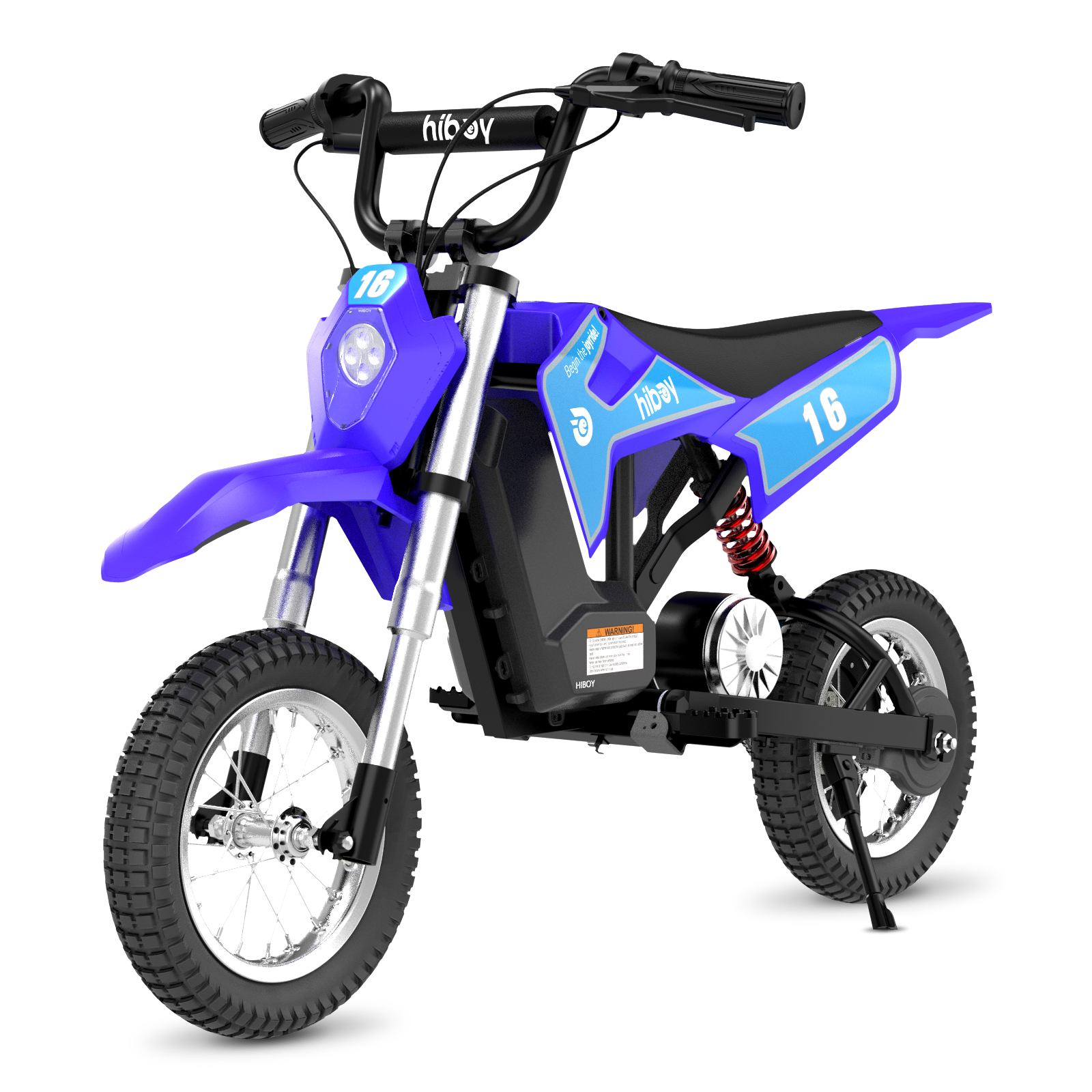 DK1
DK1
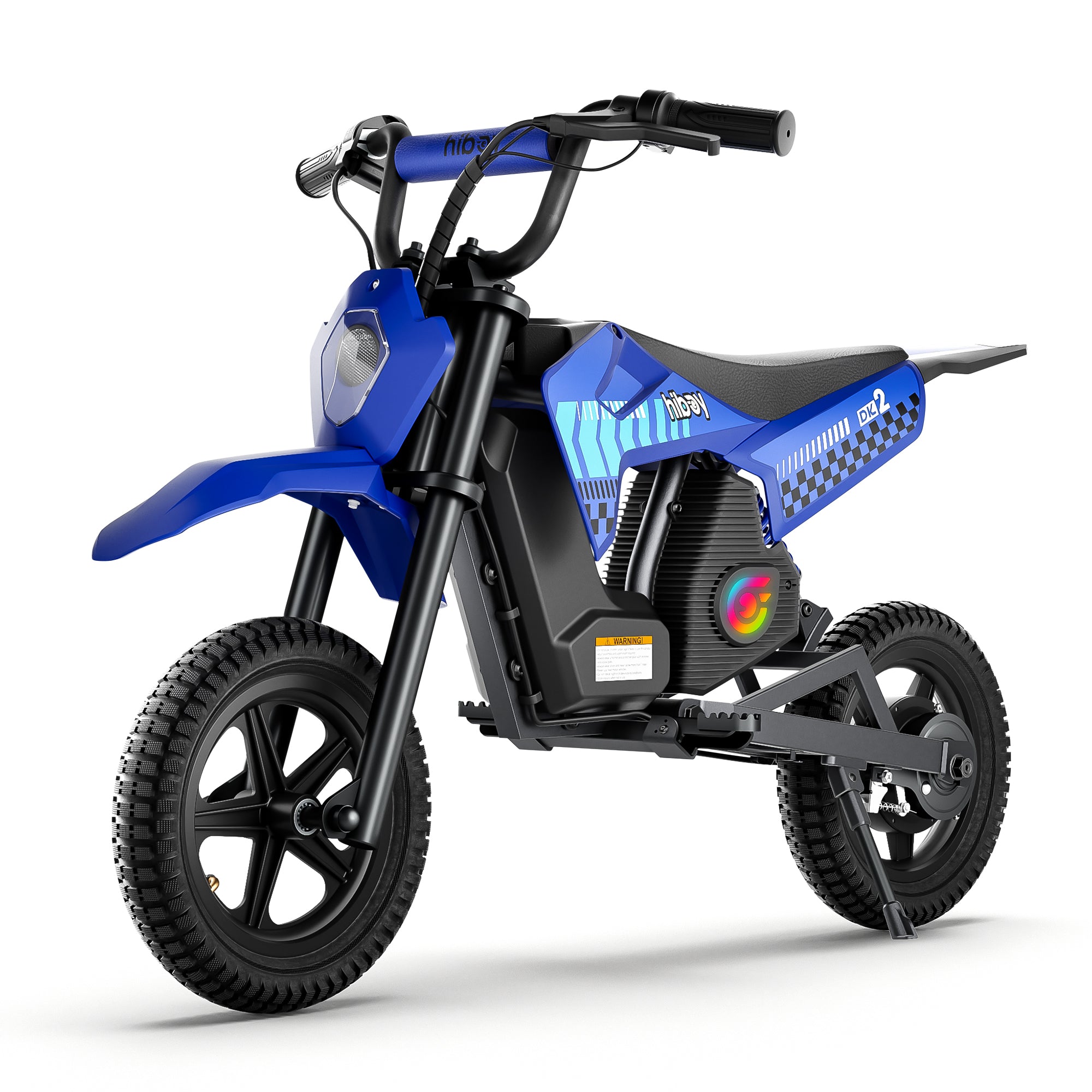 DK2
DK2
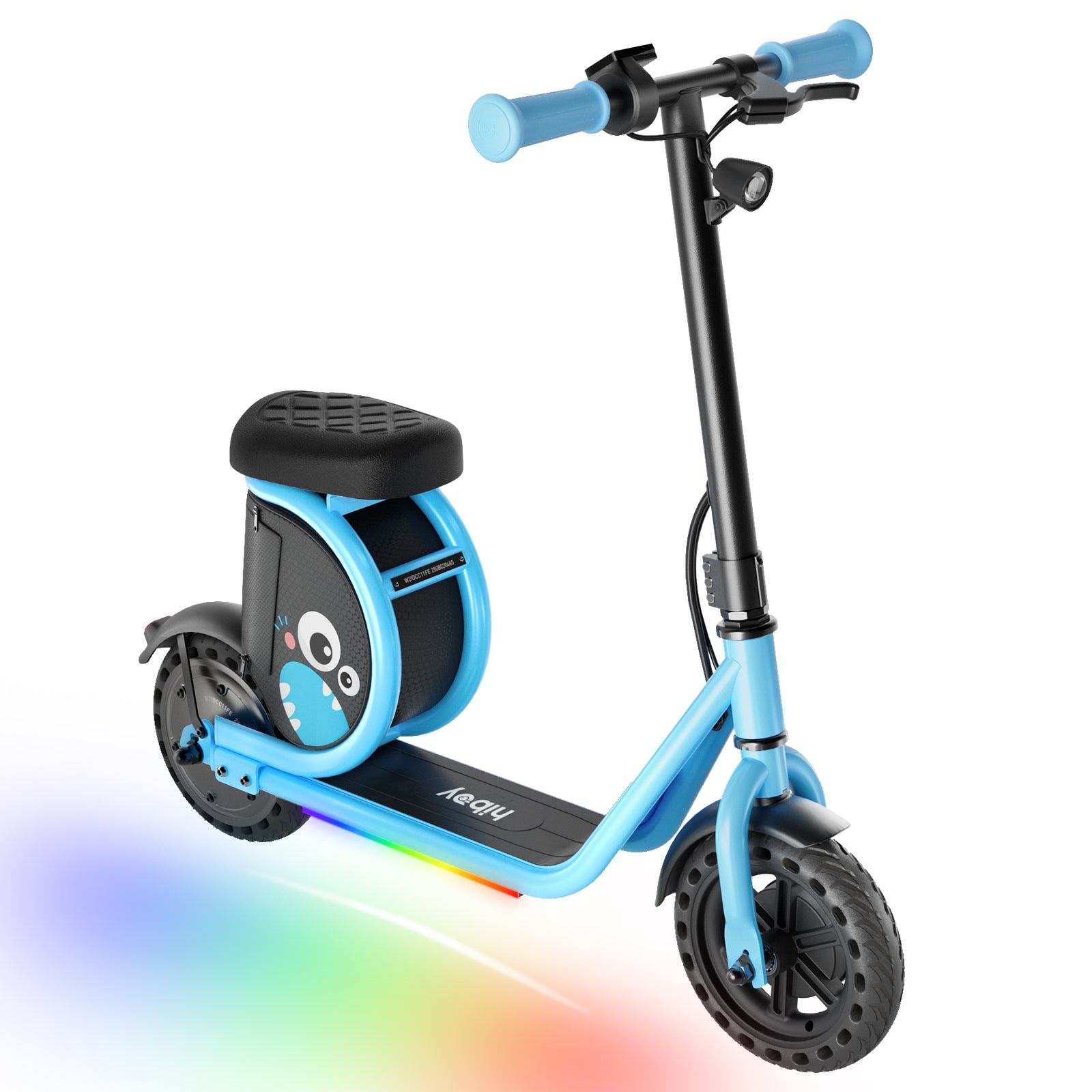 Joy Haul
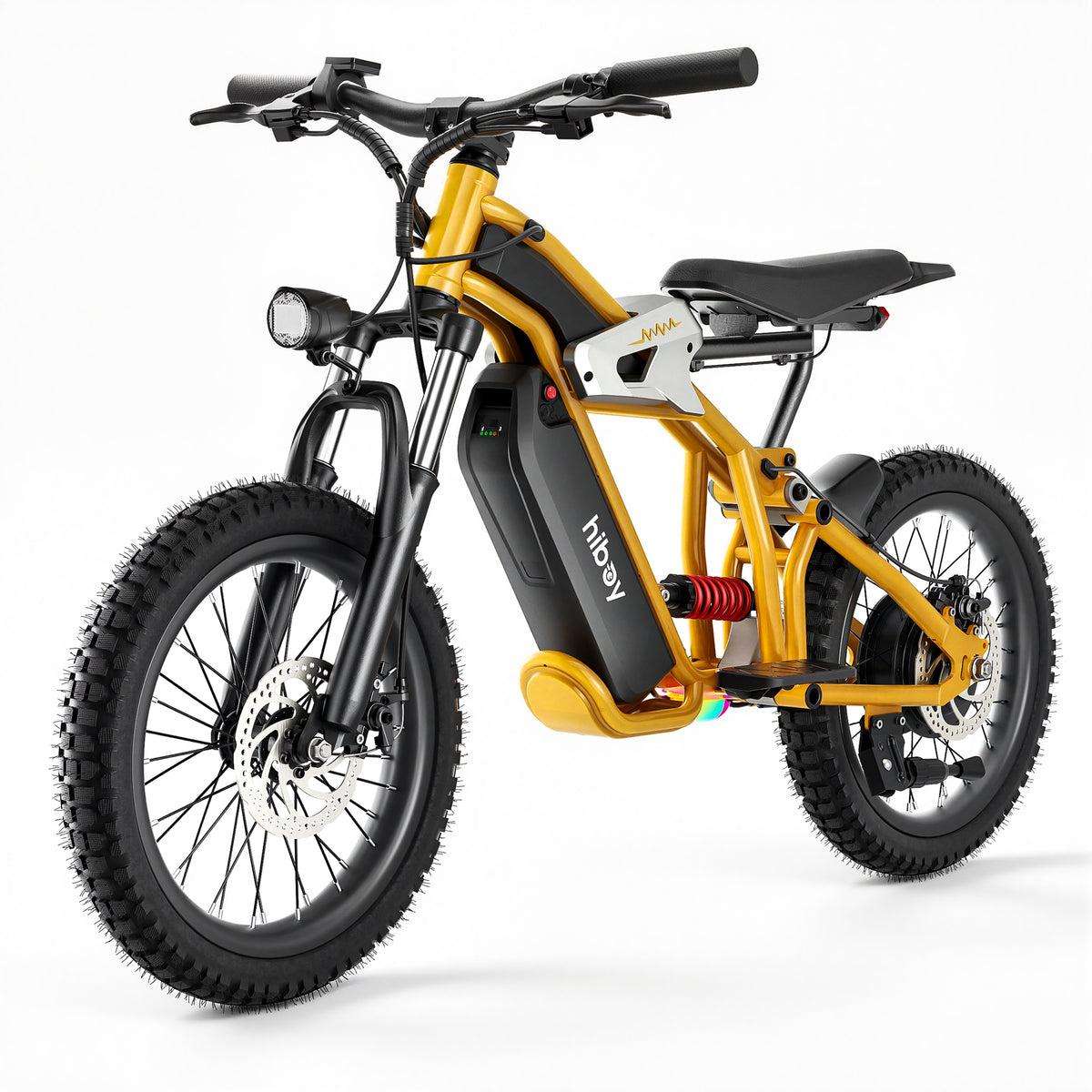 DM14
DM14
 Compare Models
Electric bikes are becoming increasingly popular among older adults and for good reason. They offer a practical, low-impact, and enjoyable way to stay active, maintain independence, and continue riding longer than many people could on a traditional bicycle.
But one question naturally comes up:
Are electric bikes actually safe for seniors?
The short answer is yes, when used responsibly and matched with the right rider, riding style, and bike setup. In fact, many experts believe e-bikes can help older adults stay physically active and mobile for longer, especially compared to a completely sedentary lifestyle.
However, safety depends heavily on choosing the right type of e-bike, understanding how electric assistance changes the riding experience, and following proper riding habits.
At Hiboy, we believe e-bikes should combine comfort, confidence, and control, especially for riders looking for a safer and more accessible way to enjoy cycling.
Why More Seniors Are Choosing Electric Bikes
One of the biggest reasons older adults are turning to e-bikes is that they make cycling feel accessible again.
As people age, traditional biking can become more physically demanding, especially on hills, longer rides, or uneven terrain. Electric pedal assistance helps reduce strain on:
- Knees
- Hips
- Joints
- Cardiovascular endurance

Instead of struggling through every incline or ending rides early due to fatigue, seniors can ride at a more comfortable and sustainable pace.
This allows riders to:
- Climb hills more easily
- Ride longer distances
- Keep up with friends or family
- Enjoy cycling without overexertion
- Reduce fatigue during rides
For many older adults, e-bikes restore the confidence and freedom they once enjoyed on traditional bicycles. Riders who stopped cycling years ago due to physical limitations are now returning to outdoor riding because electric assistance removes many of the barriers that previously made biking uncomfortable or intimidating.
Beyond transportation, e-bikes also support a healthier and more active lifestyle. Many seniors use them for:
- Daily exercise
- Recreational riding
- Running local errands
- Social activities
- Exploring parks, trails, and neighborhoods
For many riders, e-bikes provide:
- Greater independence
- Improved mobility
- Low-impact physical activity
- Outdoor recreation
- Better mental well-being
- More confidence staying active later in life

Are E-Bikes Safe for Older Adults?
In general, yes but with important considerations.
Electric bikes can be very safe for seniors when riders choose the right bike, ride responsibly, and take time to become familiar with how e-bikes operate.
E-bikes are generally safest when:
- The bike matches the rider’s ability level
- Riders understand the bike’s power delivery
- Proper safety equipment is used
- Riding speeds remain controlled
- Riders practice before riding in traffic
- The bike is properly maintained
Like any form of transportation, e-bikes do carry risks. However, many accidents are preventable with proper preparation, realistic riding habits, and gradual skill building.
The most important thing to understand is that e-bikes behave differently from traditional bicycles. They are typically:
- Heavier
- Faster
- More powerful during acceleration
For first-time riders, this can take some adjustment. Seniors should spend time practicing basic handling skills such as starting, stopping, turning, braking, and low-speed maneuvering in a safe environment before riding on busy roads or bike paths.
With the right approach, e-bikes can offer older adults a safe, enjoyable, and sustainable way to stay mobile and active for years to come.

What Makes E-Bikes Different From Regular Bikes?
At first glance, electric bikes may look similar to traditional bicycles, but the riding experience can feel very different, especially for first-time riders.
Compared to regular bikes, e-bikes are typically:
- Heavier
- Faster
- More powerful
- Quicker to accelerate
The added weight comes from the battery, motor, and reinforced frame components. While this improves stability and durability, it can also make the bike feel less nimble when turning, stopping, or maneuvering at low speeds.
Electric assistance also allows riders to reach higher speeds with much less physical effort. Even moderate pedal pressure can produce a noticeable boost in acceleration, which may feel surprising for riders who are used to traditional bicycles.
According to safety experts, higher speeds and heavier frames can:
- Increase stopping distance
- Reduce reaction time
- Make sudden maneuvers more difficult if riders are unprepared
For seniors, the biggest adjustment is often learning how the motor assistance changes the bike’s behavior in everyday riding situations.
Common learning areas include:
- Understanding throttle response
- Managing low-speed balance
- Handling the bike’s additional weight
- Braking smoothly and early
- Starting and stopping confidently
- Navigating turns at controlled speeds

Many riders also notice that e-bikes continue moving more easily after pedaling stops due to the bike’s momentum and motor support. This can take some time to get used to.
The good news is that most seniors adapt quickly with practice. Starting slowly in safe, low-traffic areas helps riders build confidence and become familiar with how the bike responds. Once comfortable, many older adults find e-bikes easier, more enjoyable, and less physically demanding than traditional bicycles.
Common Safety Concerns for Seniors
1. Bike Weight
Many e-bikes weigh significantly more than traditional bicycles due to:
- The battery
- Motor
- Reinforced frame
- Larger tires and components
While this added weight improves stability and power, it can also make the bike more difficult for some seniors to manage off the road.
The extra weight may make the bike harder to:
- Lift onto racks or into vehicles
- Push manually when powered off
- Maneuver in tight spaces
- Catch during a tip-over
- Control at very low speeds
For older riders, lightweight and well-balanced e-bike designs are often easier and safer to handle. Step-through frames are especially popular because they allow riders to mount and dismount without needing to swing a leg high over the frame, reducing the risk of falls.

2. Higher Speeds
Electric assistance allows riders to travel faster with less physical effort, even on hills or longer routes.
While this is one of the biggest advantages of e-bikes, higher speeds can also increase certain safety risks, especially for riders who are new to electric bikes.
Faster riding speeds can result in:
- Less reaction time
- Longer braking distances
- Greater impact force during accidents
- More difficulty navigating crowded areas or sharp turns
For many seniors, comfort and predictability are more important than maximum speed. Class 1 and Class 2 e-bikes with moderate speed limits are often the safest and most practical choice for recreational riding and everyday mobility.
3. Sudden Power Delivery
Some e-bikes deliver motor assistance very quickly when the rider pedals or uses the throttle. For first-time riders, this sudden acceleration can feel jerky, surprising, or difficult to control.
This is especially important during:
- Starting from a stop
- Slow-speed riding
- Tight turns
- Riding in crowded spaces
Smooth pedal-assist systems with gradual acceleration are generally easier for seniors to learn and manage. Riders should also start in lower assist modes until they become comfortable with how the bike responds.

4. Balance and Coordination
Natural age-related changes in:
- Vision
- Balance
- Reflexes
- Joint mobility
- Muscle strength
can affect riding confidence and reaction time.
That does not mean seniors should avoid e-bikes. In fact, many older adults ride safely and confidently for years. It simply means riders should approach e-biking with realistic expectations and prioritize stability over speed.
To improve safety and confidence, seniors should:
- Start slowly
- Practice in empty parking lots or quiet bike paths
- Ride within their comfort zone
- Avoid overly aggressive riding styles
- Use both hands when braking and turning
- Avoid riding in poor weather or heavy traffic when possible
With proper preparation and a comfortable learning pace, most seniors can safely adapt to riding an electric bike.
Safety Tips for Seniors Riding E-Bikes
Choose the Right E-Bike
The safest e-bike for seniors is one designed around comfort, stability, and ease of use, not maximum speed or aggressive performance.
Important features to look for include:
- Step-through frame for easier mounting and dismounting
- Upright riding position to reduce strain on the back and shoulders
- Wide tires for added balance and traction
- Reliable disc brakes for consistent stopping power
- Adjustable pedal assist levels
- Comfortable saddle and ergonomic grips
- Easy-to-read display controls
- Smooth and predictable acceleration
For many older riders, confidence and control matter far more than speed. A comfortable, stable e-bike can make riding safer and far more enjoyable over time.

Wear Proper Safety Gear
A properly fitted helmet is essential for riders of all ages, especially seniors.
Additional safety gear may include:
- Reflective or bright-colored clothing
- Gloves for grip and hand protection
- Bright front and rear lights
- Mirrors for better traffic awareness
- Protective eyewear against wind and debris
- Closed-toe shoes with good traction
Visibility becomes especially important during early morning, evening, or cloudy conditions. Being seen by drivers, cyclists, and pedestrians can significantly reduce accident risks.
Start With Lower Assist Levels
New riders should avoid jumping directly into higher power settings.
Instead, begin with:
- Eco mode
- Low pedal-assist levels
- Quiet bike paths or empty parking lots
This allows riders to gradually become comfortable with:
- Acceleration
- Braking
- Turning
- Balance at low speeds
- Motor response
Taking time to practice helps build confidence before riding in busier areas or mixed traffic environments.
Practice Mounting and Stopping
Many falls happen not at high speed, but during simple movements such as:
- Mounting the bike
- Dismounting
- Slow-speed turns
- Sudden stops
- Starting on uneven surfaces

Practicing these basic skills repeatedly can greatly improve stability and control. Seniors should also take their time when getting on or off the bike rather than rushing movements.
Avoid Riding Beyond Comfort Limits
There is no reason to ride aggressively or push beyond personal comfort levels.
Safe e-bike riding for seniors should focus on:
- Stability
- Enjoyment
- Consistency
- Awareness
- Confidence
Not speed.
Riders should avoid situations that feel overwhelming, including:
- Heavy traffic
- Poor weather
- Steep unfamiliar terrain
- Night riding without proper visibility equipment
Listening to your body and riding at a comfortable pace is one of the best safety habits possible.
Battery Safety Matters Too
Modern e-bike batteries are generally very safe when properly maintained, but riders should still follow basic battery safety practices.
Important battery safety tips include:
- Use manufacturer-approved chargers only
- Avoid exposing batteries to extreme heat or direct sunlight
- Never charge damaged batteries
- Store batteries indoors in dry, moderate-temperature environments
- Inspect batteries regularly for swelling, cracks, or unusual odors
- Avoid leaving batteries charging unattended overnight
Recent safety concerns surrounding lithium-ion battery fires are often linked to low-quality batteries, improper chargers, or poor maintenance practices. Choosing a high-quality e-bike with certified electrical components is extremely important for long-term safety and reliability.

The Health Benefits Can Be Significant
For many seniors, the health and lifestyle benefits of e-bike riding far outweigh the risks when riding safely and responsibly.
Health experts increasingly recognize e-bikes as an effective way for older adults to:
- Stay physically active
- Improve cardiovascular health
- Support joint-friendly exercise
- Encourage outdoor activity
- Reduce sedentary behavior
- Improve mental well-being
- Maintain independence and mobility
Many older riders also find that e-bikes help them stay socially connected by making it easier to ride with friends, family members, or cycling groups.
Perhaps most importantly, e-bikes often allow seniors to continue enjoying cycling years longer than they thought possible.
Final Thoughts
Electric bikes can absolutely be safe for seniors and for many older adults, they can be life-changing.
The key is choosing the right bike, riding responsibly, and focusing on comfort and confidence rather than speed or performance. With proper preparation and safe riding habits, e-bikes can help seniors stay active, independent, and connected to the outdoors for years to come.
At Hiboy, we believe electric mobility should be accessible, enjoyable, and safe for riders of all ages.







Leave a comment
All comments are moderated before being published.
This site is protected by hCaptcha and the hCaptcha Privacy Policy and Terms of Service apply.