





 Daily Commute
 Lightweight & Portable
 Performance Rides
 Comfort With Seat
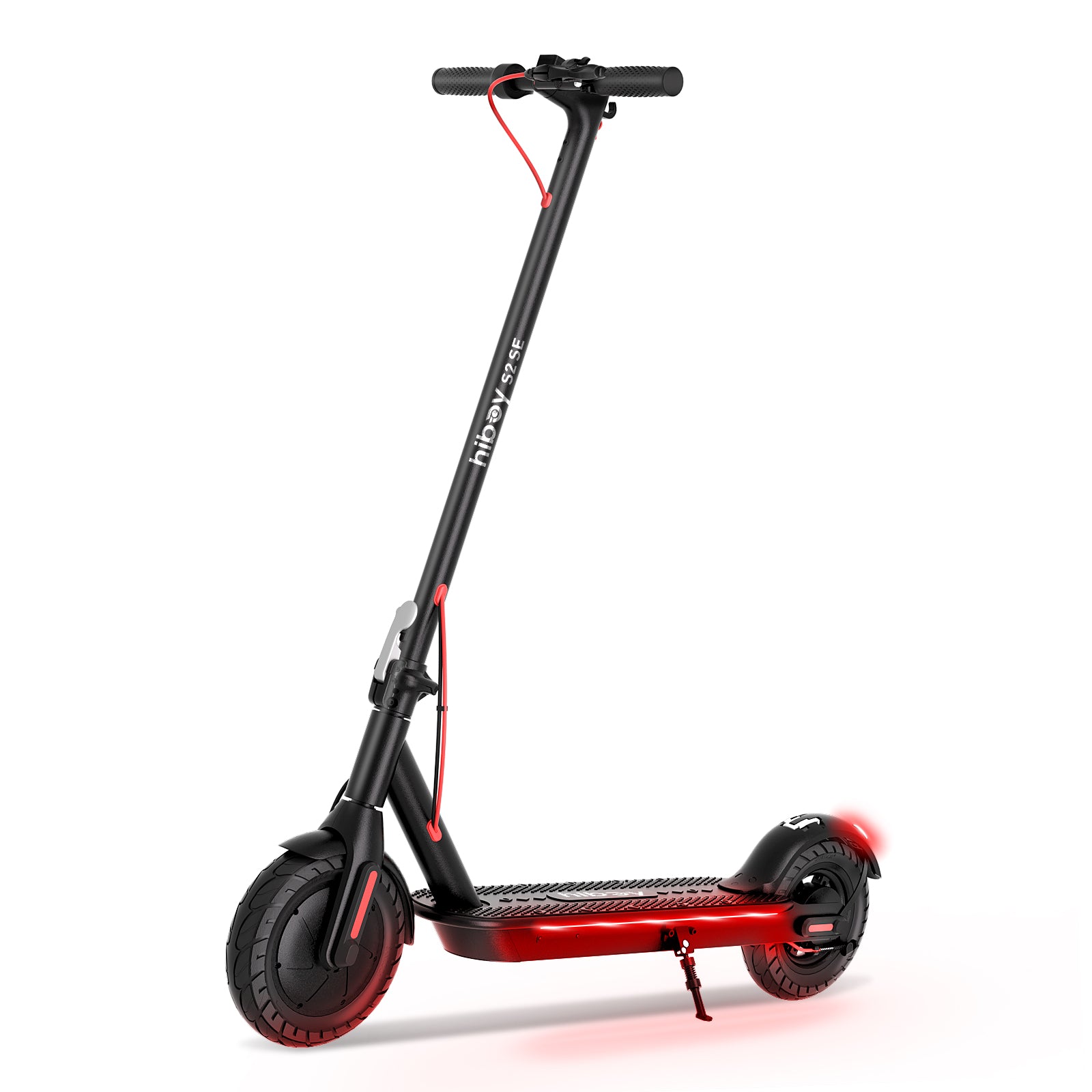 S2 SE
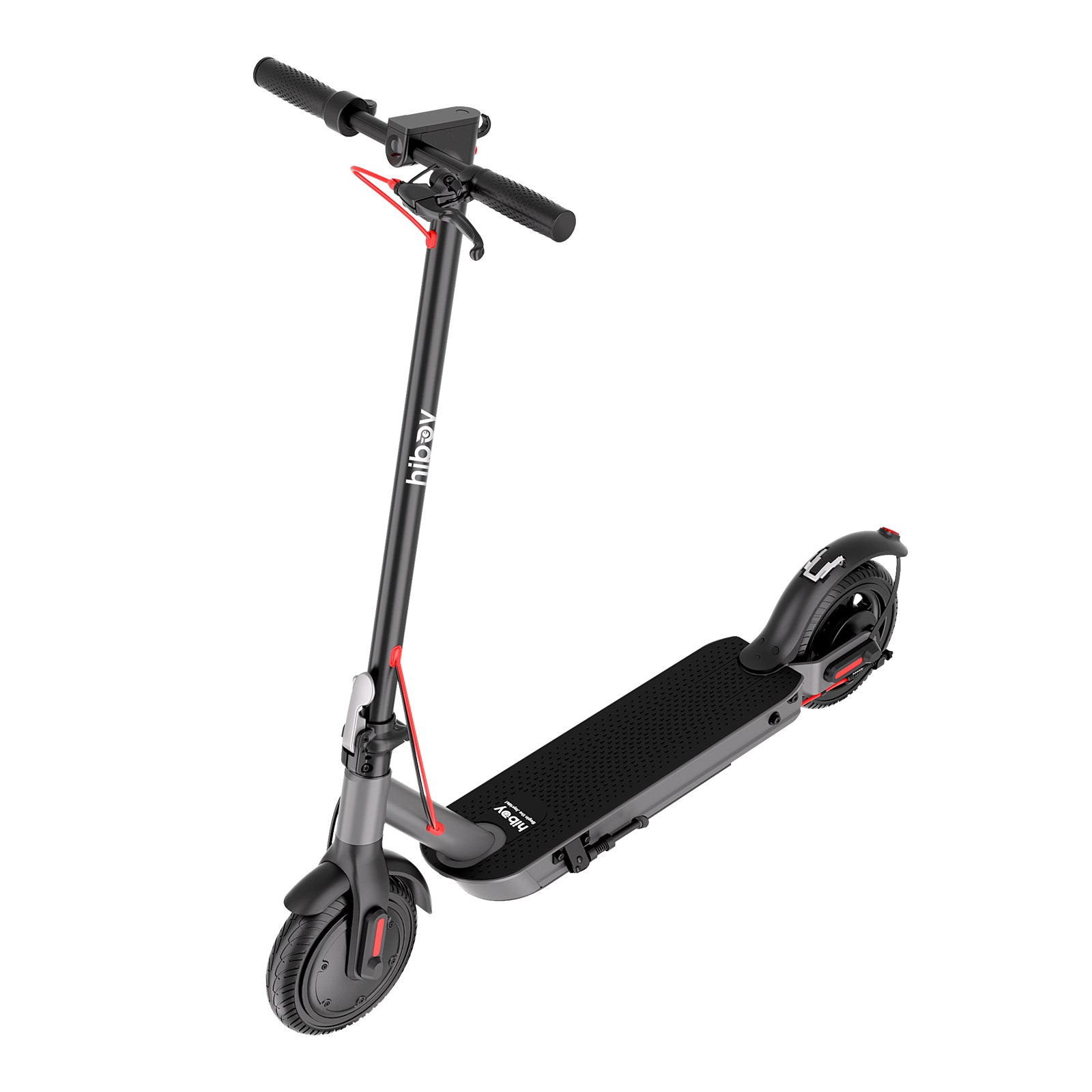 S2 Nova
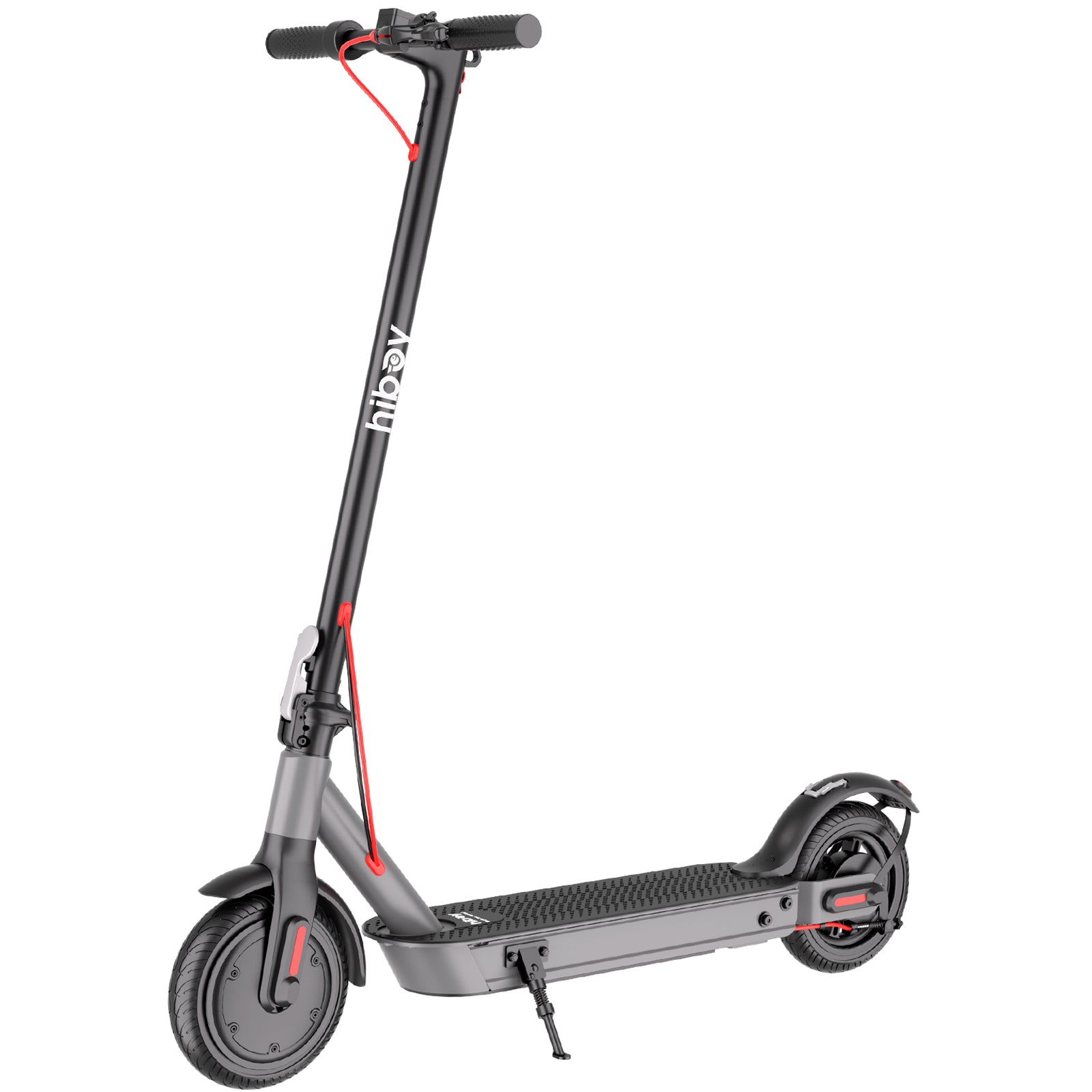 S3
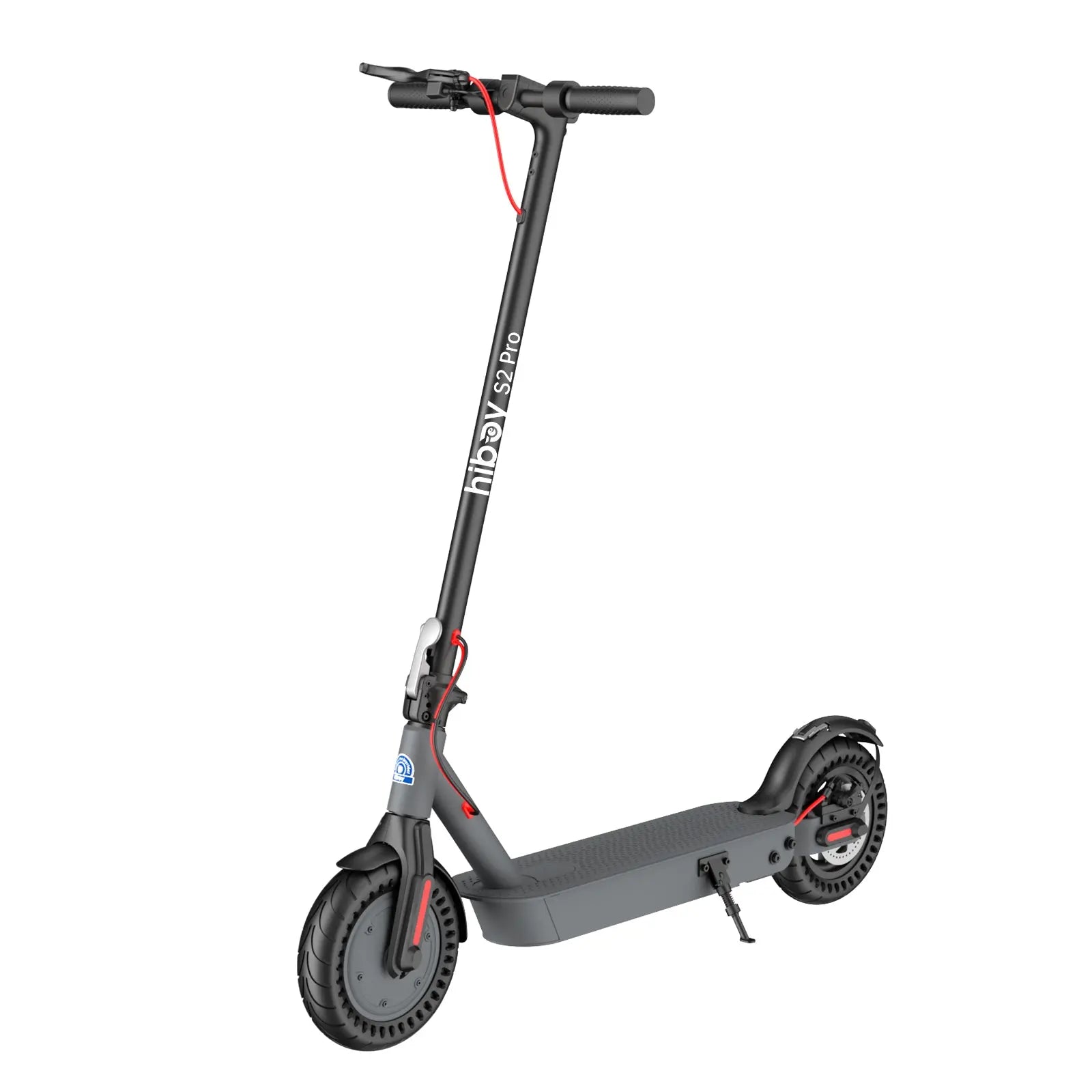 S2 Pro
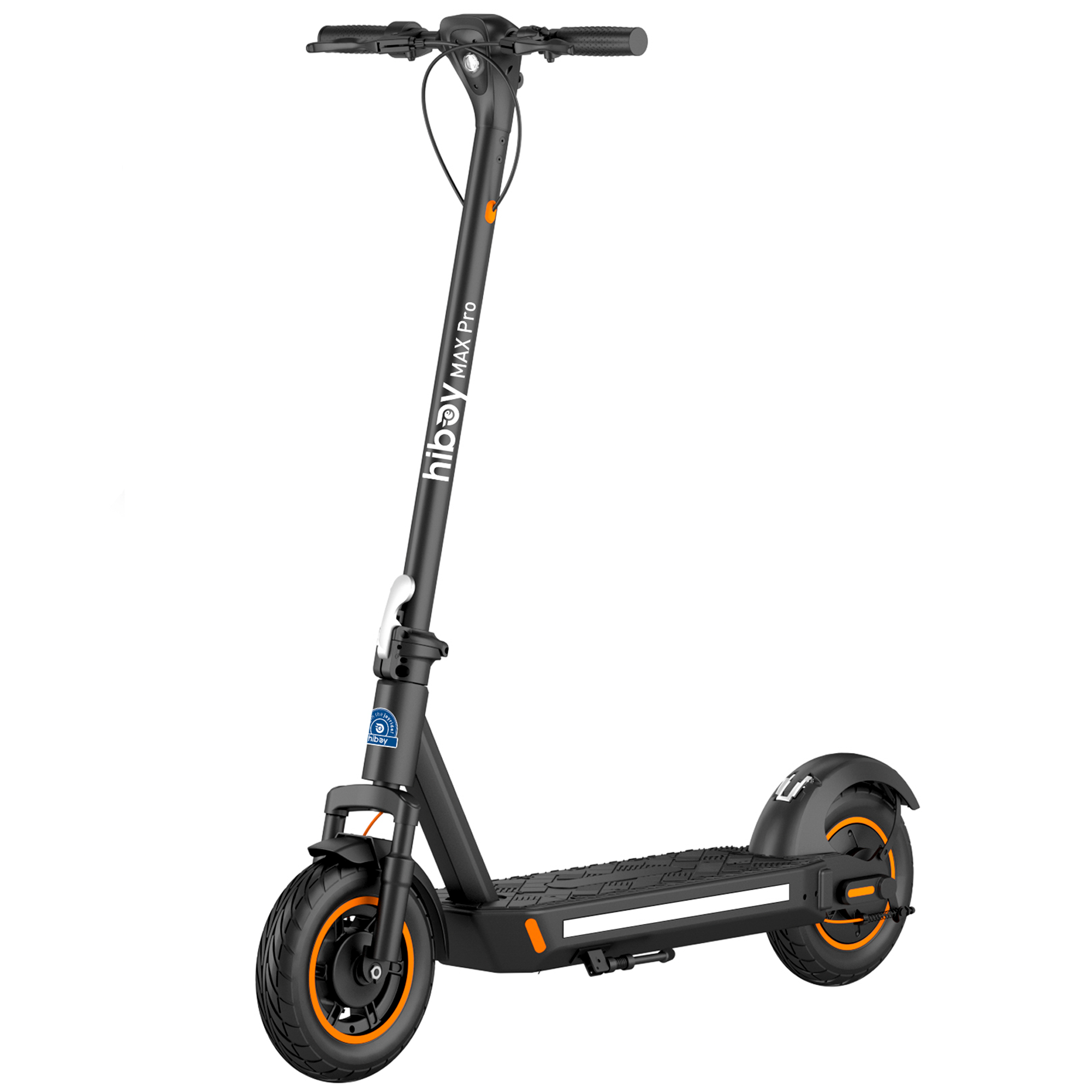 MAX Pro
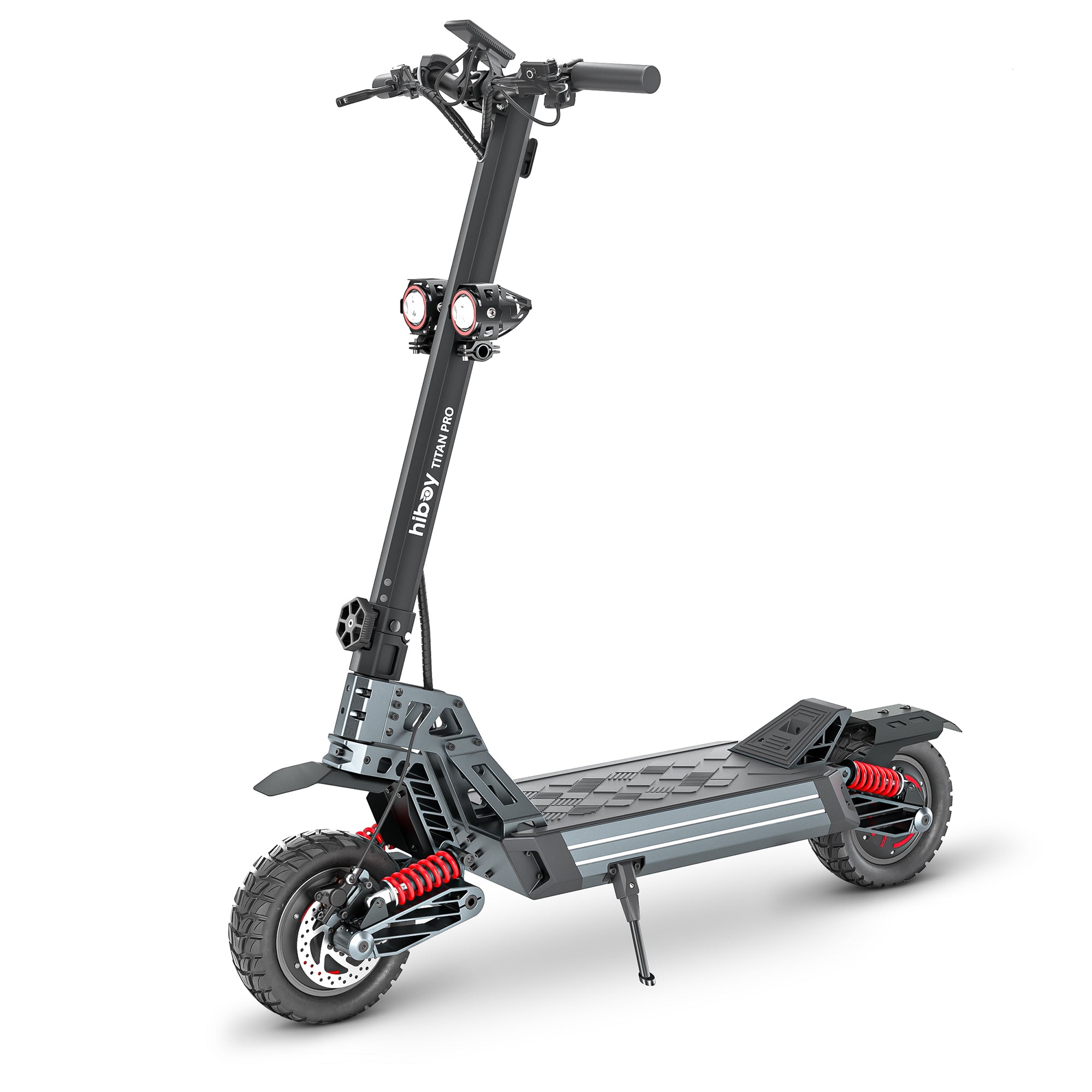 TITAN PRO
 Compare Models
 Find Your Best Ride


 Daily Commute
 Off-road & Trail
 Folding & Compact
 Fat Tire Rides
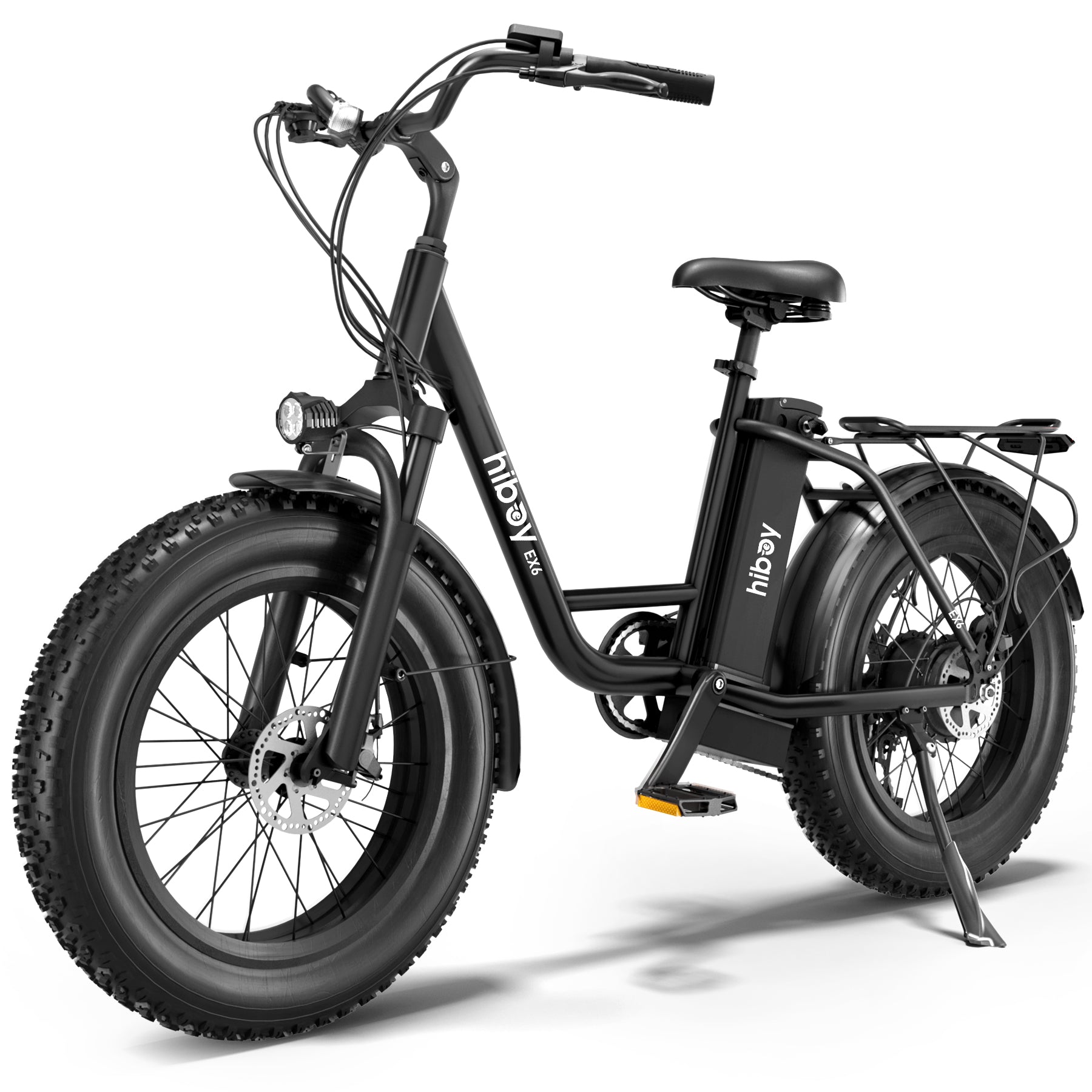 EX6
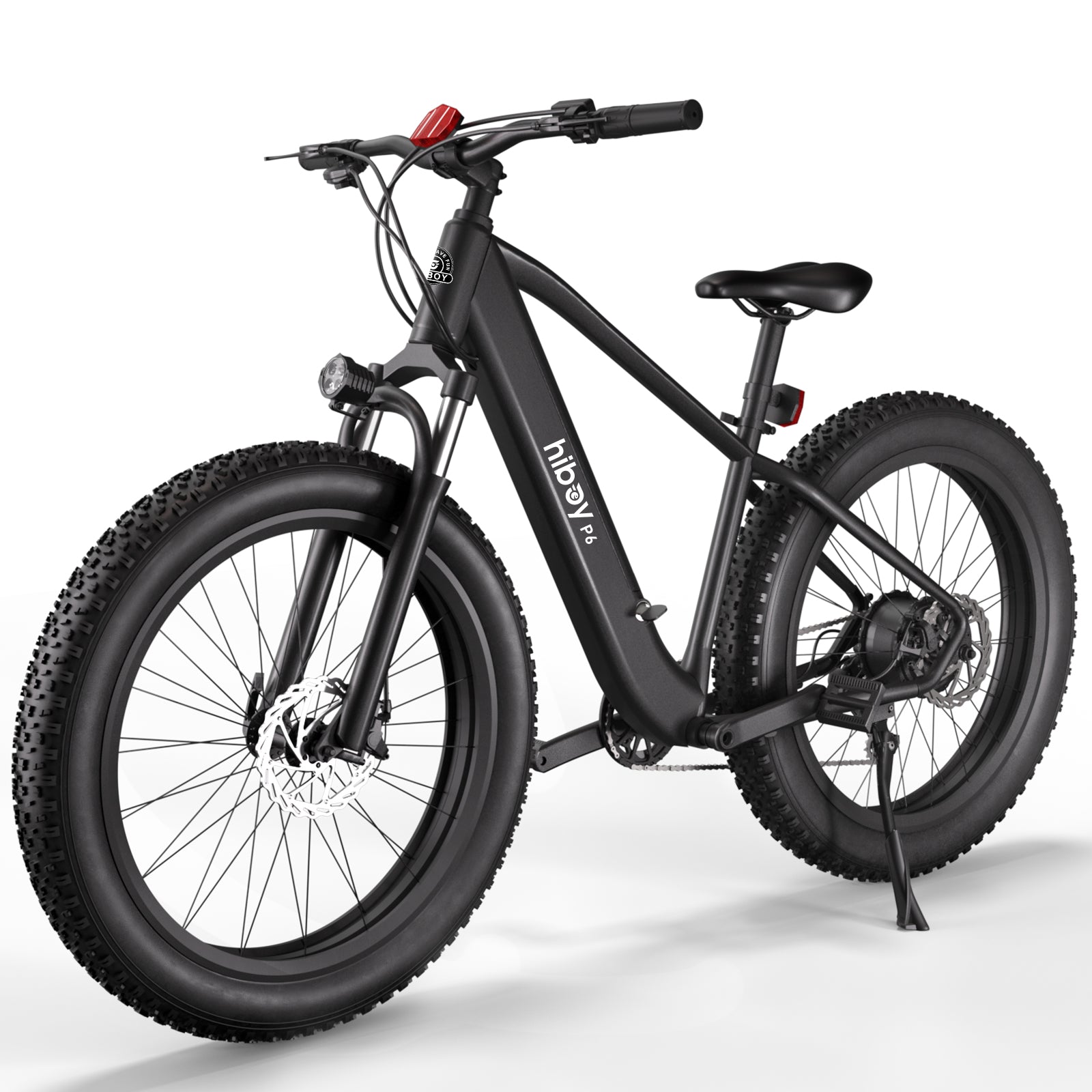 P6
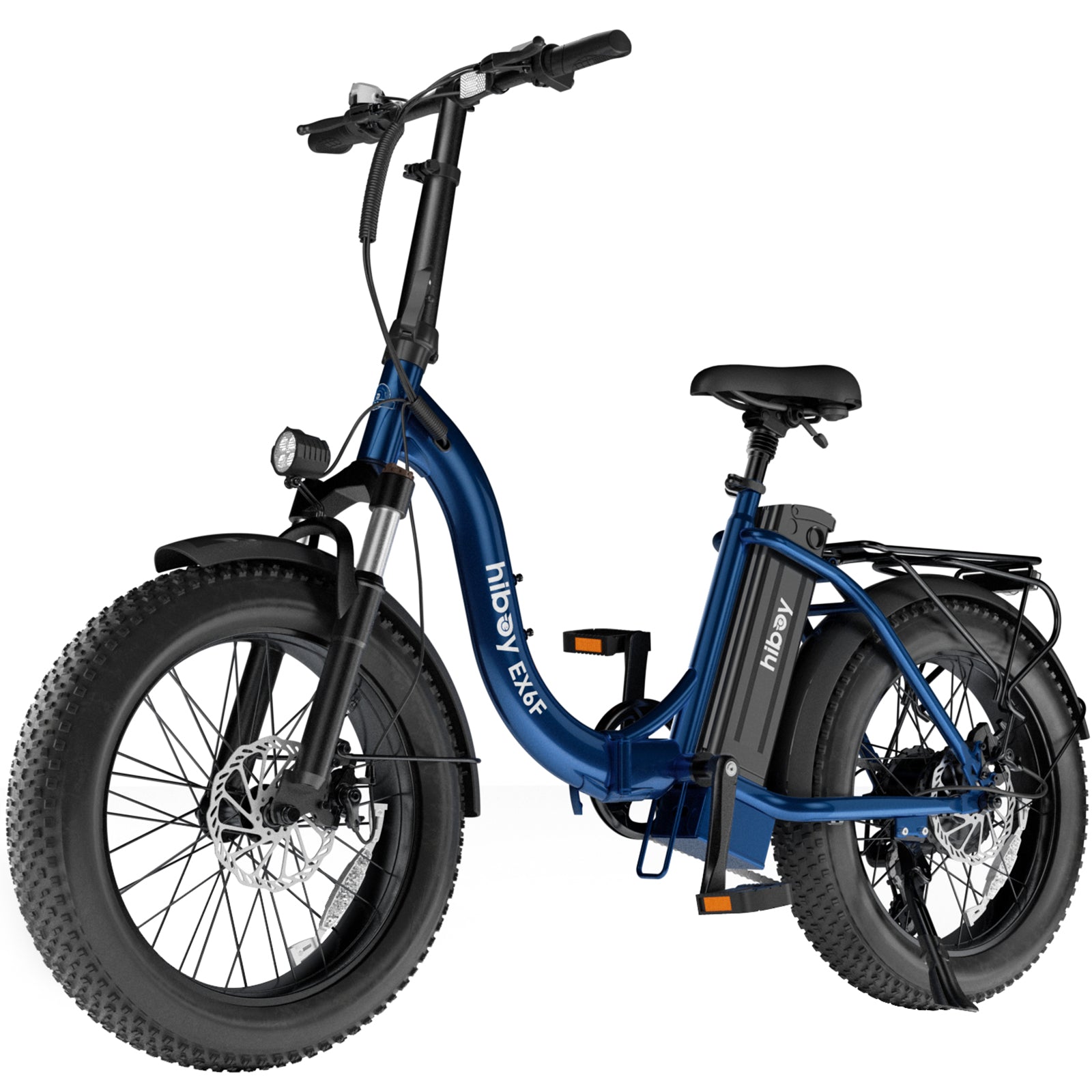 EX6F
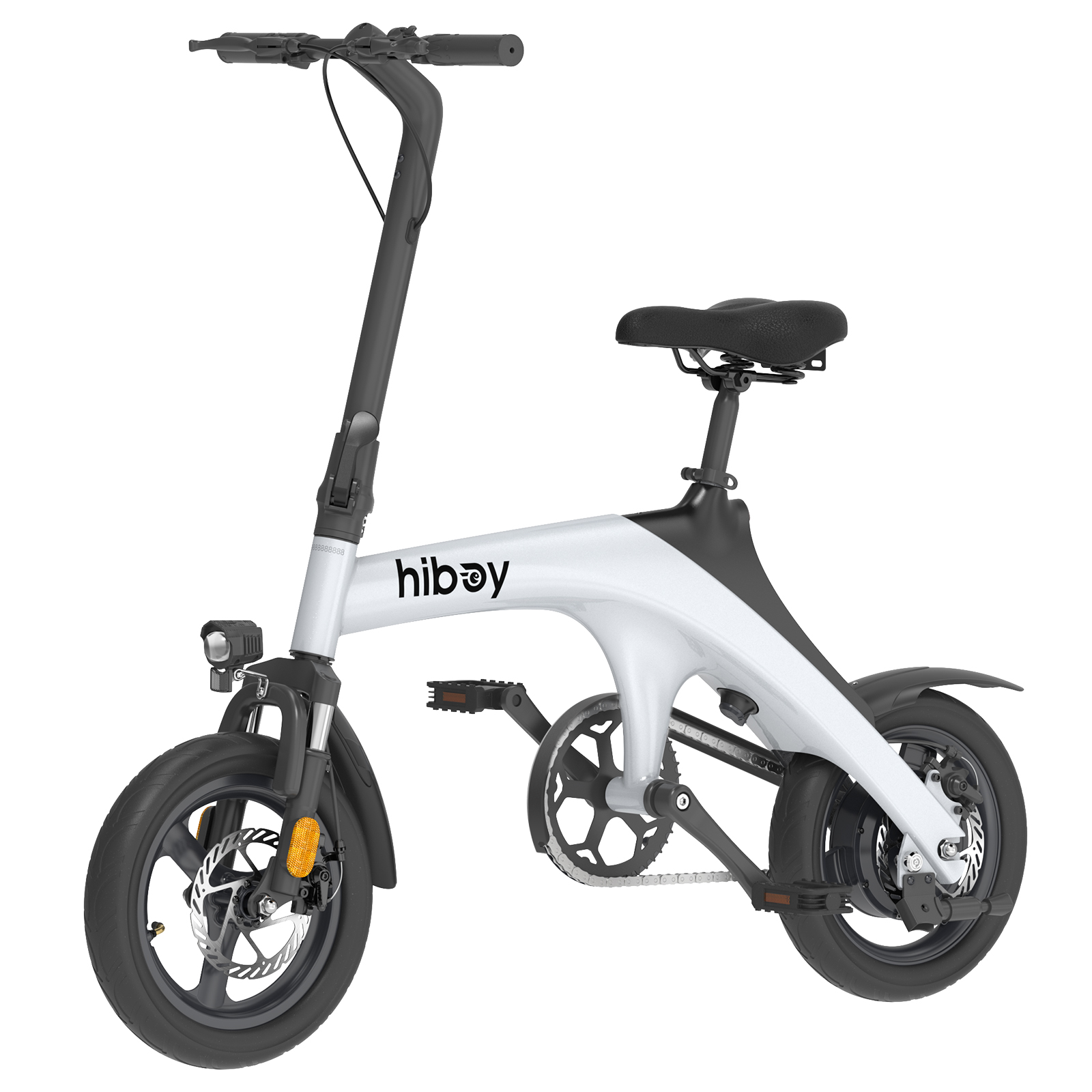 C1
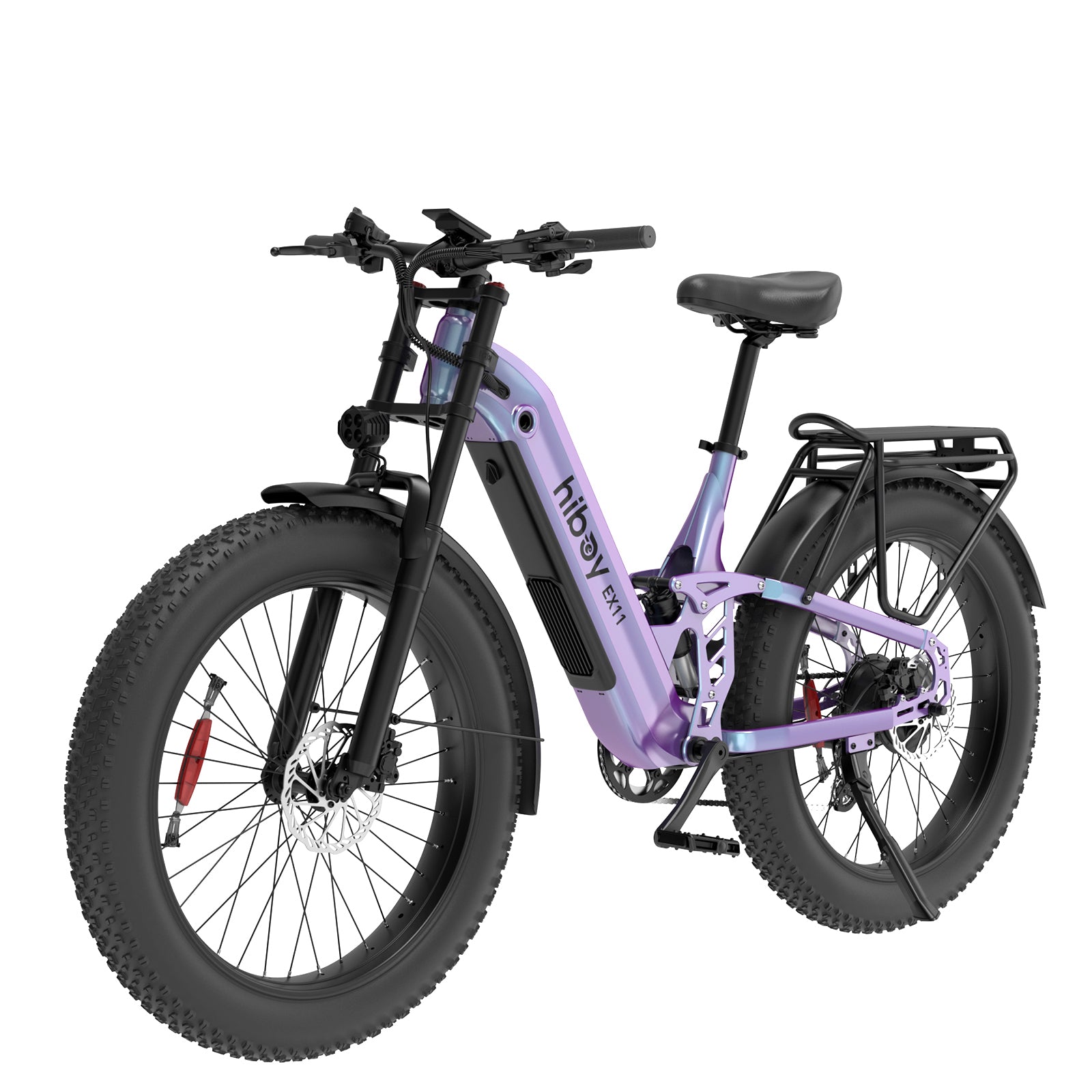 EX11
 EX9
 Compare Models

 First Rides
 Everyday Fun
 S2 Lite
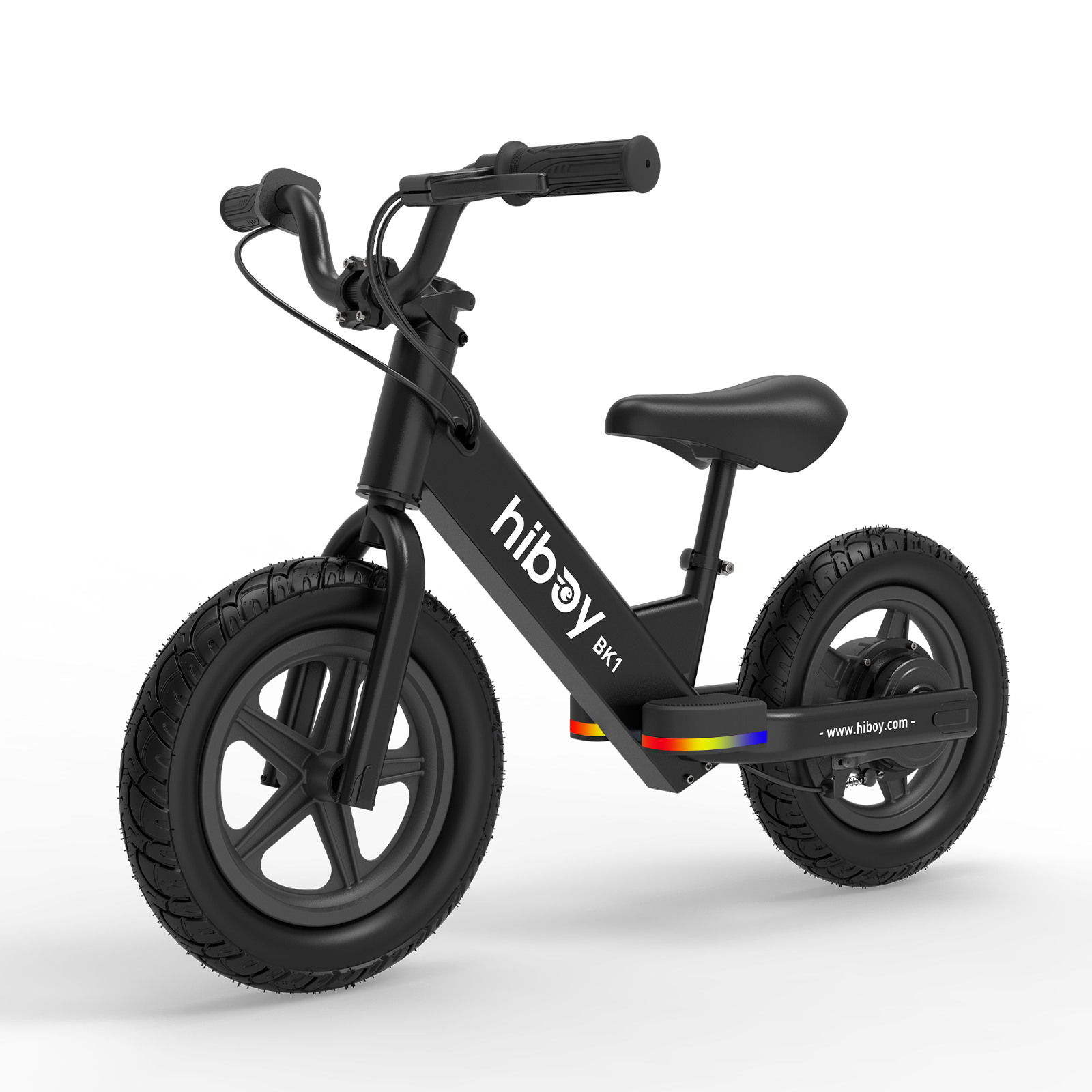 BK1
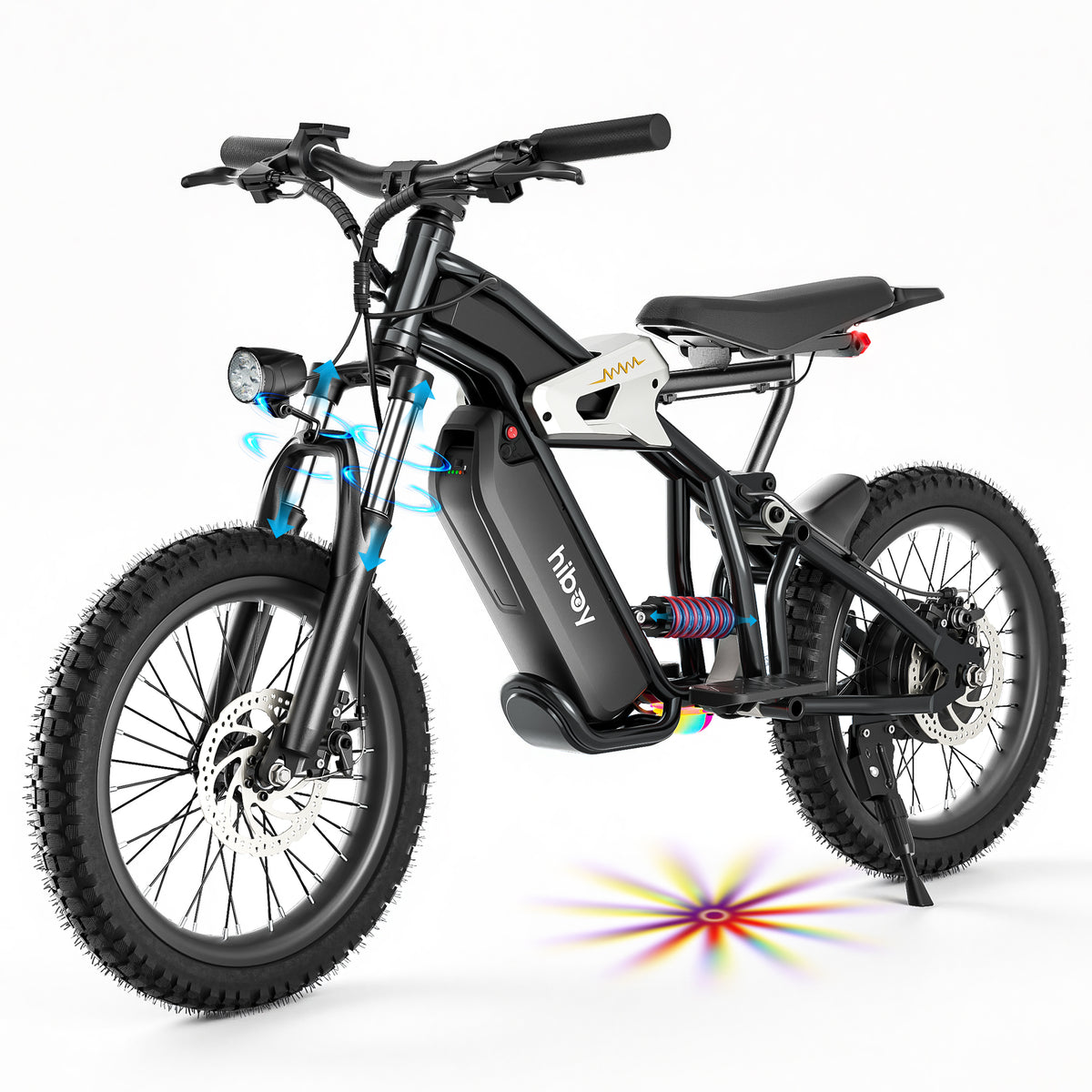 DM14
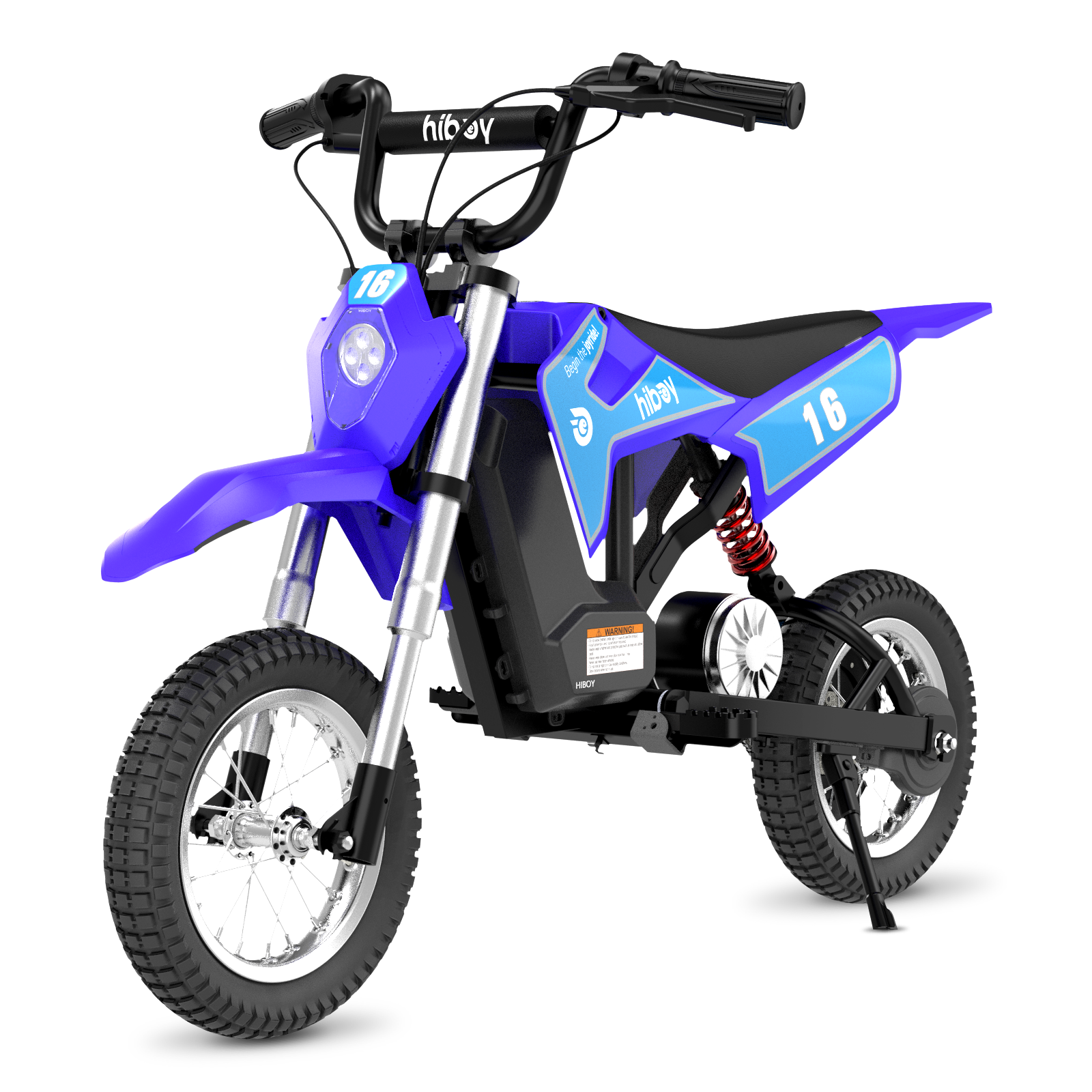 DK1
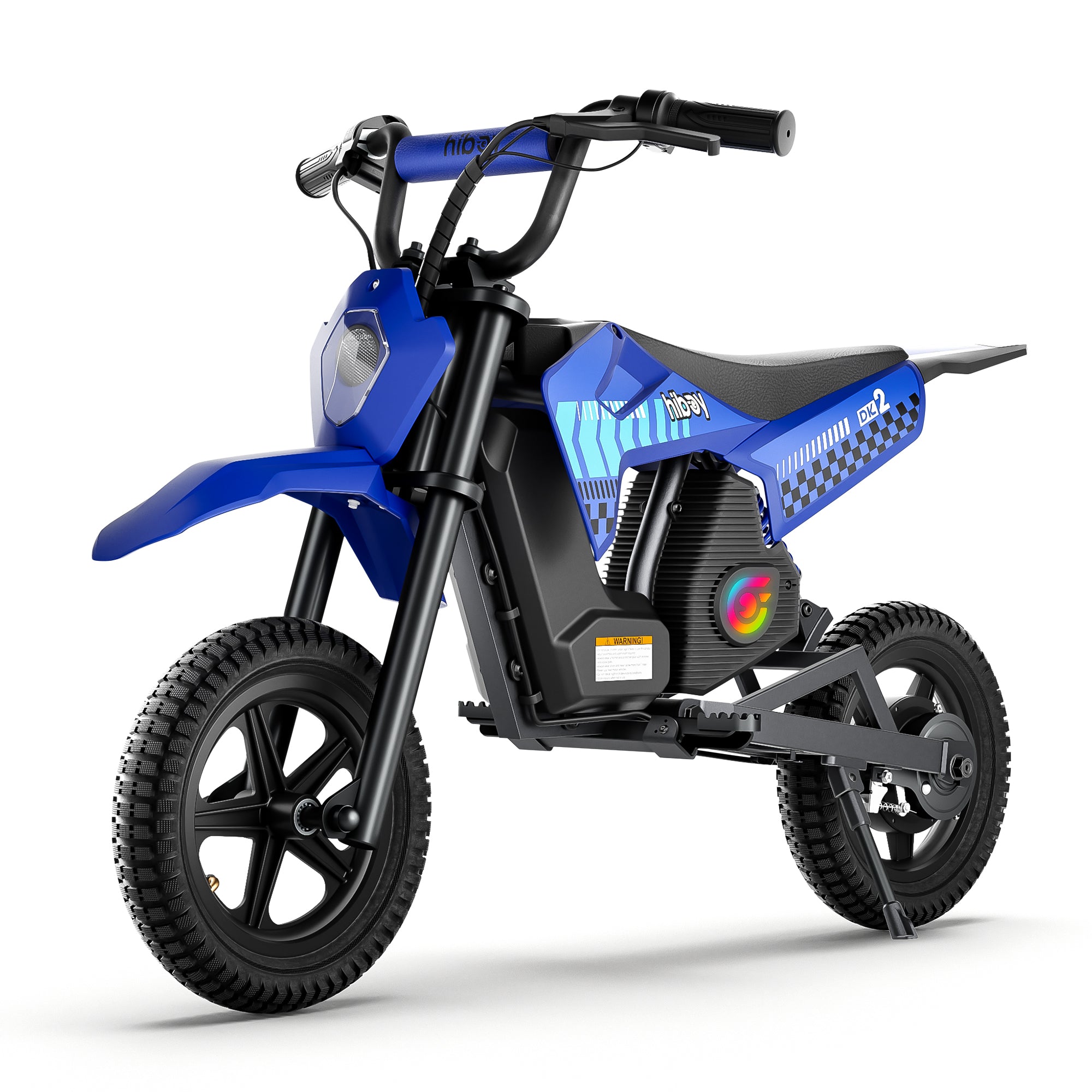 DK2
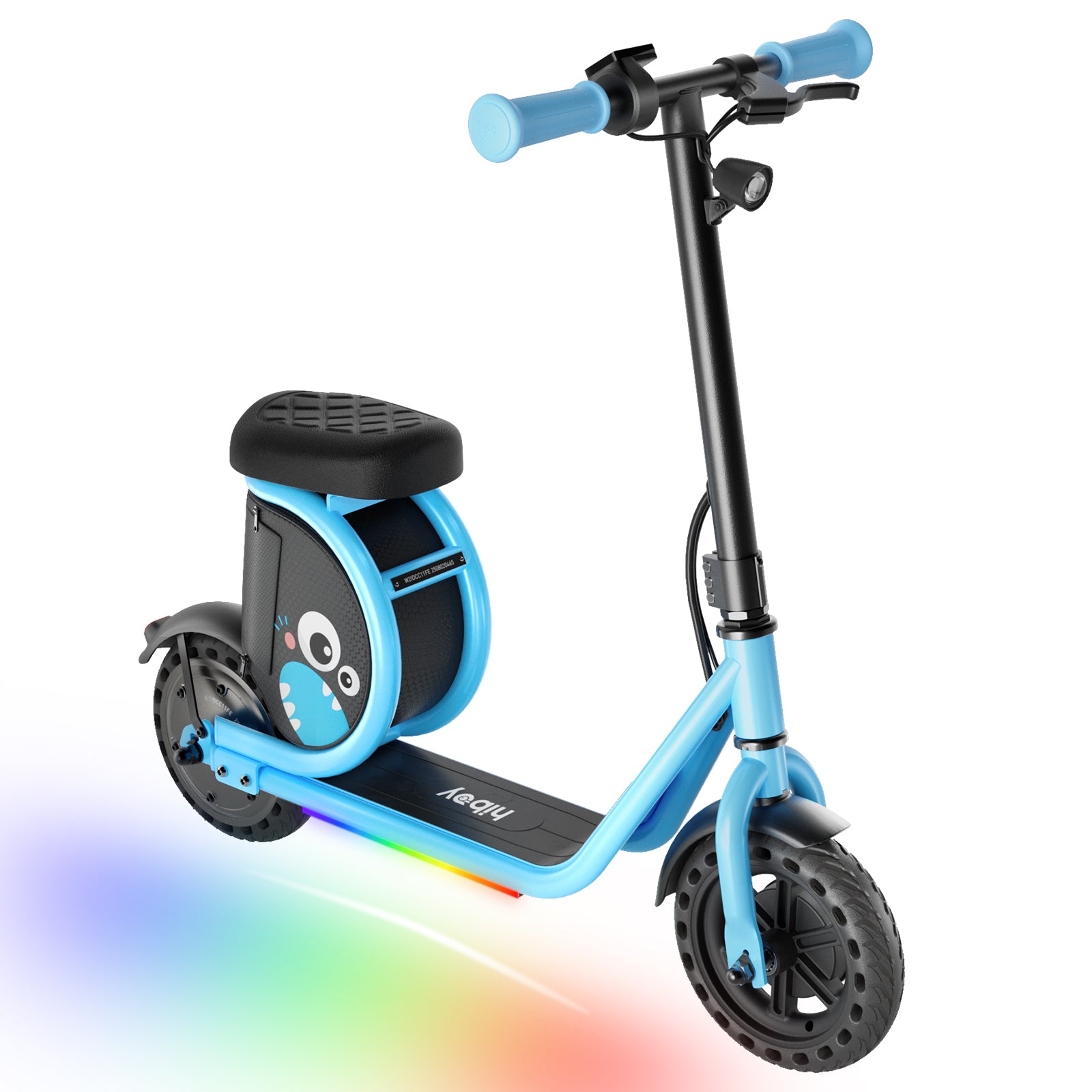 Joy Haul
 Compare Models

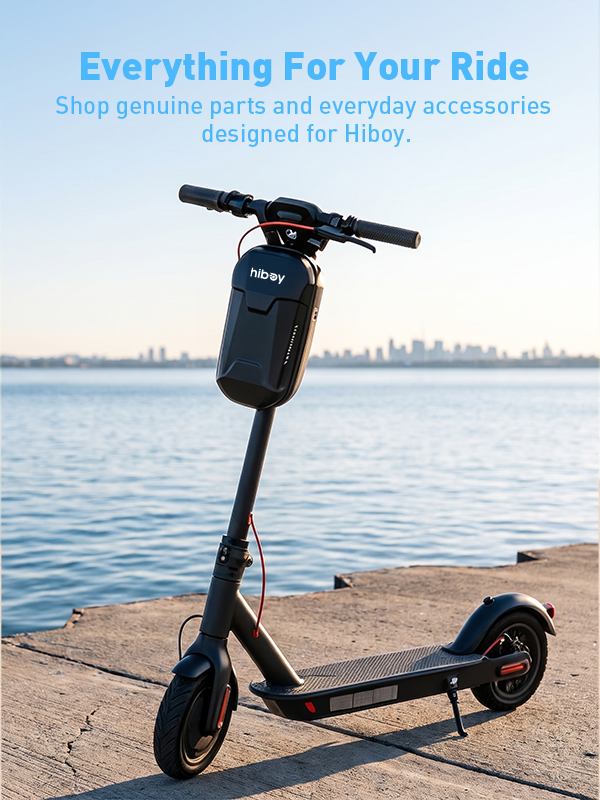
Electric scooters make everyday transportation more convenient, whether you're commuting to work, running errands, or exploring your neighborhood. However, their portability also makes them attractive targets for thieves. Unlike cars or motorcycles, many electric scooters are lightweight enough to be carried away, and some can be stolen in just a few seconds if they aren't properly secured.
So, how do you lock up an electric scooter to reduce the risk of theft?
The good news is that a few simple precautions can make a meaningful difference. Choosing the right lock, securing the scooter to an immovable object, and parking in the right location are all important parts of protecting your investment.
In this guide, we'll walk through how to lock up an electric scooter, which types of locks work best, common mistakes to avoid, and additional ways to keep your scooter safe when you're away from it.
1. Choose the Right Lock for Your Electric Scooter
Before learning how to secure your electric scooter, it's important to understand that not all locks offer the same level of protection. A basic cable lock might be convenient to carry, but it may not provide enough resistance against someone equipped with bolt cutters or other tools.
Here are some common types of electric scooter locks to consider.
U-Locks
U-locks, also called D-locks, are among the most popular options for securing bicycles and electric scooters.
They feature a rigid, U-shaped metal shackle that connects to a locking crossbar. High-quality U-locks are generally resistant to cutting and prying, making them a good choice for everyday use.

Advantages:
- Strong resistance to many common theft tools.
- Compact designs are relatively easy to carry.
- Rigid construction makes them difficult to manipulate.
Disadvantages:
- Limited space inside the shackle can make it difficult to secure certain scooter frames.
- May not fit around thicker scooter decks or structural components.
A U-lock is a good option if your electric scooter has an accessible frame section or rear wheel area that allows you to secure it to a fixed object.
Heavy-Duty Chain Locks
Chain locks consist of interconnected metal links, usually covered with a protective fabric sleeve to prevent scratches.
Their flexibility makes them particularly useful for electric scooters, which often have different frame shapes and fewer convenient locking points than bicycles.
Advantages:
- Flexible enough to wrap around different scooter components.
- Available in different lengths and thicknesses.
- Can secure a scooter to larger fixed objects.
Disadvantages:
- Heavy chains can be inconvenient to carry.
- Thin or low-quality chains may be vulnerable to cutting tools.
If you regularly park your scooter outdoors, a high-quality hardened-steel chain lock can be a practical option.
Folding Locks
Folding locks use several connected metal plates that fold together when not in use. When unfolded, they provide more flexibility than traditional U-locks.

Advantages:
- Fold into a relatively compact shape.
- Easier to carry than some heavy chain locks.
- Offer multiple positioning options when securing a scooter.
Disadvantages:
- Joint mechanisms may introduce additional potential weak points.
- Security varies considerably by model and construction quality.
Folding locks are worth considering if you want a balance between portability and security.
Cable Locks
Cable locks are lightweight, flexible, and easy to carry. They typically consist of a braided steel cable with a combination or key-operated locking mechanism.
However, convenience comes with a trade-off. Many basic cable locks can be cut relatively quickly with common tools.
Advantages:
- Lightweight and inexpensive.
- Flexible enough to secure different scooter components.
- Convenient for short stops in relatively low-risk environments.
Disadvantages:
- Generally offer less theft resistance than quality U-locks or hardened chains.
- Not ideal as the only security measure for an unattended scooter.

A cable lock is best used as a secondary lock to secure accessories or provide an additional layer of protection.
Which Type of Lock Should You Choose?
| Lock Type | Security Potential | Portability | Best Use |
| U-lock | High | Good | Everyday parking |
| Chain lock | High, depending on construction | Fair to poor | Outdoor parking |
| Folding lock | Moderate to high, depending on design | Good | Daily commuting |
| Cable lock | Low | Excellent | Secondary security |
Keep in mind that actual security depends on the lock's materials, construction, locking mechanism, and independent security testing. No lock is completely theft-proof.
2. Find a Secure Place to Lock Your Electric Scooter
Even the strongest lock won't provide much protection if you attach your scooter to something that can easily be removed or broken.
Before locking your scooter, look for a sturdy, immovable object that is specifically intended or permitted for bicycle and scooter parking.
Good options may include:
- Designated bicycle racks.
- Secure scooter parking stands.
- Fixed metal posts in permitted parking areas.
- Other permanently installed fixtures approved for bicycle or scooter parking.
Ideally, choose a location that is visible, well-lit, and regularly monitored by security cameras or passersby.
Avoid parking in isolated areas, dark corners, or locations where someone can work on your scooter without being noticed.
One important reminder: Always check local parking regulations and property rules. Avoid attaching your scooter to fire hydrants, handrails, trees, movable street furniture, or anything that blocks sidewalks, wheelchair access, building entrances, or emergency exits.
3. Lock Your Electric Scooter Through a Secure Structural Point
Knowing where to attach your lock is just as important as choosing the right one.
An electric scooter doesn't always have a conventional bicycle frame, so finding a suitable locking point can be tricky.

Here is how to approach it.
Step 1: Identify a Strong Locking Point
Look for an accessible, structurally strong section of the scooter that is difficult to remove independently.
Depending on your scooter's design, suitable options may include:
- A reinforced frame section.
- A structural opening in the rear frame.
- An accessible section of the rear wheel and frame assembly.
Check your scooter manufacturer's recommendations to make sure the chosen area can safely accommodate a lock.
Avoid locking only through the following components:
- Handlebars: They can often be removed or detached from the steering assembly.
- Fenders: These are generally not designed to withstand theft attempts.
- Removable accessories: Baskets, phone holders, and other attachments offer little protection.
- The stem alone: Folding mechanisms and detachable components can create vulnerabilities.
- A wheel alone: Depending on the scooter's design, a thief may be able to remove the wheel or take the rest of the scooter.
Step 2: Position the Lock Correctly
Once you've identified a suitable locking point, position the lock so that it passes through both a structural part of the scooter and the fixed parking object.
For example, if your scooter's rear frame provides a suitable opening, you may be able to pass a U-lock through that area and a bicycle rack.
If you're using a chain lock, wrap it around an appropriate structural section and the fixed object.
The goal is to prevent someone from simply lifting the scooter away or removing the secured component.
Step 3: Keep the Lock Close to the Scooter
Try to minimize the amount of empty space inside the lock.
A lock with excessive unused space can give thieves more room to insert tools or apply leverage.
Position it as tightly as practical without placing pressure on cables, brake lines, or other vulnerable components.
Also, keep the lock away from the ground when possible. This can make it harder to use the ground as leverage when attempting to break it.
Step 4: Check That the Lock Is Properly Secured
Before walking away, give the scooter a gentle pull to confirm that it cannot be lifted free.
Make sure the locking mechanism is fully engaged and that the scooter is attached to the fixed object rather than simply locked to itself.

4. Use Two Locks for Additional Security
If you frequently leave your electric scooter unattended in public, consider using two different types of locks.
For example, you could combine a U-lock with a heavy-duty chain lock.
Using two locks can increase the time and effort required to steal your scooter. Different locking mechanisms may also require different tools or techniques to defeat.
Here is one possible setup:
- Primary lock: Use a high-quality U-lock or hardened-steel chain to secure the scooter's structural section to a fixed object.
- Secondary lock: Use another independent lock to secure a different suitable part of the scooter.
You can also use a cable lock to secure removable accessories, although it shouldn't replace a stronger primary lock.
Two locks are particularly worth considering if you regularly park in busy public areas, leave your scooter unattended for extended periods, or live in an area with a higher risk of vehicle theft.
5. Remove Accessories and Secure Removable Parts
Not every theft involves taking the entire scooter. Removable components and accessories can also attract unwanted attention.
Before leaving your scooter unattended, take a moment to check what can be removed.
Depending on your model, consider taking the following items with you:
- Removable batteries, if your scooter supports battery removal.
- Phone holders and portable accessories.
- Detachable lights.
- Bags and storage attachments.
- Other easily removable components.
If your scooter has a removable battery, taking it with you can make the vehicle less attractive to thieves and reduce the risk of battery theft.
However, never attempt to remove components that aren't designed to be user-removable. Consult your owner's manual if you're unsure.
It's also a good idea to keep your scooter's accessories organized and avoid leaving valuables attached when parking outdoors.
6. Park Your Electric Scooter in a Visible and Well-Lit Area
Where you park can make a significant difference in your scooter's security.
Even when using a high-quality lock, leaving your scooter in an isolated location for several hours creates unnecessary risks.

Whenever possible, choose a parking location with the following characteristics:
- Good lighting: Well-lit areas make suspicious activity easier to notice, particularly at night.
- High foot traffic: Parking near regularly used entrances or public spaces can discourage opportunistic theft.
- Security cameras: Locations covered by CCTV may offer an additional deterrent and potentially provide useful evidence if theft occurs.
- Designated parking facilities: Secure bicycle rooms, monitored parking areas, and access-controlled storage spaces are generally preferable to leaving your scooter on the street.
If you're commuting to work, ask whether your office has indoor bicycle storage or a designated area for electric scooters.
At home, avoid leaving your scooter in an unlocked communal hallway or outside your building overnight. A locked garage, secure storage room, or indoor space is usually a better option.
7. Consider Additional Electric Scooter Anti-Theft Measures
A physical lock should be your first line of defense, but there are other ways to reduce the risk of theft.
Combining several security measures can make your scooter more difficult to steal and easier to recover if it goes missing.
Use a GPS Tracker
A GPS tracker can help you locate your scooter if it is stolen.
Depending on the device, you may be able to monitor its location through a smartphone app and receive notifications when it moves.
When choosing a tracker, consider:
- Battery life and charging requirements.
- Real-time or periodic location updates.
- Cellular connectivity and subscription costs.
- Compatibility with your smartphone.
- Whether the tracker can be installed discreetly.
A hidden tracker may be more difficult for a thief to find and remove.
However, GPS coverage and tracking accuracy can vary, particularly indoors or in areas with poor signal reception. A tracker is a recovery tool, not a replacement for a physical lock.
Use an Alarm or Motion Sensor
Some electric scooters support built-in anti-theft alarms, while aftermarket devices can provide motion detection and audible alerts.
An alarm may attract attention if someone attempts to move or tamper with your scooter.
If your scooter has an electronic locking function, check the owner's manual to understand how it works and whether it provides any actual theft protection.
Remember that an electronic lock or motor lock does not physically prevent someone from carrying the scooter away.

Record Your Scooter's Serial Number
Keep a record of your scooter's serial number, model, color, and other identifying details.
It's also helpful to take photographs of your scooter from multiple angles.
Store the purchase receipt and warranty information somewhere accessible.
If your scooter is stolen, these details may help you provide accurate information to the police, your insurance provider, or a recovery service.
Consider Scooter Insurance
Depending on where you live and how frequently you use your scooter, theft coverage may be worth considering.
Some homeowners or renters insurance policies may cover certain personal property theft situations, while specialized policies may offer more specific electric scooter protection.
Before purchasing coverage, check the policy's requirements, exclusions, deductibles, and whether theft from public locations is covered.
Some policies may also require the scooter to have been secured with an approved lock.
8. Avoid These Common Electric Scooter Locking Mistakes
Even scooter owners who invest in quality locks sometimes make mistakes that leave their vehicles vulnerable.
Here are a few common ones to avoid.
- Locking only the wheel: A wheel-only lock may allow someone to remove the rest of the scooter or take the unsecured components.
- Using a cheap cable lock as your only protection: Basic cable locks are convenient but generally provide limited resistance against determined thieves.
- Locking the scooter to itself: A lock that connects the scooter's wheel to its frame doesn't prevent someone from carrying the entire vehicle away.
- Securing the scooter to a removable object: Make sure the parking fixture is firmly anchored and cannot be easily lifted, dismantled, or removed.
- Leaving the scooter unattended overnight: Longer periods of unattended parking create more opportunities for theft. Whenever possible, store your scooter indoors overnight.
- Forgetting removable accessories: A locked scooter can still lose its battery, lights, or other detachable components.
- Assuming electronic locking is enough: A digital lock, app-based security feature, or motor lock may prevent unauthorized operation, but it won't necessarily stop someone from physically taking the scooter.
Avoiding these mistakes is just as important as investing in a good lock.

Electric Scooter Locking Checklist
Before leaving your scooter unattended, use this quick checklist to make sure you've covered the basics.
- Choose a high-quality U-lock, chain lock, or folding lock.
- Find a sturdy, permitted, immovable parking fixture.
- Secure the scooter through a suitable structural point.
- Make sure the lock is fully engaged.
- Consider using a second lock for additional protection.
- Remove the battery and other detachable accessories, if applicable.
- Park in a visible, well-lit area.
- Activate any available alarm or electronic security features.
- Avoid leaving the scooter outdoors overnight.
- Keep a record of your scooter's serial number and purchase information.
Developing these habits takes only a little extra time but can help reduce the risk of losing your electric scooter.
Frequently Asked Questions
1. What is the best way to lock up an electric scooter?
The best approach is to use a high-quality U-lock or hardened-steel chain lock to secure a suitable structural section of your scooter to a fixed, immovable object. For additional protection, consider using a second lock, removing detachable accessories, and parking in a well-lit, monitored location.
2. Can you lock an electric scooter to a bike rack?
Yes, if the bike rack is firmly anchored, designated or permitted for scooter parking, and provides a suitable locking point on your scooter. Pass the lock through a structural section of the scooter and the rack rather than securing only the wheel or handlebar.
3. Can someone steal an electric scooter even when it is locked?
Yes. No physical lock is completely theft-proof. Determined thieves may use specialized tools or attempt to remove vulnerable scooter components. However, a quality lock, proper locking technique, and secure parking location can make theft more difficult and time-consuming.
4. Is a cable lock enough to secure an electric scooter?
A basic cable lock is generally not recommended as your only security measure, particularly when leaving your scooter unattended in public. It can be useful for securing accessories or providing secondary protection, but a quality U-lock or hardened chain lock typically offers better resistance to cutting and tampering.
5. How do I lock up an electric scooter without a bike rack?
Look for another sturdy, permanently installed fixture that is legally available for scooter parking, such as an approved metal parking post. Make sure the object cannot be easily removed and that your scooter can be attached through a suitable structural point. If no appropriate fixture is available, consider using secure indoor storage rather than leaving the scooter unsecured.
6. Should I lock my electric scooter if it has an electronic anti-theft system?
Yes. Electronic security features can provide an additional layer of protection, but they shouldn't replace a physical lock. A motor lock or app-based locking function may prevent someone from riding the scooter, but it may not prevent them from carrying it away.
7. Is it safe to leave an electric scooter outside overnight?
It's generally better to avoid leaving an electric scooter outside overnight, even when it's locked. Extended exposure to theft, rain, temperature changes, and other environmental conditions can create additional risks. If possible, store your scooter in a locked garage, secure storage room, or indoor space.
8. Can I use two locks on my electric scooter?
Absolutely. Using two independent locks can increase the time and effort required to steal your scooter. A common combination is a U-lock and a hardened-steel chain lock. Ideally, choose locks with different designs so that defeating one doesn't automatically compromise the other.









Leave a comment
All comments are moderated before being published.
This site is protected by hCaptcha and the hCaptcha Privacy Policy and Terms of Service apply.